Best Time for Everest Base Camp Trek
25 Oct 2023
Knowing the best season for the Everest Base Camp trek is essential for planning a safe and enjoyable adventure.


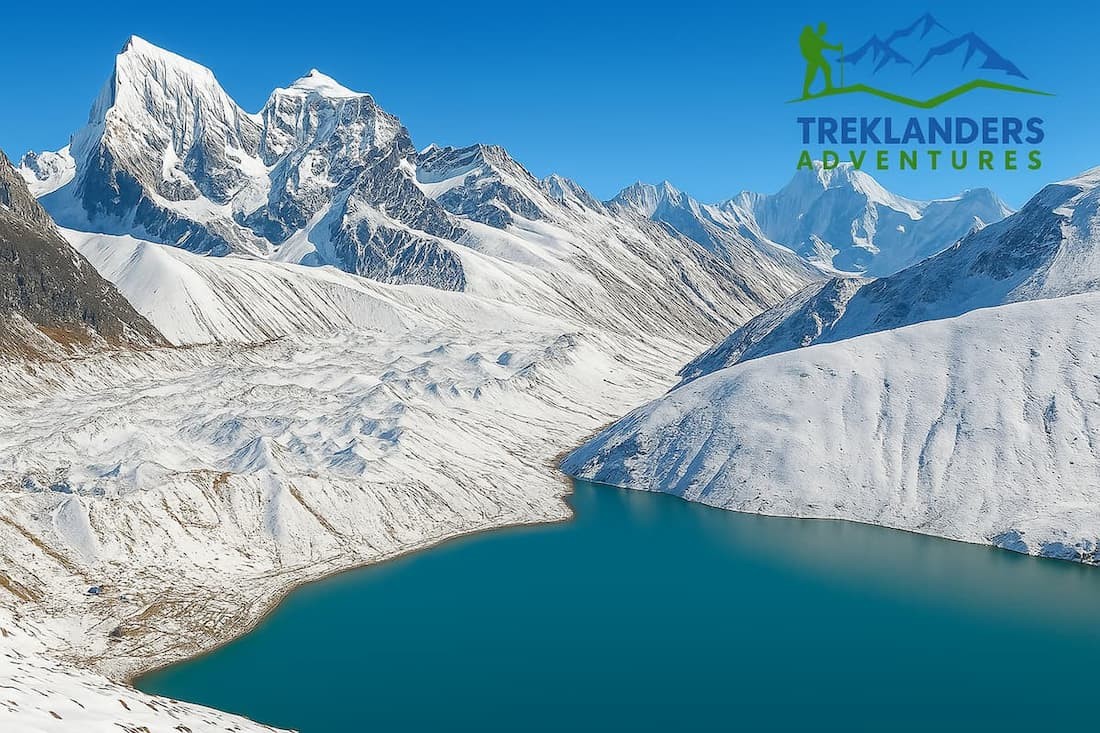
Located right in the middle of the Himalayas of Nepal, the Gokyo Valley Trek is considered one of the most magnificent yet less known of the trekking routes in Nepal, and as such, it offers a very good mix of natural beauty, cultural richness, and adventure. This stunning itinerary leads visitors far into the Everest region, along a trail that is less frequented but just as impressive. While walking through this untouched valley, you will come across six turquoise glacial lakes, old Sherpa villages, a mountain pass, and some of the highest peaks in the world — all of which make up the ultimate Himalayan experience.
Contrary to the crowded Everest Base Camp trail, the Gokyo Valley Trek is perfect for people who want to experience the tranquility of the mountains. The trek slowly reveals itself through dense rhododendron forests, yaks' grasslands, and traditional stone-walled Sherpa villages which provide you with a brief insight into the life that is dominated by faith, resilience, and coexistence with nature. The sound of prayer flags flapping in the fresh mountain air and the far-off jingling of yak bells are the very soothing sounds that you will hear throughout your journey.
What makes the trek truly special is the climb to Gokyo Ri (5,357 meters) that offers one of the most breathtaking views in the Himalayas from where one can see not only Mount Everest, Lhotse, Makalu, Cho Oyu but also the Ngozumpa Glacier, the longest glacier in Nepal. The view at dawn, when the peaks become golden as the rays of the first light touch them, is an experience that stays with the memory forever.
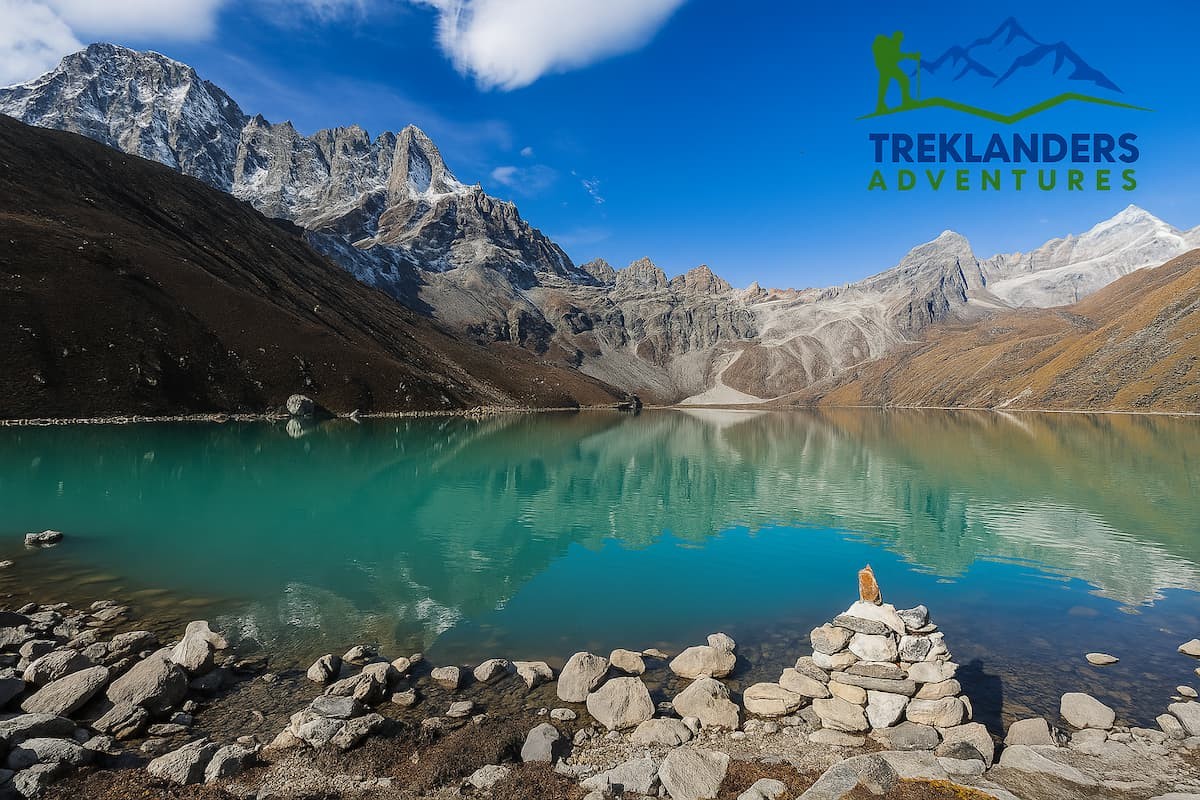
The Gokyo Lakes are essentially the gems of the valley. They are a set of six glacial lakes regarded as holy places by both Hindus and Buddhists and these immaculate turquoise waters mirror the high mountains around them, thus generating a spiritual and otherworldly atmosphere. Each of the lakes is special — the tranquility of the first lake (Longponga Tsho) and the spectacular beauty of the sixth lake (Gyazumba Tsho) that is located at the foot of Cho Oyu.
Moreover, the trek offers a rich cultural immersion to the traveler. The trail runs through the Sherpa villages of Namche Bazaar, Dole, Machhermo, and Gokyo, where trekkers can talk to the locals, go to the Buddhist monasteries, and gain knowledge about the Sherpa culture. You'll see how spirituality is one of the elements that make up the daily life — the turning of prayer wheels and the lighting of butter lamps in monasteries that are situated high up in the mountains.
In terms of fitness, the Gokyo Valley Trek ranges from moderate to difficult, thus it is recommended for those that have good fitness and are determined. The trail gradually gets higher and along with it, there are also some days reserved for acclimatization. The tour can be done during the spring (March–May) and the autumn (September–November) seasons when the weather is good, the air is fresh, and the view of the mountains is stunning.
The route offers accommodation in tea houses which are run by the locals and provide simple yet cosy rooms and meals prepared with love by the hosts. What is more, the spirit of community and the warm reception you get at these mountain inns make your trip more memorable. After long hours of walking, meals such as Dal Bhat, Tibetan bread, Sherpa stew, and hot tea are a treat for both your hunger and your comfort.
Treklanders Adventures, the professional guide, and his team will take care of the logistics so that the trekkers only need to focus on enjoying the trip. The buffs can expect well-planned logistics, skilled guides, and safety-conscious itineraries.
To put it simply, the Gokyo Valley Trek is not just a trek — it is an immersion into nature, culture, and spirituality. It helps you to distance yourself from the hustle and bustle of everyday life and yet, at the same time, deeper connection is made with the silence of the mountains, the friendliness of the local people, and the simple life in the Himalayas. For those that long for solitude, serenity, and breathtaking beauty, the Gokyo Valley Trek is sure to be an experience that goes beyond the notion of an adventure a personal pilgrimage into the heart of the Himalayas.
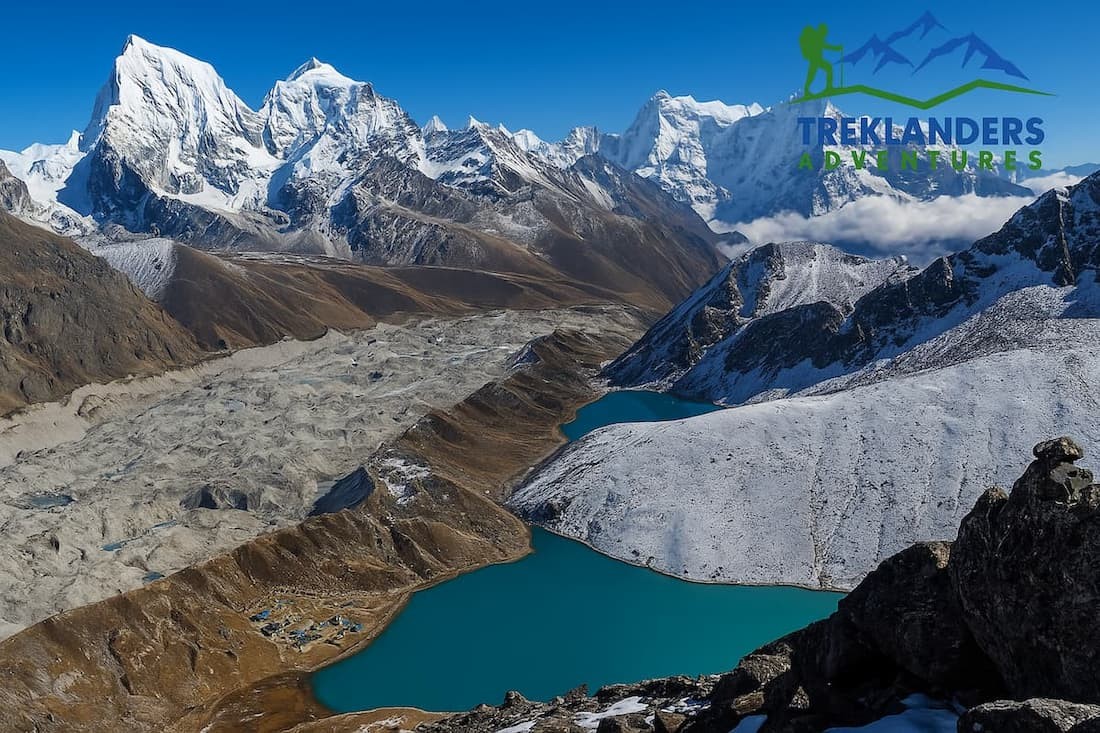
To realize the nature of the Himalayas at their breathtaking best, deciding the best time to visit the Gokyo Valley Trek is of prime importance. Although this trek may be undertaken all around the year, the most perfect periods of time for hiking are spring (March to May) and autumn (September to November). During these times, the trails are lively, the skies are spotless, and the views of Everest, Cho Oyu, and Gokyo Lakes are just amazing.
Colorful Trails & Mild Temperatures:- The Gokyo Valley Trek in the springtime is a very reasonable choice and the output of such a journey is truly phenomenal. The weather is nice, and the valleys are decorated with rhododendrons blossoming, green hills, and bright sunshine. The melting lakes look great in different shades of blue, creating wonderful mirrors of Everest and Cho Oyu.
Best Visibility & Stable Weather:- The time to take a trek in the Gokyo Valley in the fall is the best one, a fact that is also true for the whole Everest region. Once the monsoon season is over, the air gets fresh, cool, and very clear, so this time would be perfect for photography and good trekking days.
Peaceful & Snow-Covered Beauty:- In winter, one can enjoy silence and a small number of people along with fine snowy sights and refreshing mountain air. Still, the mercury may fall below -10°C in the highlands and paths such as those leading to Gokyo RI or Cho La Pass might not be accessible because of snow.
Lush Landscapes but Limited Visibility:- Monsoon is the worst time for Gokyo Valley Trek due to the heavy rains and overcast skies. Dirt on footpaths becomes slippery due to rains and one cannot see the mountain because it is covered with clouds most of the times. Still, the landscapes turn lush and green, and lower Sherpa villages thrive with local life.
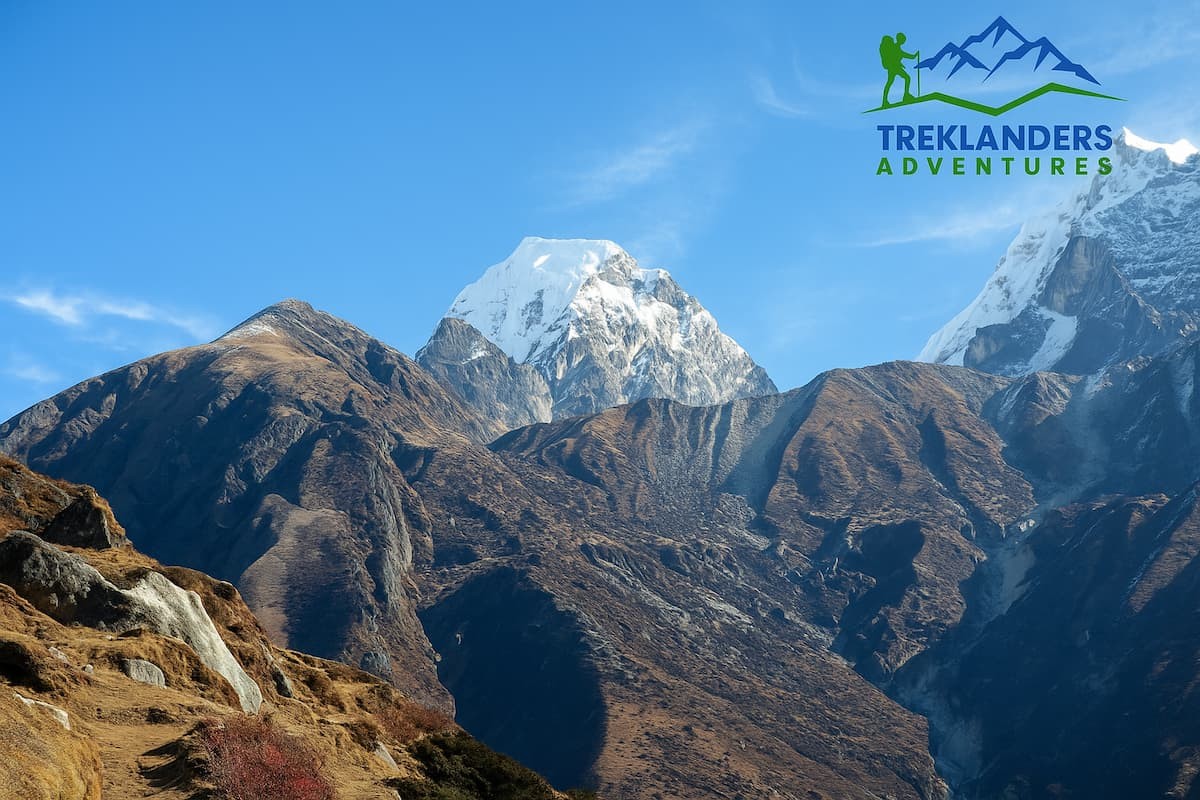
For clear mountain views, stable weather, and a comfortable trekking experience, the best time to trek to Gokyo Valley and Gokyo Ri is during spring (March–May) or autumn (September–November). The two seasons provide the best combination of agreeable temperatures, colorful nature, and wide-ranging Himalayan views which together make up a once-in-a-lifetime type of a journey.
Before the start of the Gokyo Valley Trek, two permits are must for a tourist in the Everest region. The permits are a way to ensure sustainability in tourism and to help the local people.
Note: TIMS Card is not needed for the trek.
Have the permits with you as you will be checked at several checkpoints (Monjo, Namche, and Gokyo).
One can go solo trekking but if one is a trek with Treklanders Adventures, apart from a smooth permit handling that they provide, there is also the factor of safety to consider.
After arrival at the airport, get ready for departure at the international airport in Kathmandu. Our staff and guides are there to welcome you and take you to your hotels in downtown Kathmandu for a short walk. After checking into your rooms, having refreshment, and relaxing, you can meet with other trek members for a group briefing within the hotel. The trekking guide or leader provides the group briefing, which includes all the necessary and essential details for the trek and also some information about Kathmandu and hotels. In the evening, a group welcome dinner will take place at an authentic Nepalese restaurant, an intro to Nepali meals and cultures.
After breakfast, head to the domestic airport early in the morning for a flight to Lukla either from Kathmandu or from Manthali airport at Ramechhap. It takes 25 to 30 minutes by a small plane to land at Lukla’s Tenzing & Hillary Airport. Lukla town is the door to various adventure destinations around the Khumbu and Everest region. After a short day walk of around 3 hours or more from Lukla, you can reach Phakding village for an overnight stay. The walk descends through several lovely Sherpa villages, decorated with Buddhist monuments, and follows a gradual, pleasant trail. After walking along the Dudh Koshi River to a nice village at Phakding, you can check into the best available lodge.
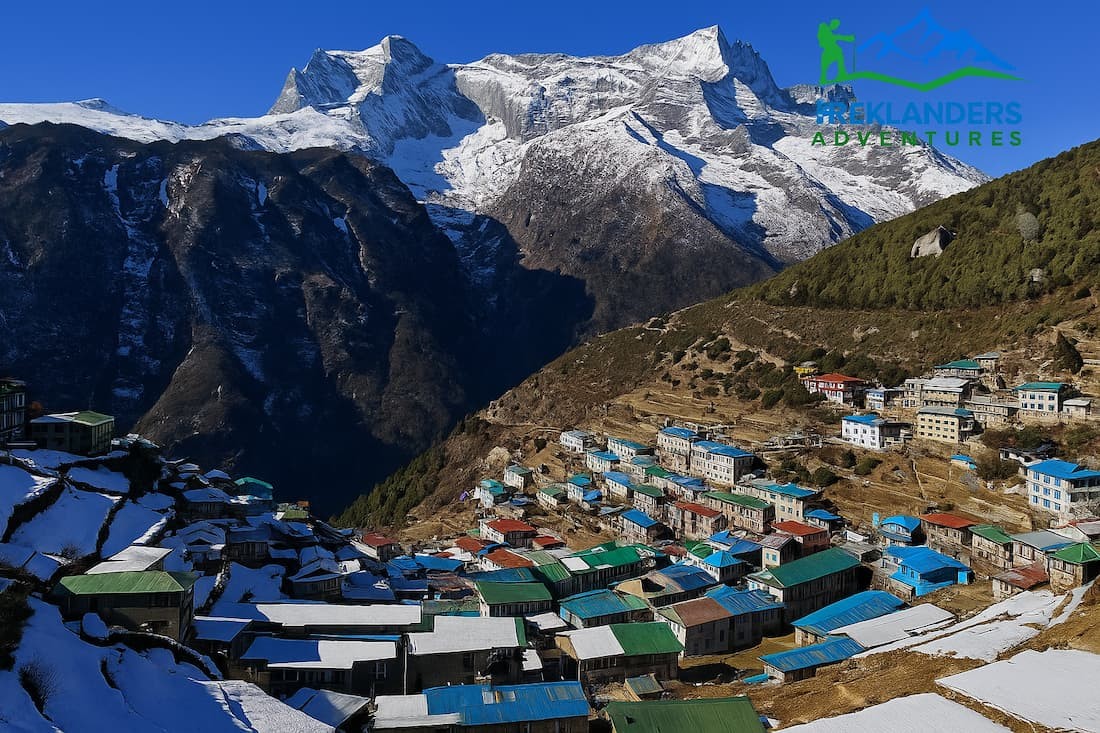
The day from Phakding to Namche Bazaar is filled with a morning walk through higher, smaller villages, past a long bridge. The climb leads to a nice Monjo village and then to the entrance of Sagarmatha National Park. (The name Sagarmatha for Everest in Nepal, the native Sherpa call Chomolungma, of the Tibetan origin language),
After the park, to the last village of Jorsalle before Namche Bazaar, lunch is possible. Next, one can follow the river bed and go up to a high suspension bridge, and then on undulating uphill to walk for a few more hours to reach the famous. Namche Bazaar is the capital of Khumbu Sherpas and a major hub for trekkers. In an amphitheater U-shaped basin, all houses of the town are the size of a city and provide great facilities for visitors. There is also a colorful and busy Saturday market, which takes place once a week and hence the name, Namche Bazaar, where you can find all your daily necessities. In this large settlement of arrival, you can check into a nice lodge for two overnight stays.
Located at a perfect altitude, it is an ideal place for a rest day to support acclimatization before heading to a higher destination. At Namche, enjoy a leisurely morning and take a hike around its scenic viewpoints. Suggested short hike and excursion around Namche Bazaar and beyond:
The short and scenic hike is a short, steep climb to the Park museum above Namche Bazaar, which offers a grand vista of Mt. Everest. Alongside the views of Lhotse and majestic Ama Dablam, with arrays of snow-covered peaks are also featured.
The park museum provides good and interesting information about the Khumbu and its people, cultures, and customs. Besides that, it provides information on rare flora and fauna and the history of mountaineering expeditions to the Khumbu high mountains. The next big hike is to the Everest View Hotel at 3,880 m, which is situated on a high ridge surrounded by the forest, and offers great views of Mt. Everest, Lhotse, Nuptse, and splendid Ama Dablam. A trek of 2-3 hours with an hour or more climb and down, offers a birds-eye view of the whole Namche Bazaar. The rest of the afternoon, relax or take a walk through the fancy streets of Namche Bazaar, filled with shops, stores, and restaurants. It includes cafés, fresh bakeries, pubs, and bars with the majestic backdrop of the Kwangde Peaks.
After enjoying the spectacular views of the Kwangde peaks in the morning and having breakfast, the walk starts on the trail to Gokyo Valley. The first part of the trail is a short but steep climb from Namche Bazaar, and then it continues on the scenic winding trail with views of Everest. Locally, our walking route takes a steep climb through the forest to Mong. After an hour walk, our route diverts from the main trail, heading for a steep climb to Mong's high hilltop. Tea houses and the Monastery that are built on a rock with a view of the mountains can be found here. From here, enjoy a drone view of the peaks, shocked by the fresh white snow of Tharmasarku, Kongde, with magnificent Ama Dablam. Pteser Tenga, a quaint village of wooden houses and small thatched sheds located on the bank of Dudh Koshi, amidst the forest of pine and rhododendron, is a short walk down from here. Lunch can be arranged here, in the afternoon, a gentle climb follows a tree-lined valley to reach Dole overnight stop. The village, typified by a deep gorge, is surrounded by sandstone cliff walls and trees.
Early next day, just to a ridge, a short climb is required from Machhermo; a walk of just a few hours will get you here. The walk goes through the Dudh Koshi River gorge and then up to a lovely valley of Luza, where the trail leads near Machhermo. But before heading down, take a good look at the incredible Mt. Cho-Oyu, the mountain that lies on the border of Nepal and Tibet / China. Taking in the stunning views, a slow descent to a small gorge covered in populus and willow trees. The short climb here leads to Machhermo for lunch and an overnight stop, a nice little settlement with lovely fine lodges. In the afternoon, take it easy and set out on a short walk to the viewpoint looking close to Machhermo Peak towards the North West.
Machhermo, Gokyo valley, our main highlight was reached after just a short morning walk of 3-4 hours. We started by climbing for less than 30 minutes, and then we reached a ridge. From here, the trail went along the ridge above the Dudh Koshi River till we reached a small place at Panga. The journey up continued after Panga. The trek took us to the Gokyo valley first and second lakes. Eventually, the morning trek terminated at the third lake of Gokyo. Probably the biggest third lake is also known as Dudh Pokhari, where a few of the best lodges are situated right on top of the lake. While having lunch and overnight at a beautiful lodge with the best views of Mt. Cho-Oyu, North West of Gokyo valley. The whole afternoon was free to explore the idyllic surroundings of mountains and high hills by taking a walk around the lakes.
After the long continuous walks of 4-5 days, with a break at Namche Bazaar, one is free to enjoy a day at the beautiful location of Gokyo. One of the highlights of the day is definitely the early morning climb to Gokyo-Ri, the highest point. The hardest work is rewarded with a stunning panorama of the world’s four highest peaks.
The east side of the mountain range offers a view of Mt. Everest and Lhotse, with Cho-Oyu being in the northwest. Besides that, Mt. Makalu is also behind Everest. In addition to this broad view of the Gokyo Valley, the lakes with the Ngozumpa glacier can be seen surrounded by high snow-capped peaks. After a great morning, which was both refreshing and cooling, and with magnificent views, one walks back to the lodge at Gokyo. There are no plans for the rest of the day except for leisure and solo activities, which might include a short walk in the Gokyo valley, which is nice and scenic.
The walking today was on another route and also a less-trafficked part of the main flow of the trekkers' trail. The morning starts with leaving the last lakes of Gokyo and reaching an isolated settlement of Nha. Nha is the location of Cho-La pass, and the way is to our destination, Phortse village. The walk is on a beautiful winding path past the summer shades of Yak herders, and reaching our overnight stop, a very small and remote settlements with few houses that serve as a tea-house and lodges.
Starting from this remote location, the high above Dudh Koshi River walk descends for several hours on the winding path to Phortse, a quaint farm village, located above the river of Dudh Koshi amidst lovely forest. On the opposite side of Phortse is Tenga, our previous lunch stop before Dole. Stay comfortable in a small lodge with a homely environment. After lunch, the rest of the day is free for exploring the sleepy village and the view of the high snow-capped peaks from there.
The day starts with a descent to a bridge at Phortse Tenga and then a climb up to Mong Hill. From there, the sunlit view of the snow peaks is to be enjoyed before going downhill to merge with the main trail to Namche Bazaar. At the junction of Gokyo, Khumjung, and the Everest base camp route, the connection is made. Then there is a short walk for a few hours that leads to Namche Bazaar, where we stay overnight after a day of enjoyable walks.
The last day of the journey is the walk that gradually descends, which is very enjoyable and leads to the Dudh Koshi River valley, a nice walk to Jorsalle done while crossing a bridge, and a short, steep climb takes you to the entrance and exit gate of Sagarmatha National Park.
After Monjo village, the path goes on towards Phakding, where we shall stop for lunch. Afternoon, a few hours of good walks with the last hour climb to reach Lukla. There is a good time on hand to chill with fellow members and share the last dinner celebration with the trekking staff after getting there by late afternoon.
Early morning transfer to Lukla’s Tenzing and Hillary airport when the plane comes either from Kathmandu or Ramechhap. From the respective airlines, board a small aircraft for a breathtaking panoramic flight back to Kathmandu. Then get transferred to your hotel, with the afternoon free at leisure. In case the flight lands at Manthali airport in Ramechhap, our staff will transfer you to vehicles. The drive of 4-5 hours will bring you back to the hotel in Kathmandu after a great Gokyo Valley Trek adventure.
Good preparation is the key to a safe and satisfying Gokyo Valley Trek. Although it is a quite demanding path, a prior arrangement makes everything.
About 4–6 weeks prior to your trek, start light training — focus on walking, jogging, cycling, or stair climbing to develop stamina and leg strength.
Wear layered clothing for fluctuating weather, bring good trekking boots, and also gloves, down jacket, water purification tablets, and sunscreen. A good sleeping bag (rated -10°C) is definitely a must-have.
Since the trek goes beyond 5,000 meters, proper acclimatization is a must and one should drink enough water. Do not hurry, take rest days if you feel the need.
Obtain the Sagarmatha National Park as well as Khumbu Pasang Lhamu Municipality permits and have travel insurance that covers trekking at high-altitude.
For professional support, safety, and smoothly-run logistics, go with an experienced team like Treklanders Adventures.
Along the trip, Gokyo Valley Trek delivers an extraordinary combination of natural beauty, a dive into local culture, and a thrilling journey to the heights of the mountain. These are a few of the things you may expect on the way:
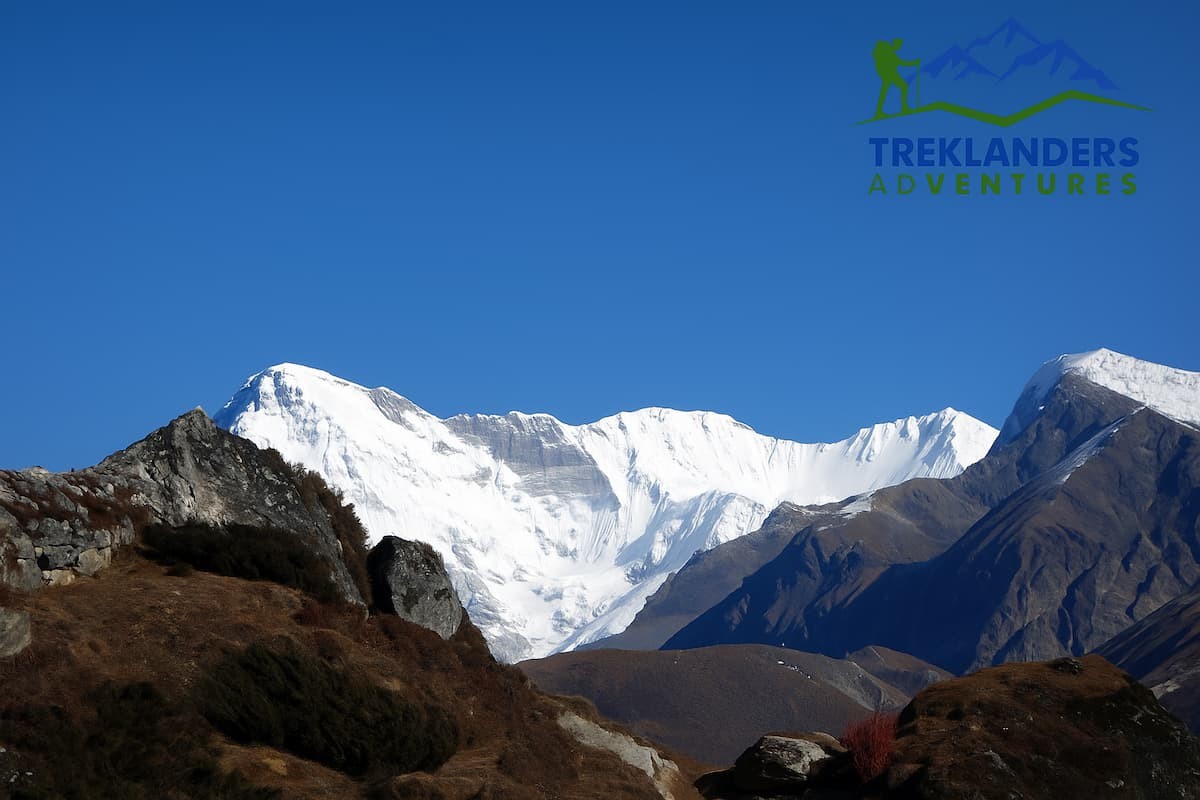
View of Mount Everest, Cho Oyu, Lhotse, and Makalu are absolutely stunning. Besides these the bright blue Gokyo Lakes and the impressive Ngozumpa Glacier, which is the largest in Nepal, must not be missed.
The trek goes through 5–7 hours of forest, rocky trail, and gradual climb daily. It is a very steep climb to Gokyo Ri (5,357 m), but the spectacular Himalayan panoramic view you get there is absolutely worth it.
One can find the Sherpas being famous for their hospitality in Namche Bazaar, Dole, Machhermo, and Gokyo villages. You can visit ancient monasteries, prayer wheels, and mani walls, and be a witness to the people's firm spiritual bond with the mountains.
Sleep in quaint, family-run tea houses offering basic lodgings, warm comforters, and nutritious meals like Dal Bhat, noodles, momo, and Tibetan bread. There is a gradual deterioration of facilities as you move up the mountain, but the authenticity and warmth of the experience remain intact.
Weather is indeterminable at times and the altitude being above 4,000 meters makes it even more challenging. Daytime is bright and sunny, whereas nighttime is chilly. Proper acclimatization is unavoidable if one is to be safe from altitude sickness.
While we compare Gokyo Valley to Everest Base Camp, we can say it is less crowded and quite serene. That is why it is perfect for those trekkers who like solitude and want to experience untouched nature.
Getting up early comes easy when you have a sunrise at Gokyo Ri to look forward to, the turquoise lakes reflecting the morning sun, and the beaming faces of the local villagers are only some of the experiences that will be etched in your memory long after the trek has come to an end.
Where to stay on the Gokyo Valley trek mainly includes local teahouses and small hotels found along the way, which offer you a very modest but comfortable stay in the most idyllic surroundings of the Himalayas. These are what you can anticipate to be:
In villages like Phakding, Namche Bazaar, Dole, Machhermo, and Gokyo, you can find family-operated teahouses that provide twin-sharing rooms with wooden beds, blankets, and pillows. Toilets may be shared and can sometimes be located outside, especially in higher areas.
Every teahouse possesses a communal dining room presently fitted with a centrally located warm stove. Meals of Dal Bhat, fried rice, and noodles, among others, are served as well as tea and coffee. All meal preparations are from freshly cooked ingredients and very filling - just right for long hiking days.
The Gokyo Valley Trek goes from moderate to challenging levels of difficulty. Trekkers should be in good physical condition and able to walk from five to seven hours per day on uneven ground. The hike to Gokyo RI (5,357 m) is a steep one, but the stunning view of the Himalayas makes it worth the effort.
Firstly, you are going to need the two following permits:
The best time to come to Gokyo is either spring (March–May) or autumn (September–November). The days are generally sunny, temperatures are comfortable, and weather is stable, giving great views of Everest and the turquoise Gokyo Lakes.
You will be welcomed at local teahouses run by the Sherpa families, where you can get a clean twin-sharing room and traditional meals like Dal Bhat, momo, noodles, soup, and pancakes. At higher elevations, the lodgings and facilities are less, but the warmth in the hosts’ hearts is always there.
Indeed, altitude sickness is even possible above three thousand meters. To lessen the danger, acclimatize properly, keep drinking water, do not take alcohol, and ascend slowly. Treklanders Adventures takes care of proper altitude gains when planning its itinerary, and also experienced guides are with you for support.
While solo trekking is allowed, it’s highly recommended to trek with a licensed guide or agency for safety, navigation, and cultural insights. Treklanders Adventures provides professional, English-speaking guides who handle logistics and ensure your comfort.
Essential items include trekking boots, layered clothing, warm jacket, gloves, hat, sunscreen, sunglasses, water purification tablets, and a -10°C sleeping bag. Packing light but smart is key to a comfortable journey.
The Gokyo Valley Trek typically lasts 10–12 days, depending on acclimatization days and your starting point. It can be combined with the Everest Base Camp Trek via Cho La Pass for an extended adventure.
Yes, Wi-Fi and charging services are available in most teahouses for a small fee. The connection may be weak at higher altitudes, so bring a power bank or solar charger as backup.
With years of experience in the Himalayas, Treklanders Adventures ensures a safe, organized, and memorable trekking experience from permits and logistics to expert guides, clean lodges, and personalized care throughout your journey.
Knowing the best season for the Everest Base Camp trek is essential for planning a safe and enjoyable adventure.
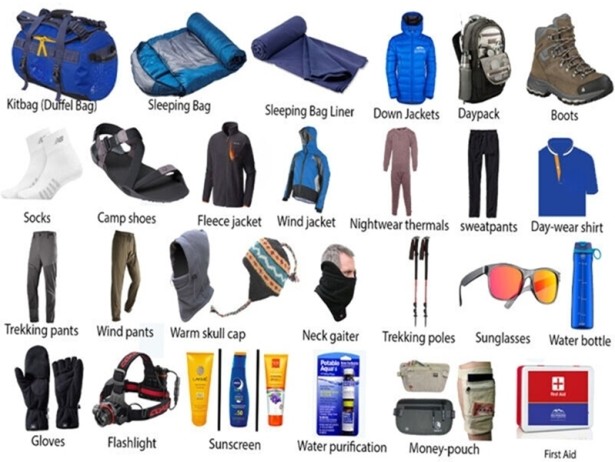
A quick guide to the must-have gear and clothing you need to pack for a successful and comfortable Everest Base Camp Trek.
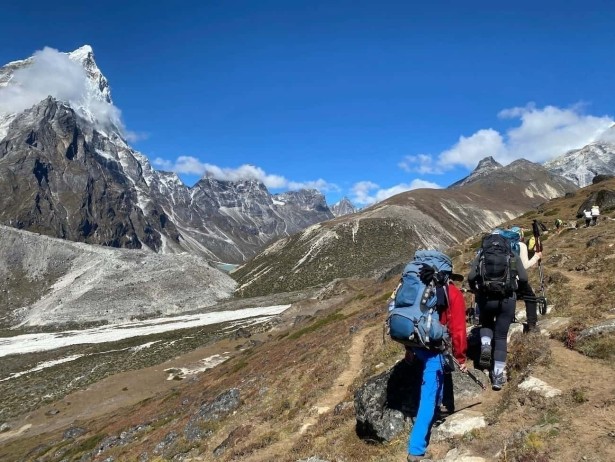
A concise guide to the Everest Base Camp route, covering key details on preparation, difficulty, weather, and essential tips.



