Mohare Danda Trekking is a short moderate adventure and exciting as this trekking trail is the least ventured and explored. By the mass flow of trekkers that one can experience on popular routes of Ghorepani and Poon Hill. Which is located at a mere distance from the scenic high hill of Mohare Danda, but with a big difference. The beauty and charm of Mohare Danda Trekking are walking on raw and fresh new routes.
Where trail leads into pristine surroundings of a lovely forest of rhododendron, oaks, pine, and fir tree lines.
The trek is full of enjoyment, being on your own and away from other visitors. As the Mohare Danda trek is least unknown to the rest of the trekkers, only a few foreign adventurers seldom visit. A perfect and short scenic adventure, for people in search of a quiet, peaceful, and tranquil environment. Mohare Danda is the right choice for those travelers interested in exploring new fresh areas of the Himalayas.
Although Mohare Danda Trekking is newly introduced in the last few decades, where facilities are simple and basic for visitors. But this new trekking destination is also slowly gaining popularity, due to its serene hidden trails. As well as picturesque views with a magnificent panorama of the world’s three highest mountain ranges, namely Annapurna, Dhaulagiri, and Manaslu Himalayas.
Certainly one of the most beautiful adventures in less than a week time frame, where trekkers can enjoy the amazing scenery. Along with the warm hospitality of local villagers on route to scenic Mohare Dana. Overlooking glorious mountain views and dramatic landscapes in the backdrop of the immense cultures of Mohare Danda village communities.
Mohare Danda Trek begins in the picturesque city of Pokhara, Nepal’s leading tourist destination for all types of adventure activities.
The journey heads due west with a scenic interesting drive to Baglung and Beni town, headquarters of Mygdi district. On leaving the main town drives heads towards a Galeshwor village, where our adventure starts. The trail follows up the hills past farm villages and nicely tended terraces to enter the cool shade of the lovely forest. Walking through a few nice settlements of Bhaise Kharka and Nangi, then reaching our main highlights on top of Mohare Danda. The highest point of the adventure with mind-blowing scenery and a grand vista of the Himalayan Mountain range.
After a wonderful experience on Mohare Danda and its beautiful surroundings, the return journey is on an alternative route. Reaching the eastern sides of Mohare Danda, as walk heads downhill to the foothills of the Annapurna Himalayas. Then taking a short exciting drive back to Pokhara, after completing a marvelous short adventure to Mohare Danda Trekking.
Trip Summary:
Mode of Trek: Best available lodge / guest house on treks.
Trekking Grade: Moderate with some steep Ups and Downhill walks.
Trekking Region: Around Annapurna Himalayan range of Kaski district.
Start and End of trek: From Pokhara to Pokhara with drives both ways.
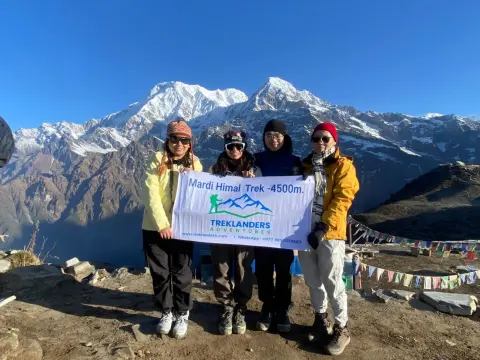
Highest elevation: On top Mohare Danda Hill at 3,300 m / 10, 827 feet.
Trek duration: 05 Nights and 06 Days from Pokhara to Pokhara.
Total Trip: 11 Nights and 12 Days, from arrival to departures.
Best Seasons for Mohare Danda Treks:
The best season for Mohare Danda Trek is spring from March to May.
Including autumn/fall begins from September to November, as this is a short moderate trek. Interested people can also visit all year round, except for the summer/monsoon time of mid-June to August.
Springtime is bright and beautiful, most days are clear with sunny days, can be cloudy afternoons. Bringing cold chill in the late afternoon, and night till morning this is the time when wildflowers are in seasonal bloom.
The next best season is autumn/fall, where days are clear with sunny days for views and walks. But shorter days due to limited sunlight hours, cold morning and night time can expect snowfall sometimes. Winter from December to February with clear sunny days, but cold mornings, late afternoons, and night time with freezing temperatures. But an enjoyable day for pleasant walks with clear views of the beautiful snow mountain range.
Culture & Religion:
The southern hills and valleys around the Annapurna Himalayas and Mohare Danda, populated by the Magar people the main hill tribes of western Nepal.
The menfolk are recruited as Gorkha soldiers, renowned for their bravery and courage, all over the world.
The Magar people, are interwoven to both Hindu and Buddhism religions as well worships nature and mountain spirits.
The villages are adorned with small shrines and temples, traditionally the Magar are farmers and cattle herder, raising and breeding livestock. The main villages en route are Galeshwor, Nangi and Tiplyang. Trekkers can explore the local interesting cultures and customs of the Magar people.

On first arrival at Kathmandu-Nepal international airport, our staff and guide will receive with traditional welcome. A short drive to your hotel in the hub of Kathmandu city, on checking into your nice rooms. After getting refreshed from the jet-lag, join at the hotel lobby and at meeting room for trek briefing provided by our guide or leader. Information about the hotel, lodge on treks with full details of trekking trails, food and accommodation on treks. As well with do’s and don’ts with welcome group dinner in an authentic Nepali restaurants with local cultural program along with Nepali meals.


Morning after breakfast, the city / cultural guide will meet you at the hotel for tour around Kathmandu World Heritage Sites. As well visiting interesting places of steeped with history and culture. After the tour back at the hotel, preparation for Mohare Danda Trekking.

Morning leaving the hotel for exciting overland journey to beautiful Pokhara, the renowned tourist city in Nepal. The drive leads on the main highway following the Trisuli River, quite popular river for rafting. On reaching Mugling Bazaar, then heading due west facing views of Manaslu and Annapurna Himalayas.
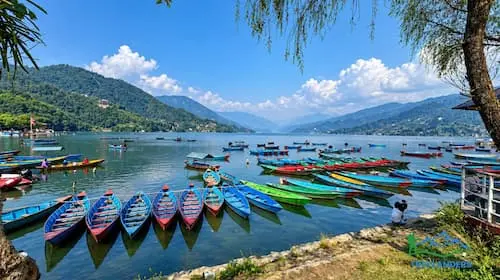
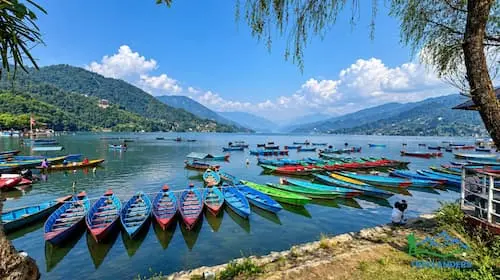
As the drive reach Pokhara city, and then transfer into a nice hotel by the calm Phewa Lake side. Where all good hotels, restaurants and shops are located.
Note:- You can also fly to Pokhara from Kathmandu (25-minute flight), but you will need to pay extra.


From Bhaise Kharka, farm village, after breakfast today leads to a long trekking of near six hours to reach Nangi. The morning starts with gentle slow climb heading into green forested trail, facing dramatic wonderful country landscapes.
After a steady climb having short refreshing stops, and heading higher areas to end the days walk reaching Nangi. A small settlement with few simple huts built of stones and thatched or corrugated roof top serving as Home-Stay lodge.
After getting organized in a nice room, explore around the village and its organic vegetable garden. The organic garden and crops fields are maintained for educational purpose. Boosting income as well the local economy for the local Magar hill tribe community.

After an enjoyable and pleasant overnight stay in a nice cosy lodge at Nangi with warm hospitality of the friendly local. From here towards our goal and highlights, as climb leads into a dense tree lines of rhododendron and pines.
Facing grand views of surrounding hills and snow-capped peaks, the climb continues till Mohare Danda is reached. Having a refreshing rest, and then marvel the magnificent vista of a wide panorama overlooking grand views of
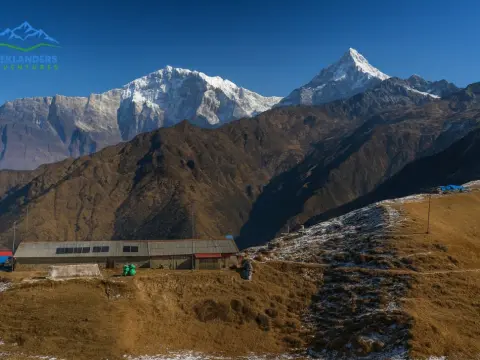
Mt. Dhaulagiri. Includes Nilgiris, and Annapurna Himalayas series of peaks, as far towards Manaslu Himalaya range with towering Machhapuchare Himal / Fish Tail.
After a great wonderful scenery of staggering mountain range overnight at Mohare Danda eco-community lodge. Afternoon enjoy short walk facing stunning sunset views that reflects on white peaks of Western Himalayas.

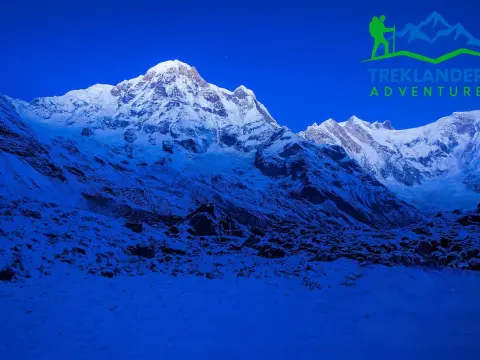
Wake up early morning for striking sunrise views over chain of Himalayan snow peaks from Dhaulagiri, Annapurna to Manaslu Himalaya range.
After a glorious refreshing morning views, then enjoy breakfast on the highest point of the trek, then bid farewell to cheerful villagers. The trail follows to a long descent to Khibang, with few short climb. More or less on downhill all the way to overnight stop at Khibang for overnight halt in a small farm village.
Check into a nice local home-stay hut / cottage, which is also managed by the village Eco-Community.

From Khibang walk leads to another nice village of Tikot, a short day morning walk reaching for lunch and overnight stop. The walk for Khibang leads to long descent through many smaller farm areas and villages. The walk continues on winding path amidst dense trees, then coming across an open area at Tikot for lunch and overnight halt. Enjoy the comfort of a nice lodge managed by Magar and Eco-Community. Rest of the day take a short walk and relax enjoying the surrounding magnificent scenery.
Final and last day walk from Tikot, morning a short trek to the road-head at Tiplyang a farm village, situated on Beni and Tatopani road.
The walk leads downhill towards low warm areas reaching Tiplyang, located by the Kaligandaki River. A moderate size farm village situated on route to Mustang and Pokhara via Beni town. At Tiplyang enjoy refreshing stop for lunch, then taking a drive in a local vehicles for exciting ride to Pokhara. On reaching Pokhara transfer into a nice hotel by the Phewa Lake side. Enjoy the afternoon exploring the lakeside facing grand views of Annapurna and Manaslu Himal range. Pokhara offers wide range of short Adventure Sports activities, like Para Gliding, Bungee Jumping, Zip Line and Ultra-Light flight etc.

Morning leaving the hotel in Pokhara, drive in a private vehicle or on regular Tourist Bus, as per size of a group. The scenic and interesting overland journey to Kathmandu on the same exciting highway. After hours of driving reaching back to your hotel in Kathmandu, rest of the day at leisure.
Note:- You can also fly to Kathmandu from Pokhara (25-minute flight), but you will need to pay extra.

Enjoy an extra day in Kathmandu with individual activities or get into shopping spree. Interested people can join for another interesting tour of other cities of Kathmandu valley. Sightseeing around Patan / Lalitpur or the famous Bhaktapur city Durbar Square, worth a visit.

After an enjoyable and most mesmerizing time in Nepal, around the Himalayas on Mohare Danda Trek. As time for departure, our staff transfer you to international airport for flight homeward bound or to next port of call.
My Mohare Danda trekking experience with Treklanders Adventures was absolutely unforgettable. From the first day to the last, everything was perfectly organized, and I always felt safe, supported, and well taken care of. A huge thank you to my guide, who was incredibly knowledgeable, friendly, and patient throughout the journey. He explained the local culture, pointed out mountain ranges, and made sure I was comfortable on every section of the trail. His warm personality added so much joy to the trek. I also want to express my gratitude to our porter, who carried my bag with a big smile every day. His strength and kindness made the trek so much easier, allowing me to fully enjoy the beautiful landscapes and peaceful trails of Mohare Danda. The sunrise view from Mohare Danda was magical—one of the most beautiful moments I’ve ever experienced. The trail was quiet, the villages were welcoming, and the overall experience felt very authentic. I highly recommend Treklanders Adventures to anyone looking for a safe, well-organized, and memorable trekking experience in Nepal. Thank you once again for making my adventure so special! 💛
Purpose: Keep sweat off the skin and maintain warmth.
Purpose: Trap body heat in cold air at altitude.
Tip: Keep electronics in inner pockets at night to prevent freezing.
Age is no bar for this short moderate trek for a week duration, family with young kids and elderly people can join. But all needs to be physically fit and in sound health to cope with ups and downhill walks. Rest of the walks is normal spending overnights in a nice lodge with comprehensive food menu to enjoy.
For young infants, can hire extra porter to carry the kids if required, especially on ups and downhill.
Nearly all villages and lodges have electricity from Hydro or Solar power, but on this trek on leaving Pokhara. As the trek leads to remote isolated settlement around the mountain village, most lodge provides electricity run by solar power. Where one can charge electronic items, on paying an extra fee for using the power as per gadgets charged. As for internet and cell phone communications, every lodges have the Wi-Fi and internet services, but can be quite disturbing sometimes due to weather and location wise.
From Pokhara onwards to Mohare Danda, accommodation are simple and basic till the end of the trek at Tiplyang village. All lodges en route are simple with basic rooms, having common bathe and toilets. But serves good foods as per the menu provided on every lodge restaurants in a nice large dining rooms.
The foods includes from Continental, Chinese, Indian, Tibetan to Nepali meals and refreshing hot drinks of choices.
The itinerary we have provided, allows much time for acclimatization, although a high altitude walk. Where steep climb involves for some days, but taking short rest and enjoying the surrounding views will overcome the toughness. As well enjoying the climb to Mohare Danda, overall it is a moderate adventure, taking slow and following the itinerary days we have set to make the trek enjoyable and most interesting for all trekkers.
Yes, certainly of course a short panoramic flight of 30 minutes to land at Pokhara domestic airport, and vice versa on the way back. But the flight airfare depends upon the cost as set on the itinerary days. If the flight is not included on trip cost, it will be at extra cost, where trekkers needs to inform the Trek Landers Adventure on early booking.
The Mohare Danda Trek is categorized as moderate, which means it is a bit challenging but doable for beginners and families with average fitness. The walking hours are from 4 to 6 each day, and there are a few steep uphill parts.
The nature of the Mohare Danda Trek is to be a very serene, non-mainstream, community trek in the Annapurna region with beautiful sunrises and wide-ranging mountain views. The trek is popular for its eco-tourism and cultural experiences, offering opportunities to interact with the local Magar and Gurung communities.
It usually takes 3 to 5 days to complete the trek, depending on the walking route and pace. One may start the trek from Galeshwor, Baskharka, or Beni and end it at Nangi, Banskharka, or Tatopani.
The maximum elevation point is Mohare Danda, at 3,313 meters (10,866 ft), providing a stunning view in every direction of the Annapurna and Dhaulagiri mountains.
The answer is yes. In fact, it is one of the best treks for beginners in Nepal as it is short, less crowded, and the community lodges are quite comfortable for accommodation.
Yes, you are required to have the ACAP (Annapurna Conservation Area Permit) and a TIMS card.
You can stay in community lodges or eco-lodges that local families manage. The rooms are basic but tidy and come with minimum facilities.
The best time to do the trek would be the months of March–May and September–December. During these times, the weather is generally clear, and beautiful sunrise views are the norm.
From here, you can see several mountain peaks clearly, including Mt. Dhaulagiri, Annapurna South, Hiunchuli, Fishtail (Machhapuchhre), Nilgiri, and numerous other mountains.
Not at all, As opposed to Poon Hill, Mohare Danda is a lot quieter and more peaceful, the perfect place for those who want a peaceful trekking experience.
The most suitable time for hiking Mohare Danda is definitely during the two nice seasons of the year: spring (March–May) and autumn (September–December).In these periods, the weather is usually quite stable, the sky is almost always clear, and views of the mountains are really spectacular. The temperature is also very pleasant, and the whole walk becomes really enjoyable.
During spring, you will experience moderate temperatures, and the whole trail will be covered with beautiful rhododendron flowers. Different parts of the forest will be painted red, pink, and white, thus giving an immersive and colorful trekking experience. Daytime is generally warm, and the visibility is almost always perfect, so it is the best season for photography.
What people mainly look forward to in autumn are the insanely clear views, the super fresh air, and the stabilized calm weather right after the monsoon. Huge mountain peaks like Annapurna South, Dhaulagiri, Nilgiri, and Machhapuchhre get totally well defined in this season. The sunrise at Mohare Danda is even more gorgeous in October and November.
During the three cold months, trekking is a little bit challenging but still doable, and the trail becomes really deserted. You will experience very clear and fresh mountain views, but you should also take care of the very cold weather in the high parts. Nighttime and early morning at Mohare Danda can be really cold.
It is never a good idea to hike during the wet monsoon period (June–August) because the area is experiencing heavy rains, the trails are quite slippery, and it is almost impossible to see anything. There are also quite a few leeches in the forest parts, and the mountains are covered by clouds most of the time. However, if you mainly want to experience the green forest and absolute quietness, you should still go with a guide.
The best shooting for sunrise is usually done in October and November. Besides being very clear and crisp, the air also highlights both horizon and sunrise colors, while leaving the rest of the landscape in a lovely shadow. There is no doubt that the combination of Annapurna with Dhaulagiri on fine, bright mornings at those times is just unrepeatable.
If you are a person who likes to trek quietly and without the presence of a huge number of people, then your best choice will be between December, January, and the first half of March. It might be cold at times, but on the other hand, you will be able to enjoy the whole tranquil atmosphere of the trail.
Sure, it's also doable in other seasons, but the different weather conditions might change the experience. So, out of all four seasons, it is during certain months that one gets the best sights, the most comfort, and safety.
The Mohare Danda Trek is categorized as a moderate one. The trek is less challenging than Poon Hill and is good for beginners. The trail is marked properly, and most of your days will be spent with gradual and continuous walking uphill.
You should anticipate walking to be 4–6 hours a day. Few parts of the journey will be uphill, especially the last climb to Mohare Danda, but the pace will still be okay for most trekkers.
Trekking experience is not a must. Any person of reasonable fitness who is capable of continuous walking for a few hours can do this trek without any problem.
The trail does not involve any technical sections. On the other hand, a couple of uphill parts, particularly near the summit ridge, might seem difficult to those who are totally new to the trek. Proper walking rhythm and taking a few short breaks make it manageable.
Certainly! Mohare Danda is one of the most suitable treks for people who have never done it before, families, and first-time trekkers who are after a calm Himalayan experience without extremely high altitude or lengthy walking days.
Minimal training, like walking, going up the stairs, or doing short hikes for 2–3 weeks before the trek, will be sufficient. The more one’s stamina is, the easier and more fun the trek will be.
Indeed, the trails are secure, and their condition is good as they are marked and maintained by the community. The route is made comfortable and friendly to beginners by local teahouses and lodges.
The maximum altitude on Mohare Danda is 3,313 meters, which is quite low compared to other Himalayan treks. The occurrence of altitude sickness is very low; however, it is still advisable to stay hydrated and keep your pace.
People staying at community lodges and environmentally friendly home stays run by local Magar and Gurung communities get their accommodations on this trail. These lodges are usually modest, clean, and provide a pleasant cultural experience.
In most lodges, one can find private twin-sharing rooms that consist of two beds. Single rooms might be available during the off-season; however, they are not guaranteed during the peak months.
Along the Mohare Danda trail, the number of lodges with attached bathrooms is minimal. Most lodges have shared toilets among the guests and common washrooms for everyone.
Hot water for a shower is something that can be found in some places but not everywhere. Some lodges provide solar-heated hot water for a shower, while others may request a small fee for warm water provision.
Yes, most stops are equipped with both electricity and solar power. Charging your phone and camera is possible; however, some places might impose a small fee for this service.
Only a few lodges have Wi-Fi, but it is slow and not reliable at all. It is better if you have your own SIM card (NTC or Ncell) for mobile data.
Blankets are available; nevertheless, carrying a sleeping bag is advisable during winter (December–February) since the temperature can get very cold at night.
Definitely, these lodges are well-cleaned, quite safe, and properly managed by the local communities. In addition to this, the atmosphere is very homely, and the hospitality is very warm.
Certainly, Mohare Danda is well known for its very comfortable community lodges, and hence it can be a good option for families, beginners, as well as for those travelers who are looking for peace during trekking.
Food on this trek is easy, fresh, and made by the local community lodges. Meals are prepared with locally sourced ingredients, thus bringing quite authentic Nepali flavors, which are not only nutritious but also quite energizing for the trekkers.
There will be a good choice of food available for you:
Definitely, vegetarian options can be found anywhere. Moreover, most foods on the trail are inherently vegetarian, so trekkers who are on a plant-based diet will have no problem.
Yes, community-managed lodges take care of the cleanliness and prepare the food fresh for each visitor. The food is cooked completely, thus it is safe even for those with sensitive stomachs.
Several places may have dishes with chicken or eggs, but you are still advised to go for vegetarian meals. Meat is usually carried from the lower towns in the case of remote trails, so the freshness of it is not always guaranteed.
Several warm drinks are available for you, such as milk tea, black tea, ginger tea, hot lemon, herbal infusion, and instant coffee all of these would be perfect to keep you warm during the chilly nights.
Bottled water can be purchased, and water from a lodge, which has been boiled, can be refilled. Water that has been boiled is the best and most hygienic alternative, and also, it goes a long way in minimizing plastic usage in the mountains.
It is better to have on hand purification tablets, UV filters, or a filter bottle. This always guarantees that you have clean water to drink, and you can refill anywhere with that on hand.
Yes, there is water for drinking in each of the lodges. Carry 1-2 liters with you and refill bowls at villages or at your overnight stay. In this way, staying hydrated is easy throughout the trek.
No, tap or stream water is not safe to drink without purification. Water should always be treated, or you should purchase boiled water from the lodges for your health and safety.
Yes, but the network signal is rather spotty. Villages in the lower areas normally have good reception, whereas higher locations, close to Mohare Danda, for example, usually have a very weak or no signal. There are some chances of getting network signals along open ridges.
On the whole, NTC works better than Ncell in the Annapurna region. Even though the coverage is not continuous, NTC is the one that offers the most opportunities for the signal in villages and some areas of moderate altitude.
Certain community lodges offer Wi-Fi, e.g., in Nangi or Banskharka villages. Though the speed is usually very slow, and in case of power failure or bad weather, the signal may not be that strong, so do not rely on it for sending or receiving important messages.
The Wi-Fi service is usually not available at the viewpoint, and the mobile signal is barely detectable. Thus, do not hesitate to enjoy the natural and serene environment rather than indulge in technology.
Definitely, the installation of an NTC SIM with a data pack before going on trek is extremely convenient. Although it won’t work everywhere, it will allow you to access the internet and make calls in places where the network is available.
The level of communication one can expect is very limited and quite uncertain. On some of the days, network access can be found in villages; however, at high altitudes, you will be totally offline. Guides have local phones; thus, even when there is no signal for trekkers, safety is still ensured.
It’s not a must to have a guide with you, but it is definitely a good idea to use one. As the trail meanders through woods, villages, and silent ridgelines, a permit-carrying guide will not only ensure your safety but also enrich your experience with his or her knowledge of the area.
The main responsibilities of a guide during the trek include helping with route planning, booking lodges, and safety monitoring. Besides these, they direct the speed of the walk, help locals and tourists communicate, and if it happens, take care of problems during the trek.
Definitely, hiring a porter will kindly take your heavy stuff and will make the trek less laborious. A porter will carry your heavy luggage, and you can bring only the necessary goods for the day. This will not only lessen your load but also enable you to savor the trek, especially on the uphill stretches.
Normally, a porter will shoulder a load of 20-25 kg, which, in case, will be divided among two people who are trekking. Your bags must be kept light, well-arranged, and waterproof so that the porter will be supported when he is on the trail.
The answer is yes. Besides being licensed, guides are also trained in various areas such as first aid, altitude awareness, navigation, and emergency response. Porters are not only rickshaw drivers but also experienced mountain walkers who are acquainted with the terrain and weather. Both of them are instrumental in your safety and comfort.
Indeed, the presence of a guide and porter makes the trek more secure and comfortable. The guide and porter know the condition of the trail, will manage any unanticipated situations, and will be there for you when the trek is long or steep. Therefore, their company will make you stress-free and happy, which is especially true if you are a beginner.
You have to get the following two permits:
It is compulsory to have both of them when you are going to the Annapurna Conservation Area.
You can get both permits from places such as:
Tourism Office (TO) in Kathmandu, Or TO in Pokhara
The offices where the permits are issued usually offer same-day service.
Here is what is needed:
The charges for the permits are determined by the Nepal Tourism Board:
The price may differ for people from SAARC countries or Nepali residents.
No. The agency will do it for you. The ACAP + TIMS Officer will hand over the permits to the guide who will be with you throughout the journey.
The money collected through these permits will be spent on environmental management, road maintenance, the safety of the trekkers, and support of local communities. Besides, they give authorities the possibility to keep an eye on the trekkers and offer them emergency support if necessary.
The trek falls under the medium category, hence only a light preparation will suffice. One should engage in activities such as walking or hiking for 30–60 minutes daily for about 2–3 weeks, stair climbing, and basic cardio to build their stamina. Strengthening the legs will not only make the uphill part of the trek easier but also more comfortable.
One should bring layered clothes since the temperatures vary rapidly. Pack moisture-wicking T-shirts, a warm fleece, a down jacket, trekking pants, a rain jacket, gloves, warm socks, a hat, and a scarf or buff. Layering allows you to keep warm in the early hours of the day and stay cool during the day while walking.
Good trekking shoes with a solid grip that are comfortable are what you need. They do not necessarily have to be heavy-duty, but should be well-worn before the trek so as not to result in blisters. Light sneakers or sandals can be worn at the lodges during the night.
One should carry a daypack, a reusable water bottle, a headlamp, sunglasses, sunscreen, trekking poles (optional but beneficial), personal medicines, and a few toiletries. A sleeping bag is recommended in winter for extra warmth at higher altitudes.
If a porter is carrying your main backpack, it should be between 8 and 12 kg. Only the essentials, such as water, snacks, a camera, a light jacket, and personal items, should be in your daypack. Lighter packing makes the trek more enjoyable.
Yes. Energy bars, nuts, or chocolates are some of the things one should have on their person while on the trek. Also, include water purification tablets or a filter bottle in the pack so that you can safely refill your water along the trail. This way, you stay hydrated, and plastic waste is minimized.
The weather on Mohare Ridge is generally mild at lower altitudes and cooler at the top. Days are comfortable for walking, while mornings and nights can be chilly. Weather conditions change quickly because the ridge sits above 3,000 meters.
At 3,313 meters, temperatures at night can drop to 0°C to -5°C in winter and around 5°C to 10°C in autumn and spring. Early mornings are cold, but are rewarded with stunning sunrise views.
During the main trekking seasons (March–May and Sept–Dec), daytime temperatures range from 10°C to 20°C, making it ideal for hiking. You may feel warm while walking, but cooler when you stop.
Winters are cold but clear. Expect chilly mornings, freezing nights, and crisp visibility. Snowfall is possible at higher points, so warm layers and proper gear are essential if trekking during winter.
Monsoon brings heavy rains, cloudy skies, and slippery trails. Leeches are common in forest areas, and mountain views are often hidden. Trekking is still possible but not recommended unless you are prepared for wet conditions.
The best sunrise visibility is from October to November and March to April. These months offer the clearest skies, minimal clouds, and the most dramatic views of Annapurna, Dhaulagiri, Nilgiri, and Fishtail.
Mohare Danda Trek is most of the time starting point are Galeshwor, Beni, or Baskharka. These places are near Pokhara, and one can easily access them through both public and private means of transportation. Different methods of trekking start from these points, with each having a slightly different approach route, thus giving a choice of the length of the path to the trekkers.
The first thing you need to do is to get on a local bus that takes you to Beni, from where you will trek to the trailhead. It takes about three to four hours to reach Beni by bus in the morning, afternoon, or evening. As it is quicker and much more comfortable, a private jeep is a more preferred mode of transport, and it is a common practice among trekkers, especially during the peak season, to rent a jeep that takes them directly to Baskharka or Galeshwor.
Going in a private jeep is certainly the most convenient and comfortable way of traveling. It offers you the liberty of a time of departure which is not fixed, a travel free of jolts, and the ability to get to the exact point of the trail directly without going through a variety of stops. This means that if you are traveling with a large number of people, family members, or simply looking for an easy way to the trail without digesting why this thing was brought about, then this is the choice for you.
Usually, the end of the trek in the villages of Nangi, Banskharka, or Tiplyang is where most people culminate their journey. Roads have been constructed in those areas, which brings about the ease of organizing transport if one wants to go back to Pokhara after the trek is done. Your guide, as well as the agency, can help you with vehicle coordination for your return journey.
Upon the completion of the trek, you can get to Pokhara through a local bus from Beni or other nearby points on the road or by sharing a jeep with other trekkers and joining the ride. Besides these options, you can also hire a private jeep to make your trip comfortable and direct. The trip back will most likely take you about three to four hours, depending on how good the roads are.
The roads can still be accessed all year round, and this has been a fact over the years; however, the seasons do affect the conditions to some extent. There are the best qualities of travel in spring and autumn, whereas in the rainy season, there are different problems, such as mud, slippery, or uneven routes. Nevertheless, private jeeps are equipped enough to overcome these obstacles safely, and therefore, they are considered the safest vehicle option during monsoon periods.
The Mohare Danda trek is safe and ideal for people who do not have prior experience. It is a moderate altitude trek, a very safe route with well-marked trails, while local lodges provide comfort for the travelers. Most trekkers can do it as long as they maintain a steady walking pace.
Altitude sickness might hardly be the case as the highest point is 3,313 meters; however, that does not mean you ignore your body's signals. You should always take care of your body by keeping up the water intake, not pushing yourself if you cannot catch your breath, and taking a rest, even if it is only for a moment.
In case you are feeling unwell, dizzy, or weak, inform your guide without delay. Rest it out, drink hot water, and take it easy by having a break every once in a while. Unfortunately, guides are the only people trained to handle such situations, and they will decide the next step to take, which is safest.
In general, the routes are safe and in good repair. Although there are steep parts and dense forests where it is better to be careful, especially during the rainy season when the trails are wet and slippery. Proper shoes will make you more confident.
Indulge in fresh food that is made right in front of you, take only clean water that has been boiled, purified, or filtered, always washing your hands, and do not forget to warm up before and after your trek. These simple tricks are the cause of near-zero issues in the areas mentioned, which are the most common ones.
No technical gear is necessary, it is advisable to carry a small first aid kit, headlamp, sunscreen, sunglasses, and water purification tablets. The presence of a registered guide provides additional safety and assistance throughout the trek.
| No of people | Price per person |
|---|---|
| 1 - 1 | $1,475 |
| 2 - 3 | $1,050 |
| 4 - 8 | $955 |
| 9 - 30 | $845 |
| No of people | Price per person |
|---|---|
| 1 - 1 | $1,475 |
| 2 - 3 | $1,050 |
| 4 - 8 | $955 |
| 9 - 30 | $845 |
| No of people | Price per person |
|---|---|
| 1 - 1 | $1,485 |
| 2 - 3 | $1,105 |
| 4 - 8 | $965 |
| 9 - 30 | $855 |