Annapurna Semi Circuit Trek is an adventure of great beauty and charm facing a spectacular vista of towering snow mountain range.
The everlasting splendid views of snow-capped peaks follow you from the start to the end of trekking.
A wonderful journey around the northern sides of massif Annapurna Himalayas, one of the most popular and renowned Himalayan destinations.
Annapurna full or half circuit is listed as the world’s top Ten Adventure travel destinations. Where trekkers will experience these marvelous walks from the beginning to the finishing point of the trek. The dramatic change of climate, landscapes people, and local cultures; as the walk proceeds from cooler hills to an arctic zone of ice and glaciers.
The walk leads through lovely villages, adorned with the ancient cultural heritage of Buddhism, encountering a series of prayer monuments. Apart from the great beautiful scenery, the local fascinating culture is one of the trek highlights.
Adventure on Annapurna Semi Circuit takes you through nice serene woodland of tall coniferous and deciduous tree lines. Walking past from one traditional village to another reaching the picturesque Manang Valley, enclosed by amphitheaters of towering snow-capped peaks. Overlooking views of Chulu’s and Pisang peaks towards the north with Annapurna Himalaya range of peaks in the south.
Slowly walk takes leads to the main village at Manang, located above the Masrsyangdi River surrounded by arrays of snow peaks. An ideal scenic and cultural village Manang for rest days to support acclimatization, before proceeding to the high Thorang-La Pass.
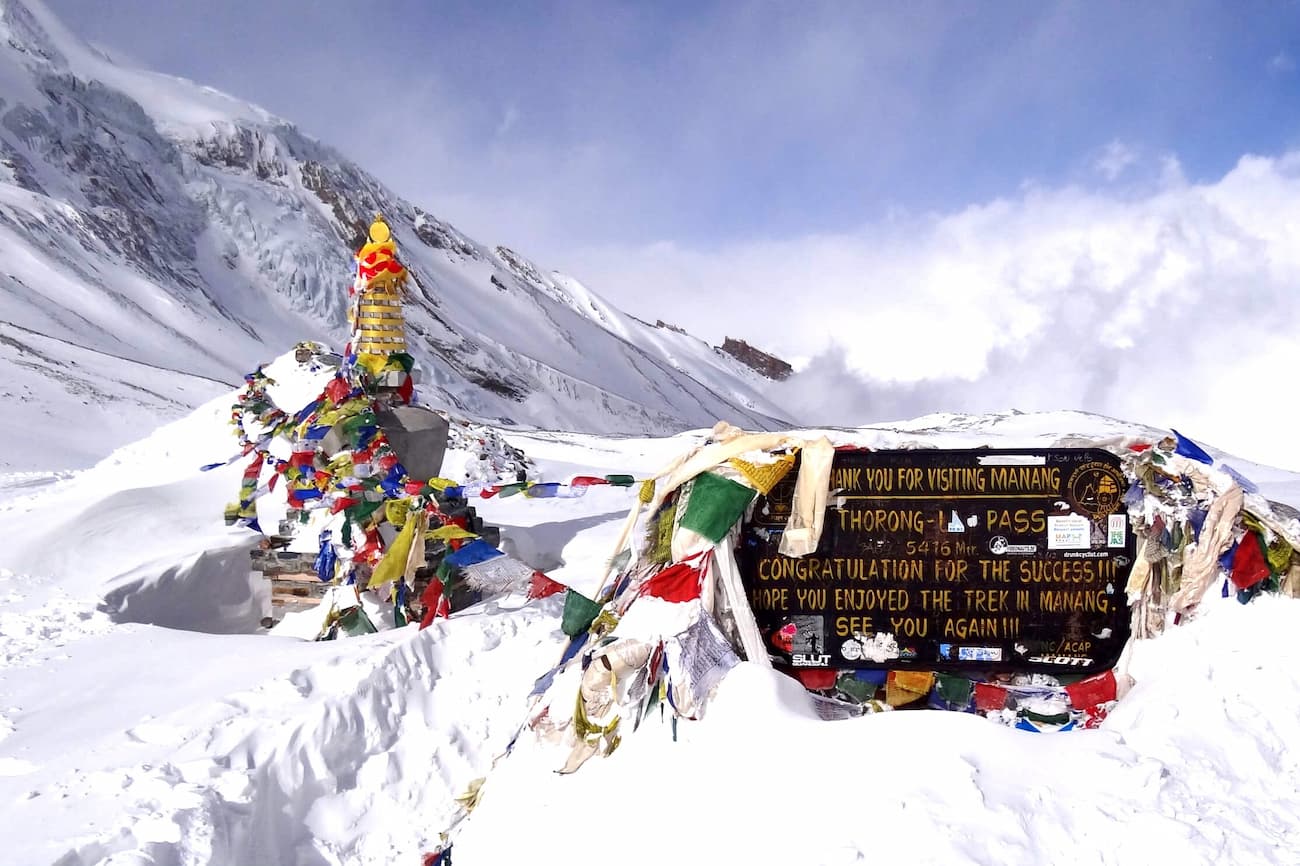
Spending an extra day in Manang village with lovely views of surrounding exciting scenery, the adventure continues heading due west. Reaching the end of Manang valley at the base of Thorang-La Pass straddles the boundary between Manang and Mustang districts. One of the main highlights of the trek is crossing over high Thorang-La, the highest point of the adventure.
Most trekkers start the climb early morning before the break of dawn to be on top of Thorang-La. Before the cold wind chill gets you along with the first rays of sunlight, a strenuous steep climb. But as the walk progress on winding up past small glacial ponds and glacial sections of a moraine. Then finally reaching on top of Thorang-La, after the hard effort turns into a delightful moment.
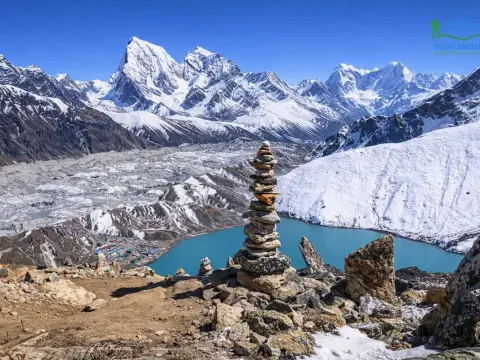
Enjoy the glorious morning stunning panorama of the world’s highest mountain range, overlooking views of Mt. Dhaulagiri and Annapurna Himalayas. Includes Chulu’s and Damodar Himal as far towards Mt. Manaslu with arrays of peaks with peaks of Mustang region.
A slow and long descent reaches to Mustang area, a country of photogenic landscapes with windswept terrains yet beautiful. The walk takes you to the sacred Muktinath temple, revered as a holy pilgrimage site for Hindu and some Buddhist followers. An exciting place facing scenic views of snow-capped peaks with amazing country landscapes. Having time to explore the temple premises of holy Muktinath, slowly our adventurous walks come to an end.
The last leg of the journey takes you away from the main trail, heading towards the hidden Lupra valley. Where few groups of trekkers seldom venture, an amazing place with an old Bon monastery of pre-Buddhism sects.
Finally, the walk leads towards the wide Kaligandaki River Valley to reach the large town of Jomsom. The headquarter town of the Mustang district is located on the old Trans Himalaya Salt Trade Route of Nepal & Tibet. Next morning an enjoyable short swift, scenic flight to Pokhara, a beautiful city and renowned tourist holiday destination. A perfect wonderful place to conclude our marvelous adventure Annapurna Semi-Circuit Trek at Pokhara.
Trip Summary:
Mode of Trek: Best available lodge / guest house on treks.
Trekking Grade: Moderate to Adventurous.
Trekking Region: Around Manang district Northern side of Annapurna’s.
Start and End of trek: From Dharapani to Jomsom and Pokhara with drive.
Highest elevation: On top Thorang-La Pass at 5,416 m /17,697 feet high.
Trek duration: 08 Nights and 09 Days with drives and flights to Pokhara.
Total Trip: 14 Nights and 15 Days, from arrival to departures.
Best Seasons for Annapurna Semi-Circuit Trek:
The best season for Annapurna Semi-Circuit Trek is late spring April and May. Including autumn/fall begins from September to early November.
Springtime is bright and beautiful, most days are clear with sunny days, can be cloudy afternoons. Bringing cold chill in the late afternoon, and night till morning this is the time when wildflowers are in seasonal bloom.
The next best season is autumn/fall, where days are clear with sunny days for views and walks. But shorter days due to limited sunlight hours, cold morning and night time can expect snowfall sometimes. But an enjoyable day for pleasant walks with clear views of the beautiful snow mountain range.
Culture & Religion:
The Manang district is populated by Manang Gurung tribes, quite different to Gurung of Southern Annapurna and Lamjung Himal areas. The Manang people of Tibetan origin with similar Buddhism culture and religions. But beyond Manang crossing high Thorang-La pass around Mustang areas of Kaligandaki Valley dominated by Thakali people. The tribes of Lower Mustang of Mongolian origin, interwoven to Buddhism. Follows similar culture to its neighbors of Upper Mustang and Manang people and Tibetan predecessors. Where trekkers will come across religious monuments of prayer walls, spinning wheels, Stupas, and monasteries. All houses are adorned with Buddhist prayer flags, as well on top of the Thorang-La pass. Which is a symbol of respect, the abode of gods and goddesses and holy mountain spirits. Traditionally the native of Manang are farmers and cattle herders, raising and breeding livestock.

On first arrival at Kathmandu-Nepal international airport, our staff and guide will receive with traditional welcome. A short drive to your hotel in the hub of Kathmandu city, on checking into your nice rooms. After getting refreshed from the jet-lag, join at the hotel lobby and at meeting room for trek briefing provided by our guide or leader. Information about the hotel, lodge on treks with full details of trekking trails, food and accommodation on treks. As well with do’s and don’ts with welcome group dinner in an authentic Nepali restaurants with local cultural program along with Nepali meals.


Enjoying a pleasant overnight in the comfort of nice lodge at Pisang village, today’s walks is quite short. From here entering into scenic Manang Valley towards the main Manang village, a slow morning walk with climb to a high ridge.
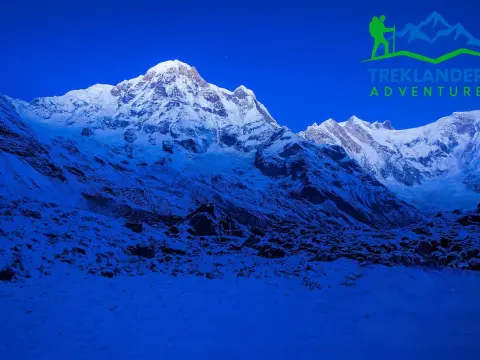
From the hill top facing grand views of Manang valley outlined by series of snow-capped peaks. Facing Chulu’s in the north with Annapurna, Gangapurna Himal and Tilicho Peak towards South-West direction. Includes views of Hongde village with a small airstrip which on the route to Manang village. Walk downhill within a valley and tree lines reaching Hongde village close to Manang airport.
After a refreshing stop, continue walk on winding gradual path to Braga village with an oldest monastery of Manang. Having time for short visit of the monastery stand above the Braga village on a sandy hillock. A short climb to enter the monastery interior enriched with ancient idols of Lord Buddha and famous saints and gurus. From the monastery stunning panorama of snow-mountain range of Annapurna’s and Chulu’s with towering Pisang peaks. From Braga a short walk with few minutes climb to Manang village, enclosed by staggering mountain range. Located on a plateau above Masrsyangdi River valley, an exciting place to enjoy additional day in Manang.

A great place for an extra day at main Manang village with the right altitude for acclimatization. Before heading towards high Thorang-La Pass, enjoy the day exploring the scenic areas. The best walks is to Gangapurna Himal ice fall and glaciers, a few hours walks both ways. Stands on the southern ridge from Manang village and above Masrsyangdi River, the view includes Manang small glacial lake. Enjoy the dramatic panorama of Chulu’s towards north with Annapurna II, IV and III close to where you stand. Rest of the afternoon explore the Manang village of typical Tibetan traditions and cultures.


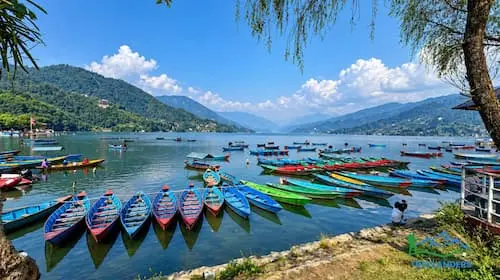

Morning leaving the hotel in Pokhara, drive on regular Tourist Bus, as per size of a group. The scenic and interesting overland journey to Kathmandu on the same exciting highway. After hours of driving reaching back to your hotel in Kathmandu, rest of the day at leisure.
Note:- You can also fly to Kathmandu from Pokhara (25-minute flight), but you will need to pay extra.

Enjoy an extra day in Kathmandu with individual activities or get into shopping spree. Interested people can join for another interesting tour of other cities of Kathmandu valley. Sightseeing around Patan / Lalitpur or the famous Bhaktapur city Durbar Square, worth a visit.

After an enjoyable and most mesmerizing time in Nepal, around the Annapurna Himalayas on Annapurna Semi-Circuit Trek. As time for departure, our staff transfer you to international airport for flight homeward bound or to next port of call.
My Annapurna Semi Circuit Trek with Treklanders Adventures was one of the most unforgettable travel experiences of my life. From the moment I arrived in Kathmandu, the team made everything smooth, organized, and stress-free. Their communication was clear, the planning was professional, and every detail felt thoughtfully arranged. The trek itself was absolutely breathtaking. Each day brought new landscapes—lush forests, ancient villages, wide open valleys, and towering Himalayan peaks that looked unreal. The highlight for me was waking up to the incredible views of Annapurna II and Lamjung Himal, and the peaceful feeling of walking through remote trails far away from the crowds. I especially want to thank my guide from Treklanders who made the journey not just safe, but meaningful. He shared stories of local culture, checked on my wellbeing constantly, and adjusted the pace perfectly. His experience and kindness made a huge difference. Our porter was also amazing—always smiling and always ready to help. The teahouses were comfortable, the food was surprisingly great, and the support from Treklanders Adventures made me feel like I was trekking with friends rather than a tour company. I also appreciated how responsibly they operate, supporting local communities and ensuring ethical tourism practices. If you’re looking for a trek that combines stunning scenery, cultural richness, and professional service, I can’t recommend Treklanders Adventures enough. The Annapurna Semi Circuit Trek exceeded all of my expectations, and I’m already planning to return to Nepal with them for my next adventure.

My Annapurna Semi Circuit Trek with Treklanders Adventures was an exceptional experience from start to finish. Our guide Ram was highly professional, knowledgeable, and always attentive to safety and proper acclimatization. He carefully monitored everyone’s condition, especially before and during the crossing of Thorang-La Pass, which made the challenge feel manageable. Our porter Niraj was incredibly hardworking, kind, and always helpful, carrying loads with a smile every day. The scenery through Manang and Mustang was breathtaking, and visiting Muktinath was deeply meaningful. Teahouse accommodation was comfortable, meals were filling, and overall the trek offered excellent value for money.
Choosing Treklanders Adventures for the Annapurna Semi Circuit Trek was one of the best travel decisions I have made. Our guide Raj was extremely experienced and handled the trek with confidence and care. He paid close attention to altitude adjustment, encouraged slow and steady walking, and made sure everyone was comfortable, especially around Manang and before crossing Thorang-La Pass. His explanations about the mountains, local lifestyle, and Buddhist traditions added great meaning to the journey. The scenery was extraordinary, with dramatic changes from green valleys to the dry landscapes of Mustang. The visit to Muktinath was peaceful and spiritually inspiring. Accommodation in teahouses was well managed, and meals were warm, nutritious, and satisfying. The porters were hardworking and respectful throughout the trek. Considering the level of service, safety, and overall experience, this trek was excellent value for money and highly recommended.
As a first-time trekker, the Annapurna Semi Circuit Trek with Treklanders Adventures was both challenging and incredibly rewarding. I was initially nervous about altitude and long walking days, but our guide Anurag made the entire experience feel safe and well managed. He explained acclimatization clearly, checked our health daily, and encouraged us constantly, especially during the approach to Thorang-La Pass. His patience and positive attitude gave me confidence every day. The mountain scenery was absolutely stunning, with dramatic views around Manang and along the high pass. Learning about local culture, monasteries, and daily life in Mustang was fascinating, and visiting Muktinath was a memorable spiritual moment. Teahouse accommodations were comfortable for a beginner like me, and the meals were filling and well prepared. The porters were supportive and hardworking. Overall, this trek was an amazing first Himalayan experience and truly worth the cost.
As a travel photographer, the Annapurna Semi Circuit Trek with Treklanders Adventures was a dream journey. Every day offered incredible photographic opportunities, from the dramatic cliffs of Manang Valley to the wide, windswept landscapes of Mustang. Crossing Thorang-La Pass at sunrise provided some of the most stunning light and mountain views I have ever captured. Our guide Raj was excellent, positioning rest stops at scenic points and sharing local knowledge that enriched my work. The prayer flags, monasteries, and the sacred Muktinath temple added strong cultural depth to my photos. Special thanks to our hardworking porter for their constant support. This trek was truly inspiring.
From the moment the trek began, the Annapurna Semi Circuit felt like a true Himalayan adventure with Treklanders Adventures. Our guide Ram led the journey with confidence, always focusing on steady pacing and proper acclimatization. His calm leadership was especially important during the ascent toward Thorang-La Pass, where the views were absolutely spectacular. Walking through Manang villages and into the Mustang region offered meaningful cultural encounters, while the visit to Muktinath was a special highlight. Teahouse accommodations were comfortable, meals were warm and satisfying, and the porters worked tirelessly throughout the trek. Overall, this experience delivered excellent value and unforgettable mountain memories.
Before joining the Annapurna Semi Circuit Trek with Treklanders Adventures, I had never been to such a high altitude, so the experience felt both exciting and intimidating. Our guide Hari was incredibly reassuring and professional, explaining how altitude affects the body and making sure we followed a slow, safe pace. He checked on us regularly and made the acclimatization days feel purposeful rather than stressful. Reaching Thorang-La Pass at over 5,400 meters was something I never imagined I could do, and the surrounding Himalayan views were overwhelming in the best way. Huge thanks to our porter Bikash, whose strength and positive attitude made the journey smoother every day. The cultural atmosphere in Manang, Mustang, and at Muktinath added deep meaning to the trek. Comfortable teahouses, good meals, and excellent support made this high-altitude adventure unforgettable and well worth it.
Nepal instantly captured my heart, and trekking around the Annapurna region made the experience even more special. The Annapurna Semi Circuit with Treklanders Adventures was beautifully organized and rewarding. Our guide Anurag was attentive, knowledgeable, and very careful with altitude management throughout the journey. The landscapes around the Annapurna Circuit were absolutely fabulous, especially near Thorang-La Pass. Cultural encounters in Manang and the visit to Muktinath added meaningful depth to the trek. A truly unforgettable Himalayan adventure.
The Annapurna Semi Circuit trek with Treklanders Adventures was the perfect adventure for us as a couple, offering safety, comfort, and incredible experiences. From the first day, everything was well managed, allowing us to enjoy the journey without stress. Our guide Raj ensured our pace and acclimatization were perfect, especially at higher altitudes, while Ram provided constant support along the trail. The lodges were clean and comfortable, meals satisfying, and the scenery throughout the trek, especially near Thorang-La Pass, was absolutely breathtaking. A truly memorable and valuable Himalayan experience.
Trekking the Annapurna Semi Circuit with Treklanders Adventures was truly a once-in-a-lifetime experience. Our guide Raj made it unforgettable, sharing fascinating insights about ancient monasteries, local traditions, and the history of the region. The hospitality of the Nepali people along the route was incredible—villages in Manang and Mustang welcomed us warmly, making every stop special. I loved learning about their daily lives and Buddhist customs while surrounded by stunning Himalayan scenery. Lodges were comfortable, meals were hearty, and the entire journey felt both adventurous and culturally enriching. A trek I will always remember.
From the very first step on the Annapurna Semi Circuit, I knew this trek would be extraordinary. The trail was diverse and ever-changing, from lush green valleys to rugged Mustang landscapes, with each day offering new sights and challenges. Our guide Rajkumar was exceptional—he carefully managed our pace, explained the local culture and history, and ensured everyone acclimatized properly before high-altitude sections. Crossing Thorang-La Pass was the highlight, with panoramic Himalayan views that left me speechless. Along the way, the villages of Manang and Mustang were full of life and tradition, and the locals’ warmth made the trek even more memorable. Accommodation in teahouses was comfortable, and meals were nutritious and satisfying after long days. Our porters worked tirelessly, making the journey smoother for all of us. This trek combined adventure, culture, and natural beauty perfectly, making it an unforgettable experience.
Purpose: Keep sweat off the skin and maintain warmth.
Purpose: Trap body heat in cold air at altitude.
Tip: Keep electronics in inner pockets at night to prevent freezing.
As this is a high altitude trek of moderate and adventurous walks of two weeks. The best for people from above 16 years to maximum of 70 years of age, all trekkers must obtained medical insurance.
Nearly all villages and lodges have electricity from Hydro or Solar power, where one can charge their electronic items. Where client needs to pay an extra fee for using the power as per gadgets charged. As for internet and cell phone communications, every lodges have the Wi-Fi and internet services, but can be quite disturbing sometimes due to weather and location wise.
In major villages from budget to tourist standard as well offers luxury hotels or resorts like in Manang. Including Muktinath and Jomsom with high-class accommodation of international standard. On treks most lodges and guest-house are simple with spacious rooms with attached or non-attached bathrooms and toilets. Where meals are served in a large dining room with a warm environment provides comprehensive food menu. Includes from Continental, Chinese, Indian, Tibetan and popular Nepali meals. As well varieties of snacks and appetizers with home-baked bakeries items in large villages. The only simple comfort of accommodation available is in Thorang High Camp.
Depends upon the trek and grade chosen, for below 3,000 m high no risk of altitude sickness, but for trekking above 3,000 m and crossing high passes of over 5, 000 m. All trekkers should be well aware of altitude sickness or AMS (Acute Mountain Sickness). Our guides, leaders offer safety advice about the route and rise of altitude on daily walks to designated overnight stops.
Enjoying the walks taking slow pace when required, having short stops to catch with your breath against getting exhaustion. Taking advice from your guide and walking slow, drinking enough water or any fluids (except alcoholic drinks) as well having rest. All our itineraries for high altitude treks, have rest days for acclimatization before heading higher ground.
Yes, certainly of course a short panoramic flight of 30 minutes to Kathmandu from Pokhara. But the flight airfare depends upon the cost as set on the itinerary days. If the flight is not included on trip cost, it will be at extra cost, where trekkers needs to inform the Trek Landers Adventure on early booking.
The Annapurna Semi Circuit Trek is basically a shorter and less demanding version of the full Annapurna Circuit. It only goes to the most beautiful and nature-rich places green valleys, waterfalls, villages with a rustic charm, and majestic Himalayan views without the long duration and high-altitude crossing of Thorong La Pass. Thus, this trek suits those adventurers who want to see the wonders of the Annapurna region but have limited time.
You can find most of the Annapurna Semi Circuit programs that last from 8 to 12 days, with their starting and ending points determining the exact duration of the trek. This trek is also flexible, letting you make changes according to your fitness level, time, and pace of walking.
Absolutely, The Annapurna Circuit is a moderate-level trek, and therefore, a beginner with basic fitness can comfortably undertake it. The trails are easy to follow, the ascent is gentle, and the tea houses along the route provide a homely atmosphere for your trip. So, it is the right choice for people taking their first step into trekking and wants a fulfilling Himalayan adventure.
The semi circuit is different from the full one in that it doesn’t have the high-altitude Thorong La Pass (5,416m) crossing, which means it’s safer and easier. Besides that, it is centered around cultural villages such as Chame and Pisang, the beautiful Manang Valley, and breathtaking views of Annapurna II, III, IV, and Gangapurna. At the same time, the length and the intensity of the trek remain at a lower level.
The best seasons are definitely spring (March–May) and autumn (September–November). These months have all the good factors - clear skies, mild temperatures, and beautiful mountain visibility.
The tea houses where you spend the night will be the perfect places to rest as they offer both hygienic rooms, delicious and nutritious warm meals, and a quite welcoming and homely atmosphere made by the locals of the area.
Even though the trek path is a popular one, a safe way to go is to hire a licensed trekking guide who will not only lead you but also improve the cultural experience and make your stay comfortable.
Even though the path is clearly marked, safety, comfort, and gaining insight into the local culture can be achieved with a trekking guide with a license. A guide not only helps you to navigate but also organizes your daily routine, makes arrangements for accommodation, and keeps you informed about the region, the weather, and the trail.
Your guide is your safety net; on top of that, he or she might be able to detect symptoms of sickness you are not aware of, handle altitude-related problems, communicate with tea houses, and determine the pace of the trek according to your comfort level. Guides also help and support the local culture and the heritage, thereby connecting the trekking visitors more deeply to the place and people.
Definitely, Porters are present to take the carriage of your main luggage, which is usually up to 15–20 kg for two trekkers together. Hence, this makes it possible for the trekkers to be comfortable with only a light daypack that contains indispensable things such as water, snacks, and the camera.
The majority of guides are good at English, and they are also capable of clarifying to the trekkers what they want to communicate. Porters usually can talk in basic English and are competent enough to understand simple instructions and interact politely, but their main focus is backing your trek by carrying gear.
Yes Our Company Treklanders Adventures guarantee that their guides and porters have insurance, are properly equipped, and are given suitable clothing while trekking in the Annapurna region. It may also consist of warm jackets, proper footwear, and safety gear.
Indeed. Tipping is one of the regular and welcomed activities in the trekking community of Nepal. It involves giving thanks for the effort that they put in and the support that they offered you through the whole journey. The sum is on you and can be decided based on how pleased you are with their service.
The best seasons for the trek to happen are spring (March–May) and autumn (September–November). In these months, one can enjoy stable weather, clear skies, and mild temperatures, as well as the best visibility of the Annapurna ranges; thus, the trekking conditions turn out to be perfect.
Spring comes with warm weather, long daylight hours, and rhododendron forests bursting with flowers, especially in the lower areas. The trails become lively and bright, and the mountain views are quite often clear in the mornings. It is one of the most comfortable and beautiful times of the year.
Autumn is famous for offering the clearest views of the mountains, the coolest temperatures, the driest trails, and the most stable weather after the monsoon. The sky remains clear all the time, thus providing sharp views of Annapurna II, III, IV, Gangapurna, and Lamjung Himal.
The winter (December–February) option is available, but it is much colder, especially in the Manang Valley. The trails are less crowded, and the sky is often very clear; however, trekkers must equip themselves with the appropriate gear to battle subzero temperatures and some snowfall.
Monsoon (June–August) is the time when heavy rains are common, making trails slippery and leeches prevalent in the forests of low altitude. Mountains are covered with clouds. Though some areas of the Annapurna region are sheltered from the rain, the Semi Circuit still experiences rain; thus, this season is not suitable.
In autumn, one can get the most clear and dramatic mountain views, while in spring the mountains are covered with vibrant colors, wildflowers, and lush green. Both seasons are perfect for taking photos; it only depends on the kind of view you like.
The Annapurna Semi Circuit Trek ranks as moderate in difficulty. That makes it a nice option for those who rarely trek as well as for the seasoned mountain walkers. Among the trails, there are gentle slopes, well-constructed tracks, and daily walks of reasonable lengths. Besides not passing the difficult Thorong La Pass, the trek is therefore less demanding than the full Annapurna Circuit.
Definitely no, this trek is good enough for first-timers who are in any shape or form. The gradual increase in altitude and the well-established trail system allow even the most inexperienced to acclimatize in a natural way and at the same time enjoy the Disney-like mountain scenery of Annapurna.
On the bulk of the trek days, one has to walk for about 5–7 hours, with the figures changing according to the ground and one's walking speed. There are no stairs to climb on the routes in question, and they are breathtakingly beautiful, so you can devote your time to rest, clicks, and viewing this stunning nature.
At the very least, the Semi Circuit is a trek where one hardly hears about altitude sickness, as the highest point to be reached is the avoidance of the scientific research of Thorong La. Even so, there are some parts, like Manang (3,540m), where one needs to be especially careful. Properly pacing oneself, continually drinking water, and getting good rest all contribute to altitude sickness prevention.
Certainly, a well-indicated and frequently used path is a simple guide. Regular intervals separate the villages you will walk through, and there are furthermore guides to assist, especially if you happen to be in the less accessible areas.
Correctly, this mountain-shaped itinerary is recommended to newcomers of trekking, not only can the trail be easily navigated, but also there are hospitable tea houses and loosely scheduled trips. A solo backpacker might decide to contract with a guide who will not only surely add to his/her safety but will also be a source of culture and an assistant in handling the logistics.
In tea houses, one can be accommodated, which are small and nice lodges are run by the locals. These tea houses provide basic bedrooms, hot meals, and an inviting place to take a rest after each day of trekking. They are sanitary, secure, and absolutely suitable for trekkers.
Yes. Private twin-sharing rooms can be found in most villages on the Semi Circuit route, to be exact, in places like Chame, Pisang, and Manang. In the high season, rooms may be occupied quickly, hence booking through a trekking agency is a good way to ensure availability.
Some tea houses at lower elevations feature attached bathrooms, but as one goes up in the mountains, shared bathrooms are the ones that are more common. The cleanliness of the facilities is assured; however, the amenities tend to be simpler in the remotest areas.
Hot showers can be found in many tea houses for a small extra charge, normally. In a higher and colder place like Manang or Yak Kharka (if included), the availability of hot water could be very limited, but tea houses make the best they can to equip them.
Tea houses serve a diversified menu of warm, freshly cooked meals. Servings of dal bhat, noodles, soups, fried rice, potatoes, pasta, eggs, pancakes, and vegetable curries are to be expected. The food is easy, clean, and it has been specially prepared in order to give sufficient energy for trekking days.
Yes, Wi-Fi is available in most villages, but the speed is not always the same. The lower areas usually have stronger connections, while the remote ones may have slower or interrupted service.
Tea houses all over the Annapurna Semi Circuit offer fresh dishes prepared right in the home. Dal Bhat, soups, noodles, fried rice, pasta, vegetable curries, potatoes, pancakes, and eggs are some of the most favorite dishes made from the fresh ingredients of the local place. The food is served hot, is very satisfying, and has been specially made to give the energy of long trekking days to trekkers.
Yes, the majorities of tea houses not only maintain hygiene but also prepare food with fresh and clean ingredients sourced locally. It is always best to eat hot, freshly cooked food. At the same time, it is better to forego raw salads as well as other uncooked foods when you are at a high altitude, in order to be safe from stomach-related issues.
Definitely, the Annapurna area is a very good one for vegetarians. In virtually all the tea houses that exist, vegetarian meals are the norm, and vegan meals are also possible. Just guide your helper or the kitchen staff regarding your food requirements, and they will provide the best service to you.
Meat is something you should refrain from eating, and best of all, you should opt for vegetarian meals when you are up in the higher regions. From Manang and other places nearby, meat that is without the use of refrigeration is still being carried up the mountain, so there is no way you can be sure of its freshness. Additionally, using plant-based foods means performing better while your body is working at altitude and also suffering less from digestive issues.
Water directly from a tap or a stream is not drinkable unless it has been sterilized. By request, a tea house provides water that has been boiled or filtered, and the cost is usually very little. You may also recharge your water bottle and take a water purification tablet or use a filter bottle. Do not forget that water intake is very important as you ascend to higher altitudes.
Definitely, bringing along energy bars, nuts, chocolates, and dried fruits is a great idea, and I cannot think of a better way to support long trekking days with these simple foods. You will also find shops in the tea houses selling snacks, but it is good to know that prices will continue going up as you ascend.
Mobile coverage is available in a good number of villages along the route, and it is mostly in lower areas like Chame, Pisang, and Manang that the signal is strong and stable. It should be noted, though, that the signal strength may be quite low and, sometimes, there may be no signal at all in the most isolated or top of the mountain areas. Also, factors like bad weather or difficult terrain can limit or completely block the signal.
Both Ncell and Nepal Telecom (NTC) are the ones that you can get services from in this area, and you can choose either one depending on your preference. NTC is more likely to provide better coverage at higher altitudes, whereas Ncell will be the best choice for signal strength in the lower villages. It is not uncommon to see a few of the trekkers with two SIM cards in their phones in order to get the most stable connection.
Tea houses are equipped with internet facilities and can be accessed via Wi-Fi. The use of Wi-Fi in such places as Chame and Manang is very convenient as it is mostly reliable for chatting and other light internet activities. On the other hand, as one goes up a mountain, the internet speed deteriorates, and sometimes it is not possible to establish a connection because the infrastructure is limited.
Of course, Wi-Fi is almost always a paid-for service in the higher areas. The lower villages offer Wi-Fi for free or at a nominal rate, and the charge increases as one progresses to the farthest areas, where the provision of internet access is the most difficult.
Almost all tea houses have charging facilities, so you can get your devices powered up during the trek. It must also be noted that the charges for using the electricity could range from free to a few hundred rupees, and are most certainly free in the less complicated areas. Bringing a power bank along is the best way to be sure you will never run out of battery during long trekking days.
Yes, along with a cell phone, the trekking guide is always ready for any situation, and if the network is weak, he will inform you about a place where you can get a signal. To efficiently resolve and manage communication during emergencies, guides have gone through proper training.
You will require two major permits: the Annapurna Conservation Area Permit (ACAP) and the TIMS Card (Trekkers’ Information Management System). These are indispensable for entering and hiking in the Annapurna region.
One can get permits at the Nepal Tourism Board office in Kathmandu and at the ACAP/TIMS office in Pokhara. In case you are trekking with a registered agency, they will obtain the permits for you prior to the start of the trek.
Definitely, Both ACAP and TIM’s permits should be with you at any time. There are several checkpoints on the Semi Circuit route, for instance, in Chame, Pisang, and Manang, where the officers will request to see your documents.
Yes. Trekkers must check out at the points from where they exit. This helps in proper record-keeping and confirmation of their safety.
Indeed. When applying for both ACAP and TIMS, a valid passport along with passport-sized photos is a must. In case your trekking company is processing the permits, they can work with the copies of these documents.
No other permits are necessary for villages such as Chame, Pisang, or Manang. The ACAP permit includes all regular trekking areas in the Annapurna region.
Sure. The paperwork with the agencies, together with the money and documentation, is in the hands of registered trekking agencies, which means that your permit will be ready before you go to the trailhead.
Carry layered clothes that will allow you to adjust to temperature fluctuations. Some of the must-have items are base layers that wick away moisture, a fleece jacket, a down jacket that you can rely on, trekking pants, thermals, gloves, and a jacket that is both waterproof and windproof. Layering makes it possible to be comfortable as the temperature varies from warm valleys to cold mountain areas.
Definitely, it is required to bring a pair of waterproof and good-fitting trekking boots that have already been worn a few times to ensure comfort and provide support to your ankles. The trail is a mixture of rocks and woods; thus, suitable footwear will be of great help to you in preventing injuries and ensuring your comfort.
Definitely, you should carry trekking poles as they enable you to lessen the pressure that you put on your knees when you are walking uphill or downhill. Moreover, they make you firm when the land is not even and has rocks.
It is a 30–40 L daypack that can hold items like water, snacks, an extra layer of clothing, things for sun protection, and also your camera, which is perfect. The heavier stuff will be taken by a porter if you decide to hire one.
Certainly, although blankets are available from the tea houses, the temperature drops significantly, especially at night in Manang. Using a sleeping bag with a temperature rating of between -10 degrees Celsius and -15 degrees Celsius will ensure that you are warm and comfortable on cold nights.
Ensure that you have with you sunglasses, sunscreen, lip balm, toiletries, wet wipes, a water bottle that you can use over and over, purification tablets, a headlamp with spare batteries, and any medication that you may need. These essentials help to maintain good hygiene, increase comfort, and also ensure safety.
If porters are used, the approximate limit is 15–20 kg in total for two. Trekkers should pack smartly and not bring heavy things that are not necessary. The weight of your daypack should be kept to a minimum.
Sure. Energy bars, nuts, dried fruits, and chocolate are very convenient and energy-giving foods for long trekking days. Tea houses do sell snacks and provide them at a higher price with each increasing elevation.
The trek can be classed as safe and a good choice for people who have never done this type of activity. The safety is contributed to by the trails, which are well-established, and the tea houses that can be easily accessed along the way. The altitude gained is also gradual. It is always good to be accompanied by a licensed guide who enhances safety by aiding navigation, keeping track of the health situation, and assisting you if there is an emergency.
Yes, it is. On the other hand, the possibility of this happening along the full circuit is much higher than along the semi-circuit. To be specific, the Semi Circuit goes up to places like Manang (3,540m), where a person can be affected by altitude sickness. Even low altitudes may lead to this condition if one rapidly ascends, so correct pacing and being well hydrated are definitely necessary.
The very first symptoms of altitude sickness include headache, dizziness, nausea, tiredness, difficulty sleeping, and loss of appetite. These signs should never be overlooked. If they become more severe, it is very important that you rest or go down to a lower altitude right away.
Reduce the speed of your walking, keep drinking water, say no to alcohol, and be sure not to go faster than your body can handle. The rest days in Manang or anywhere else on your route are very beneficial as they allow the body to get used to the new environment in a natural way. One can reduce the risk by eating warm meals and drinking enough water.
Tell your guide immediately. In most cases, symptoms get better with rest, taking in more fluids, and a short descent. If the symptoms become worse for example, severe headache, vomiting, or difficulty in breathing then the safest thing to do is to go down to a lower altitude. The guides have been trained to make the safest decisions for you.
Definitely, an insurance plan that covers mountain trekking up to 4,500 meters, emergency medical care, and helicopter evacuation should be availed. Even though the probability of a serious issue is very low, in case of an emergency, insurance will provide immediate support.
There are basic medical services and pharmacies in Manang, which is also a major acclimatization hub. In other areas along the route, medical facilities become scarce, and therefore, trekkers need to bring their personal medications and rely on the first aid skills of their guide.
Most of the trekkers choose to go from Kathmandu to Besisahar, which is the old-style starting point of the Semi Circuit. To reach Besisahar, you may use a tourist bus, a local bus, or a private vehicle. The journey takes around 6–7 hours and is very beautiful as it follows the highway along the Trishuli and Marshyangdi rivers. From Besisahar, you can take a jeep to Chame or Chamje and shorten your walking days.
If you are looking for a shorter version of the Semi Circuit, then going from Besisahar to Chame by shared jeep or private 4WD vehicle is the best way to do it. The road is quite bumpy, but you can still drive through it, and it will save you a lot of time as you will not have to walk in the lower sections. People who want to concentrate their schedule on Manang and the upper valley usually take this road.
You can take a jeep from your last point (usually Manang or Chame) down to Besisahar, and from there you can take a bus or a private car to Pokhara or Kathmandu. A lot of people who do the trek decide to go back to Pokhara first, as it is more convenient and interesting for them to relax and take some rest after the trek before returning to Kathmandu.
| No of people | Price per person |
|---|---|
| 1 - 1 | $2,060 |
| 2 - 3 | $1,635 |
| 4 - 8 | $1,505 |
| 9 - 30 | $1,405 |
| No of people | Price per person |
|---|---|
| 1 - 1 | $1,475 |
| 2 - 3 | $1,050 |
| 4 - 8 | $955 |
| 9 - 30 | $845 |
| No of people | Price per person |
|---|---|
| 1 - 1 | $1,475 |
| 2 - 3 | $1,050 |
| 4 - 8 | $955 |
| 9 - 30 | $845 |