Everest Panorama Trek is an adventure of moderate walks with a touch of high altitude. Suitable for all types of travelers and age groups, as well as for a family with young children. An enjoyable, scenic cultural country walks on well-defined trails crossing exciting bridges, reaching from one lovely village to another.
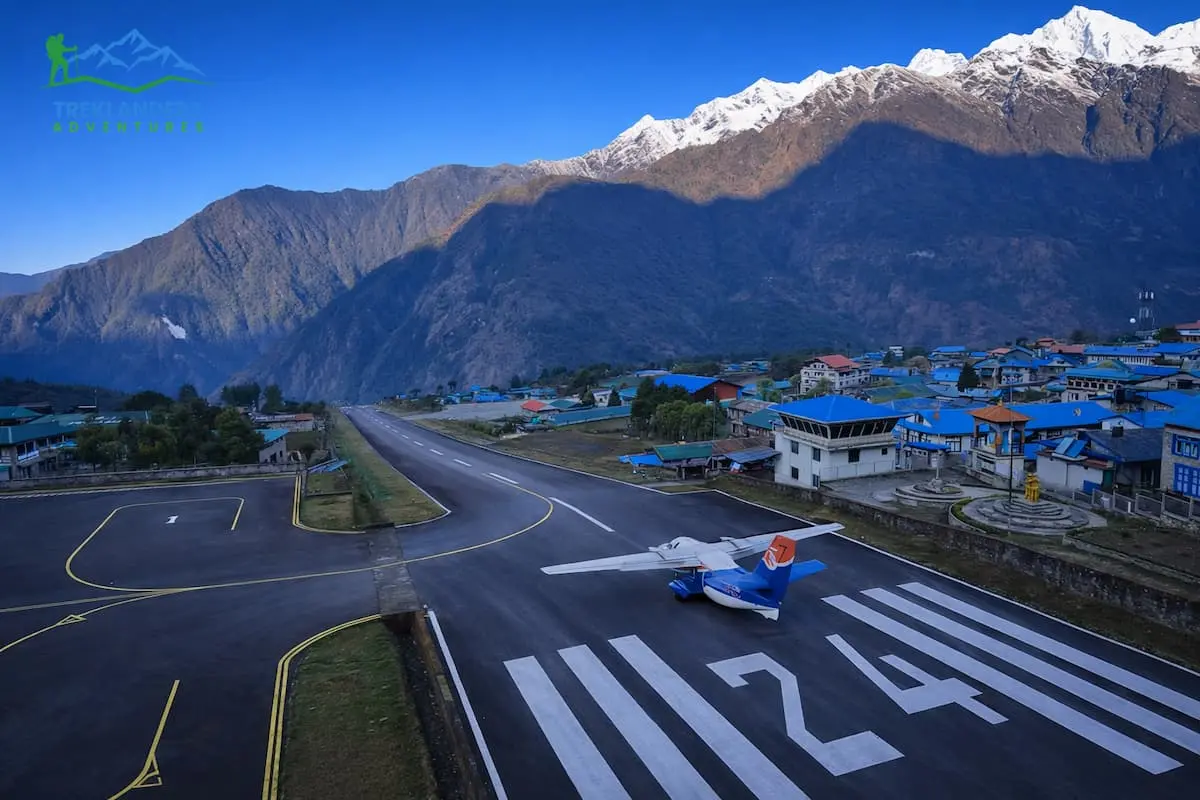
Everest Panorama Trek, a wonderful journey of a week duration leads to pleasant walks in the harmony of glorious scenery. Starting from busy Lukla, a town with an amazing Tenzing & Hillary Airport, the door to various adventures around Khumbu.
Walk proceeds entering Sagarmatha National Park, designated as UNESCO World Heritage Site and its unique location. Enriched with exotic flora and fauna and the worlds highest mountain Mt. Everest, Mt. Lhotse, and Mt. Cho-Oyu.
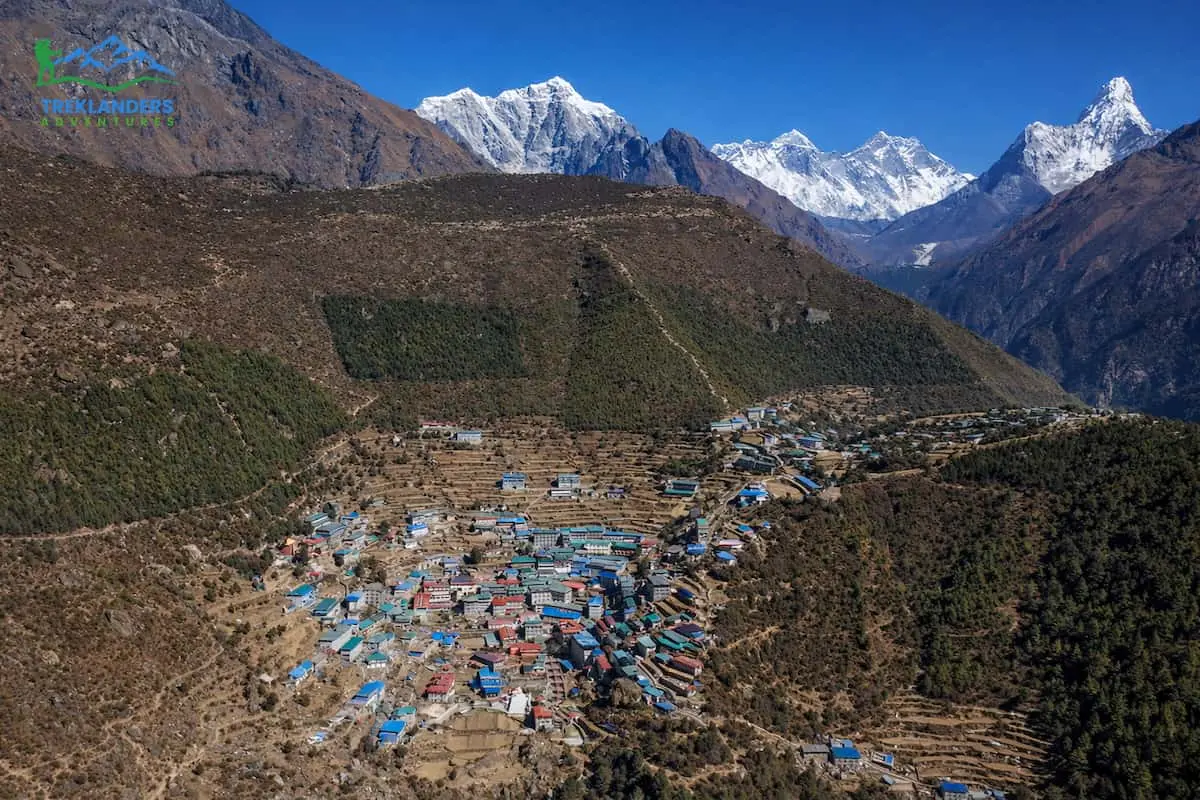
Slowly the trek leads above Dudh Koshi River valley towards the high and famous Namche Bazaar. One of the most exciting places, almost a size of a town, where a colorful Saturday market is held once a week. Enjoy the rest day in Namche Bazaar for acclimatization before heading higher destination to Tengboche and the magnificent monastery. At Namche Bazaar several viewpoints to explore, and the best and short hike to the park museum, an interesting place to visit.
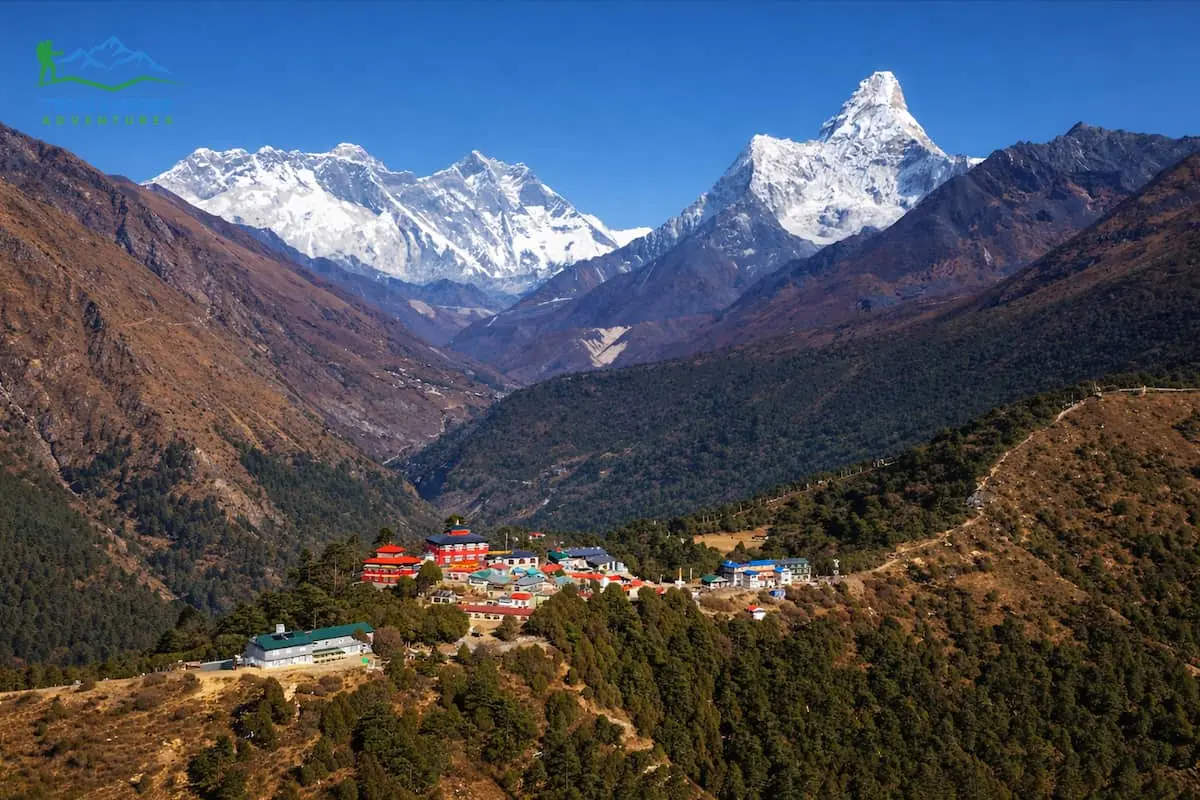
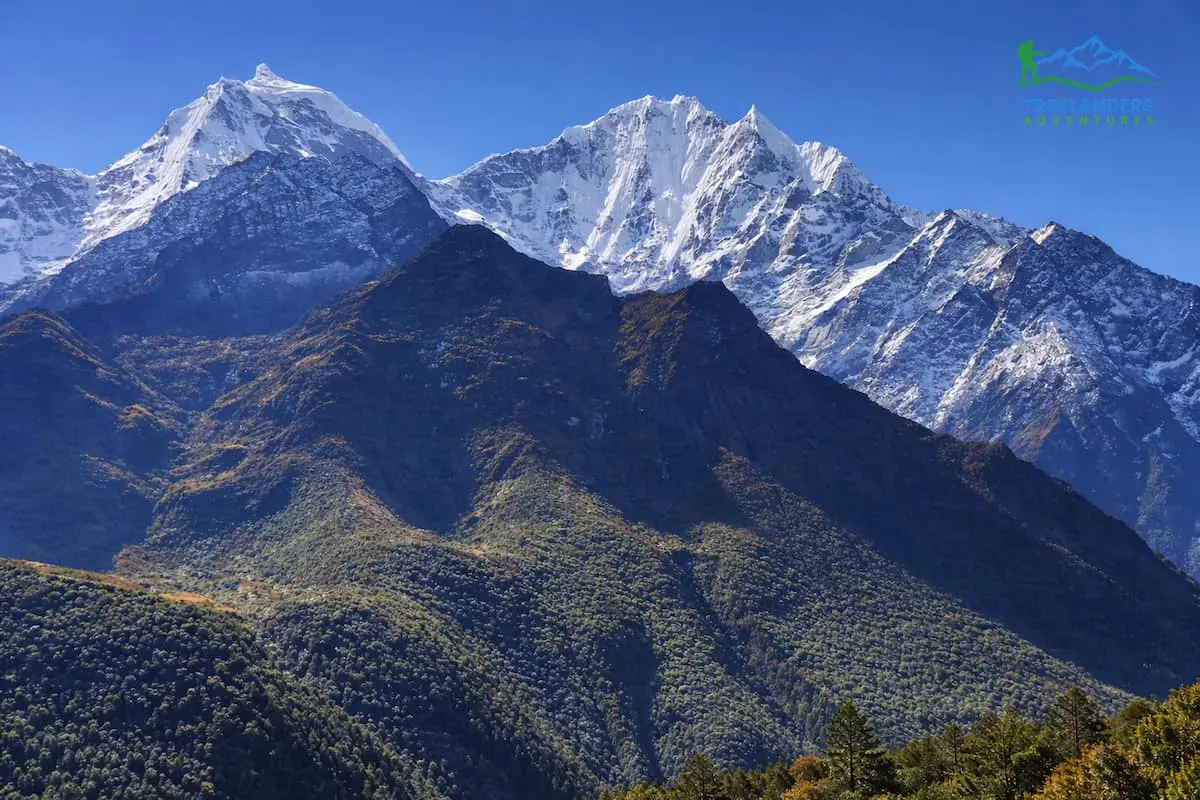
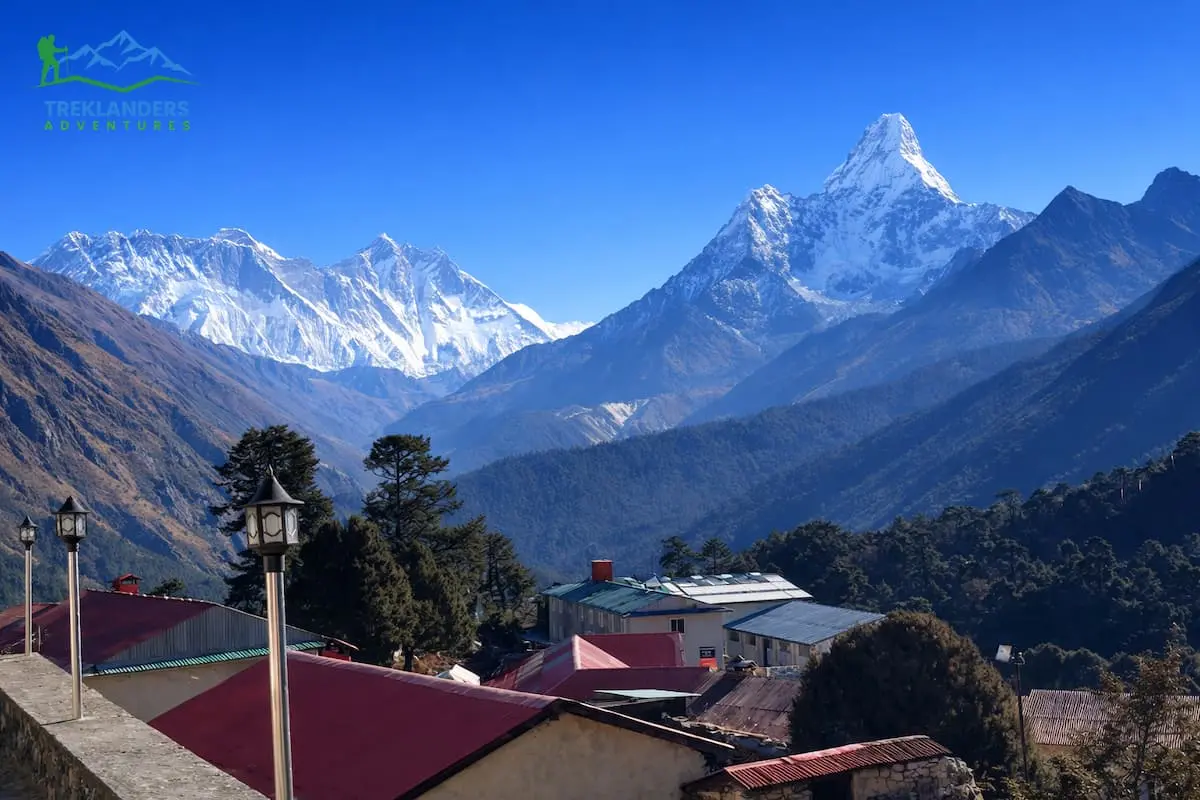
From the museum after collecting impressive information about the Khumbu area and native Sherpa culture. Enjoy the dramatic scenery of the snow mountain range, facing views of Mt. Everest, Lhotse, and beautiful Mt. Ama Dablam.
After a wonderful and pleasant time at Namche Bazaar, the adventure follows on the higher and scenic route to Tengboche. A beautiful walk into the cool shade of rhododendron, pine, and juniper forest, as the climb leads to a high ridge top.
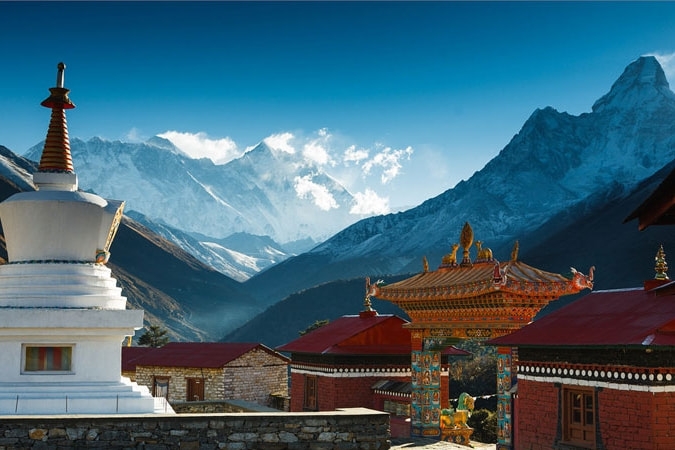
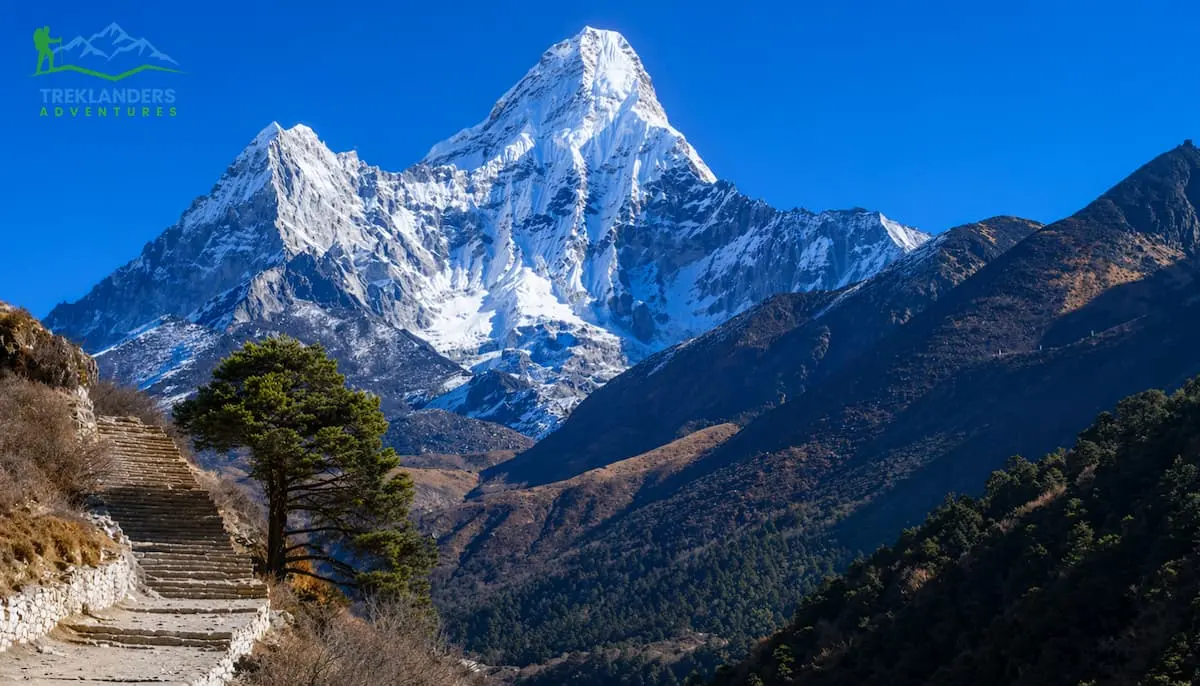
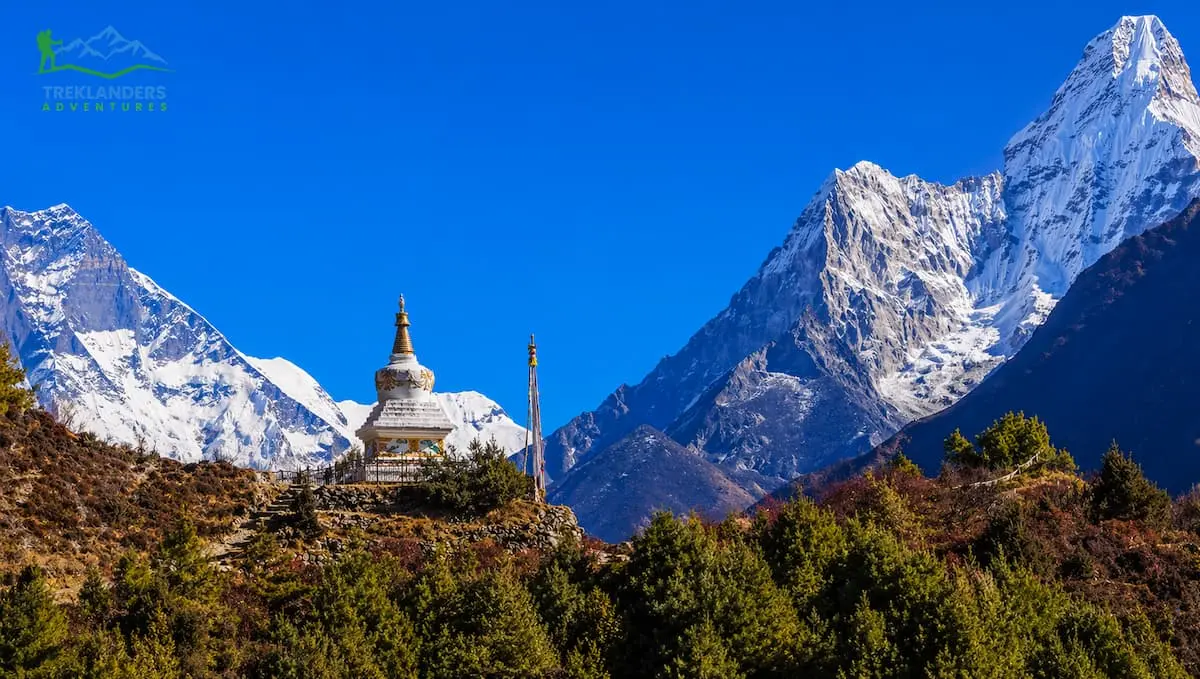
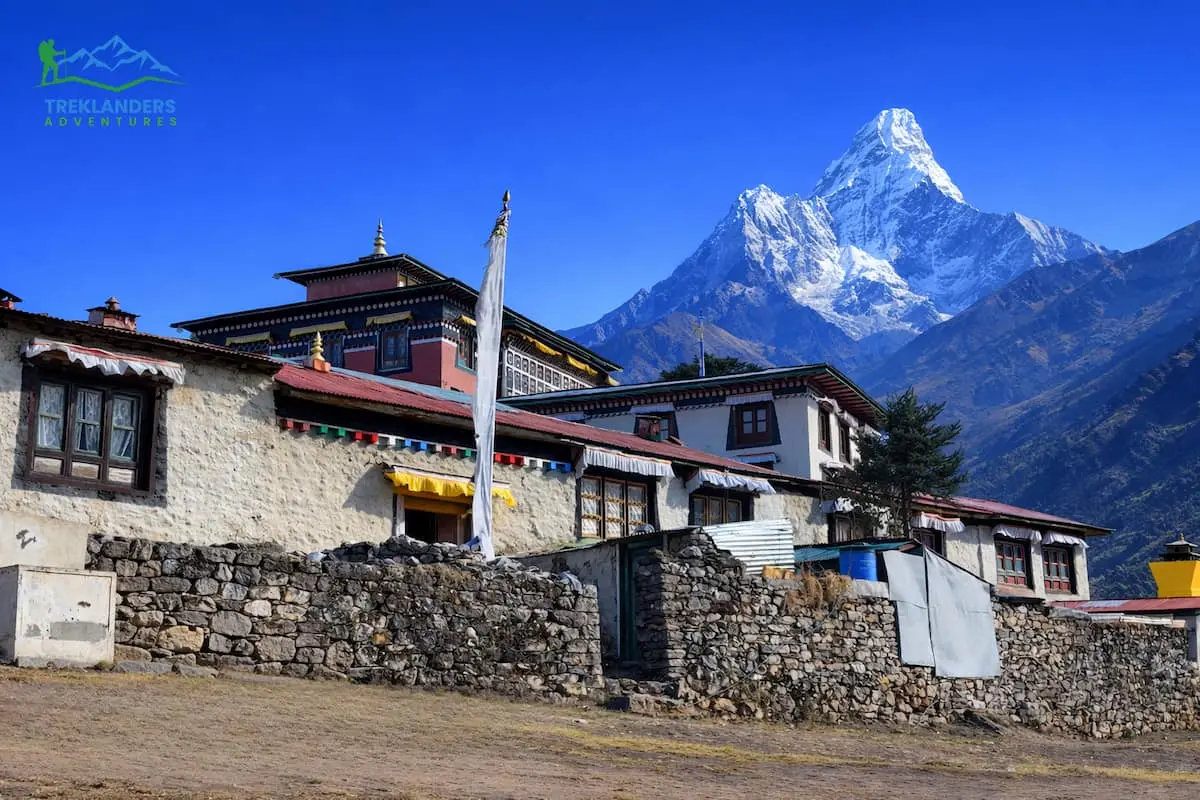
Where Tengboche and the monastery are located amidst picturesque surroundings of green woodland and snow-capped peaks. Enjoy the spectacular panorama of giant mountains with Mt. Everest and Lhotse, facing close views of majestic Ama Dablam.
At Tengboche tour takes you to the monastery interior, festooned with bright and vivid religious art and paintings. The main prayer hall is adorned with tall statues of Lord Buddha and other famous Buddhist saints and Gurus.
Truly an interesting place, blessed with natural beauty and wonders of Himalayan scenery and the sound of monks' prayer chanting.
After great blissful moments along with scenic views and serene surroundings, return journey downhill to Lukla. For the last overnight around high and scenic Khumbu, the next morning a short panoramic flight brings you back to Kathmandu.
At Kathmandu, our wonderful adventure and memorable experience on Everest Panorama Trek is complete, with the great services of Treklanders Adventures.
Trip Summary:
Mode of Trek: Best available lodge / guest house on treks.
Trekking Grade: Moderate walks with touch of high altitude.
Trekking Region: Around high Khumbu and Everest Area.
Start and End of trek: Lukla to Lukla with flights both ways.
Highest elevation: At Tengboche Monastery 3,867 m / 12, 687 feet.
Trek duration: 07 Nights and 08 Days from Lukla to Lukla.
Total Trip: 11 Nights and 12 Days, from arrival to departures.
Best Seasons:
The best season for Everest Panorama Trek is starting spring from March to May. Including autumn/fall begins from September to November, as Everest Panorama is a short moderate trek. Interested people can visit all year round, except for the summer/monsoon time of mid-June to August.
Springtime is bright and beautiful, most days are clear with sunny days, can be cloudy afternoons. Bringing cold chill in the late afternoon, and night till morning this is the time when wildflowers are in seasonal bloom.
The next best season is autumn/fall, where days are clear with sunny days for views and walks. But shorter days due to limited sunlight hours, cold morning and night time can expect snowfall sometimes. Winter from December to February with clear sunny days, but cold mornings, late afternoons, and night time with freezing temperatures. But an enjoyable day for pleasant walks with clear views of beautiful scenery.
Culture & Religion:
The Everest region of the high Khumbu district is populated by the famous highlanders the Sherpa. The menfolk considered as finest natural mountaineers and expert Mountain Guides. The Sherpa interwoven with the teaching of Buddhism follows an impressive heritage and culture similar to its predecessors the Tibetans. Most villages have monasteries known as Gompa, every house adorned with prayer flags, and prayer monuments.
Please Note:
The flight to Lukla and back to Kathmandu, can get delayed or might be postponed for next morning. Due to unfavorable, bad weather conditions which is normal, around the Himalayan mountainous region, sometimes even in the best time of the season. If the situation arise please bear with us, we will try our best to avoid such situation and inconvenience of all our clients.

On first arrival at Kathmandu-Nepal international airport, our staff and guide will receive with traditional welcome. A short drive to your hotel in the hub of Kathmandu city, on checking into your nice rooms. After getting refreshed from the jet-lag, join at the hotel lobby and at meeting room for trek briefing provided by our guide or leader. Information about the hotel, lodge on treks with full details of trekking trails, food and accommodation on treks. As well with do’s and don’ts with welcome group dinner in an authentic Nepali restaurants with local cultural program along with Nepali meals.


Morning after breakfast, the city / cultural guide will meet you at the hotel for tour around Kathmandu World Heritage Sites. As well visiting interesting places of steeped with history and culture. After the tour back at the hotel, preparation for the trek.
Please note: If the flight to Lukla operates from Manthali airport, needs to depart from the hotel by mid-afternoon, after enjoying half day tour. To be on time at Ramechap, Manthali airport for next early morning flight to Lukla. Which is about 4-5 hour drive to Manthali town of Ramechap district.


Either from Kathmandu or flight from Manthali airport at Ramechap, transfer to the domestic airport, having early breakfast. The flight on a small aircraft of 25 to 30 minutes to land at Lukla’s Tenzing & Hillary Airport. Where walk begins, Lukla town the door to various adventure destination around Khumbu and Everest region. From Lukla a short day walk of 3 hours or more to reach Phakding village for overnight stop. The walk leads downhill and on gradual pleasant trail through several lovely Sherpa villages adorned with Buddhist monument. Following the Dudh Koshi River to a nice village at Phakding, and checking into a best available lodge.

Enjoy the day from Phakding onwards, morning walk heads higher past smaller villages to cross a long bridge. The climb leads to a nice Monjo village and then at the entrance of Sagarmatha National Park. (The name Sagarmatha for Everest in Nepal, the native Sherpa calls Chomolungma of Tibetan origin language).
All house are in an amphitheater U shaped basin, the size of a town provides great facilities for visitors. As well as for the local also, where once a week a busy colorful Saturday market takes place. Hence the name as Namche Bazaar, arriving on this large settlement check into a nice lodge for two overnight stops.

An ideal place with perfect altitude for rest day to support acclimatization before heading higher destination. At Namche enjoy a leisure morning and take a hike around its scenic viewpoints.
Suggested short hike and excursion around Namche Bazaar and beyond:
The short and scenic is short steep climb to Park museum above Namche Bazaar offers grand vista of Mt. Everest. Includes views of Lhotse and majestic Ama Dablam with arrays of snow clad peaks. Visit the park museum provides good interesting information of the Khumbu and its people, cultures and custom.
As well of exotic flora and fauna with history of mountaineering expeditions around Khumbu high mountains.
The next great hike is to Everest View Hotel at 3,880 m, located on a high ridge amidst forest surrounding. One of the world’s highest deluxe hotels offers superb views of Mt. Everest, Lhotse, Nuptse and magnificent Ama Dablam. A walk of 2-3 hours with an hour or more climb and down, overlooking birds-eye views of whole Namche Bazaar.
Rest of the afternoon rest or explore the fancy streets of Namche Bazaar, lined with shops, stores and restaurants. Includes café, fresh bakeries, pubs and bars with backdrop of stunning views of Kwangde Peaks.

Morning enjoy the grand views of Kwangde peaks, having breakfast, walk starts to Tengboche and the monastery. A short steep up from Namche Bazaar outskirt, and then on scenic winding trail facing views of Mt. Everest. Then walk down to Imjatse River to cross a bridge reaching a small settlement of Phungi Tenga for possible lunch stop. After a refreshing stop, walk uphill into cool shade of lovely woods of tall rhododendron, pines, firs and junipers. As climb continues, then finally reaching atop a wide scenic plateau. Where Tengboche located with a colorful impressive monastery stands atop of the small settlement.
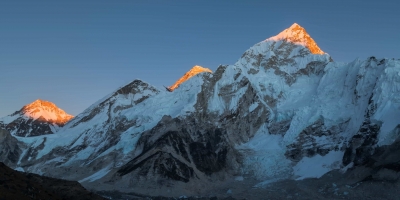
A picturesque spot for Everest Panorama with stunning views of Ama Dablam, Kantega, Tharmasarku and Kwangde range of peaks. This beautiful place surrounded by green lovely forest, enjoy the views and check into a nice lodge.
Late afternoon a refreshing tour of the monastery interior, witness the vibrant religious arts and paintings. Includes large statues of Lord Buddha with other famous saints and Gurus, and observe the monks and priest on prayer activities.
Tengboche Monastery, is lively on the event of great colorful festival Mani Rimdu, takes place every year. Which falls in the month of end of October or first week of November as per Buddhist Lunar calendar. For this year 2023 which is on the 28th, 29th and 30th of October.

Morning enjoy the panoramic views of Mt. Everest, Lhotse, Nuptse with Ama Dablam at close distance. Having breakfast, return journey on the same trail for few hours, then our route diverts with slow up to Khumjung village.
The largest village of Khumbu, located on a glacial valley beneath sacred
Mt. Khumbila at 5,761 m high. The mountain regarded as the patron god of Khumbu Sherpa’s. At Khumjung accommodation in a nice lodge, with time to visit the old monastery, the only place treasures a scalp believed to be of a Yeti.
Visitors can get the glimpse of so called Yeti scalp kept in a glass box, enjoy the tour of the monastery. Rest of the afternoon explore the quiet village steeped with traditional custom with grand views of snow-capped peaks.

From Khumjung walk to near village of Khunde and visit the first hospital of Khumbu area. Built with the help and support of late Edmund Hillary and his foundation called Himalayan Trust. After an interesting visit walk down to Namche Bazaar for lunch; afternoon on the same trail down to Monjo village for overnight halt.

Last day walk of the adventure, enjoy the leisure pleasant walk back to Phakding, and then to Lukla. After a nice walk on gradual winding path, an hour climb brings you to Lukla for last overnight around Khumbu and Everest region.
Arriving Lukla by lunch time, rest of the day enjoy the views of surrounding peaks and explore the streets of Lukla town.

Early morning transfer to Lukla’s Tenzing and Hillary airport as the plane arrives either from Kathmandu or Ramechap. Board in the small aircraft of respective airlines for sweeping panoramic flight back to Kathmandu. Then get transferred to your hotel, with afternoon free at leisure.
If the flight lands at Manthali airport in the district of Ramechap, our staff transfer you into a vehicles. A drive of 4-5 hours brings you at the hotel in Kathmandu after a great adventure on Everest Panorama Trekking.

Enjoy an extra day in Kathmandu, we have reserved as contingency day in case of flight delay and cancellation. Due to unfavorable bad weather condition, if all goes well according to our itinerary days, have a great enjoyable day.
For individual activities or get into shopping spree, interested people can join for another interesting tour of other cities of Kathmandu valley. Sightseeing around Patan / Lalitpur or the famous Bhaktapur city Durbar Square, worth a visit.
My Everest Panorama Trek with Treklanders Adventures was absolutely unforgettable. I wanted a shorter Himalayan trek with breathtaking views, and this experience delivered far more than I expected. From the moment I arrived, the team made everything effortless — from organization and permits to daily guidance and comfort. The trail was peaceful, filled with charming Sherpa villages, monasteries, and stunning suspension bridges. The highlight for me was standing at Tengboche, witnessing the panoramic views of Everest, Ama Dablam, Lhotse, and Thamserku glowing in the morning light. It felt like a dream. My guide was incredibly kind, knowledgeable, and patient, always making sure I felt safe and enjoyed every moment. The porter was also amazing — such strength and positivity! The tea houses were cozy, the food was warm and energizing, and the cultural interactions along the way made this trek feel deeply meaningful. For someone who didn’t want the extreme altitude of EBC but still wanted world-class Himalayan views, this was the perfect choice. Thank you, Treklanders Adventures, for an experience that touched my heart. I’ll treasure these memories forever. Highly recommended to anyone dreaming of seeing Everest up close without a strenuous journey!
The Everest Panorama Trek with Treklanders Adventures was an incredible experience from start to finish. I wanted a trek that would let me enjoy the Everest region without extreme difficulty, and this itinerary was perfect. From the exciting flight to Lukla to the peaceful trails through Sherpa villages, every day was memorable. Our guide Raj was outstanding. He was professional, friendly, and extremely knowledgeable about the mountains, local culture, and Buddhist traditions. Raj carefully managed the walking pace and always checked on everyone’s health, which made the trek feel safe and enjoyable. The acclimatization day in Namche Bazaar was well planned and helped us adjust comfortably. The highlight for me was reaching Tengboche Monastery, surrounded by breathtaking views of Everest, Lhotse, and Ama Dablam. The organization, accommodation, and support from Treklanders Adventures were excellent. I would highly recommend this trek to anyone looking for a rewarding Himalayan adventure.
The Everest Panorama Trek with Treklanders Adventures was a wonderful and well-organized journey. As a first-time trekker, I was concerned about altitude, but our guide Ram made everything easy and comfortable. He was attentive, encouraging, and always ensured we walked at a steady pace. The acclimatization day in Namche Bazaar was very helpful, and the walk to Tengboche Monastery was truly special. The mountain views were breathtaking, and learning about Sherpa culture added great value to the trek. Overall, this trek was scenic, culturally rich, and perfectly suited for beginners. I highly recommend Treklanders Adventures for a safe and memorable Himalayan experience.
The Everest Panorama Trek with Treklanders Adventures was an unforgettable experience. From the thrilling flight to Lukla to the scenic trails of the Khumbu region, every day was exciting. Our guide Anurag was excellent—friendly, professional, and very knowledgeable about the mountains and local culture. He made sure everyone was comfortable and well acclimatized throughout the trek. The suspension bridges, Sherpa villages, and forested trails were beautiful, and the views of Everest and Ama Dablam from Tengboche were breathtaking. Treklanders Adventures provided great service, reliable logistics, and a supportive team. This trek is perfect for those seeking adventure without extreme difficulty.
The Everest Panorama Trek with Treklanders Adventures was beautifully organized and truly enjoyable. I appreciated the relaxed pace, which allowed time for photography and cultural exploration. Our guide Ram was professional, kind, and very informative, always explaining the surroundings and ensuring everyone was comfortable. The trek from Namche to Tengboche was the highlight, with stunning mountain views and peaceful forest trails. I would also like to give special thanks to our hardworking porter, whose support made the journey much easier and more comfortable. The accommodation and meals were well managed throughout the trek. This is a perfect trek for travelers seeking scenic beauty and cultural insight.
The Everest Panorama Trek with Treklanders Adventures was perfectly organized and very enjoyable. Our guide Anurag was professional, knowledgeable, and always focused on safety. The views of Everest, Lhotse, and Ama Dablam from Tengboche were breathtaking. An excellent trek for those wanting big mountain scenery without extreme challenges.
The Everest Panorama Trek with Treklanders Adventures was a truly meaningful and memorable journey for me. From the beginning, everything was well organized and smoothly managed. Our guide Raj was exceptional—caring, patient, and very knowledgeable about the region, culture, and trekking routes. He made sure everyone felt comfortable and motivated, especially on the uphill sections. I particularly enjoyed visiting Sherpa villages like Khumjung and learning about local traditions and Buddhist culture. The mountain views along the trail were breathtaking, and the peaceful atmosphere at Tengboche Monastery was unforgettable. This trek is ideal for beginners, families, and anyone seeking a rewarding Himalayan experience.
The Everest Panorama Trek with Treklanders Adventures was a perfectly balanced Himalayan adventure, combining comfort, scenery, and cultural insight. The daily walking hours were well planned, making the trek enjoyable without feeling rushed or exhausting. Our guide Ram was outstanding—calm, experienced, and very attentive to everyone in the group. He shared detailed knowledge about the mountains, Sherpa lifestyle, and local traditions, which added great value to the journey. The trail offered constant highlights, from crossing suspension bridges to walking through rhododendron and pine forests. The accommodation and meals arranged by Treklanders Adventures were comfortable and well managed, even at higher elevations. One of the most memorable moments was watching the sunrise illuminate Ama Dablam and surrounding peaks near Tengboche. Overall, this trek was professionally organized, scenic, and deeply rewarding. I highly recommend Treklanders Adventures for a safe and unforgettable Everest region experience.
The Everest Panorama Trek with Treklanders Adventures was an amazing experience from start to finish. Our guide Ram was friendly, knowledgeable, and always ready to help, making the trek both safe and enjoyable. He shared interesting stories about Everest climbers and Sherpa life, which made the journey more meaningful. The views along the trail were stunning, especially around Namche Bazaar and Tengboche. I loved how well everything was organized, from accommodation to daily walking plans. This trek gave me a true taste of the Himalayas without being overly demanding. I would gladly recommend Treklanders Adventures to anyone planning a trek in Nepal.
The Everest Panorama Trek with Treklanders Adventures was a peaceful and inspiring journey through the heart of the Himalayas. Our guide Aditya was calm, professional, and very respectful of local culture, which made the experience even more meaningful. Walking through Sherpa villages and quiet forest trails felt truly special. The visit to Tengboche Monastery was a highlight, especially hearing the monks’ prayers surrounded by snow-capped peaks. The trek was well paced and well organized throughout. Treklanders Adventures provided excellent support and hospitality, making this trek a relaxing yet unforgettable Himalayan experience.
The Everest Panorama Trek with Treklanders Adventures was a fantastic and rewarding experience. Our guide Rajkumar was friendly, experienced, and always attentive to the group’s needs. He ensured the trek moved at a comfortable pace and shared valuable insights about the mountains and Sherpa culture. Even though the trek was shorter, it felt complete and very fulfilling. The views along the trail, especially near Tengboche, were absolutely breathtaking. The support from the trekking team and porters was excellent throughout the journey. I truly appreciated the professionalism and care shown by Treklanders Adventures and would happily choose them again for future treks in Nepal.
Purpose: Keep sweat off the skin and maintain warmth.
Purpose: Trap body heat in cold air at altitude.
Tip: Keep electronics in inner pockets at night to prevent freezing.
Age is no bar for this short moderate trek for a week duration, family with young kids and elderly people can join. But all needs to be physically fit and in sound health to cope with ups and downhill walks. Rest of the walks is normal spending overnights in a nice lodge with comprehensive food menu to enjoy.
For young infants, can hire extra porter to carry the kids if required, especially on ups and downhill.
Nearly all villages and lodges have electricity from Hydro or Solar power, where one can charge their electronic items. Where client needs to pay an extra fee for using the power as per gadgets charged. As for internet and cell phone communications, every lodges have the Wi-Fi and internet services, but can be quite disturbing sometimes due to weather and location wise.
From Lukla onwards to Tengboche one can enjoy the comfort of nice lodges and guest house. As well with warm traditional hospitality in every overnight stops, people can choose from budget, standard to luxury lodges.
The foods are well served in a large cosy dining hall, can choose various items of foods from the menu with wide range of meals and snacks to choose from.
Serves Continental, Chinese, Indian, Tibetan and Nepali foods, as well Mexican, Italian, Korean or Japanese in some lodge restaurants. Includes fresh bakery products also.
Depends upon one interest, for people interest in Buddhism cultures as well just to experience the festival events. It is worth a visit during the festival of Mani Rimdu which takes place for three days. The event where priest and monks wearing bright costumes with various exciting masks, dances to the sound of prayer chanting wading evil and heralding good harvest.
As season wise with flow of visitors to Lukla and vice versa from Kathmandu.
During high times of trekking season, the flight to Lukla and back can be quite busy. Where more than 20 flights operates in a fine clear day, which cause air traffic with the international and other domestic airlines. To make the air traffic lighter, the flight to Lukla from Kathmandu is diverted in Manthali airport at Ramechap district. Which is about 150 k.m driving distance of 4 to 5 hours, the flight from Ramechap to Lukla is just 20 to 25 minutes. Which makes it easier and quicker before the bad weather closes in. For further updates the company will inform all the clients flying to Lukla joining with Trek Landers Adventures.
The Everest Panorama Trek is relatively short and straightforward in the Mount Everest area, offering magnificent views of Mount Everest, Ama Dablam, Lhotse, Thamserku, and other peaks without requiring high altitudes. This trek is ideal for beginners, families with kids, and travelers with limited time to spare.
This trek generally takes from 5 to 7 days, of course, depending on your temperature and your route. It features a trip to popular villages like Namche Bazaar, Tengboche, and Khumjung.
It has been referred to as a moderate trek, and at the same time, it is good for those who are new to trekking. The trek will have you walk daily for 4–6 hours on well-marked trails. Therefore, since the altitude is kept lower than the main EBC route, the likelihood of suffering from altitude sickness is very minimal.
The highest point is the Tengboche Monastery (3,867 meters), one of the most spiritual and beautiful places in the Khumbu region, which has excellent views of Ama Dablam and Everest.
This trek is the right one for the backpackers who have never been trekking, those families with children, the old travelers, and anyone else who is looking for a shorter Everest experience. What’s more, this trek would be a good choice if you want fantastic mountain views but not at high altitude.
Accommodation is provided in traditionally styled tea houses and mountain lodges, which are owned and operated by local Sherpa families. The rooms are simple but warm, with inviting dining areas and freshly prepared meals available throughout the route.
This is a trek for those who have never done it before, and hence no prior experience is necessary. The Everest Panorama Trek can be performed by any person of average fitness, more so if he/she is accompanied by Treklanders Adventures’ certified guides.
You will require the Sagarmatha National Park Permit and the Khumbu Pasang Lhamu Rural Municipality Permit. Treklanders Adventures will take care of all your permit requirements.
You will be able to see the 360-degree views of Mount Everest, Ama Dablam, Lhotse, Nuptse, Thamserku, and the gorgeous Sherpa villages. The sunrise views from Tengboche and Namche are particularly unforgettable.
The danger is quite low since the trek goes under 4,000 meters. Nevertheless, taking it easy, keeping well-hydrated, and having a day for acclimatization in Namche Bazaar will help ensure your safety.
It can be said that the chance of a sick person at altitude is only very small when the trek is recovered below 4000 m; yet, a portion of the trekkers might feel slight symptoms of altitude as they get to Namche Bazaar and Tengboche. Poor oxygen, water intake, and acclimatization in Namche are recommended in order to be safe and sound.
The Everest Panorama Trek is best done in the following periods: Spring (March to May) and autumn (September to November). Not only do these months bring clear weather and steady temperatures, but they also give the best possibility to see Mt. Everest, Ama Dablam, and the other peaks.
Spring offers warm days, and the trails are covered with the blossoming rhododendrons. The weather is good, the sky is clear, and the views are also clear, which is why this time is the most enjoyable one for trekking.
Comfortable mountain air of the right temperature for walking, clear and bright sky characterizes autumn. After the monsoon, the environment is refreshed, so you get excellent sunrise and sunset views of the Himalayas.
Winter (December to February) can be an option since the trek is not in extremely high areas. The trails are less crowded, the views are fantastic, but the mornings and nights are too cold. If trekking during the winter, taking enough warm clothing is a must.
Monsoon (June to August) comes with its share of inconveniences such as heavy rains, slippery trails, and poor visibility. Nowadays, when clouds cover the mountain views, Lukla flights may also face delays. Only those who are very experienced in trekking and some of them who are comfortable with rain would choose this season.
Autumn offers the clearest views of the mountains, whereas spring gives great visibility along with colorful landscapes. Both seasons are equally good for taking photos and for enjoying the beautiful mountain scenery.
The Everest Panorama Trek is a moderately challenging adventure that is relatively easy for beginners and families to undertake. The pathways are well-maintained, and the daily walking duration is around 4-6 hours, thus making it significantly less demanding than the traditional Everest Base Camp trail.
While you don’t need to be extremely fit, it is still a good idea to be physically conditioned. A regular routine of walking, light exercising, or going on short hikes will get you ready for the trip. Basically, if you can walk for a few hours at a comfortable pace, then this trek will not be a problem for you.
This trek poses a much lower risk of altitude sickness since it is mainly below 4,000 meters. That being said, taking it slow, drinking plenty of water, and using the Namche Bazaar acclimatization day will keep you very safe.
This trek is great for children, seniors, and families, provided that they are fit. Considering the moderate altitude and the shorter walking days, the trek has become the most approachable one in the Everest region.
The ascent to Namche Bazaar is the steepest and therefore the most difficult part of the trail, and it is usually what people talk about the most in terms of challenge. The walking becomes calmer and the path more level after Namche. By slowing down and making regular stops, you will be able to cope with any difficulty.
Definitely, the routes are secure, beautiful, and suitable for those who are new. The way leads along the commonly used trails that are traveled by tourists, porters, and locals every day. Treklanders guides make sure you have a safe and comfortable walk throughout your journey.
Headaches, nausea, or dizziness are symptoms you have to report to your guide/Park Ranger immediately. Most of the minor symptoms get better with rest, intake of warm liquids, and a slow pace/travel speed. The Treklanders guides are also skilled in first aid practice and knowledgeable about the administration of medication and handling of issues related to altitude.
Yes, the trails are cleared for use and are opted for by the locals, porters, and trekkers on a daily basis. The routes, for the most part, are quite spacious and safe; only a small number of them are steep. Any rough areas can be shown to you by your guide, who will ensure your walking pace is comfortable.
One should nourish oneself with fresh meals, drink only purified or boiled water, keep good personal hygiene, and be sure to get a sufficient amount of sleep. Fashioning one suitably for cold mornings and nights is also a good way to prevent illness. The safety provided by following your guide's instructions is the greatest protection against falling ill.
Yes, the condition of the trek is safe enough when you have a licensed holder as your guide. Also, Treklanders Adventures is giving solo travelers the assurance of good communication, proper guidance, and constant support, which makes the trek safe and enjoyable too.
The housing facilities include comfortable tea houses and mountain lodges that are run by local Sherpa families. The rooms are quite basic but still comfortable; generally, they provide twin beds, blankets, and a warm dining area where the food is served.
Twin-sharing rooms are what most tea houses have, thus two beds in one room. You can get single rooms at the lower villages; however, during the peak season, they will be limited. Usually, there are fewer private room options in lodges of higher altitudes.
In general, the bedrooms are not heated; however, the dining rooms have a centrally located stove that keeps the room warm during the evening. It is advised to have a warm sleeping bag for the night.
Most villages have electricity to charge your phone and camera, so it is possible. However, at a higher altitude, there might be a small charge for the electricity. It is great to have a power bank for a backup.
Many lodges in the lower regions, such as Lukla, Phakding, and Namche Bazaar, have hot showers. The hot water for your shower in some villages is via a solar water heater, and it might be that you might have to pay a certain amount for this.
The lodges at low altitudes may have toilets attached to the rooms, but those tea houses at higher altitudes mostly have shared toilets, either Western-style or squat-style. Amenities are minimal, but the owners maintain them.
Though tea houses offer blankets, these may not be sufficient in terms of warmth during the winter months. It is always better to bring a good-quality sleeping bag for your comfort at night.
Tea houses or lodges throughout the trek serve fresh food made right in their kitchens. Some of the foods offered are Dal Bhat, noodles, fried rice, soups, pasta, omelets, pancakes, and Tibetan dishes like momos and thukpa. The food is quite basic, hot, and prepared to give the trekkers enough energy for their next walks. Dal Bhat is the most frequently ordered food as it is very satisfying and offers free refills.
Certainly, vegetarian meals are offered all along the trekking trail. A good number of trekkers select vegetarian food when going to higher altitudes as it is more digestible, fresh, and safe. Vegan choices can also be provided if one simply refrains from dairy or butter.
Of course, food safety is guaranteed since the food is prepared fresh in the tea houses' kitchens. Moreover, it is highly recommended, especially at higher altitudes, to take hot meals such as soups and Dal Bhat as they are the safest and most hygienic options.
As for meat products, like chicken or yak meat, there might be some along the route, but it is still advised not to eat meat at higher altitudes. Because of the limited number of refrigerators, fresh meat is not guaranteed all the time; hence, many trekkers choose to eat vegetarian meals to be on the safe side.
Pure water to drink is obtainable in every community. One can buy water in a bottle at the lower regions, but the price will rise with the altitude. Most trekkers opt to refill their water bottles with filtered or boiled water that they get from tea houses.
Certainly, carrying purification tablets or a water filter bottle is very helpful. They provide the hydration needed for the trek while also reducing the risk of purchasing plastic bottles, therefore making your trek more eco-friendly.
Definitely not; tap water should be avoided unless it is purified. It is advisable always to boil, filter, or treat your water before you drink it to keep your stomach safe during the trek.
Wi-Fi is accessible at most of the tea houses along the Everest Panorama Trek. For example, in Lukla, Phakding, and Namche Bazaar, you can find a Wi-Fi connection. Most of the lodges use the Everest Link Wi-Fi system, which offers paid internet with a reasonable speed for sending a few messages and doing some light browsing. Still, as you go to the higher villages, the connection might get slower.
The internet is generally reliable in the lower areas of the trek, such as Namche Bazaar. However, it can be less reliable in higher and remote villages. On top of that, bad weather and the availability of electricity can affect the speed of the network. Having that in mind, it is recommended to save maps, documents, and entertainment for times when you don't have an internet connection.
Yes, the Panorama Trek route is accessible to both Ncell and NTC (Nepal Telecom) users with a SIM card. For instance, coverage with NTC is usually better after Namche Bazaar, whereas Ncell performs well in the lower altitude. Still, it should be noted that there are places where the signal can be weak or even disappear, and also that bad weather can cause this as well.
Most villages have mobile network coverage to some degree, especially in places like Lukla and Namche that are frequented by tourists. On the other hand, there are some parts of the trail where the signal is weak or non-existent. Thus, using mobile data as your only means of communication is not safe.
Indeed, an Everest Link Wi-Fi card will let you have a smooth internet connection all the time. A single card can be used in almost all the lodges that have the system installed, and it is useful when you want to see if you have new messages, upload pictures, or communicate with your family during the trek.
Yes, the Treklanders Adventures guides are equipped with mobile phones and are therefore able to communicate with the local lodges and the rescue teams. If there is an emergency situation, they can not only get help for you but also manage your evacuation and even inform your family. So, you can rest assured that your safety and communication will be taken care of properly.
Though the Panorama Trek is comparatively less challenging than the higher-altitude ones, it is still a wise decision to have a registered guide with you. A guide facilitates your trekking experience in terms of direction, security, lodging, and communication, and thus, you can have a relaxed and trouble-free trekking experience.
The guide shows the way, handles the daily routine, books the tea houses, gives you local cultural info, and oversees your well-being all the time. Besides, they complete the permit formalities and, in case of a bad situation, offer assistance and support.
Although a porter is not a must, it is a good idea to have one. A porter is the one who carries the heavy trekking bag, and you can comfortably walk with a light daypack. That is why, especially when you are going uphill around Namche Bazaar, the mountain becomes less hard.
Most of the time porters carry 15–20 kg of luggage. Treklanders Adventures is committed to responsible trekking, which is why it ensures that porters are not overburdened and are treated well.
Absolutely! Treklanders Adventures offers you skillful, licensed, and qualified guides and porters. They are familiar with the area, know the culture, and are prepared to implement safety, give weather updates, and handle emergencies professionally.
Indeed, the majorities of guides are good at English and are able to communicate clearly about the daily itinerary, safety, culture, and mountain views. Depending on your languages, your guide may also speak other languages.
The two major permits one needs to have on the trek are: the Sagarmatha National Park Entry Permit and the Khumbu Pasang Lhamu Rural Municipality Permit. These permits offer access to the Everest region and the right to visit Namche Bazaar, Tengboche, and the trek along the Panorama route."
The Sagarmatha National Park Permit may be obtained from the office of the Nepal Tourism Board in Kathmandu and at the park entrance in Monjo. If you choose Treklanders Adventures for your trek, you won't have to worry about the permit because your guide will get it for you beforehand.
This is a permit from the local government that every trekker must have when visiting the Khumbu region. It is a replacement for the old TIMS card for this area. You can get it at Lukla or Monjo, and Treklanders will complete the formalities on your behalf.
A TIM’s card will not be necessary if you are heading to the Everest region. The permit from the Khumbu Pasang Lhamu Rural Municipality takes care of the trekking activities in the area now.
Of course, when you book your trek with Treklanders Adventures, all the permits that are essential to the package will be included. Your guide will take care of all the paperwork and coordination at the check-posts, thus making your trip very comfortable and stress-free.
There are no extra permits for Tengboche or for any other village along the Panorama route. The national park and rural municipality permits that you have already taken will cover the whole trek.
Being a moderate and beginner-friendly route, the Everest Panorama Trek still requires a little preparation. Engaging in light exercises such as walking, jogging, stair climbing, and short hikes for a few weeks prior to the trip will develop your stamina and thus make the trek more enjoyable. Normally, physically fit people should not face any difficulties in completing this trek.
One of the best ways to dress in the Everest region is layering. You will need moisture-wicking base layers, a warm fleece jacket, a down jacket, trekking pants, and a waterproof outer jacket. The comforts of the weather change can be easily met by the use of gloves, a warm hat, sunglasses, and good socks.
Definitely, the use of comfortable trekking boots with good ankle support is necessary. Be sure to wear them a few times before the trekking day so as to prevent blisters. Also, portable sandals or shoes can be used inside tea houses.
Some things that you cannot do without include a small daypack, reusable water bottle, sunscreen, sunglasses, headlamp, personal toiletries, and basic medicines. During the cold season, a warm sleeping bag is a great companion. Trekking poles can be of great help during both uphill and downhill sections.
It's only a light daypack that you need to carry, weighing approximately 5–7 kg, which contains your water, snacks, camera, extra layer, and personal items. The porter will carry your main bag, thus you will find the trek more convenient and comfortable
If you wish to bring your own, go ahead, but it is not a requirement. Treklanders Adventures offers high-quality sleeping bags, trekking poles, and other necessary gear for those who do not have their own. You do not need to buy new gear to be fully prepared.
The trek always starts with a quick and stunning flight from Kathmandu to Lukla, which is about 25–30 minutes. During this flight, the passengers can see the snow-covered Himalayas, and the flight lands at the very well-known Lukla Airport, a starting point for the Everest region. For your comfort, Treklanders Adventures makes all the flight tickets and transfer arrangements.
The flights to Lukla are very much affected by the weather. During the peak seasons of the trek, most of the flights proceed without a hitch, yet there may be delays due to fog, clouds, or strong winds. So that they can manage all flight disruptions smoothly, Treklanders always keep a buffer day in the itinerary.
If flights have been canceled, then alternatives will be provided by Treklanders Adventures, such as flights from the Ramechhap Airport, or they may suggest helicopter services (at an additional cost). Your guide and the support crew will be there to lead you through all the arrangements and to provide security.
Indeed, helicopter trips are available, and they can be organized as per your wish. Helicopters can be a solution when the weather is bad or if you want a quicker and more flexible option for traveling. It does not matter if it is your private flight or a shared one; both can be set according to your requirements.
If you go by foot to Lukla, you can take a flight from Lukla to Kathmandu after the trek is finished. Back flight bookings as well as ground transportation will be done by the hand of the Treklanders, thus you can return to the city without any hassle.
Yes, all your airport pickups and drop-offs, as well as hotel transfers, are a part of your trekking package. For a comfortable and trouble-free journey before and after your trek, private vehicles have been arranged.
The answer is no. The vehicles are not in operation inside the Everest region, thus the question of transportation between the villages is only on foot. In the case of an emergency, helicopter evacuation is a choice, and it will be available to you if you have made your arrangements through Treklanders Adventures.
Travel insurance is an absolute necessity when going on this panoramic trek. In the event that the trek is not so high as to cause any problems, the insurance should be authorized for trekking up to 4000 meters and have a provision for emergency evacuation due to illness or injury.
In Namche Bazaar and Tengboche, it is possible to obtain basic medical treatment. A first aid kit will be at your guide's disposal in the case of minor issues. Only in a handful of situations are the conditions so bad that one has to be flown out of Kathmandu for emergency evacuation.
| No of people | Price per person |
|---|---|
| 1 - 1 | $2,060 |
| 2 - 3 | $1,635 |
| 4 - 8 | $1,515 |
| 9 - 30 | $1,405 |
| No of people | Price per person |
|---|---|
| 1 - 1 | $2,060 |
| 2 - 3 | $1,635 |
| 4 - 8 | $1,505 |
| 9 - 30 | $1,405 |
| No of people | Price per person |
|---|---|
| 1 - 1 | $2,435 |
| 2 - 3 | $1,875 |
| 4 - 8 | $1,745 |
| 9 - 30 | $1,635 |