An Everest Base Camp luxury trek is a high-end trekking experience in the Himalayas that takes you to the base of Mount Everest, the highest mountain in the world. Unlike the standard trekking experience, which involves basic accommodation and facilities, a luxury trek provides a more comfortable and indulgent experience.
During the trek, you will stay in luxury lodges or tents that offer comfortable beds, hot showers, and gourmet meals. The lodges are equipped with modern amenities such as Wi-Fi, heating, and electricity. You will also have access to portable oxygen systems, private bathrooms, and personal porters.
Undoubtedly Everest Base Camp Luxury Trek is one of the most demanded and challenging trek in Nepal. If you are thinking of Everest Base Camp Luxury Trek, then you are at the right place. Treklanders Adventures will take you on a 14-day Himalayan trek to Everest Base Camp through some of the world’s most spectacular mountain scenery. We will spend two days discovering the historic treasures of Kathmandu Valley and then head towards the Everest base Camp.
Our trek begins from Lukla where we will meet our porters and Sherpa guides and start our trek, descending 1,500 ft. to the Dudh Koshi. During the trek we will stay in villages that are set against soaring, sharp peaks where we will get to know the unique culture of the Sherpa people and the ancient Thami and Tenboche monasteries and walk through the trails lined with mani stones, engraved with Tibetan Buddhist prayers. This trek is an opportunity to discover remote mountain monasteries and learn about the Sherpa’s spiritual viewpoint on the mountains they call home.
The trail goes through some famous villages of Namche Bazaar, Khumjung and Dingboche. With many of the world’s highest mountains to appreciate and all the diverse and interesting people to see and meet, there is always more to see and integrate along the way.
Every day has own ability to surprise you with new and interesting experiences. The main highlight if this trek is that one can set out on challenging hikes to Kala Pattar, Nangkartshang Peak and Everest Base Camp and visit a school established by Sir Edmund Hillary in the mountain village of Khumjung.
A luxury trek to Everest Base Camp is a once-in-a-lifetime experience that combines adventure, luxury, and cultural immersion in one unforgettable journey.
Trip Summary:
Mode of Trek: Best available lodge / guest house on treks.
Trekking Grade: Moderate to Adventurous walks.
Trekking Region: Around high Khumbu of Everest Region.
Start and End of trek: Lukla to Lukla with flights both ways.
Highest elevation: Kalapathar top at 5,643 m / 18,514 feet and
Everest Base Camp at 5,364 m / 17, 598 feet.
Trek duration: 11 Nights and 12 Days from Lukla to Lukla.
Total Trip: 15 Nights and 16 Days, from arrival to departures.
Best Seasons:
The best season for Everest Base Camp is nearly all seasons of the year, except for monsoon time of mid-June to August. The right time is spring from March to May. The high season of autumn/fall, begins from September to November, interested people can visit during winter times of December to February.
But freezing temperatures during early morning, late afternoon, and night, as well in shades. Most days are clear with short sunny days for views and walks.
Springtime is bright and beautiful, most days are clear with sunny days, can be cloudy afternoons. Bringing cold chill in the late afternoon, and night till morning this is the time when wildflowers are in seasonal bloom. Expect snowfall sometimes during spring times, around the high areas.
The next best season is autumn/fall, where days are clear with sunny days for views and walks. But shorter days due to limited sunlight hours, cold morning and night time, expect snowfall sometimes.
Culture & Religion:
The Everest region of the high Khumbu district is populated by the famous highlanders the Sherpa. The menfolk famous as natural mountaineers and expert Mountain Guides. The Sherpa interwoven with the teaching of Buddhism follows an impressive heritage and culture similar to its predecessors the Tibetans.
Most large villages have monasteries called Gompa, with every house adorned with prayer flags, and Buddhist monuments.
Please Note:
The flight to Lukla and back to Kathmandu, can get delayed sometimes or might be postponed for next morning. If weather is bad and unfavorable, this is normal, around the Himalayas. On this situations please bear with us, the company will try the best finding other solution to avoid inconvenience to all our clients.
The next important information for all trekkers to Everest and Khumbu region needs to be aware. The flight from Kathmandu to Lukla likely to be diverted to Manthali town airport at Ramechap district. The diversion made by the Nepal Civil Aviation due to heavy air-traffic at Kathmandu international and domestic airport.
This notice applies till further notice from respective Government departments.
Manthali airport of Ramechap located approx. 150 km / 93 miles from Kathmandu, driving distance of 4 to 5 hours. Might need to travel to Ramechap on the second day after international arrival in Kathmandu.

After your arrival at Kathmandu International airport, you will be welcomed and transferred to your respective hotels where you will be given time to freshen up. The same day you will be given a brief schedule about our trekking.


On the second day we will be taking a domestic Flight to Lukla (2,828 m) from Kathmandu. It takes around 35 minutes on flight to reach Lukla and from there we will have 3 hours trek to Phakding 2,610m.


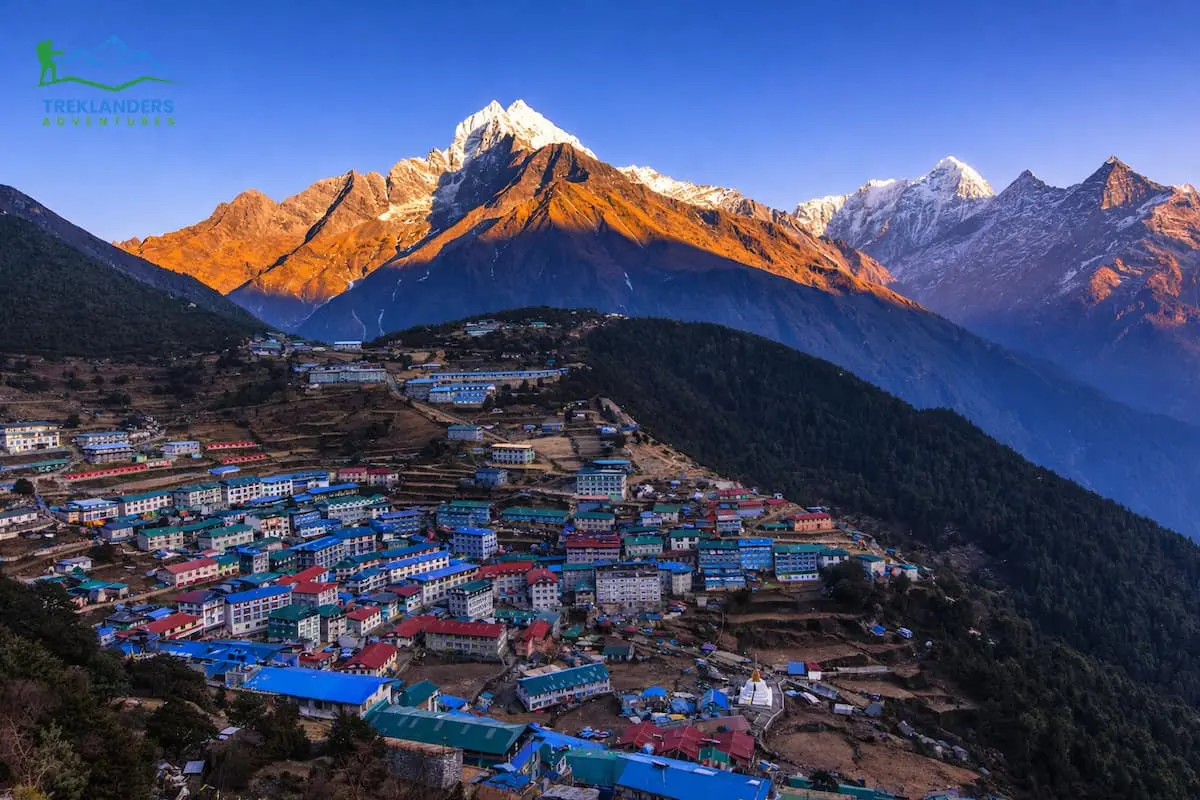
Right after breakfast we start our trek to Namche Bazaar (3,440 m). We will walk around 6 to 7 hours to reach Namche Bazaar crossing through dudh Koshi river and forest . On the way we can see the Tham-serku mountain. where we will be staying overnight in Namche Bazar.

On this particular we will pass through a pine forest while continue walking on the trail. We will cross Dudh Koshi passibng through Chumoa and Monjo villages before reaching the entrance of the Everest National Park. We will be trekking for almost six to seven hours to reach Namche Bazaar where we will be spending our day for acclimatization.

On this particular day we will start our trek from Namche Bazaar to Tengboche (3,870m/12,694ft). We will trek approximately around 10km which is basically 5- 6 hours walk enjoying the beautiful scenery welcoming us. You will also be welcomed by the people who have been residing there for long time and also pray at very famous Tengboche monastery of the Everest Region.

While we trek we would be blessed to see good views of Mt. Everest, Lhotse and Ama Dablam. Our main target of this trek will be to reach Dingboche from Tengboche. We walk down through Debuche and cross Imja river to reach Pangboche where you will see beautiful ancient monastery called Pangboche monastery.

We will be spending a day in Dingboche for acclimatization. We can roam around Dingboche and admire the picturesque of beautiful Everest region full of snow covered mountains and ancient valley with warm hearted people.

After a day of acclimatization at Dingboche we will begin to trek to Lobuche. From here, we climb up a steep trail to Chupki Lhara, where we find an array of stones with prayer flags used as memorials to Scott Fischer (American mountaineer) and 10-time Everest submitter Babu Chiri Sherpa (Nepali mountain guide) who perished on a mission to climb Everest. We trek across a wide pass which is a much wanted change from walking in a straight line. We will be able to see beautiful view of Mt. Pumori as we continue to walk on trail.

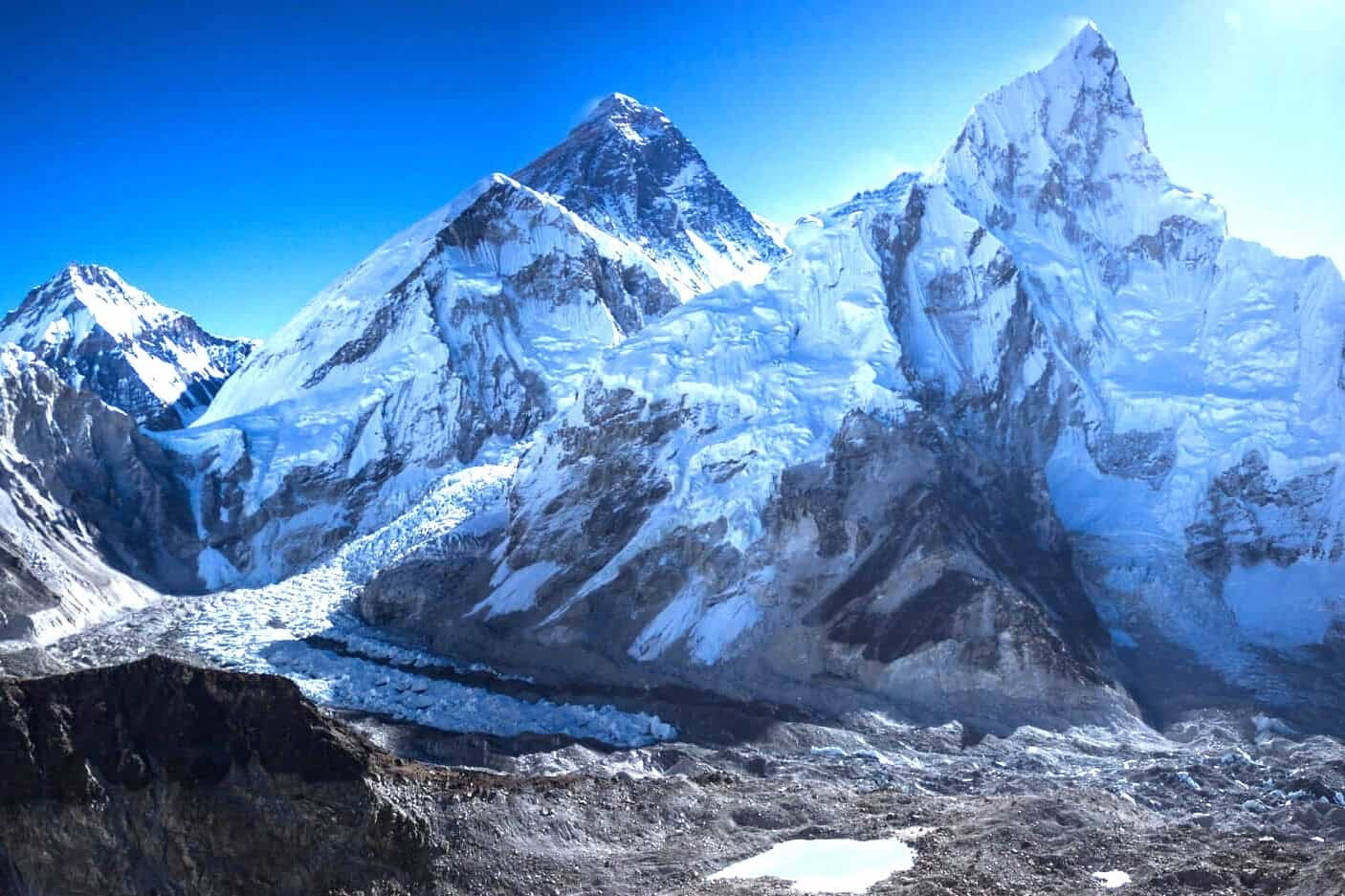
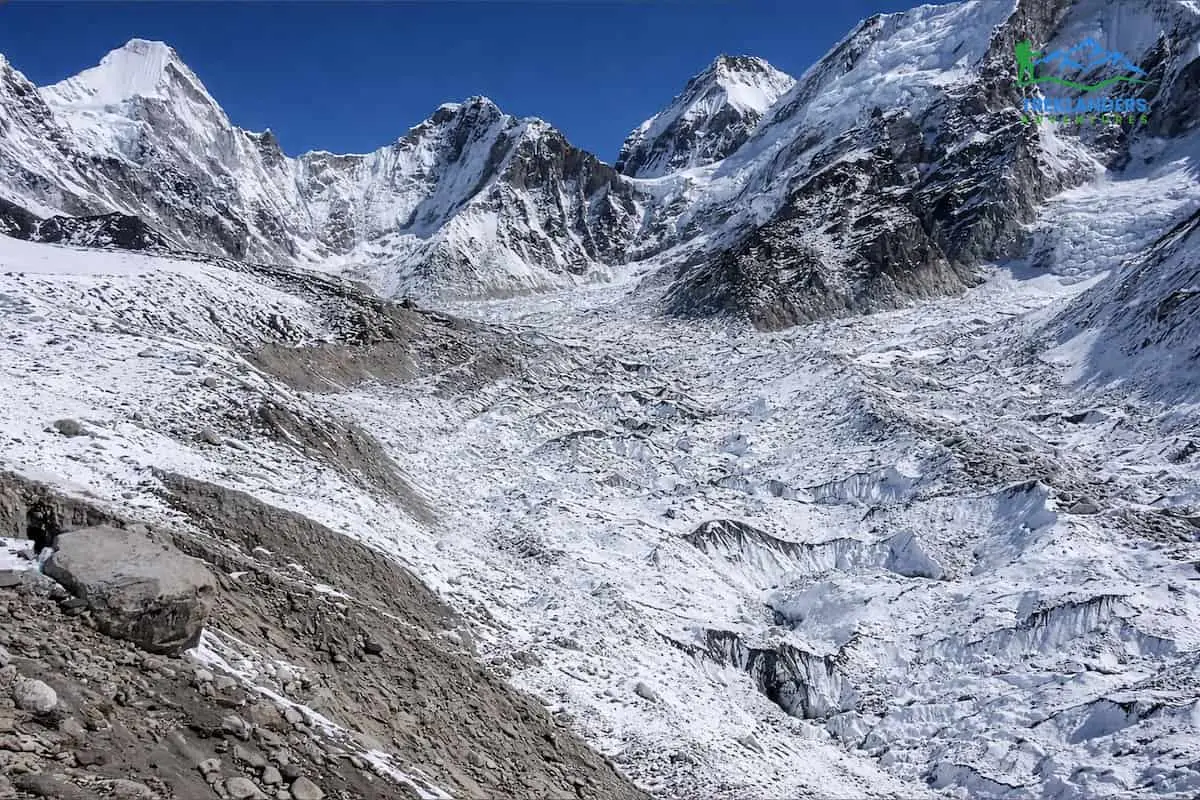
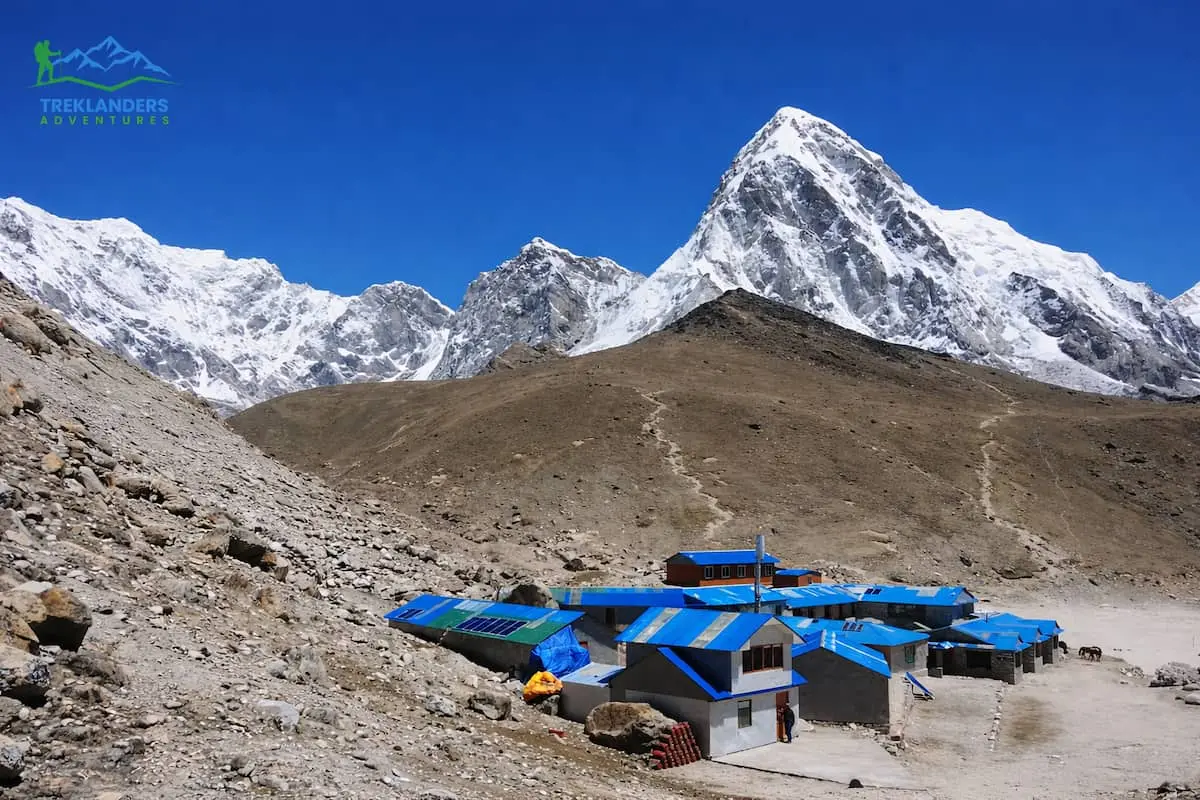
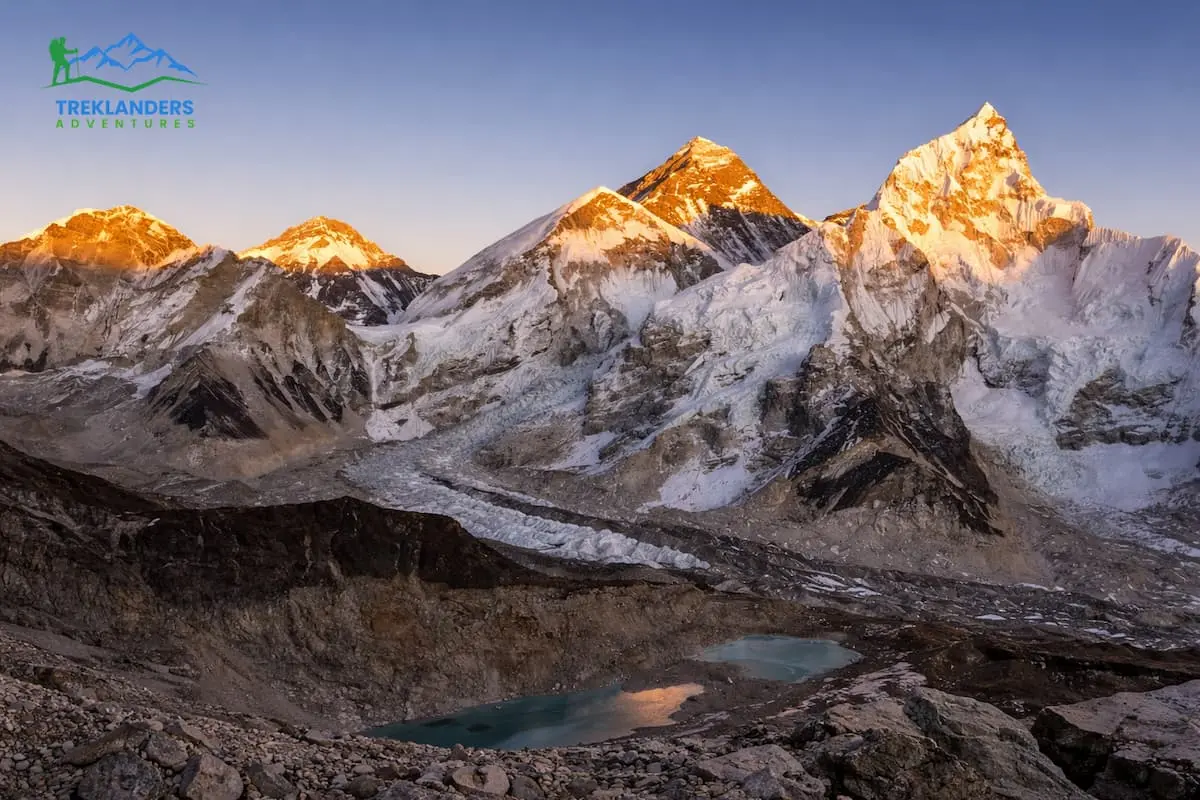
On this day we will start our trek from Lobuche to Gorak Shep and visit Everest base camp. As we walk up our trail, we ascend to the steep terminal moraine of the Khumbu glacier. As our trail passes through the slopes of Chupki Lhara which is a ridge that provides spectacular views of beautiful mountains. On this particular day we will head towards to Gorak Shep and from there we will visit Everest Base Camp. the Everest base camp is stunningly beautiful where we can enjoy amazing views of Nuptse, Khumbutse and Pumori mountains. After spending some time at the Base camp for awhile and headback to GorakShep where we will be spending night.

We prepare for an early morning departure, Familiar peaks such as Lingtren, Khumbutse, and Changtse tower to the east even as Everest begins to reveal itself. But, it is upon reaching Kala Patthar that we get to see 360 degree up-close and formidable views of Mt. Everest. We take pictures, enjoy the magnificent mountain panorama, and then return back to Pheriche.

After breakfast, we start to trek through hillside covered by rhododendron and juniper trees. After crossing the prayer-flag festooned bridge over the Dudh Koshi River, our trail follows the Dudh Koshi gorge descending rapidly through pine forests. In the forest, we may come across colorful pheasants and mountain goats. The path eventually reaches Sansa from where we can enjoy views of Ama Dablam, Thamserku and Nuptse mountains. We also pass winding trails then through a forest before reaching Namche Bazaar.

Today after breakfast we heading to Lukla. After crossing the suspension bridges (Hillary bridge) over the fast flowing Dudh Koshi and its tributaries, the trail becomes more pleasant l and natural.

After such a memorable trip we will take a flight back to Kathmandu from Lukla. It takes around 35 minutes to reach Kathmandu from where you will be transferred to Hotel. You can freshen up and if you have time then you can enjoy around the city.

Finally this is your last day in Nepal. You will be bid farewell and transfer to the airport from Hotel to your respective destination. Treksplanner representative will take you to the airport, approximately 3 hours before your scheduled flight. On your way home you’ll have plenty of time to plan your next adventure in the wonderful country of Nepal.
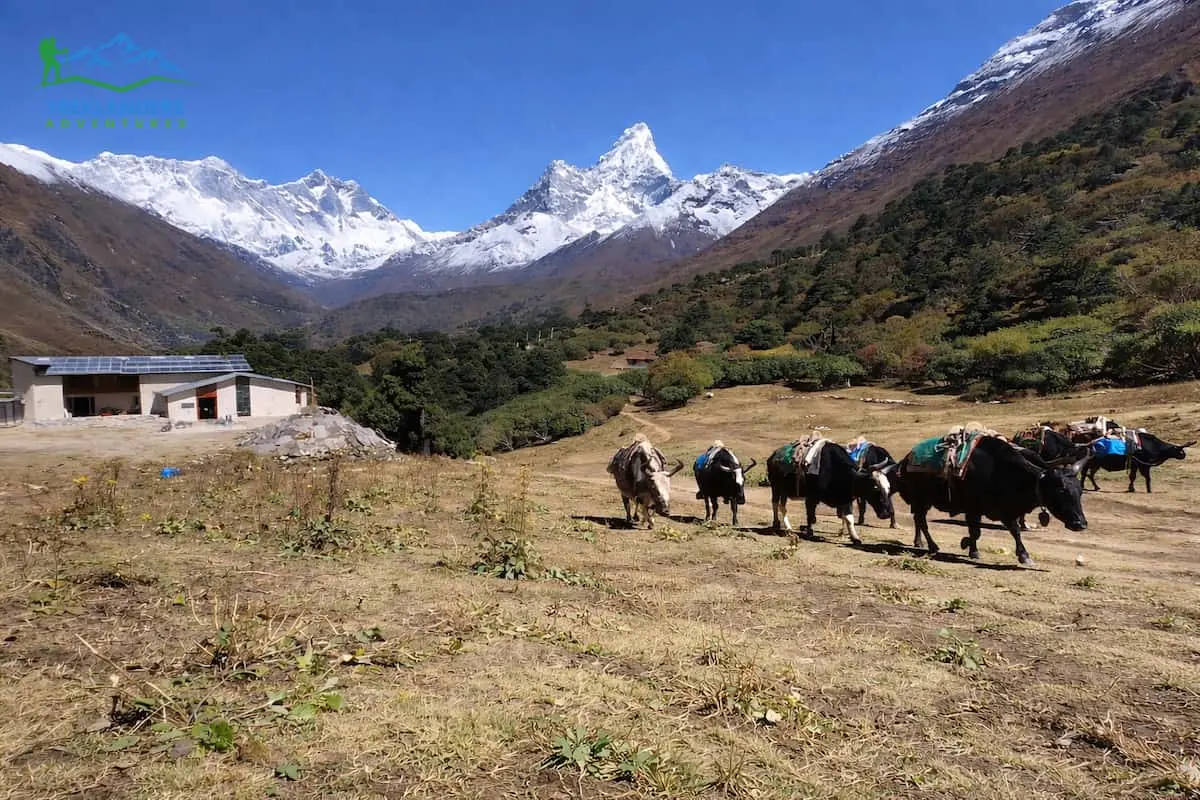
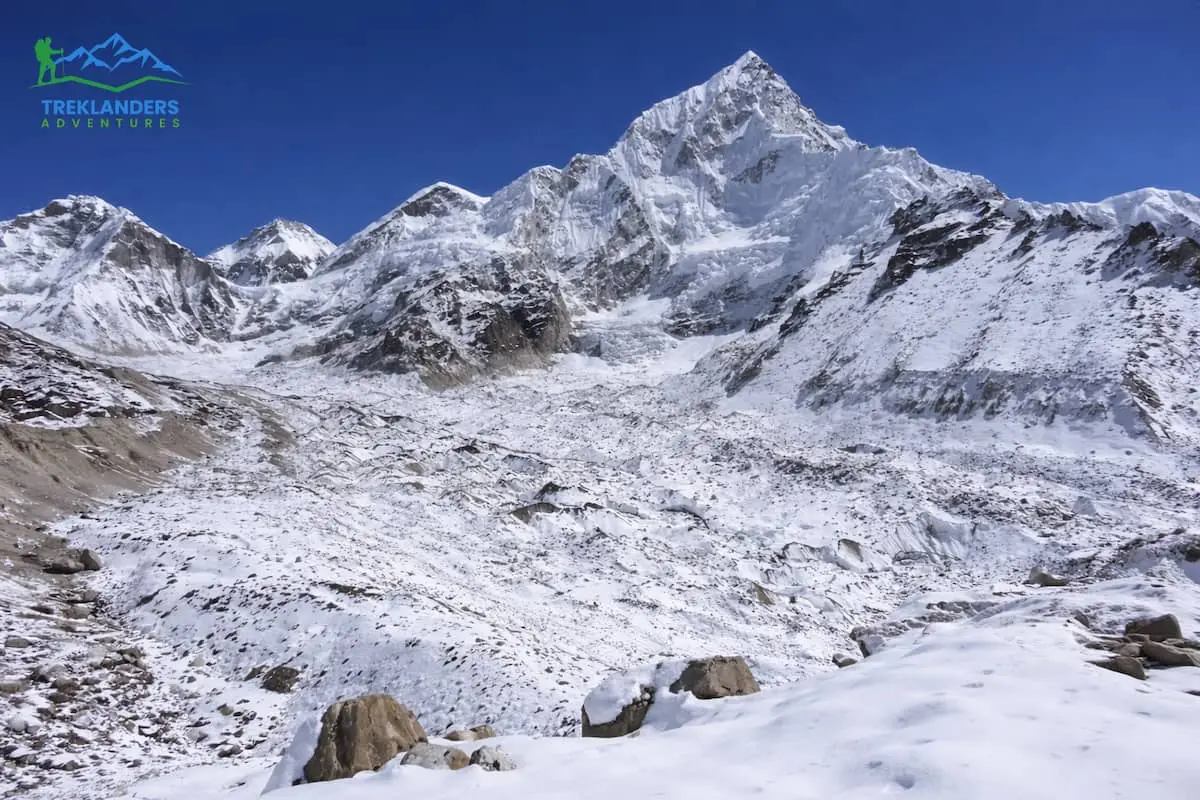
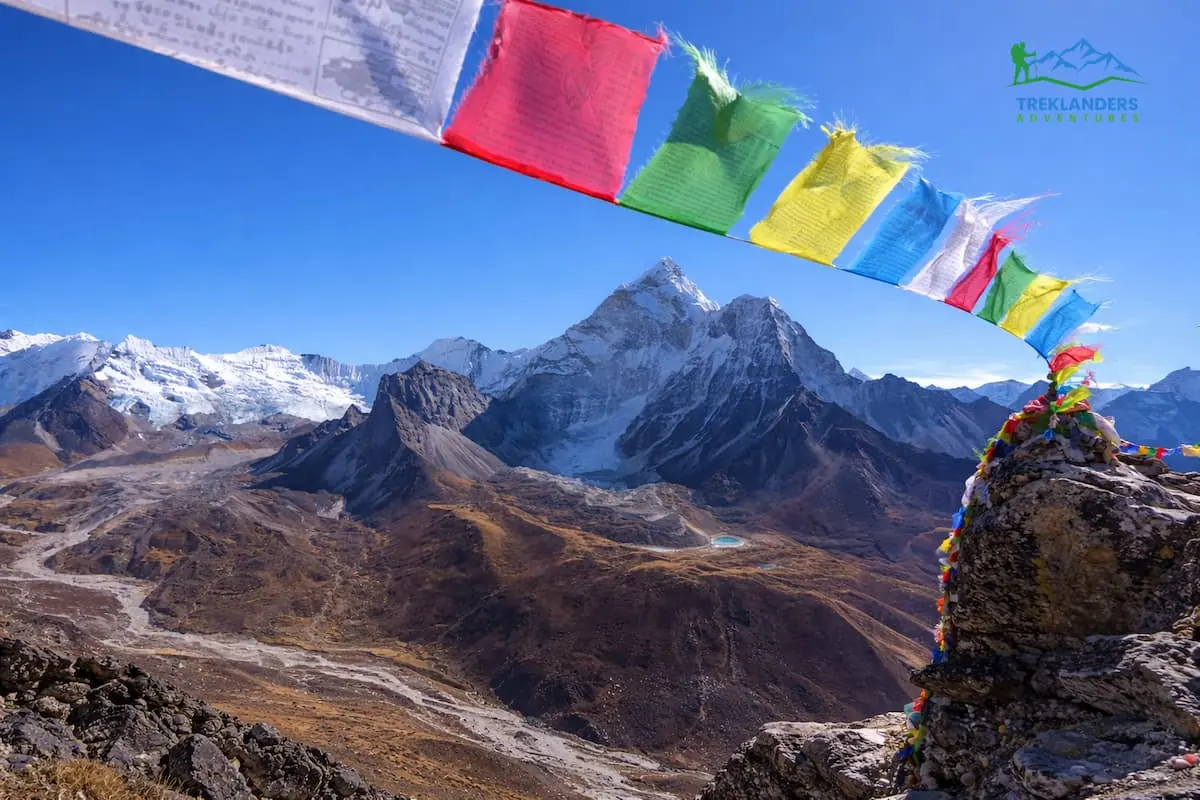
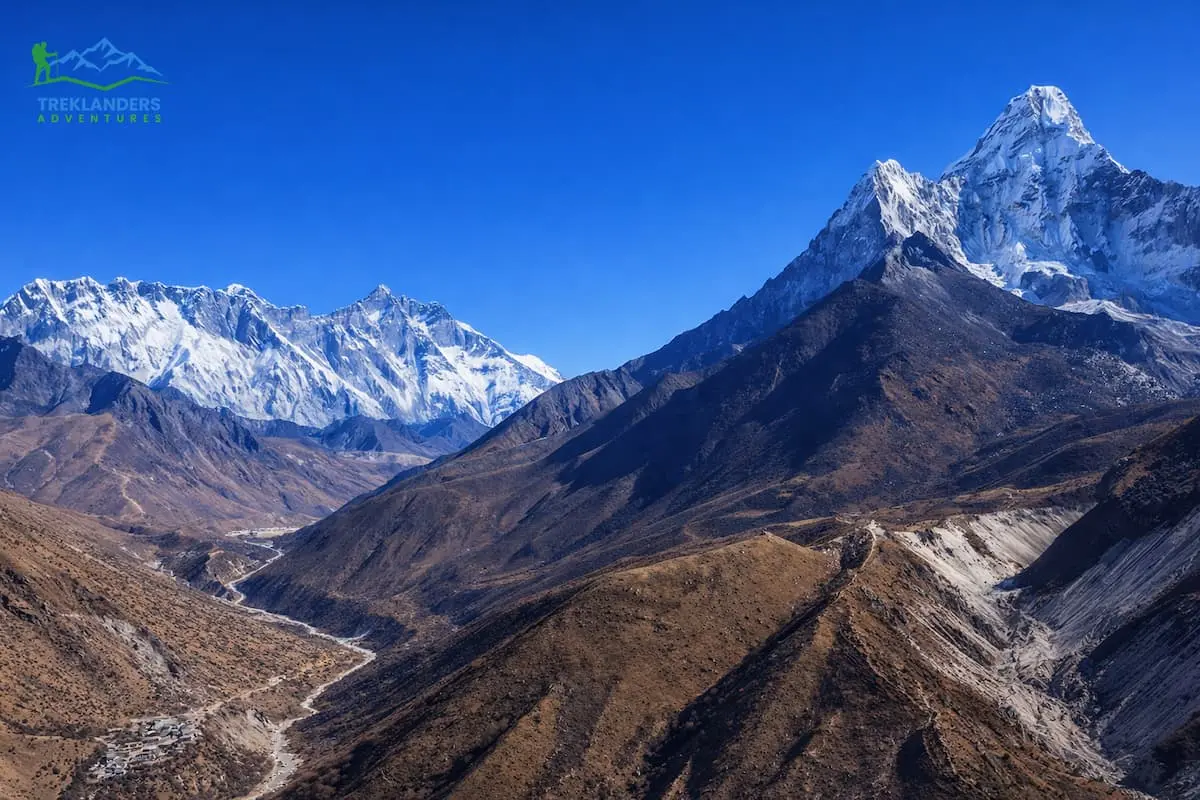
My Everest Base Camp Luxury Trek with Treklanders Adventures was truly the experience of a lifetime. From the moment I arrived in Kathmandu to the final day of the journey, everything was flawlessly organized and delivered with genuine care. The entire Treklanders team was incredibly professional. My guide was knowledgeable, friendly, and always attentive to my safety and comfort. I really appreciated how he explained the local culture, mountains, and history during the trek—it made every step feel meaningful. The porters were equally amazing, always smiling and ensuring my bags arrived safely each day. The “luxury” part of the trek was absolutely worth it. The carefully selected lodges were warm, clean, and far more comfortable than I expected at high altitude. Hot showers, cozy beds, delicious meals, and great hospitality made the long trekking days relaxing and enjoyable. I also loved how Treklanders gave personal attention throughout—checking on my health, adjusting the pace, and making sure I stayed acclimatized. Reaching Everest Base Camp was a powerful moment. The weather was perfect, and standing beneath the world’s highest peak felt surreal. The scenic views along the whole journey—Namche Bazaar, Tengboche Monastery, Dingboche, and Kala Patthar—were breathtaking. I am extremely happy I chose Treklanders Adventures. Their professionalism, warm service, and attention to detail exceeded my expectations. I felt safe, comfortable, and well taken care of throughout the entire trek. I highly recommend Treklanders Adventures to anyone planning a luxury trek to Everest Base Camp. They truly made my dream adventure unforgettable.

Purpose: Keep sweat off the skin and maintain warmth.
Purpose: Trap body heat in cold air at altitude.
Tip: Keep electronics in inner pockets at night to prevent freezing.
Nearly all age group can join on this wonderful adventure, as long all interested trekkers should be in good physical shape. As well with sound health to take the challenge walking on high altitude. The walk is basically moderate and easy, but due to the ride in altitude makes the climb uphill quite strenuous for some people. However taking slow and having enough rest days for acclimatization can overcome the difficulties. Treklanders has set the itinerary with rest days where required to make the trek easier for all age group. However we recommend minimum 16 years of age to maximum of 70 years old can join on this wonderful adventure.
Nearly all villages and lodges have electricity with Hydro or Solar power, where one can charge their electronic items. Where client needs to pay an extra fee for using the power as per gadgets charged. As for internet and cell phone communications, every lodges have the Wi-Fi and internet services, but can be quite disturbing sometimes due to weather and location wise.
It also depends upon on a day for internet and Wi-Fi if the weather is clear and fine can receives much better. As well the change of landscapes and altitude might disturb the internet with poor links, but local cell-phone can receives transmission and it works.
From Lukla onwards to Dingboche and Lobuche till Gorakshep, one can enjoy the comfort of nice lodges and guest house. As well with warm traditional hospitality in every overnight stops, people can choose from budget, standard to luxury lodges where available.
The foods are well served in a large cosy dining hall, can choose various items of foods from the menu with wide range of meals and snacks to choose from.
Serves Continental, Chinese, Indian, Tibetan and Nepali foods, as well Mexican, Italian, Korean or Japanese in some lodge restaurants. Includes fresh bakery products also.
It is one of the most popular trek around the Himalayas, due to its accessibility with well-defined trails. As well with availability of good lodge accommodation and best foods till Gorakshep before Everest base camp. In high season of spring and autumn the trek to Everest base camp get very busy. Where one needs to book the lodge at designated overnight stops well in advance, especially for bigger groups.
As season wise with the mass flow of visitors to Lukla and vice versa from Kathmandu.
During high times of trekking season, the flight to Lukla and back can be quite busy. Where more than 20 flights operates in a fine clear day, which cause air traffic coinciding with the international and domestic airlines. To make the air traffic lighter, the flight to Lukla from Kathmandu is diverted in Manthali airport at Ramechap district. Which is about 150 k.m driving distance of 4 to 5 hours, the flight from Ramechap to Lukla is just 20 to 25 minutes. Which makes it easier and quicker before the bad weather closes in. For further updates the company will inform all the clients flying to Lukla joining with Trek Landers Adventures.
A luxury version of a product always makes you feel more comfortable and gives you extra services. Thus, for example, one would be staying in upscale lodges with the rooms having heating, with private bathrooms where available, with eating in high-quality dining, and with better amenities. It also makes sure that the travel is less complicated with an experienced guide and the option of a helicopter if you want to be more comfortable.
Most luxurious journey plans allow two weeks or a bit less (12–14 days) for the trek with well-spaced days for acclimatization and at a relaxed pace. Just a few would want to cut short the return journey and so take a helicopter from Gorak Shep or EBC.
Definitely, beginners could join as long as they have been able to prepare themselves physically. The luxury version of EBC Trek offers even better rest, comfort, and support than the basic accommodations, thus making the trip less physically demanding. But the trail itself is still difficult because of the altitude and the roughness of the ground.
Warm, cozy, electrically heated rooms furnished with comfortable bedding, complete with an attached bathroom in the cases where there are such rooms, tea and coffee making facilities, WIFI, and quality meals are what you can expect from some of the best lodges in the region. As far as the higher regions are concerned, where luxuries and comforts like those mentioned may be limited, it is the best available tea houses that are used.
Absolutely yes, because altitude does not discriminate against anyone, irrespective of whether you are at high or low comfort levels. The luxury program of activities/tour includes enough days for acclimatization, slower paces, and it has trained guides who keep a close eye on your well-being all along the trek.
The most suitable seasons would be either spring (March–May) or autumn (September–November). The weather during these periods would be more predictable, as well as the number of clear sky days; this is exactly what is needed for people wanting to fly to EBC or just stay in a luxury lodge and enjoy the view of the west side of the mountain from their room.
The top months to go are in the spring (March to May) or in the autumn (September to November). In these months, the weather is mostly stable, the mountain views are clear, the temperature is moderate, and the availability of lodges is at its best, thus perfect conditions for a luxury experience.
In spring, the temperature slowly rises, there are flowers of rhododendrons, the daylight is long, and the mornings are usually clear. This season is undoubtedly one of the most beautiful for trekking because of the nice weather and excellent visibility.
The main benefit of the autumn season is the most sparkling and clearest views of Mt. Everest and the neighboring peaks. The air is fresh after the monsoon; therefore, the trails are dry, and the temperature is stable. It is regarded as a peak season in terms of both comfort and the beauty of the scenery.
Winter, which lasts from December to February, offers magnificent views, but at the same time, it has very low temperatures, the trails are icy, and the daytime is shorter. Even though luxury lodges give off heat and comfort, the cold can still make it difficult to trek.
The monsoon, which lasts from June to August, is the worst season with respect to several factors like the rain, the cloud cover, and the slippery trails. In fact, flights to Lukla are frequently delayed or canceled. Although staying in lodges is pleasant, visibility and weather are highly unpredictable.
Night temperatures in places such as Dingboche, Lobuche, and Gorak Shep can be far below zero. Even during good seasons, the early mornings are cold. However, luxury lodges make the chill less unpleasant by installing heating systems and providing warm bedding.
Luxurious lodges feature an extensive and diverse menu of high-quality meals, such as Nepalese, Continental, and Western cuisine. Any meal can be a combination of the following options: eggs, pancakes, porridge, bread, oats, fruits, and coffee. Lunch and dinner meals are typically made up of soups, pasta, rice dishes, curries, vegetables, and protein-rich options and are prepared fresh each day.
Certainly, luxury lodges are committed to maintaining high standards of hygiene. Food is prepared fresh, and safe drinking water is used. All kitchen tools are sanitized properly, and rigorous hygienic protocols are followed in food preparation areas. These lodges have a reputation for professional hospitality and quality that is always consistent.
Dietary preferences like vegetarian, vegan, gluten-free, dairy-free, and nut-free meals can easily be accommodated in your itinerary. All you need to do is let your guide or the lodge staff know a little ahead of time so that they can make the necessary arrangements for your meals.
Most luxury lodges, especially those located in the lower sections like Lukla, Phakding, and Namche, can provide fresh and well-stored meat. Nevertheless, at higher altitudes, vegetarian meals are recommended due to the difficulties associated with the transportation and storage of meat.
Hot drinks are available throughout the trek, and you can choose from drinks like tea, herbal tea, hot chocolate, coffee, ginger tea, and warm lemon honey. High-end lodges usually have a wide variety of drinks available as compared to regular tea houses.
Safe drinking water is ensured in luxury lodges through the provision of purified or boiled water. Trekkers can refill their reusable bottles every day. To be on the safe side, you may also have water purification tablets or a filter bottle with you.
Moderate to good fitness is essential, as the trek involves long walks at high altitudes. The premium accommodations and better rest do not make it any less rigorous, as the trail is physically demanding, and daily trekking of 5–7 hours is required.
Training should be initiated at least 6-8 weeks before the event. Hiking, fast walking, stair climbing, cardio workouts (running or cycling), and leg-strength exercises should be part of your routine. Training with a backpack is the best way to build the necessary stamina for long days of trekking.
Just to be sure, previous trekking experience is never a bad thing, but it is not mandatory. Several first-timers should be considered as successful luxury EBC trekkers, provided they undergo fitness training, keep a slow pace, and ask for the support of experienced guides.
Mental readiness is a must. High altitude, bad weather, and long trekking distances are among the challenges that you will face. A positive mindset, patience, and determination will lubricate the way, and you will be able to focus and enjoy the journey.
Yes. Luxury schedules are inclusive of perfectly planned acclimatization days that allow your body to acclimatize gradually to the elevation. This lessens the feeling of tiredness and helps keep up physical performance during the whole trek.
Satisfactory trekking boots, ultra-light trekking poles, moisture-wicking clothes, and a comfortable daypack are the essentials. If you usually use knee braces or sports tape, bring them as well, along with your personal fitness equipment.
On most trekking days, the walking hours are between 5 and 7, relative to altitude and trail conditions. Acclimatization days may sometimes include shorter hikes.
Although the luxury EBC trek will provide you with nice lodges to rest, cold weather and low air pressure will still be unavoidable, especially after Namche Bazaar, so you really need to pack the right clothes. Allow moisture-wicking base layers both for the top and bottom, a fleece jacket for warmth, and a very good quality goose-down jacket suitable for temperatures that will drop below zero in your pack. You cannot go without a waterproof and windproof outer jacket and pants if you want to be able to brave the storm. Some trekking pants that will be comfortable for you, insulated thermals, warm gloves, wool or fleece hats, neck gaiters, and buff scarves will protect you from the cold winds layered with each other. Layering will allow you to easily change your body temperature from Lukla to Everest Base Camp, which has different climate zones.
Yes, of all the items you take along with you on your trek, good and adequately supportive footwear is the most important for your safety and comfort. Make sure your trekking boots are sturdy, well-broken-in, waterproof, and provide you with good ankle support. Be prepared for the trail that will have you walk on rocks of different sizes and heights, go down or up the steep sections, cross suspension bridges, and walk on the paths that will not be even with each other. Do not use new boots as they can cause blisters and make you feel uncomfortable, especially during long hours of trekking.
Trekking poles come in very handy, and in fact, you should definitely have them. They take some of the load off your knees, which is caused when you go up and down a hill steeply, give you better grip on areas that are rocky or icy, and generally help enhance your balance capacity at high altitudes. The poles that can be adjusted for length and are made of light materials are the ones to go for.
Carrying a daypack that is 30–40L in size is just right to keep the essentials that one would normally need over a day, including accessories like water and snacks, gloves, sunglasses, sunscreen, a light jacket, and of course, your camera. As your main luggage will be transported by porters, your daypack should be kept to a minimum in terms of weight and also be comfortable, most likely with straps that are padded and a hip belt.
Though it is true that luxury lodges offer you a warm and comfortable bed, the temperature may drop significantly at high altitudes; thus, in Dingboche, Lobuche, and Gorak Shep, most of the time, below-freezing conditions will occur. So having a sleeping bag that ranges from -10°C to -15°C will give you that additional warmth, and therefore you can be sure you will have a comfortable sleep. It would not be right to say that a sleeping bag is mandatory, but it is highly recommended for the winter period.
First of all, have the following personal items with you: sunscreen, sunglasses, lip balm, toiletries, wet wipes, and hand sanitizer. And don’t forget your reusable water bottle. Water purification tablets or filters will allow you to have safe drinking water all along the trekking route. If you want to walk down the trail in the early hours of the morning, for instance, to get to Kala Patthar, then you must have a headlamp along with spare batteries. Remember to carry any personal medications that you may be taking; also, if your doctor prescribes you medications for altitude sickness, pack them as well.
That is how it is with airplanes going to Lukla: they will allow you a total of 10–15 kg for checking in the bags, and 5 kg will be the limit for hand luggage. There’s also a limit for the porters, and that is what it looks like: they usually can carry between 15 and 20 kg, but this total weight is for two trekkers. So pack well and keep out of your luggage those items that are unnecessary.
Absolutely, the journey will be a lot easier for you if you keep some of these snacks with you: energy bars, nuts, dried fruits, and chocolates. Although great meals will be served at the luxury lodges, having such snacks at hand will not only stave off hunger between long trekking days but also give you an energy boost when you cannot afford to stop for too long.
The luxury trek is essentially the same one that a normal EBC trek would follow, but with the added comfort of luxury, the physical difficulty remains unchanged. It is a moderately challenging trek in the high mountains with long walking days, steep uphill sections, and very thin air. Though premium accommodations, better rest, and top services make the trip more comfortable.
It's mostly in terms of comfort. Luxury lodges give you a better night of sleep, a warm room, healthy meals, and a hot shower—thus your body will recover faster. However, the trekking itself still requires stamina and endurance.
No technical skills for climbing are necessary. The route is a trekking one, not a mountain climbing one. Basic trekking experience and good fitness will be enough.
Yes. There are lots of beginners who have finished the trek successfully, particularly when they had luxury support. Suitable training, psychological readiness, and listening to your guide’s advice will comfortably and safely lead you to the accomplishment of the trek.
Yes, it is a concern that should be taken into consideration by all trekkers. The use of luxury services does not eliminate the risk, as the terrain goes beyond 5,000 meters. Slow pacing, acclimatization days, drinking plenty of water, and trained guides are ways to stay safe from altitude sickness.
Symptoms such as headache, dizziness, nausea, or shortness of breath are to be reported to the guide instantly. The remedy includes rest and drinking plenty of fluids. If the symptoms aggravate, the descent is the most definite solution. The guide will attend to your well-being by making the necessary decisions.
The trek is generally considered safe if a person follows the proper guidance, acclimatization, and preparation. A luxury package is more than just safety measures. It also comprises an experienced team of guides, high-quality lodges, better rest, and well-planned pacing, all of which make the safety factor almost a given for such a journey.
Indeed. Altitude sickness is always the most significant obstacle to overcome, particularly in the areas above Namche, Dingboche, Lobuche, and Gorak Shep. The altitude will be the same even if one takes a luxury trek. Hence, the risk of altitude-related sickness is lowered by a thorough acclimatization plan, slow walking, regular intake of water, and the watchful eyes of trained guides.
Drink adequate water, consume hot meals, get sufficient rest, walk at a comfortable speed, and do not consume alcohol at higher altitudes. The health of most trekkers is assured if they strictly follow the instructions of their guide.
Indeed, sleep thanks to luxury lodges is much more restful since the rooms are warmer, meals are nutritious, and the overall atmosphere is very comfortable. This all helps the body to recover faster and thus decreases physical fatigue, which in turn leads to an overall safer trek.
Yes, travel insurance, which also covers the high-altitude part of the trek, is a must-have. Moreover, your policy must also cover high-altitude medical treatment and eventual helicopter evacuation, as these are the most likely services that would be required in the case of altitude sickness or injuries.
Medical clinics available in Namche, Pheriche, and Khumjung are open during the peak seasons. However, if the case is serious, the helicopter evacuation will be swiftly facilitated.
Yes, luxury EBC treks include professional, authorized guides who have undergone training in handling altitude-related situations, first aid, and emergency management. They not only supervise your health during the trek but also ensure acclimatization is done safely.
Two main permits are what you have to bring along: firstly, a permit to enter Sagarmatha National Park, and secondly, a permit to enter Pasang Lhamu Rural Municipality, Khumbu. These permits allow access to the Everest region, like Namche, Tengboche, Dingboche, Lobuche, and Everest Base Camp. There is no need for a TIMS card for the EBC route.
Sagarmatha National Park Permit can be conveniently arranged in Kathmandu, or it can be picked up at the Monjo entry gate. After arrival in Lukla, you will get the permit of Khumbu Rural Municipality. Treklanders Adventures makes it possible for luxury trekkers to get every permit required without you having to show up at the office.
Yes, it is a must to have your permits with you every day. On the other hand, the trek in the Everest region has numerous police posts, Monjo, Namche Bazaar, and very high villages. The officers might also ask to see your permits at any time, so take them in a place inside your daypack where they will be safe and yet accessible.
Any luxury lodge or helicopter services, such as those at Yeti Mountain Home, can be used without a special permit being obtained. Your trekking agency will only have to coordinate with lodges and the helicopter companies with regard to your reservation and availability.
Yes, an authentic passport is the most important document when issuing either of the two permits. The guide or the agency will require a copy of your passport for processing. Throughout the trek, carrying your original passport should be done by you.
Generally, permits are being arranged either one day or on the very morning of the flight to Lukla. When the flight is being done by helicopter, the issuance of permits is also done upon arrival in Lukla. Luxury packages that do everything for you in an orderly manner will certainly minimize your waiting time.
Yes, checkpoint police will verify your permits on the return journey from Mt. Everest Base Camp to Lukla as well. When a helicopter is used for the journey back, then it is the guide who will have the permit information.
Yes, the whole package of dealing with luxury trekking permits, as well as the other formalities needed for the trek, is what the company of Treklanders Adventures, with its luxury trekkers, takes care of in advance so that the beginning of your journey can be smooth and hassle-free.
There are several areas along the trail where you can get cell phone reception; these include Lukla, Phakding, Monjo, and Namche Bazaar. Further up towards Tengboche, Dingboche, Lobuche, and Gorak Shep, the network gets weaker, and at times, there is no connection. The signal strength also changes with weather and altitude.
Both Ncell and Nepal Telecom (NTC) have good coverage in the Everest region. NTC usually can give you a good signal even at a high altitude, while Ncell is more stable in the plains or lower areas. What some trekkers do is get to carry both SIM cards during the trek to double their network access.
Luxury lodges, such as Yeti Mountain Home locations, have convenient Wi-Fi available, and most of the time, it is faster than a regular tea house. However, the summit connection might be slow due to less development and bad weather.
There are some luxurious lodges where you can get free Wi-Fi connection, while in others, you have to pay a small amount for password access. Areas at higher altitudes usually charge due to the limited availability of bandwidth and energy sources.
Yes, you can! Charging services are part of the luxury lodges, where they can be located either in the rooms or the common areas. Here you will easily be able to charge your mobile phones, camera, and power banks. In higher villages where the luxury is limited, you may find charging possible only for a small fee.
It is definitely a good idea to bring along a power bank of a large capacity. Even if the charging is regularly available, power might be scarce due to the low season and remote areas. A power bank will ensure your electronic devices are always ready to use, even during long trekking days.
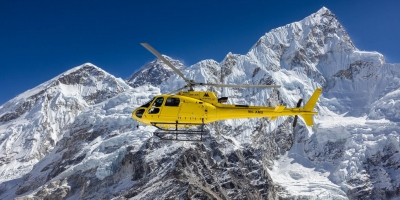
Indeed. A helicopter ride to Lukla might be a nice way for travelers to upgrade their trip if they want more comfort or to avoid the risk of a delayed flight. This option is gaining popularity among luxury trekkers because, besides the smooth ride, it also allows them to enjoy the stunning aerial views of the Himalayas.
Yes. You can also opt for a helicopter ride back, which is only based on your preference and can be planned accordingly. The majority of trekkers make use of this method for a quicker and more comfortable finishing of their trek, especially when it is the peak season, and the regular flights are likely to be delayed.
Certainly, helicopter pickups at either Gorak Shep or Everest Base Camp can be facilitated if you happen to require them. This is an optional upgrade that not only makes the return trip much shorter but also gives you the opportunity to enjoy a breathtaking aerial view of the Khumbu Valley.
Yes, helicopters take off only in good weather, and they also require good visibility. Although helicopters can operate under slightly different conditions than a regular plane, they still require that the conditions are safe for flying. Your guide and the rest of the team will be following weather updates and will decide accordingly.
Helicopter services in Nepal are carried out by skilled mountain pilots who have undergone specific training for the high altitudes. The utmost concern is safety, and the flights are scheduled only when the conditions are appropriate.
At any time before, during, or after your trek, you can decide to take the helicopter option, whether it is for reasons of comfort, weather, or schedule. A lot of the trekkers prefer to keep their options open until the very end of their trek.
| No of people | Price per person |
|---|---|
| 1 - 1 | $2,060 |
| 2 - 3 | $1,635 |
| 4 - 8 | $1,505 |
| 9 - 30 | $1,405 |
| No of people | Price per person |
|---|---|
| 1 - 1 | $2,435 |
| 2 - 3 | $1,875 |
| 4 - 8 | $1,745 |
| 9 - 30 | $1,635 |
| No of people | Price per person |
|---|---|
| Private - Heli Charter | $5,200 |
| 1 - 1 | $1,750 |
| 2 - 2 | $1,700 |
| 3 - 3 | $1,650 |
| 4 - 4 | $1,495 |