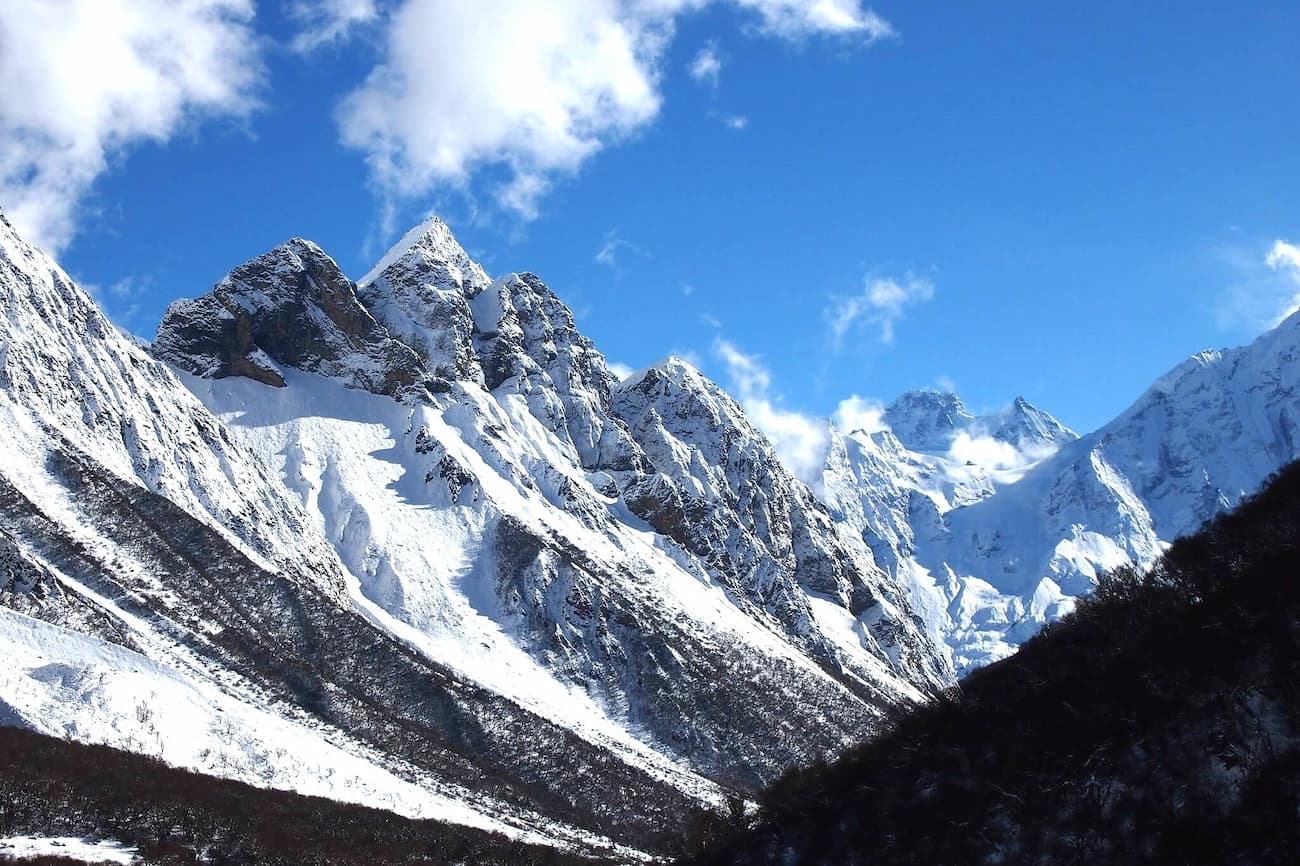
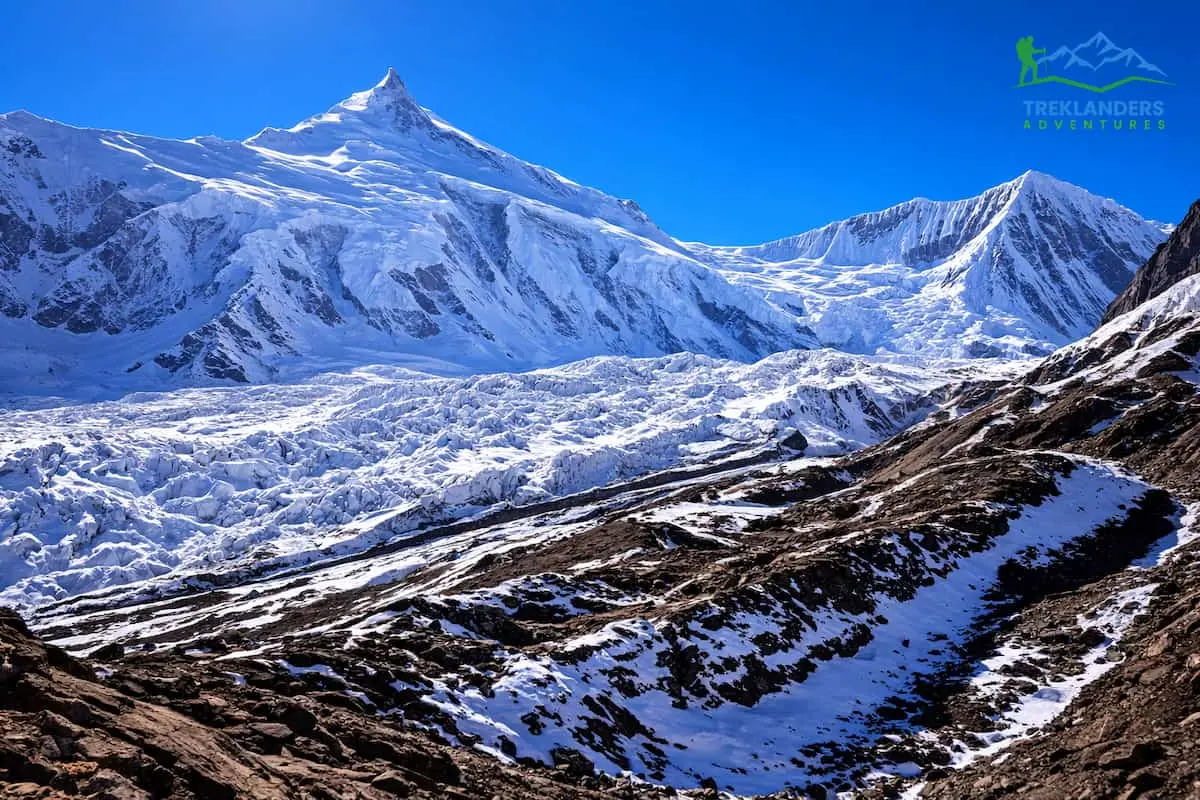
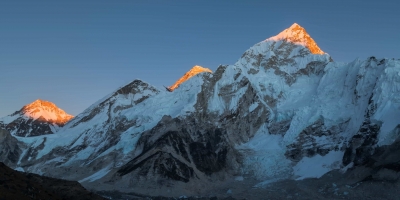
The Manaslu Circuit Trek stands as one of Nepal’s most distinguished remote expeditions, encompassing Mount Manaslu, which soars to 8,163 meters and ranks as the world’s eighth-highest peak, and traversing terrain that shifts dramatically from subtropical river gorges to glaciated high passes. The eighteen-day itinerary with Treklanders Adventures begins with a scenic overland drive from Kathmandu to Machha Khola, following the Budhi Gandaki River as it flows turbulently into the Gorkha district.
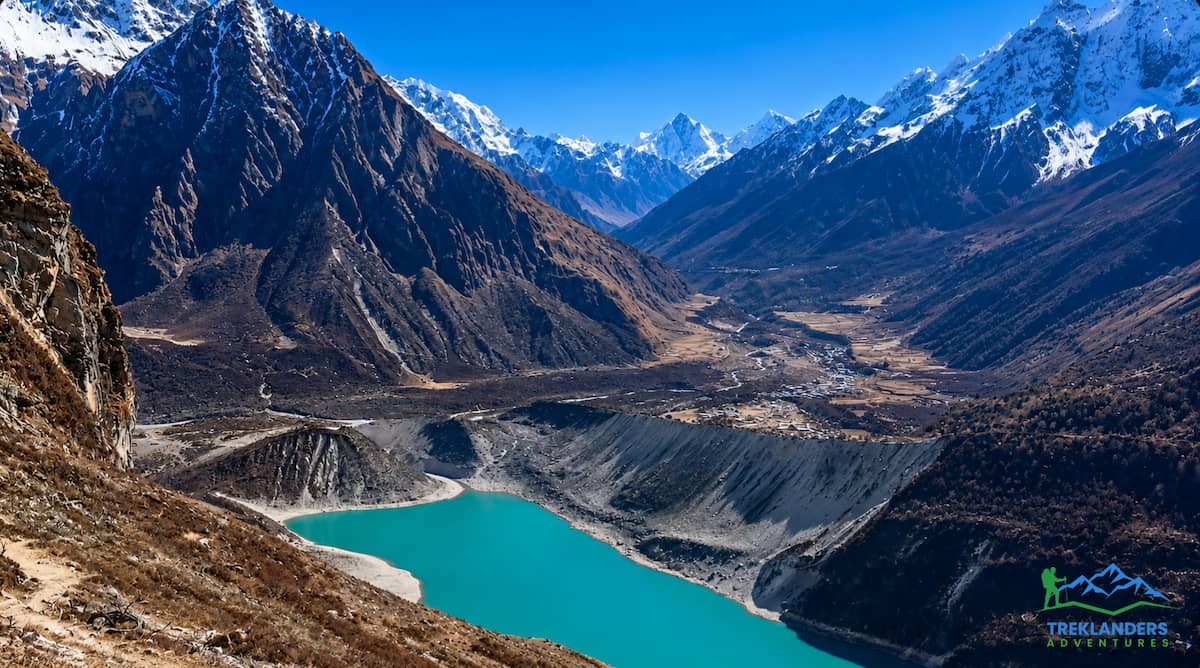
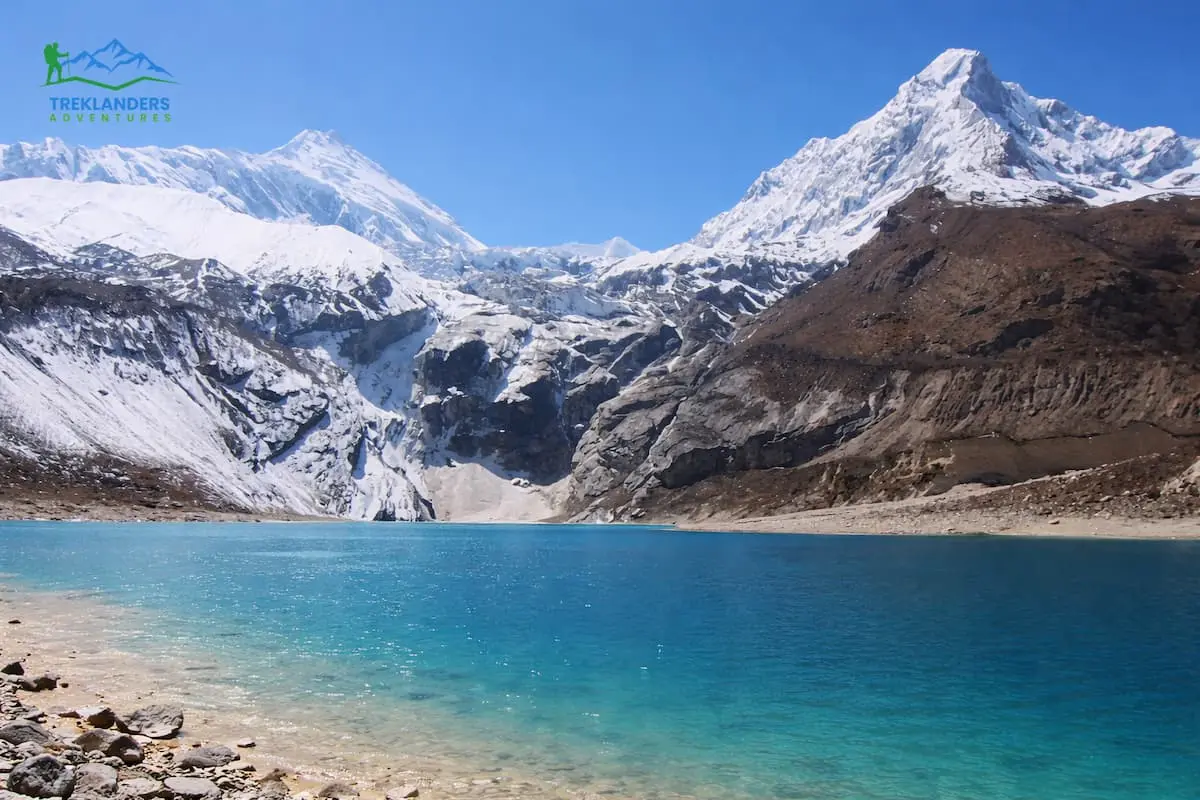
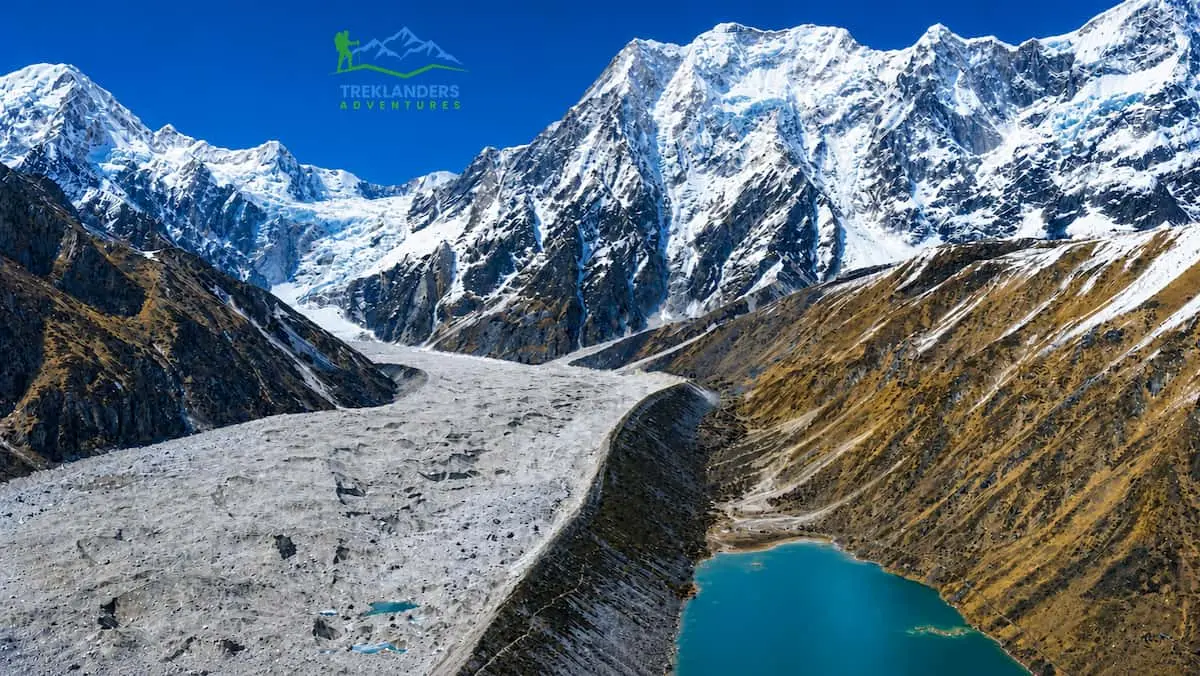
The progressive ascent of the trail results in terraced farmlands giving way to pine and rhododendron forests, which then open into the wide, windswept Manaslu valley, a landscape enclosed by an amphitheatre of snow-clad peaks. The route traverses' villages including Namrung, Lho Gaon, and Sama Gaon, which serves as the primary valley settlement, where a designated rest day facilitates proper acclimatisation because it enables optional ascents to Pungyen Gompa or visits to the turquoise Birendra Tal lake.
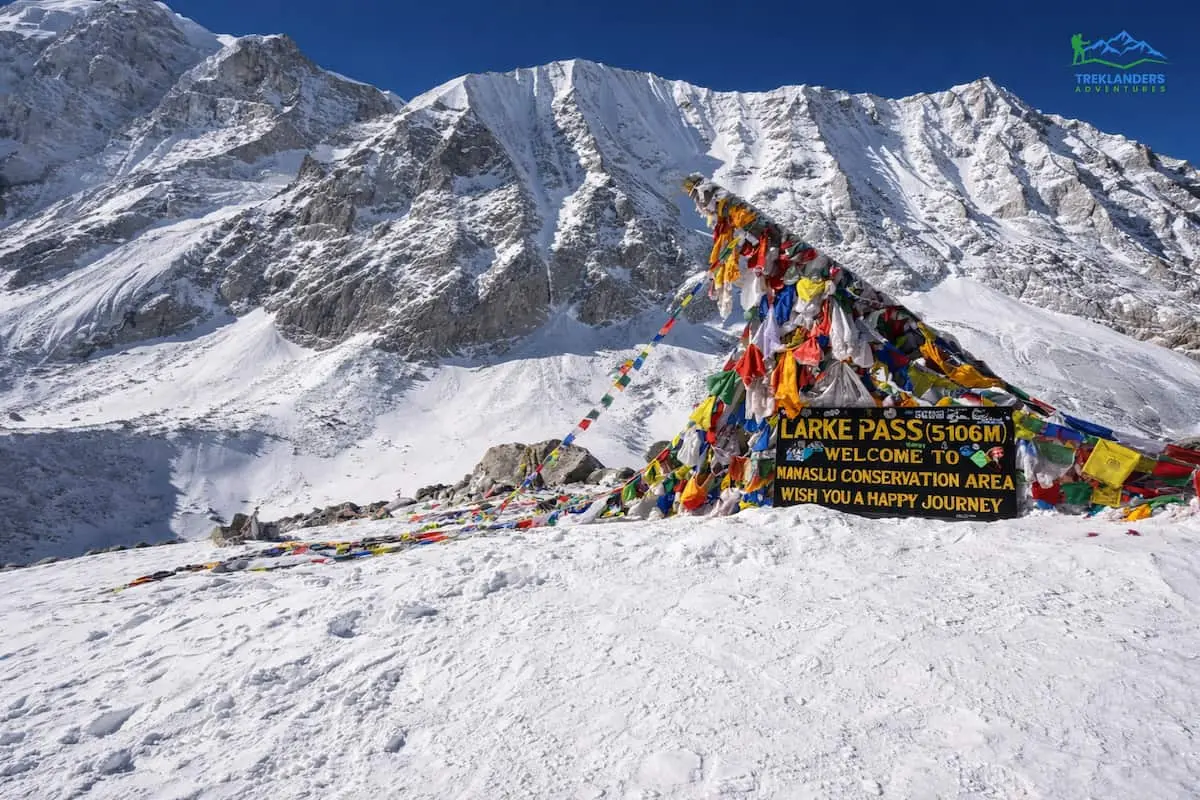
The trek stands as an expedition which culminates in the crossing of Larkya La Pass at 5,106 m, a connection which joins the Gorkha district and Manang, forming the corridor utilized by ancient Tibetan traders for centuries. The descent through Bhimthang and Dharapani constitutes the trail’s junction with the Annapurna Circuit and offers extension possibilities for those with additional days.
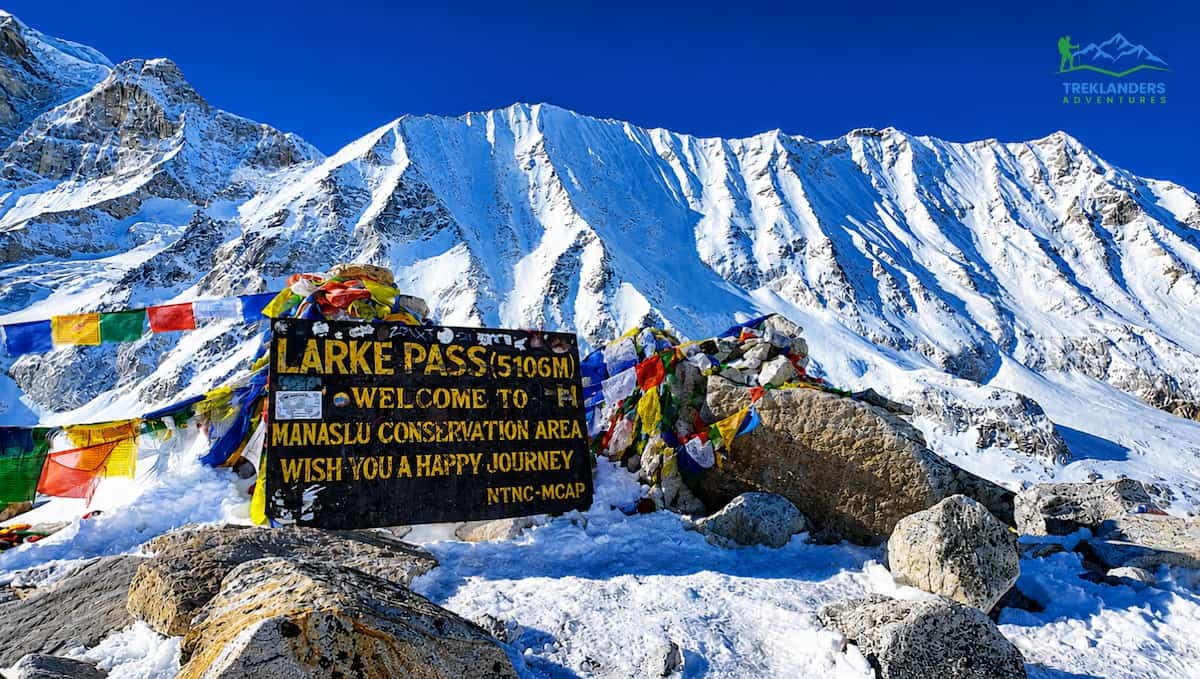
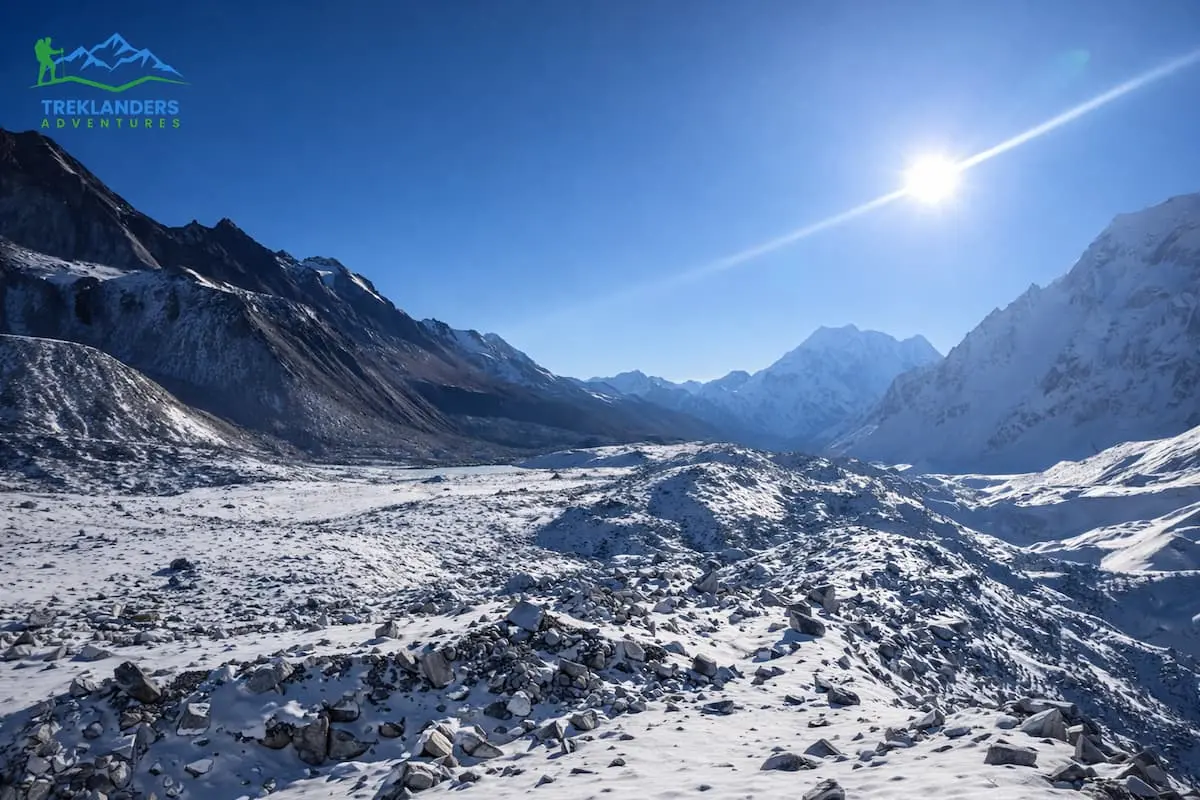
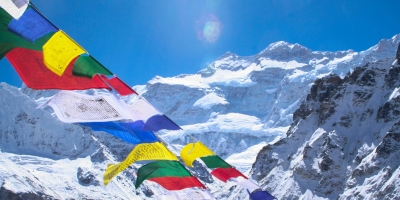
Larkya La stands as the principal summit of the Manaslu Circuit, rising to 5,106 meters. The trek begins before dawn at Dharmasala, which guides trekkers over ice-encrusted moraine and past frozen glacial ponds. The ascent culminates at a pass festooned with thousands of prayer flags, which reveals a panorama extending across the Manaslu Himalaya, including Sringi, Larke, Himalchuli and Annapurna. A long descent delivers trekkers to the lush settlement of Bhimthang, where comfortable lodges and a warm meal await.
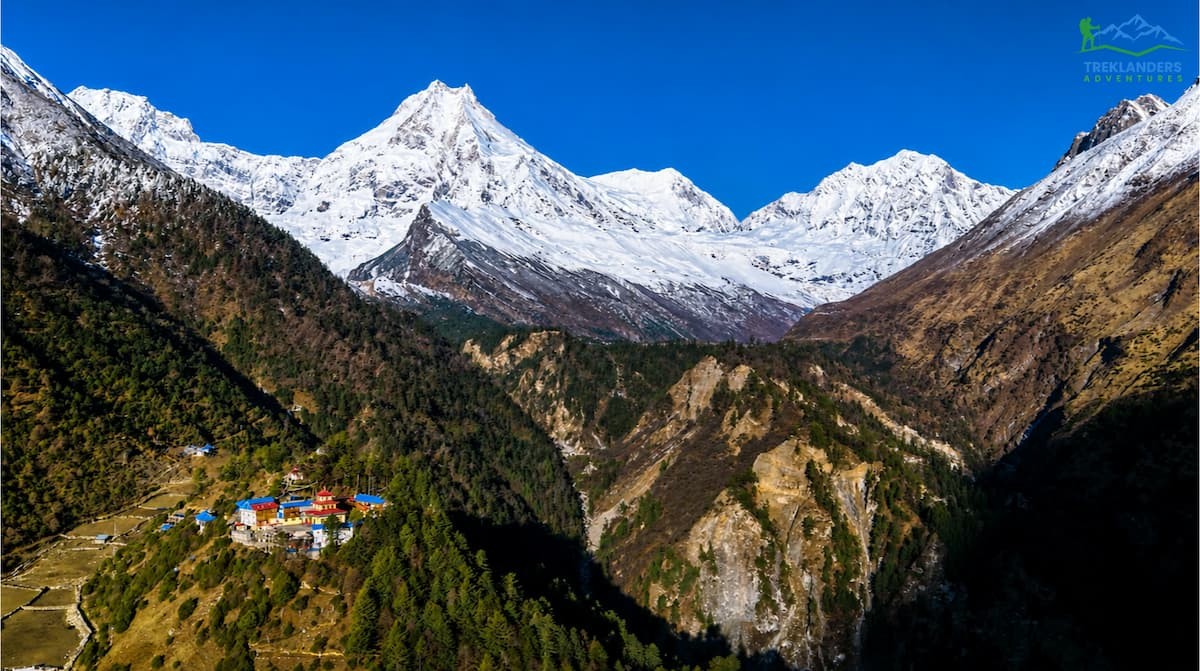
Few treks in the Himalayas pack such a dramatic range of ecological zones into a single route. The Manaslu Circuit passes through five distinct landscape belts, each with its own character, vegetation, and wildlife.
One of the most biodiverse protected areas in Nepal is the Manaslu Conservation Area, home to very rare species like the snow leopard, Himalayan tahr, blue sheep, musk deer, and the critically endangered red panda in its thick upper forests. In spring, the forests at lower and middle elevations become a riot of color with the blooming of rhododendron flowers in various shades of pink, crimson, and white, an amazing natural spectacle that turns the trail into a flower corridor. Bird lovers can see the colorful Himalayan monal, blood pheasants, lammergeiers, and many other species that are endemic to this high-altitude region. The sharp changes in altitude and the limited access to the area have together safeguarded this ecological splendor to a level that it can be compared to the Annapurna route and Everest regions, but with only a tiny fraction of the daily visitors, so that each encounter with wildlife feels free, wild, and leisurely.
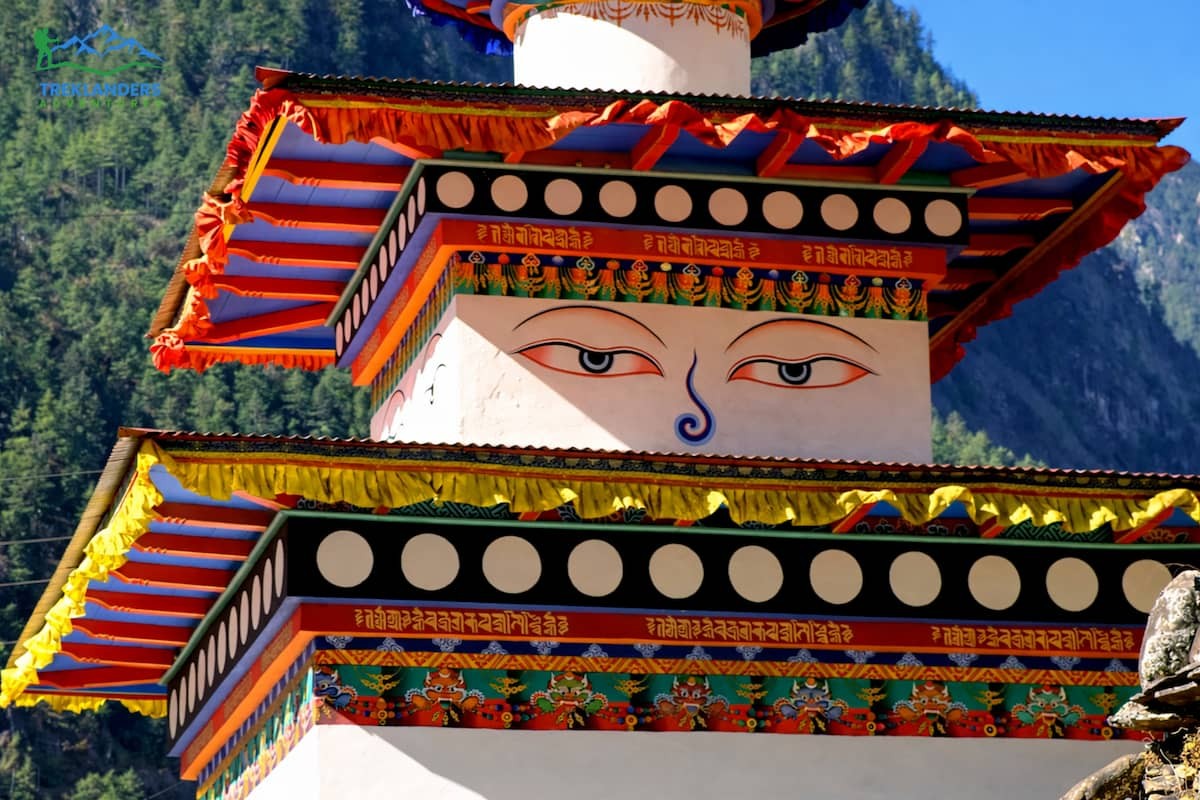
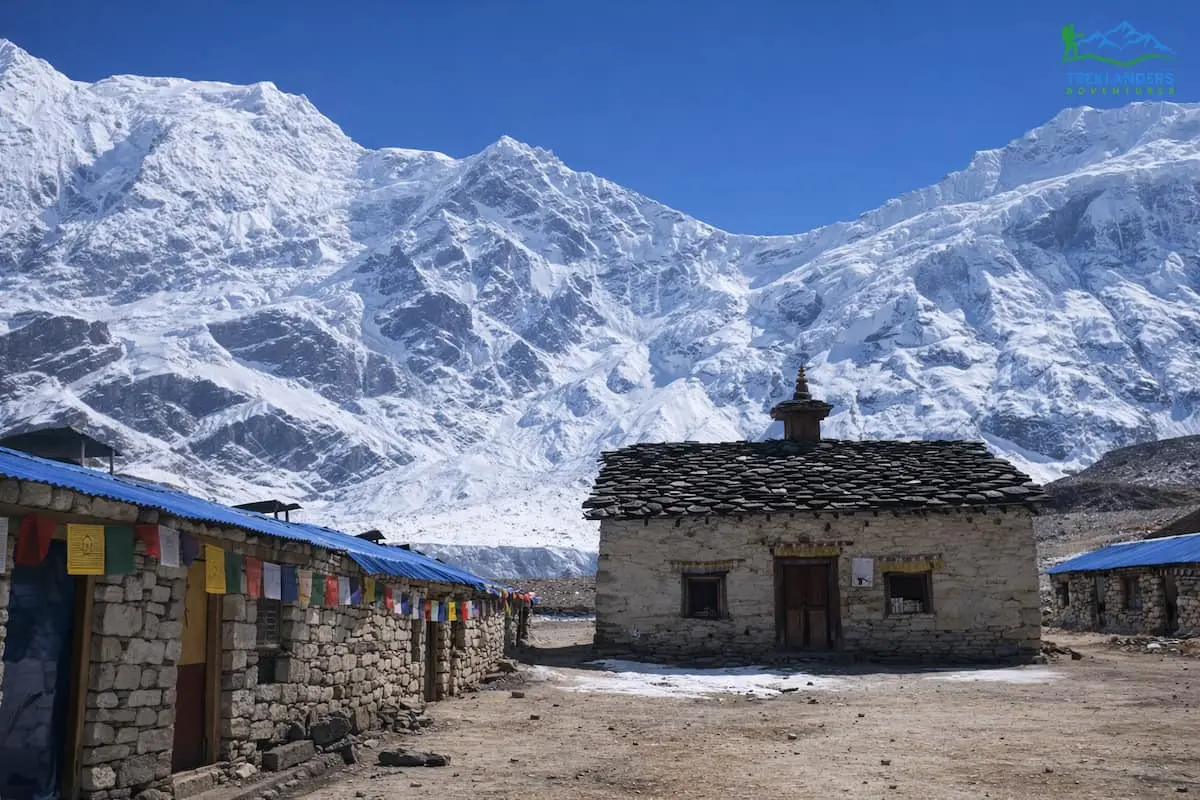
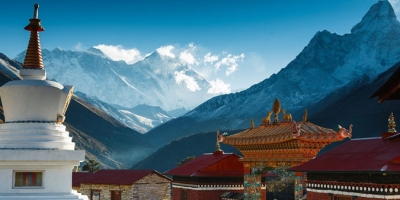
The Manaslu Circuit consists of a very interesting cultural layering. The southern hills abound in Gurung and Magar communities that are inclined to Hindu and animist traditions. Beyond Jagat to the north, the tribes that are of Mongolian origin and culturally Tibetan take over. Their villages are decorated with prayer flags, Mani walls, spinning wheels, Chortens, and active monasteries.
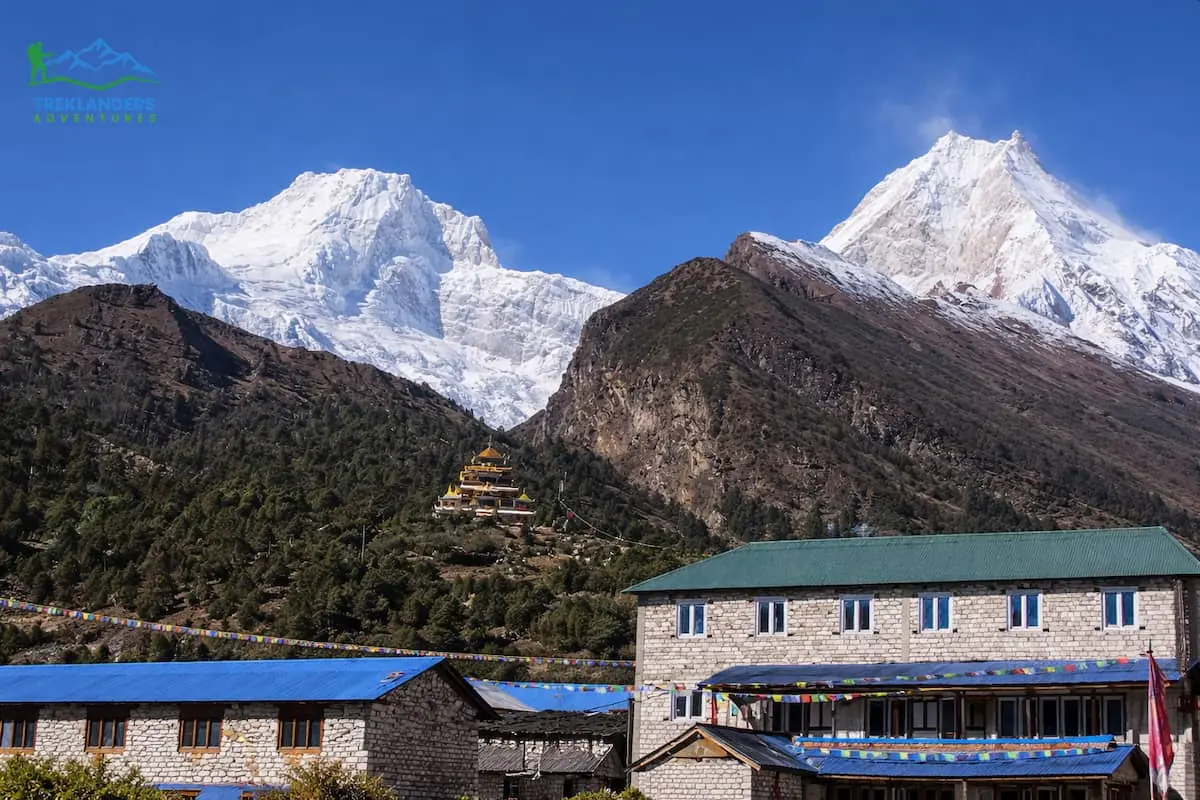
One of the oldest Tibetan Buddhist monasteries with panoramic views of the Manaslu north face is Pungyen Gompa, located near Sama Gaon.
The upper trail is lined with stone prayer walls engraved with sacred Buddhist mantras. For a sign of respect, you should always pass on the left.
Every summit and roof is decorated with thousands of colourful lungta, which are believed to spread blessings through the mountain winds.
Traditional farming and herding are the main occupations of Manaslu locals. Yak caravans bring more life to high pastures during the trekking season.
Manaslu is rooted in Sanskrit and means "soul of God." On the other hand, the local Tibetan name Kutang, which translates as "flourishing land for livestock, " describes quite accurately the pastoral scenes in the upper valley you can see.
The Manaslu Circuit Trek has two ideal trekking windows. Both offer reliable mountain views and manageable trail conditions, though each has its own distinct character.
Monsoon (June-August): Because the upper Manaslu is in a rain shadow, it remains relatively dry compared to other parts of Nepal. But the lower parts of the valley are damp, and the paths can get very slippery. Not suitable for most trekkers. Winter (December-February): Only for very experienced trekkers who are prepared for the extreme cold and the possibility of the Larkya La being blocked by snow.
In view of Manaslu Circuit being a restricted trekking area, three distinct permits are necessary. Furthermore, the presence of a licensed guide is compulsory, Nepal authorities do not allow solo trekking. Treklanders Adventures will take care of all permit work for you.
It is mandatory for all trekkers who want to enter the upper Manaslu valley beyond Jagat. This permit can only be obtained through a government-registered trekking agency; independent applications are not accepted.
This permit is your entry pass to the Manaslu Conservation Area, a protected area where your fees help support the conservation efforts for the area's biodiversity and wildlife corridors.
This permit is mandatory as the descent section of the circuit goes through the Annapurna Conservation Area from Dharapani towards Besisahar.
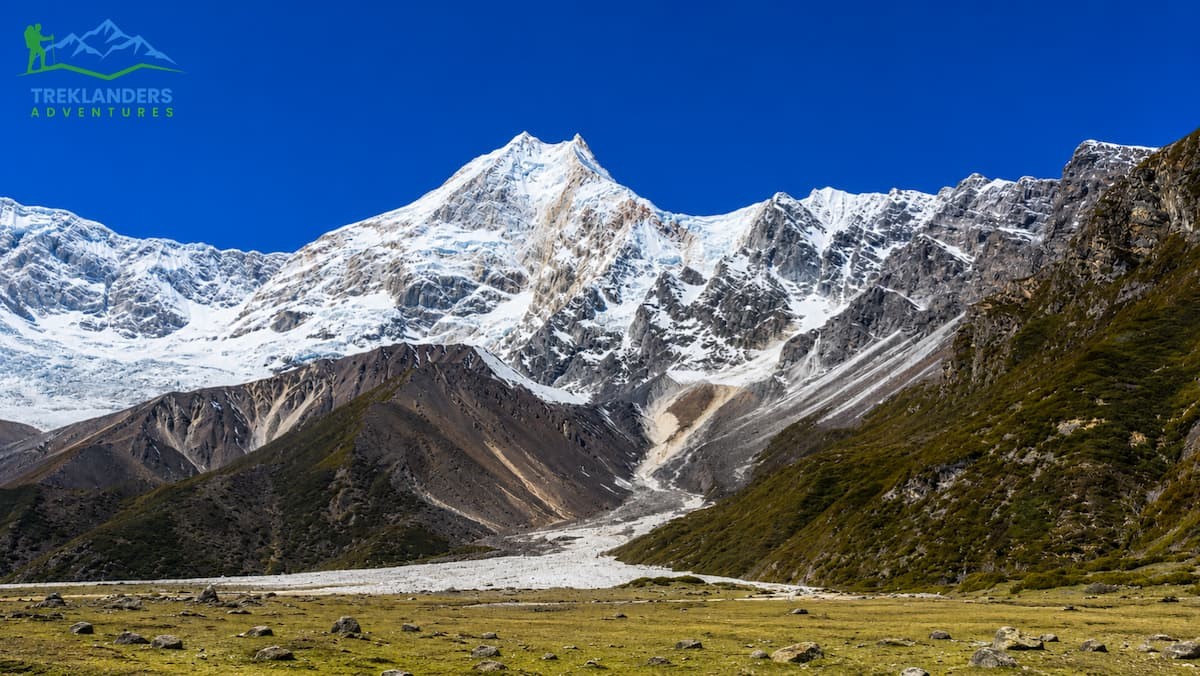
Manaslu Circuit is a great choice for challenge-seekers since it has a comfortable total ascent spread out over several days. Therefore, even if you are not an experienced mountaineer, you can easily get to the camp at Sama Gaon (3,500m), which is also the perfect day of rest for our bodies before we set off for the high Larkya La.
The route's lowest point is Machha Khola, at only 900 m, and the top, Larkya La, is at 5,106 m. This ascent of roughly 4,200 m in ten days is suitable for the majority of fit trekkers who can usually acclimatize without drugs. However, it is important to emphasize that altitude sickness might strike anyone, regardless of how fit one is. Our staff will have extra oxygen and medical kits as well as plans for an emergency evacuation back to Kathmandu should it be necessary.
Most people are advised to: drink plenty of water, stop drinking alcoholic beverages when they go up in altitude, take it easy on the day from Dharmasala to Larkya La, and stop immediately if symptoms appear. If you have altitude concerns or a history of altitude sickness, consult with your doctor about Diamox (Acetazolamide) at least 4-6 weeks before the trip.
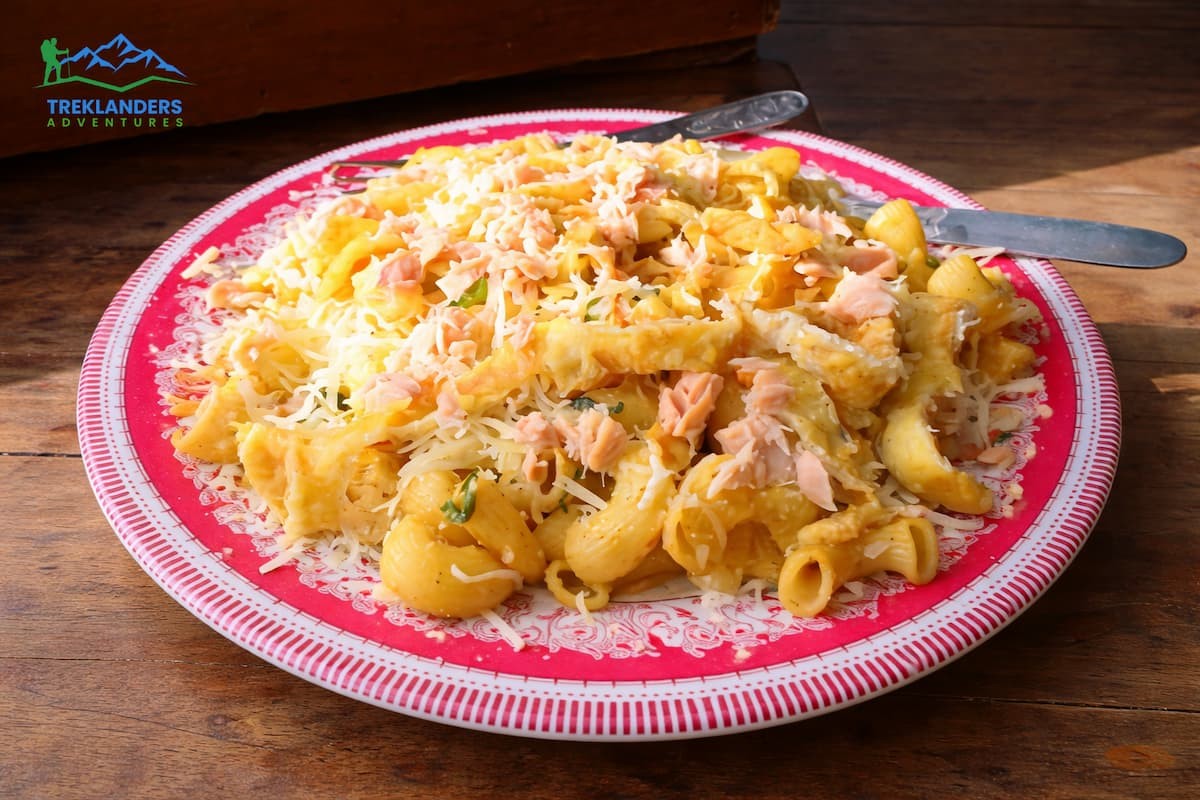
Tea house culture is one of the most rewarding Manaslu Circuit Trek experiences. It is what keeps trekkers going from their first day on the trail. Expedition-style treks, unlike this, where every meal is made in a base camp tent. The Manaslu Circuit, on the other hand, enjoys a well-established network of family-run lodges and tea houses. Each one not only shows warm hospitality but also offers a surprisingly varied menu of home-cooked food. From the lower villages near Machha Khola to the high-altitude village of Samdo, trekkers can hardly be without a hot plate of Dal Bhat. This is the traditional Nepali meal of rice, lentil soup, vegetables, and pickled condiments that give more energy than almost any other trail food.
Food quality gets significantly better when one travels through quite big villages. In Sama Gaon and Namrung, tea house menus start featuring Tibetan bread, thukpa noodle soup, potato dishes, vegetable momos, pasta, omelets, pancakes, and freshly brewed butter tea, the high-altitude Tibetan staple that one needs some time to get used to, but which provides warmth and sustained energy in cold conditions. Numerous lodges in the middle and upper areas also keep homemade bakery items such as cakes, chocolate cookies, and apple pie, which are made fresh in wood-fired ovens and are best accompanied by a mug of ginger lemon honey tea after a long day's walk.
Tea houses along the trail are generally family-owned and run, so every meal you have directly helps local Gurung, Magar, and Tibetan-heritage families who have been living in these areas for many generations. Dining rooms, heated by iron woodstoves at the higher levels, end up being the natural meeting places where trekkers from different countries share trail stories, discuss the day's walk, and warm their hands over cups of tea. It is a personal, community-related experience that no resort or luxury lodge can offer. The meals on the trek, breakfast, lunch, and dinner, are all part of the Treklanders Adventures package price.
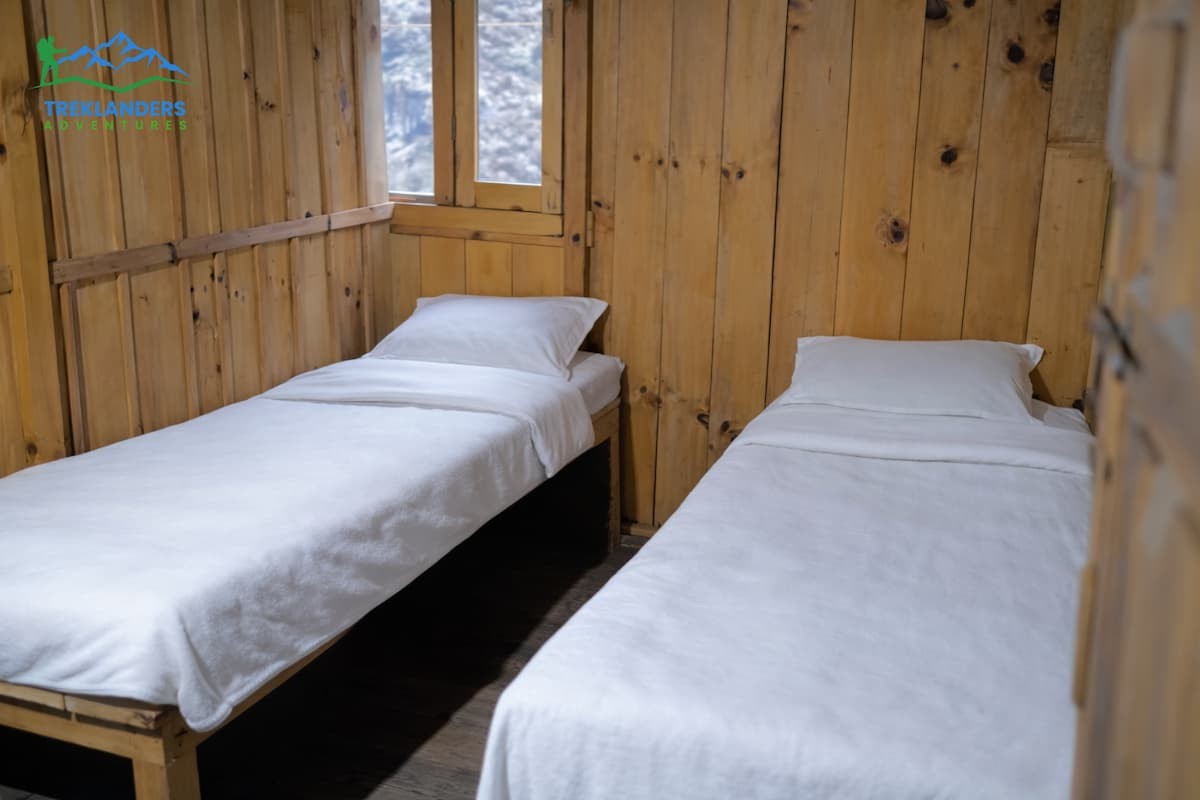
Accommodation on the Manaslu Circuit Trek is most usually arranged in the traditional Himalayan tea house style. Trekkers find these tea houses simple yet fairly comfortable guest rooms adjoining the family dining ones. While a lot of cups of tea will be served at each stop on the Manaslu Circuit Trek, staying in the lodges is still quite human in nature; these are simple accommodations that double as family rooms where you get to know your hosts really well after sharing many cuppas. The quality of tea houses varies greatly along the trail. Knowing what to expect at each altitude will help you adjust your standards realistically, and each pleasant surprise will be a real joy.
At the low-lying settlements of Machha Khola, Dovan, and Jagat, the rooms are very basic but still functional, with twin beds with foam mattresses, heavy blankets, shared toilets (both squat and western style) just down a short passageway. Where hot showers are available at the lower altitudes, they are typically warmed by solar panels or gas and cost an extra.
The journey to Namrung and beyond through the real Manaslu valley is marked by a step up in the quality of lodges. Places such as Lho Gaon, Sama Gaon, and Samdo have put a lot of money into their trekking facilities in the last ten years, so hikers can now look forward to bigger dining halls with wood stoves for evenings, higher quality bedding, places to charge their essentials (for a small fee), and sometimes even attached bathrooms with limited hot water. The lodge window views at these altitudes, either staring at the Manaslu north face or looking down at large glacial valleys, are in themselves a good reason for the trip.
The only place on this whole trek where the exception is made is dharmasala or Larkya Phedi, the staging camp below the pass. The facilities here are very basic by design, with large dormitory-style sleeping arrangements or tent camps outside the main lodge, mainly because the location is secluded and the number of trekkers during the peak season can be quite large. It is very important to order your dinner early and also to get your sleeping place fixed as soon as you arrive. After crossing Larkya La, the long walk down to Bhimthang will be a source of great relief as you will find comfortable lodges located in beautiful rhododendron forests. This will be your last chance for a good rest before the final days of walking back to the road.
Manaslu Circuit Trek is considered to be a moderate to adventurous trek, so getting into good shape before the trek would really enhance your experience on the trail. Although mountaineering or technical climbing skills are not necessary, this circuit is about doing long days of walking, and your daily walks will be between 4 and 8 hours. At times, you will be walking on riverside paths with loose rocks, at other times you will be walking up stone-paved stairs in the villages, and still at other times you will be walking on moraine fields and near the high pass of Larkya La, you will even see snowpack. The toughest day is the one when you go from Dharmasala to Bhimthang through Larkya La. You will be walking for a whole 8 hours, and you will even start the walk in the darkness of pre-dawn. Besides, you will be at an altitude where the effort expended in each step above 4,800 m is noticeably higher due to the lack of oxygen.
Ideally, one should start to prepare at least six to eight weeks before leaving. The best base is formed by taking a combo of endurance cardio training and leg-strengthening exercises. Cardio options include running, cycling, swimming, or brisk uphill hiking. As for strength, the most heavily used muscles on steep ascents and long descents can be developed by doing squats, lunges, step-ups, and calf raises.
If you live in a flat city without any hill access, stair climbing with a loaded daypack can be considered as one of the most effective substitutions.
Besides being physically fit, mental readiness is as crucial as physical fitness for a trek lasting a few days and going up to high altitudes. You will experience cold mornings, sore legs, and the days when the weather is grey, and it seems like the pass is so far away. Those who tackle such moments with patience and the right pace are the ones who have the most satisfying experiences. Our knowledgeable Treklanders guides always establish a pleasant pace from day one; they give priority to acclimatisation rather than speed, and they always change the day schedule depending on the group's mood. You do not have to be a sports person to manage the Manaslu Circuit; what you need are commitment, a positive attitude, and the appropriate support team around you.
The Manaslu Conservation Area is a region in Nepal that is very sensitive in terms of both ecology and culture. Individual trekking is probably the best example of a "green" tourism activity, which attempts to leave minimal environmental footprints while ensuring socio-cultural interactions with local communities. Trekkers can enhance their experience through cultural interactions with local people and environmental preservation activities.
Commercially popular trekking routes have been heavily degraded; the upper Manaslu valley has been preserved mainly because of limited access to the area and comparatively few trekkers who visit the region each year. Striking a balance between tourism and preservation requires well-thought-out and considered decisions from all tourists. Treklanders Adventures is one of the organizations that not only advocate responsible tourism but also monitors and implements it throughout the entire 18-day trip.
The accumulation of plastic waste is one of the most obvious environmental issues in the mountain areas of Nepal. On the Manaslu Circuit, trekkers are highly advised to bring a reusable water bottle and refill it with boiled or filtered water from tea houses, instead of buying plastic bottles for single use at every stop. Water purification tablets or a personal filter are very small things that you can carry and do not produce any plastic waste at all.
In the same way, all types of waste that are not biodegradable, wrappers, batteries, and packing materials, should be taken back to the villages at lower altitudes where waste collection facilities exist, instead of being left at high altitude camps or buried near the trail.
Cultural sensitivity is equally important. The upper Manaslu communities maintain strong Tibetan Buddhist traditions, and trekkers are expected to behave respectfully within and around religious sites. Always walk clockwise around Mani walls, Chortens, and Stupas. Ask permission before photographing people, particularly monks, elderly community members, and children. Remove shoes before entering monastery interiors. Avoid loud music near religious monuments and sacred natural sites. Supporting local businesses, eating at family-run tea houses, buying locally made crafts, and tipping your guide and porter fairly keep tourism income within the community and strengthen the economic case for conservation over other land uses. Treklanders Adventures pays all guides and porters above the national minimum wage and ensures fair working conditions on every trek.
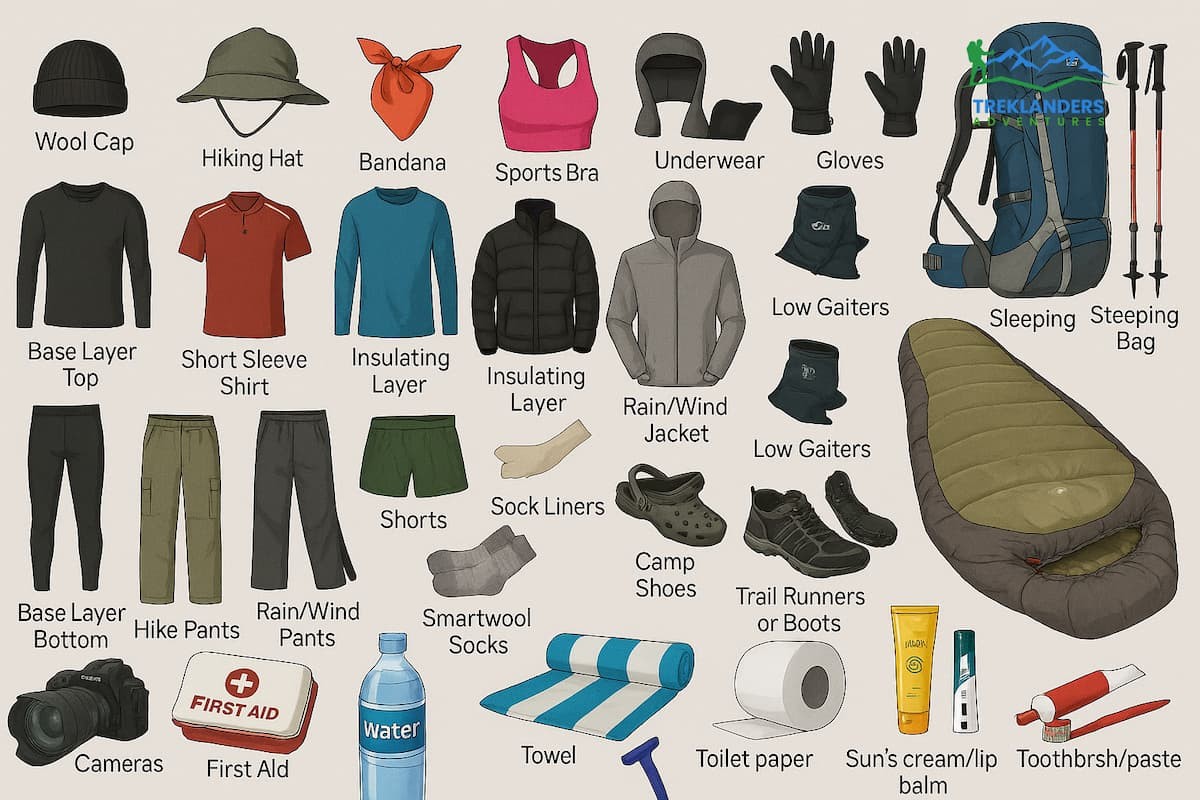
Packing for the Manaslu Circuit is not about bringing everything. It is about bringing the right things, because every kilogram you carry, you carry across 4,200 meters of elevation gain and an 8-hour crossing of Larkya La. Porters carry your main bag, but you carry your daypack the entire way. That daypack needs to hold your water, layers, snacks, camera, documents, and anything you need quick access to on trail. Weight decisions matter from day one. The most common packing mistake is treating this like a camping expedition. You sleep in tea houses every night, so you do not need a camp stove, cooking gear, or more than three days of trail food. What you do need is reliable protection from cold, wet, and sun, because all three conditions appear on this route in a single day during autumn and spring. Start your packing decisions there and add everything else around that core. Most trekkers on the Manaslu Circuit underestimate the cold at high altitude and overestimate how much clothing they need at lower elevations. The route drops into warm subtropical gorges near Machha Khola and reaches near-freezing conditions at Dharmasala before the pass. Your clothing system has to handle both ends. The answer is layering, not bulk. Three well-chosen layers outperform six mediocre ones and weigh significantly less.
Footwear is the single most important gear decision on this trek. Your boots need ankle support, a firm midsole, and waterproofing. The lower sections of the trail run along the Budhi Gandaki River, where the path crosses dozens of suspension bridges and frequently skirts the river's edge on loose, wet rock. Higher up, near Samdo and Dharmasala, the trail crosses moraine fields with irregular, angular stones that punish flat-soled shoes. On the Larkya La crossing itself, you step across compacted ice and snowpack in pre-dawn darkness. Approach shoes and trail runners are not suitable for this route. Waterproof midcut or high-cut trekking boots with a Vibram sole give you the stability and protection you need across all these conditions. Break your boots in before you arrive. Blisters at Jagat on day three are manageable. Blisters at Dharmasala the night before the pass are a serious problem. Bring two pairs of merino wool or synthetic trekking socks per day and pack camp sandals or lightweight shoes for the evenings in tea houses. Your feet need to breathe after a long day on trail, and quality camp shoes protect you from the cold floors inside stone lodges at higher elevations.
Your base layer does the most work. It sits against your skin through hours of trekking and needs to move moisture away from your body, so you stay dry when you stop. Merino wool and synthetic blends both work well. Avoid cotton entirely at altitude. A wet cotton base layer in cold conditions is a cold-management problem, and the Manaslu Circuit gives you plenty of chances to get wet, whether from river spray in the lower gorge, sweat on the long climb to Larkya La, or unexpected afternoon snow above 4,000 meters.
A mid layer provides insulation when the temperature drops. A fleece jacket or lightweight down jacket works well here. The mid layer goes on during rest stops, at lunch when you sit still, and every evening in the tea house dining room. At Sama Gaon and Samdo, evenings drop below freezing in autumn and near freezing even in spring. Your mid layer is in constant use above 3,000 meters. An outer shell completes the system. A waterproof, windproof jacket is mandatory. Choose one with a hood large enough to fit over a warm hat and make sure it packs small enough to fit in your daypack without taking up the entire bag.
For lower body, two or three pairs of trekking trousers cover the full route. Quick-dry fabrics work well across all elevations. Pack a pair of lightweight thermal leggings for cold nights at high camps and for the pre-dawn start on Larkya La day. A warm hat and a sun hat are both necessary. Above 4,000 meters, wind chill at the pass makes a balaclava or neck gaiter valuable. UV-rated sunglasses with side protection are not optional above the snowline. Gloves should be warm enough for the pass but packable enough that you carry them in your daypack all day without noticing them.
Tea houses provide blankets, but the quality varies, and the thickness decreases as altitude increases. A sleeping bag rated to minus 10 degrees Celsius is the safest choice for the full circuit. You use it at Dharmasala, where the staging lodge has minimal insulation and the night before Larkya La is the coldest of the trek. A sleeping bag liner adds warmth and keeps your bag clean. If you plan to rent a sleeping bag in Kathmandu rather than carry your own, book it before departure; rental stock runs short during the October peak season when multiple groups pass through the circuit simultaneously.
Trekking poles are strongly recommended for the Manaslu Circuit. The descent from Larkya La to Bhimthang covers roughly 1,600 meters of elevation loss in a single day, much of it on loose moraine and steep stone staircases. Poles reduce knee strain significantly on long descents and provide stability when crossing slippery riverbanks and log bridges in the lower gorge. Collapsible poles that pack down to fit in your main bag make the flights and the drive to the trailhead much easier. Bring extra rubber tip protectors, as the rocky terrain wears them out faster than typical mountain trails.
Charging options exist at most tea houses along the Manaslu Circuit, but almost always carry a fee per device. Solar panels power the lower and mid-altitude lodges; generator power becomes more common from Sama Gaon upward where solar reliability drops. A portable power bank with at least 20,000 mAh keeps your phone and camera battery topped up between tea house stops and covers you on the days when charging is either unavailable or unreliable. Carry your power bank in your daypack during trekking, because lithium battery capacity drops sharply in cold temperatures and storing it in your main bag means it arrives at camp partially discharged. Universal travel adapters are not needed in Nepal specifically, but Type C and Type D sockets are standard and the voltage is 230V at 50Hz. If you carry a device that charges only via proprietary cable, bring a backup cable. Cables fail on long treks from repeated bending, and replacement cables are not available beyond Besisahar.
A small dry bag or zippered pouch keeps cables, adapters, and memory cards organized and protects them from condensation, which is a real problem inside your pack when you descend from high-altitude cold into the humid lower gorge in spring. Mobile connectivity on the Manaslu Circuit is limited and inconsistent. Ncell provides the most reliable signal on this route, with coverage at major villages including Lho Gaon, Sama Gaon, and Samdo, but expect full blackout stretches between settlements. Download offline maps before you leave Kathmandu.
Maps.me and Google Maps both support offline area downloads, and your guide will have hard-copy route maps. Do not rely on live navigation in the field. A camera is personal preference, but the north face views from above Namrung and the morning light on Manaslu from Sama Gaon reward anyone who brings more than a phone. A wide-angle lens and a UV filter for high-altitude photography are worth the extra weight.
Your main trekking bag goes to your porter and should weigh no more than 12 kilograms, which is the standard porter load limit per person. Treklanders Adventures enforces this limit to protect porter welfare; please respect it. A 50 to 60-liter duffel or backpack works well as your main bag. A waterproof compression sack or dry bag inside protects clothes and sleeping bag from rain and river crossing spray on the lower trail. Your daypack should sit between 20 and 25 liters. Larger daypacks encourage overpacking, which means you carry weight all day that should be in your main bag. Smaller daypacks do not fit enough layers for the variable conditions above 4,000 meters. Keep your trekking permits, travel insurance documents, passport copy, and emergency contact information in a waterproof zip-lock bag inside your daypack. Your guide carries copies of your permits, but you should have your own set accessible at all checkpoints between Jagat and the Larkya La army post. There are multiple permit checks on the restricted section of the route, and delays at checkpoints due to missing paperwork add unnecessary stress to an otherwise smooth itinerary.
Organize your bag so that the items you reach for most during the day, your water bottle, snacks, layers, and headlamp, are accessible without unpacking the entire bag. On a nine-hour day with six rest stops, fumbling with a disorganized pack at every break costs time and energy. Side pockets for water bottles and a top lid pocket for small essentials make a real difference when you are moving in cold or wet conditions and want to keep stops short. Pack your main bag at the same time every evening so your porter can load it without waking you before dawn.
A personal first aid kit is worth carrying even though Treklanders guides carry emergency medical supplies. Your kit should include blister treatment, an elastic bandage for ankle support, ibuprofen, antihistamines, rehydration salts, and diarrhea medication. Stomach issues are common on multi-week treks in Nepal regardless of how careful you are with food and water. Having your own supply means you treat problems quickly instead of waiting for the next village pharmacy.
Altitude sickness medication deserves a separate decision before you leave home. Discuss Diamox (Acetazolamide) with your doctor at least four weeks before the trek, not the night before your flight. If your doctor prescribes it, bring enough for the full acclimatization phase from Jagat to Sama Gaon. Also pack an antacid, since Diamox can cause stomach discomfort and tingling in the extremities, both of which are manageable with the right preparation. Write your blood type and allergies on a card and keep it with your permits.
A high-SPF sunscreen is mandatory above 3,000 meters. UV intensity increases significantly with altitude, and the reflective snow near and above the pass multiplies it further. Sun-exposed skin burns fast at 5,000 meters, often before you feel it. Lip balm with SPF protection prevents painful cracking in the dry, windy conditions near Larkya La. A headlamp with spare batteries is essential for the pre-dawn start on pass day and for navigating tea house hallways after dark. Lithium batteries perform better than alkaline in cold temperatures and weigh less for the same capacity. Water purification is a practical and environmental necessity. Bring a reusable 1-liter bottle and a backup 500ml soft flask for the long pass day. Iodine tablets or a SteriPen handle most water sources reliably.
A filter straw gives you an additional option if tablets run low. At tea houses, boiled water is available for a small fee and is the simplest option in the evenings. Avoid buying single-use plastic bottles at any elevation on this route; the conservation area has limited waste infrastructure, and every plastic bottle you do not buy is one less that ends up buried near the trail.
Trip Summary:
Best Seasons for Manaslu Circuit Trek:
The best season for Manaslu Circuit Trek is late spring April and May. Including autumn/fall begins from September to early November.
Springtime is bright and beautiful, most days are clear with sunny days, can be cloudy afternoons. Bringing cold chill in the late afternoon, and night till morning this is the time when wildflowers are in seasonal bloom.
The next best season is autumn/fall, where days are clear with sunny days for views and walks. But shorter days due to limited sunlight hours, cold morning and night time can expect snowfall sometimes. But an enjoyable day for pleasant walks with clear views of the beautiful snow mountain range.
Culture & Religion:
The southern hills of Gorkha and Manaslu areas are populated by mixed tribes of people Gurung and Magar. Includes some Upper Manaslu natives of Tibetan origin with Hindu Bharamins and Chettries of both Hindu and Buddhism cultures and religions. But from Jagat villages higher within Manaslu Valley, dominated by
Mongolian tribes of strong Tibetan origin. Interwoven to Buddhism with a similar cultural heritage to its Tibetan predecessors. Where trekkers will come across religious monuments of prayer walls, spinning wheels, Stupas, and monasteries.
Where all houses are adorned with Buddhist prayer flags, as well on top of the Larke-La pass. Which is a symbol of respect for the abode of gods and goddesses and holy mountain spirits. Traditionally the native of Manaslu are farmers and cattle herders, raising and breeding livestock.
Please Note:
For interested people having time in Nepal can extend, after ending the Manaslu circuit, combining with Annapurna circuit trek. As well with Nar-Phu and Tilicho Lake also. The trail branches off from Dharapani village at Manang, where famous and popular Annapurna Circuit trail joins at the end of Manaslu Circuit trek.


The drive then diverts heading towards hilly rough dirt road reaching around the district of Gorkha at Arughat town. After a short refreshing stops, drive continues following the great Budi-Gandaki River to our overnight halt at Machha Khola.
A nice moderate size farm village at the confluence of Bud-Gandaki and Macha-Khola, the fish stream as it means.

After checking into a nice simple rooms, rest of the day enjoy exploring this small village and interact with the locals.

Jagat an interesting moderate size village of mixed hill tribes, the area is lined with shops, tea houses and lodges. Jagat is the entry post for Restricted Areas of higher Manaslu and Tsum Valley. Where all trekkers’ needs a special permits and MCA (Manaslu Conservation Area) including ACAP (Annapurna Conservation Area Project); to continue treks from Jagat onwards.


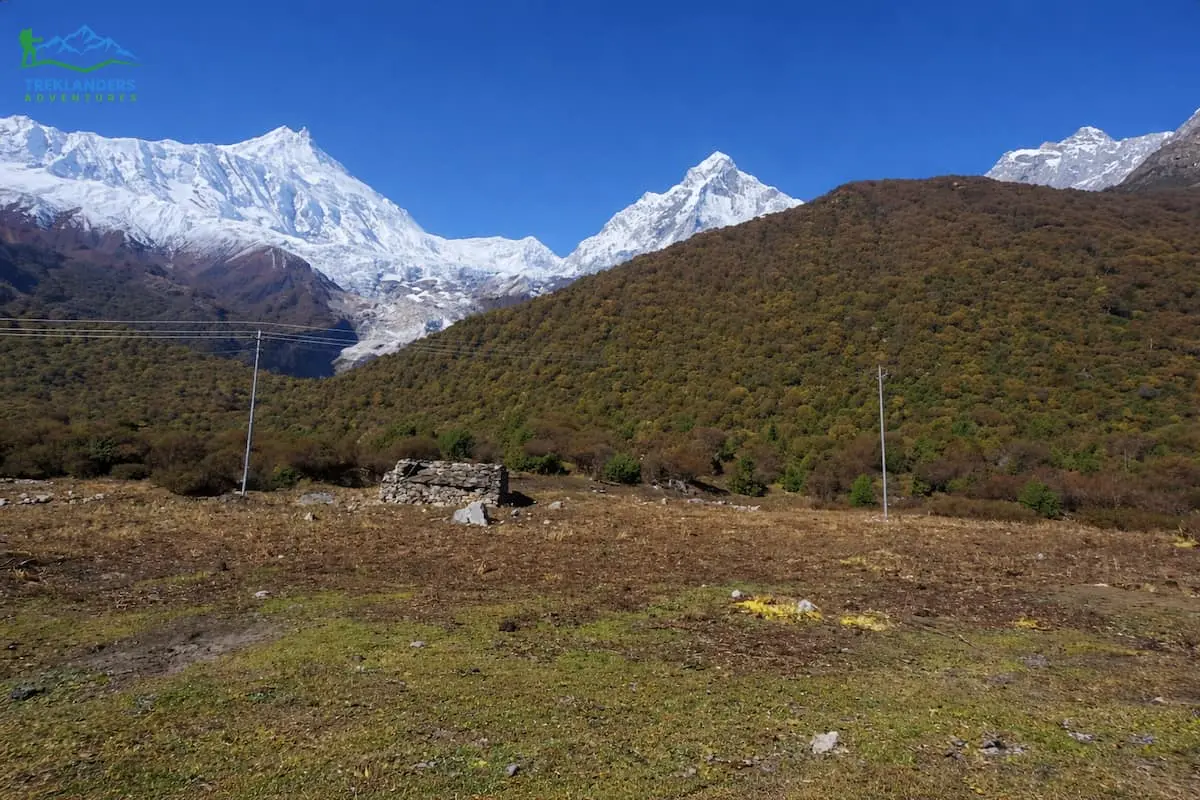
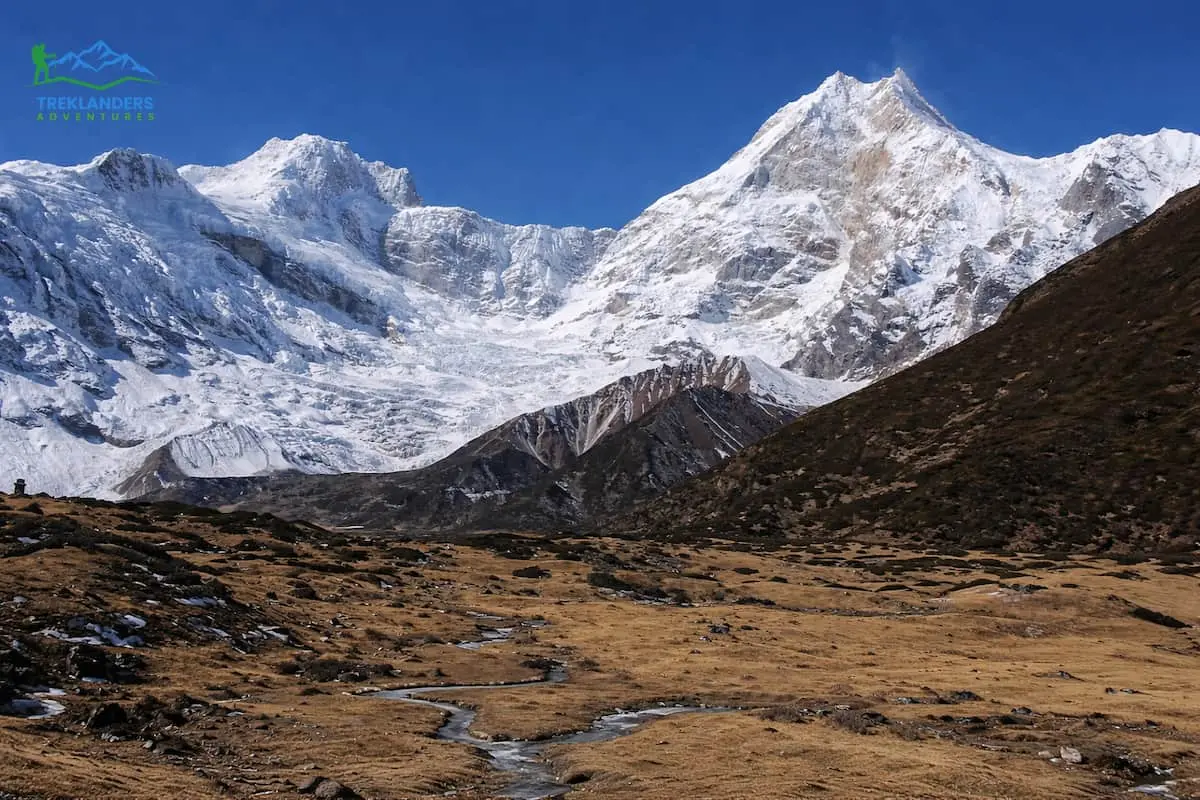
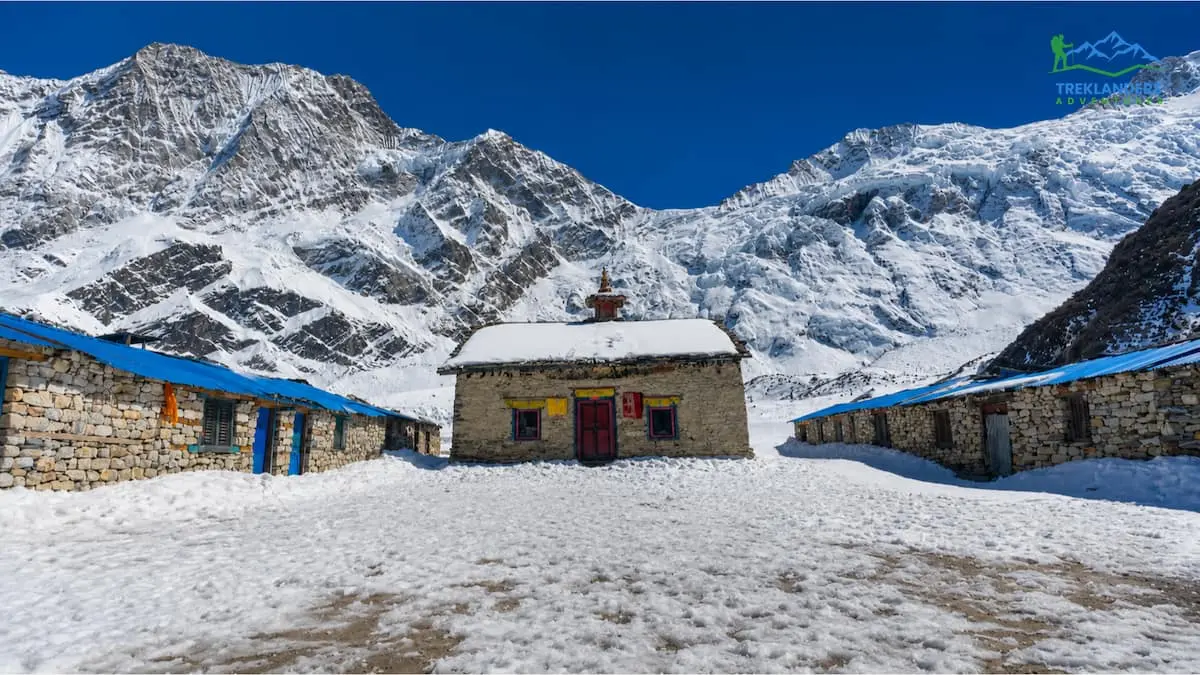
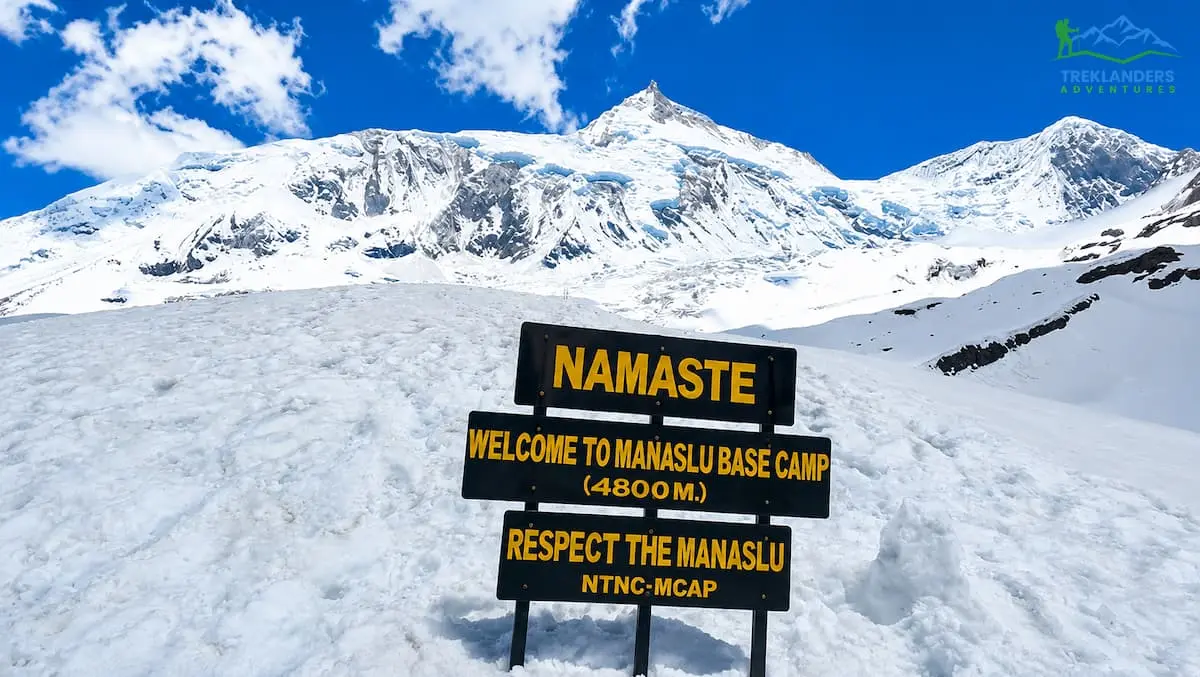
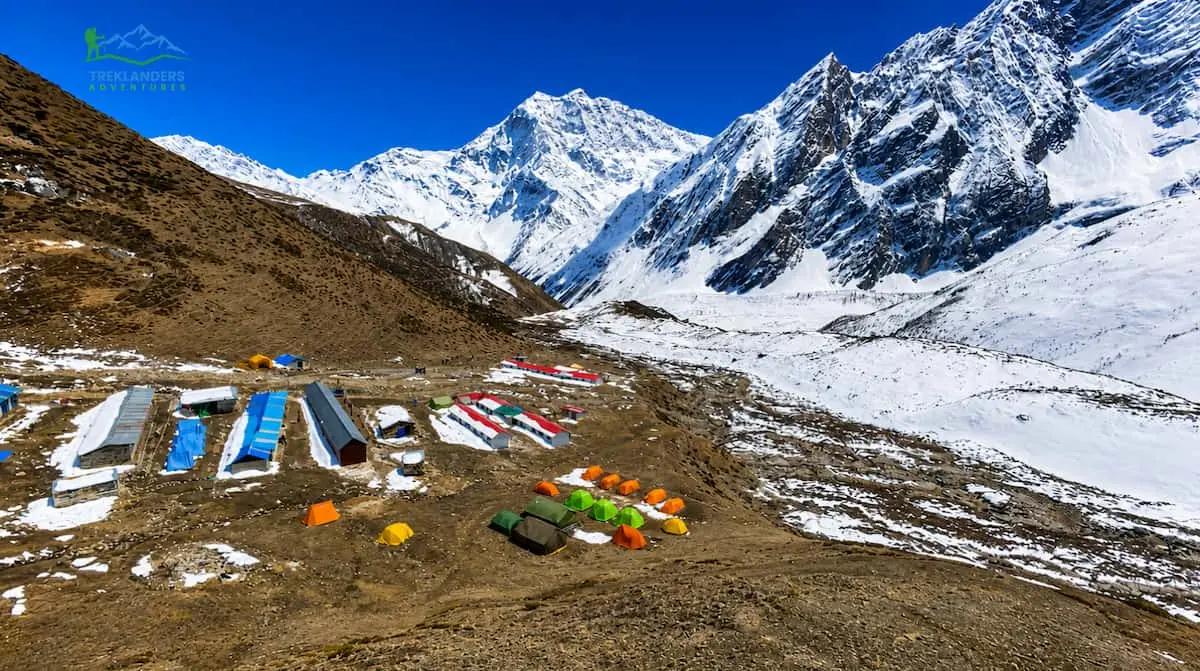
We (two friends) just completed the 18 Days Manaslu Circuit Trek with Treklanders Adventures, and it was truly one of the best experiences of our lives! Everything was perfectly organized from start to finish — from permits and transportation to accommodation and meals. Our guide, Hari, was exceptional — friendly, knowledgeable, and always attentive to our needs. He explained the local culture, pointed out hidden viewpoints, and ensured our safety every step of the way. His positive attitude made even the toughest days enjoyable. A huge thanks also to our porter, Amar, who carried our bags with a constant smile and incredible strength. We couldn’t have done it without him! Both Hari and Amar made the journey feel like trekking with close friends rather than staff. The landscapes were breathtaking — from lush valleys and riverside villages to snow-covered passes and stunning views of Manaslu and Himalchuli. The Larke Pass day was challenging but absolutely worth it! We highly recommend Treklanders Adventures for anyone planning to trek in Nepal. Their professionalism, attention to detail, and personal touch made our trip unforgettable. We’ll definitely return for another adventure with them soon!
What stood out most on the Manaslu Circuit Trek were the places and people along the route. Walking through villages like Samagaun and other traditional settlements offered insight into local life that felt authentic and respectful. Treklanders Adventures allowed enough time to explore these areas without rushing. Our guide, shared cultural knowledge and local stories that added depth to every stop. The changing landscapes—from narrow gorges to wide alpine valleys—made the journey visually and emotionally powerful.
The Manaslu Circuit Trek was not an easy journey, but that is what made it so powerful. Some days were long and physically demanding, with steep climbs and changing terrain that required patience and determination. Yet, every difficulty was balanced by incredible rewards. The views opened suddenly into vast valleys, dramatic mountain walls, and quiet high landscapes that felt untouched and timeless. What made the trek truly special was the feeling of being surrounded by life. Walking through dense forests filled with tall trees, listening to birds calling from above, and watching nature change with every altitude brought a deep sense of calm. The trail often felt alive, not just with scenery but with sound and movement. Along the way, encounters with local people in small villages added warmth to the journey. Simple greetings, smiles, and daily life in these remote areas made the experience feel genuine and human. There were moments of silence where only the wind, birds, and footsteps could be heard, and those moments stayed the longest in memory. Despite the challenges of the route, the trek felt well organized and manageable thanks to Treklanders Adventures, allowing full focus on the surroundings rather than logistics. Manaslu is a place where effort, nature, and culture come together beautifully. It is not just a trek, but a deep experience of Nepal’s raw and living landscape.
Purpose: Keep sweat off the skin and maintain warmth.
Purpose: Trap body heat in cold air at altitude.
Tip: Keep electronics in inner pockets at night to prevent freezing.
As this is a moderate trek and adventurous, involves high altitude walks.
The trek is suitable for minimum age of 16 to maximum of 70 years old, should be physically fit and in sound medical health. As the trek leads to much steep climb and downhill, walking on rough trails, where some lodge accommodation will be of simple basic facilities.
The itinerary we have provided, allows much time for acclimatization, although a high altitude walk. Where steep climb involves for some days, but taking short rest and enjoying the surrounding views will overcome the toughness. As well enjoying the climb to the top of high Larke-La Pass. Overall it is a moderate adventure, taking slow and following the itinerary days we have set to make the trek enjoyable and most interesting for all trekkers.
Over the past decades it remained as a forbidden country, but opened for outside traveler’s from 1992. Limiting the mass flow of trekkers to preserve its pristine wilderness as it was for centuries back. Where trekkers requires to obtain a special permits, this is also due to close border with Tibet / China.
The Manaslu Circuit Trek is located in the Gorkha District, west Nepal, and it goes around Manaslu (8,163 m) - the world's eighth highest mountain. The trek takes in the pristine valleys, idyllic villages, and gorgeous Himalayan terrain.
The trek is said to be completed in 12-16 days which are dependent on one's pace, acclimatization schedule, and route chosen. The 13-day program by Treklanders Adventures is widely used and considered to be a comfortable journey covering all the main points.
Yes, three permits are necessary: the Manaslu Restricted Area Permit (RAP), the Manaslu Conservation Area Permit (MCAP), and the Annapurna Conservation Area Permit (ACAP). All your permits will be taken care of by Treklanders Adventures.
Since it is a restricted area, Manaslu does not allow solo trekking and therefore a guide is needed. To ensure safety, you are required to have a licensed guide and be from a registered trekking agency like Treklanders Adventures.
The trek most often comes to a stop at Soti Khola or Machha Khola, which is reachable from Kathmandu by a very picturesque 8-9 hours car journey covering hills and riverside landscapes.
A physically fit beginner if properly prepared and guided can surely accomplish the trek, and therefore the answer is yes. It becomes a great experience for those who are looking for the less-traveled trails in the Himalayas.
What makes it special is the perfect combination of adventure, culture, and nature that the lesser crowd, real mountain villages, and the fantastic views of the Manaslu and Annapurna ranges bring together.
Definitely, good acclimatization is what keeps the trek safe and the feelings of trekkers positive. A majority of the schedules thus have rest days in a place such as Sama Gaon or Samdo, which gives trekkers a chance to be comfortable with the altitude before going over the high pass and thus avoid altitude sickness.
Among other measures, Treklanders Adventures takes care of safety by providing experienced, government-licensed guides, following the itineraries that are well thought out for acclimatization, and always being in contact with the support teams. Besides that, guides always carry with them first-aid kits and means for emergency communication to ensure every trekker's safety and comfort.
Nearly all villages and lodges have electricity from Hydro or Solar power, where one can charge their electronic items. Where client needs to pay an extra fee for using the power as per gadgets charged. As for internet and cell phone communications, every lodges have the Wi-Fi and internet services, but can be quite disturbing sometimes due to weather and location wise.
The foods and accommodation on treks depends upon the areas of overnight stops, the rooms in the lodges are simple but clean. From Namrung to Sama-Gaon and then Bhimthang to Dharapani, the lodge are of better with nice rooms. Having attached bath and toilets or common. But at Dharmasala before crossing the Larke-La pass. The lodge facilitiesis very basic and simple. However bigger villages have nice good lodge serves excellentfood menu, from Continental, Chinese, Indian, Tibetans and Nepali items.
Some lodges also provides fresh homemade bakeries products like cakes and pies or pizza with refreshing warm and cold drinks.
On the way, you can find local tea houses and lodges that serve as both your accommodation and eating places offering basic but comfortable rooms and freshly cooked Nepali meals in a cozy mountain atmosphere.
Where you will stay along the Manaslu Circuit Trek is mostly a selection of tea houses and a few small lodges operated by local people. They provide fairly basic but still comfortable rooms that have two beds, blankets, and a bathroom for common use. The place is inviting and comfortable and it is the perfect opportunity to get the real mountain hospitality experience.
The majority of rooms are twin-sharing; however, single rooms might be accessible in the lower villages during the off-season. There are more instances of shared rooms in the upper reaches due to the lack of space and resources.
Hot showers can be found in quite a few tea houses, especially in the areas of lower altitudes. But an extra payment of usually 2 to 4 dollars might be required because the water is heated by gas or solar energy. The availability of hot water is limited to be low at high altitudes.
Tea houses serve a combination of Nepali, Tibetan, and Western-style dishes. In fact, the traditional Dal Bhat (rice, lentils, vegetables) is the most energizing and therefore the most demanded meal during a trek. Besides that, one may order noodles, soup, pancakes, omelets, and tea or coffee.
Certainly, both bottled and boiled water are readily available for sale along the entire route. For the sake of cutting down on plastic waste, trekkers should be equipped with refillable bottles and water purification tablets or filters so that they could replenish water hygienically.
Most of the villages have electricity, usually coming from solar energy; therefore you can charge your gadgets by paying a small fee. Some tea houses offer Wi-Fi but the connection could be slow or rather spotty in the remote areas.
Usually, rooms are not equipped with their own heating system. On the other hand, a lot of tea houses boast a wood stove in their dining area which is an ideal place to gather and warm oneself during the night hours. It is highly advisable to bring a warm sleeping bag to be comfortable.
During the high seasons (March to May and September to November), beforehand booking is definitely necessary especially if done through your trekking agency, as the tea houses may be fully occupied very quickly. Treklanders Adventures will take care of all the lodging and accommodation arrangements during your trek.
The best time for trekking is when the weather is good, temperatures are pleasant, and clear mountain views can be seen. Those months are generally referred to as either spring (from March to May) or autumn (from September to November).
Most people prefer hiking in the Manaslu Circuit during spring (March to May) and autumn (September to November) when the weather is quite stable, the air crystal clear, and the temperatures pleasant. Both of these periods guarantee the most spectacular mountain views and good weather for walking along the trail.
It is possible to trek in winter (December to February), but only a condition of the most experienced trekking persons. The weather can be very chilly, especially at Larkya La Pass (5,160 m), and there might be a lot of snow, making the path impassable. Although the winter offers peaceful trails and clear views of the mountains for those who want to be alone.
It is possible to trek in the monsoon (June to August), but it is not advisable due to the constant rains that make the paths slippery and limit the visibility. In lower regions, the leech problem may be severe while the upper areas of Manaslu are still quite dry due to the rain shadow effect.
Many people think that the best season for photographing the mountain views is autumn (September to November). The post-monsoon air is clean and allows stunning vistas of the peaks covered by snow like Manaslu, Himalchuli, and Ganesh Himal against the deep blue of the sky.
The Manaslu Circuit Trek spring time (March to May) is the most colorful season. The rhododendrons forests are in full bloom, the weather is quite warm, and nature is alive with animals all of which combined make the trek very enjoyable and beautiful.
The trail is crowded with the most trekkers during October and April, the months when trekking is at its peak. In these periods, the weather is close to perfect, the teahouses are very active, and the route provides a friendly and social atmosphere with other trekker.
Monsoon (June–August) and mid-winter (December–February) are the times of the year considered as off-seasons when the weather is usually bad. Nevertheless, during these periods, there are still some trekkers who are willing to experience the peace and unique adventures that come with being away from the crowds.
The trek falls somewhere between moderate and difficult level and is accordingly attributed to those with good physical fitness only. The biggest challenge would be getting over the Larkya La Pass (5,160 m) at high-altitude which acclimatization and endurance are a must for.
The Manaslu Circuit Trek is generally ranked as a moderate to hard level of difficulty. Although no technical climbing skills are needed, it is recommended that trekkers be in good physical condition and have the capacity to endure 6-7 hours of walking on steep, rough, and high-altitude trails. The biggest obstacle is the Larkya La Pass (5,160 m) crossing, where lack of oxygen and low temperatures contributes to the difficulty.
Certainly, beginners are allowed to finish the Manaslu Circuit Trek provided that they have adequate training, maintain good health, and obtain proper guidance from a trekking agency of repute. It is necessary to exercise beforehand, especially cardio and strength workouts, and to observe slow acclimatization in order to prevent altitude sickness.
The hard points are, on the one hand, the elevation, on the other hand, the lengthy days of walking and also the weather in the mountains, which can change unexpectedly. Low oxygen and steep slopes on the way down can make the journey to Larkya La Pass exhausting. At the same time, trekking apparel in good condition and a slow but steady rhythm are the two factors that can help one meet the challenge.
The section that calls for the most effort is the one leading up to Larkya La Pass, where the trek reaches its highest point. Besides the climb being difficult and the air thin, it is also quite cold and the temperature can even go below zero. However, the breathtaking views of the mountains from the top somewhat alleviate the difficulty.
Yes, it is strongly suggested that the person trekking should have complete travel insurance that also includes emergency rescue, descent to lower altitudes, and medical assistance at high altitudes while on the Manaslu Circuit Trek.
Definitely, travel insurance that covers high-altitude hiking and an emergency helicopter evacuation is a must-have. It is a requirement of the trek that medical support can be given at once in the case of altitude sickness or any other health problems that might come up.
Somewhat limited services can be available at health posts in bigger villages like Sama Gaon and Samdo. If the issue is of a serious medical nature, then the patient has to be transported to Kathmandu for treatment. For this reason, getting travel insurance is of utmost importance.
Remember to bring the parts of your trekking kit that are absolute requirements like warm clothes, one pair of hiking boots which are sturdy, a pair of gloves, down jacket, sleeping bag, trekking pole, first aid-kit, and water purification tablets.
You should be physically training at least 6–8 weeks before leaving on your trek. Endurance can be built up by transitioning from hiking to running, stair climbing or cycling, and vice versa. Also, it will be quite beneficial if you get yourself accustomed to long hours of trekking by simultaneously walking with a backpack bearing the weight as you would and putting on your trail shoes.
The point here is that you don't have to be an athlete, but a reasonable level of fitness is necessary. The key to getting ready for the Manaslu Circuit Trek is to be able to hike 5–6 hours a day on hills or uneven ground with ease.
Generally speaking, a moderate level of fitness will suffice the majority of trekkers. By getting ready with regular hiking, cardio, and leg-strengthening workouts prior to the trek, it becomes less likely that one will be exhausted and injured.
You should start your preparation at least 6–8 weeks prior to the trek. The main idea should be to improve stamina, leg strength, and endurance via hiking, running, stair climbing, and light strength training on a regular basis. Besides, mental preparation, having the right equipment, and being familiar with high-altitude trekking are the main factors that lead to a safe and successful trip.
The Manaslu Circuit Trek is rated as a moderately difficult to difficult level of physical condition; therefore, the trekkers have to be in good shape. If hiking 6–7 hrs a day on hills or rough ground while carrying a backpack does not tire you, then you are physically fit for this trek.
You should be sure to have hiking shoes, a couple of warm outfits, thermal underwear, a down jacket, and trekking poles. Don't forget the gloves, cap, and sunglasses and also carry water purification tablets with a first-aid kit. On top of that, a warm sleeping bag (preferably -10°C rated), rainwear, and quick-drying fabrics are good for when the weather changes.
There is no need for technical climbing gear but at the same time, good-quality and comfortable trekking poles, shoes, and a strong backpack would really help you out. For remote area comfort, bring a headlamp, some spare batteries, and a power bank.
The main bag or duffel which you hand over to a porter will be heavy, but then your daypack or shoulder bag should not be more than 5–7 kg with the necessary items like water, food, raincoat, camera, and personal things. Make it as light as possible and keep it neat for convenient trekking.
Definitely yes, Kathmandu has lots of rental shops where one can hire in a budget-friendly way the essential gear such as sleeping bags, down jackets, trekking poles, and backpacks. Treklanders Adventure will assist you if you prefer to rent or buy high-quality gear before your trek.
Use the layering system when dressing for the trek so that you could easily modify your attire according to the temperature, Wear moisture-wicking underwear, insulating mid-layers (for instance fleece), and a windproof/waterproof outer layer. Warm hats, gloves, and thermal socks must be present for cold parts.
Wear trekking boots that provide solid support for the ankle and good traction and you are good to go. Sports shoes are not the right choice for rock-strewn and uneven paths, especially near high passes where can be both slippery and steep.
Indeed, packing some energy bars, nuts, or chocolates will be very helpful as they will keep you fed and energized during the hours between villages and especially on long days. Although tea houses provide food, lightweight snacks are great for breaking quickly on a trek.
The Manaslu Circuit Trek is a test of one's patience, willpower, and ability to adjust to circumstances. Prepare yourself for long hikes, less comfortable places to stay, and even changes in the weather. Having a positive attitude and taking the beauty of the trek as your main focus will make the trek turn into an unforgettable moment of an enjoyable adventure.
Food on the Manaslu Circuit Trek is freshly prepared and mainly served in local tea houses and lodges. The most common meal is Dal Bhat (rice, lentils, vegetables, and curry), which provides excellent energy for trekking. You’ll also find options like noodles, soups, fried rice, pasta, momos, pancakes, omelets, and Tibetan bread.
Yes, vegetarian and vegan meals are widely available throughout the trek. Most tea houses cook with locally sourced vegetables and grains. However, it’s best to inform your guide or lodge owner in advance if you have dietary preferences or allergies.
Yes, the food served in tea houses is generally clean and safe, especially when freshly cooked. To avoid stomach issues, eat hot meals and avoid raw salads or unboiled water at higher altitudes. Treklanders Adventures ensures that all lodges maintain proper hygiene standards.
Meat is available in lower regions, but it’s not recommended above Samagaon, as meat is often carried up from lower villages without proper refrigeration. It’s better to stick to vegetarian meals at higher altitudes for safety.
Tea houses serve black tea, milk tea, coffee, hot lemon, and herbal tea. You can also find soft drinks, bottled water, and energy drinks. Alcoholic beverages are available in some places but should be avoided before crossing Larkya La Pass due to altitude effects.
Yes, bottled and boiled water is available in most villages. To reduce waste, trekkers are encouraged to carry a reusable bottle and water purification tablets or filters for safe refills along the way.
Yes, almost every tea house provides boiled or filtered water for refilling bottles, usually for a small fee. It’s the most eco-friendly and affordable way to stay hydrated during the trek.
Mobile network coverage is obtainable in a handful of areas of the Manaslu region, thereby; the lower villages like Soti Khola, Machha Khola, and Jagat are the main places where one can avail of such services. Unfortunately, due to the remote nature of the terrain, the signal becomes weak or even completely unavailable in the upper regions such as Samagaon, Samdo, and Dharamsala.
There is a very limited number of Wi-Fi connections, that is to say, a few tea houses especially in bigger villages may have some but the speed of the internet is mostly slow and unstable. To have a better connection, you can get a local Ncell or NTC SIM card in Kathmandu which is good for some lower areas.
Certainly, for instance, in high-altitude or remote segments without mobile coverage, guides and trekking agencies additionally equip themselves with satellite phones for the purpose of emergency communication and safety. Shall you partner with Treklanders Adventures, your guide will never be out of touch as they always have access to communication means.
Sure, nearly all tea houses have electricity that is either solar or small hydro-powered, thus, they offer charging opportunities for a small money (usually around USD 1–3 per charge). It certainly does not hurt if you also carry a power bank or solar charger with you to be sure of the availability, particularly in lofty areas west of Larke Pass.
While you correspond with your family in the lower regions through mobile or Wi-Fi, communication in higher villages will probably be limited or you might even face delays. So, before going on trekking, it is advisable to tell your family about the trek, which is in the faraway, and your plan.
Certain guides with licenses, taking care of your security together with the provision of help through communication via their local SIM cards or otherwise a satellite phone, which is the usual practice in Nepal trekking with an agency like Treklanders Adventures.
Since the Manaslu Circuit Trek goes through a restricted area, you are required to hire a guide with a license. They don’t allow trekkers to go by themselves into that region, and the permits have to be taken from a registered trekking agency like Treklanders Adventures.
Guide operates as a safety officer, navigation helper, and interpreter throughout your journey. The Manaslu region is known for having very remote trails with fewer signs and a restricted zone so the guide can also help you with coordination, permits, and assist you with altitude-related problems.
Each of the Treklanders Adventures guides has a government license and is a professional with several years of experience in the Manaslu area. They have gone through first aid, altitude awareness, local culture, and emergency training so that your trekking experience will be safe and unforgettable.
Sure, most of the guides are fluent in English, and a few of them may know other languages too depending on the group. Besides being able to give detailed explanations about the area’s history, culture, and mountain lifestyle, they also assure good communication with locals.
Porters will be there to take your luggage that is generally up to 20–25 kg per porter, and thus you will be able to go with just a light daypack. The hiring of porters also helps the local economy, providing more jobs for the mountain communities.
The guide will handle all your permits, accommodations, routes, safety, and will also share with you the local knowledge and manage your daily routine. Besides that, they look out for your health by checking for altitude-related symptoms to make sure that the journey will be comfortable for you.
Manaslu Circuit Trek is a safe journey in general, provided you have a proper preparation and a licensed guide. The trails are well-maintained, and safety is assured by Treklanders Adventures through the provision of experienced guides, acclimatization days, and the continuous monitoring of trekkers’ health during the trip.
It is a fact that the most significant danger is altitude sickness, which will most likely be experienced whilst crossing the Larkya La Pass (5,160 m). You should immediately report to your guide any symptoms such as headache, dizziness, or nausea. Good acclimatization, plenty of water, and taking it easy are the major steps towards the prevention of altitude-related problems.
Indeed, all the Treklanders Adventures guides receive first aid training and are knowledgeable about altitude management. They are capable of dealing with minor health issues, recognizing symptoms of altitude sickness, and, if necessary, coordinating rescue operations.
When you suffer from shortness of breath, headache, or nausea, you should immediately notify your guide. The guide will determine the course of action to be taken (rest, descent, or medical help) based on the situation.
Never forget to drink lots of water, consume freshly-made foods, and make sure your clothing is suitable for the ever-changing weather. Do not drink alcohol or smoke while you are at a high altitude, and make sure you get enough rest during your days of acclimatization so that your body stays strong and well-balanced.
The safest water to drink is either purified or boiled. Remember to bring along water purification tablets or a portable water filter to ensure that you are drinking safe water all through your trek and at the same time you are reducing the use of plastic.
The Manaslu Circuit Trek requires three essential permits that every trekker must have - the Manaslu Restricted Area Permit (RAP), the Manaslu Conservation Area Permit (MCAP), and the Annapurna Conservation Area Permit (ACAP). Without these permits, trekking in the region is not allowed.
The Manaslu area is a government-designated restricted region as it is located near the Tibet border and to maintain the natural environment and the local culture. The Restricted Area Permit is aimed at managing tourism and ensuring conservation and safety in the area.
All the permits for trekking are given in Kathmandu at the Department of Immigration. You are not allowed to apply on your own; you have to get permits through a trekking agency that is officially registered like Treklanders Adventures.
No, the Manaslu area does not allow lone trekking. At least one person must accompany you (in a group) along with a licensed guide and you should get permits from a authorized agency.
The first 7 days of the Restricted Area Permit (RAP) is priced at USD 100 per person and every extra day will be charged with USD 15 in the period from September to November. In other months, the price is USD 75 for the first 7 days and USD 10 for every additional day. The Manaslu Conservation Area and Annapurna Conservation Area Permits are each NPR 3,000 (about USD 25) per person.
Without a doubt, you need to present your valid passport, Nepal visa, passport-sized photos, and the details of your travel insurance. Treklanders Adventures will complete the whole permit process for you once you have submitted these documents.
Absolutely, every trekker has to possess a permit to enter the Manaslu region, even minors, whereas the charges for children under the age of 10 may differ.
Manaslu is a restricted area and also a part of the RAP system, therefore, a TIMS (Trekkers Information Management System) card is not a must-have for the Manaslu Circuit Trek.
Along the way, there are several points where permits must be presented, for instance in Jagat, Philim, and Samagaon. In addition, trekkers are obligated to have printed copies of their permits with them during the whole trek.
Indeed, the management of all the permissions involving the official processing and documentation is the only thing that Treklanders Adventures is concerned about. Therefore, to enable you to have a carefree journey and concentrate solely on your trekking, they do it for you.
The trek is generally started from Soti Khola or Machha Khola; both places can be reached within 8–9 hours by road from Kathmandu. The drive is quite picturesque as it goes along hills, rivers, and small towns.
One can go by a private jeep or a local bus. Private jeeps are quicker, more comfortable, and thus better for a group of people. On the other hand, local buses are far more economical but might be slower due to the road and weather conditions.
Manaslu Circuit Trek is the typical long walk from Dharapani or Besisahar. After a jeep or bus trip, tourists can return to Kathmandu. The time that it takes to return is about 6–8 hours and it is dependent on the traffic as well as the condition of the road.
Yes, Treklanders Adventures takes care of all your transfer needs with private jeep services available for you. They also provide a pickup and drop-off service that assures you a safe and comfortable ride to and from the Manaslu region.
| No of people | Price per person |
|---|---|
| 1 - 1 | $2,060 |
| 2 - 3 | $1,635 |
| 4 - 8 | $1,515 |
| 9 - 30 | $1,405 |
| No of people | Price per person |
|---|---|
| 1 - 1 | $1,550 |
| 2 - 3 | $1,315 |
| 4 - 8 | $1,200 |
| 9 - 30 | $1,100 |
| No of people | Price per person |
|---|---|
| 1 - 1 | $2,805 |
| 2 - 3 | $1,955 |
| 4 - 8 | $1,845 |
| 9 - 30 | $1,725 |