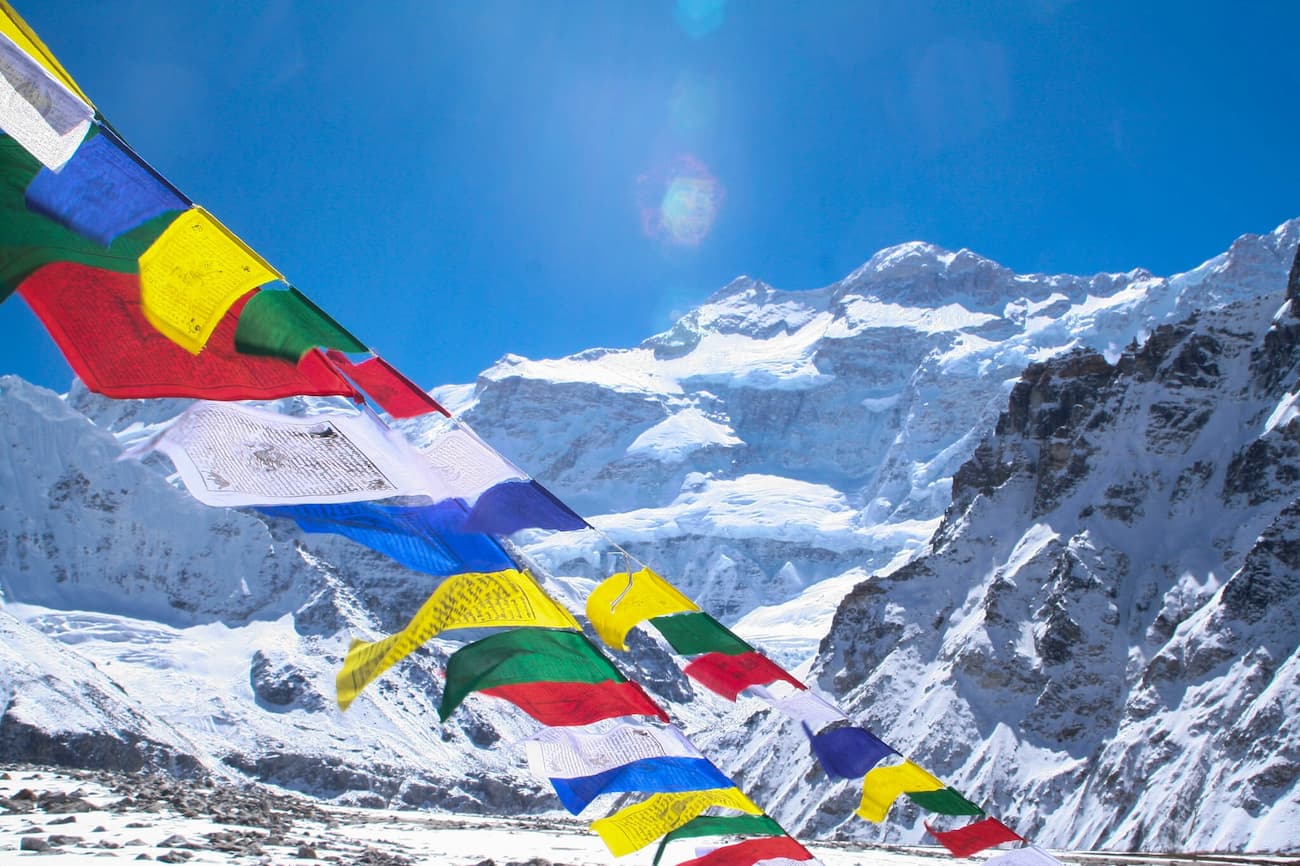
Kanchenjunga Treks is an adventure of more than two weeks in duration, one of the best high-altitude walks. Where route leads to both sides of Mt. Kanchenjunga around South and North Base Camps.
Mt. Kanchenjunga is listed as the world’s 3rd tallest peak at 8, 586 m / 28, 169 feet, located in Nepal Far East. The massif mountain range of Mt. Kanchenjunga also straddles the border with Sikkim a small state of North East India.
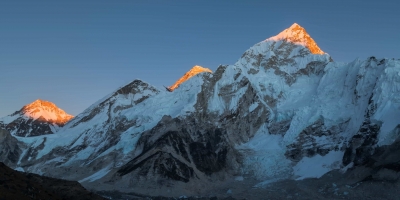
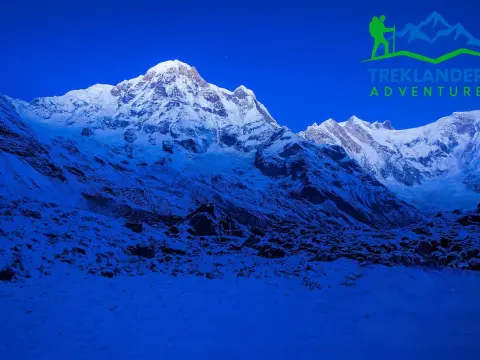
Mt. Kanchenjunga was first summited on May 25th, 1955 by British Expedition led by veteran mountaineer late George Band. From then on, the mountain is often visited for mountaineering expeditions, aiming for the summit from South Base Camp routes. Mt. Kanchenjunga, actually pronounced and spelled as Kanchendzonga, which a mountain range with five jewels. This refers to its massif Kanchenjunga range with its five main peaks, which can be seen during the treks.
Kanchenjunga Treks leads to one of the longest walks, as this beautiful country is located around the far eastern corners of Nepal. In the past decades, few trekkers and mountaineers seldom visited the pristine areas and hidden pockets of the Eastern Himalayas. At present, the influx of trekkers and adventurers has increased, including those people in search of pure mountain wilderness. Finally, the trekkers have found the perfect wild Himalayan destination for trekking, and that is around Kanchenjunga.
Kanchenjunga Trek is quite different from other popular trekking routes of the Himalayas, where the walk leads you far from maddening civilization. Due to its location in the far North Eastern Himalayas of Nepal, the only accessible routes are by flight; or taking a long overland journey. Reaching the starting point of trekking towards Kanchenjunga both North and South Base Camps.
Likewise, Treklanders presents this marvelous adventure Kanchenjunga Trek taking a swift scenic flight to land in Far South East. Where an exciting drive leads to cooler hills from the sub-tropical Terai belt, the flatland of the country.
The drive leads to beautiful wide terraces of Tea-Gardens of Ilam; famous the world over for its fine flavor and products. Then heading further up on a hilly rough road to the point of our adventurous walks to Kanchenjunga base camps.
The walk begins heading due northeast through lovely mid-hills farm villages and crossing several fresh running streams. Entering a cool serene forest covered in tall tree lines of rhododendron, magnolia, hemlocks, pines, and firs.
Walking towards isolated settlements to reach first Kanchenjunga South Base Camp and Yarlung glaciers beyond the camp at Tseram.
The adventure continues heading further north crossing three passes in a day, for every hard effort rewarded with a glorious mountain panorama. Finally, the walk comes across a beautiful valley with nice settlements of Ghunsa, inhabited by the Bhotias and Sherpa.
The main highlanders of the Eastern Himalayas of Tibetan origin are interwoven with the Buddhism religion and cultures. Leaving the last villages of Ghunsa and Khambachen and the yak herder’s temporary shelters of Lhonak. Then finally a steep climb leads to our main highlights of the adventure, reaching Kanchenjunga North Base Camp at Pang-Pema. Stand beneath the massif world’s 3rd highest Mt. Kanchenjunga and its remorseless fields of moraine, ice, snow, and glaciers.
Facing tremendous views of all Kanchenjunga peaks with Mt. Jannu and Wedge peaks, spending a few hours amidst beautiful scenery. Return journey downhill to Ghunsa and then back to low mid-hills dotted with farm villages.
Slowly journey ends reaching for an exciting drive to Ilam town through Taplejung and Suketar. The ride heads down to low warm flatland areas of Terai at Bhadrapur town airport. A scenic and smooth flight brings you to Kathmandu, after a marvelous adventure and great experience on Kanchenjunga Treks.
Trek Short Profile:
Mode of Trekking: Simple and basic lodges on treks.
Trekking Grade: Moderate to Adventurous.
Area of Trekking: Far North East, around Taplejung district.
Highest Elevation: At Pang-Pema Mt. Kanchenjunga North Base
Camp 5,150 m / 16, 896 feet high.
Start and End of trek: Suketar / Taplejung and vice-versa.
Trekking duration: 18 Nights / 19 Days (with drives, and flights both
ways).
Total Trip: 22 Nights / 23 Days from arrival to main departures.
Best Seasons:
The best seasons for Kanchenjunga Trek is in spring and autumn/fall, the best seasons. The spring time starts from March to May, most days are clear and fine with longer sun-light hours. A perfect times, when wildflowers are in seasonal bloom. Especially the rhododendron of various species from tall trees to short bushes. Morning, late afternoon and night time will be much cold above 2,000 m high with chances of light rain and snow-fall sometimes.
The next best season is autumn/fall, most days are crystal clear for scenic walks and best views. But shorter days due to limited sun-light hours, will be cold morning, late afternoon till night time. Chances of snowfall and light rains sometimes above 2,000 meters high.
Culture & Religion:
Lower mid-hills mostly populated by Rai and Limbu, the main hill tribes of eastern Nepal. Includes mixed hill tribes Magar, Chettries, Bharamins, follows Hindu religion and cultures. Higher areas inhabited by the Highlanders the Bhotia people and the Sherpa tribes of strong Tibetan origin. The higher mountain people follows Buddhism and similar cultures as of Tibet.

On reaching departure air terminal on landing at Kathmandu / international airport. Our staff and guide receives you for short transfer to respective hotels in the heart of Kathmandu city. After checking into your rooms, getting refreshed join with other members of the treks for group briefing. Provided by our guide or trek leader, briefing includes all important subjects related to the treks, includes information of Kathmandu and hotels. Evening a group welcome dinner in an authentic Nepalese restaurants, an introduction to Nepali meals and cultures.


Morning options for half-day sightseeing tour around Kathmandu world heritage sites of great cultural and historical interest. After the tour free for Kanchenjunga trek preparation.


Morning as time for Bhadrapur flight to Eastern Nepal around low land of Terai belt. Transfer to Kathmandu domestic airport, for scenic flight facing tremendous view of Himalayan peaks. Includes Mt. Everest, Lhotse, Makalu and Kanchenjunga massif peaks, then the plane lands at low warm flat land. Around Eastern Nepal at Bhadrapur town airport, joining our trekking staff for exciting drive. On leaving the sub-tropical areas for cooler high hills reaching a wide terraces of Tea Garden of Ilam town. After a short refreshing stops, drive continues further up to a small town at Phidim for overnight halt in a nice simple lodge. The town of Phidim surrounded amidst great Tea Gardens and pine trees with grand views of Kanchenjunga in the far north direction.

From Phidim, continue drive of few hours on leaving the main highway to enter the sub-road towards Hapu Khola / stream. The drive can be bumpy on the rough road, passing amidst many smaller villages with farm fields. Then reaching Hapu Khola, and continue towards Banketar where the drive ends. From Banketar a small village slowly developing into a town in near future. The first day trek starts to Khewang of few hours, a pleasant walk through villages and lovely area of the farm fields. Coming across nice village and witness the local culture of eastern Nepal the Kirats with Rai and Limbu. The main hill tribes of Taplejung district of Eastern Nepal mid-hills, finally end the day walks reaching Khewang (Khebang) at 1,915 m. Check into a nice simple local lodge for overnight around the mid-hills of Kanchenjunga region.


Having good breakfast, start the morning with a long steep climb towards Deurali Danda. A high ridge at 3,292 m /10, 800 feet as the trail winds its way uphill, steeply. Entering a dense rhododendron tree lines, then reaching an open area at Chitre a wide ridge with a water pool. Where Lashe Bhanjyang is located a small settlement with isolated huts, serves as Tea-House and lodge for overnight stop.


The walk from Torongten, and the areas of lower Lalung valley covered in thick forest with pine and rhododendron trees. Morning walk follows towards a river on the northeast, which is the source of the Yarlung Glacier.
During walk exciting views of the snow peak are seen ahead, the trail follows the ever-wide riverbed with pleasant walks. Finally, the terminal moraine of the Yarlung Glacier can be seen with peaks of Talung, 7,349 m /24,111 feet with Kabru 7,338 m /2 4,075 feet and Rathong peak 6, 678 m / 21,909 ft.
As the day ends reaching Tseram, located on a nice grassy meadow with a small terrace, above the north bank of a river. Enjoy the comfort of a nice simple and basic accommodation at Tseram, which is the junction of South and North Base camps of Mt. Kanchenjunga.

Although an extra day at Tseram, an opportunity to visit and explore Kanchenjunga South Base Camp. Which is the original and main preferable routes to the summit by mountaineers. Start the hike as early as possible for the long high altitude walks towards Yarlung glaciers and south base camp.
Having warm refreshment and good breakfast, as well carrying packed lunch for the day. The trail leads with steep climb for a short while for an hour reaching a gentle slope and continues till Oakthang Glacier. A picnic lunch will be carried and served to you by your crew once you reach Ramche. Either on the way up or on the way down as time permits on walks. From Ramche heads further towards South Base Camp, and enjoy the classic views of Mt. Kanchenjunga South Face, beyond Ramche and the glacier. As it turns north at the corner facing tremendous views of entire south and west faces of Mt. Kanchenjunga. After a grand vista walk further to a small path leading onto the lateral moraine of the Yarlung Glacier. Reaching a Buddhist monument ‘Chorten’ a perfect spot for unsurpassed views of Mt. Kanchenjunga main summit with Yarlung Kang, 8,505 m/27, 903 feet, and Khambachen Peak, 7,903 m / 25,928 feet, across head of a valley.
After a most astonishing adventure of the day hike return journey on the same exciting trail to Tseram. Enjoying the toughest day walks, rewards you with complete rest and leisure next day in Tseram.

Enjoy the long awaited rest day to relax, a spare day for people who wish to do a small laundering. As well enjoy the day marveling the beautiful scenery and recuperate and getting ready for the next adventure to North Base Camp of Kanchenjunga.

Enjoying a free and rest day, get ready for the long haul to cross three smaller passes in a day. Morning starts with a vertical climb ahead of Tseram, a strenuous steady haul for few hours. Then reaching a small icy pond of Chhuchung Pokhari; from here few minutes to the top of Sinion-La or Lepcha Pass. After completing the hardest section of the climb, enjoy glorious wide 360° panorama of the highest snow-capped peaks. Includes Mt. Makalu and Baruntse Himal in the North West with peaks of north east; and endless foothills in the far horizon.
From the top the walk gets comparatively easy on gentle path to cross over Sele La. On completing all scenic passes and ridges, a slow descent to Phedi facing views of massif Kumbhakarna that towers above. As the day concludes reaching overnight stop at Phedi, an isolated small settlement with few huts serving as simple lodges.

After a toughest walks of previous days, from here onwards on pleasant trail with long descent to Ghunsa village. The walk leads through lovely cool dense woods, then reaching on the rim of Yama Tori Valley. The walk continues downhill amidst pine and rhododendron tree lines, then reaching Ghunsa village.
A lovely well organized village of some thirty houses built with stones and corrugated roofs. Includes a small police post with a monastery here, enjoy the comfort of a nice lodge accommodation; much better than previous few overnights.

An exciting walk from Ghunsa to Khambachen, another last village before Lhonak. The walk follows the valley floor, as trail heads besides the greenish colored small stream of Ghunsa Khola. Heading through scrubs of smaller rhododendron and juniper bushes. Overlooking the terminal moraine of Mt. Jannu glacier ahead, facing occasional looks of a snow capped peaks. The walk comes to a small bridge and getting across the river to a small grassy areas of Rhambuk Kharka.
The edgy slopes above are prone to occasional landslide and rock falls a great care is needed to negotiate. On crossing over a steep traverse across a large affected landslide area, from here onwards the gorge gradually open out. Facing views of snow-capped peaks of Phole, Sobithonge and Jannu rises majestically above the moraines from the Jannu Glacier. From the landslide portion the walk gets better on gradual path, as trail heads towards a hillsides. Then finally descends to Khambachen, a small summer pasture and settlement. Mt. Jannu lies hidden, but the Sharphu group of peaks can be seen at the head of a valley. Overnight in a small lodge with simple and basic facilities to enjoy overnight halt in Khambachen.


The main final goal as well the major highlights of the adventure heading towards Pang Pema. Where Kanchenjunga North Base Camp is located, morning carrying packed lunch for the long and exciting day hike. The trail to Pang Pema can be misleading often changes due to rock falls and movement of glaciers.
Follow our expert lead guide on a shelf of a lateral moraine from the source of Kanchenjunga glaciers. As walk progress and the views gets better facing Wedge, Nepal, Tent and Pyramid peaks. Includes close views of Sharphu peaks that dominates the sky line and the valley. Walk leads on until Pang Pema is reached, enjoy the spectacular scenery of an array of peaks. Enjoying the closest looks ofmassif Mt. Kanchenjunga North Face within remorseless fields of ice and glaciers.
Pang Pema, a remote quant and isolated small place of Yak herders, having small stone huts on a grassy meadow. Enjoy the panoramic and jaw dropping views, close to Pang Pema with a large boulder adorned with prayer flags.
As well with a small plague in the memory of late mountaineer Chris Chandler from USA. After completing our adventurous feat, return journey to Lhonak on the same interesting route for overnight halt.

After last overnight in the comfort of simple Spartan lodge, morning walk leads past Khambachen. As walk follows along the west ridge of the Khambachen valley and down to Ghunsa Khola / stream. At present stands a newly built suspension bridge above the river. Walk continues on downhill until the trail is enveloped in golden pine and various species of rhododendron. As the long day hike ends reaching Ghunsa for pleasant overnight in the comfort of nice cozy lodge.

Leaving the higher areas of Kanchenjunga, return journey on an alternative routes crossing Ghunsa Khola again for last time. The trail leads to pleasant walk through lush forest of pine, rhododendron, and birch and Himalayan bamboos.
Encountering small Mani (a Buddhist prayer) walls and then reaching a nomadic-type settlement of Phole. From here after a brief rest walk on a huge sections of landslide to walk across. But safe from falling rocks and stones, making crossing safe, rest of the walk amidst dense lovely forest. Then finally the day completes reaching Gyabla Phedi for overnight stop in a neatly kept tiny village.
This nice place with some small houses, a few great teahouses and a huge lodge with 40 rooms. Enjoy views of high waterfalls in the distance, within a greenery surroundings includes cultivated terraced landscape.

On leaving the upper sections of North Kanchenjunga, from here onwards completely different with landscapes and climate. Morning walk follows on a narrow trail with a slow climb and then leads to descent for short while.
As the trail stretches reaching a nice village of Amjilassa, a great place and possible stop for lunch. Afternoon walk on long downhill reaching to a suspension bridge to cross over a big river. As walk follows, then arriving at Lamatar with views of beautiful waterfalls. After a short walks from Lamatar, leads to cross another suspension bridge, following the upper Tamur River. Next hour of walk again leads to the last bridge to cross, and then ending the day on reaching Sekathum. Enjoy the overnight in a comfort of nice homely type guest house and lodge.

Having a nice breakfast, a short walk to cross a small suspension named "Ranipul" above Tamur River. Where road-head is located for exciting drive of 4 to 5 hours to reach Suketar for overnight stop. (Suketar village close to the Taplejung airstrip).


Morning from Ilam Town few hours exciting drive past huge Tea Gardens then downhill to low warm Terai belt. As drive continues reaching Bhadrapur town and the airport. As the plane arrives from Kathmandu, board in the aircraft for sweeping panoramic flight back to Kathmandu. Then get transferred to your hotel, with afternoon free at leisure.

Enjoy an extra day in Kathmandu, we have reserved as contingency day in case of delay on treks due to mountain road conditions for local drives.
Have the day off for individual activities or get into shopping spree, interested people can join for another interesting tour of other cities of Kathmandu valley. Sightseeing around Patan / Lalitpur or the famous Bhaktapur city Durbar Square, worth a visit.

After an enjoyable and most mesmerizing adventure in Nepal and around the Himalayas on Kanchenjunga Trek. As time for departure, our staff transfer you to international airport for flight homeward bound or to next port of call.
My journey on the Kanchenjunga Trek was nothing short of life-changing. I’ve trekked in different parts of the world, but nothing compares to the raw, untouched beauty of this region. From the very first day, the landscapes felt surreal — deep valleys, dramatic ridgelines, ancient forests, and the towering presence of Kanchenjunga itself. Every turn revealed something new and breathtaking. The remoteness of the trail was exactly what I was looking for. There were moments where it felt like I was walking through a completely untouched world, far away from crowds and noise. The local villages, traditional stone houses, and warm smiles along the way made the experience even more meaningful. I loved how authentic the culture felt — simple, peaceful, and deeply connected to the mountains. Treklanders Adventures made everything smooth, safe, and enjoyable. My guide was incredibly knowledgeable, patient, and always attentive. He shared stories about the mountains, pointed out rare wildlife, and handled every detail with professionalism. The porters were strong and kind-hearted, always greeting me with smiles despite the challenging terrain. The final viewpoints of Kanchenjunga South and North Base Camps took my breath away. Standing beneath the world’s third-highest mountain, surrounded by silence and massive glaciers, was a moment I will carry with me forever. If you’re looking for a trek that combines adventure, purity, wilderness, and cultural richness, the Kanchenjunga Trek is the one. It challenged me mentally and physically, but rewarded me with memories and feelings I can’t describe. Thank you, Treklanders Adventures, for making this dream come true.
Purpose: Keep sweat off the skin and maintain warmth.
Purpose: Trap body heat in cold air at altitude.
Tip: Keep electronics in inner pockets at night to prevent freezing.
Kanchenjunga trek, is a complete adventure of more than two weeks duration, where all trekkers needs to be physically fit. As well in sound health to cope with ups and downhill, including walking on rough terrains. Rest of the walks is normal spending overnights in a nice simple lodge with basic facilities. As well with limited food menus to enjoy. Trekkers should be minimum 18 years of age to maximum of 70 years old can join on this wonderful adventure.
Not all villages and lodges have electricity with Hydro or Solar power, due to its remote location. Few areas around large villages do have small hydro plant or solar power to run electricity. Can charge electronic items on paying extra fee for using the power as per gadgets charged. As for internet and cell phone communications, every lodges have the Wi-Fi and internet services, but can be quite disturbing sometimes due to weather and location wise. As this trek leads to complete mountain wilderness of some days, suggest trekkers to carry portable small solar panel for personal use, where required. The communication local SIM like Ncell and NTC works well, except in deep gorges or enclosed by high mountains and cliffs.
From Phidim onwards the lodge and food are basic and most simple. Due to its remote and isolated location. Large villages will have better lodge accommodation and food menu. But some few small places for some days the quality of accommodation and foods are nice and simple. All lodges with common bath and toilets, but with big warm dining room. The company and guide will carry some extra supplementary foods where needed in remote wilderness of Kanchenjunga trekking.
Kanchenjunga Trek, is not that popular as Everest, Annapurna or Langtang Himal region. Due to remote location, where long drive of few days or flight involves both ways after the long trek of two weeks and more.
But from past few years, it is slowly drawing more visitors than it used to in the past decades. The other region not being popular is the facilities of lodge accommodation and food qualities. Where trekkers needs to join with reputed companies like Treklanders Adventure with options for tented camping or staying in simple basic lodge en route trekking.
The flight to Suketar do operates from Kathmandu or from Bhiratnagar city, located Nepal Far Eastern low land. The regular flight does not operates except in certain times of a week in best seasons of the year. The flight can be unreliable and unpredictable due to bad weather or less passengers. To avoid the confusion nearly all local trekking agents and Treklanders Adventure uses the flight to Bhadrapur which is a seasonal airport, having twice or thrice flights every day.
Flying to and from Bhadrapur with drives to start and end the trekking, the very best ways to enjoy Kanchenjunga Trek.
The Kanchenjunga Trek is a path requiring lots of stamina to the base camp of Mount Kanchenjunga in the eastern part of Nepal. Mount Kanchenjunga (8586m) is the world's third-highest peak. The area has unspoiled nature, typical villages, majestic forests, alpine valleys, rare animals, and a pristine Himalayan atmosphere very far from the commercial trekking routes. It is suitable for trekkers who are longing for a wild and authentic adventure.
The time varies from 18 to 26 days in most cases, depending on the trekking route to the North Base Camp, South Base Camp, or doing the full Kanchenjunga Circuit. Because of long walking days, steep terrain, and remote conditions, there are additional days for acclimatization and travel.
Yes, it is classified as a hard trek and a physically demanding one. The trail consists of long daily hikes, high passes, tough paths, cold temperatures, and a remote area with little infrastructure. It is advisable only for trekkers who have previous multi-day high-altitude trekking experience and are in good shape.
The area is the last one of Nepal's true wilderness where you can still find the purest nature. You may admire the fantastic mountain views and walk through beautiful forests. Also, you can experience the authentic Limbu, Rai, Sherpa, and Tibetan-influenced culture, and enjoy the incredible biodiversity composed of red pandas, musk deer, and snow leopards. The trail is tranquil, thus giving trekkers the feeling of solitude, which is very hard to find in other places.
Such a trip is perfect for those full of adventurous spirit, experienced trekkers, photographers, nature enthusiasts, and people searching for remote, off-the-beaten-path journeys. Beginners are not advised to take part unless they are exceptionally fit and prepared.
Yes, since Kanchenjunga is a restricted area, a licensed guide is mandatory. A registered guide and a minimum of two persons need to be together. Treklanders Adventures has a well-trained staff of guides who know the region's trails and culture and are up to date with the safety requirements.
The best time to trek Kanchenjunga is in spring (from March to May) and autumn (from September to November). Both these times are characterized by good weather and thus are perfect for the trek, especially when you want to get a good view of the mountains. The trails are in great condition with little chance of heavy snowfall or rain.
Spring sees not only the warming of the days but also the flowering of the rhododendron forests that are typical of the region. The weather provides excellent walking conditions, making it the most suitable season for photographers and nature lovers. The whole eastern Himalaya is an explosion of colors.
One of the main reasons to choose to travel in autumn is that it provides the clearest sky all year round. Nectar of the gods, which is the monsoon, has ended, leaving the mountains covered with fresh snow. Actually, landslides and snow are the two elements that present risks in winter and not in autumn. This season guarantees the best raiment for people hiking at a high level.
Yes, but it is very difficult and dangerous. Snowfall is heavy, and temperatures are freezing in the late evening and early morning hours. Moreover, many sections of the trail you will find may be impassable due to snow or ice. So only professional trekkers who are appropriately equipped should choose to walk during winter.
Monsoon (June to August) is a period of heavy rains, which also causes slipperiness on trails, leeches, and limited views of the mountains. Traveling in the Kanchenjunga area is made difficult by heavy monsoon rains. But if you don’t mind the rain, the lower villages are still worth going to because they are green and beautiful.
Autumn is the best time for the lens because of its terse and extremely clear skies, which provide sharp views of the mountains. Apart from that, spring is as striking as well with forests full of colors, bright light and dramatic landscapes. Both of these seasons have perfect weather conditions, which in turn make it easy to capture the beauty of the Kanchenjunga Himal.
The answer is yes, one of the most challenging trekking routes in Nepal is the Kanchenjunga Trek. It is a long, wild, and rough trail that has steep climbs, rocky and high-altitude parts, and few accommodations. Trekkers are literally off the grid for many hours and walk for several days in a row. If you are an experienced trekker or in really good shape, then it’s for you.
The Kanchenjunga area is beyond remote. Village-to-village distances are long, the ascent is slow but quite hard, and you will encounter forests and glaciers, rivers you have to cross, and narrow trails. The weather can also turn around in no time, making it even harder. With this region, however, there are only a few tea houses and thus support for logistics becomes a bit complicated in contrast with Everest or Annapurna.
Definitely, those going on multi-day treks should already be aware of how to prepare for such challenging situations, and they should have the necessary skills required. Of course, if a beginner is in impeccable shape, then he/she can still go, but it is previous exposure to high locations that makes a trip safe and fun.
To make it on a Kanchenjunga trek, you will need to have a strong heart and lungs, strong legs, good stamina, and overall physical endurance. The client should be able to walk with his/her backpack for 6–8 hours per day. To get into top shape before the trek, you should train for 6–8 weeks through hiking, stair climbing, and cardio exercise.
Definitely, it is always better to travel with a professional guide, and then the path will be safe. Besides safety measures, route planning, and monitoring the weather, Treklanders Adventures also adopts the use of radios and first-aid packs to give assured security. Moreover, guides have undergone training in altitude and assistance management, thus equipping them to deal with emergencies even in far-flung areas.
Indeed, altitude is certainly among the biggest problems. Altitude at the Kanchenjunga base camps is above 5,000 meters. Carriage of thin air, slow pacing, and hydration are important. Treklanders Adventures offers acclimatization days in order to reduce the chances of altitude illness.
Altitude sickness is the major hazard as the trek goes above 5,000 meters. It is a headache, nausea, dizziness, and loss of appetite kind of thing. Through proper acclimatization, slow pace, and intake of water, one is able to avoid any trouble. Treklanders Adventures allocates acclimatization days in your itinerary.
Tell your guide right away. A light symptom may get better by resting, drinking, or taking medicine. If your symptoms are severe, the other way down is the only safe choice. Treklanders guides are skilled in recognizing AMS and can, therefore, react quickly to ensure your safety.
Along the Kanchenjunga trail, one can find very basic yet comfortable accommodation. Travelers stay in small teahouses or home stays run by local families that offer simple rooms with twin beds, blankets, and shared facilities. The area is not very accessible, so although the teahouses are quite old and rugged as compared to the likes of Everest or Annapurna, they provide a comfortable and inviting setting.
Along the Kanchenjunga route, teahouses serve simple, fresh, and energy-rich meals. Most of the time, the food is dal bhat, which is the traditional Nepali meal made of rice, lentils, and vegetables, and provides perfect energy for long days of trekking. Besides this, one can eat noodles, fried rice, potatoes, soup, omelets, pancakes, chapati, and food cooked in the Tibetan way. Because the area is far from the main world, the menu becomes very limited at higher elevations, but the food is still hot and delicious.
Definitely, almost all meals are prepared fresh and done so with local ingredients. For the most part, the vegetables in the lower parts are grown locally, while the upper parts get their supplies via transportation. The meals are clean and prepared with love; however, due to the low temperatures and the nature of cooking in difficult-to-reach places, the high-altitude guests should expect a little delay in their meals.
Vegetarian meals are offered in each and every part of the trek. Additionally, vegan options will not be a problem because there are foods such as potatoes, rice, soups, lentils, and vegetable dishes. However, due to limited resources in remote villages, trekkers with strict diets should consider being flexible and may want to bring some extra snacks along.
If you want to drink water, then you have to make sure it is safe. Some lower villages provide bottled water, but it is not very affordable, and its price increases with elevation. Treklanders' adventures advocate that the water that is boiled by teahouses should be used, or people can use their purification methods, such as tablets, drops, or portable filters.
A water bottle can be refilled at each teahouse. It would be best to use boiled water, which is the cleanest and available for a small fee. During the day, trekkers should have one or two reusable water bottles or a hydration bladder, which can hold water, to avoid dehydration.
The most common drinks consist of tea, ginger tea, lemon tea, instant coffee, hot chocolate, juice, and soups. By drinking these warm drinks, you will not only stay hydrated but also keep your body temperature. At the same time, an alcoholic beverage should never be taken at altitude, as it dehydrates the body and thus, the process of acclimatization is slowed.
Yes. Nutritional foods such as nuts, chocolates, energy gels, and protein bars are very helpful in energy maintenance, especially when keeping in mind long days and tracks where teahouses with food supplies are few. Prices also trend higher with altitude.
Private twin-sharing rooms are available in most cases unless the village and season are such that the rooms are already taken. In extremely remote areas, it is possible that there are not enough rooms; therefore, trekkers may have to share common spaces or sleep in dining rooms at the time of peak trekking.
There is hardly any provision for an attached bathroom in the Kanchenjunga region. The majority of the teahouses have shared toilets that could be either squat-style or Western-style, depending on the village. The higher you go, the more basic the facilities become; thus, those going to the upper region should be ready for very simple sanitation.
Heating is hardly there in bedrooms. Generally, a wood or kerosene stove is used to heat the dining hall where trekkers can meet in the evening, and which is the usual place heated by a teahouse. At night, it can be quite cold, especially when you are at a high altitude, so a warm sleeping bag cannot be absent from your gear.
Hot showers can be had in lowermost teahouses if they are using solar or gas water heating provisions, but as altitude goes up, the availability is less and less. The provision of a shower in a high place may not even be possible. Many trekkers decide to do quick washing or not to shower at all.
Indeed, teahouses on the way are secure, and the families who operate them will be good hosts to visitors. Cleanliness depends on how far one is from the main road, but Treklanders Adventures only selects hygienic teahouses that are also known for good food and service. Though the facilities are basic, travelers can find a place where their safety is assured, and they can have a comfortable rest during the night.
The Kanchenjunga area is not well covered by the mobile network. Places like Taplejung, Suketar, Chiruwa, which are lower villages, may have some signals of NTC or Ncell, but when you go towards the mountains, the connection goes weak, and even no signal is available most of the time. Also, in higher and far-flung locations, you can expect to be without a signal for great distances.
Wi-Fi is available only in some lower villages and is very limited compared to the Everest or Annapurna regions. Most of the tea houses on the Kanchenjunga trekking route do not have Wi-Fi facilities because this area is remote and lacks proper infrastructure. Thus, trekkers should take it for granted that minimal or no internet access will be available throughout the journey.
You can use mobile data in some villages near the starting point of the trek only. The moment you go higher or enter deep valleys, mobile data will not be available at all. Never place your trust in mobile data for communication during this trek.
Treklanders Adventures guides carry out emergency communications through local radio or satellite phones in very remote areas where there is no network. Contact with rescue teams or headquarters is ensured in this way, thus giving them a safety backup even if there is no mobile coverage in the area of emergency.
The use of a Nepali SIM card (NTC or Ncell) is most advantageous for the lower part of the trek, especially around Taplejung. Nevertheless, it would hardly work in the majority of high-altitude villages. A trekker can consider it as a bonus communication means rather than a reliable one.
You can inform your family about your safe status only for the first several days when the signal is strong, but as soon as you go into the remote areas, it is almost impossible to communicate. Most of the trekkers notify their families beforehand that they will be out of network range.
Yes, it is necessary to have a licensed guide on the Kanchenjunga Trek as it is a restricted area. Therefore, independent or solo trekking is prohibited. Plus, a registered guide is a safety measure, helps with directions, facilitates your stay, adjusts your altitude check-ups, and carries your permit. Treklanders Adventures is the one to choose for the most qualified and experienced guides who know every remote trail of Kanchenjunga.
The Kanchenjunga area is very far away from civilization, and it has long distances between villages, few signs, and difficult terrain. Besides, the weather can change very fast, and it is hard to find communication points. Therefore, a professional guide will get you to the right trail, make safe decisions along with you, and keep an accurate rhythm. Apart from that, guides encourage you to communicate with local people, serve you meals, and help you in case of an accident.
Absolutely, hiring a porter is very helpful in the least possible way. The journey entails prolonged walking hours, steep ascents, and high altitude. The porter takes care of your main backpack (generally of 15–20 kg), so you can only carry your daypack and comfortably walk. This not only lessens your tiredness but also allows you to get used to the altitude faster.
Treklanders Adventures is diligent in providing the required personnel for your trek; hence, their guides and porters have substantial experience in traversing the Kanchenjunga region. They also possess skills in giving first aid, dealing with altitude problems, finding routes, and tackling emergencies. To supplement this, their familiarity with the locality ensures both your safety and the best trekking experience.
Tipping is optional and not a requirement, but a gesture that holds very much value in the trekking culture of Nepal. It is a great gesture to let them know that you acknowledge their efforts, support them, and that you are thankful for their assistance. The majority of trekkers decide to give tips at the end of the trek, and the amount depends on the quality of the service given.
If one is willing to have a trek in the Kanchenjunga region, firstly/they must have two mandatory permits: the Kanchenjunga Restricted Area Permit (RAP) and the Kanchenjunga Conservation Area Permit (KCAP). Since it is a restricted area, permission should be obtained from a registered trekking agency, and solo trekking is not allowed. On behalf of trekkers, Treklanders Adventures takes care of all the permit procedures.
Kanchenjunga is located close to the border areas of India and Tibet, and it is not only a culturally sensitive region but also an ecologically fragile one. In order to protect the people living in the area, the wildlife, and the heritage, the government has set up a system of restricted area permits to allow access. Besides that, this ensures the safety of the trekkers as they are in the company of the licensed guides.
Not at all, independent trekking is forbidden. Each trekker needs a guide who has a license, and all of them must be in possession of the valid permits before entering the area. There are checkpoints at the location where officials confirm permits, and those who do not have them may receive penalties or have to leave the trail.
On the trek, permits are checked at quite a few official places where the trail crosses through Taplejung, Sekathum, Ghunsa, and a number of points from where the Conservation Area can be accessed. At these places, staff monitor that every trekker has a valid permit for RAP and KCAP before they are allowed to go deeper into the region.
Usually, permit processing is done in just a few hours after all paperwork is handed in. However, trekkers must set aside at least half of their day in Kathmandu for the undertaking. The permit arrangements are made ahead of time by Treklanders Adventures so that you can start your trek without any hitch or waiting time.
The main requirements for the trekkers are to have a valid passport, two passport-sized photographs, a travel insurance document, and a confirmed itinerary arranged through a licensed agency. The company of the trek employees, Treklanders Adventures, is making their own preparations for all the necessary paperwork and then delivering it to the various government offices to secure permission.
For a lengthy and isolated trek such as this, you will need to have warm layers including a down jacket and thermals, trekking pants, a waterproof jacket, gloves, a warm hat, sunglasses with UV protection, a good pair of trekking boots, trekking poles, a headlamp, your personal hygiene items, and a sleeping bag with a temperature rating of –10°C to –15°C. Apart from these, a good backpack, a reusable water bottle, a power bank, and basic first-aid supplies are also necessary. Since the Kanchenjunga region is not very hospitable in terms of amenities, packing properly is the way to go to not only ensure comfort but also safety.
Absolutely, a warm and dependable sleeping bag is a must-have. The Kanchenjunga area gets extremely cold, especially at high altitudes where rooms in teahouses are unheated. A sleeping bag that is rated at least –10°C to –15°C will keep you warm and comfortable all night long.
Trekking poles are definitely a good idea. On the one hand, the Kanchenjunga trail is characterized by steep ascents, long descents, and rough terrain; on the other hand, trekking poles stabilize your balance, and walking becomes more efficient on the difficult sections of the trail.
Those planning to go on the trek should start their regimen at least 6–8 weeks before the trip. Long hikes, climbing stairs, cardio activities such as cycling or running, and strength training for legs and core make up the preparation. Building endurance and stamina is necessary because the trek consists of long walking days and requires high-altitude adaptation.
Yes, it is very handy to bring your own snacks with you, especially protein bars, nuts, chocolates, hydration salts, and energy gels. In remote areas, teahouses have limited snacks to offer, and the prices increase along with the altitude. Having your own stock keeps you energized on difficult days.
While Treklanders Adventures offers a basic first-aid kit, it is advisable for each trekker to bring personal medicines. These include altitude medication, painkillers, anti-diarrhea tablets, allergy medicines, blister plasters, and any prescription medications you may be taking. A small personal medical kit is your quick fix in case of emergencies on the trail, where there are no pharmacies.
You are to carry warm layers, a down jacket, thermal underwear, trekking pants, a waterproof jacket, gloves, a warm hat, UV-protected sunglasses, trekking poles, a headlamp, sturdy trekking boots, a reusable water bottle, and a sleeping bag rated –10°C to –15°C. Besides a backpack, toiletries, and power banks are also must-haves since there are limited facilities.
Absolutely, the Kanchenjunga area becomes very cold at night, particularly at heights of over 4,000 meters. Therefore, since teahouse rooms are not heated, a warm sleeping bag is the only way to ensure comfort and safety.
Trekking poles can do a lot of good work for you, so you should definitely have them with you. The trail is characterized by steep ascents, rocky paths, long descents, and slippery sections. Poles give you the power to protect your knees, help balance, and cut down on fatigue.
Start your training workout 6–8 weeks before the trek. Put your main focus on long hikes, stair climbing, running, or cycling, and at the same time, strengthen your legs and core. It is very important to work on your stamina and endurance because of long walking days and the high-altitude challenge.
Indeed. Make sure you have with you convenient medicines like altitude pills, pain killers, anti-diarrhea tablets, hydration salts, blister plasters, and prescription medications. There are no pharmacies in the off-the-beaten-path Kanchenjunga region.
The answer is affirmative. This trek is among the toughest in Nepal. It calls for long walking days, steep climbs, rugged trails, and the capability to withstand cold weather and high altitude. Both good physical condition and mental endurance are a must.
First of all, abide by the instructions of your guide at all times, make use of trekking poles, keep drinking water, and don't walk too fast. Walk on the inner side of narrow trails and cross where you can if yaks or porters are coming. Good shoes with a firm grip will make it difficult for you to slip.
Hydration is the first thing that keeps adjustment to altitude possible and overall health as well. Purified or boiled water, 3–4 liters a day, should be your intake. Lack of water will result in altitude sickness, fatigue, and headaches.
The Kanchenjunga Trek is a test of one's mental qualities, such as patience, inner strength, and positive outlook. Be prepared for long days spent in the middle of nowhere, tough terrain, and basic facilities. Being mentally in good shape will allow you to take pleasure in the trek and get used to the nature experience.
Indeed, travel insurance is a must as Kanchenjunga is a distant area and lacks medical facilities. The insurance you take must be compatible with altitude trekking up to at least 5,500 meters, and it must also cover helicopter evacuation in case of emergencies.
Your insurance needs to specify that it covers high-altitude trekking, medical treatment, helicopter evacuation, accident coverage, trip delays, and emergency rescue. In case you don't have the proper coverage, an emergency evacuation can turn into a very expensive and complicated affair.
The medical facilities in Kanchenjunga are very minimal. Only basic aid can be found in a few villages. In case of serious health issues, a helicopter evacuation is required. It is very important to carry your own medication and to be accompanied by a professional guide during the trek if you want to be safe.
That journey usually takes place with a plane ride from Kathmandu to Bhadrapur in the eastern part of Nepal. From Bhadrapur, travelers embark on a long overland journey to either Taplejung or Suketar, which are considered the main gateways to the Kanchenjunga region. Treklanders Adventures offers private vehicle services to make transfers comfortable and safe.
Indeed, the Kathmandu–Bhadrapur flight is among the most dependable domestic routes in Nepal. It takes approximately. 45 minutes, and the service is regular. Unlike other mountain airstrips such as Lukla or Jomsom, where weather can be a big problem, this is a more stable airport for you to fly.
The ride from Bhadrapur to Taplejung normally lasts 7–10 hours, and that is based on the condition of the road. During the trip, one can enjoy the view of tea gardens and hills, and explore the rustic villages in the area. Yes, the road is winding, and some parts are rough, but the view is stunning, and the journey is safe with skilled drivers.
Definitely, one may choose a local bus or jeep directly from Kathmandu to Taplejung; however, it is a very long trip that takes about 18–20 hours. This method is cheaper and more convenient than a flight to Bhadrapur and driving the rest of the way.
The plan is to leave Taplejung by car and get back to Bhadrapur, from where you'll fly to Kathmandu. Treklanders Adventures is the one who takes care of all the return trip arrangements so that you can have a hassle-free transition after your trek.
Weather and road conditions can sometimes interfere with your plans, especially if the monsoon or winter season has set in. Treklanders Adventures is always prepared with backup plans, such as providing alternative vehicles or changing the route to ensure safety and comfort, which are always their main concerns.
| No of people | Price per person |
|---|---|
| 1 - 1 | $2,060 |
| 2 - 3 | $1,635 |
| 4 - 8 | $1,515 |
| 9 - 30 | $1,405 |
| No of people | Price per person |
|---|---|
| 1 - 1 | $1,475 |
| 2 - 3 | $1,050 |
| 4 - 8 | $955 |
| 9 - 30 | $845 |
| No of people | Price per person |
|---|---|
| 2 - 3 | $2,105 |
| 4 - 8 | $1,805 |
| 9 - 30 | $1,715 |