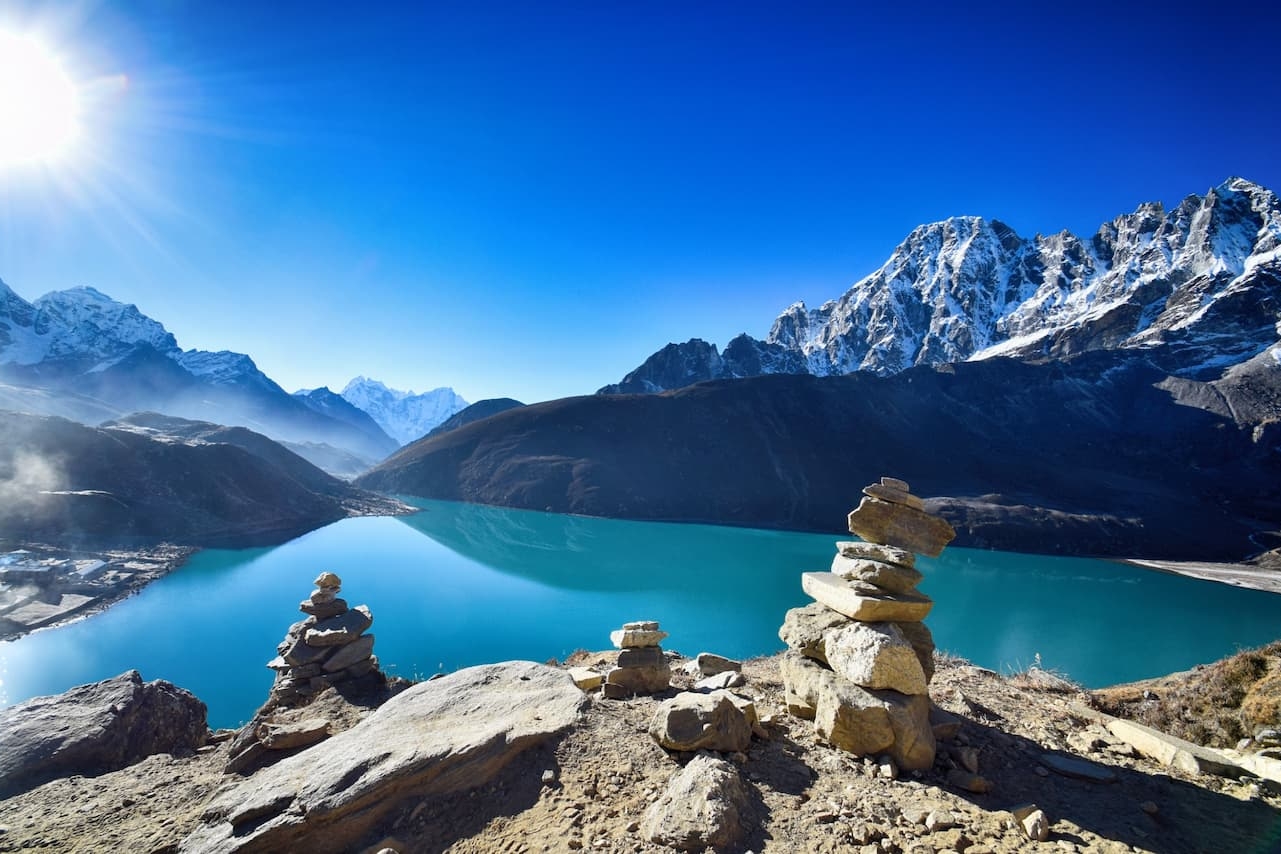
Gokyo Valley Trekking takes you around a picturesque valley of beautiful glacial lakes enclosed by towering Snow Mountains.
An exclusive adventure, Treklanders Adventures offers to explore the hidden corners of the high Khumbu Valley in the shadow of Mt. Everest. Gokyo Valley Trekking routes are quite different from the mainstream trail of the popular Everest base camp. The adventure diverts from the main busy path towards the central north of Khumbu to reach scenic Gokyo Valley.
The beautiful Gokyo Valley is less ventured than other trekking destinations around Khumbu, making this trek so special.
The whole area of Gokyo Valley is loaded, with spectacular views of snow-capped peaks and towering rocky ridges. At one time, Gokyo Valley was unknown to the outside world and remained hidden for decades.
It was a summer grazing ground for local yaks and cattle, and then gradually a few groups of explorers visited the region.
The adventurers and trekkers were astonished by the charm and beauty of Gokyo Valley. As the years went by Gokyo Valley was then exposed to the outside world for the interested trekkers. At present, the Gokyo Valley is one of the best exciting adventure destinations in the Everest and Khumbu areas. Located, on the vantage points bounded by two high passes of Cho-La and Renjo-La. Where trekkers frequently cross these passes, traversing from one scenic area to another beautiful place in Khumbu.
Adventure to Gokyo Valley trekking starts from Lukla to Namche Bazaar on the same scenic trail. After enjoying an extra day at Namche Bazaar for acclimatization, our route diverts from the main path.
The climb leads to Dudh Koshi Gorge at Phortse Tenga, covered in the lush green forest of rhododendrons and pine trees.
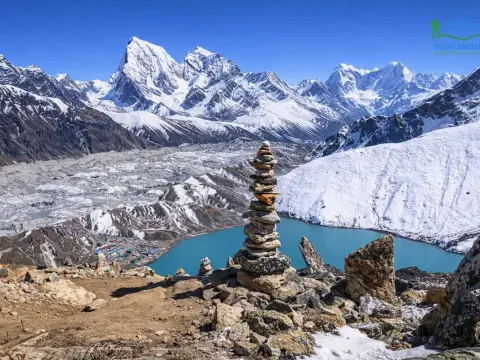
Then the walk enters amidst a wide-open Gokyo Valley of lakes surrounded by arrays of giant snow peaks. Gokyo Valley is also an important place with Nepal Himalaya's longest Ngozumpa glaciers is located. Which is the main glacial source of the raging Dudh Koshi River and as well as Gokyo-Ri, a spectacular viewpoint.
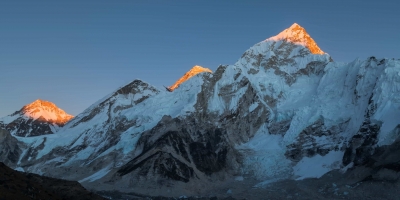
At Gokyo Valley, climb to the top of Gokyo-Ri, the highest point of the adventure. The high ridge of Gokyo-Ri offers stunning scenery of the whole Gokyo Valley and the lakes. Enjoy the grand vista of the world's four highest peaks, from Everest and Lhotse, Makalu, to Cho Oyu, which include a series of snow-capped peaks. After an enjoyable and mesmerizing experience around scenic Gokyo Valley, the return journey takes you back to Lukla.
The next morning taking, a sweeping short flight brings you to the hustle and bustle of city life in Kathmandu. On reaching Kathmandu, our marvelous adventure to Gokyo Valley Trekking concludes with the wonderful services of Treklanders Adventures guides and staff.
Outline Itinerary
Day 01: Fly to Lukla 2,860 m and trek to Phakding 2,610 m-04 hrs.
Day 02: Trek to Namche Bazaar 3,440 m-06 hrs.
Day 03: Rest day in Namche Bazaar for acclimatization with short hike.
Day 04: Trek to Dole 4,110 m- 06 hrs.
Day 05: Trek to Machermo 4, 470 m - 04 hrs.
Day 06: Trek to Gokyo Valley 4,800 m - 04 hrs.
Day 07: Morning climb Gokyo-Ri, afternoon free at leisure.
Day 08: Trek to Phortse village 3,875 m - 06 hrs.
Day 09: Trek to Monjo 2,880 m via Namche Bazaar-06 hrs.
Day 10: Trek to Lukla and transfer to a lodge-04 hrs.
Day 11: Fly to Kathmandu and transfer to hotel.
FOODS, ACCOMMODATION ON GOKYO VALLEY TREKKING
Trekkers will be surprised to find various standards of lodge accommodation en route to Gokyo Valley. Starting and ending the treks at Lukla, trekkers have options as per one's budgets.
From simple tourist standards to moderate and Luxury deluxe lodge accommodations, having attached baths and toilets. After Namche Bazaar, the lodge provides common baths and toilets. Extra charge for using hot showers,
the toilets for common use, due to the harsh terrains. As well the pipeline and plumbing systems freezes due to minimum morning and night cold temperatures.
Dining rooms are large and cozy with a fireplace to keep the environment warm, while you enjoy the meals.
All lodges provide a comprehensive food menu, which includes a wide variety of breakfasts, from oats, porridge, and cornflakes. Bread, Chapatti, Pancakes with choices of eggs from scrambled, boiled, poached, and omelets. Followed by hot refreshing drinks, tea, coffee, and drinking chocolates. Lunch and dinner with a list of continental, Indian, Nepali, Chinese, and Tibetan/ Sherpa foods. Some lodge restaurants also provide Mexican, Italian, Japanese, and Korean foods, including fresh bakery items. All dining rooms are bright with lamps run by local hydroelectricity or from solar power. Some lodges also provide free internet or Wi-Fi,
it is quite slow and disturbing. Due to landscapes and weather conditions on designated overnight stops. For large groups of more than
4 people, the best to order a set menu, which saves time and fuel energy. As well as following the norms of Eco or Responsible Tourism.
RELIGION AND CULTURES AROUND KHUMBU AND GOKYO VALLEY TREKS
Although Nepal is dominated by 75% Hindu religion, the higher mountains around the Himalayan range. The Sherpa highlanders of Everest, are interwoven with Buddhist religion and cultures. Trekkers can notice every house adorned with Buddhist prayer flags and the village trail lined with religious monuments. Like the prayer stone walls and spinning wheels, with large boulders engraved with prayer inscriptions.
Trekkers will have time to visit the monasteries en route, like the famous Tengboche Monastery. The Sherpa follows the same Buddhist religion and traditions, similar to the early Tibetan predecessors.
Short Trek Profile
Mode of Trekking: In the best available lodge, and guest house.
Grade of Trekking: Moderate to Adventurous with touch of high altitude.
Trekking Region: Nepal Far North Mid-East around high Khumbu region.
Highest Points: On top of Gokyo-Ri Ridge 5,357 m/17,575 feet.
Trekking Duration: 10 Nights and 11 Days from Kathmandu to Kathmandu.
THE BEST SEASONS FOR GOKYO VALLEY TREKKING
For Gokyo Valley treks, can venture around all seasons of the year except the wet monsoon and summer times. The right favorable and the best seasons are spring and autumn/fall.
Spring begins in early March and ends in May, where most days are bright with sunshine for longer hours. From early 6:30 am till 5 pm, but can get cloudy afternoon sometimes with chances of light snowfall.
Cold morning, late afternoon, and night times, as well with an extra wind-chill factor above 3,000 meters. The afternoon sun is bright with strong UV (ultraviolet) and requires sunblock’s, sunglasses, hats, and long-sleeved tops.
Spring is a lively time when wildflowers are in seasonal blooms, mainly the rhododendrons of various species and colors.
The next best season is autumn/fall, from September to November, most days are fine and clear for views and walks. But much colder morning, late afternoon, and nighttime, chances of snowfall sometimes. Can get extra cold from the afternoon wind chill factor, however a pleasant season of autumn/fall for Everest base camp treks.
Interested people can enjoy the Gokyo Valley trek during the winter time of Christmas and New Year holidays despite the cold. Most days are fine with sunshine and get dark sooner due to winter and limited hours of sunlight.
But freezing temperatures in the morning, late afternoon, and nighttime, but enjoyable walks encountering fewer groups of trekkers.
Please Note
Trekkers joining for Gokyo Valley or any other adventures around high Khumbu. The flight to Lukla or vice-versa from Kathmandu, could get diverted to another airport at Manthali Town, Ramechap. Due to busy air traffic at Kathmandu airport during high seasons of spring March to May. Including the autumn/fall of September to November, if the flight gets diverted to Manthali small airport in Ramechap. Which is approx. 154 km driving distance of 3-4 hours from Kathmandu to Manthali Town and vice-versa. In this situation we might have to stay overnight in the local hotel at Manthali. For an early morning flight to Lukla, the other options are driving to Manthali, Ramechap early morning by 2-3 am. To reach on time to catch the flight to Lukla.
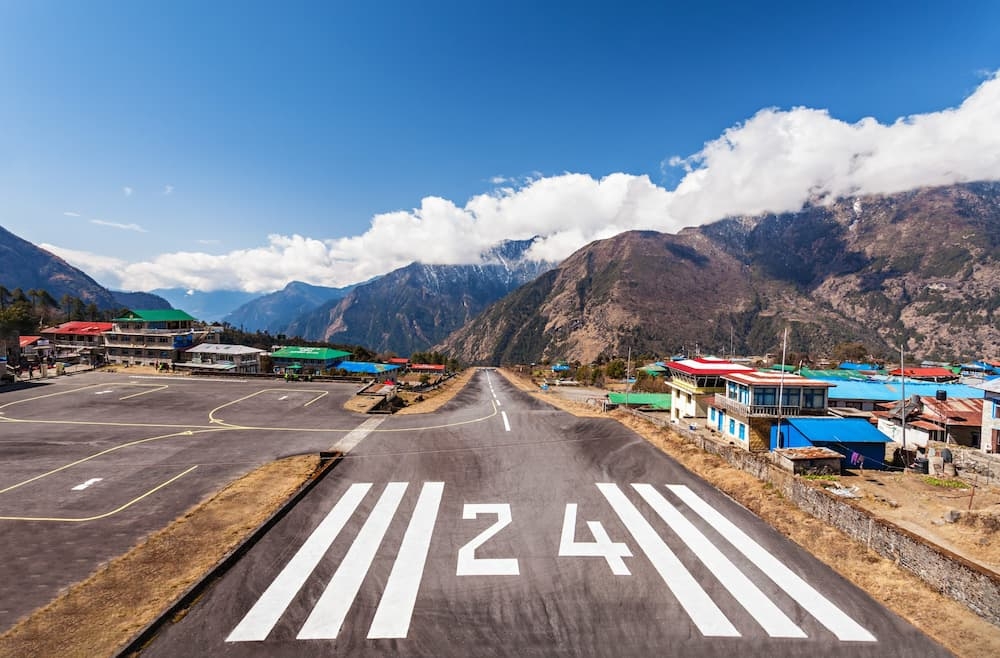
Morning with early breakfast, a short drive to Kathmandu domestic airport. After checking in at respective airlines, and then boarding in a small aircraft for a sweeping, scenic short flight to Lukla. During air breathtaking panorama of Himalayan peaks with views of Everest, Lhotse, and Makalu. As plane makes landing at Lukla’s Tenzing & Hillary Airport, after getting organized with the baggage. Have a short refreshing rest, and then start the
first day trek, following the lead guide. As the route heads through Lukla town, with down and ups past nice villages to reach Phakding for overnight halt.


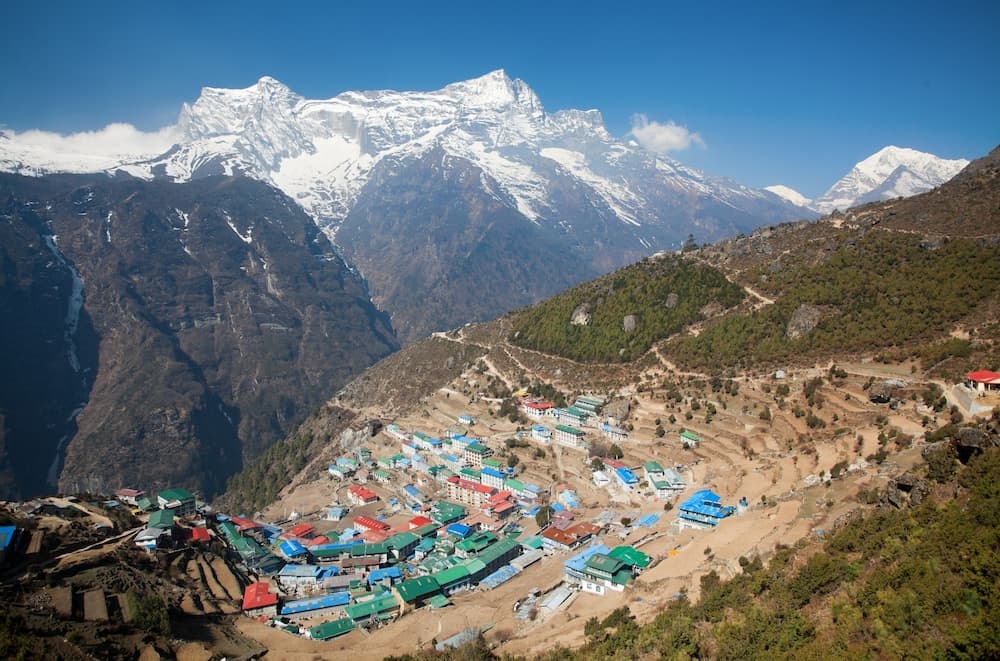
Morning with early breakfast, a short drive to Kathmandu domestic airport. After checking in at respective airlines, and then boarding in a small aircraftfor sweeping, scenic short flight to Lukla. During air breathtaking panorama of Himalayan peaks with views of Everest, Lhotse and Makalu. As plane makes landing at Lukla’s Tenzing & Hillary Airport, after getting organized with the baggage. Have a short refreshing rest, and then start the first day trek, following the lead guide. As the route heads through Lukla town, with down and ups past nice villages to reach Phakding for overnight halt.
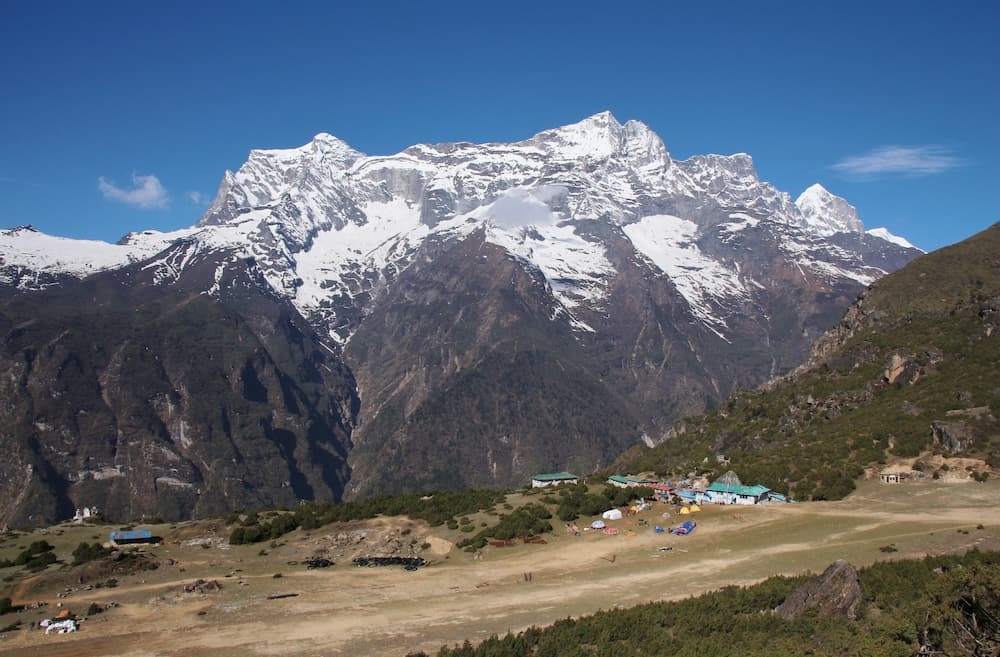
An extra day on this lovely spot in Namche Bazaar, the hub of Khumbu villagers.Where once a week a Saturday market held, hence the name as Namche Bazaar, a great place for rest day. Enjoy a short hike to support acclimatization before heading higher terrains, a nice walk on top of Namche Bazaar. For grand vista of Everest, Lhotse and beautiful Ama Dablam with an arrays of peaks. Visit the interesting museum treasures good information of the Khumbu region with local culture, flora, fauna and mountaineering history.The other best hike is to Everest View Hotel of few hours climb above Namche Bazaar. The first luxury hotels around Khumbu and Everest areas, listed in Guinness World Record as the highest hotels. From the hotel views of Mt. Everest and Ama Dablam, located on a serene forested surrounding.

After a pleasant overnight stop in Namche Bazaar, morning walks follow a scenic gradual trail. Overlooking, great views of Everest, and arrays of snow-capped peaks. After an hour or more, our route diverts from the main tracks, then climbs to Mong Hilltop. Offers a stunning panorama of surrounding snow-capped peaks with Everest, Ama Dablam, and Thamarsaku with Kwangde Himal. From the scenic hilltop of Mong, descend to Dudh Koshi River gorge at Phortse Tenga a small settlement. Situated amidst a dense forest of rhododendrons and pine trees, enjoy a refreshing stop for lunch. Afternoon walk with climb leaving the river down below, entering a narrow gorge covered in tree lines. As the walk proceeds reaching a wide, open area at Dole, a place with few nice good lodges for overnight halt.
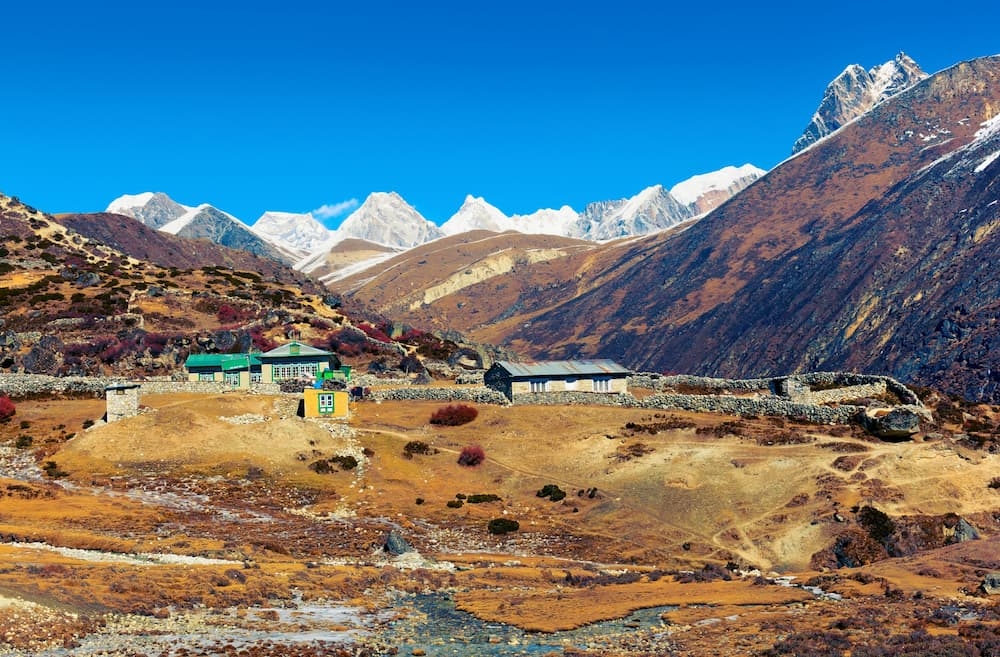
Today a short walk to Machermo, but takes more than three hours due to gain In altitude. Morning after breakfast, a short steep climb to a ridge top, and then with gradual ups past Luza. A small settlement, a lovely pleasant walk high above Dudh Koshi River. Slowly the trail leads close to Machermo with grand views of Mt. Cho-Oyu, the world’s 6th highest peaks. From the high ridge a steep descent to a stream, situated on a gorge with few Willow and Poplars trees.
From the gorge, a short climb to the top at Machermo for lunch and overnight stop. In the comfort of a nice lodge, Machermo a small settlement with several
good lodge and guest-houses. Enjoy the afternoon at leisure with short hike and marvel the surrounding scenery.
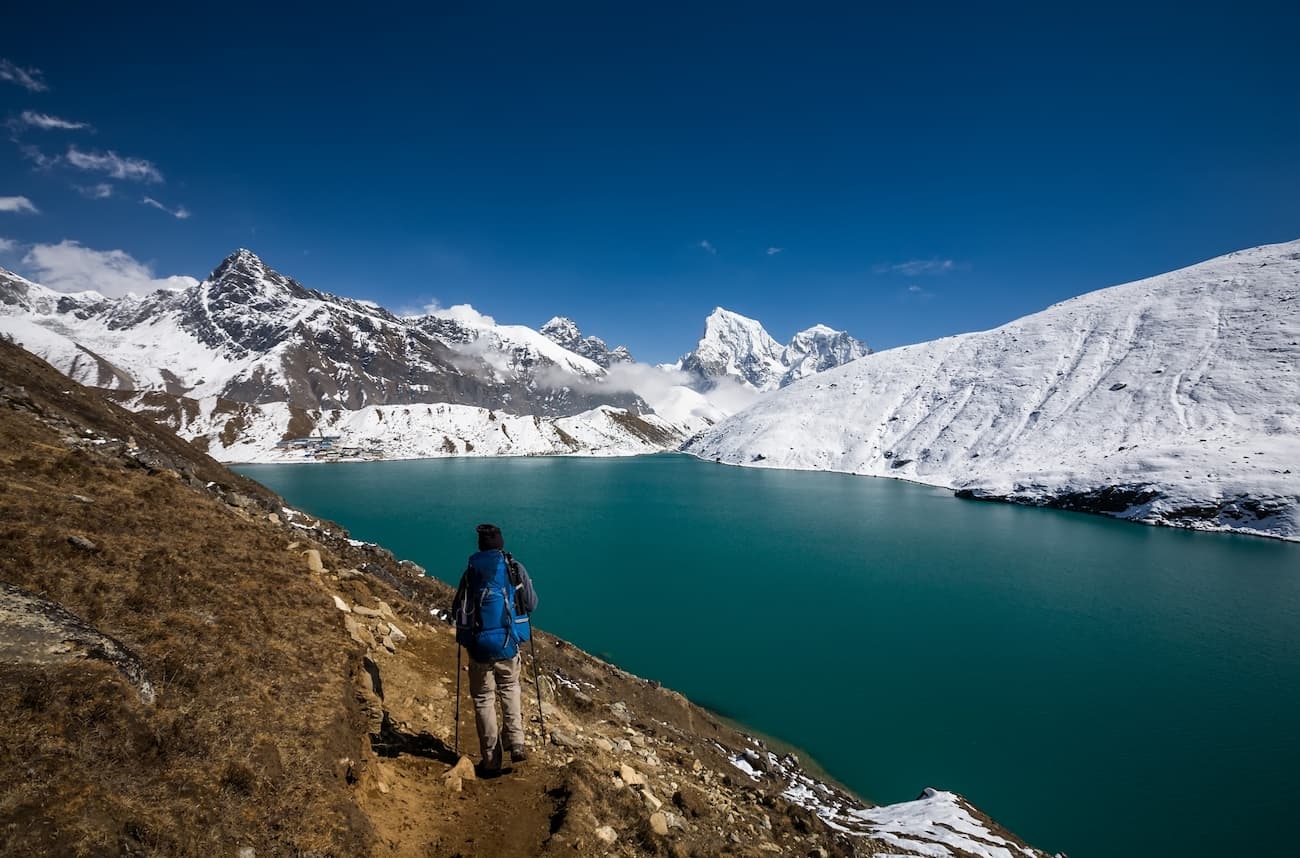
Another short day walk to our destination at Gokyo Valley, morning a short steep climb. Reaching an open exposed sloped ridge, the walk follows on gentle path along with views of Machermo and Cholatse peaks. As the tail heads to a wide small field at Panga, a place with a single hut serving as Tea-House.
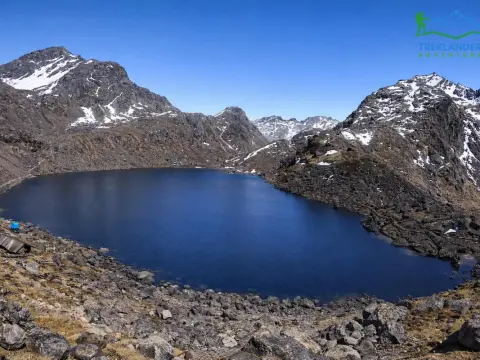
From here walk down to an area with some thick vegetation, and then climb on stone steps. Then reaching the first and second lakes, as the walk enters the Gokyo Valley. As walk continues coming across the third and the main lakes of Gokyo, also called Dudh Kund. Where all good lodges located above the 3rd main Lake, on arrival transfer into a nice lodge. Enjoy lunch and overnight stops around picturesque location of Gokyo Valley. Afternoon relax and walk around the serene glacial lakes with close views of Mt. Cho-Oyu towards north-west.
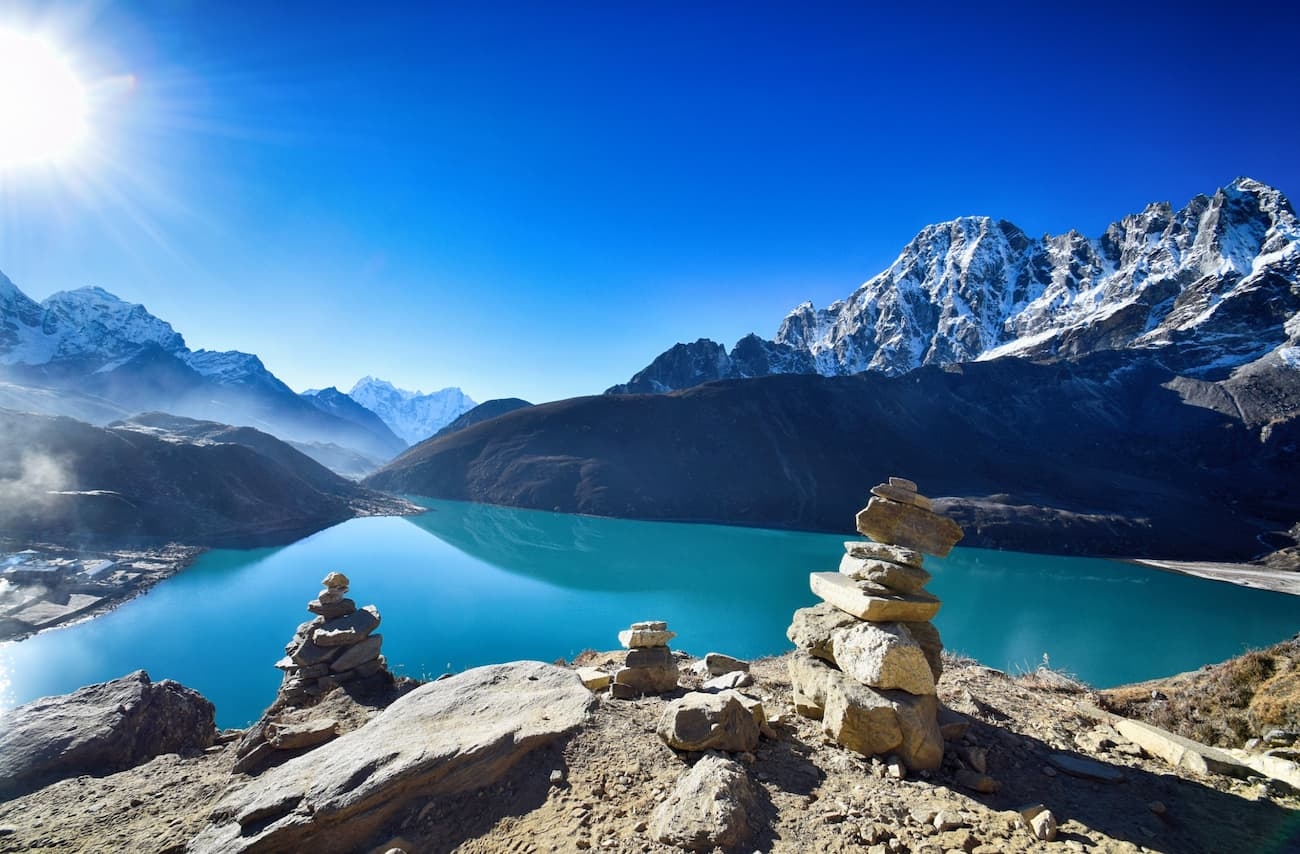
An early morning start before breakfast for the great climb to the top of Gokyo-Ri.The walk leads across the lake, and then a steep climb for few hours to reach the Gokyo-Ri. Stand on top the highest spot of the adventure, overlooking stunning views of Himalayan giant peaks. Facing four world’s highest peaks at one glance, Mt. Everest, Lhotse and Mt. Makalu with Mt. Cho-Oyu. As well as super panorama of Gokyo Valley and the lakes with Ngozumpa, the longest Glaciers around the Himalayas. After an exciting and refreshing morning hike, descend back to the lodge for breakfast and lunch. Rest of the day at leisure to explore the scenic surroundings of Gokyo Valley. For energetic people options for long day hike to Gokyo 5th and 6th lakes which is close to Mt. Cho-Oyu base camp. From the 5th Lakes offers close views of Mt. Cho-Oyu and North-South Face of Mt. Everest. These high mountains straddles the borders of Nepal and Tibet, China. It’s a long day hike to and from the lodge at Gokyo takes more than 5-6 hours both ways. Needs to carry packed lunch for the hike to 5th lake
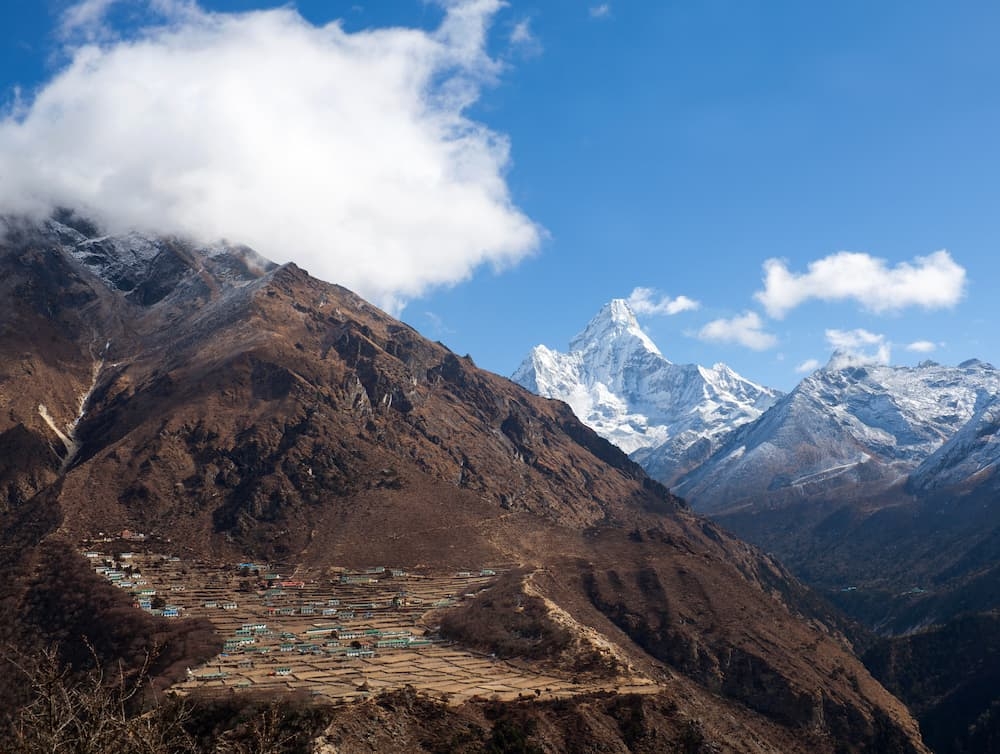
After achieving the goal and success of the adventure, the return walk leads to long hours. To cover the distance from Gokyo to Phortse Village, start early with a good breakfast. Then walk past the 2nd and 1st lakes to Na a small isolated place. The walk, leads on winding trail with short downhill past few smaller settlement and then back at tall tree lines. Finally ending the long day reaching a sleepy and quant village of Phortse. Check into a nice simple lodge, situated above Dudh Koshi River.
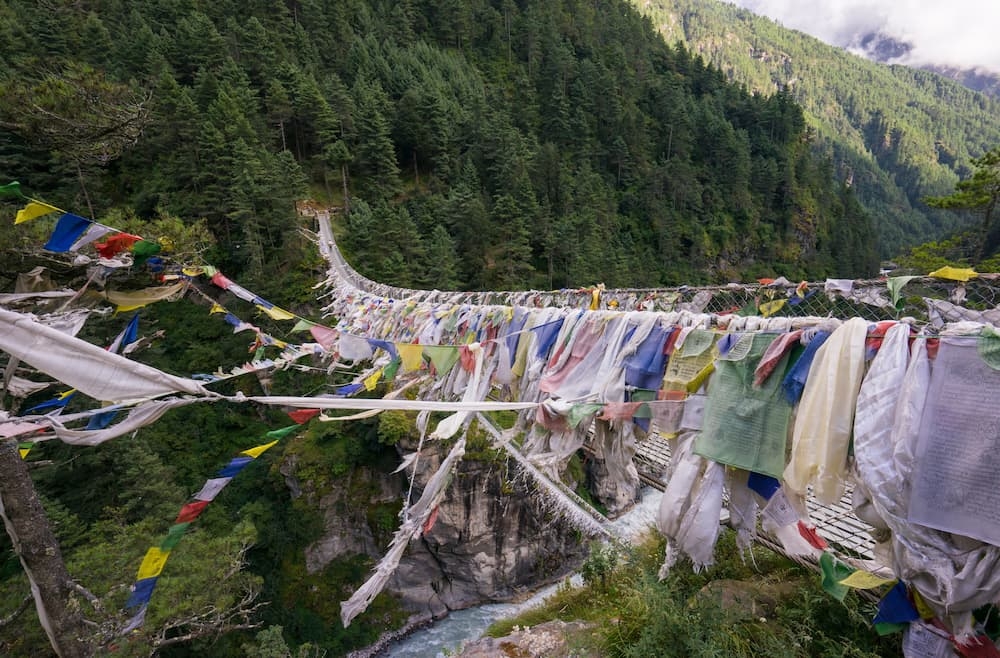
Enjoy the day walks, heading down to lower altitude from Phortse Village walk across the bridge. Reaching the opposite bank of the river at Phortse Tenga, a slow walk uphill to Mong Hill. From the top, down to join on the main trail to Namche Bazaar for lunch stop. Afternoon walk a long downhill walk to Dudh Koshi River gorge to Jorsalle village. From here across the bridge with short steep up to Sagarmatha National Park post. A short walk from the park exit post brings you to Monjo for overnight halt before Lukla.
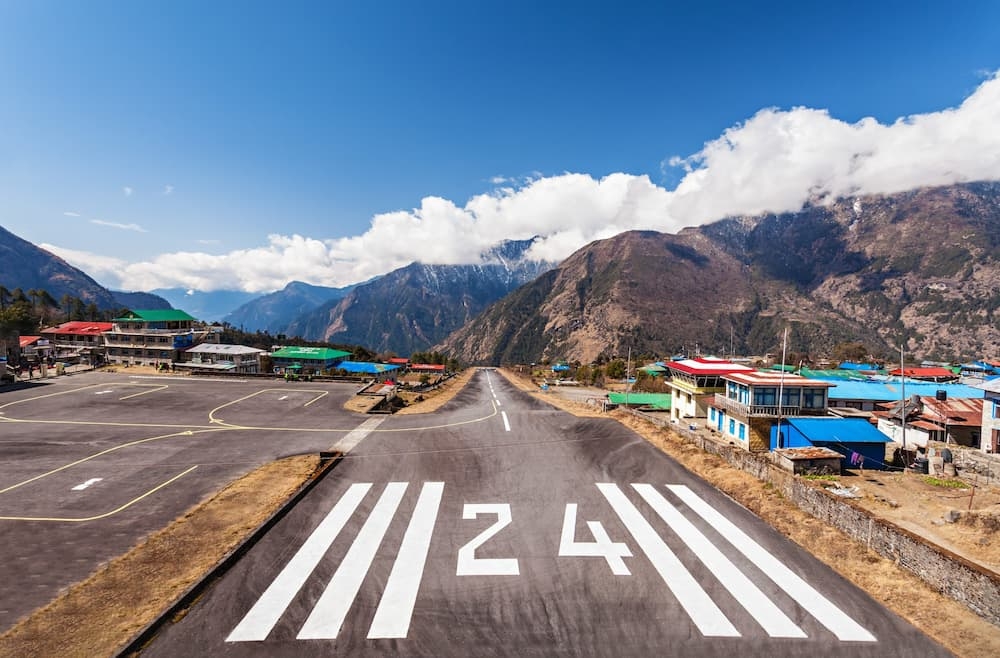
A short day walk to Lukla, enjoy the last trek of the adventure, following the Dudh Koshi River Valley. The walk gets pleasant on gradual path to Phakding, and then on winding gentle path. Enjoy the last climb to Lukla, reaching Lukla for lunch and last overnight, around Khumbu and Everest region.

Morning transfer to Lukla Tenzing & Hillary Airport, as time for flight to Kathmandu. Get on abroad in the small plane for short scenic flight to Kathmandu. On arrival transfer back to your respective hotels, rest of the day at leisure for individual activities.
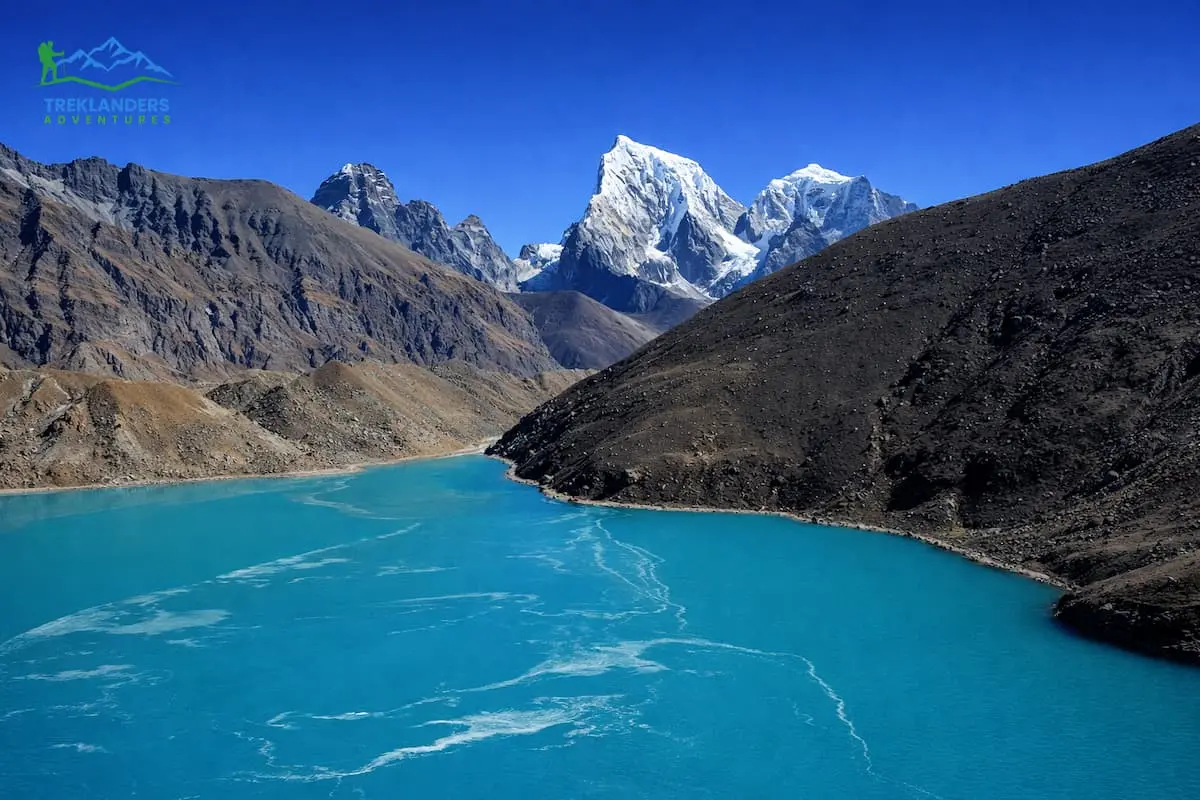
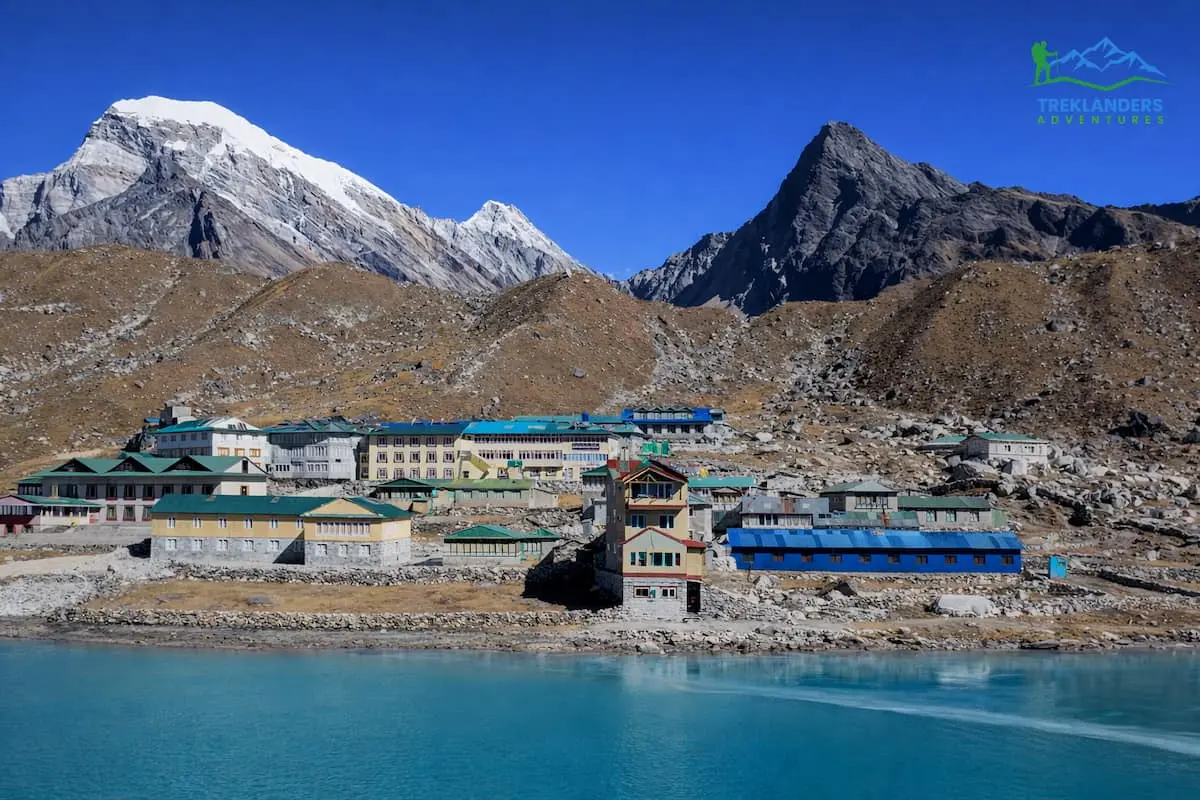
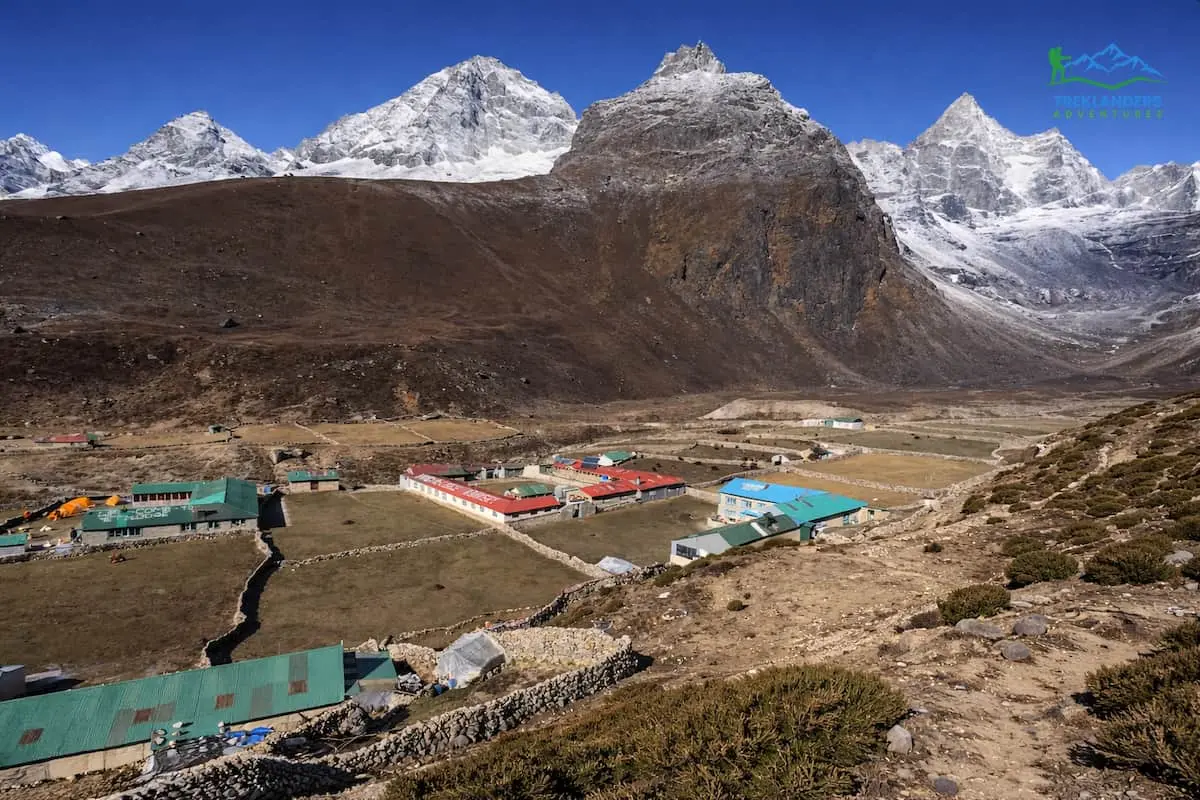
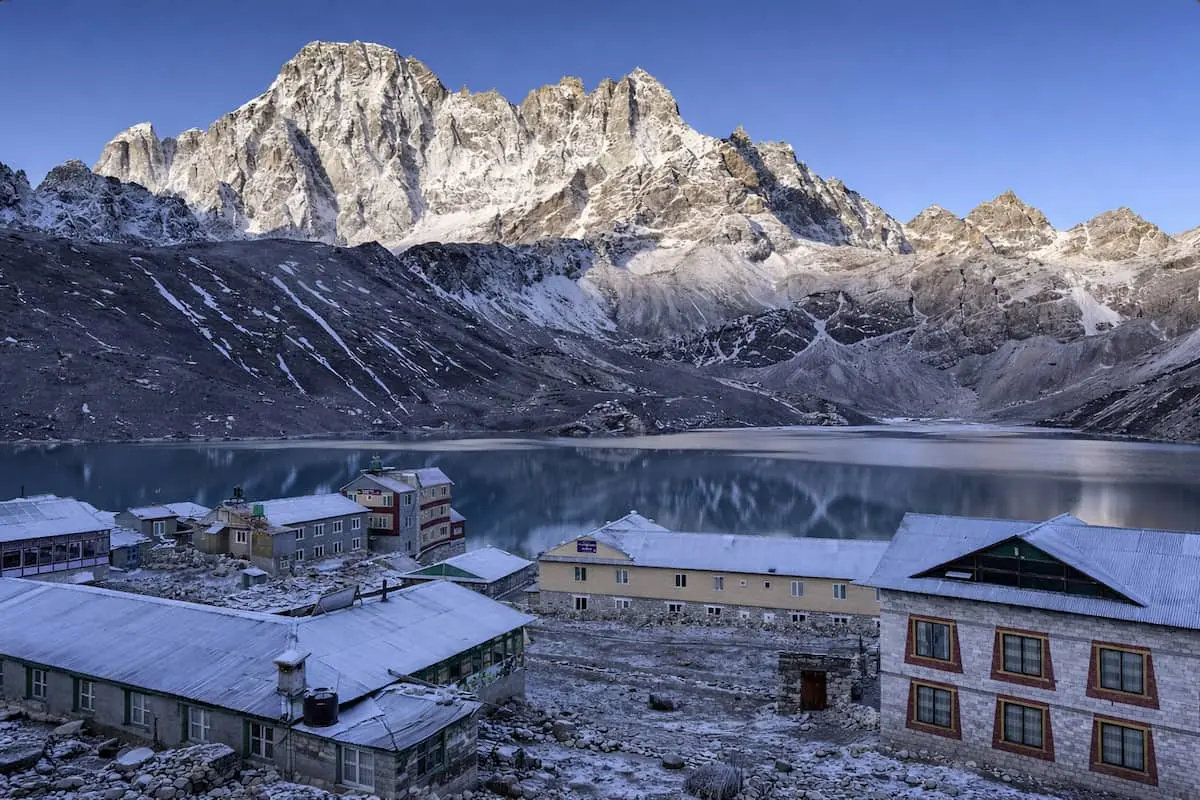
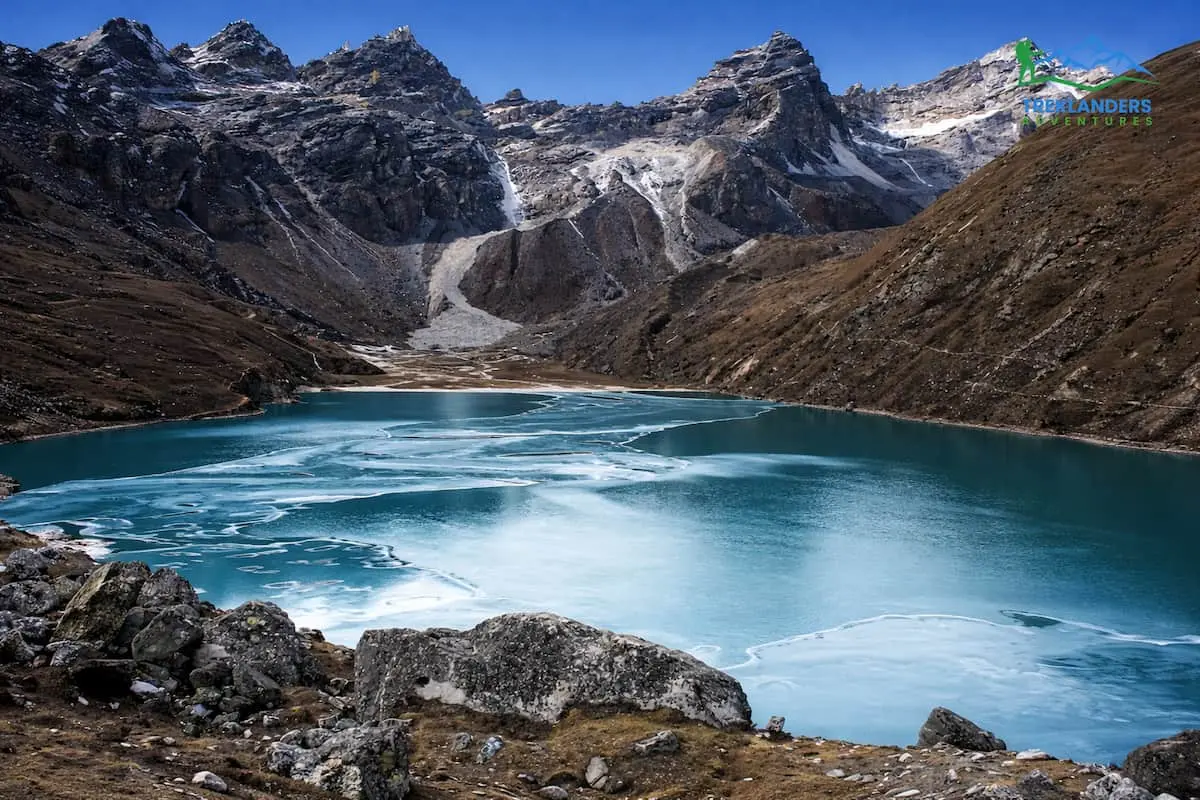
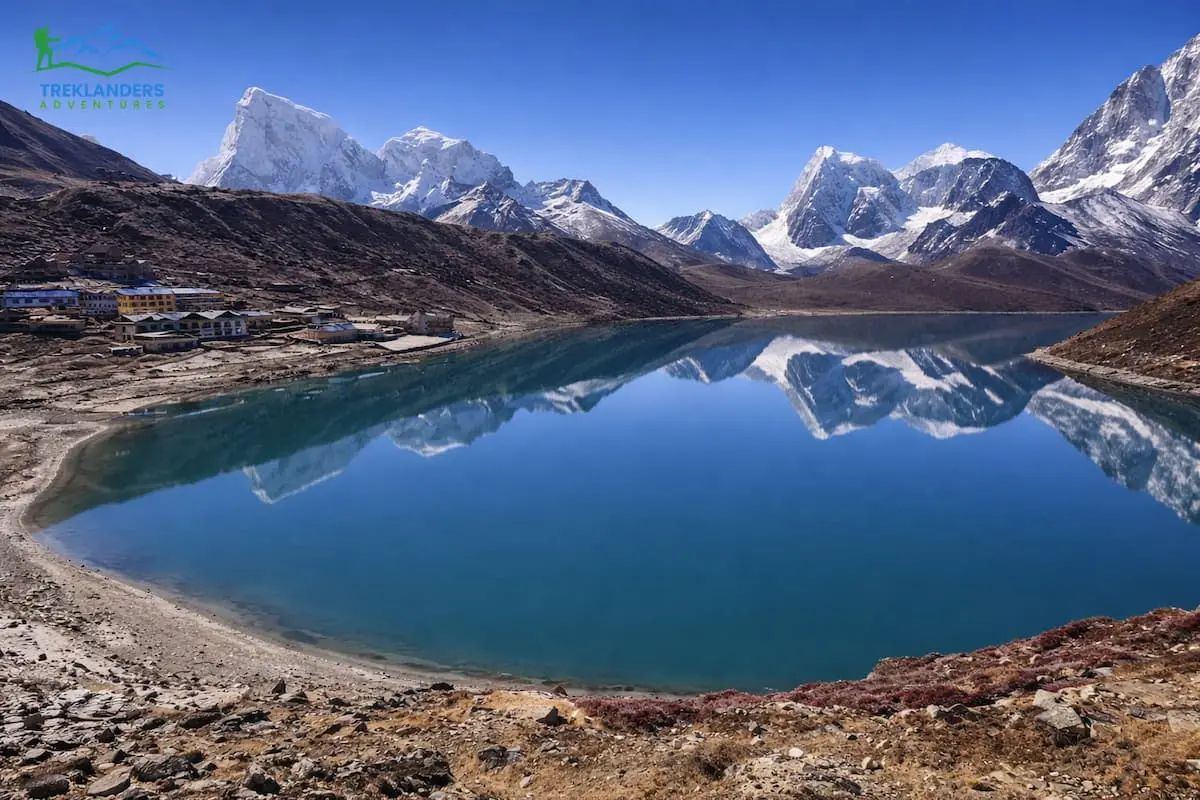
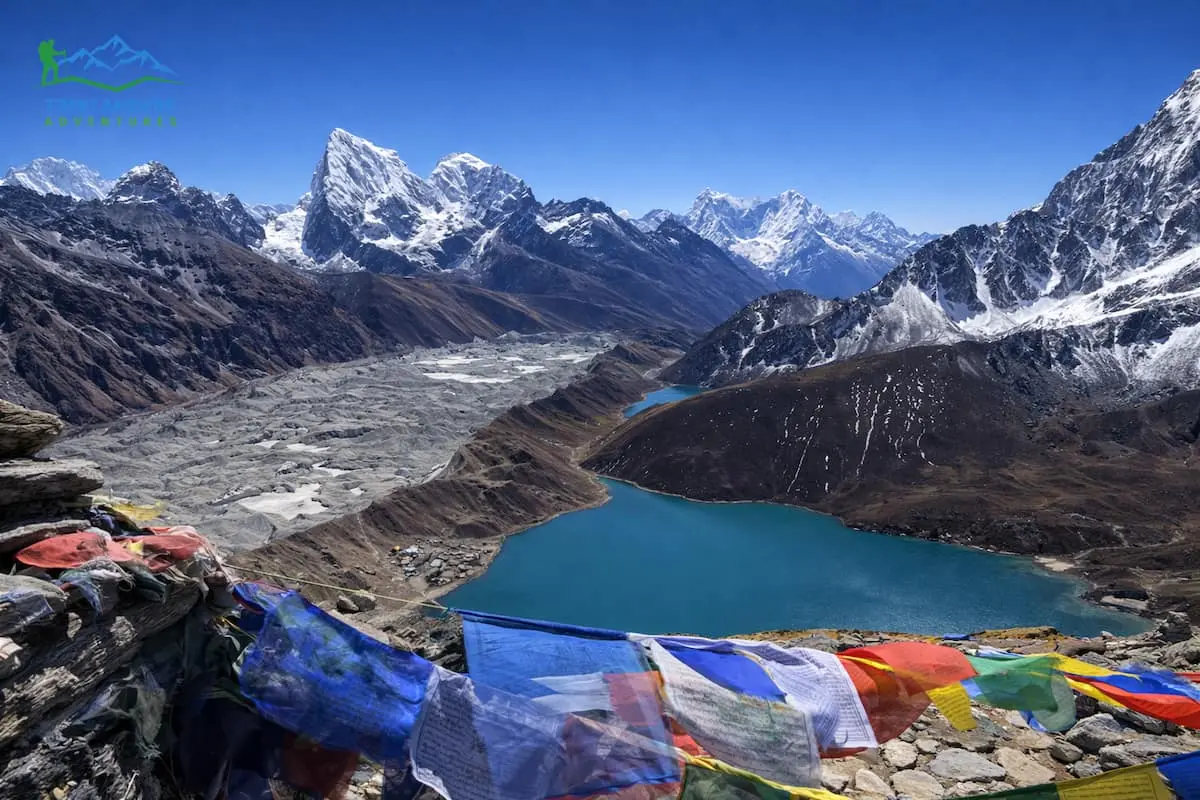
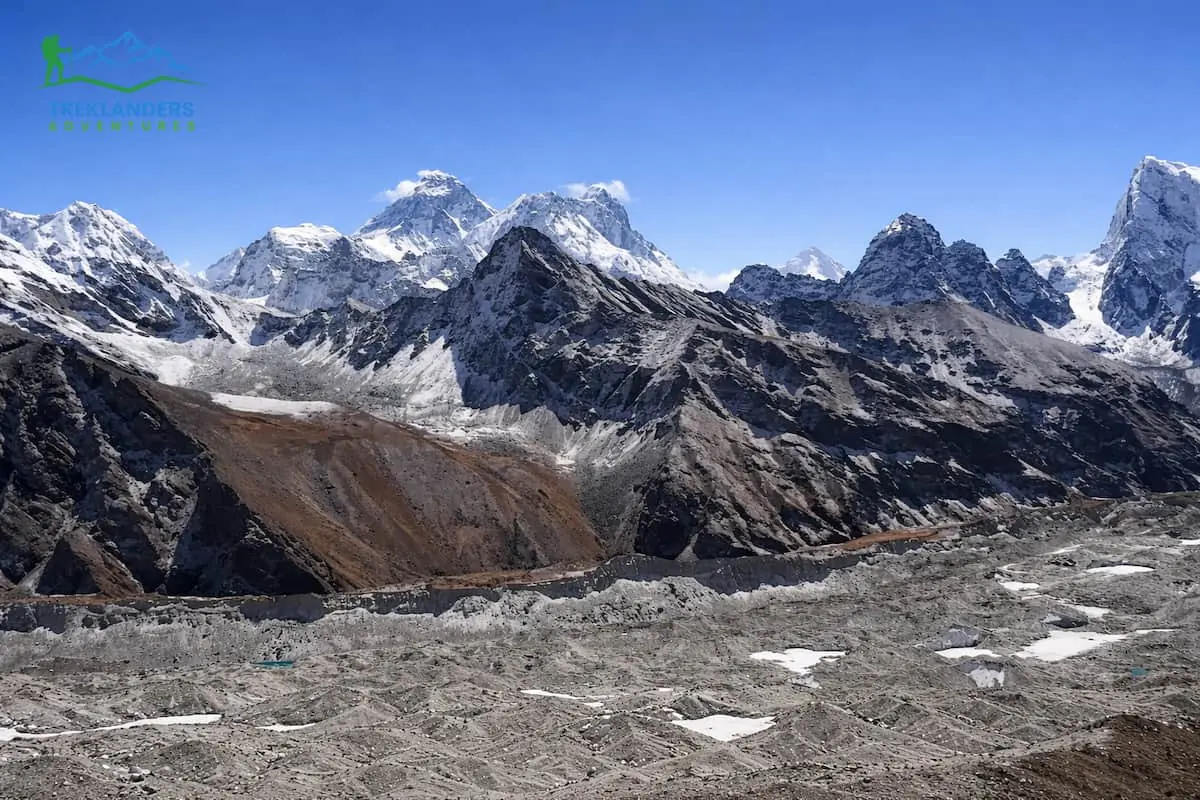
I recently completed the 11-day Gokyo Valley Trek with Treklanders Adventures, and it turned out to be one of the most meaningful trips of my life. Owner Ram made sure every detail was arranged—accommodation, permits, flights, and daily logistics—so I could focus entirely on enjoying the mountains. My guide, Bikash, was an absolute blessing throughout the trek. He is calm, incredibly knowledgeable, and always attentive to my pace and comfort. He explained the local culture, pointed out mountain peaks, and made every day feel easy, even on the tougher sections of the trail. His leadership and kindness made me feel safe at every moment. I also want to express deep gratitude to our porter Resham, whose strength and dedication amazed me every day. Watching him carry our bags through steep trails with a smile truly humbled me. His positive attitude gave me motivation to keep going. The trek itself was breathtaking—each day offered something new. The walk through Dole and Machhermo was peaceful, the turquoise Gokyo Lakes were magical, and standing on top of Gokyo Ri during sunrise was one of the most powerful moments of my life. The view of Everest, Cho Oyu, and the massive Ngozumpa Glacier felt unreal. These 11 days were filled with laughter, learning, beautiful scenery, and moments I’ll remember forever. I’m incredibly thankful to Treklanders Adventures, Bikash, and Resham for giving me such a heartwarming and unforgettable experience. If anyone is dreaming of the Himalayas, this is the team you can trust.
Purpose: Keep sweat off the skin and maintain warmth.
Purpose: Trap body heat in cold air at altitude.
Tip: Keep electronics in inner pockets at night to prevent freezing.
The Gokyo Valley Trek is an amazing journey in the Himalayas of the Everest region which takes you to the bright blue Gokyo Lakes and the famous Gokyo Ri viewpoint (5,357 m). With this trek, you get to see Everest, Lhotse, Makalu, Cho Oyu, and the majestic Ngozumpa Glacier that is the longest glacier in the Himalayas. The Gokyo Valley Trek is less crowded and more tranquil than the typical EBC (Everest Base Camp) route but is popular for its dramatic views of the mountains, high-altitude lakes, and grand vistas of the mountain peaks.
Gokyo Valley is the best trek especially if a trekker wants to be in the lap of nature and dislikes the crowd that is usually seen in the Everest Base Camp trek. On this trekking route, you'll visit the shores of blue glacial lakes, ascend an outstanding viewpoint in Nepal (Gokyo Ri), and experience the giant Ngozumpa Glacier. In addition, you will be able to view Sherpa culture in such villages as Namche, Dole, Machhermo, and Gokyo. The route is somewhat difficult and thus it is perfect for both newbie’s and seasoned trekkers who are after an adventure but not necessarily the large number of people.
A typical 12-day journey is enough for a Gokyo Valley Trek, and it is done from Kathmandu, in both directions.
Briefly, the itinerary would come to:
Kathmandu – Lukla – Namche – Dole – Machhermo – Gokyo – Gokyo Ri – Phortse – Namche – Lukla – Kathmandu
One can either shorten the trek based on the condition of the body and the progression of the acclimatization or even combine the trek with routes such as Everest Base Camp and Cho La Pass.
Consider an agency that is registered with the Nepal Tourism Board (NTB) and is a member of TAAN. Check for the honesty of the pricing, the communication being quick and easy, the staff having rights covered by the correct insurance, and good feedback coming from Google or TripAdvisor in terms of the quality of the services offered to customers.
What the agency can do for you is to provide:
Treklanders Adventures is certainly one of the safe and reliable agencies you can choose.
The majority of agencies are willing to accept:
The easiest way to make a reservation is on their official website or you can contact them through WhatsApp or Viber. Provide your travel dates, party size, and other necessary information. After your confirmation, Treklanders will set up your guide, permits, domestic flights, hotel, and the complete itinerary.
Gokyo Valley Trek can be best experienced during spring or autumn. It is worth noting that during these two seasons, the weather remains stable, and the temperature is quite comfortable for the trek to the azure Gokyo Lakes and Gokyo RI lookout. The trekkers' safety and comfort are ensured by virtue of the two seasons coinciding with bright days and quite temperatures.
Spring is counted among the most favored time of the year for the Gokyo Valley Trek.
Highlights of spring
Temperature
It is a great time for photography, nature lovers, and trekkers who are looking for comfortable weather with stunning views.
The most highly recommended and the busiest trekking season.
Highlights of Autumn
Temperature
It provides the year’s best visibility, thus being ideal for panoramic mountain photography, and safe, steady trekking.
You can still do the trek but it will be very difficult.
Highlights
Challenges
It is only advisable to be done by the very experienced trekkers who have the correct cold weather gear.
Not recommended due to:
On the other hand, the valley turns very green and is quite—just good for trekkers who are willing to take the risks.
The trek through Gokyo Valley is rated as a moderate to moderately difficult one. The entire journey does not include any technical climbing; however, the nature of long daily walks combined with steep uphill and high altitude make it quite a demanding one. The climb to Gokyo RI, the highest point of the trek at 5,357 meters is particularly difficult because of the lack of oxygen. Most people who trek have a slow pace, drink plenty of water, and take acclimatization days will find this trekking very doable and a great experience.
Definitely, beginners are able to accomplish the Gokyo Valley Trek if they have a good basic fitness level and have prepared sufficiently beforehand. It is not a very difficult trek; however, beginners must be mentally prepared to walk for five to seven hours daily and to cope with the high-altitude. Regular exercise, going up stairs, and doing practice hikes will help newcomers get used to the trekking. Employing the services of a guide will surely enhance safety, assist with pacing, and provide useful help during the journey.
The most difficult part of the Gokyo Valley Trek is the ascent to Gokyo Ri which is a two to three hours continuous walk up the hill at high altitude. At over 5,000 meters, the oxygen level is quite low and every step becomes difficult. Besides that, the stretch near Machhermo and the Ngozumpa Glacier can be quite tiring as the ground is getting more and more rocky and uneven. However, the breathtaking view from Gokyo RI makes the sacrifice totally worth it.
The Gokyo Valley Trek is a very long trek with a gradual ascent to almost 5,400 meters, so acclimatization is absolutely essential. By placing rest days at Namche Bazaar, Dole, or Machhermo, one allows the body to acclimatize to the decreasing amount of oxygen. Without it, headaches, dizziness, and nausea can be among the symptoms the trekkers will suffer from. The slow pace, sufficient intake of water, and good nutrition markedly facilitate the body's adjustment to the height that, on the one hand, gives rise to the safety of the trek and, on the other hand, makes it more palatable.
Trekkers walk five to seven hours a day on average. On days like the trek from Namche to Dole or Machhermo to Gokyo the walking is uphill and continuous, while on other days the paths are easier and more scenic. Gokyo Ri is a short hike, but due to the steep slope, a strong effort is necessary. The right pace, taking a few short rests, and breathing steadily all go towards making a day's work manageable.
Yes, and the Gokyo Valley Trek would be significantly less challenging if not for the high altitude it is carried out at. Above 3,000 meters, where oxygen levels are low, the body has to work harder. For example, going up stairs or walking uphill that was a simple task before becomes a tiring one. Headaches, shortness of breath, and loss of appetite are some of the symptoms that may arise if the body is not properly acclimatized to the altitude. That is why it is very important to go up slowly, take rests when needed, and never rush to higher elevations.
Even close to Gokyo Lake, temperatures can sometimes dip down below zero at night, which is particularly true for autumn and winter periods. The cold weather makes trekking more difficult because it can be quite tough to start in the morning and there can also be ice on the trail near the lake or the glacier. Warm clothing, decent gloves, and layered outfits are absolutely necessary for the comfort of the trekkers. With adequate clothing, cold weather should not be a problem, but one needs to be mentally ready for the cold mornings and evenings.
Along the Gokyo Valley Trek, you can come across the local tea houses which provide lodging in very basic rooms that have two beds, a blanket, and simple shared bathrooms. These tea houses might not be the ones you expect to be of a luxurious standard, but they surely are cozy, secure, and convenient for trekkers after a day of tiring walking.
Private bathrooms can sometimes be found in villages that are situated in the lower areas like Phakding and Namche while as one moves towards places such as Dole, Machhermo, and Gokyo, most tea houses have only shared bathrooms due to their limited resources and also because it is colder there.
Hot showers can be taken in a number of tea houses with the majority of them being located in the lower parts; however, one must pay extra for them. In addition, at high altitudes, there may be no hot water at all if the weather is bad and the water supply is limited.
Tea houses' bedrooms do not have heaters. Only the dining room which has a central stove is the place where trekkers can keep themselves warm. As the rooms become chilly during the night, especially in Gokyo, a warm sleeping bag is something you cannot do without.
A majority of tea houses allow their guests to connect to the Internet and they also provide a charging service for devices for which there is a slight fee. Nevertheless, the connection to the Internet keeps getting weaker the higher one goes, and electricity is most of the time generated by solar energy, thus charging can be slow or limited.
In general, one is not expected to make a reservation in advance; however, during the times of high seasons like March–May and September–November, tea houses can be fully booked very quickly. Usually, the guides are the ones who will help you to have your room secured beforehand or they will do it when you arrive.
Tea houses along the Gokyo way offer a good range of dishes like dal bhat, noodle soups, fried rice, pasta, potatoes, omelets, pancakes, and Tibetan bread. Everything they serve is fresh, hot, and particularly made to supply energy to those who walk in the high altitude.
Generally, yes, the foods that are cooked and served in tea houses are safe and made from fresh ingredients. Most of the meals are done through and if you take something hot like dal bhat it is the safest meal. Water for drinking must be either boiled or purified.
Absolutely vegetarian food is easily available during the entire trek. Dal bhat, vegetable soups, fried rice, and noodles are common vegetarian dishes, thus the trekkers who have certain dietary habits will not face any difficulties in food.
Non-vegetarian food is available at the lower villages such as Namche Bazaar, but as you move higher, the number of meat options decreases and it is not advisable because the meat that is used to carry up the mountains is without any refrigeration. For safety reasons, most of the trekkers choose vegetarian meals.
Food costs go up with altitude. In the lower places, one can have meals at good rates but when you come to Machhermo and Gokyo, dishes get more expensive because of the difficulties in transportation. The daily food expense of trekkers is between USD 25 and 40 on average.
Yes, tea houses provide snacks such as biscuits, chocolates, chips, and energy bars along with hot drinks like tea, coffee, and hot lemon. But they are pricier at the higher levels, therefore, it never hurts to have a few of your personal snacks with you.
Mobile network coverage is available in villages at lower altitudes, such as Lukla, Phakding, and Namche Bazaar; however, signal strength decreases as you go higher. Around Dole, Machhermo, and Gokyo, you can hardly find the connection, and most of the time it is unstable.
Indeed, most tea houses provide Wi-Fi at a cost via "Everest Link", which is a prepaid system used in the whole region. The connection is excellent in Namche and a little in Dole, but in Machhermo and Gokyo, it is slow or not working due to the height and weather.
NTC and Ncell are local network operators whose services are available only in a few locations, i.e., Namche Bazaar and some areas of Gokyo. Nevertheless, 4G or 3 G data is rarely available at high altitudes, so buying Wi-Fi vouchers is a better option than mobile data.
It is a good idea to have a power bank with you, as charging in tea houses is not free, and most electricity is generated by solar power. A power bank of 10,000–20,000 mAh will be enough to keep your mobile phone and camera battery full throughout the trek.
In most cases, you can get in touch with your family through paid Wi-Fi at tea houses. Even if the connection is not very good, sending messages through apps like WhatsApp or Messenger is usually possible. Video calling, however, is not always available at high altitudes.
It is strongly suggested to have a trekking guide with you, and according to the latest regulations in Nepal, you are required to have a guide for the majority of treks in the Everest region. Gokyo Valley Trek goes to high altitude areas, has changing weather, and has some parts where it can be hard to find the way, especially near the glacier. A guide with a license is there to keep you safe; she/he can even check your speed, confirm you don't have altitude sickness, and take care of your administration. Not only does a guide reduce the risk that things go wrong, but it also makes your entire trek more fun and comfortable.
Besides showing the way daily, a trekking guide also decides the walking speed that best suits the group and assists you in energy management when the path is long or steep. They also take care of your health by frequently checking and also by doing vigilance for any symptoms of altitude sickness, something very serious and thus, essential in high-altitude places like Gokyo. Supported by guides, you locate lodging and order food. They also get permits and talk with tea-house owners on your behalf. Apart from the very practical aspects, a guide can also give you interesting insights into the Sherpa's lifestyle, the mountains, and nature-doing, which in turn, makes your trip a lot deeper and more gratifying.
Generally, the workers in the guiding sector of the Everest and Gokyo are quite competent, authorized by the Nepali government, and qualified in first aid and acclimatization-related matters. Most of them have done numerous trips in this region, and they are acquainted not only with every village and trail variant but also with all the places where you can be evacuated in case of an emergency. On top of that, their knowledge of weather changes, local traditions, and landscape helps to avert dangers and gives a feeling of comfort, particularly when it gets tough on the way to places such as Machhermo, Gokyo Lake, or Gokyo Ri, for instance.
The cost of employing a licensed guide on a per-day basis is most of the time in the range of USD 25–35, with the season and the level of the guide’s experience being the factors influencing the specific amount. This cost normally covers the guide’s meals, lodging, and insurance, which the trekking agency is responsible for. Taking into account the altitude, the logistics involved, and the risk factors, the price of safety and assistance you get is very affordable. Additionally, the guide can be a great help in time management, and prevention from altitude sickness, and you can be assured of getting a comfortable room at the tea-house, even when it is a peak season.
Solo trekking is no longer allowed according to the new safety measures for trekking in Nepal. The Everest–Gokyo region is a place that requires a trekker to be accompanied by a licensed guide due to the fact that it is an area at a high altitude where the weather can change rapidly and altitude sickness can become fatal. It is also a cause of risk that if you do not have a guide, you can walk into the glacial parts and lose your way; thus, during times of fog, it can be difficult for you to find the right trail. In addition to that, having a guide means that you have guaranteed safety, help at hand if there is an emergency, and a well-organized, stress-free trip.
Acclimatization is essential on the Gokyo Valley Trek because the route takes you to elevations above 5,000 meters, where the air becomes thin and oxygen levels drop significantly. Spending acclimatization days in places like Namche Bazaar and Machhermo allows your body to gradually adjust and reduces the risk of altitude sickness. Rushing the ascent can be dangerous, so maintaining a slow pace, staying hydrated, and taking proper rest days are key to a safe and successful journey.
Altitude sickness usually starts with mild symptoms such as headache, dizziness, nausea, loss of appetite, and difficulty sleeping. While these signs may seem minor, they can quickly escalate if ignored. In severe cases, trekkers may develop life-threatening conditions like HACE (High Altitude Cerebral Edema) or HAPE (High Altitude Pulmonary Edema). Recognizing symptoms early and responding immediately by resting, hydrating, or descending to a lower altitude is critical for safety. A licensed guide will monitor your condition daily and help you make safe decisions.
The Gokyo Valley Trek is generally safe for beginners as long as they follow proper guidance and trek with a licensed guide. The trails are well-established, and tea houses are available in every village. However, the high altitude and weather changes require trekkers to be careful, listen to their guide, and maintain good physical condition. With proper acclimatization, slow climbing, and awareness of your body, even first-time trekkers can complete the trek without major issues.
Staying healthy on the Gokyo Trek involves maintaining good hydration, eating warm and nutritious meals, and avoiding raw or unsafe foods. Drinking purified or boiled water is important, as untreated water can cause stomach issues at high altitudes. Wearing layered clothing helps regulate body temperature, and proper foot care prevents blisters or injuries. Resting well each night and avoiding alcohol also support your body’s adjustment to altitude. A good balance of caution and preparation keeps your trekking days comfortable and safe.
If you feel unwell whether it’s due to altitude, exhaustion, or a minor illness it’s important to speak to your guide immediately. Guides are trained to identify altitude-related problems and will advise whether you should rest, take medication like Diamox, or descend for safety. Trying to push through symptoms can lead to more serious problems, so open communication and early actions are essential. Most issues improve quickly when treated early, allowing you to continue the trek safely.
Yes, travel insurance is strongly recommended and often required for treks above 4,000 meters. Your insurance should cover high-altitude trekking, medical treatment, emergency evacuation, and helicopter rescue if needed. The cost of evacuation from the Everest region can be extremely high, so having proper insurance is a vital part of staying safe. Before starting your trek, make sure your policy clearly states coverage up to at least 6,000 meters.
If you want to trek in the Gokyo Valley, you will require two types of permits: Sagarmatha National Park Entry Permit and Khumbu Pasang Lhamu Municipality Permit. These are mandatory for all trekkers, and their money is utilized to promote the local conservation and tourism in the Everest region.
These permits can be purchased in Kathmandu at the office of Nepal Tourism Board as well as at the gate of Sagarmatha National Park in Monjo. The Khumbu Municipality Permit can be obtained in Lukla. Most trekking agencies will take care of all the permits for you before the trek starts.
The price for the Sagarmatha National Park Permit is 3,000 NPR for foreign trekkers, and the Khumbu Pasang Lhamu Municipality Permit will cost you 2,000 NPR. These fees are non-negotiable and must be paid before entering the trekking region.
Currently, there is no requirement for a TIM’s card if you are trekking in the Everest or Gokyo region. The need for TIMS has been replaced by the Khumbu Municipality Permit in this area.
Yes, permission papers are checked at different checkpoints along the route, like Lukla, Monjo, Namche Bazaar, and sometimes even further. You should have your permits with you at all times, as officials will be checking them during the trek.
To be physically ready for the Gokyo Valley Trek, one has to work on aerobics, leg power, and general body resistance. Four to six weeks before the actual trek, light training (incorporating walking or jogging, stair climbing, and strength exercises such as squats and lunges) should be started by the trekkers. Carrying a backpack on a long walk will also help your body get used to the daily trekking conditions, and thus the trip will be less tiring and more enjoyable.
Trekking outdoors necessitates warm clothing, as the temperature drops very quickly with the increase in altitude. Among the essentials on a trekker's packing list should be thermal underwear, a fleece jacket, a down jacket, a waterproof jacket, trousers for trekking, gloves, woolen socks, and a warm hat. Wearing different layers allows one to quickly change the clothing suitable to the temperature at any time of the day or night.
Certainly, the Gokyo Valley Trek requires that the trekker wear proper trekking boots. They should also make sure that their boots are durable, waterproof, and, if possible, they have already broken them in to avoid foot blisters during the trek. However, lightweight camp shoes or slippers will come in handy once you are in the tea house after a long and tiring day's walk.
The recommended sleeping bag for the trek is one that can keep the user warm at a temperature between –10°C and –15°C, especially if the rooms in the tea houses will not be heated at high altitudes. It is the right sleeping bag that keeps one warm and comfortable during cold nights in Machhermo or Gokyo and the like.
The first aid kit of trekkers should be equipped with items like painkillers, blister plasters, medicines for the digestive system, medicines for altitude sickness (only if prescribed by a doctor), and water purification tablets. Besides these, high altitude air is dry, and it can be quite harsh on the skin, so sunscreen, lip balm, and personal hygiene products are equally important.
Usually, the majority of the trekkers have a porter carry their duffel bag while they themselves keep a small daypack with them during the walk. Your daypack should contain things that you cannot do without, such as water, food, warm layers, a camera, and personal documents, while the duffel bag should be used to carry the rest of your equipment.
Energy bars, nuts, chocolates, and electrolyte powders are some of the items that one can bring along to give their energy level a quick boost. On one hand, snacks are available along the route, but on the other hand, they get more and more expensive with the increase in altitude. By having your own stock, you are sure to get a quick energy boost during a long hiking day.
First, you have to take a breathtaking flight from either Kathmandu or Ramechhap to Lukla, where the trek starts. The trip takes approximately 25-30 minutes and covers beautiful areas of the Himalayas. After arriving in Lukla the trek officially starts as you head towards Phakding and Namche Bazaar on foot.
Many flights are from Ramechhap to reduce air traffic at Kathmandu during the peak of the trekking seasons at the same time they arrive at Ramechhap. Ramechhap is located approximately 4 hours by car from the capital. Though the drive to the airport is long and can be tiring, it makes it possible to have more flights to Lukla and without delays.
Yes, flights to Lukla are sometimes delayed or canceled due to strong winds, fog, or low visibility. Weather in the Everest region is very changeable, so trekkers should always allow one or two days extra in their itinerary to avoid missing scheduled flights or other plans.
Helicopters are available from Kathmandu to Lukla if one is not considering a regular fixed-wing flight. Generally, helicopter rides are more costly, but in bad weather situations, they are more dependable. Moreover, they are utilized when the small planes that are usually in this route have to be grounded or in case of emergency evacuations if there's a need.
After finishing the trek, you can fly back to Kathmandu or Ramechhap from Lukla which is where you will be going back to. To be brief, most trekkers simply retrace the steps of their journey and end it at the same spot.
Yes, a good deal of trekking agencies takes care of the transportation that goes along with the journey including the flights at Lukla, Tampu transfers and the drive if ever Ramechhap is your destination. This will make your journey more comfortable and free from the hustle of managing your own time during a busy season.
| No of people | Price per person |
|---|---|
| 1 - 1 | $2,060 |
| 2 - 3 | $1,635 |
| 4 - 8 | $1,515 |
| 9 - 30 | $1,405 |
| No of people | Price per person |
|---|---|
| 1 - 1 | $2,060 |
| 2 - 3 | $1,635 |
| 4 - 8 | $1,505 |
| 9 - 30 | $1,405 |
| No of people | Price per person |
|---|---|
| 1 - 1 | $1,105 |
| 2 - 3 | $925 |
| 4 - 8 | $845 |
| 9 - 30 | $735 |