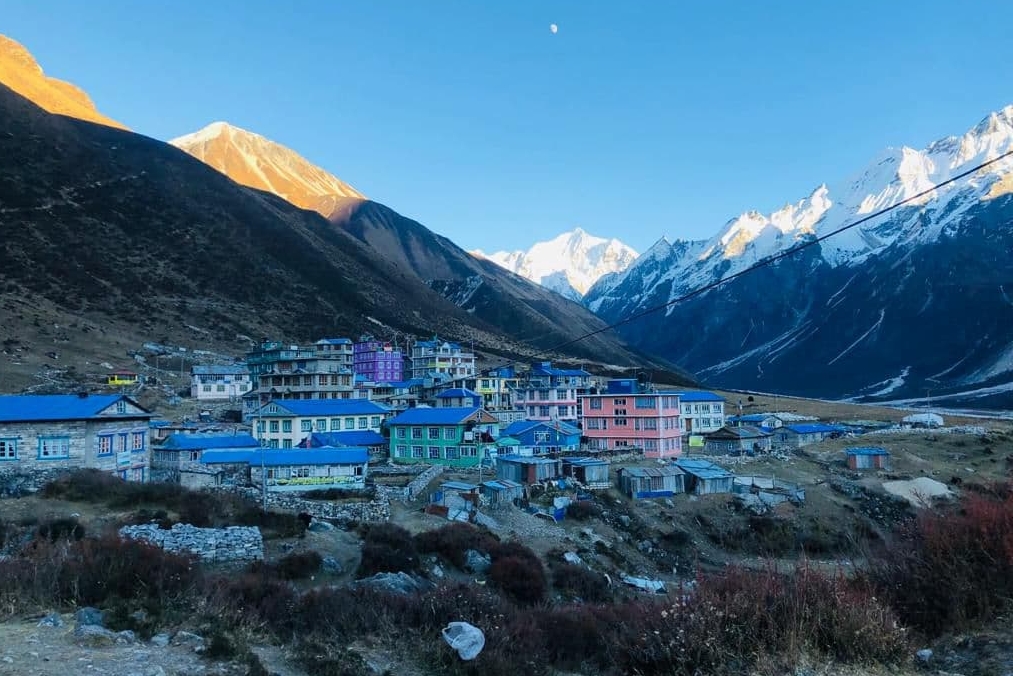
Langtang Valley Trek is a short, exciting, and moderate adventure around Nepal’s north Central Himalayan range. The closest mountains are from the capital of Kathmandu, at a mere aerial distance of 32 km/20 miles.
Besides Langtang Valley and other adventure destinations, it is close to Nepal and Tibet, China borders. Although the nearest Himalayan ranges from Kathmandu, the road distance is more than 140 kilometers/87 miles, which takes 6-7 hours to drive. To reach Syabrubesi Village, at the starting and end point of Langtang Valley Trekking. It is one of the most popular and favored adventure destinations, after Annapurna and Everest regions. The Langtang Himal and the verdant valley are steeped with natural beauty, outlined by giant snow-capped peaks.
Langtang Valley Trekking is an ideal adventure holiday for all types of travelers and age groups. One can enjoy the scenic country without, a hassle of catching HAS or High Altitude Sickness. The elevation gains at a gradual pace as the trek progresses from one designated overnight stop to another. Then, on reaching the main highlights at Kyanjin Gompa, and by then the trekkers will be well acclimatized.
Langtang Valley a popular region for short and moderate treks around the Himalayas. The other specialty of this trek to Langtang Valley is walking around the Langtang National Park. Which is the first national park and conservation around the high Himalayan region in Nepal, enriched with exotic flora and fauna. Apart from pleasant scenic walks in the close harmony of the beautiful scenery of snow mountains.
The local age-old cultural heritage and customs of the native Tamang are equally fascinating. More or less, it is a great and moderate adventure, encountering some steep ups amidst the enchanting forest. In the springtime, the whole place will be lively, when wildflowers bloom. Especially the rhododendrons of various colors and species, and it is also the national flower of Nepal.
Langtang Valley Trekking offers various exciting and scenic activities that one can enjoy. The walk then reaches the main destination in Kyanjin Gompa, located in the heart of Langtang Valley. Here, one can explore the scenic surroundings or relax and marvel at the picturesque scenery of towering majestic peaks.
Energetic people can enjoy the hike to the top of Kyanjin-Ri or Tserko-Ri, to add, more height to the adventures. Overlooking the breathtaking panorama of Langtang and Jugal Himal range includes some mountains of Tibet across the border.
After a great time and adventure around Langtang Valley and Kyanjin Gompa, the beautiful and highest settlements. Then, walking back on the same interesting route downhill to Syabrubesi Village. For an exciting overland journey back to Kathmandu to conclude the marvelous experience on Langtang Valley Trekking.
Day 01: Drive to Syabrubesi 1,470 m via Dhunche Town 1,900 - 06 hours.
Day 02: Trek to Lama Hotel 2,455 m - 06 hrs.
Day 03: Trek to Langtang Village 3,425 m or Mundu 3,455 m- 06 hrs.
Day 04: Trek to Kyanjin Gompa 3,870 m-04 hrs.
Day 05: Trek downhill to Lama Hotel-06 hrs.
Day 06: Trek to Syabrubesi on the road-head- 05 hrs.
Day 07: Drive to Kathmandu-06 hours.
THE BEST SEASONS FOR LANGTANG VALLEY TREKKING:
For Langtang Valley Treks, can enjoy the walks around all seasons of the year except the wet monsoon and summer times. The right favorable and the best seasons are spring and autumn/fall.
Spring begins in early March and ends in May, where most days are bright with sunshine for longer hours. From early 6:30 am till 5 pm, but can get cloudy afternoon sometimes with chances of light snowfall.
Cold morning, late afternoon, and night times, as well with an extra wind-chill factor above 3,000 meters. The afternoon sun is bright with strong UV (ultraviolet) and requires sunblock, sunglasses, hats, and long-sleeved tops.
Spring is a lively time when wildflowers are in seasonal blooms, mainly the rhododendrons of various species and colors.
The next best season is autumn/fall, from September to November, most days are fine and clear for views and walks. But much colder morning, late afternoon, and nighttime, chances of snowfall sometimes. Can get extra cold from the afternoon wind chill factor, however a pleasant season of autumn/fall for Langtang Valley treks.
Interested people can enjoy Langtang Valley Trek, during the winter time of the Christmas and New Year holidays, despite the cold. Most days are fine with sunshine and get dark sooner due to winter and limited hours of sunlight.
But freezing temperatures in the morning, late afternoon, and nighttime, but enjoyable walks encountering fewer groups of trekkers.
Trekkers will be surprised to find various standards of lodge accommodation en route to Langtang Valley at Kyanjin Gompa.
The most standard lodge provides nice rooms with common baths and toilets.
Extra charge for using hot showers, provides common toilets and bathrooms. Around higher altitudes, the pipeline and plumbing systems freeze, due to minimum morning and night cold temperatures. Dining rooms are large and cozy with a fireplace to keep the environment warm, while you enjoy the meals. All lodges provide with comprehensive food menu, which includes a wide variety of breakfasts, from oats, porridge, and cornflakes. Bread, Chapatti, Pancakes with choices of eggs from scrambled, boiled, poached, and omelets. Followed by hot refreshing drinks, tea, coffee, and drinking chocolates. Lunch and dinner with a list of continental, Indian, Nepali, Chinese, and Tibetan/local Tamang dishes.
All dining rooms are bright with lamps run by local hydroelectricity or from solar power. Some lodges also provide free internet or Wi-Fi, it is quite slow and disturbing. Due to landscapes and weather conditions on designated overnight stops. With large groups of more than 4 people, it is best to order a set menu, which saves time and fuel energy. As well as following the norms of Eco or Responsible Tourism.
Although Nepal is dominated by 75% Hindu religion, the higher mountains around the Himalayan range. The Tamang the main natives of Langtang Himal and Rasuwa district, are interwoven with Buddhist religion and cultures.
Trekkers will notice every house adorned with Buddhist prayer flags and the village trail lined with religious monuments. Like the prayer stone walls and spinning wheels, with large boulders engraved with prayer inscriptions.
Trekkers will have time to visit the monasteries en route, at Kyanjin Gompa.
The Tamang follows the same Buddhist religion and traditions, similar to their early Tibetan predecessors.
Mode of Trekking: In the best available lodge and guest house.
Grade of Trekking: Moderate with a touch of high altitude.
Trekking Region: Nepal North Central Himalayas around Rasuwa District.
Highest Points: 4,773 m/15,659 ft. At Kyanjin Ri.
Areas of Trekking: Nepal North Central Himalaya around Langtang Himal. Rasuwa District.
Trekking Duration: 06 Nights and 07 Days from Kathmandu to Kathmandu.

Morning as per the size of the group, either drive in a car, jeep, coach or bus. The drive follows beyond Kathmandu city and the valley on a winding uphill road towards cooler hills dotted with farm villages. Passing through the large town of Trisuli Bazaar to reach Dhunche, the headquarters town of Rasuwa district.
As well as the entrance point of Langtang National Park, from here the drive heads downhill. To reach Syabrubesi village for overnight halt, and the starting point of the trek to Langtang Valley. Enjoy the comfort of simple lodge accommodation, having time to explore the town village and observe the culture. As well as the local activities of the native Tamang the main inhabitants of Langtang and Rasuwa district.


Start the first day of trekking, on leaving Syabrubesi after a good breakfast, begins with a pleasant walk. After the bridge, and then climb to a high ridge and walk through smaller farm settlements. Then reaching a small place at River Side, possibly stop for lunch, an afternoon walk on winding ups. Walk on a forested path of tall rhododendrons, pines, and oaks with smaller bamboo grooves.
After hours of good walk from the lunch place reaching an open field amidst dense forest surroundings. Where Lama Hotel is situated, a temporary settlement with a number of simple good lodges. Transfer into a nice cozy room, having time for yourself to enjoy the serene natural environment.
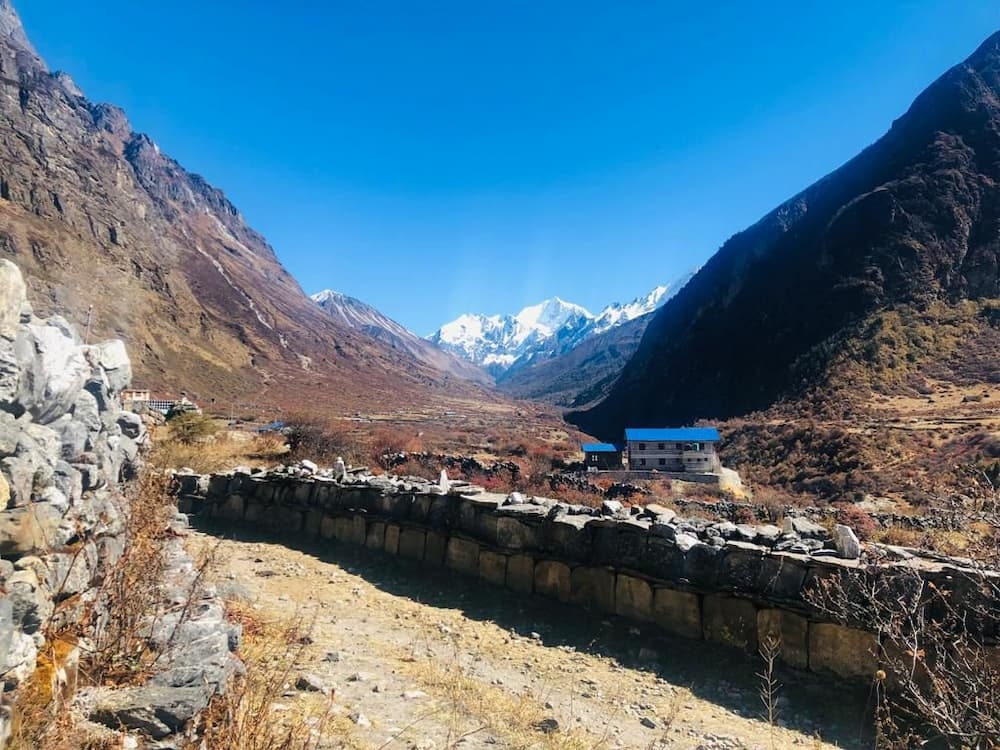
After a pleasant overnight with the sound of nature and river flow nearby. The morning walk starts heading uphill through lovely woods, as the air gets cooler on reaching higher ground at Ghode Tabla. An ideal spot for a lunch stop, in the midst of lovely woods, a place with few simple tea houses.
From here after lunch, the trail leads into thick forest with slow, gradual climb toreach Langtang Village. The houses serving as lodges, been newly constructed,after the great earthquakes of 2015. The houses were destroyed and washed by the rock falls and landslide from the earthquakes. The villages are slowly getting back to normal life, and business to serve the trekkers. Check into one of its fine good lodge accommodation and explore the village, interact with the locals.
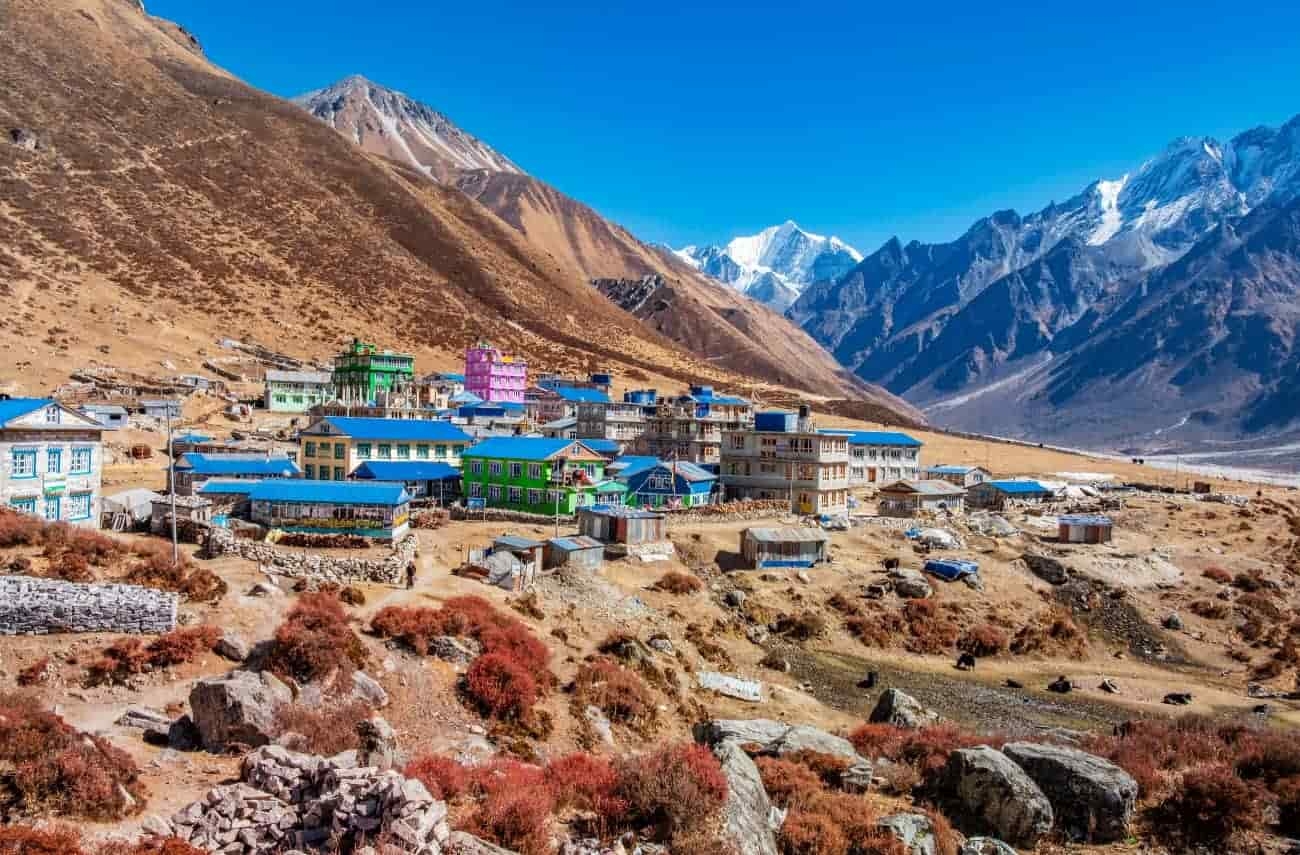
From Langtang Village with glimpse of Langtang Lirung peaks, today a short walk of few hours to Kyanjin Gompa. Morning walk follows the rubble of rocks and
boulders, remains and traces of the earthquake. Reaching another adjoining settlement of Mundu, from here a short steep climb to enter the Langtang Valley.
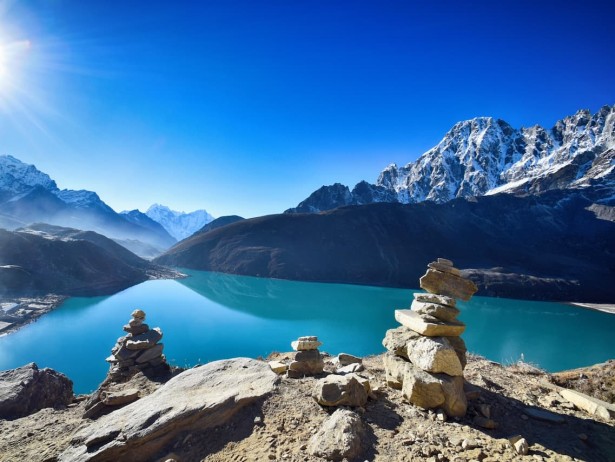
The walk follows on a pleasant and scenic trail shadowed by towering snow-capped peaks. On the both sides of the valley, then the walk finally ends reaching a nice lovely settlement at Kyanjin Gompa. The highest overnight stops of the adventure, located on the western end of Langtang Valley.
Check into a nice room in one of its fine good lodge, after lunch enjoy a hike up to Kyanjin-Ri. Which is at 4,773 m / 15,660 feet, for a strong and energetic person can take a long hike. Climb to Tserko-Ri at 5,033 m/16,512 feet high, a vantage viewpoint for panorama of all Central Himalayas peaks. Rest of the day at leisure to explore the Kyanjin Gompa settlement and catch the local impressive cultures.As well as visiting the small monastery of great religious and cultural interest.
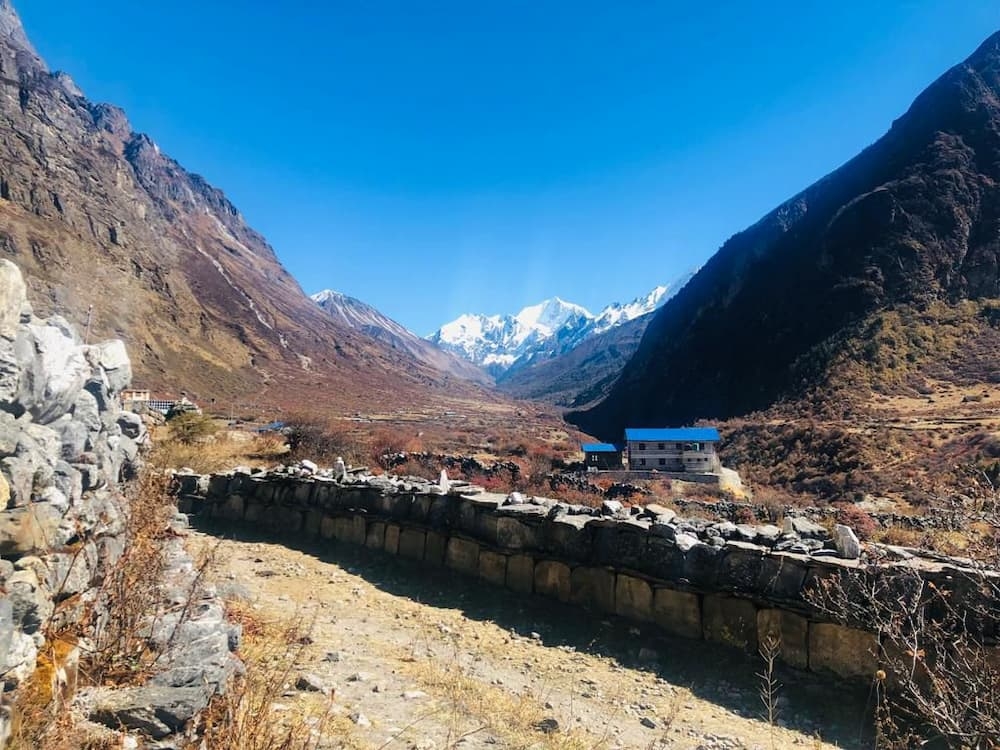
After achieving the goal and highlights of the journey, a long downhill walk to Lama Hotel. The trail follows past Langtang Village to enter the green vegetation and tree lines. Then ending the day walk reaching Lama Hotel for an overnight stop.

Enjoy the last day of trekking, the trail follows on the same exciting route with downhill to Riverside. As walk continues through smaller farm areas and descend to the bridge. After the bridge on pleasant path to Syabrubesi Village for last overnight stop around Langtang and Rasuwa district.

Depart from the lodge at Syabrubesi, bidding farewell to the lovely cheerful native Tamang villagers. As well as to the Langtang Himal beautiful scenery, then get on board on vehicles for the interesting drives. Heading downhill on winding road reaching lower warmer farm areas, villages and towns. Then enter the bustling city life of Kathmandu, and back to the hotel. After a glorious adventure on Langtang Valley Trekking.
The trip had been well organised. The mountain guide was nice and professional. I would recommend this trekking trip for anyone who like trekking in Nepal.
This Langtang Walk 7 days led by Raj. Beautiful landscape along the way, entering Blue Lake National Park, through the canyon, forest, along the river, see the spectacular snow mountains, very excited. The leader A Raj cared carefully about the staff, the service attitude is courteous, the care is worthy of appreciation, and thank you very much for the careful arrangement of his company.
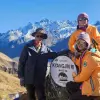
The Langtang Valley Trek was peaceful and incredibly scenic. Snow-covered peaks, green valleys, and quiet villages made the journey unforgettable. Our guide, Ram, was professional, friendly, and very knowledgeable about the region. Treklanders Adventures organized everything smoothly from start to finish.
As a first-time trekker in Nepal, the Langtang Valley Trek exceeded all my expectations. Treklanders Adventures planned the itinerary very well, making the trek challenging yet comfortable. Our guide, Rajkumar Duwadee, was patient, friendly, and extremely attentive to everyone in the group. He made sure we walked at a steady pace, took proper rest, and stayed hydrated. Rajkumar also shared valuable information about altitude safety, local traditions, and the history of the Langtang region. The views from Kyanjin Gompa and surrounding peaks were simply amazing, especially in the early morning. The villages, forests, and mountain landscapes made every day special. This trek gave me confidence and a deep appreciation for Nepal’s Himalayas. I would definitely choose Treklanders Adventures again.
This Langtang Valley Trek with Treklanders Adventures was filled with small, joyful moments. Singing songs while walking uphill, stopping for yak photos, and sharing jokes made each day fun. Our guide, Ramkumar Adhikari, created a friendly atmosphere and encouraged everyone to enjoy the journey. One evening, we shared travel stories and played simple games at the lodge. Ramkumar explained local culture with humor, making learning enjoyable. The mountains were breathtaking, but the friendships and laughter made this trek truly unforgettable.
What I really appreciated about trekking with Treklanders Adventures was how smoothly everything was arranged. After hiking all day, we stayed in well-managed lodges where we could relax, eat warm food, and enjoy the peaceful mountain atmosphere. Those quiet evenings with hot drinks and friendly lodge owners made the Langtang Valley Trek feel very comfortable and homely.
Some of my best memories from the Langtang Valley Trek were not just the views, but the evenings spent resting and laughing together. Treklanders Adventures arranged nice lodges where we could enjoy good food, hot drinks, and relaxed conversations. These simple lodge moments added warmth and joy to the whole trekking experience.
I had to travel during winter and expected the Langtang Valley Trek to be challenging and uncomfortable. Instead, it turned out to be an amazing experience. The scenery was stunning, the trails were quiet, and the atmosphere felt very pure. With Treklanders Adventures, the trek was well organized, and the guide made sure we were warm, safe, and comfortable at all times. Winter became a blessing rather than a problem.
The trail around Lama Hotel was surprisingly beautiful. Walking through forests and quiet paths made this place feel calm and refreshing. It was one of those moments where you slow down and just enjoy nature. The planning by Treklanders Adventures made the day comfortable, allowing us to appreciate the beauty of this area without rushing.
The Langtang Valley Trek was a memorable journey through beautiful mountain landscapes and peaceful villages. The route offered a good balance of nature, culture, and adventure. The trek was well organized and felt smooth throughout, with clear planning and proper pacing. Treklanders Adventures managed logistics professionally, allowing travelers to enjoy the trail without stress. The experience felt authentic, calm, and rewarding from start to finish.
Purpose: Keep sweat off the skin and maintain warmth.
Purpose: Trap body heat in cold air at altitude.
Tip: Keep electronics in inner pockets at night to prevent freezing.
The trek Langtang Valley is situated in the north-central region of Nepal near the border of Tibet. It is approximately 61 km from Kathmandu and is within the Langtang National Park area.
This trek usually takes between 7 and 10 days, varying with your personal speed, the itinerary, and if you take any optional routes such as Kyanjin Ri or Tserko Ri.
As a moderate level trek, it is encouraging for a beginner who has a good physical condition. The trekking trails are clear but they have some steep climbs.
Those who go trekking in Langtang should consider the period from the end of March to mid-May or from the beginning of September to the end of November as the most convenient, since the weather is sunny and stable during these intervals.
It is certainly a wise choice to a hire guide safety, assistance, and cultural knowledge. Recently, the authorities in Nepal have prohibited lone trekking without a guide in most areas of the country.
You can find teahouses or guesthouses along the way where you can get a basic room with a shared bathroom and local food.
Most teahouses provide Wi-Fi (at a small cost) and charging points powered by solar energy.
Yes, it is an excellent beginner-friendly trek in Nepal and it has a shorter duration as well as less altitude risk in comparison with the Everest or Annapurna regions.
The trek is usually started at Syabrubesi which can be reached in a 6–7 hours’ drive from Kathmandu by jeep or bus.
Definitely, the Langtang Valley Trek is a great choice for first-timers who possess a decent level of fitness. It is a moderate trek by nature, has good trails, and the increase in altitude is gradual. Proper acclimatization is a must but even then, first-time trekkers can do it without any problem.
The Langtang Trek is a moderately easy adventure that anyone, regardless of fitness level, can go on. The main trail's highest point is Kyanjin Gompa (3,830 m) and the hikes to Kyanjin Ri (4,773 m) or Tserko Ri (5,033 m) are just that - options - for those wanting to go higher and get a better view. The route consists of gradual ascents through woodlands, villages, and mountain sceneries, without any technical climbing.
It's a moderate and family-friendly trek, suitable for beginners. The daily hours of walking are quite manageable, and there are no extreme or technical parts, hence, the trek is open to almost any kind of trekkers.
Langtang Valley is located roughly 61 km north of Kathmandu (in a straight line). The road from Kathmandu to Syabrubesi where your trek will begin is about 122 km and it takes 7–9 hours by jeep or bus approximately. The trek from there to Langtang Village is 32 km.
Yes, trekking is doable in the monsoon months, i.e., from June to August but you would be trading it for heavy rains, slippery trails, and cloudy skies that would hide the mountains. Landslides may also be present, so it is advisable to check the latest updates on the trail from local guides or our Treklanders team before heading out.
The best time to trek in Langtang Valley is during spring and autumn. These times of the year bring the most stable weather, clear mountain views, and comfortable temperatures.
Spring means good weather, it’s the time when rhododendrons bloom and the sky is clear. Temperature ranges between 10°C and 20°C during the day, which is very suitable for a trek. Apart from that, the season also offers good views of Langtang Lirung and other mountains.
Autumn is when most people decide to trek. After the monsoon, the air is clean, the trails are dry, and the views are excellent. The temperature is quite moderate and varies between 8°C and 18°C in the valleys, while the nights are cold in the highlands.
Definitely, one could trek between December and February but at that time the temperatures will be low, especially after Kyanjin Gompa. Moreover, a few teahouses are likely to close due to the weather though the trails will be less crowded with the snow-covered landscapes being beautiful. Hence, it is better for seasoned trekkers.
Monsoon trekking is doable but difficult. Moreover, heavy rain can bring muddy trails and disasters like landslides. That being said, it's a beautiful time for those who love nature and want to take photos in solitude.
The clearest mountain views and the best vista of the sunrise and sunset from Kyanjin Ri and Tserko Ri are to be had in both spring and autumn. Besides that, these days are also great for taking photos and the weather is safe for walking.
Actually, there is no necessity to have trekking-experience before. Nevertheless, some slight physical preparation like doing walks, jogging, or short hikes a few weeks before the trek will definitely add to your pleasure of the journey and help with stamina.
While packing, make sure you have a good mix of warm, comfortable, and light items. Some of the must-have items are:
You should carry:
It is also wise to have all the important documents stored on your phone besides having the hardcopies with you.
No special gear is needed for this trek. Just regular trekking clothes and standard gear will work. In Kathmandu or Syabrubesi, you can easily rent a down jacket, a sleeping bag, and poles if you don’t have them.
You should carry a medium-sized backpack (35–45 liters) for everyday use. If you decide to use a porter service, then put your heavy stuff in a duffel bag. Only keep daily essentials like water, camera, snacks, and rain gear in your backpack.
About 2–3 weeks prior to the trekking, you should start with moderate exercises to build up stamina. Your training should consist of:
There is no way you can train for altitude directly but you can get your body in a better state by staying fit, drinking plenty of water, and knowing acclimatization methods. Taking it slow and Cexiting getting enough rest will ward off altitude sickness.
Yes! There are quite a few rental shops in Kathmandu and Thamel that deal in trekking gear. They rent out things like sleeping bags, jackets, and poles cheaply. Also, Treklanders can facilitate your gear arrangement before you leave.
On average, a porter with a license is expected to carry up to 20–25 kg of combined luggage for two trekkers. The rule of thumb is to limit your luggage to 10–12 kg per person and always carry your daily essentials in a small backpack.
You should prepare yourself for modest living, unplanned schedules and changes in weather. The Langtang Valley Trek is full of nature and culture. So, interact with the locals, and immerse yourself in the calm and tranquil lifestyle of the Himalayas.
Yes. Having two permits is a must for every trekker who is willing to enter the Langtang region.
The Langtang National Park Entry Permit serves the holder the right to enter and trek within the protected Langtang National Park area. It is one of the ways of giving back to nature and also the wildlife that funding goes to conservation and the maintenance of trails. Price: NPR 3,000 per person (foreign nationals). Location to buy: Nepal Tourism Board (Kathmandu) or park entry gate at Dhunche/Syabrubesi.
TIMS (Trekkers’ Information Management System) card is, issued after a request made to the Nepal Tourism Board, to collect and record information of the trekkers and provide them security assistance in the mountains. Price: NPR 2,000 per person (if trekking with a guide). Where: Nepal Tourism Board or Trekking Agencies Association of Nepal (TAAN), Kathmandu.
What is more, if you are not able to get them in Kathmandu, both permits can be obtained in Dhunche or Syabrubesi, the entry points to Langtang National Park. Nevertheless, through your registered trekking agency or guide, it is more convenient and time-saving to arrange them beforehand.
Nepali citizens: No park fee is required. SAARC nationals: Discounted entry — NPR 1,500 for Langtang National Park, and NPR 1,000 for TIMS.
Yes, permits are needed for all trekkers over 10 years of age. Generally, children under 10 years of age are free from park fees; however, they still have to be registered through the trekking agency.
Yes, According to the new (2023) rule of the Nepal Tourism Board, traveling solo without a licensed guide is no longer permitted in most areas besides Langtang National Park. Thus, the hiring of a registered guide or porter-guide is a must to get the TIMS card.
You will be expected to have with you:
If you decide to book with Treklanders Adventures, along with that goes the full management of your permits and other related documentation. All that is left for you to do is hand over your passport details and photos.
Yes. There is a Langtang National Park entry checkpoint at Dhunche, where your trekking permits (Park Entry and TIMS) will be checked before continuing to Syabrubesi.
The Langtang Valley Trek is generally safe, and the management is also up to the mark. It is quite an adequate and safe measure to hire a guide with a valid license and therefore you will also be assisted and helped in the case of an accident. There is also a lot of reassurance when local teahouses are available along the route providing the comfort of food and lodging.
The significant health concerns are:
A rule of thumb is to move slowly uphill and also to make a rest day when it is necessary. Do not forget to drink plenty of water - from 3 to 4 liters per day is the recommended amount. Refrain from using alcohol and cigarettes. Use of Diamox (Acetazolamide) in doctor advises.
If symptoms like headache, nausea, and dizziness get worse, you should go down immediately and inform your guide.
Guide informing is the thing you should do at once. The Treklanders Adventures guides first-aid-trained staff is there to help you in the hardest moments and also they can contact rescue services if there is a need for that. With your insurance provider, helicopter evacuation can be facilitated swiftly and easily.
An individual trek without a companion or a guide is currently not approved by the authorities. By having a competent guide during the trekking you will be ensured safety, support in navigation, and cultural guidance along the way.
There are small health posts for basic medical needs in Langtang Village and Kyanjin Gompa. In case of a severe emergency, however, the helicopter will take the person(s) in need to Kathmandu. It is very important to make sure in advance that the insurance you have will cover the helicopter ride in such a case when you are in Nepal.
Yes, having travel insurance is a must-have. The policy should cover the following:
Teahouses will present you with Nepali dishes along with an array of international meals freshly made. Always consume food which is hot and cooked and stay away from raw vegetables. Only drink water that is in a sealed bottle, boiled, or purified (purification tablets for water or a filter bottle need to be carried by the trekker).
The accommodation options on the Langtang valley trek are mainly from local teahouses and guesthouses that are available along the trail. They are simple lodges run by the families and provide a cozy bed, food, and a typical mountain atmosphere. The rooms are basic but of good enough quality for the trekkers.
Most of the teahouses do provide hot water for showers—normally solar or gas heated—and it can be availed for money of about NPR 300–500. In very cold places such as Kyanjin Gompa, the availability of hot water can be very limited.
Yes, but a small fee has to be paid for charging (about NPR 100–300 per device). Normally, electricity comes from solar panels in the upper regions, so there may be no power on cloudy days.
Wi-Fi is available in most teahouses nowadays, but the connection in the backcountry might be that good. Limit your usage to a short period for which you will have to pay NPR 200–500 or take a break from the digital world in the lap of nature.
During the high seasons (spring and autumn), the best way to be sure of good rooms—especially in Kyanjin Gompa and Langtang Village—is to have your guide or trekking agency make the booking for you. Treklanders Adventures can facilitate your bookings ahead of time.
The rooms are not heated through the night, but the dining areas usually have a centrally placed stove burning wood or yak-dung to keep warm during the time of dinner. You should bring along a warm sleeping bag and layered clothes to wear during cold nights.
The majority of teahouses have shared bathrooms; however, some upgraded lodges at the lower altitude (Syabrubesi or Lama Hotel) may provide private attached bathrooms.
On the menu at a teahouse you will find home-cooked foods such as Dal Bhat (a Nepali set meal), noodles, soups, fried rice, pasta, omelet, pancakes, tea, or coffee. The meals are simple but sufficient and safe for the trekkers.
Surely, though teahouses give out blankets, a good-quality sleeping bag (-10°C) is advisable for both warmth and personal hygiene, especially when you are at an altitude of over 3,000 meters.
Yes. Treklanders Adventures guides have proper certification for first aid, apart from licensing. They also carry a standard medical kit with them and have a lot of experience in dealing with altitude-related issues.
Indeed. As per the 2023 rule of the Nepal Tourism Board, a single journey without a guide holding a license is not allowed in most areas that are under protection, such as Langtang National Park. Additionally, it makes the whole trek safer and more enjoyable to have a recognized guide with you who can help you find your way and introduce the local culture.
A licensed trekking guide makes your trekking more pleasant by:
Yes. All the guides working with Treklanders Adventures are the ones the government certifies. They have a good history of trekking at high-altitude, have been trained for first aid and emergency rescue, and are fluent in both English and the local languages.
It is not possible to trek independently as they have stopped the practice of independent trekking due to safety and management reasons. Therefore, a licensed guide from a registered trekking agency must be hired.
If you want to have less physical work during the trek, you can hire a porter to carry your luggage. Generally, one porter carries 20–25 kg of the total luggage that is shared by two trekkers.
Yes, you can either hire a guide or a porter or a porter-guide (the one who can both carry light loads and guide you). Based on your budget and level of comfort, Treklanders has different options available for you.
The trek starts from Syabrubesi, a small village located in the Rasuwa District, about 122 km north of Kathmandu. Syabrubesi serves as the gateway to Langtang National Park and the beginning point of the trek.
There are two main options:
No, there is no airport in the Langtang region. The nearest airstrip is in Kathmandu, and all travel to the trailhead is done by road.
The road from Kathmandu to Syabrubesi is partly paved and partly rough, especially after Dhunche. Expect winding mountain roads with scenic views of hills, rivers, and terraced fields.
Yes, private jeeps are available for solo trekkers or small groups. Treklanders Adventures can help arrange shared or private vehicles depending on your budget and preference.
Yes, it’s generally safe. However, since the road passes through hilly terrain, it’s recommended to travel during daylight and use vehicles operated by licensed, experienced drivers.
Yes, helicopter flights can be arranged from Kathmandu to Kyanjin Gompa or Langtang Village, mainly for rescue or luxury trips. The flight takes about 30–40 minutes and offers stunning aerial views of the Himalayas.
Most of the Langtang Valley Trek is covered by the mobile network of NTC and Ncell. Nevertheless, the signal strength may be low or intermittent in remote areas or at high altitudes like Kyanjin Gompa.
The majority of teahouses along the route provide Wi-Fi for a nominal charge (approximately NPR 200–500). The speed of the connection depends on the weather and the altitude — it is mainly used for sending messages and light browsing.
You can go online via your phone if you purchase a local SIM card (Ncell or NTC) in Kathmandu to get mobile data. The internet runs smoothly in the lower areas such as Syabrubesi, Lama Hotel, and Langtang Village but at higher altitudes, the connection may be lost.
TLA (Treklanders) guides are equipped with mobile phones and radios through which they can communicate in case of emergencies. If there is a serious situation, they can promptly get in touch with rescue services or arrange for the helicopter evacuation.
You are able to text, WhatsApp, or call from the lower areas. In the upper regions, the best thing is to let your family know in advance that there will be no or limited signal for a few days.
Yes, All the Treklanders Adventures guides have cell phones and emergency contact capability which keeps you connected and safe during the trek.
Charging of devices is available in teahouses against a small payment (approximately NPR 100–300 per device). Most of the electricity in the upper villages comes from solar energy, so it is advisable to have a power bank or solar charger with you.
| No of people | Price per person |
|---|---|
| 1 - 1 | $1,300 |
| 2 - 3 | $1,200 |
| 4 - 8 | $1,000 |
| 9 - 20 | $900 |

| No of people | Price per person |
|---|---|
| 1 - 1 | $3,500 |
| 2 - 3 | $2,800 |
| 4 - 8 | $2,300 |
| 9 - 20 | $1,990 |
| No of people | Price per person |
|---|---|
| 1 - 1 | $1,200 |
| 2 - 3 | $1,000 |
| 4 - 8 | $900 |
| 9 - 30 | $850 |