
Annapurna Circuit short trek in 6 days – A Trekking Adventure with Treklanders Adventures
6 Dec 2023
A 6-day Annapurna Circuit trek offering stunning mountain views, diverse landscapes, and a taste of this classic Himalayan adventure.

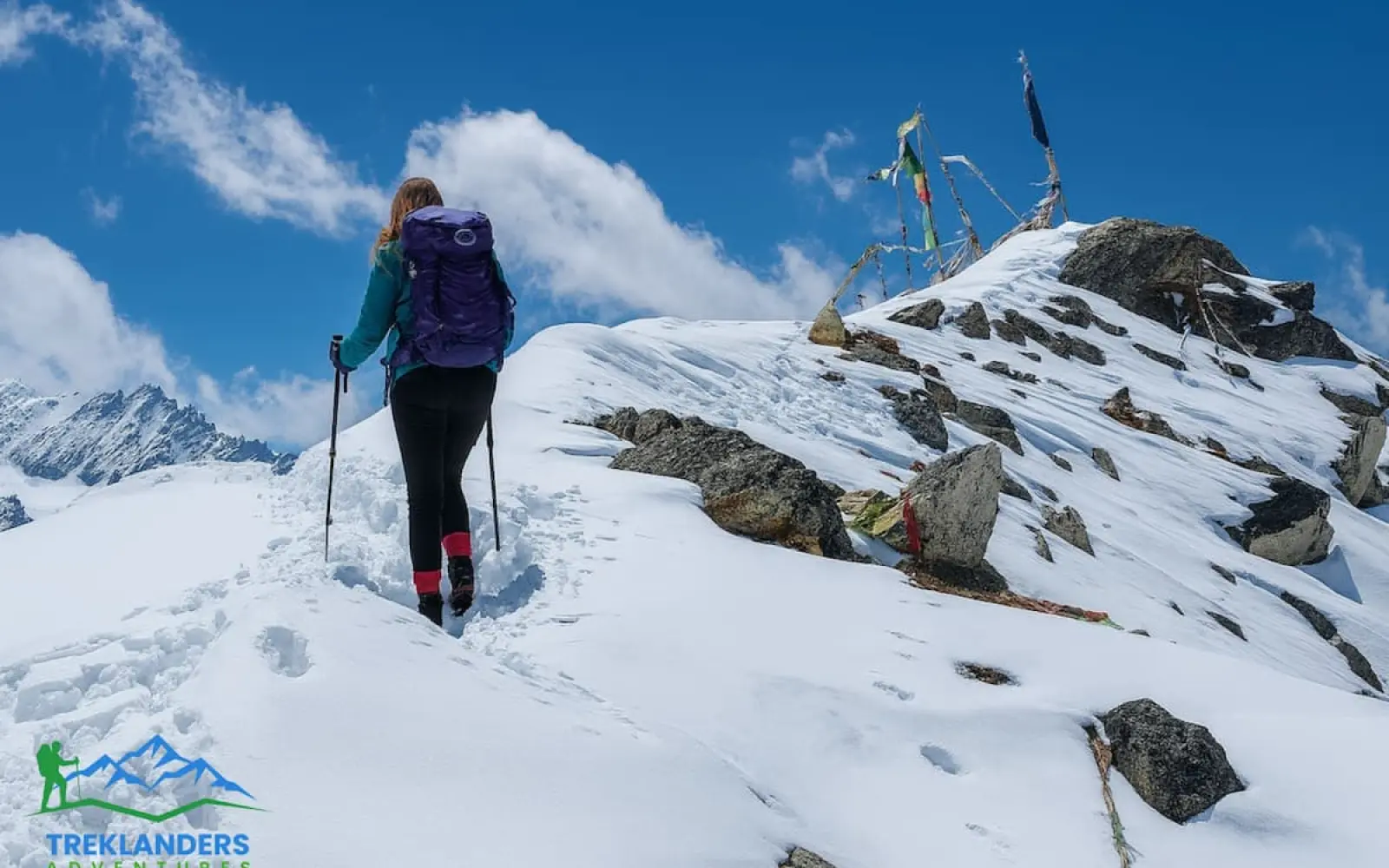
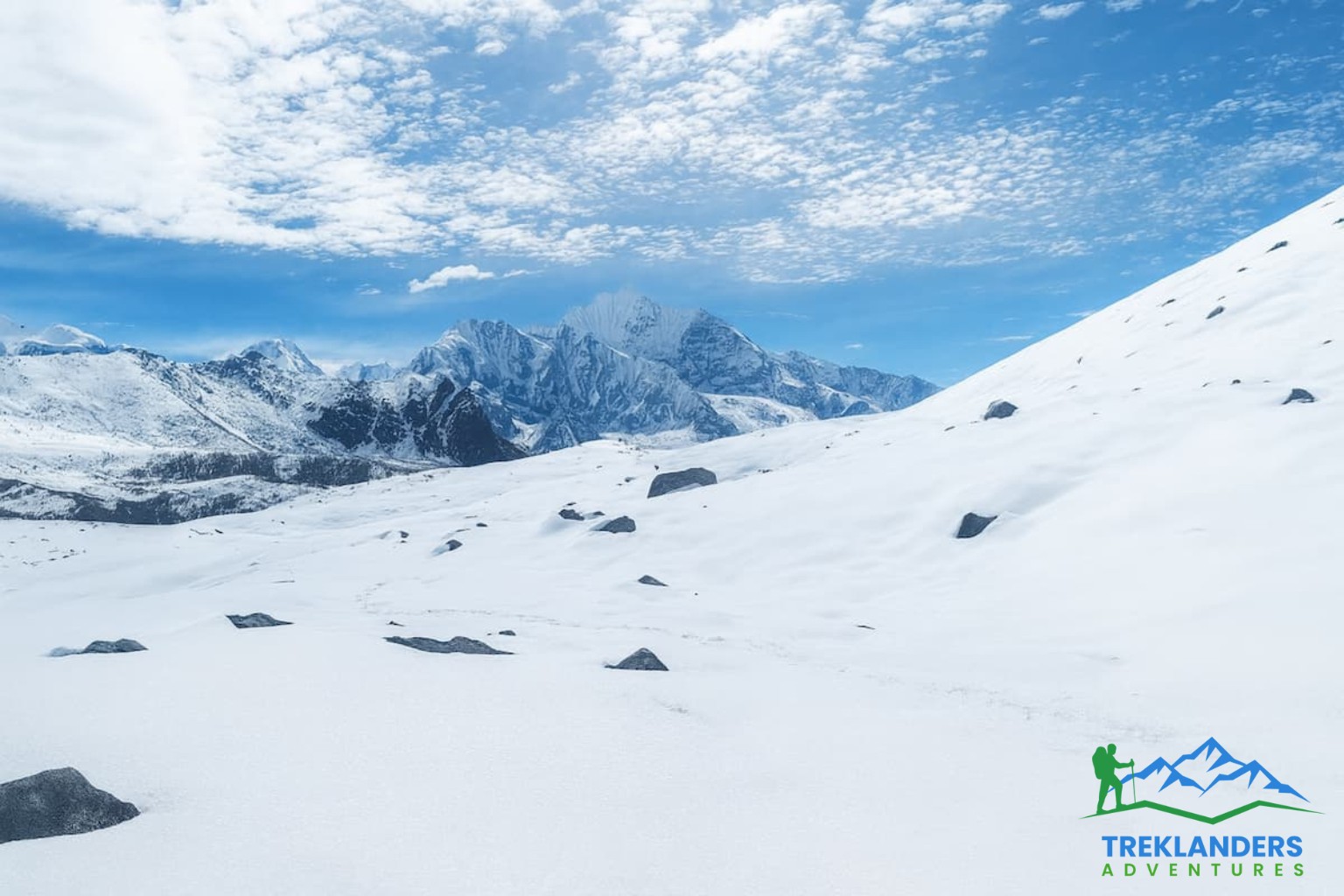
The Langtang Valley 5 Days Trek is among Nepal's top short Himalayan treks that combine memorable nature vistas, diverse culture, and tranquil nature in a tightly packed itinerary. The Langtang Valley, which is just north of Kathmandu, is nicknamed the "Valley of Glaciers" because of its spectacular and towering snow-capped peaks. Hiking along the Langtang River, trekkers get to see the naturally beauty of the forest which is growing with rhododendron, pine, and bamboo. A quick journey is still enough to get a full Himalayan experience - nature, animals, mountain temples, and the friendliness of the local people. Because of its closeness to the capital and average fitness required, the trek is suitable for inexperienced people, families, and time-constrained travelers.
The villages along the ascending path are a classic example of the Tamang and Tibetan culture (religious and social customs). This area is definitely one of the top 5 places in Nepal to get real mountain culture. Trekkers can visit Lama Hotel, Ghoda Tabela, and Langtang Village which are the three people-travel spots of the region and which offer different mixes of old customs and living. Heritage by the Buddhist way is the return of the stone houses and in particular the prayer flags, Mani walls, and ancient monasteries. The reconstruction of Langtang Village after the earthquake of 2015 is a very strong sign of people's determination and thus, meeting with the community becomes an indispensable part of the trip. The trek was a combo of cultural impressions and natural serenity.
Essentially, the short Langtang trek culminates in a visit to Kyanjin Gompa which is a lovely village encircled by the grandest of the Himalayan views. After that, the trekkers can visit the famous viewpoints of Kyanjin RI or Tserko RI which are well-known for sunrises that bathe the mountains of Langtang Lirung, Dorje Lakpa, Yala Peak, and Ganesh Himal in light. The region is full of huge glacial valleys, icefalls, yak pastures, and extensive alpine views. Though the trek is only for five days, the views from the top are as good as those of longer and more difficult trekking routes in Nepal. So, to the photographers and novice trekkers, this segment of the trek is incredibly satisfying.
The 5 days Langtang Valley Trek itinerary is essentially a combination of factors such as nature, cultural richness, and ease of reach. The path is rated as easy to moderate, and there are cozy tea houses available at every stop, so you do not need to take a domestic flight. The Langtang Valley is, therefore, quieter and more tranquil, due to which there are fewer people when compared to the Everest or Annapurna regions. Travelers wanting a brief and memorable Himalayan adventure in 2026 will find that the 5-day Langtang trek is among the top choices of Nepal.
The trek to Langtang Valley, 5 Days, carries a requirement of two primary permits issued by the Nepali Government. The Langtang National Park Entry Permit is the very first requirement. It is a permission to enter and roam in the protected Langtang National Park area for the trekkers. This permit is verified at the entrance point in Dhunche or Syabrubesi, so you have to carry it with you all along the trek.
The second most essential piece of documentation is a TIM’s card (Trekkers’ Information Management System). The card is a record of the tourist and safety support in case of a crisis. One can get the TIMS card from the Nepal Tourism Board office in Kathmandu or Pokhara before the trip, or acquire it through the trekking agency for ease.
Unlike the Upper Mustang or Manaslu, which are restricted trekking areas with a complicated process, Langtang Valley is a little different. It is not necessary to have a guide, but a licensed trekking guide will be of great help in route finding, safety, and your understanding of the local culture.
It is quite simple to get the two permits, and you have to carry them along with you during the entire trek. When you have your National Park Entry Permit and TIMS Card, you can be considered officially set to go and explore the wonderful Langtang Valley.
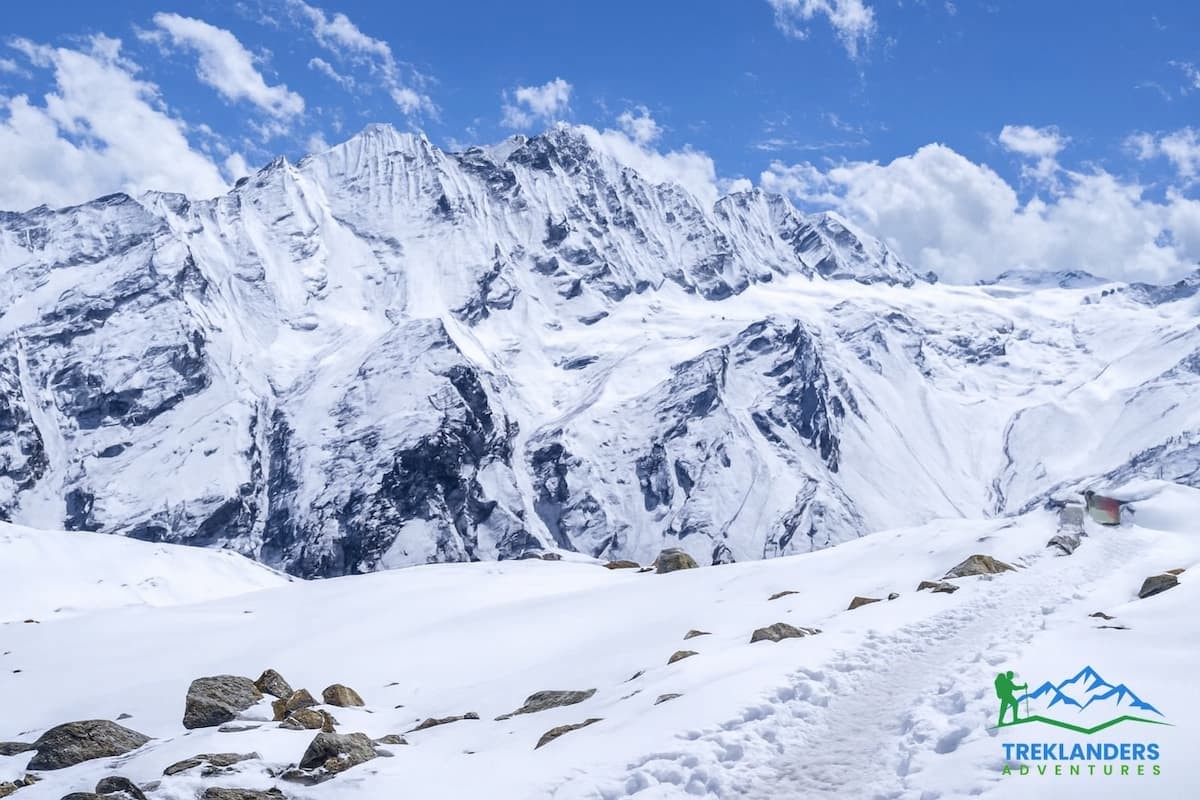
The ideal seasons for travel to Langtang Valley are spring (March to May) and autumn (September to November). These times feature stable weather and great temperatures with the best mountain views. These times also coincide with the best season for stable weather, views, and a good trekking experience. Winter is good for experienced travelers who want to avoid crowds and tackle early morning treks, while the monsoon season should be skipped at all costs due to rain and lack of visibility.
For Experienced Trekker
Least Recommended
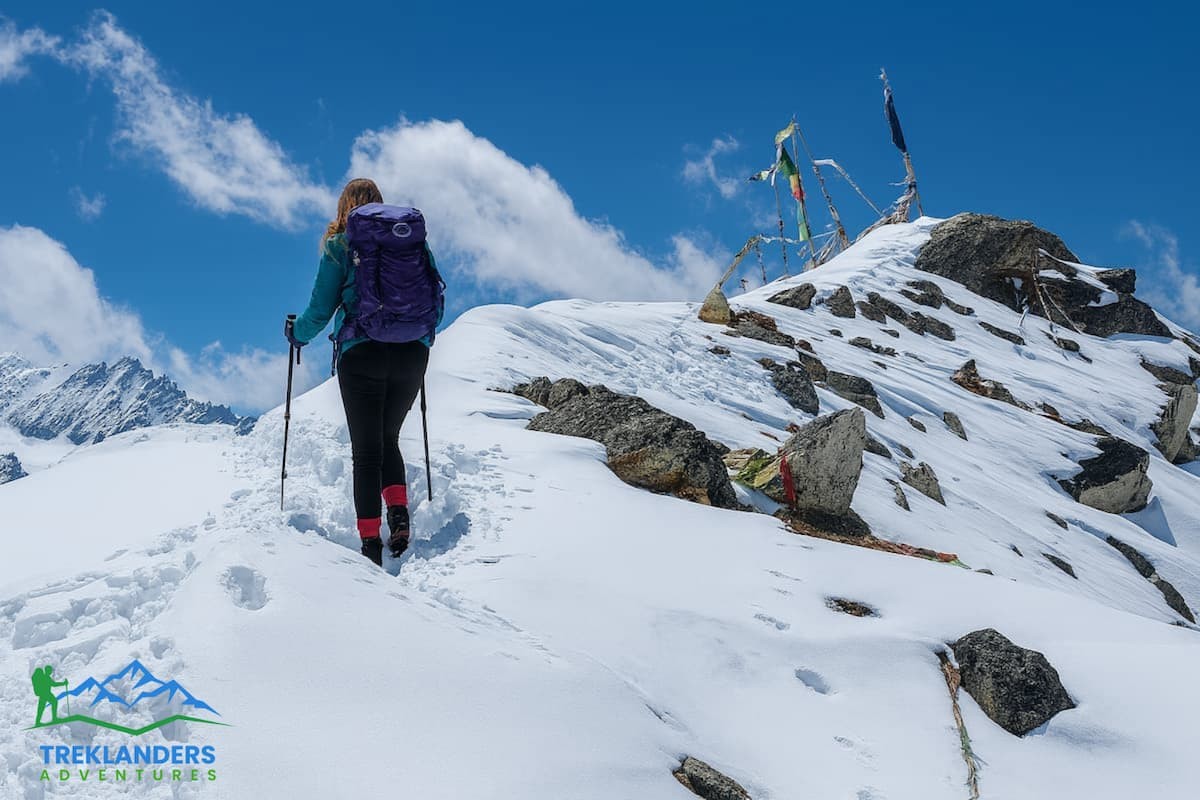
Start your journey with a breathtaking drive from Kathmandu to Syabrubesi. As you drive, you will be able to see the terraced hills, river valleys, and traditional villages. Once you are in Syabrubesi, trek to Lama Hotel. The trail is covered with green trees and riverside paths from which you can cross several suspension bridges. Stay at Lama Hotel for the night.
The trek that you will take on this day leads you through the beautiful Langtang River valley. The ascent on the trail is gradual, and it goes through a forest of pine and rhododendron trees, but eventually, it opens up into bigger meadows. You will pass through Ghoda Tabela on the way, which is the place where you can see Langtang Lirung for the first time. After that, continue your trek to Langtang Village, which is a traditional Tamang settlement with a rich culture and history. Stay overnight at Langtang Village.
The way from Langtang Village to Kyanjin Gompa is not long, but it is very picturesque. You will come across fields with stone walls, yaks grazing, and flags for worship that will be fluttering in the wind. When you get to Kyanjin Gompa, in addition to the outing, visit the monastery from the past, the local factory making cheese, and take in the great views of the snow-covered peaks that encircle the valley. Stay at Kyanjin Gompa for the night.
The reason for the early wake-up call is to get to Kyanjin Ri or Tserko Ri by hiking. These are the two best points from which you can see the Langtang region. In fact, apart from the sunrise view, you get to see more of the Himalayan range, including Langtang Lirung, Dorje Lakpa, Yala Peak, and many more. After the sightseeing, go back down to Kyanjin Gompa and then unload at Lama Hotel, where you will stay for the night.
The forest trails through which you passed on your way down will greet you again as you make your last descent to Syabrubesi. After lunch, drive back to Kathmandu and enjoy the mountain roads one last time. The short and memorable 5 Days Langtang Valley Trek comes to an end with beautiful memories of culture, nature, and the Himalayas.
If a safe, comfortable, and memorable experience in the Himalayas is your goal, then proper preparation is a must for the 5-Day Langtang Valley Trek. The Langtang trail is not very challenging; however, the weather can still change rapidly, and the walking hours will be long, while the altitude will be moderate. To get the most out of this trek, which is short but rewarding, a good physical condition, having the right gear, carrying proper permits, and having the right attitude are necessary.
You should have begun your basic training already if planning to go on this trek in less than 4–6 weeks. Some light cardio exercises, going for walks, hiking on a regular basis, and climbing stairs will strengthen your legs, boost your endurance, and greatly improve your stamina. The Langtang route is about 5–7 hours of walking daily through forests that you need to ascend and descend, gradually climbing, and even paths, so good balance, endurance, and strong core muscles will be very helpful.
Think well about what you need and just take what is necessary for a short trek in the Himalayas. Some of the indispensable things are a pair of hiking boots that are comfortable for you, clothes that you can take on and off easily because you are layered up, a water-repellent jacket, trekking poles, a headlamp, and a sleeping bag that will keep you warm during high-altitude nights. Personal essentials are not to be forgotten and should include sunscreen, sunglasses, water purification tablets, and a water bottle that can be reused. Nearly all of these items can be rented from or bought in Kathmandu before you start trekking.
You will need to get two permits if you want to go to the Langtang area. These are the Langtang National Park Entry Permit as well as the TIMS Card. You can have them either in Kathmandu or Syabrubesi at the checkpoint. What is more, trekkers should be informed that it is mandatory to travel with a licensed trekking guide in the Langtang region. Besides this, you should always have copies of your passport and permits with you since you may be asked to show them several times along the trail.
The trek goes above 3,000 meters, and thus acclimatization and health care awareness should always be at the top of your mind, even if the itinerary is only for five days. Do not forget that walking should be done at a steady pace, drinking lots of water, and not consuming alcoholic drinks are of utmost importance here. Make sure you have medicines for headaches, colds, stomach troubles, and altitude-related symptoms in your personal first-aid kit. In addition, it is very important that your travel insurance covers trekking at high altitudes and also provides for emergency evacuation.
Get ready to be provided with simple accommodations, a limited mobile network, and basic resources along the route. One thing that is for sure, the local Tamang and Tibetan Buddhist culture deserves your respect, and it is a great plus to you in the way of trekking experience that you will gain. By using their tea houses and hiring local guides, not only does your trip become more enjoyable, but you also contribute to the area's sustainability. An affirming attitude, keeping one's cool, and having some understanding of the culture will help you have an even richer Langtang Valley Trek.
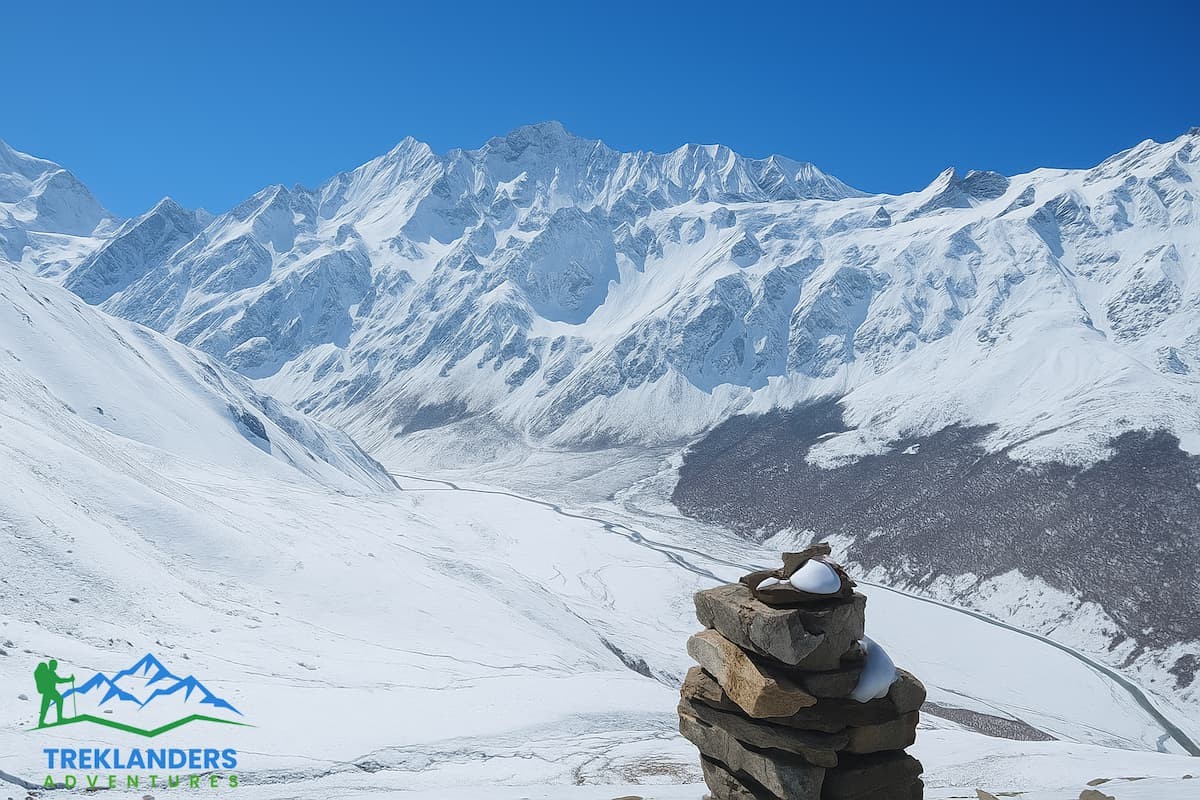
The Langtang Valley 5-Day Trek is a perfect short mix of culture, nature, and mountain scenery. The trekkers will not find themselves in a noisy environment; rather, they will enjoy a calm and silent walk through thick forest, lifestyle villages, and wide-open valleys all surrounded by the magnificent Himalayas. On every day of the trek, there will be a change of scenery to waterfalls and rivers on the one hand and yak pastures and glaciers on the other, thus making it visually rewarding from the beginning till the end.
They will have to walk for 5-7 hours a day in a moderate manner, following a steady climb, and thus, they should not expect they walk on a steep or technical section. Altitude increment is done gradually, giving one’s body enough time to acclimatize. The view at Kyanjin Gompa and the view from the hike to Kyanjin Ri or Tserko Ri are beautiful and stunning, and thus the short trek is actually quite rewarding in terms of views, which can be called stunning panoramic views. The view of Langtang Lirung, Dorje Lakpa, and Yala Peak, along with the snow-covered peaks, is among the few highlights.
The trail accommodation is in tea houses, which are local family-run facilities but can be considered as basic yet comfortable small hotels. Expect basic rooms, shared bathrooms, and dining halls, which are heated, where trekkers come together in the evenings. The food served is fresh, homemade, and mainly Nepali, with such things as dal bhat, noodles, soups, fried rice, porridge, and tea. Electrification, internet service, and hot baths may be available in some locations, but at times they may be unreliable.
Trekking people can also look forward to really good cultural communicative experiences since the area is the homeland of the Tamang and Tibetan Buddhist communities. Prayer flags, monasteries, Mani walls, and traditional stone houses make the trail more attractive. The environment is quite peaceful and inviting, and people living there are well known for their good manners and hospitality. To conclude, the trek is a balanced blend of adventure, comfort, and cultural experience, thus, perfect for beginners, families, or anyone with limited time seeking a meaningful Himalayan journey.
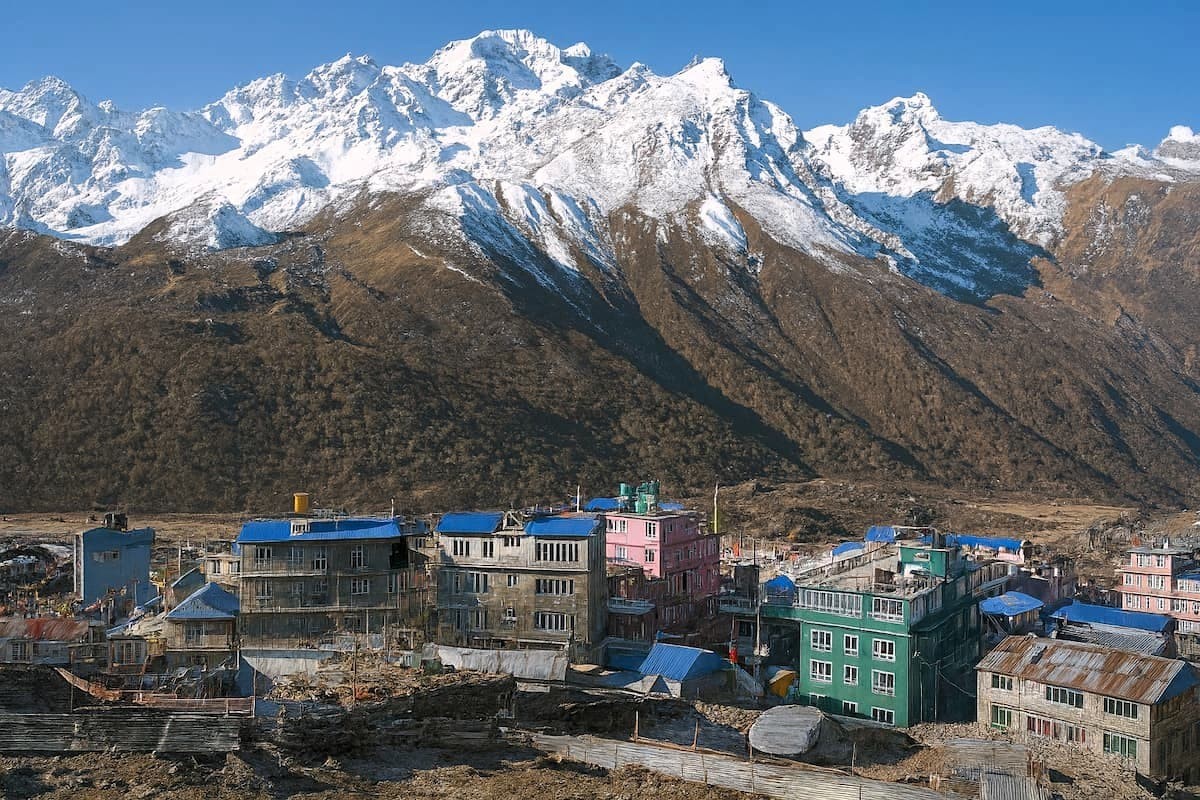
Along the trek of the Lang tang Valley, the accommodation is mainly in traditional teahouses, small family-run lodges. These teahouses are not only comfortable but also give trekkers a chance to experience the authentic Himalayas and thus, they are a perfect place for a rest after long walking days. The rooms are very basic but are clean; mostly, they comprise two single beds, warm blankets, and attached or shared toilets. While the conveniences offered are minimal, they are just right for a short 5-day trek.
Almost all the teahouses possess a common dining hall that is generally heated by a wood or yak-dung stove, and here the trekkers meet after the day's work to have hot meals and good talks. The food is made fresh each day and can be of various choices like dal bhat, fried rice, noodles, soups, momos, omelets, and porridge. Along with these, tea, coffee, and lemon ginger honey are always ready to be served on the trail.
There are many teahouses that allow you to charge your devices, and in some, only a small additional fee may be required. Few teahouses offer Wi-Fi service; however, it can be very slow or even not available because of the altitude (e.g., Kyanjin Gompa), where there are very limited networks. Moreover, some lodges may have hot showers, but it depends on the season and whether they use solar water heating or not.
No, the trek in Langtang Valley doesn't demand any prior trekking experience. It can be done by people who are new to trekking and have a basic level of fitness. The trail is moderate in nature with gentle uphill walks, well-defined routes, and the availability of teahouses for accommodation. Walkers should have their own trekking shoes and a minimum of trekking gear, along with the readiness to walk for 5–7 hours each day.
Yes, altitude-related problems must be handled with caution. In fact, certain portions of the trek that are located above 3,000 meters, for instance, are the Langtang Village (3,430 m) and Kyanjin Gompa (3,870 m), where it can be quite challenging to breathe and symptoms of altitude sickness may develop. One can lessen the risk by moving slowly, drinking enough water, not taking any alcoholic drinks, and relaxing if tired.
It is strongly recommended that you hire a trekking guide holding a valid license while you are a foreigner in the Langtang region. Reasons for this include safety assurance, easy and eco-friendly tourism, and less environmental pollution. Moreover, if you want to keep your hands free without the heavy sacks, you can also give your luggage to a porter.
We are just a call or message away for your travel requirements and reservations.
with us, reaching the different stages of your trip, like getting permits, planning, and logistical support, will be a breeze.
The trek is moderate in nature and requires some physical effort. You would be walking for 5–7 hours a day, mostly through woods, villages, and gently sloping areas. There are no technical or dangerous sections, hence it is a safe and suitable trek for people who are new to trekking and have good stamina.
Teahouses serve freshly prepared meals such as dal bhat, noodles, soups, fried rice, pasta, momos, chapatti, porridge, and eggs. Tea, coffee, and lemon ginger honeys are popular hot drinks that are served everywhere. Food is simple, clean, and a good source of energy for the trek.
Water can be accessed in all the villages along the route. One can also get boiled or filtered water for drinking from teahouses. It is advisable to use water purification tablets or a UV purifier to be safe and to save Mother Earth.
You stay in native teahouses. Rooms are basic, but they do provide comfortable twin beds, warm blankets, and shared toilets. Dining rooms are cozy and social, and some places have the facility of charging and Wi-Fi.
Do not overstuff your bag, but do not leave these essentials at home: trekking boots, warm clothes, a raincoat, gloves, a cap, trekking poles, sunscreen, sunglasses, a reusable water bottle, basic toiletries, and a first-aid kit. Most of the equipment that you need can be bought or rented in Kathmandu.
When done with a licensed guide, the trek can be considered safe. The routes are clearly indicated, there are teahouses at every stop, and the residents are hospitable. Other things that lead to a safe experience are obeying the guides’ instructions, walking at a safe pace, and drinking enough water.
The 5-Day Langtang Valley Trek is undoubtedly one of the top short Himalayan adventures in Nepal, which provides the perfect mixture of nature, culture, and a moderate level of trekking difficulty. In just a few days, trekkers can witness green forests, traditional Tamang and Tibetan-influenced villages, and stunning mountain views from Kyanjin Gompa and its nearby viewpoints. The trail is of moderate level and safe for beginners; thus, it is perfect for those trekkers who are in a hurry but still want to experience the Himalayan journey.
It is a short but safe, comfortable, and unforgettable trek with the right preparation, a licensed guide, and proper trekking gear. The hospitable local communities, the quiet teahouses, and the beautiful nature together make an experience that stays with you for a long time, even after your journey is over. Whether you are a first-time trekker or a trekker coming back to Nepal, the Langtang Valley 5 Days Trek is a real, revitalizing, and indelible retreat to the core of the Himalayas.
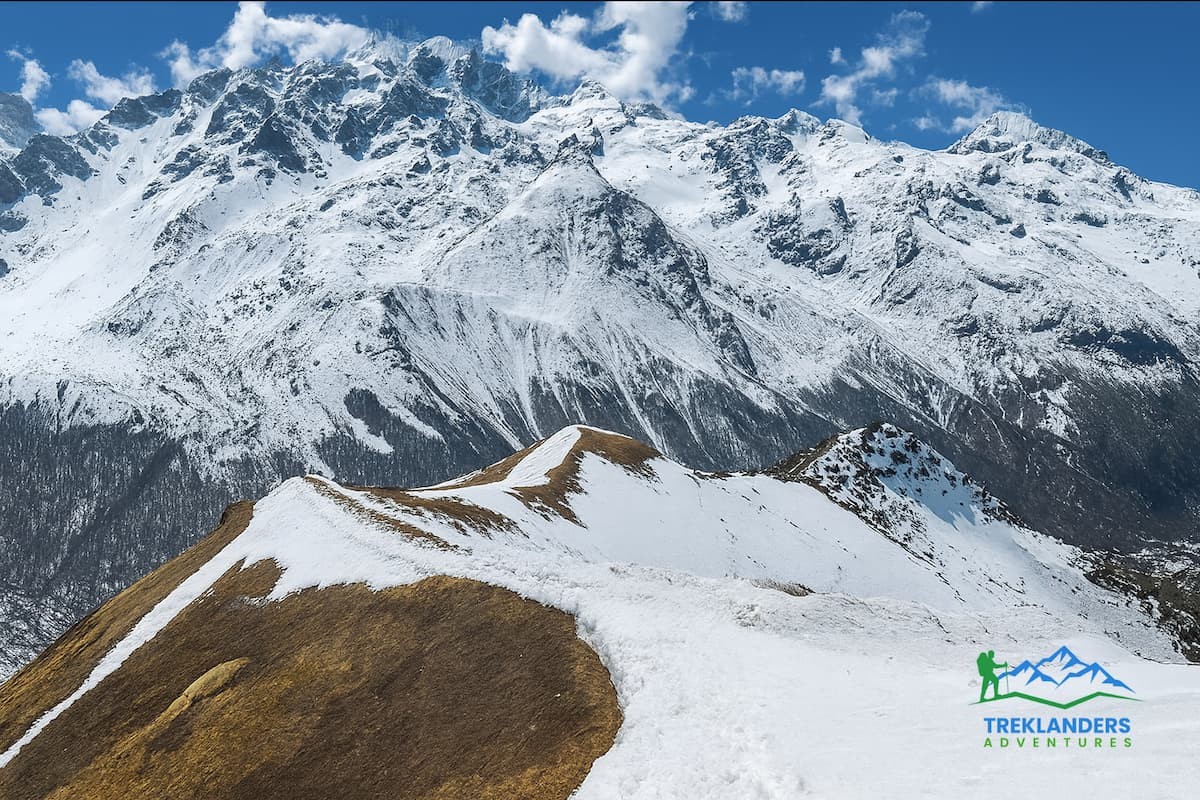
If you have spare time or be inclined to discover more of the Langtang area, the 5-Day Langtang Valley Trek can be supplemented perfectly with numerous rewarding optional treks. Each of the options provides the travelers with different terrains, cultural immersions, and magnificent views of the Himalayas.
Kyanjin Ri (4,773 m) is a famous side trip, where the view is simply stunning in every direction: Langtang Lirung, Dorje Lakpa, Yala Peak, and the glacier valleys around. Even though the sunrise hike is very short, it still manages to give a spectacular reward.
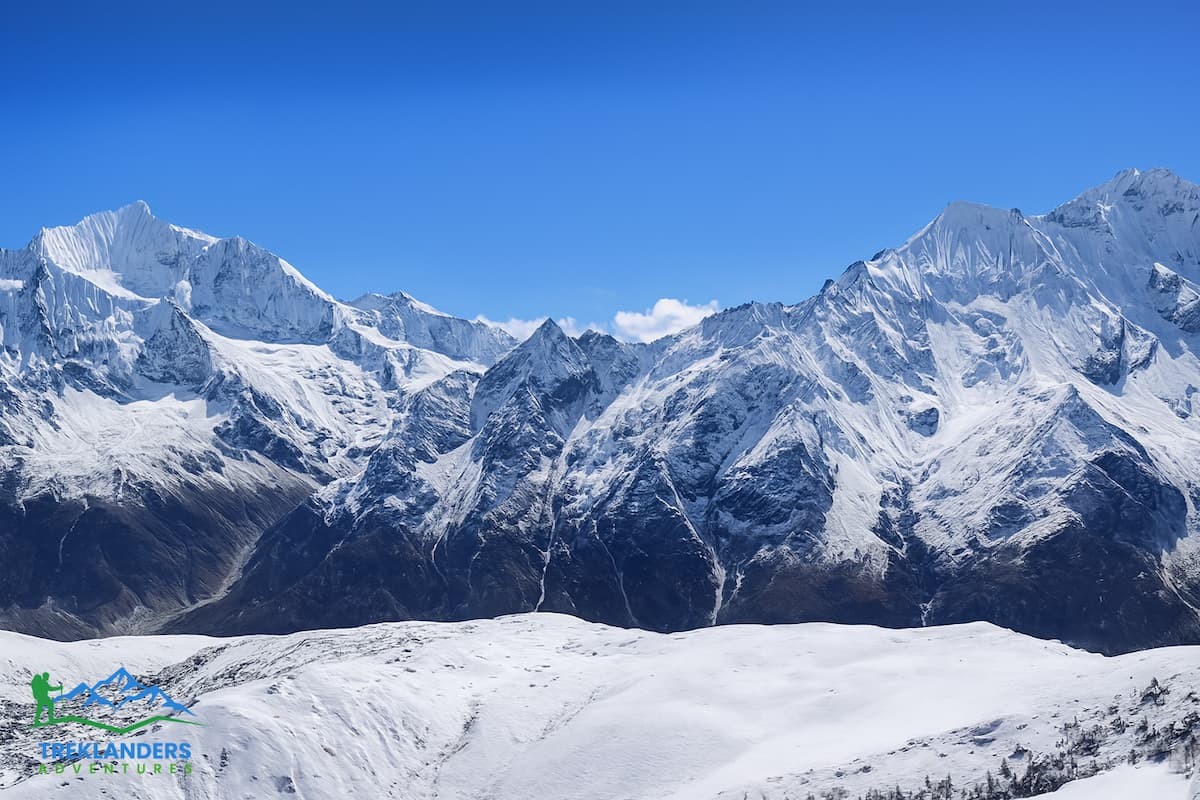
Moreover, if a biker is looking for an even harder challenge, at Tserko Ri (more than 5000 m), you can find the best viewpoint in the whole area. The ascent is difficult, but can be done, and the view of the Himalayas all around from the summit is absolutely stunning.
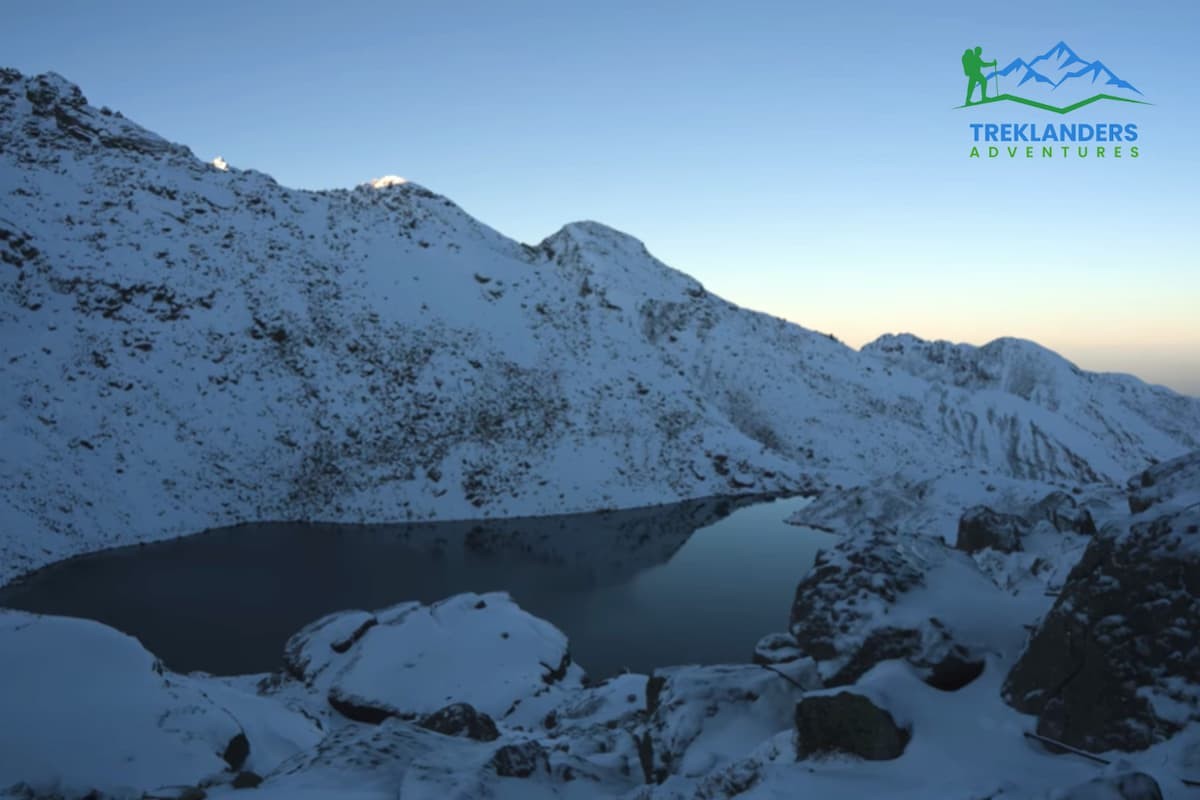
Why not turn your trek into a pilgrimage one and hike to the holy Gosaikunda Lakes? This way, you would have the best of both worlds: trekking through the valley of glaciers under high passes, next to calm lakes, and among the heritage of the Himalayas.
Through this extension, one could experience the lovely Sherpa villages of Helambu besides the terraced fields and rhododendron forests. Here, the trails are peaceful, the sunrises breathtaking, and the cultural aspect of the trek is quite strong.
The Tamang Heritage Trail will give you an insight into the culture if that is what you are looking for. Walk among the real Tamang villages, visit hot springs, traditional monasteries, and unique lifestyles in the Himalayas, all the while helping local communities.
A full circuit of the Langtang valley, including the high points and cultural trails, is one complete adventure for trekkers with more time. It is the perfect option if you want a thorough Langtang experience.
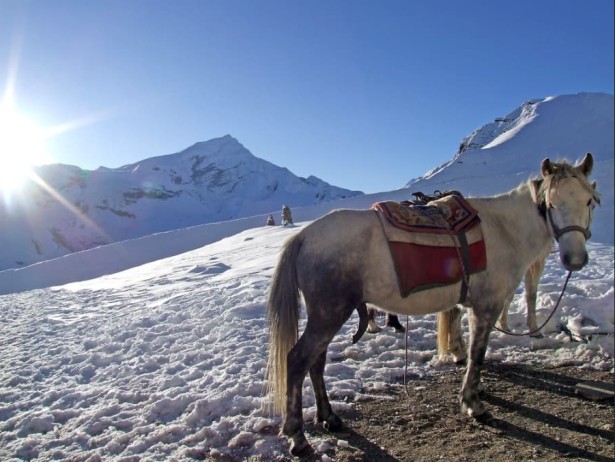
A 6-day Annapurna Circuit trek offering stunning mountain views, diverse landscapes, and a taste of this classic Himalayan adventure.
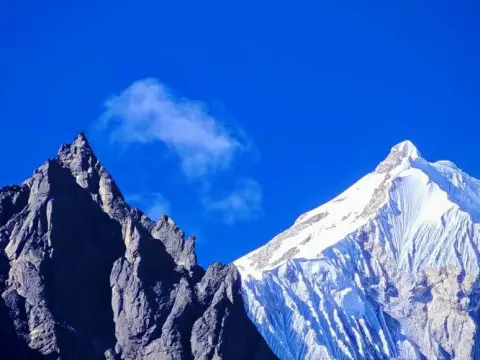
Your essential Langtang Valley Trek overview—what to expect, how much it costs, when to go, and how to prepare for this beautiful Himalayan journey.
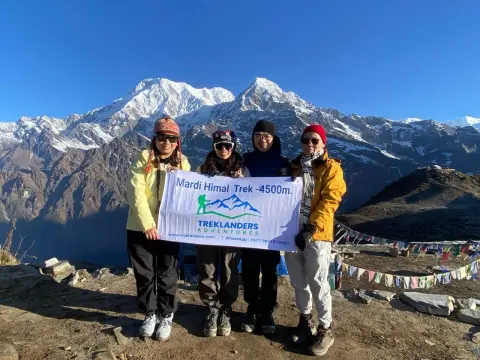
A trekker's dream, the Mardi Himal Trek is located in the heart of the Annapurna region with splendid views and an off-the-beaten-path experience.



