
A Complete Guide to Annapurna Base Camp Trek
1 Mar 2023
A quick overview of everything you need to know about the Annapurna Base Camp Trek, from route and cost to preparation and best seasons.

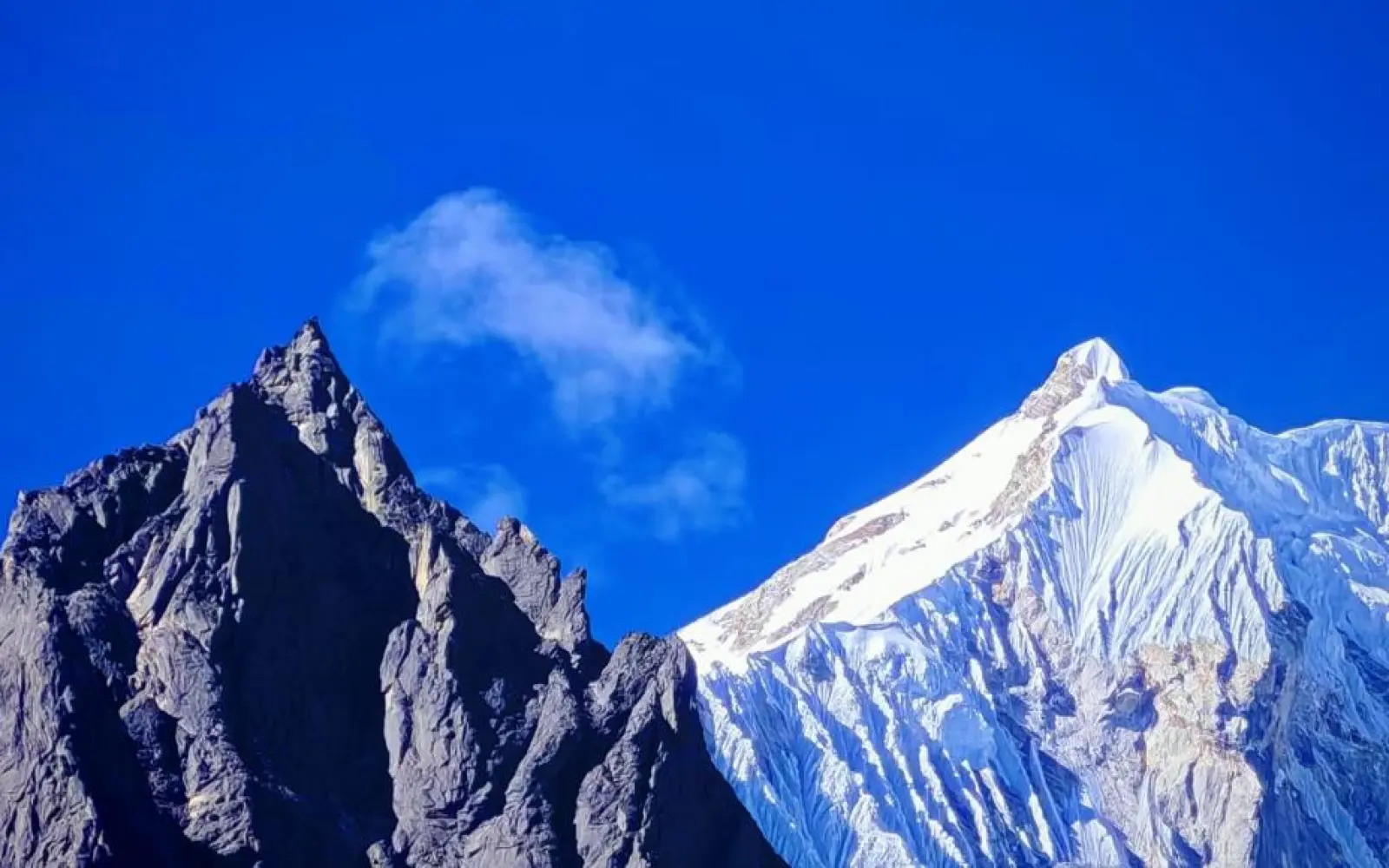

In Nepal's beautiful trekking trails, Langtang Valley Trek joins natural beauty with culture and Himalayan adventure. The Langtang trek into the valley north of Kathmandu travels through the picturesque Langtang National Park then up through the snow capped Himalayan peaks alpine forests stone-carved villages and glacial rivers into the heart of pure wilderness. Although one walks the shortest and easiest routes, people generally consider Langtang for the same quality by the more popular Everest and Annapurna treks.
The valley, often called the "Valley of Glaciers", is surrounded on all sides by the Langtang Lirung, Dorje Lakpa and Gang Chhenpo mountains. The route to the valley and back goes by many Tamang villages, rhododendron forests, yak pastures and glacial rivers of natural beauty and Buddhist cultural beauty. Trekkers can rest at tea houses, enjoy the hospitality of the locals, and experience the simple, harmonious mountain life.
The trek highlights Kyanjin Gompa after it settles, and this settlement has great scenic and spiritual importance with ancient monasteries near a stunning view of the Himalayas range from the settlement itself, but side trips from the settlement to places like Tserko Ri and Langshisa Kharka provide splendid sunrise views with a chance to reach higher altitudes.
In Nepal, Langtang is not as commercial as many of the other treks. The Langtang Valley Trek would be the ideal choice for those who want to experience the culture of the Nepalese first hand and also who want to see the Himalayas in its true form.

The Langtang Valley Trek is generally recommended in the seasons of spring (March to May) and autumn (September to November) because of their weather which is pleasant and also the trails are more stable and the mountain views are simply breathtaking.
Spring is characterized by a mild weather, clear sunny days and temperatures that are quite comfortable for a walk. The hills are again covered with vibrant rhododendron forests and the blooming wildflowers add more charm to the trek. The air is pure and the views of the snow-covered peaks like Langtang Lirung are very clear and bright.
In autumn, once the monsoon rains have stopped, the atmosphere is fresh and free from dust thus providing the best mountain visibility is possible. The days are still warm for trekking, while the nights remain cool and comfortable. This season also coincides with the major festivals of Nepal, Dashain, and Tihar, which allows trekkers to witness the local customs and festival along the way.
Option of these two periods is formed by the main trekking seasons and for that matter, the periods offer more or less safe weather conditions, beautiful scenery, and generally, a nice trekking experience without the risks of hard rain, snow, or extreme cold.
You must have this permit to gain access to the Langtang National Park area.
The cost is usually close to NPR 3,000 for a foreigner and NPR 1,500 for a SAARC national.
TIMS means Trekkers' Information Management System.
It is a compulsory registration for trekkers in Nepal, and there are different types of cards for an individual trekker (Green TIMS) and a group trek with an agency (Blue TIMS).
Individually or in a group, the price will be different.
Other considerations
Additional permits: Should your trek be starting or passing through the Shivapuri National Park, the Shivapuri National Park Entry Permit will be necessary.
Permit costs: The amounts indicated here are only approximate, and the prices are liable to change. Always be sure to check that you have the correct fees before your trip.
Where to get permits: All these permits you can get in Kathmandu before your trek starts. Besides that, some permits may also be obtainable at the starting points of the trails.
For more details: - Government of Nepal, Ministry of Home Affairs, and Department of Immigration declares the Trekking Route and Permit Fee
Day 1: Drive from Kathmandu to Syabrubesi (1,470 m)
Experience a scenic 6-7 hour drive from Kathmandu to Syabrubesi, the entry point to the Langtang region. The route takes you through green hills, terraced fields, and traditional villages and you see the snow-capped mountains from time to time. You stay overnight in a local tea house.
Day 2: Trek from Syabrubesi to Lama Hotel (2,470 m)
the trek follows the Langtang Khola River. Along the way, you cross suspension bridges and walk through oak and rhododendron forests. After leaving Bamboo and Rimche, small villages, you arrive at Lama Hotel. The day walking covers about 6 hours.
Day 3: Lama Hotel to Langtang Village (3,430 m)
the climbing is slow but you get further into the Langtang Valley. The view opens up with the sight of Langtang Lirung and the other snow-capped mountains. After the earthquake in 2015, Langtang Village has a few stone houses and rebuilt ones, and offers the warmth of the locals.
Day 4: Langtang Village to Kyanjin Gompa (3,870 m)
it is a short but beautiful trek (3–4 hours) through the yak pastures and the mani walls until you come to Kyanjin Gompa, the spiritual heart of the valley. You can visit the very old monastery and take the breathtaking Himalayan view.
Day 5: Acclimatization Day at Kyanjin Gompa
Use the day for breathing adjustment and visiting the nearby viewpoints. The most popular hike in the area is to Tserko RI (4,984 m), which offers a full view of Langtang Lirung, Dorje Lakpa, and the glacier valley. Sleeps are back at Kyanjin.
Day 6: Kyanjin Gompa to Lama Hotel (2,470 m)
Back you go, retracing your steps from Kyanjin through Langtang Village and Ghora Tabela, relishing the downhill trail and the scenery that keeps changing. The walk down takes about 6 hours.
Day 7: Lama Hotel to Syabrubesi (1,470 m)
today is the last day of the trek coming back to Syabrubesi and thus finishing the circular route. Treat yourself to a nice dinner of local food and a good rest.
Day 8: Drive Back to Kathmandu
Driving back to Kathmandu, you get the mountain and village views that are equally stunning. You will have time either to unwind or check out the city's bustling markets and cafés.
Performing proper preparation is the main element one must not forget when having a Langtang Valley Trek in mind and wishes to have a safe and memorable one at the same time. The path is not difficult as such, however, trekkers should be equipped with both good physical and mental conditions so as to be able to endure the altitude, the changing weather, and to long walking hours. Before your departure, here is what you should pay attention to.
1. Physical Fitness and Training
You should begin with light training activities of the trek about 4–6 weeks in advance. If you hike often, carry out cardio exercises, climb stairs, and do workouts to strengthen your legs, your stamina and endurance will be improved. The Langtang route is steep daily walks of 5–7 hours, thus it is necessary to develop your body strength and balance if you want to stay at ease on the trail.
2. Gear and Equipment
Don’t take too much gear but be sure that what you take is necessary and appropriate. Among the essential gear, one must have a pair of trekking boots that are of good quality, warm layered clothing, a rain jacket, trekking poles, a headlamp, and a sleeping bag for cold temperatures. Personal essentials like sunscreen, sunglasses, UV water purification tablets, and a reusable water bottle should also be there with you. Most of the equipment you can rent or buy in Kathmandu before you set off on the trek.
3. Permits and Documentation
Firstly, Langtang National Park Entry Permit and TIM’s card can be got from Kathmandu or Syabrubesi. They are a must if anyone wants to be authorized to trek in the region. And a foreigner needs to be aware that in the Langtang area, having a licensed guide with you is a must now. You should also have copies of your passport and permits with you at all times for convenience during check points.
4. Health and Safety
Taking time to get used to the altitude is very important, especially if you are going to be higher than 3,000 meters. Hydrate well, keep your pace, and don’t consume any type of alcohol. A first aid kit containing essential items and medicines for altitude sickness, cold, and stomach problems should be with you at all times. Besides this, it is necessary to have travel insurance if it is for high-altitude trekking and in case of emergency evacuation.
5. Mental Preparation and Local Awareness
One’s mind should be already aware of the fact that the accommodations will be very simple and that the connectivity will be limited when in the area. Loving and living in peace with local culture of Tamang and Tibetan Buddhist is also important and helping the community by using their locals’ lodges and hiring their guides will definitely add to the locals’ happiness. Mental preparedness and cultural awareness will be Langtang gifts that will return to you unbelievably valuable.

The trek in the Langtang Valley is an excellent combination of the stunning nature, vibrant culture, and thrilling Himalayan adventure. It is a scenic, soulful journey, with a variety of landscapes, lovely people, and spectacular views of the mountains for the trekkers to relish.
1. Stunning Mountain Scenery
On your walk, you will see valleys encircled by high peaks like Langtang Lirung (7,227 m), Dorje Lakpa, and Gang Chhenpo. The views keep changing—from green forests and waterfalls to snowy peaks and glaciers—thus, making the visual aspect of every step rewarding.
2. Authentic Tamang and Tibetan Culture
The trek leads you through the traditional Tamang and Tibetan villages with influences of the culture of the respective peoples such as Langtang and Kyanjin Gompa. You will find prayer flags, chortens, yak pastures, and monasteries that are the hallmarks of Buddhist traditions that have been around for centuries. The locals are always willing to share their stories and hospitality as they are nice, simple people.
3. Comfortable Tea Houses and Local Cuisine
The accommodation is offered in simple but comfortable tea houses that provide basic rooms and tasty meals like dal bhat, noodles, and Tibetan bread. While luxury is not on the menu, the authenticity and charm of mountain life where simplicity is rejuvenating are worth experiencing.
4. Varied Terrain and Moderate Difficulty
the route goes through the woods, suspension bridges, rocky paths, and gradual ascents. It is a moderate trek, and thus a beginner with basic fitness can do it. The average walking time is 5–7 hours a day, while acclimatization at Kyanjin Gompa allows locals and visitors time to get used to the altitude safely.
5. Peaceful and Less-Crowded Experience
Comparing with the trek to Everest or Annapurna, Langtang valley has the least number of trekkers and thereby offers a peaceful and intimate adventure. No rush of crowds means you really get in touch with nature and can marvel at the unpolluted beauty of the Himalayas.

The Langtang Valley Trek provides a series of modest but adequate accommodations that are scattered with the path and mainly in the form of tea houses (lodges). These are little guesthouses managed by local families who provide heat, food, and a place to lay down after a day’s walking.
1. Accommodation
Tea Houses / Lodges: There are lodges in most villages like Syabrubesi, Lama Hotel, Langtang Village, and Kyanjin Gompa with basic rooms.
Rooms: The rooms always come with two or three beds, shared blankets, and sometimes a mattress and pillow. Some mountain huts offer private rooms, but they are few and costly.
Reservation: It is advisable to trekking with a guide or agency if you want to be sure of the accommodation as during the seasons of the year when the influx of tourists is high, lodges may be fully occupied.
2. Food and Dining
Local lodges serve Nepali and Tibetan dishes. The menu consists of dal bhat, noodles, momo, and soups.
Price: The cost of one meal is ranging from three to six dollars and it is slightly elevated at higher altitudes. Tea, coffee, and hot chocolate are popular hot drinks and are usually available.
Cleanliness: Comfortable and hygienic; washing places are there though taking shower might be limited and for those who want to heat the water a small extra payment is necessary.
3. Facilities
Electricity & Charging: One can enjoy the facility for which there is a small charge at most tea houses; a few are solar-powered at higher elevations.
Internet / Mobile Network: It is a challenge to get a connection. Although some lodges offer Wi-Fi, it is still likely to be unreliable and slow.
Bathrooms: Generally, the community uses toilets that are usually of Western type or squat-style. One should be advised that toilet paper is not always provided, so it is better to bring your own.
Heating: Some lodges may have a fireplace or little heater, especially in mountain villages like Kyanjin Gompa.
4. Other Amenities
Gear Rental / Shops: The necessary trekking equipment and the snacks can be bought in Syabrubesi and Kyanjin Gompa.
Medical Help: Clinics are very limited and only in some large villages; where serious cases, therefore, must be taken to Kathmandu by means of emergency evacuation.
The local Culture: One can fully experience the Tamang culture if he/she decides to stay in the tea house. Talking to them and seeing them doing their everyday work will be so delightful for anyone who likes remote Himalayan villages.
1. Does the Langtang Valley Trek require any Prior experience?
It is not necessary to have experience in trekking to go on the Langtang Valley Trek so it can be the first trekking adventure of a person with basic fitness. The way is of moderate level which is challenging only slightly as the climbs are gradual, the trail is visibly marked and there are tea house accommodations that are easy to reach along the way.
Nevertheless, the trekkers should:
First of all, they must be fit enough to undergo daily hikes of 5–7 hours.
Also, they should have a pair of sturdy walking shoes and basic trekking gear.
Moreover, they should be quite familiar with the effects of altitude and take a rest for acclimatization, especially in the vicinity of Kyanjin Gompa (3,870 m).
2. Do altitude sickness concerns need to be addressed?
Indeed, the Langtang Valley Trek altitude m/s is the main problem, but you can get sick because of it above 3,000 meters. Although the walk has been rated as moderate, it is the parts at Langtang Village (3,430 m) and Kyanjin Gompa (3,870 m) which are at the highest levels and where one can get AMS (Acute mountain sickness.)
3. Can You Employ a Porter or Guide for the Langtang Valley Trek?
Indeed, not only it is possible to do so but also it is obligatory to hire a guide who is officially licensed while going on a trek in the Langtang Valley. According to the new regulations (2023–2025) in the Langtang area, it is obligatory for foreigners to hire a guide who is certified due to safety issues, protection of the environment, and recovery from the earthquake. By employing a guide, you are ensuring safety as well as making your trekking experience more pleasurable and interesting apart from being in accordance with the law.
4. Are you planning to trek or tour in Nepal, such as the Langtang Valley Trek?
If you would like to explore Nepal, inquire us about your trekking arrangements, kindly contact us at info@treklanders.com and WhatsApp/Viber: +977 9851019683

Langtang Valley trek is one of those trekking activities that perfectly balance adventure, culture, and nature. From lush evergreen forests and life-filled rivers in lower heights to snow-capped mountains and glaciers that border Kyanjin Gompa, nature's beauty in the valley will enchant you every step of the way.
Not only are the Himalayas revealed to the trekkers in their splendor, but also become the carriers of the cultural heritage of the friendly Tamang and Tibetan communities whose life is extremely hard. Their culture is that which gives more significance and meaning to the trek.
This trek is the best choice of those who want to trek a moderately challenging route and do not want to take up the busy routes of Everest and Annapurna. You can have side walks, view the landscape from the summit, and enjoy the local culture in the trek. Therefore, it is best for both novice in the trek and veteran. Moreover, the trail is very close to Kathmandu and rest can be made in tea houses as well.
Furthermore, if one is physically active, having appropriate gear, permits, and acclimatization, then the Langtang Valley trek is a rewarding and safe experience. Along with the beautiful scenery, trekkers can unwind, mix with the locals, and experience a feeling of accomplishment. A day's walk offers peace, a feeling of being in nature, and a greater understanding of Nepal's Himalayan heritage.
It is more than a trek at the end of the day; it's a transformational experience that leaves a mark on your memory of the untouched mountains, serene valleys, and hospitable locals. Any individual who desires a meaningful means of viewing the Himalayas and also wishes to keep away from the crowd must go to Langtang. It's a memorable journey which will fill both your heart and make soul.
In the end, Langtang Valley Trek is not just a trek, it’s a change of perspective, an impression that it will remain long with you the pure nature of the mountains, peaceful valleys, and the friendly smile of the local people. Anyone who wants to trek the Himalayas in a soulful way and away from the common route will find Langtang an incredible trek that really works on the emotional and spiritual levels.
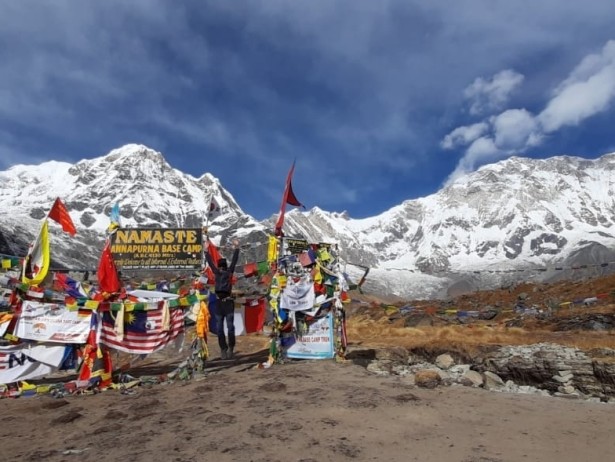
A quick overview of everything you need to know about the Annapurna Base Camp Trek, from route and cost to preparation and best seasons.
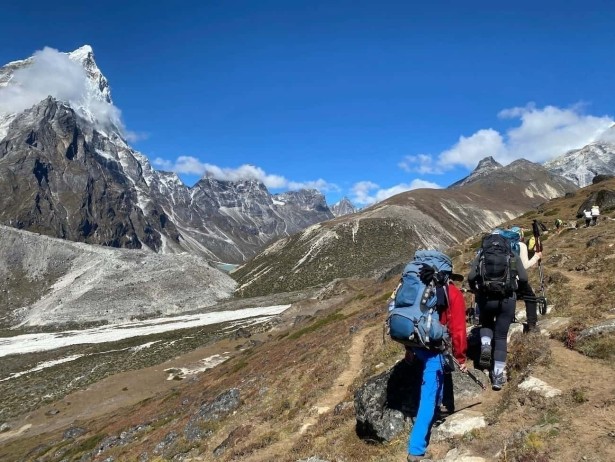
A concise guide to the Everest Base Camp route, covering key details on preparation, difficulty, weather, and essential tips.
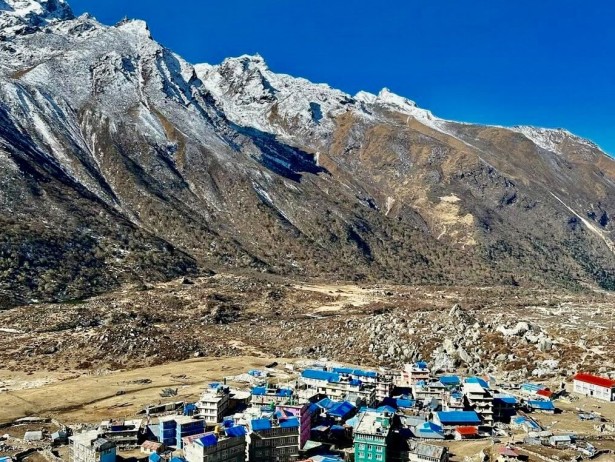
A simple, clear snapshot of the Langtang Valley Trek, giving you the essential info to start your Himalayan journey with confidence.



