
Short and Easy Trek in Nepal- Mardi Himal Trek
27 Oct 2023
A short and easy Himalayan trek, Mardi Himal offers stunning views and a peaceful offbeat experience in Nepal.

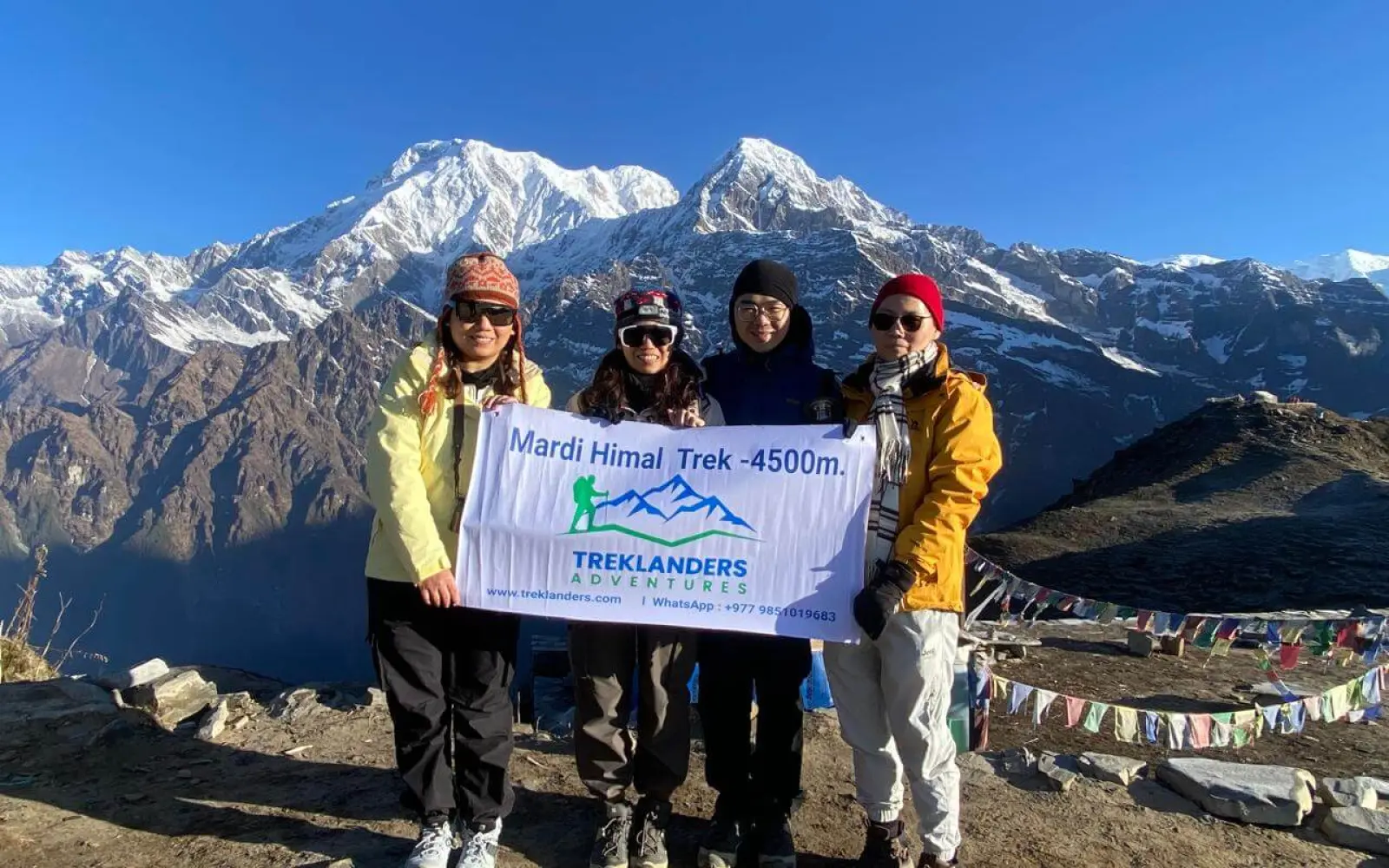
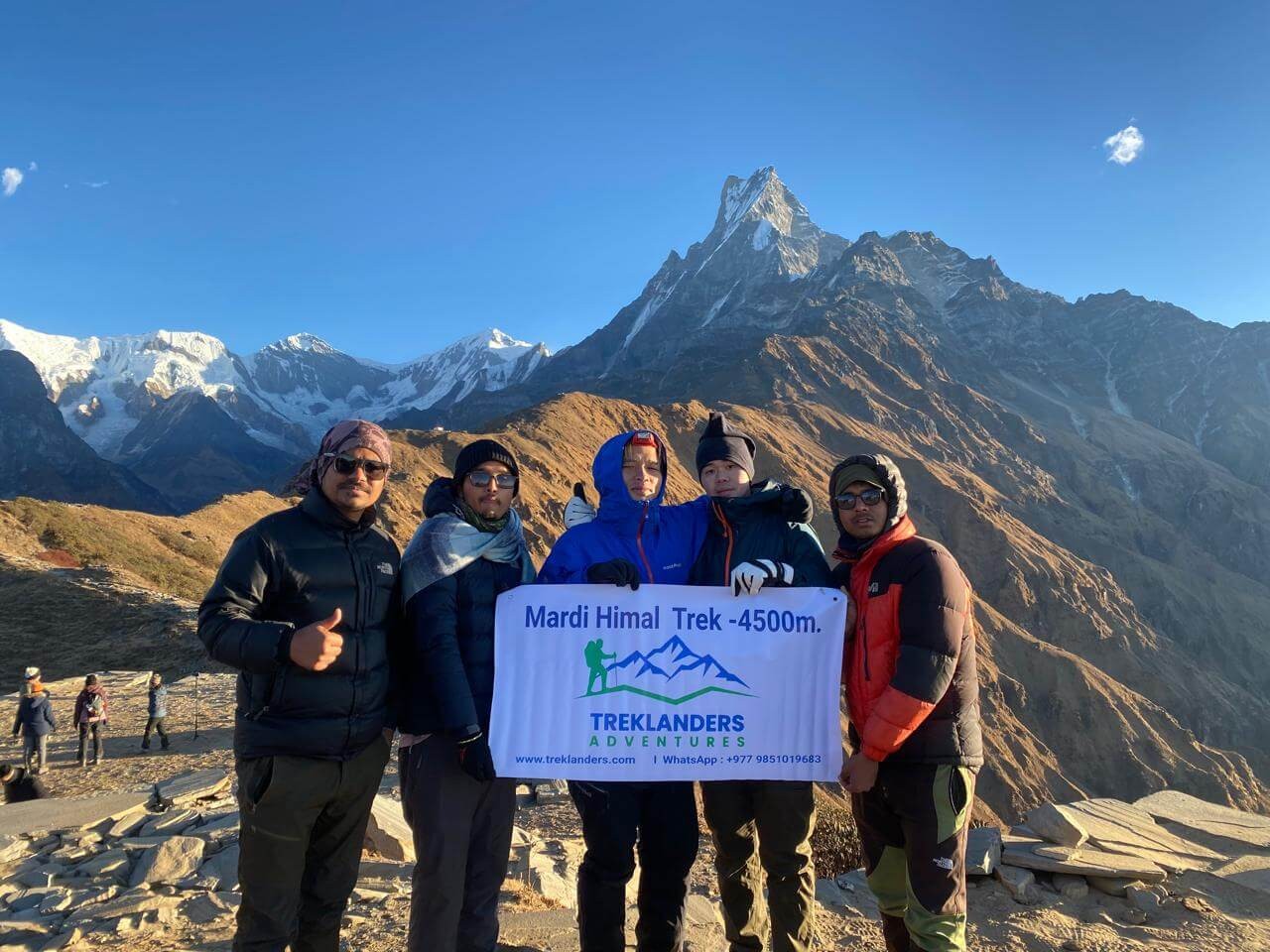
A trekker's dream, the Mardi Himal Trek is located in the heart of the Annapurna region with splendid views and an off-the-beaten-path experience. This relatively unknown trek offers serene landscapes, majestic views, lush forests, and charming mountain villages, creating a unique take on the Annapurna trekking experience without the bustle. The following physical and scenic itinerary will surely convince you to take on the Mardi Himal Trek for yourself. The Mardi Himal Trek is one of the less-explored and newer trekking routes in Nepal, taking people on a journey throughout the various landscapes of Mardi Himal and surrounding peaks, providing unrivaled views of the entire Annapurna range, Machhapuchhre, and Mardi Himal itself.
It is a moderate-level trek and thus can be suitable to anyone from a physically capable beginner up to a challenge-hardened experienced trekker. One can do the circuit in about 7 to 10 days with a proper acclimatization schedule that is adjusted accordingly. The trek is a round trip from Pokhara which is a typical starting point for those trekking in the Annapurna region.
Mardi Himal Trek can be said to be a contrast of most of the commercial routes which offer a feeling of isolation and authenticity. The route is less crowded, and trekkers can enjoy the peaceful nature at the same time they get an insight into the friendly culture of the Gurung and Magar communities. The comfortable lodges and the locals create a personal connection with the journey.
In essence, the Mardi Himal Trek is an ideal combination of adventure and peace. It is a great choice of the walk for the beginners as well as the seasoned ones, who want to discover the natural beauty of Nepal without the hustle of the popular trails. This trek is a perfect depiction of the Himalayas—awesome mountains, deep-rooted culture, and absolute calmness.
When should you go for the best Mardi Himal Trek experience? Season matters. The best seasons to trek are spring (March to May) and autumn (September to November).
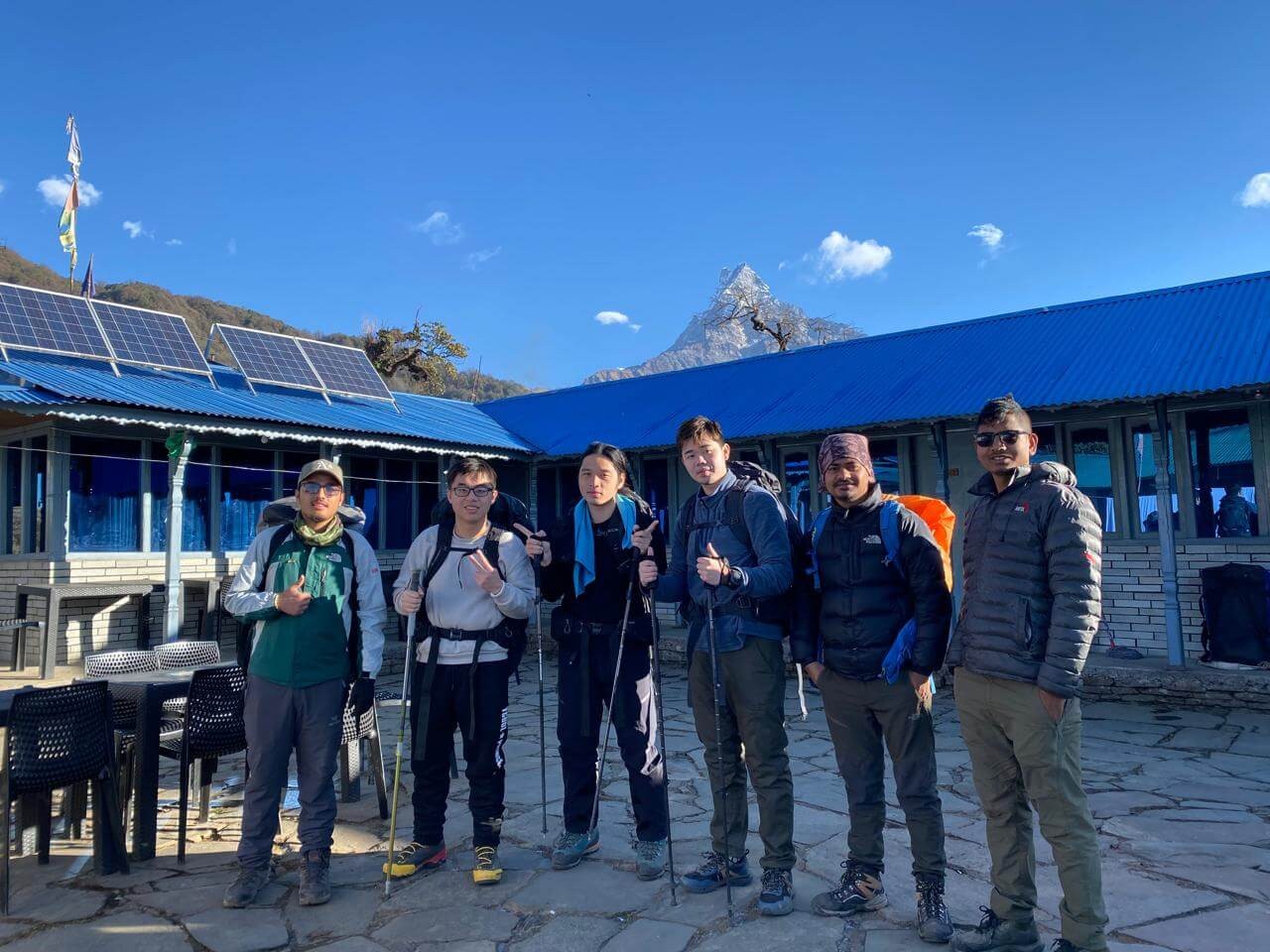
From mid-March to May, the Mardi Himal area transforms into a kaleidoscope of colors. Rhododendrons bloom on the hills; they create a mesmerizing visual experience. Also, during this time, there are chances of some rain, but the temperature remains comfortable. If you're a nature lover or a photographer seeking to capture the area's heavenly beauty, spring is the best time of year.
The trail is covered with colorful flowers and blooming rhododendrons, resulting in a lovely atmosphere.
With cool nights and comfortable daytime temperatures, the weather is mostly reliable.
Stunning views of the Annapurna range's snow-capped peaks and other mountains can be seen when the skies are clear.
Pros:
Cons:
The best season for the Mardi Himal Trek is undoubtedly Autumn. Its mildly cooled weather, clear blue skies and picturesque views of nature have drawn many trekkers to this season over the years. The ideal weather between the end of September and mid-December makes the path easier and more fulfilling for a planned trek.
Moderate Temperature/clear skies for comfortable trekking
Beautiful scenery and visibility
More tourists will be on the trail at this time, but the Mardi Himal trail remains less congested than other famous pathways.
Pros:
Cons:
Mardi Himal has nice and comfortable weather during spring, and thus it is an excellent time to go trekking. The temperature usually is between 10°C and 20°C (50°F to 68°F) during the day; however, the nights and the higher parts of the mountain are cooler, and the temperature can drop up to 0°C to 10°C (32°F to 50°F). There could be a few light rain showers in the area, so it is advisable to bring along some good rain gear to keep comfortable throughout the trip.
Moderate daytime temperature with a range of 10°C to 15°C (50°F to 59°F).Moderate nighttime/high altitude temperatures with a range of 5°C to 10°C (41°F to 50°F).There's less chance of rain in this season than the other two, especially the spring season.
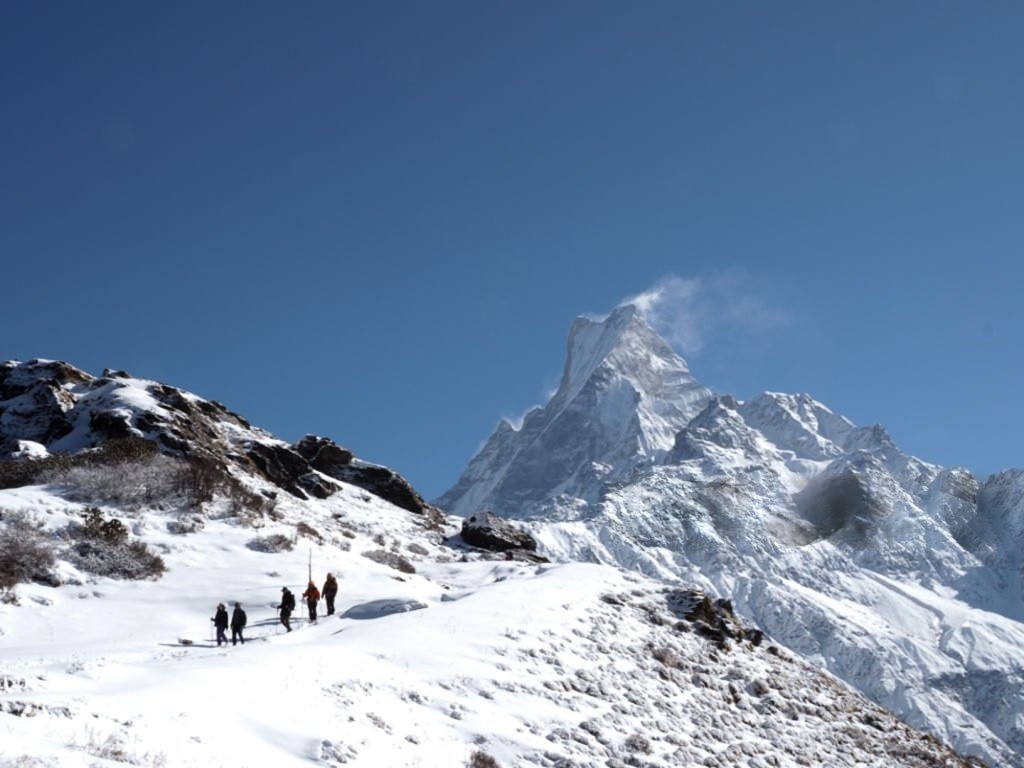
If you are looking for an alternate time to visit, mardi winter is the best time for you. Mardi Himal Trek is quieter and more peaceful during the winter season. The entire period from December to February is covered in a lovely white coat of snow, thus making it a true winter wonderland. However, during this period, the temperature can drop significantly, so the trekkers should not forget to bring their warm winter gear. The temperature during the day varies from 5°C (41°F) to 10°C (50°F).
Pros:
Cons:
The summer season from June until August is not the best time to trek Mardi Himal, however, it has its own strengths. The hills are lush, there are monsoon showers throughout and when trekkers get to their destination, they are met with an opportunity for photo opportunities like none other. Rain can be off-putting, and leeches in the area could cause issues, but this season has its own beauty. The temperature in the summer ranges from about 20°C (68°F) to 25°C (77°F) which is decent for trekking—if one can put up with a little rain.
Pros:
Cons:
| Season | Daytime Temperature (°C) | Nighttime Temperature (°C) |
|---|---|---|
| Autumn | 10-20 | 5-10 |
| Spring | 15-25 | 0-10 |
| Winter | 5-10 | -5 to 0 |
| Summer | 20-25 | 10-15 |
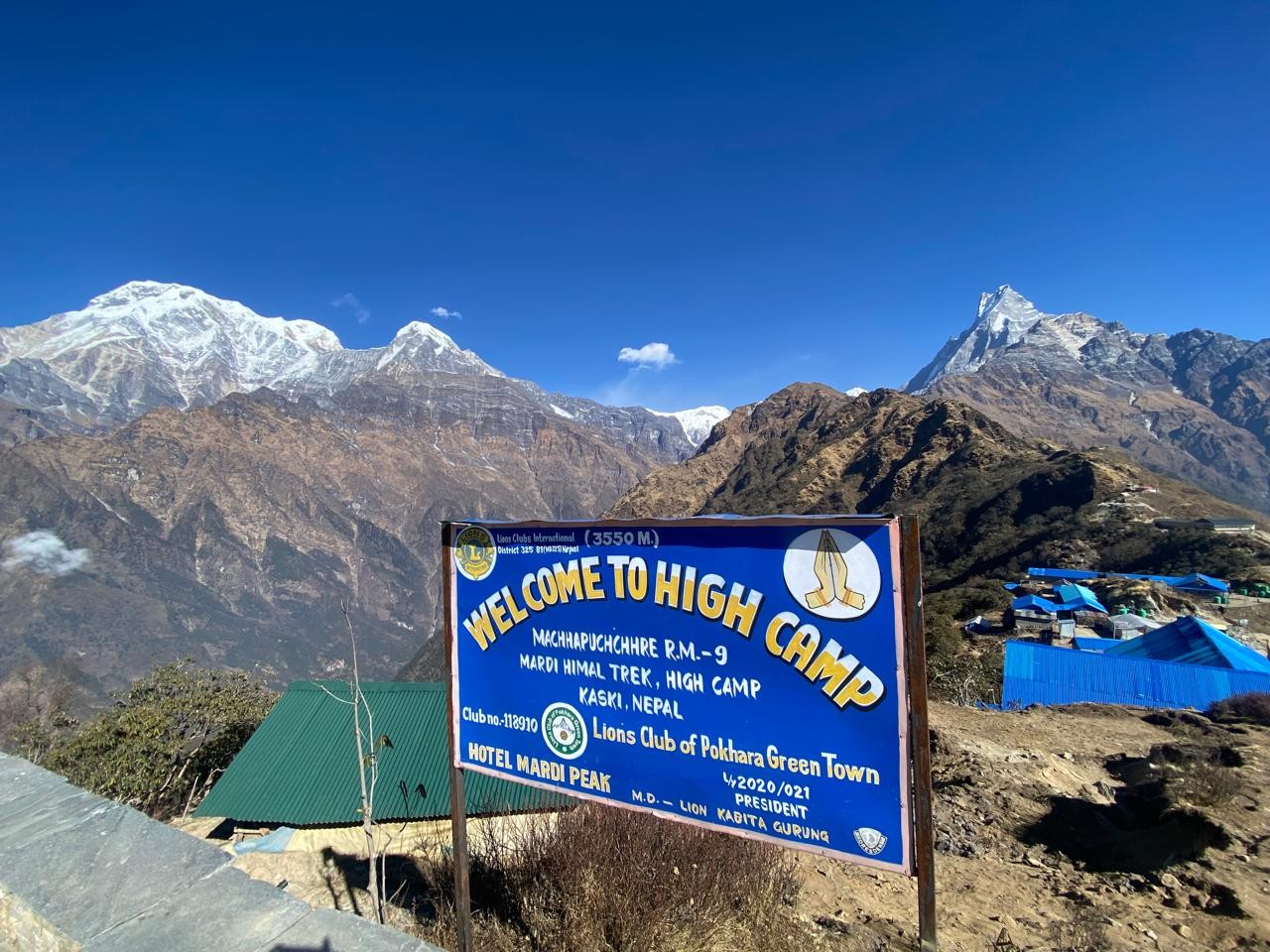
Mardi Himal Trek is a journey with beautiful nature all around that definitely shows you the stunning Annapurna region. Now, let's see the trail in brief:
Pokhara to Kande: The trek starts with an amazing drive from Pokhara to Kande, which is the point where the trek starts.
The path goes up through green forests and provides several views of the beautiful sceneries. Australian Camp to Forest Camp: Walk through dense forests of rhododendron and oak trees and let nature surround you.
On your way up the mountain, the path slowly reveals the stunning views of the peaks nearby.
See how nature changes from woodlands to alpine meadows when you are at a higher level in the mountains.
The very last part of the journey will be at the Base Camp where you can be filled by the stunning view of Mardi Himal and the Annapurna range.
Go back over the steps you took and get back to Pokhara.During the trek, you will also get to enjoy the memory of an incredible trip.
To have an enjoyable Mardi trek, preparation is necessary. Here are some guidelines.
Maintain a good fitness level with regular exercise and endurance training.
Bring the appropriate items for trekking, including hiking boots, layered clothing, a comfortable backpack, a sleeping bag, and your personal belongings.
Make sure to acquire the appropriate permits like the Annapurna Conservation Area Permit (ACAP) and the Trekkers' Information Management System (TIMS) card. These permits are available through registered agencies around Nepal or at entry points within the area of the trek. Proper preparation involves acknowledging regulations set forth by locals and respecting nature through effective trekking responsible.
Expect stunning vistas of the Annapurna range, Machhapuchhre, and Mardi Himal. Expect a culturally enriching experience with local residents and small villages along the way. Expect the incredible peace and tranquility of such elevated terrain. Expect a challenging but positive trekking experience that pushes you to your limits.
Along the Mardi Himal Trek, trekkers can find teahouses and lodges dotted along the route, which provide basic but comfortable accommodation and freshly cooked food. These teahouses are the home of the local families, so the trekkers can expect friendly and loving vibes that not only provide the true nature of the Himalayas' hospitality but also make them feel like they are at their own home. Generally, the rooms are very simple, and comprise two single beds, blankets, and shared bathroom facilities; however, the dining areas with customers and hotel staff conversing, reading, and relaxing are usually the coziest treks stops for gathering and storytelling.
Food is often mainly made up of typical Nepali dishes like dal bhat, but there are also some other choices introduced to the menu, e.g. noodles, soups, pancakes, and tea. At the same time, the amenities provided from lower to higher altitudes become more basic. However, they are still good enough to let the trekkers have a comfortable rest and keep warm after a tiring day of trekking. Hot showers, charging stations, and Wi-Fi may be available at a lower altitude, but the services might be limited or charged for in the upper areas.
As the majority of teahouses and lodges do not facilitate card transactions, you should bring enough cash (preferably in Nepali rupees) for the cost of accommodation, food, and other small expenses along the trail. In these teahouses, which are very minimal in design, the peaceful mountain atmosphere is preserved so that the trekkers not only get the comfort but also the opportunity to connect with nature during their Mardi Himal adventure.
The aspect of safety should be regarded as the most significant among a successful Mardi Himal Trek. Even though the trek is evaluated as moderate, the high altitude and ever-changing mountain conditions make it necessary for the person to be aware and prepared. In order to have a safe and pleasant trip, visitors should consider the following points:
On the other hand, acclimatizing is a must — do it step by step and body control. In case altitude sickness symptoms appear, for example, headache or dizziness, it is better to rest and if necessary go down. Also, drinking water should be a top priority as well as not taking any alcohol or caffeine that could dehydrate the body. Eating meals right and with enough carbohydrates will be the sure to keep the energy levels high throughout the trek.
Besides, to be always under the guide’s supervision is another thing you must do. Moreover, personal local advice should be trusted especially in the case of weather changes, health problems or trail conditions. It is good to have a first aid kit with the necessary medicines, bandages, and altitude tablets, since there are only a few medical facilities along the route. Consequently, it is very important to have travel insurance which covers the high-altitude trekking in the event of emergencies or evacuations.
Finally, one must be ready for any weather change by bringing warm clothing, rain gear, and waterproof covers for the stuff. If you keep safety as your main concern, this will not only ensure that everything will go smoothly with your trek but also that you will have an unforgettable and worry-free adventure in the amazing Himalayas.
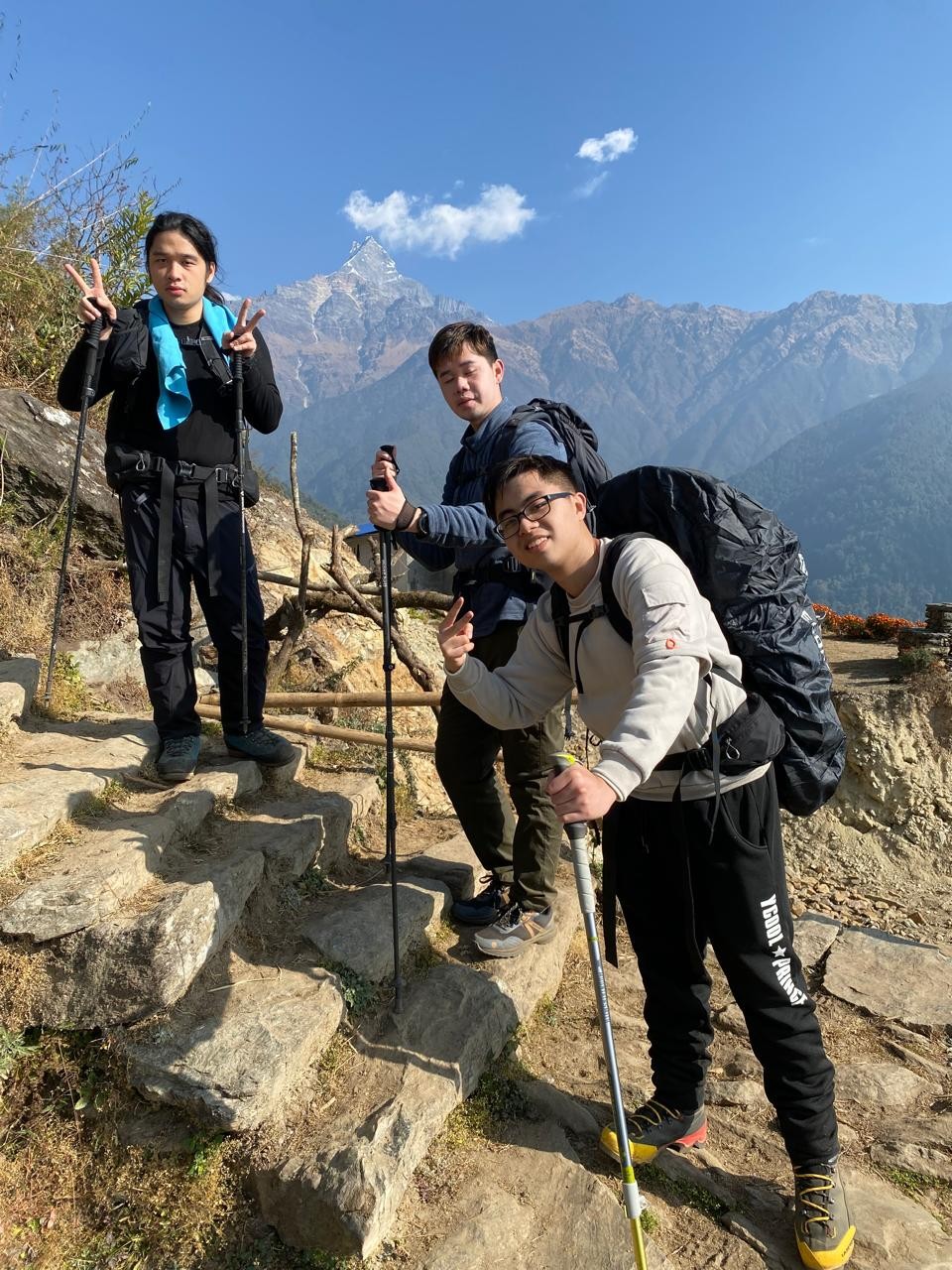
The Mardi Himal Trek is a moderate-level trek, hence, it can be done by a beginner as well as an experienced trekker who has a basic level of fitness. The trail is clearly marked and is of a relatively short duration i.e. 5 to 7 days. But it is packed with a lot of ups and downs so, for example, when you go to High Camp or Mardi Himal Base Camp, you have to go down or up steeply which makes the journey more tiring.
If the weather is bad, it will be difficult to trek as well. In the winter r rainy seasons, the path may be slippery or covered with snow making the trek harder. Morn physical training, correct equipment, and a cheerful spirit will make the Mardi Himal Trek an exciting and doable journey.
Enjoy a guided trek with breakfast and accommodation included (lunch and dinner excluded).
Pickup and drop-off services and private ground transportation,trekking permit are also included.
Enjoy a hassle-free adventure with all meals, accommodation, and a professional guide included, along with pickup and drop-off services and private ground transportation and all necessary trekking permit.
To summaries, the Mardi Himal Trek is a once-in-a-lifetime expedition deep in the Nepalese Himalayas. Although it is a year-round trek, autumn is undoubtedly the best time to go as it offers nice weather, spectacular mountain views, colorful flowers and animals, and attractive traditions. Make a trek during this season if you want to be with nature and have an unforgettable experience. Therefore, get your things ready, put on your walking shoes, and start your amazing trip to Mardi Himal where you can expect a new adventure with each step.
The Mardi Himal Trek is undoubtedly one of the most delightful and tranquil trekking experiences in Nepal that could take you through nature, culture, and adventure in just one go. It may be shorter in length compared to the classical trails like the Annapurna Base Camp or the Everest Base Camp treks but it does not hold back in its spectacular views and the profound feeling of bonding with the Himalayas.
It is Nepal's calm and soothing nature that welcomes trekker’s right from the first step. The trek leads one through vibrant rhododendron forests, scenic farmlands dotted with terraces, and quaint Gurung and Magar villages. The trail is full of surprises at every corner, whether it's the first catch of Machhapuchhre fishtail peak or the expansive valleys down.
The moment of reaching Mardi Himal Base Camp located at an altitude of approximately 4,500 meters can hardly be forgotten. The view from the base camp stretching far and wide includes the most beautiful and the most photographed peaks of the Annapurna region like Mardi Himal, Annapurna South, Hiunchuli, and Machhapuchhre that tower elegantly and awe-inspiringly against the blue sky.
Moreover, the trek boasts to be one of the richest in the Himalayas in terms of culture too. Guests on the trail are given the chance to live through the friendly and heartwarming hospitality of the people in the mountain villages, sample the simple homemade Nepali meals, and observe the traditional ways of life which have been there for centuries.
Summing up, Mardi Himal Trek is far beyond going through the mountains; it is actually the inner journey that is being referred to here. What it does is to unplug one from the hustle and bustle of the contemporary world and plug in back to the quiet and steady beat of nature. Whether you have never hiked before or have been on multiple adventures, Mardi Himal assures you of an experience that is beautiful, plain, and spiritually enlightening.
1. What is the duration of the Mardi Himal Trek?
The trek usually takes 5 to 7 days based on your pace and which route you choose.
2. What is the highest point of the Mardi Himal Trek?
The peak point is Mardi Himal Base Camp which is at an altitude of about 4,500 meters (14,763 ft).
3. Do I need a trek permit for Mardi Himal?
Yes, you need two permits which are the Annapurna Conservation Area Permit (ACAP) and the TIMS Card (Trekkers’ Information Management System).
4. What is the best time to do the Mardi Himal Trek?
The best times are spring (March – May) and autumn (September – November) when we have clear and stable weather.
5. Is the Mardi Himal Trek difficult?
It is a moderate trek which is great for beginners with basic fitness and preparation.
6. Can I do the Mardi Himal Trek by myself?
Yes, it is possible to do it independent of a guide but we recommend that you hire one for safety, local insight and convenience.
7. What sort of accommodation is there on the trail?
Accommodation is provided by teahouses and lodges which serve basic rooms and meals and very warm welcome.
8. What should I bring for the Mardi Himal Trek?
You will need warm layered clothes, trekking boots, a sleeping bag, rain jacket and your personal medication.
9. Is altitude sickness a issue on this trek?
Yes, although it is rare some travelers may experience mild symptoms at over 3,000 meters. Proper acclimatization and staying hydrated helps to prevent it.
A short and easy Himalayan trek, Mardi Himal offers stunning views and a peaceful offbeat experience in Nepal.
A quick overview of everything you need to know about the Annapurna Base Camp Trek, from route and cost to preparation and best seasons.
Knowing the best season for the Everest Base Camp trek is essential for planning a safe and enjoyable adventure.



