[{"name":"Everest Base Camp Trek","duration":"16","image_url":"https:\/\/www.treklanders.com\/storage\/trip-galleries\/1\/thumb_419a755c003cc609f3030ee332965ebe.jpg","offer_price":1405,"url":"https:\/\/www.treklanders.com\/trips\/everest-base-camp-trek"},{"name":"Gokyo Valley Trekking","duration":"16","image_url":"https:\/\/www.treklanders.com\/storage\/trip-galleries\/2\/thumb_676d1021b574aeba4d19d3f2a0b04ed2.webp","offer_price":1205,"url":"https:\/\/www.treklanders.com\/trips\/gokyo-valley-trekking"},{"name":"Annapurna Circuit Trek","duration":"23","image_url":"https:\/\/www.treklanders.com\/storage\/trip-galleries\/3\/thumb_2a9a92ea23c62f41de27b37f5e3e8c17.webp","offer_price":1495,"url":"https:\/\/www.treklanders.com\/trips\/annapurna-circuit-trek"},{"name":"Everest Panorama Trek","duration":"12","image_url":"https:\/\/www.treklanders.com\/storage\/trip-galleries\/4\/thumb_35c9f677ea2e88b1ff11a9f43daa3ddb.jpg","offer_price":1100,"url":"https:\/\/www.treklanders.com\/trips\/everest-panorama-trek"},{"name":"Everest Base Camp Trekking from Jiri","duration":"22","image_url":"https:\/\/www.treklanders.com\/storage\/trip-galleries\/6\/thumb_14763592492417b294aa66bf0ebf4e64.webp","offer_price":1400,"url":"https:\/\/www.treklanders.com\/trips\/everest-base-camp-trekking-from-jiri"},{"name":"Everest Base Camp via Cho la Pass from Gokyo Valley Trekking","duration":"18","image_url":"https:\/\/www.treklanders.com\/storage\/trip-galleries\/7\/thumb_d4e470e98d4e9e2ab8e93e39b8b7d252.jpg","offer_price":1405,"url":"https:\/\/www.treklanders.com\/trips\/everest-base-camp-via-cho-la-pass-from-gokyo-valley-trekking"},{"name":"Everest Three Passes Trekking","duration":"22","image_url":"https:\/\/www.treklanders.com\/storage\/trip-galleries\/8\/thumb_b413b221e913171500bb3dfd5c08ceea.jpg","offer_price":1635,"url":"https:\/\/www.treklanders.com\/trips\/everest-three-passes-trekking"},{"name":"Annapurna Base Camp Trekking","duration":"14","image_url":"https:\/\/www.treklanders.com\/storage\/trip-galleries\/9\/thumb_2e71f2ffe116c659fa66b01c2d571b4e.webp","offer_price":845,"url":"https:\/\/www.treklanders.com\/trips\/annapurna-base-camp-trekking"},{"name":"Mardi Base Camp Trekking","duration":"14","image_url":"https:\/\/www.treklanders.com\/storage\/trip-galleries\/10\/thumb_d7b2d2dc638f6bbf2c31c167ac68029d.webp","offer_price":845,"url":"https:\/\/www.treklanders.com\/trips\/mardi-base-camp-trekking"},{"name":"Mohare Danda Trekking","duration":"12","image_url":"https:\/\/www.treklanders.com\/storage\/trip-galleries\/11\/thumb_a384c8d35d789d29b19991c1d675c910.webp","offer_price":755,"url":"https:\/\/www.treklanders.com\/trips\/mohare-danda-trekking"},{"name":"Khopra Ridge & Khair Lake Trekking","duration":"15","image_url":"https:\/\/www.treklanders.com\/storage\/trip-galleries\/12\/thumb_c0f50461ddc74acfb553ba85be00fab0.webp","offer_price":855,"url":"https:\/\/www.treklanders.com\/trips\/khopra-ridge-khair-lake-trekking"},{"name":"Upper Mustang Trekking","duration":"17","image_url":"https:\/\/www.treklanders.com\/storage\/trip-galleries\/13\/thumb_7aa4dfdb69186b0f224a303d80a25c95.jpg","offer_price":1715,"url":"https:\/\/www.treklanders.com\/trips\/upper-mustang-trekking"},{"name":"Langtang Valley Trek","duration":"12","image_url":"https:\/\/www.treklanders.com\/storage\/trip-galleries\/14\/thumb_8650b4b1a3c160cff75da65369398353.webp","offer_price":735,"url":"https:\/\/www.treklanders.com\/trips\/langtang-valley-trek"},{"name":"Gosainkunda Lake Trek","duration":"11","image_url":"https:\/\/www.treklanders.com\/storage\/trip-galleries\/15\/thumb_bfe94c14e760c48234e117021105be84.webp","offer_price":735,"url":"https:\/\/www.treklanders.com\/trips\/gosainkunda-lake-trek"},{"name":"Chisapani-Nagarkot to Dhulikhel Hiking","duration":"7","image_url":"https:\/\/www.treklanders.com\/storage\/trip-galleries\/16\/thumb_468defe9a4000ee3129cd7e6421ee105.webp","offer_price":565,"url":"https:\/\/www.treklanders.com\/trips\/chisapani-nagarkot-to-dhulikhel-hiking"},{"name":"Kanchenjunga Trek","duration":"23","image_url":"https:\/\/www.treklanders.com\/storage\/trip-galleries\/17\/thumb_51f43fa4203106cc49aaedc89d76e01d.jpg","offer_price":1725,"url":"https:\/\/www.treklanders.com\/trips\/kanchenjunga-trek"},{"name":"Helambu Trek","duration":"12","image_url":"https:\/\/www.treklanders.com\/storage\/trip-galleries\/18\/thumb_0fe8e3fa1299d2e43bf1fb5977875ce2.jpg","offer_price":685,"url":"https:\/\/www.treklanders.com\/trips\/helambu-trek"},{"name":"Upper Dolpo Trek","duration":"26","image_url":"https:\/\/www.treklanders.com\/storage\/trip-galleries\/19\/thumb_d6080d490e1db83b0a711e7304000864.jpg","offer_price":3005,"url":"https:\/\/www.treklanders.com\/trips\/upper-dolpo-trek"},{"name":"Manaslu Circuit Trek","duration":"18","image_url":"https:\/\/www.treklanders.com\/storage\/trip-galleries\/20\/thumb_1fdd224e849f4f328e73d2d12b3d282d.jpg","offer_price":1225,"url":"https:\/\/www.treklanders.com\/trips\/manaslu-circuit-trek"},{"name":"Tilicho Lake Base Camp Trek","duration":"19","image_url":"https:\/\/www.treklanders.com\/storage\/trip-galleries\/21\/thumb_eba8ac5e029e6543e0c17630ebd9e2fb.jpg","offer_price":1220,"url":"https:\/\/www.treklanders.com\/trips\/tilicho-lake-base-camp-trek"},{"name":"Nar-Phu Valley With Thorang-La Pass Trek","duration":"21","image_url":"https:\/\/www.treklanders.com\/storage\/trip-galleries\/22\/thumb_43597423a5a366fe9c8937fb30d2fe2a.jpg","offer_price":1315,"url":"https:\/\/www.treklanders.com\/trips\/nar-phu-valley-with-thorang-la-pass-trek"},{"name":"Nepal Round Trip of Kathmandu-Pokhara-Lumbini and Chitwan Tour","duration":"10","image_url":"https:\/\/www.treklanders.com\/storage\/trip-galleries\/23\/thumb_32497d170b2ab340b0a1b3310e91e784.webp","offer_price":845,"url":"https:\/\/www.treklanders.com\/trips\/nepal-round-trip-of-kathmandu-pokhara-lumbini-and-chitwan-tour"},{"name":"Nagarkot Day Hike","duration":"2","image_url":"https:\/\/www.treklanders.com\/storage\/trip-galleries\/24\/thumb_a5a654930fd8ba7852e41738105bacfc.webp","offer_price":105,"url":"https:\/\/www.treklanders.com\/trips\/nagarkot-day-hike"},{"name":"Nagarkot Sunrise Tour","duration":"1","image_url":"https:\/\/www.treklanders.com\/storage\/trip-galleries\/25\/thumb_17dc28a29cfa44381ad503f0a75ee84f.webp","offer_price":22,"url":"https:\/\/www.treklanders.com\/trips\/nagarkot-sunrise-tour"},{"name":"Namobuddha Day Tour with Shiva Statue","duration":"1","image_url":"https:\/\/www.treklanders.com\/storage\/trip-galleries\/26\/thumb_beeb34202f9077764aa08c67ef2867f9.webp","offer_price":45,"url":"https:\/\/www.treklanders.com\/trips\/namobuddha-day-tour-with-shiva-statue"},{"name":"Kathmandu Full Day Sightseeing Tour","duration":"1","image_url":"https:\/\/www.treklanders.com\/storage\/trip-galleries\/27\/thumb_d045fc0f1acee2cfa6b3c95f3c656d18.jpg","offer_price":30,"url":"https:\/\/www.treklanders.com\/trips\/kathmandu-full-day-sightseeing-tour"},{"name":"Patan and Bhaktapur Sightseeing Tour","duration":"1","image_url":"https:\/\/www.treklanders.com\/storage\/trip-galleries\/28\/thumb_750eacac3424b5dba686dd93656ab87c.jpg","offer_price":30,"url":"https:\/\/www.treklanders.com\/trips\/patan-and-bhaktapur-sightseeing-tour"},{"name":"Upper Mustang Heli Tour","duration":"1","image_url":"https:\/\/www.treklanders.com\/storage\/trip-galleries\/29\/thumb_0b785f69a15557f8660c805c76fda14e.webp","offer_price":1250,"url":"https:\/\/www.treklanders.com\/trips\/upper-mustang-heli-tour"},{"name":"Everest Heli Tour","duration":"1","image_url":"https:\/\/www.treklanders.com\/storage\/trip-galleries\/30\/thumb_dc45f2beb36a3699e0decf0de41a6f17.jpg","offer_price":1495,"url":"https:\/\/www.treklanders.com\/trips\/everest-heli-tour"},{"name":"Island Peak Trek & Climb","duration":"21","image_url":"https:\/\/www.treklanders.com\/storage\/trip-galleries\/31\/thumb_a0f3e3468c92a8e436045cf8b2fbf361.jpg","offer_price":2295,"url":"https:\/\/www.treklanders.com\/trips\/island-peak-trek-climb"},{"name":"Mera Peak Trek & Climb","duration":"18","image_url":"https:\/\/www.treklanders.com\/storage\/trip-galleries\/32\/thumb_3e8128a23c36f02fa38135475e811b9e.jpg","offer_price":2815,"url":"https:\/\/www.treklanders.com\/trips\/mera-peak-trek-climb"},{"name":"Chandragiri Cable Car Tour","duration":"1","image_url":"https:\/\/www.treklanders.com\/storage\/trip-galleries\/33\/thumb_faa70b716449eada6d7f1450335edbb3.jpg","offer_price":30,"url":"https:\/\/www.treklanders.com\/trips\/chandragiri-cable-car-tour"},{"name":"Everest Base Camp Trek and Returning via Heli","duration":"13","image_url":"https:\/\/www.treklanders.com\/storage\/trip-galleries\/34\/thumb_11190941866206e1d578db11986ebc73.webp","offer_price":2100,"url":"https:\/\/www.treklanders.com\/trips\/everest-base-camp-trek-and-returning-via-heli"},{"name":"Annapurna Semi Circuit Trek","duration":"15","image_url":"https:\/\/www.treklanders.com\/storage\/trip-galleries\/35\/thumb_30ddd8ba818cdcb52efd5eb0a017bcdb.jpg","offer_price":965,"url":"https:\/\/www.treklanders.com\/trips\/annapurna-semi-circuit-trek"},{"name":"Everest Base Camp Luxury Trek","duration":"14","image_url":"https:\/\/www.treklanders.com\/storage\/trip-galleries\/39\/thumb_6079aea3c5dd83e745a16fd6162270dc.jpg","offer_price":2685,"url":"https:\/\/www.treklanders.com\/trips\/everest-base-camp-luxury-trek"},{"name":"Mt. Kailash & Lake Manasarover Tour","duration":"15","image_url":"https:\/\/www.treklanders.com\/storage\/trip-galleries\/41\/thumb_cf3fededfd7dd2b40399af399e04f95a.jpg","offer_price":2205,"url":"https:\/\/www.treklanders.com\/trips\/mt-kailash-lake-manasarover-tour"},{"name":"Ghorepani Poonhill Trek","duration":"11","image_url":"https:\/\/www.treklanders.com\/storage\/trip-galleries\/43\/thumb_602d9a56976e1b836ba8adc69b8d09c5.webp","offer_price":720,"url":"https:\/\/www.treklanders.com\/trips\/ghorepani-poonhill-trek"},{"name":"11 Days Gokyo Valley Trekkking","duration":"11","image_url":"https:\/\/www.treklanders.com\/storage\/trip-galleries\/45\/thumb_ab552c3c91de392f94230a937b1c4801.jpg","offer_price":900,"url":"https:\/\/www.treklanders.com\/trips\/11-days-gokyo-valley-trekkking"},{"name":"9-Day Everest Base Camp Trekking with Helicopter Return","duration":"9","image_url":"https:\/\/www.treklanders.com\/storage\/trip-galleries\/46\/thumb_9a8ba2b582500cd86786be056902c31a.webp","offer_price":1990,"url":"https:\/\/www.treklanders.com\/trips\/9-day-everest-base-camp-trekking-with-helicopter-return"},{"name":"12-Day Everest Base Camp Trek","duration":"12","image_url":"https:\/\/www.treklanders.com\/storage\/trip-galleries\/47\/thumb_d12c9ef776c0b395ceea817fe05c5892.jpg","offer_price":1000,"url":"https:\/\/www.treklanders.com\/trips\/12-day-everest-base-camp-trek"},{"name":"8-Day Everest Panorama Trek","duration":"8","image_url":"https:\/\/www.treklanders.com\/storage\/trip-galleries\/49\/thumb_c81ae3a8ac757a317a9362e6872e2dcb.jpg","offer_price":850,"url":"https:\/\/www.treklanders.com\/trips\/8-day-everest-panorama-trek"},{"name":"7-Day Langtang Valley Trek","duration":"7","image_url":"https:\/\/www.treklanders.com\/storage\/trip-galleries\/50\/thumb_99c2904df5475ab028c9e3633ea95ef3.jpg","offer_price":420,"url":"https:\/\/www.treklanders.com\/trips\/7-day-langtang-valley-trek"},{"name":"4-Day Trekking Adventure near Kathmandu","duration":"4","image_url":"https:\/\/www.treklanders.com\/storage\/trip-galleries\/51\/thumb_594681060514dc57be1959236a6996d0.jpg","offer_price":275,"url":"https:\/\/www.treklanders.com\/trips\/4-day-trekking-adventure-near-kathmandu"},{"name":"4-Day Ghorepani Ponnhill Trek from Pokhara","duration":"4","image_url":"https:\/\/www.treklanders.com\/storage\/trip-galleries\/53\/thumb_eede04edac01f983d9af2c16f55d03e8.webp","offer_price":500,"url":"https:\/\/www.treklanders.com\/trips\/4-day-ghorepani-ponnhill-trek-from-pokhara"},{"name":"7-Day Annapurna Base Camp Trek from Pokhara","duration":"7","image_url":"https:\/\/www.treklanders.com\/storage\/trip-galleries\/55\/thumb_547e91c74088c491111ebe31a759cfbb.jpg","offer_price":420,"url":"https:\/\/www.treklanders.com\/trips\/7-day-annapurna-base-camp-trek-from-pokhara"},{"name":"13-Day Manaslu Circuit Trekking","duration":"13","image_url":"https:\/\/www.treklanders.com\/storage\/trip-galleries\/56\/thumb_aef1af4f0c4a2a9622d518ad5959542b.jpg","offer_price":1050,"url":"https:\/\/www.treklanders.com\/trips\/13-day-manaslu-circuit-trekking"},{"name":"5-Day Mardi Himal Trek from Pokhara","duration":"5","image_url":"https:\/\/www.treklanders.com\/storage\/trip-galleries\/57\/thumb_dcd598d556c14835f0a18169afafcbc6.webp","offer_price":420,"url":"https:\/\/www.treklanders.com\/trips\/5-day-mardi-himal-trek-from-pokhara"},{"name":"Nagarkot Sunrise Tour with Day Hike","duration":"1","image_url":"https:\/\/www.treklanders.com\/storage\/trip-galleries\/58\/thumb_7cdfa1f16719486da2a0718da45b1f2f.webp","offer_price":30,"url":"https:\/\/www.treklanders.com\/trips\/nagarkot-sunrise-tour-with-day-hike"},{"name":"Seven Unesco Heritage Sites Day Tour in Kathmandu","duration":"1","image_url":"https:\/\/www.treklanders.com\/storage\/trip-galleries\/59\/thumb_92aed7b9c67e76740000aab9313dced7.jpg","offer_price":40,"url":"https:\/\/www.treklanders.com\/trips\/seven-unesco-heritage-sites-day-tour-in-kathmandu"},{"name":"10-Day Ghorepani Poonhill with Annapurna Base Camp Trek","duration":"10","image_url":"https:\/\/www.treklanders.com\/storage\/trip-galleries\/60\/thumb_d4c2c089497950ccb5f8541d76e1269b.webp","offer_price":835,"url":"https:\/\/www.treklanders.com\/trips\/10-day-ghorepani-poonhill-with-annapurna-base-camp-trek"},{"name":"3-Day Chitwan Wildlife Tour","duration":"3","image_url":"https:\/\/www.treklanders.com\/storage\/trip-galleries\/61\/thumb_7963c9033b4ecfb5d29583fb0965d521.webp","offer_price":150,"url":"https:\/\/www.treklanders.com\/trips\/3-day-chitwan-wildlife-tour"},{"name":"3-Day Pokhara Sightseeing Tour","duration":"3","image_url":"https:\/\/www.treklanders.com\/storage\/trip-galleries\/62\/thumb_61542f3c38329bcce9d2771c96f265a4.jpg","offer_price":230,"url":"https:\/\/www.treklanders.com\/trips\/3-day-pokhara-sightseeing-tour"},{"name":"7-Day Kathmandu Pokhara and Chitwan wildlifeTour","duration":"7","image_url":"https:\/\/www.treklanders.com\/storage\/trip-galleries\/63\/thumb_803b98ae15f14366124ebb109a32f49d.webp","offer_price":545,"url":"https:\/\/www.treklanders.com\/trips\/7-day-kathmandu-pokhara-and-chitwan-wildlifetour"},{"name":"Nagarjun Jamacho Day Hiking","duration":"1","image_url":"https:\/\/www.treklanders.com\/storage\/trip-galleries\/64\/thumb_85867eb85c60c8228e44f927341f67d1.jpg","offer_price":30,"url":"https:\/\/www.treklanders.com\/trips\/nagarjun-jamacho-day-hiking"},{"name":"Everest Mountain Flight from Kathmandu","duration":"1","image_url":"https:\/\/www.treklanders.com\/storage\/trip-galleries\/65\/thumb_1a66526d340ec175023842c38efd8a95.webp","offer_price":120,"url":"https:\/\/www.treklanders.com\/trips\/everest-mountain-flight-from-kathmandu"},{"name":"One Day Trishuli River Rafting Adventures","duration":"1","image_url":"https:\/\/www.treklanders.com\/storage\/trip-galleries\/66\/thumb_55ba0ea676c9c625f99f3d41bda224fb.jpg","offer_price":35,"url":"https:\/\/www.treklanders.com\/trips\/one-day-trishuli-river-rafting-adventures"},{"name":"13-Day Annapurna Circuit Trek","duration":"13","image_url":"https:\/\/www.treklanders.com\/storage\/trip-galleries\/67\/thumb_859e7a1fbb468a9252d365cab8379f10.jpg","offer_price":815,"url":"https:\/\/www.treklanders.com\/trips\/13-day-annapurna-circuit-trek"},{"name":"15-Day Tilicho Base Camp with Thorong-La Pass Trekking","duration":"15","image_url":"https:\/\/www.treklanders.com\/storage\/trip-galleries\/68\/thumb_56a5fd1506c9b9f1f83844353dc55edf.jpg","offer_price":920,"url":"https:\/\/www.treklanders.com\/trips\/15-day-tilicho-base-camp-with-thorong-la-pass-trekking"},{"name":"Cooking Class in Thamel-Full Course Meal","duration":"1","image_url":"https:\/\/www.treklanders.com\/storage\/trip-galleries\/69\/thumb_ed5cfbc0d94b624642d347c0776d36bb.webp","offer_price":30,"url":"https:\/\/www.treklanders.com\/trips\/cooking-class-in-thamel-full-course-meal"},{"name":"Cooking Class in Thamel-Full Course","duration":"3 Hours 30 Minutes","image_url":"https:\/\/www.treklanders.com\/img\/default.gif","offer_price":30,"url":"https:\/\/www.treklanders.com\/trips\/cooking-class-in-thamel-full-course"},{"name":"Cooking Class in Thamel-Full Course Meal","duration":"3 Hours 30 Minutes","image_url":"https:\/\/www.treklanders.com\/img\/default.gif","offer_price":30,"url":"https:\/\/www.treklanders.com\/trips\/cooking-class-in-thamel-full-course-meal"},{"name":"Momo Making Class in Thamel","duration":"1","image_url":"https:\/\/www.treklanders.com\/storage\/trip-galleries\/72\/thumb_a36e5ceca4d5c4cb0ecda367505b31d3.webp","offer_price":20,"url":"https:\/\/www.treklanders.com\/trips\/momo-making-class-in-thamel"},{"name":"8 Days Bhutan Tour from Kathmandu","duration":"8","image_url":"https:\/\/www.treklanders.com\/storage\/trip-galleries\/73\/thumb_df319d7d3ac21bcd9cf728cb1a70ea09.webp","offer_price":2275,"url":"https:\/\/www.treklanders.com\/trips\/8-days-bhutan-tour-from-kathmandu"},{"name":"10 Days Bhutan Tour with Druk path Trek","duration":"10","image_url":"https:\/\/www.treklanders.com\/storage\/trip-galleries\/74\/thumb_c7d4a4b89aceaf5d3aac313265729bb3.webp","offer_price":5715,"url":"https:\/\/www.treklanders.com\/trips\/10-days-bhutan-tour-with-druk-path-trek"},{"name":"9 -Day Langtang Valley Trek","duration":"9","image_url":"https:\/\/www.treklanders.com\/storage\/trip-galleries\/75\/thumb_65e69cec8917e39091c9e40ae06df3da.webp","offer_price":620,"url":"https:\/\/www.treklanders.com\/trips\/9--day-langtang-valley-trek"},{"name":"14 Day Everest Base Camp Trek","duration":"14","image_url":"https:\/\/www.treklanders.com\/storage\/trip-galleries\/76\/thumb_446e7f33a5f43896c9cdf470cd7be947.webp","offer_price":1175,"url":"https:\/\/www.treklanders.com\/trips\/14-day-everest-base-camp-trek"},{"name":"Lhasa Tour from Kathmandu: 10-Day Tibet Overland Journey via Gyirong","duration":"10","image_url":"https:\/\/www.treklanders.com\/img\/default.gif","offer_price":null,"url":"https:\/\/www.treklanders.com\/trips\/lhasa-tour-from-kathmandu-10-day-tibet-overland-journey-via-gyirong"},{"name":"13 Day Lhasa Tour from Kathmandu via Everest Base Camp","duration":"13","image_url":"https:\/\/www.treklanders.com\/storage\/trip-galleries\/78\/thumb_8a2bfb2abd99ba9ddc902b768e7b0759.webp","offer_price":2565,"url":"https:\/\/www.treklanders.com\/trips\/13-day-lhasa-tour-from-kathmandu-via-everest-base-camp"},{"name":"11 Day Annapurna Base Camp Trek","duration":"11","image_url":"https:\/\/www.treklanders.com\/storage\/trip-galleries\/79\/thumb_4e48a19c538c00cc8c36160ca97c5f21.webp","offer_price":720,"url":"https:\/\/www.treklanders.com\/trips\/11-day-annapurna-base-camp-trek"},{"name":"9 Day Mardi Himal Trek","duration":"9","image_url":"https:\/\/www.treklanders.com\/storage\/trip-galleries\/80\/thumb_8214945c5614ac9a84e5ca0b58b1f5a3.webp","offer_price":735,"url":"https:\/\/www.treklanders.com\/trips\/9-day-mardi-himal-trek"},{"name":"14 Day Manaslu Circuit Trek","duration":"14","image_url":"https:\/\/www.treklanders.com\/storage\/trip-galleries\/81\/thumb_b3ec98cd4036da5cb6e92250afa0d59e.webp","offer_price":1085,"url":"https:\/\/www.treklanders.com\/trips\/14-day-manaslu-circuit-trek"},{"name":"20 Day Manaslu Circuit with Tsum Valley Trek","duration":"20","image_url":"https:\/\/www.treklanders.com\/storage\/trip-galleries\/82\/thumb_b8c202cf8e16197517811d535f2a6795.webp","offer_price":1765,"url":"https:\/\/www.treklanders.com\/trips\/20-day-manaslu-circuit-with-tsum-valley-trek"},{"name":"15 Day Langtang Gosaikunda Lake Helambu Trek","duration":"15","image_url":"https:\/\/www.treklanders.com\/storage\/trip-galleries\/83\/thumb_a9c7bbb74f733cdc9a3469a448df7109.webp","offer_price":985,"url":"https:\/\/www.treklanders.com\/trips\/15-day-langtang-gosaikunda-lake-helambu-trek"},{"name":"14 Day Tamang Heritage with Langtang Valley Trek","duration":"14","image_url":"https:\/\/www.treklanders.com\/storage\/trip-galleries\/84\/thumb_57fe1b0ad2b7d0489273633b906d2f43.webp","offer_price":895,"url":"https:\/\/www.treklanders.com\/trips\/14-day-tamang-heritage-with-langtang-valley-trek"},{"name":"6 Day Pikey Peak Trek","duration":"6","image_url":"https:\/\/www.treklanders.com\/storage\/trip-galleries\/85\/thumb_f69c5c05ac7a2100c9010f66292efc86.webp","offer_price":550,"url":"https:\/\/www.treklanders.com\/trips\/6-day-pikey-peak-trek"},{"name":"Everest Base Camp Trek with Lobuche East Peak Climbing Expedition","duration":"17","image_url":"https:\/\/www.treklanders.com\/storage\/trip-galleries\/86\/thumb_9e7f330ecdbd7f74fe6f16202d3fed28.webp","offer_price":2295,"url":"https:\/\/www.treklanders.com\/trips\/everest-base-camp-trek-with-lobuche-east-peak-climbing-expedition"}]
Hidden Facts About Langtang Valley Trek That Most Trekkers Don’t Know
Hidden Facts About Langtang Valley Trek That Most Trekkers Don’t Know
The Langtang Valley Trek is one of the most beautiful and culturally enriched treks in Nepal, located in the north-central Himalayas, approximately an hour or two drives from Kathmandu. Langtang, which is also known as the “Valley of Glaciers,” has almost everything you can expect from the Himalayas - ice-covered peaks rising high up into the sky, massive glaciers, green forests, and age-old mountain villages - only that here you won’t find the hustle and bustle of the typical heavily trekked routes.
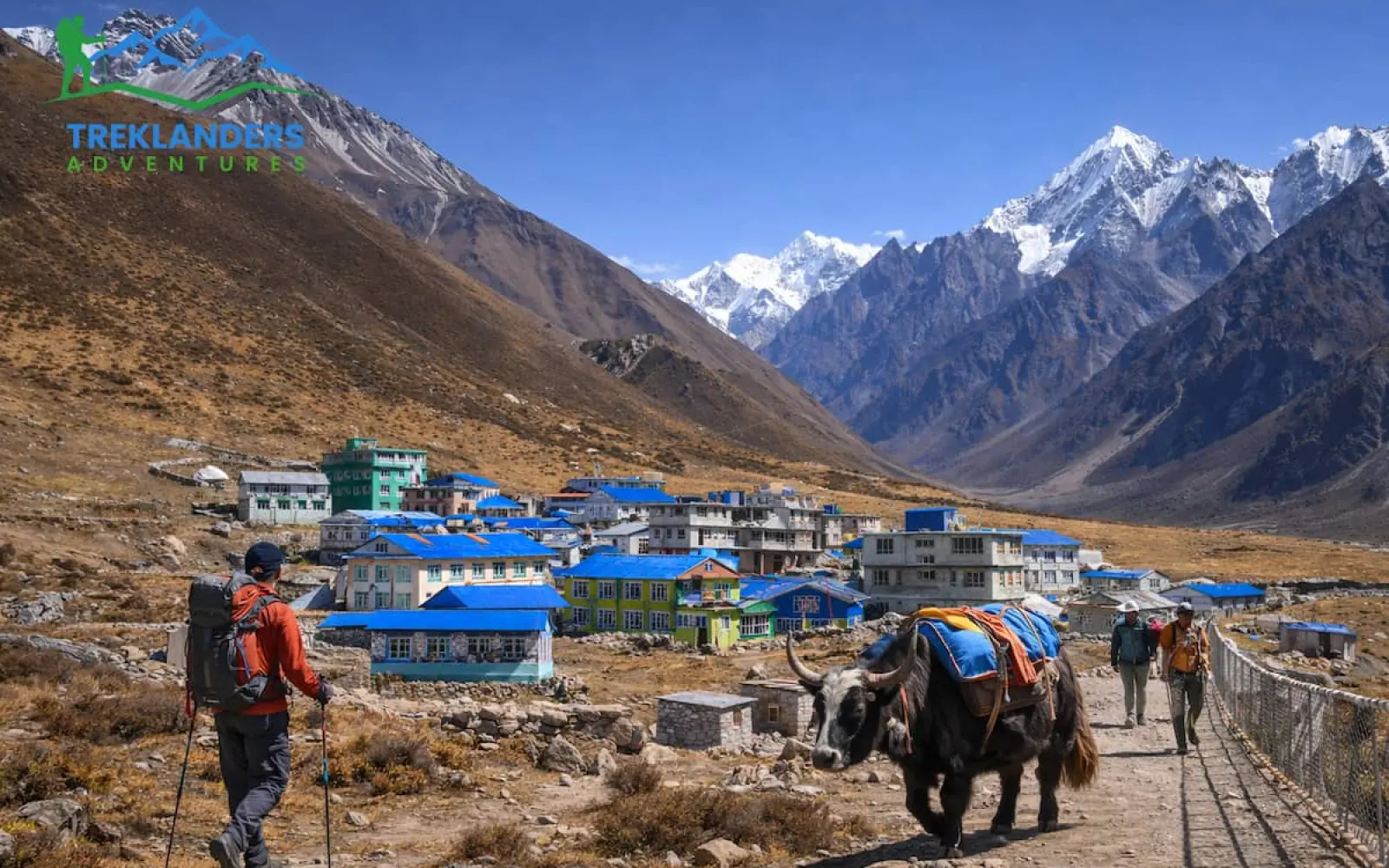
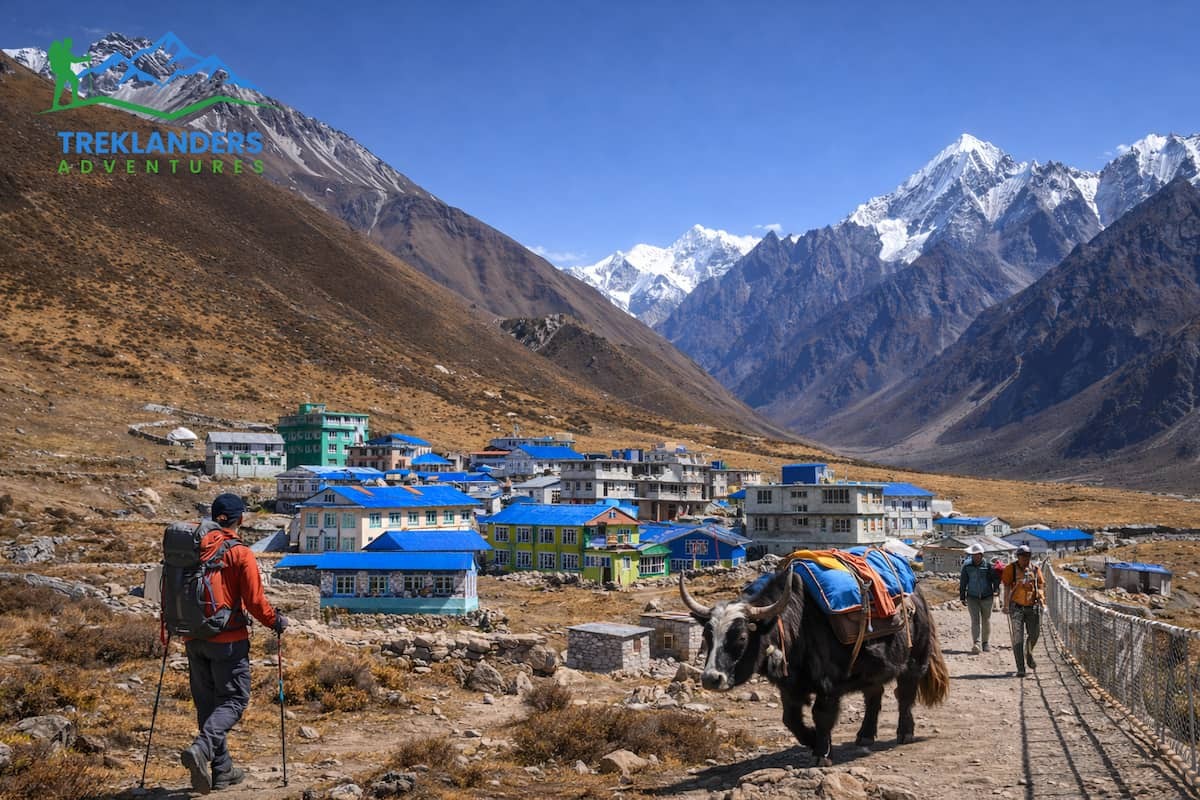
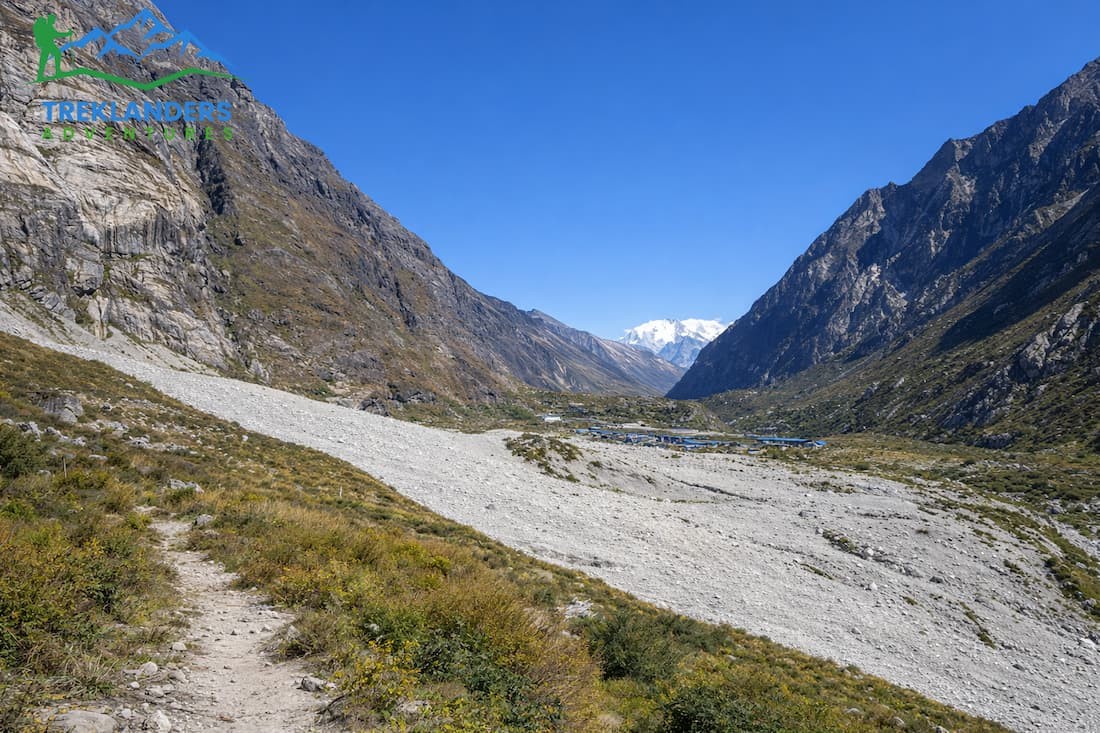
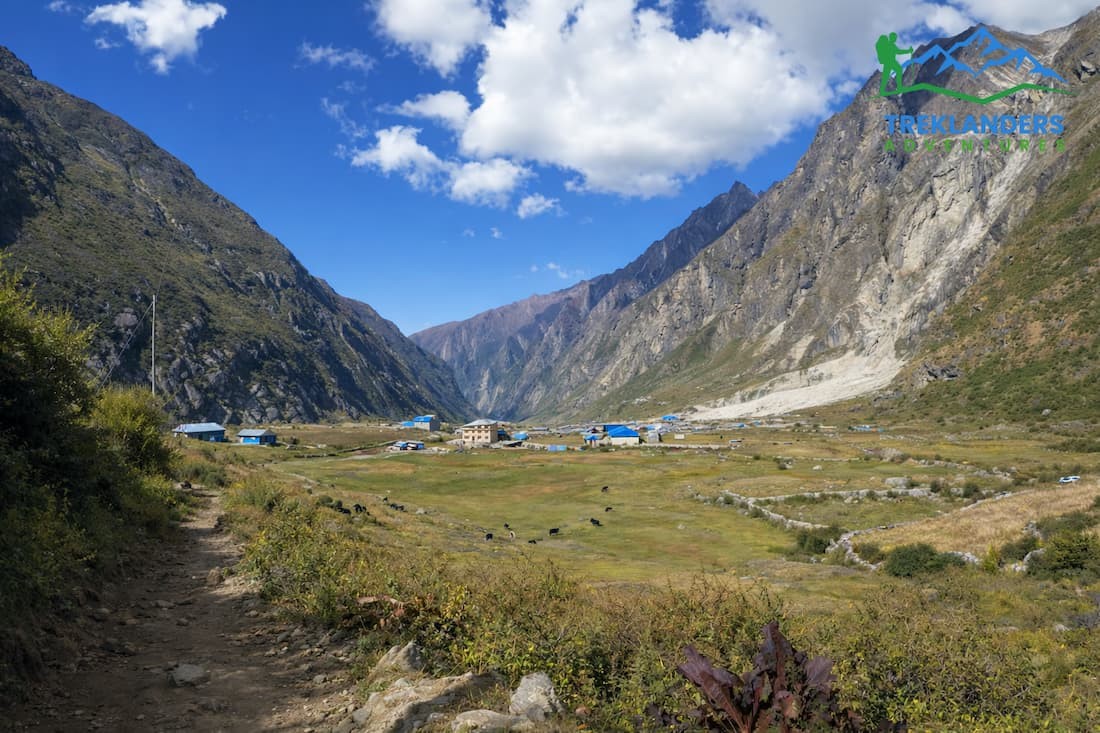
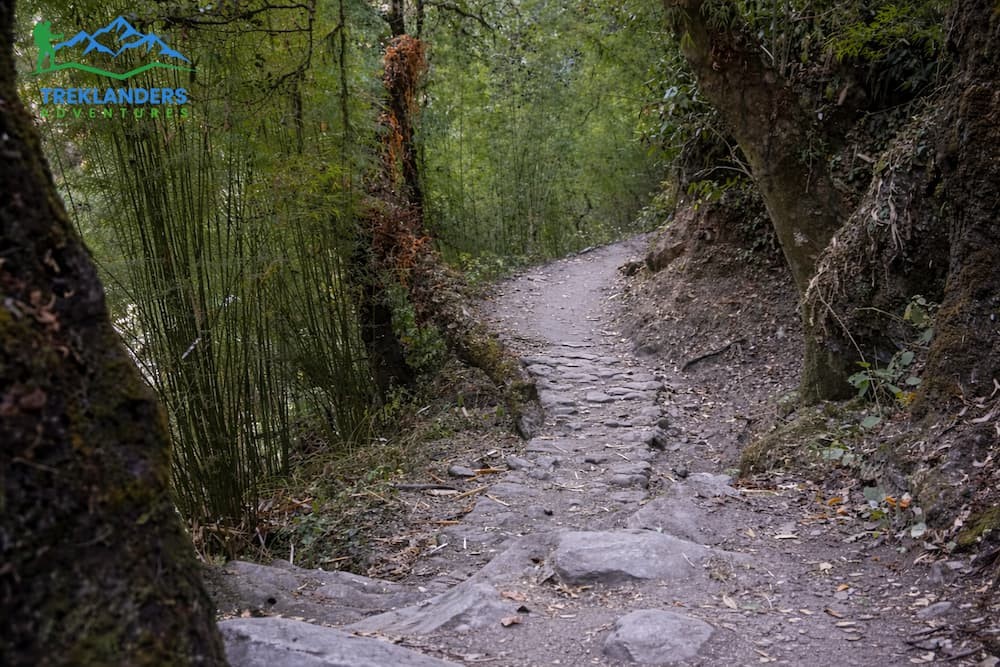
The journey begins at Syabrubesi and takes you along the Langtang Khola River through Langtang National Park, the first Himalayan national park in Nepal. On the way up, beyond the park, the nature changes from the enjoyment of the subtropical forests of bamboo, oak, and rhododendron to scenic alpine meadows and glacier-covered mountains. As the path goes along, travelers will encounter mountain settlements like Lama Hotel, Ghodatabela, and Langtang Village. All those villages, being of Tamang and Tibetan Buddhist-dominated culture, can be recognized in their monasteries, prayer flags, and Mani walls.
The point of the trek is Kyanjin Gompa (3,870 m) - a serene small town at a very high altitude surrounded by the likes of Langtang Lirung (7,227 m), Gangchempo, and Yala Peak towering above it. The place is perfect for getting your body used to less oxygen, and it also offers the flexibility of walking in any direction for several hours to higher points such as Kyanjin Ri and Tserko Ri, from where one can see the valleys covered with glaciers and the ranges of the Himalayas spreading out as far as the eye can see.
Since the trek is of moderate difficulty, with a slow increase of altitude and very good teahouse facilities, it is a walk for anyone with novice confidence level, families, and even those with a lot of trekking experience. By providing the three essentials of a trekking trip - natural beauty, culture, and easy access - Langtang Valley still rates as one of the top trekking destinations in Nepal for anyone wanting a real and less crowded Himalayan adventure.
Hidden Facts about Langtang Valley Trek That Most Trekkers Don’t Know
1. Langtang Valley Is Nepal’s Closest True Himalayan Trek
Langtang Valley is widely known for being the closest trek in a true Himalayan environment of Nepal. Just a few hours north of Kathmandu, it has the kind of spectacular mountain views that one would expect from the most isolated areas, making it the quickest trip to the high Himalayas. Within one day's drive (6-8 hours), trekkers get to Syabrubesi, the starting point of a world dominated by glaciers, alpine valleys, and mountains over 7,000 meters, such as Langtang Lirung. Unlike routes up Everest or Annapurna, where you usually have to take a flight or spend a long travelling day, Langtang offers a real Himalayan experience with very few logistics. Because of this closeness, it is perfect for travelers who do not have much time but still want to see giant mountains, experience a rich culture, and get a strong feeling of being in the wilderness.
2. Located Inside Langtang National Park
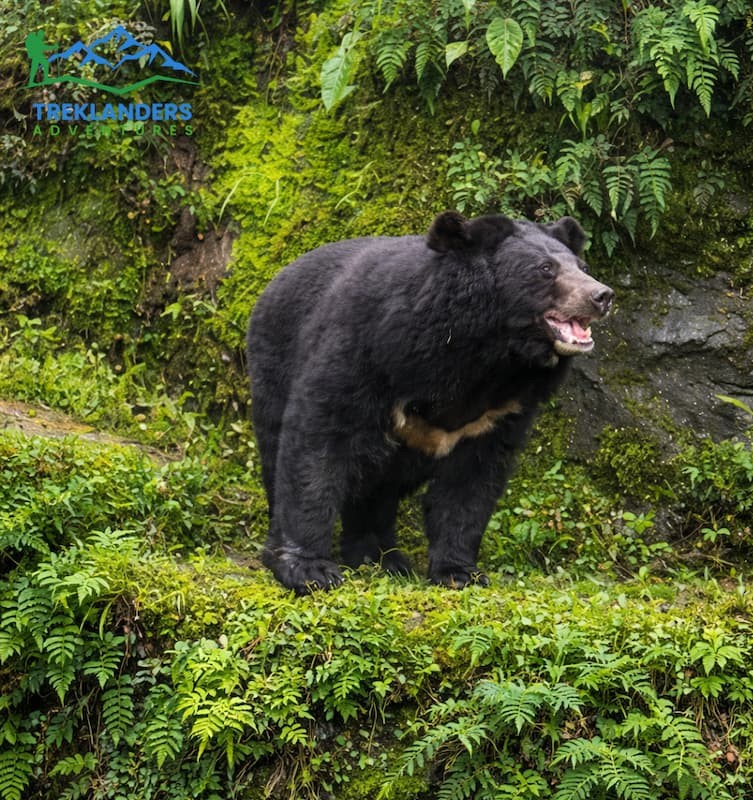
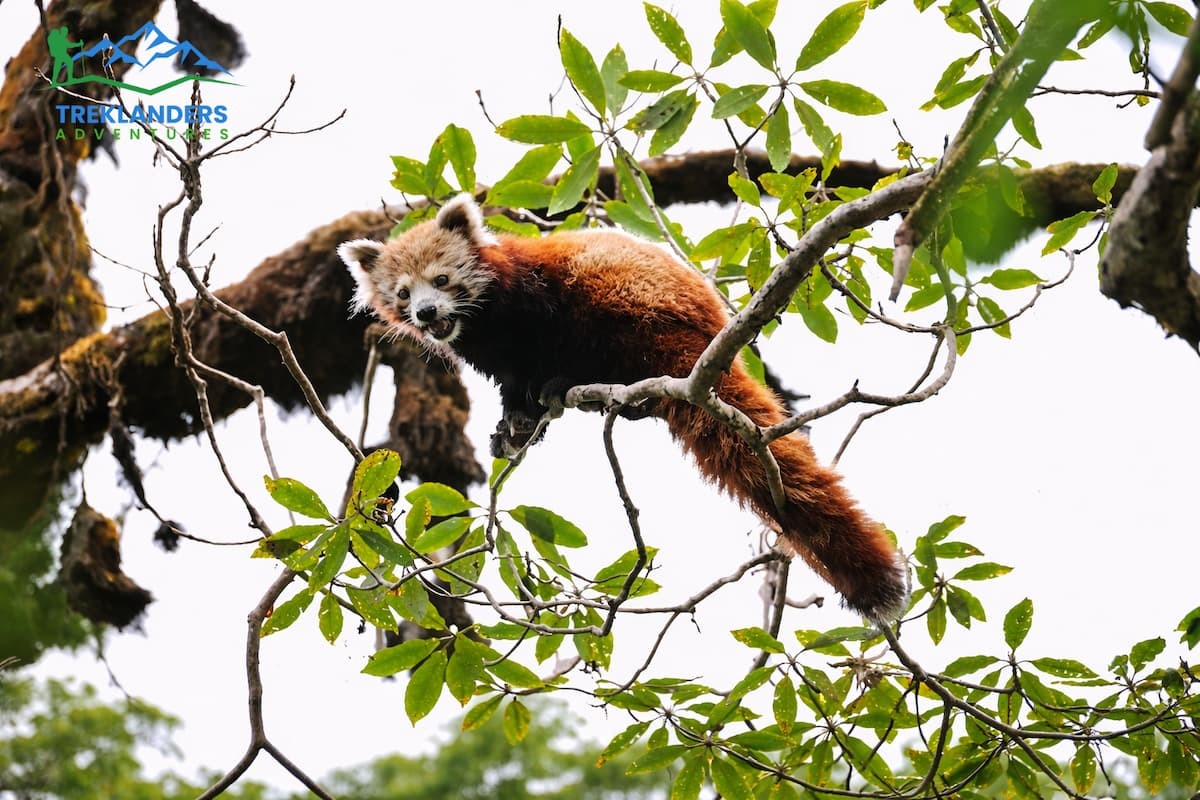
Langtang Valley is a beautiful valley that is situated in the middle of Langtang National Park, Nepal's first Himalayan national park. Establishment is a 1976. The aim of the park is to protect the high-altitude ecosystems and mountain wildlife. It covers a range of landscapes from subtropical forests to alpine meadows and glacier-covered areas, resulting in a very diverse trek. Alongside the park, you can see bamboo groves, rhododendron forests, and open yak pastures, which are all under conservation protection. Langtang National Park also shelters the red panda, Himalayan tahr, and musk deer, rare species. Trekking here is one of the best ways to encounter untouched nature, and at the same time, you are enabling conservation and sustainable tourism in the Himalayas.
3. Langtang Valley Borders Tibet
Langtang Valley is situated along Nepal’s northern border, directly adjoining the Tibetan Autonomous Region of China. Due to its location, the valley has been highly influenced in terms of culture and history.
In the past, the valley was the main passageway for the trans-Himalayan trade route from Nepal to Tibet. The local communities were trading salt, wool, and livestock. Even now, the relationship is reflected in the valley, which is filled with Tibetan-style houses, Buddhist monasteries, prayer flags, Mani walls, and the Tamang language being spoken.
The border area is also the reason why Langtang has a highly impressive topography of the high mountains, where the steep ridgelines, glaciers, and snowfields are the result of the severe Himalayan climate.
4. Known as the “Valley of Glaciers.”
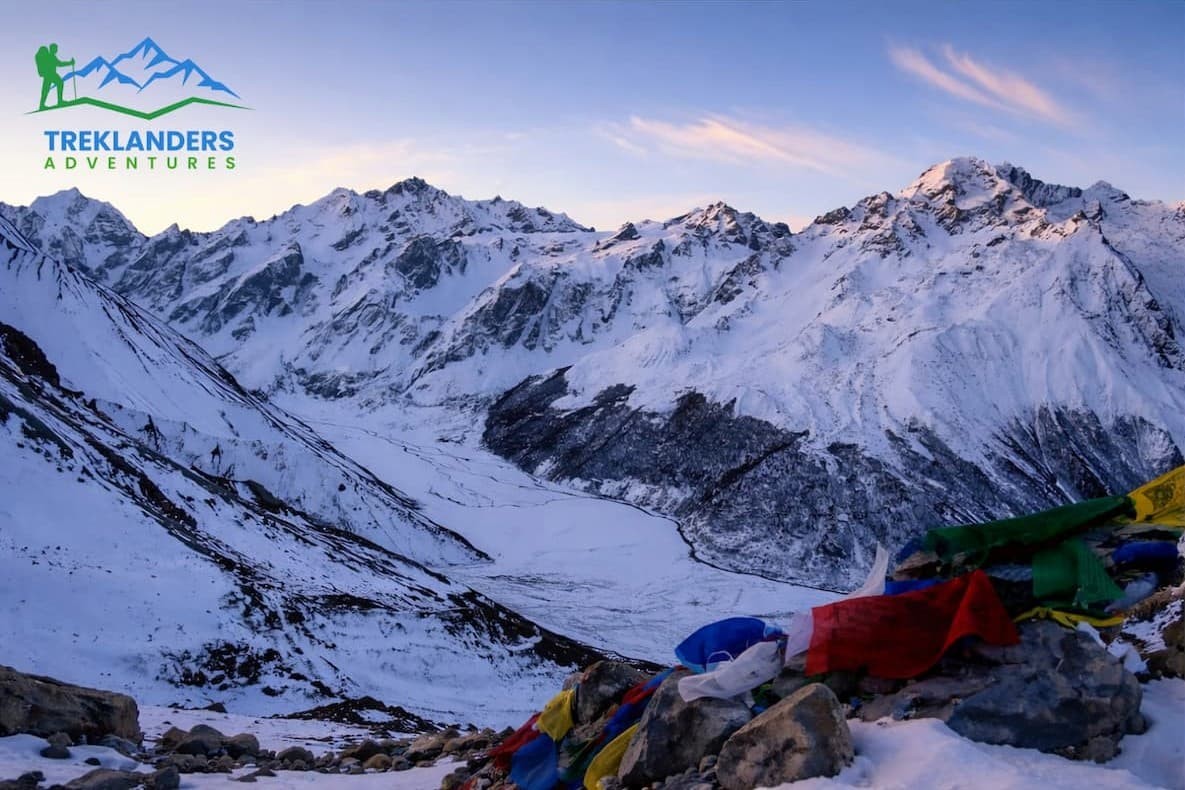
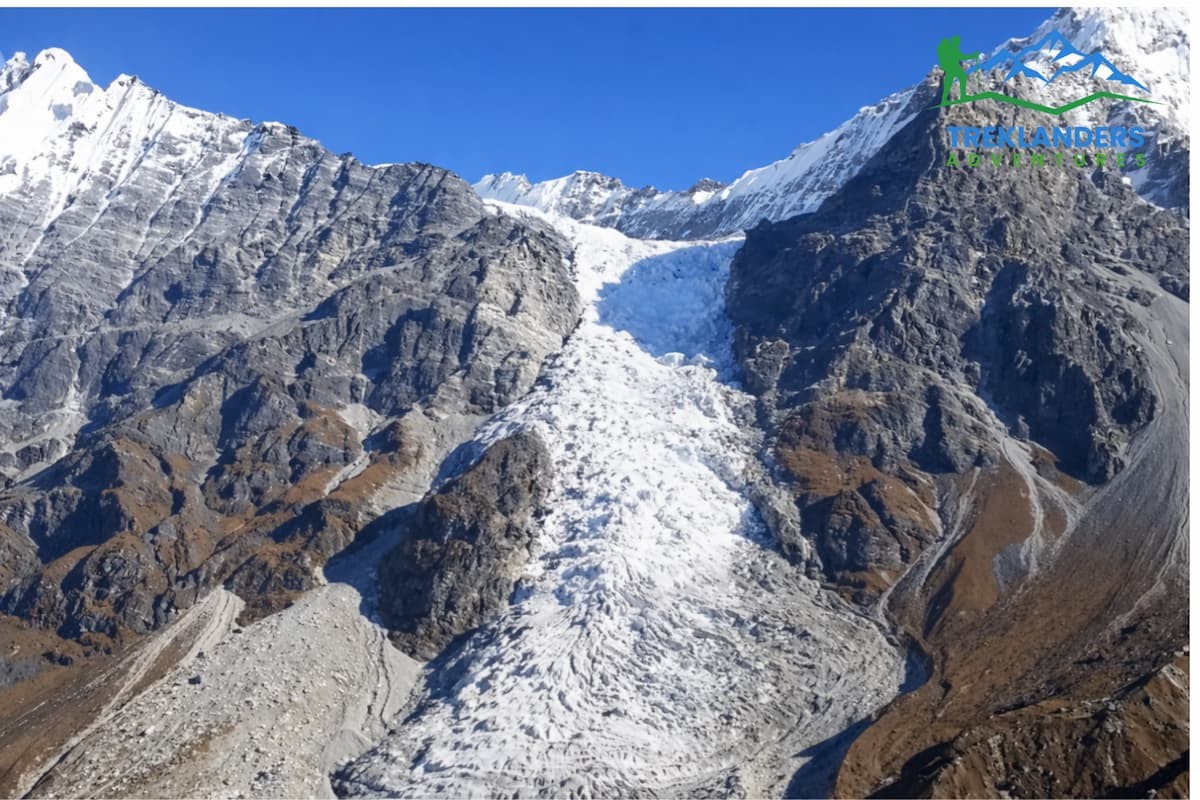
Langtang Valley is commonly known as the "Valley of Glaciers" due to the numerous glaciers that follow steep descents from the towering mountain peaks around the valley. The area is basically the Langtang Lirung Glacier, with the region having all kinds of features such as dramatic icefalls, crevasses, and glacial moraines that can be seen directly from the trekking trail. In contrast to a lot of trekking routes where glaciers are far, Langtang allows trekkers to go up close to these frozen rivers of ice, particularly near Kyanjin Gompa and Langshisa Kharka. The glaciers are doing the most work to change the mountains and also supplying the Langtang Khola, which is creating one of the most beautiful alpine environments of Nepal.
5. Langtang Lirung Dominates the Entire Trek
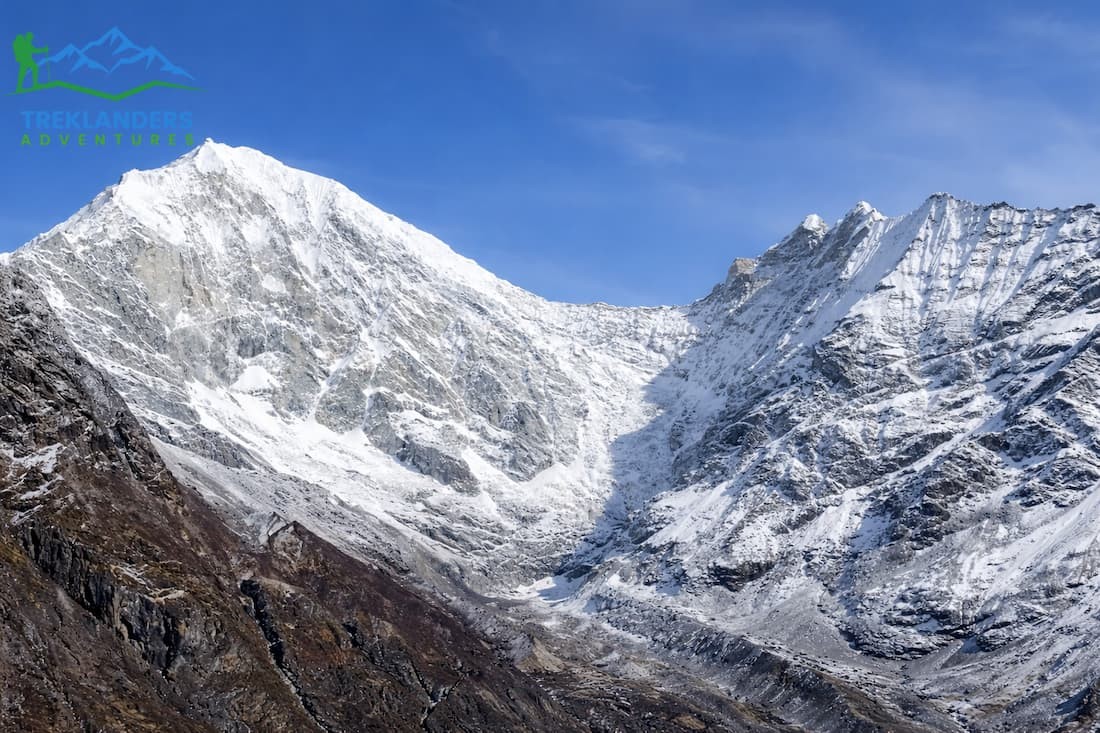
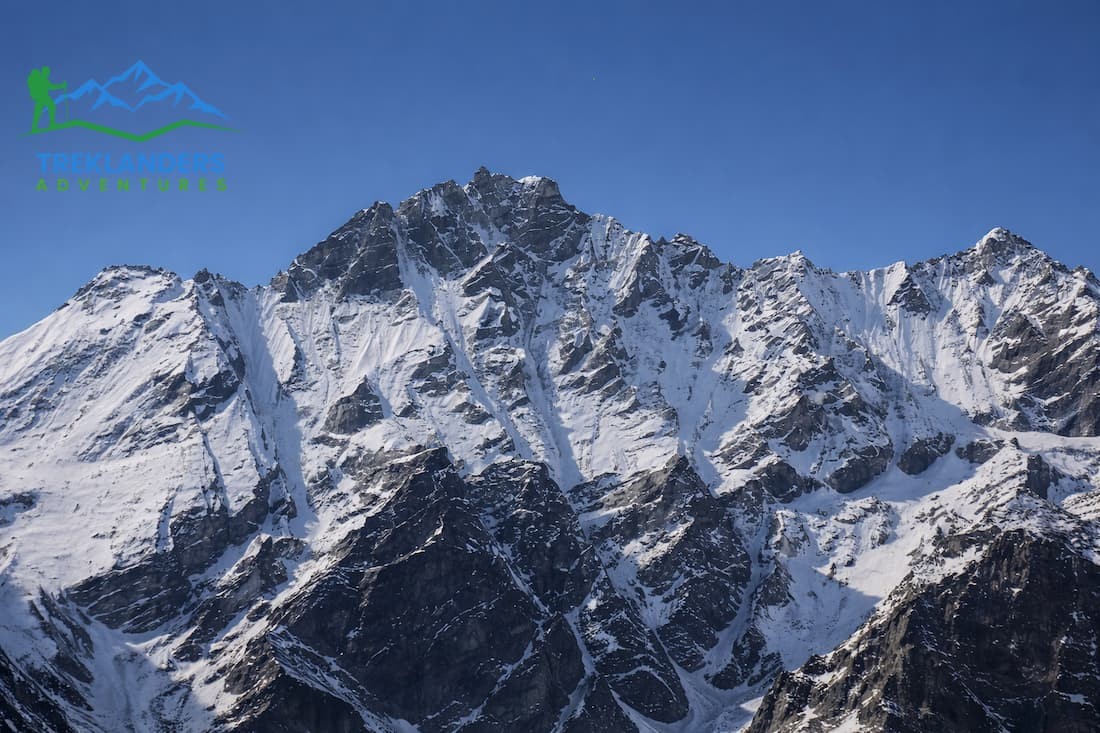
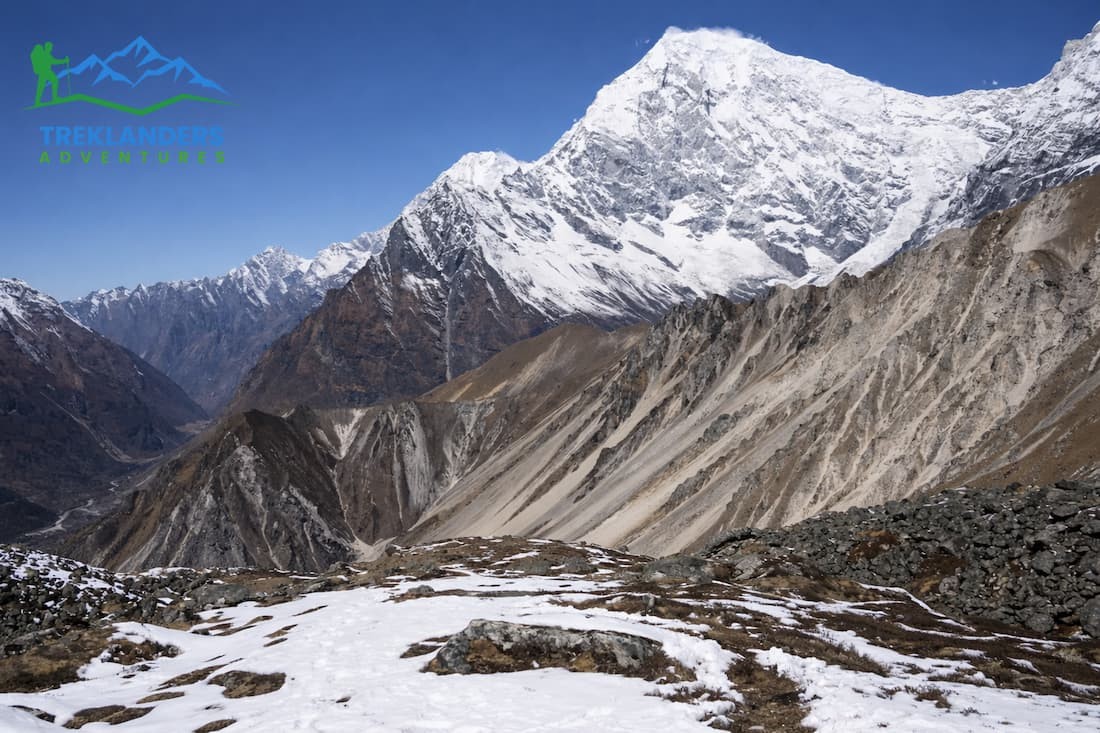
Langtang Lirung (7,227 m) is the highest peak that can be found in the Langtang region and it visually dominates the Langtang Valley Trek to a great extent. In contrast to a great number of treks where the major peaks can be seen only from certain viewpoints, Langtang Lirung stays visible for almost the entire journey, especially from Langtang Village onwards. Its huge ice-covered north face, the glaciers that are hanging, and the steep ridges make a very stark contrast, which is there all the time, and thus it very much reminds the trekkers of the mighty high Himalayas.
The mountain, in fact, is the source of several glaciers and glacial streams, thus it is changing the valley’s geography and making Langtang a really wild and alpine place throughout the trek.
6. The Langtang Valley Trek is a Hidden Gem to be discovered: No Need for Flight to walk in the High Himalayas
The Langtang Valley Trek is one of the most overlooked advantages that you can get to experience the real high Himalayas without having to take a domestic flight. Unlike the trek to Everest Base Camp, which necessitates a flight to Lukla, Langtang can be accessed via a road from Kathmandu to Syabrubesi. This means that the travel costs are not only reduced, but the probability of a delay or a cancellation due to the mountain weather is also eliminated. For many trekkers, this makes the journey less stressful and more reliable. The Everest Base Camp trek is also associated with a larger carbon footprint; hence, the alternative of trekking via road to Langtang is a more environmentally-friendly option from which you can still enjoy breathtaking views of the mountains, glaciers, and alpine landscapes.
7. The Trek Follows the Langtang Khola
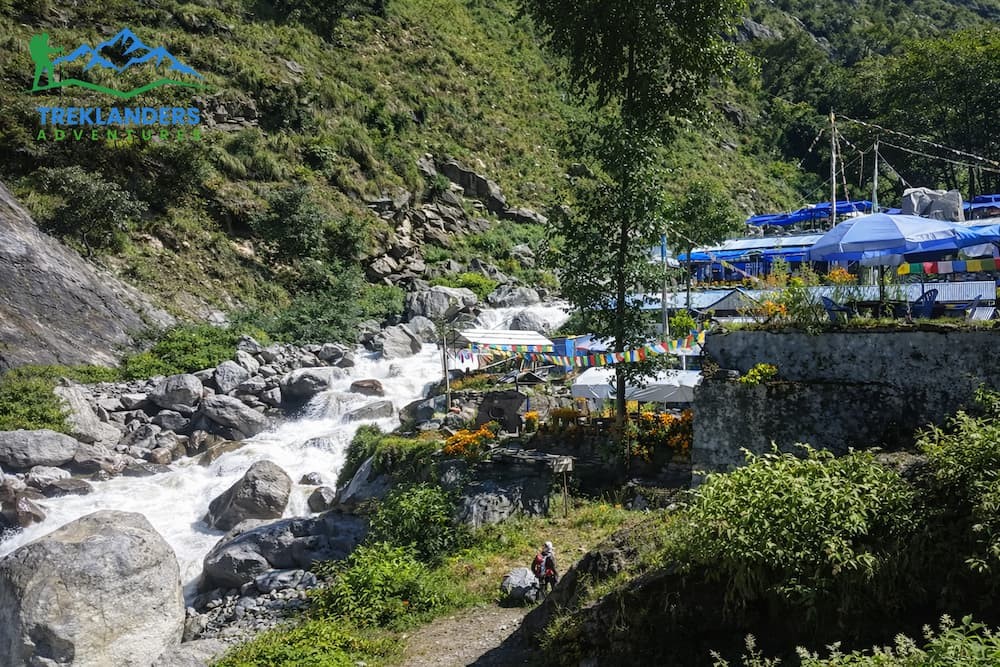
The Langtang Valley Trek is along the Langtang Khola for the most part. The Langtang Khola is a glacier-fed river that flows down from the Langtang Lirung glacier system, and basically, it’s the river that shapes the whole valley. It cuts the valley into deep gorges, irrigates the forests, and nourishes animals as well as villages. So, for a big part of the trek, you go with its turbulent waters by your side, and you cross suspension bridges that span over the river, and you pass the waterfalls that are there because of the snow and ice that are melting. The Langtang Khola is always there, and it not only gives constant attractive views and a relaxing sound to the trip, but also shows how the valley is very much dependent on glaciers and the high-mountain hydrology, which is what makes the trek a living and changing one all the time.
8. Langtang Was Once a Major Trans-Himalayan Trade Route
Before the establishment of modern borders and roads, Langtang Valley was the main route for the trans-Himalayan trade between Nepal and Tibet. Local traders were going across the high mountain passes on a regular basis to exchange salt, wool, livestock, and herbs for grains and goods from the lower valleys. The long-standing trade at the core of the trans-Himalayan network had a considerable influence on the way settlements, architecture, and culture developed in the whole of Langtang. Therefore, even now, the traditional stone houses, storage structures, and mule trails are an indication of this trading past. The strong Tibetan influence you can see in monasteries, language, dress, and food is the direct consequence of Langtang’s past as the cultural and economic bridge between the Himalayan regions of Nepal and Tibet.
9. The Local People Are Mainly from the Tamang Ethnic Community
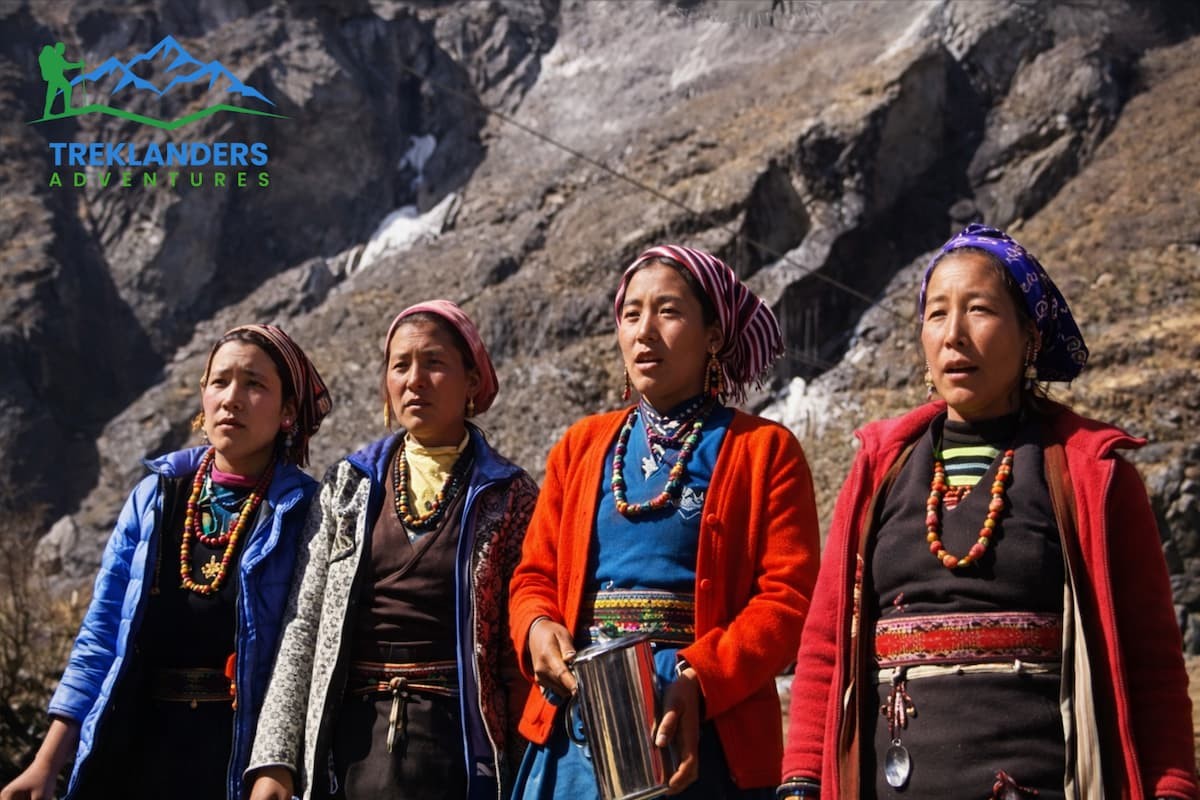
The Langtang Valley has been the home of the Tamang ethnic community, the Tamang being one of the oldest Himalayan groups of Nepal, for a long time. The Tamang people have been living in this area for a very long time, and have created a way of life that is totally suitable for the mountainous high altitudes. Their culture, language, costume, and normal routines are all very strong and obvious ties to the Tibetan origin, which were influenced by the closeness of Langtang to Tibet and its being on the ancient trade routes.
Tamang communities have always been recognized for their loving friendliness, strength, and great love of nature. If you stay at local teahouses, you will be able to get in contact with those people and hence, experience real Tamang culture, traditions, and the mountain lifestyle directly.
10. The Tamang Culture Is Highly Influenced by Tibetan Buddhism
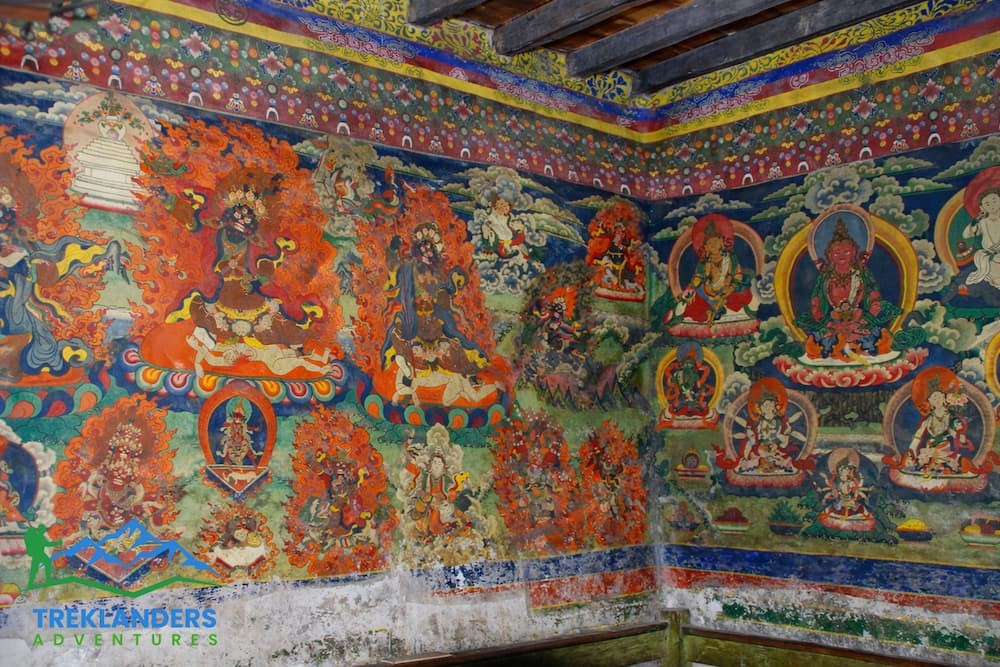
The culture of the Tamang in the Langtang Valley has been heavily influenced by Tibetan Buddhism, which is the mainstay of the people's way of life, their native customs, and their religious rituals. The dominance of this religion can be recognized practically everywhere on the trek, from the brightly colored prayer flags waving in the breeze to the mani walls etched with the most holy mantras, chortens, and monasteries like Kyanjin Gompa. Most of the people pray in the morning, and Buddhist ceremonies are used to mark the major events of life. Festivals like Lhosar (Tibetan New Year) are celebrated with great fervor through prayers, music, and bringing people together. This strong spiritual bond gives out a serene atmosphere and also adds a lot of cultural value to the trekking experience in Langtang Valley.
11. Prayer Flags, Mani Walls, and Chortens Are Everywhere
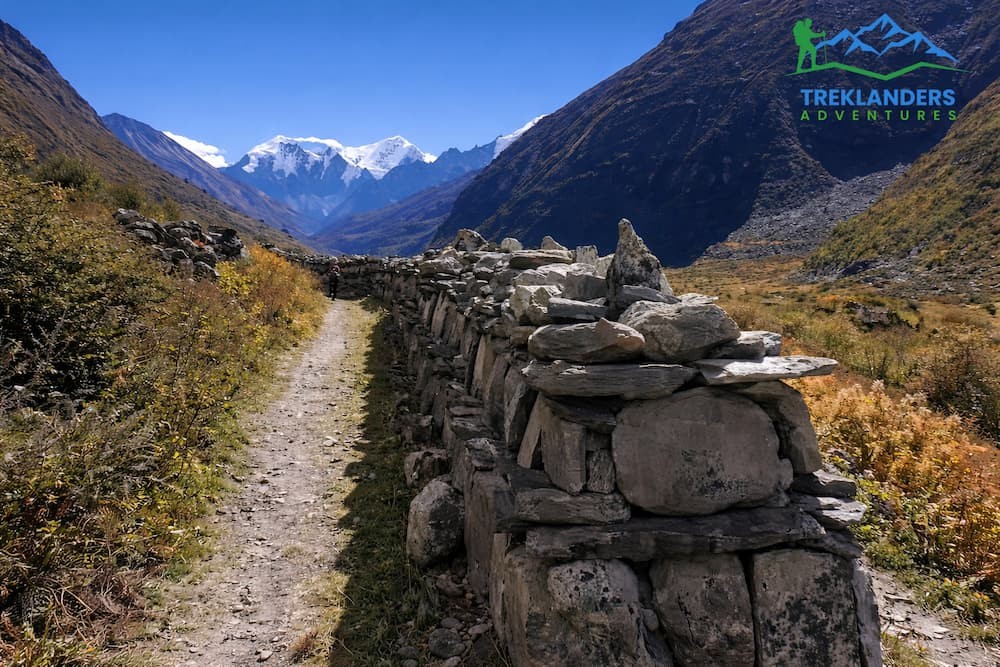
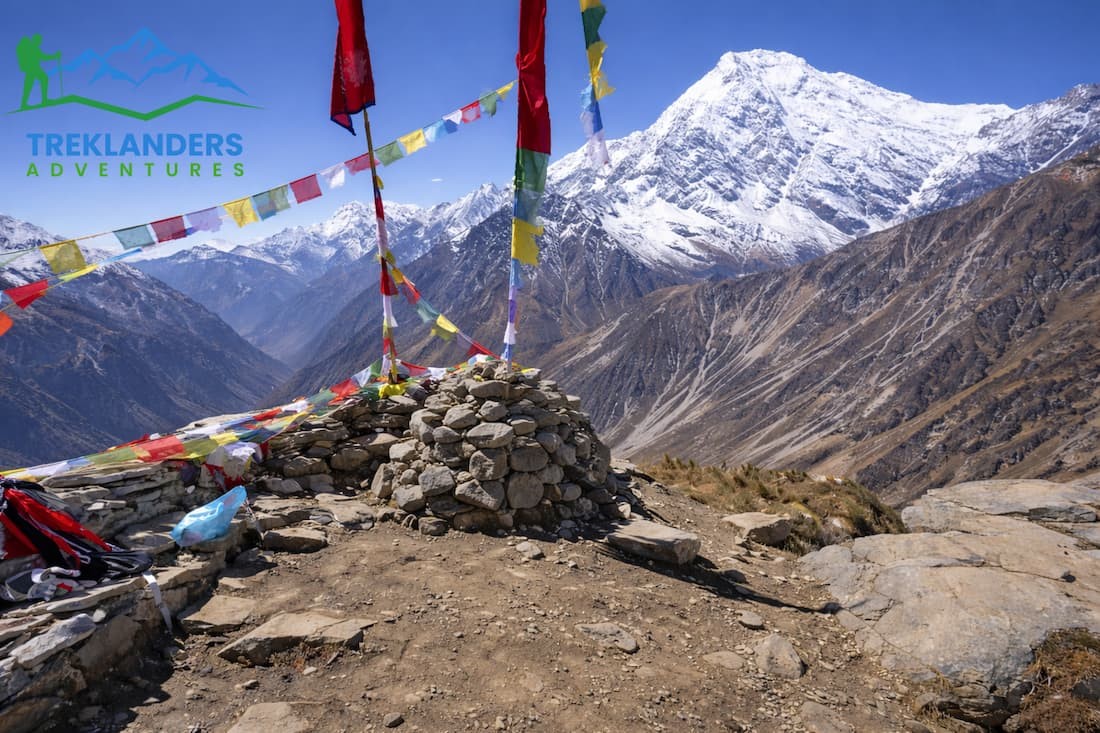
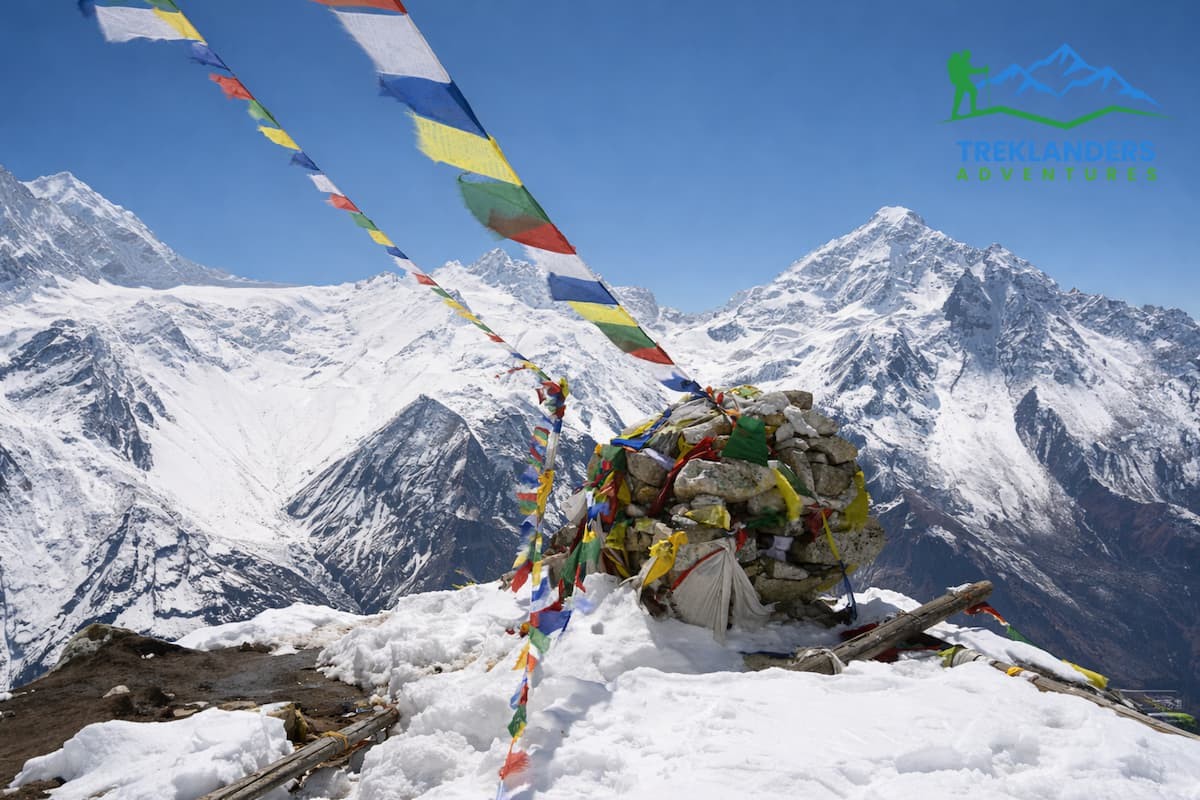
While you are hiking the Langtang Valley, you will come across prayer flags, mani walls, and chortens in almost every village and along the path. These holy symbols of Buddhism are not only used as decorative items, but they also stand for the prayers that are sent to the universe for peace, protection, and living in harmony with nature. The walls are inscribed with mantras, most frequently "Om Mani Padme Hum," and trekkers are supposed to go by them on the left side as it is considered a way of showing respect. Chortens are used to indicate the places of spirituality and the mountain passes. The fact that they are always there shows how spirituality is still profoundly integrated into the life of the people of Langtang, and hence, it gives the trekkers an opportunity to experience a peaceful and spiritually enriching environment.
12. Kyanjin Gompa Is Both a Village And a Monastery
Kyanjin Gompa stands out as a name that denotes both a mountain residence and a major Buddhist monastery, thus making it not only the religious but also the central place of the upper Langtang Valley spiritually and geographically.
The monastery has been a home of prayer, religious festivals, and cultural education for the communities of the area for a long time. After a while, a tiny village came into being around it, thus providing the residence of monks, yak herders, and later trekkers.
At present, Kyanjin Gompa is a quaint mountain village with teahouses and lodges operating alongside the monastery, which has retained its religious significance. The combination of everyday life and religion that exists here is what gives the place a serene, noble vibe, which, according to most trekkers, is very memorable for most trekkers.
13. Kyanjin Gompa sits at an Ideal Acclimatization Altitude
Kyanjin Gompa is situated at about 3,870 meters elevation, which is an ideal altitude to acclimatize while trekking in the Himalayas. At this level, the body starts to get the idea of less oxygen in the air, so it is definitely the right place to go slow and get used to it before venturing to the higher viewpoints. Usually, trekkers take a rest day here, and if lucky, they can do a short hike to Kyanjin RI or Tserko RI, abiding by the “climb high, sleep lows” rule. Such a gradual adjustment lessens the chances of altitude sickness drastically and makes trekking in Langtang Valley safer and more comfortable.
14. The Kyanjin Cheese Factory Is One of Nepal’s Oldest High-Altitude Cheese Factories
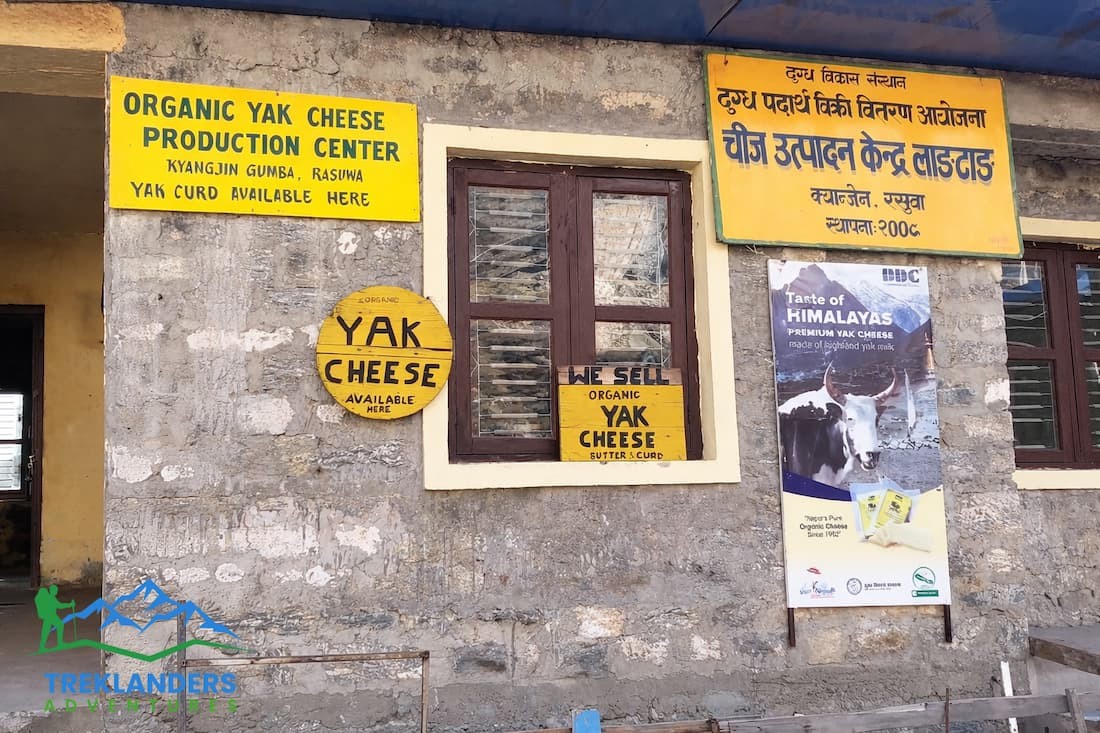
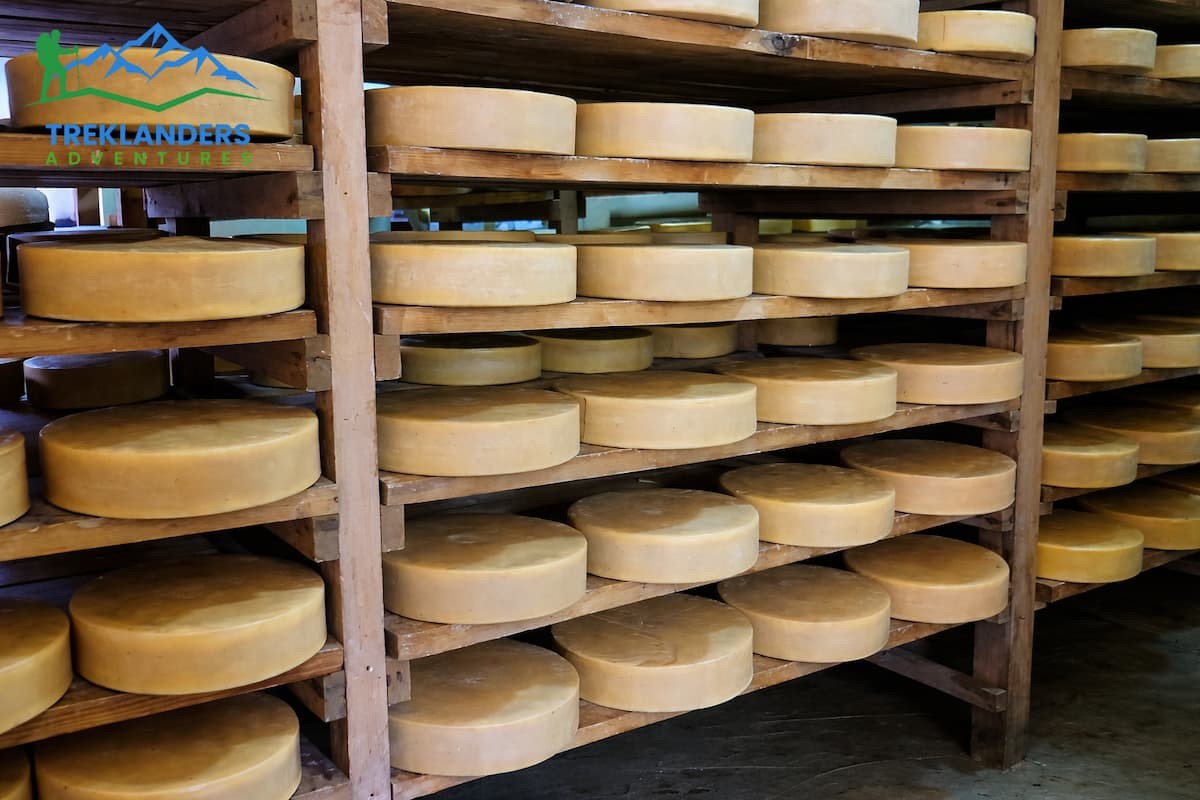
The Kyanjin Cheese Factory is recognized as one of the oldest and most distinctively high-altitude cheese factories in Nepal. It was set up in the mid-1900s to facilitate local mountain-derived livelihoods. The factory, which is situated close to Kyanjin Gompa, makes yak and cow cheese by using traditional methods that have been specially adjusted for severe Himalayan conditions. So, in a way, it has enabled the survival of the local Tamang families and yak herders for more than 30 years.
Likewise, the best trekkers can drop by the factory to know the local cheese-making process, and they may even be allowed to eat fresh cheese there. This tiny factory is a remarkable example of how tradition, community development, and a sustainable mountain economy can be harmoniously blended in the Langtang region.
15. Yak Cheese from Kyanjin Reaches Kathmandu
Very few trekkers know that yak cheese made in Kyanjin Gompa is distributed in parts of Kathmandu. Even though it is a very remote area, the cheese factory has set up supply chains that make it possible for its products to be marketed in the city. The cheese is transported by porters and vehicles that go through different seasons, which are chosen for the transport so as to keep the quality intact, although the area is difficult. This link sustains the local economy and provides the mountain communities with a reliable source of income. For trekkers, eating yak cheese in Kyanjin Gompa is an extraordinary way to partake in a product that is not only made locally but also nationally recognized, which is a great way to show the region’s unique contribution to Nepal’s food culture.
16. Langtang Valley Was Devastated by the 2015 Earthquake
Massive landslides accompanied the destruction of the Langtang Valley after a strong earthquake struck the area in April 2015. Among the villages destroyed by the avalanches of rock, ice, and debris that came down the sides of the mountains were Langtang Village, the original Langtang Village, and other villages. The disaster wiped out the communities and changed the valley's landscape. The people of Langtang, however, were filled with incredible faith and grit. They rebuilt villages, trails, teahouses, and monasteries with the help of the support and the local people. Trekking in Langtang Valley is now also about witnessing the recovery, bravery, and community spirit after the disaster.
17.Trekking in Langtang Helps the Locals recover after the Earthquake
Walking through the Langtang Valley is one of the major and direct ways to help local communities recover after the tragic earthquake. In the 2015 earthquake, which was devastating, many families lost their homes, means of living, and even whole villages. One of the ways by which the region has been able to make a comeback is through the tourism industry. At present, most of the tea houses, guest houses, and guides are run by locals and families; hence, your spending is the direct support to the people of Langtang.
Every night you stay, every meal you eat, and every guide or porter you hire works to keep alive the mountain incomes and deepens the recovery process in the long run through a responsible and community-based tourism approach.
18. Wildlife Sightings Are More Common Because the Trails Are Less Crowded
One of the lesser-known advantages of hiking in the Langtang Valley is the increased possibility of animal sightings, as the number of trekkers is significantly lower than that of the Everest or Annapurna routes. The less crowded trails allow animals to roam more liberally as they are not so often disturbed by humans. Langtang National Park is a sanctuary for animals such as the Himalayan tahr, the musk deer, Langur monkeys, and numerous bird species. Walking early in the morning or late in the afternoon, especially through wooded areas or bamboo-covered valleys, will greatly enhance your chances of meeting these creatures. This makes Langtang an ideal destination for wildlife photographers and nature enthusiasts who want to immerse themselves in the Himalayan region.
19. Langtang National Park Is Home to the Rare Red Panda
Langtang National Park is amongst the limited areas in Nepal allowing the rare and endangered red panda to be found in the wild. These secretive, arboreal creatures prefer bamboo woods, which are usually located at heights of 2,500-4,000 meters and live in the less disturbed areas of the Langtang Valley, for instance. Red pandas are also very rare since they are nocturnal and extremely cryptic; however, the very fact that they share the same forests makes one feel awestruck during the trek. In addition, the red pandas are a strong signal for a healthy environment, thus emphasizing the need for protection of Langtang National Park.
20. Himalayan Tahr and Musk Deer Are Often Spotted Along the Trail
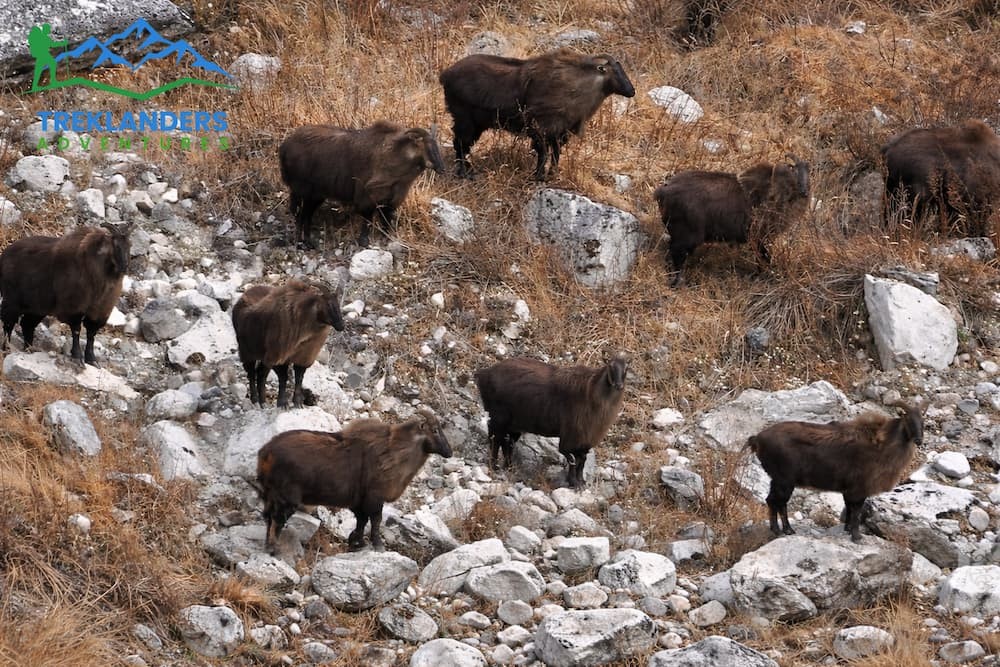
Langtang Valley is a very good place to see a Himalayan tahr and musk deer. This is mainly because the trails are quieter and go through the protected habitats of the animals. Himalayan tahr are five-toed mountain goats that are commonly spotted feeding on very steep rocky cliffs and alpine meadows, especially near Ghodatabela and above Langtang Village. Musk deer, however, are more difficult to find, and they live in the woods. They are the most active during the early morning or at dusk. These encounters are more frequent in Langtang than in the busier trekking routes, thus providing an additional rewarding aspect of the trip and pointing to the valley’s great biodiversity within Langtang National Park.
21. The Landscape Changes Dramatically with Altitude
One of the major points of interest in the Langtang Valley Trek is the way the landscape changes very fast and in a very clear manner with altitude. The trek passage goes through sub-tropical and temperate forests that are full of bamboo, oak, pine, and rhododendron trees. When you climb higher, these thick forests slowly disappear and give way to the alpine shrubs, open meadows, and at last the rocky, glacial area near Kyanjin Gompa. This speedy change allows trekkers to see several different ecological zones in a very short time. It is what makes the Langtang Valley Trek so different and attractive from the visual point of view, among a great number of other Himalayan routes.
22. Bamboo Forests near Lama Hotel Attract Wildlife
The thick bamboo forests surrounding the Lama Hotel are the most vibrant ones in terms of flora and fauna along the Langtang Valley Trek. One can find the bamboo to be a very important source of food and a safe haven for the rare red panda, which has also been accompanied by Langur monkeys and birds of various species. These woods transform into a lower temperature and less noisy place where animals, therefore, increasingly make their appearance. The trek through the forest is more so during the dawn hours when you are walking through your own natural sanctuary. This part of the story is about the lower parts of Langtang that are indispensable for the existence of the forest, which is home to numerous species.
23. Rhododendron Forests Bloom Beautifully in Spring
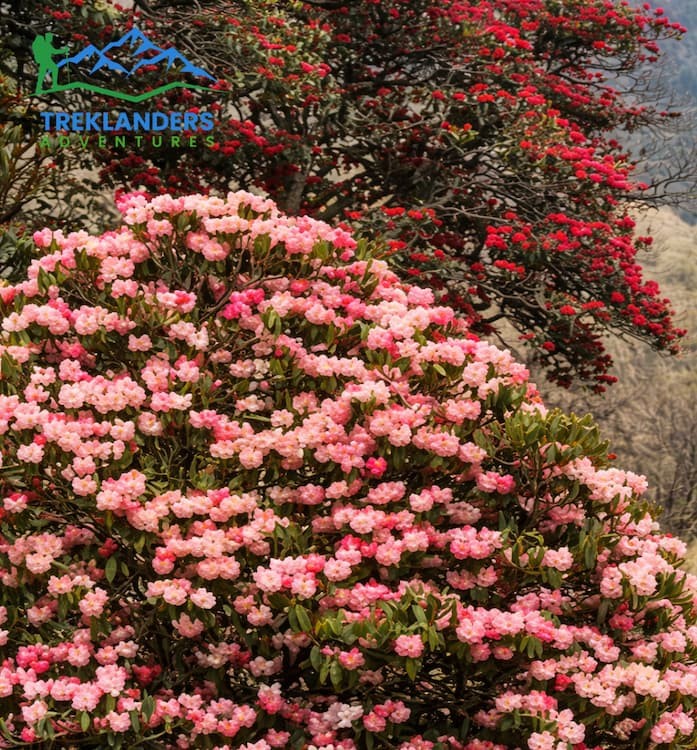
In the months of spring, namely March to April; Nature has turned the Langtang Valley Trek into a grand, colorful show as rhododendron forests explode in their bloom. The slopes and forest walks are decorated with the colors of red, pink, and white, which can be seen in most of the lower and mid-elevation areas around Syabrubesi, Lama Hotel, and Ghodatabela. The national flower of Nepal grows in this area because of the perfect climate and altitude range. These eye-catching flowers make a great contrast with the snow-covered peaks in the background, thus spring is one of the most eye-pleasing seasons to trek in Langtang and a preferred time for photographers and nature lovers.
24. Autumn Offers the Clearest Mountain Views
In Langtang Valley, the mountain views with the clearest sight are best seen in the autumn season from September to November. After the monsoons wash the dust and pollution from the air, the visibility increases to a great extent, thus the peaks and glaciers look very sharp and well-defined. Snow peaks like Langtang Lirung look very bright against the blue sky. Most days are stable with mild temperatures during the day and cold at night, so trekking can be done comfortably and safely. These perfect conditions are the reasons why many trekkers come during autumn when they want to have the best photographic and panoramic Himalayan experiences.
25. Winter Trekking Is Surprisingly Rewarding
Very few trekkers attempt Langtang Valley in winter, but the quiet and lovely experience is what this season is all about. Indeed, the valley from December to February is blanketed with snow and is thus more striking and inviting with a clear sky. Besides the fact that the temperatures are quite low - particularly at night - the trek is still doable with appropriate equipment. Winter trekking in Langtang is a good option if one is looking for peace, a chance to take photographs, and to immerse oneself in the pure Himalayan vibe.
26. The Maximum Trekking Altitude Is Lower Than Everest Base Camp
The highest altitude of the trek in the Langtang Valley is about 4,984 meters (Tserko Ri) while the Everest Base Camp is at 5,364 meters. The significantly lower height means that the risk of severe altitude sickness is far less. This is due to the fact that the air is a bit denser and the ascent more gradual, hence making the Langtang route quite comfortable and manageable. As such, the trek is perfect for people who want to experience the mountains but without taking their bodies to extreme limits, especially if it is their first time in the Himalaya.
27. Langtang Is Safer for Beginners Than Many High-Altitude Treks
Langtang Valley has been identified as a safe zone for beginner trekkers in the Himalayas. The trail is marked well, the distances covered per day are reasonable, and the altitude gain is gradual. The lack of flexibility for acclimatization days is the major difference between more difficult treks and Langtang, which in turn allows rest days, particularly at Kyanjin Gompa. It is also safe and comfortable to have the teahouses throughout the trail at your disposal. Together, these factors make Langtang a good introduction to high-altitude trekking for inexperienced people or families, as well as travelers who want a hard yet doable adventure.
28. The Gradual Ascent Reduces the Risk of Altitude Sickness
Langtang Valley’s biggest selling point is its natural acclimatization profile. The trek is on a slope alongside the Langtang Khola River, and hence the climb is gradual, giving the body time to get used to the altitude. In contrast to treks that have abrupt elevation gains, the gradual ascent in Langtang helps lessen the signs of Acute Mountain Sickness (AMS). Interim stops at Lama Hotel, Langtang Village, and Kyanjin Gompa are stages where one can comfortably get used to higher altitudes. From this point of view, Langtang is thus one of the safest trekking routes in Nepal in terms of altitude management.
29. Side Hikes Help follow the “Climb High, Sleep Low” Rule
The Langtang Valley is an ideal example of a place where the "climb high, sleep lows" rule is followed, hence the acclimatization to high altitudes is safer. Hikers in Kyanjin Gompa can proceed during the day to higher altitudes like Kyanjin RI or Tserko Ri and then return to sleep at a lower altitude. Such sidewalks cause the body to get used to the new environment without becoming too tired. In addition to enhancing safety, this versatility also allows trekkers to see stunning views without having to change lodgings.
30. Kyanjin Ri Is Easier Than Most Everest Viewpoints
If looking for views over the Everest-area, one may compare and find that it would be much harder to get to the viewpoints like Kala Patthar than to Kyanjin Ri. The trek is from Kyanjin Gompa and follows a direct, gradual, and non-technical path. Depending on one's strength and the weather, a trekker can either go for the upper or the lower summit. Kyanjin Ri, while easier, still offers stunning views of Langtang Lirung, glaciers, and the whole valley. This is a clear demonstration that stunning mountain panoramas of the world do not always go hand in hand with extreme difficulty.
Conclusion
Langtang Valley Trek is definitely more than just a walk in the mountains. It is a trip through unbelievably beautiful nature, a culture that has existed for ages, and stories that are filled with strength and power. Langtang, with its short distance from Kathmandu and glacier-filled valleys, rich Tamang heritage, and beginner-friendly trails, is a rare combination of accessibility and pure Himalayan wilderness. The secret facts about the trek reveal how it can still be one of the most underrated yet rewarding trekking destinations in Nepal.
What actually makes Langtang so different is its ability to mix stunning landscapes with purposeful travel. A trek here not only yields to you the breathtaking views of the mountains and the serenity of the trails, but also it is a direct way to help the local communities, which are rebuilding and maintaining their way of life. Langtang Valley is the place that provides you with an authentic Himalayan experience, which is beyond words and can be felt even after a long time, whether you are a first-time trekker, a lover of nature, or a person looking for a quieter alternative to Everest.