The Nepal-Bhutan cultural journey is the dream holiday to witness two of the world's wonders of the Himalayas with their unmatched spirituality, tradition, and nature. It's a vibrant cultural immersion that starts with a visit to Kathmandu, the capital of Nepal, where one is enraptured by the medieval temples, the hustle & bustle of the streets, and hospitableness of the locals. After a welcome briefing and cultural dinner, the journey continues to the mystical Kingdom of Bhutan, frequently referred to as the Land of the Thunder Dragon.
The adventure starts with a scenic flight from Kathmandu to Paro, which is an experience in itself because of the dazzling sights of the Himalayas, packed with giants like Mount Everest and Kanchenjunga being visible on clear days. In Bhutan, the pace of travel slows, and the visitors have an ample amount of time there to understand Bhutan's original concept of Gross National Happiness, which is one of the major reasons for the maintained traditions and the country's serene way of life. The joyous days in Paro for acclimatization are also full of fun and learning through the visits to the museum and Kyichu Lhakhang, one of Bhutan's historic temples, which exudes spiritual roots blending in with the different countries' unique culture.
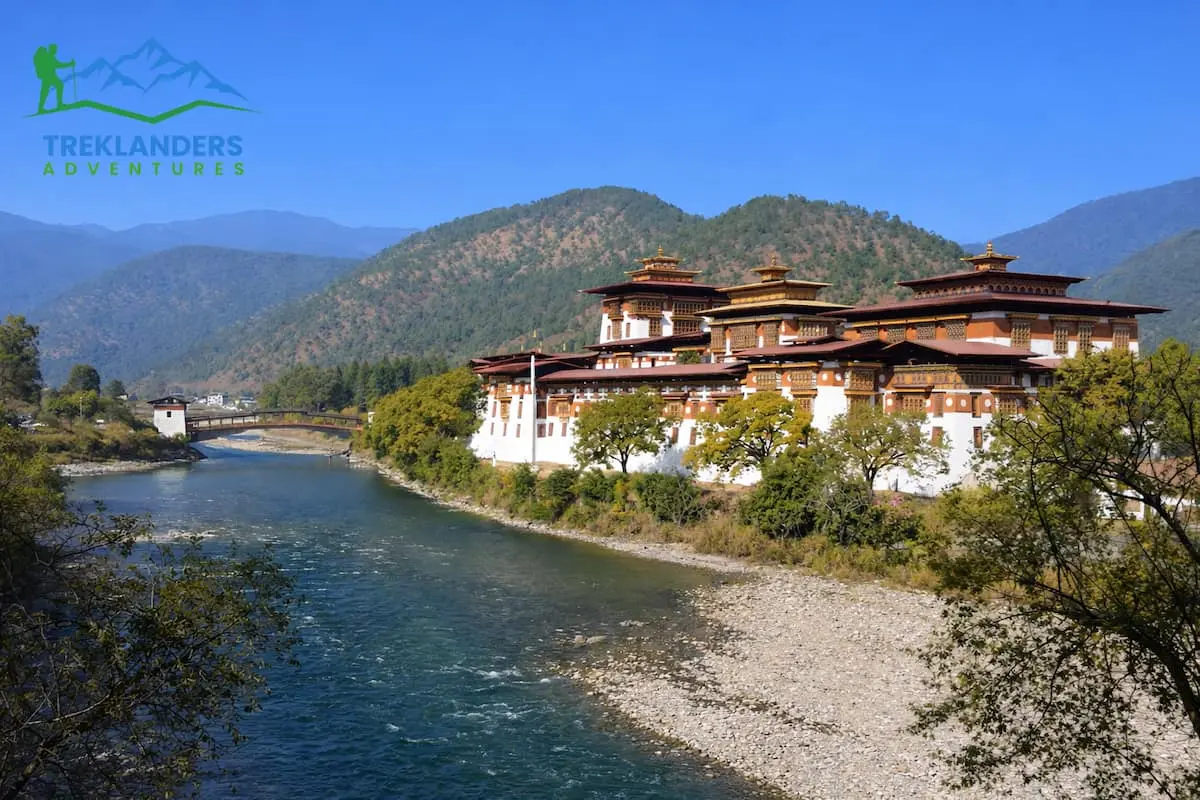
The drive from the serene valleys of Bhutan through the capital of Thimphu to the endangered subtropical area of Punakha via the scenic Dochula Pass, which is covered with 108 chortens, is the next step of travel. Besides enjoying the architectural masterpieces of Dzong, set out on a journey to find the monasteries along the rivers and the rural villages to delve deep into Bhutan's peaceful co-existence with the natural and cultural world. Later on, A trip to a typical farmhouse will facilitate your understanding of the local community's lives and traditions that have been handed down from generation to generation.
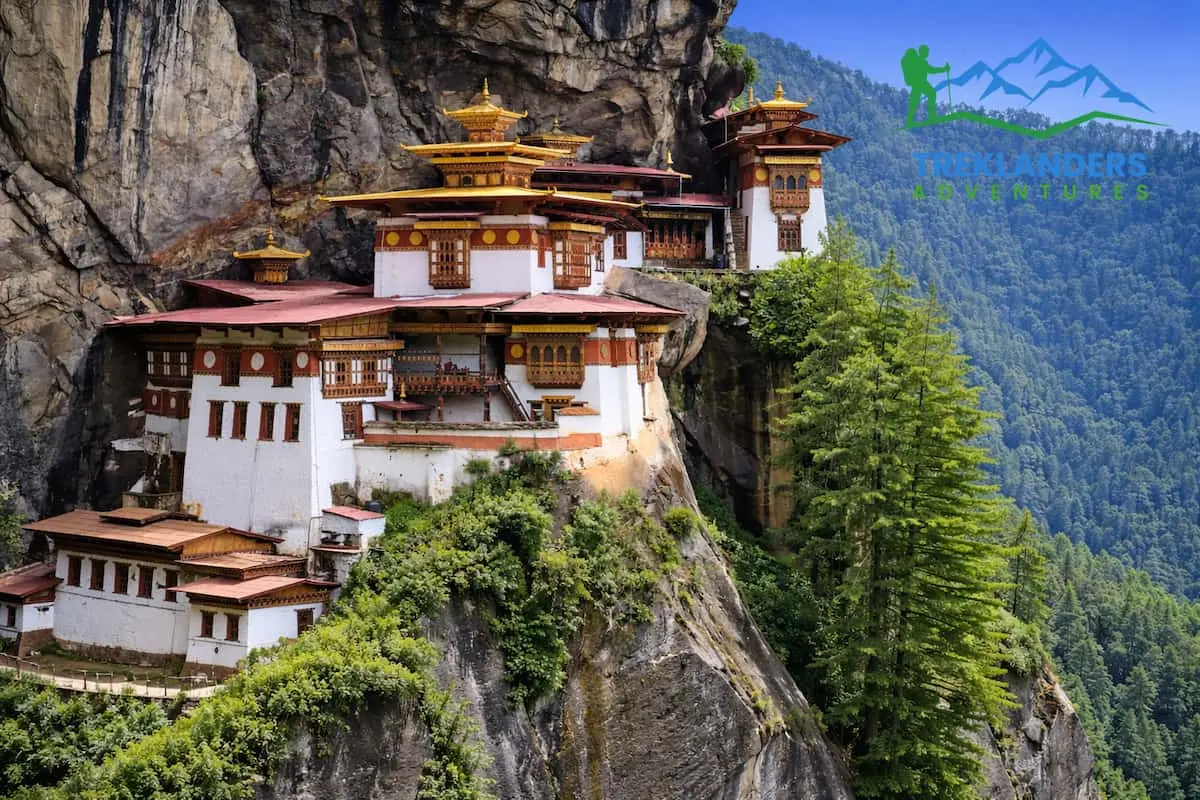
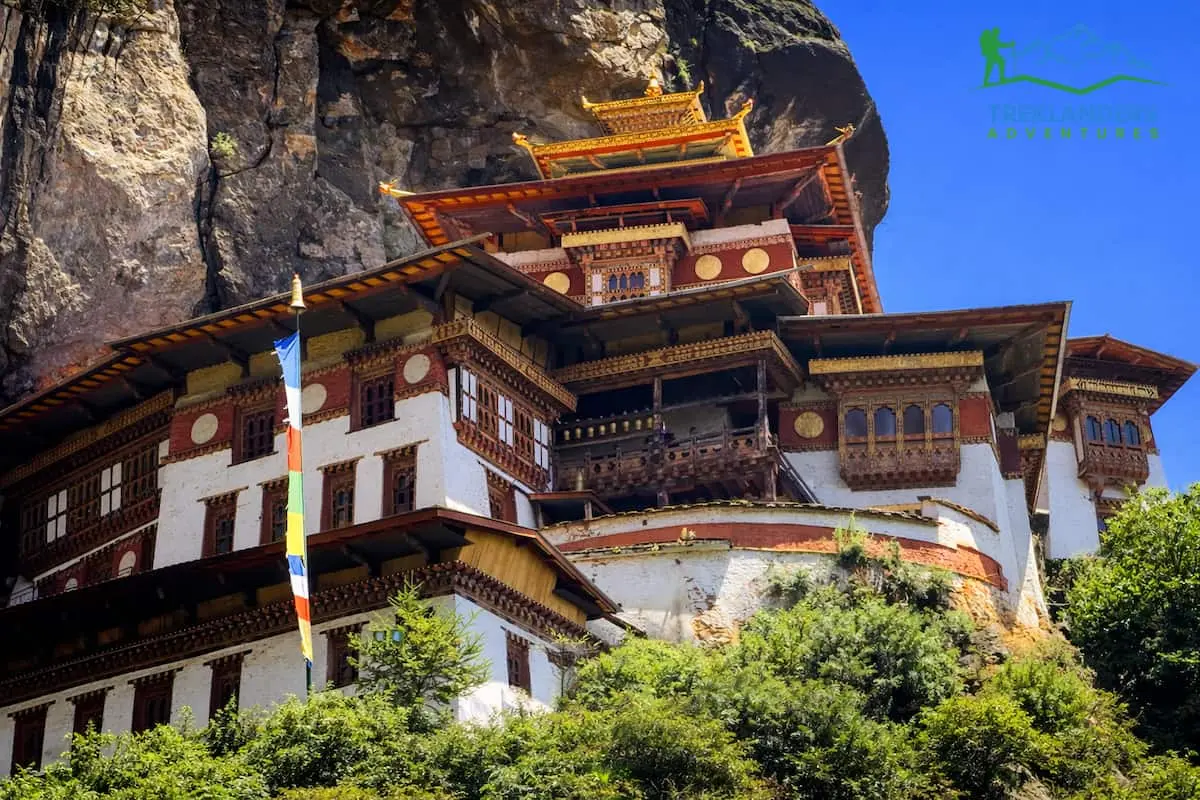
Indeed, the tour's zenith is the very memorable trek to Taktsang Monastery, a.k.a. Tiger's Nest, the well-known monastery. It is a hallowed place, perched very steeply on a cliff several hundred meters above Paro Valley, not only offering its spiritual value but also spectacular aerial views. The jogging is thus very fulfilling and exhilarating and is a very fitting final act of the Bhutan journey.
Such a travel plan is an ideal choice for the kind of people who love to experience culture, nature, and spirituality together with a bit of gentle adventure, as it is wrapped up with a flight back to Kathmandu.
Traditional Farmhouse Visit: Experience authentic village life, ancient farming practices, and local hospitality.
Transportation will be provided in good condition, comfortable, and air-conditioned coaches or private SUVs. The selection of vehicles will be based on the group size and the condition of the road. The vehicles will be driven by experienced local drivers who are highly skilled in handling Bhutan's winding mountain roads, high passes, and varying weather conditions. So, the journey will be safe and comfortable.
The tour is supported by professional, English-speaking guides who are licensed and provide valuable cultural interpretation and local insight throughout the trip. Apart from explaining Bhutanese traditions and history, the guides will also help in coordinating daily activities and logistics. Thus, the guides will ensure that the experience is well-organized and enriching. By trekking with Treklanders, who carefully plan and have trusted local partnerships, you can have a trouble-free trip and, at the same time, immerse yourself in the culture and the landscapes of Bhutan.
Beforehand, Treklanders, together with licensed Bhutanese tour operators who are licensed, handle all the required permits and travel formalities for Bhutan, ensuring that travelers have a hassle-free experience. Bhutan has a controlled tourism system, and therefore, independent travel is not allowed. Hence, all visitors are required to travel with an authorized operator and a licensed guide.
The package comes with a Bhutan entry permit that allows travel to the main destinations like Paro and Thimphu. Besides, the permits that are necessary for visiting Punakha and crossing Dochula Pass will also be there for you when you get to travel. Treklanders makes sure that all the paperwork is done in accordance with the rules laid down by the Tourism Council of Bhutan so that you are not delayed nor have any issues during the trip.
The cost of the tour is in line with Bhutan's Sustainable Development Fee (SDF) policy, which is the source of revenue that the country directs to environmental conservation, healthcare, education, and cultural preservation. The fee is one of the components of the confirmed package.
After landing at Paro International Airport, permits are checked by local authorities, following which travelers are at liberty to go from one region to another as per the itinerary. The guide, throughout the journey, has all the necessary papers and takes care of the formalities at the checkpoints. By having Treklanders take care of everything, tourists can immerse themselves in Bhutan's landscapes, culture, and spirituality without having to worry about anything.
Spring (March to May) and autumn (September to November) are the best seasons to travel to Bhutan. The weather is generally stable during these periods, with clear skies and ideal conditions for traveling.
The spring season of Bhutan (March–May) is undoubtedly a great time to be there. The valleys are full of rhododendrons, magnolias, and other flowers, making the whole place look bright and colorful. Temperatures are quite agreeable, enabling sightseeing and hiking activities without any discomfort. The Tiger’s Nest trek can be done in the most beautiful weather. The view of the mountains is mostly uninterrupted during this period.
The period of time from September to November is the peak season in Bhutan. After the rainy season, the air is pure and fresh, and the view of the Himalayas is magnificent. Even though it is dry and mild at this time of the year, the weather is perfect for cultural tours, road trips, and outdoor walks. The festive season in Bhutan also falls at this time, such as Thimphu Tshechu and Punakha Tshechu; thus, the traveler can experience the extra joyful and lively side of the culture.
Winter (December–February) is still there, but the temperature drops, and few people visit. Clear skies can be expected, but it will be very cold, especially if one goes to higher areas.
Although the travel is less predictable due to the monsoon rains (June–August), the scenery is still very beautiful with the green color of nature. Spring and autumn are the best times to go if one wants good weather, great views, and to experience the local culture.
The combined Nepal–Bhutan trip is a perfect fit for people who travel just not to see more, but also appreciate the cultural depth, spiritual connection, and a well-paced journey done in a comfortable way. Unlike other schedules, the plan here does not push you unnecessarily, thus it leaves you with enough time to really get a feel of Bhutan and at the same time go up to the altitude and different environment little by little. Simply, this tour package brings you to the tranquil valleys and holy monasteries, fortresses rich in history, and living traditions.
Central to this itinerary are the three main areas of Bhutan, i.e., Paro, Thimphu, and Punakha, besides which the tour is supplemented with events that are enjoyable and at the same time informative, such as the visits to the farmhouses, walks through the villages, and days for the cultural immersion. The pleasant Himalayan flight and the trekking to Tiger’s Nest Monastery that will remain etched in your memory are the parts of the trip that make it just a bit more exciting, while still not giving up on the aspect of safety and comfort.
By choosing Treklanders as your travel partner, you are guaranteed professionalism and smoothness of your trip. Everything from permits and transportation to the holding of the event is already fixed before you come here; thus, you have fewer things to worry about and more time to enjoy your trip. The travelers can ride in stylish cars driven by the road-worthy and experienced drivers, and at the same time, carry on their conversations with certified Bhutanese guides who not only answer their questions but are at the same time there to give the guests personal attention and accompany them in the entire trip.
Moreover, the tour perfectly harmonizes with the concepts of ecotourism and responsible tourism, honoring the developmental philosophy of Bhutan that is totally different, and, at the same time, helping the preservation of the culture and nature of the area via official charges and local collaborators.
This tour is perfect for curious travelers, couples, older people, and people going to Bhutan for the first time. It offers not only the Himalayan experience but also the insightful one that is safe, enriching, and leaves deep and long-lasting memories, thus it is less a journey through different places but more a journey through the old customs, spirituality, and nature that is not affected by time.
Traveling to Bhutan is quite an extraordinary and gratifying venture, and with a bit of preparation, it goes smoothly. Make sure to bring along comfortable clothes that can be layered, since the temperature varies between the valleys and the passes, especially at morning and at night. A light windbreaker or fleece, as well as a pair of comfortable walking shoes, are must-haves for both sightseeing and the Tiger Nest hike. If you intend to travel during winter, bring warmer clothes.
Have with you all necessary travel documents, including your passport, visa clearance, and travel insurance. Even though Treklanders take care of permits, it is better to have both digital and printed copies of the most important documents at hand. Take along the personal medications that you may need, sunscreen, sunglasses, and a water bottle that can be refilled to keep yourself hydrated.
Bhutan is very much into tradition and respect. When you visit monasteries and Dzong, wear modest clothes and, always, follow your guide's instructions concerning photography and cultural etiquette. It is advisable to carry cash if you are going to small towns, and in major hotels, you can use cards.
Move slowly and steadily to acclimate yourself with altitude and to have a good time. Observe the local customs, do not throw garbage in the streets, and buy from the local sellers. Traveling to Bhutan with an open mind and proper preparation will make your trip not only comfortable but also meaningful and unforgettable.
Your safety and comfort are among the main priorities during the journey. All road trips in Bhutan are done with good-condition vehicles, which are driven by experienced local drivers who are familiar with the mountainous area, narrow roads, and changes in the weather. Driving schedules are arranged in a very safe manner so that drivers do not get tired, and regular stops are made for comfort and safety.
While trekking, including the Tiger’s Nest hike, the pace is slow, and the group is always supported by licensed, experienced Bhutanese guides who are always checking the trail, weather, and group condition. The trek is on a well-marked trail with rest points available, and walkers are allowed to go at their own pace. First aid is available at a basic level, and the guides are trained to deal with altitude-related discomfort and minor health issues.
It is compulsory for all travelers to have comprehensive travel insurance. The insurance carried by the insured must include the costs of the medical treatment, emergency evacuation, trip interruption, and high-altitude activities up to at least 3,500 meters. Those traveling should keep with them a copy of the insurance policy and the emergency contact details during the trip.
An exquisitely planned journey through Nepal and Bhutan presents a unique mixture of culture, spirituality, nature, and the joy of traveling meaningfully. It includes the lively heritage of Kathmandu, peaceful valleys, holy monasteries, and the timeless customs of Bhutan; so, every day is comfortably unfolding, and you have time to connect and appreciate the culture deeply. Flights with fantastic views of the mountains, ancient Dzong, tranquil pastoral sceneries, and the unforgettable trek to Tiger’s Nest Monastery are some of the experiences that will remain with you forever in the Himalaya.
Under the expert guidance and with well-planned transportation and all permits taken care of by Treklanders, travelers can have a very smooth and relaxed journey from start to finish. This is far from being just a tour; it is an immersion into living traditions, spiritual harmony, and genuine Himalayan hospitality. It is an excellent option for people who want a balanced, enriching, and inspiring experience of travel in two of the most charming places in South Asia.
Trip Summary
Mode of Tour:- Comfortable hotels in Kathmandu and Bhutan cities
Traditional Bhutanese-style hotels in Paro, Thimphu, and
Punakha
Tour Grade:- Easy
Tour Region:- Nepal, Bhutan Paro Valley, Thimphu (capital city),
Tiger's Nest Temple, Punakha Valley
Start & End Point:- Kathmandu to Kathmandu with flights both ways.
Highest Elevation:- 3,120 meters ( Tiger’s Nest Monastery)
3,100 meters (Dochula Pass)
Total Tour Duration:- 7 Nights /8 Days


Gateway to the Dragon Kingdom
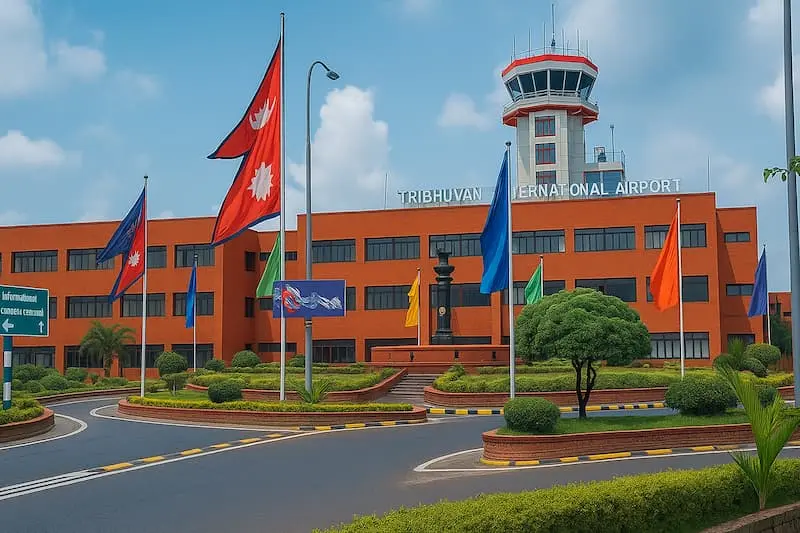
Begin your trip with a morning transfer to Tribhuvan International Airport in Kathmandu for a flight offering stunning views of Bhutan. The one-hour Paro flight is a visual treat with the magnificent Himalayas visible from the air. On a clear day, you can see Mt. Everest, Kanchenjunga, and other high peaks. Once you arrive at Paro International Airport, your guide will meet you and escort you to your hotel after you freshen up. Afternoon remains free to relax and rejuvenate in the peaceful surroundings of the Land of the Thunder Dragon.
Relaxed afternoon activities
Sightseeing Time: 4–5 hours (easy pace)
Today is all about slowly getting used to the environment and gaining a deeper understanding of the Bhutanese culture. Your first stop will be the National Museum (Ta Dzong), an ancient watchtower that not only provides a stunning view of the Paro Valley but also houses a rich and diverse collection ranging from the extremely old to the very recent.
Afterward, you will visit Kyichu Lhakhang, which is considered one of the oldest and most sacred temples of Bhutan. It was established way back in the 7th century and is still a very important place of spirituality.
The afternoon is free and can be used for a leisurely walk along Paro’s main street, where, besides admiring the unique Bhutanese architectural style, you can also witness daily life. An easy day like this gives you a chance to meet locals in traditional ghos and kiras, and thus, it is perfect for cultural immersion and altitude acclimatization.
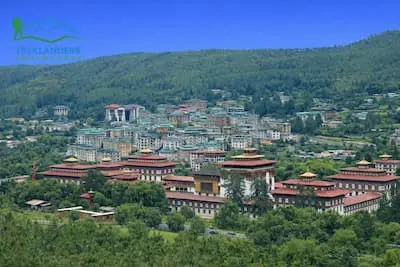
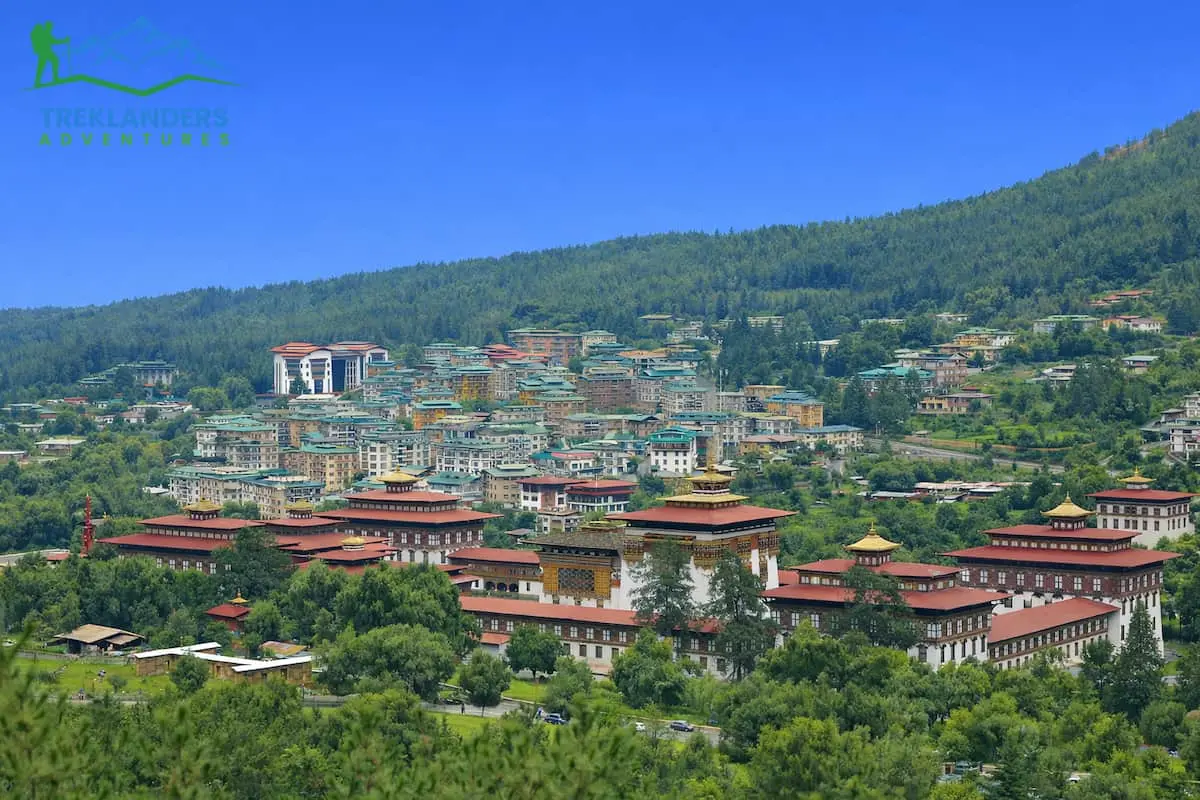
After having your breakfast, you can take a beautiful and refreshing drive of around 65 kilometers to Thimphu, the capital of Bhutan. The drive will take 1.5 hours approximately. You will be able to see hills covered with pines on one side and the very peaceful Pa Chu river flowing on the other side. Thimphu to me sounds like a very different place where you can see typical Bhutanese characters living, but at the same time, modern development is slowly coming in. After that, you can go around the city visiting the main cultural and historical landmarks.
Things to do in Thimphu
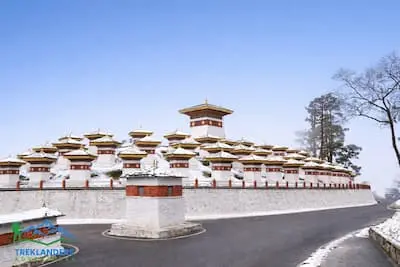
After breakfast, drives to Punakha via the stunning Dochula Pass (3,100 meters). The pass has 108 memorial chortens, which give the place a peaceful and spiritual ambiance. With good visibility, you can see the overall view of the eastern Himalayan ranges from the pass before you drive down to the warmer, subtropical Punakha Valley, where both the landscape and the weather are very different.
On your arrival, tour the grand Punakha Dzong, which is gorgeous at the point where the Pho Chu and the Mo Chu rivers meet. The Dzong, which is widely known for its beautiful architectural style, was the capital of Bhutan until 1955 and still holds the function of the winter residence of the Je Khenpo. After that, take a short and easy walk to the Chimi Lhakhang, the well-known fertility temple, walking through nice villages and rice fields and enjoying the scenic views of the valley.

After breakfast, you may commence the return trip to Paro. Along the way, enjoy your time at the scenic viewpoints and small villages. This trip gives you a closer view of the nature of Bhutan and the rural life that goes on in the villages.
On the way or after getting there, stop at a local farmhouse to understand the traditional Bhutanese way of living, the place where people follow the oldest customs and use the most ancient farming practices that are still prevalent.
The afternoon in Paro is scheduled at ease with no activities planned, thus allowing time for rest and preparation for the next day’s highlight, the famous trek to Tiger’s Nest Monastery.
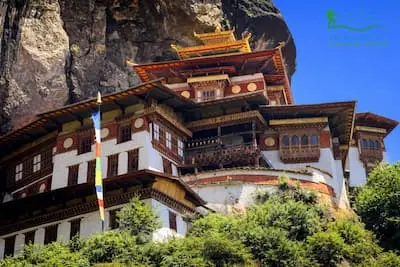
Trip to Bhutan is incomplete without seeing the famous Taktsang Monastery (Tiger's Nest), which is very impressive, 900 meters above Paro Valley on the side of a cliff. A journey to this holy place is a 4–5 hour round walk, so it is a physical and spiritual challenge at the same time, with stunning views all the time.
Trek details
Once upon a time, Guru Rinpoche was riding a tigress, and he arrived at this very place where he meditated in a cave for three years, three months, three weeks, and three days.
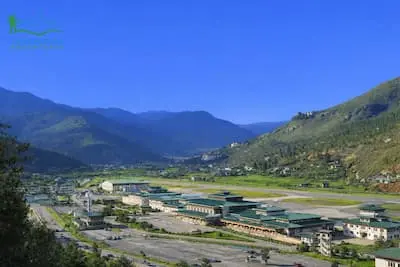
After your trip to Bhutan, get on your scheduled flight from Paro to Kathmandu. At the time of arrival at Tribhuvan International Airport, formalities will be done with the help of the local staff. This is the closing chapter of your awesome trip. Hopefully, you will keep the stunning Himalayan views, the rich Bhutanese culture, and a lot of nice moments from the Dragon Kingdom in your memory.
My 8 days Bhutan tour from Kathmandu was a truly beautiful and meaningful journey. From the moment we flew from Kathmandu to Paro, the views of the Himalayas set the tone for what was to come. Everything was well organized, allowing us to enjoy each place without feeling rushed. Paro felt calm and welcoming, and visiting Kyichu Lhakhang and the National Museum helped me understand Bhutan’s deep spiritual roots. Thimphu was fascinating, where tradition and modern life blend naturally. Dochula Pass was one of my favorite moments—the fresh air, the 108 chortens, and the mountain views were unforgettable. Punakha Dzong was majestic, and the village walks gave a real sense of local life. Visiting a traditional farmhouse was simple yet special, showing how warm and grounded Bhutanese people are. The highlight was hiking to Tiger’s Nest Monastery. It was challenging but deeply rewarding, both physically and spiritually. This trip felt peaceful, enriching, and inspiring. Bhutan truly lives up to its name as the Land of Happiness, and this tour from Kathmandu was the perfect way to experience it.
Yes. This Nepal-Bhutan trip is guided from start to finish. Local guides who have the right license and know the area well will travel with you in both countries. They will take care of things, tell you about the history and culture help you on sightseeing and trekking days, and make sure the trip is smooth and fun for you.
Yes. People who travel alone can join this trip, and they do. The trip is also good for couples, families, friends, and small private groups. When you travel alone, you feel safer and more comfortable, and you can meet others like you on the way.
Yes. This trip is a good choice for those visiting Bhutan for the first time. It has sights, a gentle start, and activities that are not too rushed or hard for a beginner to do.
This tour is best for people who like to learn about new places, see pretty sights, walk on gentle trails, and have a spiritual experience. It is best for people who are somewhat fit, especially for the Tiger's Nest walk, but no walking experience is needed.
Most age groups can take this trip, generally from teens to older adults who are still in good health. The activities can be done at a slow pace, and walking is slow and easy. Anyone with a health problem should ask their doctor if they are fine to go.
The groups are kept small to let each person have a better time, feel comfortable, and learn more about each place. A private tour can also be booked on request for a single person, a couple, a family, or a small group who wants a slower, more personal trip.
The best season for the Nepal-Bhutan tour is spring (March-May) and autumn (September-November). These months are pleasant and mostly have predictable weather: sunshine remains constant, with warm daytime temperatures for sightseeing and hiking. Visibility of the mighty Himalayas is best during these seasons, with dazzling natural splendor all around.
Good weather, great time to admire colorful landscapes from flowering rhododendrons to wildflowers lining the hills and valleys. An excellent season for cultural tours, nature walks, and the Tiger's Nest hike due to dry trails and good visibility.
Because of the clear post-monsoon sky and brisk mountain air, autumn is the most sought-after travel season in Bhutan. The weather is just right for outdoor activities, and a number of prominent festivals take place during this season to enrich the cultural experience of the journey.
Yes, winter travel is possible, and it attracts travelers who wish for some peace and solitude without the crowd. Normally, clear skies offer magnificent mountain views. However, cold weather sets in during the mornings and evenings, especially in higher mountainous regions, and therefore one must be well prepared for that with some warm clothes.
From June to August is the time for the monsoon season. The landscape appears green and lush; however, rain and cloud cover may impede visibility and hamper travel schedules. So it's generally not so highly recommended.
Spring and autumn come highly recommended as the best balance of everything-weather, scenery, comfort. If you have the right gear and experience, you might also find winter rewarding.
Yes. All International Travelers need one for entry into Bhutan. Bhutan has a controlled tourism policy, and visas can only be processed through authorized tour operators. Treklanders arranges the Bhutan visa in advance on your behalf once the booking is made and the required documents are submitted.
Yes. Route permits are required along with the Bhutan visa for traveling between districts like Paro, Thimphu, and Punakha. These permits are necessary and are completely arranged by Treklanders as per the tour package.
Yes. The Sustainable Development Fee (SDF) is common and requires payment from all visitors as part of the tour cost. SDF funds maintenance for environmental protection in Bhutan, cultural preservation, educational programs, and healthcare.
No. All visa and permit paperwork has already been arranged in advance, and your guide will carry them along on the entire trip, including at checkpoints. This allows for seamless traveling from the moment you land to the time you take off.
Yes. A visa to enter Nepal is mandatory for most nationalities. However, it can easily be obtained upon arrival at Tribhuvan International Airport in Kathmandu after filling out the visa form and paying the fees.
You need to carry a passport valid for more than six months, a clear passport-sized photo, and complete booking details. Treklanders will assist you through the rest, providing extra information, if needed, depending on your nationality.
Yes, the scheduled flights between Kathmandu and Paro are frequented by travelers, which are flown by regular airlines. This is perhaps the most famous route because of the beautiful Himalayan scenery, and on clear days, the snow-capped peaks are visible to the passengers during the short journey.
The flight takes about one hour. While the flight may be short, it is considered one of the most scenic mountain flights in the region due to its dramatic approach into Paro Valley.
Travelling in Bhutan is done by private comfortable vehicles, chosen according to the number of group members and the road conditions. These vehicles are meant to reach the destination in a relaxed manner between destinations because they are suitable for Bhutan's mountain terrain.
Experienced and local drivers drive every vehicle in Bhutan, with knowledge of Bhutan's winding mountain roads, high passes, and varied weather conditions. Safety and reliability are thus maintained well throughout the tour.
Yes. Airport pick-up/drop services are done within Kathmandu and Paro, and there would be assistance during arrival and departure to allow smooth travel between flights and hotels.
Hotels in Kathmandu are used to accommodate visitors in Nepal because of their central and convenient access. The hotels in Bhutan are used for big attractions like Paro, Thimphu, and Punakha to provide a convenient comfort stop for the tourists traveling around these areas.
Transport is typically arranged on a private basis for the tour group, allowing flexibility in timing, sightseeing stops, and comfort. Private arrangements also improve security and offer better personalization of the travel experience.
In cities where one must stay, accommodation is provided by government-certified hotels that fulfill the standards of tourism for Bhutan. These hotels are purportedly clean, comfortable, and convenient, with a service that can be depended on for a pleasant stay after visiting places out and about.
Single rooms are available, but they have to be specifically requested by the traveler wishing to remain in single accommodation. Additional costs may be incurred where single occupancy is allowed, depending on availability and season.
Accommodation is usually arranged on a twin-sharing basis for all tours, especially where there is a group tour. A solo traveler joining a group tour may share a room unless he/she produces a request for a single room.
This is correct. Most hotels set basic modern amenities, such as private bathrooms, hot and cold water, heating (seasonal), Wi-Fi in public areas or rooms, and also in-house dining facilities, with variation in amenities depending slightly on location and local conditions.
Accommodation can actually be customized by personal preference, travel style, or special requests. Some upgrades or specific hotels might be available with advance notice and subject to availability.
The meals provided during the tour will be based on the itinerary presented and offer a variety of local Nepali and Bhutanese dishes along with some common international options. The food is hygienically prepared and is served at hotels, restaurants, and designated sites along the itinerary.
Yes, vegetarian meals are offered freely during the tour. The cuisines of Bhutan and Nepal provide many vegetarian options with fresh vegetables, rice, lentils, and local spices. However, travelers are encouraged to inform at least beforehand about their food preferences.
Yes. With sufficient notice, special diets like veganism, non-spicy food, or food allergies can be worked around. Informing the tour operator in time gives guides and kitchens ample opportunity to prepare the proper meals.
Bhutanese food is simple, flavorful, and often spicy. One very popular dish is ema datshi, chilies, and cheese. Rice is a staple and is generally served with vegetables, lentils, eggs, or meat. Spice levels can often be adjusted upon request.
Definitely: meals are planned around the daily itinerary to keep the travelers energized for sightseeing and walking. Longer travel days will have stops for meals at good restaurants or hotels along the way.
Bottled or purified drinking water is recommended for the entire excursion. Tap water should really be avoided by travelers who can use a refillable bottle whenever purified water is available, basically to help in reducing plastic waste.
Altitude sickness is generally not mentioned as a serious problem in our itinerary because the route is set up with gradual altitude gain. These destination cities-Paro, Thimphu, and Punakha-are of moderate elevations, and sightseeing activities allow for some adjustment of the body on its own. Moreover, altitude sickness, except for mild symptoms, is rarely of concern for most travelers.
Generally speaking, the highest altitude is Taktsang Monastery (Tiger's Nest) at 3,120 m, and the slow ascent with stops for rests is manageable for most travelers of average fitness.
There are no requirements for special medical preparations. However, travelers should be reasonably fit and able to walk for a few hours at a casual pace. If you have an existing condition, consulting a physician is a good idea prior to traveling.
Maintaining hydration, proper nourishment, and abstinence from alcohol at high altitude starts to become important, and walking at an even pace. The guides recommend frequent stops and will scrutinize all group members for any signs of discomfort.
Travelers should, indeed, bring their own medications and basic first aid, and any prescription drugs with them, as medicines outside big towns may be hard to come by.
You should immediately inform your guide if you feel sick. All guides are trained to be aware of altitude illness symptoms and will slow the pace and offer rest or even organize other medical treatment if required.
The Tiger's Nest (Taktsang Monastery) trek is a moderate trek, which means it is neither too easy nor overly strenuous. The walk involves a bit of an upward climb, stone steps, and uneven sections, yet nothing very technical is involved in trekking. The entire distance involves about 4-5 hours of walking and includes stops for resting. Anyone with a bare minimum degree of fitness who is comfortable walking for a few hours and has a positive attitude can complete this trek.
The trek does not require prior trekking experience. The trail is well-established and well-marked. It takes a leisurely pace with the guides allowing ample time for rest, photography, and acclimatization, thus catering to first-time trekkers.
Moderate levels of fitness are recommended. Regular walking, some light hiking, or a bit of cardio before the trip, like stair climbing, can make the trek more enjoyable for you.
Yes. There are regular intervals for rests along the trail, an important stopover at the halfway point, and a cafeteria dispensing refreshments. Your guide will encourage taking rest stops to catch your breath and save energy.
Comfortable trekking shoes or strong walking shoes fitted with good grip soles are strongly recommended. Shoes need to be broken in before the trip to avoid discomfort.
Definitely, as long as they are healthy and in good shape. Older travelers might choose to hike some way and return if they feel that is needed, giving the trek a level of flexibility.
If tired or uneasy, trekkers may stop at an appropriate place and return on their own suggestion of the guide. Experience remains fruitful even when the monastery is not reached.
Yes, travel insurance is absolutely compulsory for everyone traveling on the Nepal-Bhutan tour. It must cover comprehensive medical treatment, emergency evacuation (including helicopter rescue), trip interruptions, and unforeseen emergencies. The insurance must be valid throughout the duration of the tour, from arrival in Kathmandu to final departure.
Yes, Bhutan has been very pronounced as one of the safest countries in the world when it comes to travel destinations, having relatively low crime rates and a well-regulated tourism system. Nepal and Bhutan are both international countries that welcome visitors from all over the world, and all activities in this tour will be conducted under professional safety guidelines.
Road travel is done in well-maintained vehicles that locally employ drivers trained to efficiently handle mountainous terrain and often winding roads in unpredictable weather conditions. Travel schedules are planned conservatively to avoid fatigue and profitably ensure a comfortable and safe journey between destinations.
Yes indeed, and it's because the trek to Tiger's Nest follows a very well-established, clearly maintained trail, and licensed guides take the hikers through this trek at a carefully calculated pace, stopping often to allow for rest. It also allows monitoring by guides as to those on the trip who may be experiencing fatigue or discomfort, so they can stretch out and provide assistance whenever needed.
The guides usually carry basic first aid kits and are trained in the treatment of minor injuries, altitude-related symptoms, and general health problems. In the towns of Paro and Thimphu, medical facilities are available as and when required.
In the rare case of a serious medical emergency, evacuation and medical assistance will be arranged through local authorities and hospitals. Appropriate travel insurance is therefore necessary for every traveler.
If you feel sick, uncomfortable, or unsafe, get in touch with your guide immediately. Early communication allows guides to adjust activities, provide rest, or arrange medical support, ensuring your well-being throughout the journey.
The booking process is pretty much uncomplicated. You can confirm your place by contacting Treklanders through email or via the official website by providing the necessary particulars, such as passport information and preferred traveling dates. Eventually, confirming availability will lead to initiating the booking process.
Payment may be made through bank transfer, online payment gateway, or any other method mutually agreed upon. At the time of booking, complete details of payment will be included. Travelers are requested to keep a copy of their receipts for future reference.
It is rewarding to book at least 4–6 weeks in advance, with consideration paid to travel during peak season (spring and autumn). There are limited flight seats to Bhutan and strictly regulated tourism policies, so booking ahead will guarantee the smooth securing of flights and permits.
The cancellation policy varies based on timing and the services that have already been arranged. Some costs, such as flight tickets, visa fees, or permits, may be non-refundable once processing commences. Clear cancellation terms will be provided to you at the time of booking.
Yes, date changes or other minor itinerary modifications could be possible, subject to availability and government regulations. All changes should be made as early as possible to minimize extra fees.
Yes. The Nepal–Bhutan Tour can be arranged as a private or customized trip based on individual needs, whether for individuals, couples, families, or groups. Customization can include travel dates, pace, and interests, allowing some flexibility without losing any of the core experience.
Yes. All tour guides understand English, they also know a lot about working with people from various countries. Some other languages may also have guides available upon request, but availability would depend.
The tour is spearheaded by professional certified local guides in Nepal and Bhutan. In Bhutan, guides are certified by the Tourism Council of Bhutan, which is equivalent to national standards in terms of knowledge, safety, and service.
The understanding of guides encompasses locals' culture, history, religion, geography, and everyday lives. The guides will understand much about the holy places themselves-monasteries, Dzong, museums, and cultural sites-and provide meaningful explanations that will help travelers develop insights rather than simply sightseeing.
In Bhutan, typically, a single designated guide accompanies the group for the full period of the trip so that the group has continuity and familiarity. There is a local representative for every arrival and departure in Nepal. The locally trained guides normally support trekking days; on any day the trek is troublesome, the local guide will be there to help.
Yes. The importance of guides is justified by playing their part in the Tiger's Nest hike. They get the rating, specify rest stops, monitor altitude comfort, and keep advancing motivation and support throughout the hike, making it safer and more convenient.
Absolutely. Daily coordinating, timing, meal orientation, and cultural etiquette, as well as anything unforeseen, are all done by the guide. The travelers are thus introduced to the local communities, making the whole experience even better.
It is not compulsory, but if you appreciate the service, you can tip. Guest and staff members spend a lot of resources in creating happy memories for one's stay, and tipping is considered kind-hearted rather than obligatory.