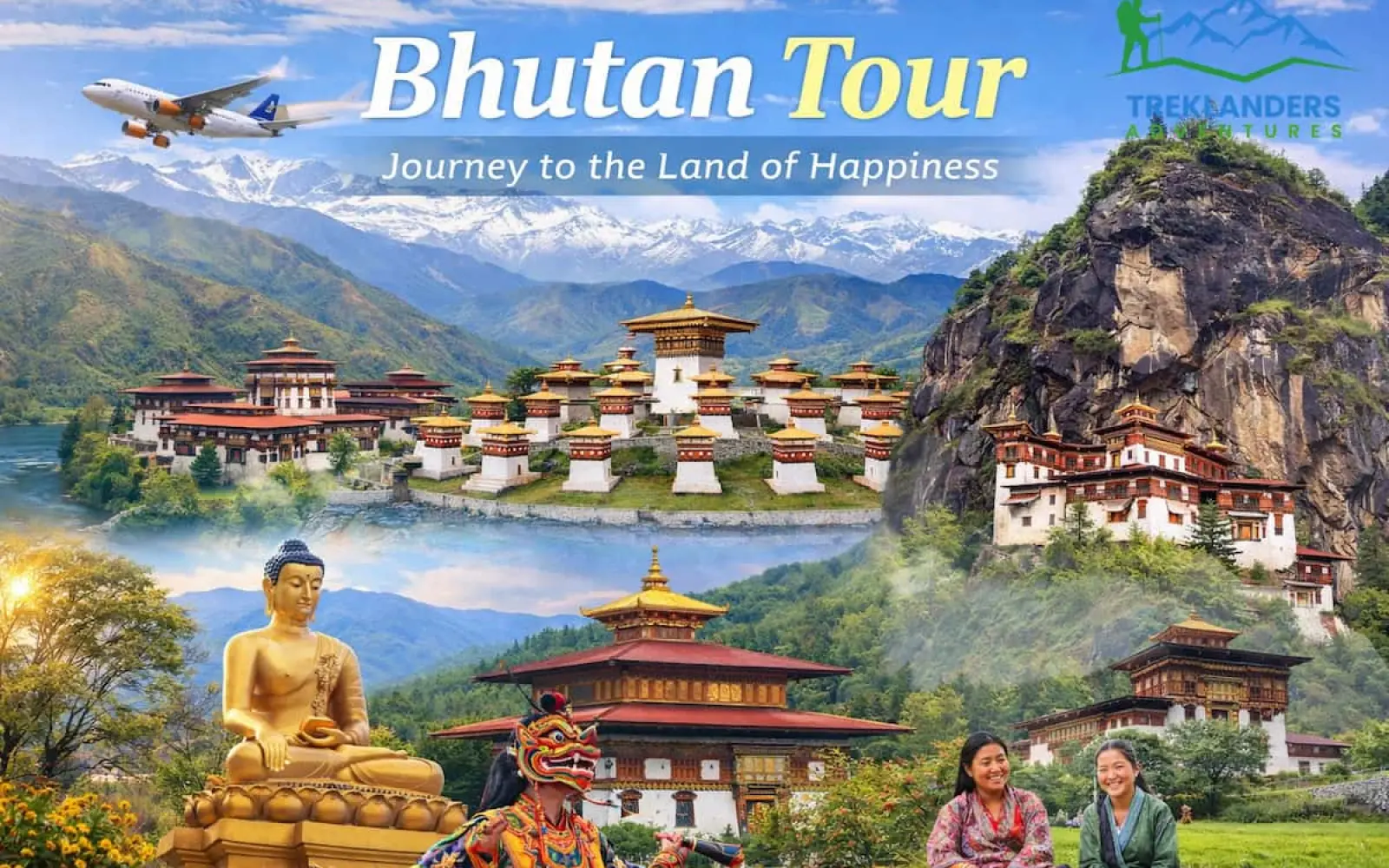
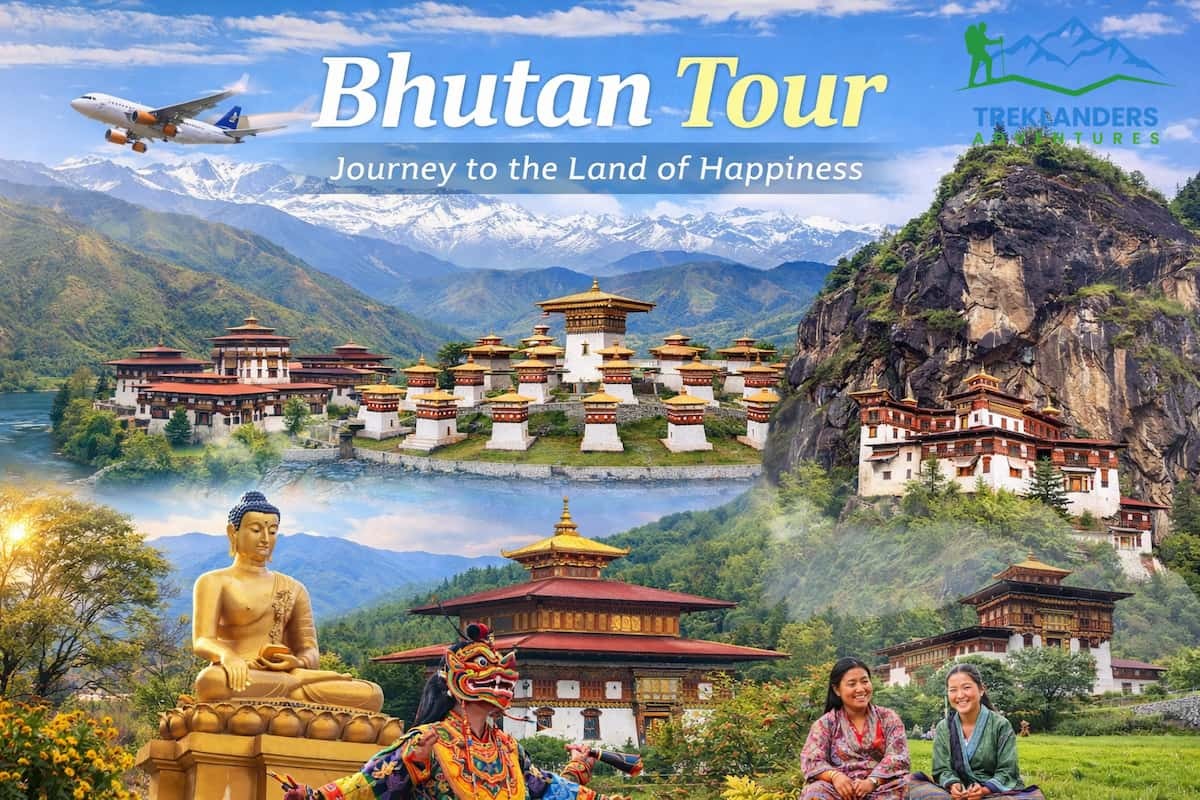
More often known as the 'Land of the Thunder Dragon,' Bhutan is often described as a mystical Himalayan kingdom that attracts travelers due to its pristine mountains, deep spirituality, and rich living traditions. Located between India and China, Bhutan is blessed with a rich natural beauty and cultural authenticity. The article explores Bhutan's major tourist areas, traditions, festivals, and landmark sites that contribute to its uniqueness as a destination.
The capital city of Bhutan is Thimphu. It is very different from the other bustling capital cities of the world, as there are no traffic lights in Thimphu, maintaining a calm and orderly atmosphere. Some significant places are available in Thimphu, such as Tashichho Dzong, the main seat of Bhutan's government and monastic body. In addition, visitors can enjoy the National Memorial Chortens, walk through vibrant local markets, and learn more about Bhutanese heritage in museums and monasteries. Thimphu portrays the philosophy of Gross National Happiness by the country, where it overflows with cultural values rather than hastily modernizing.
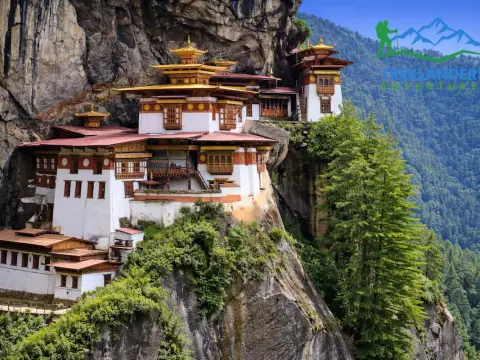
Not a single trip in Bhutan can be called complete without a visit to the iconic Tiger’s Nest Monastery, perched dramatically on the cliff, 900 meters above the Paro Valley. The site is believed to be where Guru Rinpoche meditated in the 8th century. Hiking to Tiger's Nest is a physically rewarding and spiritually uplifting experience with astounding views of pine forests and deep valleys. Paro Valley itself has an interesting history of traditional farmhouses, ancient temples, and Bhutan's only international airport.
Punakha, the former capital of Bhutan, possesses a subtropical climate and beautiful scenery. The grand Punakha Dzong at the confluence of the Pho Chhu and Mo Chhu rivers is regarded as one of the most beautiful Dzong to exist in Bhutan. Surrounded by rice fields and mountains, Punakha provides a serene escape and offers an exquisite window into Bhutanese history and spirituality.
The Tshechus, which are national public festivals, are celebrated by most districts of Bhutan in honor of Guru Rinpoche. During these festivals, sacred mask dances called Cham are performed by monks or lay dancers as a tribute to the saint. People wear their traditional outfits to create a more lively feel; they also include other local folk as part of the festivities. Among the most celebrated are the Paro Tshechu and the Thimphu Tshechu, both of which witness the grand pilgrimage and international travels answer.
The Punakha Drubchen is an exceptional festival that reenacts Bhutan's historic battles against Tibetan invasions in the 17th century. Locals dress up as warriors, and vivid performances bring Bhutanese history to life. The festival celebrates mature unity, resilience, and national pride for Bhutan.
As a festival, it exists to hold a ceremony to celebrate the arrival of the endangered black-necked cranes into Bhutan each winter. The festival is an example of deep respect that Bhutan accords to nature and wildlife, a blend of conservation awareness and cultural expressions.
Magical Bhutan balances everything, from nature and culture to tradition and development to spirituality and mundane living. A stroll through the tranquil streets of Thimphu, standing in awe under the Tiger's Nest, exploring the wonders of Punakha Dzong, or celebrating during a colorful Tshechu festival; Bhutan creates a journey that transcends physical reality. This is a place to contemplate, find inner silence, and deeply experience the Himalayan wisdom. One does not go to Bhutan just for a vacation; rather, it is a life-changing experience that lingers long past the time of departure.

Feel free to inquire, and together, we'll design the perfect journey to suit your preferences and desires.
Contact Us