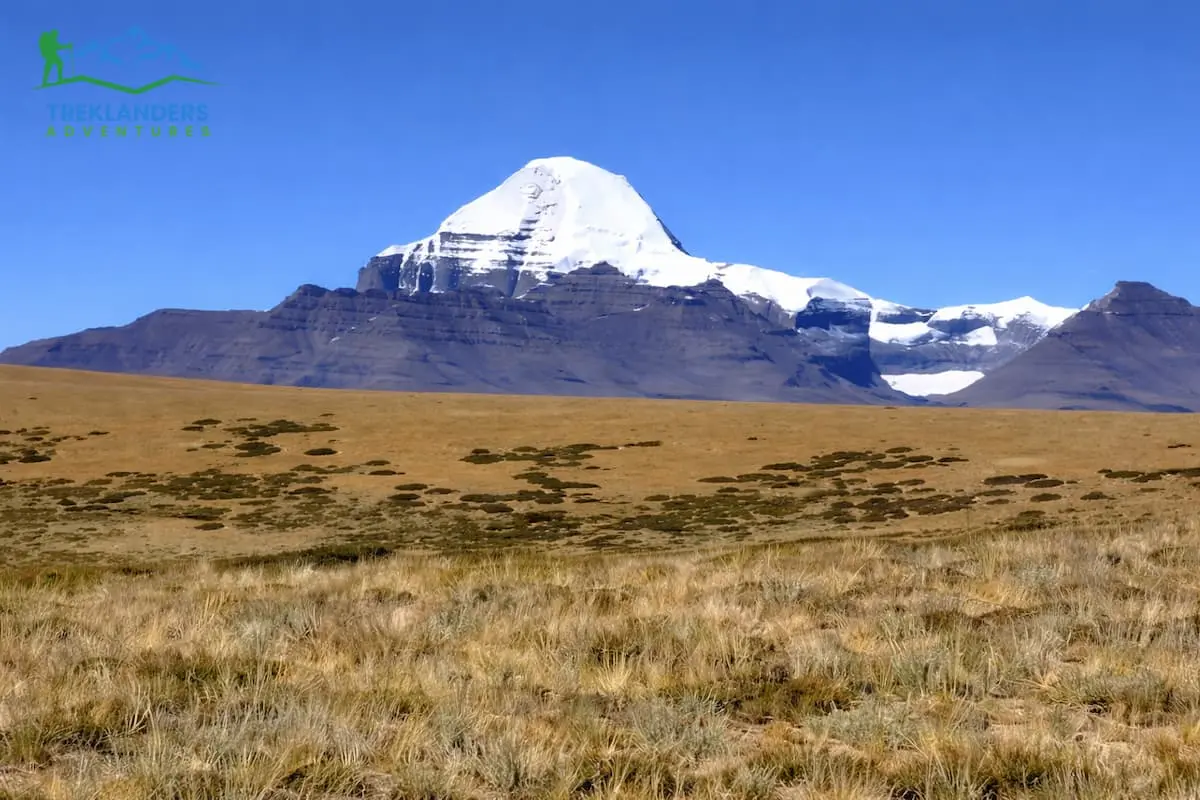
Mt. Kailash & Lake Manasarover Tour is an adventure of a lifetime experience traveling around the world’s highest and largest plateau.
Mt. Kailash is revered as the holiest of all holy mountains by four main ancient religions. Namely Hindu, Buddhist, and Bon (pre-Buddhism), as well for Jain religion, for Hindus, is the abode of Lord Shiva. For Buddhism, it is the seat of Khang Rinpoche the high priest, and Jain worship as Astapada. The place and creator of the Jainism faith Rishbhadeva attained freedom from re-birth.
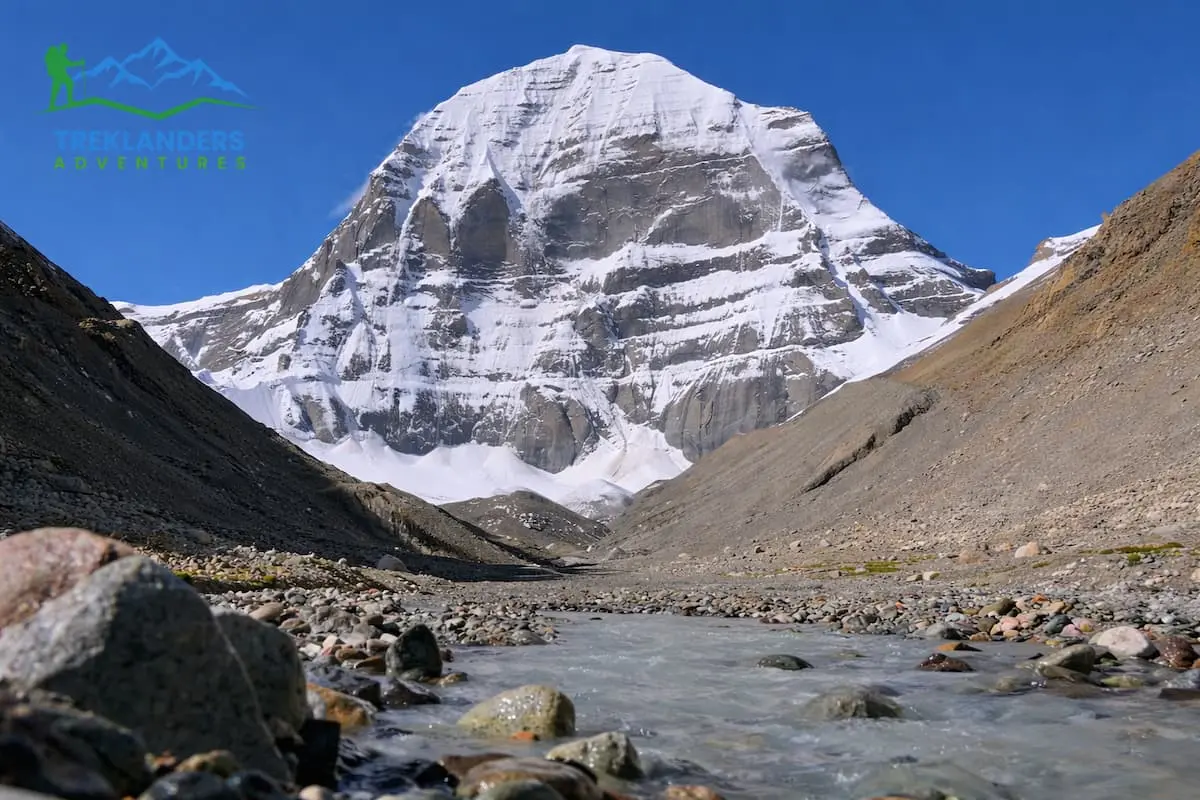
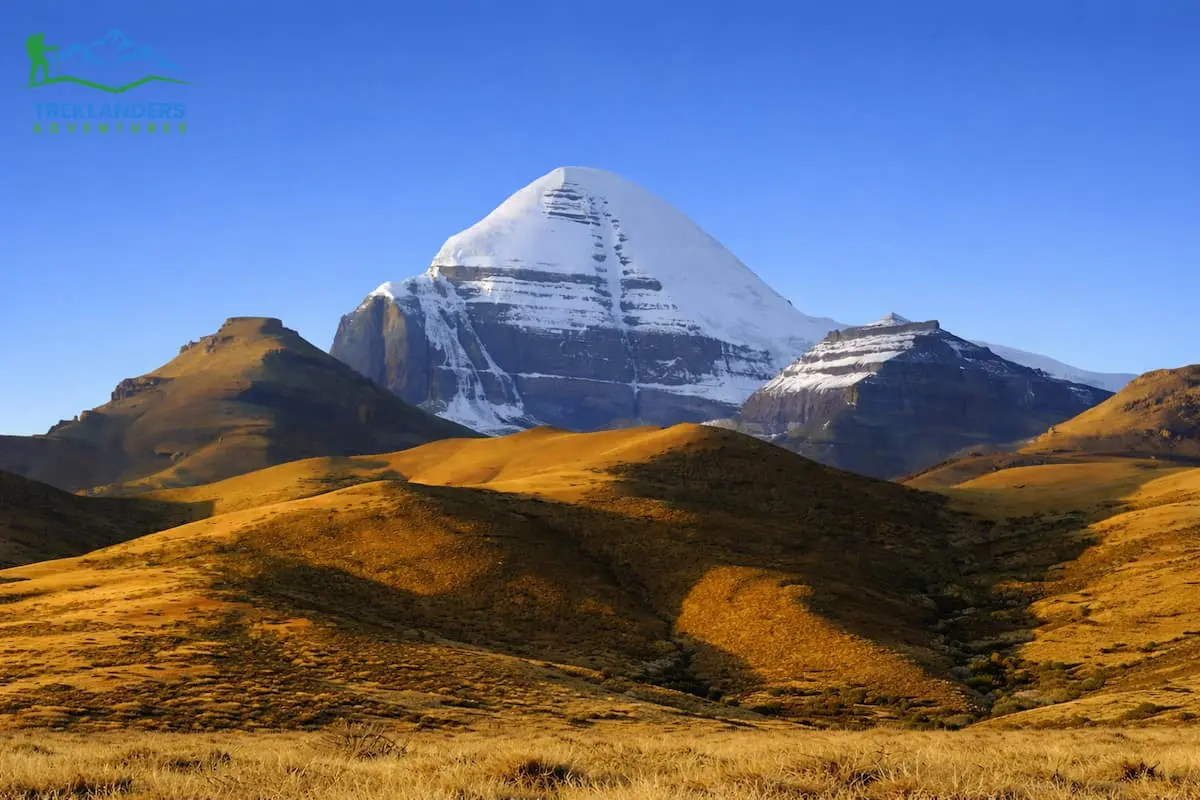
Mt. Kailash an amazing mountain stands above the windswept valley of Ngari province at 6, 714 m / 22,028 feet high. A little further south of
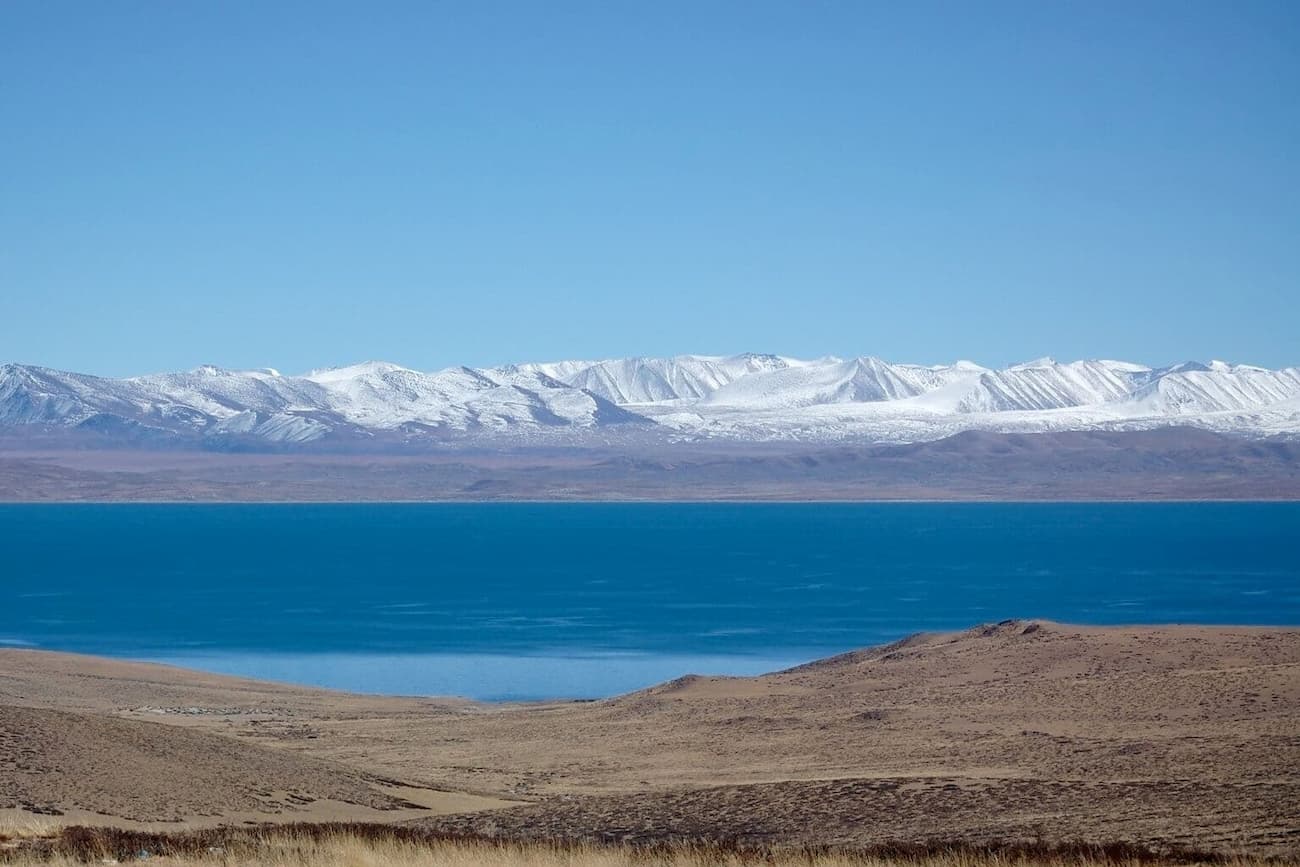
Mt. Kailash is the sacred Manasarover Lake, one of the largest lakes in Asia.
Where thousands of Buddhism and Hindu pilgrims pay homage to the holy sites of Manasarover and Mt. Kailash.
Mt. Kailash with an amazing feature of beauty and grace, with four cardinal faces in the east, is known as Crystal. The west is a Ruby, the south Sapphire, and the north face is gold, as well the origin of four major rivers. Namely Karnali, Sutlej, Indus, and the great Brahmaputra River also called Yarlung Tsangpo in Tibet.
Mt. Kailash & Lake Manasarover Tour is certainly a glorious journey that starts from Kathmandu, heading towards Nepal and Tibet border.
The drive leads northwest from Kathmandu reaching around Langtang and Ganesh Himal region in the Rasuwa district. Then drive follows north to Rasuwagadhi the frontier to enter Tibetan soil at Kyirong, where our real adventure begins.
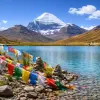
From Kyirong drive leads towards the high tableland at Tibet's South West plateau to reach the town of Saga. As altitude gains gradually along with spectacular scenery of windswept landscapes, facing distant snow-capped peaks that border the two countries. Slowly the drive leads over a few high passes reaching the west end of the large Manasarover Lake, near Chu Gompa. The area around is known as Barkha valley, enjoy the grand views of Manasarover Lake with Mt. Kailash.
Spending a day at Manasarover for exploration and worship and prayers of the holy lake. The adventure then heads to the foot of Mt. Kailash at a holy spot of Taboche facing Kailash west face. The walk starts following a stream to Dhiraphuk on the North side of Mt. Kailash. The holy Kora or Parikrama then leads to a steep climb to the top of Dorma-La Pass.
The sacred spot and the highest point of the journey, the pass adorned with offerings, marked with thousands of prayer flags.
Enjoy the glorious North Face of Mt. Kailash at a close distance from the pass, and then head for a long descent. Reaching the foothills at Lamchu valley, walk on a gradual path to Zutulpuk a small settlement. Nearby is a holy meditation cave of 11th-century saint Millerepa, as the walk nears the end. Reaching close to Darchen, a large town of the region, located south of Mt. Kailash.
On completing the holy circuit, drive along the dry windswept plain on the same scenic route to Kyirong. For the last overnight in Tibet, the next morning cross the border to enter Nepal at Rasuwagadhi. On reaching back to Nepal, the drive leads through Syabrubesi and Dhunche town, then downhill to Kathmandu.
At Kathmandu, our great memorable adventures on Mt. Kailash and Lake Manasarover Tour concludes.
Tour Grade: Leisure with short moderate drives. Includes adventurous
walks for few days on Kora, Parikrama or Circuit on Mt. Kailash.
Tour Areas: Far South West Tibet around Ngari / Kailash region.
Maximum Height: On top Dorma-La Pass 5,630 m / 18, 471 feet.
Activities: Overland Journey with 3 days hikes for Parikrama / Kora.
In Tibet: 09 Nights & 10 Days.
Total Trip: 14 Nights & 15 Days from main arrival to final departures.
Best Seasons for Mt. Kailash & Holy Manasarover Tour:
The best time for Mt. Kailash & Holy Manasarover Heli Tour is from April to June until October. Includes late spring with summer / monsoon and autumn seasons. During these time, visitors will witness dramatic landscape, in relatively warmer weather. But can be windy afternoon on reaching the high and dry Tibetan plateau.
The monsoon wet clouds are less affected around Tibet, as the country falls within rain-shadow; the rain clouds are blocked by Himalayan range.
The country gets less precipitation and is always dry, with minimum rainfall, than in other southern parts of the Himalaya’s. Expect light snow-fall during the tour and treks on Kora around Mt. Kailash.
Please Note:
To enter Tibet from Nepal from normal early route of Kodari and Zhangmu is not possible. Due to broken road from the landslides of 25th April & 25th May huge earthquakes. The road might be open for visitors in the near future, depending upon Chinese Authority. The only entry point to Tibet at present is flying to Lhasa or drive to Kyirong, around Langtang Himal region.
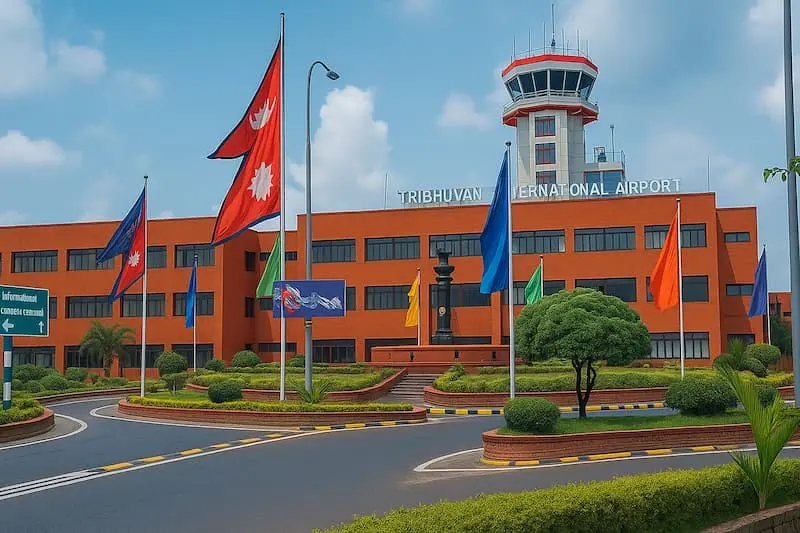
On first arrival at Kathmandu-Nepal international airport, our staff and guide will receive with traditional welcome. A short drive to your hotel in the hub of Kathmandu city, on checking into your nice rooms. After getting refreshed from the jet-lag, join at the hotel lobby and at meeting room for trek briefing provided by our guide or leader. Information about the hotel, lodge on tour with full details of Tibet and Kailash driving routes. Including food and accommodation in Tibet and Kailash tour. As well with do’s and don’ts with welcome group dinner in an authentic Nepali restaurants with local cultural program along with Nepali meals.


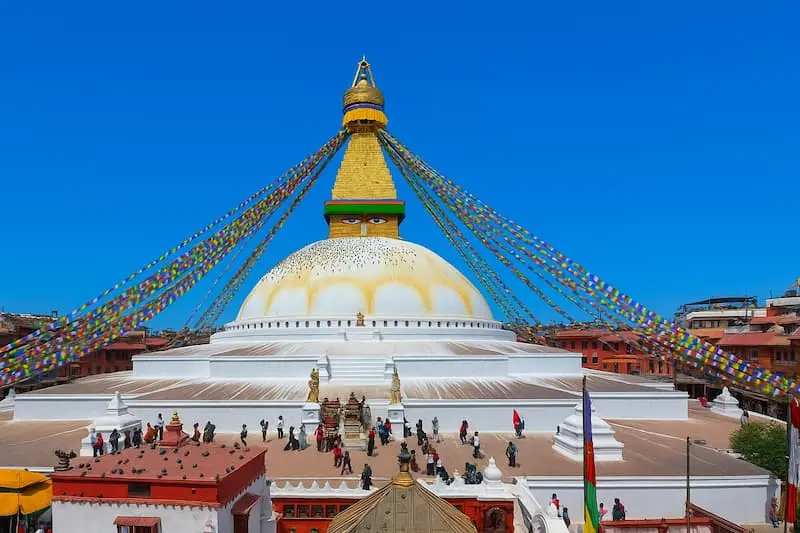
Morning after breakfast, the city / cultural guide will meet you at the hotel for tour around Kathmandu World Heritage Sites. As well visiting interesting places of historical sites and culture. After the tour back at the hotel, preparation for Kailash & Manasarover Lake Tour. As well to obtain the Tibet visa and permits, our staff and guide will arrange, before leaving for Tibet and Mt. Kailash.
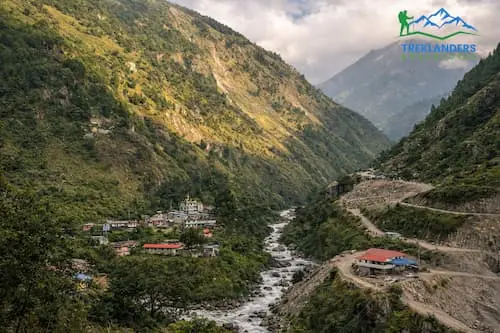
Early morning an exciting drive on 138 k.m / 86 miles to Syabrubesi town to start Kailash & Manasarover Lake Tour. The road follows on winding ups past Nuwakott district reaching Rasuwa, around Langtang Himal range. Drive leads to main town at Dhunche, the headquarters of the Rasuwa district. As well the entrance of Langtang National Park, the drive heads downhill on winding road to Syabrubesi for overnight stop.
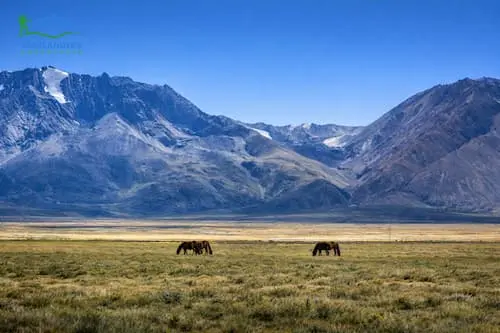
The drive in the morning from Syabrubesi leads on a newly built hilly dirt road that links Nepal and Tibet / China. As the drive follows on few bumpy rough tracks to reach Rasuwagadhi at 1,800 m. Covering a distance of 15 km in an hour drive from Syabrubesi. After completing the custom and visa formalities reaching the other side of the border in Tibet / China. Here our Tibetan guide will receives you for short drive to our overnight stop at Kyirong a small town. Where another visa and passport formalities should be completed on the Chinese immigration.
The drive leads to a nice town of Kyirong for two overnights in a nice simple guest house or a lodge.
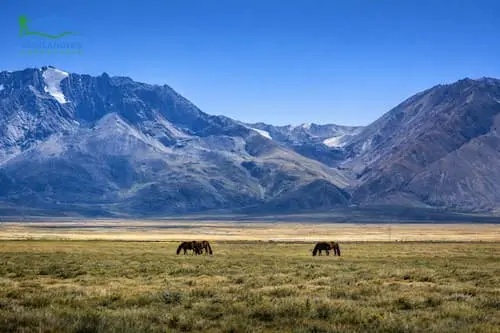
Kyirong located right behind massif Ganesh Himal, called Yangri in Tibet, as well on the north side of Langtang Himal. An extra day in Kyirong for acclimatization before heading higher terrain. At Kyirong relax and enjoy views of Ganesh and Langtang Himal, the place is also a religious and historical site the home of 11th Century great saint Guru Millerepa.
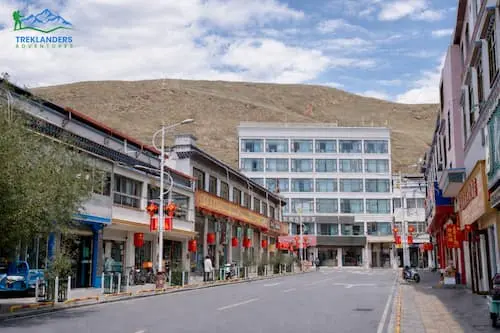
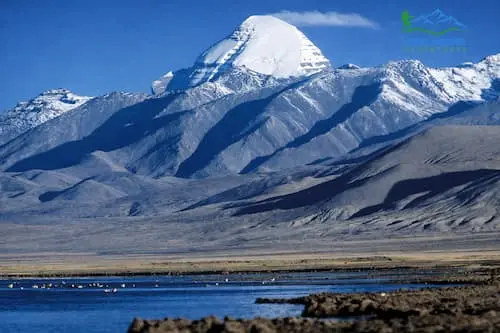
Leaving Saga town after an hour of good drives, reaching a high pass, and then down towards Tibetan dry plateau. An exciting drive facing views of snow peaks that borders Nepal and Tibet. The drive leads past villages and small settlement of nomads and yak herders’ camps. Then reaching a windswept desolate village of Parayang, after a refreshing stop. The journey continues crossing over Mayum-la 5,150 m, from here down and on winding road to Lake Manasarover.Staying overnight in a simple Tibetan lodge or guest house near the shores of Manasarover Lake and below Chu-Gompa. Located on a high ridge of an overhanging red cliff cave.
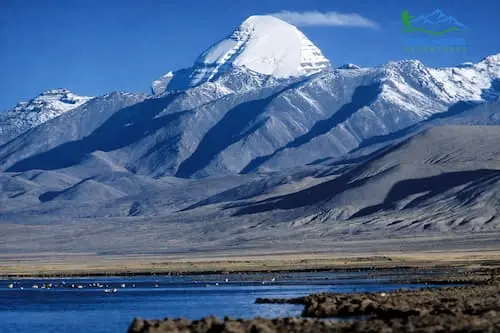
A pleasant rest day for acclimatization with options for short walks and perform the puja, and religious rites. For those who joined for a holy pilgrimage, enjoy views of Mt. Kailash; and peaks of Gurla Mandata 7,694 m in the south.
Manasarover floats beneath the shadow of holy Kailash as the lake formed in the mind of Gods. As Manas word comes from ancient Sanskrit means mind or soul of a god. For interested people who likes to cover the whole circuit of Lake Manasarover is in late autumn and early spring. When the streams and rivers flowing into the lake will be low and shallow to cross on drives. Takes nearly four hours on drive for full circuit of Manasarover Lake. Covering a distance of 110 k.m distance round trip, for hike takes four days. Time permitting visit Chu Gompa tucked high above in an overhanging cliff cave, offers grand views of Manasarover Lake and the surroundings.
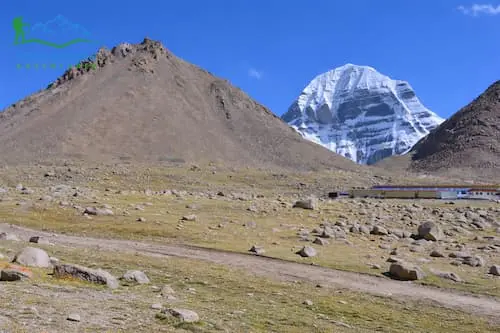
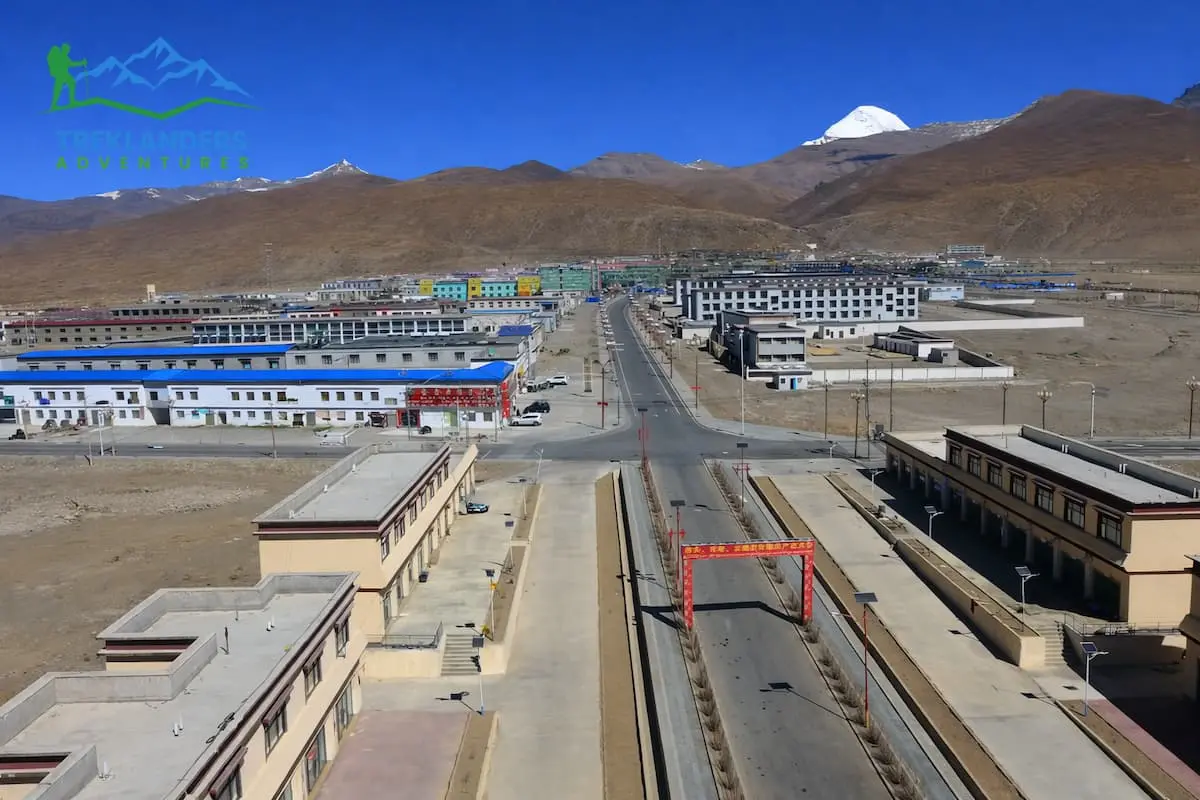
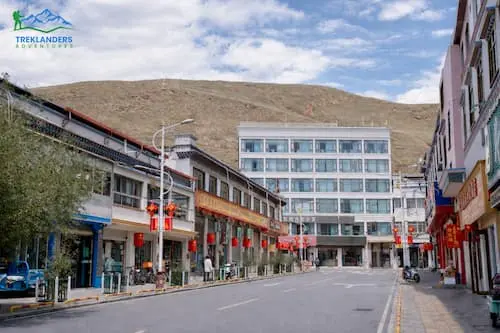
From Manasarover, short drive on Barkha valley wide plain, as ride leads close to Darchen. The main town of Ngari province and Kailash areas, has many hotels and guesthouses, a busy place. During pilgrimage time of Saga Dawa festival, Darchen is flooded by thousands of pilgrims.
Darchen located South Face of Mt. Kailash, where most Parikrama or Kora starts and ends. The drive heads further west to a holy spot at Taboche, a place with tall flag pole, and a highly revered as sacred. Located West flank of Mt. Kailash, the walk heads above a stream with sparse vegetation. As the trail slowly leads to Dhiraphuk, a small grand spot with magnificent North Face of Mt. Kailash.
Dhiraphuk a settlement with few lodges and shop for pilgrims, check into a basic lodge for overnights. The lodge provides simple meals to enjoy, but an exciting place in the close shadow of Mt. Kailash.
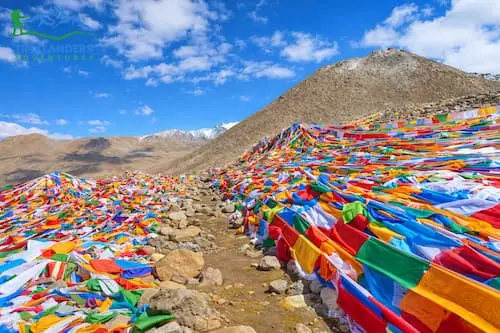
After a pleasant stop in Dhiraphuk, start the morning walk carrying packed lunch for the long day. From Dhiraphuk cross over a small wooden bridge, and then starts the climb on steep uphill for few hours. The finally reach on top Dorma-La, one of the most holy spot, as well the highest point of the adventure.
Stand in front of Mt. Kailash North Face, the top with a huge boulder represents goddess Dolma / Dorma (Tara). The pass adorned with thousands of prayer flags and offerings, after a glorious moment. A long descend to the base of Dorma-La pass reaching Lamchu Valley. The walk on gradual flat trail to Zutulpuk for overnight stop, Zuthul means a cave. Located near a big cave where saint Millerepa stayed meditating in the 11th Centuary. His footprints remains on the roof of a cave, overnight in the comfort of simple lodge.
Rise early morning for a long day drive to Saga, and enjoy the last day of holy Parikrama or Kora. Having breakfast the walk is easier on wide gentle path follow the Karnali River that flows towards Western Nepal. The walk takes about 3 hours to reach at the end of Kora, the holy walk. On completing the walk near east side of Darchen, then board in a vehicle for long exciting drive to Saga.
The drive of more than 4-5 hours, reaching Saga by evening for dinner time and in the comfort of a nice lodge or hotels.
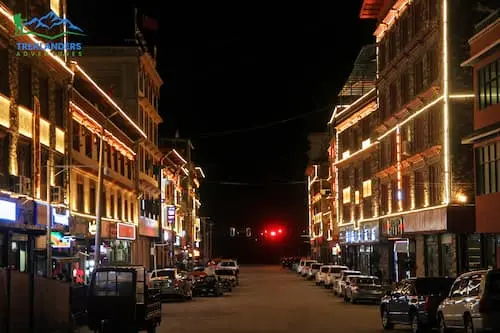
From Saga after a long drive of previous day, todays a fairly short ride to reach Kyirong County. After a good breakfast, the drive leads on the same route over the bridge, and then enter a river gorge. On leaving the high and dry Tibetan plateau, the drive follows through few smaller villages then reaching Kyirong.
Enjoy the last overnight around Tibet, staying in the comfort of a nice lodge with good delightful foods.
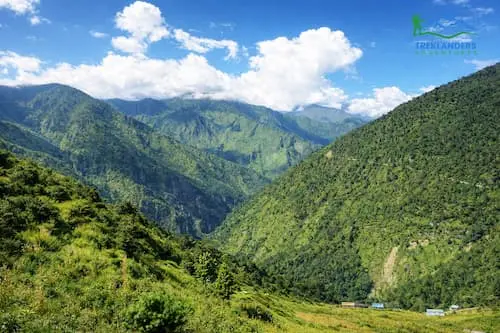
Leaving Kyirong around Tibet / China, a short drive to the frontier on Chinese side for visa formalities. At the border bid farewell to our Tibetan guide and drivers, the walk across towards Nepal at Rasuwagadhi. A short stop at the border to complete the visa and paper works, then taking a Nepali vehicles. After crossing the border, and back into greens with tree lines. As drive leads to Syabrubesi village, and then few hour uphill drive to Dhunche town for overnight halt.
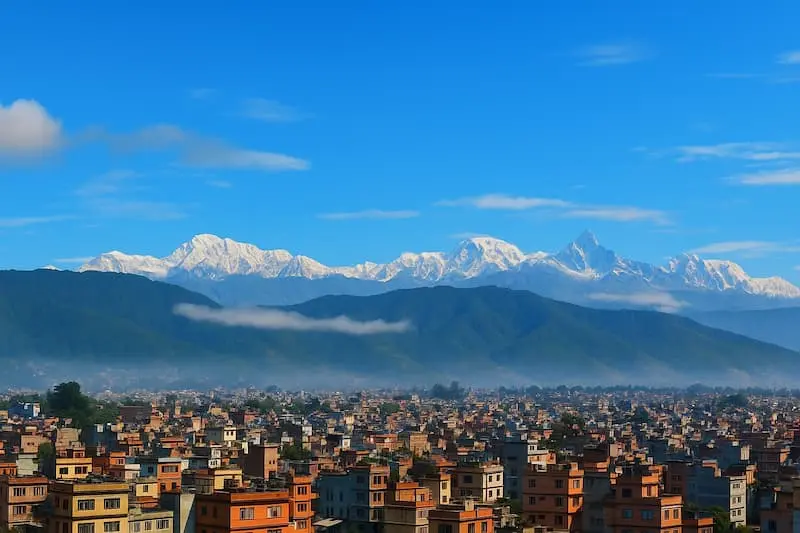
After a wonderful time in Tibet and at Dhunche town, morning drive on a scenic, exciting highway to Kathmandu. The drive leads beyond Dhunche, Ramche towns and near Trisuli Bazaar. On reaching Kathmandu, transfer to your hotels, rest of the day at leisure after an enjoyable, marvelous adventure on Kailash & Lake Manasarover Tour.
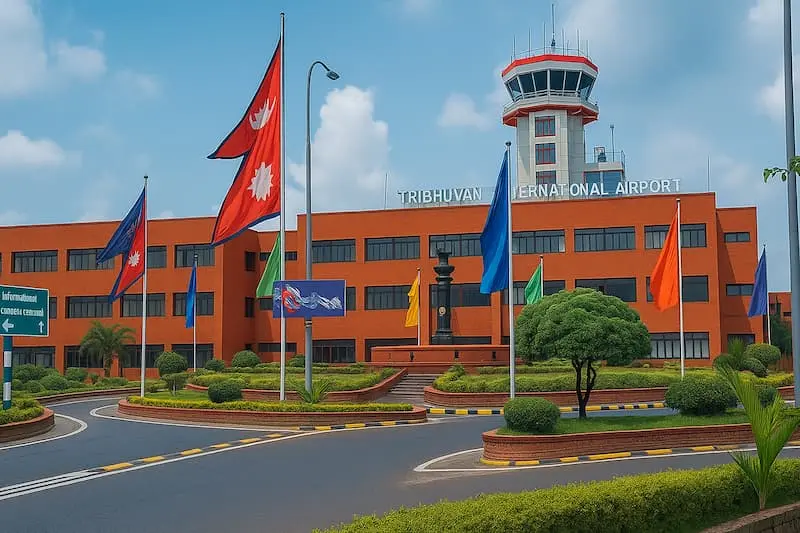
After an enjoyable and most mesmerizing time in Kailash & Lake Manasarover, as well in Nepal. As time for departure, our staff transfers you to international airport for flight homeward bound or to next port of call.
My journey to the holy land of Mount Kailash and Lake Manasarovar was not just a trip, but a divine awakening, and I owe heartfelt gratitude to Treklanders Adventures for making this sacred pilgrimage smooth, well-organized, and deeply soulful. From the moment we started, the team ensured comfort, safety, and care. Every member of the staff walked with us not just as guides, but as companions carrying genuine devotion in their hearts. Their arrangements were thoughtful — accommodation, meals, travel logistics, and high-altitude support were handled with grace and professionalism. Standing before Mount Kailash, I felt as if time had stopped. The great white peak appeared like Lord Shiva himself in silent meditation, radiating peace and cosmic energy. At Manasarovar Lake, when the first rays of the sun touched the sparkling water, I felt an indescribable stillness — a moment where the soul meets eternity. We performed spiritual practices, dipped in the holy waters, chanted, meditated, and experienced an inner purification no words can fully express. Treklanders Adventures respected our spiritual intention and allowed us the space for silence, prayer, and introspection while ensuring we were safe, supported, and well-guided throughout the kora. They truly understand what a pilgrimage means for a seeker. This yatra has changed me. I returned with a lighter heart, a quieter mind, and a deeper connection to Shiva consciousness. I highly recommend Treklanders Adventures to anyone planning to visit Kailash-Mansarovar — not only for their reliable service, but for the heart they put into their work. Om Namah Shivaya !
Purpose: Keep sweat off the skin and maintain warmth.
Purpose: Trap body heat in cold air at altitude.
Tip: Keep electronics in inner pockets at night to prevent freezing.
Generally is about 52 k.m. / 33 miles starting and ending at Darchen town, but due to motorable road. Instead of walking from or ending at Darchen, to make the trip a slightly shorter. Covering only 42 k.m / 27 miles, this is due to simple and basic lodge facilities for overnight comfort.
As this is a high altitude journey within harsh terrain, with simple lodge for overnight stops. The age limit is above 16 years to 70 years, but all needs has to be physically fit. As well in sound health to cope high altitude and steep ups and downhill walks. Rest of the tour leads to moderate walks, includes long drives for some days.
Yes, it can be arranged but needs to inform our Tibetan local guide at least few days. It will be at extra cost, can charge from US$ 100 to US$ 200 each days includes horsemen, or yak men to accompany you. The mentioned price in US$ equivalent to Chinese Renminbi Yuan, For 1 US$ is about 7 Chinese Yuan.
The best for Kailash and Lake Manasarover Tour is from late spring of April to autumn season of September and October. Including the monsoon time of June to August months, as Tibet falls in rain-shadow, gets few rains. This is why the country is dry most of seasons, can get snowed in sometimes.
Nearly all villages, towns with hotels and lodges have electricity from Hydro or Solar power. Where one can charge their electronic items, as for internet and cell phone communications, every lodges have the Wi-Fi and internet services, but can be quite disturbing sometimes due to landscapes and altitude wise.
For better connection, one can buy local Chinese SIM in Saga town, which is more efficient for use of cell-phone and internets.
The Mt. Kailash & Lake Manasarover Tour is a sacred pilgrimage and overland journey to Mount Kailash and Lake Manasarover in western Tibet. It is a mix of spiritual devotion, high-altitude travel, and natural beauty. The Kora (Parikrama) around this holy Kailash and the visit to Manasarover Lake, regarded as one of the purest lakes in the world, are undertaken by pilgrims and travelers alike.
The standard itinerary spans 14–15 days, with arrivals and departures in Kathmandu, Nepal. This period enables acclimatization, completion of the Kailash Kora, a visit to Manasarover Lake, and safe transit through Tibet via the Kyirong border.
The tour suits physically fit adults in good health. Previous trekking experience is beneficial, though not essential. Participants should be able to walk for 5-7 hours daily in high-altitude conditions. Elderly travelers may join if cleared by their doctor.
No, doing the complete Kailash Kora is an optional activity. Most pilgrims will consider the Kora spiritually obligatory; nonetheless, travelers who do not wish to trek may remain in Darchen or neighboring areas. The tour can be modified to accommodate both pilgrims and non-trekkers.
From comfortable hotels in Kathmandu and Saga to basic guest houses and lodges in Kyirong, Manasarover, Dhiraphuk, and Zutulpk, the accommodations differ widely. Accommodation facilities in far-off areas remain basic, clean, and pilgrim-designed: some places have shared bathrooms.
Food is a blend of Nepali, Tibetan, Indian, and continental. The food served in far-off places is simple, and vegetarian food is widely available, especially along with the Kora. Special dietary requests may be served depending on arrangements made beforehand.
Certainly, a safe tour, operated by experienced hands, with easy days for acclimatization, trained guides, support staff, and procedures for any emergency. However, the travelers are warned about the possible altitude risks and should follow the instructions of their guides to have a safe and enjoyable journey.
The best time to visit Mount Kailash and Lake Manasarover is said to be from May to September. The weather is comparatively stable, roadways and high passes are open, and the holy pilgrimage of Kailash Kora can be completed. This season also has better views and safer travel across the Tibetan Plateau.
May and June represent the start of the period for pilgrimage. The snow from winter would mostly have melted out by now. The temperatures are moderate, and trekking conditions are comfortable. These months are good for all first-time pilgrims intending a less-hurdle and more-predictable journey.
Traveling during the Saga Dawa Festival, usually held in May or June, is considered extremely auspicious. Many pilgrims believe that performing the Kailash Parikrama during this time brings multiplied spiritual blessings. However, this period attracts large numbers of visitors, so early planning is essential.
July and August are monsoon months in Nepal; however, the Tibetan side around Kailash is less affected. Though on rare occasions there could be delays near the border due to weather, most travelers do succeed in completing their journeys during those months. The scenery during this time becomes greener with pleasant temperatures.
September is among the best months for the Mt. Kailash and Lake Manasarovar Tour. The monsoon wears off, and visibility improves. The weather generally stabilizes good trekking opportunities, perfect for photography, and for unobstructed views of the sacred terrains.
Winter months, spanning from October to April, are mostly not suitable for a visit to the region. Heavy snow, freezing temperatures, and the blockade of roads make it difficult and unsafe to travel. Most tour operations are suspended during this time due to hazardous conditions.
Pilgrims usually visit in May-June due to the importance attached to religious beliefs and festival celebrations, while seizing the opportunity to offer adventure and photography enthusiasts is generally done in September to guarantee clear skies and stable weather. The right season makes it super safe, meaningful, and fulfilling, whereas in other seasons, it limits the experience of Kailash Manasarover.
This route heads to Mount Kailash directly from Nepal. Starting from Kathmandu, traveling to Syabrubesi, then to Rasuwagadhi, and from Rasuwagadhi to enter Tibet through Kyirong. This route is smoother, with gradual altitude gain, and presents a better acclimatization opportunity before the actual pilgrimage.
It is possible to ascend gradually with the Kyirong route as compared to older routes like Simikot-Hilsa. There is a significantly lower incidence of altitude sickness observed. Favorable road conditions, convenient lodging, and beautiful vistas of the Himalayas also make the pilgrimage more comfortable, easier to manage, and safer for pilgrims and first-time visitors.
Travelers from Kathmandu drive to Syabrubesi via Dhunche, followed by a short drive to Rasuwagadhi, the border between Nepal and Tibet. After the immigration formalities on both sides, the journey continues by vehicle into Kyirong County in Tibet while beginning acclimatization.
Of course. A Tibet Travel Permit, Alien's Travel Permit, and Chinese Group Visa are required. These are prearranged through official tour operators in Nepal. No independent travel is allowed in Tibet; hence, all travel will be conducted as a group.
Normally, it takes 6 to 7 days to travel to reach the Kailash region through the Kyirong route, starting from Kathmandu. It includes acclimatization stops in Kyirong and Saga. Such pacing allows altitude adjustment before Kailash Kora begins.
Road conditions are generally very good with paved highways in Nepal to Syabrubesi and improved roads across the Tibetan side. Some rough or bumpy sections exist near border areas and high pass, but overall, the Kyirong route is considered the most comfortable overland option.
It is good for pilgrims, elderly people, and first-time travelers who want a safer and well-paced experience. There is no confusion about whether the infrastructure is reliable, while organized logistics make this the go-to route for the sacred Kailash Manasarover pilgrimage.
The journey to Mount Kailash and Lake Manasarover requires quite a bit of paperwork, including a Tibet Travel Permit, an Alien's Travel Permit, and a Military Permit, as well as a Chinese Group Visa. All permits must be obtained, and Tibetan authorities strictly regulate the issuance.
No. Individual applications are not accepted. All permits and visas have to be arranged through a licensed and authorized tour operator. Independent travel is not allowed in Tibet, and travelers should be part of a registered group tour in order to be permitted.
The visa is special because it is for the group and is issued by the Chinese Embassy in Kathmandu. A regular Chinese visa is basically for an individual, whereas the Group Visa will list all of the travelers who are in that Group. This Group Visa is mandatory to enter Tibet from Nepal for the Kailash Manasarover Yatra.
The processing of permits and visas requires a decent 10 to 15 working days from the submission of complete and correct papers; however, in peak seasons, especially during the Saga Dawa Festival, there may be an extension in time. Therefore, it is prudent for travelers to confirm their bookings well in advance.
The travelers must submit a passport whose validity must exceed six months, recent passport-sized photographs, and a filled-in application form. Some nationalities may also be asked for additional documents depending on the current regulations.
The permits are generally issued, provided that the documents are complete and submitted on time; however, these are still subject to approval by the Chinese and Tibetan governments, as well as to weather and political circumstances. Tour operators work with the authorities to ensure that delays or problems are kept to a minimum.
Yes, Kathmandu is the first processing center for Kailash Manasarover permits for travelers who are entering via Nepal. After arrival in Kathmandu, the tour operator collects passports and starts the process of the visa and permit before the group moves toward Tibet.
There is an exceedingly gradual ascent from lower altitude to very high altitude during the journey. The highest point is the Dorma-La Pass (5,470 m / 17,946 ft) during the Kailash Kora. Other higher points are Lake Manasarovar (4,550 m) and Dhiraphuk (4,900 m), thus emphasizing the need for acclimatization along the tour.
Acclimatization permits the body to adapt to reduced oxygen levels at high altitude. Without proper acclimatization, a traveler may develop altitude sickness that interferes with the joy or safety of the pilgrimage to Mount Kailash and Lake Manasarovar. Gradual ascent substantially means less risk to health.
The itinerary is nicely organized with rest and acclimatization days, especially in Kyirong and Manasarovar. These stops permit the body to adjust before travelling to a higher altitude. Distance on drives has been planned gradually, avoiding, in all cases, sudden altitude gain wherever possible.
Common symptoms include headache, dizziness, nausea, loss of appetite, weakness, and irregularities in respiratory effort. Usually, these constitute mild self-limiting symptoms in keeping with good acclimatization, and all travelers must report any discomfort to the guide immediately.
Altitude sickness can affect anyone regardless of age or fitness level. However, anyone with past illnesses affecting the heart, lungs, or general circulation will need to see a doctor before their tour. Generally, slow ascent and adequate rest days help to reduce risk in all participants.
Drink lots of fluids; avoid smoking and liquor; eat light meals; walk very slowly; and listen to your guide. Additionally, if your doctor prescribed altitude medication, bring that as well.
If someone is identified to experience serious altitude-related symptoms, guides and support staff would act immediately. This may include resting, seeking medical assistance, or moving down to a lower altitude. Safety remains the primary focus of all our efforts during the Kailash Manasarovar Yatra.
The Kailash Kora, otherwise called Parikrama, is a sacred parikrama of Mount Kailash. It is believed by pilgrims of different traditions-Hindus, Buddhists, Jains, and Bon-that such an act leads to spiritual purification and merit. The whole route is similar to those old pilgrimage ways around the mountain.
The entire Kailash Kora is about 52 km (32 miles) long. It starts and ends at Darchen, passing through Dhiraphuk, Dorma-La Pass, and Zutulpuk. Although the distance is not excessive, the high altitude makes it pretty demanding in terms of physical strenuousness.
Most travelers complete the Kailash Kora in three days. Day one involves walking from Darchen to Dhiraphuk, day two crosses the high Dorma-La Pass (5,470 m) and descends to Zutulpuk, and day three completes the return walk to Darchen. Some pilgrims may take longer depending on pace and physical condition.
The Kailash Kora is moderately difficult to challenging due to high altitude as opposed to technical difficulty. The trail itself is not very technical, but long hours of walking in freezing temperatures and low oxygen levels make it tougher for most, particularly on the day of the Dorma-La crossing.
Trekking experience is of assisting measures, not an essential requirement; pilgrims who had no trekking background have completed the Kora well by moving slowly, resting frequently, and following the itinerary acclimatization schedule properly.
Yes, indeed; elderly or novice travelers can accomplish the Kora if they are healthy and physically fit. Moreover, some of the pilgrims utilize local support, such as yaks or porters, whenever they are available. Older participants are strongly recommended to undergo medical clearance.
If travelers fail to make the complete Kora due to sickness or altitude, other possibilities can be arranged to return to Darchen. Completing the Kora is not mandatory, and the safety of people has always been given priority for completion or otherwise.
It is moderate physical fitness. It is necessary for the travelers to walk 5 – 7 h per day at a very high altitude. The terrain is not technical, but distance, coldness, and less oxygen make a good level of stamina very important for mental preparedness.
Prior trekking experience helps, but it is not mandatory. Many of the pilgrims complete the journey without a previous trekking background by crawling slowly, following acclimatization days, and listening really closely to guides. Regular walking or light hiking before the trip is strongly recommended.
Kailash Yatra does not have a well-structured age limit, but participants should be medically fit for participation. Good overall health and medical clearance by a doctor may welcome older travelers. Generally, children are not recommended due to the high altitude and tough conditions.
Travelers with heart disease, asthma, lung problems, high blood pressure, diabetes, and those with other chronic problems should discuss such conditions with the doctor before joining the tour. Many times, a medical fitness certificate is even recommended for security and peace of mind.
Physical preparation must be done at least 6-8 weeks prior. Running, brisk walking, stair climbing, light jogging, yoga, and breathing exercises increase stamina. This increases the comfort level during the Kailash Kora made through strengthened legs and improved cardiovascular fitness.
Kailash really does not have many medical facilities to offer. The tour staff carries the most basic first aid, while nothing much can be availed in remote areas. Travelers are encouraged to carry personal medications and to inform the guide about any of their medical conditions.
Any ill health or discomfort must be reported immediately to the guide for proper rest, medical support, or possibly a descent to a lower altitude.
Accommodation during the Kailash Manasarovar tour starts from relatively comfortable tourist-standard hotels in Kathmandu and Saga, to rather basic guesthouses and pilgrim lodges in the more far-flung areas of Kyirong, Manasarovar, Dhiraphuk, and Zutulpuk.
Around Mt. Kailash, lodges are very basic but maintain a reasonable amount of cleanliness. The rooms usually possess twin beds or dormitory-style sleeping arrangements with blankets. Heating is more or less absent, and electricity may be limited to certain hours. Basic comfort-wise for a pilgrim is perfectly fine.
Private rooms are given in Kathmandu, Kyirong, and Saga. However, in the high-altitude areas of Dhiraphuk and Zutulpuk, such arrangements with shared rooms and shared toilets were quite common. Attached bathrooms are quite high on the wish list and hardly anything on it, since the pilgrim lodges out there are very remote with any infrastructure.
The meals served are generally simple, hygienic, and nourishing, tailored toward sustaining high-altitude travel. The food eaten includes a mixture of Nepali, Tibetan, Indian, and continental dishes, which include rice, lentils, vegetables, noodles, soup, bread, and potatoes. Vegetarian dishes are prepared on a fairly large scale and are usually preferred during the holy journey.
Yes, vegetarian food is available during the trip and is considered the standard option in the Kailash Kora. Many pilgrims choose vegetarian meals for reasons of faith. Non-vegetarian food options are not very available or are unavailable in the Kailash region.
Vegetarian, vegan, and anything mild could normally be accommodated with enough notice. On the other hand, very stringent medical or allergy-based diets might find it hard to be fulfilled due to the remoteness. Travelers should pack essential personal snacks or supplements.
Yes, food meant for organized tours is served with safety and hygiene in mind. Still, it is advised to eat light and avoid raw food, drink only boiled or bottled water, and keep hydrated throughout to aid good digestion and acclimatization in the journey to Lake Manasarovar.
The weather around Mount Kailash and Lake Manasarovar is generally cold, dry, and windy due to the Tibetan Plateau's high-altitude location. In this environment, the weather can change quickly from sunshine to strong winds and cold weather in one day.
Day-time temperatures from May to September, the main tourist season, are generally between 5°C and 15°C, while night temperatures can drop to between -5°C and 5°C. Wind chill makes it colder, particularly around Manasarovar and during Kailash Kora.
Yes, Kailash Kora has an altitude walking process, particularly while going over Dorma-La Pass (5,470 m), where temperatures can even drop below zero during daytime in summer. The mornings and evenings are considered much colder, so it is important to wear warm layers.
Rainfall is very low in the Kailash region. Very light rain and occasionally snow are possible, especially in July and August. Sudden snowfall at higher passes, however, is treated with utmost seriousness by guides, so they monitor weather concerns.
Lake Manasarovar experiences strong winds in the afternoons. Winds can make it feel several degrees colder than the actual temperature. Windproof jackets, gloves, and head protection are highly recommended.
September offers some of the best weather. After the monsoon, the skies are clear, visibility is excellent, and the temperature is fairly stable. This month is best for photography, trekking, and spiritual activities around the lake and the mountain.
Travelers should pack clothes in layers, including thermals, insulated jackets, windproof garments as outer layers, gloves, hats, and waterproof gear. Being prepared for sudden weather changes will provide comfort and safety throughout the Kailash & Manasarovar experience.
Clothing should be suitable for cold, windy, and high-altitude conditions. Essential items include thermal innerwear, warm fleece layers, an insulated down jacket, a windproof and waterproof outer shell, trekking pants, warm gloves, a woolen hat, a neck gaiter, and moisture-wicking socks. Layering is important to adjust to changing temperatures.
Sturdy waterproof trekking boots with good ankle support are highly recommended for the Kailash Kora. Boots should be well broken in before the trip. Carrying comfortable walking shoes or sandals for evenings at lodges is also useful.
The Kailash Kora does not require technical climbing gear. However, trekking poles, a daypack, a headlamp or flashlight, and sunglasses with UV protection are very helpful. These items improve balance, reduce strain, and protect against strong sunlight at high altitude.
Important personal items include a sleeping bag rated for cold temperatures, a refillable water bottle or thermos, personal toiletries, sun block (SPF 30+), lip balm, and a quick-dry towel. Wet wipes and hand sanitizer are useful in areas with limited water facilities.
Carry personal prescription medications, basic first-aid supplies, altitude sickness medication (if prescribed), pain relievers, and rehydration salts. Due to limited medical facilities near Mount Kailash, being self-prepared is very important.
Many pilgrims choose to carry prayer flags, incense, small offerings, rosaries, or holy scriptures for rituals around Lake Manasarovar and during the Kailash Kora. These items are optional and based on personal belief.
Luggage should be kept light and compact due to limited transport space and basic lodge facilities. A duffel bag or soft backpack is preferred over hard suitcases. Travelers should pack only essentials and avoid unnecessary items.
Yes, the Kailash Manasarovar Yatra is considered safe when conducted through an experienced and licensed tour operator. Safety is maintained through carefully planned itineraries, proper acclimatization days, trained guides, and regulated travel routes. Travelers are required to follow instructions strictly, especially in high-altitude and remote areas.
Medical facilities in the Kailash region are very limited due to remoteness. Tour staff carry basic first-aid kits, but hospitals and advanced medical care are not available near Mount Kailash. Travelers must carry all personal medications and inform the guide about any existing health conditions before departure.
If a traveler shows symptoms of altitude sickness, immediate measures are taken, such as rest, hydration, oxygen support (if available), and close monitoring. In more serious cases, descent to a lower altitude is arranged. Early reporting of symptoms is crucial for safe management.
Emergency evacuation options are limited and not guaranteed. Road evacuation to lower-altitude towns like Saga or Kyirong is sometimes possible. Helicopter evacuation is extremely rare due to weather conditions, airspace restrictions, and location. For this reason, prevention, fitness, and acclimatization are essential.
Yes, comprehensive travel insurance is highly recommended and often mandatory. Insurance should cover high-altitude trekking (up to 5,500 m), medical emergencies, evacuation, trip interruption, delays, and cancellation. Without proper insurance, emergency support options may be very limited.
Travelers should walk at a slow and steady pace, drink plenty of fluids, avoid alcohol and smoking, eat light meals, dress warmly, and maintain good hygiene. Carrying essential items such as personal medication, a headlamp, and emergency contacts improves overall safety.
In any emergency, travelers must immediately inform the guide or group leader. The support team will coordinate medical assistance, evacuation if possible, and communication with insurance providers. Health and safety always take priority over completing the pilgrimage to Lake Manasarovar.
| No of people | Price per person |
|---|---|
| 1 - 1 | $2,060 |
| 2 - 3 | $1,635 |
| 4 - 8 | $1,515 |
| 9 - 30 | $1,405 |
| No of people | Price per person |
|---|---|
| 1 - 1 | $1,475 |
| 2 - 3 | $1,050 |
| 4 - 8 | $955 |
| 9 - 30 | $845 |
| No of people | Price per person |
|---|---|
| 2 - 3 | $2,105 |
| 4 - 8 | $1,805 |
| 9 - 30 | $1,715 |