An unforgettable journey that combines trekking and culture in Bhutan, where one can experience perilous Himalayan flights, sacred monasteries, extreme trekking, and numerous cultural experiences in some of the most breathtaking corners of Bhutan. The trip begins and ends in Kathmandu, with glorious flights into Paro characterized by views of the Himalayan range, albeit with limited scenery.
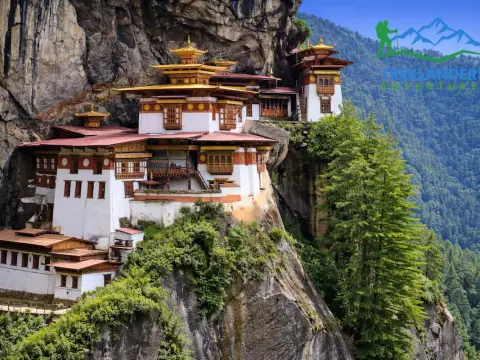
Upon arrival in Bhutan, an excursion in Paro begins with cultural visits to the National Museum and the most famous Tiger's Nest Monastery (Taktsang), which dramatically sits on a cliff face above the valley. The beginning of the trip allows the travelers to acclimatize while acquiring insight into Bhutan's deeply spiritual heritage and traditional way of life.
Trekking starts in the Paro region and gradually heads toward the capital, Thimphu, through the pristine Bhutan Himalaya. The trail leads through dense pine and rhododendron forest, open ridgelines, alpine meadows, and High Mountain passes. Enjoy views of snow-capped peaks, hidden valleys, and sacred monuments. Stay overnight at well-known trekking campsites recognized for comfort and authentic wilderness experiences.
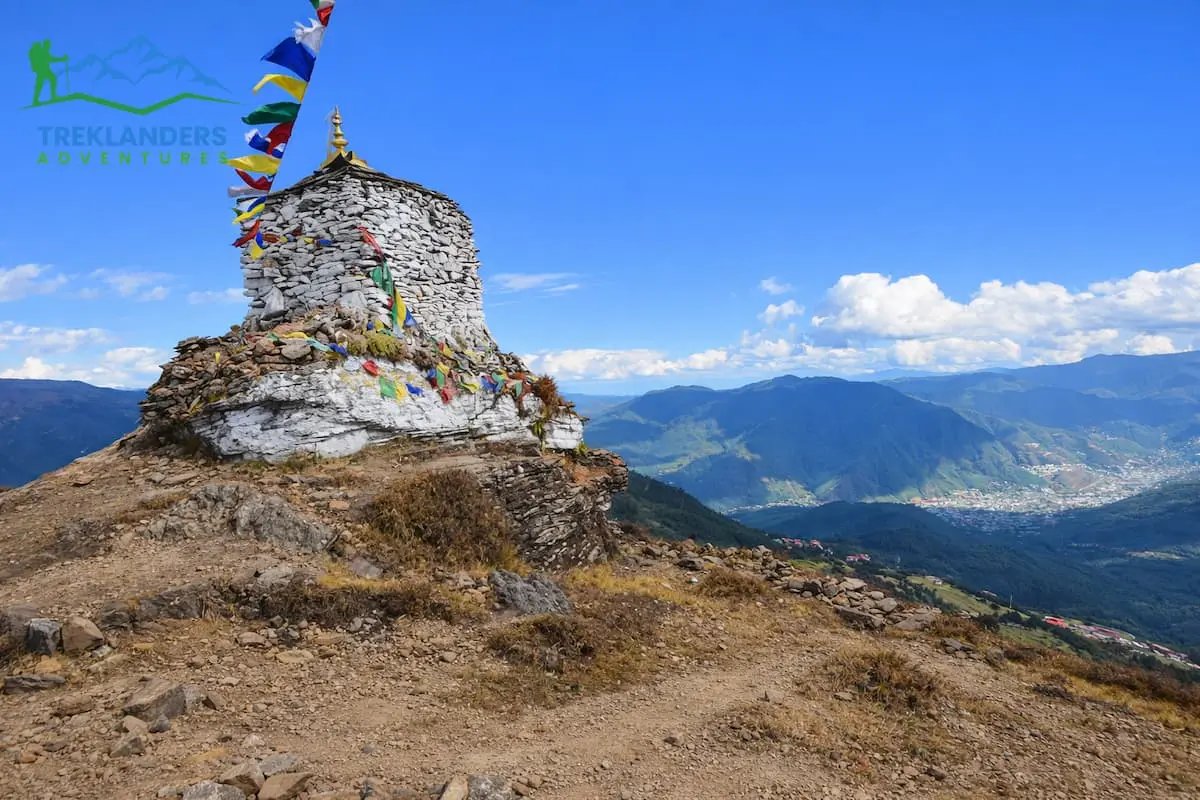
The peak point of this trek, Semkotha Pass (4000 m), boasts dramatic mountain scenery and, therefore, an exhilarating sense of accomplishment. With ratings from moderate to adventurous, this trek and its participants therefore require good fitness levels and a love of nature and adventure all in one.
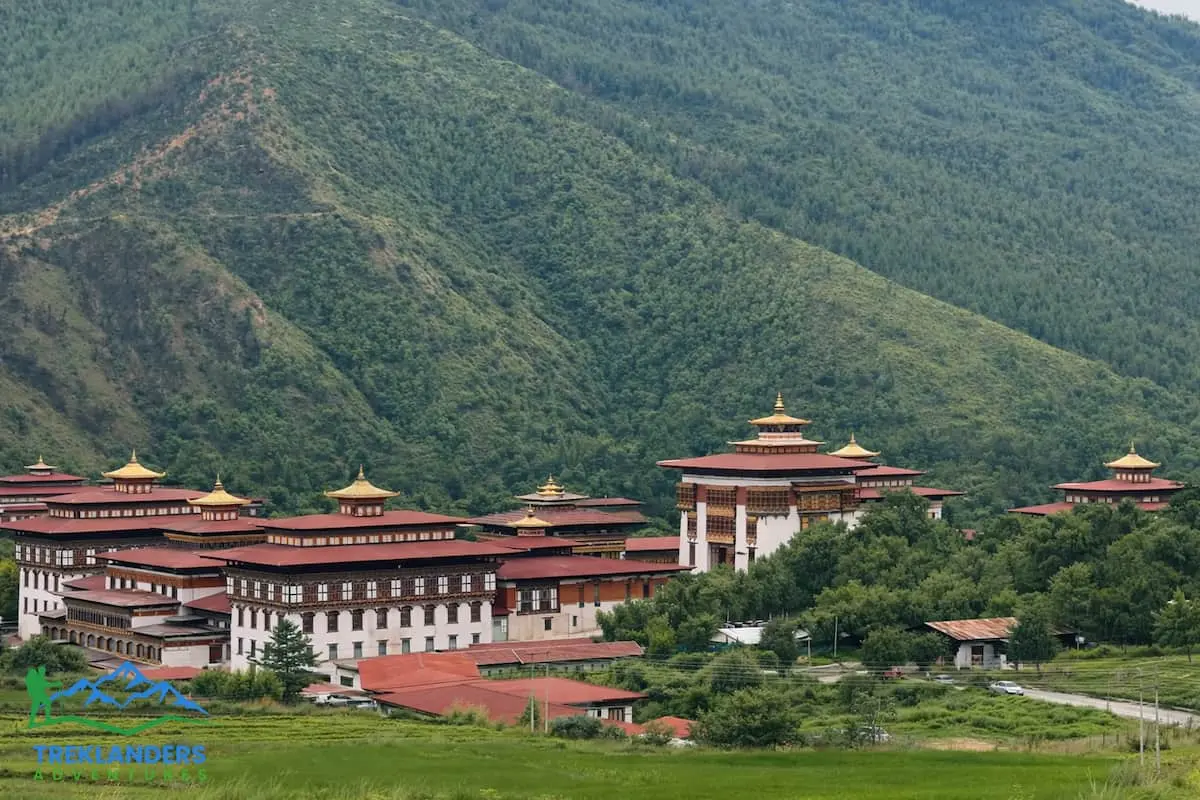
The route eventually descends to Phajoding Monastery, flanking the Thimphu valley, ending the trek in Bhutan's capital. A full day of sightseeing in Thimphu offers time to explore monasteries, viewpoints, and cultural landmarks before driving back to Paro for departure.
This journey perfectly combines adventure, culture, spirituality, and unspoiled nature. It is an opportunity to experience Bhutan's untouched landscape and serene customs in one unique Himalayan adventure.
The best time to visit Bhutan for this trekking and cultural tour is during spring (March to May) and autumn (September to November). These seasons offer the most stable weather, clear mountain views, and ideal conditions for both trekking and sightseeing.
Spring (March–May) is an excellent time for this journey. Temperatures are moderate at lower elevations and comfortable for trekking at higher altitudes. Forests and valleys come alive with blooming rhododendrons and wildflowers, especially along the trekking routes between Thimphu and Paro. Visibility is generally good, making it a beautiful season for mountain scenery and photography.
Autumn (September–November) is considered the best and most popular season. After the monsoon, the skies are clear and crisp, providing outstanding views of the Himalayas. The weather is dry and stable, ideal for high-altitude trekking and long walking days. This period also coincides with important Bhutanese festivals, adding cultural richness to the journey.
Winter (December–February) is colder, especially at higher camps such as Semkotha, but offers clear skies and fewer crowds.
Summer (June–August) is the monsoon season and is generally not recommended due to rain, leeches, and limited visibility.
Scenic Himalayan Flight from Kathmandu to Paro with amazing views of the tallest mountains on earth. Cultural Tour of Thimphu, Bhutan's main city, with old ways and new life. Get used to the altitude before we walk, so we feel good high up. Walk to Phajoding Monastery with great views of the Thimphu Valley. High Altitude Himalayan Walk along ridges and near untouched mountain land.
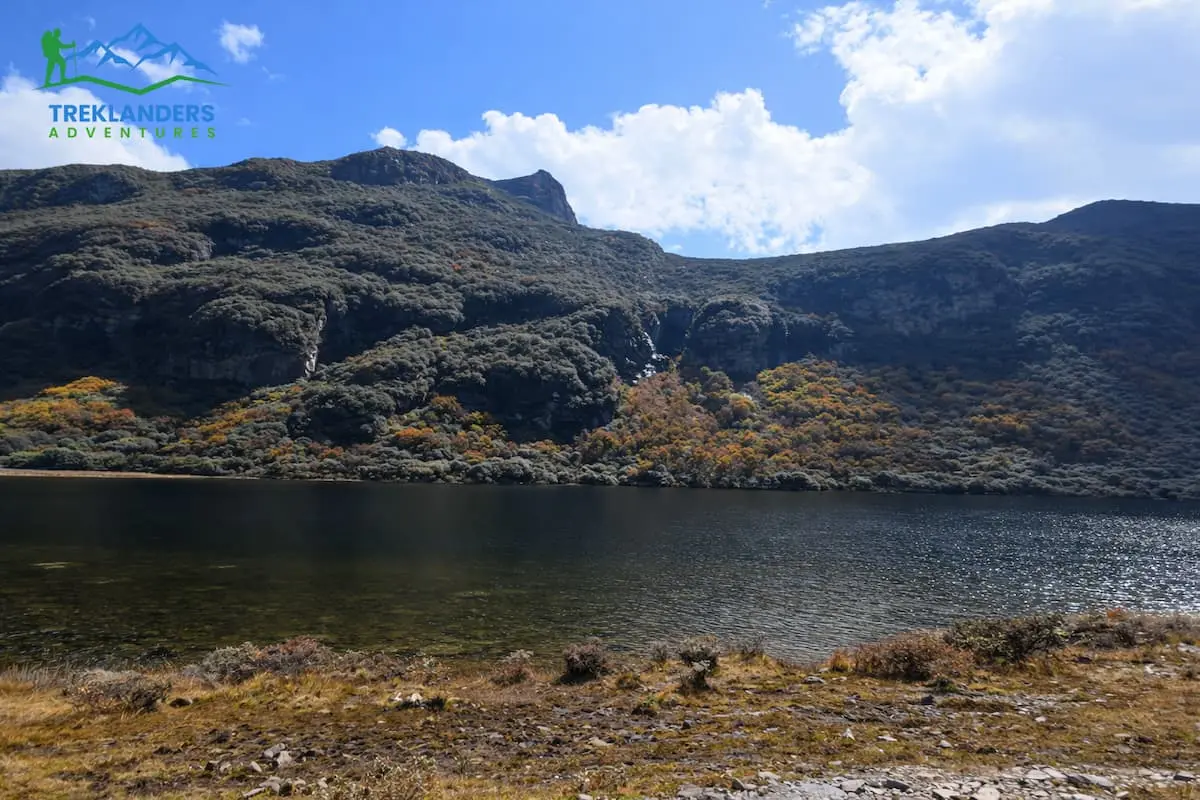
Camp at Semkotha, the high point of the walk, with wide open mountain views. See Jimilangtso Lake, one of the finest high elevation lakes in Bhutan, with yaks grazing around it. Visit old Jele Dzong, a tower fort that has great views toward Paro Valley. Walk down into Paro Valley, do a classic walk from Thimphu to Paro. Group support from Treklanders, with legal permits, licensed guides, safe rides, and expert walkers.
The Treklanders team will organize and manage your entire ground transportation experience and your trekking guides in cooperation with our partner licensed Bhutanese companies that we have worked with for years. This will allow us to be able to provide you with a very enjoyable, safe, and stress-free experience as you travel through the beautiful kingdom of Bhutan.
Our ground transportation services in Bhutan will be provided by well-maintained, comfortable vehicles that are capable of traveling safely on the winding highways and at high altitudes that are characteristic of many areas of Bhutan. Our vehicle drivers have been trained to operate in the challenging road conditions found in Bhutan and will take great care to get you from point A to point B safely and comfortably. We will also make sure to stop frequently along the way so that you may rest or enjoy the scenery.
Once we begin the trekking segment of the tour, we will coordinate all of your logistical needs, such as coordinating camps, providing porters, and planning the daily route. Your trek will be led by a licensed, English-speaking guide who has been certified by the Tourism Council of Bhutan. Your guide will be extremely knowledgeable about the local culture, Buddhist traditions, the geology and geography of the area, and the condition of the trails, and will do everything possible to help you acclimate safely and to ensure the overall health and well-being of your group.
Your guide will plan out your daily activities, keep an eye on the weather and your body's response to the altitude, interpret the culture, history, and tradition of the places you visit, and assist you in any way he/she can while you are on the trail. Through the experience and knowledge of Treklanders' coordinators and the trust we have in our local team, you will be free to concentrate on enjoying the beauty and adventure of Bhutan.
Complete permits and travel procedures for this trek and cultural tour in Bhutan are taken care of by Treklanders Adventures, working hand in hand with authorized Bhutanese tour operators. Bhutan requires a structured tourism industry, and independent travel is not allowed. Consequently, all visitors must travel with a licensed guide on an approved itinerary.
Travel to major destinations like Paro and Thimphu and other parts of Bhutan is facilitated by the Bhutan Entry Permit included in the tour. Permits for other routes of trek and extra trekking permits for the Thimphu–Paro trekking route, highland access such as Phajoding, Semkotha, Jimilangtso, and Jele Dzong are arranged in advance. Permits are granted in conformity with the stipulations of the Tourism Council of Bhutan.
In addition, the package adheres to the Bhutan SDF policy, which benefits overall country development in the form of environment, culture, education, and health sectors. The fee shall be included in the price of the confirmed tour package.
Once at Paro International Airport, permits are checked by the police, and guides will have all papers required for the period of the trek, including at checkpoints along the trekking routes. Thanks to Treklanders' care of all the details, guests will have a completely effortless trip from start to finish.
This trip is for those who want a true Himalayan travel that has culture, spirit, and long walks all in one great trip. It is not a usual tour or sightseeing trip. Instead, it is a rare walk from Thimphu to Paro that takes you away from the cities and into Bhutan's other side while still showing you the most must-see places in the country.
This tour is good for walking and climbing, with a lot of breaks and not too many hours of walking each day, so you are not in danger or uncomfortable. We walk high in the mountains, past sacred temples, by cold mountain lakes, through thick woods, and over high passes that few tourists visit. You sleep in tents in the wild, in the middle of nature, feeling the power of the mountains.
If you book the trip with Treklanders Adventures, everything is set up for you. We will have all the papers, cars, planes, guides, and trek guides ready before you come, so you don't have to think about anything but the trip. Your guides will be from Bhutan and know the way, the trees, the temples, and the snow, so they can teach you all about the land and keep you safe.
This trip is also good for the planet and the people in Bhutan. It does not use up too many natural resources, and it helps the local folks who live in the mountains and forests. That makes the trip good for nature and helps the local people, too. It is a trip that is just right for the mind and body, and it gives you a great feel for the real Bhutan. It is much more than just a holiday; it is a trip you will never forget.
To have a good trip in Bhutan, you need to plan ahead. Pack some layers of clothes. It can be cold in the valleys but warm on the high trails. Take a warm coat, a wool jacket, a coat that keeps out rain and wind, and a good pair of walking shoes. That is all you will need on the cold mornings and nights. For the trail days, take a small bag with water, some food, sunglasses, and a hat.
Make sure your passport is good for six months more. Keep a digital and paper copy of your tickets, permits, and insurance info. Treklanders will get all the passes, but pack extras. Buy good travel insurance to cover treks, high altitudes, and if you need help to leave fast.
Dress up in Bhutan, be polite, and think about the ways of the land. Follow what your guide says about taking photos, doing things to the land, and respecting their ways. Money can come in handy in the hills because ATM's and cards may not work on trek days.
Keep a steady but slow walk to get used to the heights, drink lots of water, and tell your guide if you feel bad early. With good prep, respect for their ways, and an easy mood, this trip will be safe, warm, and full of good times.
Safety is a key part of our trek and culture trip. All travel on the road in Bhutan is in good cars driven by local drivers who know the roads well. They are trained to drive carefully in the mountain roads, small passes, and in the rain. We plan each drive with care to keep you safe and comfortable.
On the trek, even on high altitude parts like between Thimphu and Paro, your trek will be guided by a licensed and trained Bhutanese guide who will watch out for the weather, trail, and your group's safety. The trip plan is set, so you go slowly and get used to the altitude. Guides will have small first aid kits and know what to do if you get hurt or feel sick, or if you get altitude sickness or other issues.
All travelers must have good travel insurance. It must pay for any medical needs, if you need to fly out, if the trip gets cut short, and for any trek that goes above 4,000 meters. You should have a copy of your insurance and the phone numbers to call if you need help while on your trip.
With good planning, trained staff, and careful trips, Treklanders makes sure you have a safe and calm trek. You can then focus on enjoying Bhutan's land and culture and your fun trek trip.
Being ready will help you have a safe and good time on this Bhutan walk and culture trip. Start by getting some basic exercise about 6 to 8 weeks before you leave. Walk around, climb stairs, go on short hikes, and do some running to help your body get used to walking many hours each day and slowly getting higher up in the mountains.
Bring warm but light clothes, as the weather can change a lot from the valleys to the high camps. Important items are a pair of strong shoes for walking, some warm clothes, a waterproof jacket, some gloves, a hat, and a pair of good walking pants. Also, take a small bag for your stuff, a bottle to drink from, a pair of glasses, sunscreen, and your own soap and brush. Walking sticks are very good for balance when walking up and down steep slopes.
Make sure your papers are available. Your passport needs to be good for at least 6 more months, and you need good travel cover for high places, and if you need to be taken off in an emergency. Take a copy on your phone and some paper copies of any papers you need.
Get your mind ready too, as you will not have many power sockets, Wi-Fi, or showers on the walking days. Walk slowly and stay close to your guide, drink a lot of water, eat good food, and tell your guide if you feel unwell. If you get ready, are flexible, and stay calm, this walk will be one you will not forget.
This trip made for you from Kathmandu to the core of Bhutan gives a one-of-a-kind mix of sights of nature, highland trek, and divine feel. From amazing mountain flights and lively Bhutanese towns to distant mountain paths, holy cloisters, and peaceful mountain lakes, every day passes at a slow speed that makes it fun and safe to get used to. With guides who know a lot, plans that are thought out, and all the needed permission papers ready, this trip gives a smooth, worry-free way to see Bhutan.. Short times of engaging with the culture make this journey mean more than just the trek itself.
This trip is more than just walking; it's a chance to slow down, feel close to nature, and see Bhutan's old ways in a real way. For travelers who want a bit of everything the Himalayas can give, like fun, culture, and calm, this trip will leave a lot of good memories and make for a trip that is truly full of life.
Trip Summary
Mode of Trek: Best available camping / trekking camps during the trek
Trekking Grade: Moderate to Adventurous
Trekking Region: Bhutan Himalaya – Thimphu to Paro region
Start and End of Trek:Thimphu to Paro (Kathmandu–Paro flights both ways)
Highest Elevation: Semkotha – 4,220 m / 13,845 ft
Trek Duration: 05 Nights and 06 Days (including trekking days)
Total Trip Duration: 09 Nights and 10 Days, Kathmandu to Kathmandu
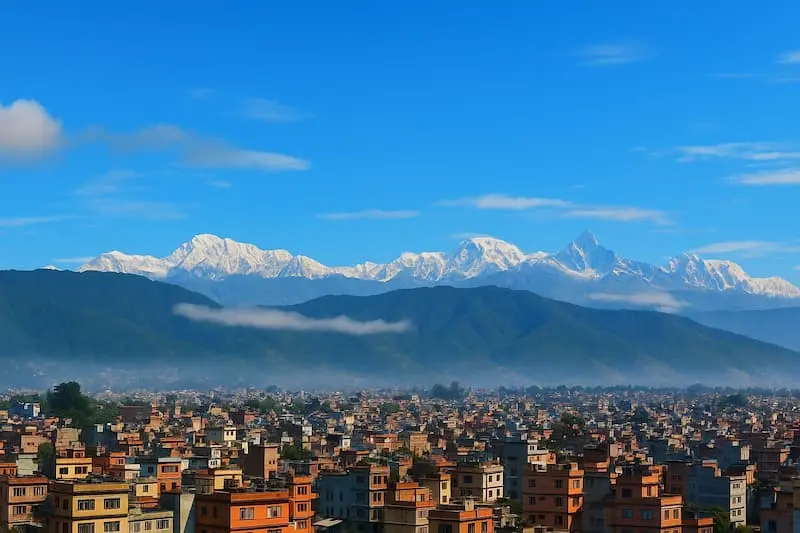


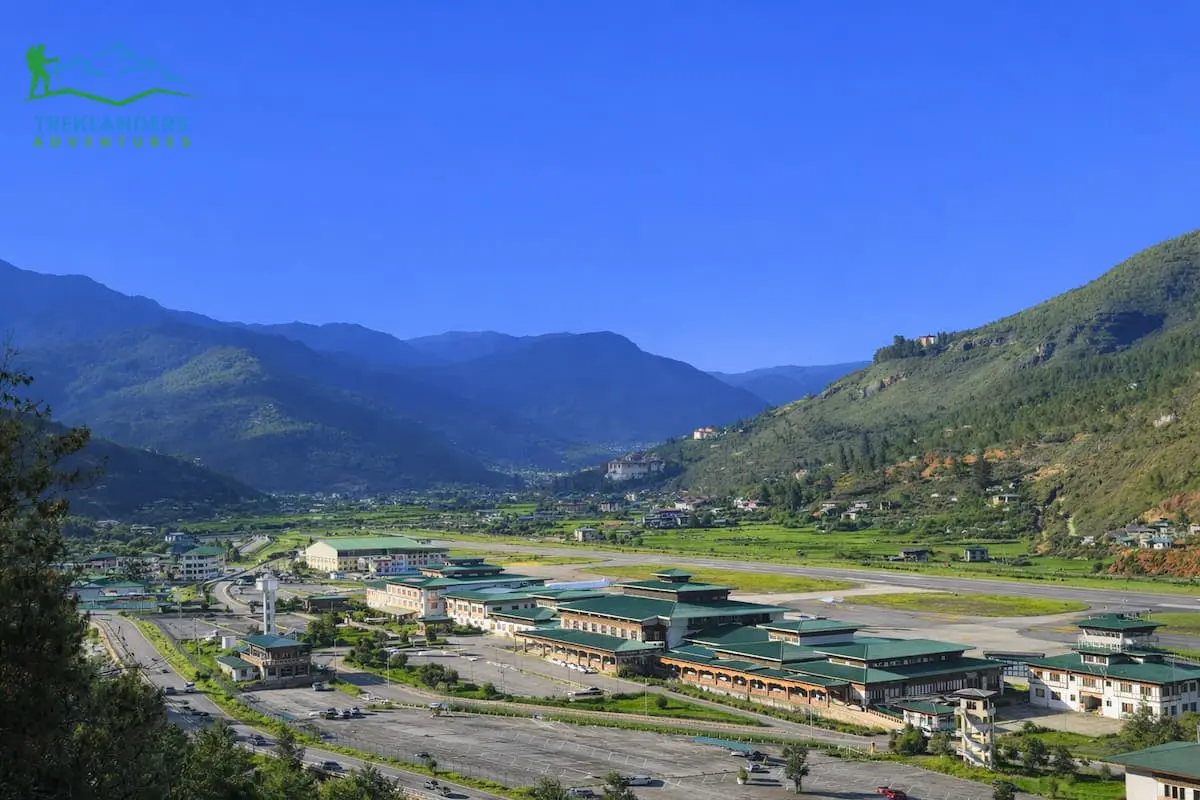
In the morning, transfer to Kathmandu airport for a scenic Himalayan flight to Paro, considered one of the world’s most beautiful mountain flights. On clear days, enjoy panoramic views of Everest, Kanchenjunga, and other Himalayan peaks.
After arrival in Paro and completion of immigration formalities, meet your Bhutanese guide. Later, visit the National Museum of Bhutan (Ta Dzong), where fascinating exhibits display traditional costumes, ancient artifacts, religious relics, and Bhutanese history.
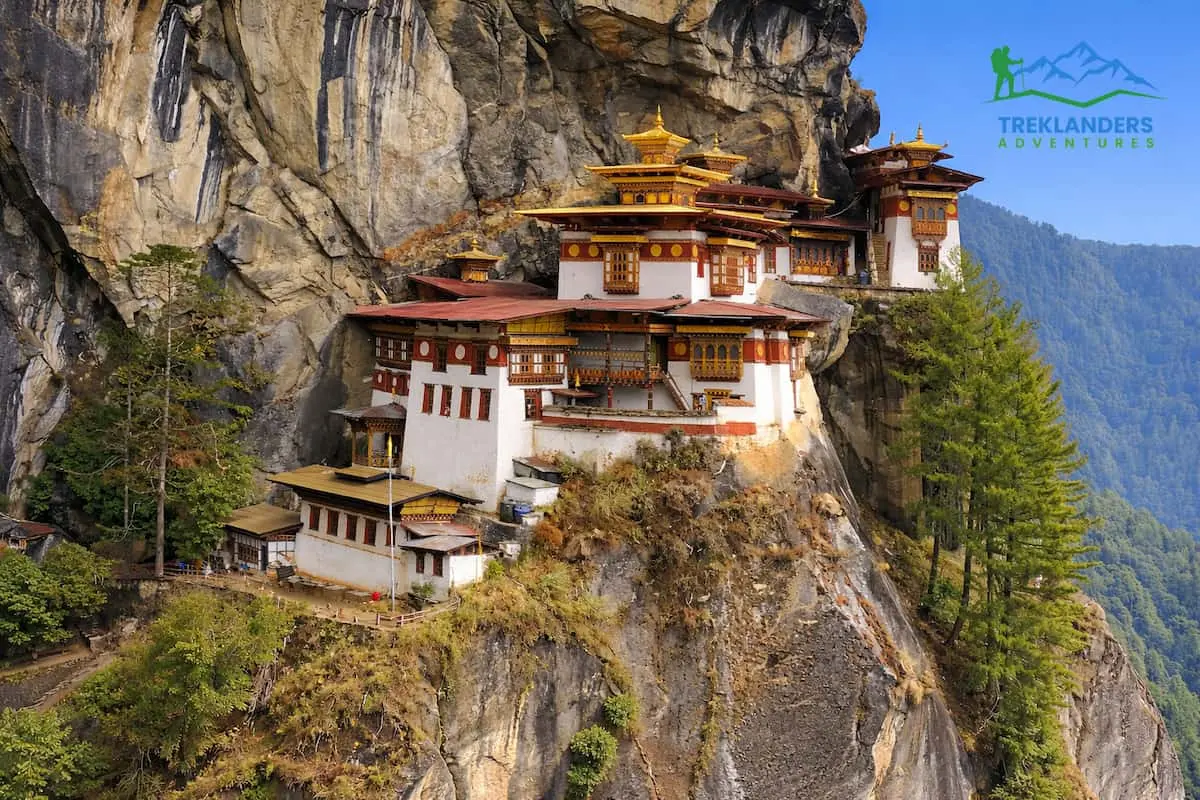
Today, you hike to Bhutan’s most iconic landmark, the Tiger’s Nest Monastery, dramatically perched on a sheer cliff. The trail winds through pine forests, fluttering prayer flags, and scenic viewpoints overlooking the Paro Valley.
After reaching the monastery, explore its sacred temples and meditation caves before descending along the same route. The afternoon is free to relax after this rewarding hike.
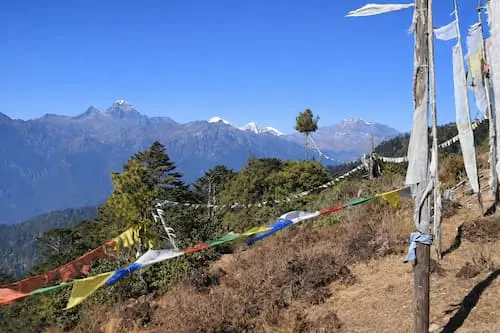
Drive to the trek starting point and begin your trek through peaceful pine and rhododendron forests. The trail ascends gradually, allowing time to acclimatize while enjoying fresh mountain air and scenic surroundings.
Reach Jele Dzong, an old fortress offering stunning views of the Paro Valley and distant Himalayan ranges.
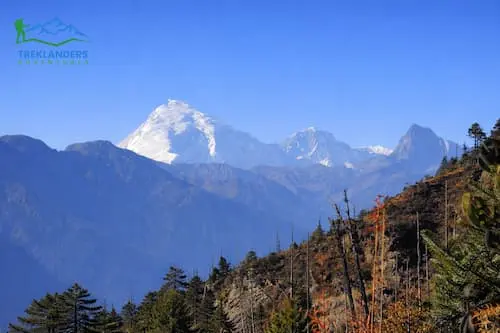
Today’s trek continues through alpine forests and open ridgelines with occasional views of snow-capped peaks. The route is steady and scenic, passing yak pastures and highland terrain.
Arrive at Jangchuk Lhakha, a wide alpine meadow surrounded by mountains, ideal for a peaceful overnight stay.
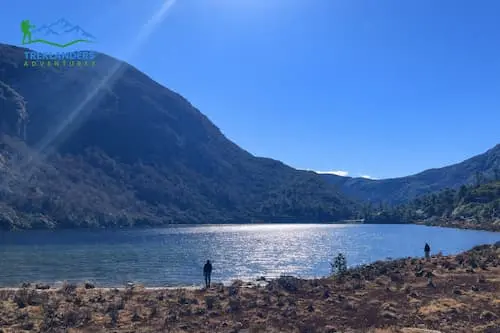
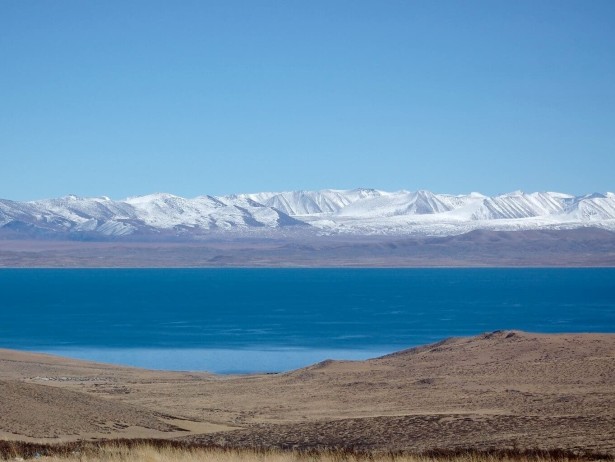
The trail leads gently upward toward the beautiful Jimilangtso Lake, one of Bhutan’s most scenic high-altitude lakes. Along the way, enjoy wide valleys, grazing yaks, and untouched landscapes.
Upon arrival, relax near the lake and take in the serene mountain atmosphere.

Today’s trek crosses mountain ridges and forested sections, offering expansive views of surrounding peaks and valleys. The trail gradually descends toward Phajoding Monastery.
Phajoding is a significant spiritual site overlooking the Thimphu Valley, providing a peaceful and scenic end to the day.

Descend from Phajoding along forest trails to the road head, then drive back to Thimphu. The afternoon is free to relax, enjoy a hot shower, or explore the town after completing the trek.
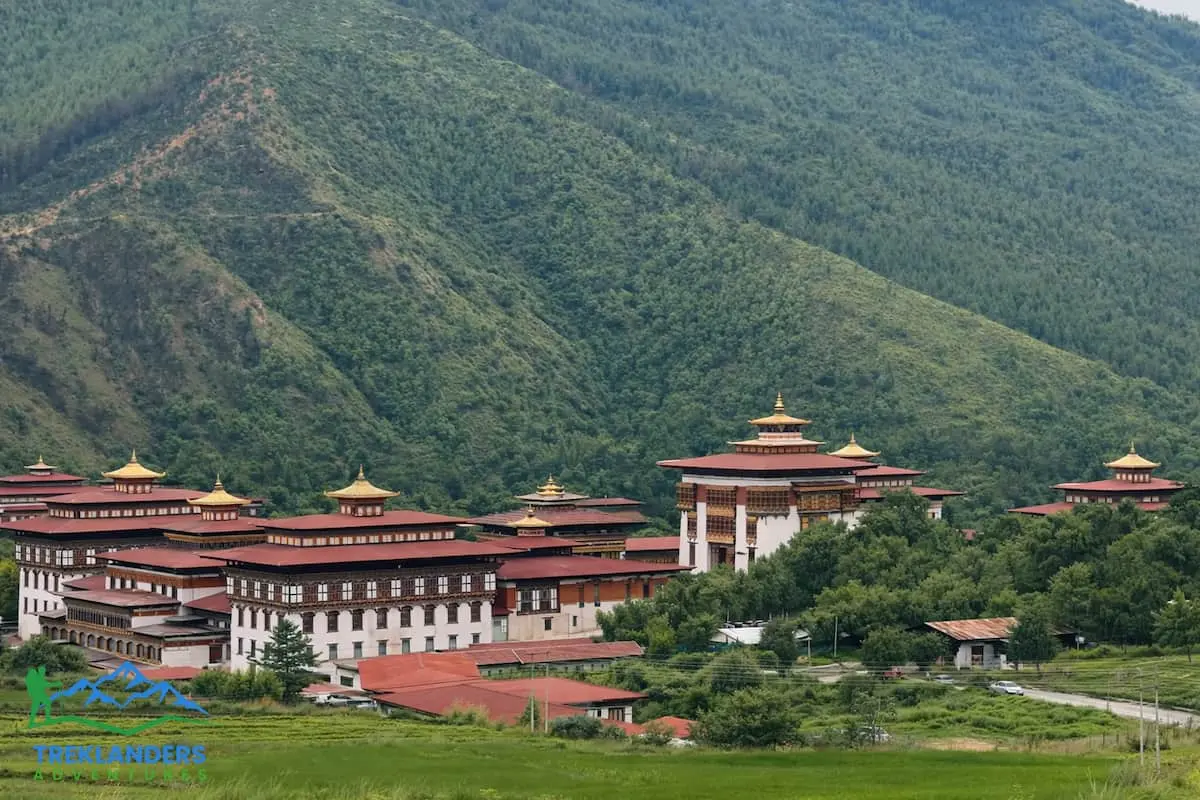
Spend the day exploring Thimphu’s cultural highlights, which may include monasteries, traditional architecture, viewpoints, and local markets. Learn about the Bhutanese lifestyle, religion, and craftsmanship.
Later in the afternoon, drive back to Paro through scenic river valleys.
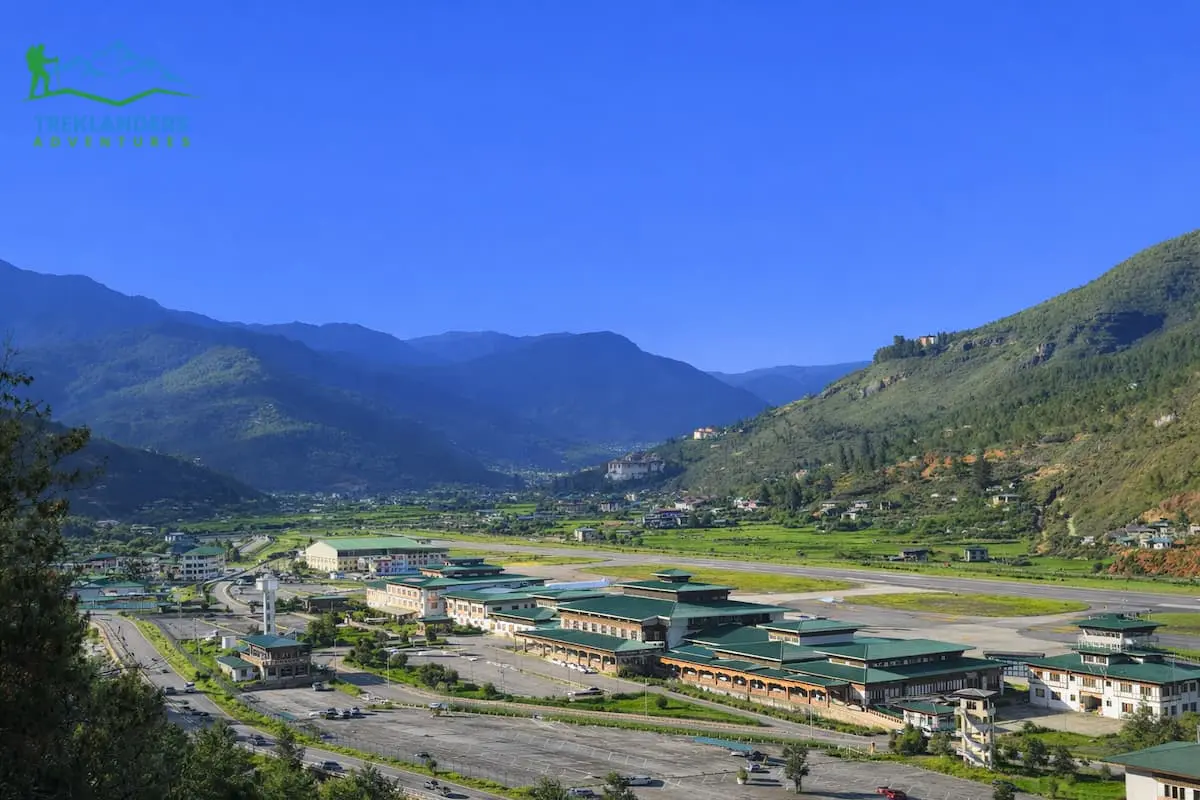
After breakfast, transfer to Paro International Airport for your onward journey. Depart Bhutan with unforgettable memories of its mountains, monasteries, and unique culture.
My 10-day Bhutan Tour with the Druk Path Trek was one of the most memorable travel experiences of my life. From the moment I landed in Paro, the team made everything seamless, comfortable, and well-organized. Visiting Tiger’s Nest felt spiritual and powerful, and the trek along the Druk Path was breathtaking—pristine lakes, peaceful forests, snow-capped mountains, and endless moments of silence with nature. Our guide was knowledgeable, patient, and always ready to share stories about Bhutanese culture, monasteries, and local life, which made every day meaningful. The accommodations were cozy, food was delicious, and the hospitality felt genuinely heartwarming. Reaching Phajoding and seeing Thimphu valley from above was stunning and worth every step. If you want a perfect blend of culture, mountain trekking, and pure Himalayan beauty, I highly recommend this tour. Bhutan touched my heart deeply—I would gladly return again.
Purpose: Keep sweat off the skin and maintain warmth.
Purpose: Trap body heat in cold air at altitude.
Tip: Keep electronics in inner pockets at night to prevent freezing.
The Druk Path Trek is a high-altitude historic trekking route in Bhutan, linking Bhutan's hilly capital, Thimphu, and the historical valley of Paro. It is said to combine Himalayan mountain scenery, pristine alpine lakes, ancient monasteries, and cultural experiences. The trek is a blend of nature, spirituality, and experiencing the typical Bhutanese lifestyle.
The trek grades are moderate to adventurous. Although no technical climbing skills are needed, the trekker should be accustomed to walking several hours each day in the mountains. With a steady approach to walking and proper acclimatization, it can be taken up by people of average fitness level.
Druk Path Trek is best for those travelers who blend trekking with culture. Those seeking adventure, culture, or a quieter experience in the Himalayas, as opposed to busier trekking routes, will find this trek suitable.
Prior trekking experience is recommended, but not necessary. Anyone in good health, with decent fitness, willing to hike for four to six hours a day, and accepting professional guidance can make this trek successfully.
Unlike several treks that are oriented only toward the great piles of dust, the Druk Path Trek has a very strong spiritual and cultural element: Ancient monasteries, passes strung with prayer flags, and sacred lakes all imbue this path with deep meaning and uniqueness to Bhutan.
Not really. The trek is quite a subtle trek compared to the very famous ones in Nepal. The controlled tourism policy of Bhutan offers very few trekkers and hence, provides a unique peaceful trekking experience.
The actual trekking days are usually about 5-6 days, while it will take almost 9 days for the complete itinerary, including Kathmandu, travel in Bhutan, and sightseeing, making it an apt Himalayan adventure with a good pace.
The trekking portion of the Druk Path trek usually stretches from 5 to 6 days, and this amount of time is really good for keeping a steady pace, enjoying the landscapes, and letting the body readjust naturally to altitude. The international travel, sightseeing in Bhutan and transfers tend to add a full 8–9 days to the trip, from Kathmandu to Kathmandu.
The trek starts from above Thimphu, the capital city of Bhutan, and ends at Paro, the airport where one would land when entering Bhutan from outside. So it is a classic point-to-point trek, with no retracing of steps, allowing the trekker to see new scenery every day.
No. The best thing about the Druk Path Trek is that it is built as a continuous route-hiker from Thimphu to Paro. It does not involve returning along the same path. This keeps things interesting and lively on the journey.
Most of the trekking days will involve 4 to 6 hours of walking, depending on terrain and elevation. With an easy pace in the company of regular breaks, the trek is comfortable for walkers with fair fitness.
Yes. The itinerary gains height gradually so that the trekker gets time to acclimatize, and it is designed with spacing between camps to make sure altitude stress is not too high and is quite safe.
Although the line passes through wonderful and very pure areas, it is well supported by organized camps, porters, and licensed guides. Through this balance, travelers can experience the wilderness without sacrificing comfort and safety.
The highest point on the Druk Path Trek is Semkotha Pass, which is about 4,220m (13,845 feet). This height opens into tremendous Himalayan views, and from here the trek takes one of its hardest days, although paced well and manageable.
Yes. Acclimatization is very important, and the itinerary has been planned to allow for a natural adjustment, with gradual ascents. Thus, walking distances, elevation gain, and overnight camp selections have been made with minimal altitude-related risks in mind.
The trek ascends slowly from Thimphu to higher camps like Phajoding and Semkotha. Daily altitude gains are controlled, and there are moderate hours of trekking, so trekkers can adapt without the pressure to reach places too fast.
This Druk Path trek rarely has someone suffering from altitude sickness because of its moderate maximum altitude and wise pacing. Headaches and fatigue do occur mildly, and so the guide looks closely after the trekkers.
Travelers who have had sensitivity to altitude in the past, have respiratory issues, or have no experience above 3,000 meters should be extra cautious. Inform the guide about any health issues before the trek to ensure good monitoring.
Certified Bhutanese guides are trained with altitude awareness and carry basic first-aid kits. They promote slow walking and regular hydration, encourage adequate rest, and require that trekkers report any discomfort immediately.
Yes. The Druk Path Trek, with its carefully paced elevation gains and easy camping support, is rightly deemed safe and appropriate for such travelers trekking above 4,000 meters for the first time.
Altitude sickness is possible, as the trek reaches elevations close to 4,000 meters. However, the risk is significantly reduced due to the gradual pace of the itinerary, controlled daily elevation gain, and proper acclimatization built into the trek. Most trekkers complete the route comfortably without serious issues.
Druk Path Trek is generally considered very safe if organized by licensed operators. The trek is assisted by Bhutanese guides, who have licenses, trained camp staff, and the best-planned logistics. Safety procedures, route knowledge, and daily health monitoring are also followed.
All the trekking guides carry first-aid kits with basic supplies and are trained to recognize the first symptoms of altitude sickness and common trekking problems. In cases of serious health issues, there are procedures for evacuation in coordination with local authorities.
Key precautions include walking slowly and steadily, drinking lots of water, eating well, resting plenty, and honestly expressing any weird feelings to the guide. That way, we maintain health at altitude.
Yes. Every trekker must possess full-fledged travel insurance covering trekking at high altitude, medical treatments, and emergency evacuation. This is a must for the safety of participants and peace of mind.
Guides will monitor the weather closely and shift daily plans if necessary. Camps will be set in safe places, while trekking hours will be designed to avoid bad afternoon weather at high elevations.
Yes. If in good health and reasonably fit, the trek is possible for solo travelers and older participants. The moderate walking pace, complete camping support, and professional guiding make this trek accessible to many different ages.
The best season for doing the Druk Path Trek is spring (March-May) and autumn (September-November), whereby stable weather is ensured, clear skies are almost certain, and the visibility of the Himalayan ranges far outweighs the record of treks made.
Spring is very picturesque with moderate temperatures and the blooming of rhododendrons and alpine flowers along the trekking pathways. Forest sections between Thimphu and Paro are especially beautiful, and generally, any mountain view is clear in spring, so this season is ideal for nature lovers and photographers.
Autumn is known for being the most beautiful and reliable season for trekking. After the monsoon, the skies are clear, the weather dry, and the mountain views crisp. It is also the season of many enjoyable festivals in Bhutan, exposing the trekkers to the culture of the land.
Yes, winter (December-February) for trekking is possible, but rather cold, particularly at higher camps such as Semkotha. However, the clear skies and relative tranquility are a much-enjoyed aspect of winter trekking; being ready for freezing nights with a chance of snow is essential.
No. The monsoon (June-August) is generally not considered the best recommendation due to constant rains, slippery trails, leeches, and almost no mountain visibility. Conditions themselves, along with the weather, can make trekking uncomfortable and unpredictable.
The weather will affect conditions such as trail conditions and comfort. In months of good weather, the going is safer with more spectacular views on offer, while rain or snow will impede progress and enjoyment.
For first-time trekkers, spring and autumn are strongly recommended. Comfortable temperatures, the weather being fair most of the time and safe trekking conditions are assured during these seasons.
During the trekking days, well-organized camping sites are used as accommodation. Trekkers can sleep in high-quality tents set up by the support team, at a mentioned camping place such as Phajoding, Semkotha, Jimilangtso, and near Jele Dzong. All the camps are chosen for safety, scenery, and comfort.
The camping facilities include sleeping tents, dining tents, kitchen tents, sleeping mats, and basic sanitation arrangements. Such daily setup and packing are managed by the camp staff, enabling trekkers to completely focus on walking along and absorbing all that surrounds them.
The sleeping mats are already included in the camping arrangement. Trekkers are generally recommended to carry their high-quality sleeping bags built for cold temperatures because night temperatures at the upper camps would be freezing.
Camping stays comfortable and well-supported but remains a genuine experience of wilderness; meals are freshly prepared, tents are spacious, and camps are in locations of scenic beauty, without luxury.
High-grade hotels approved by the government would provide accommodation on a twin-sharing basis to trekkers during their city stays in Kathmandu, Thimphu, and Paro. Moreover, all those hotels serve actual beds, hot shower facilities, and modern amenities, making complete rest before and after the trekking tour possible.
Camping standards remain the same as throughout the trek; however, falling temperatures are experienced with height. Camps are properly arranged by the support team, and warm, nourishing meals are served, especially at higher elevations.
Yes. Camping on the Druk Path Trek is even quite doable for first-timers because of full logistical support, experienced staff, and a moderate trekking pace. There is no need for prior camping experience.
The trekkers will be served a delicious, fresh, and nutritious meal every day at camping sites. The menu is developed according to the requirement of energy at altitude and typically includes a combination of home-grown Bhutanese dishes (involving rice, vegetables, lentils, soups) and international trekking-style meals like pasta, noodles, potatoes, eggs, and porridge.
Yes. Every single meal is freshly prepared by the trekking cook and support team in accordance with hygiene requirements. The support crew carries all ingredients to ensure quality and consistency in food, even in higher camps.
Yes. Vegetarian meals are widely served throughout the trek. Trekkers with dietary preferences or restrictions must inform the team in advance for appropriate arrangements.
Typically, three main meals per day (breakfast, lunch, and dinner) are provided, along with tea, coffee, and light snacks. So, steady energy levels are maintained during any trekking day.
Yes. Boiled or properly treated drinking water is available at the camps and meal stops during trekking days. Hence, safe for consumption and risk of illness due to drinking polluted water is reduced.
Yes. It is strongly advised to carry reusable water bottles and/or hydration systems with the trekkers. It is practical and eco-friendly, as water refills are often with boiled or treated water.
Yes. Hot drinks such as tea, coffee, and hot water are available every day and usually in the early mornings and nights, providing hydration, warmth, and comfort at higher altitudes.
Yes. All travelers embarking on the Druk Path Trek must possess official trekking and travel permits issued by the Bhutanese authorities. On the other hand, these are mandatory and previously arranged through authorized and licensed tour operators.
No. Independent trekking is not allowed in Bhutan. All guests must come to Bhutan with a licensed Bhutanese guide and follow a pre-approved itinerary as per Bhutan's regulated tourism policy.
The trek requires a Bhutan Entry Permit, trekking permits specific to the routes of Thimphu and Paro, as well as access permissions for highland areas like Phajoding, Semkotha, Jimilangtso, and Jele Dzong. These are all handled by the tour operator.
All permits, documentation, and travel formalities are arranged by an authorized Bhutanese tour operator in coordination with Treklanders Adventures. Thus, trekkers don't need to visit offices or manage paperwork by themselves.
Yes. Permit checks may happen in checkpoints, trail aditus, and campsites. Guides carry all the needed documents and manage these checks on behalf of trekkers.
The Bhutan Sustainable Development Fee applies to all international tourists. It is for the protection of the environment in Bhutan, preservation of culture, and societal enhancement, and is included as part of the approved tour package.
Trekkers should always have a current passport, along with travel insurance details and copies of flight tickets. Passes are kept by the guides; however, personal recognition is needed at airports and checkpoints.
Among the items needed are warm, layered clothing, sturdy trekking boots, a waterproof, windproof jacket, a cold-weather-rated sleeping bag, personal medications, and trekking poles. These are essential for comfort and safety in changes of weather and altitude.
Layered clothing works best. Thermal base layers, fleece or insulated mid-layers, and waterproof outer layers should be packed. Temperatures can vary greatly between sunny days and cold nights, especially at higher camps like Semkotha.
Good trekking boots are highly recommended. They should be well-break-in, give support to the ankles, and have a decent grip. Regular sports shoes do not fit well on the uneven trail, steep ascent, and slippery conditions.
Absolutely, Sleeping tents and mats are provided, but a good quality sleeping bag with a rating below freezing should be brought since nights are pretty cold in high-altitude camps.
No, you do not need technical climbing equipment such as ropes, crampons, ice axes, or harnesses for the Druk Path Trek. A trekking route does not constitute a mountaineering expedition.
Trekking poles are more of an option and are not meant to be compulsory. Nevertheless, a pair is highly recommended, as they relieve some strain on the knees while going up and down and improve balance across uneven surfaces.
Do not forget sunglasses, sunscreen, gloves, a warm hat, reusable water bottles, a headlamp, toiletries, and any personal medication. A small daypack is also crucial for carrying water, snacks, and extra layers during the daily walks.
The Druk Path Trek is an inducement for travelers looking for cultural depth and spiritual immersion in moderate Himalayan trekking. It best embraces adventure travelers, culture enthusiasts, and nature lovers who travel meaningfully rather than speedily or over-crowded routes.
Yes, the trek suits fit beginners who can walk between 4 and 6 hours a day and are comfortable camping. No technical climbing skills are required, and the gradual itinerary makes it accessible through good preparation.
Before departing, trekkers should prepare by regular long walks, stair climbing, little hiking, and basic cardio training 6-8 weeks before departure. This will even make them comfortable and enjoy the trek.
Booking is advisable 4-6 weeks in advance. Bhutan has a distinct permit system, flight arrangements, and regulated tourism policy, all of which require early planning, particularly during peak seasons (spring and autumn).
A valid passport (minimum 6 months' validity) is required. After booking, Treklanders Adventures handles all permits and flights, but travel insurance needs to be in place before departure.
Treklanders Adventures organizes all permits and international and domestic flights, licensed Bhutanese guides, camping logistics, safety planning, and local coordination. It means that the traveler can concentrate fully on the experience-it is all trekking through pristine Bhutan landscapes with confidence, comfort, and expert support.
Yes. The itinerary can be varied according to fitness levels, available time, or added cultural interests, subject to compliance with travel regulations and permit guidelines in Bhutan.
Yes. Comprehensive travel insurance must be taken by all group members. The insurance covers medical emergencies and incidents that might happen far away from home while trekking in a remote area of Bhutan.
Yes. Comprehensive travel insurance must be taken by all group members. The insurance covers medical emergencies and incidents that might happen far away from home while trekking in a remote area of Bhutan.
It must cover high-altitude trekking of at least up to 4,000 meters, medical treatment, emergency evacuation, trip interruption, and cancellation. It is very important that trekking is covered and not simply general travel insurance.
It is. Emergency evacuation due to altitude sickness, injury, or sudden illness has to be included in the insurance, primarily by helicopter. This is more crucial in the mountainous region since road access is limited.
Yes. Your insurance policy should cover Bhutan and should explicitly mention that it covers trekking activities in Bhutan. Travelers are to ensure that with the insurance company before departure.
Trekkers should carry the presentation and a digital copy of their insurance policy that has the emergency contact number and policy details. This information should also be provided to the guide before the trek starts.
In a medical emergency, the licensed guide will first assess the situation and will administer first aid if needed, while also coordinating further action. Evacuation and treatments, whenever required, will be arranged as per the insurance policy in association with Treklanders Adventures and the local authorities.
Yes. The Druk Path Trek offers excellent opportunities for photographing an impressive variety of alpine lakes, high mountain passes, monasteries, forests, prayer flags, and expansive Himalayan valleys. Sunrise and sunset moments at camps such as Jimilangtso and on the high ridgelines provide picture-perfect lighting and scenery.
Landscape, nature, and cultural photography all work really well on this trek. The wide-angle lenses are perfect for lakes and valleys, while the telephoto lenses are great for layers of mountains, monasteries, and prayer flags. The trek also lends itself to the storytelling photography of campsites, trails, and the spiritual aspects surrounding them.
No. Drones in Bhutan are highly regulated, only be used with special permission from the government, which is seldom granted for trekking routes. Any unauthorized use will face penalties, including immediate confiscation of the drone.
Yes. There are various levels of restriction applied to the different sites. There are popular monasteries that do not allow photography inside their religious interiors, especially inside the prayer hall. Follow your guide's direction and always seek permission before taking a picture of monks, locals, or anything from inside.
Mobile signals are very limited and unreliable once the trek begins. Usually, above the higher camps and in the remotest areas, there is often no network. The internet is usually only accessible within the major cities like Thimphu and Paro, before and after the trek.
Electricity does not exist at most of these campsites. Trekkers are strongly advised to have power banks, spare batteries, and, if possible, solar chargers, to keep their phones and cameras alive through the trek.
The weather can change in no time. After waterproofing, use covers with camera bags, dry sacks, and lens caps to protect gear against rain, dust, and freezing temperatures. Keeping electronics warm at night will also keep batteries working longer in high altitudes.
| No of people | Price per person |
|---|---|
| 1 - 1 | $2,645 |
| 2 - 6 | $2,435 |
| 7 - 20 | $2,325 |
| 21 - 100 | $2,205 |

| No of people | Price per person |
|---|---|
| 1 - 1 | $3,500 |
| 2 - 3 | $2,800 |
| 4 - 8 | $2,300 |
| 9 - 20 | $1,990 |
| No of people | Price per person |
|---|---|
| 1 - 1 | $2,665 |
| 2 - 3 | $2,475 |
| 4 - 10 | $2,355 |
| 11 - 20 | $2,275 |