
Langtang Valley Trek vs Manaslu Circuit Trek: Which Nepal Trek Is Best for You?
11 Jan 2026
Compare the Langtang Valley Trek and Manaslu Circuit Trek to find which Nepal trek is best for your time, fitness level, and trekking experience.

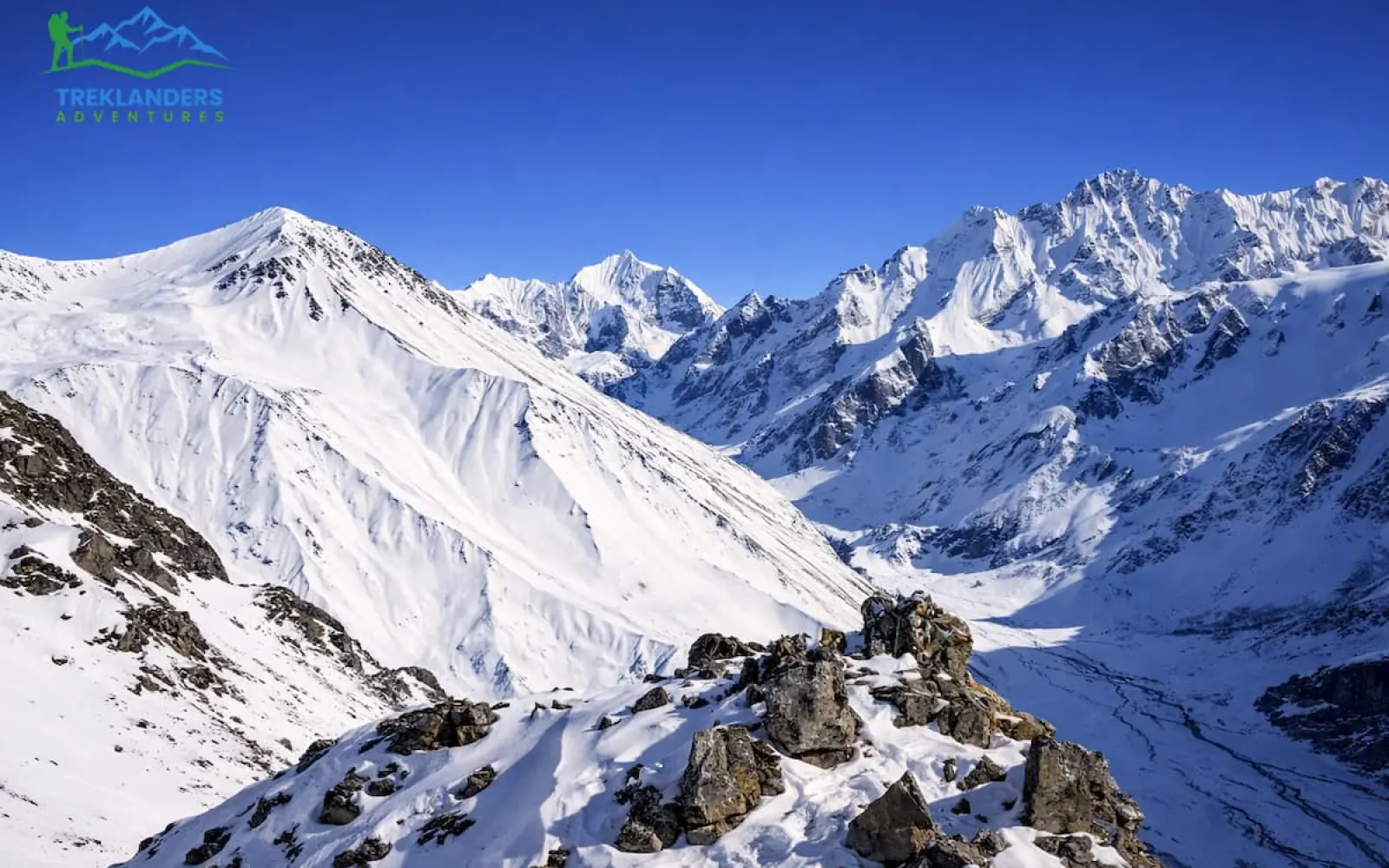
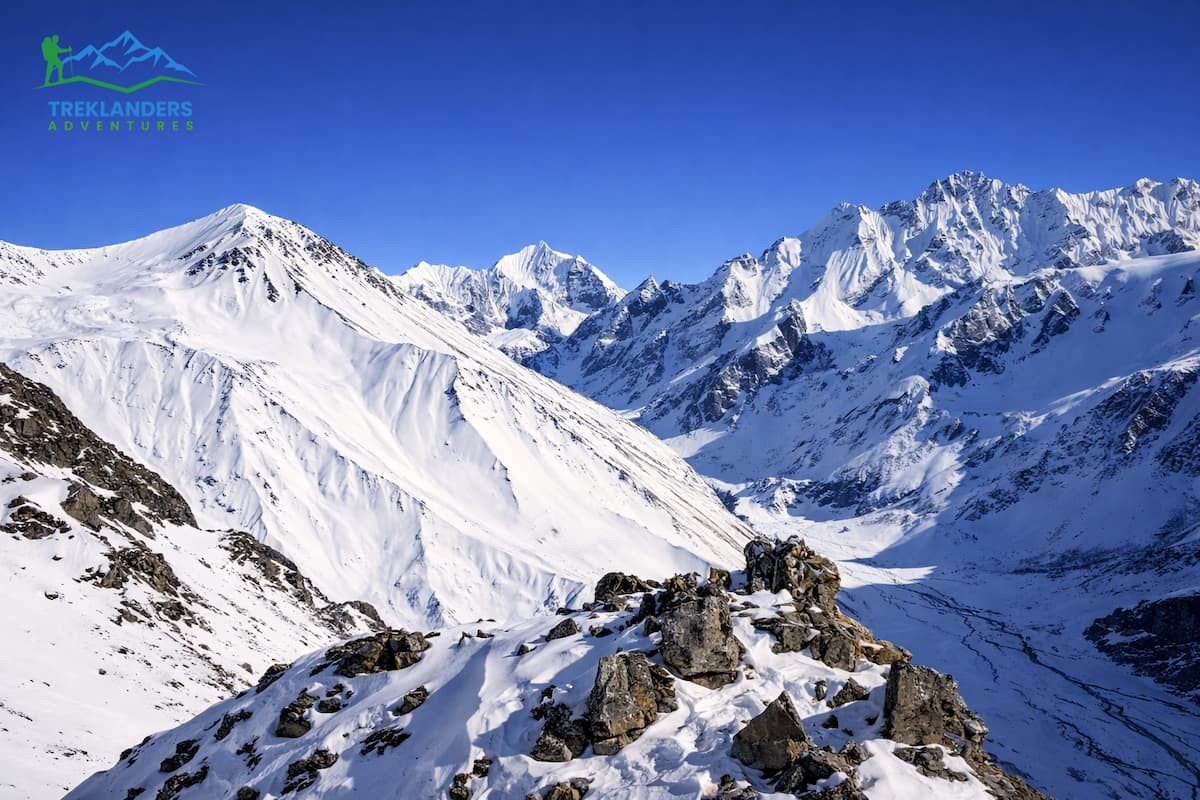
The Langtang Valley Trek in February is perhaps the most overlooked Nepal trekking experience. It is perfect for hikers who like to walk alone, enjoy clear mountain views, and want a genuinely authentic Himalayan journey. Most of the time, spring and autumn are the popular trekking seasons, but February, being right in the middle of winter, presents the Langtang region from a completely different angle. Snow-frosted forests, tranquil villages, and fresh mountain air make up a setting of perfect tranquility that one will hardly find at the height of the trekking season.
Langtang Valley, north of Kathmandu near the Tibetan border, is famous for the rich culture of the Tamang people, glacial valleys, and the impressive close-up views of towering peaks like Langtang Lirung (7,227 m). During February, the trail has a more intimate feel since the teahouses are less packed and you can have deeper conversations with local families. Also, the off-season permits trekkers to enjoy the beautiful surroundings without any interruption and to take things slowly, as there is no rush due to busy lodges or congested trails.

The weather in February is mostly cold but predictable. We usually have sunny days with great visibility, which is why it is one of the ideal months for clear mountain shots. The lower parts of the trail are still dry, whereas the higher elevations might get some snow, thus making the trek even more picturesque. On the flip side, this winter setup means one has to be well-equipped as night temperature can go down drastically, especially when you are past Langtang Village towards Kyanjin Gompa.
February is quite appealing from a budget point of view. You can usually find lower prices for transportation, accommodation, and food compared to the times when more tourists come; also, the owners of teahouses tend to be more flexible in terms of pricing. Trekkers who want to experience the Himalayas on a budget without giving up on the natural beauty will find February a very good time to go.
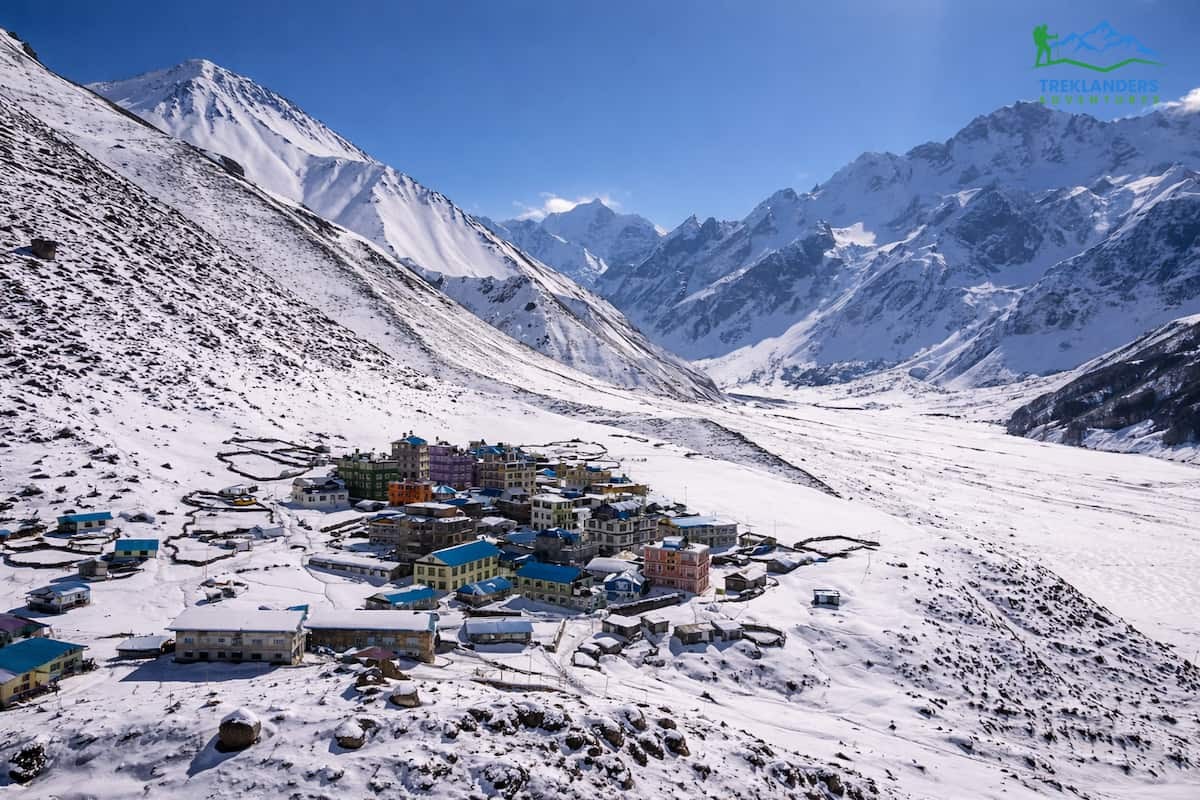
Safety is always a primary concern for winter hiking, and the case is the same with Langtang. Although the trail is quite obvious and no technical climbing is required, the snow-covered parts and cold weather make it necessary to plan things thoroughly. If you have the proper equipment, keep the daily distances within a reasonable limit, and are conscious of the condition of the paths, you can have an extremely pleasant and safe February Langtang Valley Trek.
This article is your all-in-one guide to help you make an informed decision about whether or not February is worth it to be your quiet winter Himalayan trekking season. It covers February weather, trail conditions, trekking costs, and essential safety tips.
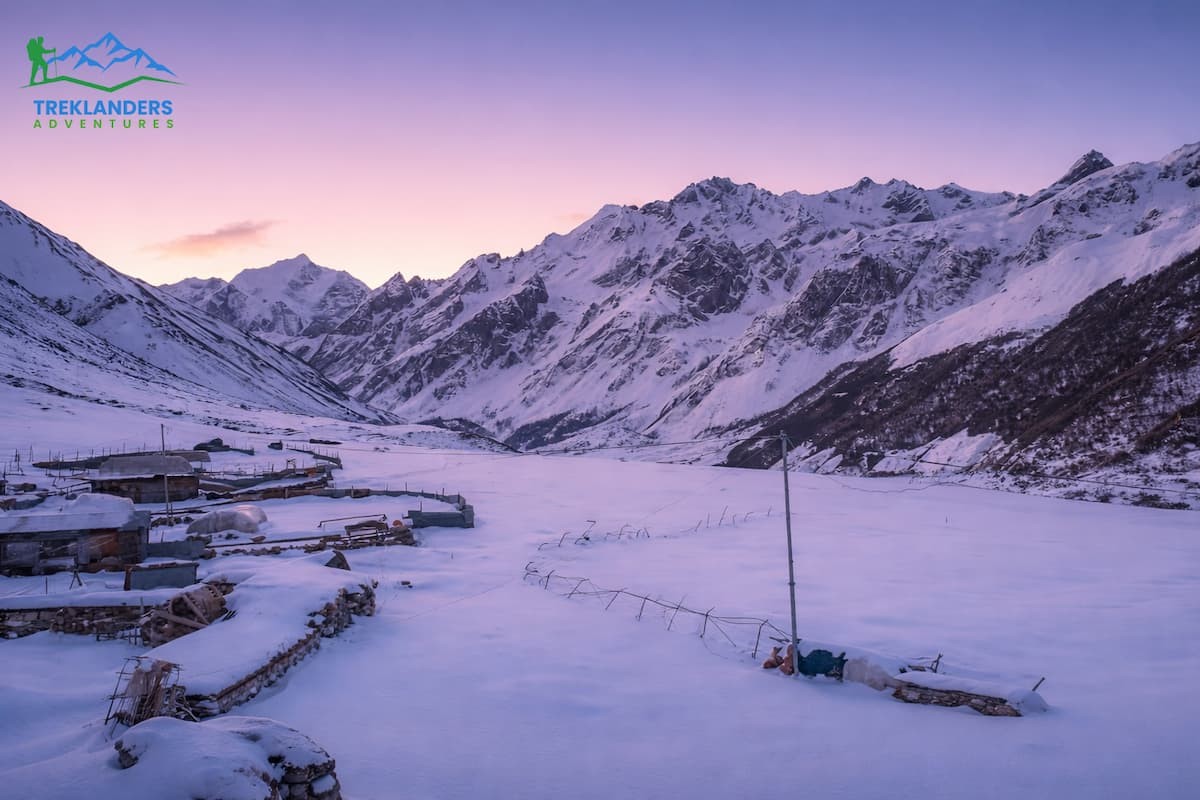
One common concern for winter trekkers is whether teahouses and basic services will be available on the Langtang Trail in February. Unlike some remote and high-altitude Nepal routes, Langtang Valley is an inhabited area throughout the year, so most of the essential trekking facilities are still working even in the winter.
In the trail's lower parts, including Syabrubesi, Lama Hotel, and Rimche, the teahouses remain fully open throughout February. These villages are local settlements and essential transit points, so lodging, food, and basic supplies are always available at these places. Heating facilities are limited, but warm food and blankets are standard, so overnight stays are not problematic in spite of the cold.
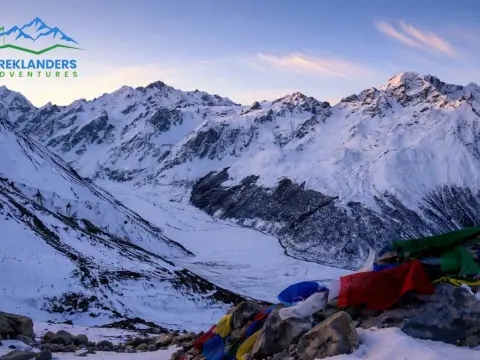
Further up the trail, Langtang Village and Kyanjin Gompa also continue to be open in February, albeit fewer lodges operate as compared to the peak seasons. A good number of the teahouse owners stay in their villages throughout the year and therefore invite winter trekkers, which is especially the case in February when there is less competition and stays are quieter. Though at times limited, accommodation seldom poses a problem for those who get there in the mid-afternoon.
On the other hand, some teahouses that are seasonal or less-frequently visited, situated between the villages, may close for a while because of the low number of visitors. Nevertheless, these closures do not hinder the trek significantly, as the distances between the open lodges are still quite reasonable. Trekkers should not anticipate comfortable services such as heated dining rooms, elaborate menus, or hot showers in every place. Electricity is mostly solar, and charging devices might not be possible or at least be very limited during cloudy winter days.
Hiking access will be somewhat restricted. The main way up the Langtang Valley will remain open in February, but side hikes like Tserko Ri or the higher viewpoints above Kyanjin Gompa might be closed or unsafe due to the snow. Make sure to check with locals before going up there.
In general, the Langtang teahouses in February are safe and good enough for food, shelter, and security for the trekkers who come fully prepared. Winter stays are simpler and quieter, and at the same time, the lack of people, flexible pricing, and personal hospitality usually make the experience even better. Those who are used to cold conditions and basic facilities will find the Langtang trek winter accommodation comfortable and within reach all through February, thus making the trek not only doable but also enjoyable even in deep winter.
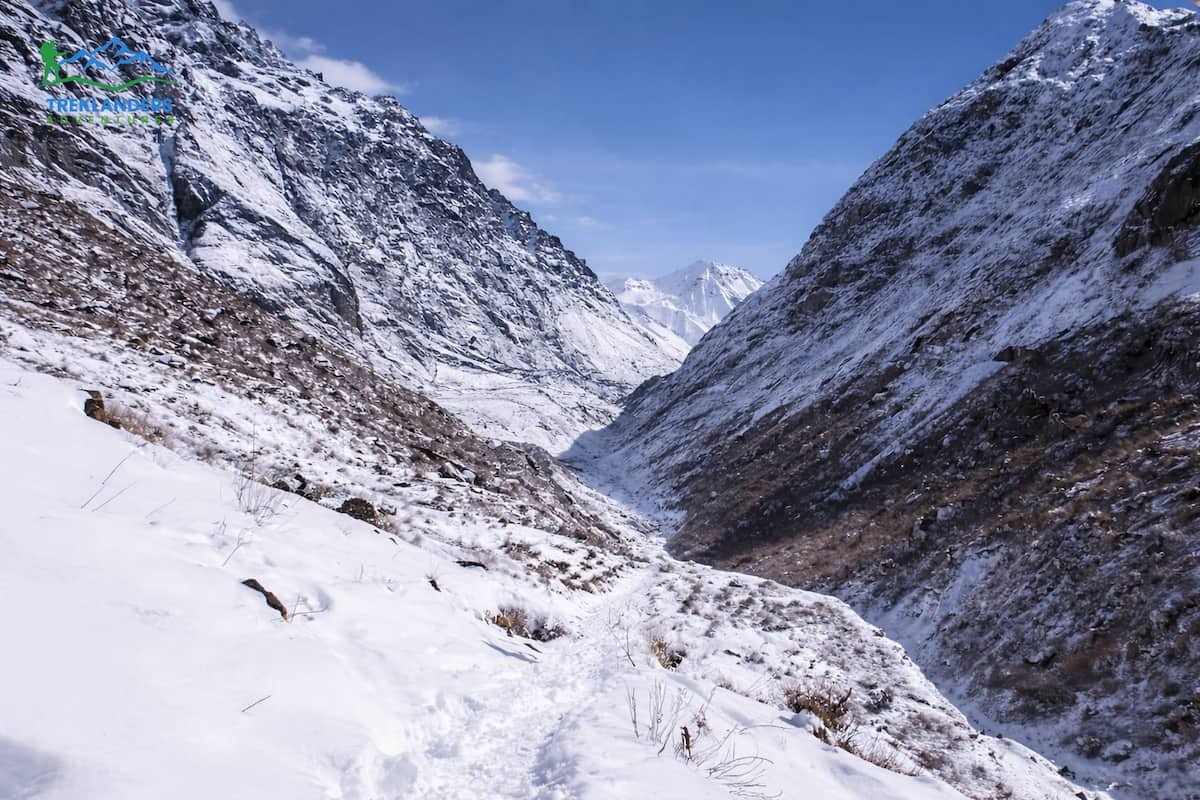
The Langtang Valley Trek in winter, especially in February, is pretty much moderate in most cases. However, the weather conditions at that time of the year might make the trek feel that the overall effort is more than during spring or autumn. What beginners might not realize is that it is quite important to first know how winter affects the terrain, altitude, and daily walking conditions before they decide if this trek is suitable for them.
In terms of the technical aspect, the Langtang Valley Trek does not require mountaineering skills or technical climbing. The trail is well-established and clearly marked, and goes through forests, river valleys, and traditional Tamang villages. Still, in February, the cold weather and the snow that falls occasionally could be an additional problem, especially if the trek is above Langtang Village (3,430 m).
Altitude is one of the factors making the trek difficult. Kyanjin Gompa (3,870 m) is the highest point of the trek for overnight stay, but the gradual ascent to it lowers the risk of acute altitude sickness as compared to other treks in the Himalayas that go higher. Having said that, winter chill can worsen tiredness and slow the acclimatization process. Beginners might want to keep a steady pace, drinking plenty of water even though not feeling thirsty, and plan an acclimatization or rest day at Kyanjin Gompa.
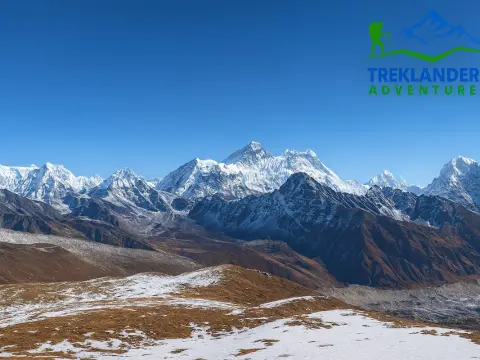
The trail condition depends on the elevation. At the lower sections, it is mostly dry, whereas at the higher parts, there might be snow or ice, especially in places that are not exposed to the sun and in the early mornings. Walking on snow takes more energy, and making one's footing secure is essential. Even though crampons are hardly ever necessary, micro spikes come in really handy right after a fresh snow. Besides, trekking poles give you a better balance and take some pressure off your knees.
Walking distances each day remain reasonable, generally 5-7 hours per day, but shorter daylight hours in February mean that hiking has to start early. The weather is, in most cases, quite stable, sunny days with clear skies, which certainly helps in the cold situation. However, nights can be extremely cold, which will influence not only the quality of sleep but also the overall level of energy.
Therefore, is the Langtang trek a difficult one in winter? Fit beginners usually find it quite doable, even if they have just a little basic trekking experience and have the right winter gear. Those who look for luxurious comforts and are not willing to walk on snow may consider it hard. With a realistic mindset, warm clothes, and a flexible schedule, the level of difficulty of the Langtang trek in February is similar to that of other first-time Himalayan trekkers who are looking for a quieter and more authentic winter experience.
One of the most crucial factors hikers contemplating a Himalayan expedition should consider is how the cost of the two very different seasons of winter (like February) and the more popular seasons of spring and autumn changes. Although the exact numbers depend on individual tastes and the range of services, the broad picture reveals a significant difference between pricing and availability.
Langtang Valley Trek in February has its pros and cons compared to the peak seasons. There is generally more room for flexibility with accommodation on the trekking route, and tea houses are available even in the smallest villages. The number of trekkers is small, so there is less competition for rooms, and the owners are usually quite willing to accommodate reservations and groups. This results in a very relaxed planning process, especially for solo travelers or those without guides.
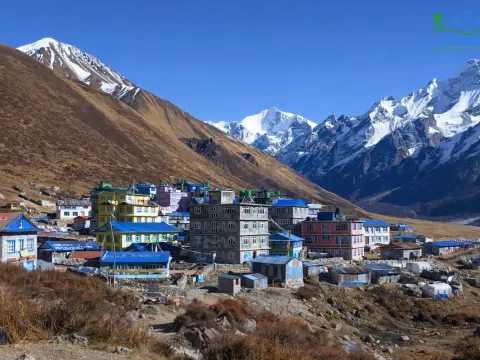
The food choices likewise mirror the seasonal changes. As a rule, winter menus are not much different from the peak seasons, and any specialty items are probably limited due to the supply lines being reduced and the demand being lower. However, traditional dishes and local staples are always available, so the trekkers can enjoy authentic Himalayan cuisine throughout the whole trek.
The transportation arrangements are basically the same. The road and bus connections between Kathmandu and Syabrubesi are open throughout the year, but the winter schedules are generally less crowded and more on time, which is very important. So, it may be easier and more predictable travel for those who choose February as the starting point of their trek. Besides, trekking agencies will provide more personalized service during this quiet season, thus helping with itinerary changes and local arrangements.
Besides trail crowding, the comparison of winter with the peak seasons brings up another aspect. A significantly lower number of trekkers in February makes the February trek more enjoyable. Places such as trails, teahouses, and scenic spots remain quiet thus affording trekkers an intimate experience with nature and the locals. On the other hand, during the spring and autumn seasons, the high number of visitors may result in packed teahouses, people having to wait longer to be served, and the whole place being livelier.
In the end, whether it is a February Langtang Valley Trek or during a peak season, it is really a matter of comfort, convenience, and experience. The winter trek route is less busy, the arrangements are more flexible, and there is the possibility of seeing the valley in a quiet, contemplative mood. The social interactions are more vibrant, and the snow conditions on the trail are slightly easier during the peak seasons; however, both these aspects come along with the downsides of high demand and a more crowded environment. Having knowledge of these seasonal variations, the trekkers can decide when they want to do this Himalayan expedition.
Trekking in the Langtang Valley during February means you are likely to experience a unique winter trip, yet this time of the year also poses particular difficulties, which novices and even confident trekkers may sometimes overlook. Knowledge of typical mistakes can help you have a safer, more comfortable, and more fun trek.
One of the most common errors is not giving enough credit to the cold and winter weather conditions. Therefore, even if February afternoons may be warm and nice, the nights are really cold, especially at high altitudes such as Langtang Village and Kyanjin Gompa. Trekkers without a sufficient winter kit, insulated jackets, thermal layers, gloves, etc., quickly get cold, run out of energy, and have a hard time sleeping.
The next common error is to disregard the state of the trail. In fact, snow and ice might cover some parts, especially the ones above Langtang Village, and, thus, make the trails very slippery. Several trekkers think that they will have summer-level trail conditions, and do not carry trekking poles, micro spikes, or proper footwear. This, in turn, increases the likelihood of slips, falls, and an even slower walking pace.
Manifold instances of error are made by disregarding the importance of a local guide or porter, even though one may think that the main trail is very well signposted. Apart from bringing local knowledge and safety tips, guides also help their clients with climbing snow-covered paths and warn them about the areas where the conditions at high altitude might become dangerous. Winter is the least busy season, and if a person goes without a guide, the chances of missing open teahouses or not understanding trail closures become quite high.
Trying to cover long distances every day and not factoring in shorter daylight hours is yet another mistake. Days in February have fewer daylight hours than in spring or autumn. Therefore, if one is hiking late in the day, they could be walking in the dark, which is both dangerous and tiring. It is, therefore, very important to plan well with realistic daily targets.
As a matter of fact, many trekkers disregard acclimatization, thinking that the moderate heights of Langtang will be no problem for anyone. Even if it is winter, the effects of altitude can still happen, especially at heights above 3,500 meters. When you do not take rest days, or if you are in a hurry to get to Kyanjin Gompa, then you may experience headaches, nausea, and tiredness.
By avoiding the above mistakes, trekkers will be able to get more out of their Langtang winter hike. Taking into account practical tips, having the right gear, choosing a trustworthy guide, and being considerate of the trail conditions are the factors that make a February trek a safe and fulfilling experience. Not only do these measures keep you out of trouble, but they also enable you to engage more deeply and create long-lasting memories of your Himalayan adventure.
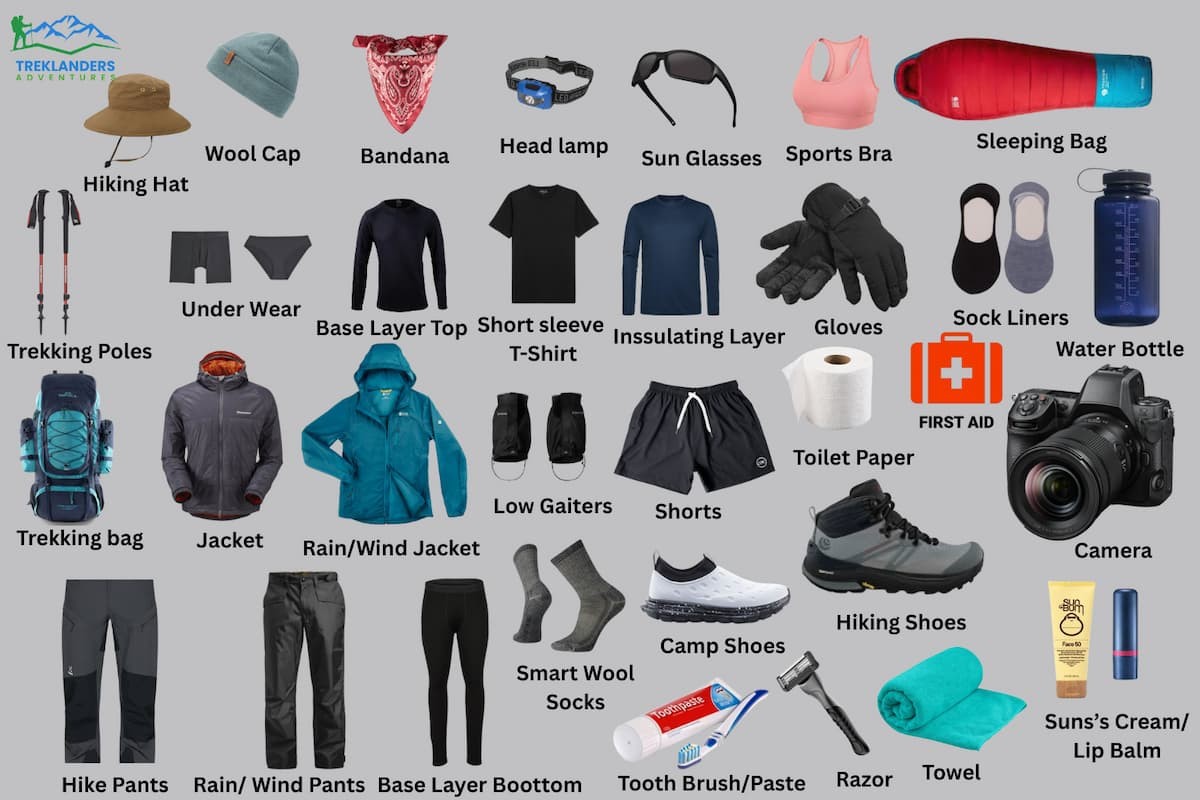
Trekking in Langtang Valley in February is not a walk in the park, so you need to be really well prepared for it. Winter in the mountains may be very cold, and the weather may change suddenly. With the right equipment, you stay warm, safe and have a very pleasant time. Of course, without nice and handy trekking gear, you can always get by, but wearing proper clothes, Langtang winter trekking gear sets itself out with its focus on warmth, protection, and being able to manage snow and icy paths.
Clothing is the most important factor. It is necessary to wear several layers of clothes: the first layer to take in the sweat, the second to keep the warmth, like a fleece or down jacket, and the third to be waterproof, windproof to keep the cold, the wind, and the possibility of snow out. Thermal underpants, warm socks, and gloves are a must, besides a cap and a scarf or balaclava to protect the face and head from getting frozen. Going for a trek in a cold season without enough layers will make even a very short walk uncomfortable and dangerous.
Footwear must be impeccable and warm. You need waterproof trekking boots with support for the ankles, especially when the walk includes going on slippery snow and ice. For additional grip in case of ice or snow, you can put micro spikes or crampons on your boots. It is also advisable to wear gaiters so as to keep the snow outside the boots when you are above Langtang Village.
Among your backpack must-haves should be a water bottle that you can keep refilling or a hydration system, food to keep up your energy, sunscreen and lip balm with a very high SPF, and glasses to shield the eyes from snow glare. Even though you may not plan at all to be out after dark, carrying a headlamp with spare batteries is a good idea because the sun sets early in February, and an adventurer can find himself isolated from the day just because of bad weather.
Sleeping and personal gear in February need special attention. Warm sleeping bags rated for sub-zero temperatures are essential in teahouses without central heating. Lightweight travel mats provide extra insulation against cold floors. Personal hygiene items like hand sanitizer and quick-dry towels are great for comfort on the trek. Optional but highly suggested winter gear is trekking poles for stability on ice, a small first aid kit for altitude problems, and portable power banks to keep devices charged when there is limited electricity.
Lastly, you must carry your documentation and permits, such as TIMS cards and Langtang National Park permits, along with a copy of your travel insurance. By sticking to this Langtang trek packing list in February, trekkers will be able to walk in the winter trails safely, experience the breathtaking snow-covered landscapes, and stay away from the typical problems faced in winter trekking. If you are well prepared, you will have a comfortable and unforgettable experience in the central part of the Langtang Himalayas.
The team will greet you at Tribhuvan International Airport and take you to your hotel in the city. After check-in, a detailed altitude and safety briefing will be conducted. You can also check your equipment. The rest of the day is free for you to take a short walk around Thamel or buy some last-minute gear. Overnight in Kathmandu.
Max. altitude
1,365m / 4,478 ft.
Accommodation
3 star rated Hotel
Head out of Kathmandu in the morning and make your way north. The route is full of curves, following rivers, going past terraced farming on the hills, and small villages. The trek will tease you with your first glimpse of the Himalayan foothills. The drive goes through Dhunche, which is the administrative center of Rasuwa District. Take a steep ride down to Syabrubesi, a small town that is the main gateway to Langtang Valley. Stay the night in Syabrubesi.
Max. altitude
1,470m / 4,823 ft.
Accommodation
Tea Houses Lodges
Meals
Breakfast, Lunch & Dinner
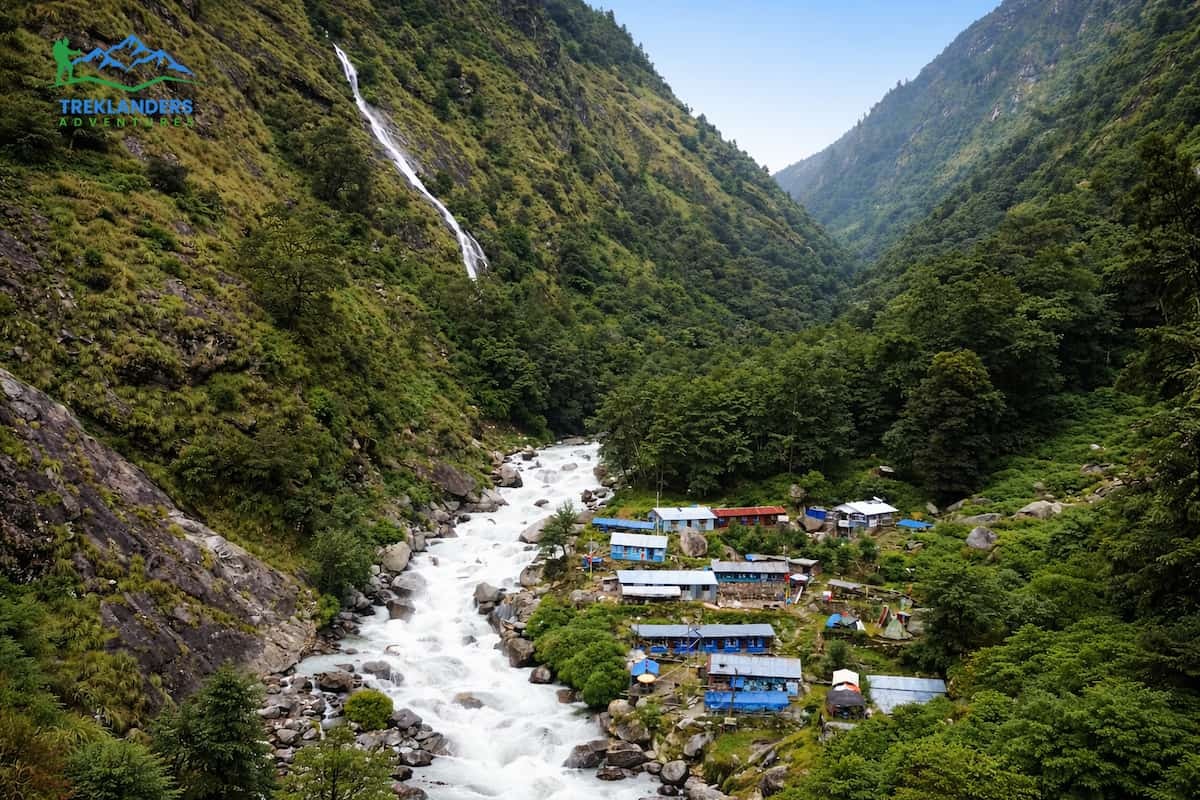
Walk along the Langtang River and cross suspension bridges while passing the small settlements. The trail slowly goes up through the bamboo, oak, and rhododendron forests, where you can also see animals like Langur and red pandas. The gradual ascent serves as a natural acclimatization. Stay at Lama Hotel.
Max. altitude
2,455m / 8,054 ft.
Accommodation
Tea Houses Lodges
Meals
Breakfast, Lunch & Dinner
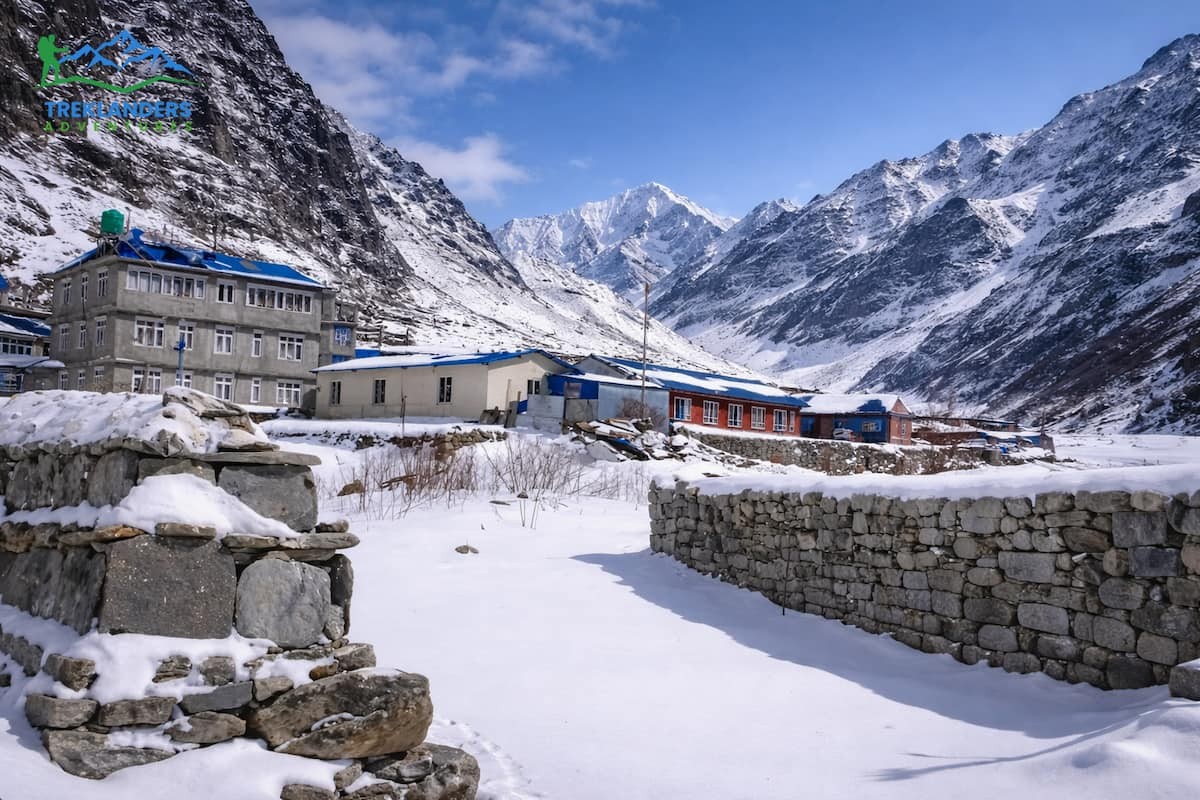
Keep hiking as the woods become less dense, and the valley reveals vast alpine landscapes. Take in sights of prayer wheels, mani walls, and snow, covered peaks. Get to Langtang Village or Mundu, old Tamang villages that have been reconstructed after the 2015 earthquake. Immerse yourself in the local lifestyle and the mountain warmth. Rest at a teahouse.
Max. altitude
3,425m / 11,237 ft.
Accommodation
Tea Houses Lodges
Meals
Breakfast, Lunch & Dinner
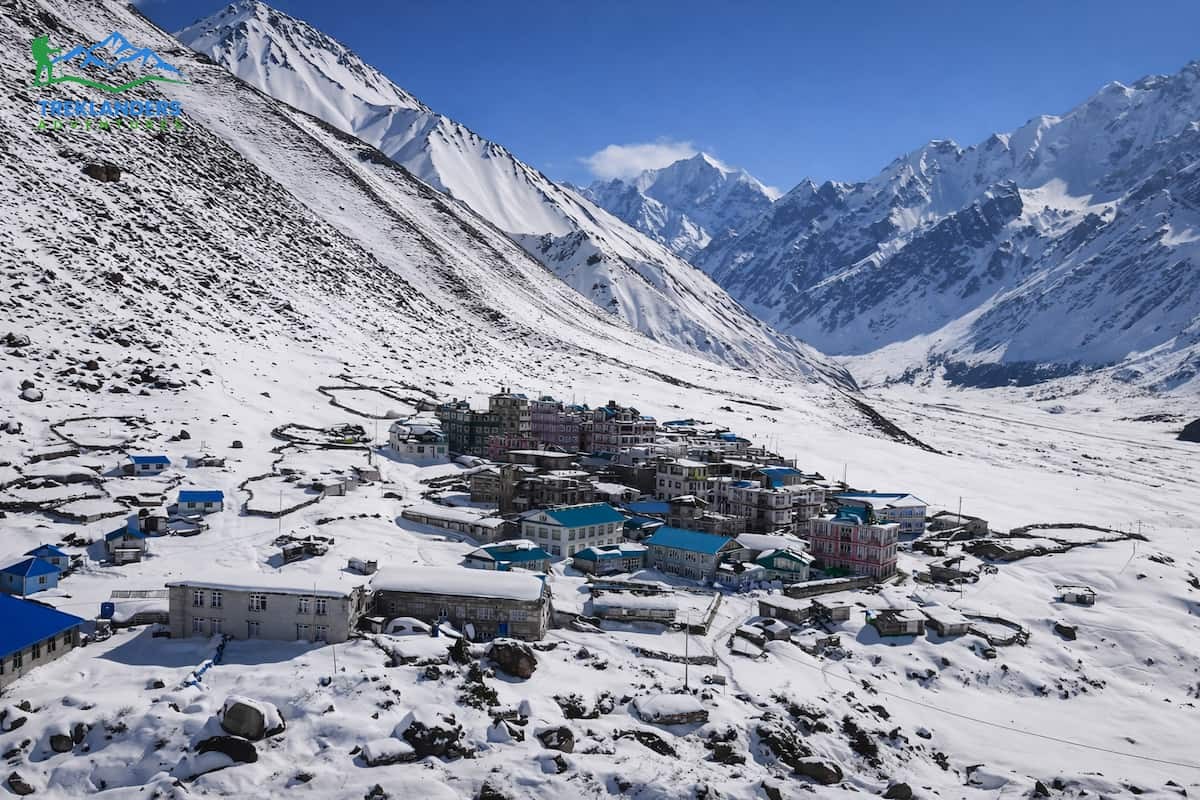
A shorter and scenic walk leads to Kyanjin Gompa, the spiritual and cultural center of the Langtang region. The trail passes yak pastures and glacial streams with dramatic mountain views. In the afternoon, explore the monastery, local cheese factory, and surrounding areas. Overnight in Kyanjin Gompa.
Max. altitude
3,870m / 12,697 ft.
Accommodation
Tea Houses Lodges
Meals
Breakfast, Lunch & Dinner
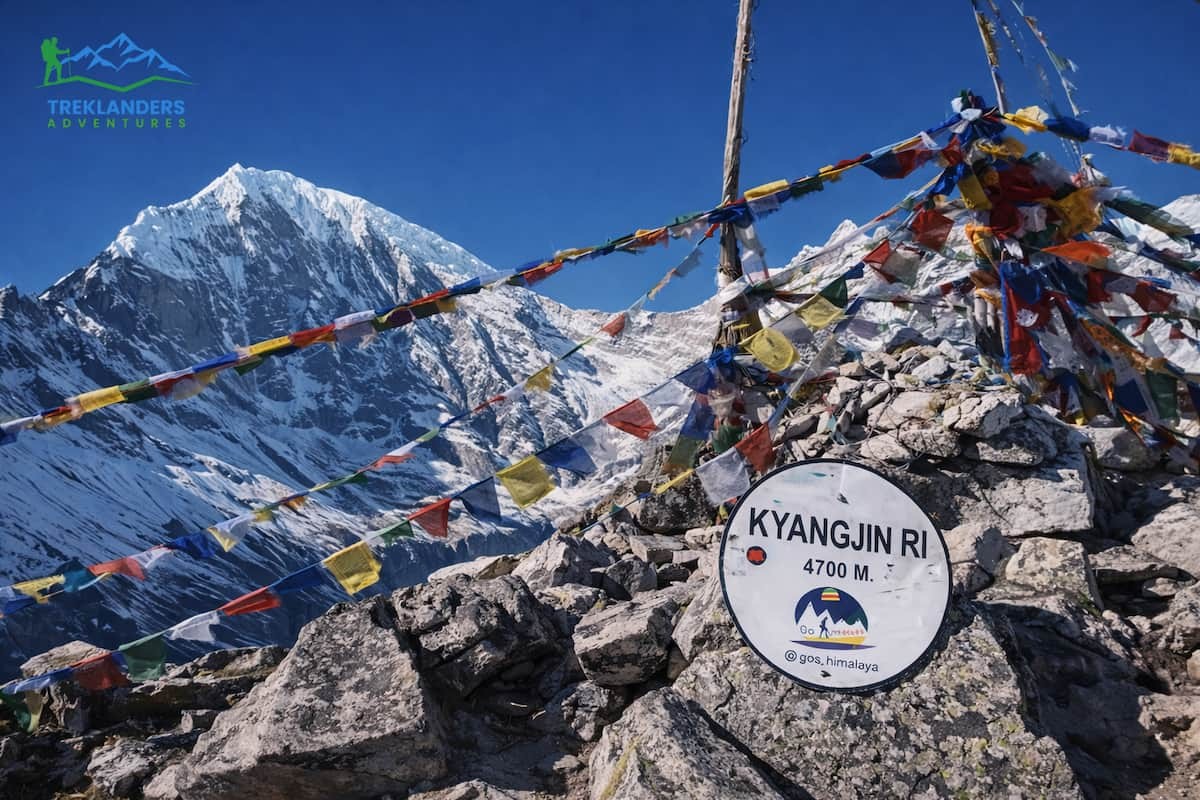
The day begins early in the morning from Kyanjin Gompa (3,870 m / 12,697 ft) with a gradual but steady ascent to Kyanjin Ri (approximately 4,773 m / 15,659 ft). The hike follows a well-defined trail, climbing above the village and offering continuously expanding views of the Langtang Valley. As you gain altitude, the landscape opens to spectacular panoramas of Langtang Lirung, Yala Peak, Dorje Lakpa, and surrounding glaciers. The ascent takes around 2–2.5 hours, with short breaks for acclimatization and photography, while the descent back to Kyanjin Gompa requires about 1–1.5 hours, making the total hiking time approximately 3–4 hours round trip.
After returning to Kyanjin Gompa, you will have breakfast and a short rest before preparing for the long descent. The trek then continues downhill from Kyanjin Gompa to Lama Hotel (2,455 m / 8,054 ft). This section of the trail passes through yak pastures, alpine terrain, and dense rhododendron and pine forests, retracing the route through Langtang Village and Ghodatabela. The descent is easier on the lungs but can be demanding on the knees, and it typically takes 6–7 hours, depending on walking pace and rest stops.
Descend gradually through familiar trails, enjoying changing landscapes as alpine terrain transitions back into forest. The downhill trek is easier on breathing and offers relaxed walking with ample time for photography and rest stops.
By late afternoon or early evening, you will arrive at Lama Hotel, where you can relax, enjoy a warm meal, and rest after a rewarding day that combines one of the best viewpoints in the Langtang region with a significant descent in altitude.
Max. altitude
4,773m / 15,659 ft.
Accommodation
Tea Houses Lodges
Meals
Breakfast, Lunch & Dinner
Continue descending along the Langtang River, crossing bridges and passing small villages. The trail offers a final immersion into the region’s natural beauty before reaching Syabrubesi. Celebrate the completion of the trek. Overnight in Syabrubesi.
Max. altitude
1,470m / 4,823 ft.
Accommodation
Tea Houses Lodges
Meals
Breakfast, Lunch & Dinner
After breakfast, drive back to Kathmandu along scenic mountain roads. Upon arrival, enjoy free time for shopping, sightseeing, or relaxation. A farewell dinner can be arranged on request. Overnight in Kathmandu.
Max. altitude
1,365m / 4,478 ft.
Accommodation
3 star rated Hotel
Meals
Breakfast & Dinner
After an enjoyable and most mesmerizing time in Nepal, around the Himalayas on Langtang Valley Trek. As time for departure, our staff transfer you to international airport for flight homeward bound or to next port of call.
Max. altitude
1,365m / 4,478 ft.
Health and safety are paramount concerns when considering a Langtang Valley Trek in February because the winter season adds certain risks that need to be addressed properly. Although the trek itself is not very challenging from a technical point of view, factors such as low temperatures, snow, and altitude may still affect one's physical condition and hence safety if one is not well prepared.
One of the main fresh air challenges is cold-related diseases. February nights can be very cold, going down to below freezing levels, especially at locations such as above Langtang Village and Kyanjin Gompa. Staying without proper insulation for a long time can cause hypothermia or frostbite. The key measures to prevent this are wearing layered winter clothes, protecting the extremities, and getting changed immediately if the clothes become wet.
Altitude sickness is another health concern that cannot be ignored. Even though the maximum altitude of Langtang is considered moderate when compared to other treks in the Himalayas, one can still develop altitude sickness, particularly if tired and dehydrated during the winter trekking. Therefore, people going on a trek here firstly need to acclimatize slowly to the height, secondly, allow the body enough time to rest, and thirdly, make sure that they drink sufficient water. If symptoms such as headache, dizziness, and nausea are ignored, the condition may get worse in no time.
Being safe on trails in February is a matter of paying more attention. Some parts of the trail may get slippery due to snow and ice, particularly in forests and in the early hours. The use of trekking poles and appropriate winter shoes can be very helpful in preventing accidents that come from sliding. Before going for a walk on a trail or trying some high-altitude spots, it is always wise to check the news of those places first because heavy snowfall after the season can lead to landslides, which are very dangerous.
There are only a few medical facilities accessible along the trekking route. You might get some basic first aid in the villages, but if a serious medical condition occurs, the patient will have to be helicoptered to Kathmandu. In this regard, it is indispensable to have full travel insurance that covers not only the high-altitude trekking but also emergency rescue. It is also important to have a personal first-aid kit and be on your medications if necessary.
Generally speaking, weather conditions are quite calm in February, but it is indeed possible for a sudden change to occur. A very clear morning can quickly become very windy and cloudy, visibility is going to decrease, and the cold, therefore, increase. If you start hiking early enough and keep an eye on the weather reports, you won't be too exposed to these changes.
In general, there are not that many health and safety issues with the Langtang Valley Trek in February if you get everything in order well and pack some winter gear, then bring a little bit of caution, and the whole trip will be a safe one, at least on your side. That is why prepared trekkers get to have the most fruitful and safe winter excursions in Langtang Valley, a Nepal trekking destination rich in natural beauty.
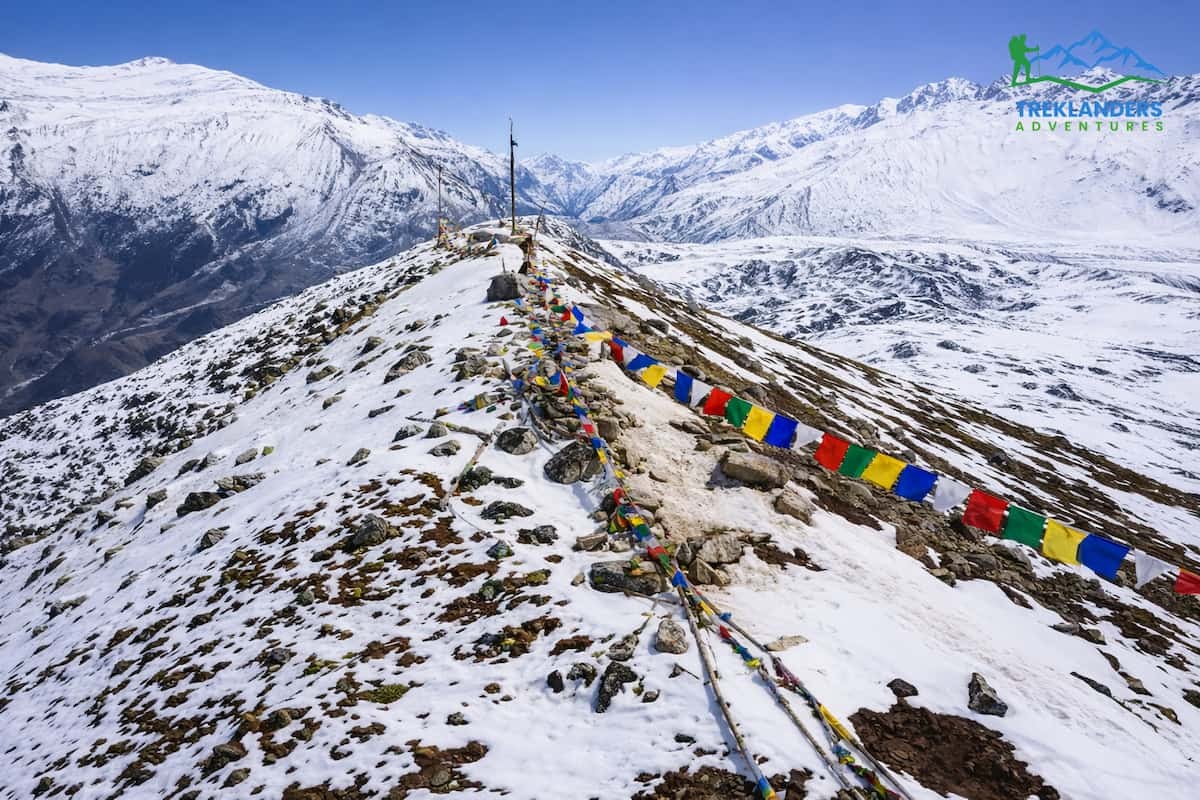
Doing the Langtang Valley Trek in February is one of the best options for those who want to do a nice, relaxing, authentic Himalayan trek without being surrounded by peak-season crowds. Winter conditions certainly add a bit of difficulty, but they also let you see a side of the Langtang area that is not visible during the summer or autumn: beautiful snow-covered forests, quiet villages, and very spectacular mountain views.
February is a good time for the trek to be open and supported, with the main tea houses operating and the trails being stable and safe under clear winter skies. Preparedness is a must for the low temperatures and the possibility of snow, but it is these conditions that make the landscape so beautiful, provide a great natural setting, and offer excellent views. Those who are keen on having the mountains to themselves, capturing stunning images, and being able to walk at their own pace, February is the time when the conditions are almost perfect.
Planning for winter trekking means being more prudent and cautious with your choices. Due to the few daylight hours, the cold nights, and the service shortage in the upper villages, one has to set realistic daily targets and be prepared to change the schedule if necessary. On the other hand, these factors allow more personal and intimate interactions with the locals and tea house owners, which enriches the cultural aspect of the trip. In addition to that, the tranquility of the environment enables trekkers to have a deeper insight into the Tamang culture - the main culture of the Langtang Valley - through direct contact with the locals.
A February trek, especially if one goes through Langtang Valley, needs to be very careful about health and safety matters. Apart from that, one should be even more conscious about how to survive cold, slowly adapt oneself to the height, and keep an eye on the status of the trail. By bringing suitable winter attire, controlling one's speed, and keeping an open mind about changing one's traveling plan as per weather and local advice, the danger level will always be kept low for those trekkers who are up to the challenge. Also, beginners who have a decent level of fitness and get proper instruction will be able to do the trek without any discomfort.
Langtang valley trek in February is a great choice for people who definitely want to have an outdoor experience and are not bothered by some inconveniences in their lives. The trek will be successful for those who are well prepared, have enough patience, and are familiar with winter mountain conditions. If a trekker is ready to face the harsh mountain elements, then February is the best time. The valley is one of Nepal's most accessible Himalayan valleys, and thus it has incredible scenery and is incredibly peaceful. Winter trekking is often considered a good alternative to trekking at peak season. However, if you go in the right mood and make a proper plan, then a winter trek can be much more than just an alternative to peak season; it can be a wonderful experience of its own.
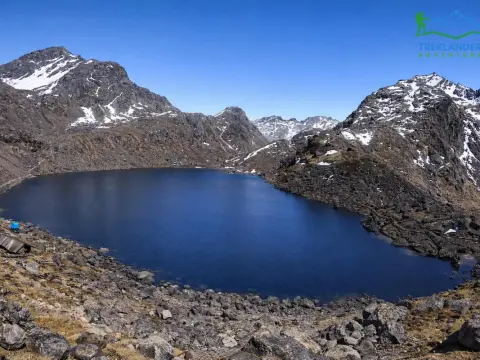
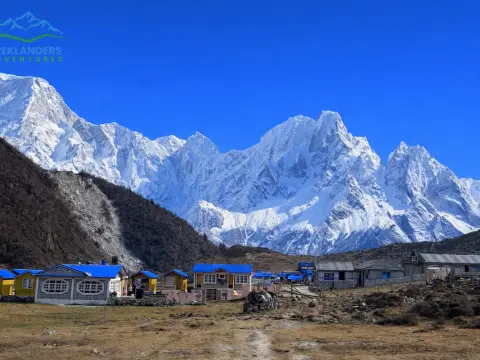
Compare the Langtang Valley Trek and Manaslu Circuit Trek to find which Nepal trek is best for your time, fitness level, and trekking experience.
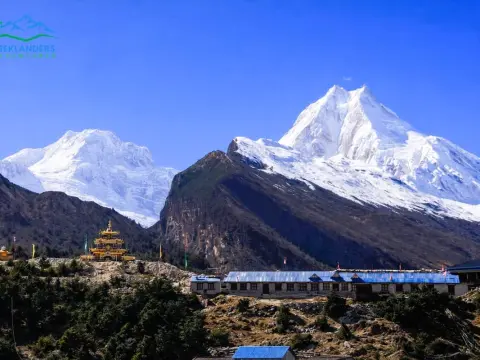
A comprehensive guide to Manaslu trekking facts covering routes, permits, altitude, culture, difficulty, seasons, and preparation.
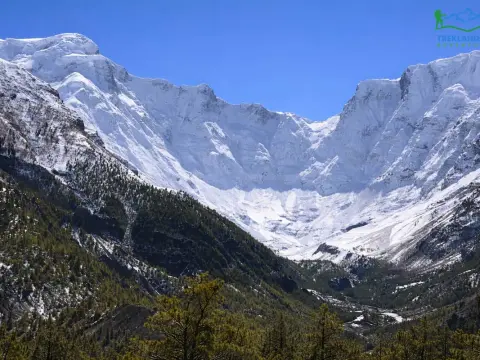
Discover the 10 best viewpoints of the Annapurna Circuit Trek, featuring iconic Himalayan scenery, altitude, difficulty, and the best time to trek.



