The Manaslu Circuit with Tsum Valley Trek and Larkya La Pass presents an extensive 20-day Himalayan odyssey merging cultural immersion and mountain adventure. This trekking route leads you deep into one of Nepal's most secluded and spiritually profound areas, hence it is a combination of the divinely-inhabited Tsum Valley with the breathtaking alpine landscape of the Manaslu Circuit. It caters to those who want to experience the unspoiled, the least crowded, and the real sense of the Himalayas exploration.
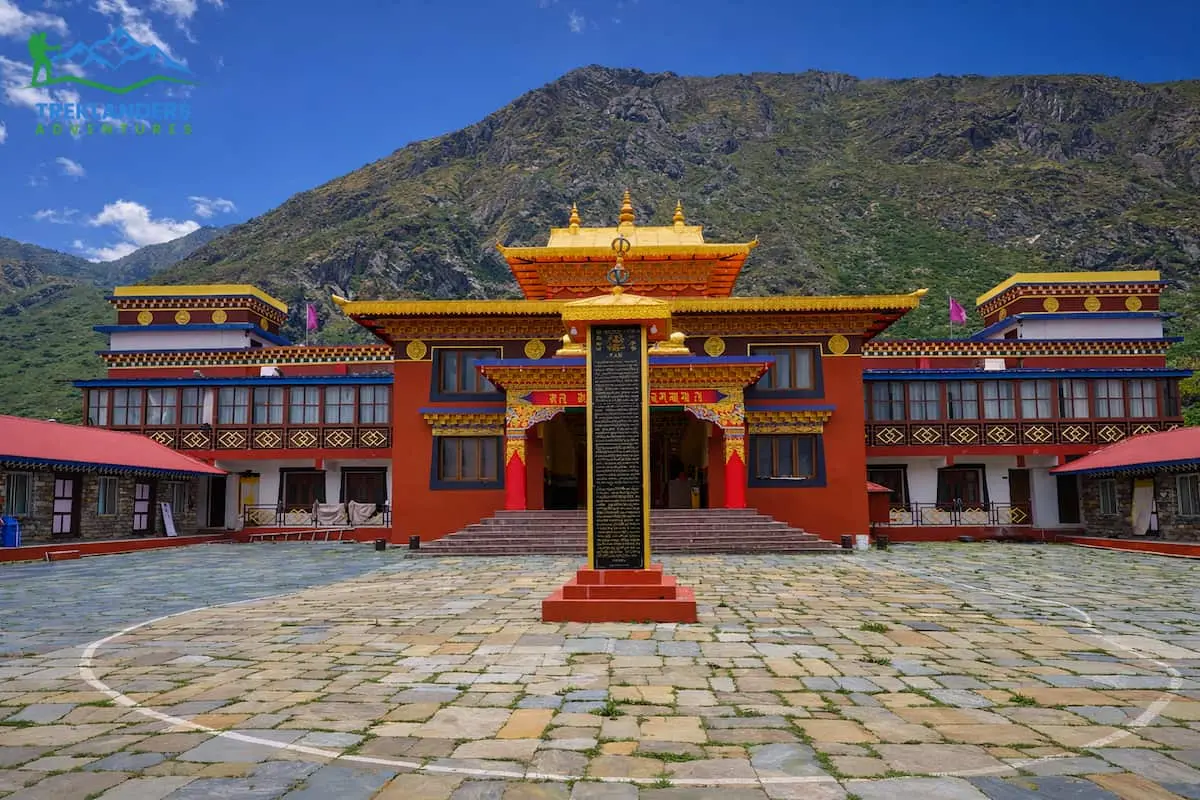
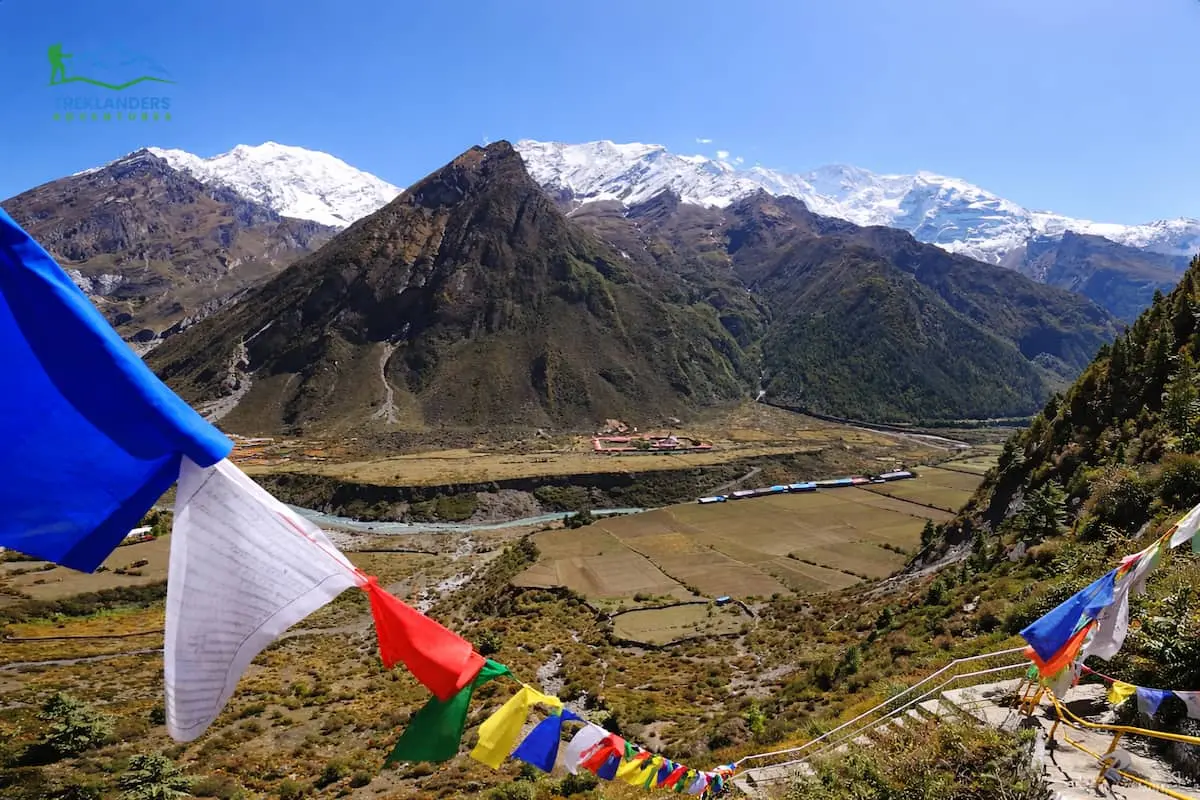
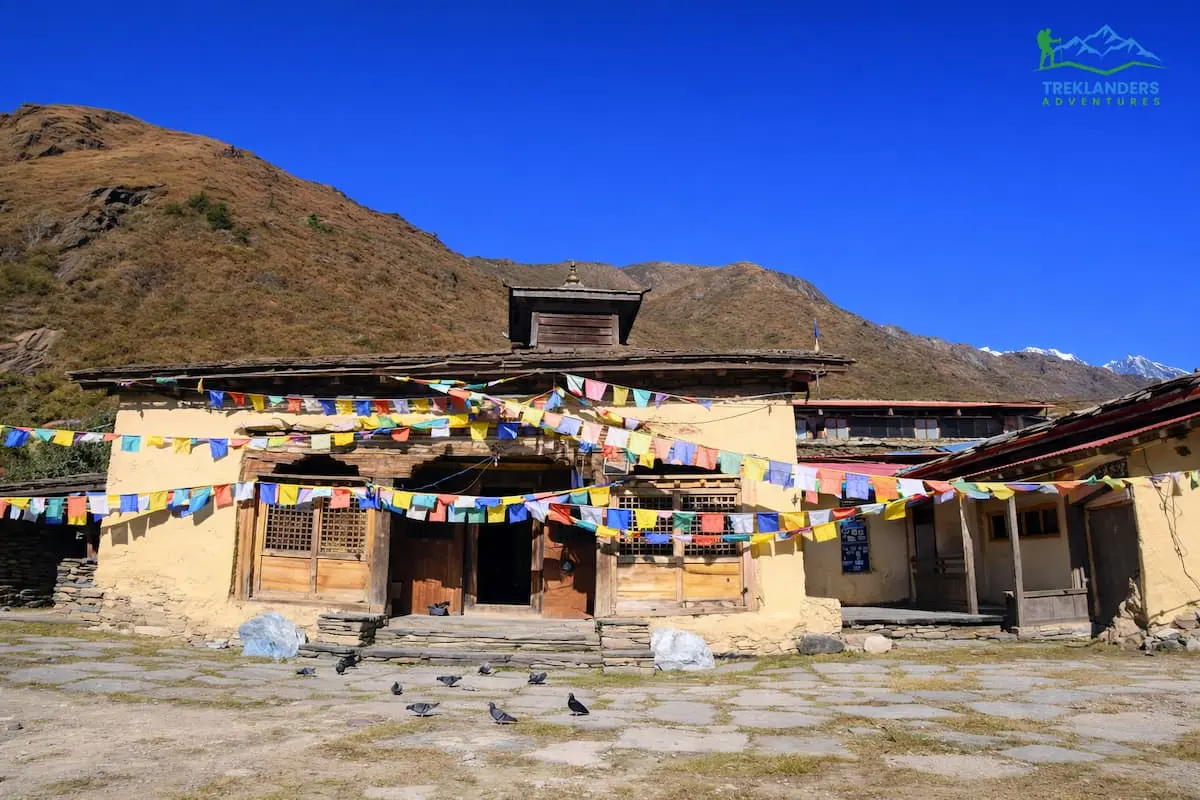
After Kathmandu, the tour traces the Budhi Gandaki River valley, following which the surrounding changes from the subtropical valley to the rugged mountainous terrain. The discovery of the Tsum Valley, a so-called hidden valley, where Tibetan Buddhist culture is almost intact, is an exceptional point of this trek, amongst others. Localities like Chumling, Lama Gaun, Chhekampar, and Mu Gompa, by exhibiting old monasteries, mani walls, prayer flags, and a way of life deeply connected to religious Buddhist traditions, attract attention as very culturally rich villages. Besides being a valley of tranquility, its cultural diversity is something that will give you a very different experience compared to those of more commercial trekking routes in Nepal.
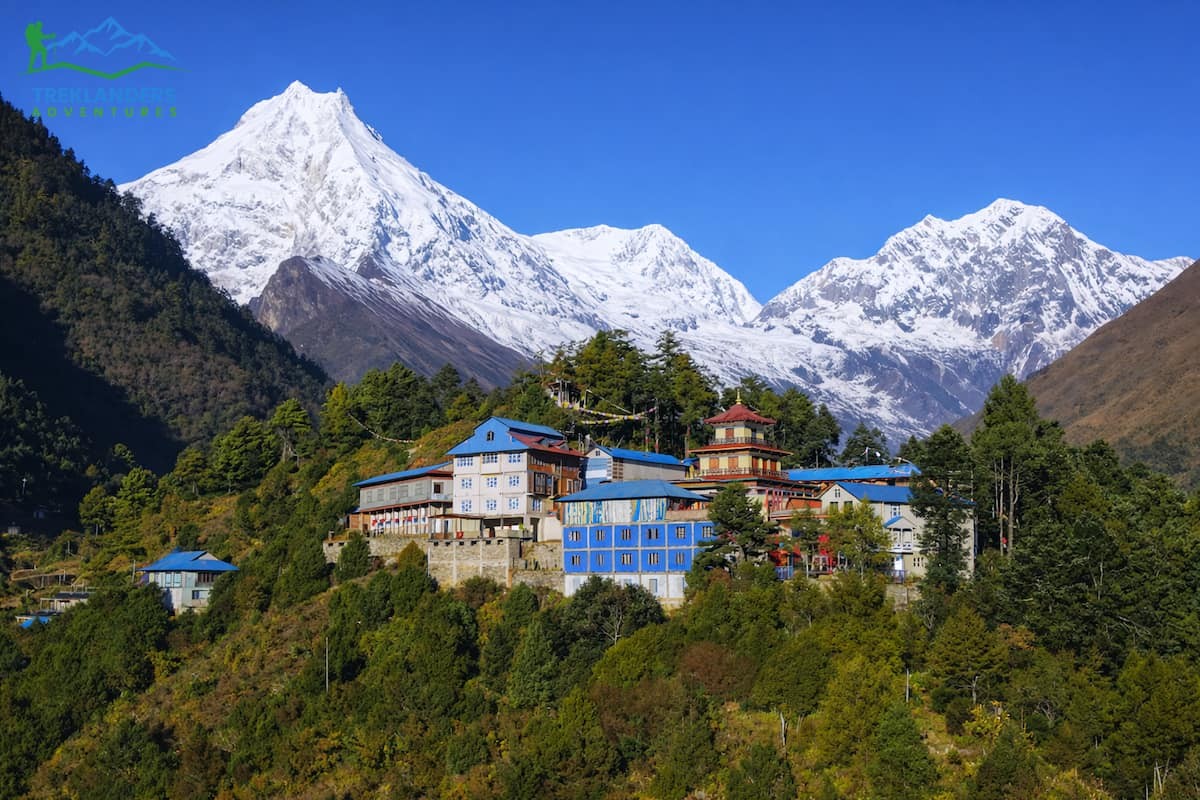
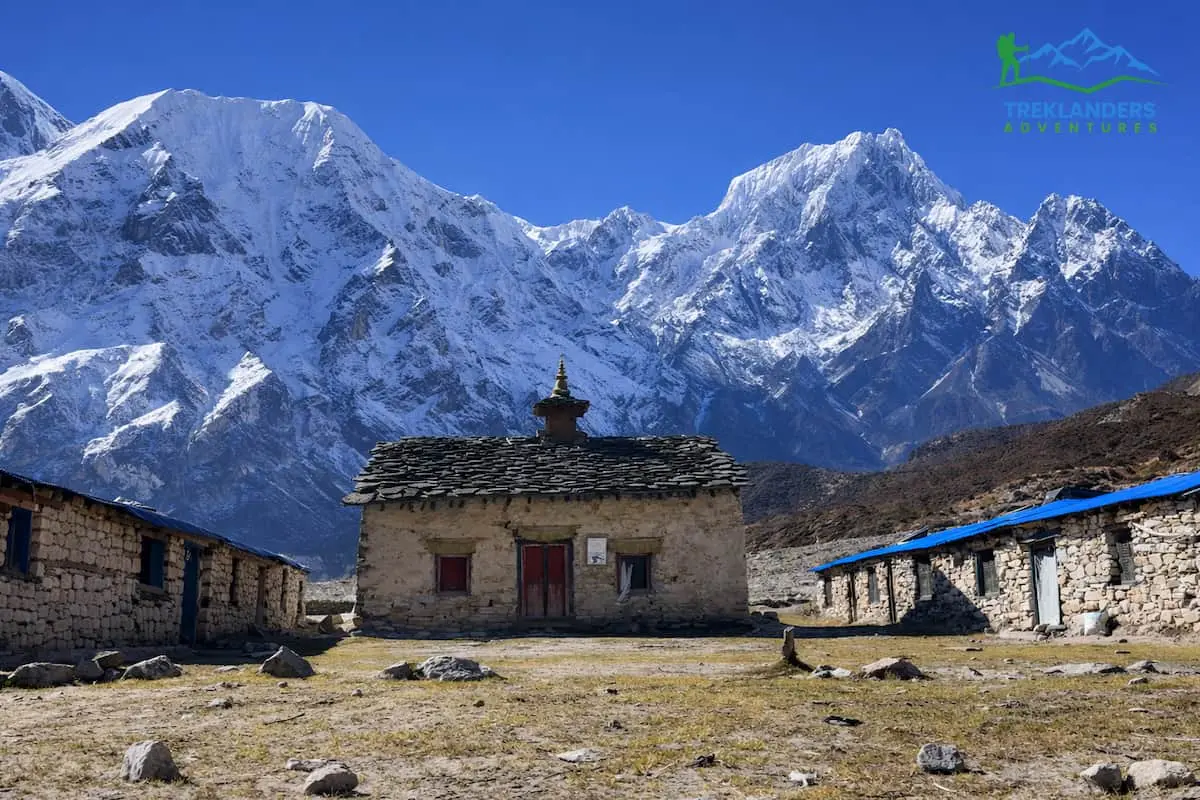
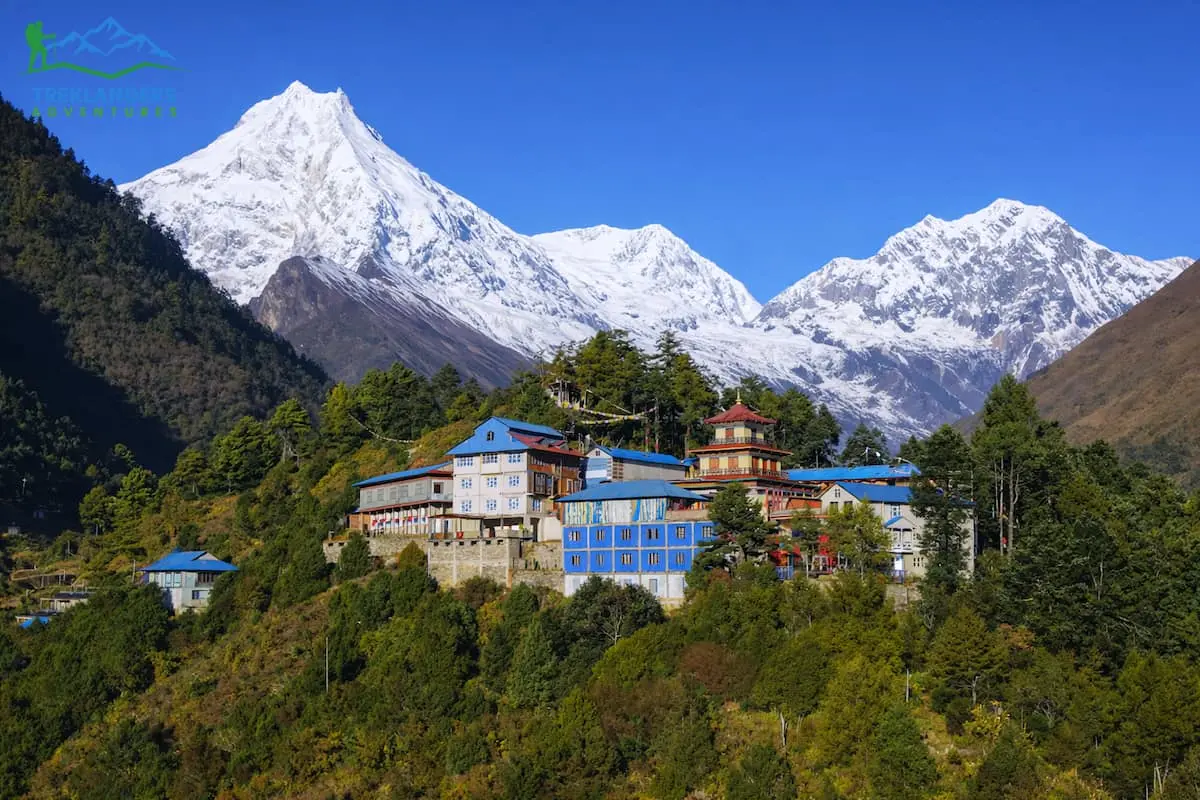
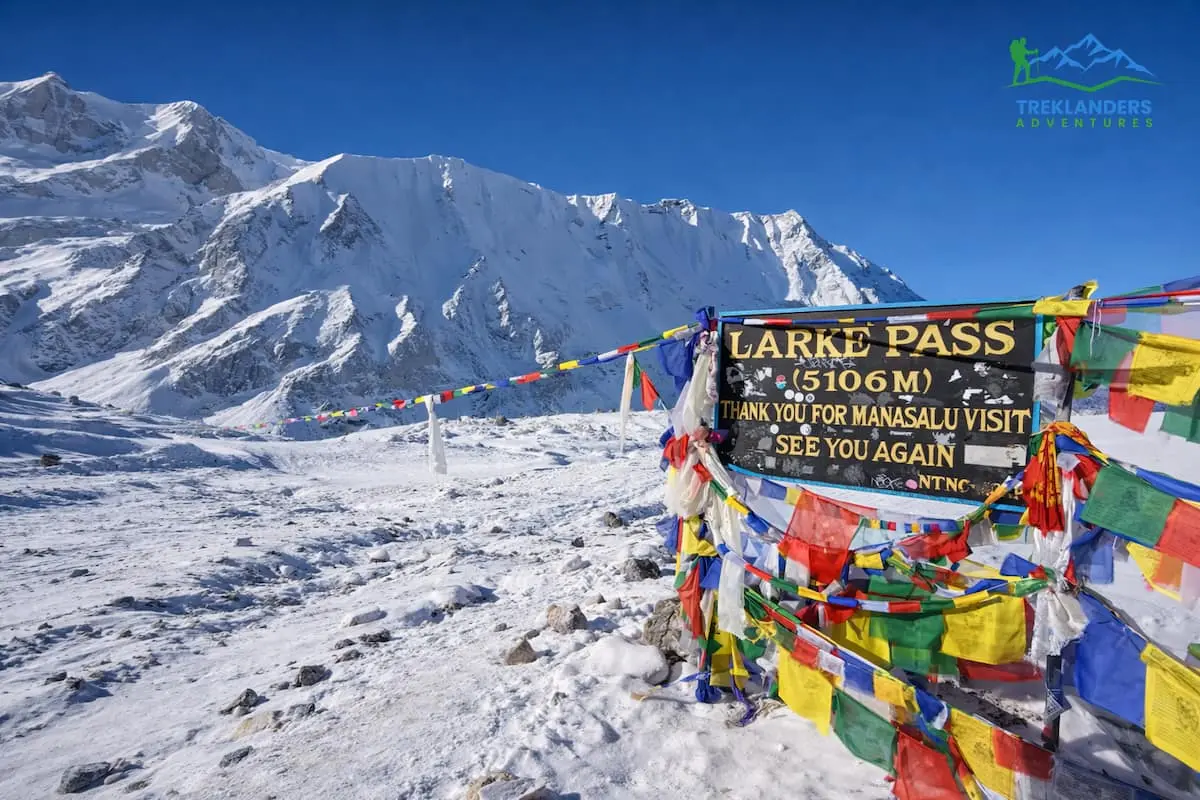
After finishing the Tsum Valley part, the trail rejoins the Manaslu Circuit, offering progressively more dramatic mountain scenery. The way goes through the typical villages like Lho Gaun and Samagaun, where trekkers get great views of Mt. Manaslu and other peaks. There is an acclimatization day in Samagaun when the body gets used to the altitude safely, and there are also optional side hikes to glacial lakes and viewpoints. The ultimate physical and scenic highlight of the Manaslu trek is the crossing of Larkya La Pass (5,106 m / 16,752 ft). This challenging yet rewarding pass offers sweeping views of glaciers, snow-covered peaks, and vast Himalayan landscapes.
After the pass, the trail descends to the beautiful alpine meadows of Bhimtang and continues through forests and lower valleys toward Tilje and Besisahar.
Overall, this trek is perfect for highly experienced or very well-prepared trekkers with good physical fitness and a strong sense of adventure. It is a bit challenging and, at times, stretching, but it pays off by leading the adventurers to the untouched nature, encounters with locals from different cultures, and a rare opportunity of seeing some of the most isolated Himalayan communities in Nepal. Tsum Valley with Manaslu Circuit Trek comes as one of the most holistic and genuine long-distance trekking experiences in Nepal.
The Manaslu Circuit with Tsum Valley Trek can be done in different seasons; however, it is very important to choose the right time for safety and comfort, as well as for a great trekking experience. Because of the high altitude and the remote area, as well as crossing Larke Pass (5,106 m), the weather plays a vital role in deciding the best trekking time.
Spring attracts many people to do this trek in the best possible way. The weather is nice and mild, the sun is out, and the air is clear, which offers excellent visibility of the mountains. You can enjoy the colorful rhododendrons in the lower parts of the trail, and higher up, you can have amazing mountain views. There is usually no problem with the snow on the Larke Pass. It is safer to cross, and you get to enjoy the scenery even more. During the day, the weather is nice for walking, but at night it gets cold above the tree line. This is a perfect time for people who want to see the culture, the natural beauty, and have a safe high mountain pass experience.
Autumn is said to be a wonderful time for the Tsum Valley and Manaslu area. The air is clean, and the grass is green. After the monsoon, when the rain stops, rivers are brimming, and the sharpness of the mountain views is at its best. The weather in this region is usually dry and hence stable, which makes it easier and safer to cross the Larke Pass. This time is also the time when most of the biggest festivals in Nepal are celebrated, so the tour in villages will be a cultural learning journey along the route. October is a very busy month, hence the need to plan well in advance because of limited lodging in the remote areas.
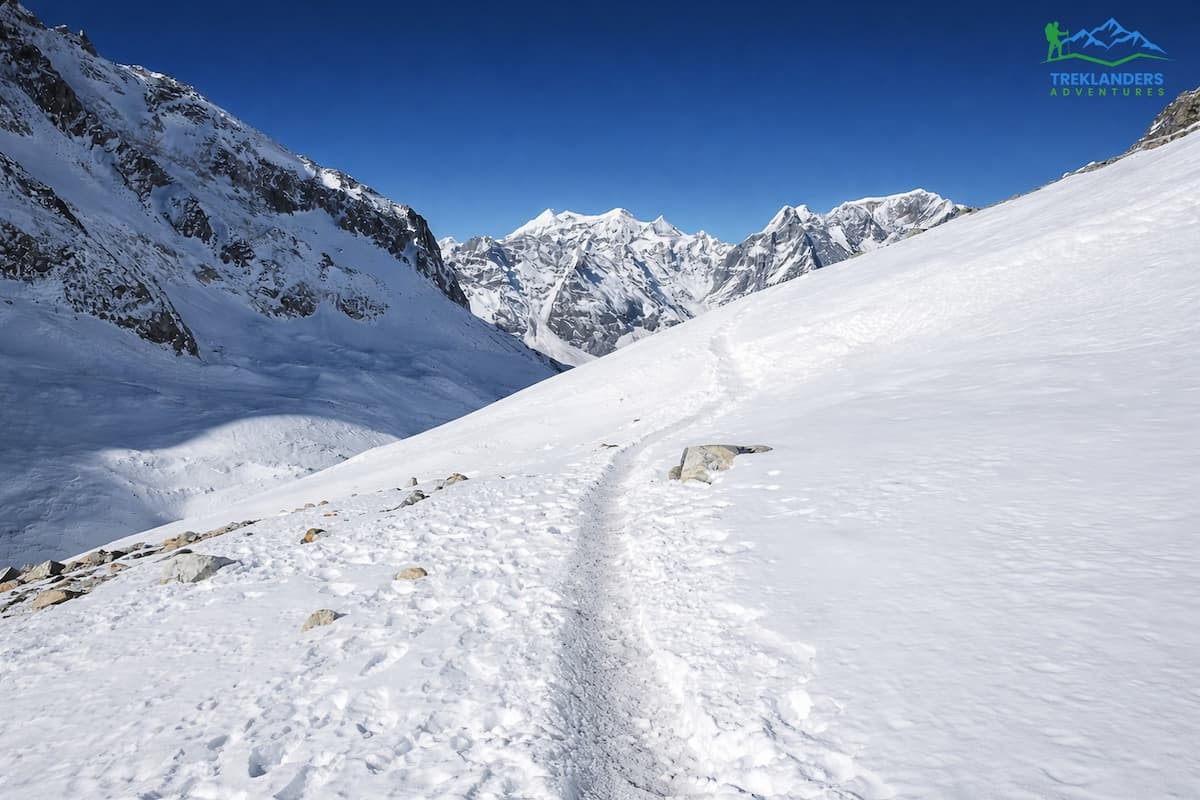
Winter trekking may be an option, but it should really only be done by those with a lot of experience in trekking. The Larke Pass can become very difficult or even impossible due to the heavy snowfalls; at the same time, the temperature drops quite drastically, especially at Dharmasala and Bhimthang. However, there is a big advantage: the paths are very quiet, and the landscapes are magnificent. One must have the right equipment, be willing to change plans, and constantly check the weather.
Monsoons bring a series of troubles, such as heavy rain, landslides, leeches, and very low visibility. The paths become slippery, and it is not safe to cross the Larke Pass. The safest and most enjoyable way to take a trip is to simply avoid this season.
So, basically, if you want the safest condition, the best views, and the most rewarding overall trekking experience, the best time is spring (March-May) and autumn (September-November).
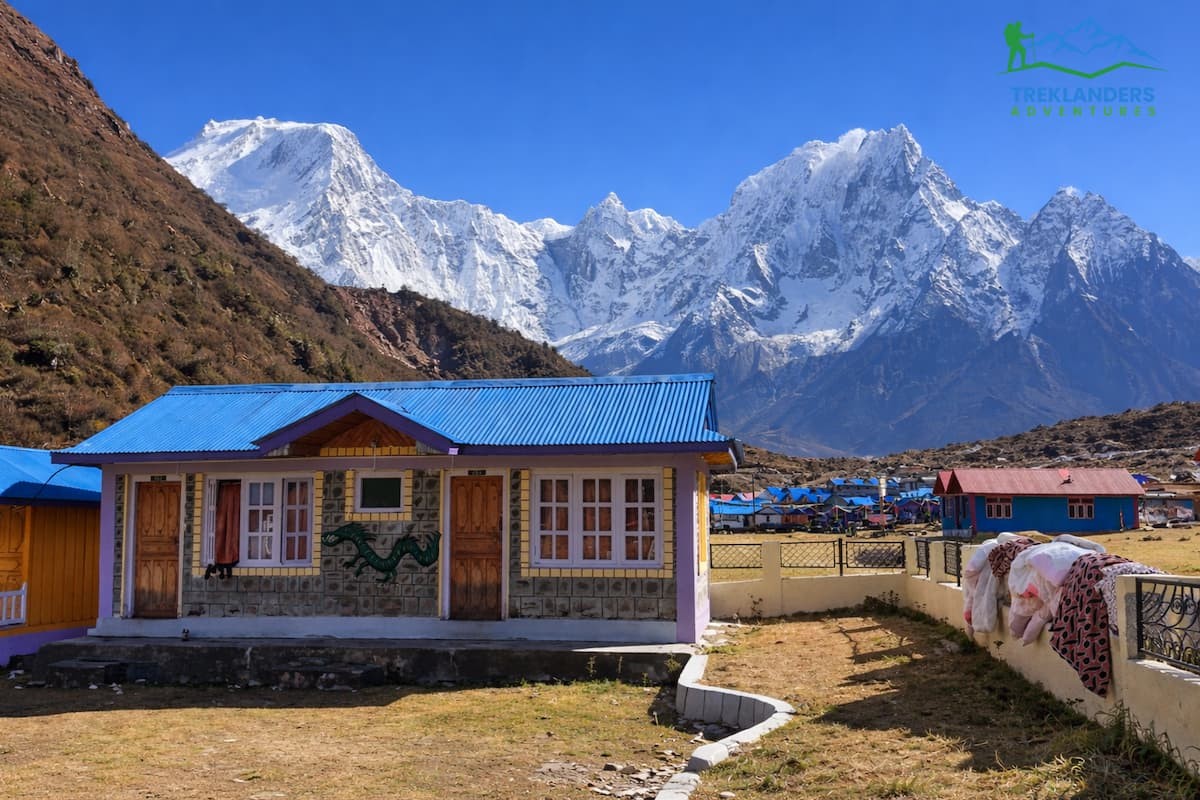
Accommodation for the Manaslu Circuit with Tsum Valley Trek is mainly centered around the best available local lodges and teahouses. These mainly provide a real Himalayan trekking experience, but in very basic comfort. Being a culturally preserved valley, the Tsum Valley and the high-altitude Manaslu Circuit are two such places where you are likely to see accommodation standards that change with altitude and accessibility.
Trekking operators provide accommodation to trekkers in a comfortable 3 star rated tourist-class hotel on a twin-sharing basis in Kathmandu. Besides being clean and well-equipped, rooms also have private bathrooms, hot showers, Wi-Fi, and charging facilities. These hotel stays help hikers to be fit for trekking, attend briefings, and prepare their equipment.
Between Machha Khola and Besisahar, trekkers are accommodated in local teahouses or guesthouses. These family-run lodges provide local hospitality typical of the Himalayas. Generally, rooms are twin-sharing with two separate beds, a mattress, a pillow, and a blanket. Even though the rooms are very basic, they are kept clean and in good repair.
Accommodation at lower elevation places such as Jagat, Chumling, and Chhekampar is quite comfortable. Most of the time, lodges are constructed of stone or wood and have warm dining rooms. However, as you get closer to Mu Gompa, Samagaun, Samdo, and Dharamsala, the situation becomes more primitive due to the harsh weather and limited resources.
Shared toilets are the norm in almost all the guesthouses, especially those at high altitudes. You can get a hot shower in some places for an extra fee, but the water pressure and temperature might not be ideal. A stove heats the dining area in the evening, thus providing a great, warm, and social environment.
Most of the time, electricity is solar-powered, so charging electronic devices may involve an extra cost or be done only when the power is available. Also, Wi-Fi is either very limited or completely absent in remote villages, which is great for trekkers who want to disconnect and immerse themselves in nature and the local culture.
At Dharamsala (Larke Phedi), everyday living quarters are extremely sparse, most of the time in dormitory-style rooms. This is the norm for high-pass base camps and more than enough for a short overnight stay before the crossing of Larke Pass (5,106 m).
Accommodation might be rudimentary, but it is safe, genuine, and culturally rewarding, which is the kind of environment that the hikers who are more for authentic Himalayan adventure than for luxury will be attracted to. Being mentally prepared and flexible will definitely make your trekking experience not only pleasant but also one to be remembered.
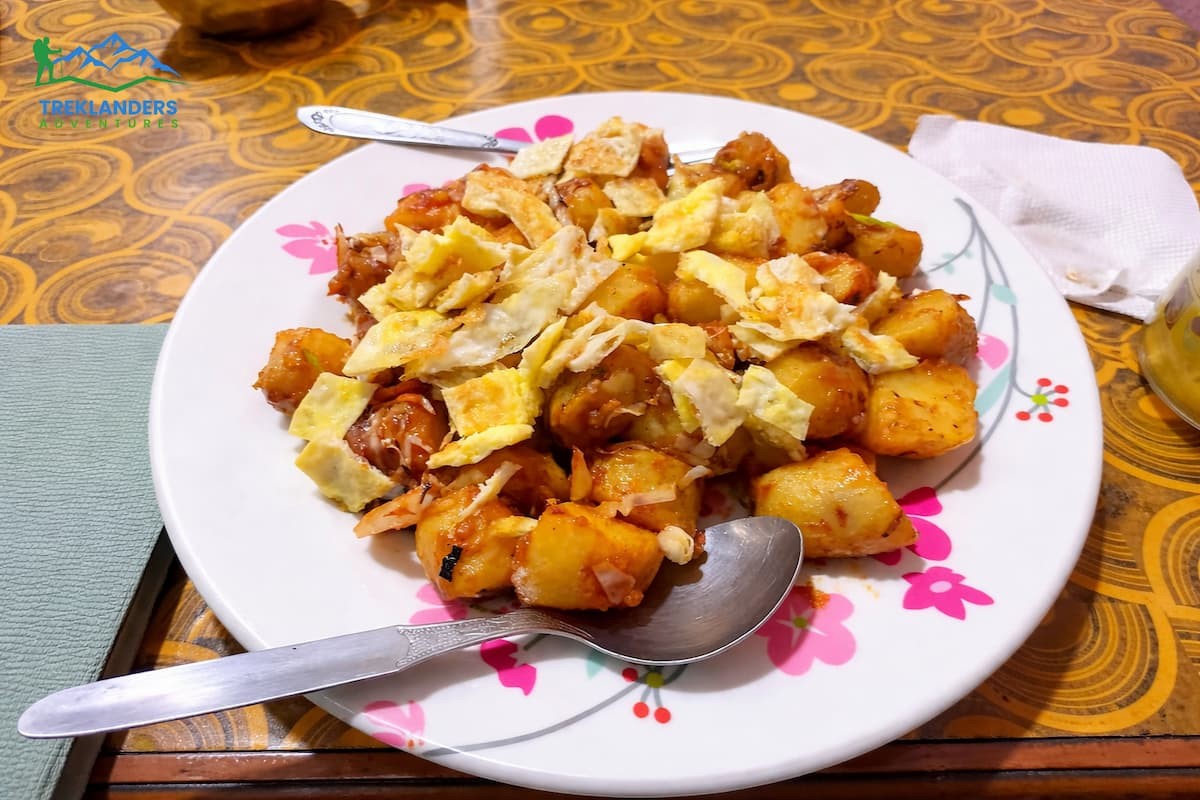
Food and drink on the Manaslu Circuit with Tsum Valley Trek can be easily arranged through local teahouses and lodges, where the hosts will prepare meals with local ingredients that are both nutritious and energizing. You will find safe hydration options and food that are suitable for long days of trekking at altitude. Though the food selections are not as varied as in other heavily visited areas, dishes are always fresh, wholesome, and well-balanced to provide the right energy level for the challenging Himalayan environment.
During the trek, all meals are served at small local teahouses and made from local products. Along the route, menus are more or less the same, with a few minor changes due to altitude and availability of supplies. Popular dishes on the menu are dal bhat (rice, lentil soup, vegetables), noodles, fried rice, pasta, soups, pancakes, eggs, chapati, Tibetan bread, momos, and seasonal vegetables.
Dal bhat is by far the best dish to have, especially when you are at a high altitude. It is freshly made, packed with carbohydrates and proteins, and the best part, you can always have as much as you want. Breakfast is a time when people usually have porridge, eggs, toast, pancakes, or Tibetan bread accompanied by tea or coffee. Dinner consists of simple, warm, and filling foods that allow the body to naturally repair itself after a physically demanding day.
Only a few choices will be available when you get to very isolated parts such as Tsum Valley and areas near Larke Pass, but tasty meals can still always be expected.
Water for drinking can be obtained at teahouses, in villages, and from natural water sources along the trail. Nevertheless, all water should be purified before drinking. Trekkers are highly recommended to use water purification tablets, drops, or portable filters. Some villages sell bottled water, but it can become very limited and expensive at higher elevations, and its use is discouraged for environmental reasons.
Typically, teahouses provide boiled water for a small fee, and it is one of the safest options, especially in cold areas. Hydration is key to altitude adjustment, so it is advised to drink 3-4 liters of water per day.
Regular vegetarian meals are available everywhere and even suggested at high altitudes since the freshness of meat can be questionable due to the lack of refrigeration facilities. If you have any special dietary needs, please inform us in advance.
In general, food and water during this trek are basic, hearty, and safe if the right precautions are taken, thus they can sustain walkers on one of the most remote and at the same time, the most rewarding Himalayan journeys in Nepal.
The Manaslu Circuit with Tsum Valley Trek, is situated in one of the most regulated and culturally sensitive areas of Nepal for trekking. Trekkers are required to get several permits before the journey because the valley is very isolated, close to the border, and home to a Tibetan Buddhist heritage that has been preserved. These permits are checked at various points along the route, and one is not allowed to trek without them.
The main permit is the Tsum Valley Restricted Area Permit (RAP). The Government of Nepal gave the Tsum Valley the status of a restricted area to safeguard its singular culture, environment, and traditional lifestyle. The permit is obligatory for all foreign trekkers and must be obtained through a local trekking agency in Nepal. Independent trekking is prohibited, and you need at least two trekkers with a licensed guide. The price of the permit depends on the time of the year and how long you stay in the Tsum Valley area.
Besides the Tsum Valley permit, trekkers are also required to get the Manaslu Restricted Area Permit, as the route after meeting at Lokpa for the Manaslu Circuit is used to go towards the Larke Pass. This permit is under the same kind of regulation and is priced seasonally. It is a measure to ensure that only a limited number of people who are sensitive to the high-altitude environment of the Manaslu Conservation Area and local communities are allowed.
An additional key document is the Manaslu Conservation Area Permit (MCAP).
This permit contributes to the conservation effort, protection of wildlife, and sustainable tourism development in the Manaslu area. It is a mandatory document for all trekkers to the conservation area, and its validity is for the whole duration of the trek.
The Annapurna Conservation Area Permit (ACAP) is also mandatory as the trek ends at Besisahar, which is a part of the Annapurna Conservation Area. This permit enables legal access to the region and helps in the conservation efforts of the locals.
It is a rule that all permits have to be acquired in Kathmandu before the trek starts, and trekkers have to carry the original documents at all times during the trek. Checkpoints at Jagat, Lokpa, Samagaun, and Besisahar often conduct permit verifications.
Having the right paperwork not only facilitates your trekking the way but it also helps in preserving cultures and protecting the environment of one of Nepal's most isolated Himalayan zones.
Health and safety should be a top priority when undertaking the Manaslu Circuit with Tsum Valley Trek, as the path goes through wild and untamed nature, high-altitude zones, and restricted areas from closure where access to medical facilities is limited. Proper preparation, awareness, and responsible trekking practices are necessary to have a safe and comfortable trip.
Altitude sickness is one of the main health problems associated with this trek. Since the plan slowly goes up beyond 3,000 meters and crosses the Larke Pass at 5,106 meters, the risk of Acute Mountain Sickness (AMS) is increased. The schedule includes a separate acclimatization day in Samagaun, which is necessary for the body to get used to the environment. Trekkers must follow the walk high, sleep low mantra, keep a slow and steady pace, drink enough water, and immediately tell the guide if they have symptoms such as headache, dizziness, nausea, or loss of appetite. If you disregard the signs of early sickness, you can suffer from serious health problems.
The trek goes along difficult paths, river crossings, and places prone to landslides, especially in the lower section of the Budhi Gandaki. It is essential to have proper hiking boots and trekking poles, and to walk very carefully in order to avoid falling and injuring yourself. The weather can shift very quickly at high altitudes, especially near Dharmasala and during the Larke Pass crossing. Temperatures can be quite low, winds can be strong, and there can be snowfall; these conditions are possible even during the peak trekking seasons, so it is necessary to have warm layered clothing and gear suitable for the weather.
Healthcare is scarce along the trek. There are no hospitals above the lower villages, and depending on weather conditions, emergency evacuation may require a helicopter. That is why it is compulsory to have a complete travel insurance that includes high-altitude trekking and emergency evacuation. It is advisable to have a personal first-aid kit with you, including altitude medication, basic painkillers, blister care, and any personal prescriptions.
Trekking with a guide greatly increases safety on this trail. Licensed guides have been trained in altitude awareness, route management, and emergency response; they are the deciding factor during adverse conditions. By adhering to the guidance of professionals, being respectful toward the locals, and giving priority to physical health, the trekkers can safely enjoy one of the most remote and rewarding Himalayan adventures in Nepal.
Comprehensive travel insurance is a must for the Manaslu Circuit with Tsum Valley Trek when trekking, as this itinerary goes through very remote areas, high elevations, restricted areas, and there are very few medical facilities available. Insuring yourself adequately is key to a worry-free trip because insurance helps if you get sick, run into unforeseen problems, or have an accident when you are far from home.
An essential requirement is that your insurance policy covers high-altitude trekking up to a minimum of 5,200 meters because the trail goes over Larke Pass at 5,106 meters. A lot of regular travel insurance policies do not include any coverage above 4,000 meters, so it is very important to check the altitude restrictions before you buy the insurance. If you are not properly insured at this altitude, the authorities might not be able to assist you.
Emergency medical helicopter evacuation is one of the most vital aspects of the insurance for this trek. If a person has a serious condition, gets wounded, or has very bad altitude sickness, the only way out might be a helicopter evacuation. Since Tsum Valley and the Manaslu region are very isolated, it is practically impossible to evacuate by land. Insurers must accept the coverage of helicopter rescue and evacuation, which without insurance can run into thousands of dollars.
You should get a policy that provides coverage for medical treatment, hospital, and emergency care not only in the trekking area but also in Kathmandu. The health service in the trek area is very limited, and the patients who need serious treatment will be flown to Kathmandu. It is also strongly recommended that you get coverage for trip interruption, cancellation, and delays, as your trekking plan can be changed due to the bad weather, falling rocks, or unstable flights, especially if the road to Machha Khola or your transport from Besisahar gets stuck.
Insurance should cover loss or damage of personal belongings, including trekking equipment, as well as personal liability protection. Since theft rarely occurs in remote trekking locations, having the insurance cover gives one an additional sense of security and comfort.
Before setting off on the trek, trekkers have to submit a copy of their insurance policy, which also should include the emergency contact number and policy reference. Such information is vital for the guides and the trekking staff for a prompt response in the event of an emergency.
To summarize, dependable travel insurance is not a matter of choice but a necessary safety measure for the Manaslu Circuit with Tsum Valley Trek that guarantees at least financial coverage, timely rescue, and the feeling of security when trekking one of Nepal's most secluded Himalayan regions.
Transportation for the Manaslu Circuit with Tsum Valley Trek is a major part of the whole adventure. The route goes through some of the most remote Himalayan regions in Nepal, where road conditions and travel logistics change a lot. The journey mixes private ground transportation with trekking, so one has to be flexible and have realistic expectations about travel times.
First, the trip is in Kathmandu, where all the final preparations, permit processing, and briefings are done. From Kathmandu, the transport to the starting point of the trek is arranged by private car or shared jeep, depending on the group size and road conditions. The drive to Machha Khola takes 8-9 hours and follows the highways along the Trishuli River before turning onto rough mountain roads. Even though it's long and sometimes bumpy, this trip offers great views of rivers, terraced hillsides, and rural villages, thus giving an early glimpse of Nepal's countryside.
Road conditions after leaving the main highway can be influenced by weather, landslides, or seasonal construction work, especially during or after the monsoon. For the sake of safety and comfort, the drivers are very experienced, and the vehicles are in very good condition. It is always recommended to be mentally prepared for some delays.
After completing the trek, transportation resumes from Tilche or Besisahar, where the trekking route meets the road network. From Tilche, travelers either trek or drive to Besisahar, the administrative center of Lamjung District. From Besisahar, the journey continues by private vehicle back to Kathmandu, typically taking 7–9 hours depending on traffic and road conditions.
This itinerary, unlike those leading to the Everest region, does not plan for domestic flights, thus removing the possibility of experiencing flight delays and cancellations. Nevertheless, vehicle transport in the remotest mountain areas can always be subject to the natural conditions. Hiking travelers should include buffer days in their total schedules.
All the vehicle services are prearranged with safety, reliability, and seamless transition between trekking and road travel in mind, thus giving the trekkers the opportunity to immerse themselves in the Himalaya experience fully without being concerned about logistics.
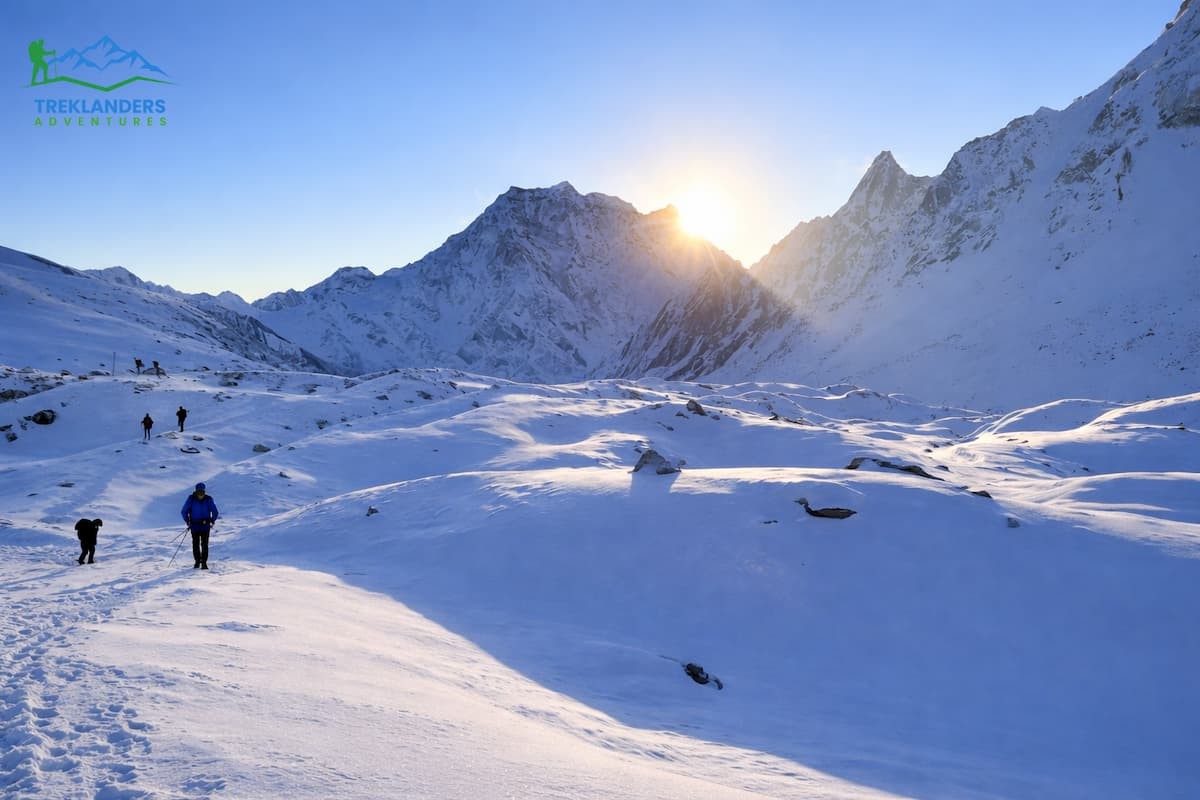
The Tsum Valley, along with the Manaslu Circuit Trek, offers one of the most comprehensive and satisfying long-distance trekking experiences in Nepal. It provides a very rare combination of untouched culture, awe-inspiring Himalayan sceneries, and real adventure. Covering isolated Buddhist valleys, old monasteries, and high mountain passes, this route is much more than just a hiking trip - it is a deep engagement with the traditional Himalayan lifestyle, which still remains largely unchanged.
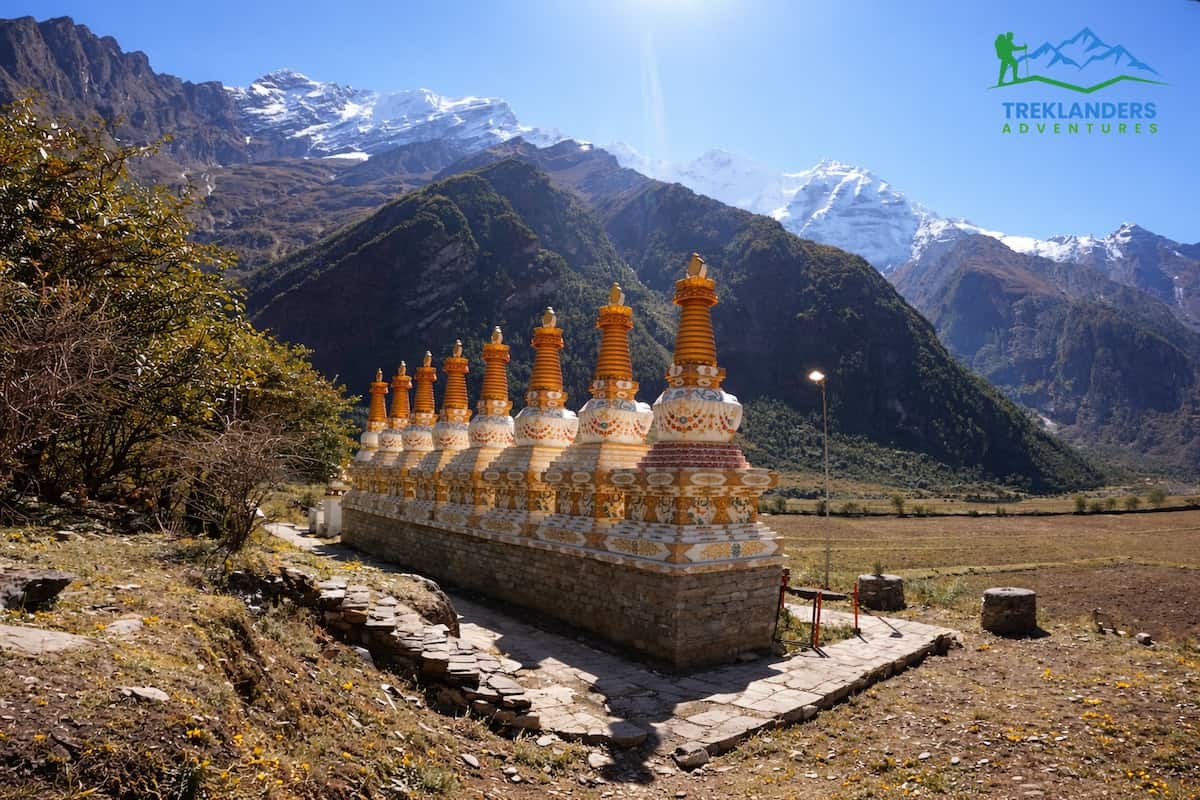
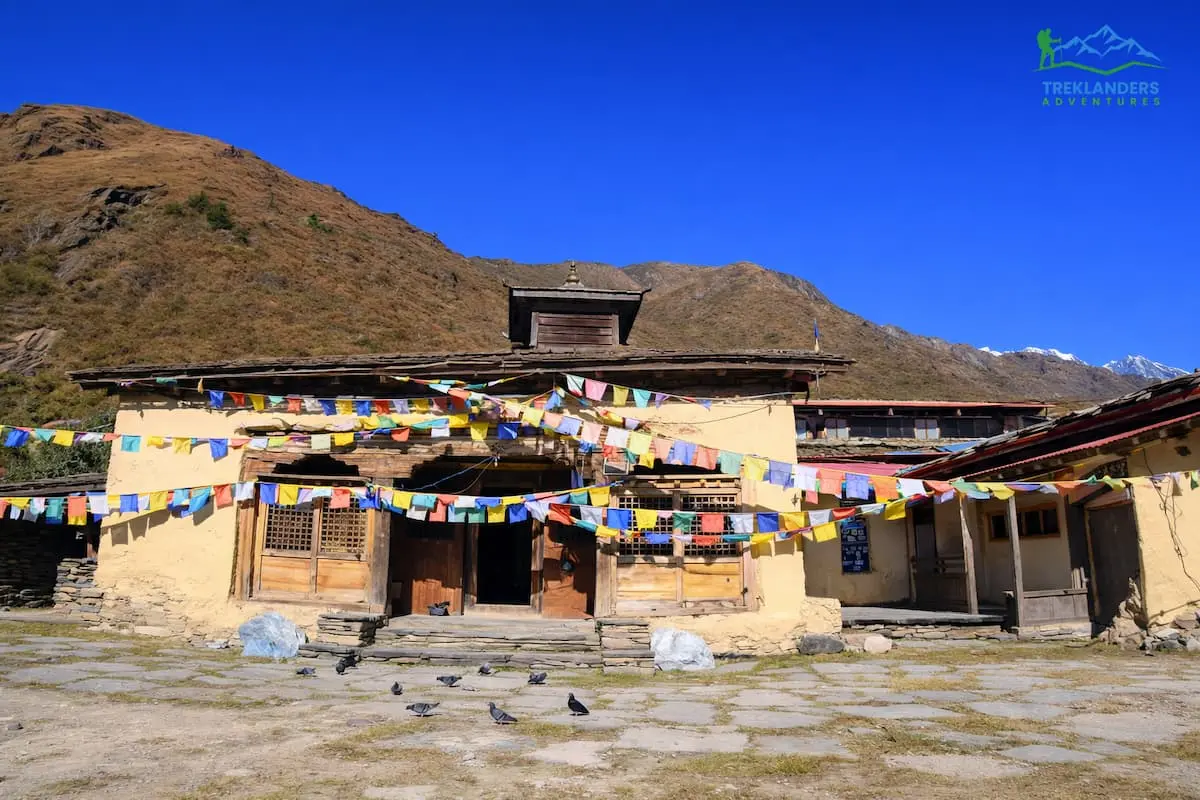
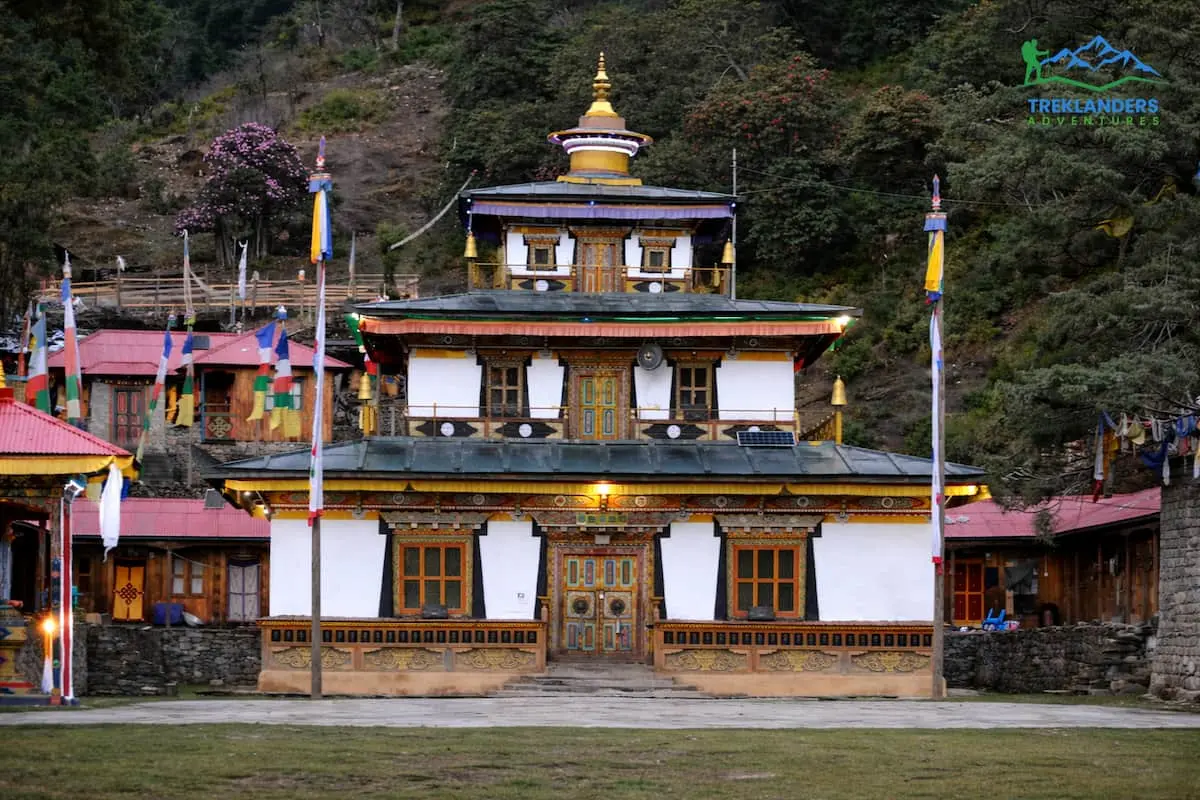
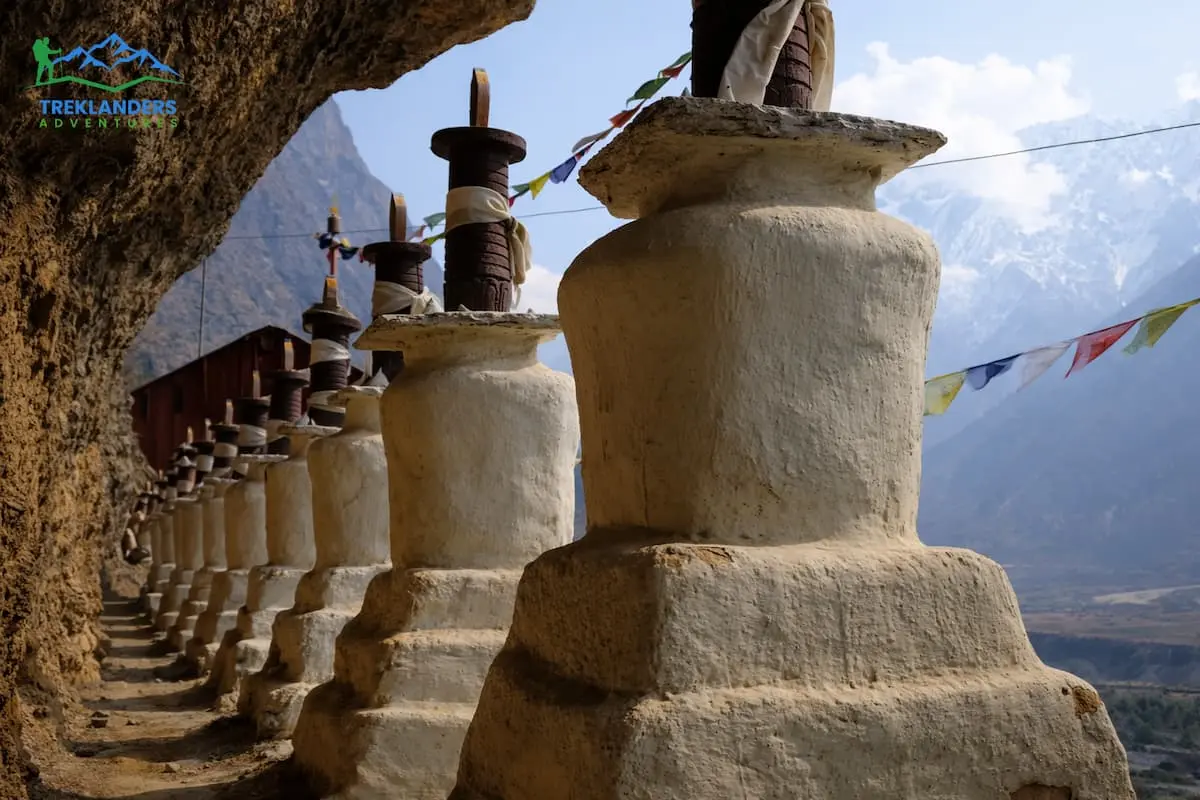
Immediately on entering the holy Tsum Valley, one can feel a change in the air. The strong Tibetan-Buddhist heritage of this area is evident in the presence of mani walls, chortens, prayer flags, and ancient monasteries like Mu Gompa, which collectively generate a feeling of tranquil spirituality and cultural profundity that is becoming increasingly uncommon in today's trekking. The settlements of Chumling, Lama Gaun, and Chhekampar are windows into a life way that is based on seclusion, religious devotion, and living in total accord with the natural environment, thus making the cultural experiences just as unforgettable as the scenic ones.
When the path merges again with the Manaslu Circuit, the trek changes to a mountain adventure at high altitude. The gradual climb through Lho Gaun, Samagaun, and Samdo not only provides for adequate acclimatization but also gradually reveals stunning close-up views of Mt. Manaslu as well as other peaks. The day for acclimatization in Samagaun is especially important as it guarantees safety and, at the same time, offers leisure walks to the glacier lakes and base camps as an alternative option.
The crossing of Larkya La Pass (5,106 m / 16,752 ft) is the stellar moment of the trek. Difficult but doable with preparation, it offers adventure lovers the breathtaking aerial views of snow-capped peaks and glaciers, and the rugged Himalayan landscape. The walk down to Bhimthang is a dramatic change of scene in continuation of the pleasant green landscapes, and by that, the trek gives a sense of completion on its last stage when gradually approaching the village of Besisahar.
This 20-day itinerary is a great match for a trekking enthusiast who seeks a journey of physically invigorating, cultural treasures, and less crowded locales in the locus from the Himalayas. It needs good physical condition and a willingness for the adventure, but on the one side hand, it gives the pleasure of being genuine, solitude, and amazing nature. Manaslu Circuit with Tsum Valley Trek is a great choice for those who wish to explore Nepal beyond the already popular trails. It is a great Himalayan expedition.
Mode of Trek: Best available local lodge / teahouse accommodation throughout the trek.
Trekking Grade: Moderate to Challenging — suitable for experienced trekkers with good physical fitness and proper acclimatization.
Trekking Region: Remote Tsum Valley combined with the Manaslu Circuit in western Nepal.
Start and End of Trek: Machha Khola to Besisahar (drive-in and drive-out via Besisahar).
Highest Elevation: Larke Pass – 5,106 m / 16,752 ft
Key Highlights Along the Route: Mu Gompa (Tsum Valley’s highest monastery), Chhekampar, Samagaun, Samdo, Bhimthang Valley and, Larkya La Pass.
Best Season: March–May and September–November (winter departures possible with proper preparation).
Trek Duration: 17 trekking days (Machha Khola to Tilche, including acclimatization day).
Total Trip Duration: 20 Days / 19 Nights – from arrival in Kathmandu to final departure.


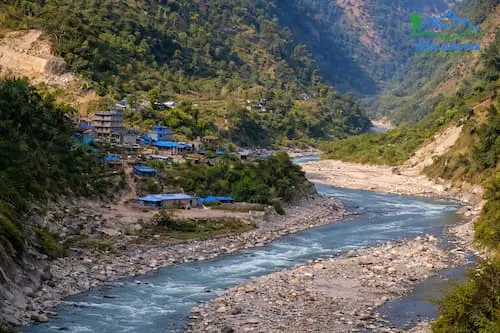
A scenic drive following the Trishuli and Budhi Gandaki rivers, passing terraced farmland, hills, and rural settlements. The road becomes rough toward the end, adding a sense of adventure.

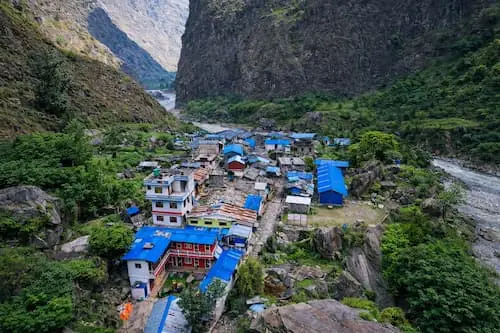
The trek starts along the Budhi Gandaki River, crossing suspension bridges and small settlements. You will pass through narrow gorges and waterfalls before gradually ascending to Jagat, a traditional stone-paved village and entry point of the Manaslu Conservation Area.
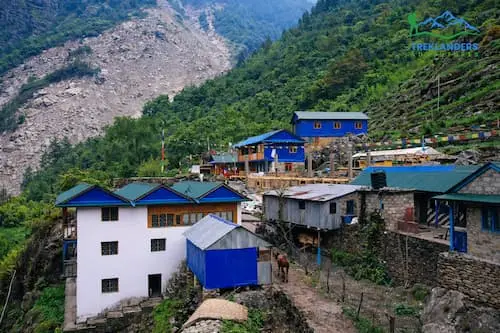
Leaving the main Manaslu trail, the path ascends toward the Tsum Valley, passing forests and remote settlements. Lokpa is the first village of Tsum Valley, offering peaceful surroundings. Overnight at a teahouse in Lokpa,
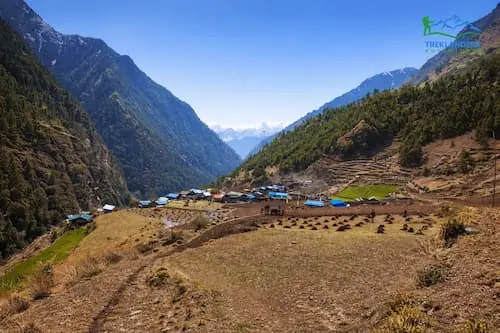
Today’s trek leads deeper into the sacred Tsum Valley, passing through pine and rhododendron forests. Chumling is a beautiful village with traditional stone houses, monasteries, and stunning views of Ganesh Himal. Overnight in Chumling.
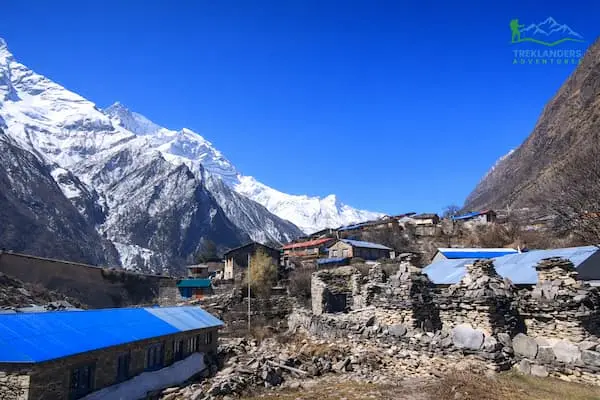
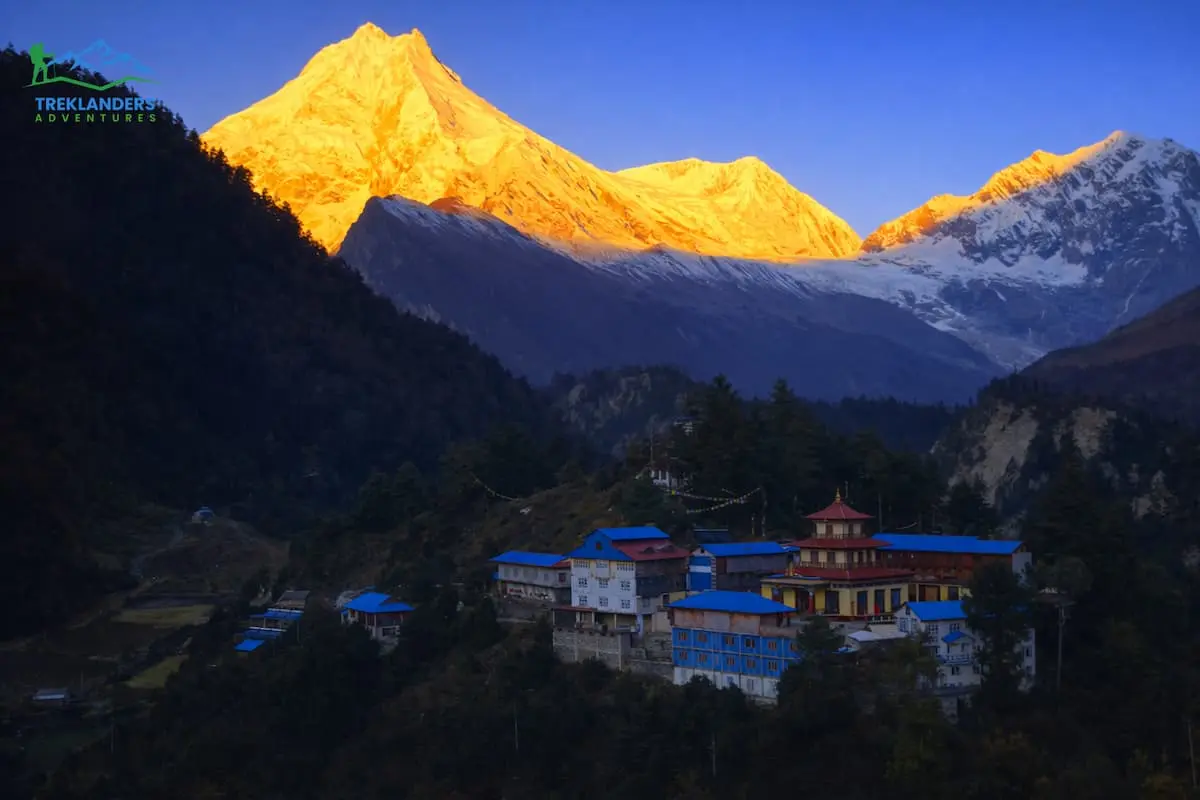
The trail ascends gradually along river valleys and terraced fields. Lama Gaun is one of the main villages in Upper Tsum Valley, rich in Tibetan Buddhist culture and surrounded by high Himalayan peaks.
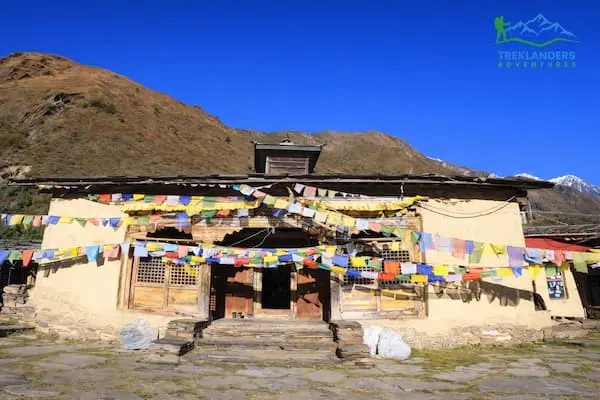
A gradual ascent through high alpine landscapes leads to Mu Gompa, the largest monastery in the Tsum Valley and the spiritual center of the region. Overnight at a teahouse near the monastery,
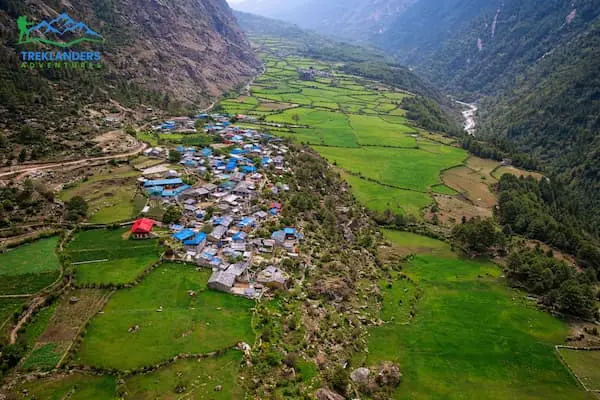
After exploring Mu Gompa, the trail descends back through the valley to Chhekampar. The route offers expansive views of the surrounding peaks and a chance to observe daily life in traditional Tibetan-influenced villages.
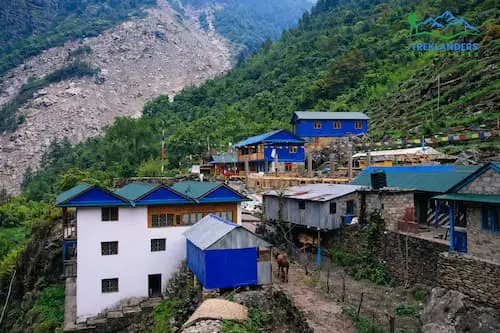
You retrace your steps out of the Tsum Valley, descending through forests and river crossings. The trek rejoins the main Manaslu Circuit route at Lokpa. Overnight in a teahouse.
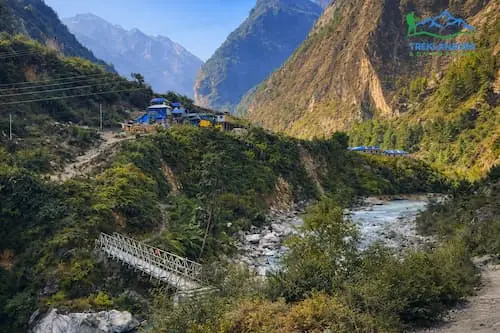
The trail follows the Budhi Gandaki River, passing through bamboo forests and landslide-prone sections. Ghap is a quiet village with Mani walls and prayer flags, reflecting strong Tibetan Buddhist culture.
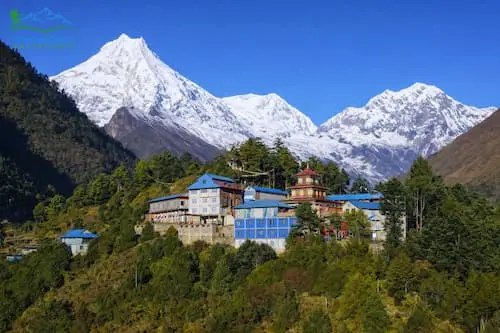
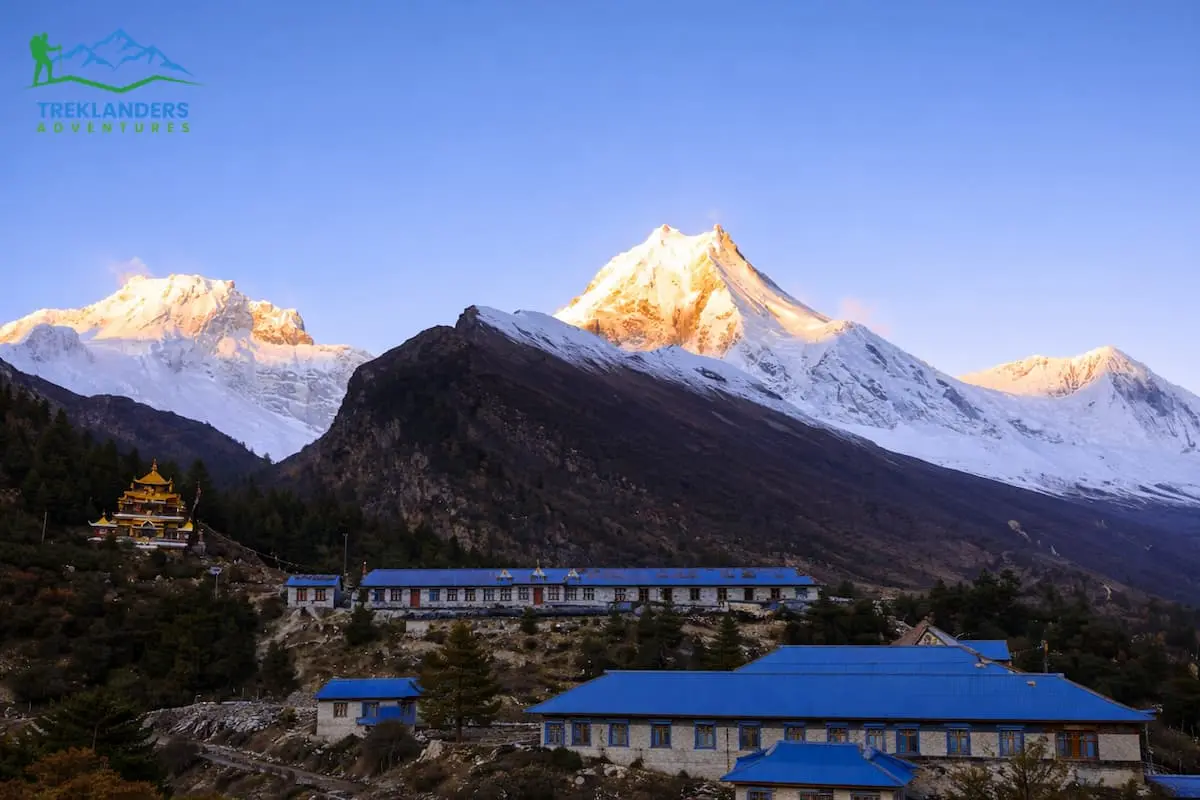
Ascending steadily, the landscape changes to alpine terrain. Lho Gaun is a beautiful village offering the first close views of Mount Manaslu. Visit the local monastery in the evening.
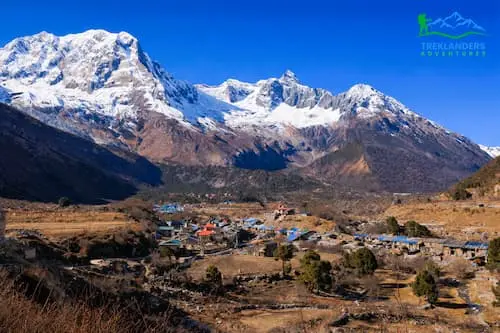
A relatively short trek leads to Samagaun, one of the largest villages in the Manaslu region. The trail passes yak pastures and glacial streams, with impressive views of Manaslu and surrounding peaks.
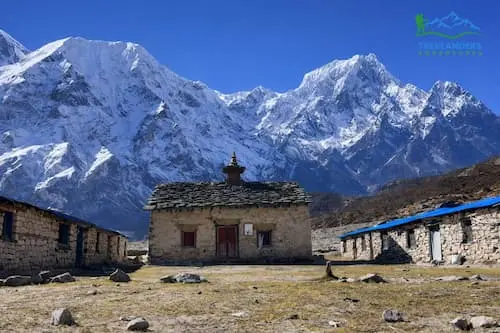
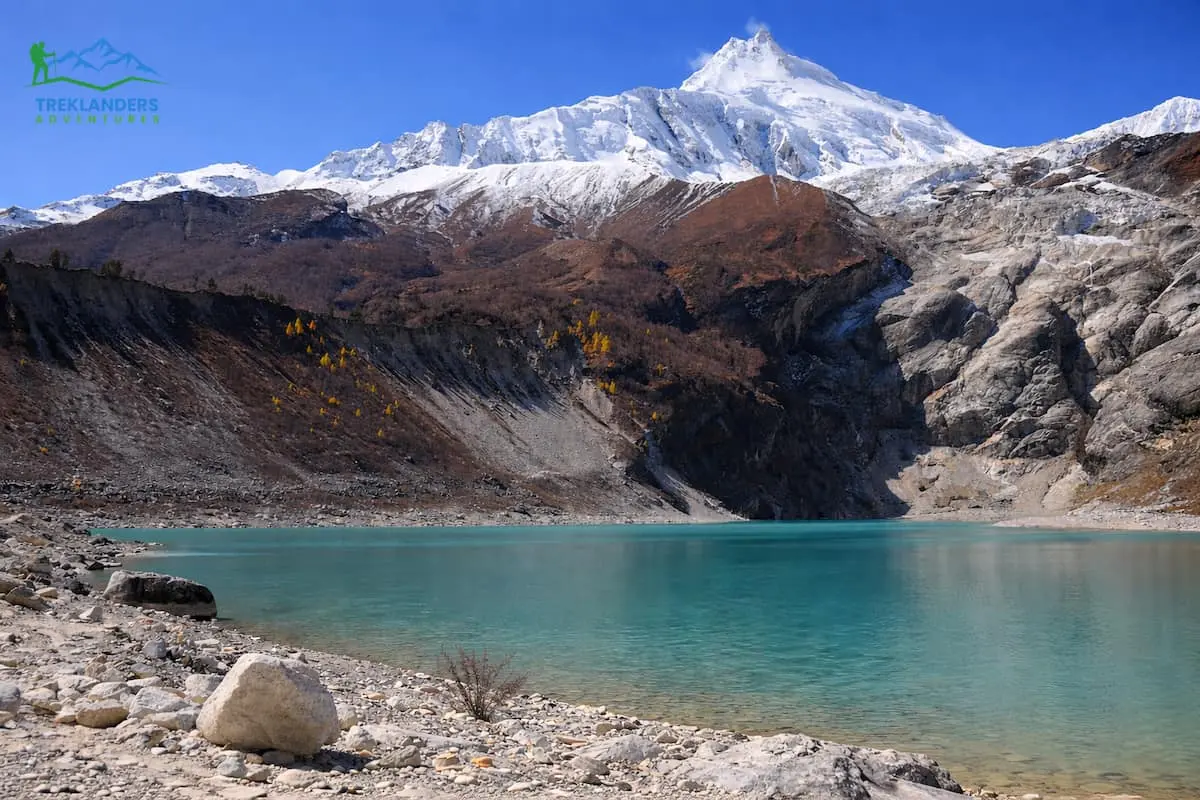
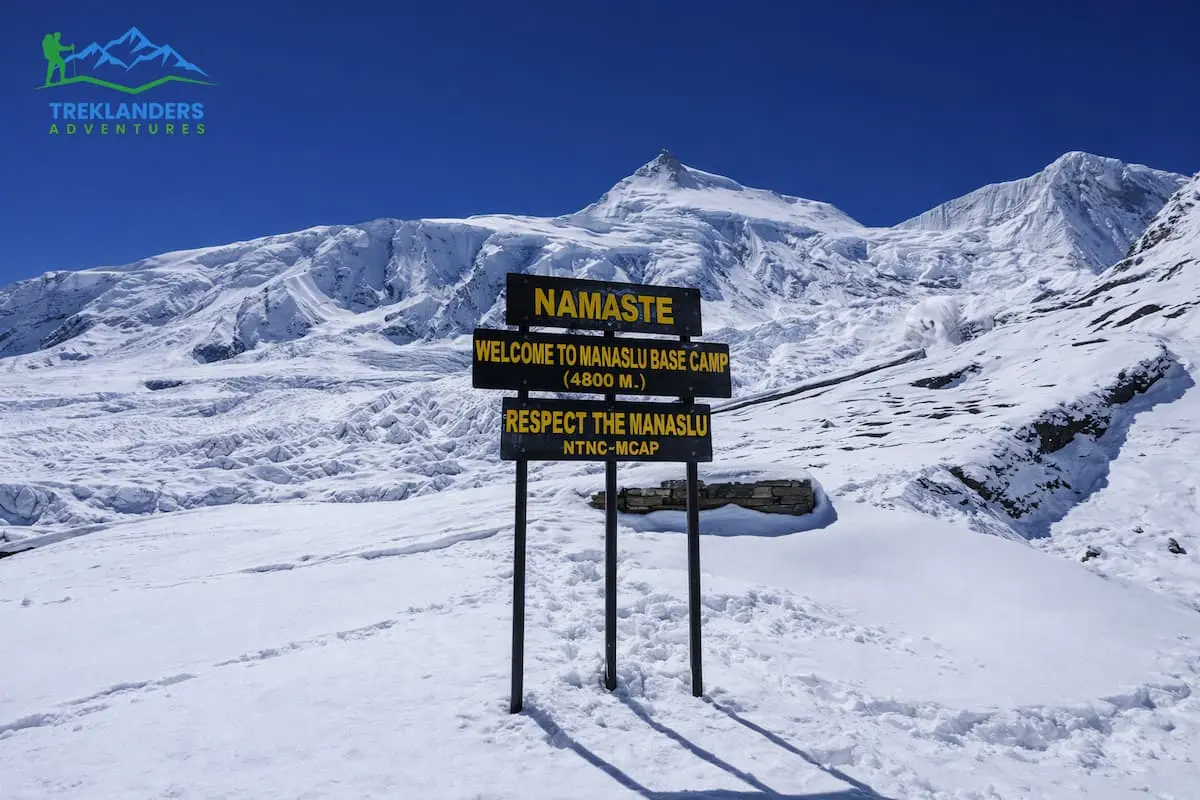
This rest day helps with altitude adaptation. Optional hikes include Manaslu Base Camp, Pungen Gompa or Birendra Tal (glacial lake). You can also explore monasteries and experience local village life.
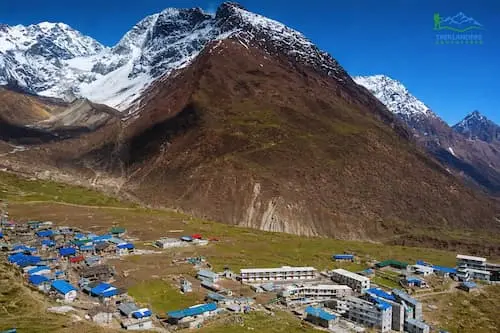
The trail ascends gently through open alpine terrain toward the Tibetan border. Samdo is a small, windswept village used historically as a trade route between Nepal and Tibet.
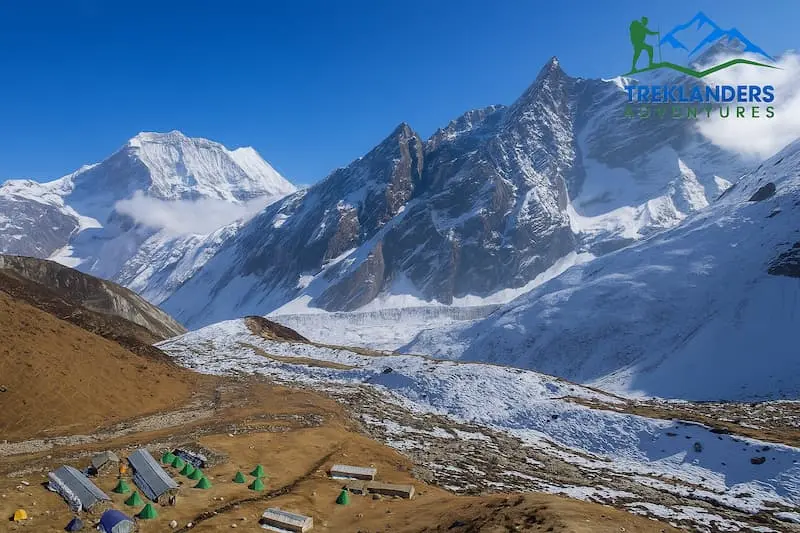
Today’s trek is shorter to prepare for the high pass crossing. Dharmasala serves as the final stop before Larkya La Pass. Rest well and prepare for an early start the next morning.
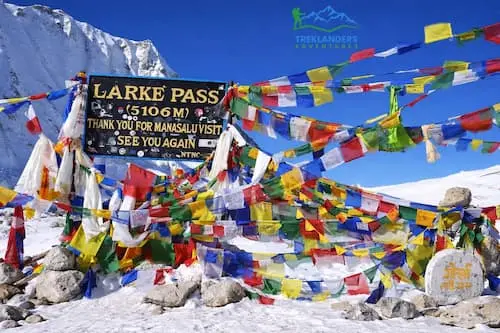
The most challenging and rewarding day of the trek. A pre-dawn start leads to crossing Larkya La Pass, offering spectacular panoramic views of Himalayan peaks. After the pass, descend carefully to the beautiful valley of Bhimthang. Overnight stay at Bhimthang
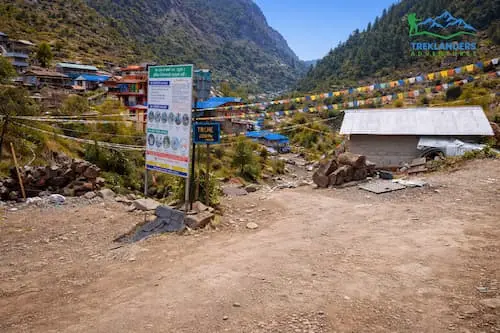
The trail descends through alpine meadows, rhododendron forests, and farmlands. Tilje is a Gurung village with warmer temperatures and comfortable lodges.
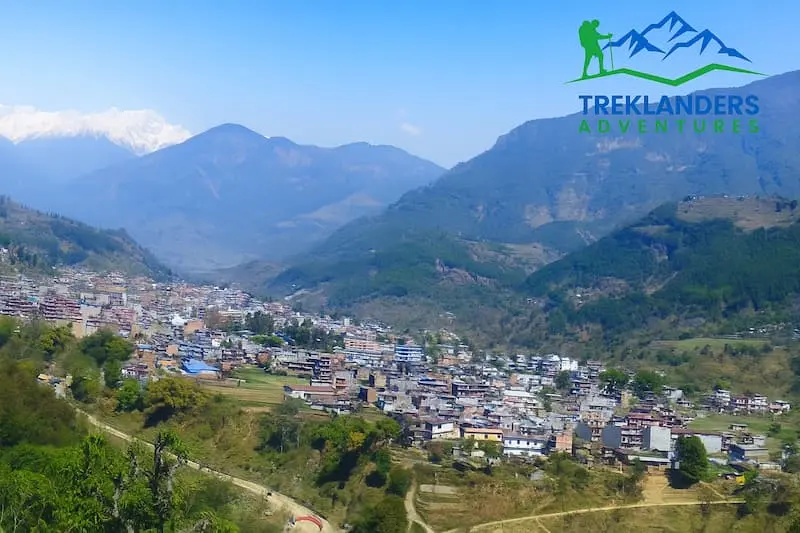
After breakfast in Tilje (2,300 m / 7,546 ft), drive by local jeep or 4WD vehicle to Besisahar (760 m / 2,493 ft), following the Marsyangdi River through villages like Dharapani and Tal. The scenic drive takes approximately 4–5 hours, descending into warmer lowlands and marking the end of the trekking journey.
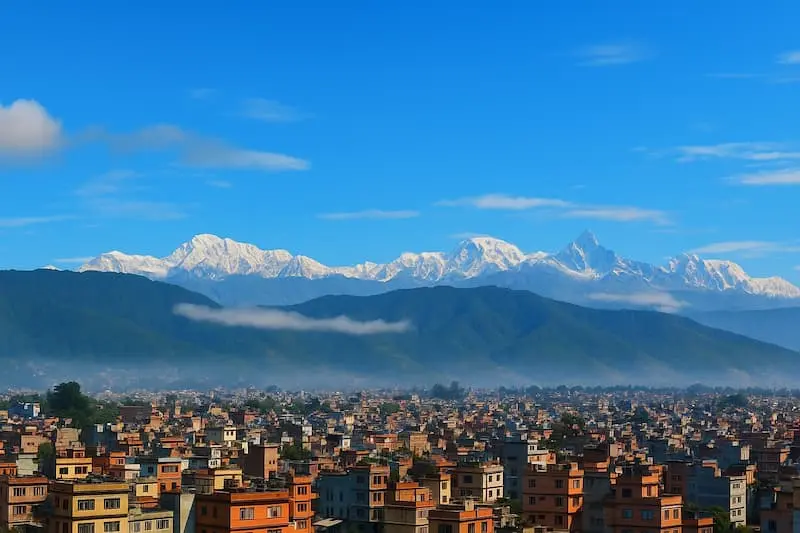
A scenic drive back to Kathmandu through hills and river valleys. In the evening, enjoy a farewell dinner or free time for shopping and relaxation.
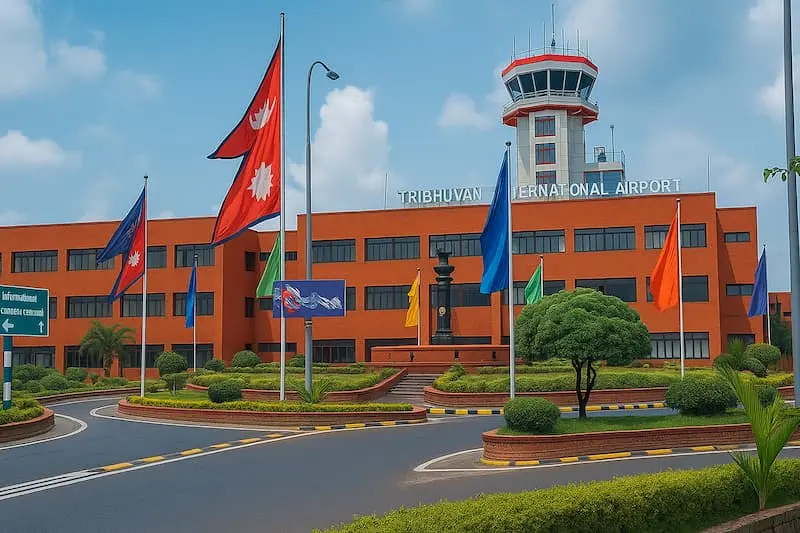
After an enjoyable adventure, and mesmerizing time in Nepal around the Himalayas on Manaslu Circuit Trek. As time for departure, our staff transfer you to international airport for homeward bound flight or to next port of call.
Traveling as a group of four, we completed the 20-day Manaslu Circuit with Tsum Valley Trek with Treklanders Adventures, and it was truly one of the most meaningful and well-organized trekking experiences we have ever had. From the very beginning in Kathmandu, the Treklanders team handled everything professionally—permits, logistics, accommodation, and detailed briefings. The itinerary was perfectly paced, allowing us to enjoy both the remote Manaslu Circuit and the culturally rich Tsum Valley without feeling rushed. Acclimatization days were well planned, which made crossing Larkya La Pass challenging but achievable and safe for everyone in our group. Our guide was outstanding—knowledgeable, patient, and genuinely caring. He constantly checked on our health, explained local culture and Buddhist traditions in Tsum Valley, and adjusted daily plans according to weather and group energy. The porters were equally supportive and always smiling, which made a big difference during longer trekking days. Tsum Valley was a highlight for all of us. The ancient monasteries, peaceful villages, and untouched landscapes felt incredibly authentic and spiritual. Manaslu itself offered dramatic scenery every day—deep gorges, suspension bridges, glaciers, and close-up views of Mt. Manaslu that exceeded our expectations. Accommodation and meals in teahouses were better than expected for such a remote region, and Treklanders ensured we were comfortable throughout the trek. Safety, hygiene, and group coordination were always a priority. As a group of four, we felt well looked after from arrival to departure. Treklanders Adventures delivered exactly what they promised—an authentic, safe, and unforgettable Himalayan trekking experience. We highly recommend Treklanders Adventures to anyone planning the Manaslu Circuit with Tsum Valley, especially for small groups looking for personal attention and professional service. This trek will stay with us forever.
Purpose: Keep sweat off the skin and maintain warmth.
Purpose: Trap body heat in cold air at altitude.
Tip: Keep electronics in inner pockets at night to prevent freezing.
This trek falls into the moderate to challenging category mainly due to its long duration, the remoteness of the terrain, and the high-altitude crossing of Larke Pass (5,106 m). It is highly recommended that you have prior trekking experience and be in good physical shape.
A Manaslu Restricted Area Permit, Tsum Valley Restricted Area Permit, Manaslu Conservation Area Permit (MCAP), and Annapurna Conservation Area Permit (ACAP) are what you need. It is obligatory to have a licensed guide.
The optimal times are spring (March to May) and autumn (September to November). These months are characterized by stable weather, visibility of mountains, and safer conditions for crossing the Larke Pass.
Local teahouses are the accommodation option. The facilities are basic but comfortable, and the rooms are mainly for twin-sharing. Higher elevations have fewer amenities, and hot showers might be charged separately.
The schedule is designed with planned acclimatization days, a slow ascent, and rest in between. Besides that, drinking plenty of water, moving at a slow pace, and taking the guide's instructions seriously are very important. The guide has the necessary first aid kit and keeps a close watch on the condition of the trekkers.
Absolutely, Tsum Valley is one of the culturally preserved areas in Nepal, where you will encounter a living Tibetan Buddhist culture. The ancient monasteries, prayer walls, and traditional villages along the trek make it a spiritual and cultural experience of a lifetime.
The top two seasons for the trek are spring (March-May) and autumn (SeptemberNovember). The weather during these months is generally more stable, and the sky is devoid of clouds, which makes for safer conditions when crossing Lark Pass (5,106 m). Also, the paths are dry, the visibility is excellent, and the tea houses are open, which makes the trek more comfortable and assured in these seasons.
Mild temperatures, longer daylight hours, and blooming rhododendron forests at lower elevations are some of the advantages of spring. Especially from the end of March, the snow on the Larke Pass is quite manageable. This season is perfect for those who like to take pictures and those who prefer warmer days with colorful landscapes.
People usually choose autumn as the time for their trek because the weather is dry, the air is fresh, and the view of the mountains is extraordinarily clear. Since the monsoon is over and the trails are dry, the temperature during the day is comfortable for hiking for long hours. It is generally accepted that October is the best time for the Larke Pass.
Monsoon trekking is highly discouraged. The paths become dangerously slippery due to the heavy downpour; landslides, leeches at lower elevations, and poor visibility are some of the issues that you will face. River crossings also become very dangerous, and both flights and roads may be disrupted quite often. It's tricky, but the upper Tsum Valley gets slightly less rain than the rest of the region.
Winter hiking is an option only for very seasoned hikers. At high altitudes (over 4,000 m), the temperature can plunge by many degrees. There is also the danger that heavy snow can close the Larke Pass. At high altitudes, tea houses may be closed, and the extremely cold weather will make it more likely that you will suffer from altitude sickness.
Late spring (April-May) and early autumn (September) are great for getting to know the culture of the place since you will not be surrounded by as many tourists as in the peak season of October. These times give you the opportunity to have a close relationship with the locals in Tsum Valley and, at the same time, to benefit from good weather conditions for trekking.
The Tsum Valley Trek with Larke Pass is mostly graded as moderate to hard based on the difficulty level. The difficulty is not because of any technical climbing, but long duration, remote Himalayan terrain, and high altitude crossing of Larke Pass at 5,106 meters (16,752 ft). Trekkers should have good endurance and be able to walk for several days in different mountain conditions.
This is not a beginner's trek. Even though parts of the Tsum Valley are easy walking, the total physical demand, lack of infrastructure, and exposure to altitude levels requires somebody with previous trekking experience, preferably at altitude levels above 3,000 meters. Only well-trained and guided beginners with good fitness should consider it.
Altitude is a key factor in the difficulty of the trek. Several days are spent at over 3,500 meters of altitude, where oxygen levels are much lower. The closer the trek is to the Larke Pass, the higher the risk of altitude sickness. Proper acclimatization, plus a gradual ascent and taking it easy help one cope with the altitude.
Larke Pass day is hard on the body because of the thin air, chilly weather, snow possibility, and long duration of 8-9 hours. The going up part needs a lot of effort; however, coming down to Bhimthang is steep and tires the knees. The weather can turn quite quickly, which increases the difficulty.
The trail encompasses some rocky stretches, narrow gorges, suspension bridges, forested areas, and alpine landscapes. Parts of the trail can be exposed and rough, mainly after it rains or snows. Contrary to highly commercial routes, trails are less frequented by maintenance crews, and the tea-house facilities are basic, so the overall physical and psychological challenge is quite high.
Trekkers should be in good cardiovascular shape, have strong leg muscles, and possess good mental toughness. Being able to walk 6 to 7 hours a day for more than two weeks, occasionally in cold and windy weather, is a must. Doing some pre-trek training, such as hiking, stair climbing, or endurance workouts for about 6 to 8 weeks, will significantly make your trek more comfortable and safer.
It is necessary to pack proper clothing for this trip as the weather and altitude are constantly changing. You need a layering system that consists of moisture-wicking base layers, warm insulating layers (fleece or down jacket), and a waterproof/windproof outer shell. Thermal wear is a must for higher elevations, especially near Larke Pass (5,106 m). You will also need lightweight trekking pants, warm gloves, a woolen hat, and UV-protected sunglasses.
A pair of good ankle support trekking boots, which are well-broken-in, is compulsory. You will need reliable shoes as there will be slippery trails, rocky terrain, and snow near the pass. Trekking poles are extremely useful for balance and to lessen the impact on one's knees on steep downhill sections. Get a comfortable backpack or daypack with a rain cover.
Even though teahouses offer basic bedding, it is highly recommended to carry a four-season sleeping bag (rated to -10C or lower) to withstand cold nights at higher altitudes. The package should also include a head lamp, reusable water bottles, water purification tablets, a quick-dry towel, and basic toiletries. Power banks can come in handy as there are few and expensive charging facilities.
Your physical training should commence 6-8 weeks ahead of the date of departure. You can go for a walk, jog, climb stairs, or cycle in order to develop the body system that uses oxygen and improve the strength of your legs and the stamina of your entire body. Going for long walks with a loaded backpack helps to create a condition of real trekking and also makes your body less tired during the hike.
Always have a personal first-aid kit available that contains items such as blister treatment, pain relief, altitude sickness medication (if prescribed), and simple medicines. It is also mandatory to have travel insurance that covers high-altitude trekking and emergency helicopter evacuation.
In addition, staying hydrated, eating properly, and adhering to a slow ascent schedule can effectively help prevent altitude sickness.
For the trek, you will need several restricted area permits that must be obtained only through a registered trekking agency. It is also mandatory to have a licensed guide. Beforehand, make sure to have photocopies of your passport and some passport-size photos.
Besides physical preparation, it is very important to be mentally prepared since the trek will take you to very isolated places where you will find only very few facilities, and you will spend long hours walking.
Most lodgings on the Tsum Valley Trek with Larke Pass are local teahouses and simple lodges. They are mostly run by families and offer simple but comfortable rooms. Most of the time, the rooms are twin-sharing with basic beds, mattresses, pillows, and blankets. On the other hand, when staying in Kathmandu, one can usually find standard tourist hotels for accommodation.
Teahouses in the lower villages are quite comfortable, with the facilities gradually becoming more basic as the altitude increases. Rooms are unheated; hence, as you get closer to remote areas like Mu Gompa, Samdo, and Dharamsala, the level of comfort drops. Nonetheless, teahouses are neat, warm (with blankets), and have a friendly local vibe.
At lower elevation villages such as Jagat, Chumling, and Lho Gaun, there might be private rooms on offer depending on the situation. However, attached bathrooms are very few, if not absent, especially above 3,000 meters. The majority of the teahouses have shared toilets, and you can usually have a hot shower for a fee.
Generally, sleeping rooms do not have heating. It is through the communal dining room that one can find heating, which is mostly done at night by using a wood or yak-dung stove. One must bring a high-quality sleeping bag, especially if the nights get too cold near the Larke Pass.
In the higher and more remote areas, facilities are generally very limited. The electricity may come from solar panels and be quite unreliable. For charging your electronic devices, you will probably have to pay extra. Internet connection through Wi-Fi is either very limited or non-existent, and the mobile network signal is quite patchy. Meals continue to be freshly cooked; however, the variety of food available becomes reduced the higher the elevation.
Your accommodation will most likely be taken care of by your trekking guide upon your arrival at each village. It is not common to pre-book because of the flexible trekking pace and changing weather conditions. If you arrive early at villages during the peak seasons (spring and autumn), you can get better rooms.
Food during the Tsum Valley with Manaslu Circuit Trek is provided by local teahouses and lodges. The meals are simple, fresh, and made to fuel the energy requirements of trekkers. Some of the typical dishes are dal bhat (rice, lentils, vegetables), noodles, fried rice, pasta, soups, potatoes, Tibetan bread, eggs, momos, and porridge. Dal bhat is highly recommended because it is nutritious, freshly cooked, and satisfying.
Indeed, as altitude rises and you get to remote villages like Mu Gompa, Samdo, and Dharamsala, the menu options are quite limited. Porters or animals carry the supplies, so the meals mainly consist of locally available ingredients. Even though the variety goes down, the food is still warm, adequate, and enough to provide you with energy for a high-altitude trek.
Generally, food from the well-established teahouses is safe and hygienic, especially if you opt for hot, freshly cooked food. It is better to stay away from raw salads, uncooked veggies, and unpasteurized dairy products at high altitudes. You can lessen the chance of stomach problems by strictly following the guide's advice.
Purified water is available at natural water sources like springs and village taps, and also at teahouses. At lower elevations, you might come across bottled water; however, it will be pricey and very rare at higher elevations. To limit the use of plastic, trekkers are highly motivated to refill their water bottles instead of buying bottled water.
Water should always be disinfected before drinking. Typical ways are using water purification tablets, liquid drops, or a portable water filter. Boiled water can also be bought at teahouses for a small fee and is considered safe. Proper water disinfection is very important to avoid waterborne diseases during the trek.
Yes. Teahouses provide a range of hot drinks like black tea, ginger tea, lemon tea, milk tea, coffee, and hot chocolate. Snack choices include biscuits, chocolate bars, and instant noodles, although their prices go up with the increase in altitude. It is advisable to bring some personal energy snacks from Kathmandu.
Official permits are required if you want to do the Tsum Valley with the Manaslu Circuit Trek. One of them is the Manaslu Restricted Area Permit (RAP). You will also need a permit for the Tsum Valley Restricted Area (RAP), the Manaslu Conservation Area Permit (MCAP), and the Annapurna Conservation Area Permit (ACAP). The main reason why you have to get several permits is that the trek goes through the Manaslu and Tsum Valley restricted areas, and also the conservation areas, which have special environmental regulations.
The trek goes through different zones coming under the regulations of different agencies of the Government of Nepal. Restricted areas such as Manaslu and Tsum Valley are very sensitive, and access is controlled in order to save the local culture as well as the natural landscape. The conservation area permits (MCAP and ACAP) contribute to the protection and sustainable management of biodiversity and community-based conservation initiatives. You will have to pay a separate fee for each permit and show them at the checkpoints along the route.
Permits should be arranged prior to physically going into the restricted areas, and most probably, it will be done through a registered trekking agency in Kathmandu. Your agency will take care of the application submission, payment of fees, and making sure that all the paperwork is perfectly in order. You cannot get your trek permits on the trail by yourself.
Yes, in the Manaslu and Tsum Valley restricted areas, the presence of a licensed guide is compulsory. It is not allowed to solo trek in these areas without an experienced guide who is government-licensed and responsible for carrying permits, managing checkpoints, and ensuring compliance with regulations.
The fees for permits differ depending on the season and nationality, and the Nepal Government regularly revises the fees. Typically, permits for restricted areas are charged on a per-person-per-day basis, depending on the duration of the stay, whereas conservation area permits are flat fees. Your trekking agency will give you the exact numbers and make sure the permits are valid for the entire period of the trek.
For permit processing, you have to present a valid passport that has a minimum of six months' validity, passport-size photos, and a detailed trek itinerary. Your agency will take care of the submissions, but it's necessary to have copies of all permits and your passport for the checkpoints along the way.
Definitely, a government-licensed trekking guide must be hired for the Tsum Valley with Manaslu Circuit Trek. The Tsum Valley and Manaslu areas are two of the restricted regions in Nepal by the Government of Nepal. You are not allowed to trek alone without a guide, and the permits are only available through the registered trekking agencies.
The trekking guide assists with navigation, safety, and overall trekking management. They are in charge of permits and checkpoint formalities, arranging the daily itinerary, checking if anyone has the symptoms of altitude sickness, negotiating with the teahouse for your room and meals, etc. Additionally, the guide can reveal to you the Tsum Valley's cultural, historical, and religious aspects, as it is rich in culture.
Technically, hiring a porter is not compulsory; however, it is very much advised. The trek lasts 20 days and is very physically demanding, remote, and, apart from that, it has several high-altitude sections, including Larkya La Pass. A porter carrying your main luggage, while you only have a day pack, can help you feel less tired and also significantly reduce the chances of you getting an injury.
Normally, a porter can carry as much as 20-25 kg’s, which is usually divided between two trekkers. You will still carry a small pack with water, snacks, a camera, and other personal items. Good and fair trekking practices provide a limit for the fair load, proper clothing, and porters' insurance.
Through close observation and periodic reminders, guides trained in high-altitude awareness and first aid keeps the trekkers healthy and safe by looking for and identifying any symptoms of altitude sickness in the trekkers. They will be the ones to initiate the evacuation if a sick person needs to be airlifted down. Porters carry most of the load so that the trekkers can have some strength left for a long day and for the hardest parts at high altitudes, like the Larkya La Pass.
Good trekking agencies take care of their guides and porters by giving them insurance, fair wages, good equipment, and decent accommodation. When you hire an authorized agency for your trekking tour, you are assured that the staff will be treated ethically and that your money will go directly into the local mountain economy.
The main health issues that Tsum Valley and Manaslu Circuit Trek people may face include altitude sickness, tiredness due to long hiking days, getting cold in high areas, and small problems like blisters or upset stomach. At Larkya La Pass, this trek crosses an altitude of 5,106 m; acclimatization and walking at a pace are crucial.
Altitude sickness is handled by a slow ascent route, an acclimatization day in Samagaun, and regular check-ups by the trekking guide. Trekkers should move slowly, drink a lot of water, eat properly, and inform the guide if they feel a headache, dizzy, or sick. Not listening to the symptoms can be life-threatening; early intervention is the key to safety.
The trails are mostly safe, but some could be quite narrow, rocky, and vulnerable, especially around river gorges and the crossing of Larkya La Pass. Weather in the high Himalayas can change abruptly and is characterized by strong winds, snow, and cold temperatures. Trekking at the time of the year recommended (spring and autumn) is a big help in lessening the risk of weather hazards.
It is ideal for trekkers to come in good physical condition, have clothes suitable for different temperatures, and wear good-quality trekking boots. It is also very important to keep hydrated, observe personal hygiene, use water treatment, and obey the guide's instructions. One should not overlook the fact that the mind also needs to be prepared, since the trek is quite tough with long days spent in very isolated areas and only primitive facilities available.
There are hardly any medical facilities available on the way, especially in the Tsum Valley and the upper Manaslu. The guide has a small first aid box and is trained for altitude awareness and emergency management. If a patient is in a critical condition, then the helicopter evacuation to Kathmandu or Pokhara is the main method of rescue.
Of course! Before starting the trek, you must get a comprehensive travel insurance policy. Your insurance must cover the high-altitude trekking (at least up to 5,500 m), emergency helicopter evacuation, and medical treatment. If you do not have proper insurance, then the costs of an evacuation can be very expensive and hard to get.
Absolutely, Comprehensive travel insurance is a must-have for the Tsum Valley with Manaslu Circuit Trek. Because of the remote terrain and altitude (to 5,106 m at Larkya La Pass), insurance betides the issuance of permits and is required before the start of the trek.
The policy must allow high-altitude trekking up to 5,500 meters, cover an emergency helicopter evacuation, medical treatment, and hospital stays in Nepal. It must also offer protection against trip disruption or cancellation resulting from weather, illness, or any other unforeseeable events commonly experienced in the Himalayas.
There are almost no medical facilities along the path. In cases of emergency like severe altitude sickness, trauma, or sudden illness, helicopter evacuation is the quickest and safest method of rescue. Since evacuation expenses may amount to a few thousand dollars, it is imperative to have a good insurance plan.
Altitude sickness and other illnesses related to high altitudes (AMS, HAPE, HACE) can only be covered by policies that explicitly entail high-altitude trekking.
Ordinary travel insurance normally does not cover trekking above a certain elevation. Be sure to check the details to make sure that your insurance covers trekking at altitude, injuries, and illnesses.
An insurance policy copy with the emergency contact number of the insurance provider has to be submitted before the trek. The guide and trekking agency will have this information readily available in case they need to seek emergency authorization for evacuation.
The insurance of the trekkers does not cover guides and porters. Good trekking companies give their staff (including medical care and evacuation) a separate insurance coverage to ensure ethical trekking practices and protect the staffs who work there.
The first leg of the Tsum Valley with Manaslu Circuit Trek involves an overland trip from Kathmandu to Machha Khola. It is roughly an 89-hour trip, depending on the road and traffic situation. People generally travel by private jeep or tourist vehicle, which gives them both flexibility and comfort despite the mountain roads being rough.
Road conditions vary a lot. The first part from Kathmandu goes along the paved highways by the Trishuli River, while the last stretch heading to Machha Khola becomes bumpy, narrow, and off-road. It contributes to the fun but gets rough, especially during the monsoon or right after heavy rain. To be on the safe side, a good driver is a must.
When the trek ends at Besisahar (or Tilche), arrangements for the trip back to Kathmandu are made. It usually consists of a beautiful 6-7-hour drive through the Marshyangdi Valley. Whether it be a private car or a shared tourist transport depends on the group's choice.
Certainly For a restricted-area trek like Manaslu and Tsum Valley, the use of private transportation is highly advised. Besides, private vehicles allow you to enjoy your comfort more, give you the flexibility with your breaks, ensure safer luggage handling, and help avoid delays as compared to the local public buses, which are often overcrowded and less reliable.
No, there is no need to take any domestic flights for this itinerary. The whole trek can be reached and left by road only. In the case of an emergency, a medical evacuation by helicopter may be allowed, but this is not a part of regular transportation.
Transportation schedules can be influenced by weather, road construction, landslides, traffic jams, and changes in seasons. It is a good idea to have some extra days in Kathmandu to allow for any possible delays. Trekking agencies normally keep a close eye on the road situation and change the departure time if required.
| No of people | Price per person |
|---|---|
| 2 - 3 | $1,750 |
| 4 - 8 | $1,350 |
| 9 - 30 | $1,225 |
| No of people | Price per person |
|---|---|
| 1 - 1 | $1,600 |
| 2 - 4 | $1,295 |
| 5 - 10 | $1,100 |
| 11 - 20 | $1,050 |
| No of people | Price per person |
|---|---|
| 1 - 1 | $1,625 |
| 2 - 4 | $1,325 |
| 5 - 10 | $1,135 |
| 11 - 30 | $1,085 |