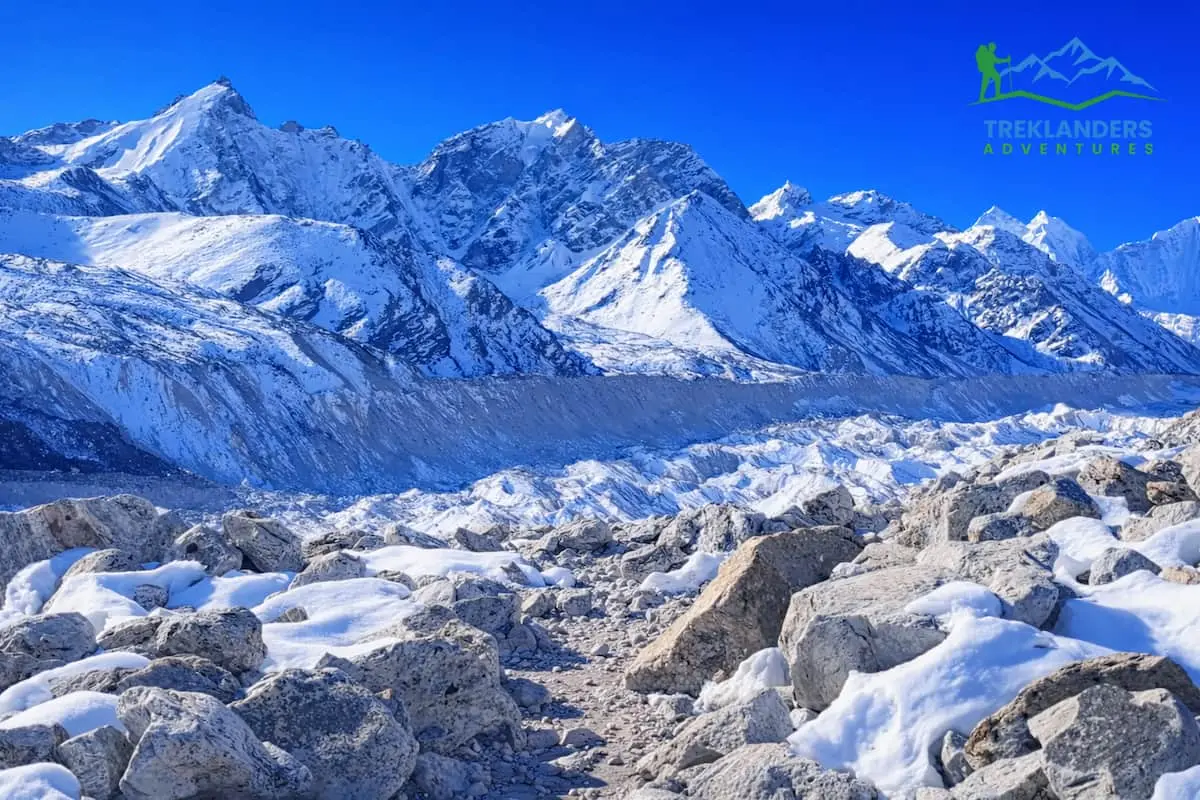
The 14-day trek to Everest Base Camp is truly an unforgettable mountain experience on Earth, an adventure in the inner Himalayas for adventure seekers. This classic trek to Everest Base Camp follows in the footsteps of Tenzing Norgay and Sir Edmund Hillary, and is adorned with breathtaking landscapes, rich Sherpa culture, and views of the world's highest peak, Mt Everest (8,848.86 m). Over two weeks of careful acclimatization, the journey is designed for trekkers aiming to complete the Everest Base Camp itinerary safely, comfortably, and at a reasonable pace.
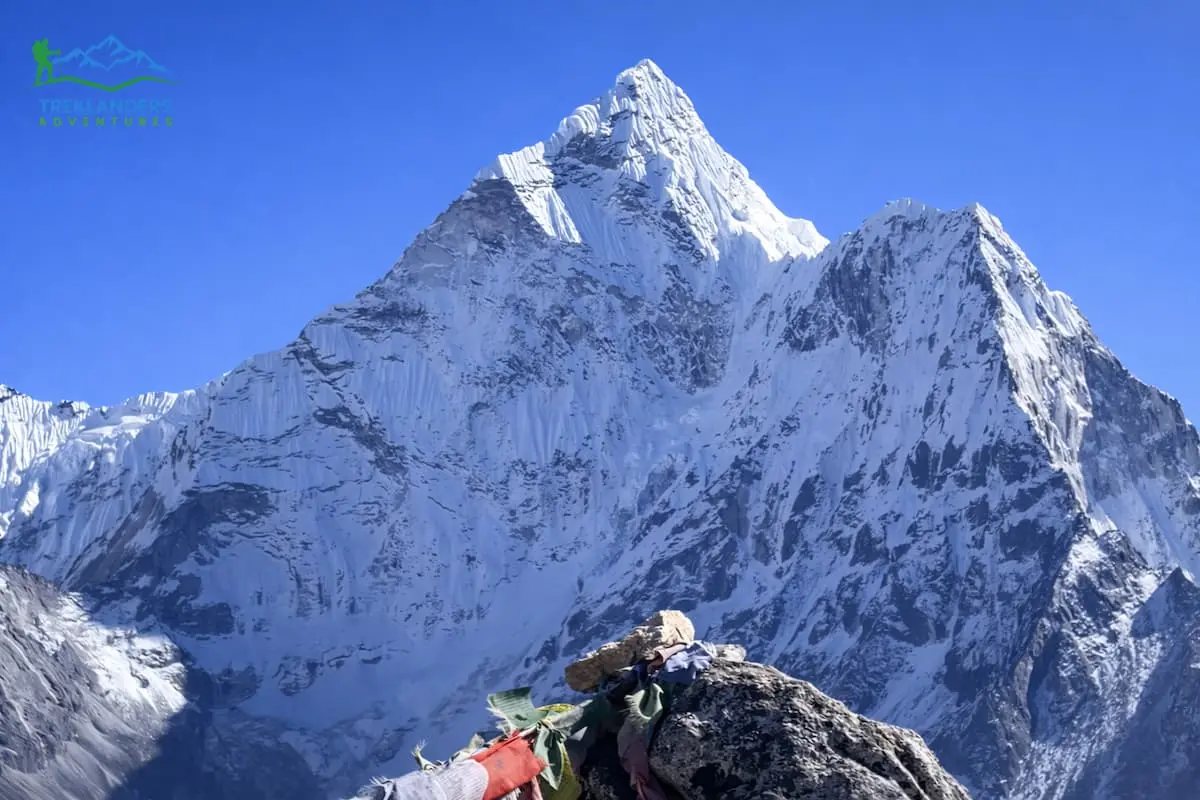
Your adventure begins with a scenic mountain flight to Lukla, one of the most thrilling airstrips in the world. From here, you hike past the joyous Sherpa villages of Phakding, Namche Bazaar, Tengboche, Dingboche, Lobuche, and Gorakshep, each of which possesses its own unique cultural and natural treasures. Trekkers cross suspension bridges hung with prayer flags, visit old monasteries, and traverse the rhododendron and pine forests, with soaring heights above like Ama Dablam, Lhotse, Nuptse, Pumori, and Makalu looking down on them.
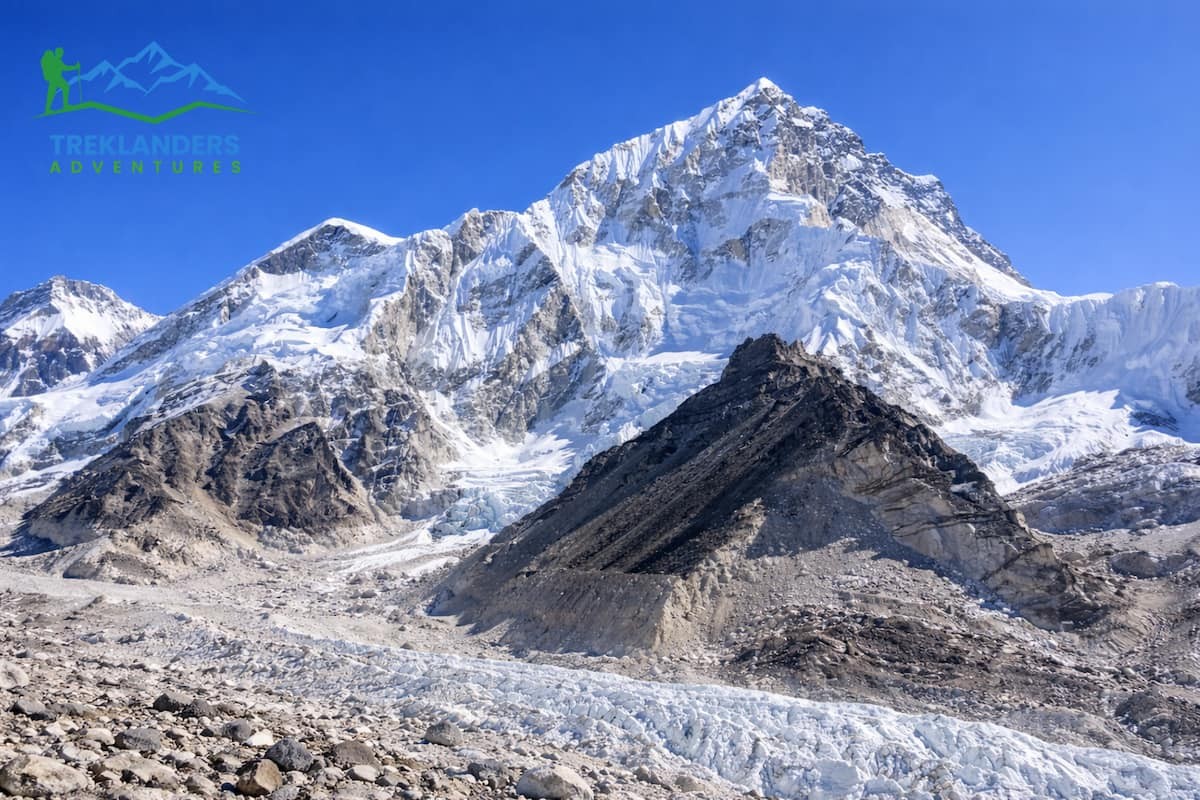
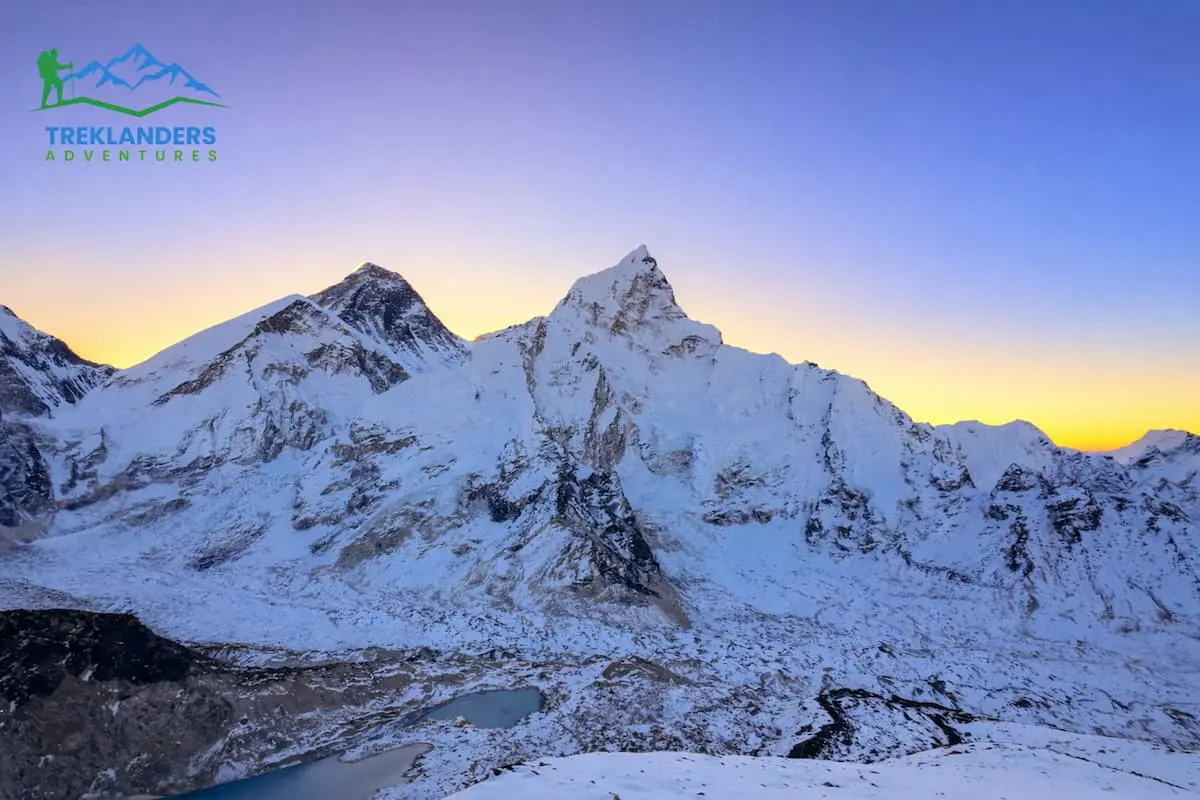
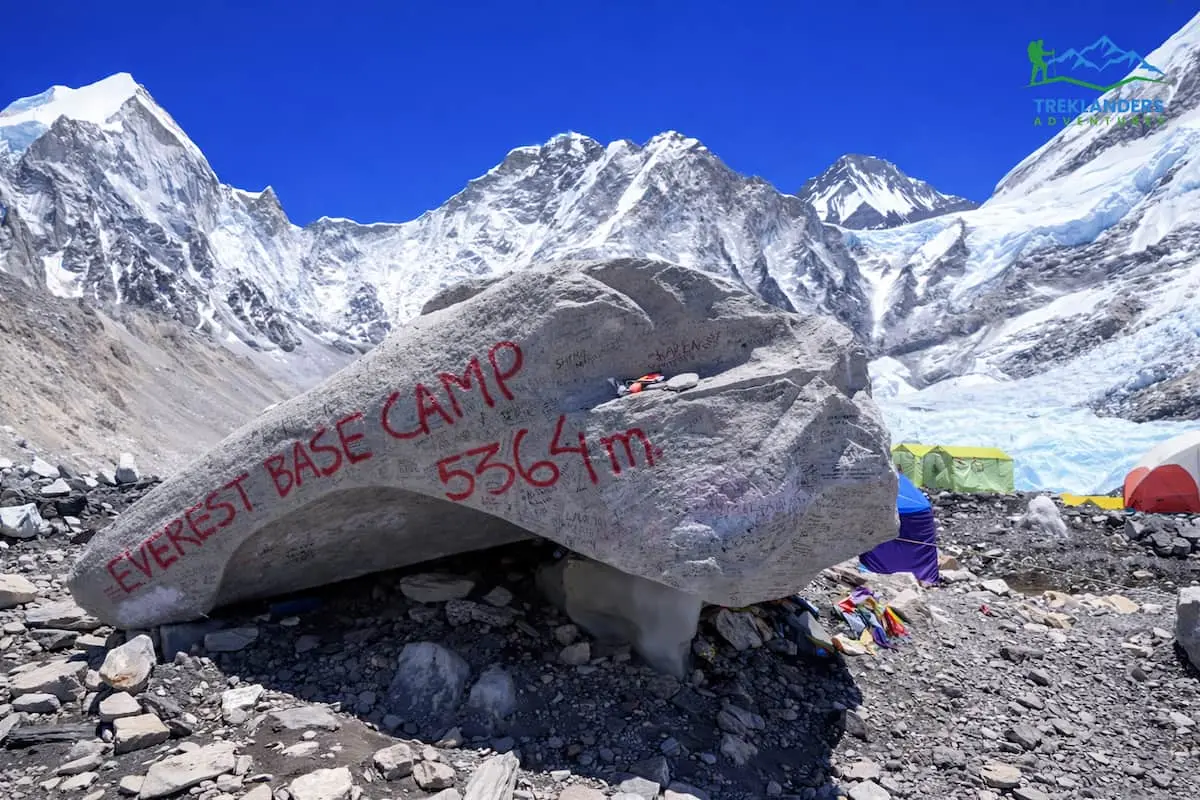
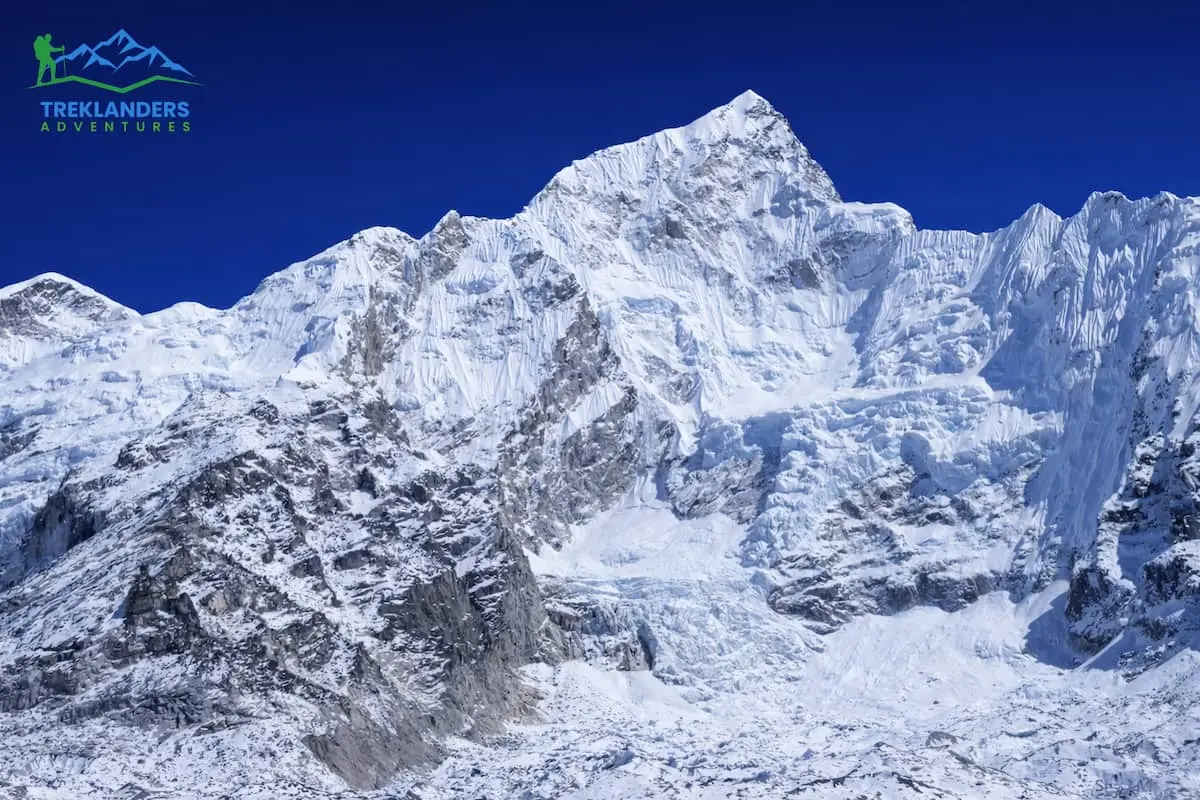
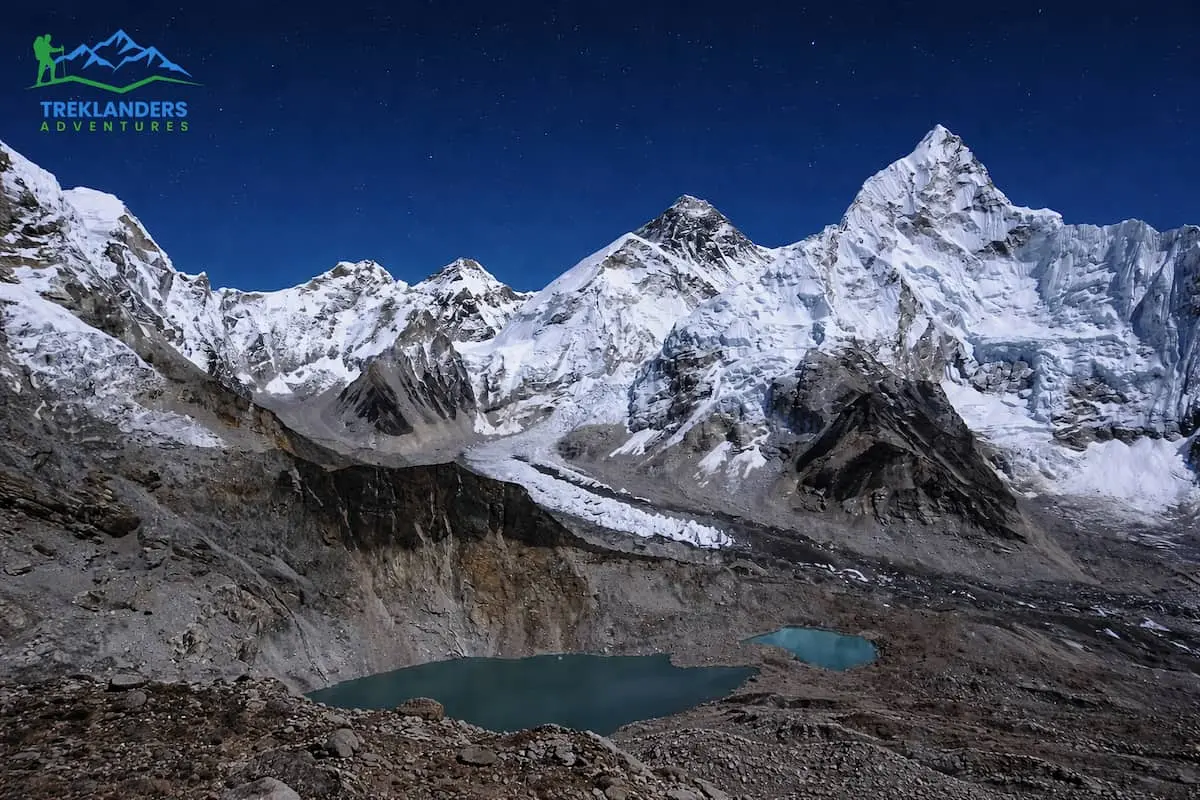
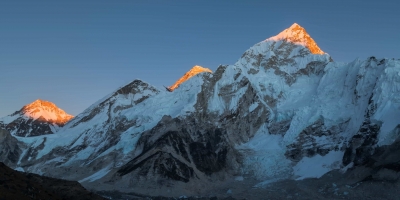
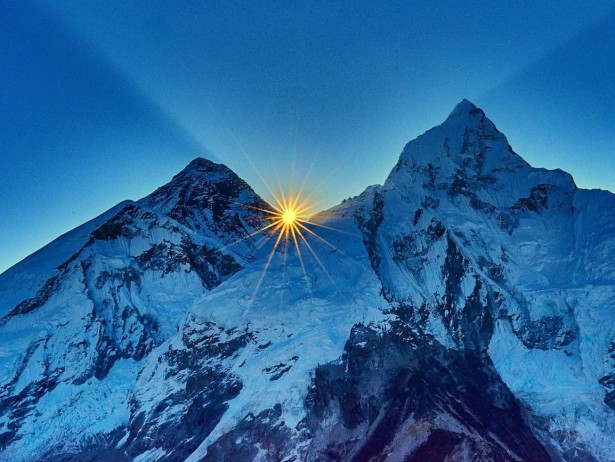
Reaching Everest Base Camp (5,364 m) represents a thrilling and absolute moment--almost overwhelming as you stand at the foot of the tallest mountain in the world, with the Khumbu Icefall and gigantic glaciers surrounding you. An early walk on the next day up to Kala Patthar (5,545 m) presents you with the most splendid postcard sunrise over Everest, which is generally regarded as the best viewpoint in the Himalayas.
The Everest Base Camp Trek of 14 days is fairly moderate, and it can be undertaken by a trekker who is somewhat fit and has a strong will to challenge. The ideal times for this trek are spring, comprising the months of March to May, and autumn, specifically from September to November, which are the best when weather conditions are stable, and the Mountain View is clear.
Day 01: Arrival in Kathmandu (1,400m). Welcome dinner in the evening.
Day 02: Flight from Kathmandu to Lukla (2,860m) and trek to Phakding (2,610m) – 3–4 hrs.
Day 03: Trek from Phakding to Namche Bazaar (3,440m) – 6 hrs.
Day 04: Acclimatization day in Namche Bazaar (3,440m) – 2–4 hrs (short hike).
Day 05: Trek from Namche Bazaar to Tengboche (3,860m) – 5 hrs.
Day 06: Trek from Tengboche to Dingboche (4,410m) – 5 hrs.
Day 07: Acclimatization day in Dingboche (4,410m) – 2–4 hrs (short hike).
Day 08: Trek from Dingboche to Lobuche (4,940m) – 5 hrs.
Day 09: Trek to Everest Base Camp (5,364m) and back to Gorakshep (5,164m) – 8 hrs.
Day 10: Early hike to Kala Patthar (5,643m) and trek down to Pheriche (4,371m) – 7 hrs.
Day 11: Trek from Pheriche to Namche Bazaar (3,440m) – 7 hrs.
Day 12: Trek from Namche Bazaar to Lukla (2,846m) – 7 hrs.
Day 13: Fly back to Ramechhap/Kathmandu – 30 minutes flight.
Day 14: Final departure from Nepal.
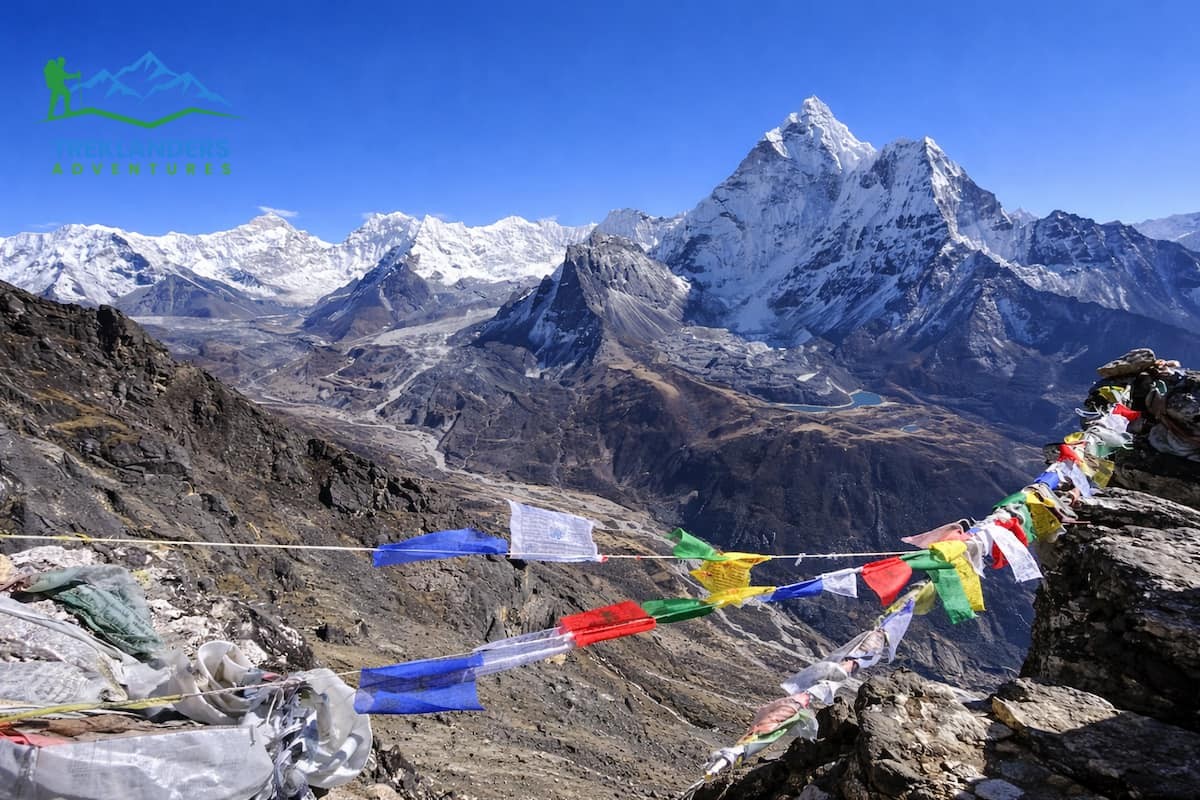
Indeed, spring and autumn are the best times to undertake the Everest Base Camp Trek as these periods provide the most stable weather, comfortable trekking conditions, and clear mountain views. Spring, which lasts from March to May, is generally judged to be the best time of the year. Temperatures are higher than in other seasons, daylight is longer, and the trails are vibrant with trekkers. In the lower parts of the route, rhododendron forests, which blossom in March and April, decorate the trek with their color, while on clear days, views of Everest, Ama Dablam, and the other peaks are breathtaking.
Autumn, from September to November, is the prime season for the Everest Base Camp trekking and therefore, it is the most popular time of the year, and, in particular, October and early November. The monsoon is over, and thus, the skies are usually crisp and clear, which allows photographers to get the best shots and hikers to enjoy the most panoramic mountain views. The air is drier, and the trails are usually in very good condition, so it is a perfect time for trekkers who seek dependable weather and classic Himalayan scenery.
Winter, which lasts from December to February, can also be a good choice of route for trekkers who are looking for a quiet trail and are able to bear the cold. The skies can be extremely clear, but at higher altitudes, temperatures fall drastically, and snow can make some parts difficult at times. By contrast, the monsoon period from June to August is generally not advised except for very flexible travelers who may still be able to find some windows for trekking.
In summary, March to May and September to November are the best times to visit Everest Base Camp, with April and October often being the most ideal months.
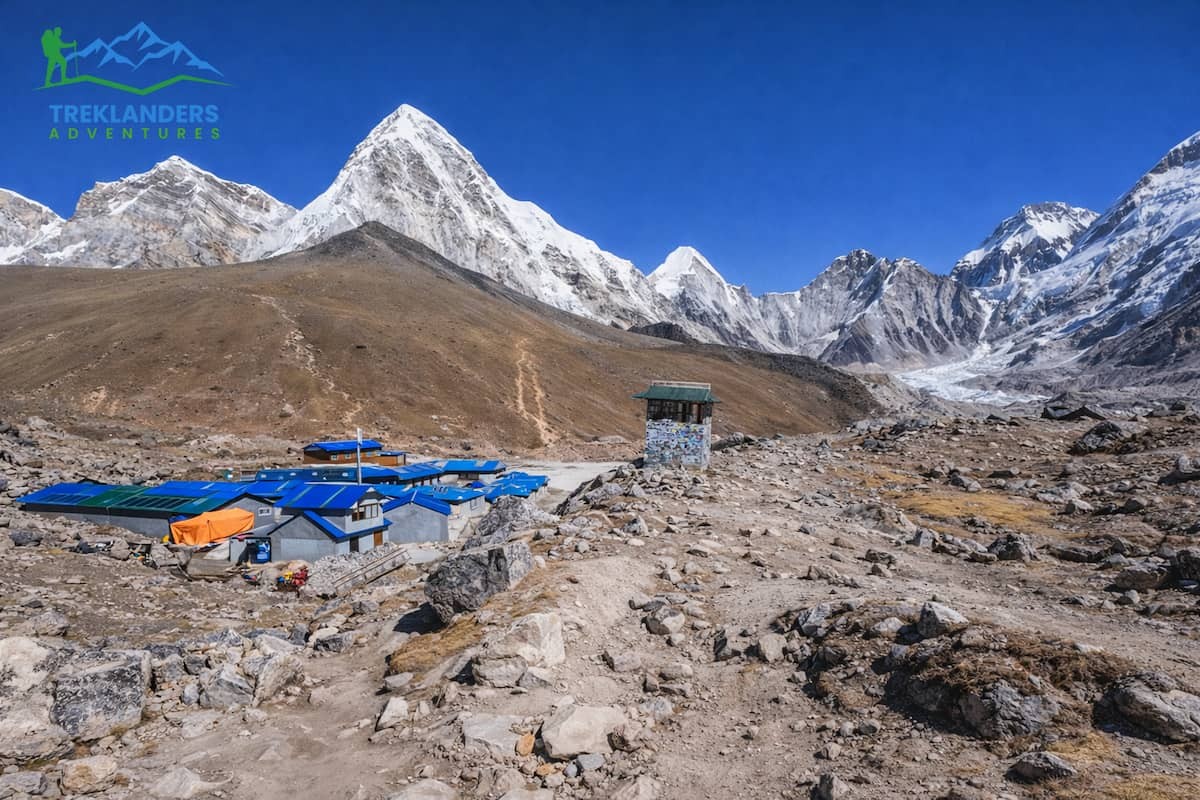
Accommodation on the Everest Base Camp trek is mainly teahouse lodgings run by the locals, providing room, food, and simple services along the route.
Rooms are usually twin-sharing with two single beds, a mattress, a pillow, and a blanket; it is recommended that you bring a sleeping bag for added warmth and hygiene.
In the lower villages like Phakding and Namche Bazaar, the teahouses tend to be relatively comfortable, being insulated a bit more, having more varieties on the menu, and a greater chance of private attached bathrooms.
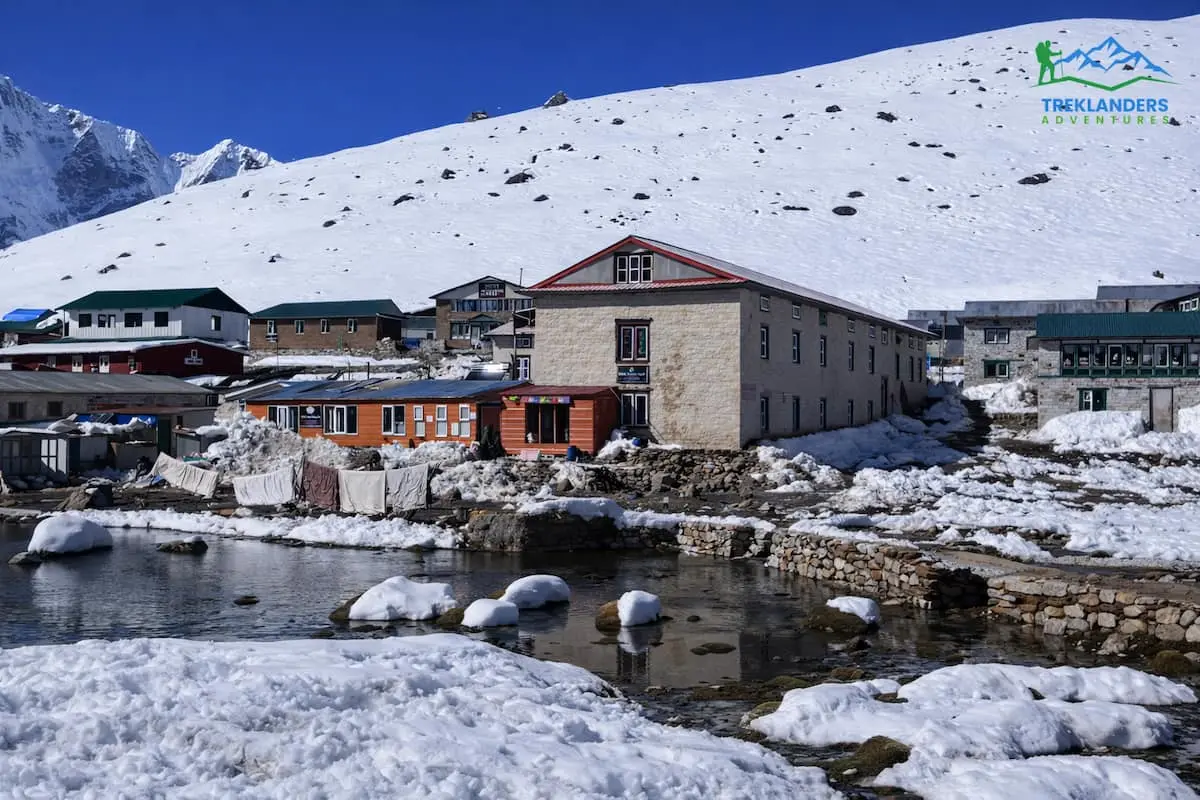
As the altitude gets higher, the accommodation gets crude and basic: cold rooms, limited facilities due to remoteness (Tengboche, Dingboche, Lobuche, Gorakshep).
Bathrooms are generally shared, squat or Western style, depending on the lodge; hot showers may or may not be available and depend on solar/gas systems.
The dining room is considered to be the warmest social area in most teahouses and is heated by a stove; it is where guests come for meals, charging of devices, and hanging out in the evening.
Charging and electricity are generally offered but could be limited in higher elevations, and charging is usually done at dining rather than in sleeping rooms.
There may be a few Wi-Fi hotspots in most villages, especially Namche, but connection quality can be very slow or inconsistent in remote locations.
Accommodation is typically arranged on an overnight-stop basis, matching acclimatization needs; Namche and Dingboche are common acclimatization towns with good lodge options.
Most of the teahouses have busy restaurants, but up high, most choices of food will dry up; it will be smart to prepare for simple, high-calorie food and hot drinks.
Good accommodation practices should include keeping valuables with you, using a small padlock for your bag, and carrying your own toiletries and toilet paper, as they may not be available.
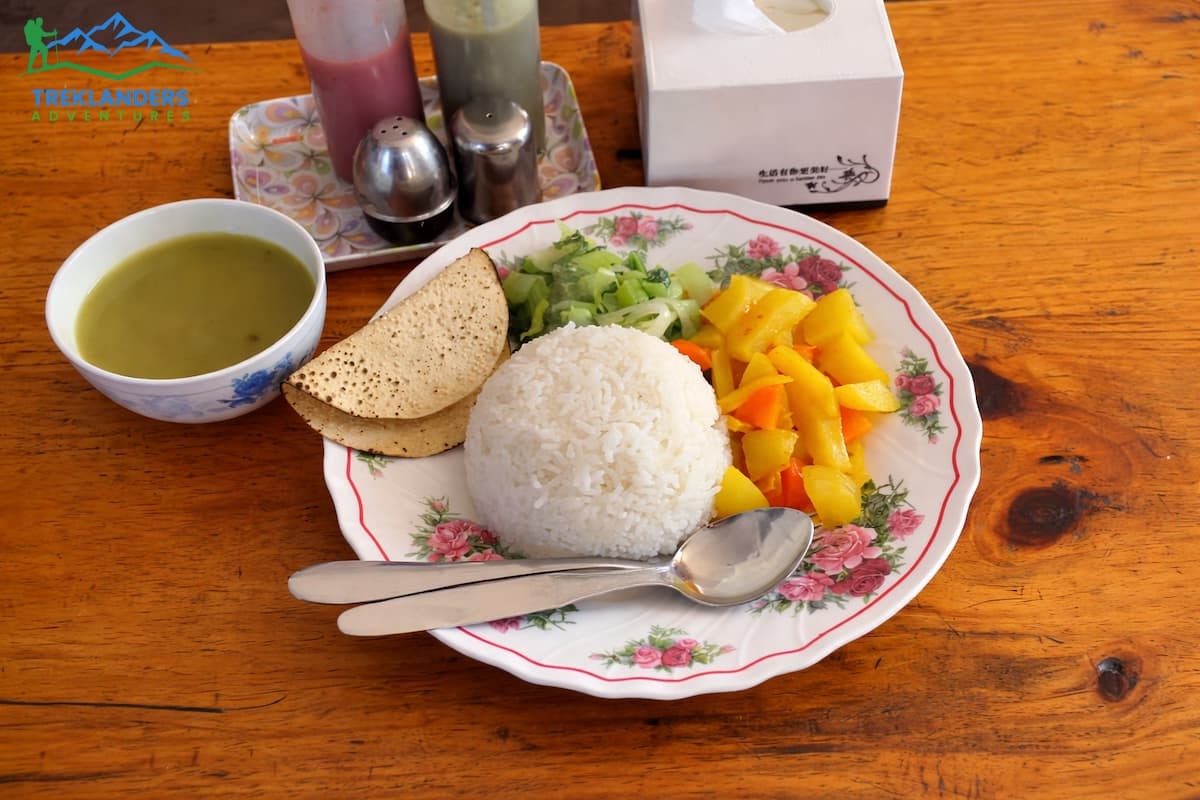
Food on the Everest Base Camp trek is served in teahouses, with menus becoming simpler as altitude increases.
The most common and reliable meal is Dal Bhat (rice, lentil soup, vegetables), popular because it is filling and usually comes in generous portions.
Other typical options include noodles, fried rice, pasta, soups, potatoes, momos, and seasonal vegetable dishes.
Breakfast choices often include porridge, pancakes, eggs, chapati, toast, and Tibetan bread, depending on the lodge.
At higher elevations, food is more expensive, and portions may feel smaller because everything is transported by porters or animals.
Staying hydrated is essential, so trekkers often drink ginger tea, lemon tea, garlic soup, hot water, and electrolyte fluids.
It is best to avoid raw salads, unpeeled fruit, and untreated water to reduce stomach problems.
Alcohol is not recommended during ascent days because it can worsen dehydration and affect altitude adjustment.
There are two different permits to obtain for the most common Everest Base Camp trek (via Lukla): the Sagarmatha National Park Entry Permit and the Khumbu Pasang Lhamu Rural Municipality Entry Permit (commonly referred to as a local trek card).
These permits are applicable to the standard route that passes through Lukla – Namche – Tengboche – Dingboche – Lobuche – Gorakshep – Everest Base Camp/Kala Patthar.
One can either arrange the Sagarmatha National Park permit beforehand in Kathmandu or acquire it at the entry point in the park trails (Monjo area).
The local permit for Khumbu rural municipality is normally issued in the entry zone of Khumbu, usually at Lukla, so carry your documents and have time for the process.
Keep your permits handy every day, as there happen to be several checkpoints along the route where officials may check and record them.
Your passport will be necessary to obtain the permits, thus bring the original one and keep its photocopy stored elsewhere, in case it gets lost or damaged.
Ensure that the personal particulars (full name, passport number, nationality) correspond exactly in documents to avoid delays at counters.
If trekking with an agency, they will coordinate the best method to obtain all the necessary permits based on your particular entry point and flight operations (Kathmandu–Lukla vs Ramechhap–Lukla in peak season).
Correct details may change with time for permits and checkpoints; therefore, just before departing, it is good to check if some changes have occurred, especially for people using alternative or side routes.
The altitude is the main cause of sickness that can threaten one's life on the EBC route, hence the most secure way would be to rise slowly with the acclimatization that has been planned (for example, rest days in Namche and Dingboche) and walking at a constant speed. One very useful saying is "climb high, sleep low" when acclimatizing. Go up to a higher viewpoint during the day and come back to sleep at a lower altitude.
Any new headache, nausea, an unusual tiredness, dizziness, or poor sleep at altitude should be considered a signal of acute mountain sickness (AMS) that you have to treat with caution. The essential safety rule is: never go to a higher sleeping altitude if you have symptoms. In case of a deterioration of symptoms or if symptoms persist without improvement when resting at the same altitude, a descent takes precedence.
Worsening symptoms also consist of confusion, twitching, loss of consciousness, heavy sleeping, and shortness of breath even when the person is at rest, and it may mean that the person has a severe altitude sickness (HACE/HAPE), and a quick descent together with medical aid is necessary.
Keeping oneself hydrated, nourished, and clean is a great way to get rid of the most frequent trekking problems. Make sure you drink regularly, eat sufficiently even if your appetite is low, and always treat the water you are going to drink (by using a filter, tablets, or boiling the water) so that you can be free from digestive system diseases. Take care not to consume alcohol at altitudes, particularly on days when you are ascending, since it can make sleep worse and cause dehydration, and this makes it difficult to recognize AMS.
After cold injury, sun exposure is the next major risk. It gets very cold above the tree line, and the wind chill can be quite strong. Wear a proper layering system, keep your hands/feet warm and dry, and change sweaty clothing quickly. However, UV radiations is very strong at high altitude, so wear sunglasses and use a high SPF sun protection to avoid snow blindness and sunburn.
Moreover, safety is mostly determined by having good logistics and being prepared for an emergency: go trekking with a professional guide, keep your group together, don't hurry on steep/icy parts, and make sure your travel insurance covers mountain trekking and emergency evacuation.
Your travel insurance for the Everest Base Camp Trek should specifically cover medical treatment and emergency helicopter rescue at high altitude with 24/7 assistance. Additionally, it must have repatriation included and, if possible, trip delay/interruption benefits, as flights to Lukla are often affected. In advance of the trek, the travelers are required to give the policy number, the insurer's emergency contact/assistance number, and make sure that the mountaineering/rescue is not marked as an excluded category under adventure activities.
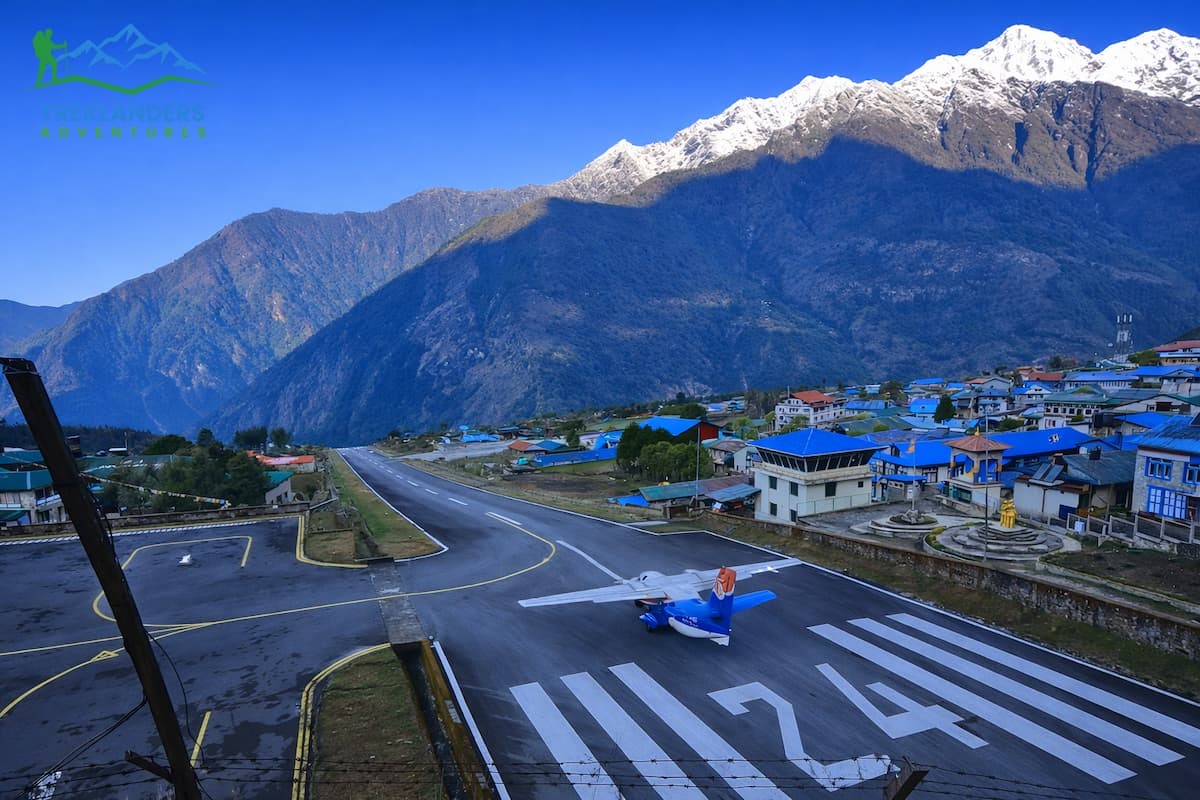
Transportation for the trek to Everest Base Camp is a combination of road transfers and domestic flights based on the season, weather, and flight availability.
The journey often begins with an airport transfer in Kathmandu, a flight connection to the Everest region, and then the trek begins.
Lukla is the fastest access to Khumbu for the EBC trail; therefore, most trekkers fly to Lukla without a few extra days walking.
During the peak trekking seasons (March-May and September-November), Lukla flights were often operated from Ramechhap (Manthali Airport) in order to manage the heavy air traffic. In this case, a pre-dawn drive from Kathmandu to Ramechhap would have to be made before the flight.
The Lukla flight is a very short and scenic ride, but the schedule is highly dependent on mountain weather, visibility, and wind conditions; hence, delays and cancellations are common.
International trekkers are advised to keep at least one buffer day in their overall plan, especially if they have international flights immediately following the trek.
On the trek itself, transport is on foot, and luggage is mostly carried either by porters or, in some sections, by pack animals used by local suppliers.
At the end of your trek, it is back to Lukla and then a return flight to either Ramechhap or Kathmandu, followed by a drive back to your hotel in Kathmandu.
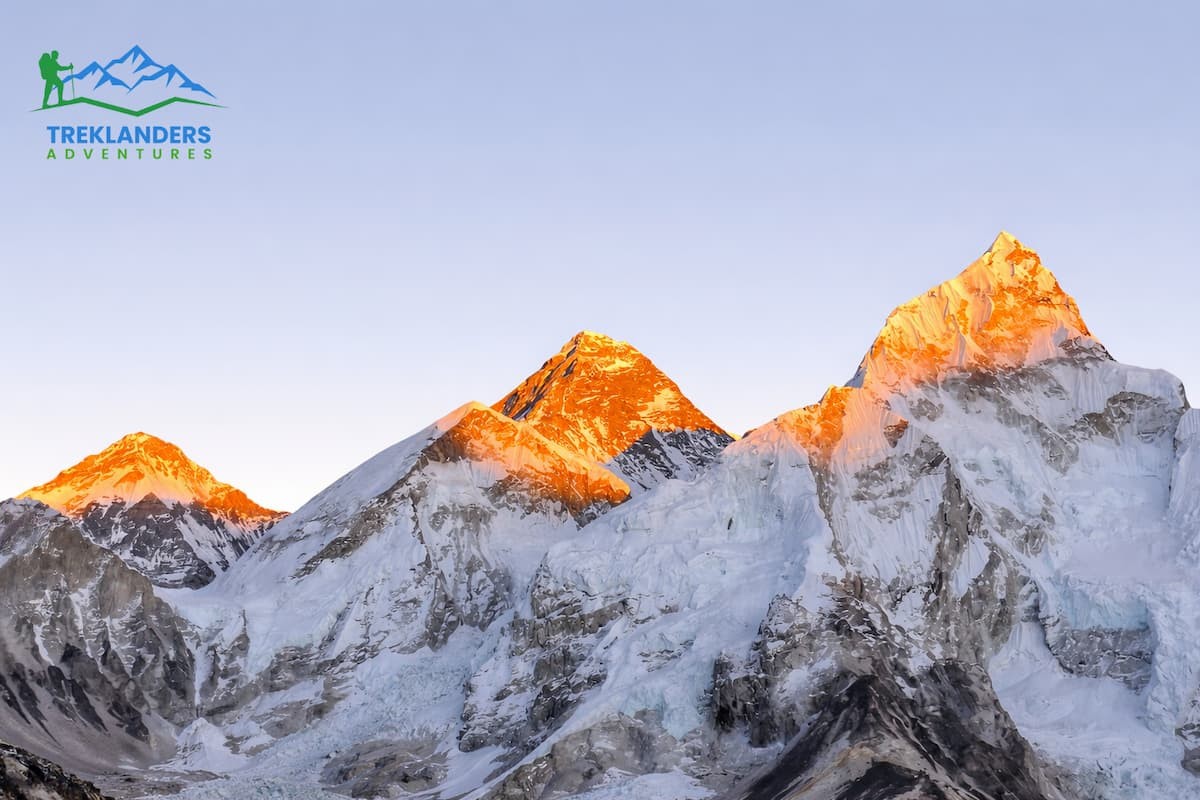
The Everest Base Camp Trek (14 Days) is an epic Himalayan adventure to the highest mountain in the world that offers legendary mountain views, real Sherpa culture, and a well-paced itinerary for safe acclimatization. Starting with the exciting Lukla flight, colorful trails through Namche Bazaar and Tengboche, the powerful feeling of being at Everest Base Camp, and watching the sunrise from Kala Patthar, every day is a new highlight.
Continuing the journey with teahouse stays, energizing trekking meals, and dependable transport arrangements (including seasonal Ramechhap flights) makes it both doable and unforgettable for the determined trekkers. With adequate preparation, correct insurance, and a responsible attitude towards altitude and safety, this trek is no longer just a holiday; it turns into a lifelong memory and a genuine personal achievement in the Himalayas.
Trip Summary:
Mode of Trek: Best available lodge / guest house on treks.
Trekking Grade: Moderate to Adventurous walks.
Trekking Region: Around high Khumbu of Everest Region.
Start and End of trek: Lukla to Lukla with flights both ways.
Highest elevation: Kalapathar top at 5,643 m / 18,514 feet and
Everest Base Camp at 5,364 m / 17, 598 feet.
Trek duration: 11 Nights and 12 Days from Lukla to Lukla.
Total Trip: 13 Nights and 14 Days, from arrival to departures.
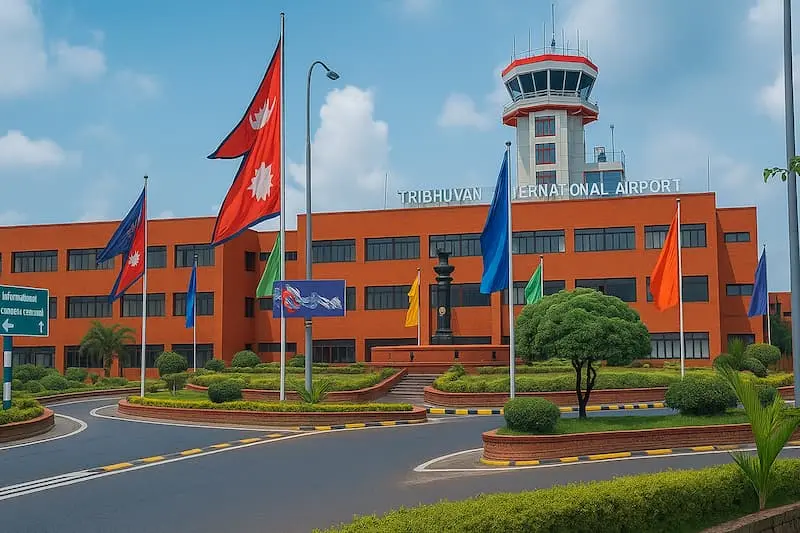


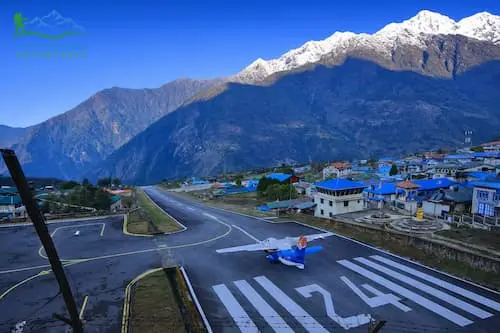
Start the day early with a flight to Lukla, offering dramatic Himalayan views. Begin trekking from Lukla with a gentle walk along the Dudh Koshi River, passing small Sherpa settlements, Mani walls, and prayer wheels. This first day allows you to ease into the trekking rhythm. Overnight in Phakding.
Note:- (Peak Season Flight Plan): During peak trekking seasons (March, April, May, and September, October, November), flights to Lukla are often rerouted via Ramechhap (Manthali Airport) instead of Kathmandu due to air traffic management. This means you'll need to drive from Kathmandu to Ramechhap, usually very early in the morning, before boarding your flight to Lukla.

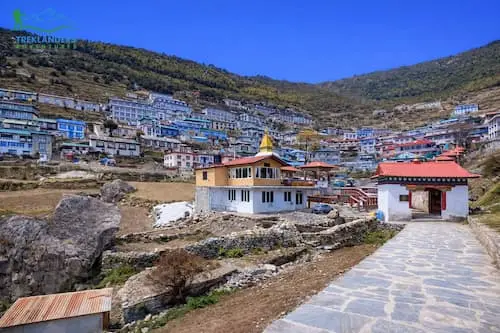
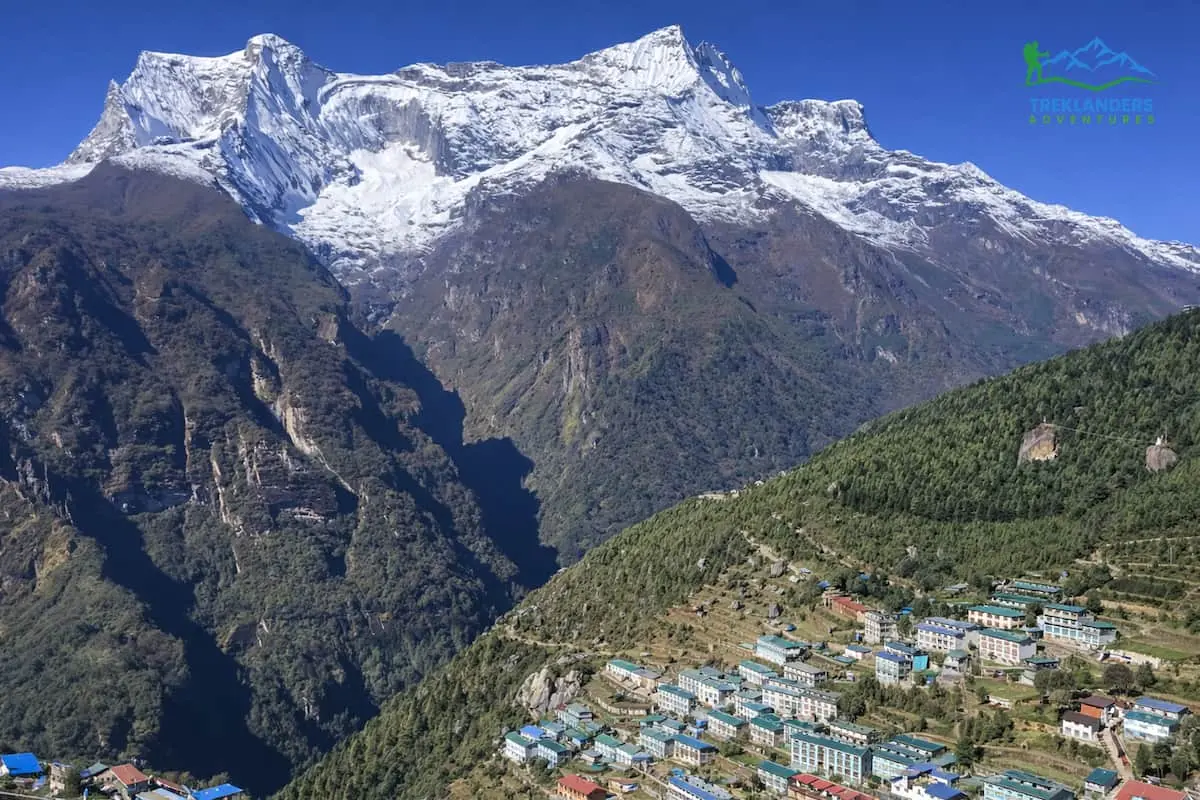
Keep going by the river trail, make your way over several famous suspension bridges, and at Monjo enter Sagarmatha National Park for permit checking. The last part of the way is a hard walk up the hill to Namche Bazaar. If the weather is nice, you can see Mount Everest from a very far off before getting to the town. Stay the night in Namche.
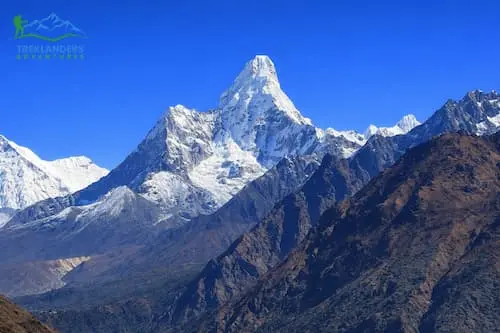
This pivotal acclimatization day allows your body to get used to the altitude.
Go for a beautiful walk to Everest View Hotel or the Syangboche area to see the amazing views of Everest, Ama Dablam, Lhotse, and Thamserku. Come back to Namche for relaxation, bakery treats, gear shopping, and the optional visit to the Sherpa Museum. Stay the night in Namche.
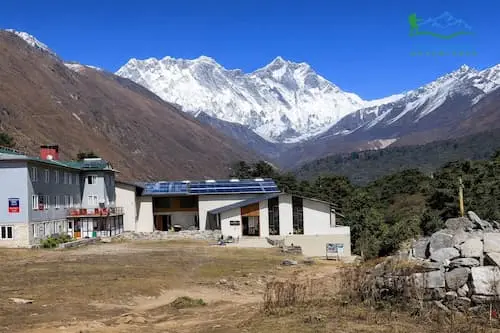
Great weather and a day filled with forest trails, mountain viewpoints, and a descent to Phunki Tenga before the last climb to Tengboche.
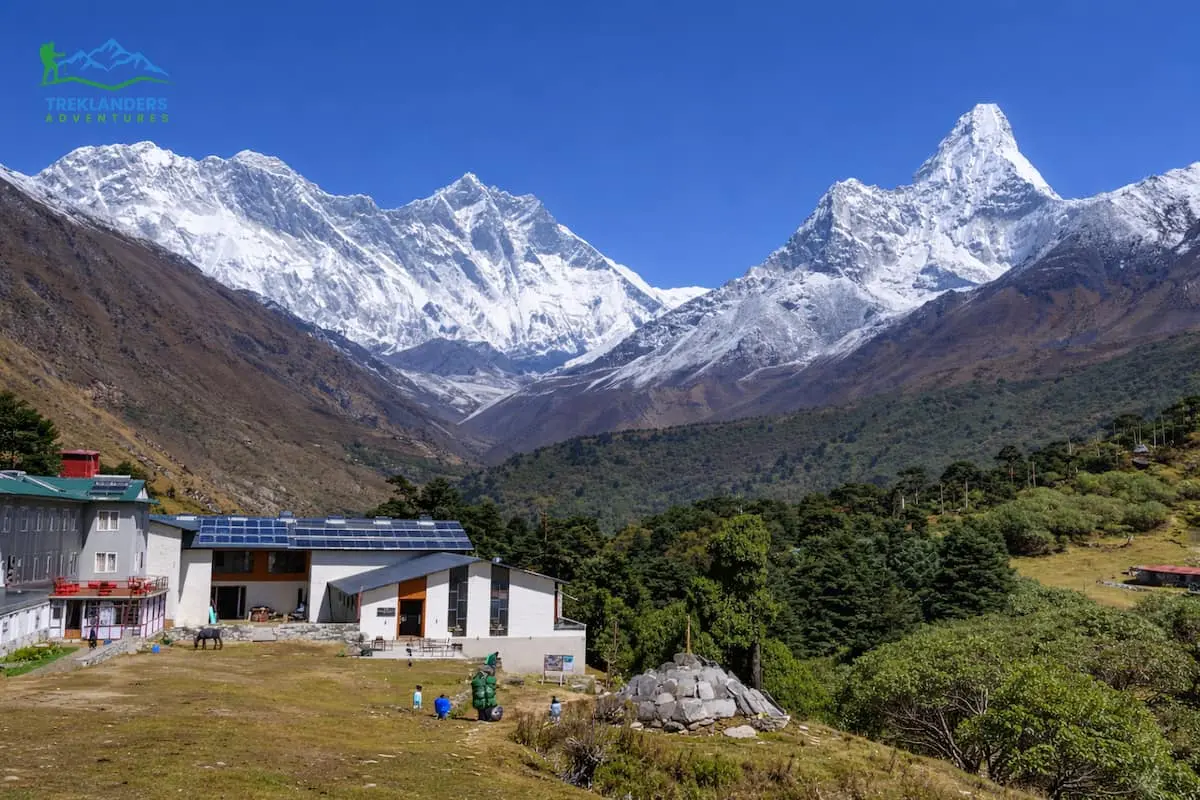
Make a stop at the well-known monastery of Tengboche, the spiritual centre of the Khumbu region, located in the amazing nature of the Himalayas with Mount Ama Dablam towering behind.
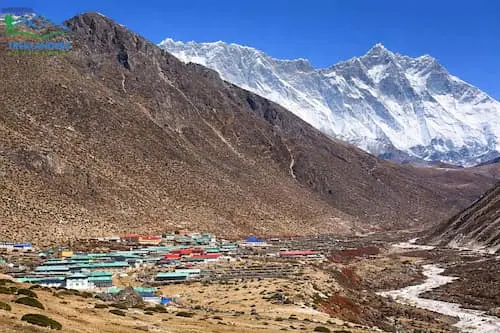
Walk down through the rhododendron and pines forests and then proceed to the higher valleys. Pass the villages of Pangboche and walk across open alpine terrain. Besides being encircled by stone, walled fields, Dingboche is also dominated by towering peaks, so it is an ideal place for rest and acclimatization.
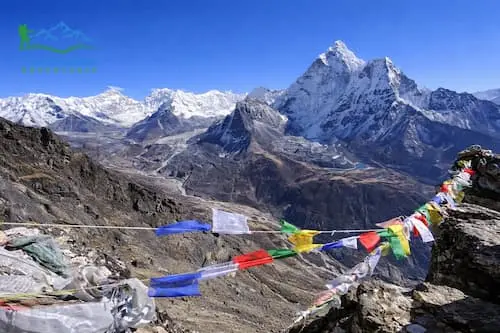
Another day of adaptation to prepare the body for the thin air. We could trek up to the Nangkartsang Peak ridge or maybe a close vantage point to behold the unrivaled view of Ama Dablam and the surrounding glaciers. The afternoon would be kept for drinking plenty of water, resting, and relaxing. Stay at Dingboche Lodge.
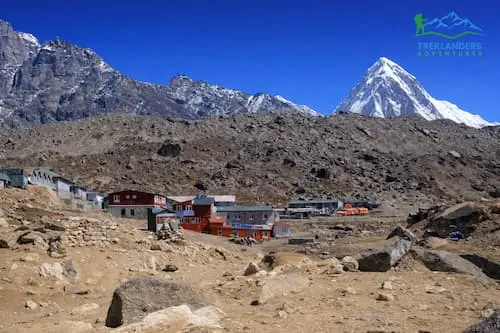
Trek gradually uphill through a high-altitude landscape. Pass through Thukla and reach the memorial area dedicated to climbers who lost their lives on Everest. The views of peaks and glacial valleys become increasingly dramatic as you approach Lobuche. Overnight in Lobuche.
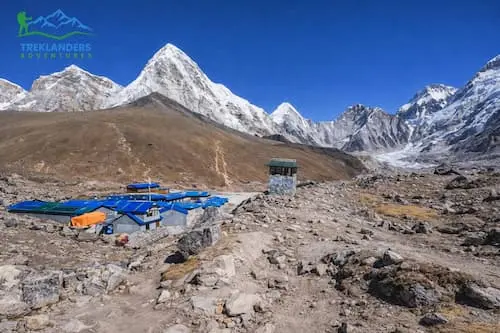
Walk to Gorakshep and continue along the rugged trail beside the Khumbu Glacier to reach Everest Base Camp. Standing at Base Camp is a powerful moment, surrounded by ice, rock, and towering Himalayan giants. After photos and time at Base Camp, return to Gorakshep for overnight.
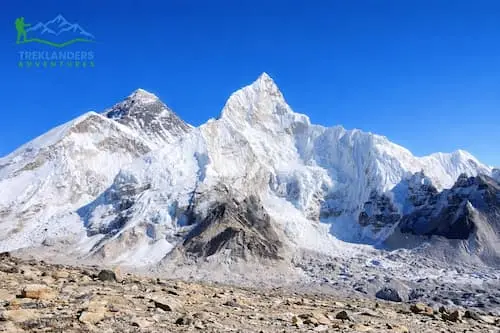
Start early for the sunrise hike to Kala Patthar, the best viewpoint for close-up Everest panoramas. After enjoying the views, descend steadily to Pheriche, where thicker air and lower altitude help you recover well.
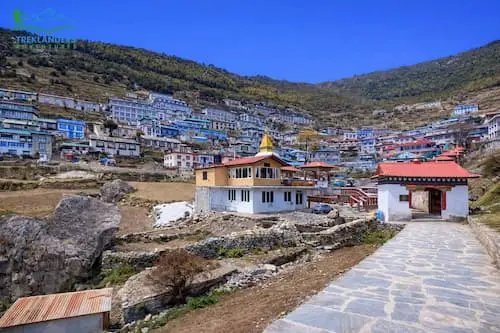
A long descent day through familiar villages and suspension bridges. As you drop in altitude, breathing becomes easier and energy returns. Arrive in Namche for a comfortable evening, celebration, and final shopping. Overnight in Namche.
Follow the Dudh Koshi River trail back to Lukla. This is your final trekking day—rewarding and reflective, with time to thank your guide and team.
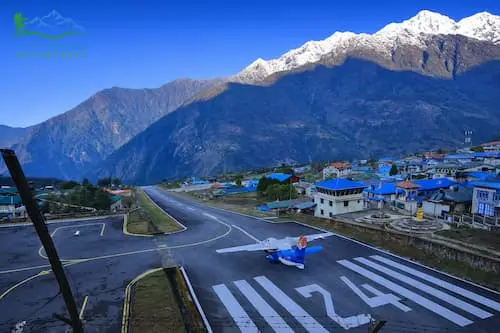
Early morning transfer to Lukla’s Tenzing and Hillary airport as the plane arrives either from Kathmandu or Ramechap. Board in a small aircraft of respective airlines for sweeping panoramic flight back to Kathmandu. Then get transferred to your hotel, with afternoon free at leisure.
Note:- If the flight lands at Manthali airport in Ramechap, our staff transfers you to a vehicles. A drive of 4-5 hours brings you back at the hotel in Kathmandu, after a great adventure on Everest base camp Trekking.
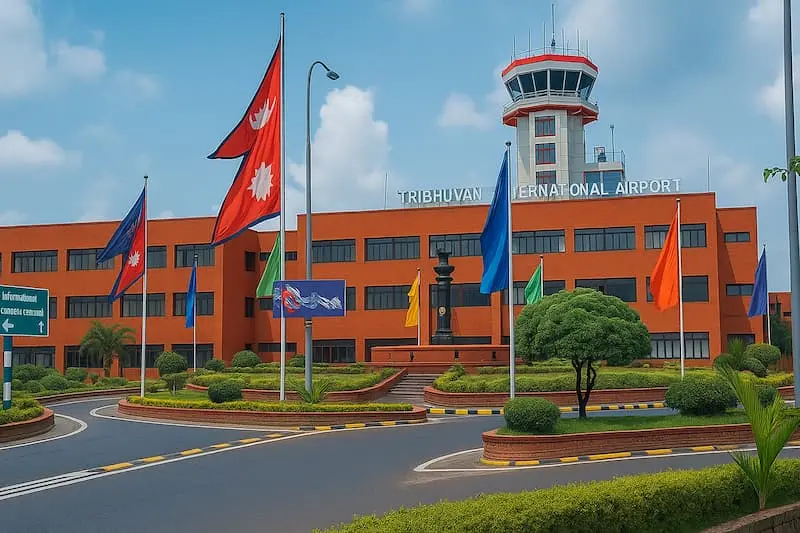
After an enjoyable and most mesmerizing adventure in Nepal and around the Himalayas on Everest base camp Trek. As time for departure, our staff transfer you to international airport for flight homeward bound or to next port of call.
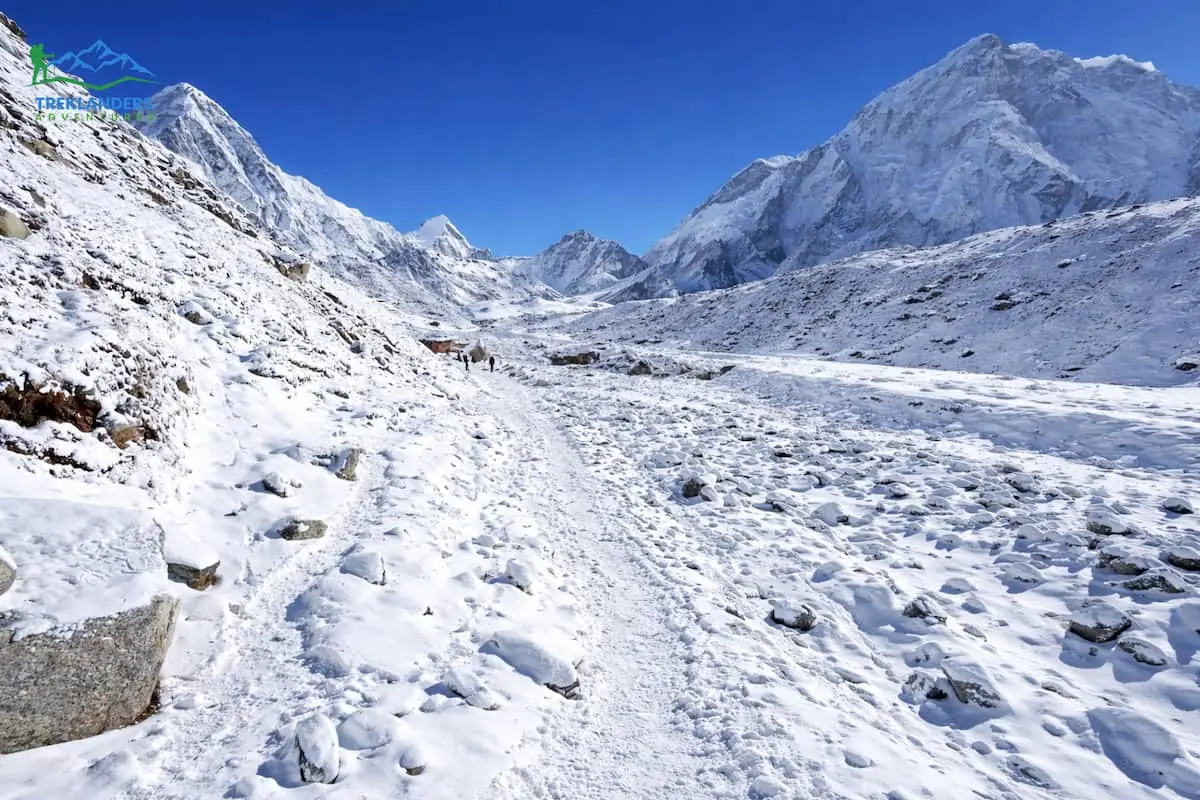
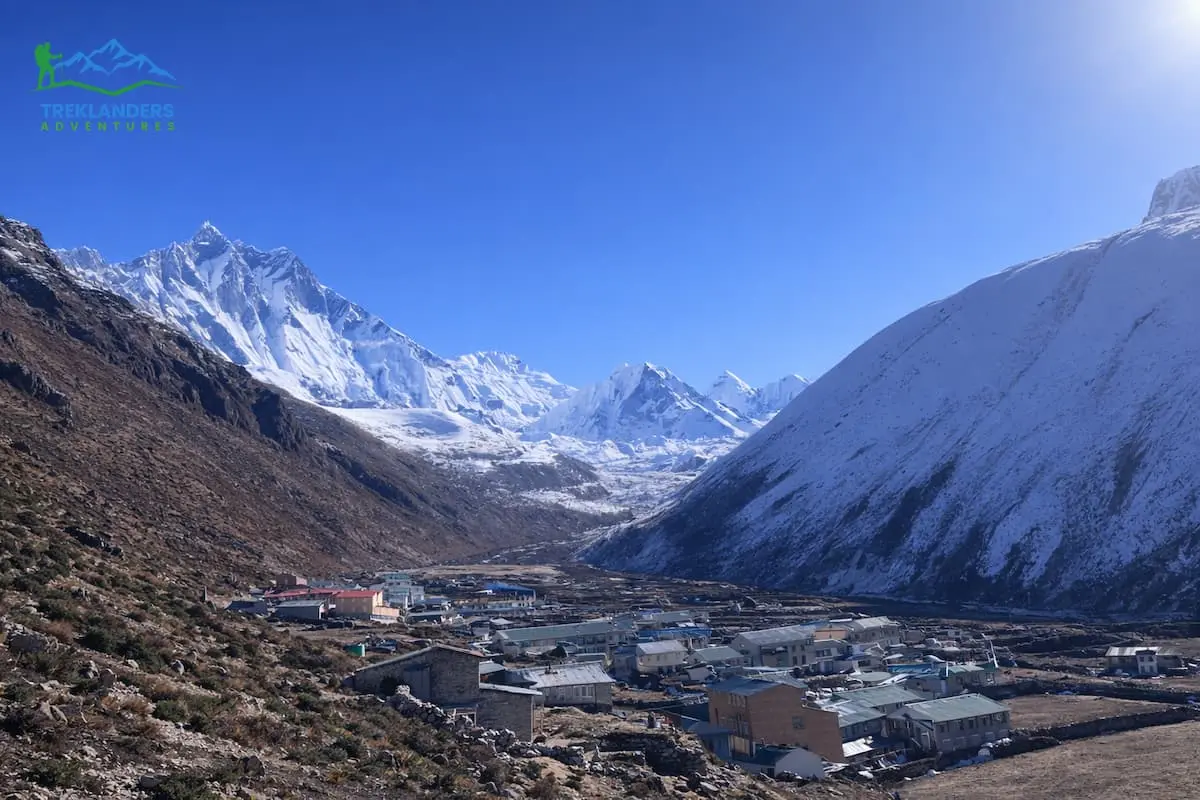
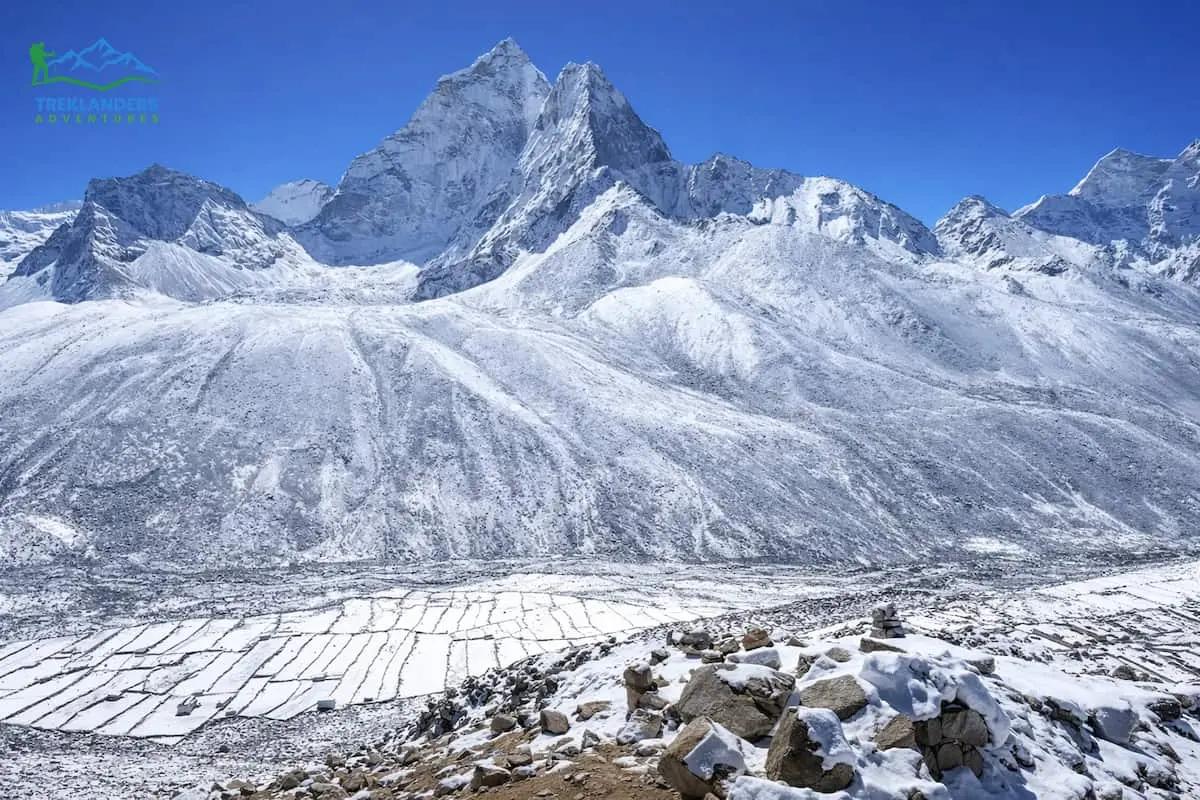
My 14 Day Everest Base Camp Trek with Treklanders Adventures was truly a once-in-a-lifetime experience. From the very first day in Kathmandu until the final return, everything was well organized, professional, and thoughtfully managed. The guides were outstanding—knowledgeable, patient, and genuinely caring. They closely monitored our health and acclimatization, explained the mountains and local culture in detail, and always made sure we felt safe and comfortable. Their experience in the Everest region really showed, especially on higher-altitude days. The itinerary was perfectly paced, allowing enough time for acclimatization while still enjoying iconic places like Namche Bazaar, Tengboche Monastery, Dingboche, and finally Everest Base Camp itself. Treklanders handled all logistics smoothly, including accommodation, meals, and permits, so we could focus fully on the trek. Tea house accommodations were simple but clean and welcoming, with warm hospitality from local hosts. Sharing meals with fellow trekkers added to the overall experience and made the journey even more memorable. Reaching Everest Base Camp was an emotional and unforgettable moment, made even more special by the support and encouragement from the Treklanders team throughout the trek. I highly recommend Treklanders Adventures to anyone planning the Everest Base Camp Trek. Their professionalism, local expertise, and personal care made this challenging trek an incredible and rewarding journey. I would absolutely choose them again for future treks in Nepal.
Purpose: Keep sweat off the skin and maintain warmth.
Purpose: Trap body heat in cold air at altitude.
Tip: Keep electronics in inner pockets at night to prevent freezing.
The EBC trek can be classified as a moderately challenging one. The trekkers are required to trek 5 to 7 hours daily on the diverse terrain, which includes gradual ascents, rocky trails, and high-altitude areas. Although a prior trekking experience is certainly a plus, it is not a must if the fitness level is up to the mark.
The best time to go to EBC is in spring (March-May) or autumn (September-November) when the weather is more or less stable, the skies are clear, and the views are breathtaking. One can still go in winter, but it's pretty cold; the rainy season is accompanied by rain and clouds.
An authorized guide will ensure the smooth navigation, safety, and altitude management, and provide local knowledge. In case you hire a porter, it's solely at your choice, but the idea is that he carries your luggage so that you can walk comfortably.
First, there are two permits to be considered: the Khumbu Pasang Lhamu Rural Municipality Permit and the Sagarmatha National Park Entry Permit. They can be obtained either before starting or during the trek.
Accommodation will be in lodges that provide twin beds, blankets, and minimal services. Meals consist of traditional Nepali dishes, such as dal bhat, as well as pasta, soups, noodles, and other similar options.
Acclimatization days in Namche and Dingboche are arranged to help the risk go down. Besides that, a person should drink plenty of water, follow the ascent order, and follow the instructions of the guides.
Definitely, as long as they are physically fit and mentally prepared for the long walks. It is better to take some pre-conditioning hikes.
The highest point is Kala Patthar 5,643m./18,514 ft.)
The most popular choices to trek to EBC are definitely Spring (March to May) and Autumn (September to November). During these months, the weather is more stable, the skies are clearer, and mountain views are at the top of their game.
Spring comes with nice temperatures and longer daylight hours. The rhododendron forests are blossoming and are very colorful. Visibility stays great, and the temperature at high altitude is quite moderate compared to winter. A good number of climbing expeditions also take place during this time, so the whole Khumbu region gets very lively.
Autumn is the season after monsoon, with lands that are fresh and clean and very clear skies. Therefore, the views of Everest, Lhotse, Nuptse, and Ama Dablam are extremely sharp. The cool mornings and nights provide comfortable trekking conditions, making the season suitable for almost all trekkers.
Indeed, the period from December to February is good for experienced trekkers who want to enjoy quiet trails. It is, however, very cold above 4, 000m and there is a higher possibility of snow, especially in Lobuche, Gorakshep, and Kala Patthar areas. The correct gear is necessary.
June to August is the worst time because of continuous rains, heavy clouds, and slippery trails. In addition, Lukla flights may be delayed, and visibility decreases.
The common Everest Base Camp (EBC) trek is completed within 12-14 days. And it is actually up to the trekkers how fast or slow they want to move, but the issue of acclimatization always matters in any case. In most cases, gradual ascent is the way to go for fewer altitude-related problems.
Acclimatization gives the body time to get used to less oxygen at higher altitudes. The trek plan obviously has allowance for rest days at Namche Bazaar (3, 440m) and Dingboche (4, 410m). These stop days are for people to fully recover and also reduce the likelihood of altitude sickness.
If one is highly fit and experienced in mountain trekking, it can be done in 1012 days. However, this is not a good idea for people who are doing the trek for the first time, as they will be severely challenged by the altitude. The short schedule can be hectic and dangerous.
There is indeed an option for some who may want to spend 15-18 days on the journey. Slower pace, side trips, or extra acclimatization days would justify that. Visiting Gokyo Lakes, Chhukung Ri, or the Three Passes would make the trek longer.
Usually, trekkers walk 57 hours daily, and there are longer trekking days, especially during the last stage. For example: Gorakshep-EBC-Kalapatthar. Days when the trekkers are going downhill will be the next ones, so they can rest.
The whole journey from Lukla to Everest Base Camp and back is around 130 km (80 miles).
Basically, two weeks or 14 days is the best time to fully enjoy the Everest Base Camp walk and at the same time maintain good safety standards.
The accommodation along the Everest Base Camp trek is mainly in teahouses/lodges, which provide the simplest but still quite comfortable rooms containing two beds/mattresses, pillows, and blankets. The facilities are getting more and more basic as one goes higher up.
In lower areas such as Phakding, Namche, and Tengboche, some lodges have attached bathrooms. Nevertheless, from Dingboche onwards, most of the rooms have shared bathrooms due to high-altitude places.
Definitely, most teahouses have provisions for hot showers, which are normally extra paid. The showers powered by solar or gas are usual; however, the water pressure can be a bit low during the winter season.
Heaters can be found in dining rooms where people come together in the evening. Generally, there is no heating in the rooms; therefore, warm sleeping bags are advisable, in particular, above 4,000m.
There are some places where you can charge your electronic devices, but it will cost you per hour or per device, mostly in higher settlements. It is very wise to have a power bank with you.
Most lodges offer Wi-Fi services through Everest Link or local internet cards, with different speeds. At most places, there is a fee for the service.
Teahouses deliver clean bedding, but having your own sleeping liner will give you extra advantages in both hygiene and warmth.
Be prepared for small rooms, in which you will meet your fellow climbers and have a meal together. Moreover, you will experience excellent local hospitality. The living quarters are basic, but they are more than adequate for a comfortable and genuine Himalayan trek.
Meals are available in the eateries of the teahouses, which are spread along the route. The food is a mix of Nepali, Tibetan, Indian, and basic Western dishes. The most common and energy-packed food is Dal bhat (rice, lentil soup, vegetables), which also comes with unlimited refills.
Yes, food is mostly made fresh. Still, one should only consume food that is freshly cooked and avoid raw or uncooked items at high altitudes. It is also better to take simple meals as they are easier to digest in the cold.
Generally, breakfast consists of food like porridge, oatmeal, pancakes, toast, eggs (fried/boiled/scrambled), muesli, chapati with honey or peanut butter, and hot tea or coffee.
Some of the common foods are rice and curry, dal bhat, fried rice, noodles, pasta, momo (dumplings), potatoes, soups, thukpa, and pizza from some lodges. Dal Bhat is very much recommended for its nutritional value and amount of food.
Certainly, vegetarian meals are very easily available. Vegan choices can be made, but only a few at the highest camps. It is better to let the guide and the lodges know beforehand.
Meat can be found in the lower areas, but it would be better not to eat it above Namche due to the reasons like no refrigeration and long transport.
One can have tea, coffee, hot chocolate, ginger lemon honey, and bottled or purified water. Drinking alcohol at a high altitude is not a good idea.
Mineral water is sold, but refilling with purified/boiled water is more economical and eco-friendly.
Although the path is clear, it is still very much advisable to have a guide with you; a guide may appropriately ensure safety, point out the way, help with acclimatization, give you insight into the culture and also be the one to handle the emergency. A guide can simply elevate your trekking experience and give you the comfort of a smooth trip.
Guides organize your travel plans, book your lodging, help you through the permit process, check and advise if you are getting altitude sickness, lead you through the trail, and provide you with local information. Besides that, they also communicate with teahouses about their services and handle your daily itinerary, letting you fully enjoy the trip.
A porter is merely a choice but is quite valuable, especially when it comes to the transportation of your heavy luggage. On average, they carry a maximum load of 1520 kg, which leaves trekkers free to walk with only a small daypack. What it means is that you will not tire as much and your acclimatization will be better.
One single porter can accommodate two trekkers' luggage, provided that the total weight does not surpass the load limit, which is generally 1820 kg. If it is more than that, you will need extra porters.
Professional guides have a license and official certificates issued by the government; they have also been trained in first aid/basic rescue and have extensive knowledge of the routes. Most of them can speak English and are familiar with the protocols of high-altitude-related problems.
Among other things, the guides will assist in the oxygen saturation checks, set the trekking pace, and be the ones who ensure overall safety. Porters are the ones who get to the lodges ahead of time to reserve the rooms and are the ones who carry the main bag of the trekkers.
A registered trekking agency ensures trained guides, insured porters, emergency arrangement support, and ethical wages, providing a responsible and reliable journey.
A trekker must be equipped with two essential permits; Sagarmatha National Park Entry Permit and the Khumbu Pasang Lhamu Rural Municipality Permit. These allow visitors to move around the protected Everest region and are compulsory for all tourists.
You can get the Sagarmatha permit either in Kathmandu or at the Monjo entrance gate. The Khumbu rural permit is only available in Lukla or Monjo. In case you go with a trekking agent, they would generally do the whole arrangement for you.
As of now, there is no need for a TIMS card in the Everest Base Camp. Just the two main permits, as mentioned above, will do for the whole route.
The necessary items include a valid passport, Nepal visa, passport-sized photographs, and the required fee in the local currency. Without these, no permits will be issued.
Certainly, there are various checkpoints along the trail, like Monjo and Namche, where the local officials check your documents. Trekkers are obliged to have their permits with them at all times and show them on request.
Those permits cannot be returned for a refund, and since they are issued on an individual basis, they cannot be handed down to someone else once they have been processed.
Charges for permits help cover costs related to conservation, trail maintenance, waste management, and local communities. Besides, they make it easy for the authorities to monitor the safety of the trekkers because, in case of an emergency, they can quickly locate and assist the affected ones.
The Everest Base Camp (EBC) trek is generally a moderate-level hike. So, I would say, people who are physically fit and have a strong will can attempt this trek. But, it should be noted that this trek is dehydrating and requires high endurance, given it is an altitude of over 5, 000 meters and is a long junket day with hardly any downhill cabins.
As far as the source of the difficulty is concerned, that would be the altitude, where oxygen levels are decreasing gradually. Apart from this, the trekkers have to race long distances daily under very tough conditions over a few hours, and the routes are likely to be steep ascents and descents, rocky paths, and cold, which gets even colder beyond 4,000 meters.
Definitely, new learners can succeed if they make enough preparations, are cautious about the speed, and get good guidance. Thousands of first-time trekkers do finish the EBC route every year. Also, a good pre-trip training plan with hiking, cardio, and strengthening exercises will boost overall comfort and performance.
Acclimatization is extremely necessary for turning the body into an efficient unit at high altitudes, which in turn prevents sickness of the mountains (AMS). In fact, the break days at Namche and Dingboche afford a chance for the body to get used to the transformation and thus lower the risks. On the other hand, if you try to fit your plan into a short period, you will physically be overstrained and at the same time have trouble with altitude.
A person should be fairly equipped with the necessary endurance to complete the trek. Just imagine being on a road where you have to walk between 10 and 15 kilometers daily, and at the same time wear a backpack and walk upstairs without any help.
The trail is non-technical, but weather, ice patches, and suspension bridges can pose challenges. A guide ensures safe navigation and pacing.
Trekkers, who underestimate altitude, carry heavy loads, or lack stamina may struggle. Good preparation, hydration, nutrition, and mental resilience are key to completing EBC successfully.
The physical preparation should take place at least a month or a month and a half before. It is good to have regular hiking sessions, do cardio exercises such as running or cycling, and do some light strength training for the legs, back, and core. The main objective is to have sufficient stamina so that the trek can be done for several hours a day at high altitude without becoming too tired.
It is a long-distance trekking experience, which is advisable but not a must. More than that, only proper fitness, determination, and guidance are enough for a first-time trekker to be able to accomplish an Everest Base Camp trek. The slow pace, acclimatization, and hydration are very important.
It is necessary to wear layered clothes for the changing temperatures. Moisture-wicking base layers, fleece jackets, a down jacket (preferably with duck feathers), rain/windproof jackets, thermal innerwear, trekking tights, etc., will be required along with proper gloves and a cap to protect oneself from the cold winds at higher altitudes.
The best trekking boots with ankle support and a non-slip sole are a must. They have to be worn several times before the trek so that no blisters will be caused. An extra pair of comfortable slippers/shoes should also be taken along to wear in the evenings at teahouses.
Firstly, a sleeping bag capable of withstanding temperatures from -10 °C to -20 °C is necessary, along with trekking poles and a backpack with a rain cover. The other things that are also of great use include sunglasses, sunscreen, a headlamp, a power bank, a refillable water bottle, and personal first aid items. All these are considered to be must-haves.
Basic altitude medication, such as Diamox, can be carried on a doctor’s advice. Oxygen is usually available in emergency situations, and guides monitor health daily.
Keep your main duffel light and essential, generally around 10–12 kg. A smaller daypack carries personal items like water, snacks, a camera, and warm layers for daily use.
A good fitness level is mandatory for trekkers walking for 5-7 hours daily, and continuing to climb during a trek. A strong heart-lung capacity and endurance for the leg contribute toward managing long hikes easily above 4,000 meters, where there is a reduction in oxygen level.
The key worry is high mountain sickness that shows up as headache, nausea, weakness, or dizziness. Cold temperatures can also result in dehydration, muscle strain, or irritation of the respiratory tract without proper care.
It is basic protocols to ascend slowly, drink a lot, eat enough food, and take a rest during acclimatization days. A safe trek and a slow trek will allow the body to adapt naturally.
A consultation with your medical doctor is recommended for cases of asthma, heart disease, or any chronic condition. An elementary fitness test would assure readiness for high altitudes.
To carry personal injury medications with Diamox (medical advice only), pain relievers, band aids, cough medicine, electrolyte, blister care, and individual prescriptions is very helpful.
Health is monitored daily by guides. Helicopter evacuations are conducted during emergencies when rescue and insurance provisions permit.
Yes. Insurance includes a provision of high-altitude trekking up to 6000 meters, medical treatment, and emergency helicopter evacuation.
Not advisable. Rescue and medical expenses become extremely high without insurance. Proper coverage ensures safety against income loss.
Immediate descent is the first cure. The guides will assist with oxygen supply, monitoring, and evacuation planning when it is required.
The first part of the journey is a local flight from Kathmandu to Lukla. It is a short but very beautiful trip with the airplane landing at Tenzing-Hillary Airport, which is the main door to the Khumbu region. During the busy season, the flights are operated from Ramechhap Airport instead of Kathmandu due to the volume of air traffic in that area.
Generally, the flying time is between 25 and 35 minutes, depending on the weather conditions and the schedule. The view from the plane is gorgeous as the rivers, hills, and Himalayan peaks are seen from above.
During high trekking months (March-May & September-November) flights to Lukla are redirected to Ramechhap in order to lessen the air traffic in Kathmandu. Ramechhap can be reached from Kathmandu by road, which takes about 45 hours.
The answer is yes. Lukla is an airport that is very much influenced by the weather. In case of clouds or strong winds, the flights will be delayed or rescheduled. Trekkers are urged to have one or two extra days besides the days required for the trek in their plan in order to be able to return safely.
After the trek, the trekkers get in a plane and return from Lukla to Ramechhap/Kathmandu. According to the arrival schedule, vehicles are ready to pick up such travelers and take them to hotels.
One can also get the service of a helicopter to or from Lukla and also to the higher points if there is an emergency or a private charter condition. In comparison to regular flights, it is quicker but more expensive.
Main bags are carried by porters during trekking, while travelers only carry a light daypack. Flight luggage allowance is limited, so packing smart is essential.
Mobile connectivity is there through most of the lower regions like Lukla, Phakding, and Namche Bazaar. With the increase in height, the signal gets weaker, but NTC and Ncell networks are still operational in several places if the weather is good and you are at the right location.
The internet is available through Everest Link Wi-Fi, which is offered in most tea houses for some extra money. The speed also varies. It is slower at the top, points like Lobuche and Gorakshep.
Communication is very reliable in the lower valleys, but it becomes unstable as you go higher. The network quality may suffer due to weather, seasonal crowd, or the terrain; hence, trekkers should not totally depend on uninterrupted internet access.
It is not a requirement for average trekkers; nevertheless, a group or a solo traveler may bring along a satellite phone or GPS for an extra layer of safety. Usually, guides have communication tools to be in touch with lodges and the support teams.
Surely, you can get a Nepal Telecom or Ncell SIM in Kathmandu if you provide a copy of your passport. Although data packs are great for making calls and accessing the internet in the lower regions, the availability of high-altitude connectivity depends on whether the tower can provide coverage.
Handy charging is available at the various lodges in the trek route, though it comes at a price if you are in the higher altitudes. To be able to talk to your loved ones or to be updated while trekking, it is best to have with you a power bank or solar charger that will be enough to charge your devices anytime during the trek.
Most places charge for Wi-Fi usage. Only select lower lodges may offer complimentary access. Trekkers should expect paid connectivity, especially above Namche Bazaar.
| No of people | Price per person |
|---|---|
| 1 - 1 | $2,060 |
| 2 - 3 | $1,635 |
| 4 - 8 | $1,515 |
| 9 - 30 | $1,405 |

| No of people | Price per person |
|---|---|
| 1 - 1 | $3,500 |
| 2 - 3 | $2,800 |
| 4 - 8 | $2,300 |
| 9 - 20 | $1,990 |
| No of people | Price per person |
|---|---|
| 1 - 1 | $1,500 |
| 2 - 3 | $1,200 |
| 4 - 8 | $1,100 |
| 9 - 30 | $1,000 |