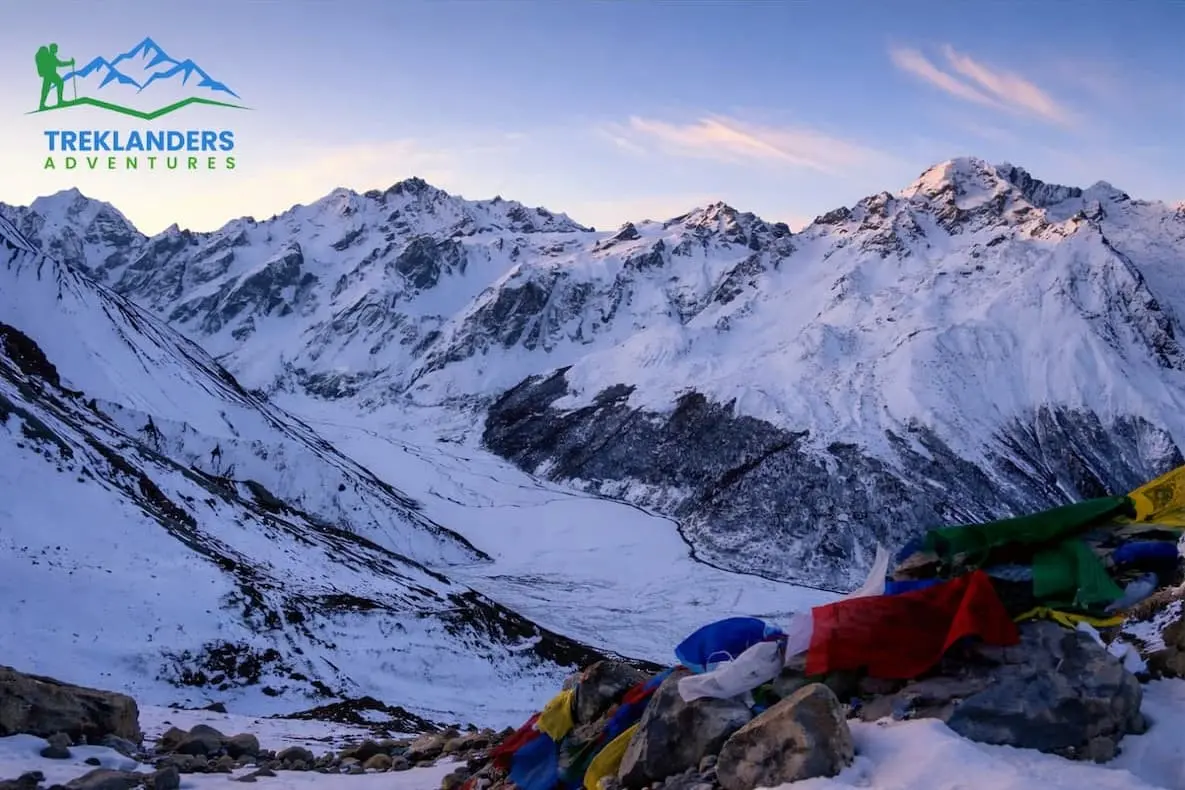
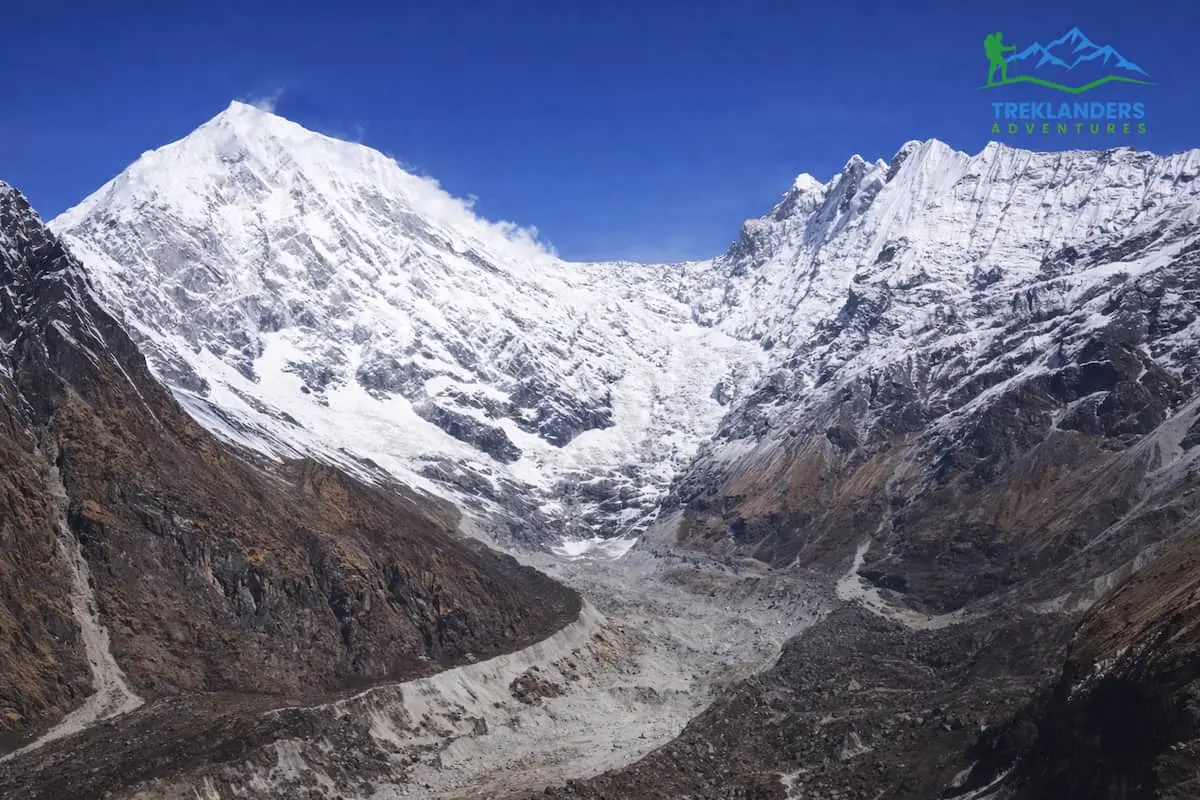
The 9 Days Langtang Valley Trek is undoubtedly one of the best short Himalayan trek experiences in Nepal, with a perfect balance of mountain views, local culture, and easy access from Kathmandu. Situated north of the capital near the Tibetan border, the trek leads you to the Langtang Valley, the region that has become famous for its spectacular landscapes, rivers fed by melting glaciers, and the traditional Tamang villages.
The trip starts with a lovely drive from Kathmandu to Syabrubesi. Afterward, you walk slowly and steadily through forests of rhododendron, oak, and bamboo inside Langtang National Park. As you go higher, the valley transforms into alpine meadows surrounded by snow, capped peaks, waterfalls, and hanging glaciers. The trail is popular but less crowded than Everest or Annapurna. This is great for those seeking quiet and authenticity in the Himalayas.
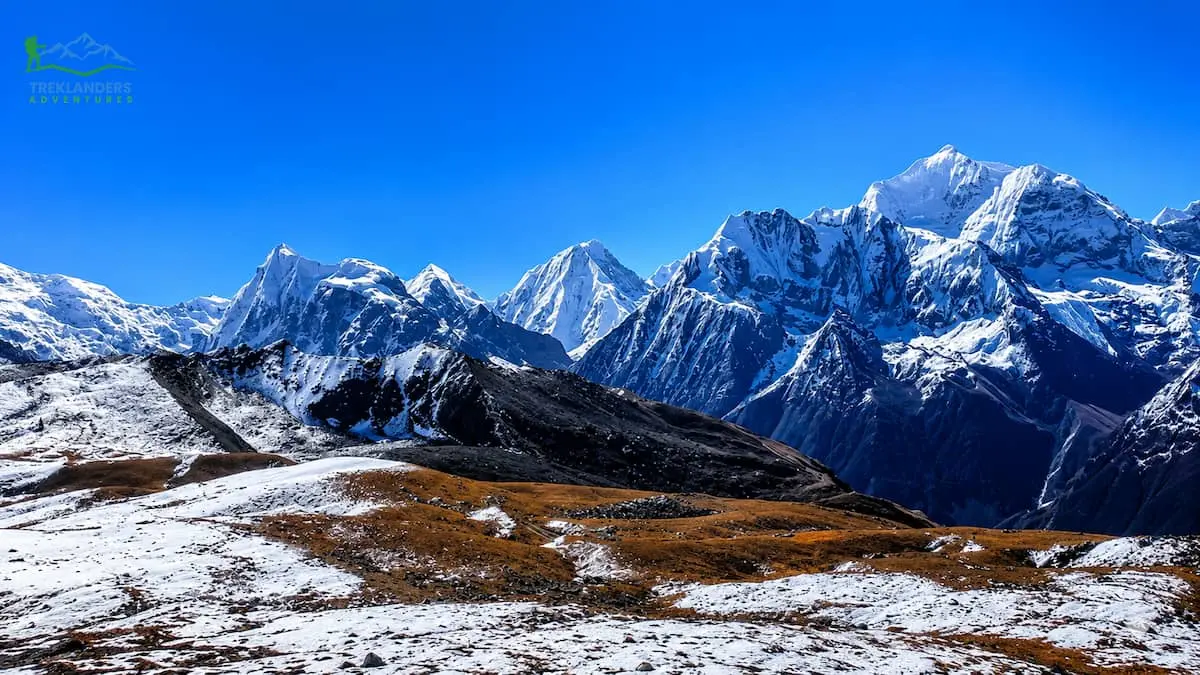
It is very satisfying to reach Kyanjin Gompa (3,870 m), the cultural and scenic core of the Langtang region. This is the trek's major highlight. Trekkers who want to see more can continue to Kyanjin Ri and Tserko Ri for incredible views of Langtang Lirung, Dorje Lakpa, and other Himalayan Ranges. These are acclimatization hikes that help your body adapt to higher altitudes safely.
On the cultural front, the trek is filled with interactions with the Tamang community, whose heritage, building style, and Buddhist rituals are deeply influenced by Tibet. Along the route, there are simple but comfortable teahouses to stay in, which serve hot meals and a friendly atmosphere after you, have walked all day.
This 9-day Langtang Valley Trek itinerary allows for proper acclimatization and keeps the daily distances at a manageable level. It is, therefore, appropriate for those who are new to the trek but physically fit, as well as for a seasoned trekker who wants to spend less time on a Himalayan adventure. With its moderate level of difficulty, breathtaking mountain views, and being only a few hours from Kathmandu, the Langtang Valley Trek is definitely one of the most affordable trekking packages in Nepal that offers great value for money.
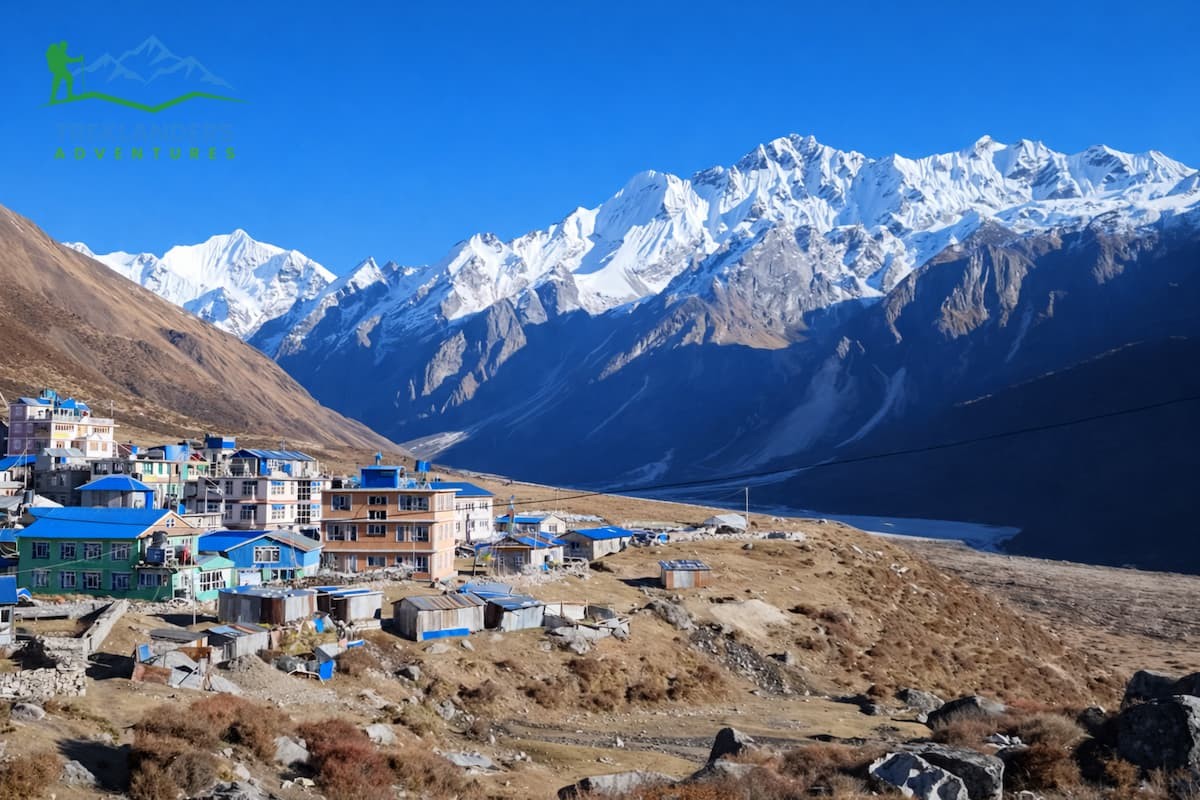
The Langtang Valley Trek is possible almost every month, but the two best times to visit are spring (March through May) and autumn (September through November) when the weather, visibility, and trail safety are all at their optimal levels.
Spring (March-May) is undoubtedly one of the most attractive seasons to trek in Langtang Valley. The weather is usually good with warm afternoons and fresh mornings. The forests are full of blooming rhododendrons, magnolias, and wildflowers, which make the trail not only a nice walk but also very beautiful. The views of Langtang Lirung and the surrounding mountains are very clear, and the teahouses are fully operational. This season is perfect for photographers and nature lovers.
Autumn (September-November) is considered the best trekking season overall. After the monsoon rains, the sky is very clear, which means you get excellent 360-degree views of the snow-clad mountains and glaciers. The temperature is just right for walking, and the trails are dry and safe. This season is strongly recommended for those who want to try trekking for the first time as there are almost no weather, related interruptions. The visibility is at its highest.
Winter (December-February) is also the time when trekkers can expect a lot of solitude. The trails are less crowded, and the views are stunning as the landscapes are covered in snow. That said, temperatures may fall drastically at night, and it snows sometimes on the higher elevation side of Kyanjin Gompa.
The Monsoon/Summer (June-August) is the period that is not advised for trekking due to heavy rains, slippery trails, leeches, and frequent clouds that hide the mountains. But still, the valley is very green and fresh, and if one is an experienced trekker and properly prepared, he/she can take this journey.
All trekkers in the Langtang region are required to have specific permits issued by the government. These permits are obligatory and checked at multiple points along the trail. The permits serve to control trekking activities, guarantee the safety of visitors, and aid in the protection of the environment and the support of the local communities in the area.
The very first permit to get is the Langtang National Park Entry Permit since the whole trekking route is in Langtang National Park. The permit allows the holder to visit protected forest areas, wildlife habitats, and alpine regions. The money collected from the permit goes directly to conservation, trail maintenance, and environmental protection activities in the park. Usually, the permit is given in Kathmandu or at the official gates of entry before starting the trek.
Moreover, trekkers are required to have a TIMS (Trekkers Information Management System) Card besides the national park permit. The aim of the TIMS card is to identify the details of trekkers and the routes taken. This is crucial for safety, monitoring, and rescue coordination in case of emergencies. The local authorities, therefore, will know exactly where the trekkers are and in what numbers, which is important for safety and sustainable tourism in the Langtang region.
Both permits should be kept with the trekkers at all times as they are verified at the checkpoints during the trek, especially near Syabrubesi and within the national park boundaries. If you get caught without valid permits while trekking, you may be fined or refused entry.
If you are trekking with a registered trekking company such as Treklanders Adventures, the permit process is usually handled on your behalf, saving time and ensuring compliance with current regulations. It is strongly recommended to arrange permits in advance to avoid delays and to ensure a smooth and hassle-free trekking experience in Langtang Valley.
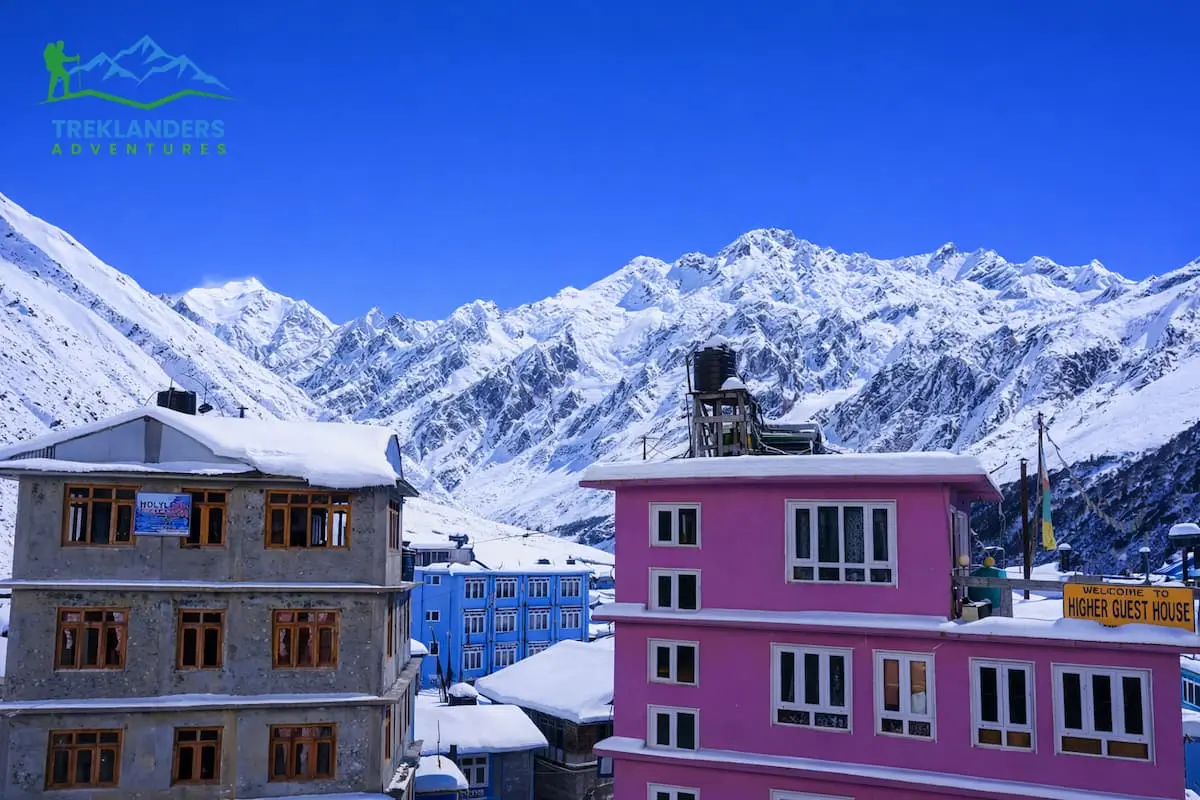
Most of the trek accommodation on the Langtang Valley Trek is in teahouses or local guesthouses, thus giving a more comfortable and real Himalayan trekking experience. Unlike most trekking areas in luxury, Langtang only has very simple, as well as friendly, local family-run lodges, where trekkers not only enjoy the warmth of hospitality but also contribute directly to the economy of the region.
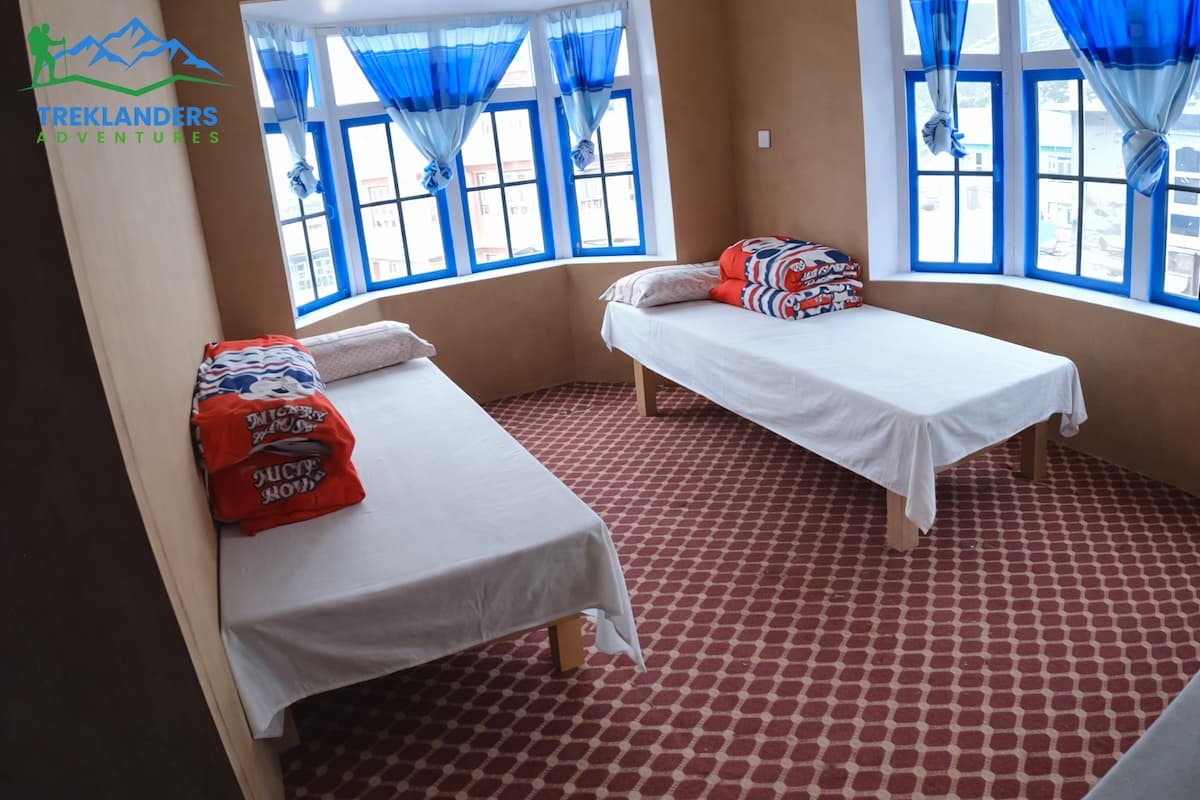
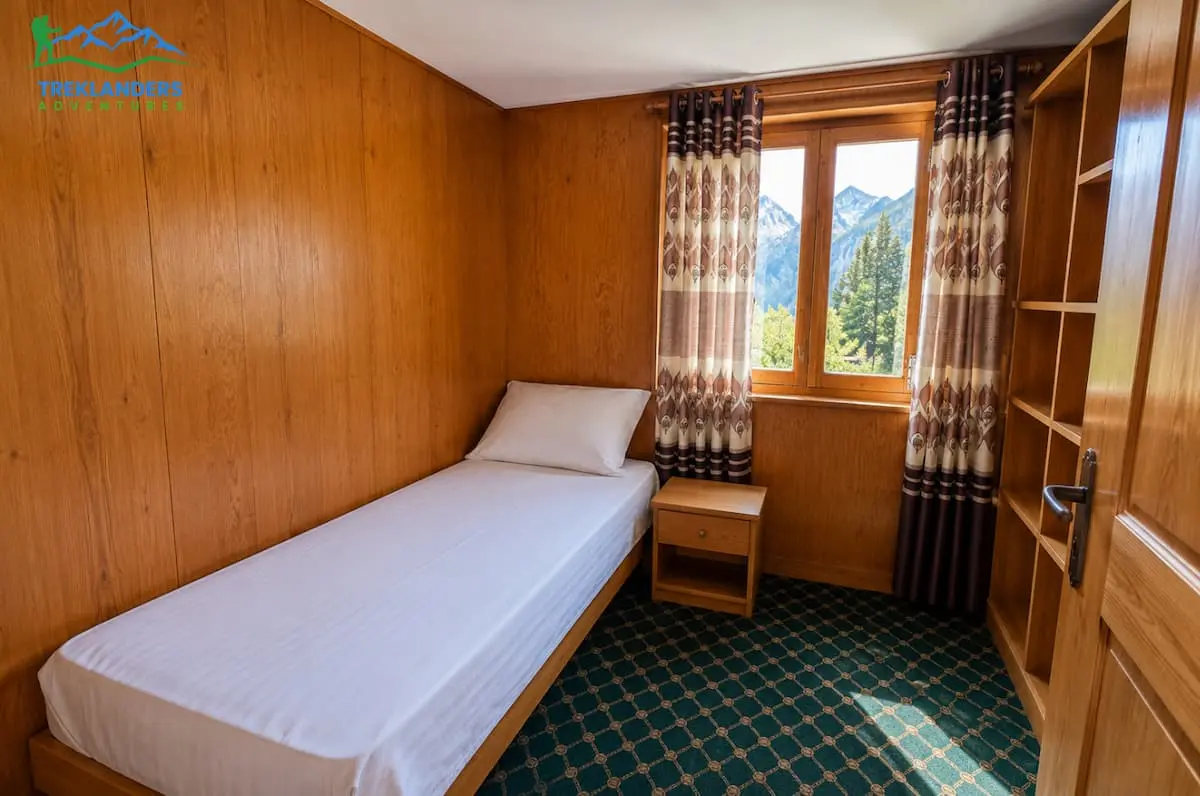
Teahouses in the lower parts of the trek, like Syabrubesi and Lama Hotel, have relatively mature facilities. They offer mostly twin-sharing rooms with wooden beds, and mattress, and blankets. Some lodges here may also provide attached bathrooms, hot showers, and a tiny bit of Wi-Fi; though much of the time, the service avails itself to unreliability because of altitude and power supply. The dining areas are quite spacious and most times heated in the evening by a central stove, creating a cocooned environment for relaxation after trekking.
The further up the trail goes towards Langtang Village and Kyanjin Gompa, the accommodation becomes more sub-par but remains adequate for a comfortable night's sleep. Rooms will be much simpler, with perhaps shared bathrooms and not much heating in sleeping areas. For extra warmth, trekkers are usually given extra blankets, but it is advisable that they carry a sleeping bag to keep warm, especially during colder seasons. Most solar-powered installations offer electricity at the campsite, and there's often a little charge for charging electronic devices.
Almost all teahouses have a common dining hall where meals are served. This is where the social wind-up after a long day trekking occurs, where trekkers congregate to share experiences and the warmth of the stove. The lodges also generally have a system by which trekkers are expected to consume meals at the same teahouse where they stay. This practice is aimed at ensuring the continued functioning of the lodges in these more remote areas.
Accommodation at the higher altitudes may be somewhat limited during the peak season trekking months, requiring advance planning. Trek with an experienced local operator to ensure both a reliable lodge reservation and appropriate room arrangements even in peak seasons.
Accommodation along the Langtang Valley Trek is generally clean, safe, and suitable for trekking. Facilities are basic, but the friendly service, mountain ambiance, and close relationship with local communities amply compensate for the simplicity. The teahouse system makes Langtang trekking accessible, sustainable, and culturally enriching for people traveling from all over the world.
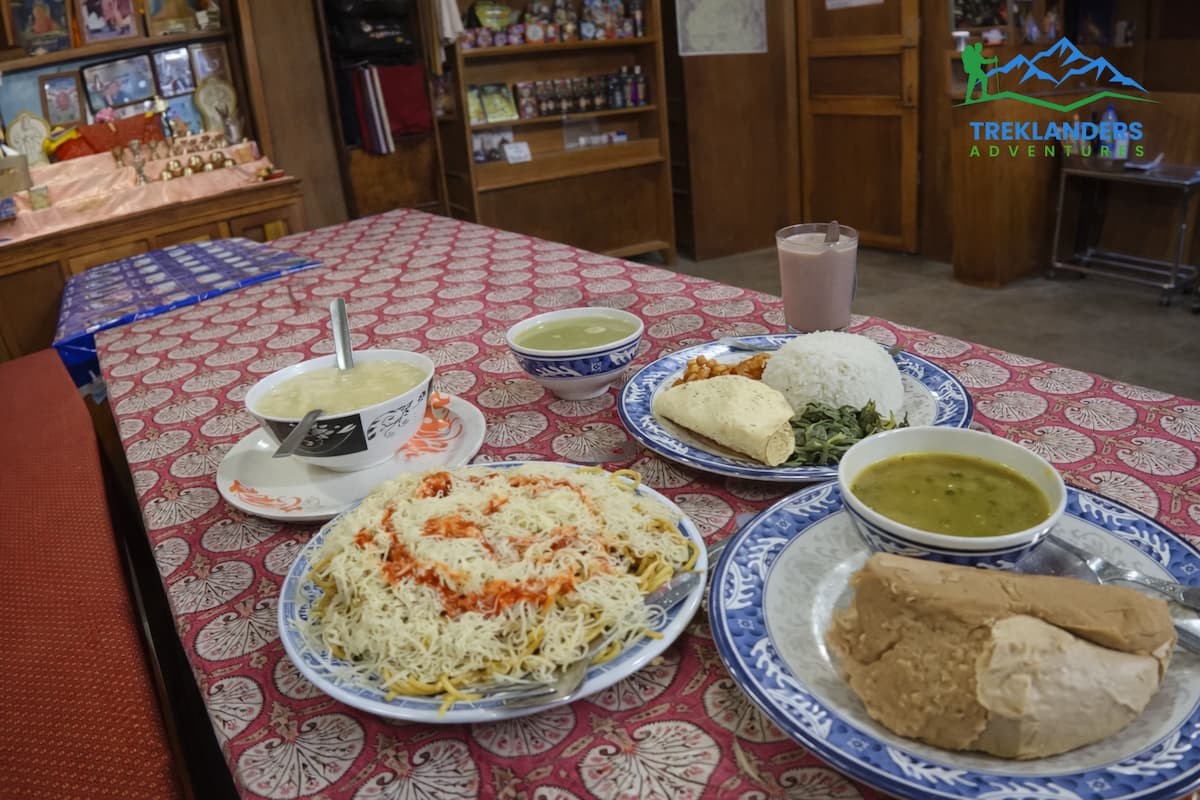
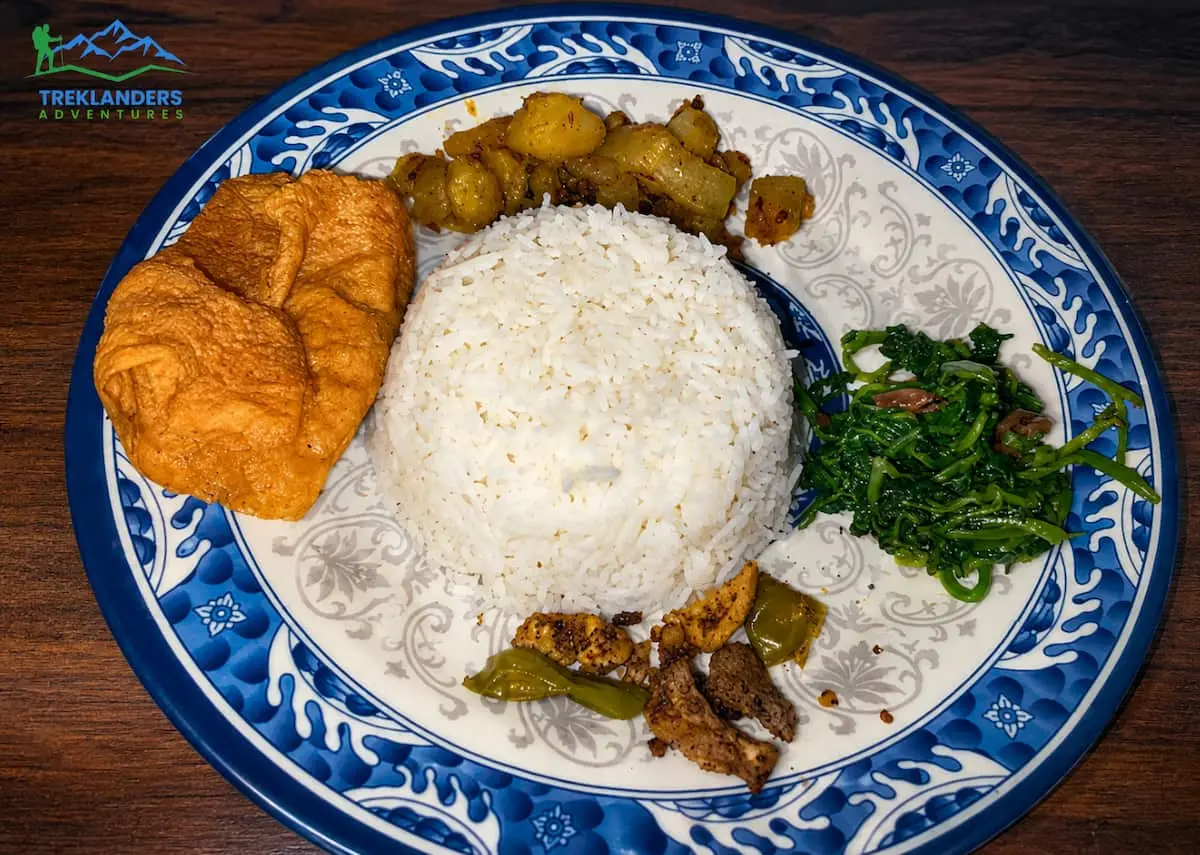
On the Langtang Valley Trek, food is mainly provided at teahouses and local lodges along the trail, which offer simple, nourishing, and energy-rich meals suitable for trekking at altitude. The menus are quite consistent throughout the route, with slight changes depending on altitude and the availability of supplies. The most common and recommended meal is dal bhat, a traditional Nepali dish made of rice, lentil soup, seasonal vegetables, and pickle. It is a favorite of trekkers because it is filling, nutritious, and often comes with free refills.
Besides local meals, teahouses serve a variety of simple Western and Tibetan, inspired dishes such as noodles, pasta, fried rice, momos, soups, pancakes, porridge, eggs, and potatoes cooked in different styles. Breakfast can be expected to consist of Tibetan bread, chapati, toast, eggs, porridge, and hot drinks like tea, coffee, or ginger lemon honey. As altitude goes up, food choices become more limited, but meals are still warm and freshly prepared.
Drinking water is available almost everywhere on the Langtang trail, but it must be properly treated. Bottled water can be bought at teahouses; however, prices go up with altitude, and the use of plastic bottles is discouraged because of environmental concerns. A more environmentally friendly and cheaper way is to have a reusable water bottle and treat water with purification tablets, drops, or a portable water filter. Boiled water is also available at lodges for a small charge and is considered safe for drinking once it has cooled.
It is very important to keep your body well hydrated at high altitudes, as dehydration can significantly raise the chances of getting altitude-related illnesses. The general advice for trekkers is to consume no less than three to four liters of water daily. In addition, herbal teas, garlic soup, and hot lemon drinks are often suggested by the local guides to assist the body in acclimatization and digestion.
On the whole, food and drinking water on the Langtang Valley Trek are quite sufficient, safe, and appropriate for the requirements of the trekkers, if they adhere to basic hygiene practices and water treatment.
Health and safety are crucial aspects that need to be considered on the Langtang Valley Trek. The itinerary includes a sustained walk at a moderate to high altitude level in an isolated environment of the mountains. However, when properly equipped, paced, and commanded, the trek is not risky and constitutes an excellent experience for most individuals with reasonable fitness.
Altitude, related illnesses are the main health problems in the Langtang region. Even if the highest altitude reached overnight is lower than that of the Everest or Annapurna regions, the trekkers still have to climb above 3,800 meters at Kyanjin Gompa. Preventive measures should include gradual ascent, sufficient hydration, and rest at regular intervals, and refraining from drinking alcohol. Symptoms such as headaches, nausea, dizziness, and lack of appetite should not be taken lightly, and if these symptoms worsen, the most effective remedy is immediate descent.
To be in good physical shape before the trek goes a long way in risk reduction. The walks during the day last from five to six hours, and quite often the terrain is uneven with both ascents and descents. The use of trekking poles, wearing suitable shoes, and dressing in layers of clothes are good ways of preventing overexertion, falling, and cold-related discomfort. The weather can change in a short space of time; thus, protection against cold, wind, sun, and rain should always be at hand during the trek.
There is hardly any provision for medical emergencies in the Langtang region. Each member of the trekking party should therefore be in possession of a personal first aid kit containing medicines for headaches, stomach problems, colds, blisters, as well as any other personal prescriptions. Insurance to cover high-altitude trekking and the cost of a helicopter emergency evacuation is the best option.
Hygienic food and safe drinking water are essential to good health. Water of any kind that is not treated, boiled, or purified should not be consumed, and to reduce the risk of stomach illness, meals should be eaten at established teahouses.
The safety of the trek is also being enhanced by knowledge of the route, weather, and condition of the trekkers, which is being done through the local guide's monitoring. Langtang Valley is a well-known trekking area with a variety of beautiful trails and magnificent natural scenery.
To conserve the natural beauty and environment of Langtang as well as the safety of the trekkers, follow the local guides' advice, abide by all rules, respect Lamas' and locals' blood path, campsites, and teahouses, and enjoy a safe, fun, and memorable Langtang Valley trekking experience.
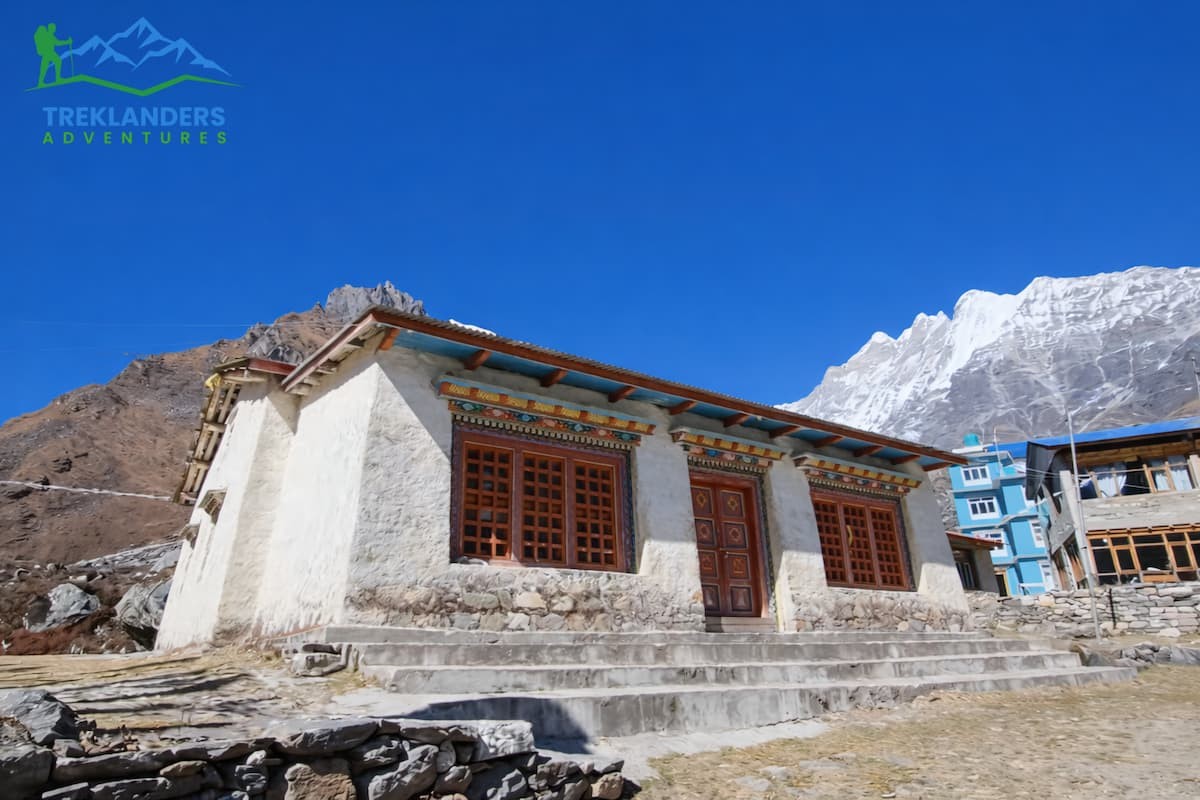
The Langtang Valley is famous not only for its mountains but also for its religious and cultural heritage, which has been influenced by the Himalayan traditions and Tibet for centuries. The area is mainly occupied by the Tamang community, one of the oldest ethnic groups of Nepal, whose way of life, language, and customs are highly influenced by Tibet.
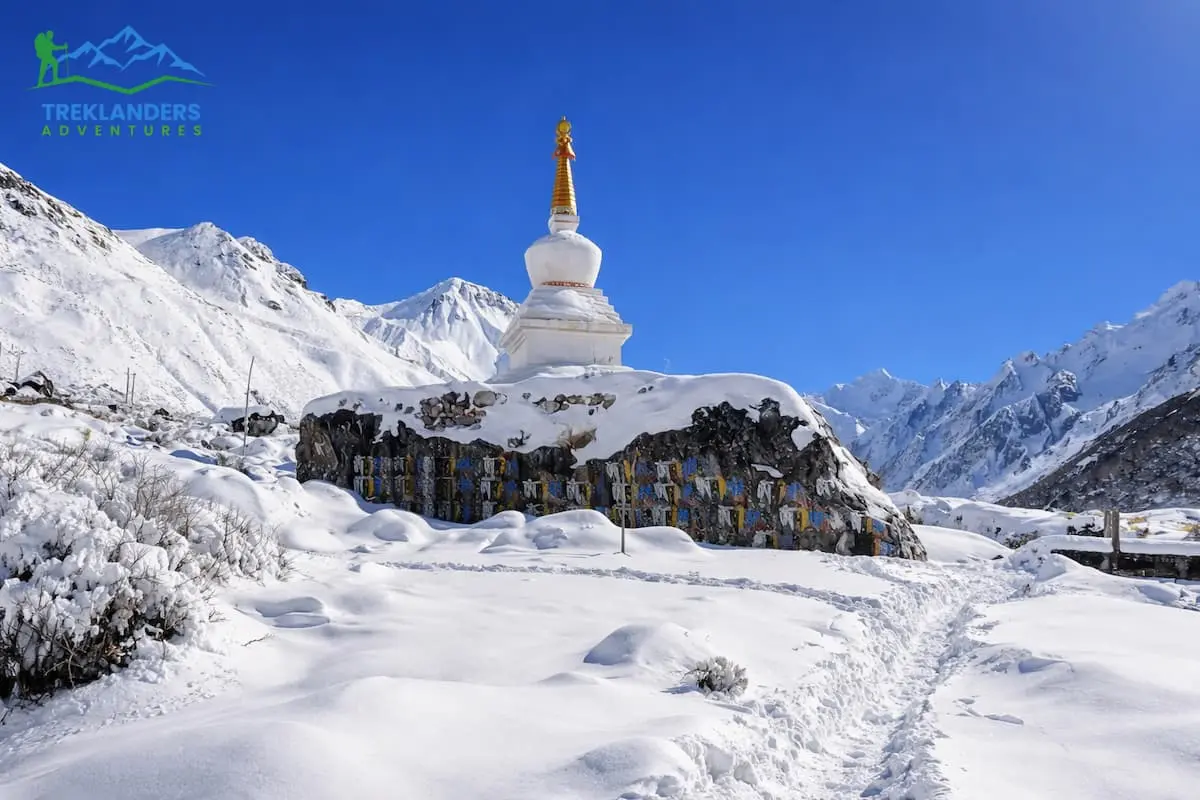
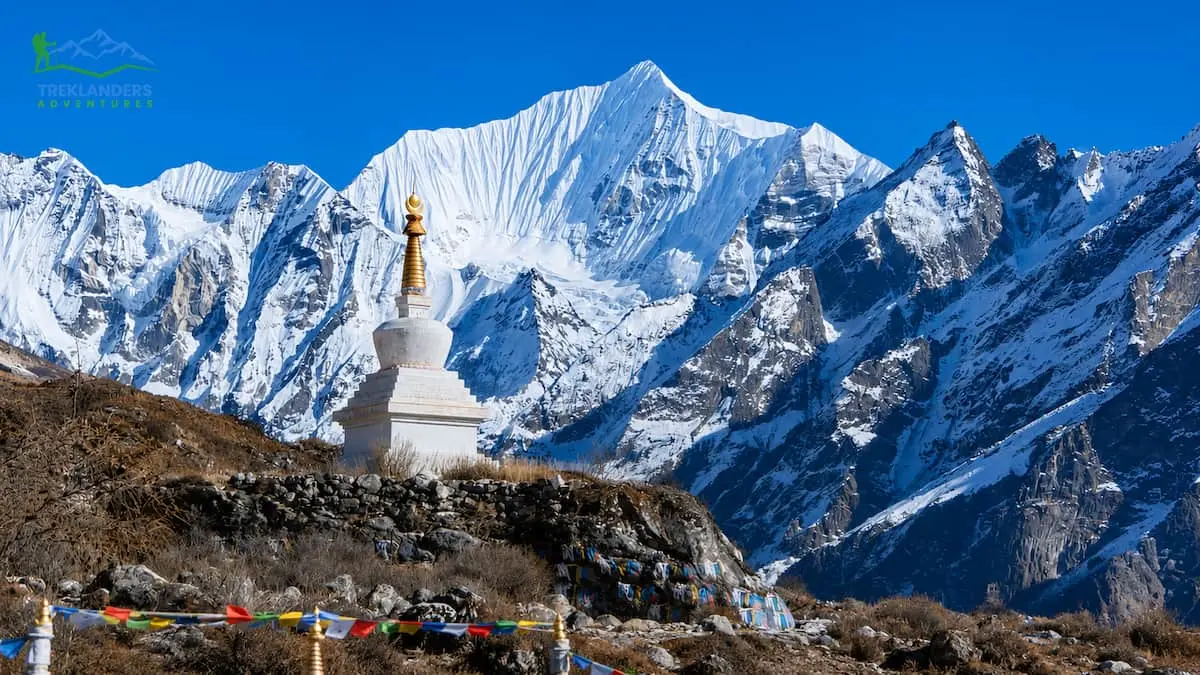
Buddhism is the main religion that influences the lives of the people in the Langtang Valley. During the trekking, one can see prayer flags on the wind, man walls on which the sacred mantras are written, chortens, and small monasteries that indicate the places of the spiritual journey. These religious signs are not only decorations but also expressions of the believers' faith and a memory of the balance between humans and nature. The turn of the ball around religious buildings is an outstanding cultural practice local people perform, and trekkers take part in, too.
Arguably, Kyanjin Gompa, the ancient monastery that is the religious center of the valley, is one of the very few spiritual landmarks in the area. It is a place of worship, meditation, and community gatherings during Buddhist festivals, especially. Here, rituals, prayers, and seasonal ceremonies are conducted by the monks and villagers.
The Tamang people are culturally hospitable and are characterized by their traditional stone houses, bright costumes, and rich oral traditions. They practice agriculture and yak herding, but tourism has become a major source of their income lately. The local festivals, which are mostly based on the Tibetan Buddhist calendar, are celebrated with music, dancing, and communal feasts.
Despite the challenges posed by the 2015 earthquake, Langtang communities have preserved their cultural identity with resilience and pride. Trekking through the valley offers visitors not only a scenic journey but also a meaningful cultural exchange rooted in respect, spirituality, and tradition.
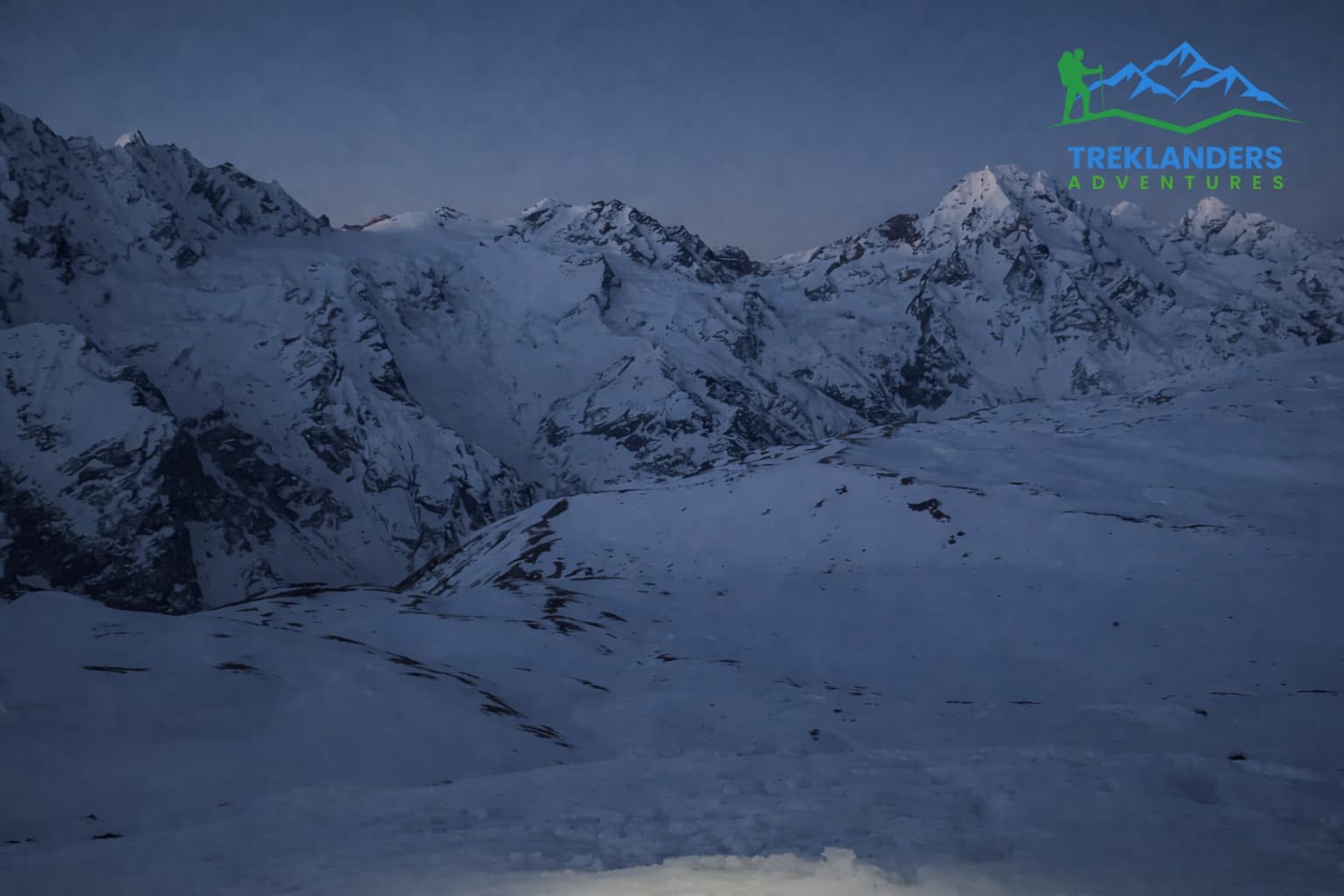
The Langtang Valley Trek offers a rich combination of natural beauty, cultural heritage, and accessible Himalayan adventure. One of the main attractions is Langtang Valley itself, a dramatic glacial valley surrounded by towering snow-capped peaks, alpine meadows, and cascading waterfalls. The close proximity of the region to Kathmandu makes it one of the most scenic trekking areas reachable by road.
A key highlight of the trek is Langtang National Park, Nepal’s first Himalayan national park. The park is home to diverse flora and fauna, including rhododendron forests, pine woodlands, and rare wildlife such as red pandas, Himalayan black bears, and Langur monkeys. The changing landscapes along the trail make every day visually rewarding.
Kyanjin Gompa is another major attraction and the spiritual heart of the region. Set against a dramatic mountain backdrop, the monastery and surrounding village offer insight into local Buddhist practices and traditional mountain life. Nearby viewpoints such as Kyanjin Ri and Tserko Ri provide some of the best panoramic views in the Langtang region.
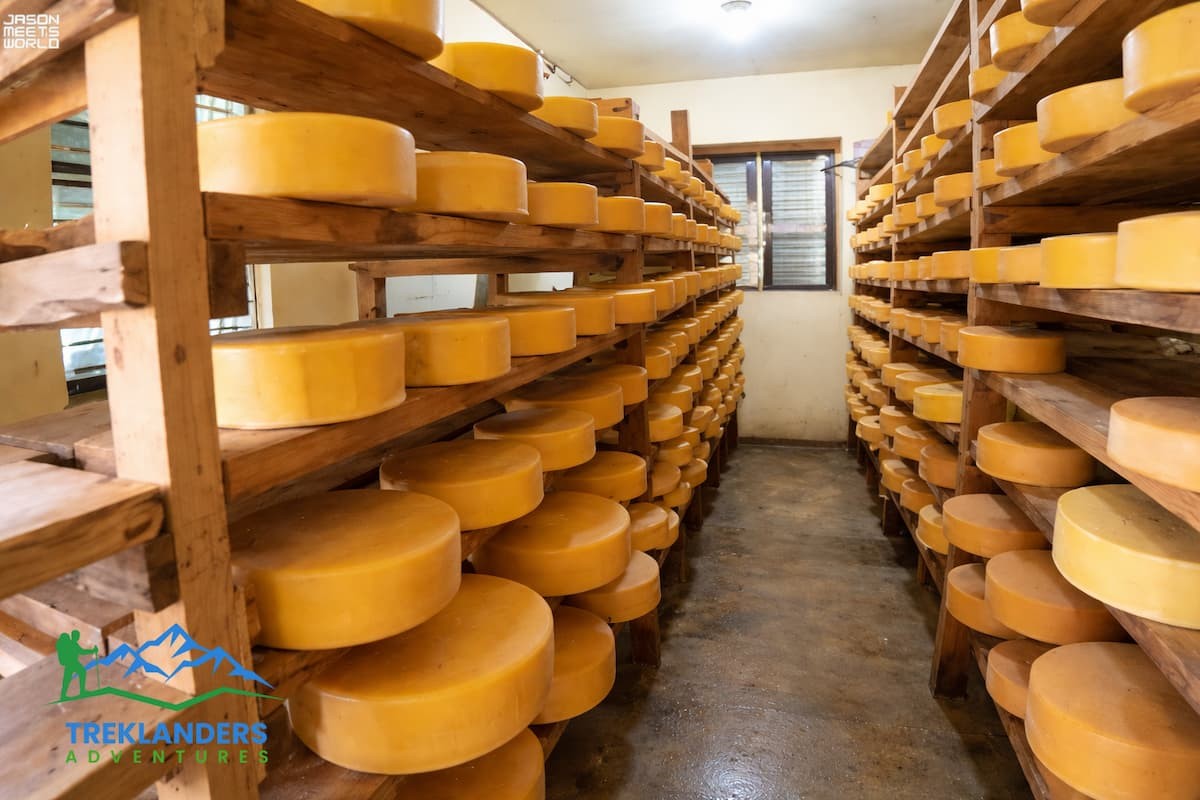
Hidden among the majestic Langtang Himalayas, the local cheese factory is turning fresh yak and cow milk into rich, flavorful cheese using traditional techniques. The factory not only supplies fresh cheese to local residents and trekkers but also regularly utilizes the whole area. It is like a wheel with the local community at the center. The village economy is revitalized as the local people are educated and employed in different areas of the production and marketing of farm products. The dairy industry becomes the thread that weaves the village economy together as the influx of dairy products and related services increases in the valley. The traditional style of cheesemaking in the valley is passed down from one generation to the next as farmers, and the village youth become stewards of the ancient techniques. Trekking to the Langtang Valley, you can taste the real mountain, made cheese.
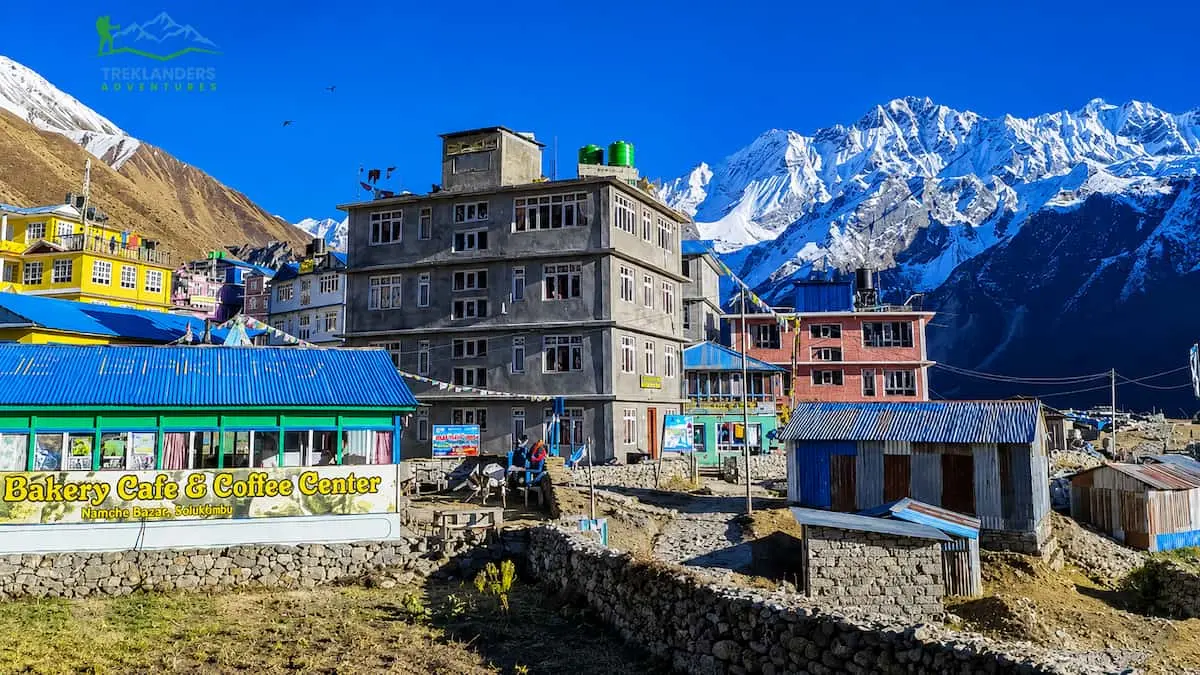
The traditional villages of Langtang and Mundu are cultural highlights, showcasing Tamang heritage, stone-built houses, prayer wheels, and warm local hospitality. These settlements reflect the resilience of the local communities following the 2015 earthquake.
Finally, the peaceful trekking trails themselves are a major attraction. Compared to Everest and Annapurna, Langtang is less crowded, offering a quieter and more authentic Himalayan experience with close-up mountain scenery, rich culture, and rewarding viewpoints throughout the journey.
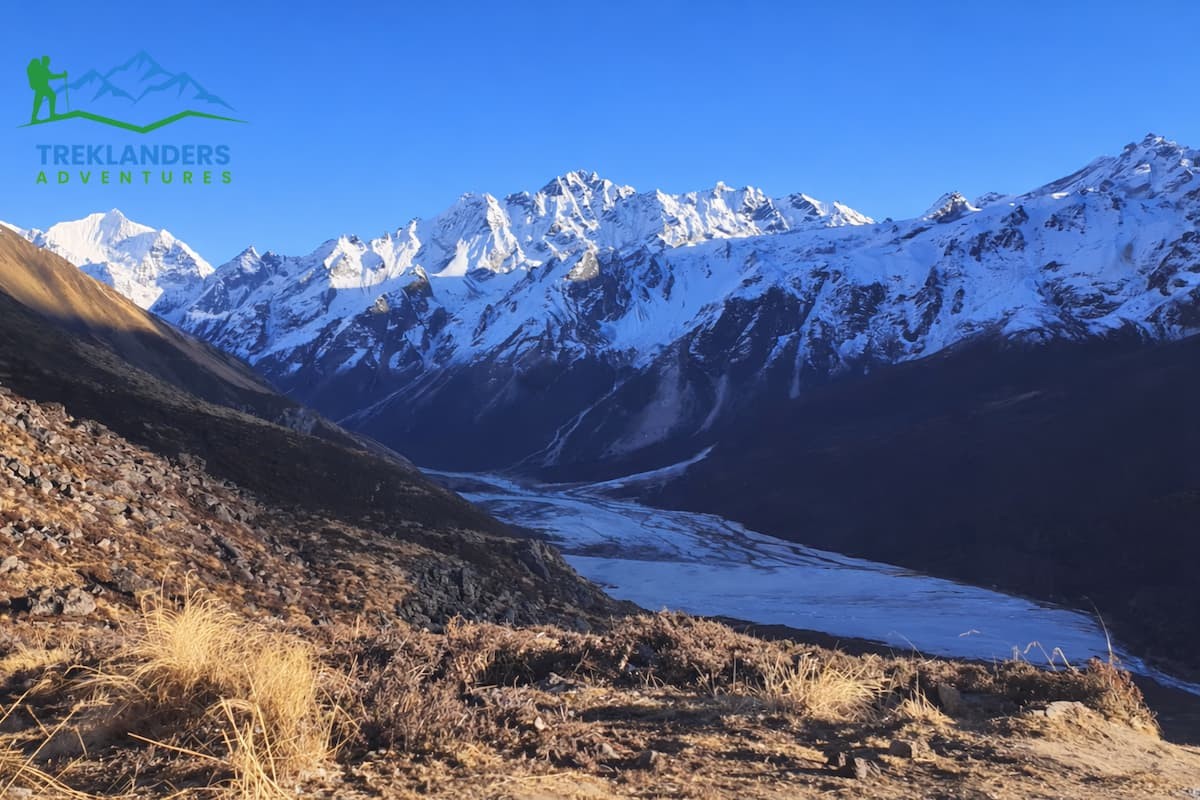
The Langtang Valley Trek is a perfect option for travelers who want to have a real Himalayan experience. It is close to the capital, so you can go there by car and see glaciers and the high mountains. You can also see the different aspects of nature and the culture of the mountain people. The interaction with the culture is very real, and it is a nice way to get to know the mountain life, which has not been affected much by modern times.
Moreover, the route is of moderate difficulty, and thus it is a good choice for beginners with some fitness level as well as for the experienced trekkers who want a short and yet rewarding adventure. The plan is properly timed, with a slow ascent and comfortable teahouse accommodation, so that the risk of altitude sickness is low and yet the trekkers get a real trekking experience.
The Langtang region is also a nice place to go, with its peaceful and uncrowded routes. In comparison with Everest and Annapurna, Langtang is quiet, and thus the trekkers can spend their time in nature, taking photos, and thinking. The views from Kyanjin Gompa and other viewpoints offer the closest panoramas of the snow, covered peaks and glaciers that are as good as the ones from Nepal's most popular treks.
Finally, choosing the Langtang Valley Trek directly supports local communities that are rebuilding and sustaining their livelihoods through responsible tourism. For travelers seeking scenic beauty, cultural depth, accessibility, and value, this trek is a smart and meaningful choice.
Trip Summary
Mode of Trek: Best available teahouses / lodges
Trekking Grade: Moderate, Suitable for trekkers with reasonable fitness;
includes daily walks of 5–6 hours with gradual altitude gain.
Trekking Region: Langtang Valley, Langtang National Park
Highest Elevation: Kyanjin Gompa – 3,870 m, Kyanjin RI – approx. 4,773 m,
Optional hikes: Tserko RI – approx. 5,033 m
Trek Duration: 6 Nights and 7 Days trekking
Total Trip Duration: 8 Nights and 9 Days
(From arrival in Kathmandu to final departure)
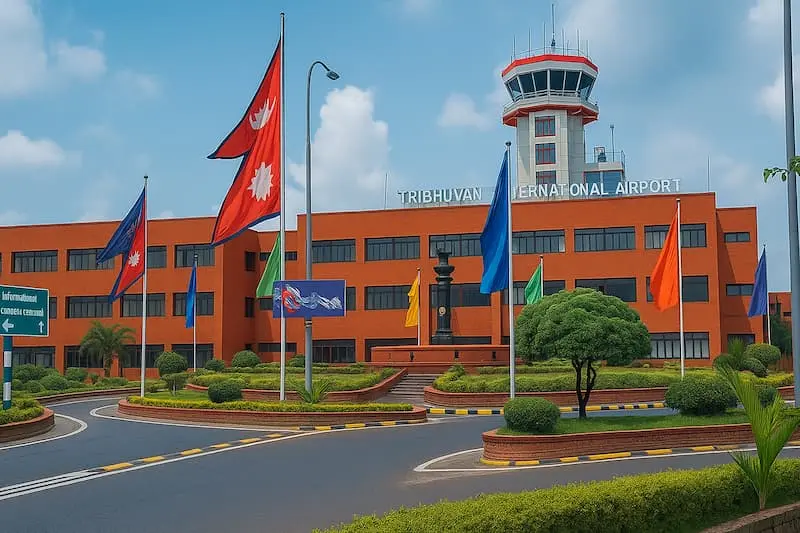


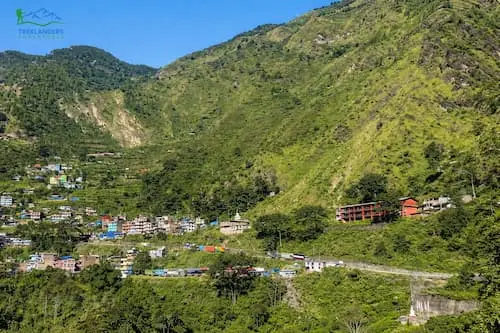
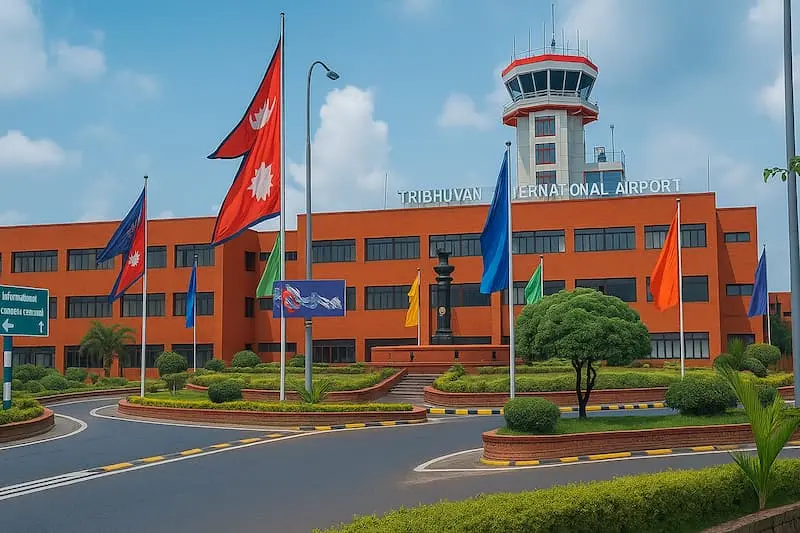
Head out of Kathmandu in the morning and make your way north. The route is full of curves, following rivers, going past terraced farming on the hills, and small villages. The trek will tease you with your first glimpse of the Himalayan foothills. The drive goes through Dhunche, which is the administrative center of Rasuwa District. Take a steep ride down to Syabrubesi, a small town that is the main gateway to Langtang Valley. Stay the night in Syabrubesi.

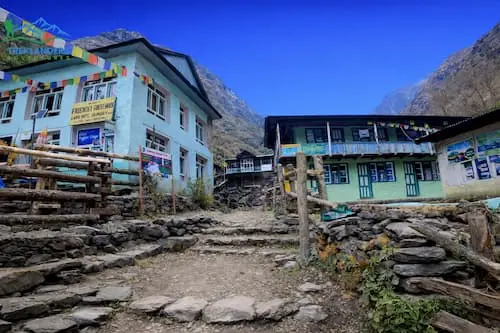
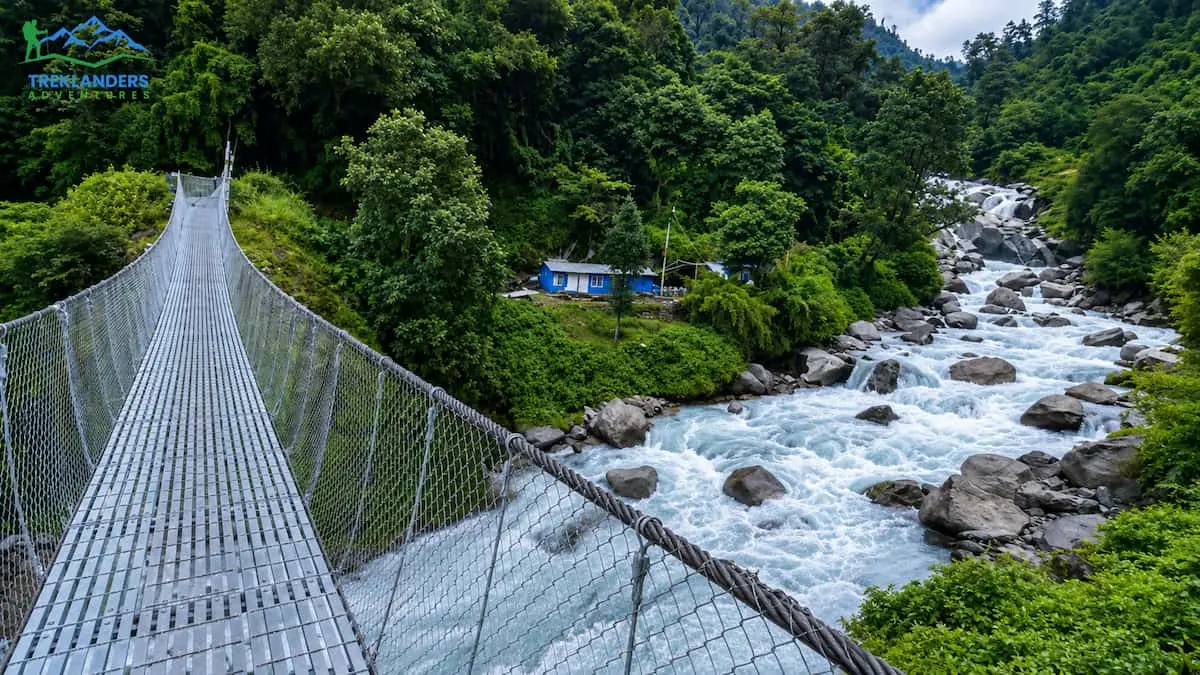
Walk along the Langtang River and cross suspension bridges while passing the small settlements. The trail slowly goes up through the bamboo, oak, and rhododendron forests, where you can also see animals like Langur and red pandas. The gradual ascent serves as a natural acclimatization. Stay at Lama Hotel.
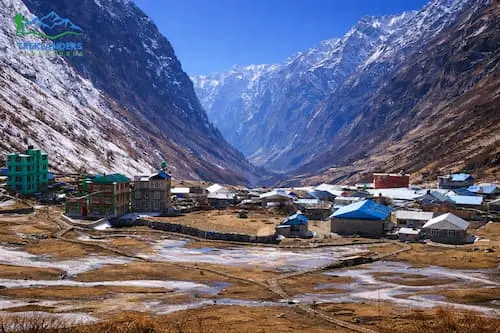
Keep hiking as the woods become less dense, and the valley reveals vast alpine landscapes. Take in sights of prayer wheels, mani walls, and snow, covered peaks. Get to Langtang Village or Mundu, old Tamang villages that have been reconstructed after the 2015 earthquake. Immerse yourself in the local lifestyle and the mountain warmth. Rest at a teahouse.
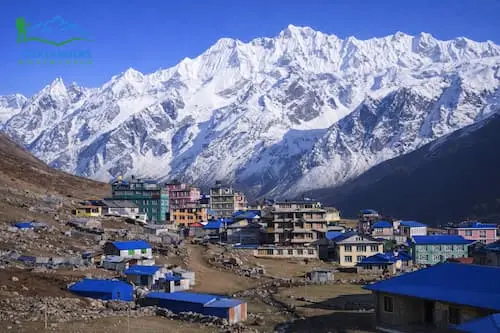
A shorter and scenic walk leads to Kyanjin Gompa, the spiritual and cultural center of the Langtang region. The trail passes yak pastures and glacial streams with dramatic mountain views. In the afternoon, explore the monastery, local cheese factory, and surrounding areas. Overnight in Kyanjin Gompa.
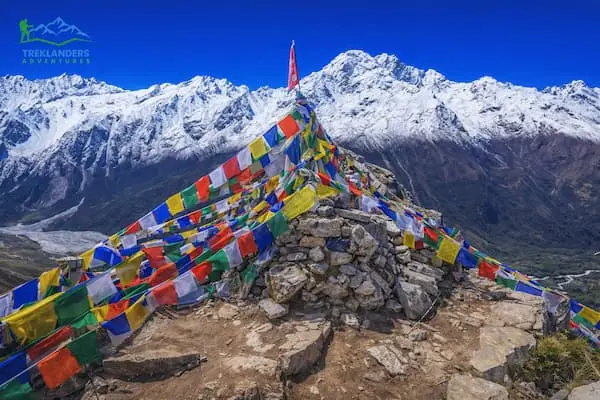
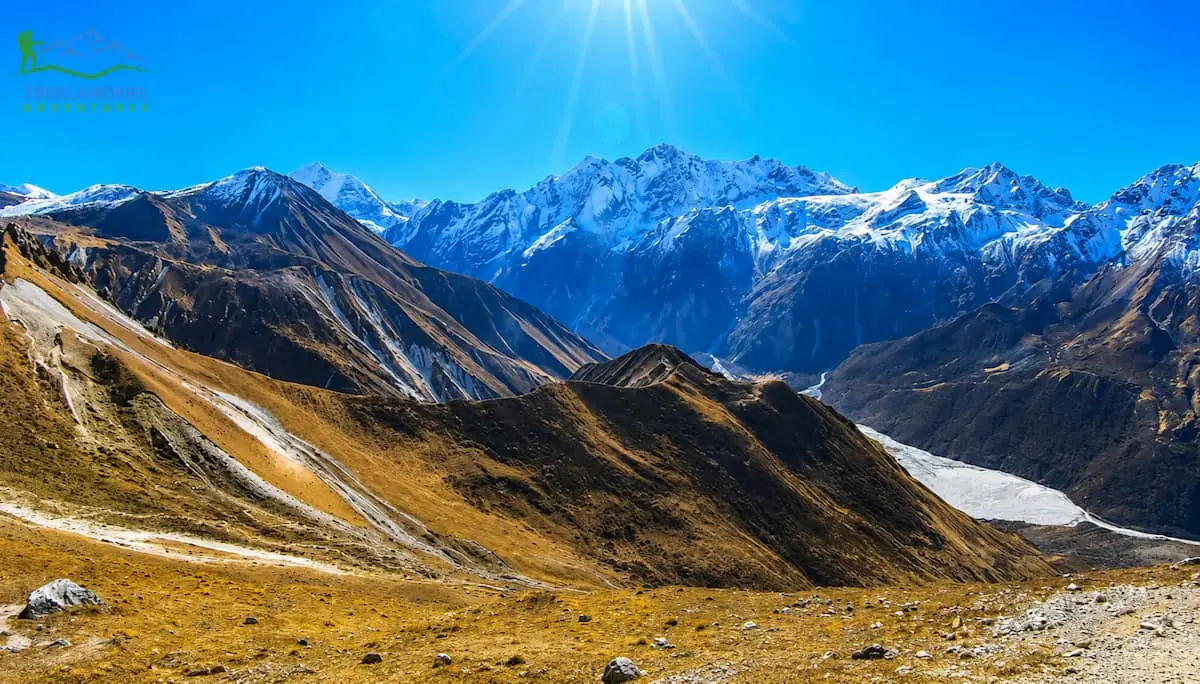
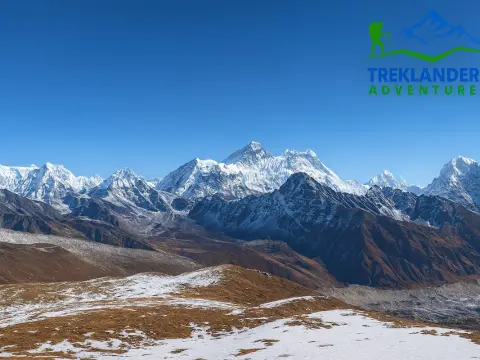
The day begins early in the morning from Kyanjin Gompa (3,870 m / 12,697 ft) with a gradual but steady ascent to Kyanjin Ri (approximately 4,773 m / 15,659 ft). The hike follows a well-defined trail, climbing above the village and offering continuously expanding views of the Langtang Valley. As you gain altitude, the landscape opens to spectacular panoramas of Langtang Lirung, Yala Peak, Dorje Lakpa, and surrounding glaciers. The ascent takes around 2–2.5 hours, with short breaks for acclimatization and photography, while the descent back to Kyanjin Gompa requires about 1–1.5 hours, making the total hiking time approximately 3–4 hours round trip.
After returning to Kyanjin Gompa, you will have breakfast and a short rest before preparing for the long descent. The trek then continues downhill from Kyanjin Gompa to Lama Hotel (2,455 m / 8,054 ft). This section of the trail passes through yak pastures, alpine terrain, and dense rhododendron and pine forests, retracing the route through Langtang Village and Ghodatabela. The descent is easier on the lungs but can be demanding on the knees, and it typically takes 6–7 hours, depending on walking pace and rest stops.
Descend gradually through familiar trails, enjoying changing landscapes as alpine terrain transitions back into forest. The downhill trek is easier on breathing and offers relaxed walking with ample time for photography and rest stops.
By late afternoon or early evening, you will arrive at Lama Hotel, where you can relax, enjoy a warm meal, and rest after a rewarding day that combines one of the best viewpoints in the Langtang region with a significant descent in altitude.
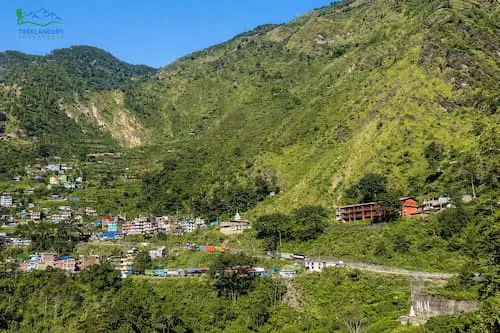
Continue descending along the Langtang River, crossing bridges and passing small villages. The trail offers a final immersion into the region’s natural beauty before reaching Syabrubesi. Celebrate the completion of the trek. Overnight in Syabrubesi.
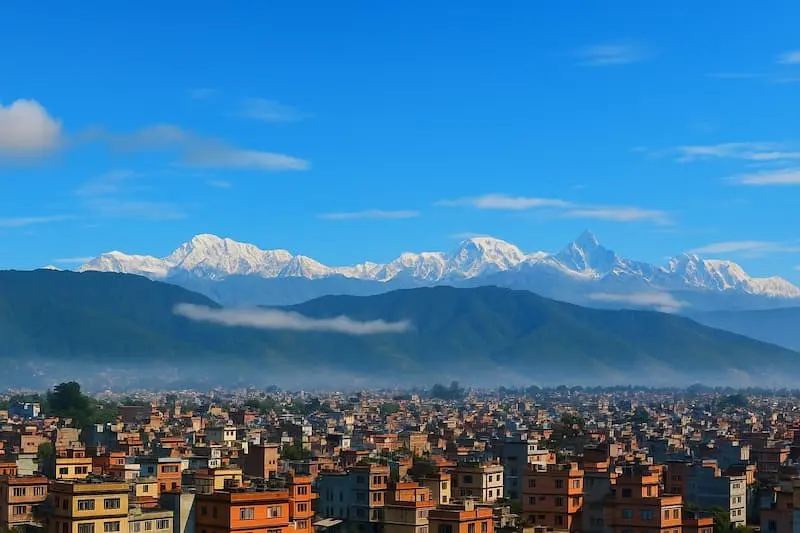
After breakfast, drive back to Kathmandu along scenic mountain roads. Upon arrival, enjoy free time for shopping, sightseeing, or relaxation. A farewell dinner can be arranged on request. Overnight in Kathmandu.
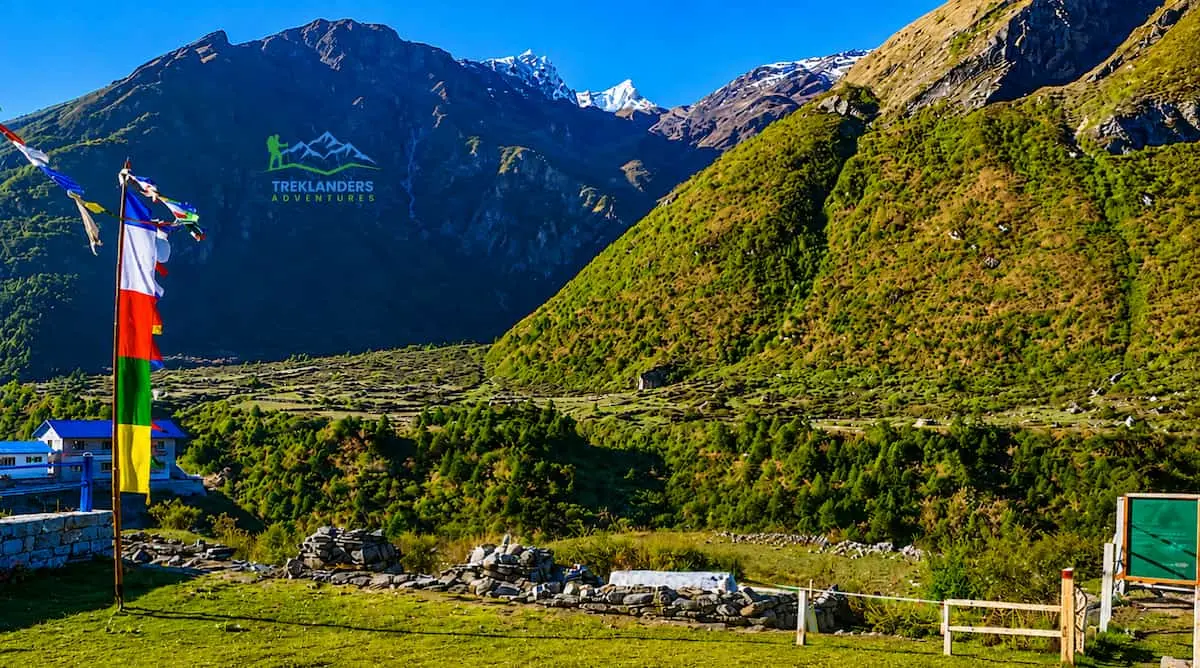
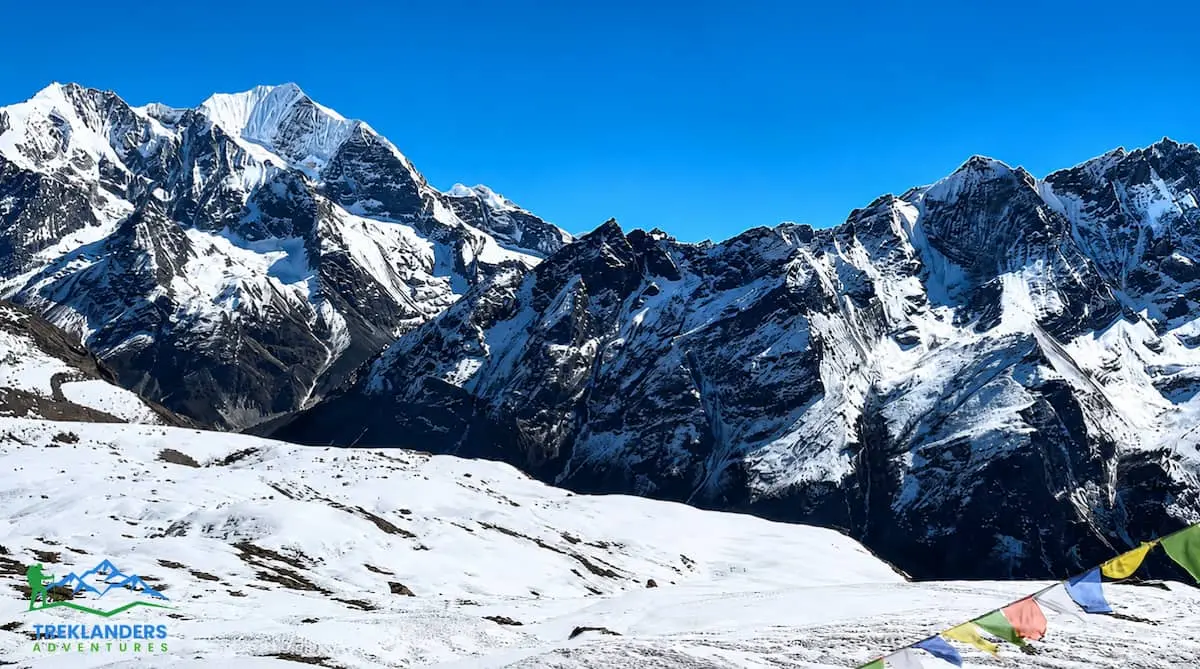
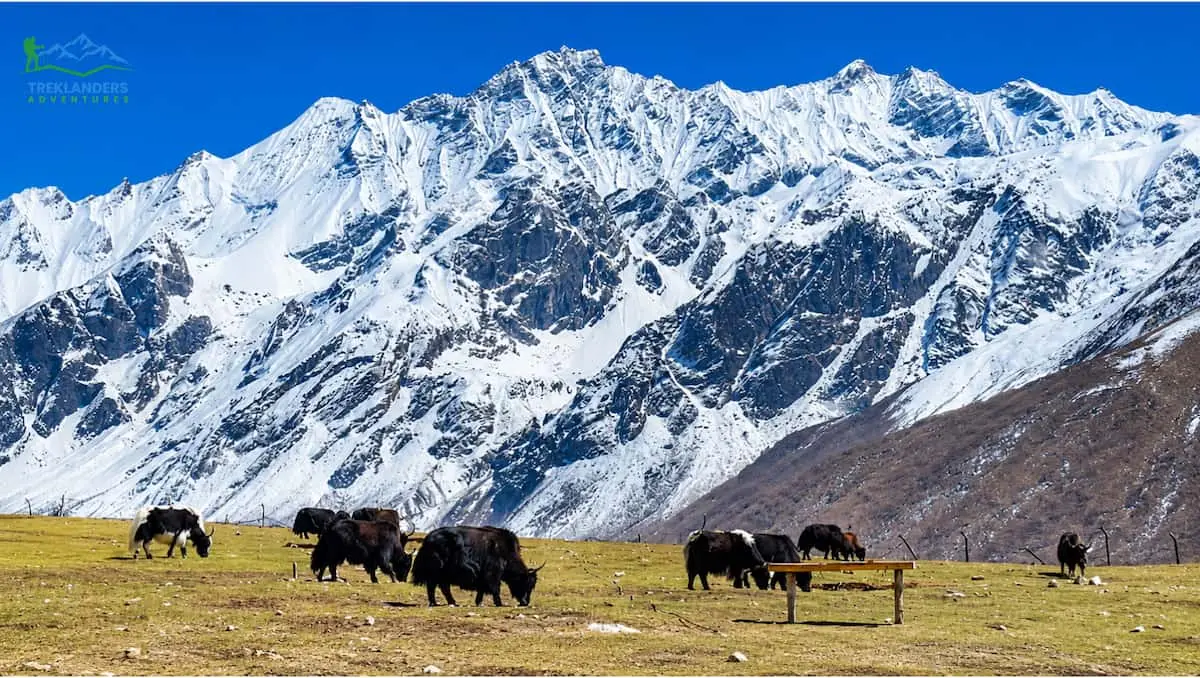
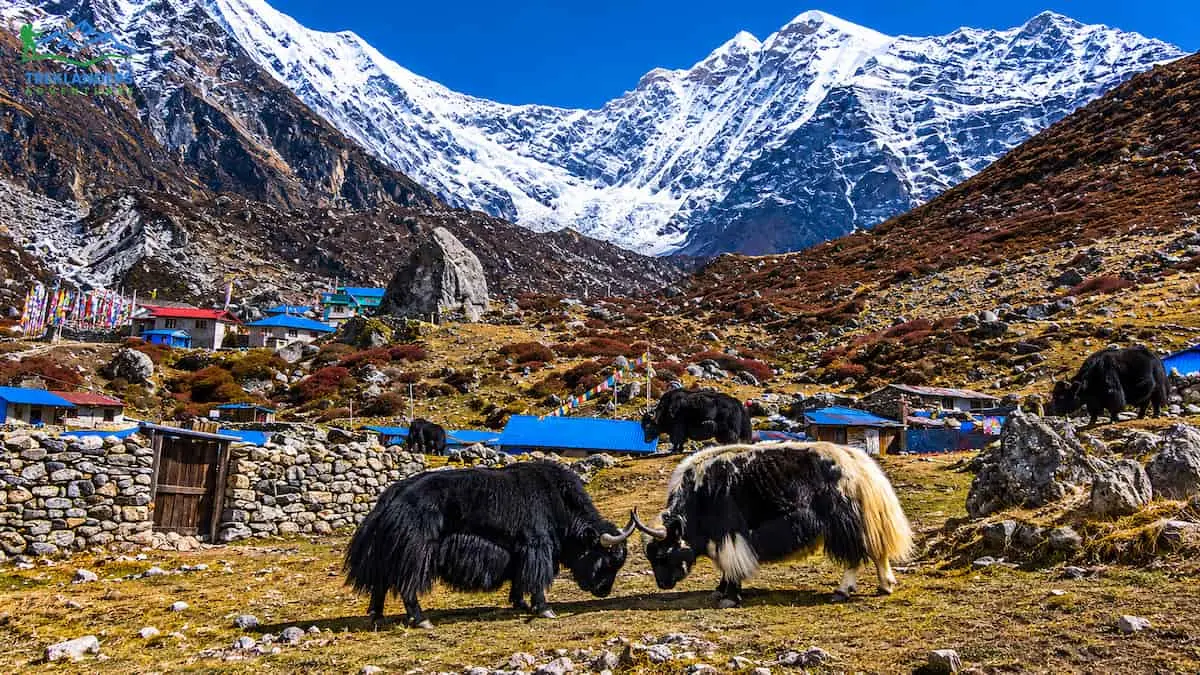
The 9 Day Langtang Valley Trek was an unforgettable experience and one of the most beautiful treks I have done in Nepal. From the moment we left Kathmandu, everything was well organized, and the journey into the Langtang region felt peaceful and less crowded compared to other popular trekking routes. The trail was incredibly diverse, passing through lush forests, traditional villages, and wide open valleys surrounded by dramatic Himalayan peaks. Reaching Kyanjin Gompa was a highlight, and the early morning hike to Kyanjin Ri offered breathtaking panoramic views of Langtang Lirung and the surrounding mountains—it was absolutely worth the effort. Our guide was professional, knowledgeable, and always attentive to our pace and comfort, making sure acclimatization was handled properly. The teahouses along the route were simple but comfortable, and the food was warm and satisfying after long days of trekking. What I appreciated most about the Langtang Valley Trek was the authentic local culture and the quiet nature of the trail. It felt more personal and connected to the local communities. Overall, this trek exceeded my expectations, and I would highly recommend the 9 Day Langtang Valley Trek to anyone looking for stunning scenery, cultural experience, and a well-balanced trekking adventure in Nepal.
Purpose: Keep sweat off the skin and maintain warmth.
Purpose: Trap body heat in cold air at altitude.
Tip: Keep electronics in inner pockets at night to prevent freezing.
The Langtang Valley trek is situated north of Kathmandu, near the Nepal-Tibet border, inside Langtang National Park. Being the closest trekking region to the capital, it has become very popular for the majestic mountain scenery, glaciers, and forest, and its rich Tamang culture.
The Langtang Valley trek is a moderate difficulty grade. It is generally done by 4 to 7 hours daily on well-maintained trails. Beginners with good fitness and experienced trekkers looking for a shorter Himalayan adventure are both able to do the trek.
The highest overnight point is Kyanjin Gompa at 3, 870 meters and from there one can hike to many viewpoints, including Kyanjin Ri (4,773 m.) and Tserko Ri(5,033 m.) With proper acclimatization and a gradual ascent, altitude-related risks are minimized.
The trek is via teahouses where accommodation is simple but fairly comfortable, mostly twin, sharing rooms with common bathrooms. Meals comprise authentic local foods such as dal bhat, noodles, soups, momos, potatoes, and some Western dishes, all made fresh by local families.
Trekkers need a Langtang National Park Entry Permit and a TIMS card. These permits are usually arranged by the trekking company prior to departure.
An experienced trekker can walk alone. However, it is strongly advised that a certified guide be hired for safety, navigation, help, and cultural insight. Porters lighten the load by carrying the luggage.
The best seasons are spring (March–May), autumn (September–November) and winter (December- February), offering clear views and stable weather.
Yes. Villages and trails have been rebuilt, and the region is safe, welcoming, and well-managed for trekking.
The best overall time to visit the Langtang Valley Trek is during the two seasons of autumn (September to November) and spring (March to May). These are the times when the weather is stable, the skies are clear, and the mountain views are at their best, thus making trekking both comfortable and enjoyable.
Autumn is the season that follows the monsoon, and it is when the air is clean and the visibility is excellent. Days are dry and sunny, temperatures are moderate, and trails are in their best condition. It is during this season that one can see the Langtang Lirung and the other surrounding peaks most clearly, and it is hence the best season for trekkers of all levels.
Spring is certainly a good time to visit Langtang Valley. The weather is comfortable, the forests are blossoming with rhododendrons and other flowers, and the mountain views are usually clear. Moreover, the days are longer, which leaves more room for a relaxed trekking schedule.
Definitely, one could trek between December and February but at that time the temperatures will be low, especially after Kyanjin Gompa. Moreover, a few teahouses are likely to close due to the weather though the trails will be less crowded with the snow-covered landscapes being beautiful. Hence, it is better for seasoned trekkers.
The monsoon (June to August) is a season when heavy rains are expected. During this time, the trails become slippery, and leeches can be very bothersome in the lower parts of the route. The mountains are rarely visible due to the clouds. Nevertheless, the valley turns into a nice green place, and the paths are almost empty. Hence, this season is only the right time for a hardcore and well-prepared trekker.
Beginners are strongly recommended to trek in spring or autumn for the safest conditions, clearer views, and more comfortable temperatures.
The regular Langtang Valley Trek usually takes 7 to 10 days, depending on the route, pacing, acclimatization, and any side trips planned. Almost all trekking the route manage to finish the route within this timeframe.
Certainly, by keeping the pace firm and forgoing the acclimatization hikes, one can complete a trek in 6 to 7 days. Such an option is appropriate for trekkers who have a limited amount of time and are physically well-conditioned.
The trek can be lengthened to 10 or 12 days by simply adding one or more acclimatization days or side hikes such as Kyanjin Ri or Tserko Ri, or by going beyond Gosaikunda Pass. Extended itineraries are suitable for those who like to take it easy and immerse themselves in the exploration.
The daily walking time is usually between 4 and 7 hours, which depends on altitude, trail conditions, and the fitness levels of the person. The walking pace is slow, and there is always time for rest and meals.
Indeed. The round-trip drive from Kathmandu to Syabrubesi takes about 6 to 7 hours each way, and that is factored into the total trek duration. Changes in road conditions and weather can at times cause delays.
Definitely, Properly planned itineraries have gradual altitude gain, particularly around Lama Hotel and Kyanjin Gompa, so that the risk of altitude sickness is minimized without having to add a lot of extra days.
Travelers seeking to undertake a Himalayan trek within one to two weeks will find the Langtang Valley Trek an ideal and rewarding short trekking option.
Layered clothing that can work for both warm days and cold nights is the way to go. Consider packing moisture-wicking base layers, insulating mid layers (fleece or down jacket), and a waterproof outer shell. Don't forget thermal wear, gloves, a warm hat, and sunscreen.
Certainly. Trekking boots that are sturdy, comfortable (well broken in), and offer good ankle support are what you need most. To avoid blisters, do not wear brand-new boots. Light shoes or sandals may be handy for evenings at teahouses.
A sleeping bag with a temperature rating of at least -10 °C is highly recommended, especially during spring, autumn, and winter. Although teahouses offer blankets, they may not be enough at higher elevations.
The must-have gear is a backpack or daypack, trekking poles, a headlamp, a rain cover, reusable water bottles, and water purification tablets or a filter. Trekking poles not only give support but also help take off the pressure from the knees, especially when going downhill.
In your kit, you should have blister care, pain relief, bandages, and any personal medication you may need. If altitude sickness medication is to be prescribed by a doctor, then only carry it. Travel insurance that covers high-altitude trekking and emergency evacuation is a must.
Sure. There are lots of shops in Kathmandu, especially in Thamel, where you can rent or buy trekking gear at reasonable prices.
Doing regular walks, hikes, or cardio exercises for a few weeks leading up to the trek will greatly improve your stamina and make the trek safer and more enjoyable.
Trekkers need two permits to trek in the Langtang region: the Langtang National Park Entry Permit and a TIMS (Trekkers Information Management System) Card. Both are mandatory for all trekkers, regardless of nationality.
Langtang Valley is located within a protected national park that is protected. The entry permit provides the funds for conservation, wildlife protection, trail maintenance, and local community development inside the park.
A TIM’s card is the record of hikers held by the local authorities in charge of safety and management. It is very useful in cases of an emergency, natural disaster, or rescue, where the authorities will be able to locate the hikers.
You can get permits in Kathmandu before taking the trail. If you are trekking with a company that is registered, they will usually take care of all your permits on your behalf, so you can save time and avoid the hassle of paperwork.
Yes. Permits are necessary if you go trekking on your own or with a guide. A guide cannot do the permits for you.
Yes. Several checkpoints along the way carry out the inspection of permits, such as the entrance of Langtang National Park and villages on the trail. Carry the original permits.
No. A permit is like a ticket to an event; once you have it, they will neither refund the money to you nor will they allow you to give your ticket to somebody else.
Booking is not necessary, but permits must be obtained before the trek begins.
Accommodation along the Langtang Valley Trek is primarily in local teahouses. These are family-run lodges that provide basic but clean and comfortable rooms, allowing trekkers to experience local hospitality while supporting the local economy.
Rooms are usually twin-sharing, furnished with two single beds, a mattress, a pillow, and a blanket. At lower elevations, rooms are more spacious, while at higher altitudes, they are simpler due to climate and supply limitations.
In most teahouses, bathrooms are shared, especially at higher altitudes. Some lodges at lower elevations may offer attached bathrooms, but this cannot be guaranteed throughout the trek.
Hot showers are often available for an additional charge, usually powered by gas or solar energy. At higher elevations, hot water may be limited due to cold temperatures.
Most teahouses provide electricity, typically from solar power. Charging electronic devices may cost extra. Wi-Fi is available in some villages, but it can be slow and unreliable at higher altitudes.
Teahouses usually provide blankets, but these may not be sufficient during cold nights. A sleeping bag rated to at least –10°C is highly recommended for comfort and warmth.
Teahouses generally operate throughout the year, but during winter, some higher-altitude lodges may close. In peak seasons, advance planning ensures better availability and comfort.
Yes. Teahouses are safe, welcoming, and accustomed to hosting international trekkers.
Local teahouses supply fresh meals during the Langtang Valley Trek. The menu consists of traditional Nepali food, like dal bhat (rice, lentils, vegetables), which is healthy and refillable at many places. Besides that, the common food items are noodles, fried rice, pasta, soups, momos (dumplings), potatoes, eggs, pancakes, porridge, and seasonal vegetables. The food becomes less diverse as one goes higher, but remains filling and energizing.
Yes, vegetarian dishes are available almost everywhere, and it is advisable to consume them at higher altitudes as they are simple and less likely to cause stomach problems. Vegan meals might be few, but with prior notification, they can be handled.
Generally, the food served at teahouses is safe. It is better to consume fresh, hot, and cooked meals and stay away from raw or undercooked items. Good hand hygiene before meals should also be practiced.
Water for drinking is readily available at teahouses and shops along the trail. It might be boiled or bottled. Nevertheless, bottled water becomes quite costly as one goes higher, and also leads to some plastic waste.
No. Water from the tap and natural sources has to be treated before consumption. The use of water purification tablets, drops, UV purifiers, or filters is highly recommended.
Trekkers need to drink at least 34 liters per day, particularly at higher altitudes, to keep their bodies hydrated and lower the chances of getting altitude sickness.
Sure. Teahouses offer tea, coffee, ginger tea, lemon honey tea, and hot chocolate, all of which are not only favorite drinks but also comforting and warming in cold weather.
The Langtang Valley Trek is a hike that can be done alone, but it is still very much advised to hire a guide. Apart from ensuring safety, that the right path is followed, a guide can also take care of your acclimatization schedule if needed and help you understand the culture and the local lifestyle during the trek.
Trekking with a guide means that you have someone who not only is familiar with the way and the logistics but also is able and willing to assist and accompany you on a daily basis. In particular, a guide can help you find your route, manage your time, keep track of teahouse availability, and communicate with staff and locals. He also verifies your wellness, warns of altitude sickness symptoms, and solves any emergency issue like that of the weather or the trail. Moreover, Guides can welcome you to the local culture, explain to you the history and the traditions of the area.
Whether to have a porter or not depends on your willingness or the weight of your luggage. You should know that a porter is a man or a woman who is paid to carry your luggage and that the limit is usually 20 to 25 kg. Therefore, if you make a strong mind to put on only a small backpack and are comfortable carrying it, you may decide to have no porter.
Indeed. A person trekking alone or a few people trekking as a group may hire a guide and take a porter along with them. However, the main thing is that the total weight of the luggage is such that the porter can carry it without difficulty. To summarize, it is an economical way of functioning and at the same time, a convenient one.
The normal practice of a good trekking company is to provide employees who are licensed, well-educated, and insured. The insurance, in most cases, includes medical treatment and emergency evacuation during the trek.
Most guides are fluent in English, whereas porters have only elementary English. However, communication is generally not a big problem during the trek.
Yes. Local employment of mountain guides and porters is direct local income generation and is a key driver for the development of sustainable tourism in the Langtang region.
Respect, fair treatment, good quality clothing as a gift, and right tipping at the end of the trek are the usual and most recognized ways to show your support and gratitude.
Yes, assuming it is undertaken with adequate planning, a well-thought-out itinerary, and knowledge of altitude and weather conditions, the Langtang Valley Trek is safe. The trails are fully developed, and the locals are skilled in hosting tourists.
Altitude sickness is the main health risk on the trek, as it reaches elevations above 3,500 meters. Symptoms may include headache, nausea, dizziness, and fatigue. Slow ascent, correct acclimatization, hydration, and paying attention to your body are the preventive measures.
Prevention measures include walking at a steady pace, no alcohol consumption, drinking 3 to 4 liters of water per day, and not going up too rapidly. If symptoms intensify, the best treatment is immediate descent. Guides are well-trained in the recognition and management of altitude-related issues.
Consume food that is freshly cooked and drink only water that is treated or boiled. Do not drink untreated water from taps or rivers. Good hand hygiene will go a long way towards preventing stomach illnesses.
The trails are usually safe; however, landslides can happen during the monsoon season. The weather can change very fast in the mountains, so it is really important that you follow your guide's advice.
Definitely, a guide with a license not only makes you safer but also takes care of the route decisions, keeps a check on your health, and, in case of an emergency, he/she will be able to help you quickly and efficiently.
Health posts with basic facilities may be present in lower villages, but very limited medical facilities are available at higher altitudes. In case of serious illness or injury, helicopter evacuation to Kathmandu may be the only option.
Yes. Full travel insurance that covers high-altitude trekking and emergency evacuation is a must. It guarantees timely medical care in case of a health crisis.
Yes. A full health and travel insurance plan is highly recommended for all trekkers. Your insurance should cover hospital and doctor appointments, accidents, and illnesses while on the go, as well as any trekking activities in the remote mountains.
In your insurance, coverage must be included for medical expenses, hospitalization, emergency treatment, trip interruption, and medical evacuation, if necessary. Minor health problems may develop into serious ones in remote areas, so having complete medical coverage is indispensable protection and reassurance.
Unexpected situations such as illness, injury, food poisoning, or sudden change of weather may happen even in the case of a trek of no more than moderate difficulty. Health and travel insurance provide access to medical care at the right time and lessen the financial risks, thus enabling you to concentrate on safely enjoying the trekking experience.
The Langtang Valley Trek is a moderate-level trek. This means that it does not have any technical climbing, but it still calls for good physical fitness and the ability to walk for several hours in the mountains.
This is a trekking itinerary with daily walking times ranging from 4 to 7 hours, gradual ascents, and a few steep sections, mostly on stone steps and forested trails. The height gain is continuous, which is good for acclimatization, but the highest point of Kyanjin Gompa (3,870 m) and Kyanjin Ri view point (4,773 m) can still be quite strenuous.
Certainly. This trek can be done by beginners as long as they are reasonably fit and have made the necessary preparations. No prior trekking experience is needed, but it is very advisable to do regular walking, hiking, or cardio exercise before the trip.
The biggest challenges are being able to walk for long days, coping with changing weather conditions, dealing with the cold at higher altitudes, and the risk of experiencing mild altitude-related symptoms. It is very important to play it safe with pacing and resting.
Age is not a hard and fast rule. The trek is great for young adults, middle-aged travelers, and even active seniors, as long as they are in good health and physically prepared.
Some ways to make the trek easier are to take a guide with you, hire a porter to carry your heavy bags, keep a slow and steady pace, drink plenty of water, and follow the acclimatization guidelines.
The Langtang Valley Trek is generally easier and shorter than the EBC trek. It is the ideal alternative for those wishing to experience the Himalayas but with fewer challenges.
One can reach Syabrubesi from Kathmandu by road. The drive duration is about 6-7 hours, varying with traffic and road conditions. The journey is through stunning mountain roads along rivers, which are also terraces, and local villages.
People can arrange transportation in a private jeep, tourist bus, or shared local vehicle, which depends on the size of the group as well as their preference. Private jeeps provide more comfort and flexibility, while shared options are more economical.
The road is partly paved and partly rough, especially after Dhunche. Although the ride may be bumpy, it is generally safe and offers stunning views. People are served with refreshments and rest during the short breaks that they take along the way.
Most trekking packages include round-trip ground transportation between Kathmandu and Syabrubesi. This generally comprises the outbound as well as the return journey.
There is no regular flight to Syabrubesi. The only option is traveling by road. In emergency situations, helicopter transport may be used for evacuation, weather and insurance permitting.
Yes. Heavy rain during the monsoon season or a landslide can cause delays. It is better to have buffer days in your itinerary, especially during the rainy season.
Bring along some water, snacks, motion-sickness medicine if needed, and keep your valuables safe. The drive is the main part of the Langtang Valley trekking experience.
| No of people | Price per person |
|---|---|
| 1 - 1 | $1,105 |
| 2 - 3 | $925 |
| 4 - 8 | $845 |
| 9 - 20 | $735 |
| No of people | Price per person |
|---|---|
| 1 - 1 | $1,105 |
| 2 - 3 | $925 |
| 4 - 8 | $845 |
| 9 - 30 | $735 |

| No of people | Price per person |
|---|---|
| 1 - 1 | $665 |
| 2 - 3 | $550 |
| 4 - 8 | $450 |
| 9 - 20 | $420 |