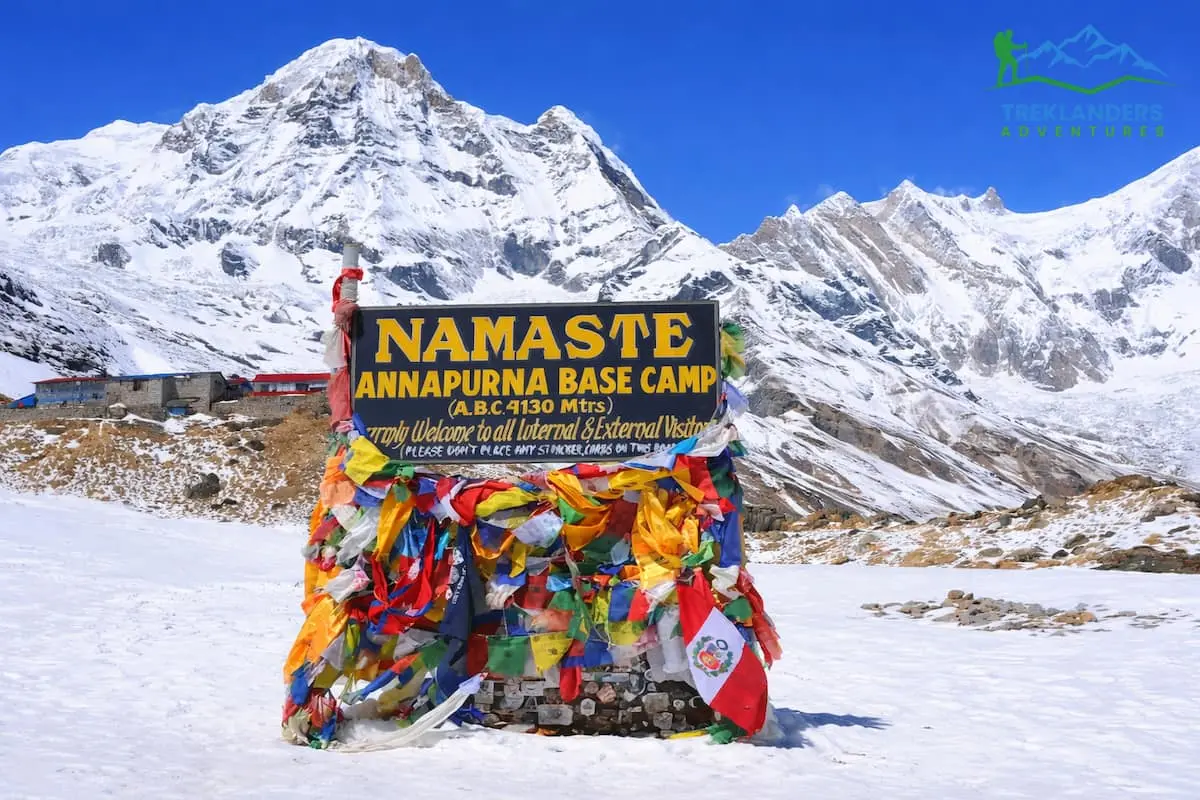
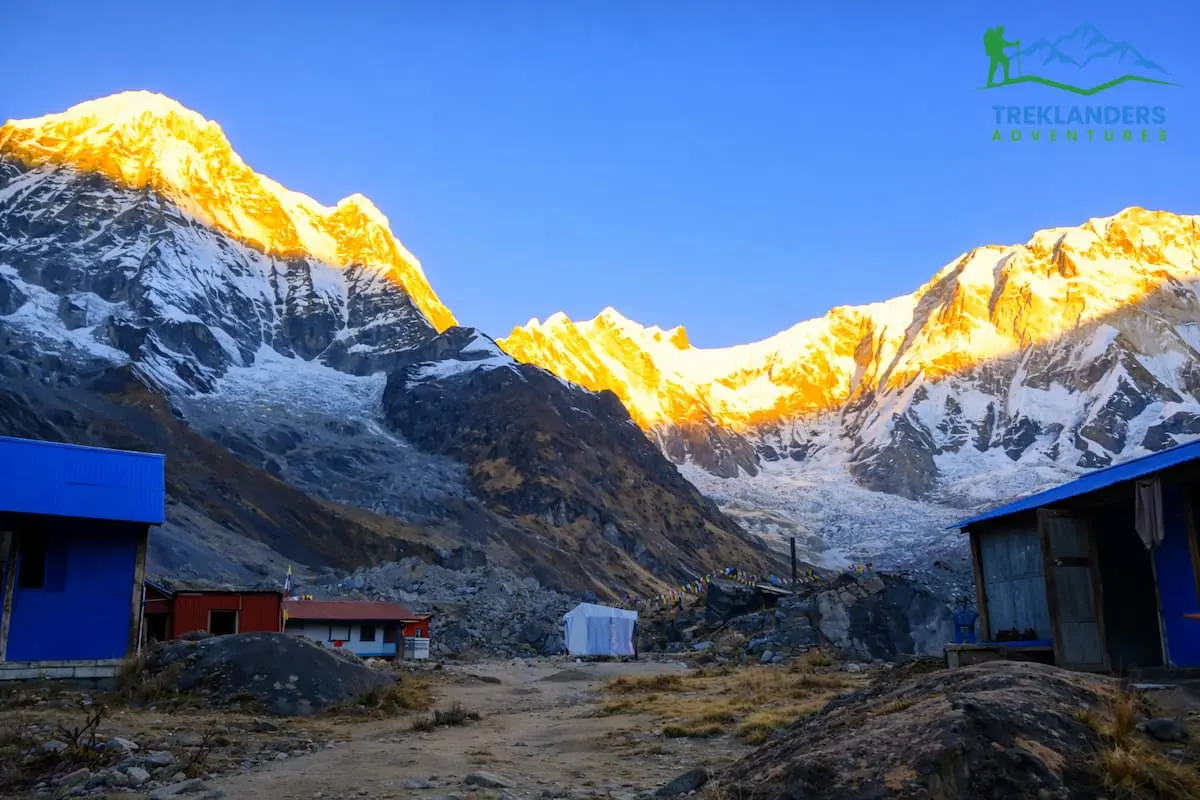
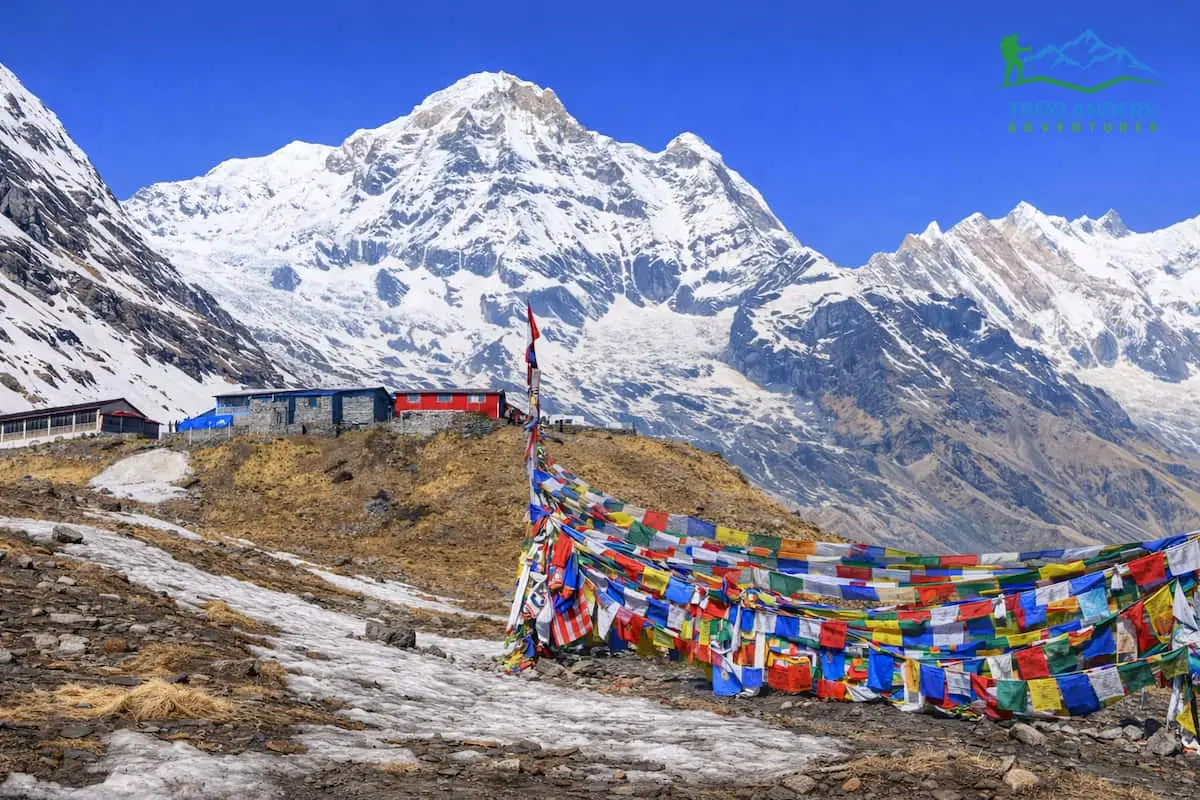
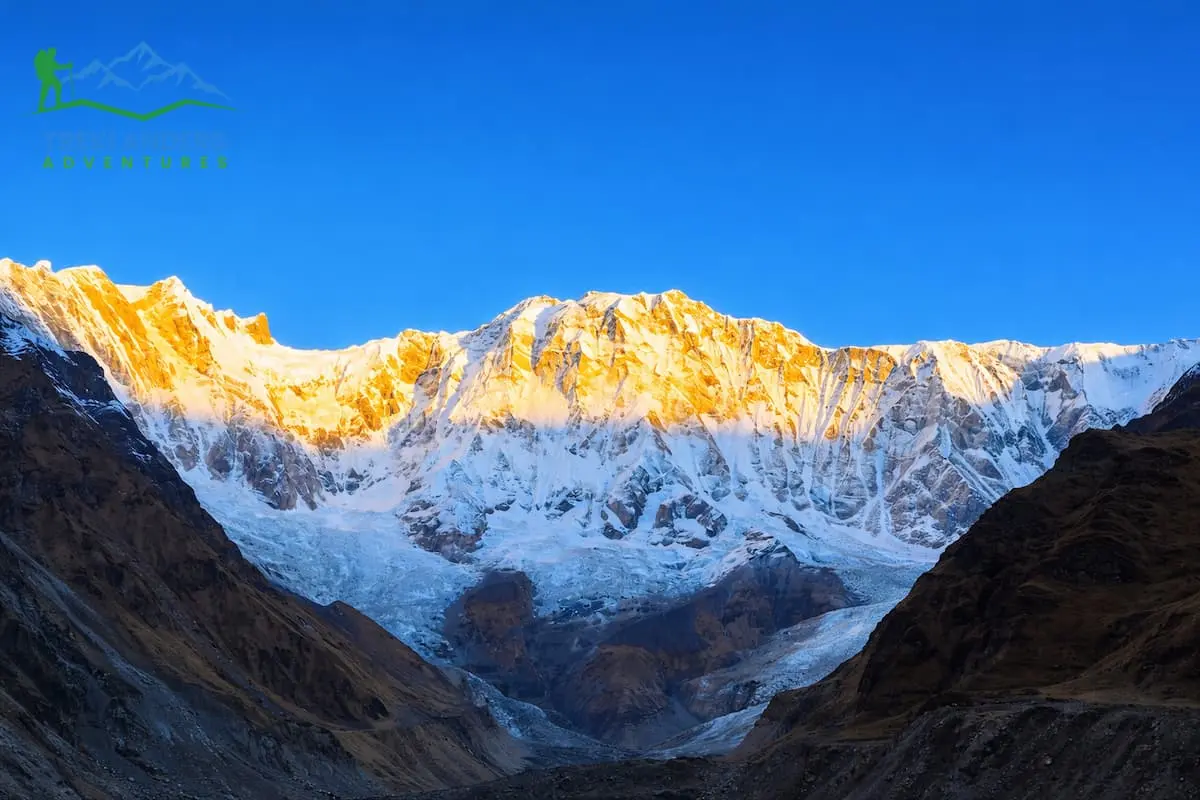
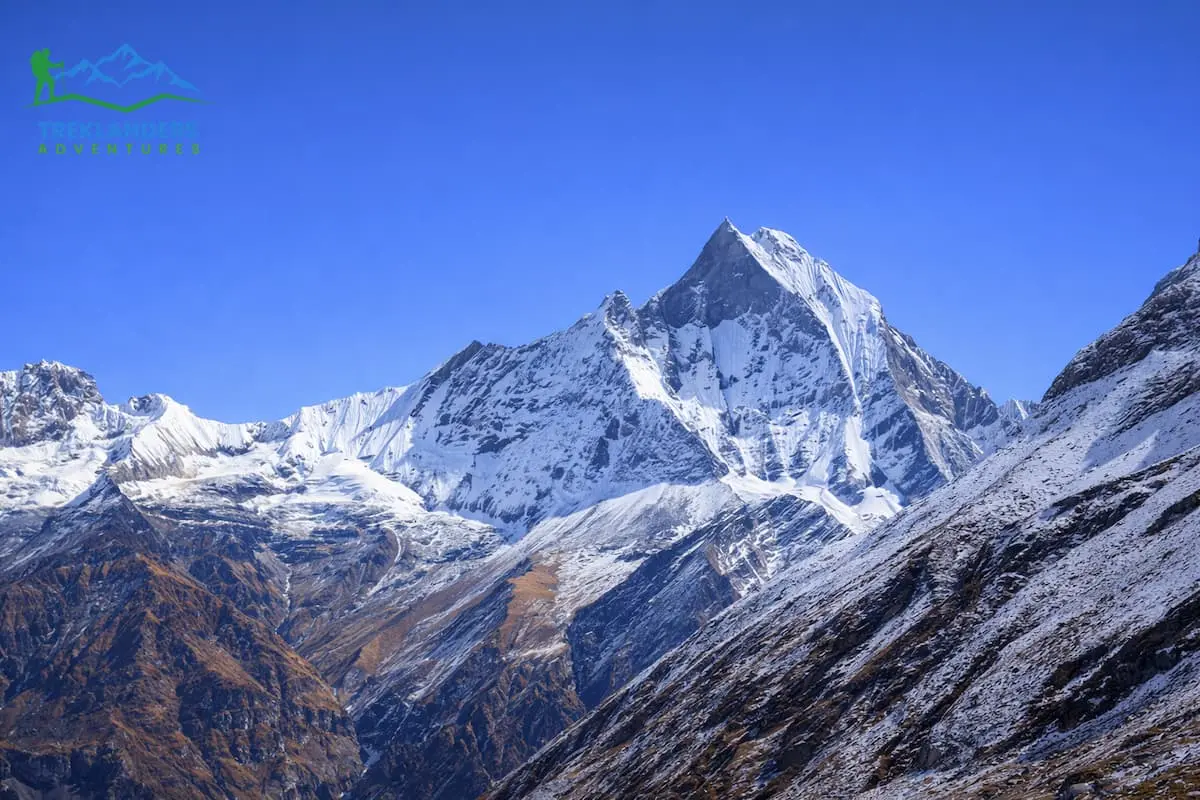
The allure of the Himalayas is a siren song for adventurers worldwide, and few destinations capture its magic as vividly as the Annapurna region of Nepal. Among its legendary trails, the Annapurna Base Camp Trek stands out as an unparalleled journey into the heart of a breathtaking natural amphitheater, a sanctuary of colossal peaks. This trek is more than just a physical challenge; it's a profound immersion into awe-inspiring landscapes, vibrant Nepali culture, and the quiet grandeur of the world's highest mountains. The Annapurna region welcomed a record-breaking 244,045 foreign trekkers in 2024, a significant increase over previous years, underscoring its enduring appeal as a premier trekking destination. If you dream of standing in front of giants like Mt. Annapurna I and Machhapuchhre, breathing crisp mountain air, and experiencing unparalleled Himalayan hospitality, this guide is your essential companion. We've crafted this itinerary to ensure your ABC Trek is not just a vacation, but a truly transformative experience.
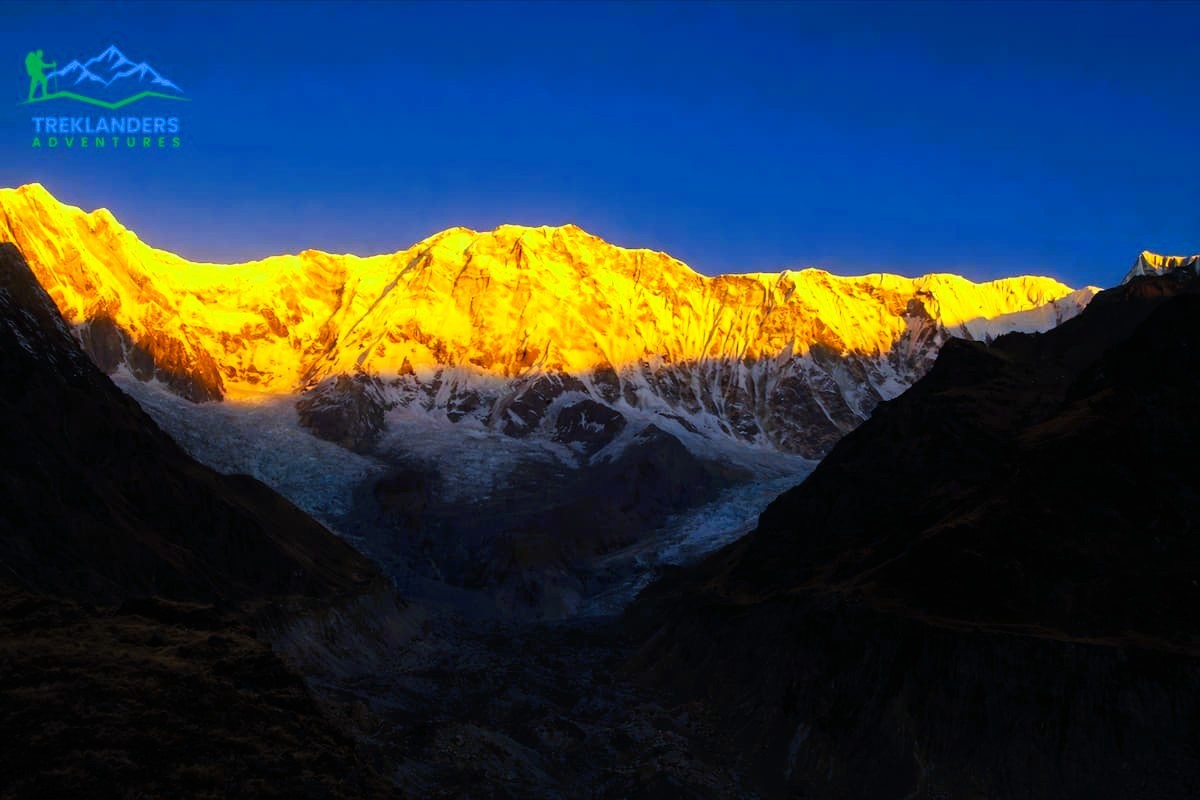
The Annapurna Base Camp Trek is not just a trek; it is a journey to one of the most breathtaking places in the Himalayas of the world. In contrast to other high-altitude treks, the ABC Trek route presents a rare combination of ease, cultural depth, and stunning mountain views. Here, the Himalayas are not just towering; they surround you, giving you a feeling of being embraced by nature's most magnificent creations.
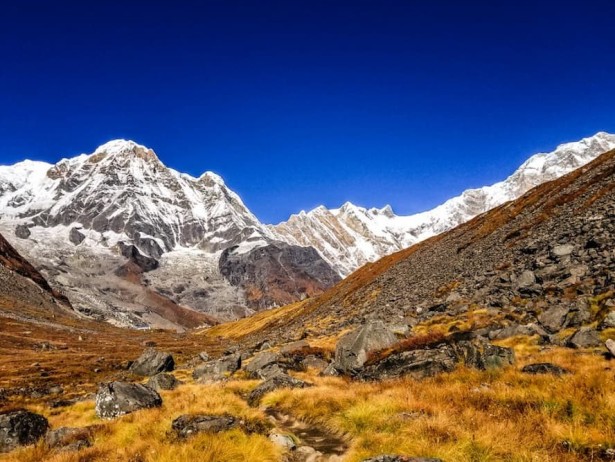
This trek takes you through nature’s different layers, starting with dense rhododendron forests and terraced fields, then alpine meadows, and finally the severe but beautiful high mountains. The Annapurna massif, a giant snowy wall of peaks like Mt. Annapurna I, Mt. Dhaulagiri, and the famous Machhapuchhre, is there all the time, a source of endless wonder.
The cultural fabric created by the Gurung Villages and other local communities is like the human side of the story, offering real and deep experiences that make the journey richer. While the Annapurna Circuit Trek is longer, the ABC Trek is a more intense, deeper spiritual experience that can be done in a shorter period of time.
This guide is meant to be your ultimate resource for the Annapurna Base Camp Trek. Of course, the day, by, day itinerary is essential, but real readiness goes way beyond the distance and the altitude. We have thoroughly researched and gathered the information to cover every aspect of your trip, thus setting this guide apart by providing:
Holistic Preparation: From visa advice and Trekking permits acquisition to packing strategies and fitness regimes, we cover the crucial pre-trek steps.
Deep Dive into Teahouse Culture: Understand the nuances of teahouse trekking, the heart of Himalayan hospitality, and what to expect in these mountain lodges, including facilities like hot showers and hot water.
Safety and Acclimatization Master Class: Expert advice on preventing altitude sickness and ensuring your well-being in a remote environment, with insights into wilderness first aid and emergency preparedness.
Responsible Trekking Principles: Guidance on minimizing your footprint and respecting the Annapurna Conservation Area through eco-friendly guidelines and responsible waste management.
This comprehensive approach ensures you are not just following a path, but are fully equipped to embrace every aspect of your ABC Trek.
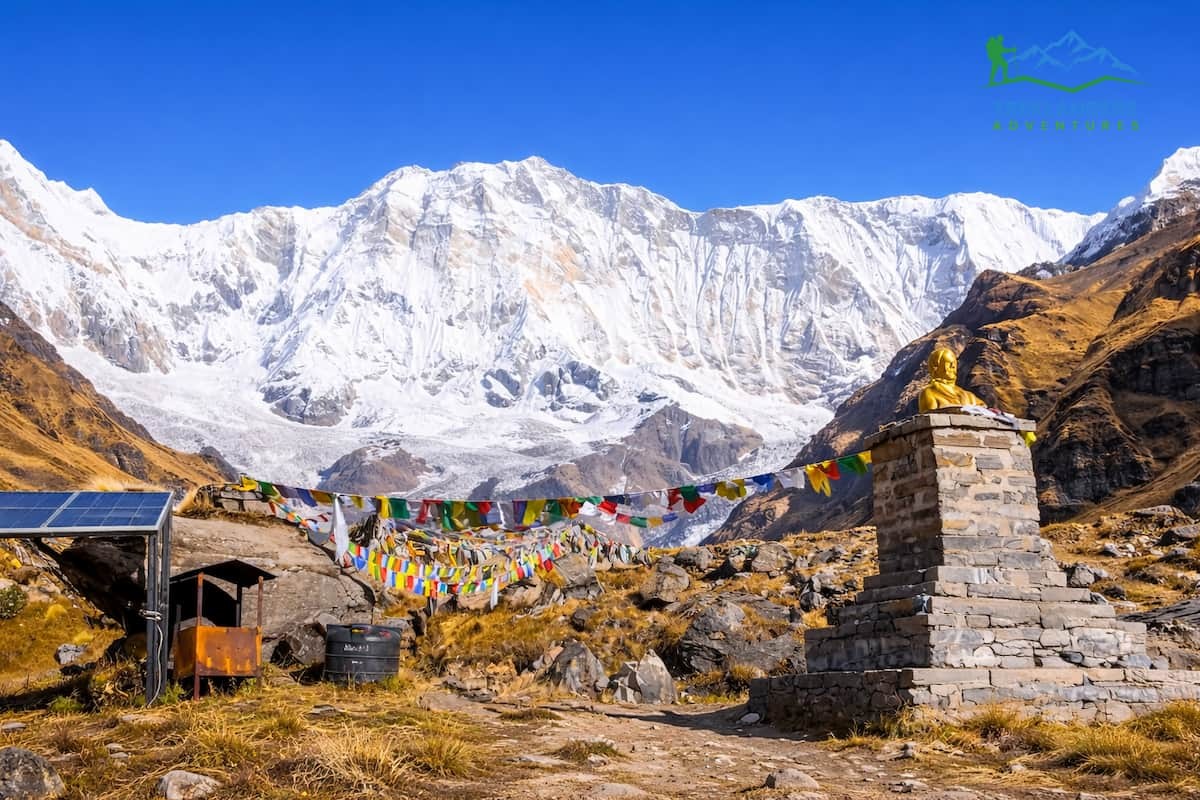
Embarking on the Annapurna Base Camp Trek requires a foundational understanding of its key characteristics. This section provides essential facts, highlighting what makes this particular trek in Nepal so special and what to anticipate before you even lace up your boots. The Annapurna region is a gateway to some of the most iconic peaks and pristine landscapes in the world, drawing trekkers from across the globe. Understanding these core details sets the stage for a well-informed and successful adventure, ensuring you are prepared for the altitudes, the terrain, and the unique cultural experiences that await.
The Annapurna Base Camp Trek typically spans 7 to 12 days, a duration that allows for a rewarding experience without being overly taxing for those with moderate fitness. The trek's maximum altitude reaches 4,130 meters (13,550 feet) at the base camp itself. The ABC Trek generally costs between $800 and $1,200 per person for a trek lasting 7-12 days. This cost typically includes permits, a Trekking guide, porters, accommodation in lodges, and meals. International flights to Kathmandu can range from $600 to $1200. The trekking route winds through diverse terrain, offering a rich sensory experience. In the first ten months of 2025, the Annapurna Conservation Area (ACA) saw 273,646 foreign tourist arrivals, of which 115,555 were from countries outside South Asia, emphasizing the region's significant international appeal and the importance of following trekking permits and rules.
The Annapurna Base Camp Trek is a postcard-perfect journey among towering giants. At the heart of it all is Mt. Annapurna I, the tenth-highest mountain on the planet, rising to an awe-inspiring height of 8,091 meters (26, 545 feet). The north face in particular is insanely steep and definitely the kind of thing one should see and appreciate with shock and silence. Another extremely recognized figure is Machhapuchhre or "Fishtail Mountain" (6, 998 meters / 22, 959 feet), whose uniquely shaped twin peaks form a hypnotizing outline that is frequently regarded as the spiritual symbol of the Annapurna region. The beautiful mountain is with you almost the entire trek. The Annapurna Sanctuary is, in fact, a grand natural theater with Mt. Dhaulagiri (8, 167 meters / 26, 795 feet), the seventh-highest peak in the world, visible from some parts of the trail. You can also have a distant view of Mt. Manaslu. The vast Annapurna Himal and the surrounding Himalayan Massif are the reasons for the trek's grandeur, making one feel like a dwarf among nature's giants.
The vast majority of Annapurna Base Camp Trek itineraries utilize teahouse trekking. This is the quintessential Nepali way to experience the mountains, offering a more authentic and less logistically complex adventure than camping. Teahouses or lodges are simple, family-run guesthouses found along popular trekking routes. They provide basic but comfortable private rooms, usually with twin beds, and a communal dining area. The dining room is the heart of the lodge, often featuring a central stove that provides warmth during cooler evenings. Here, trekkers gather to share stories, enjoy hearty meals, and plan for the next day's trek. The menus typically offer a mix of Nepali staples like Dal Bhat (lentil soup with rice and vegetables) and Tibetan bread, alongside international dishes such as pasta, pizza, and chowmein. Staying in teahouses allows for genuine interaction with local families and a warm, communal rest after a day's trekking. Some higher-altitude teahouses may offer limited hot showers for a fee, and hot water for drinking is always readily available.
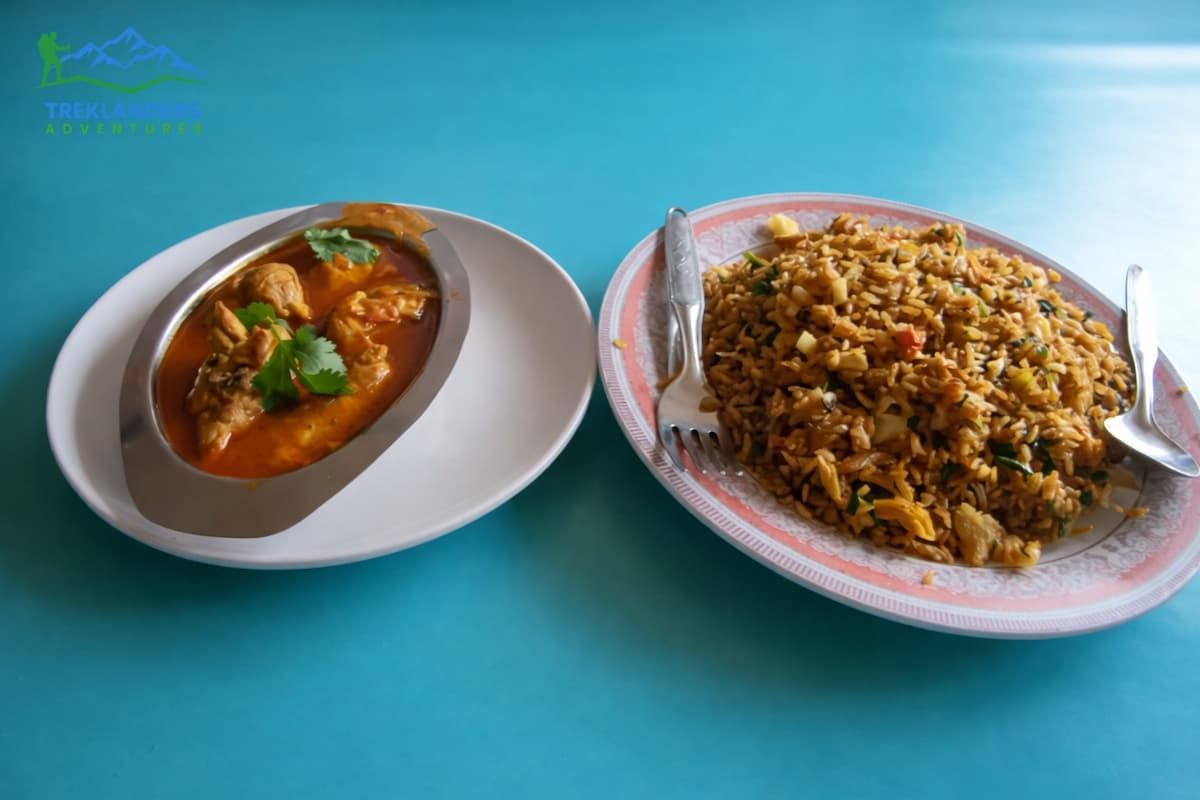
Food and drinking water on the Annapurna Base Camp (ABC) Trek are made available primarily through teahouse lodges that are located along the trail and are good enough to meet the nutritional needs of the trekkers at different altitudes. Even though the menu gets simpler with increasing elevation, the trekkers are always provided with wholesome, energy-rich meals that help them to walk long hours and also endure the high altitude conditions.
Food is generally given three times a day that is, breakfast, lunch, and dinner. Dal Bhat, a traditional Nepali dish consisting of rice, lentil soup, seasonal vegetables, and pickles, is the most recommended and commonly eaten meal. Dal Bhat is especially popular among the trekkers because it is highly nutritious, easily digestible, and often accompanied by the provision of unlimited refills, thus being the perfect way to keep one's energy level. Besides that, there are also noodles, fried rice, pasta, soups, potatoes, momos, chapati, Tibetan bread, porridge, pancakes, eggs, and omelets that can be readily accessed almost every day. At a lower elevation, the menu is more diverse, but at a higher elevation near Annapurna Base Camp, the choices of meals become fewer because of the limited means of transportation.
Vegetarian meals are available everywhere and are highly recommended at higher altitudes because they tend to be generally fresher and safer. Vegan choices could be offered in a number of teahouses with prior notice, but the availability thereof in remote areas is rather limited. Special dietary requirements, if any, should be informed beforehand for better arrangements.
Along the route, drinking water is less of a problem, but it is treated in any case. Water in plastic bottles can be bought at teahouses, but the price goes up quite a bit with the altitude, and the use of plastic is not very much encouraged. The majority of trekkers have decided to bring their own refillable bottles and depend on boiled water, which can be found in every teahouse, is safe, and is available for a small fee. Also, trekkers can get purification tablets or drops or carry a personal water filter to treat tap or spring water.
It is of paramount importance to keep oneself well hydrated on the ABC Trek. Trekkers should take 34 liters of water per day, particularly when the altitude increases. Besides that, some hot drinks like ginger tea, lemon tea, black tea, coffee, and hot chocolate are served and can be used for hydration and to keep warm.
In summary, food and drinking water on the Annapurna Base Camp Trek are of great simplicity, good quality, and enough to keep the health and the energy of the trekkers and make their journey well supported.
This section gives trekkers important information to plan their adventure. It covers legal requirements and packing essentials. This helps ensure a smooth and confident journey through Nepal's Himalayas. Thorough preparation minimizes unforeseen issues and maximizes your enjoyment of the incredible landscape and culture.
Before you embark on your trek, securing the necessary permits is paramount. For the Annapurna region, two main permits are required:
Annapurna Conservation Area Permit (ACAP): This permit is mandatory for all trekkers entering the Annapurna Conservation Area. It helps fund conservation efforts, local community development, and infrastructure maintenance within the park. In the first ten months of 2025, the ACA saw 273,646 foreign tourists, with 115,555 from countries outside South Asia. This shows the region attracts many international visitors. It also highlights the importance of following trekking permits and rules.
Trekkers’ Information Management System (TIMS) Card: This card is issued by the Nepal Tourism Board and the Trekking Agencies Association of Nepal (TAAN). It helps track trekkers for safety purposes and aids in rescue operations.
Both Trekking permits can be obtained in Kathmandu at the Nepal Tourism Board office or through your registered trekking agency. It’s advisable to secure these a day or two before your trek begins.
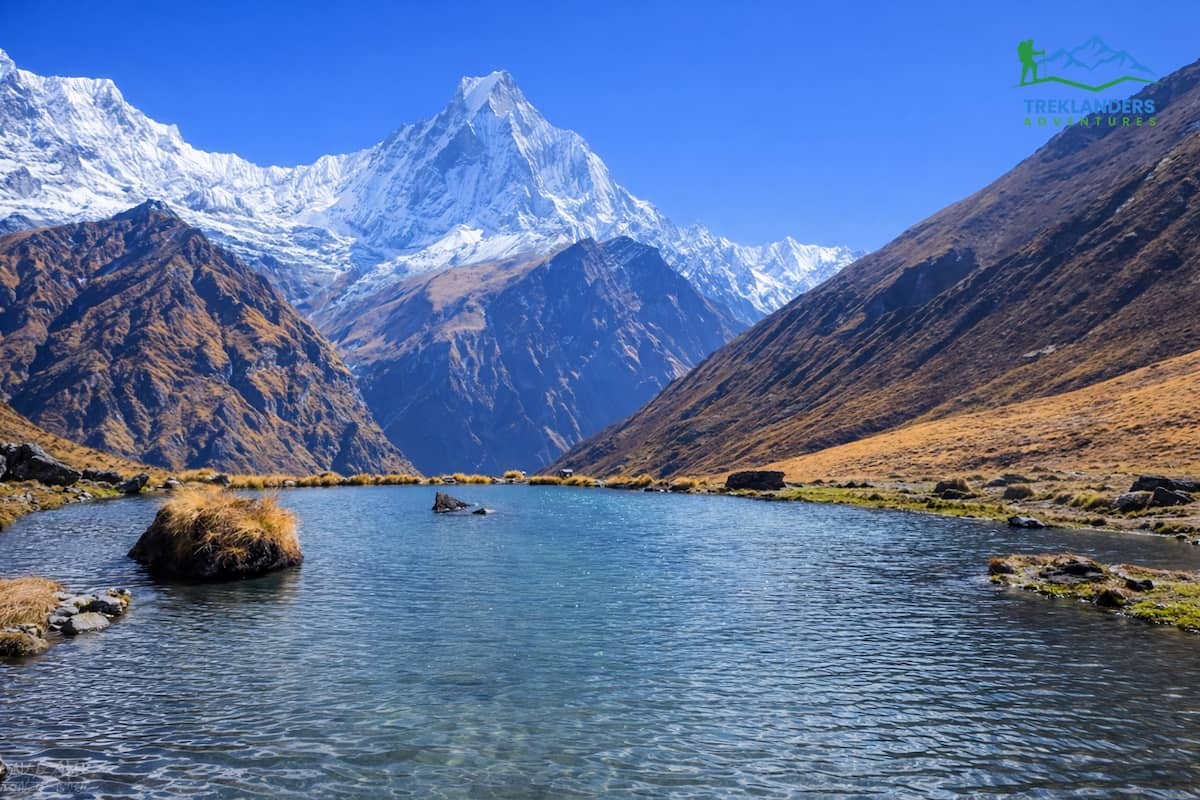
The Annapurna Base Camp Trek can be undertaken year-round, but certain seasons offer significantly better experiences. The two most popular and highly recommended trekking seasons are:
Spring (March-May): This is arguably the best time for the Annapurna Base Camp Trek. The weather is generally stable, with clear skies offering excellent mountain views. Temperatures are mild, and the rhododendron forests burst into bloom, creating a spectacularly beautiful landscape. However, this is also a peak season, meaning trails and lodges can be more crowded.
Autumn (September-November): Another prime season, autumn provides crisp, clear air and moderate temperatures, making for excellent trekking conditions and stunning, unobstructed views of the Himalayan peaks. The post-monsoon skies are exceptionally clear, offering some of the best panoramic vistas. Similar to spring, this period sees a higher number of trekkers.
The shoulder seasons (early March, late May, early September, late November) can offer a good balance of decent weather and fewer crowds. The monsoon season (June-August) brings rain and leeches but can offer lush green landscapes and fewer trekkers. Winter (December-February) is cold but can offer clear skies and snow-dusted landscapes, with significantly fewer trekkers.
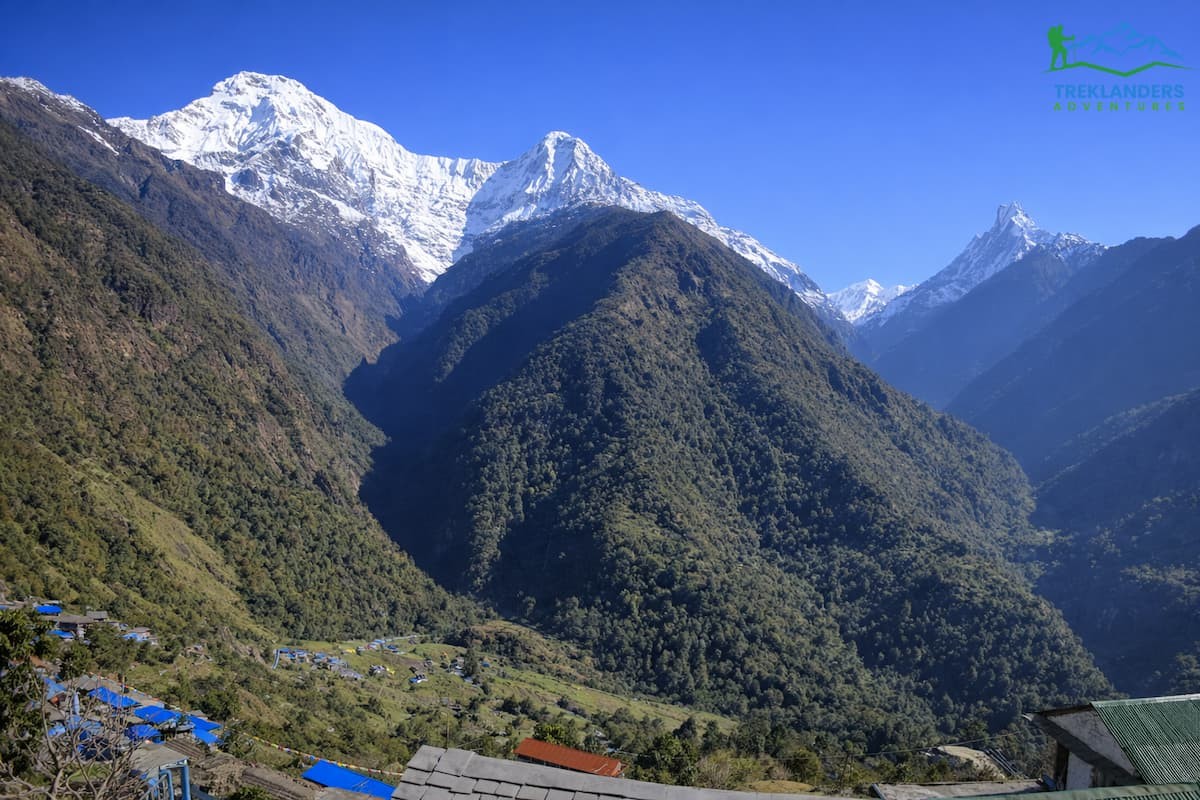
The Annapurna Base Camp (ABC) Trek is a moderately challenging trek that is suitable for most people with some trekking experience. Still, it will give a Himalayan challenge to a seasoned trekker. It is a non-technical trek, and no mountaineering skills or equipment, such as ropes, are needed; nor is any prior experience of high-altitude climbing required. But it requires physical fitness, mental toughness, and the ability to walk for several days in the mountains.
Difficulty-wise, the ABC Trek is a medium, level one, longer and more difficult than easy short treks, but not as tough as the ones at high altitudes. The hardest things to deal with are the long walking days, the repeated climbs and descents, and the altitude gain rather than the most difficult terrain. The trail is well-established and goes through villages, forests, and alpine areas, but there are steep stone stairs, especially around Chhomrong, which may put your legs to the test.
Walking hours per day are usually between 5 and 7 hours, depending on the itinerary and the individual's pace. Some days will take you uphill at a gentle gradient, and some down the mountain for a long stretch, which can be as hard on the knees as walking uphill. They always stop for refreshment and continue at a slower pace to help them acclimatize and keep comfortable. The highest point of our trek is Annapurna Base Camp at 4,130 meters, where the thin air dictates that you go slow and in control.
The Annapurna Base Camp Trek is considered a moderate-level trek, but requires good physical fitness. It involves long hours of walking, often on uneven terrain, with significant ascents and descents.
Cardiovascular Fitness: Engage in regular cardio activities like running, jogging, swimming, or cycling for at least 3-4 times a week in the months leading up to your trip. Aim for sessions of 60 minutes or more.
Strength Training: Focus on exercises that strengthen your legs, core, and back. Squats, lunges, step-ups, and planks are particularly beneficial.
Hiking Practice: The most crucial preparation is hiking. Try to do at least one long hike (4-6 hours) per week, preferably with some elevation gain. If possible, practice on varied terrain with a weighted backpack to simulate trekking conditions. This will help your body adapt to the demands of the trail and reduce the risk of injury.
Comprehensive travel insurance is an absolute must for any Himalayan trek. Ensure your policy specifically covers:
High-Altitude Trekking: The policy must cover you up to the maximum altitude of the Annapurna Base Camp Trek (4,130 meters / 13,550 feet).
Emergency Helicopter Rescue: This is vital as accidents and altitude sickness can necessitate aerial evacuation from remote areas. There are reports of numerous helicopter rescue operations in the Annapurna Base Camp and Machhapuchhre Base Camp areas during peak trekking seasons, which can be extremely expensive if not covered by insurance.
Medical Expenses: Coverage for medical treatment, including evacuation to a hospital.
Trip Cancellation/Interruption: Protection against unforeseen circumstances that might force you to cancel or cut short your trip.
Always verify the coverage limits and exclusions with your insurance provider before purchasing.
Beyond the itinerary and packing, understanding how to navigate the challenges of a Himalayan trek is paramount. This section focuses on health, safety, and responsible practices to ensure your Annapurna Base Camp Trek is not only memorable but also safe and respectful of the environment and local culture.
Altitude sickness (Acute Mountain Sickness - AMS) is a serious concern for trekkers at higher elevations. The Annapurna Base Camp Trek reaches 4,130 meters (13,550 feet), making acclimatization a critical aspect of your journey,
Ascend Slowly: The gradual ascent built into the 11-day itinerary is designed for acclimatization. Avoid ascending too rapidly. Your Trekking guide will ensure this pace is maintained.
"Climb High, Sleep Low": If possible, on acclimatization days, hike to a higher altitude for a few hours and then descend to a lower elevation to sleep. This helps your body adjust to thinner air.
Recognize Symptoms: Be aware of symptoms like headache, nausea, dizziness, and fatigue. If symptoms worsen, descend immediately.
Consider Medication: Consult your doctor about Diamox (Acetazolamide), which can help prevent or treat AMS.
Safety on the Annapurna Base Camp Trek is a shared responsibility between you, your guide, and the trekking company.
Always Trek with a Guide: A local Trekking guide is invaluable for navigation, safety, communication with locals, and managing emergencies. They are trained in first aid and familiar with the terrain and weather patterns. Reputable agencies like Haven Holidays Nepal provide experienced guides.
Listen to Your Guide: They have the experience and knowledge to make critical decisions regarding your safety, especially concerning weather and trail conditions.
Stay on Marked Trails: Do not venture off the established trekking paths, especially in areas with potential hazards like ravines or avalanche zones.
Check Weather Forecasts: Your guide will monitor weather, but be aware that mountain weather can change rapidly.
Emergency Contacts: Keep your emergency contact information and insurance details readily accessible. In case of a serious emergency, an air ambulance service might be required.
As visitors to the Annapurna region, trekkers have a responsibility to protect its natural beauty and respect its culture.
Leave No Trace: Pack out everything you pack in, including all trash, wrappers, and plastic bottles. Avoid single-use plastics where possible by using refillable water bottles and purifying water. Support eco-friendly guidelines and promote responsible waste management.
Respect Local Culture: Dress modestly in villages and lodges, especially when visiting monasteries or temples. Ask for permission before taking photographs of people. Learn a few basic Nepali phrases like "Namaste" (hello) and "Dhanyabad" (thank you). Your interactions contribute to the preservation of Gurung Villages' heritage.
Support Local Economy: Purchase souvenirs from local artisans and eat at lodges that source locally sourced food. Consider the impact of your consumption.
Water Conservation: Use refillable water bottles and purification methods. Avoid purchasing bottled water to reduce plastic waste.
Energy Use: Be mindful of energy consumption in lodges. Many lodges are increasingly adopting solar energy and solar heaters for efficiency.
The Annapurna Base Camp Trek goes beyond a simple trip and offers a profound connection with nature and humanity. From the lively streets of Kathmandu and the calm lakeside of Pokhara to the stunning amphitheater of the Annapurna Sanctuary, this trek is an experience that will stay with you long after your return. You've thoroughly examined an 11-day itinerary, figured out the necessary Trekking permits and preparations, and realized the significance of health, safety, and responsible travel in the Himalayas.
It's worth noting that the wonder of the Annapurna Base Camp Trek is not reaching the base camp, but the immersive experience of the trek itself. The tough climbs reward you with spectacular views. Gurung villagers greet you with smiles. You can take pleasure in the convenience of teahouse trekking. A dip in Jhinu Danda's hot springs revitalizes you. All these happen to be your souvenirs of the trek. By using this guide, putting safety first, taking care of the environment, and being friendly with the locals, your ABC Trek will be an amazing, unforgettable chapter of your life's adventures.
Short Trek Profile:
Mode of Trekking: In the best available lodge and guest house.
Grade of Trekking: Moderate to Adventurous.
Trekking Region: Nepal Far North Mid-West at Kaski district and Annapurna Himalayan range,
Highest Points: At Annapurna Base Camp 4,130 m/13,550 feet.
Trekking Duration: 06 Nights and 07 Days from Pokhara to Pokhara.
Total Duration: 9 Nights and 10 Days(Kathmandu to Kathmandu)
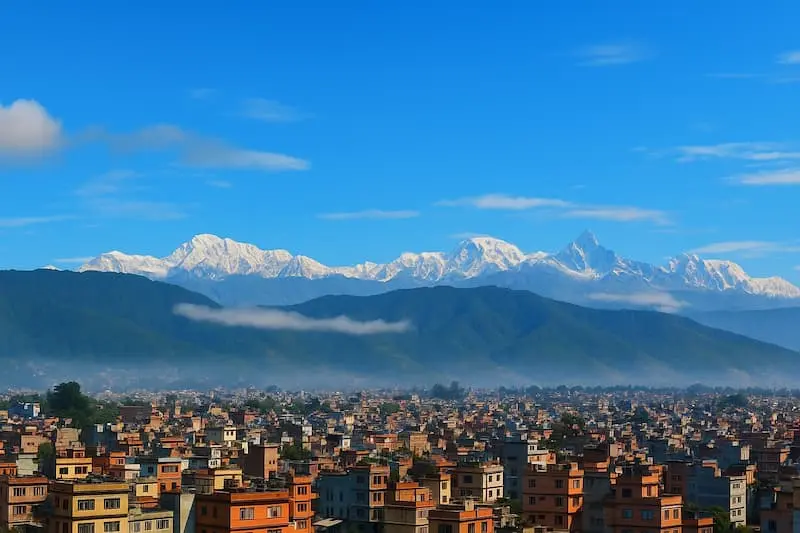


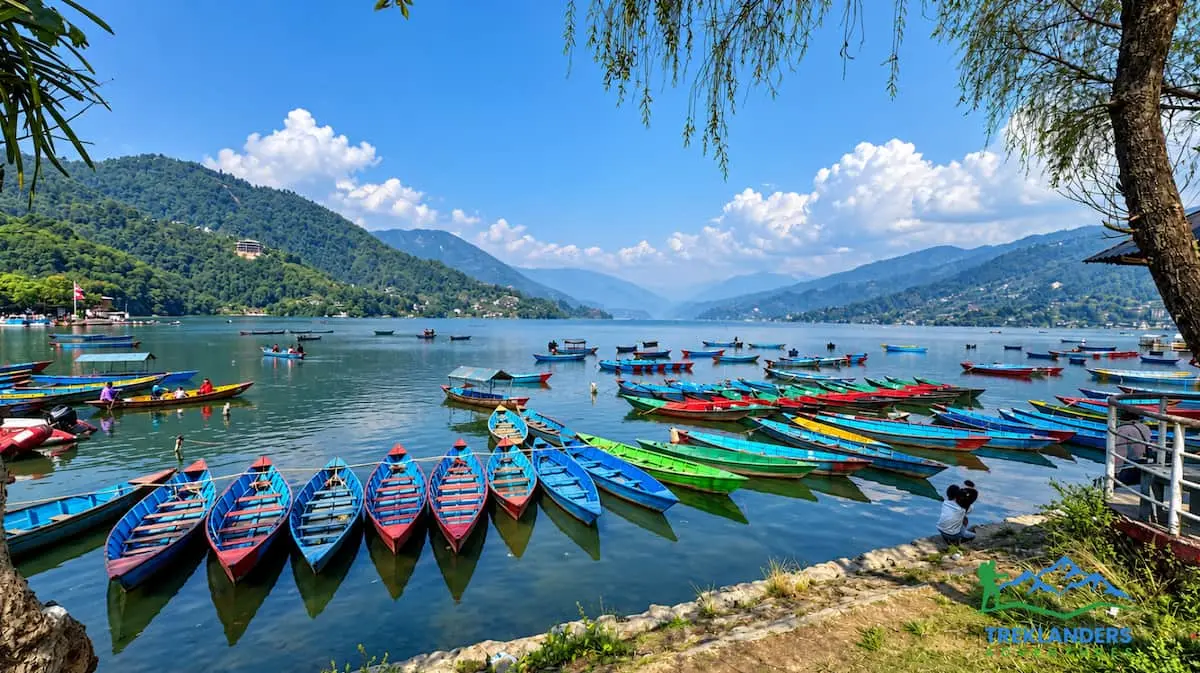
Travel from Kathmandu to Pokhara on a scenic drive that follows rivers, rolling hills, terraced farmlands, and small settlements. Along the way, you will experience Nepal’s rural lifestyle and diverse landscapes. Upon arrival in Pokhara, enjoy the relaxed lakeside atmosphere, with optional time to stroll near Phewa Lake or admire the surrounding mountain backdrop.
Note:- You can also fly to Pokhara from Kathmandu (25-minute flight), but you will need to pay extra.

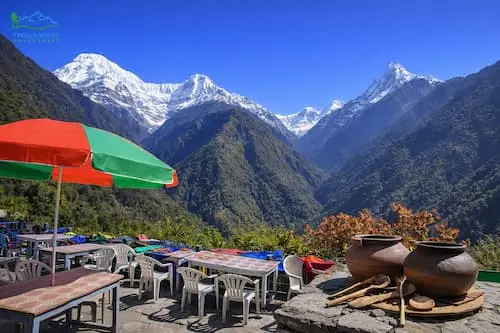
After breakfast, drive to the Jhinu area, the gateway to the Annapurna Sanctuary trekking trail. From here, begin your trek through stone staircases, terraced fields, and traditional villages, gradually immersing yourself in the Himalayan environment. The trail offers the first close views of the Annapurna range before reaching Chhomrong, a beautiful Gurung village perched on a hillside with spectacular mountain scenery.
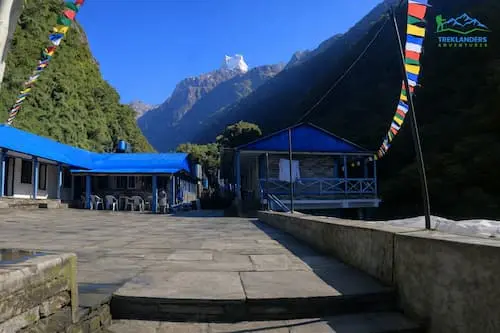
Leave Chhomrong and descend through forested paths and stone steps toward the Modi Khola valley. The trail passes through dense bamboo and rhododendron forests via Bamboo, creating a peaceful trekking experience surrounded by nature. Continuing gradually uphill, you reach the quiet settlement of Dovan, nestled deep within the Annapurna Sanctuary.
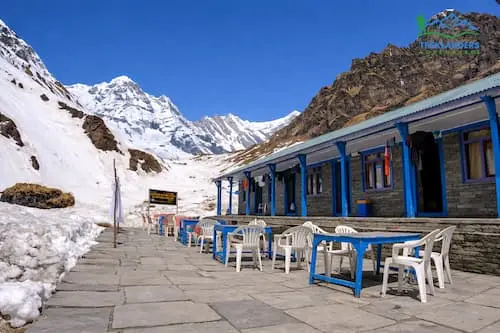
The trail now enters a more alpine environment as you trek through narrow valleys, glacial streams, and open landscapes. As vegetation thins, dramatic mountain views begin to dominate the scenery. You arrive at Machhapuchhre Base Camp, located beneath the iconic Machhapuchhre (Fishtail) peak, where the surrounding Himalayan walls create a truly awe-inspiring atmosphere.
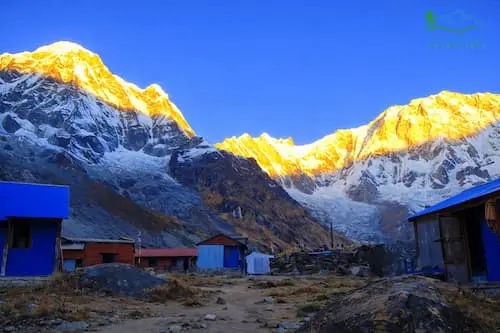
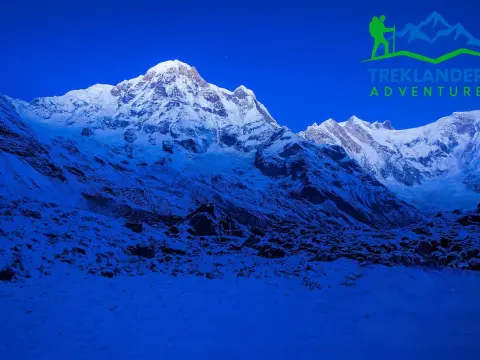
Today’s trek is short but incredibly rewarding as you walk across the glacial moraine and wide sanctuary floor toward Annapurna Base Camp. Surrounded by towering peaks such as Annapurna I, Annapurna South, Hiunchuli, and Machhapuchhre, the base camp offers one of the most dramatic mountain amphitheaters in the Himalayas. Spend time soaking in the panoramic views and peaceful high-mountain environment.
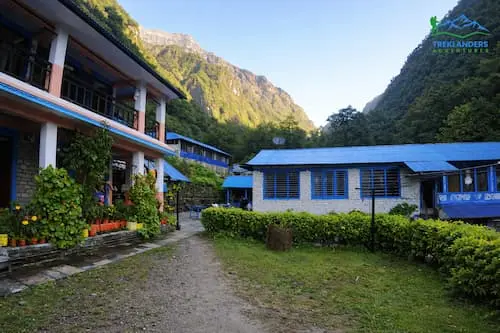
After enjoying the sunrise views at base camp, begin descending along the same route through Machhapuchhre Base Camp and Dovan. Retracing the trail allows you to experience the changing landscapes from a new perspective, gradually re-entering forested terrain. The day ends at Bamboo, surrounded once again by lush greenery and the sounds of the river.
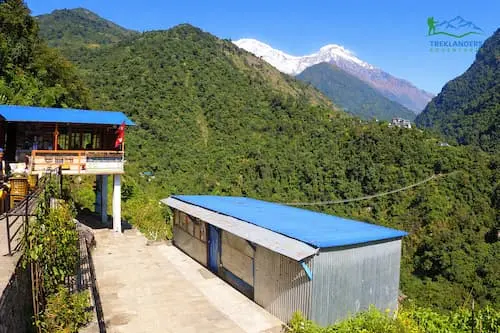
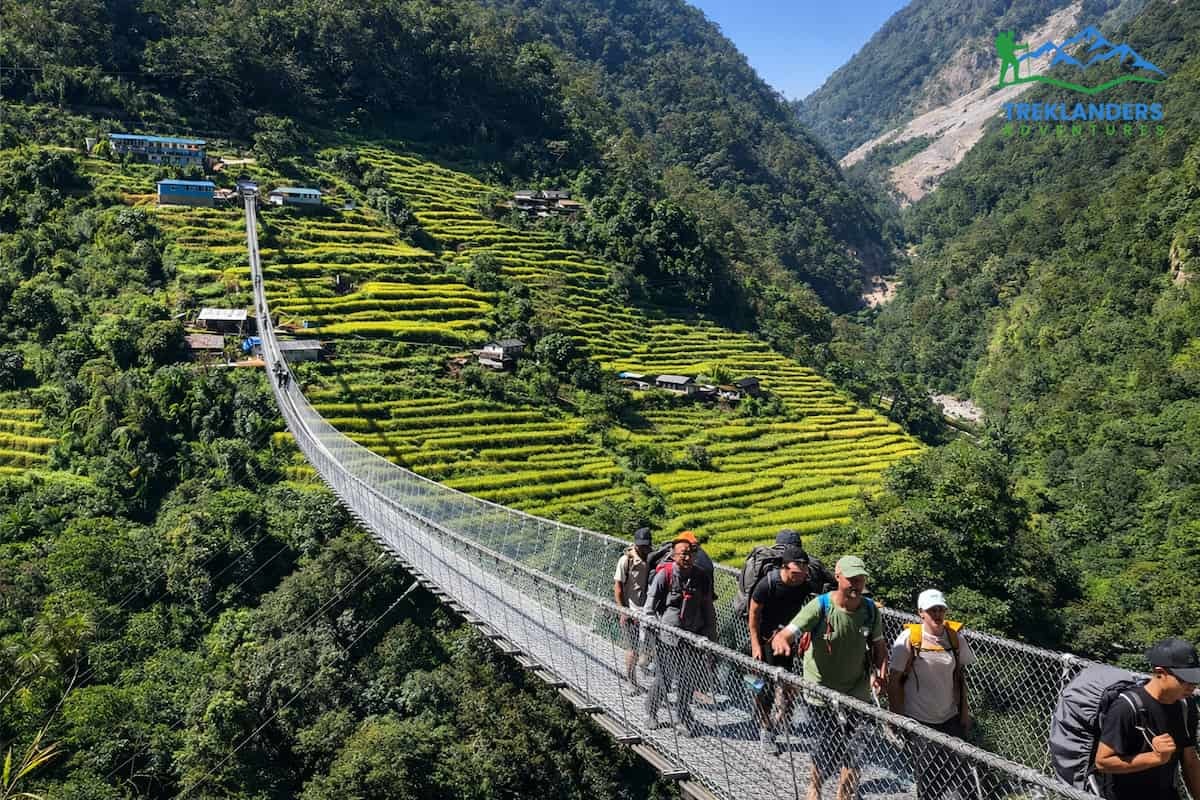
Continue trekking downhill through forests and villages, crossing suspension bridges and terraced fields. The trail leads to Jhinu Danda, a popular resting spot famous for its natural hot springs. In the afternoon, you may visit the hot springs beside the river, offering a relaxing and refreshing end to the trekking journey.
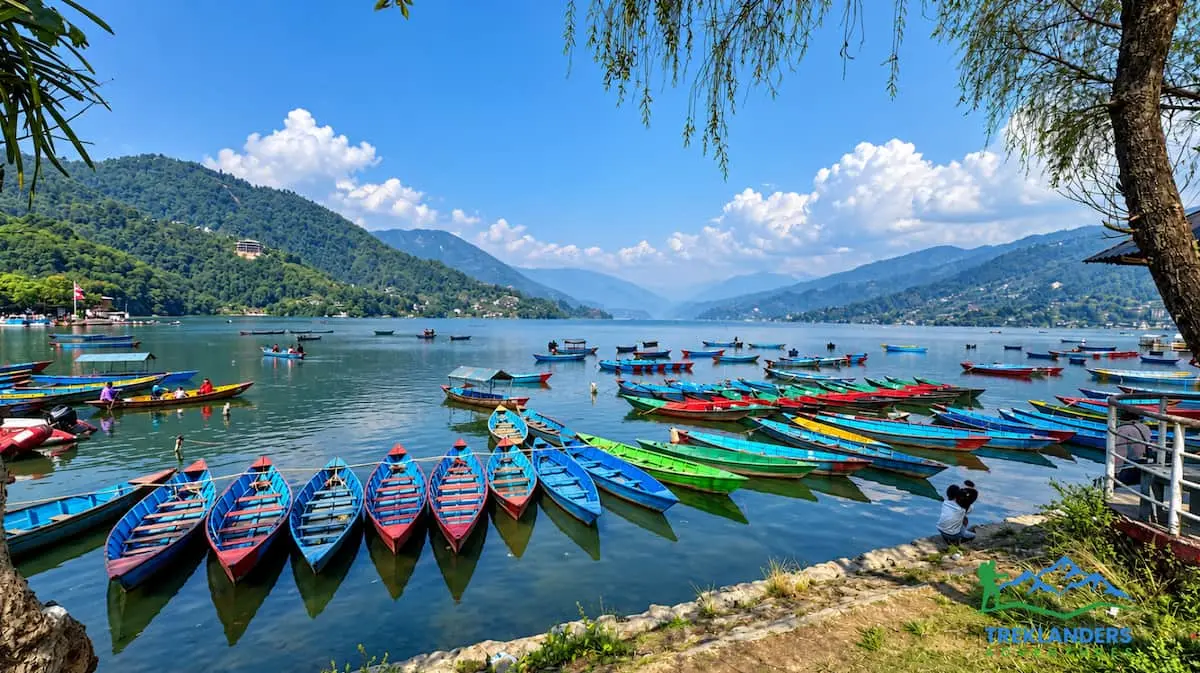
Walk from the Jhinu area to the road head, enjoying the final moments on the trail through local villages and farmland. From there, drive back to Pokhara, where you can enjoy a comfortable hotel stay, celebrate the completion of the trek, and relax by the lakeside.
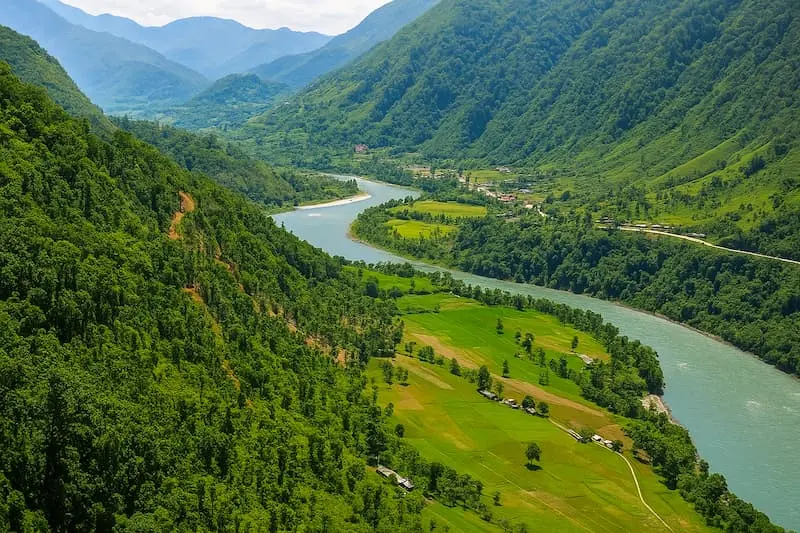
Depart Pokhara and drive back to Kathmandu, passing familiar landscapes of rivers and countryside. Upon arrival, you have free time for last-minute shopping, sightseeing, or enjoying a farewell dinner with your trekking companions.
Note:- You can also fly to Kathmandu from Pokhara (25-minute flight), but you will need to pay extra.
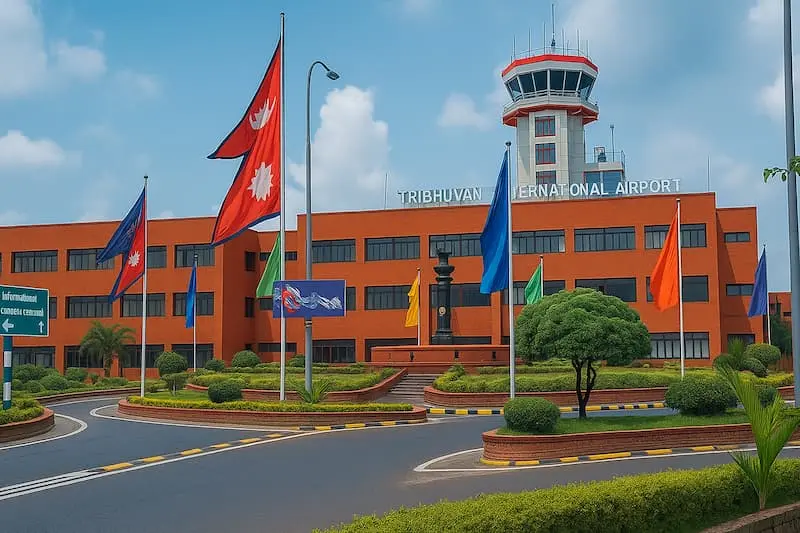
After an enjoyable and most mesmerizing time in Nepal, around the Himalayas with Annapurna Base Camp Trek. As time for departure, our staff transfer you to international airport for flight homeward bound or to next port of call.
My 11-day Annapurna Base Camp Trek with Treklanders Adventures was an unforgettable experience and easily one of the best trekking journeys I have ever done. From the very first day in Kathmandu until the final return, everything was handled professionally, smoothly, and with genuine care. The itinerary was perfectly planned, allowing enough time for acclimatization while still covering all the major highlights of the Annapurna region. Each day felt well balanced—not rushed, yet full of incredible scenery. Walking through traditional villages like Chhomrong, crossing suspension bridges, and gradually entering the Annapurna Sanctuary was truly magical. Reaching Annapurna Base Camp itself was an emotional moment, surrounded by towering peaks and an overwhelming sense of achievement. The Treklanders team made a huge difference in the overall experience. Our guide was knowledgeable, friendly, and always attentive to everyone’s pace and well-being. He shared insights about local culture, mountains, and daily life, which made the trek more meaningful. The porters were equally supportive and always greeted us with smiles, even on long trekking days. Accommodation and food throughout the trek exceeded my expectations. The teahouses were clean and comfortable, and the meals were warm, filling, and varied—exactly what you need after a long day of hiking. Treklanders ensured that safety, hygiene, and comfort were always a priority. What I appreciated most was the personal touch. Treklanders Adventures is not just about selling a trek; they genuinely care about their clients and about responsible tourism. I always felt safe, supported, and well informed. I would highly recommend Treklanders Adventures to anyone planning the Annapurna Base Camp Trek or any trek in Nepal. This 11-day journey was challenging, rewarding, and beautifully organized—and it will remain one of my favorite travel memories.

Traveling alone to the Annapurna Base Camp was a big decision for me, but choosing Treklanders Adventures made it one of the best experiences of my life. From the first day, I felt safe, welcomed, and genuinely cared for. My guide Raj was outstanding—knowledgeable, calm, and always attentive to my pace and comfort. As a solo trekker, this meant everything. The trek itself was breathtaking, with changing landscapes every day, from lush forests to dramatic mountain views. What impressed me most was the hospitality along the way. The teahouses were well selected, meals were warm and filling, and every detail felt thoughtfully managed. Raj shared stories about local culture and mountains, which added depth to the journey. I never felt alone, yet I still had space to enjoy solitude. I highly recommend Treklanders Adventures to anyone seeking a meaningful and well-organized Himalayan trek.
Walking through the Annapurna Base Camp trail with Treklanders Adventures felt like moving through a living map of mountain life. The trek can confidently be rated as moderate, with well-marked paths, steady ascents, and enough rest stops to enjoy the surroundings. Stone villages, terraced fields, and friendly locals made each day feel special. The teahouses were warm and welcoming, offering simple but comforting meals and cozy places to rest. What truly elevated the experience was our guide Anurag, whose calm leadership and local insight added meaning to every place we passed. He connected the trail to the culture beautifully. I finished the trek feeling fulfilled, not exhausted, and with a deep appreciation for the people who call these mountains home.
For me, this 11 Days Annapurna Base Camp trek was less about pushing limits and more about trusting the process. Treklanders Adventures impressed me with their clear planning and smooth coordination from start to finish. Every day felt structured but never rushed, which allowed me to fully enjoy the journey. Our guide Ram handled everything with professionalism and quiet confidence. From trail decisions to lodge arrangements, he made sure nothing felt uncertain. Even small details—meals, rest times, and altitude considerations—were well managed. That level of organization gave me peace of mind throughout the trek. I returned home with a strong sense of gratitude, not just for the mountains, but for a team that truly knows how to manage a Himalayan trek the right way.
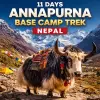
Choosing Treklanders Adventures for the Annapurna Base Camp trek was a decision I truly appreciate, especially because this route offers a Double Base Camp experience—visiting both Machhapuchhre Base Camp (MBC) and Annapurna Base Camp (ABC) in one journey. Standing beneath these legendary peaks felt surreal and deeply rewarding. Our guide Raj played a huge role in making the trek smooth and enjoyable. His steady guidance, clear communication, and understanding of the trail helped us enjoy each day without stress. The gradual approach to altitude made the experience comfortable, while the scenery kept getting more dramatic with every step. Reaching MBC first built excitement, and arriving at ABC felt like a true achievement. This trek delivered adventure, balance, and unforgettable mountain moments.
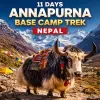
The Annapurna Base Camp trek with Treklanders Adventures offered moments I will never forget. One of the highlights was witnessing the sunrise from the high camp, where the first light slowly illuminated the entire Annapurna massif—an absolutely magical sight. Our guide Anurag was supportive and knowledgeable, always ensuring the pace felt right. Bikash, our porter, worked tirelessly and made the journey lighter both physically and mentally. On the return leg, relaxing in the natural hot springs at Jhinu Danda was the perfect reward after days on the trail. This trek balanced adventure and comfort beautifully.
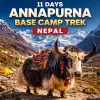
Nothing prepares you for the moment when you stand directly in front of Annapurna I (8,091m). During the 11 Day Annapurna Base Camp Trek with Treklanders Adventures, that moment felt powerful and humbling at the same time. The scale of the mountain is simply overwhelming. Along the way, the trail led us through amazing Gurung and Magar villages, where traditional stone houses and warm smiles defined daily life. These cultural encounters added a meaningful layer to the journey. Our guide Hari managed the trek with care and clarity, always attentive to the group’s wellbeing. The experience ended not with exhaustion, but with a deep sense of respect—for the mountains, the people, and a well-crafted trek.
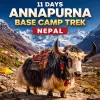
The Annapurna Base Camp trek with Treklanders Adventures was exactly what I was looking for—moderate to adventurous, with enough challenge to feel accomplished and enough comfort to stay enjoyable throughout. Each day brought changing scenery, steady climbs, and moments that truly tested and rewarded both body and mind. Our guide Pemba was excellent, maintaining a perfect pace and always motivating us with calm assurance. His experience showed in how smoothly everything ran, from trail choices to daily logistics. The company’s organization stood out clearly; accommodations, meals, and timing were all well managed. I finished the trek feeling proud, energized, and grateful. This is a highly recommendable trek, and Treklanders Adventures is a company I would confidently recommend to anyone planning a Himalayan journey.
Embarking on the 11 Day Annapurna Base Camp trek with Treklanders Adventures was a dream come true. The trek offered a moderate to adventurous experience, with challenging climbs, serene forests, and breathtaking mountain panoramas at every turn. We passed through Gurung and Magar villages, where traditional stone houses and friendly locals added a rich cultural layer to the journey. Witnessing the sunrise over Annapurna massif from the high camp was an unforgettable moment. On the return leg, relaxing in the natural hot springs at Jhinu Danda felt like a well-earned reward. Our guide Hari and porter Bikash ensured everything ran smoothly, providing support, local insights, and great encouragement along the way. Thanks to Treklanders Adventures, this trek was impeccably organized and deeply rewarding. I highly recommend this trek and the company to anyone seeking adventure and cultural immersion in the Himalayas.
The Annapurna Base Camp trek with Treklanders Adventures was more than just a hike—it was an immersion into the heart of the Himalayas. The trail challenged me physically, but the stunning landscapes and quiet mornings in the mountains made every step worthwhile. The villages along the route, with their warm, welcoming locals and traditional stone houses, created a sense of connection to the culture. Our guide Anurag was knowledgeable and approachable, making the trek feel safe and personalized. The organization by Treklanders Adventures was flawless, from accommodation choices to logistics, letting me focus fully on the experience. I left the trek with a mix of awe and gratitude, carrying memories that will stay with me forever. Truly, this is an adventure that goes beyond mountains—it touches the soul.
Purpose: Keep sweat off the skin and maintain warmth.
Purpose: Trap body heat in cold air at altitude.
Tip: Keep electronics in inner pockets at night to prevent freezing.
The Annapurna Base Camp (ABC) Trek is a moderate-level trek. It is not a technically challenging climb; however, one must be ready for 5 to 7 hours walks on uneven paths, stone steps, forest trails, and gentle ascents on a daily basis. The highest elevation reached is the Annapurna Base Camp (4, 130 m), so being in good shape, having a steady pace, and getting acclimatized properly are the keys to success. This schedule is quite ideal in terms of allowing enough time for a gradual adaptation to altitude.
A high altitude trekking experience would make the trek easier, but it is not a must. A fit beginner who is used to regular exercising, such as hiking, walking, cycling, or gym workouts, will be able to do the trek comfortably. The route is already well known, and there are teahouses for accommodation every night. Also, hiring a professional guide who takes care of pacing, safety, and altitude awareness along the way is the best option.
During the trek, accommodation will be provided in local teahouses that offer basic but comfortable rooms, usually with twin beds, blankets, and shared bathrooms. In Kathmandu and Pokhara, you will stay in standard hotels with private facilities. Although amenities become simpler at higher altitudes, teahouses are clean, warm, and well-suited for trekkers.
Teahouses serve freshly cooked meals, including dal bhat, noodles, rice dishes, soups, eggs, potatoes, and limited Western options. Vegetarian meals are recommended at higher altitudes. Drinking water is available on the route, but it should always be purified with tablets or a filtration bottle. Bottled water is discouraged for environmental reasons.
The trek is generally very safe when done with a licensed guide. The trails are well marked, villages are frequent, and emergency support is available if required. Guides also keep a close watch on your health, especially for altitude-related symptoms, and there are evacuation procedures in place if necessary. Having proper insurance, ascending gradually, and following your guide's instructions will ensure your safety during the trek.
The best timing would be either during spring (March-May) or autumn (September-November). You will find vibrant rhododendron forests and moderate weather in the spring, while you will get the clearest sky and the best views of the mountains in the autumn. It is still doable in winter, but it will be very cold, especially above Machhapuchhre Base Camp. It is not great at all during the monsoon period (June-August) because of rain and leeches at the lower parts of the trail.
The overall best time to visit Annapurna Base Camp is during spring (March-May) and autumn (September-November). Both these seasons offer stable weather, clear skies, excellent mountain visibility, and comfortable trekking temperatures, and, therefore, are suitable for beginners and experienced trekkers as well.
Absolutely, spring is a perfect season. During March to May, temperatures are moderate, and the trail gets beautified with the blooming of rhododendrons and alpine flowers. In general, the mountain views are clear in the mornings, and the daylight hours are long, thus allowing relaxed trekking days.
The main reason why autumn is the best and most crowded season is that the monsoon rains have cleared the atmosphere, thus giving rise to fresh air and stunning mountain views. The weather conditions are dry and stable, and the temperatures are very suitable for walking at the higher altitudes. Besides that, major festivals contribute to the cultural richness of the journey.
Sure, winter trekking (December-February) is allowed, but it is accompanied by some difficulties. The temperatures fall drastically, especially at night near Base Camp, and it can snow to the extent that the trails become impassable for some time. Nevertheless, the least number of trekkers and the impeccably clear views on good days can make winter very appealing for those trekkers who are adequately equipped.
The monsoon season (June-August) is typically not advised as the trails are very slippery due to heavy rain, leeches are present at lower elevations, and there is frequent cloud cover. Nevertheless, the scenery is very beautiful due to the verdant landscape, and the lack of people might be appealing to experienced trekkers who are looking for solitude.
First-time trekkers will find autumn to be the most suitable season due to its stable weather and clear views. Spring is also a great choice, especially for those who are interested in nature and flowers. Both seasons provide the safest and most pleasant trekking conditions.
The Annapurna Base Camp Trek is a middle-level trek. Its main challenge comes from the daily walks on rough ground, stone staircases, and gentle climbs, but there are no technical climbing or mountaineering skills required. Good physical preparation and a steady pace are the two main factors that will enable you to complete the trek in a comfortable way.
The trek is open to beginners with a reasonable level of fitness. First-time trekkers who are physically active with activities such as walking, hiking, jogging, or cycling will be able to finish this trek successfully. The route is well established, and this program also provides sufficient time for acclimatization.
Generally, trekkers walk between 5 and 7 hours a day, the length of the walk being determined by altitude, trail conditions, and the fitness of the individual. Some days going up and down will be long, especially in the areas of Chhomrong and Bamboo, while days at altitude are shorter but more physically demanding due to less oxygen in the air.
The trek's highest point is Annapurna Base Camp at 4,130 meters, where moderate altitude issues will appear. Even though altitude sickness is rarer than on very high treks, it's still possible to experience symptoms such as mild headaches or tiredness. Ascending slowly, drinking enough water, and following the guide's instructions will lower the risk to almost zero.
The trail runs through stone steps, forests, suspension bridges, river valleys, and alpine surroundings. In some parts, it is steep and monotonous stair climbing, which might be quite tiring. On the other hand, the paths are in good condition, and there are signs everywhere.
Annapurna Base Camp Trek is a nice and safe adventure for healthy and endurance-fit elderly people. Kids with the right trekking background and good enough supervision can also do the trek. Age weighs less than fitness, mental strength, and the capability of walking for hours at altitude.
Some key items to have on hand are a pair of sturdy and waterproof trekking boots, proper and functional layered clothing for both the day and the night, a warm insulated jacket (down or synthetic), trekking pants, base layers made of synthetic/merino wool/other moisture-wicking fabrics, gloves, warm hat/neck gaiter, sunglasses for UVA/UVB protection, and a rain jacket. A comfortable daypack, reusable water bottle, a headlamp with extra batteries, sunscreen, and some easy-to-carry toiletries are also must-haves for the Annapurna Base Camp Trek.
One should really get in shape for the Annapurna Base Camp trek by doing physical exercises 4-6 weeks before the actual walk. Cardiovascular fitness can be obtained through any of these exercises: walking, hiking, stair climbing, cycling, or jogging. I.e. one needs to strengthen one's leg muscles and also build one's endurance, as it is a trek on heavily steeped roads which always goes both up and down.
No technical climbing gear is required. However, warm clothing is essential for higher elevations, especially near Base Camp, where temperatures can drop below freezing at night. A good-quality sleeping bag (rated to at least –10°C) is recommended, even though blankets are available in teahouses.
If you have a porter to walk with you, then the limit for a single person is usually 10-12 kg. At a minimum, a daypack with water, some food, a camera, and personal items will be on you. It cannot be stressed enough that packing light is the only way to make your trek both comfortable and safe.
Ensure that you have your personal medications, a minimal first-aid kit that includes blister treatment, pain relief, altitude medication (if prescribed), and water purification tablets or a filter bottle. Emergency kits are usually carried by the guides, but it is still important to be personally prepared.
Mental preparation is just as important as physical fitness. You should be mentally prepared for staying in basic accommodation, eating simple meals, facing changeable weather, and walking for long hours. A positive attitude, being flexible, and listening to your guide will, without a doubt, make your trekking experience much better.
Accommodation on the Annapurna Base Camp Trek is in local teahouses mainly dotting the trail. Family-run lodges are what they are, providing simple yet adequate living quarters for trekkers. Kathmandu and Pokhara lodgings are in regular hotels with private rooms and modern amenities.
Teahouse rooms are modest and practical, generally having two beds with mattresses, pillows, and blankets. No heating is available in the rooms, especially at high altitudes, so warm sleeping gear is a must. The accommodation provides a place to sleep after trekking, but not luxury.
In lower elevations, some teahouses may have attached bathrooms, but shared bathrooms are more common at higher altitudes. Hot showers are normally available if a customer pays extra; however, the availability and the temperature of the water can vary, especially near Base Camp.
Nearly all teahouses have an electricity supply, which is mostly generated by solar power in the higher altitudes. Power to charge electronic gadgets is almost always available, but for a small fee. Since the energy source might be limited, one should have their own power bank.
As you continue your ascent, the level of comfort is reduced. For instance, at Machhapuchhre Base Camp or Annapurna Base Camp, rooms are less equipped, it is colder, and there are limited facilities. However, teahouses are clean, safe, and designed to meet trekkers' essential needs in a high-altitude environment.
If you trek with an organized operator, accommodation is pre-arranged each night. During peak seasons (spring and autumn), teahouses can fill quickly, so advance planning is important. Independent trekkers may occasionally need to share rooms during the busy periods.
Along the Annapurna Base Camp Trek, one can eat in a teahouse, where they offer various foods made from scratch. Normally, one can choose among dal bhat (rice, lentils, and vegetables), noodles, fried rice, pasta, soups, potatoes, and eggs. Also, the available foods for breakfast will most likely include porridge, toast, and pancakes. The food served is clean and wholesome, but the menu is restricted to the most basic meals as the altitude rises.
Definitely, dal bhat must be chosen as the main meal during the trek. It is a meal rich in energy, cooked fresh, and at the same time, cheap because it is often allowed free refills at lower elevations. The intake of carbohydrates, protein, and vegetables is perfect for long days of trekking and the body's acclimatization.
One should only consume vegetarian meals beyond Chhomrong. Meat comes from the low areas and may not be fresh at all times at high elevations. Vegetarian meals are safer, healthier, and can be found everywhere on the trek.
There are water teahouses and natural taps along the trail, but the water should be treated before drinking. Water purification tablets, drops, or filter bottles should be used by the trekkers. Also, teahouses sell boiled water at a nominal fee, and this is considered the safest method of water treatment.
Bottled water is available at lower elevations but becomes expensive higher up and contributes to plastic waste. Most trekking regions discourage bottled water. Using a reusable bottle with purification is both eco-friendly and cost-effective.
Trekkers should drink at least 3–4 liters of water per day. Proper hydration helps prevent altitude-related problems, improves energy levels, and supports overall health during the trek.
Trekkers must have two permits: the Annapurna Conservation Area Permit (ACAP) and the TIMS (Trekkers Information Management System) Card. These are required for all trekkers going to the Annapurna region.
ACAP is a permit that is issued to help conservation, trail maintenance, and local community development in the Annapurna region. The permit also grants legal access to protected areas along the route, such as villages, forests, and high-altitude zones leading to Annapurna Base Camp.
The TIMS card holds information about trekkers, which is always used for safety and management purposes. The card enables the local authorities and rescue teams to locate the trekkers in case of any emergency situation, and also confirms that trekking practices are done responsibly in Nepal's trekking regions.
Permits are available at the Nepal Tourism Board offices in Kathmandu and Pokhara. If trekking with a registered company, the permit process will be done on your behalf.
Yes. Independent trekkers have to check on the latest regulations before following the route. Generally, trekking with a licensed guide makes permit procedures easier, and you are sure that you are fully compliant with the current rules, especially for TIMS.
Yes. Permits must be carried at all times, as they are checked at multiple checkpoints along the trail. Failure to present valid permits can result in fines or being denied entry to certain sections of the trek.
Though the Annapurna Base Camp trail is easy to follow, it is highly advised to trek with a certified guide. In some instances, following current trekking rules, having a guide is even mandatory. A guide not only ensures your safety but also takes care of daily logistics, assists you if you have altitude-related issues, and through his/her local knowledge and cultural insight, makes the trek even more interesting and pleasurable.
The guide is the leader of the trekking party. He/She shows the way, determines the pacing of the walk, checks up on the health conditions, and takes care of the accommodation and meal arrangements at the local tea houses. Along with that, guides have undergone training and have the necessary skills, which include first aid, recognition of altitude sickness, and ways to handle an emergency. They also help you with language and are there whenever you need assistance.
The porter is the one who carries most of your luggage, which is normally 10-12 kg per trekker, and gives you the liberty to walk only with your daypack. This is a great help in reducing your physical exertion especially on steep uphill and downhill parts of the trek and at the same time letting the trek become a source of pleasure and not pain.
Yes, but only if you have organized it with a responsible trekking company. Such companies make sure that porters have all the necessary gear, that they are paid decent wages, that they have insurance, and that they do not carry loads that are too heavy. By hiring local porters, you are also helping the local economy grow and providing job opportunities.
Yes. Normally, one porter will carry luggage for two trekkers with a total weight of around 20-24 kg. The weight limits for each porter have been put in place as a way to guarantee their safety as well as to ensure their good health.
For most trekkers, especially first-timers, the combination of both a guide and a porter is ideal. The guide focuses on navigation, safety, and coordination, while the porter handles luggage. This setup offers the safest, most comfortable and most enjoyable Annapurna Base Camp trekking experience.
Under proper preparation and with a licensed guide, trekking to Annapurna Base Camp is typically safe. The route is popular and well-known; there are villages along the way, and support systems for emergencies have been established. Most of the risks that can occur can be controlled by a reasonable pace, hydration, and following the guide's instructions.
The most significant health risk is altitude-related illness, as the trek goes up to 4,130 meters. Besides that, fatigue, dehydration, and minor injuries (blisters, knee strain) are some of the issues that may be faced. Also, cold-related discomfort at higher elevations may occur. The chance of a serious incident is very low if the trekkers adhere to the acclimatization guidelines.
The occurrence of altitude sickness can be lessened through gradual ascent, keeping the body hydrated, proper nutrition, and abstinence from alcohol and smoking during the trek. Guides check symptoms every day, and if necessary, they will change the pace. The most effective way to treat symptoms is to go down immediately.
Trekkers should walk at a steady pace, follow the guide at all times, drink sufficient water, maintain personal hygiene, and inform the guide immediately if they feel unwell. Wearing proper footwear, using trekking poles, and dressing in layers also contribute significantly to safety.
Firstly, guides have with them a basic first-aid kit and are trained to identify altitude sickness and other common ailments of trekkers. Apart from this, health posts are there in a few villages. Moreover, helicopter evacuation can be arranged; however, it needs to be coupled with appropriate travel insurance.
Comprehensive travel insurance, which allows for high-altitude trekking (up to at least 4,500 m) and provides the option of a helicopter evacuation in case of an emergency, is a must. The insurance policy should also be inclusive of medical treatment, trip interruption, and evacuation expenses while in Nepal.
Yes. It is a must to have travel insurance while trekking in Annapurna Base Camp. Insurance keeps you safe from the spooky side of the trip medical issues, accidents, trip interruptions, and emergency evacuation that can cost a fortune in a far-off mountain region.
The insurance must be comprehensive to involve medical emergencies, helicopter evacuation, and cover situations at high altitudes where there must be trekking is required. It should also cover hospitalization, doctors' fees, and evacuation from a remote area of Nepal to Kathmandu or any other medical facilities.
Not always. Standard travel insurance policies often do not cover adventure activities and have altitude limits (usually below 3,000 meters). It is imperative that trekking and altitude coverage be explicitly included in the policy before one arrives.
If the situation is that you are seriously ill or severely injured, then the guide will liaise with the appropriate officials for emergency evacuation, mostly it will be a helicopter. Insurance has to be pre-approved or payment guaranteed for evacuation services, hence the need for proper coverage. Without insurance, the cost has to be paid upfront and can be very expensive.
Yes, carrying digital and printed copies of the policy containing the policy number and emergency contact details is a must. The trekking companies may demand that information before the trek starts as a safety measure.
In addition to medical and evacuation coverage, it is advisable to have insurance that includes trip cancellation or delay, lost or damaged luggage, and personal liability. These protections add peace of mind, especially when flights, weather, or health issues affect travel plans.
Yes. If you are going to Annapurna Base Camp, you can fly domestically as an alternative to a long road journey. This is especially the case for the road between Kathmandu and Pokhara. Such a choice is perfect for those on short treks or wanting to be more comfortable.
The main flight, which is optional, is the Kathmandu-Pokhara-Kathmandu route, and it takes about 25 minutes each way. These flights run every day, if weather permits, and are a great time saver since the trip by road takes 6-7 hours.
No flights are optional. Those who want to go by road can always take a bus. People also commonly use private vehicles. Thus, flights are merely a convenience and can be selected on the basis of one's budget, schedule, and preference.
The domestic flights in Nepal are dependent on good weather. When a delay or cancellation occurs, travelers are given the option to road transfer. In fact, trekking itineraries are planned with sufficient time to handle such situations.
Unless it is specifically indicated, the optional flight is not included in the standard trek cost. You can include it in your package if you want and make a separate payment. Your trekking operator will coordinate the schedule and facilitate your ticketing.
Flights are best for saving time and avoiding long road journeys, while road travel offers scenic countryside views and is more economical. Both options are safe and reliable when arranged through a licensed trekking company.
| No of people | Price per person |
|---|---|
| 1 - 1 | $1,475 |
| 2 - 3 | $1,050 |
| 4 - 8 | $955 |
| 9 - 30 | $845 |
| No of people | Price per person |
|---|---|
| 1 - 1 | $795 |
| 2 - 3 | $585 |
| 4 - 8 | $495 |
| 9 - 30 | $420 |

| No of people | Price per person |
|---|---|
| 1 - 1 | $1,140 |
| 2 - 3 | $975 |
| 4 - 8 | $905 |
| 9 - 30 | $835 |