From Kathmandu to Lhasa, this is a quintessential 13-day overland journey that links Nepal with Tibet in trans-Himalayan style by road through breathtaking landscapes consisting of high Himalayan passes sacred lakes, historical monasteries, and rich cities. Beginning with driving scenic Kathmandu to the northern frontier of Nepal at Rasuwa Gadhi, the trip takes you to lush hills before breaking through to deep mountain territory. Crossing over the boundary takes you to Gyirong (Kerung), where the cool climate and high altitude make acclimatization necessary when entering Tibet. The next full day in Gyirong allows the body to acclimatize on its own while one explores local villages, monasteries, and viewpoints overlooking the snow-draped ranges.
From Gyirong, it leads onward onto the Tibetan plateau, which is possibly one of the highest plateau areas in the world. While driving to Tingri, one can see broad grassy stretches filled with herds of yak, long-stretched mountain views, and the real Tibetan settlement life at its best. Onwards Lhatse, this route lands you in Shigatse, where the second largest city of Tibet is located, with the highly revered Tashilhunpo Monastery, thus one of the culturally vital stops on the tour. Next is Gyantse, notable for its Pelkor Chode Monastery, an iconic Gyantse Kumbum, an architectural marvel, and a Buddhist treasure.

An exquisite drive from Gyantse to Lhasa passes through the turquoise Yamdrok Lake, the stunning Karo La Glacier, and the Brahmaputra River valley, arriving ultimately at the spiritual heart of Tibet – Lhasa. Here, one could immerse into world-famous landmark sites like Potala Palace, Jokhang Temple, Sera Monastery, Drepung Monastery, and the traditional Barkhor Market. Cultural immersion, market walking, and experiences of Tibetan lifestyle and photography fill the last few days before departure from Lhasa. This itinerary boasts a balanced pace, gradual altitude gain, rich culture, and stunning Himalayan landscapes for the traveler keen on an easily accessible and beautifully planned Tibet journey by road.

The best time to drive to Tibet from Kathmandu is from April to November. Even though weather conditions are somewhat stable, mountain passes open, and thereafter, enjoying such travel becomes more comfortable. This lengthy range provides diversions with options to choose a season based on their desire: clear mountain views, cultural festivals, or warmer temperatures.
Spring (April-May) is one of the busiest and best time periods for the journey. Generally, the weather is dry with clear skies, giving excellent visibility of the Himalayan ranges, including views near Gyirong and Tingri. The temperatures stay mild, wildflowers start blooming in the lower valleys, and the road conditions are the best. This is a perfect time for photography, cultural sightseeing, and also for those travelers who prefer cooler days but not extremes of cold.
Summer (June-August) comes with warmer temperatures across the Tibetan Plateau. Days in high-altitude areas such as Shigatse and Lhasa are quite pleasant; however, the monsoon rains can disrupt the Nepal side of the journey, especially between Kathmandu and Gyirong. Rainfall in Tibet itself is not significant, and at most, it will be night rain. The scenery during this time is lush, the valleys are greener, and the tourists are relatively low, making it an ideal time for travelers who don’t mind a little light rain and are seeking tranquil explorations.
Widely regarded as the best season for Kathmandu–Lhasa overland tours, Autumn (September to November) offers some of the clearest skies post-monsoon and views of the mountains at their sharpest alongside stable and dry conditions. The daytime weather is pleasant, while the nights can remain tolerably cold. Giant events, heavy markets, and golden sceneries.
The winter months (December to March) are usually not recommended for this overland route. Heavy snow often causes the high mountain passes to be closed, border crossings might also be subject to restrictions, and freezing temperatures, especially in Tingri and other high-altitude regions, can be hazardous.
In brief, this means that April–May and September–October are the best months for this journey with the most favorable contrast of weather, scenery, accessibility, and cultural experiences. If you manage to plan your trip during this period, then get all the fun of a smooth, safe journey, and most importantly, an amazing overland adventure from Kathmandu to Lhasa.
Traveling overland from Kathmandu to Lhasa requires travelers to participate in organized tours. Only authorized tour operators are permitted to obtain the required travel document and other permits from the Tourism Bureau of the Tibet Autonomous Region (TTB) and Chinese immigration authorities. Unlike ordinary travel that allows entry with a regular visa, overland entry to Tibet from Nepal uses a special group visa and permit, which tour operators must secure in advance. Travelers are thus expected to join registered tours with licensed guides and pre-arranged transportation.
The main document obtained is the Tibet travel permit or permit to Tibet entry, which enables a foreign or non-Chinese tourist to enter Tibet and travel within it. This permit is processed after submission of a valid passport copy and the dates of travel, along with the confirmed tour. Processing typically takes 8-12 working days, with possible variations according to season and regulations. The original permit is necessary upon entry at the border and for some internal checkpoints, once granted.
Travelers must also require a Chinese Group Visa, issued by the Chinese Embassy in Kathmandu, since the trip initiates from Nepal. Unlike a traditional visa stamped on the passport, this group visa is printed on a separate sheet listing all members traveling together. Passport holders must be present in Kathmandu for the application of this visa (usually 3–4 days for processing), during which time the Chinese Embassy holds on to the passports for approval. Your operator will assist with the entire application, including form submission, letter preparation, and embassy coordination.
Alien Travel Permits and PSB Permits are essential when passing through restricted areas such as Shigatse and Gyantse. These will be set up internally by your Tibetan guide when you arrive, so you need only carry your passport and Tibet Travel Permit for checks. All along the route, there will be several checks for permits, and taking photographs near military areas is restricted.
It is advisable for travelers to always keep at least 2 photocopies of their passports and permits. As laws may change according to political or seasonal conditions, the preparation should be done in advance, as well as the ability to be flexible. However, booking the trip at least 3 to 4 weeks ahead of time makes for a better and smoother permit process, which results in a good time and less hassle for the overland trip.
Transportation and guiding services are an integral part of the Kathmandu to Lhasa Overland Tour, ensuring comfort, safety, and a well-managed travel experience throughout the Himalayan road journey. The tour begins with a private tourist vehicle from Kathmandu to the Rasuwa Gadhi border. Depending on group size, travel will be arranged in a comfortable private jeep, Scorpio, Hiace van, coaster, or tourist bus, ensuring flexibility and smooth travel through the winding mountain roads of northern Nepal. Upon reaching the border, travelers will proceed through immigration formalities and enter Tibet, where a licensed Tibetan guide and driver will receive the group for the onward journey.
All transportation inside Tibet is conducted using well-maintained, government-approved tourist vehicles, operated by experienced Tibetan drivers trained to handle high-altitude road conditions. Vehicles are equipped to ensure a comfortable long-hour journey across the plateau, with scheduled stops for sightseeing, meals, photography, and acclimatization. The road journey includes major highlights such as Gyirong Valley, Tingri, Shigatse, Gyantse, Yamdrok Lake, and finally Lhasa, making road travel itself a remarkable experience.
Throughout the trip, travelers will be accompanied by a professional, English-speaking Tibetan guide authorized by the Tourism Bureau. The guide plays a key role in handling permits, hotel check-ins, border procedures, internal travel permits, and cultural interpretation. Their knowledge of Tibetan history, religion, local customs, and monasteries greatly enhances the sightseeing experience. From explaining the significance of Potala Palace and Jokhang Temple to guiding through markets and managing altitude-related pacing, they ensure a smooth journey from start to finish.

Kathmandu to Lhasa Overland Tour: a journey rolled into one that, as its name suggests, is adventure, culture, and beauty by nature. Traveling by road has its own charms as compared to the normal fly-in itineraries; one witnesses the dramatic geographical change from lush green hills of Nepal to the vast windswept Tibetan Plateau. It gradually takes one higher, with better acclimatization, at a leisurely pace, for enjoying every landscape, village, and cultural transition at an easy pace. It is meant for travelers who value appreciation of culture and slow travel, not rushing through places for a day or two.
Travelers enjoy the uniqueness of crossing the Himalayas not by air but by land; the journey is through dusty high passes, cold alpine valleys, lakes, ancient trade routes, and rural settlements. Further on, the journey moves through historically important Tibetan towns such as Tingri, Shigatse, and Gyantse, each endowed with a snapshot of modern life in the traditional Tibetan ways through monasteries and spiritual practices. A grand finale toward Lhasa is crowned with visits to the Potala Palace, the Jokhang Temple, the Sera Monastery, and the Barkhor Market, bringing against their own testimonies a real flavor of Tibetan Buddhist culture, architecture, and heritage.
One of its prominent merits is the balanced pacing of the tour. Such altitude comfort is enabled by spending one full acclimatization day in Gyirong before proceeding to higher regions, making it available to almost any traveler. All forms of travel formalities, including professional guides, organized permits, private vehicle arrangements, and logistics from the border to Lhasa, are managed on behalf of the prepaid customers; thus, the customer may focus purely on the experience.
Culturally inquisitive, photo-photogenic spiritual wanderer, road adventure traveler, or anyone on the road to really meaningful connections with landscapes, people, and history in Tibet would find this irresistible. From the reflection of pristine turquoise lakes to ancient monasteries and bustling traditional markets against the backdrop of snowcapped Himalayan vistas, such a journey would yield lifelong memories and richly deepen appreciation of the Himalayan region. For all the travelers who dream of discovering none other than the most immersive, scenic, and rewarding Tibet experience, this tour would stand out as the ideal choice.
Safety is a top priority throughout the Kathmandu to Lhasa Overland Tour, especially as the journey involves high-altitude travel and long driving hours through Himalayan terrain. To ensure a safe experience, the itinerary is designed with gradual altitude gain, including an acclimatization day in Gyirong before ascending further toward Tingri and Shigatse. This helps minimize the risk of altitude sickness and gives the body time to adapt naturally. Travelers are encouraged to stay hydrated, rest well, and notify the guide immediately if any discomfort or symptoms such as headache or dizziness occur. Your licensed Tibetan guide is trained in altitude response and will monitor group condition closely, making necessary adjustments when required.
Road travel is conducted using government-approved tourist vehicles with experienced drivers who are familiar with plateau conditions, mountain roads, and weather variations. The journey includes planned stops for rest, meals, sightseeing, and photography, ensuring smooth and manageable driving hours. While the road conditions between Gyirong and Lhasa are generally good, occasional weather or checkpoints may cause delays, so flexibility and patience are advised.
Travel Insurance is mandatory for this trip. All travelers must have a valid travel insurance policy that covers high-altitude travel, medical emergencies, evacuation, and trip cancellations. Although medical services are available in major cities such as Shigatse and Lhasa, access to advanced facilities may require transportation, and insurance ensures proper support in case of emergencies. Copies of insurance documents should be carried throughout the journey.
It is also recommended to bring personal medications, warm clothing suitable for changing temperatures, sunscreen, and basic first-aid supplies. Avoid heavy physical exertion during the initial days, particularly in high-altitude areas. Following guide instructions, maintaining a steady pace, and being mindful of your health are key to enjoying a safe and memorable Tibet overland experience.

The journey involves high elevations, especially around Tingri and Shigatse. Walk slowly, stay hydrated, avoid heavy exertion for the first few days, and rest well to reduce altitude discomfort.
The weather in Tibet can change quickly. Pack fleece, down jackets, gloves, hats, and thermals, especially for evenings and mornings when temperatures drop significantly.
Passports, permits, Chinese Group Visa, and photocopies must be carried at all times for check-posts. Store digital copies as backup.
Drink plenty of water, avoid excessive alcohol, and opt for warm, simple meals during the initial acclimatization days to keep your energy stable.
ATMs are limited outside major cities like Shigatse and Lhasa. Carry sufficient Chinese Yuan (CNY) in cash for meals, snacks, and personal purchases.
Bring personal medications, altitude tablets (if prescribed), sunscreen, lip balm, hand sanitizer, and basic first-aid supplies. Inform your guide of any health issues immediately.
Tibet is spiritually rich and culturally sensitive. Dress modestly, ask permission before photographing monks or locals, and avoid touching religious items without guidance.
Wi-Fi is available in cities but may be limited in remote areas. A local SIM card can be purchased in Lhasa if required. Expect occasional network gaps during drives.
The route offers many scenic spots, mountains, lakes, and monasteries. However, avoid photographing military zones or checkpoints as it is strictly prohibited.
Road conditions, weather, or border timing may affect schedules occasionally. Patience and a positive mindset enhance the experience.

The overland tour from Kathmandu to Lhasa is much more than simply traveling between two destinations; it is the ultimate Himalayan experience deeply flavored with culture, landscapes, spiritual heritage, and rewarding memories of travel. Beginning from the green hills of Nepal and traversing to the Tibetan plateau, each day narrates a story of natural grandeur mingled with cultural exploration. The entire itinerary offers travelers opportunities to view monasteries, ancient towns, turquoise lakes, and snow-capped peaks, all whilst allowing for a gradual transition in altitude and a comfortable pace.
Carefully coordinated permits, on-site guidance, private transportation, and well-understood acclimatization make itinerary planning for safe, rewarding, and memorable trips for all first-timers and seasoned travelers. Adding to this experience are the friendly local guides, traditional Tibetan hospitality, and an enjoyable scenic overland drive; this truly makes it one of the most fulfilling ways to experience the heart of Tibet.
What remains are memories long after the trip are over: standing before the Potala Palace, walking with pilgrims around Barkhor Street, admiring the turquoise glow of Yamdrok Lake, or watching prayers inside the ancient monasteries. The journey is the perfect choice for those in search of cultural depth, slow overland traveling, photography opportunities, and a once-in-a-lifetime connection with the Himalayas.
Trip Summary
Mode of Tour: Overland road journey with hotel/guesthouse accommodation
Tour Style: Cultural, scenic and overland exploration
Region Covered: Kathmandu (Nepal) – Gyirong – Tingri – Shigatse – Gyantse – Lhasa (Tibet)
Start & End Point: Kathmandu to Lhasa (road border crossing at Rasuwa Gadhi – Gyirong)
Highest Elevation: Approx. 5,200 m (North Everest Base Camp)
Accommodation: Standard 3 star rated hotels/hotel en route & city hotels in Lhasa
Transportation: Private vehicle/Jeep/van as per group size
Tour Duration: 13 Days / 12 Nights
Best Travel Season: March to November (clear weather and comfortable travel period)
Permits Required: Tibet Travel Permit & Group Visa (arranged prior to entry)


Today is dedicated to exploring the cultural and spiritual highlights of the Kathmandu Valley. You will visit Pashupatinath Temple, one of the most sacred Hindu shrines, followed by Boudhanath Stupa, a major center of Tibetan Buddhism. The tour continues to Guhyeshwari Temple and Jal Narayan (Sleeping Vishnu) at Budhanilkantha. This sightseeing day offers a deep insight into Nepal’s religious heritage and prepares you culturally for your journey into Tibet.

After breakfast, you will begin a scenic drive north toward the Nepal–China border. The journey follows river valleys, terraced hillsides, and winding mountain roads, gradually leaving the urban landscape behind. As you approach Timure, the surroundings become increasingly alpine, offering glimpses of snow-capped peaks and traditional villages. This drive marks the beginning of your Himalayan overland adventure.

In the morning, you will proceed to the Rasuwagadhi border for immigration and customs formalities. After completing the border inspection, you will cross into Tibet and continue driving to Kerung. This short drive allows for gradual altitude gain and acclimatization. Kerung’s mountain setting and cooler climate provide a gentle introduction to the Tibetan plateau.

Today’s drive takes you deeper into the Tibetan plateau, passing through wide open landscapes, high passes, and vast grasslands. The route offers breathtaking views of Himalayan giants in the distance, including glimpses of Mount Everest on clear days. The gradual ascent helps with acclimatization as you reach Tingri, a traditional Tibetan town surrounded by high-altitude scenery.

This is one of the most exciting days of the journey. You will drive to Rongbuk Monastery, the highest monastery in the world, and then change to a local eco-vehicle for the final approach to Everest Base Camp (North Face). Standing at the foot of Mount Everest, you will experience the immense scale and raw beauty of the world’s highest mountain. The day is paced carefully to ensure comfort at high altitude.

Early in the morning, you will witness a spectacular sunrise over Mount Everest, an unforgettable highlight of the tour. After breakfast, the journey continues as you drive toward Shigatse, Tibet’s second-largest city. The route passes monasteries, river valleys, and traditional Tibetan settlements, offering a glimpse into local life on the plateau.

After breakfast, you will drive toward Lhasa, the spiritual and cultural capital of Tibet. The road is smooth and scenic, passing fertile valleys and historic towns. Upon arrival in Lhasa, you can relax and begin adjusting to the city’s unique atmosphere, blending ancient traditions with modern life.

Today is devoted to exploring Lhasa’s most iconic landmarks. You will visit the magnificent Potala Palace, once the winter residence of the Dalai Lama, followed by Jokhang Temple, the spiritual heart of Tibet. A walk around Barkhor Street allows you to observe pilgrims, local markets, and traditional Tibetan culture. This day provides deep insight into Tibetan history, religion, and daily life.

After breakfast in Lhasa, the journey begins with a scenic drive back toward Tingri, retracing the route across the vast Tibetan plateau. The road passes through high-altitude valleys, wide grasslands, and traditional Tibetan settlements, offering uninterrupted views of distant snow-capped peaks and dramatic open landscapes. Along the way, short stops are made for rest, photography, and refreshments, allowing travelers to appreciate the unique geography and lifestyle of the plateau region. The gradual change in scenery—from Lhasa’s fertile valleys to the higher, drier plateau near Tingri—makes this drive both visually rewarding and culturally enriching. Upon arrival in Tingri, you can relax and recover from the long drive while enjoying the crisp mountain air and serene surroundings.
Optional Return Option:
For travelers preferring a faster return, there is an optional flight from Lhasa to Kathmandu (subject to flight availability and weather conditions). This option significantly reduces travel time and offers spectacular aerial views of the Himalayan range, providing a comfortable and efficient conclusion to the Tibetan portion of the journey.

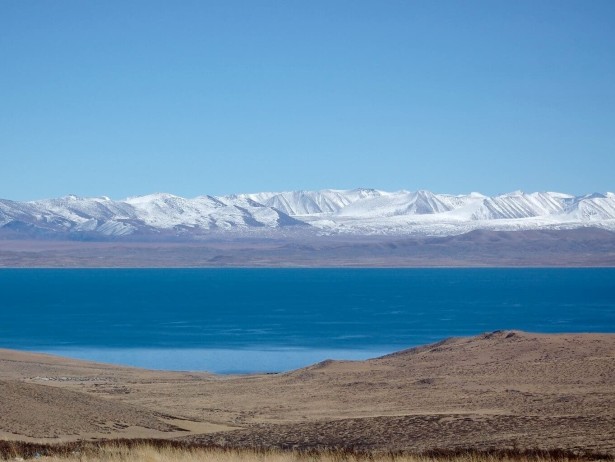
After breakfast, the journey continues with a scenic drive from the Tibetan interior toward Kerung, crossing the vast and open landscapes of the Tibetan plateau. One of the key highlights of today’s drive is a visit to Peiku-tso Lake (Peikucuo), a stunning high-altitude freshwater lake known for its deep blue waters and dramatic mountain backdrop. Located beside the main highway, the lake offers excellent opportunities for short stops, photography, and quiet appreciation of the plateau’s natural beauty, often accompanied by views of grazing yaks and distant snow-covered peaks.

After an early breakfast in Kerung, the journey begins with a drive toward the Nepal–China border at Rasuwagadhi. Upon arrival at the border, you will complete immigration and customs formalities on both the Tibetan and Nepalese sides. After crossing into Nepal, the drive continues through dramatic mountain landscapes, following river valleys and winding roads as you descend from the high Himalayas toward the Kathmandu Valley. The route offers scenic views of rugged hills, terraced farmland, and small roadside settlements, providing a final glimpse of the Himalayan countryside.

After an enjoyable and most mesmerizing adventure in Nepal and around the Himalayas on Everest base camp Trek. As time for departure, our staff transfer you to international airport for flight homeward bound or to next port of call.
Traveling on the 13-Day Lhasa Tour from Kathmandu via Everest Base Camp with Treklanders Adventures was an unforgettable journey for me and our group of six people. From the very beginning, the trip was well organized, professionally handled, and thoughtfully paced, which made a big difference on such a long and high-altitude overland adventure. Starting in Kathmandu, everything was clearly explained, including permits, border procedures, and the overall itinerary. The drive toward the Tibet border was scenic and adventurous, and once we entered Tibet, the landscapes completely changed into vast plateaus, snow-capped mountains, and deep cultural experiences. Visiting the Everest Base Camp from the Tibetan side was a true highlight for our group. Standing so close to Mount Everest, with clear views and fewer crowds, felt surreal and deeply humbling. Traveling as a group of six worked perfectly. The vehicle was comfortable, the timing was flexible, and the team made sure everyone felt included and supported. Treklanders Adventures paid close attention to acclimatization, which helped us adjust smoothly to the altitude. Our guide was knowledgeable, patient, and always ready to explain Tibetan culture, history, and daily life, making the journey much more meaningful than just sightseeing. Reaching Lhasa was the emotional peak of the trip. Exploring the Potala Palace, Jokhang Temple, and local markets gave us a deep insight into Tibetan spirituality and traditions. Despite the long driving days, the itinerary never felt rushed, and there was enough time to rest, explore, and enjoy each destination. Overall, this tour exceeded our expectations. Treklanders Adventures handled logistics, safety, and comfort with professionalism, allowing us to fully enjoy the experience. I would confidently recommend this 13-day Lhasa Tour to anyone looking for a well-planned, culturally rich, and adventurous journey from Nepal to Tibet, especially for small groups seeking a personalized experience.
Purpose: Keep sweat off the skin and maintain warmth.
Purpose: Trap body heat in cold air at altitude.
Tip: Keep electronics in inner pockets at night to prevent freezing.
Yes. Every traveler has to get a Tibet Travel Permit and a Chinese Group Visa from an authorized tour operator. You are not allowed to travel independently in Tibet.
A solo traveler may join a group tour or ask for a private tour. Nevertheless, permits must be obtained through a licensed agency.
It takes 3-5 working days for embassy procedures, biometric submission, and visa issuance, on average.
The best months are April to June and September to November, with nice weather and clear skies. Winter can be cold, but it is still possible.
Yes. Tibet has high altitudes, especially Gyirong, Tingri, and Lhasa. Travelers should acclimatize gradually, drink plenty of water, avoid alcohol, and rest upon arrival.
Good private vehicles, usually a van, tourist bus, or 4x4, are used depending on the number of people and the condition of the roads.
Most hotels have Wi-Fi, but the signal might not be very strong in very far or isolated areas. Charging is very easy in big cities and towns; however, bring a power bank with you on your trip days to be on the safe side.
Yes. Tibetan food is mainly meat-based, but vegetarian options and simple meals can be found in most towns.
April to June and September to November are best, offering clear skies, pleasant temperatures, and good roads for travel. Visibility is ideal for Everest, Yamdrok Lake, and the plateau.
Yes, travel is possible. Nepal has monsoon rain, mainly on the Kathmandu-Rasuwa Gadhi stretch. In Tibet, it is drier, landscapes are greener, but expect occasional road delays.
Winter (December-February) is cold, especially in Tingri and the Everest region. However, it is still a viable season with fewer tourists, clear skies, and lower crowd levels. Good for photography and cultural travelers who can handle low temperatures.
Spring and autumn have moderate temperatures with warm days and cool evenings. Lhasa averages between 10 °C and 20 °C, while high regions like Tingri remain colder, especially at night.
April-May and September-November provide the sharpest visibility, making these periods ideal for EBC travelers.
All seasons are possible, but the most comfortable climate for monastery visits, walking tours, and Barkhor Street exploration is spring and autumn.
A regular overland trip is done within 8-10 days, which also covers the border crossing, acclimatization, and a few sightseeing activities in Tibet. For most travelers, 10 days are preferred to be able to comfortably cover Gyirong, Tingri, Shigatse, Gyantse, and Lhasa.
The daily driving time depends on which stretch is covered. On longer driving days (Kathmandu-Rasuwa or Tingri-Shigatse sectors), one should expect to drive 68 hours, while on shorter sightseeing days, the drive will be only 2-4 hours. Along the journey, there are rest stops, photography breaks, and meals.
The average time to go is approximately 6-8 hours. The time it takes to go is dependent on traffic and road conditions through Pasang Lhamu Highway.
It takes 5-7 hours, with stops for sightseeing along the way.
The travel time for this part is about 6-7 hours, and that includes the time spent at the lake of Yamdrok and Gyantse for sightseeing.
Lhasa is not less than 2 full days of a trip. These days could be spent on visiting Potala Palace, Jokhang Temple, Barkhor Street, Drepung, and Sera Monastery. Many travelers also lengthen their stay to 3-4 days in order to be able to visit Namtso Lake or do cultural walking tours.
The Tibet visa process, which includes biometrics and visa issuance, generally takes 3-5 working days in Kathmandu. It is advisable for travelers to consider this time when planning their total travel duration.
Indeed, you may enhance your travel with a private, small group, or a VIP guide who is a highly experienced cultural guide or photography-friendly guide upon your request.
Accommodation mainly consists of tourist-standard hotels that are comfortable and generally found in Kathmandu, Lhasa, Shigatse, and Gyantse. However, in high-altitude or remote areas such as Gyirong and Tingri, lodging may be simpler due to location and climate conditions. The rooms are usually clean and functional, made to offer rest and warmth after long overland drives.
Most rooms, especially those in Lhasa and other major cities, are accompanied by bathrooms with hot showers. On the other hand, small towns and high-plateau stops might have shared toilets or basic washing facilities, depending on what is available.
Wi-Fi is accessible in most hotels located in towns and cities, though the connection may be weak or unstable in Gyirong, Tingri, and other rural areas. Therefore, it is advisable to have a local SIM card or offline entertainment with you.
In hotels located in Lhasa and Shigatse, heating is generally available, especially during the cold season. As for remote areas, heating may only be available in the form of electric blankets or simple room warmers. Hot water is provided in cities; however, it may not always be available in high-elevation stops during the winter.
Yes. Upgraded or luxury suites in Lhasa, Shigatse, or Kathmandu are available on request for travelers. Private rooms have an additional charge for single-room supplements.
Most of the hotels can make vegetarian meals or simple dishes. For vegan or any specific dietary needs, please notify your guide beforehand so that the necessary arrangements can be made, if possible.
Throughout the Kathmandu–Lhasa overland journey, you will find a mix of Nepali, Tibetan, Chinese, and simple continental meals. Common dishes include rice, noodles, soups, Tibetan bread, momos, dal-bhat, fried rice, stir-fried vegetables, and meat options. In cities such as Kathmandu, Lhasa, and Shigatse, you’ll also find bakeries, cafés, and restaurants serving Western food, pasta, pizza, coffee, and bakery items.
Yes. Vegetarian options are widely available, especially in monasteries, teahouses, and city hotels. Vegan meals may require advance notice, but simple vegetable dishes can always be arranged. Inform your guide early of special dietary needs such as gluten-free, allergies, or lactose restrictions.
In Kathmandu and the main Tibetan cities, bottled mineral water is easily available. During road travel, filtered or boiled water can be provided by hotels or purchased at local shops. To maintain hygiene and avoid stomach issues, drinking tap water is not recommended.
Yes. High-altitude travel increases calorie demand, so carrying light snacks like dry fruits, chocolate, protein bars, or instant drinks is helpful for long drives and remote stretches.
Tea, Tibetan butter tea, black tea, and instant coffee are available throughout the route. Hot soup is commonly served in colder regions and helps with acclimatization.
Alcohol consumption at high altitude is not recommended, especially during initial acclimatization days.
Yes, foreigners must have a Chinese Group Visa (different from the regular China visa) along with a Tibet Travel Permit. These documents are necessary for all foreign tourists entering Tibet.
The entire permit process is handled by your tour operator. You need to submit your passport, complete a visa form, and attend a biometric session at the Chinese Embassy in Kathmandu. After the approval, the group visa and Tibet permit will be issued.
The procedure normally takes 3–5 working days in Kathmandu. Travelers should be there at least a few days before the start of the overland journey to have time in case of any delays.
No. You cannot apply for permits independently. Only a licensed Tibetan travel agency can submit the application for you.
A valid passport (at least 6 months validity), a copy of the passport, a travel form, and a confirmed tour itinerary.
No. If you want to enter Tibet from Nepal, you have to get a Chinese Group Visa issued in Kathmandu, even if you already have a Chinese visa.
Yes, but you will have to get additional permits if you want to go to places like Namtso, Everest Base Camp, Mt. Kailash, or further into mainland China.
Visa fees are non-refundable, and changes must comply with embassy regulations.
Yes, individuals are not allowed to travel in Tibet on their own. Therefore, a licensed Tibetan guide must accompany you throughout your trip, following government regulations.
Your guide is responsible for permit checks, hotel coordination, route navigation, safety briefings, sightseeing explanations, and cultural interpretation. In addition, they offer communication support, make dining arrangements, and give altitude advice.
Yes, a Nepali city guide will take you through the sightseeing while you stay in Kathmandu for visa processing. After the border crossing, your Tibetan guide, who will accompany you until Lhasa, will meet you.
Most of the Tibetan guides can speak English, Tibetan, and Mandarin. In case you request it beforehand, and a guide speaking your language is available, then you can have a guide speaking that language (availability subject to).
Certainly, Guides receive training in altitude awareness and safety as a first response. They always check on the guests and recommend that they go slowly, keep themselves hydrated, and take rest.
Your Tibetan guide will be with you from Gyirong, the entry point, to Lhasa, the departure. They will be available for daily support and coordination.
You are allowed to choose your preferred guides and request them.
Bundle up with layered clothes that can handle a temperature change. Bring warm jackets, fleece, thermal innerwear, gloves, hats, and comfortable walking shoes. In Tibet, even if it’s a warm season, the altitude makes the evenings cold.
There is no need for technical trekking equipment. However, you should not compromise on a good pair of hiking shoes. Also, bring sunglasses, a sunhat for protection against the UV rays, and a reusable water bottle for staying hydrated. And it wouldn't hurt to have a light daypack for daily sightseeing and road travel.
Take with you your personal hygiene items, quick-dry towels, sunblock (SPF 30+), lip balm, hand sanitizer, wet wipes, and a basic toiletry kit. Rest assured that the hotel where you will stay each night may not always be equipped with full amenities, especially in remote towns.
Sure, bring with you the medications you usually take and basic altitude sickness tablets, painkillers, cold medicine, and rehydration salts. It is better to take preventive medicine for altitude after consulting a doctor.
Make sure you always have your passport, visa copies, travel insurance, and Tibet travel permit with you. Also, keep digital backups.
The journey is generally described as easy to moderately challenging. Almost the entire tour is conducted on roads with cultural sightseeing and not trekking. The main challenge is high altitude, rather than physical difficulty.
Average fitness will be enough. The travelers should be able to walk comfortably during the monastery visits, climb stairs, and endure long road journeys. No technical climbing or trekking experience is needed.
The biggest challenge is altitude acclimatization, particularly in places like Gyirong, Tingri, and Shigatse. Sometimes a person could feel symptoms of headache, fatigue, or shortness of breath due to reduced oxygen levels.
Keep drinking plenty of water, walking slowly, resting well on arrival days, not drinking alcohol & not smoking, and eating light meals. Gradual ascent included in the itinerary allows your body to adjust naturally.
Yes, but only if they are healthy and used to high altitude. Elderly travelers should seek a doctor's advice before the trip. Families with children should proceed at a slower pace and take more precautions.
Monasteries, in most cases, require going up stairs and a short uphill path. Nevertheless, all the sightseeing can be done if people take regular breaks.
Those with serious heart or lung diseases or severe altitude-related issues should first seek a doctor's opinion. It is highly advisable to have travel insurance that covers high-altitude areas.
Usually, only mild symptoms are experienced when adjusting to altitude levels. Travelers are advised to rest, drink plenty of water, eat light food, and move slowly. If it is a serious case, the next day's journey will be canceled, and they will be taken down to a lower altitude or to the hospital.
Medical care is accessible in well-developed cities such as Kathmandu, Lhasa, Shigatse, and Gyirong. Nevertheless, the areas of Tingri or the mountain passes might have very limited or no medical care facilities at all. In the case of minor symptoms such as headache or altitude sickness, the guides can help with some first aid.
Yes, they do. They usually carry simple first aid kits with them, but travelers should bring their own medication and take doctor-prescribed altitude medicines with them.
Travel insurance is definitely a must-have, and it should be a policy that covers high-altitude travel, medical evacuation, emergency transport, trip delays, and cancellation. Some operators may require the insurance certificate before the departure of the trip.
One should get insurance that does not allow travelling at an elevation of more than 4, 500 m without coverage, since the route passes Tingri and the Everest region nearby. Also, he/she should be assured that helicopter evacuation or emergency ground rescue is included.
Lhasa has well, equipped hospitals in comparison with remote towns. In case of a serious emergency, one might have to be sent to Kathmandu or mainland China for treatment.
Basic medicine is available in cities, but it’s safer to carry personal prescriptions and altitude medication from home.
The tour uses private tourist vehicles depending on group size, commonly a comfortable van, minibus, or 4x4 jeeps. The vehicles are maintained for high-altitude driving and operated by experienced Tibetan drivers.
The total overland journey spans multiple days with scenic stopovers. Most driving days range between 5 and 8 hours, while shorter drives occur in Lhasa and Shigatse during sightseeing.
Yes, the Friendship Highway is mostly paved, though some stretches near the border or high passes can be rough depending on weather and season.
The itinerary is primarily overland, but flight options are available for those who prefer shorter travel time or wish to end the tour quickly.
Yes. Many travelers choose to fly out from Lhasa to Kathmandu or mainland China after completing the tour. This saves time and is convenient after long road travel.
Flight inclusion depends on the package type. It can be added upon request at an additional cost.
Yes. Travelers may continue from Lhasa via the Tibet Train toward Xining, Chengdu, or Beijing. This can be arranged as an optional extension.
Yes. You may upgrade to a private 4x4 or luxury vehicle for comfort and flexibility.
| No of people | Price per person |
|---|---|
| 1 - 1 | $2,645 |
| 2 - 6 | $2,435 |
| 7 - 20 | $2,325 |
| 21 - 100 | $2,205 |
| No of people | Price per person |
|---|---|
| 1 - 1 | $2,665 |
| 2 - 3 | $2,475 |
| 4 - 10 | $2,355 |
| 11 - 20 | $2,275 |
| No of people | Price per person |
|---|---|
| 1 - 1 | $6,205 |
| 2 - 3 | $5,915 |
| 4 - 10 | $5,715 |