
Top 80 Everest Base Camp Trek Facts Every Trekker Should Know
18 Feb 2026
Discover 80 must-know facts about the Everest Base Camp Trek, from altitude and route to weather, culture, permits, and high-altitude safety in Nepal.

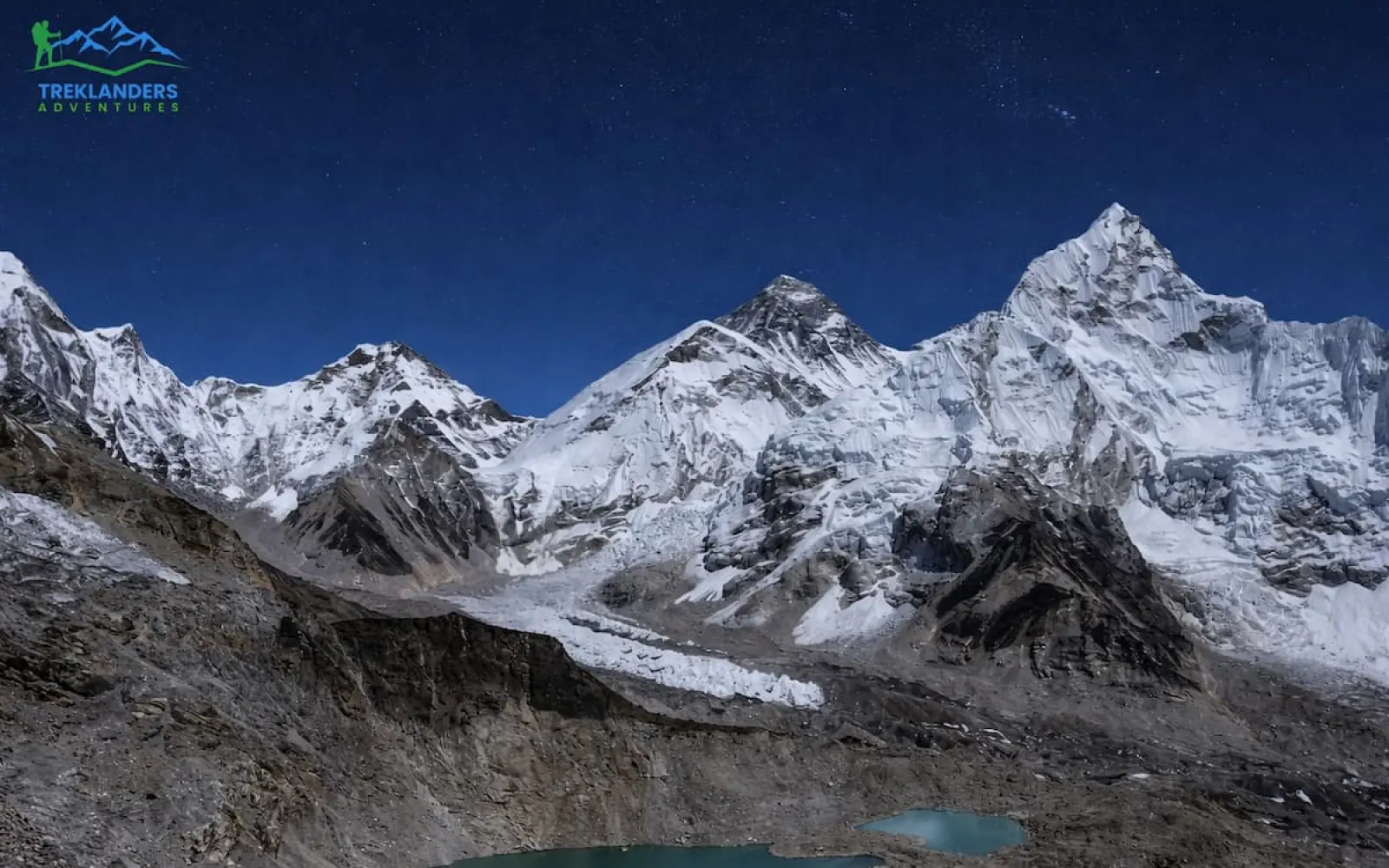
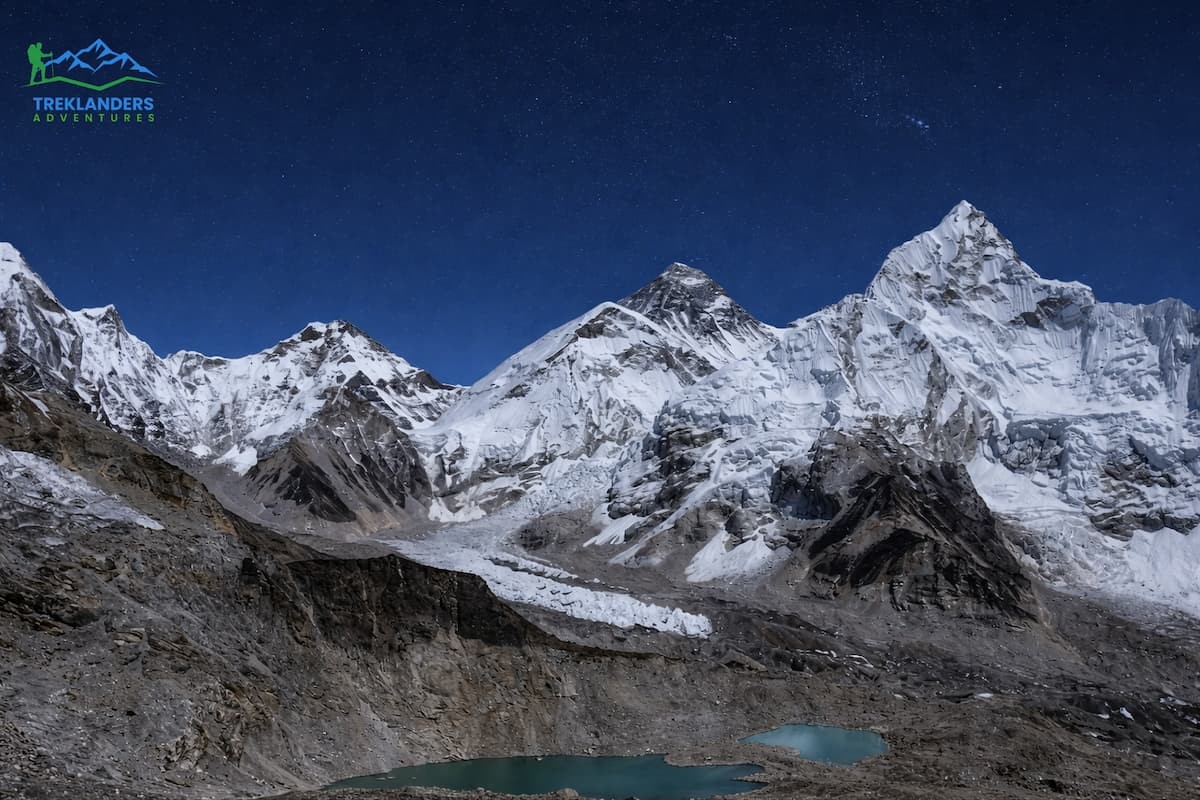
The Everest Base Camp Trek is the premier Himalayan adventure in Nepal, taking trekkers deep into the Everest Region, also known as the Khumbu area. Over a period of 14 days, it offers a mix of scenic mountain landscapes, Sherpa culture, glacial valleys, and the challenge of trekking at high altitude. At the end of the route, one can reach the Everest Base Camp (5,364m) and the well-known viewpoint of Kala Patthar (5,545m), from where one gets a spectacular view of Mount Everest (8,848.86m).
The trip starts with a flight over stunning mountains from Kathmandu to Lukla, which has one of the most fascinating airport runways in the world. After Lukla, the trail goes along the Dudh Koshi River through pine forests, suspension bridges, and traditional Sherpa villages like Namche Bazaar, which is the trading and cultural center of the region. Since altitude can affect the body drastically, the climbers spend some days in Namche and Dingboche for acclimatization.
Whilst on the trek, one comes across Sagarmatha National Park, which is also a UNESCO World Heritage Site, a home to the rare species of animals, alpine vegetation and majestic Himalayan peaks. Among the cultural attractions is the visit to Tengboche Monastery, the Sherpa community's spiritual center, where bystanders can observe Buddhist ceremonies with the stunning visual backdrop of Ama Dablam and Everest.
Altitude rises gradually from 2,860 m. at Lukla to over 5,500m at Kala Patthar, thereby making proper pacing, hydration, and acclimatization essential. The total round-trip trekking distance is around 130 kilometers, with daily walking hours ranging from 5 to 8. The level of difficulty is considered moderate to hard because of the elevation gain rather than due to the nature of the terrain.
The ideal seasons for the Everest Base Camp Trek are spring (March-May) and autumn (September-November) as the skies are usually clear and the mountains extremely visible. This fully 14-day itinerary strikes a great balance between adventure, culture, altitude control, and stunning Himalayan landscapes, and is thus one of the world's most rewarding trekking experiences.
Day 1:- The journey to Everest Base Camp starts from Kathmandu (1,365m). Trekkers land in Kathmandu, get a transfer to their hotel, and attend the pre-trek briefing. The permits are done, the gear is checked, and the trek to the Himalayas is all set.
Day 2:- Features a stunning flight over the mountains to Lukla (2,860m). From there, the trek takes off with a calm and easy walk by the river Dudh Koshi to Phakding (2,610m), which takes around 3-4 hours.
Day 3:- Features a continuous climb to Namche Bazaar (3,440m). You cross the river Dudh Koshi on suspension bridges, enter Sagarmatha National Park, and then have a steep uphill walk to Namche, which takes about 6 hours in total.
Day 4:- is the day for acclimatization in Namche. You adjust to altitude and enjoy the magnificent views of the Himalayas by taking a short hike (2-4 hours) to the higher elevations.
Day 5:- after about 5 hours of walking on forest ridges, the trek reaches Tengboche (3,860m), which is the location of the beautiful Tengboche Monastery.
Day 6:- Trekking to Dingboche (4,410m) over alpine grassy landscapes is the plan.
Day 7:- Today is a rest day for acclimatization, combined with a short hiking session to help one's body get used to the altitude.
Day 8:- You head towards Lobuche (4,940m), and along the way, you will pass through memorial sites and a glacier.
Day 9:- The trekkers will go to Everest Base Camp (5,364m), and afterwards they will go back to Gorak Shep (5,164m) after around 8 hours of hiking.
Day 10:- Today, begins with a sunrise hike to Kala Patthar (5,643m), the highest elevation of the trek, after which you will go down to Pheriche (4,371m).
The trails to Namche and Lukla will be accomplished on Days 11 and 12, respectively. Each day, you will need around 7 hours of hiking. Day 13 includes a 30-minute flight back to Kathmandu. The 14th day is your international departure, which is the end of your high-altitude Himalayan expedition.
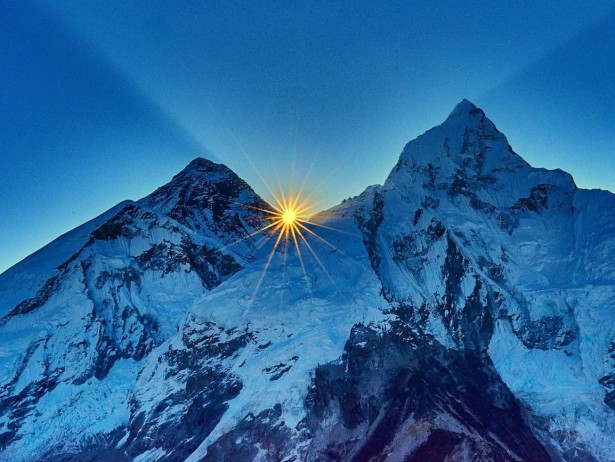
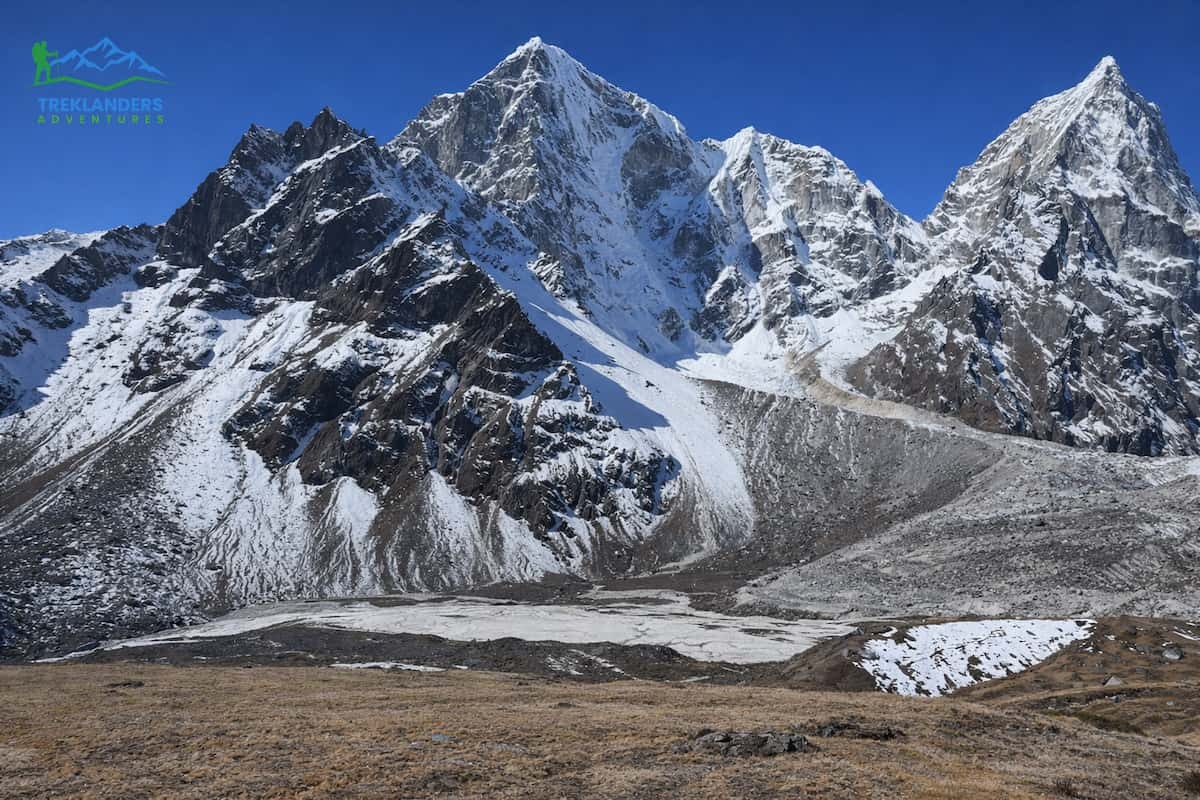
Your journey to Everest Base Camp starts upon your arrival at Tribhuvan International Airport, located in Kathmandu at an altitude of 1,365 meters. After you're done with the immigration formalities, you're escorted to your hotel, which is usually situated in the bustling tourist area of Thamel.
As soon as you have checked in, you may take a nap or, if you are up for it, walk around the nearby streets that are lined with trekking gear shops, cafes, restaurants, and handicraft stores. This is a perfect moment to buy or rent any last-minute gear like down jackets, gloves, or trekking poles. Getting ready well today will guarantee comfort and safety during the days that you will be heading to high altitude.
At night, your guide will give you a pre-trek briefing. The guide describes the 14-day plan of the trek, the hours of walking daily, the altitude increases, the standards of accommodation, and safety measures. The trekking permits, including those for the Sagarmatha National Park, are checked and finalized. Your guide further explains the symptoms of altitude sickness, the importance of drinking enough water, and the need for proper acclimatization.
Kathmandu has a blend of old culture and new vibe that evokes excitement before the Himalayan adventure starts. It is wise to take an early night so that you are well-rested for the beautiful mountain flight to Lukla on the second day.
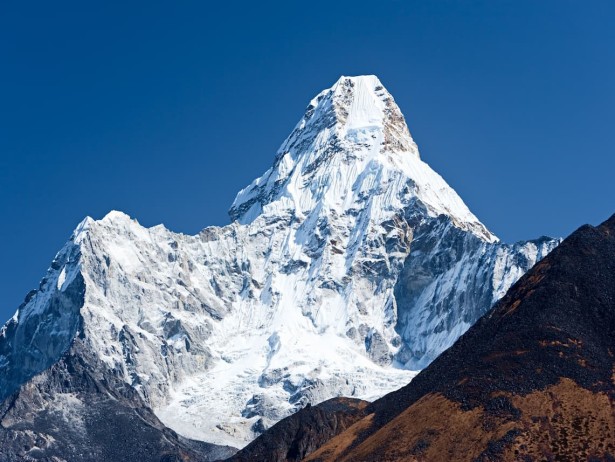
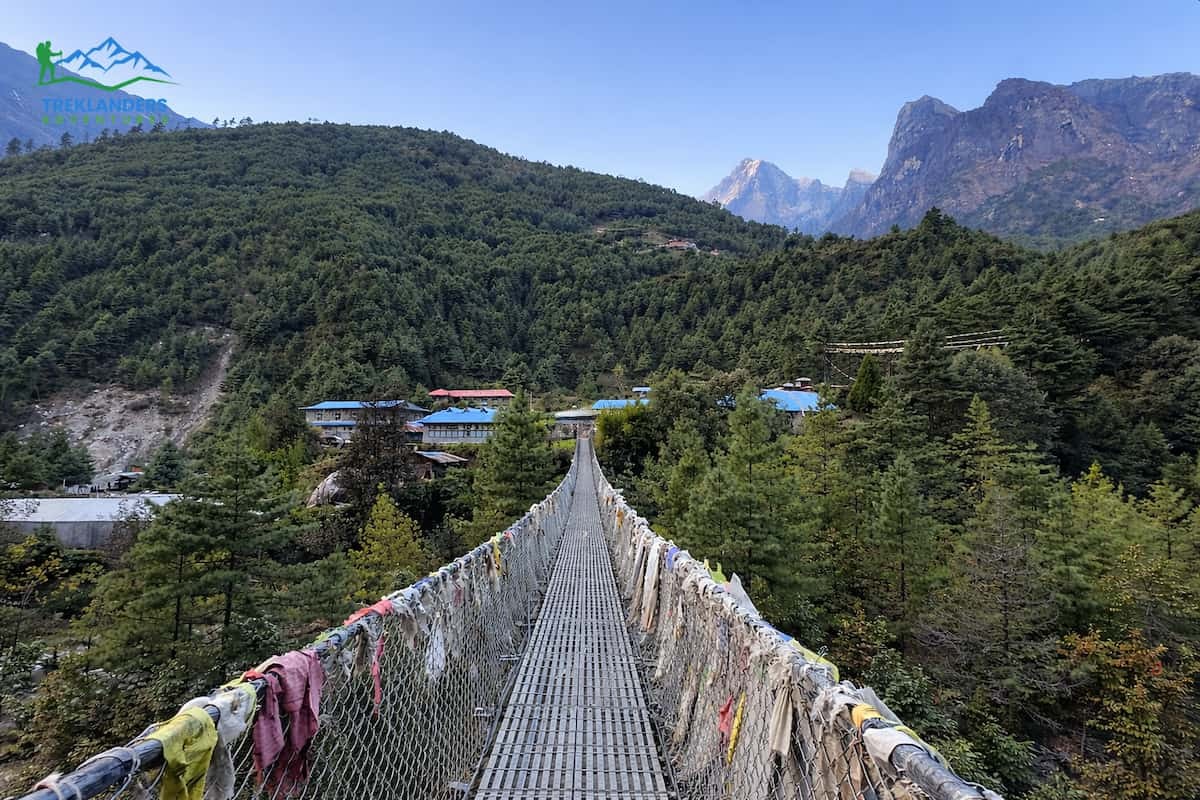
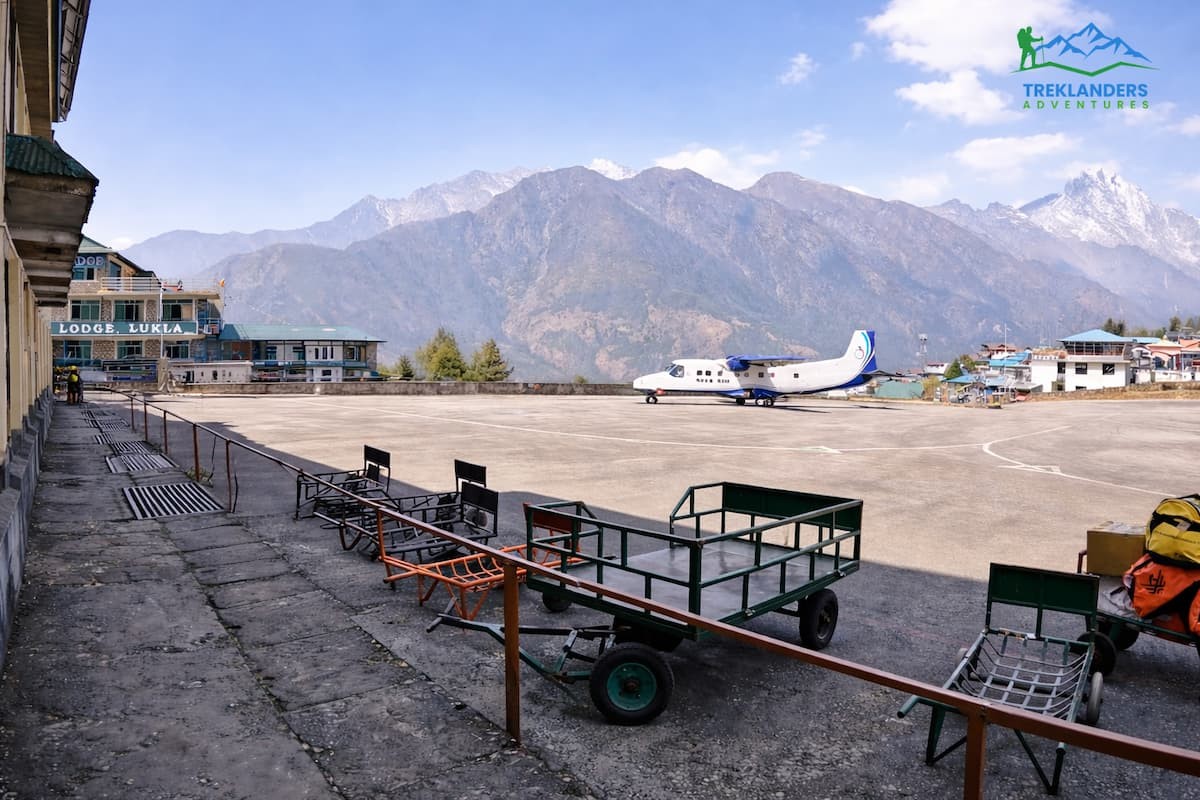
Today, starts early with a mountain flight from Kathmandu to Lukla (2,860m). This 30-minute flight offers magnificent aerial views of the Himalayan peaks before landing at Tenzing-Hillary Airport, one of the world's most spectacular high-altitude runways. You will meet the porters as soon as you arrive and start your trek from there.
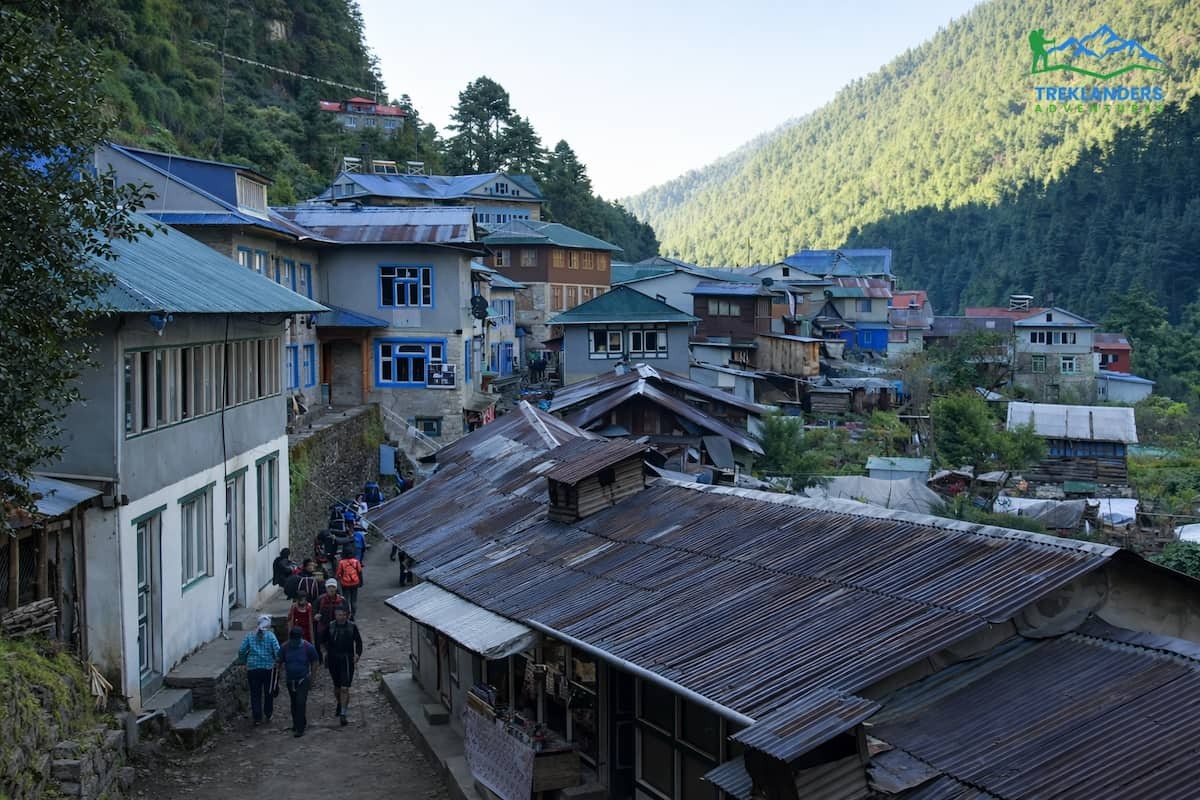
The path descends slowly as it goes through stone-paved paths, mani walls, prayer wheels, and suspension bridges over the Dudh Koshi River. It is a relatively easy walk that allows your body to start getting used to the altitude. After 34 hours of walking, you get to Phakding (2,610m), which is a tranquil village beside the river and is surrounded by pine trees and traditional lodges.
Around the path, you see Buddhist chortens, mani stones inscribed with holy mantras, and multicolored prayer flags sending prayers into the wind. The Tibetan Buddhism theme can be seen all along the trail. Both Lukla and Phakding have Sherpa populations famous for their mountaineering legacy, friendliness, and deep religious keenness.
A night at a teahouse lodge in Phakding. The rooms are very basic but clean and cozy. Usually, two people share a room with simple bedding. The dining rooms are warm and very social, frequently having a central stove for heating. Dal Bhat, noodles, soups, and tea are some of the dishes served.
The view of Kusum Kanguru, classic suspension bridges, yak caravans carrying goods, and beautiful pine and rhododendron forests are the major features of the area.
Take your time and don't overexert. Drink plenty of water and stay away from alcohol. Make sure you have your necessities like water, sunscreen, and a light jacket handy in your daypack. Even though this day is pretty straightforward, going at the right pace will help you to acclimatize better during the coming days.
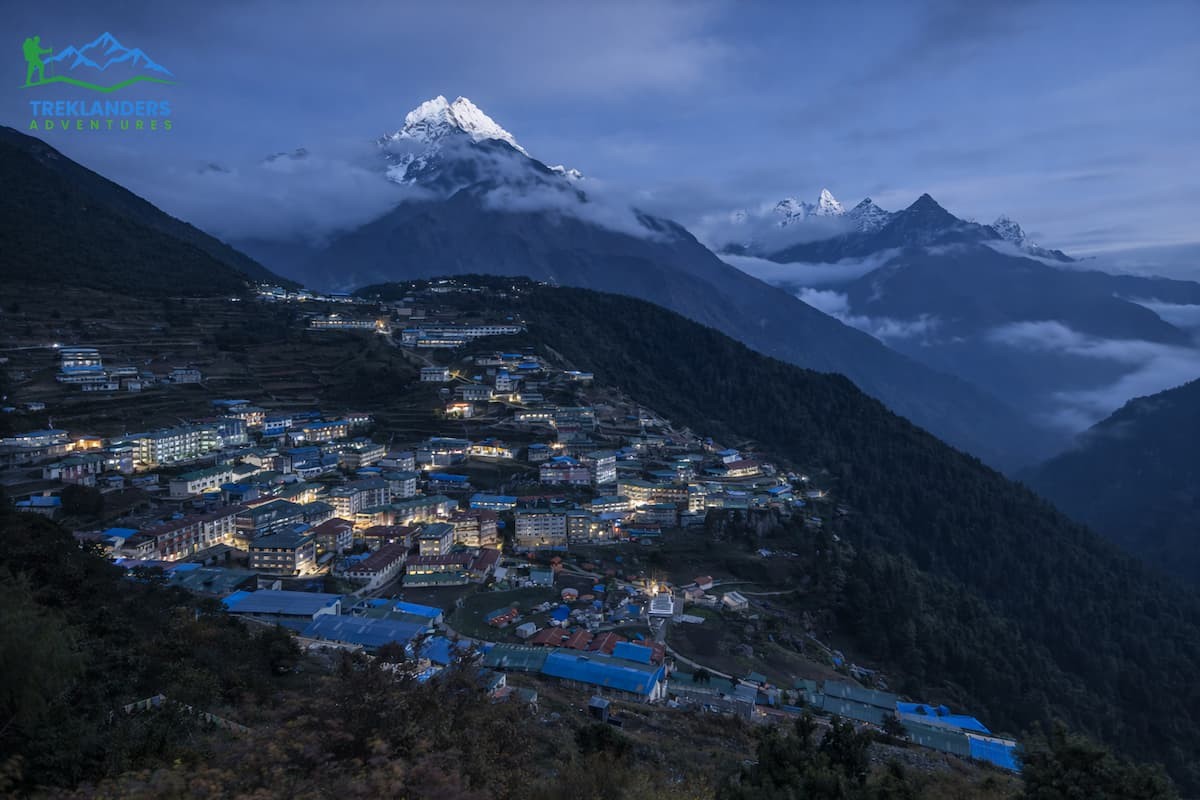
Today, brings your first serious altitude ascent when you travel between Phakding and Namche Bazaar (3,440m). The path will lead you alongside the Dudh Koshi River, passing several suspension bridges, one of which is the very well-known Hillary Bridge. Once inside Sagarmatha National Park, the authorities check the permits and then the steep climb starts. The last climb to Namche is quite a challenge for the body, but it is worth it because you might be able to see Mount Everest at a distance for the first time if the sky is clear.
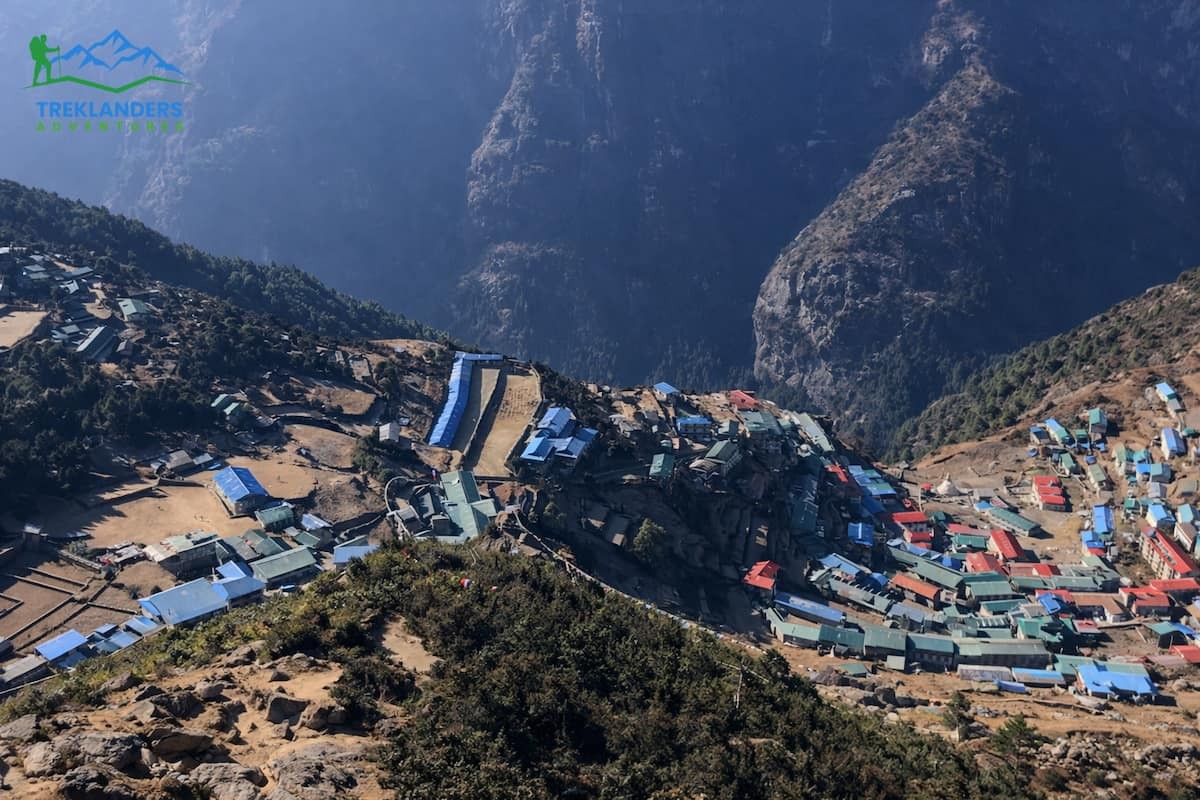
The trail goes through tiny villages like Monjo and Jorsale, which showcase traditional Sherpa houses and agricultural activities. Namche Bazaar is the principal market town in the Khumbu region, where you can find bakeries, monasteries, local markets and the local people living and breathing mountaineering history.
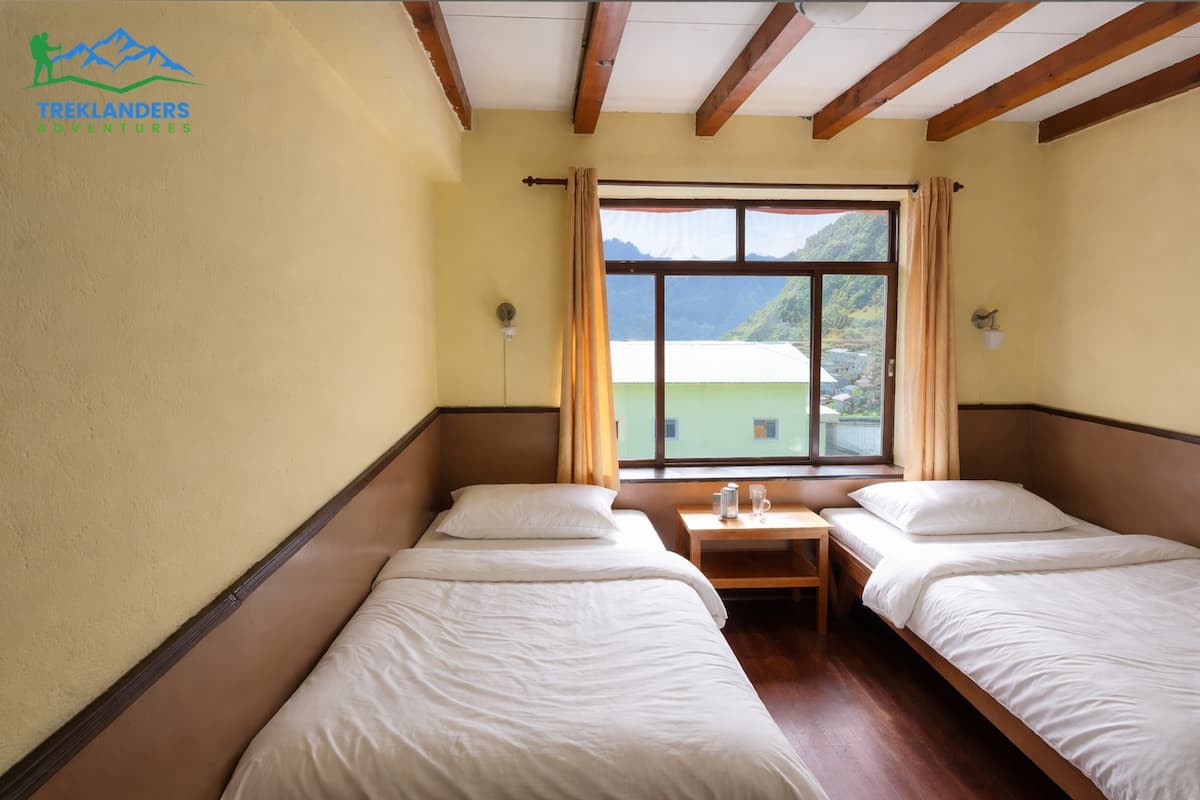
Night in a well-established teahouse at Namche. Lodges here are quite developed, and comfortable twin rooms are available, hot meals, bakeries, and sometimes Wi-Fi or charging facilities (at an additional cost) are provided. Dining halls give a cozy communal atmosphere.
Experiencing the beautiful scattering of rhododendron and pine trees, the breathtaking scenery of steep river valleys, waterfall and the Himalaya peaks such as Thamserku and Kongde Ri. The town of Namche itself is very special as it is built in a horseshoe-shaped amphitheatre on the side of a mountain.
Keep your pace slow and steady while climbing the steep part. Drink water regularly and eat nutritious food to help your body get used to the altitude. Do not push yourself too hard, as you have to gain quite some altitude today. Taking a good rest in Namche is very important if you want to continue to Everest Base Camp successfully.
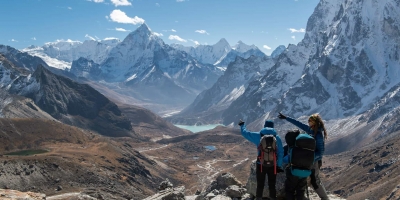
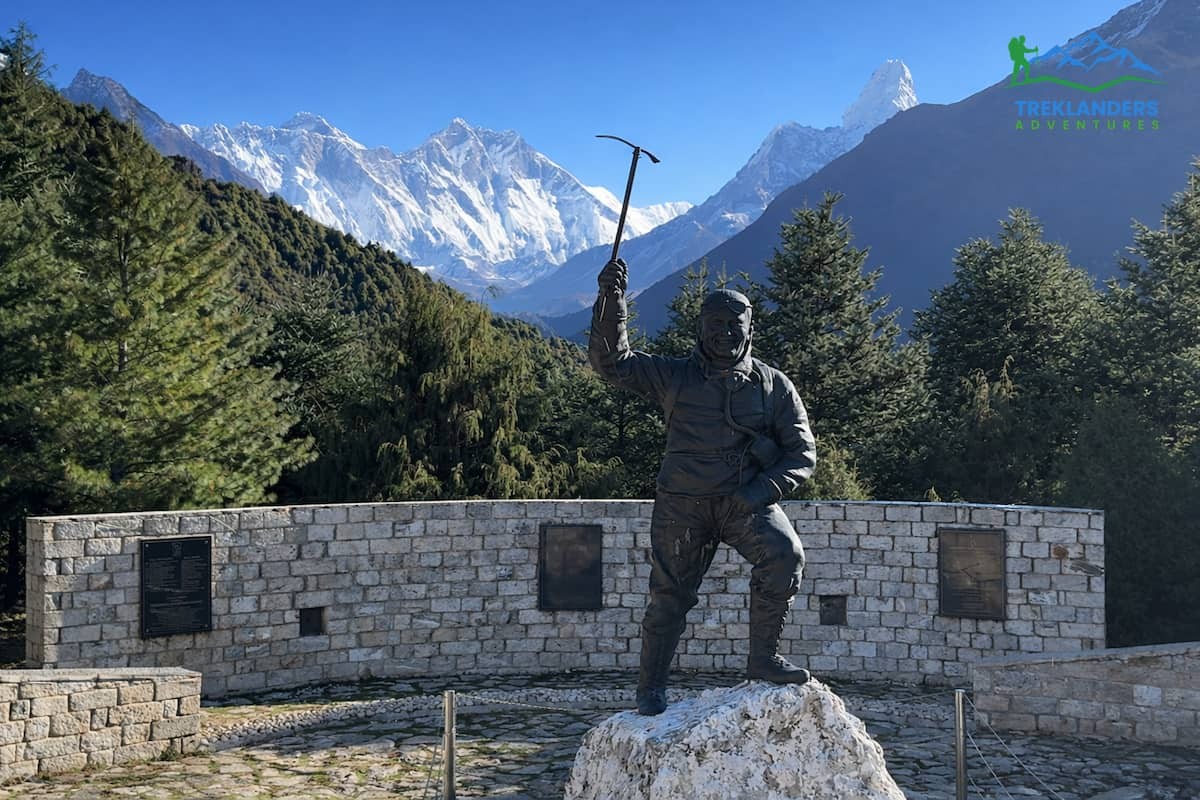
Today is an acclimatization day at Namche Bazaar, which helps your body get used to the high elevations before you continue the trek to Tengboche and further. You will do a short 2–4-hour hike to the local viewpoints on this day, slowly increasing altitude, which is a good way to stay safe from Acute Mountain Sickness (AMS). Acclimatization hikes are essential on the Everest Base Camp Trek, and they help you have more energy and a safer trekking experience in the following days.
Namche Bazaar is where Sherpa life beats the strongest. The town features traditional stone houses decorated with prayer flags, along with Buddhist stupas and mani walls. Taking a stroll around the local bakeries, markets, and cultural centers reveals to the trekkers the Sherpa daily life, the mountaineering history, and the Buddhist traditions. Moreover, meeting the Sherpas at a local level is the best way to immerse oneself in their culture.
Spend a night in a teahouse in Namche. The rooms are usually small and heated, having twin beds covered with blankets most of the time. The dining areas serve hot meals such as dal Bhat, soups, and tea. A few lodges even offer solar-heated showers or facilities for charging, which are perfect for a relaxing stop during acclimatization.
The brief acclimatization hike is roughly 4-5 km in length with mild uphill stretches to walk along stone-paved trails, through the woods, and along ridges. The ground is mostly firm, but it is a bit rocky, and there are some steps and zigzags, so it is quite easy while still giving a nice exposure to the higher elevations.
From the Everest View Hotel or the surrounding ridges, the trekkers have the opportunity to look at the breathtaking panoramic views of Everest, Nuptse, Lhotse, and Ama Dablam. The amphitheatre-shaped town of Namche and the river valleys can be seen from above. Additionally, the rhododendron and pine forests surrounding the area contribute their charm to the natural beauty of the trail.
This day offers a great mix of light walking, cultural discovery, and rest that makes it an excellent way to get to know the Khumbu way of life while getting your body ready for the next elevation gains.
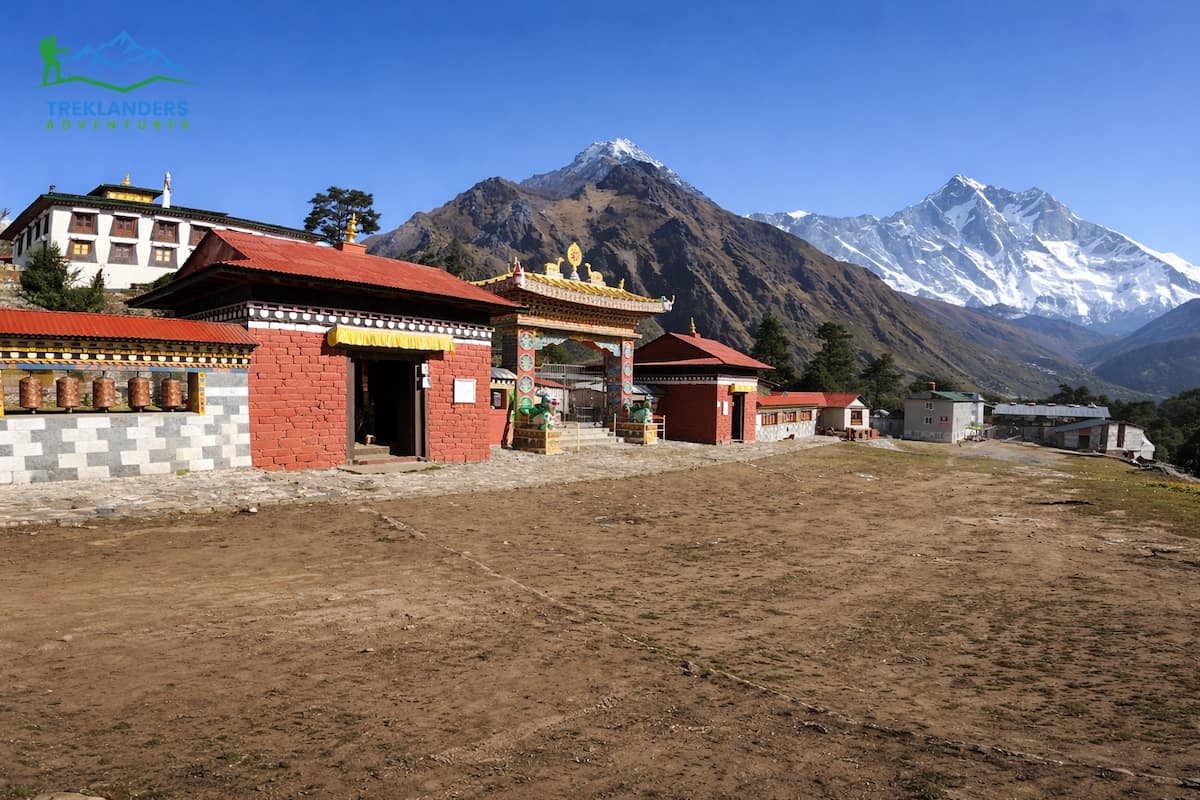
Today, trek will cover the distance from Namche Bazaar (3,440m) to Tengboche (3,860m). The path goes up through the pine and rhododendron forests, and you can enjoy magnificent views of the Himalayan peaks. Tengboche is where one can find the famous Tengboche Monastery, the spiritual heart of the Khumbu region, so this day will definitely be scenic and culturally enriching. The walk normally lasts for about 5 hours, and the way goes up moderately with a few stops for rest.
Tengboche Monastery is at the heart of Sherpa Buddhism. The monks perform their daily rituals, and trekking fans can see their prayer ceremonies in the peaceful atmosphere. The monastery is the venue for an annual festival called Mani Rimdu, which brings locals and visitors together to share the local culture. Bypassing villages along the route, trekkers get to see traditional Sherpa homes, prayer flags, and mani walls.
An overnight stay in a tea house lodge at Tengboche will be nice. The accommodation is simple but pleasant, offering shared or twin rooms and warm dining areas. Meals generally consist of dal Bhat, noodles, and soups. Lodges usually offer hot beverages and some heating in their communal areas.
The trek is approximately 10 km with a gentle gradient. Walking tracks are a mix of uneven stone steps, soil trails and some stony sections. A wooded path offers shade for a considerable part of the walk; however, the last stretch to Tengboche is coming out to stunning mountain views.
Stunning views of Ama Dablam, Lhotse, and Everest. Pine and rhododendron woods are particularly colourful in spring. Along the trail, there are traditional Sherpa villages and mani walls.
Today we cover mix of a moderate hike and a cultural immersion, giving you stunning views of the mountains and a closer insight into Sherpa traditions.

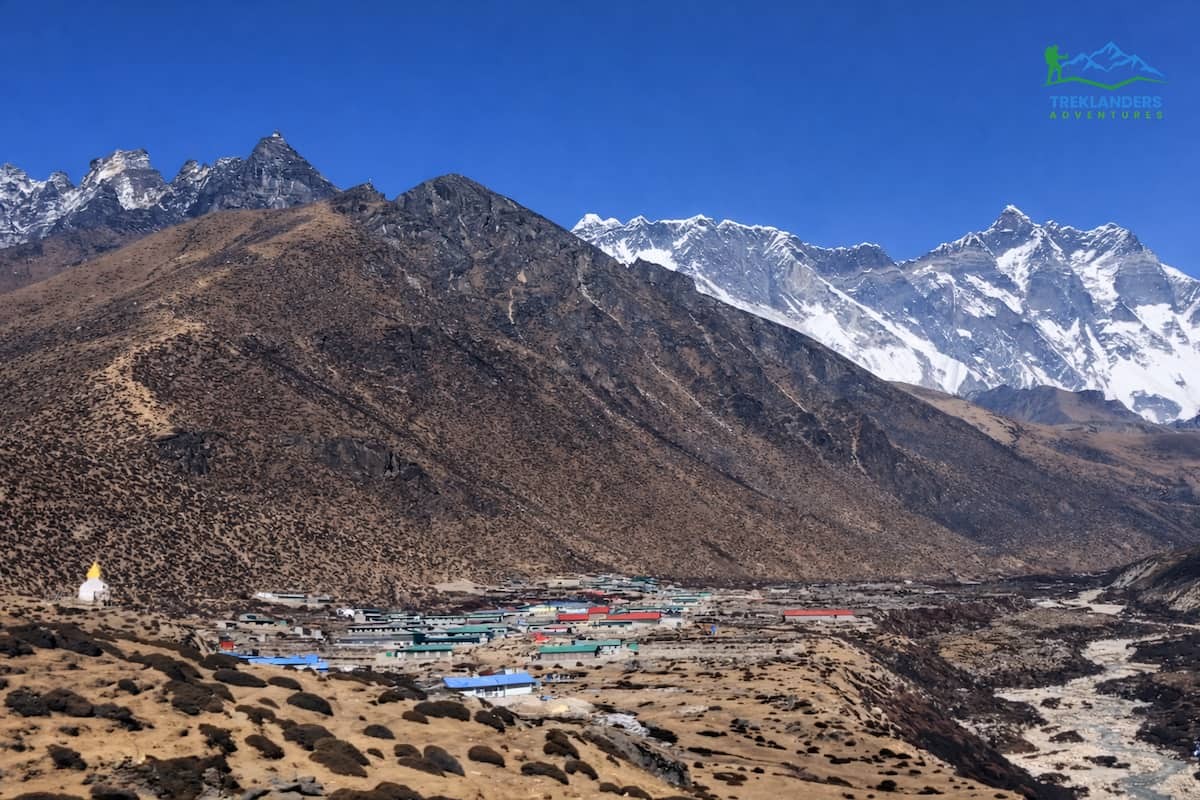
Today our journey starts from Tengboche (3,860m) to Dingboche (4,410m), which is the continuation of the trekking route. The trek today leads through open alpine valleys, rocky paths, and yak grazing areas. The slow climb is good for the body's adjustment to the altitude, and at the same time, you can enjoy the beautiful scene of Himalayas giant peaks such as Ama Dablam, Lhotse, and Island Peak. The trekking time is approximately 5 hours, which balances a nice elevation gain with a magnificent view.
The trail goes through villages such as Pangboche, where locals live in stone houses decorated with prayer flags. Dingboche is a farming village, where even at a high altitude, you can see terraces of barley and potatoes. Mani walls, chortens, and Buddhist shrines are found in CP, thus indicating the deep spiritual connection the Sherpa people have with the mountains.
Stay overnight at a teahouse lodge in Dingboche. Lodges are great but simple, with twin rooms or dormitory options. Common areas are usually heated by wood or gas stoves. Meals generally include dal Bhat, soups, noodles, and tea. Dingboche lodges provide excellent mountain views right from the dining room.
The trek spans about 11 km and mainly follows stone and dirt paths. The terrain is moderately steep in some parts, with rocky outcrops and small streams to cross. The open valley sections serve as rest points and offer panoramic views.
Wonderful scenes of Ama Dablam, Lhotse, Island Peak, and Imja Valley. Yak caravans carrying goods between villages. Terraced farmlands and traditional Sherpa homes. Small streams and high-altitude plants like rhododendrons and junipers.
Today, you'll be doing a mix of moderate trekking, cultural observation, and exposure to high altitudes, which will get your body ready for the next higher elevations.
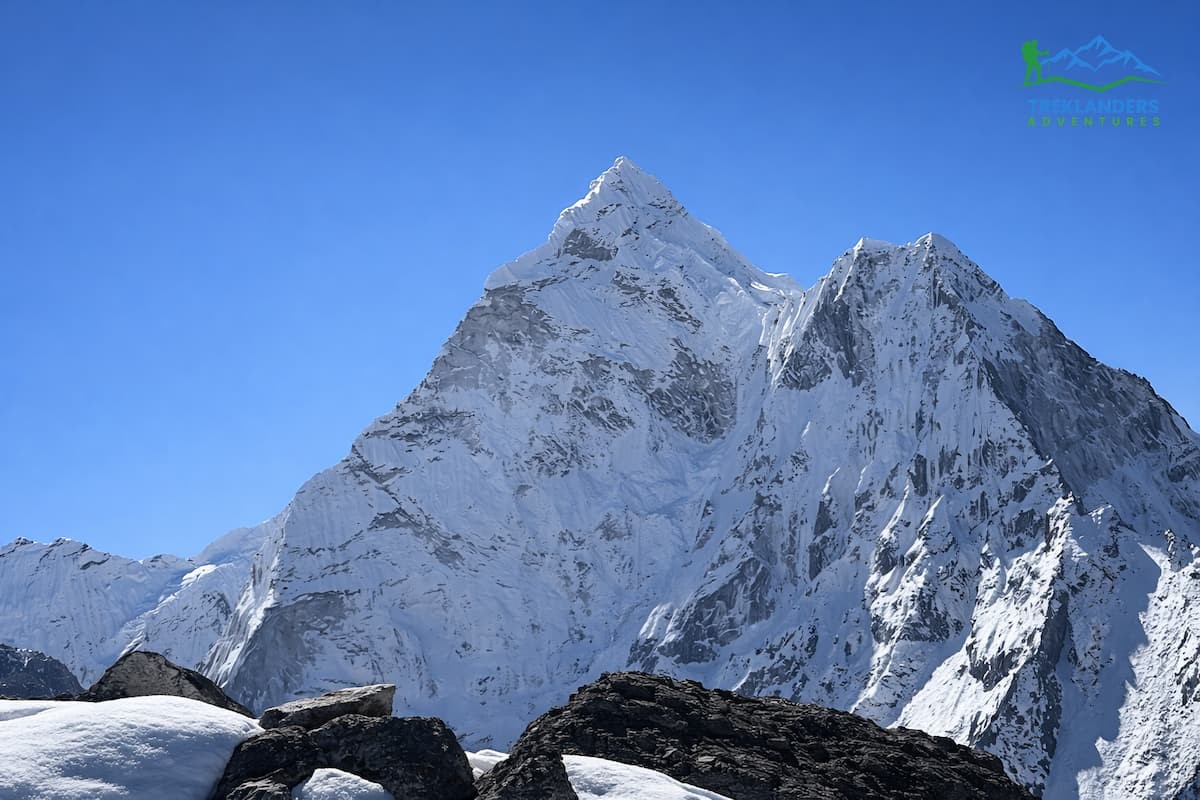
Today is a rest day for acclimatization at Dingboche (4,410m). The purpose of this day is to help your body get used to the higher altitude before the descent towards the Lobuche and Everest Base Camp continues. Most hikers usually go for a short walk to some nearby ridges. This way, they gain altitude slowly while at the same time maintaining their energy levels and minimizing the risk of getting Acute Mountain Sickness (AMS).
Dingboche is a Sherpa village that still adheres to traditional farming, where the locals cultivate barley, potatoes, and vegetables at very high altitudes. The spread of mani walls, chortens, and prayer flags represents the Buddhist spiritual traditions of the area. Visiting the villagers and talking to them can give a great understanding of the Sherpa lifestyle, the way they farm at high altitudes, and their community culture.
Night stay in a teahouse lodge in Dingboche. The accommodation is a warm twin room or a dormitory with blankets. The common rooms are warmed by wood or gas stoves, and the food usually consists of dal Bhat, soups, noodles, and tea. Most of the lodges have a great view of the mountains from the dining area.
The short acclimatization walk is about 4-5 km, using moderately steep stone and dirt paths. The terrain is rocky in places, and there are some switchbacks and ridge walks giving safe exposure to higher elevations.
Great peaks such as Makalu, Lhotse, and Ama Dablam. Dingboche with terraced fields and traditional Sherpa houses. Yak grazing spots, and high-altitude flora like junipers and wildflowers. Alpine valley landscapes and running water
Day 7 combines gentle trekking, cultural immersion, and acclimatization, making it a crucial step for a safe and enjoyable Everest Base Camp experience.
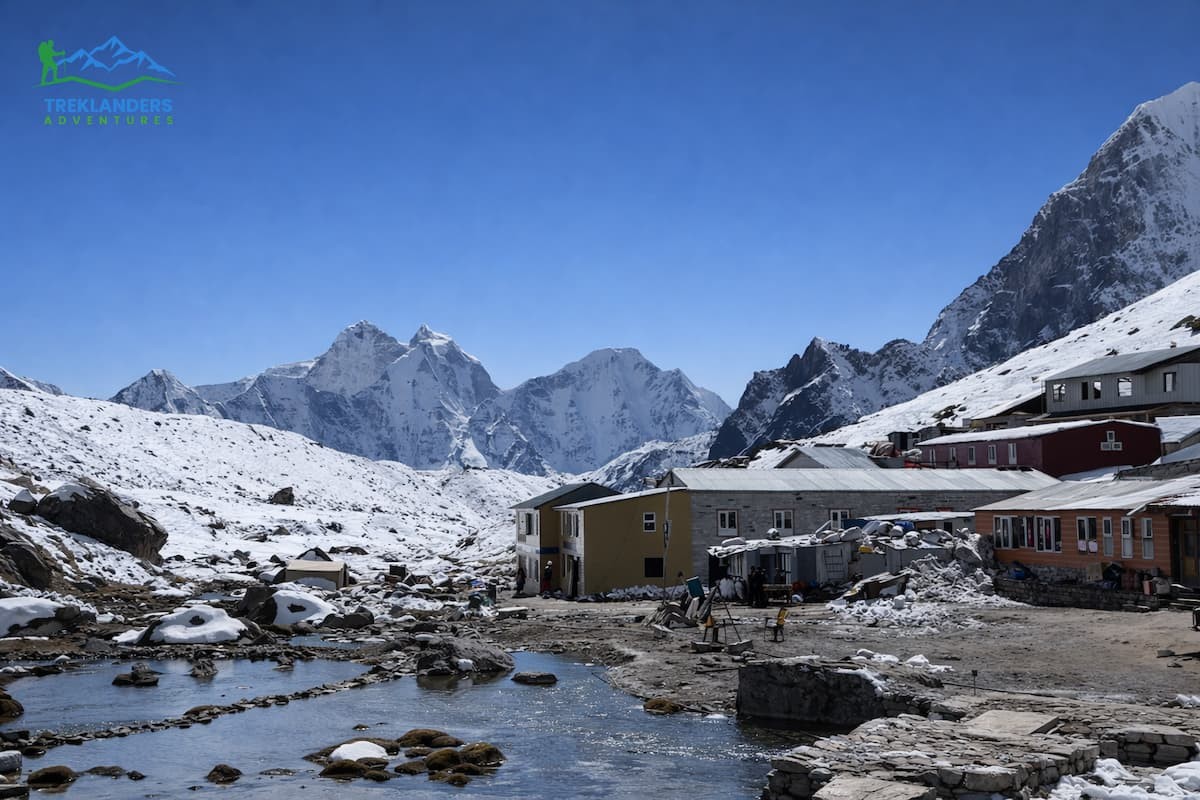
Day 8 is the day when you really start travelling in high-altitude areas. When you leave Dingboche, the path twists through glacial moraines, rocky summits, and spacious alpine valleys. The air is light, the mountains are gigantic, and one can feel the Himalayas getting nearer. After around 5 hours, you get to Lobuche, which is just a few hotels together that appear to be hanging midway between the glaciers and the sky.
Lobuche is more than a stop; it’s a window into Sherpa resilience. Mani walls, prayer flags, and chortens decorate the trail. Locals maintain terraced fields and livestock in harsh conditions, teaching trekkers the balance of spirituality and survival.
Overnight stays are in simple teahouses with twin rooms and blankets. Common dining areas are warm refuges, serving dal Bhat, noodles, and soups, while the distant peaks create a living panorama outside the window.
Today is the day the trek feels truly epic.
Walking through mountains is not what you are doing anymore; you are really entering a world that has been shaped by ice, wind, and the heroism of humans.
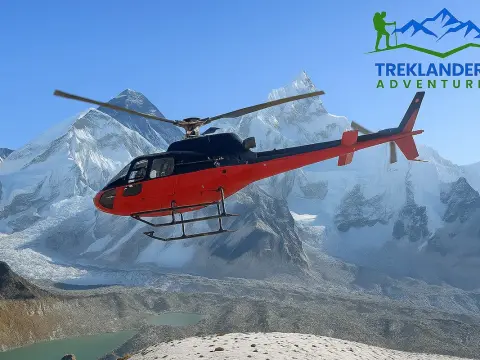
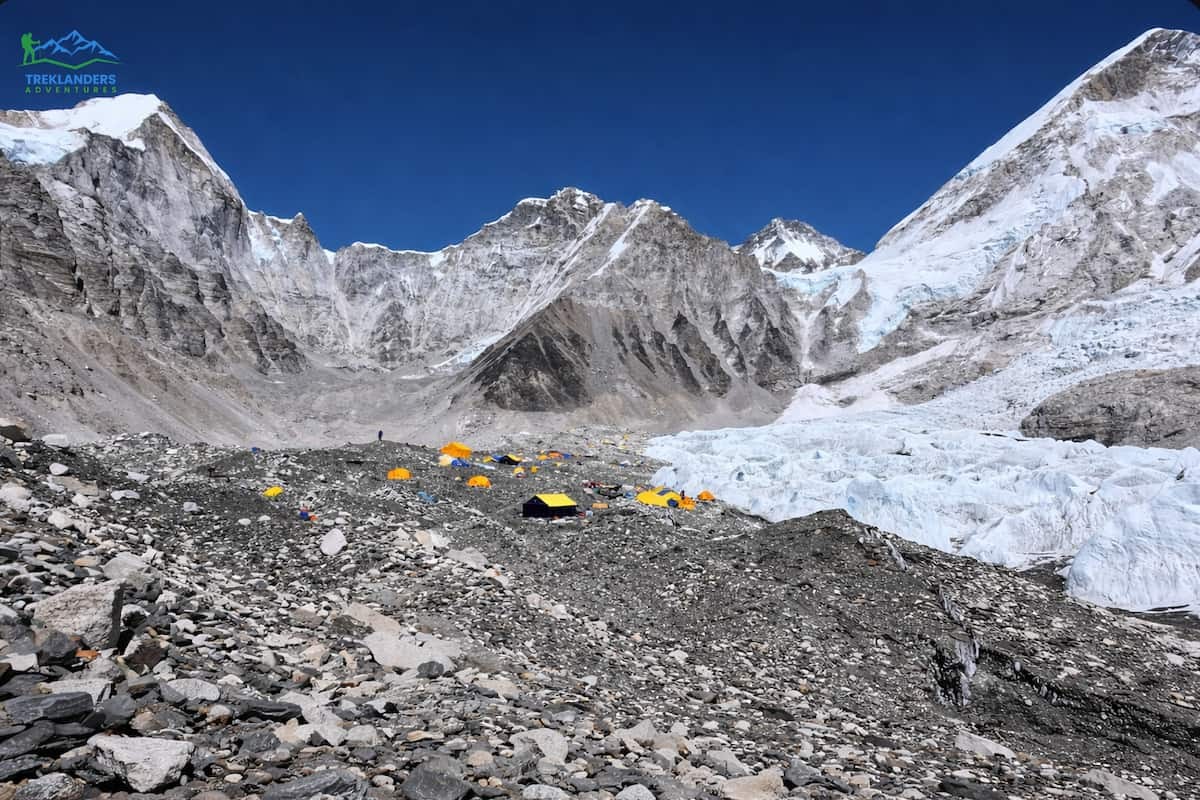
Today is the main event of the Everest Base Camp Trek. After an early start from Lobuche (4,940m), you follow the Khumbu Glacier trail, crossing rocky moraines and icy ridges. After about 45 hours, you get to Everest Base Camp (5,364m), the foot of the highest mountain on Earth. After enjoying the scenery and taking some pictures, you make your way down to Gorak Shep (5,164m), where you spend the night.
Completing the trek to Everest Base Camp is not just a physical achievement it’s the fulfilment of a lifelong dream. To stand amidst the brightly colored tents of climbers with Everest towering over you is a moment that gifts your awe, humility, and a sense of great achievement.
Along the way, you get to see the Khumbu Glacier from very close, with its towering ice walls, deep fissures, and moraine ridges. Watching these natural ice sculptures makes you appreciate the force and ever-changing nature of the high Himalayas.
Although few, lodges in Gorak Shep are operated by Sherpa families who have been living for generations at extreme altitudes. Even short chats with them demonstrate their unwavering spirit, tales of mountaineering legends, and sincere reverence for the mountains.
The Everest Base Camp visit is both a personal achievement and a spiritual experience. Many trekkers spend a few quiet moments absorbing the magnitude of the Himalayas before retracing their steps to Gorak Shep.
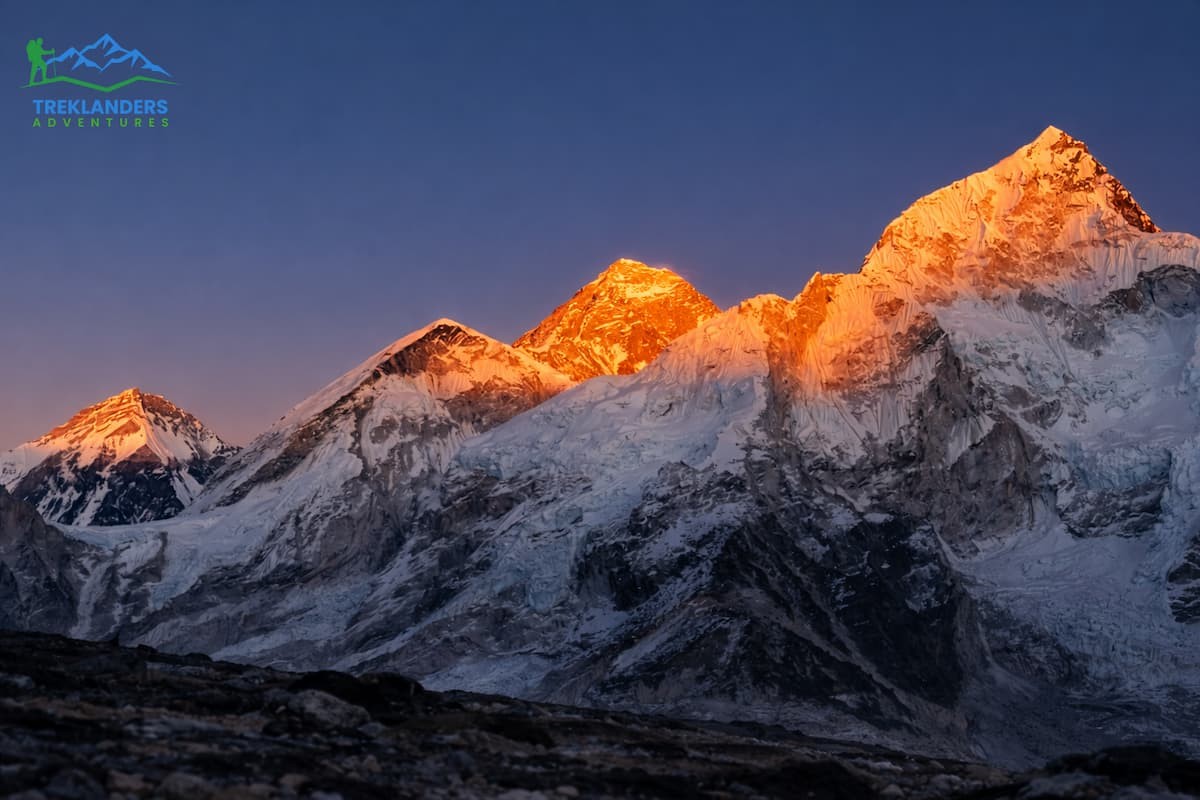
Today is considered the most legendary of the entire Everest Base Camp Trek. From Gorak Shep (5,164m), you leave at dawn, hike to Kala Patthar (5,643m) and watch the beautiful sunrise in the Himalayas. The golden rays fall on Mount Everest, Lhotse, Nuptse, and other summits, making the scene so spectacular that it stays with you forever. Besides tasting the view, you go down to Pheriche (4,371m), where you spend the night. Altogether, you have trekked for about 7 hours.
The uphill walk from Gorak Shep to Kala Patthar is a steep one but takes only around 23 hours. The first rays of the sun hitting Everest are an almost divine and visually stunning reward that justifies the efforts of every single step made in the dark. Cameras are clicking and hearts savoring the moment at the panoramic, unobstructed Himalayan vista.
The air is thin at Kala Patthar, and you cannot go fast if you want your blood to get oxygenated. Here you can see in a uniquely beautiful way Everest Base Camp and the vast Khumbu Glacier, allowing you to reminisce about the adventures, hardships, and nature's beauty.
The route to Pheriche goes down to the left or the right of the ridge, and you are sure to come across a few rocks, glaciers here and there, and colorful prayer flags swaying in the wind. The village is located in a small valley where you will see terraced farms and yak pastures, giving you a nice, tranquil feeling after everything you have been through staying in the mountains.
Pheriche is a small and quiet Sherpa village with a famous high-altitude clinic that primarily helps trekkers suffering from acclimatization issues. The lodges are comfortable, and you can have delicious hot meals and a nice warm place to eat. Locals' interaction lets you see how they endure very harsh conditions and live according to their traditional Himalayan culture.
This day combines epic scenery, personal reflection, and cultural insight, making it a highlight that lingers in memory long after the trek ends.
Today, we trek from Pheriche (4,371m) to Namche Bazaar (3,440m) is a descent that is about 12 km and takes 7 hours. A downhill walk gives your body an opportunity to heal from the effects of high altitude and also allows you to see the landscapes from a new angle.
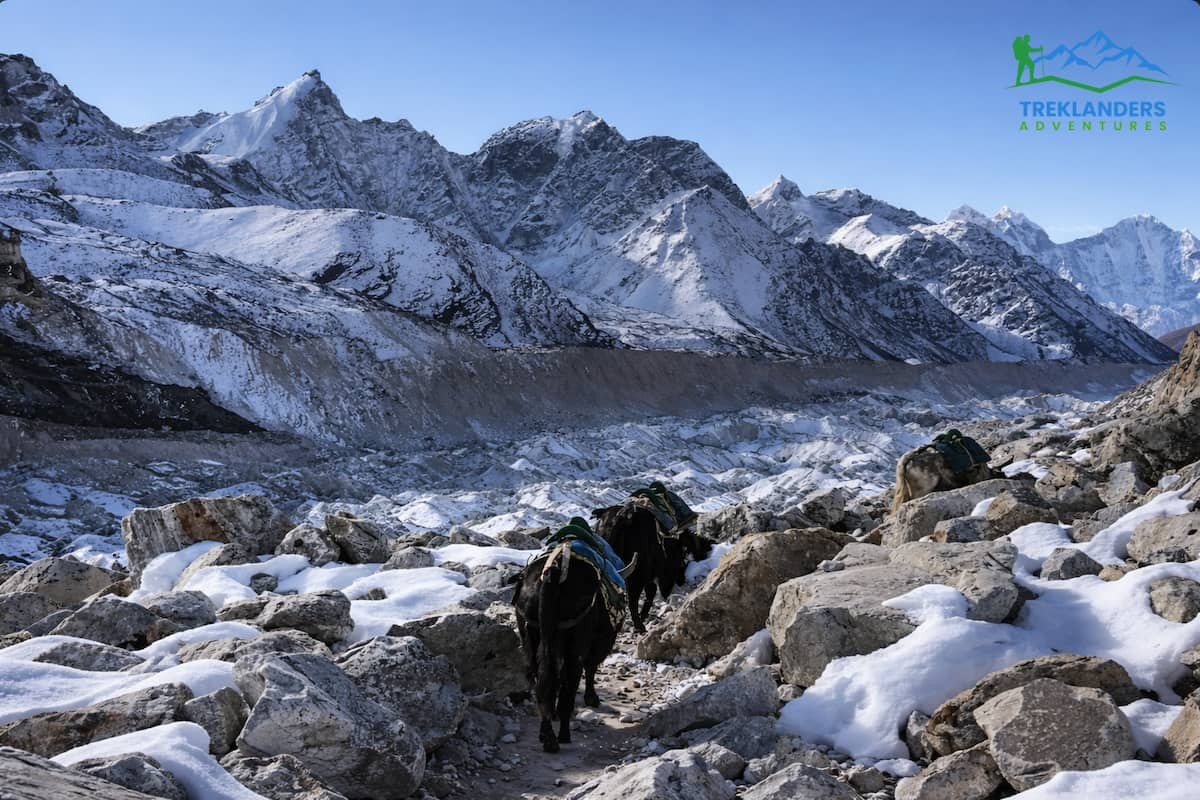
Indeed, the trail twists and turns along open valleys, climbs over rocky ridges and passes through terraced farmlands. You stop not far from the Tengboche village where the famous monastery stands quietly among the pine and rhododendron forests. Prayer flags are flying, and mani walls can be seen alongside the paths, all of which are profound Buddhist traditions of the Sherpa people. Yak caravans transporting materials and kids going to school will provide you with an insight into life in the high Himalayas.
Night stay is arranged in a warm teahouse in Namche Bazaar. The rooms are simple but warm, and the eating places serve the traditional local food like dal Bhat, soups, and tea.
on the way down, protect your knees by keeping a steady pace, drink water frequently, and take time to admire the mountain vistas. The day is physically less demanding than the previous climbs, so it is an excellent occasion to meditate on your trek and enjoy the Himalayan landscape before going down to Lukla.
Today, the hikers make their way down from Namche Bazaar (3,440m) to Lukla (2,846m), a trek of around 12-13 km that takes about 7 hours. Along the path, the trekkers get to see again the villages, suspension bridges, and forests that they had passed on the way following the Dudh Koshi River.
This last day of trekking is about gentle descents, giving your legs time to recover as you enjoy the last majestic views of Kusum Kanguru, Thamserku, and other nearby peaks. From the sounds of it, the trekkers see a lot of things that they missed on the way up, such as wildflowers, lovely spots by the river, and the villagers going about their daily life.
Accommodation in Lukla is at a basic teahouse lodge with simple rooms, hot meals, and warm dining areas. It's a time to rest, be proud of what you have accomplished and get ready for the flight back to Kathmandu the following day.
Be careful while walking on stone steps, keep your fluid intake adequate, and take pictures of the last Himalayan views. Today is a mix of looking back, chilling out, and enjoying the beautiful environment, and it is the last step before the completion of the Everest Base Camp journey.
Today, we starts with an early morning flight from Lukla (2,846m) to Kathmandu (1,365m), which normally takes about 30 minutes. The plane ride provides magnificent views of the Himalayan mountain range, featuring Everest, Lhotse, and Nuptse among the other peaks.
After arrival in Kathmandu, the trekkers are taken to their hotel in Thamel. The day is at their disposal for resting, shopping, or getting to know the local culture, e.g., visiting temples, markets, or having traditional Nepali food. This day is a perfect break after two weeks of high-altitude trekking.
Keep your baggage handy, soak up the lively city vibe and get a good sleep for international travel the following day.
Today is the last day of your Himalayan adventure at Everest Base Camp. After a hearty meal in the morning, the travel arrangements will be made to Tribhuvan International Airport, where you will take your next flight.
This is a perfect time to think back over your trek, to remember the mountains, the villages, and the Sherpa culture, and to make your homeward journey mentally.
Plan to get to the airport well ahead of time, make sure all your travel papers are in order, and enjoy the last few sights of the Himalayan foothills on your way out.
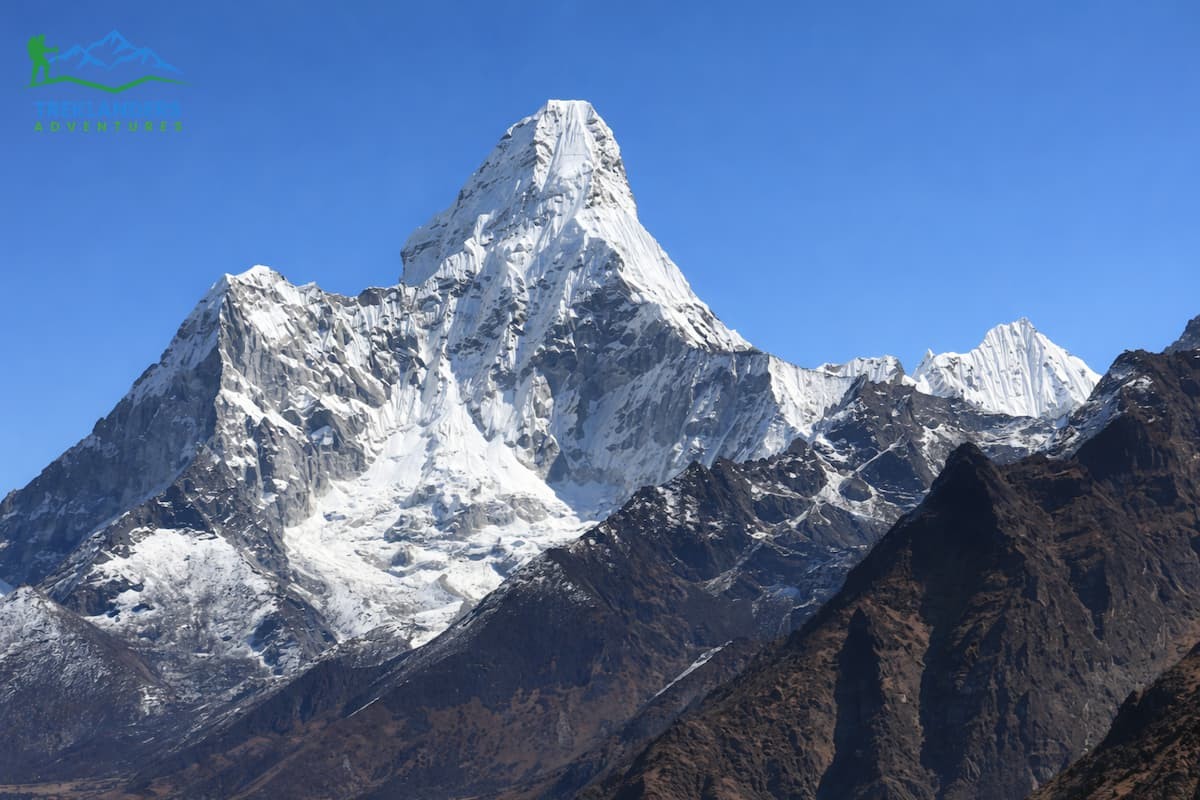
The 14-day trek to Everest Base Camp is not just a physical challenge but a transformational journey. It starts in the lively streets of Kathmandu and ends in the high-altitude villages of the Khumbu region. Along the way, trekkers come across jaw-dropping Himalayan landscapes, majestic mountains, and lively Sherpa culture. Each day is a thrilling adventure packed with nature's beauty and cultural experiences, from walking on suspension bridges and climbing through alpine valleys to going to monasteries and meeting local people.
With proper acclimatization, slow altitude increments, and correct preparation, trekkers are able to safely enjoy the grandeur of Everest, including the most memorable visit to Everest Base Camp and the sunrise at Kala Patthar. Besides, the journey encloses a lot of pretty things-Sherpa people's tough spirit and faith, the might of glaciers, and the calmness of mountain scenery after the storm.
Coming back to Lukla and Kathmandu gives a sense of achievement and meditation. The trip creates an unforgettable picture of snowy mountains, enjoying the simple life of villagers, and reaching a personal goal that makes it one of the most well-known trekking adventures in the world. If you are just one of those who seek adventure, cultural revelation, and a Himalaya experience that happens only once, then the Everest Base Camp trek is a great journey to remember forever.
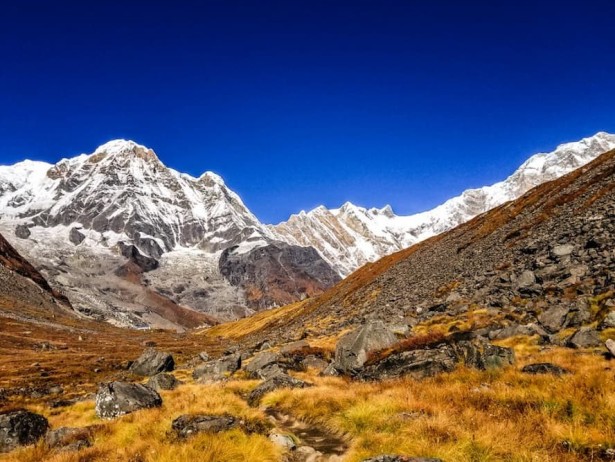

Discover 80 must-know facts about the Everest Base Camp Trek, from altitude and route to weather, culture, permits, and high-altitude safety in Nepal.

Explore the hidden wildlife, rare Himalayan plants, and fragile high-altitude ecosystems of the Everest region inside Sagarmatha National Park.
12-Day Short Everest Base Camp Trek guide covering itinerary, cost, difficulty, and best time to reach EBC and Kala Patthar.



