
Everest Base Camp Trek Packing List: Essential Gear Checklist for 2026
26 Nov 2025
Preparing the right gear for the Everest Base Camp Trek is crucial, as the trail shifts from warm valleys to freezing high altitudes.

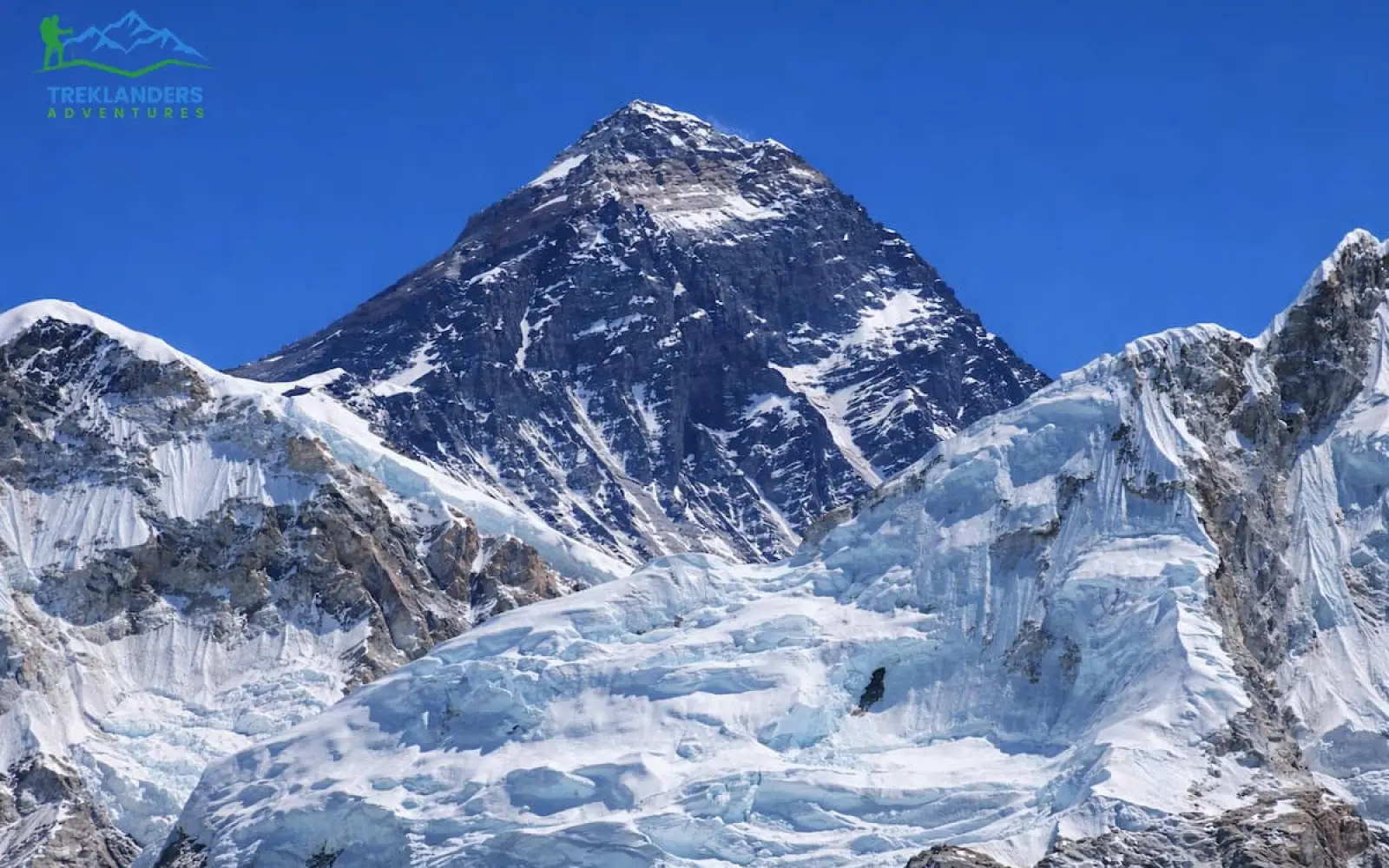
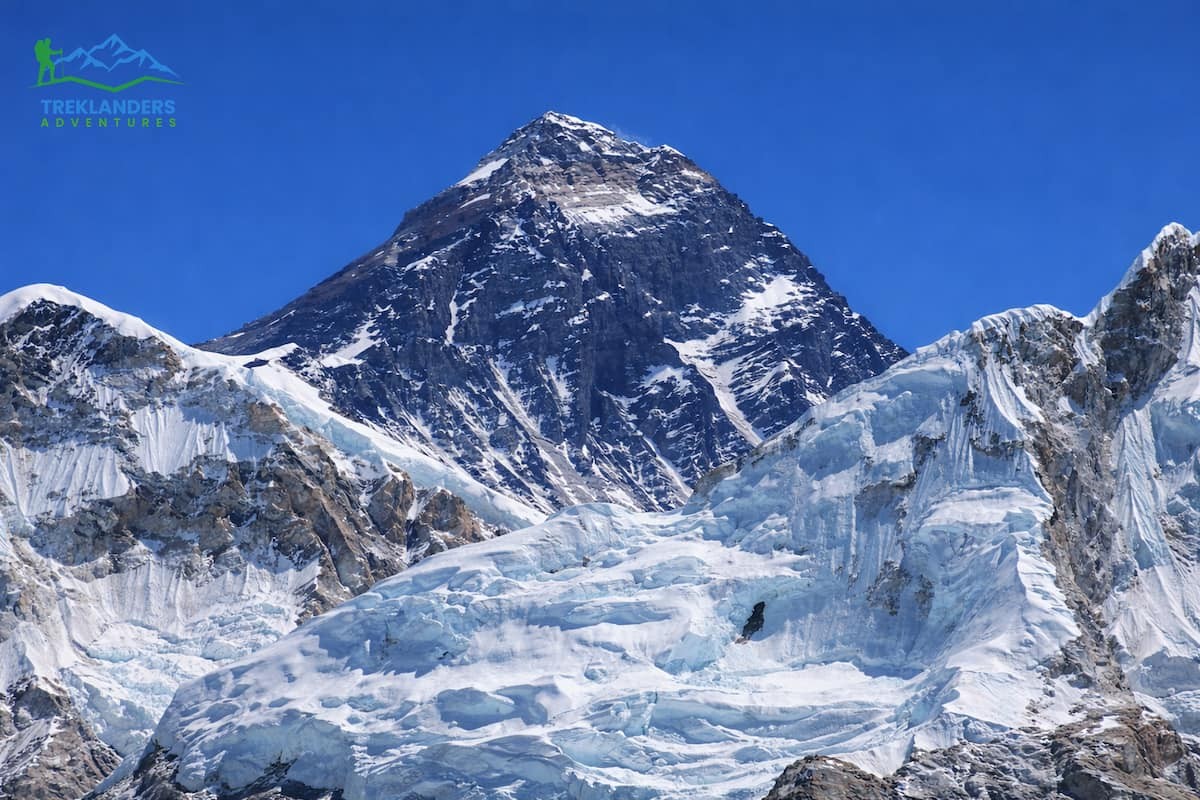
The Short Everest Base Camp Trek is basically a shortened 12-day version of the original Himalayan trek to the base of Mount Everest, the world's highest peak. It is a great option for those who only have a few days of hiking possible, but still want to experience something challenging. The itinerary is essentially the same as the standard Khumbu trail, but with fewer rest days and a steady pace of ascent maintained. It focuses on the highlights of the Everest region without extending the acclimatization period, which is usually 14 to 16 days on the longer route.
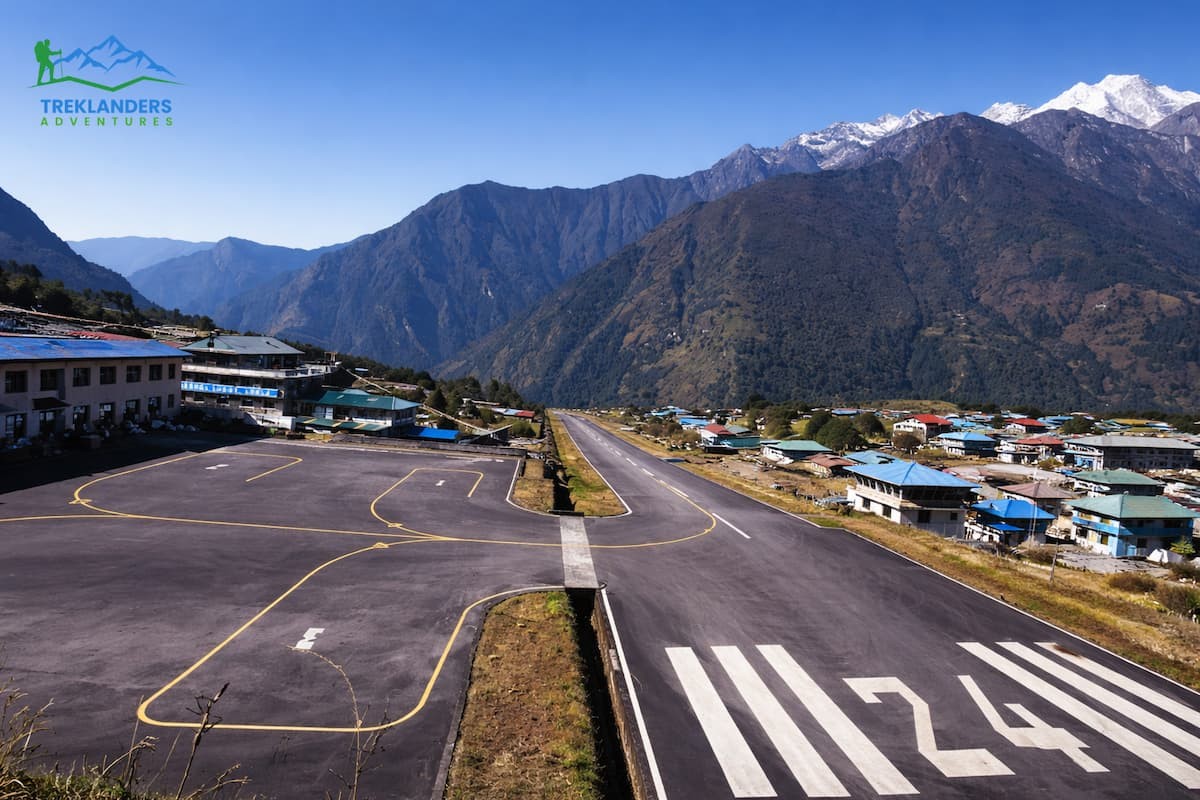
The trip starts with a spectacular flight to Lukla, which is said to be one of the most exciting mountain airstrips in the world. After that, trekkers enjoy walking among Sherpa villages, across hanging bridges, and in pine forests until they reach the lively trade center of Namche Bazaar. Then the path goes on passing through Tengboche, Dingboche, and Lobuche; finally, it arrives at Everest Base Camp situated at an altitude of 5,364 meters. Most plans also consider a sunrise walk to Kala Patthar (5,545 meters), which is the best place to get the views of Mount Everest and its neighboring Himalayan giants.
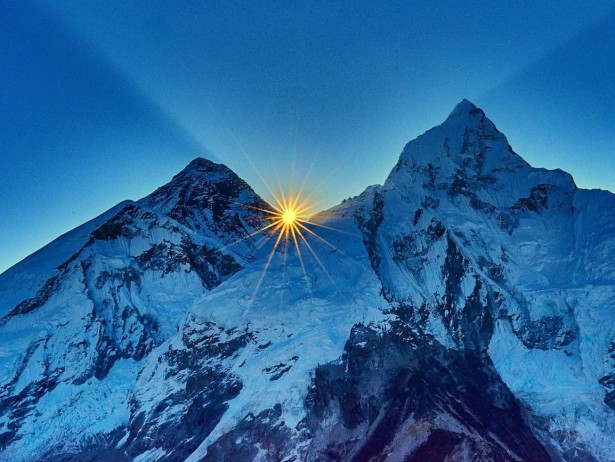
This short hike is great for fit individuals who can comfortably walk 5 to 7 hours a day and who not only adjust but also adapt quickly to the rise in altitude. Even though it can only be hours of good preparation beginner climber can do it, but to be a beginner too, enough preparation is not actually hiking experience beforehand due to steep ascent and little time for acclimatization. The pathway is still of moderate difficulty, especially at altitudes above 4,000 meters, when the air is less dense, and breathing becomes more difficult.
The short trek of Everest Base Camp is getting more and more people constantly because it is the perfect mix of a short itinerary with a good experience. It is a trip where travelers will have the opportunity to see the most beautiful mountains, Sherpa culture and, Everest Base Camp within a close and comfortable time for such a trip. If you are one of those who seek always the most in limited time, then this 12-day fast track can be a real good memory of your high-altitude experience in the legendary Everest region of Nepal.
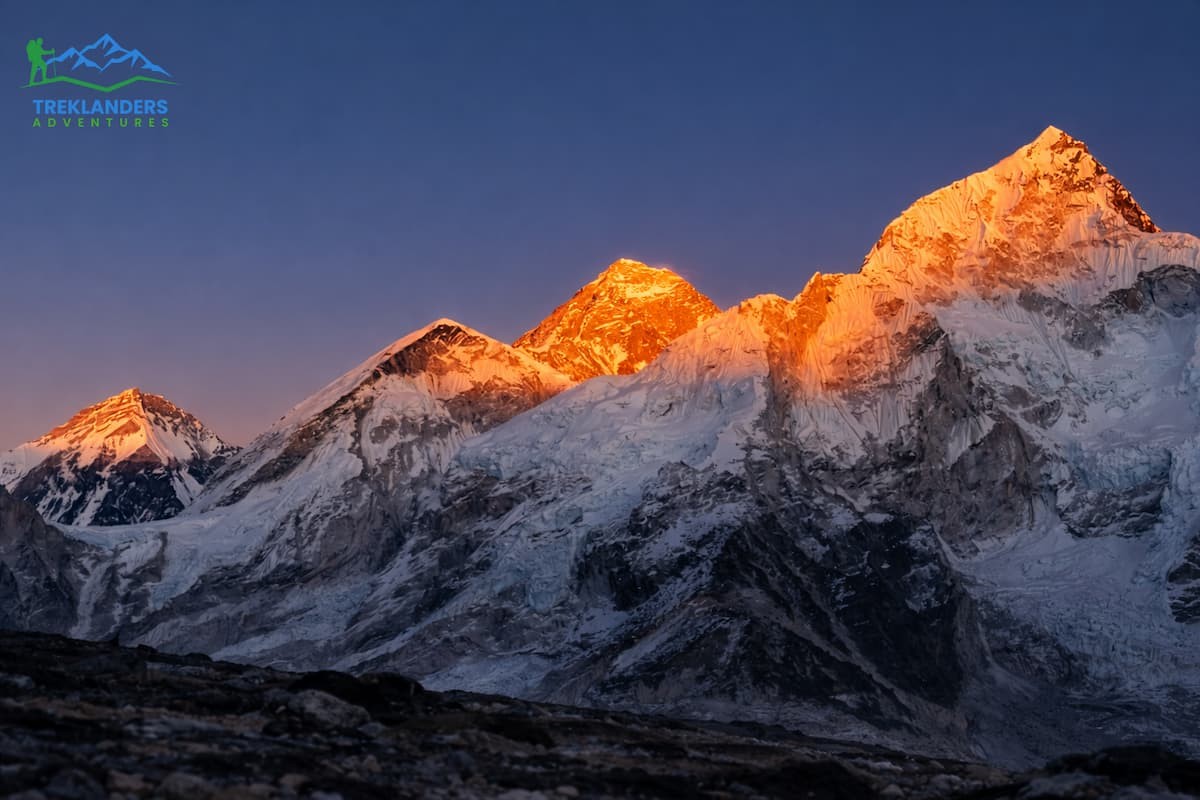
The 12-day Short Everest Base Camp Trek basically goes along the traditional Khumbu Valley trail with a few strategically placed days for acclimatization. Even though it's a quick itinerary, it still follows a sensible mountain climbing profile for lessening the chances of altitude sickness and at the same time allowing you to see the main attractions of the Everest region.
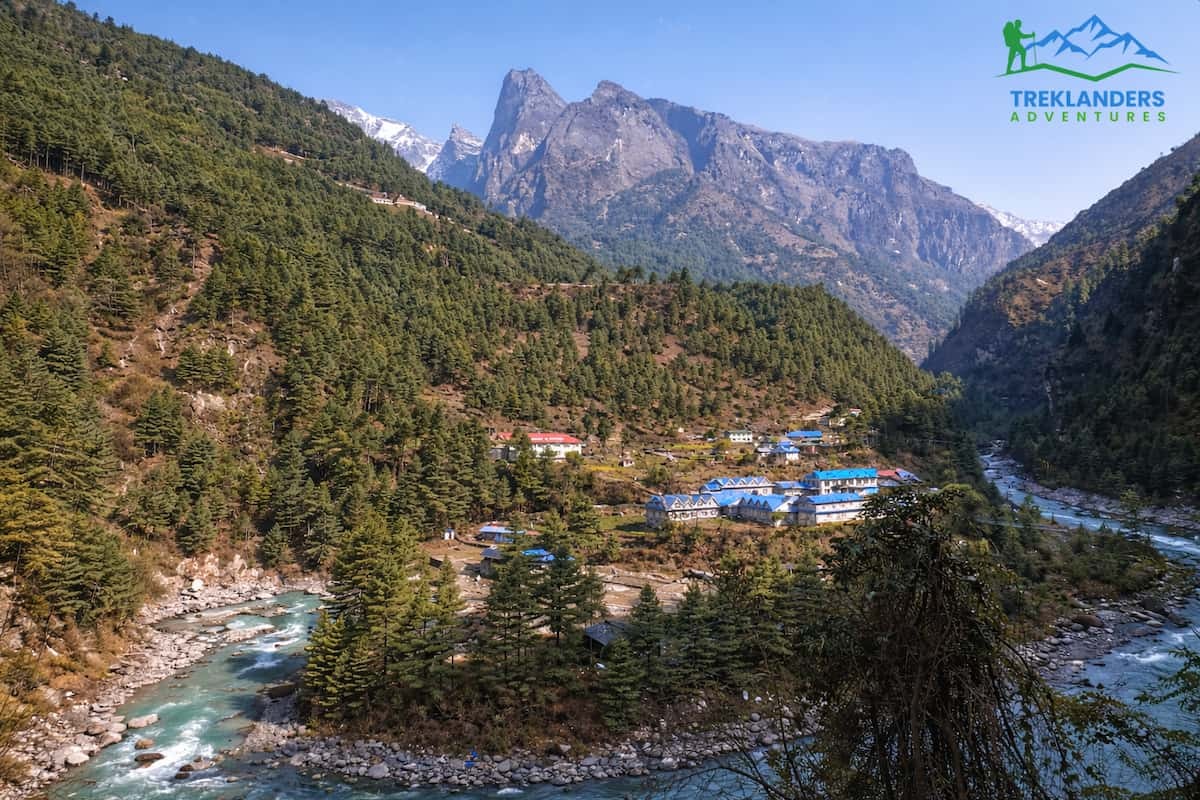
Your adventure begins with a scenic mountain flight to Lukla, the gateway to the Everest region. The dramatic landing sets the tone for the trek. After meeting your guide and porters, you begin a gentle downhill walk through Sherpa villages, crossing suspension bridges over the Dudh Koshi River. The trail to Phakding is relatively easy, allowing your body to begin adjusting to the altitude.
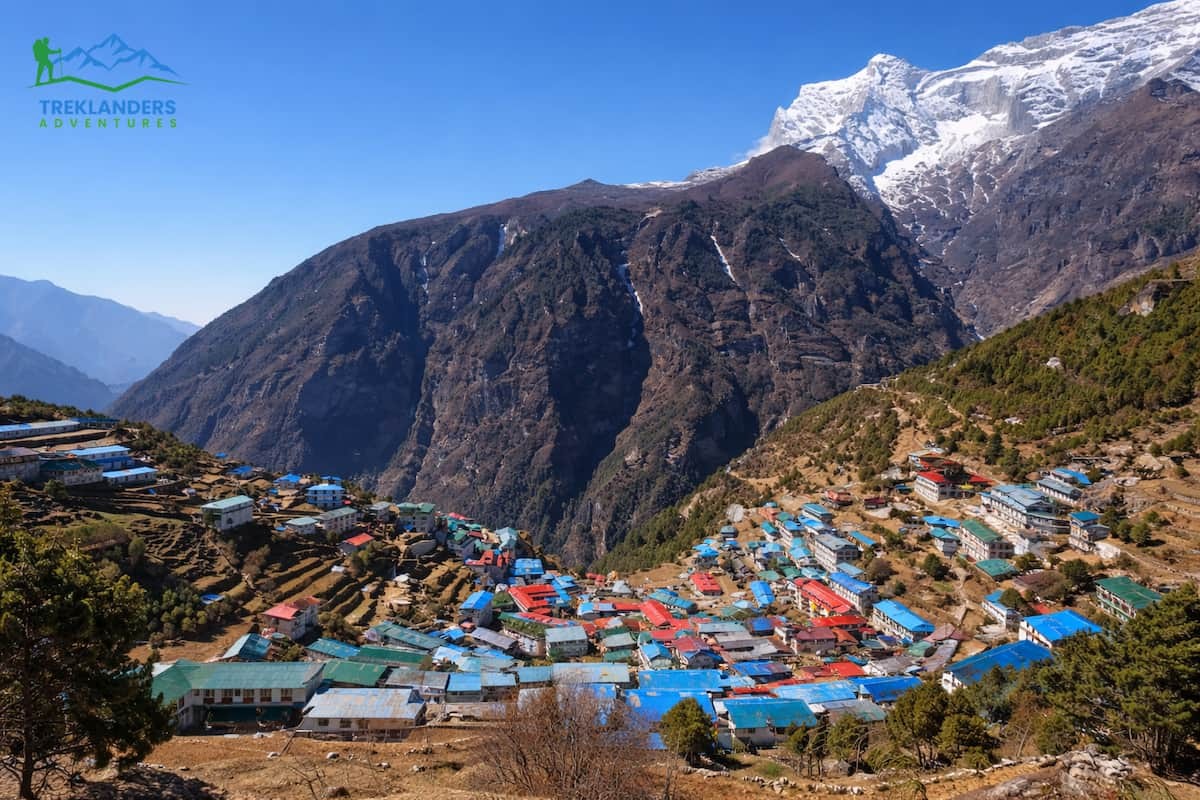
This is one of the most important days for acclimatization. The route follows the Dudh Koshi River, crossing several iconic high suspension bridges before entering Sagarmatha National Park. A steep final ascent brings you to Namche Bazaar, the commercial hub of the Khumbu region. If the weather permits, you may catch your first glimpse of Mount Everest along the way.
Acclimatization does not mean complete rest. A short hike to the Everest View Hotel or nearby viewpoints helps your body adapt to higher elevations. You can also explore local markets, bakeries, and the Sherpa Culture Museum. Proper hydration and gradual altitude exposure are essential at this stage.
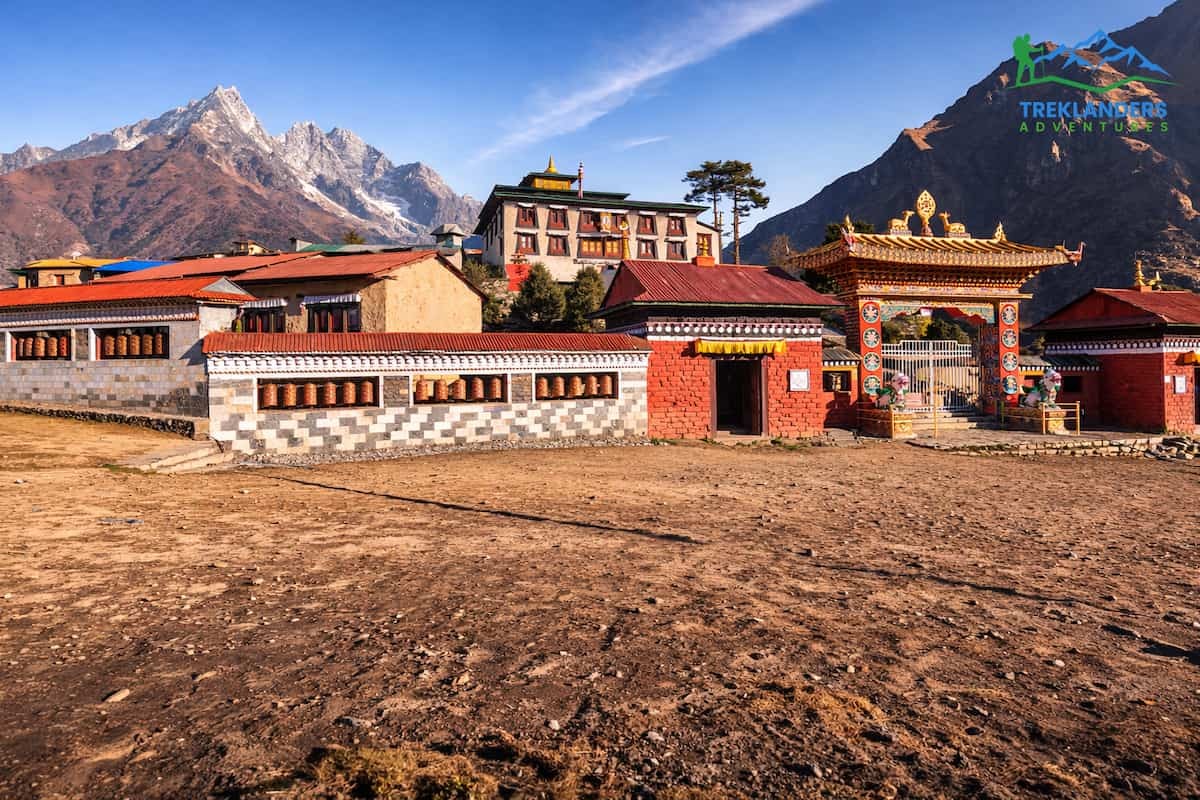
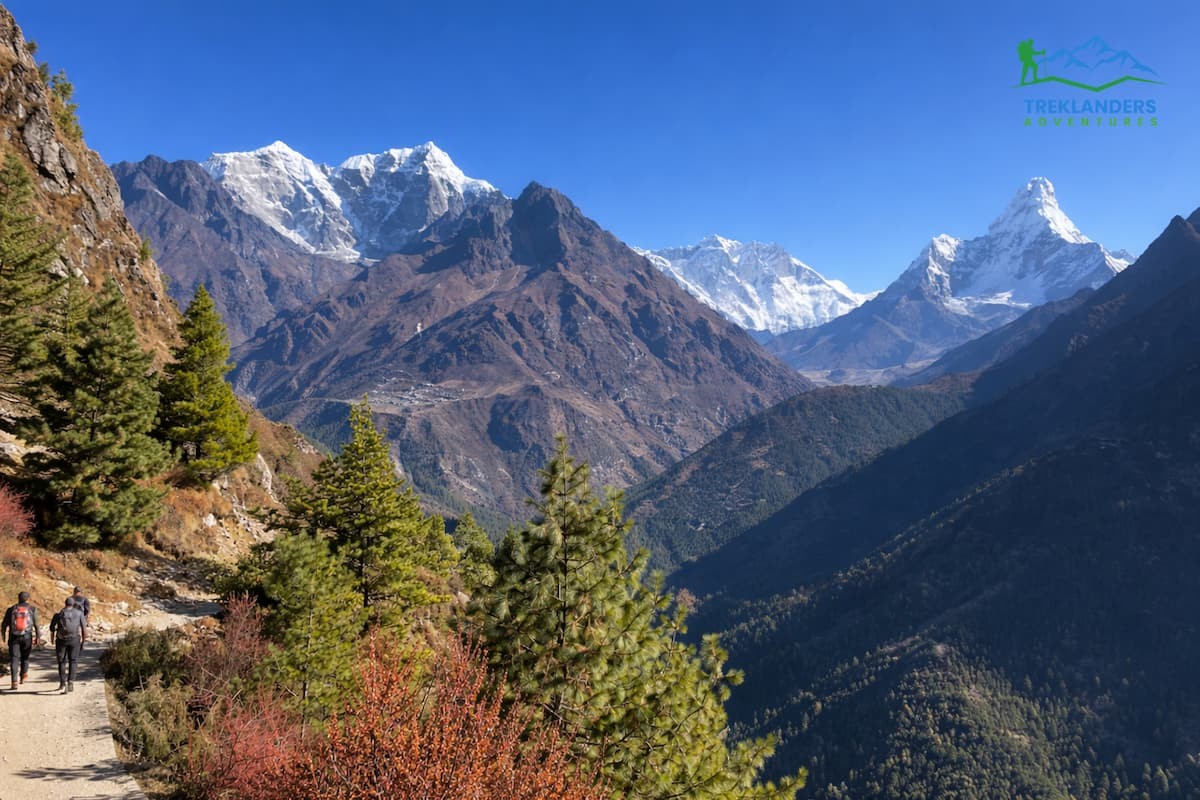
The trail offers stunning Himalayan panoramas, including Ama Dablam and Thamserku. After descending to the river at Phunki Tenga, a steady uphill climb leads to Tengboche Monastery, the spiritual center of the region. Surrounded by towering peaks, this monastery provides a serene cultural highlight of the trek.
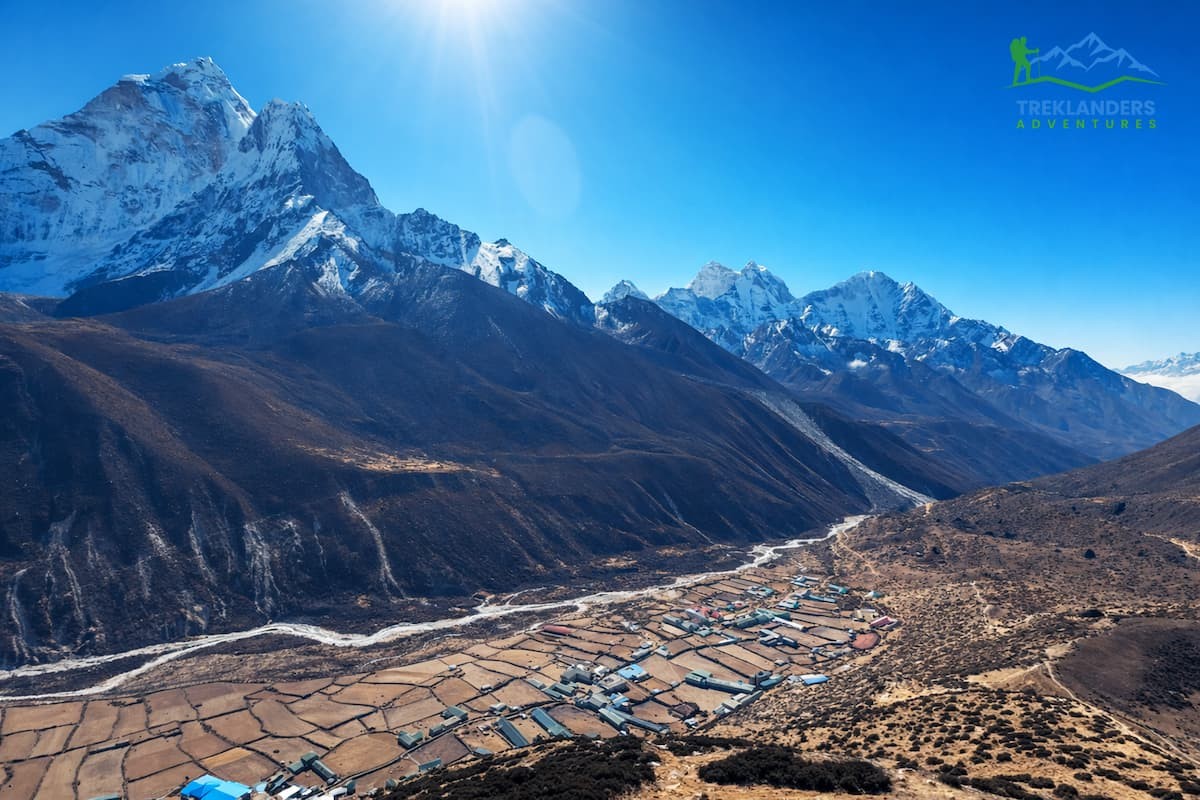
The landscape begins to change noticeably as trees thin out and alpine terrain dominates. Passing through Pangboche village, you continue along open valleys with spectacular views of Ama Dablam. Dingboche is a beautiful high-altitude settlement known for its stone-walled fields.
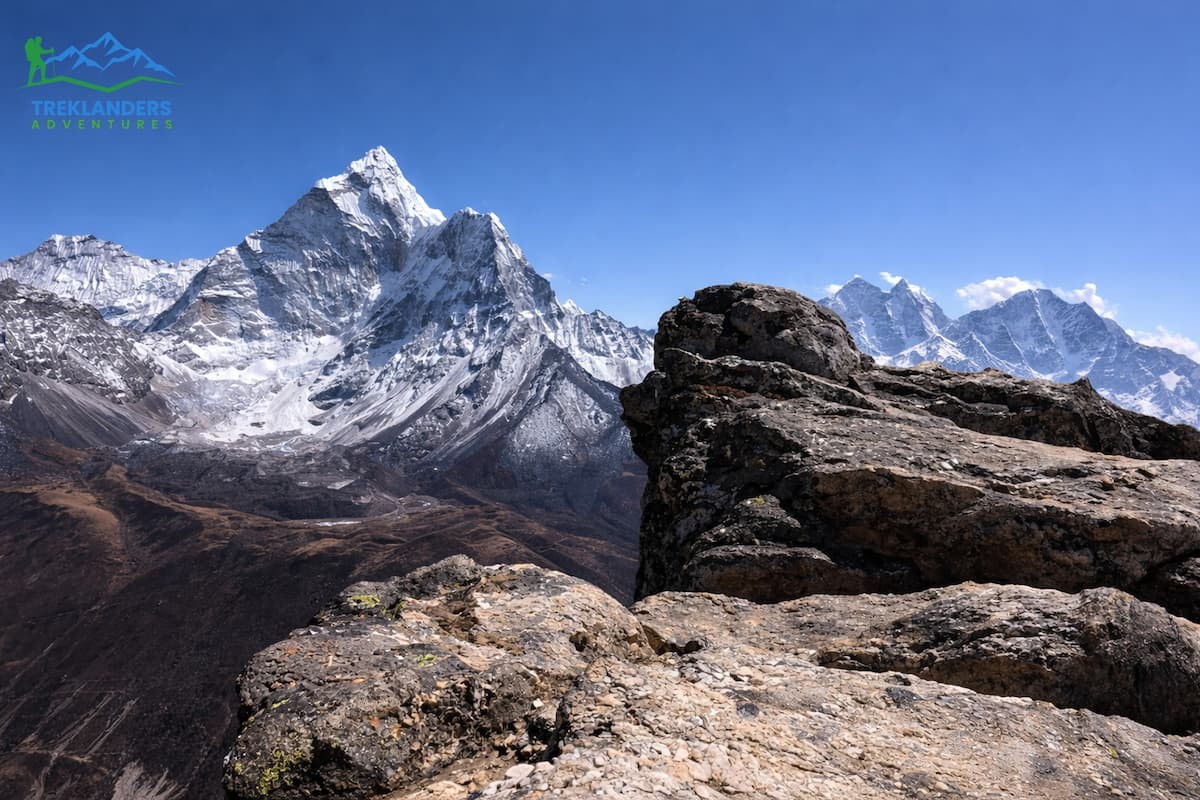
Another strategic acclimatization day is spent here. A short hike to Nagarjun Hill or nearby ridges improves altitude adaptation. At over 4,400 meters, oxygen levels are significantly lower, so gradual adjustment is critical for a safe ascent toward Everest Base Camp.
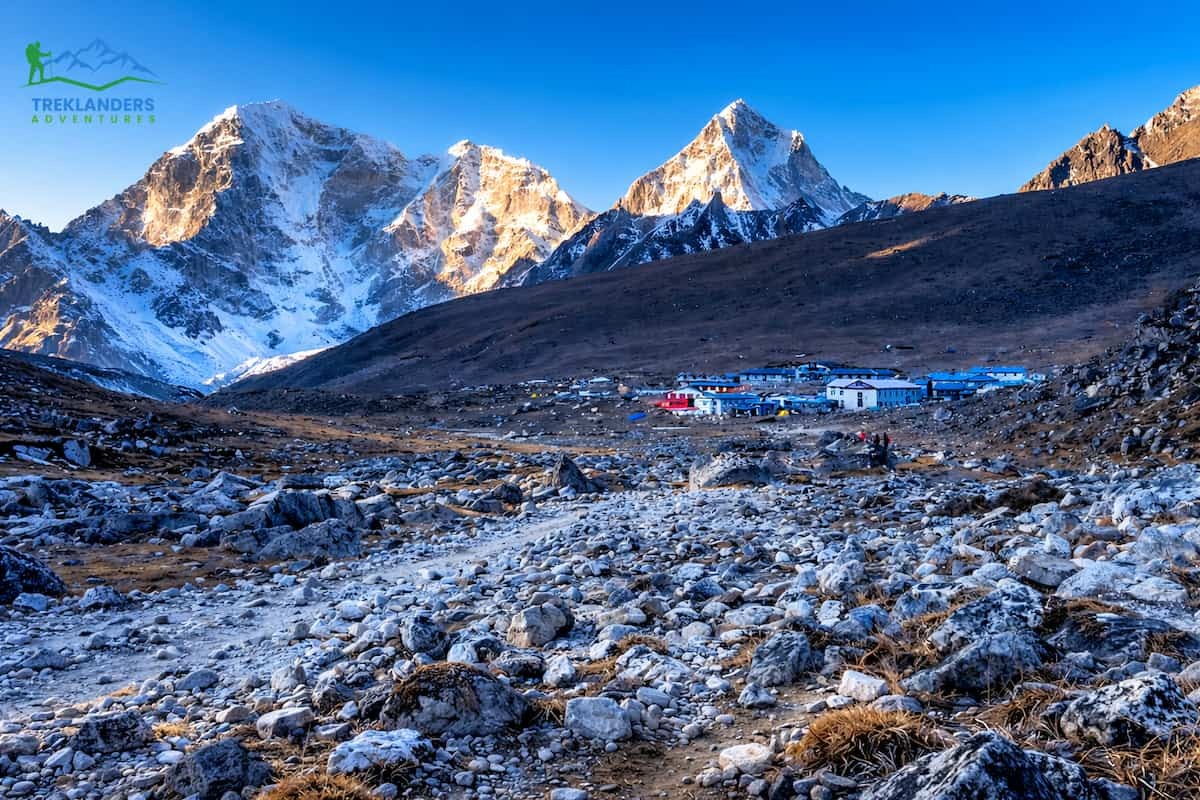
The trail climbs steadily to Dughla, followed by a steep ascent to the Thukla Pass memorial site, where monuments honor climbers who lost their lives on Everest. From here, the path gradually ascends along the Khumbu Glacier to Lobuche. The air feels noticeably thinner at this elevation.
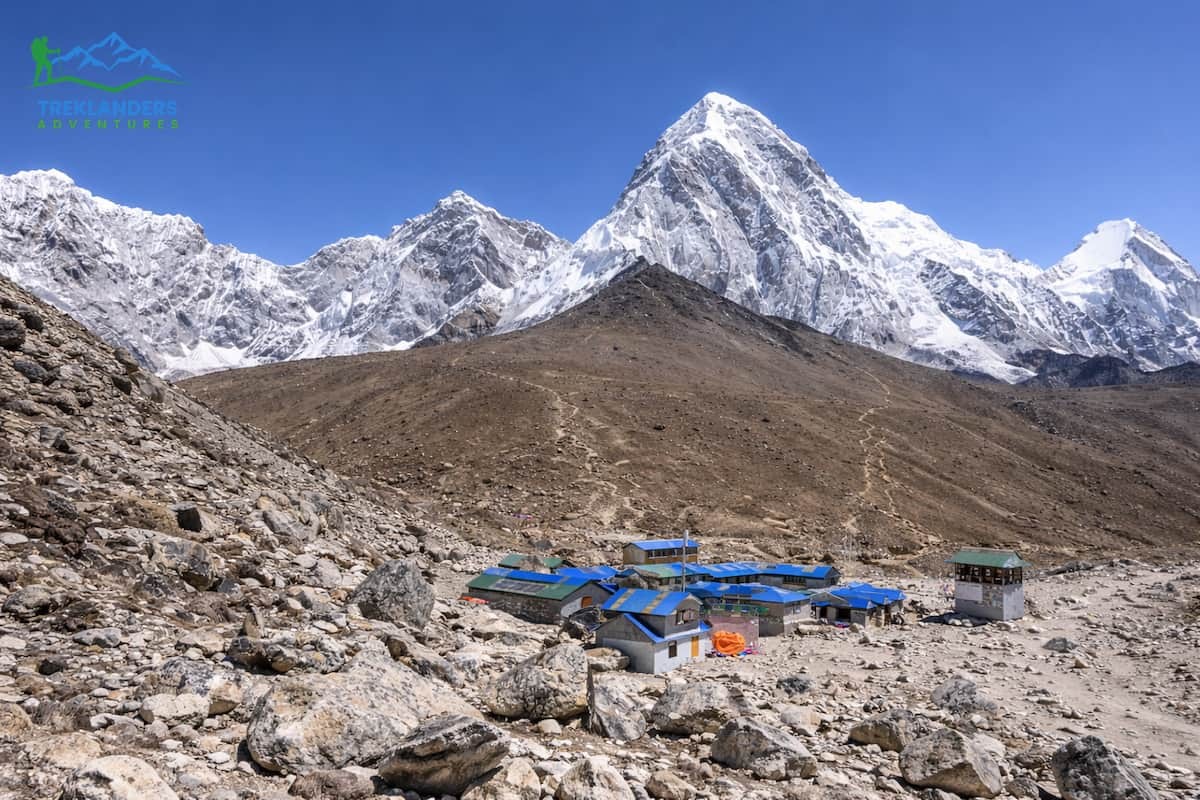
This is the highlight of the journey. After reaching Gorakshep and checking into your lodge, you continue along a rocky glacial trail to Everest Base Camp. Standing at 5,364 meters, surrounded by towering ice formations and expedition tents during climbing season, is a moment of immense achievement. Although Everest’s summit is not visible from base camp, the surrounding peaks and Khumbu Icefall create a dramatic atmosphere.
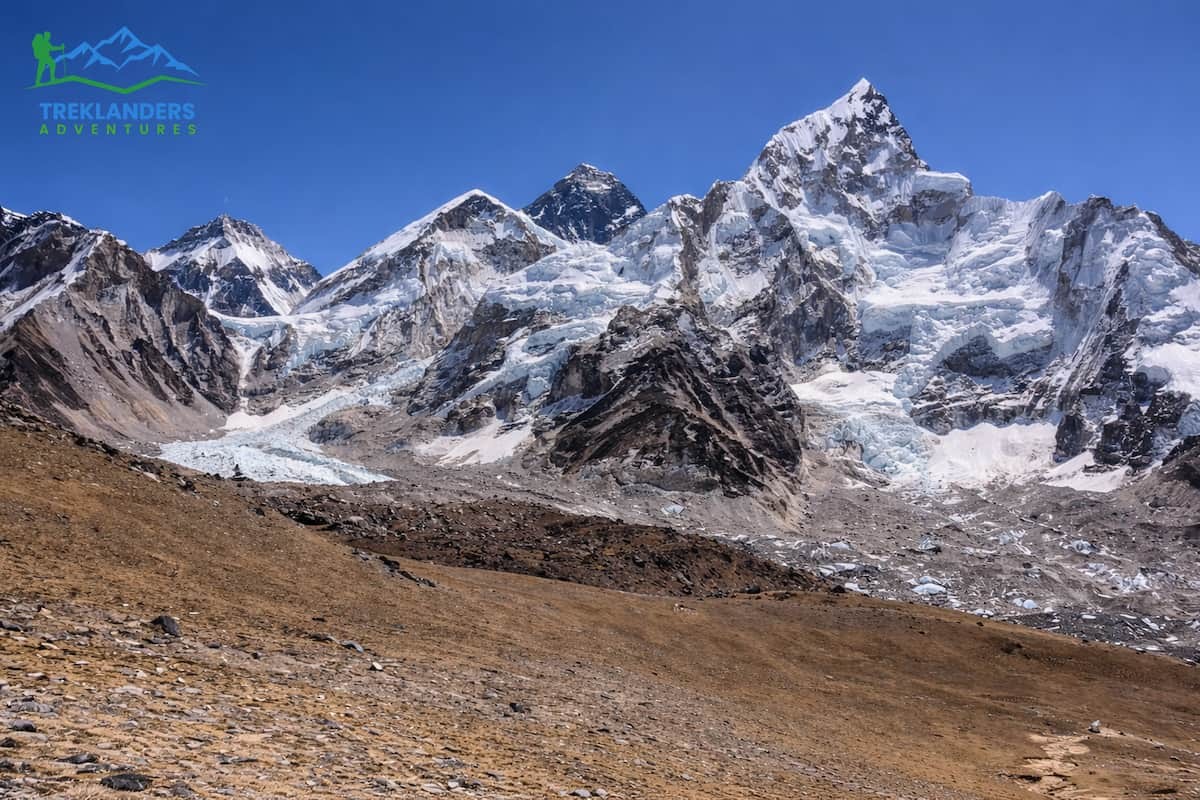
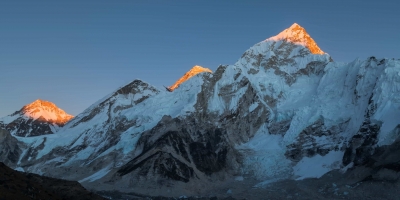
An early morning ascent to Kalapathar offers the best panoramic views of Mount Everest and neighboring peaks. At 5,643 meters, this is the highest point of the trek. After soaking in the sunrise views, you descend steadily past Gorakshep and Pheriche, continuing down to Pangboche for an overnight stay at a lower altitude.
The return journey retraces the scenic trail through Tengboche. Descending to lower elevations significantly increases oxygen availability, making walking easier. Upon arrival in Namche, trekkers often enjoy a warm shower, bakery treats, and Wi-Fi access.
This final trekking day follows the Dudh Koshi River through familiar villages and forests. After several ascents and descents, you reach Lukla, where you celebrate the completion of your Everest Base Camp adventure with your trekking team.
A morning flight returns you to Kathmandu. After transferring to your hotel, you can relax, reflect on the journey, and enjoy the comforts of city life.
The Short Everest Base Camp Trek is a 130-kilometer round trip trek from Lukla to Everest Base Camp and back, plus the surrounding region. The horizontal distance alone is not very significant, but the real ordeal is the considerable altitude gain and challenging terrain at higher elevations. Trekkers start from Lukla at an elevation of 2,860 meters and slowly make their way up to Everest Base Camp at 5,364 meters, with the highest point being Kalapathar (5,643 meters). Thus, the height gained during the trek is nearly 2,800 meters in several days.
The trek duration is usually 12 days, with two planned acclimatization days in Namche Bazaar (3,440 m) and Dingboche (4,410 m). The body gets a chance to adapt to lower oxygen levels during these rest days. While the itinerary is "short," it still follows a scientifically recommended ascent rate to minimize the risk of Acute Mountain Sickness (AMS). Trekkers cover an average of 5 to 7 hours daily on the trail, which depends on both the kind of terrain and altitude.
The lower section of the trail from Lukla to Namche includes more and more ups and downs as the path follows river valleys, suspension bridges, and wooded sections. Beyond Tengboche and Dingboche, the trek goes through an alpine-type, harsh landscape with long, steady climbs over glacial moraine and rocky ground.
Daily distances fluctuate between 8 and 15 kilometers, with longer walking hours usually necessary on summit days like the trek to Everest Base Camp and the pre-dawn climb to Kalapathar. In spite of the fact that distances get shorter at higher levels, thinner air unavoidably slows down one's pace and makes the work more exhausting.
In general, although the mileage is not high, the mix of altitude, uneven terrain, and continuous elevation gain makes this trek moderately challenging. Appropriate pacing, drinking enough water, and acclimatization are the main things to be able to finish without difficulty the 130-kilometer trek through Nepal's iconic Everest region.
The Short Everest Base Camp Trek is basically one constant upward climb starting from Lukla at 2,860 meters and going all the way up to the highest point of the trip - Kala Patthar at 5,545 meters. Along the route, trekkers pass by major altitude landmarks like Namche Bazaar (3,440 m), Dingboche (4,410 m), and the final destination - Everest Base Camp (5,364 m). At higher altitudes, there is less oxygen, so the body has to work harder during any physical activity.
This being a short EBC 12-day trek, it's very crucial to get proper acclimatization. Acclimatization is basically giving your body time to get used to less oxygen. That explains the reason why the trek has two rest days included - one day in Namche Bazaar and another day in Dingboche. On these days, people take short hikes to higher elevations and then come back to sleep at a lower level. This technique, sometimes known as "climb high, sleep low," allows the human body to adapt in a safe manner.
Altitude sickness or Acute Mountain Sickness (AMS) is a condition that can happen when you ascend above 2,500 meters. The usual symptoms are headache, nausea, lightheadedness, tiredness and shortness of breath. To keep altitude sickness at bay while on a short Everest Base Camp trek, the main things to do are to keep your pace slow, drink lots of water, eat good wholesome food and do not consume alcohol. It is more crucial to keep the rhythm than to be very fast.
It is very important to listen to your body. In case symptoms get severe, going down to a lower altitude would be the safest option. A few climbers also bring along altitude medicine like acetazolamide (Diamox), but one should only take it after getting a doctor's permission.
Getting to Kala Patthar at 5,545 meters is the most challenging and physically demanding part of the trek. Nevertheless, by ascending slowly, having adequate rest days, and paying close attention to your health, the majority of healthy trekkers can finish the brief schedule safely and without any problems.
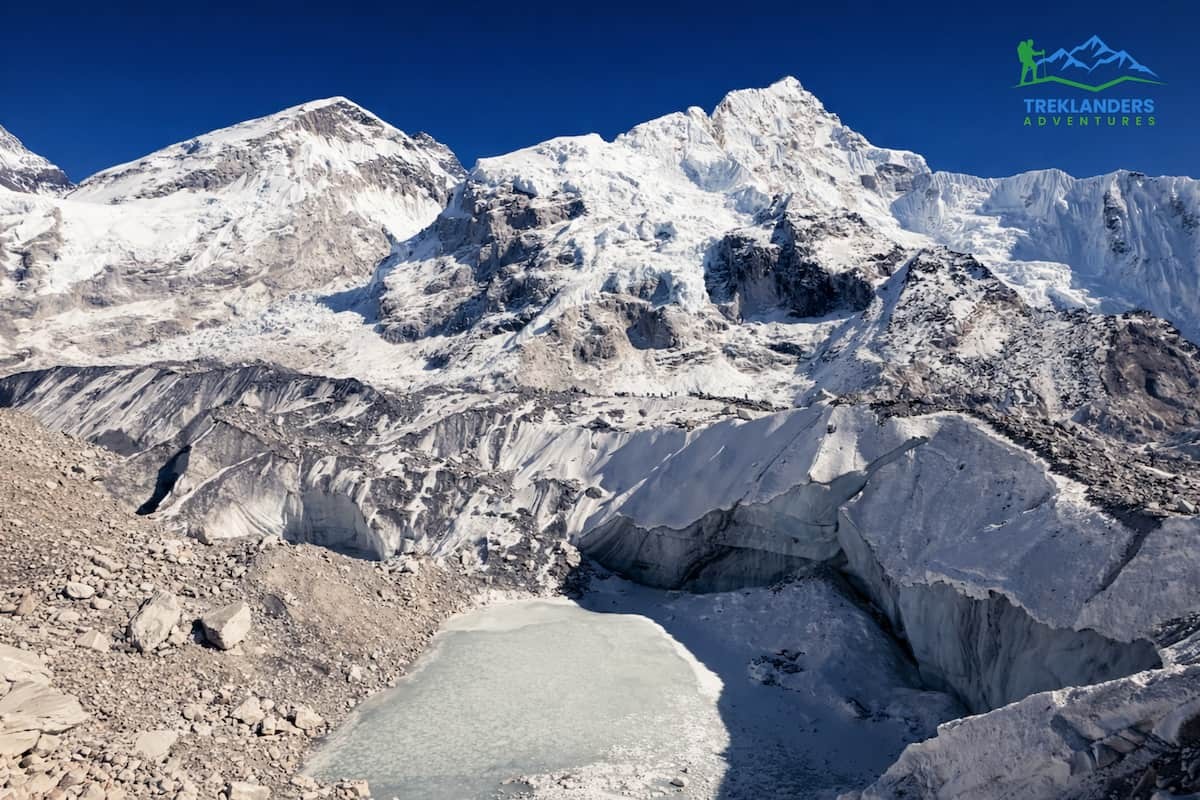
The Short Everest Base Camp Trek is classified as a moderate level of difficulty. It is basically a non-technical climb, which means that you do not need any mountaineering skills or equipment, such as ropes. However, you need to be physically fit and have a strong mind. The main difficulties encountered on this trek include extensive walking periods, steep ascents and descents, and high altitude.
People who go on this trek usually end up spending 5 to 7 hours walking each day on uneven ground. The path itself is made up of stone staircases, rocky trails, glacier moraines, and several suspension bridges crossing deep river valleys. Once you pass Namche Bazaar and Dingboche, the scenery gets more rugged and arid. The trip up to the Everest Base Camp and particularly the early morning trek to Kala Patthar (5,545 m) are very challenging when it comes to physical endurance due to the thin air and steep parts.
It is expected that trekkers have the ability to walk uphill for several hours with a light backpack on their shoulders in terms of fitness levels. Doing regular cardio activities such as hiking, jogging, cycling, or stair climbing before the trek for a few weeks is highly suggested. Having strong legs and a good level of fitness will make your journey a lot easier. If beginners properly prepare themselves, they can do this trek, but having previous trekking experience is definitely an advantage.
The 12-day short itinerary of the Everest Base Camp trek poses a bit more challenge than the standard 14-day trek. The biggest reason behind this is less time for acclimatization. Even though there are rest days, the climbing schedule is more compact, so your body has less time for altitude adjustment. Therefore, pacing, hydration, and rest become even more crucial.
In general, the Short EBC Trek is doable for physically fit and motivated trekkers. With the right preparation, a consistent walking pace and being altitude-conscious, the majority of healthy people are capable of accomplishing this legendary Himalayan expedition.
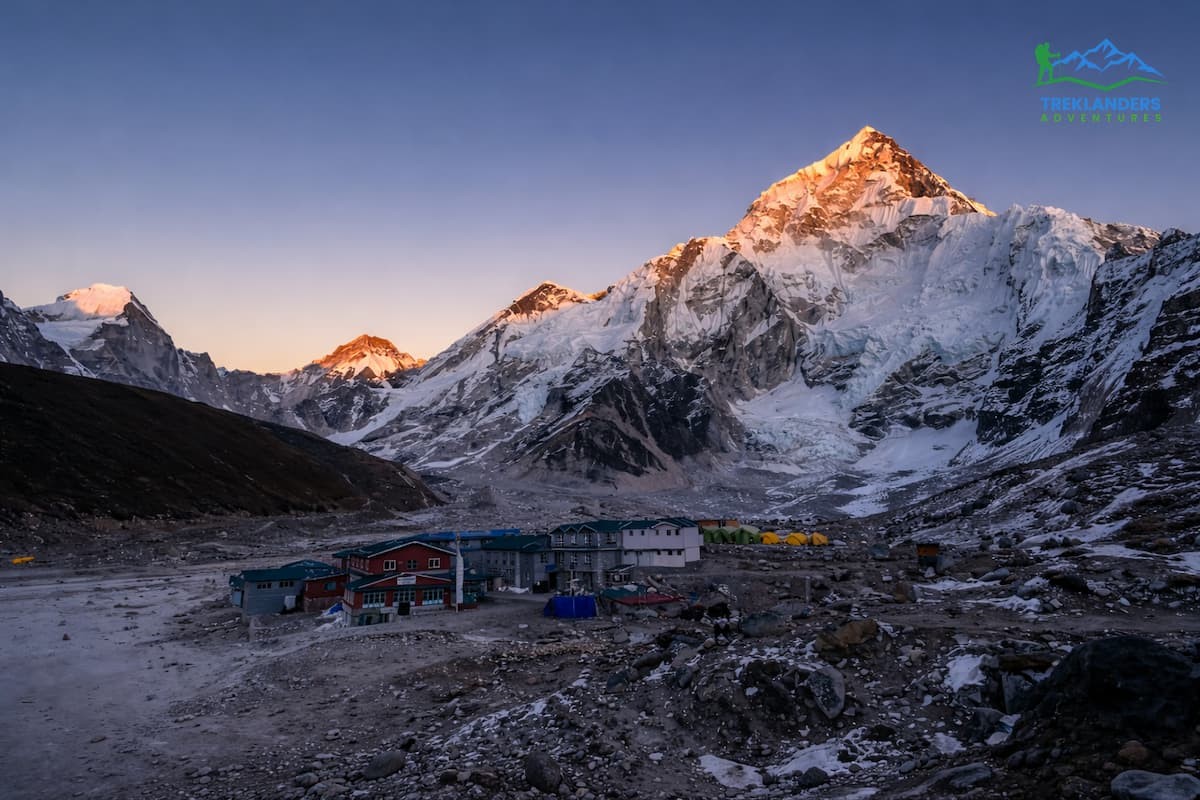
The ideal times of the year to go on a short Everest Base Camp trek in the Everest Region are spring, from March to May, and autumn, from September to November. These times provide good weather conditions, clear mountain views, and comfortable walking conditions, which are particularly crucial for a 12-day fast-track itinerary with minimal days for acclimatization and buffer. Going during the right season guarantees that trekkers will be able to safely and efficiently enjoy the area's natural beauty.
Spring is one of the best seasons for trekking as it offers a perfect combination of moderate temperature and fresh, green nature. At lower elevations like Lukla and Namche Bazaar, daytime temperatures typically vary between ten and fifteen degrees Celsius, whereas higher altitudes, such as near Gorakshep and Everest Base Camp, experience temperatures from minus five to ten degrees Celsius. Usually, mornings are clear, enabling great mountain views; however, in the afternoon, some clouds might show up occasionally. Below four thousand meters, the forests become vibrant with rhododendron flowers, and the trail is beautifully colored.
During this period, the Mount Everest main climbing season also happens. Although trekkers are unlikely to see summit ascents, the presence of expedition teams and tents at Base Camp makes the place full of life. Watching climbers getting ready for their summit attempts provides an extra thrill and sense of achievement to the trek. Thanks to moderate temperatures, blossoming nature, and cultural events, Spring is a perfect season for shorter itineraries.

Autumn, from September to November, remains the most popular and dependable season for trekking in the Himalayas. Once the monsoon recedes from early September, the atmosphere gets purified and free from dust, thereby revealing the Himalayan peaks at their most spectacular. Day temperatures are almost the same as in spring; however, one can experience a cold chill at night in November when at high altitude. Besides, the rain being very rare is an additional factor that contributes to climber safety, as it limits the possibility of falling. On top of that, the stable weather most of the time is good for the Lukla flights as it is less likely that they get cancelled or delayed. This is great given the tight 12-day schedule.
On the contrary, the winter and the monsoon seasons are considered unfavorable for trekking. Along the lines of temperature alone, it is enough to say that winter gets so cold at night, sometimes plummeting to, that monsoon is the exact opposite. Besides the mugginess, one major thing to watch out for is slippery slopes. The abundant rains that come with the monsoon season wash away the trail patterns and make it hard for the trekkers to find their way. For most people, the main reason for deciding to do a trek is the mountain views, and thus it is really disappointing when the cloud cover hides them, and this happens quite a lot during the monsoon. One can conclude that among the Everest Base Camp 12-day trek options, spring and fall are the most attractive ones. That is because these two seasons offer the perfect combination of safety, comfort and extraordinary views, which is what one can expect while walking in the footsteps of the great explorers and mountaineers that reached the highest point on earth.
If you want to go on the Short Everest Base Camp trek, it is a must that you get the correct permits. Those who plan to trek have to obtain a Sagarmatha National Park Permit (SNP) and a Khumbu Pasang Lhamu Rural Municipality Permit (KPRM). These papers are compulsory for every person going to the Everest region, and they also facilitate the control of tourism while preserving the delicate Himalayan ecosystem. The police at the main entrances, like Lukla, and on the trekking path make the permit checks very strict; getting them beforehand is very important.
The Sagarmatha National Park Permit is a document that the National Parks and Wildlife Conservation Office grants to Nepal. This permit allows trekkers to enter Sagarmatha National Park, which includes the vast majority of the high-altitude areas around Mount Everest, such as Namche Bazaar, Tengboche, Dingboche, and Everest Base Camp. The charge for the permit goes into a fund that supports the park's conservation, animal protection, and service of the trail and lodges. Trekking enthusiasts have the option of getting this permit from Kathmandu or Lukla right before the start of the trek. The applicant should bring along a legitimate passport and passport photos, and the permit is generally given without much delay.
The Khumbu Pasang Lhamu Rural Municipality Permit is a necessary requirement for trekking within the Khumbu region, collectively including the villages of Lukla, Phakding, Namche Bazaar, and Pangboche. This permit is authorized by the local government office and signifies that the tourism industry is assisting in the local community's development. Just like the Sagarmatha National Park Permit, it also facilitates the regulation of visitor numbers in the area to prevent excessive environmental degradation. To make an application, trekkers need to have their identification and passport-sized photos with them, and it is also possible to get the permit in Kathmandu or in Lukla.
Along the path of the trek, both permits are regularly checked, especially at significant villages such as Namche Bazaar. The guides or trekking agencies frequently have the paperwork done for you in order to ease the process, but if you are trekking on your own, you should always have the original documents with you. Besides that, it is prudent to make photocopies and keep them in a different place from the originals.
In short, the Sagarmatha National Park Permit and the Khumbu Pasang Lhamu Rural Municipality Permit are mandatory pieces of documentation for a short trek to Everest Base Camp. Besides granting access to the trekking areas, they also play a part in environmental conservation and social development. Getting these permits beforehand is a step towards a smooth and legal journey in the legendary Everest region.
Planning a short Everest Base Camp trek should be broken down into a number of local components that help the trek go smoothly and be fun. One of these parts is definitely the trekking guide and porter service, which can be very helpful, especially if it is your first time trekking. Guides bring in-depth knowledge of the local area, help with finding the route, and take care of safety in high-altitude situations. Porters carry the heavy backpacks so that trekkers can concentrate on walking without getting too tired. If you are not familiar with the region or are not used to trekking at high altitudes, it is very wise to get a guide or porter.
On top of that, the flight to Lukla is a necessary element as it determines the official commencement day of the trek. This flight will present you with an unforgettable experience of the Himalayas' great views; however, it can be postponed or even cancelled due to the weather, so you should always expect to leave early in the morning and have a flexible schedule. For pick-up and drop-off at the airport, travellers should also factor in the time and money, and whether the transit from Kathmandu to the airport is easy; do not forget the time spent at Lukla for permits and trek preparation.

Through a short ebc trek, accommodation means staying in local villages by way of tea houses and lodges at Namche Bazaar, Tengboche, Dingboche, and Gorakshep. These tea houses offer basic facilities such as warm food, beds, and sometimes a hot shower. Even though the facilities are very simple, these lodges are a great option for having a cozy rest after the long days of trekking and a chance to get to know the local Sherpa people.
Meals on the trek are another factor that needs to be taken into account. A standard trekking menu consists of rice, noodles, soups, and local dishes. Although food at the lower elevation is readily available and diverse, higher altitude lodges usually have very few choices. Therefore, it is a good idea to plan your meals thoroughly and keep good nutrition and hydration levels. Having some snacks and energy bars handy will help keep up your energy between meals.
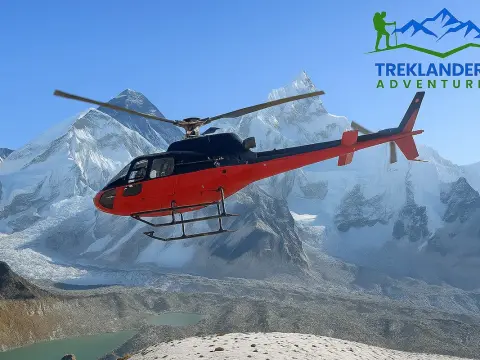
Those who want a bit of freedom or are concerned about their safety can opt for a helicopter ride back from Lukla or any nearby village. This is especially useful if you are tired or your flight is delayed. With this option, you can skip the return trail and get to Kathmandu quickly and safely.
In general, to plan for a short trek to Everest Base Camp, you should think about guides and porters, flights, accommodation, meals, and optional helicopter services. Proper planning is the key to a smooth, safe, and unforgettable experience in one of the world's most amazing trekking areas.
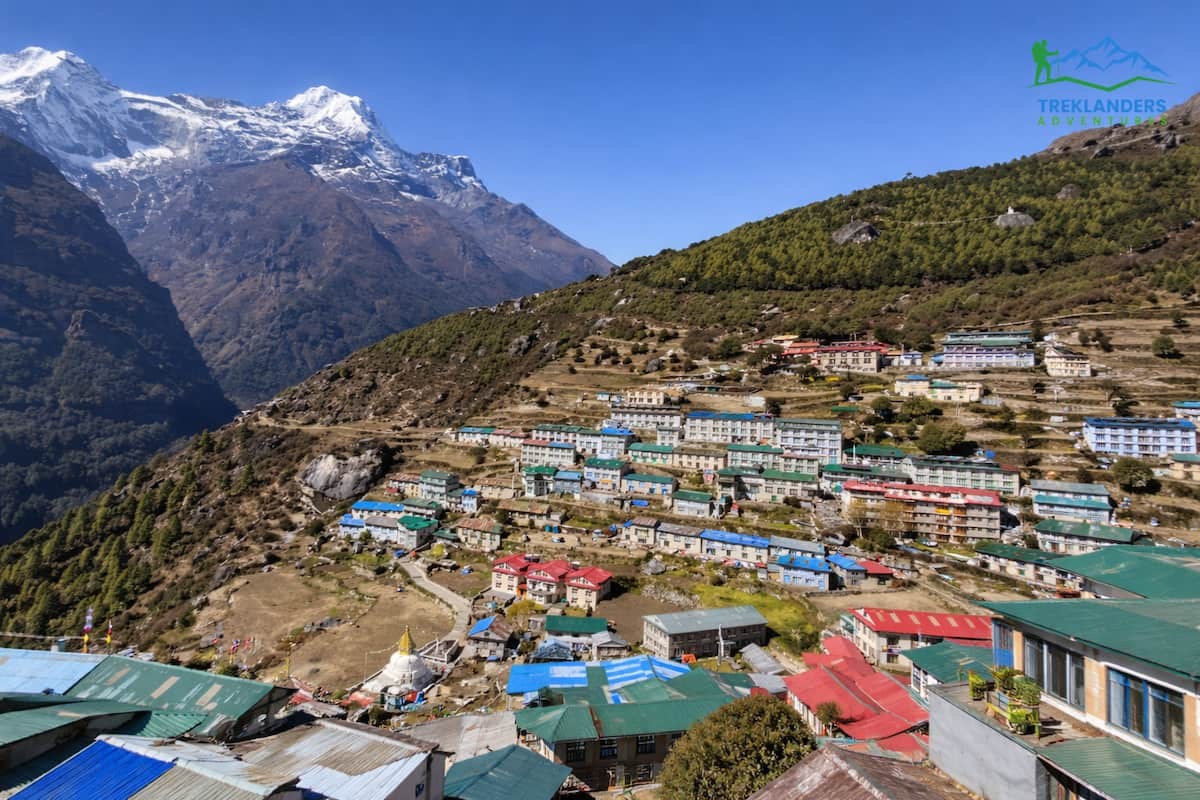
During the Short Everest Base Camp trek, you will mainly stay in teahouses. In fact, teahouses refer to the small lodges that are run by the local families of the Khumbu region. These teahouses offer amenities that are basic and comfortable, such as a bed with blankets, shared or sometimes private bathrooms, and a dining area that is common.
Moreover, staying at a teahouse gives a chance to the trekkers to learn about the local culture, meet the Sherpa hosts, and at every stage of the trail be greeted with warmth and affection. Among others, Namche Bazaar, Tengboche, Dingboche, and Gorakshep are the villages where you can find teahouses that are geared to the needs of trekkers and thus offer a place to rest and shelter after hiking for hours.
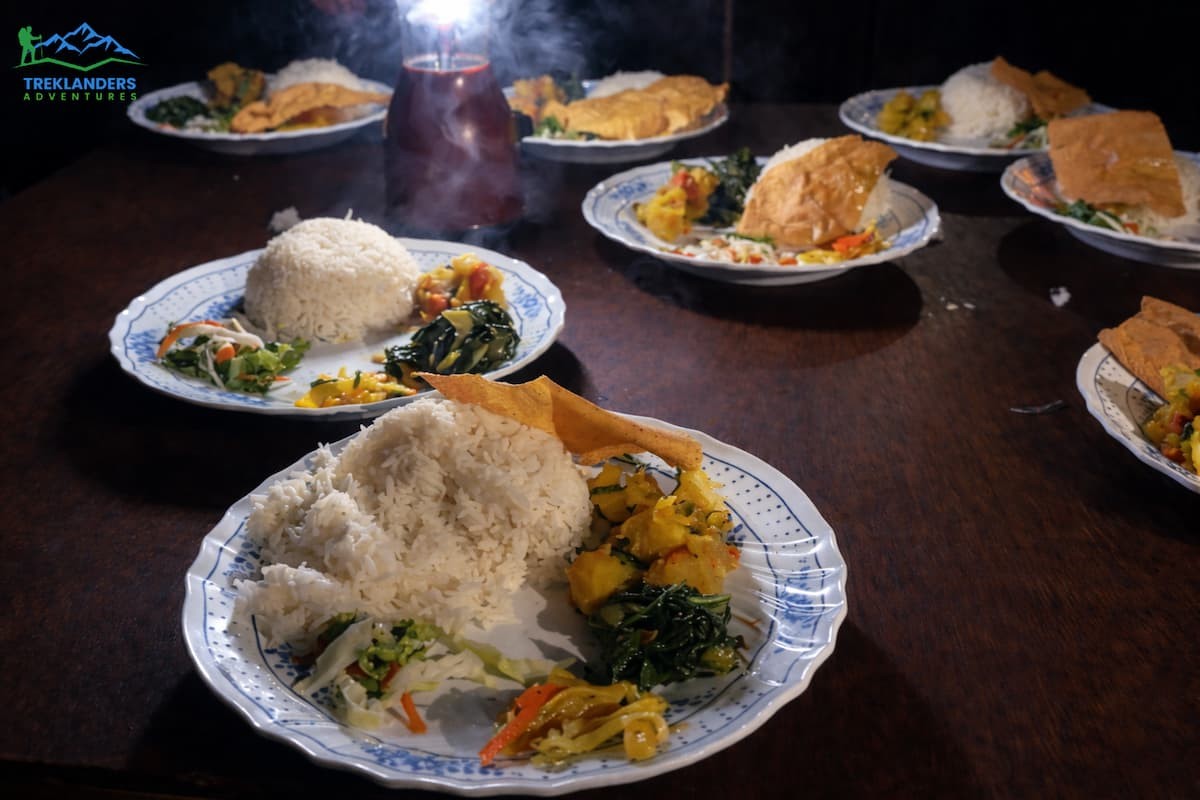
The meals served in the teahouses are plain, nourishing, and made with the idea to give trekkers the necessary energy for a high-altitude trek. For instance, a typical menu would feature rice, noodles, soups, lentils, and curries prepared locally.
Besides, teahouses offer snacks such as biscuits, chocolate, and instant noodles, which are useful for taking a break during the hike. Tea, coffee, and hot chocolate are very popular and provide warmth and comfort during cold evenings. Also, at higher elevations, the variety of meals might be less because of the inconveniences in transportation, but most teahouses still stick to their staple dishes’ menu.
Nowadays, many teahouses in Namche Bazaar and other larger villages are equipped with modern facilities such as Wi-Fi and charging points. Usually, Wi-Fi comes with a small charge, and the electricity for device charging is often generated by solar panels. If you have charging needs, keep in mind that the power supply can be slow or not always available, so it is a good idea to have a portable power bank for your convenience.
Tea house accommodation up to a certain level is not only a means of providing basic comfort and nourishment but also a way of living a cultural experience. While trekking through the Khumbu region, the trekkers catch glimpses of daily Sherpa life, their farming, and religious practices, which are in line with their hospitality, food, and rest. A well-prepared trek with provisions for food, water, and shelter will give you a pleasant experience on the trail and also allow you to put all your concentration on the journey and the stunning views of Everest.
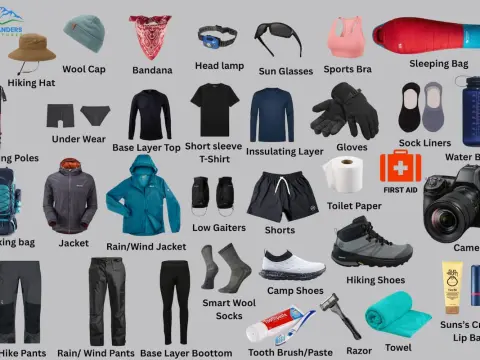
The success of the 12-day Short Everest Base Camp trek largely hinges on how well you pack your bags. The journey covers high-altitude trekking, unpredictable weather, and long hours of walking, so taking the right gear and clothing can be your best bet not only for safety but also for a comfortable and good performance.
Among the most indispensable trekking equipment are a reliable backpack of probably 40-50 liters capacity and a rain cover for it. A sleeping bag that can withstand sub-zero temperatures is a must for the high-altitude lodges where the temperatures at night can get very low. With trekking poles, not only will your knees be less troubled, but your sense of balance on typical rocky or uneven trails will also be improved. Besides sunglasses with UV protection, you will also need a headlamp with some spare batteries for early morning or evening walks. It is important to note that the sunglasses protect you from the sun's glare.
Layering clothing is a great way to adjust to the temperature changes. The first layer, which is a moisture-wicking one, dries up your skin by pulling sweat away. The insulated mid-layers, on the other hand, keep you warm during those cold mornings and evenings. Wearing a waterproof and windproof outer shell will equip you well for a situation where you get caught in snowfall, rain, or strong wind. It is suggested that you should wear trekking pants that are not only sturdy but also offer you some flexibility, thermal leggings for additional warmth, and quick-dry t-shirts. Furthermore, gloves, a warm hat, and a buff or neck gaiter serve as the best heat retention tools, particularly when you are heading up to Kala Patthar in the very early morning.
Choosing the right footwear is crucial. Apart from a good-quality pair of waterproof hiking boots offering enough ankle support, it is also important to have comfortable hiking socks to avoid blisters. Soft and lightweight sandals or shoes are a good option to freshen up your feet while resting in teahouses.
Medications to adjust to high altitudes are an essential part of the kit. For instance, acetazolamide (Diamox) tablets could be effective in avoiding getting sick from mountain altitude, but should not be taken without a doctor's approval. Painkillers, anti-emetic drugs, rehydration salts, etc., are some of the commonly used medicines that can be easily found and are also quite helpful.
Further items that most people carry include a hydration bottle or system, sun protection (both lotion and lip care with SPF), a basic first-aid kit, personal hygiene products, and a few other personal effects. Cameras or phones can be kept dry and warm using special cases, and a power bank is a very efficient way to keep all your gadgets running.
All in all, the main secret to a comfortable, safe, and well-prepared trek in the high mountains lies in packing not only the right equipment but also the right clothes in layers, proper footwear, and necessary medications, thus enabling trekkers to fully immerse themselves in the physically demanding yet spiritually uplifting adventure of the Short Everest Base Camp trek.
Going on a trek to Everest Base Camp will be an adventure of a lifetime. However, this trek to the base camp of Everest involves high altitudes, unpredictable weather, and difficult terrain. It is extremely important to focus on safety during the trek to ensure a successful and pleasant time. One of the biggest travel-related considerations is the travel insurance taken out before the trek. It should be high-altitude trekking, medical emergencies, and helicopter evacuation cover.
Unfortunately, it is impossible to predict when an accident, sudden illness, or altitude sickness may occur. In any of these cases, the victims would require immediate medical attention. However, the medical facilities in the Everest region are limited. Signing up for insurance that covers helicopter rescue is, therefore, a great idea as the trekkers can be evacuated to the lower altitudes or a medical hospital in Kathmandu should the need for urgent treatment arise.
Altitude sickness or Acute Mountain Sickness (AMS) is a common problem people face when they go above 3,000 meters. The first symptoms are headache, nausea, dizziness, and fatigue. It is necessary to keep a close watch on your health and treat the symptoms seriously. You can prevent the worsening of the condition by going up slowly, adhering to the climb high, sleep low rule, staying hydrated, and taking rest on the days of acclimatization. Besides, the trekkers should pack a small first-aid kit and some medications for the common ones like headaches, diarrhea, and cold.
You also have to be prepared for weather hazards. Snow, ice, and sudden storms may cause the trails to become slippery, or you might even lose visibility. You will significantly lessen the chances of having an accident if you wear proper gear, check the weather forecast every day and follow the advice of your experienced guides. It is a good idea to have a companion when you go on a trek, or when you go in a group, as it increases safety. Besides that, if you always let someone know your itinerary, he/she will be in a position to help in case you run into an emergency.
Knowing emergency evacuation procedures well can make a significant difference during an emergency. If a person suffers from severe altitude sickness, injury, or illness, then helicopter evacuation is usually the fastest and safest way to get to a medical facility. It is only natural that if you know where the landing zones are and how to communicate with trekking agencies, and have emergency contact numbers, then a rapid response can be expected.
In the end, a combination of caution, awareness and communication with others along the way can be determining factors for safety. Making good use of guides, porters, and local help, as well as having proper travel insurance and being ready for unexpected situations, will allow trekkers to admire the beautiful nature of the Everest region without putting themselves in danger.
Going beyond safety and emergency planning is what makes a high-altitude expedition not only a safe but also an unforgettable experience.
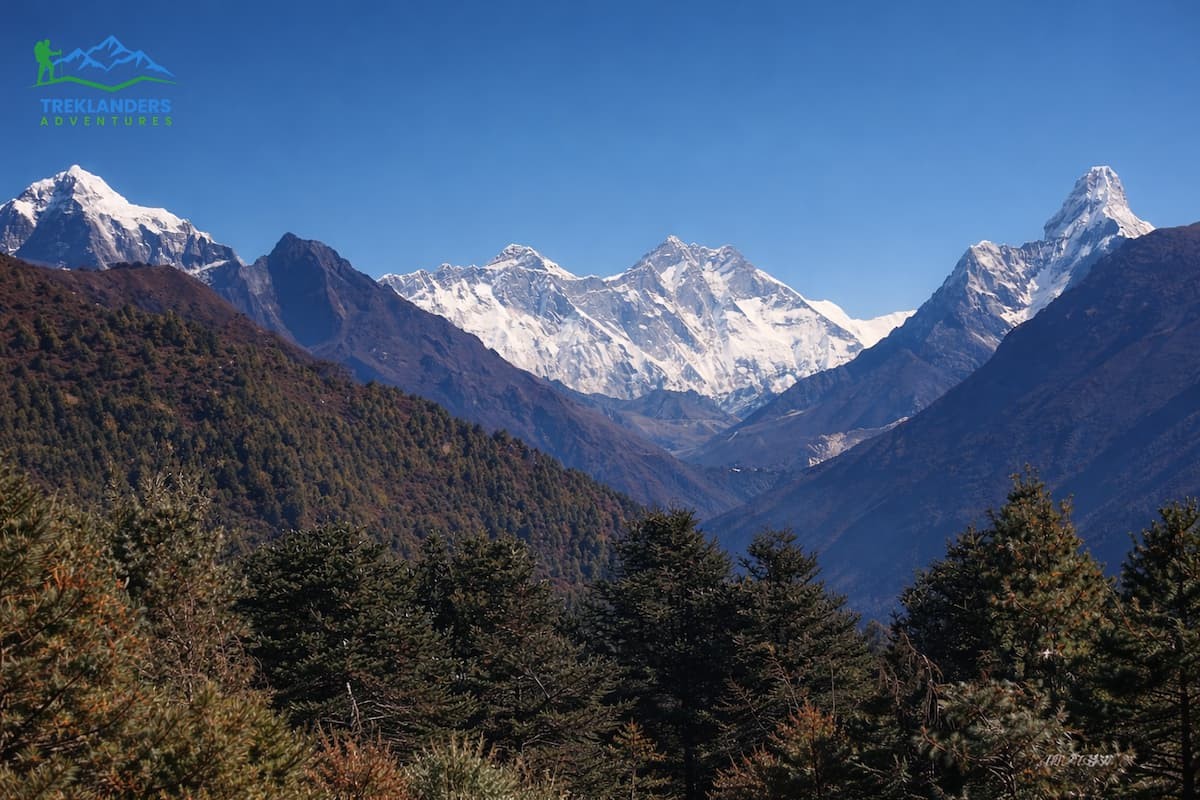
The 12-day shorter Everest Base Camp trek is a wonderful adventure that mixes gorgeous Himalayan landscapes, the Sherpa way of life, and the excitement of getting to Everest Base Camp and Kala Patthar. If the trekkers follow the right preparation, take time to get used to the altitude, and observe the safety rules, they will be able to have a comfortable and safe high-altitude experience that will be remembered forever in the Himalayas.
Preparing the right gear for the Everest Base Camp Trek is crucial, as the trail shifts from warm valleys to freezing high altitudes.

Discover 80 must-know facts about the Everest Base Camp Trek, from altitude and route to weather, culture, permits, and high-altitude safety in Nepal.

Explore the hidden wildlife, rare Himalayan plants, and fragile high-altitude ecosystems of the Everest region inside Sagarmatha National Park.



