
Kyanjin Ri vs Tserko Ri Hike: Best Viewpoints in Langtang Valley (Distance, Altitude & Sunrise Guide)
6 Mar 2026
Kyanjin Ri and Tserko Ri hikes offer the best Himalayan views and sunrise panoramas in Langtang Valley.

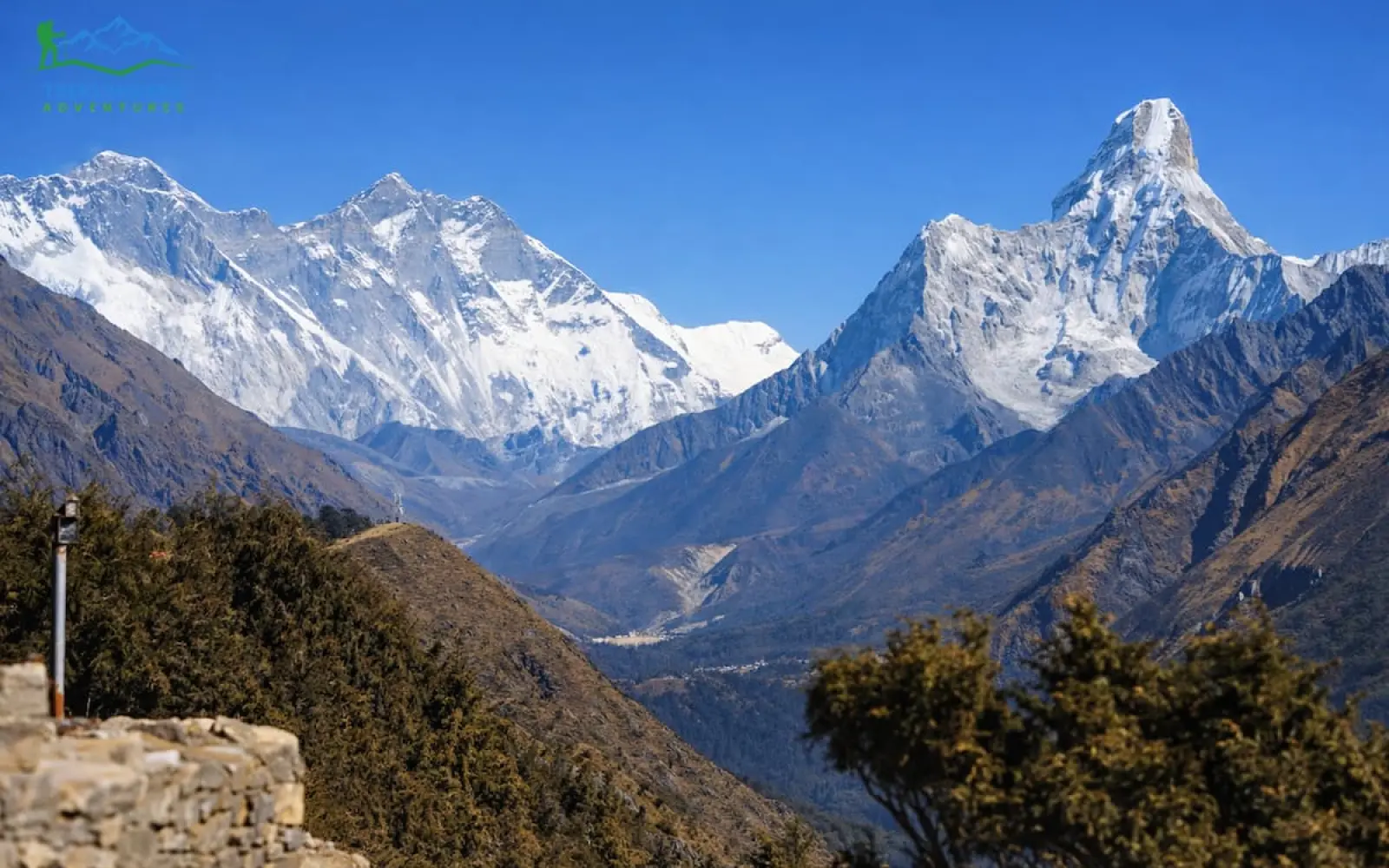
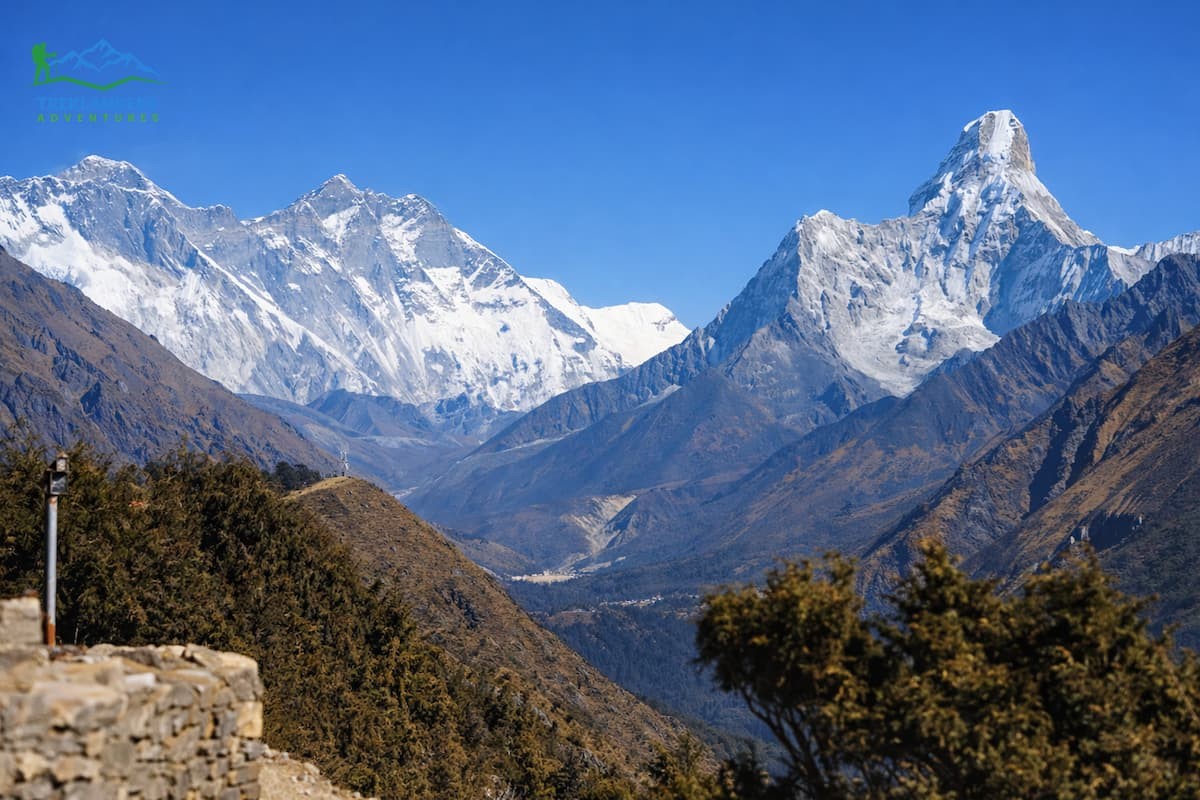
Autumn's perfect for trekking to Everest Base Camp. September to November means stable weather, clear skies, and stunning mountain views. Many go then because the trail feels easy and the hills look sharp after the rains. The region buzzes with visitors from everywhere who want to see this famous trek.
The monsoon ends around early September. After the rain, the air turns fresh. This gives great views of the mountains. You can clearly spot Everest, Lhotse, Ama Dablam, and Nuptse. Blue skies and bright sun make the space look wild. Snow peaks stand out sharply. Making autumn great for photos.
Temperatures are usually pleasant in lower spots like Lukla and Namche Bazaar. Days feel warm and inviting. Higher up near Everest Base Camp, it gets cooler - In particular at night and early morning. Even though it's colder at high altitudes, the clear skies make trekking safer and more fun. It seems like this time of year works best for most people.
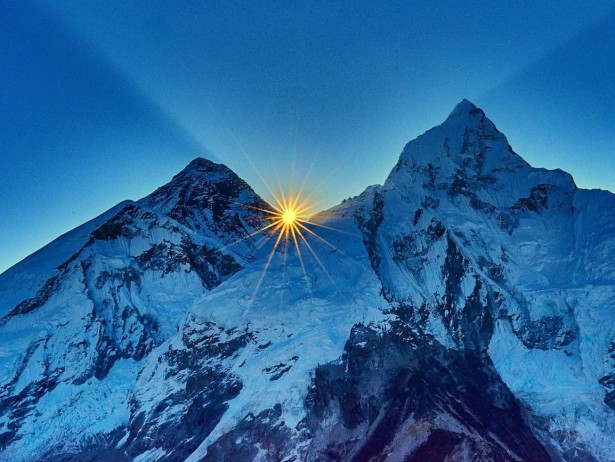
One more reason why autumn is a favorite season for trekking is the state of the trails. The heavy monsoon rain stops even before the main trekking season is in full swing. The trails dry up quickly, walking becomes less of a burden and safer. After the rainy months, the greenery of the forests and hills is at its freshest.
Summer also brings an active cultural scene to the Everest area. The villages are open to many visitors during this time. The local teahouses are fully operational and offer places to relax, eat and socialize with other tourists. On the way, trekkers frequently receive the friendly hospitality of the Sherpa community.
The condition of clear mountain views combined with stable weather and colourful trekking paths accounts for autumn being the perfect time for the Everest Base Camp trek. In fact, trekkers will hardly miss a day of experiencing mesmerizing Himalayan scenery. To many, this time of year presents the most fulfilling moment in the Everest area.
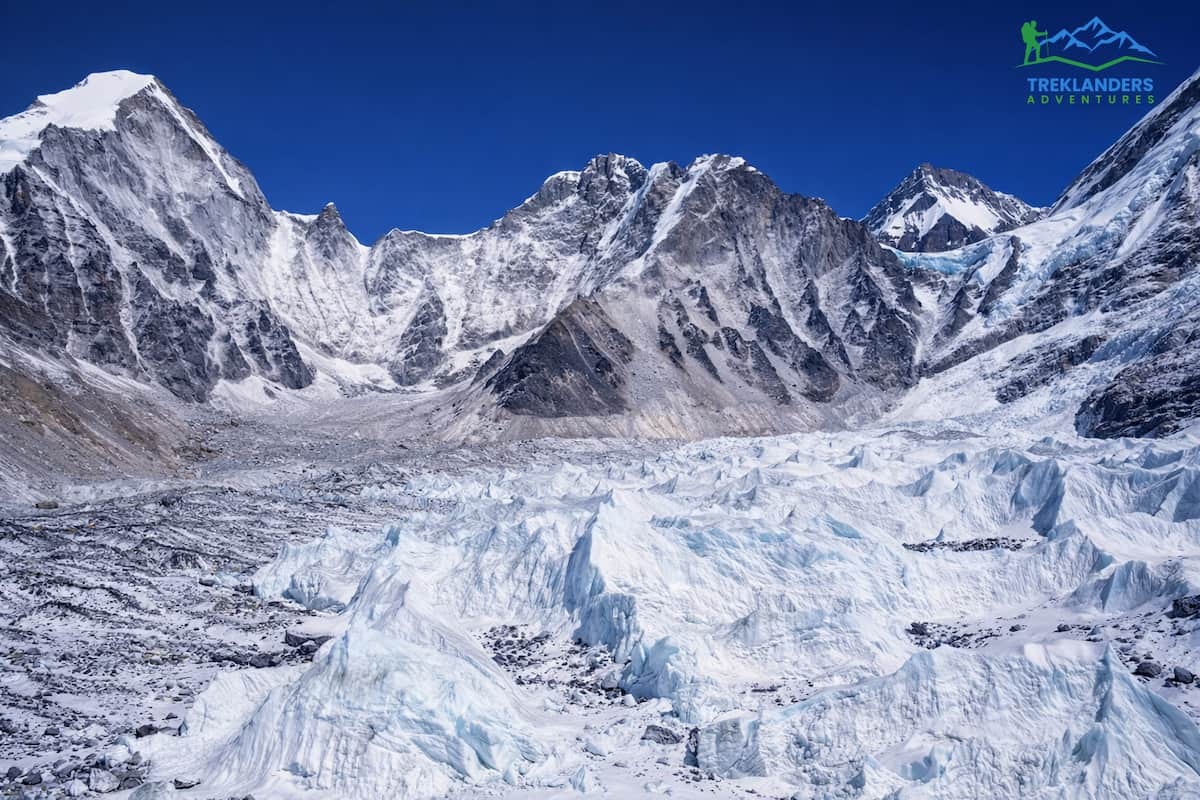
Autumn, from September to November, feels like the perfect time for a Everest Base Camp hike. The weather stays steady, skies stay open, and the views are crisp and clear. That makes the journey smoother and more relaxing for anyone heading into the mountains.
Rain usually stops by early September. Once it ends, the sky opens up. After months of wet weather, dust and smog fade away. The air up high turns clean and fresh. Most days, you can spot distant Himalayan peaks. Everest, Ama Dablam, Lhotse, and Nuptse stand out sharply against the blue sky. This visibility is great for photos.
The weather in autumn stays calm. Days are sunny and dry. Hikers can walk long stretches without rain or snow worries. Trails stay dry because the monsoon is over. Without water on the rocks, slipping becomes less likely. The path feels safer, mainly on steep or rough parts.
Midway down, autumn holds a middle ground when measured against winter's bite. Mild warmth greets travelers by day in lower spots like Lukla and Namche Bazaar - just right for walking without strain. Higher up, near Everest Base Camp, cold grips tighter once the sun dips below ridges. Still, skies tend to stay open and steady, giving bodies time to settle into thinner air without fuss.
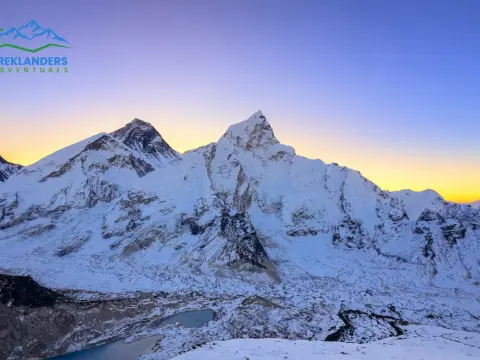
Fall brings a buzz to the trails that few seasons match. The Everest area sees its busiest months when the leaves turn. Places to stay throw their doors wide, offering warm beds and hot meals. Individuals hiking here come from every corner of the map, filling paths with chatter and shared stories.
Trees wear their best colours when autumn arrives. Following heavy rains, forests burst into lush green life. Water rushes down rivers and leaps off cliffs, feeding the land below. Sunlight sparkles through clean air while mountains stand sharp against the sky. Each step on these trails feels different, somehow clearer than before.
That time of year draws plenty of hikers aiming for Everest Base Camp. Thanks to steady skies, clear mountain views, plus mild trails, fall stands out as a go-to season for Himalaya trips.
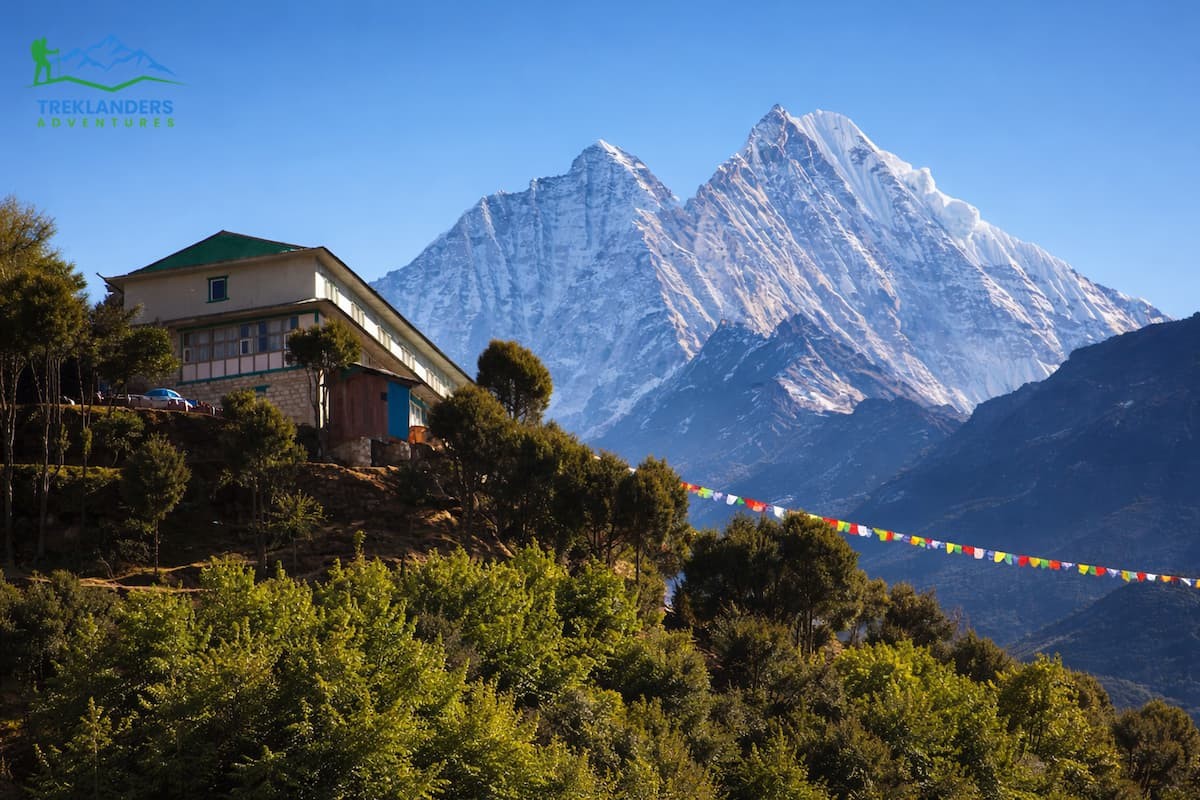
In general, autumn weather in the Everest area is characterized by clear, dry, and stable conditions. From September through November, those on foot will have the best opportunities to enjoy favorable weather for visiting the Everest Base Camp.
The monsoon season, which ceases by early September, is responsible for cleaner air, cheerful skies, and treks featuring pleasant temperatures.
The commencement of the autumn trekking season is heralded by September. There is still a minor chance that the monsoon rain of the previous week will linger in early September. During the afternoons, especially in the lower valleys, clouds may develop. The weather becomes predominantly clear by mid and end of the month.
Daytime temperatures remain pretty lovely. In locations like Lukla and Namche Bazaar, the typical daytime temperatures during September would be between 12 °C and 18 °C. Nights, on the other hand, grow colder, frequently reaching a low of 5 °C. As you go up to the higher sections of the trail, the temperature becomes more frigid, particularly during the night.
September witnesses a rapid fall in rainfall amount due to the end of the monsoon season. With less wetness on the trail, trekking will be both easier and safer. Moreover, the hills and woods will have a vibrant and fresh look as a result of heavy rains during the month.
October is widely considered the best month for the Everest Base Camp trek. Weather conditions are very stable, and the sky remains clear most days. Visibility is excellent, which allows trekkers to enjoy strong views of the Himalayan peaks.
Daytime temperatures in lower villages usually range between 10°C and 15°C. In higher locations near Everest Base Camp, daytime temperatures may stay between 5°C and 10°C. Nights are colder and can drop below freezing at higher elevations.
Rainfall is very rare during October. Dry trails and stable weather help trekkers walk comfortably for long hours. Because of these excellent conditions, October is also the busiest trekking month in the Everest region.
November is the final month of the autumn trekking season. The weather remains clear, and mountain views are still excellent. However, temperatures begin to drop as winter approaches.
Daytime temperatures in lower areas usually stay between 8°C and 12°C. Higher locations, such as Gorak Shep and Everest Base Camp, experience colder conditions. Night temperatures often fall well below freezing.
Rainfall is almost nonexistent in November. The air becomes dry and very clear, which improves the visibility of famous peaks such as Mount Everest and Ama Dablam. However, mornings and evenings can feel very cold, so trekkers must carry warm clothing.
Autumn weather offers the perfect balance for trekking. Clear skies, low rainfall, and comfortable daytime temperatures allow trekkers to enjoy the landscapes and mountains throughout the journey to Everest Base Camp.
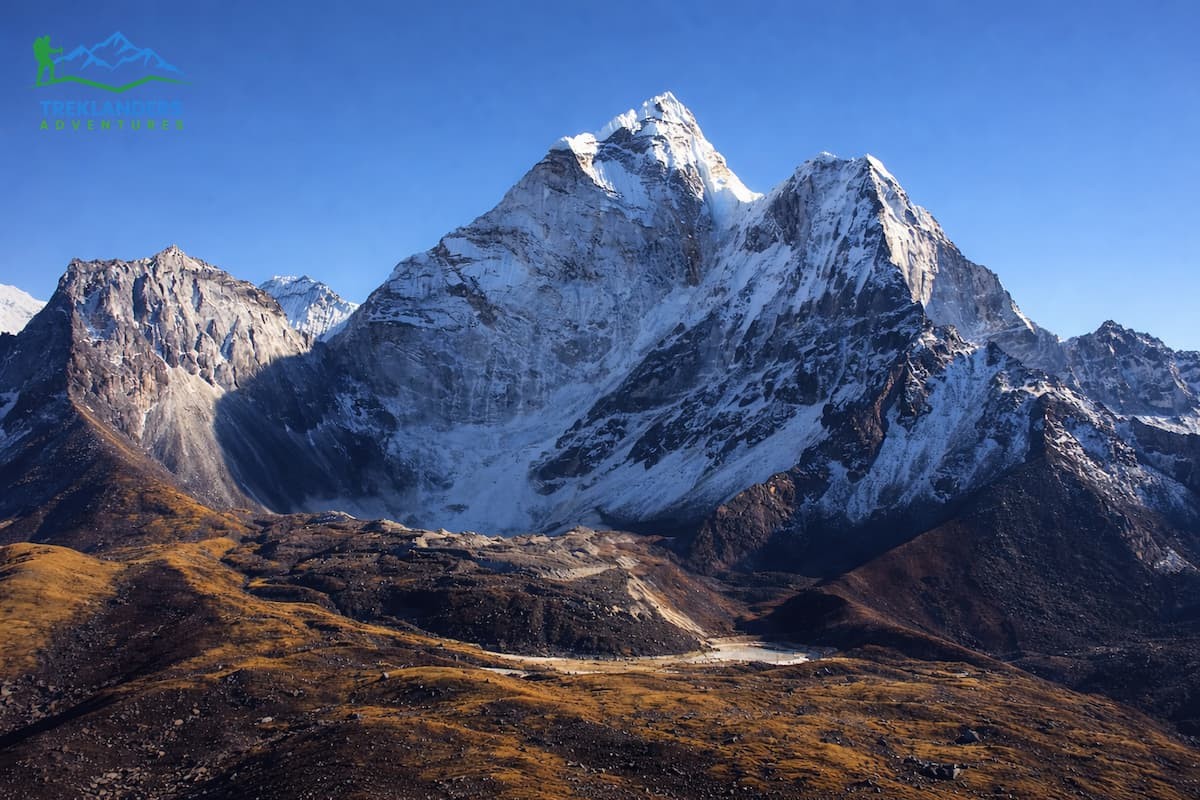
Temperature changes gradually as trekkers move higher in the Everest region. During autumn, the weather remains clear and stable, but temperatures drop with altitude. Trekkers usually start their journey from Lukla and travel through several villages before reaching Everest Base Camp. Each location has slightly colder conditions than the one below it.
Lukla sits at an elevation of about 2,860 meters. Autumn days here feel comfortable and mild. Daytime temperatures usually stay between 12°C and 18°C in September and October. Nights become cooler and may drop to around 5°C. By November, temperatures become slightly colder, especially during the early morning.

After Lukla, trekkers walk toward Namche Bazaar at about 3,440 meters. The air becomes cooler as altitude increases. Daytime temperatures often range between 10°C and 15°C during autumn. Nights become colder and usually fall close to freezing, especially in late October and November. Namche Bazaar often feels sunny during the day because of clear skies.
The villages at the next higher level, such as Tengboche and Dingboche, are located at an elevation between 3,800 and 4,400 meters. At this height, the air is thinner and colder. The daytime temperatures typically remain between 5 °C and 10 °C. Night temperatures frequently go below freezing. Early morning frost can also occur, especially in November.
Much higher stops like Lobuche and Gorak Shep sit above 4,900 meters. The temperatures here are definitely more freezing than in the lower villages. Daytime temperatures generally range from 0 °C to 7 °C during the autumn. Night temperatures can fall to about -10 °C or even lower, especially in late autumn.
At last, trekkers arrive at the Everest Base Camp, which is situated at around 5,364 meters. Even during the day, the temperature is very cold here. Daytime conditions may be hovering around freezing, whereas night temperatures can easily go below -10 °C. On top of that, strong winds sometimes make the air feel even colder.
Such a gradual drop in temperature is quite normal when you are trekking in the Himalayas. Trekkers have to bring warm clothes and suitable layers so that they can stay comfortable as they move from Lukla to Everest Base Camp during the autumn season.
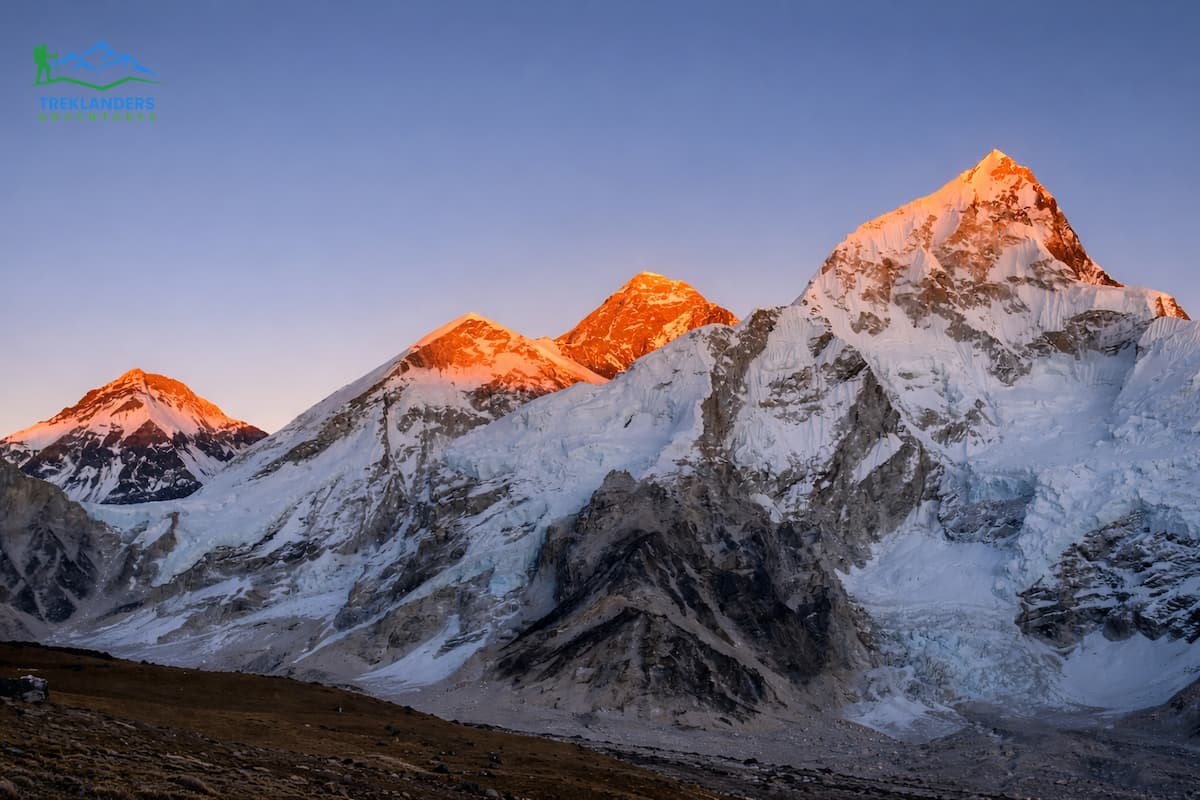
Autumn gives the best mountain views near Everest. From September to November, the sky stays clear and calm. After the rains, the air gets cleaner. Making everything sharper in the Himalayas. On the way to Everest Base Camp, hikers often see big peaks all around.
Everest is a big highlight. At 8,848.86 meters, it's the tallest mountain on Earth. Hikers first spot it from Namche Bazaar or nearby spots. There, it stands tall behind other peaks, looking strong against the deep blue autumn sky. As you climb higher, it gets closer and more detailed.
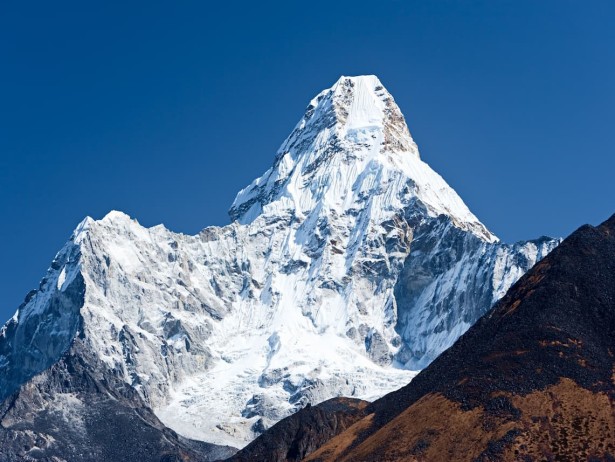
Ama Dablam is another favorite. Many hikers think it's one of the most stunning mountains. Its sharp top and steep sides make it look dramatic. You see it clearly near Tengboche. In autumn, it shines bright in the sun - perfect for photos.
You can see Lhotse clearly, the fourth-tallest mountain. It stands right next to Everest and is part of the same range. From places like Lobuche, the ice and rock faces stand out sharply. The air in autumn is clear, so the slopes look bold and straight.
Nuptse is another big one. It forms a long line running beside Everest and Lhotse. Close views happen near Gorak Shep. Its tall lines and snowy slopes give a strong feel.
Autumn light makes mornings bright and sunsets vibrant. Snow catches golden and orange tones at dawn and dusk. This creates some of the best views on the Everest Base Camp trek. The mountains around you feel alive and full of life. It is hard not to be amazed while walking through the Himalayas in autumn.
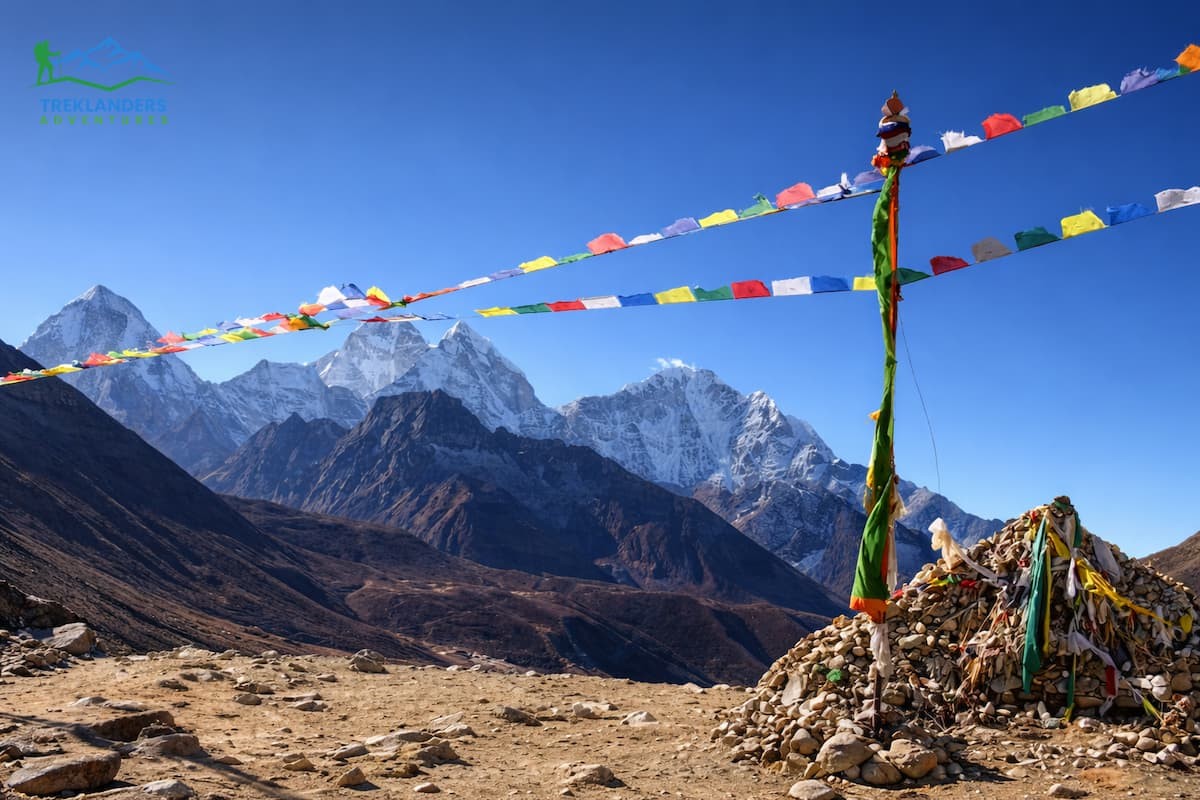
Trail conditions in the Everest region see a massive upgrade after the monsoon season ends. Heavy downpours of summer normally stop around early September. So, trekking routes get safer, drier, and more comfortable for walking. This is actually one of the main reasons why a lot of trekkers pick autumn to do the Everest Base Camp trek.
During the monsoon season, the trails become dirty and slippery. Continuous rainfall will soften the ground and make some areas almost impassable. Small landslides may also happen in certain places. When the rain stops, the ground will dry up gradually under the clear autumn sun. After a very short time, most trails will be back in good shape.
Those who are trekking and starting their trip from Lukla will see mainly hard and stable walking paths. Trails from Lukla to Namche Bazaar hug forests, stone steps, and suspension bridges. Right after the monsoon, these routes are a lot more comfortable to walk as mud and standing water disappear.
Even higher parts of the trail get better after the rainy season. Places around Tengboche, Dingboche, and Lobuche are generally dry during autumn. These places have rocky paths and open landscapes, which become dry quickly after rain. Trekkers will not only be able to move at a good pace, but they also won't have to stress about getting slippery surfaces.
Another major benefit at a time just after the monsoon shedding season is enhanced visibility. Rain washes the dirt and other pollutants out of the air. On a clear sky day, hikers can see very far away valleys, rivers, and mountains. Despite the fact that Mount Everest is covered with snow, it sometimes looks very vivid and intense in the sunlight of autumn.
The weather is also cooperative during the autumn period and allows continuous trekking to be undertaken. Morning fog dissipates, and dry afternoons provide good conditions for long walks. There are no dangers associated with river crossings and suspension bridges because water levels start to even out after the months of rainfall.
The post-monsoon hike routes, in a way, also offer a new look at nature. After being nourished by the monsoon rains, the slopes and the woods are still gaily resplendent in their fresh green hues. In the general ambience of nature, the cascading waterfalls are in full flow, and the streams appear clean and lively. All these elements of nature make the hike more commemorative.
Due to the trail conditions, which are safe and comfortable, autumn is characterized as the peak time for trekking in the Everest vicinity. Dry routes, unobstructed views, and consistent weather make the conditions perfect for hikers at Everest Base Camp.
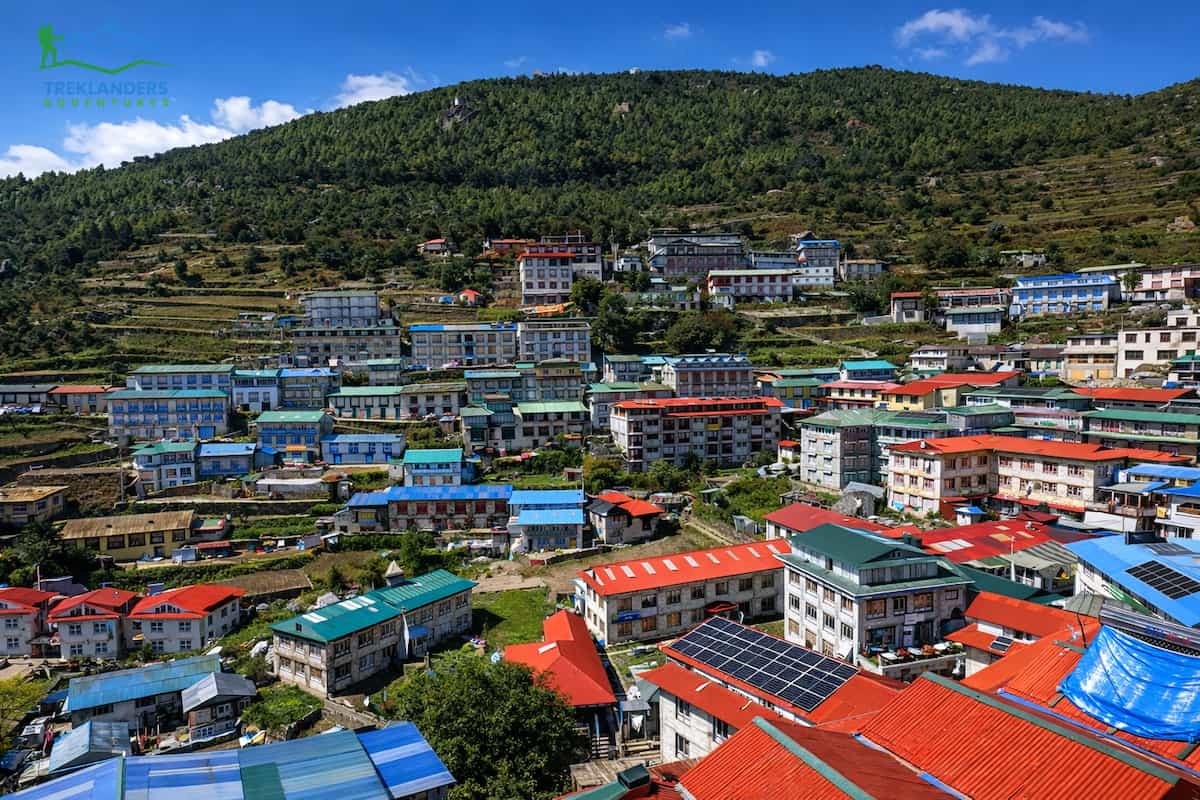
The Everest Base Camp trek passes many popular villages of the Everest region. These settlements provide food, accommodation and rest to the trekkers. In autumn, when the villages are filled with visitors from across the globe, the villages become beehives of activity. Different villages have different landscapes, cultures, and views of the surrounding mountains to offer.
Namche Bazaar is one of the most noteworthy places on the trail. This village, located at an altitude of approximately 3,440 meters, is the main trading center of the Khumbu region. Trekkers usually spend an additional day here for acclimatization. Namche Bazaar has plenty of teahouses, small shops, bakeries, and trekking gear stores. Viewpoints in the village also let the trekkers see the peaks such as Mount Everest and Ama Dablam. The mountain views appear even more amazing due to the clear skies of autumn.
Tengboche is one more favorite village on the path. The village is the home of the famous Tengboche Monastery, which is among the most important monasteries of the Everest region. The monastery is located on a hill which is surrounded by magnificent Himalayan peaks. Trekkers usually pause here to take in the tranquil surroundings and the extensive mountain views. In autumn, the place becomes a hub of activity as trekkers rest and explore the monastery.
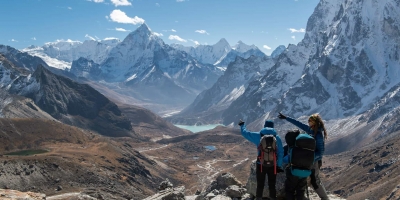
Up ahead on the trail rests Dingboche, perched near 4,410 meters above sea level. A key spot for adjusting to thin air, traveler’s pause here before pushing into even loftier zones. Nestled within a broad valley, it's ringed by towering peaks on all sides. Gone are the dense woods of lower ground; instead, open meadows stretch out, bordered by rock barriers that shield plants from biting gusts. Climbing small slopes nearby helps hikers adapt while treating them to sweeping vistas of snow-capped summits.
Down the path lies Lobuche, tucked near the last part of the EBC journey. This tiny outpost rests in an alpine bowl where stones scatter the ground, and gusts never pause. Most walkers rest here overnight prior to pushing forward - either up to base camp or higher lookouts nearby. After dark, quiet spreads across the slopes while stars appear without warning.
Out here, the trek finds its heartbeat in small mountain settlements. Shelter shows up where paths meet homes, meals appear when hunger does. Culture slips into view through shared moments, quiet gestures. Autumn breathes life into these places - doors stay open, voices carry warmth. Each stop leaves a mark, not just on boots but on memory too.
Everest Base Camp is a beautiful trek, and the entire route of Everest Base Camp is packed with some amazing views and fresh air. The base camp trek and the whole route certainly can be handled without any technical climbing skills, but the problem here is the altitude level, and the long walking days can physically make the trek demanding. Achieving good fitness and making proper preparation are high priorities among the factors that can ensure one's safety on the journey.
Altitude is certainly one of the major problems. The trek starts in Lukla, which is at a height of 2,860 meters approximately. Then, the trail gradually ascends through several villages such as Namche Bazaar, Tengboche, and Dingboche. Everest Base Camp, the terminal point, is located at an altitude of around 5,364 meters above sea level. At an altitude like this, the air is less oxygenated, making it more challenging to breathe. Therefore, trekkers should pace their walk gradually and give their bodies’ sufficient time to adapt to the altitude.
Another aspect that can make the trek harder is the daily distance covered. Walking five to seven hours is what most trekking days require. Usually, the length ranges from 8 to 15 km, depending on the stretch of the trail. Some days are a mix of long uphill climbs, stairs made of stones, and paths filled with rocks. Trekkers need to keep a constant pace to stay away from fatigue.

For anyone planning to do the Everest Base Camp trek, proper acclimatization should be considered as a key part of the preparation. Rest days in towns like Namche Bazaar and Dingboche are incorporated into most trekking schedules. These acclimatization days serve to help the body get used to the less oxygenated air. Trekkers making use of these breaks often go for short hikes to higher points from where they have a great view and then come down to their sleeping village.
Being physically fit is really handy when you want to do the trek comfortably. Actually, trekkers should start working on their bodies weeks or even months ahead of the journey. Building endurance can be done through various regular activities such as hiking, walking, jogging, or cycling. Also, getting your leg and core muscles stronger can help you handle those long days of trekking better.
It is a good idea to start practicing mentally as well. The trek is about simple living, cold weather, and fewer facilities in the mountain villages. Usually, those who stay calm and have a positive attitude will like it even more.
For the most part, a fit body, good pacing, and enough time for acclimatization will make it possible for healthy trekkers to do the Everest Base Camp trek. Proper preparation can be very beneficial in making your journey through the Himalayan Mountains safe and enjoyable.
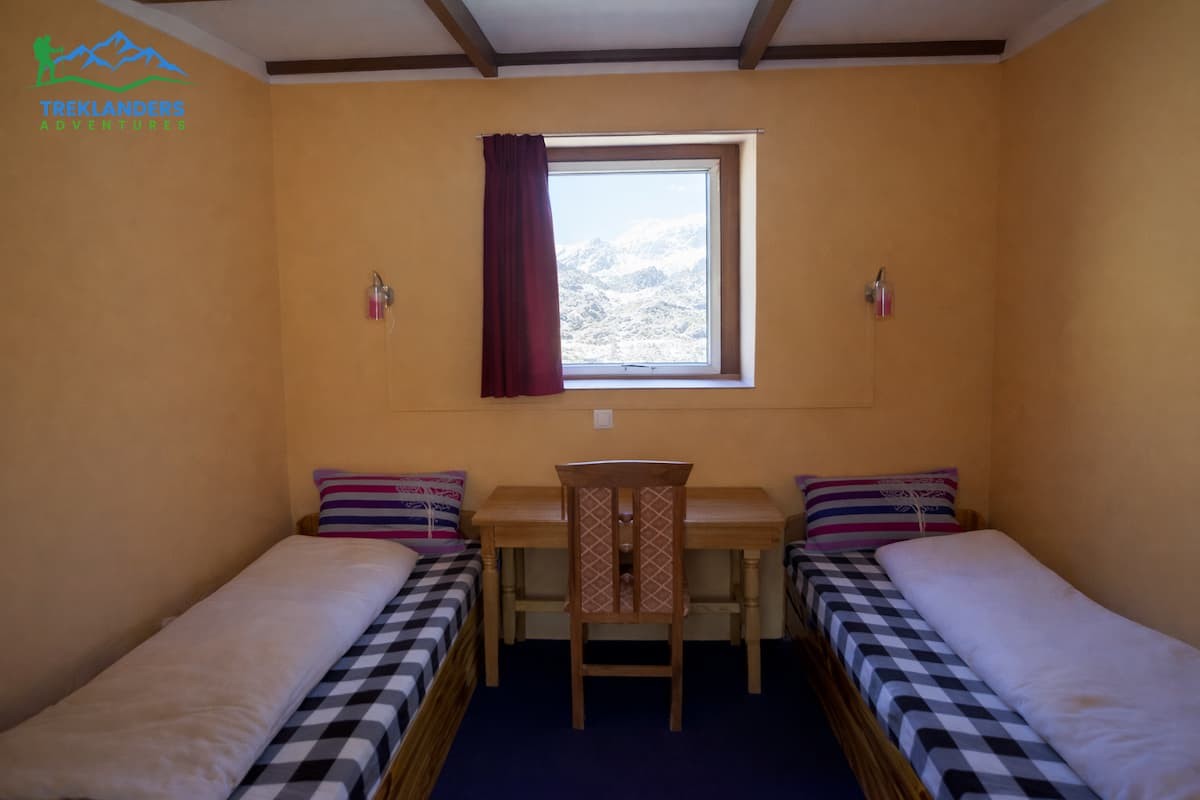
The autumn trekking season is from September to November. During this season, accommodation along the Everest Base Camp trail is widely available and fully operational. Most teahouses and lodges are open and ready to serve trekkers, as this is the peak trekking season in the region. Villages along the route, such as Namche Bazaar, Tengboche, Dingboche, and Lobuche, offer various options for overnight stays.
Most teahouses provide simple private or shared bedrooms. Rooms usually have beds with blankets, a mattress, and a pillow. Hot water may be offered in the evening; however, sometimes it is restricted due to fuel availability at higher altitudes. Heating is available in many teahouses, either through small wood stoves or gas heaters, which is handy, especially in colder villages like Dingboche and Lobuche.
Bathrooms are simple and often shared with other guests. Flush toilets are a rarity above Namche Bazaar, but pit toilets or western-style toilets are generally available. Many lodges will charge a small fee for the use of the toilet facilities. Also, carrying hand sanitizer or wet wipes is highly recommended.

Food facilities are one of the main attractions of teahouses. Most lodges provide breakfast, lunch, and dinner, and the menus feature local Nepali dishes, such as dal bhat, noodles, soups, and momos, as well as simple Western meals like pasta and sandwiches. Tea, coffee, and hot chocolate are served throughout the day, which is very helpful to trekkers in staying warm.
Electricity for charging devices is generally accessible in most villages, although some higher settlements might levy a very small fee. Wi-Fi is now and then available; however, it is generally weak and slow, so it is not advisable to rely on it for streaming or heavy usage.
The peak autumn season can see a lot of trekkers, and hence, lodges might get very crowded at that time. With large groups, it is a good idea to book ahead, but solo travellers or small groups will usually be fine finding a room when they show up. Besides accommodation, teahouses also offer a chance to relax, encounter other trekkers, and enjoy mountain views from their common areas.
In general, accommodation during autumn is comfortable and dependable. Teahouses are not only clean, but they are also run by friendly locals and offer the fundamental services trekkers need. The presence of working facilities, hot meals, and heated rooms together makes autumn a perfect season for trekking to Everest Base Camp while staying well-supported on the trail.
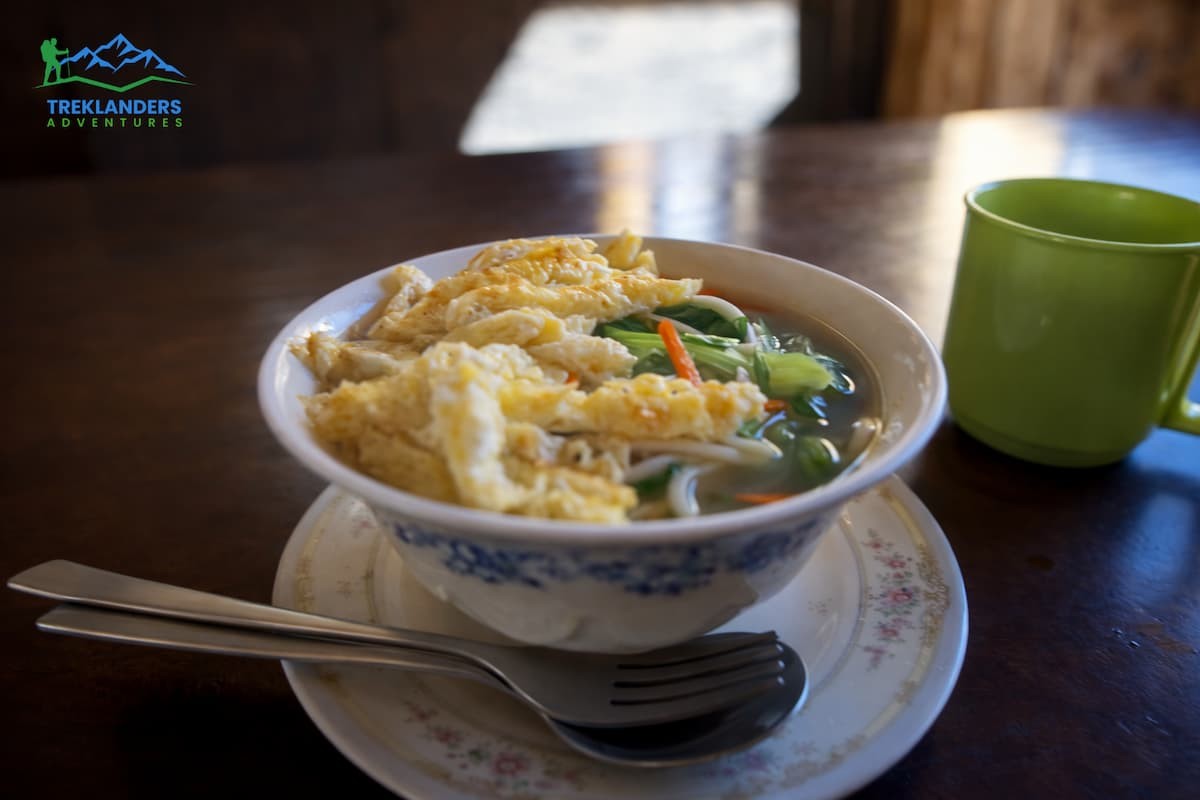
What you eat and drink on the way to Everest Base Camp really matters. In the fall, between September and November, most places where you can stay and rest will be serving regular meals and snacks. You can choose from a mix of traditional Nepali dishes and simple Western ones.
Most teahouses serve breakfast with options like porridge, eggs, toast, pancakes, and tea or coffee. Dal bhat (rice with lentil soup) is the staple Nepali dish for lunch and dinner. Besides that, trekkers will come across soup, noodles, and momo (Nepali dumplings) sometimes along the way. Western meals like pasta, fried rice, sandwiches, and pizzas will mostly be found in bigger towns like Namche Bazaar. Tea, coffee, and hot chocolate can also be bought at any time as drinks, which is nice, especially at cold altitudes.
It is a good idea to take snacks during long days of trekking for extra energy. Some of the common snacks are energy bars, biscuits, chocolates, and dried fruits. There are some packaged snacks on sale in the teahouses, but you should bring your own, especially for the harder parts of the trail without many lodges.
There is fresh drinking water almost everywhere in the villages, but in most cases, it has been processed by boiling, filtration or chlorine tablets. It is better not to drink directly from the tap. Trekkers usually have reusable water bottles and fill them up at the teahouses. There is bottled water sold in some places for a small fee. At the elevated areas like Lobuche and Gorak Shep, water availability may be limited, so it is wise to have water bottles always topped up, whenever you get a chance.
Calories and food intake should not be overlooked on the trek. When you do trekking at high altitudes, the body needs more fuel, thus one should have meals more often and in a balanced way. Ingesting carbohydrates, proteins, and fats will help supply your body with energy and will combat tiredness. Most of the people who go trekking take 3 proper meals a day and also snack a little during long hours of walking.
Food prices go up as trekkers go higher and higher along the trail. The villages down the hill, such as Lukla and Namche Bazaar, offer cheaper meals. As the villages getting near to Everest Base Camp are located at higher elevations, they require more money, mainly because it is hard to carry supplies there.
Moreover, trekking in the autumn season, people can have a good assortment of dishes, with a lot of different snacks and potable water. With minor effort in planning, the right quantity of energy and fluids can be attained at every stage of the trek to Everest Base Camp.
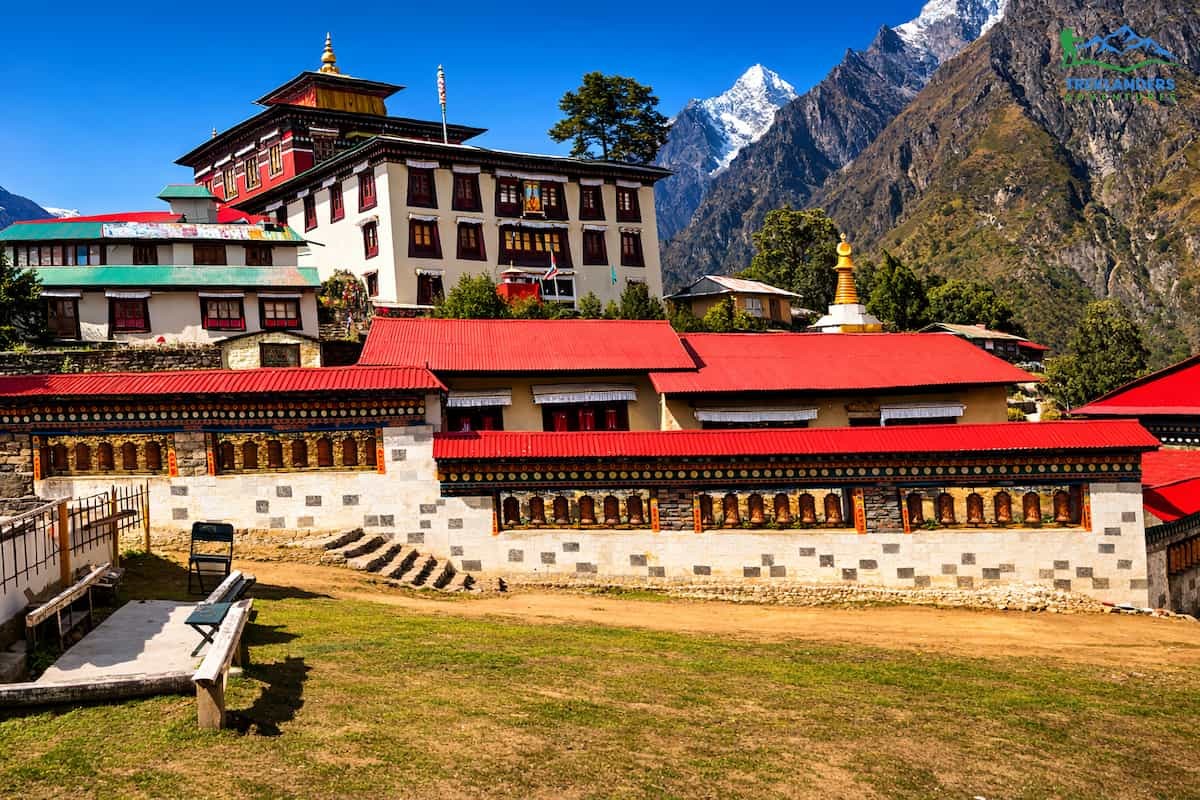
Autumn is not only the best season for trekking to Everest Base Camp, but it is also a time of rich cultural celebrations in Nepal. The months from September to November include important festivals that give trekkers a chance to experience local traditions and customs. Villages along the trail, such as Namche Bazaar, Tengboche, and Dingboche, celebrate these festivals with enthusiasm.
One of the most significant festivals is Dashain, which usually falls in late September or October. Dashain is the longest and most important festival in Nepal. It lasts for about fifteen days and honors the goddess Durga. During Dashain, families gather to celebrate, exchange blessings, and enjoy special meals. In the Everest region, trekkers may notice villagers decorating homes, hanging prayer flags, and performing rituals. Local markets sell festive items, and some villagers take time off from work, creating a lively atmosphere along the trekking route.
Another major festival is Tihar, also called the festival of lights. Tihar usually occurs in October or November, following Dashain. During Tihar, homes and monasteries are decorated with oil lamps, candles, and colourful garlands. People honor animals such as crows, dogs, cows, and oxen on different days of the festival. Trekkers passing through villages may see decorated houses, lit pathways, and cultural ceremonies. Tihar brings warmth and light to the Everest region during the crisp autumn evenings.
Local monasteries and temples also hold special prayer sessions and cultural events during autumn. Monks perform rituals, chant prayers, and display traditional artifacts. In villages like Tengboche, trekkers can witness the spiritual side of Sherpa culture. These experiences give visitors insight into the Himalayan way of life.
Autumn festivals create a festive and welcoming environment along the trekking route. Trekkers may interact with locals celebrating together, enjoy traditional food, or take photographs of colorful decorations. These cultural moments add depth to the trekking experience and allow travellers to connect with the community beyond the mountains.
Experiencing Dashain, Tihar, and other autumn celebrations makes the Everest Base Camp trek more memorable. In addition to stunning mountain views, trekkers get a chance to enjoy Nepal’s rich culture and traditions during one of the most vibrant times of the year.
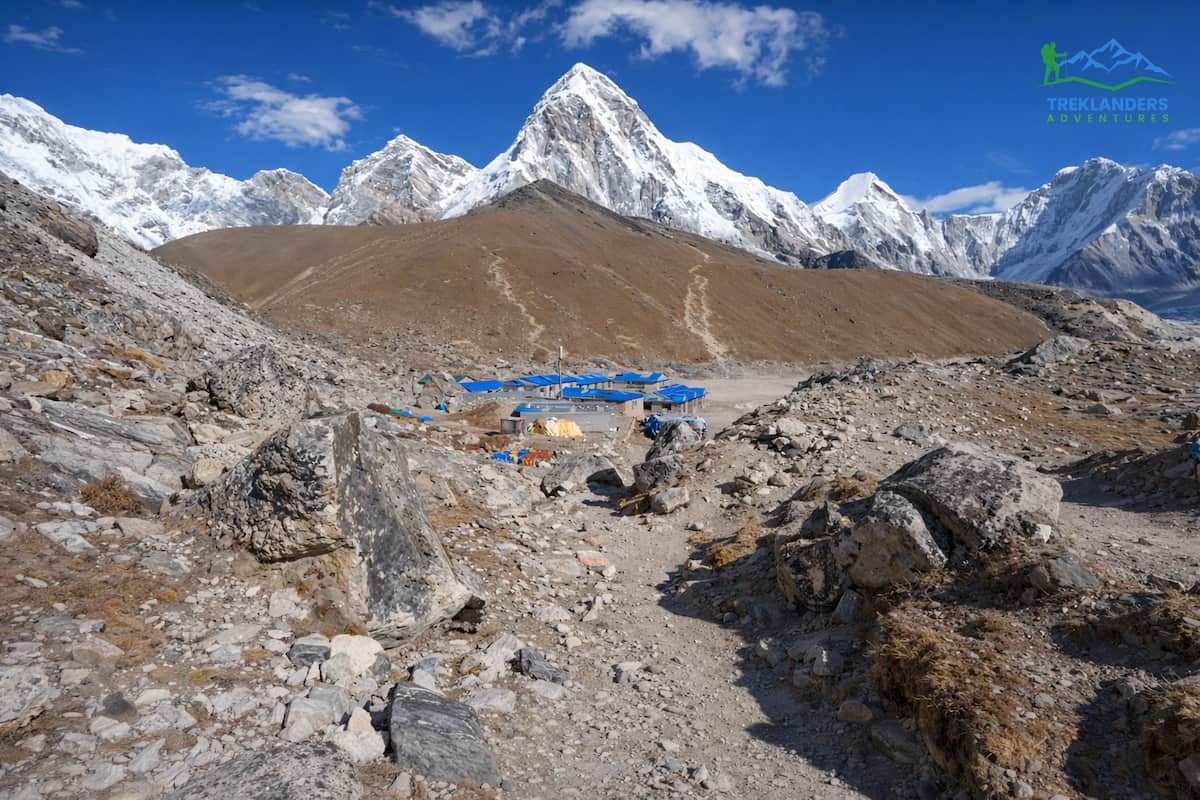
Autumn is the perfect time for trekking in the Everest Base Camp region. The period from September to November is characterized by clear skies, stable weather, and great opportunities to view the mountains. Hiking paths are dry and safe, which facilitates and makes walking more enjoyable.
Some of the villages alongside the trail, like Namche Bazaar, Tengboche, Dingboche, and Lobuche, provide not only comfortable rooms but also high-quality food and a great chance to get to know the local culture. Besides walking through different mountain sceneries allow trekkers to see not only Mount Everest but also Ama Dablam, Lhotse, and Nuptse. The blend of a wonderful environment, good conditions for the trek, and the chance to be with local culture are all reasons to choose autumn for this trip.
The trek could be dangerous without proper preparation, physical condition, and time for acclimatization. Trekkers can stay in warm teahouses and eat healthy meals. In addition, during the trek, they can experience the colourful cultural festivals like Dashain and Tihar. The crystal-clear views of the mountains, the dry trekking paths, and the cheerful villages make the whole trip a worthwhile and unforgettable experience.
Anyone who is thinking about trekking to Everest Base Camp should know that autumn can provide a wonderful mix of natural beauty, safety, and local culture, and it is the season that guarantees a marvellous experience in the Himalayas.
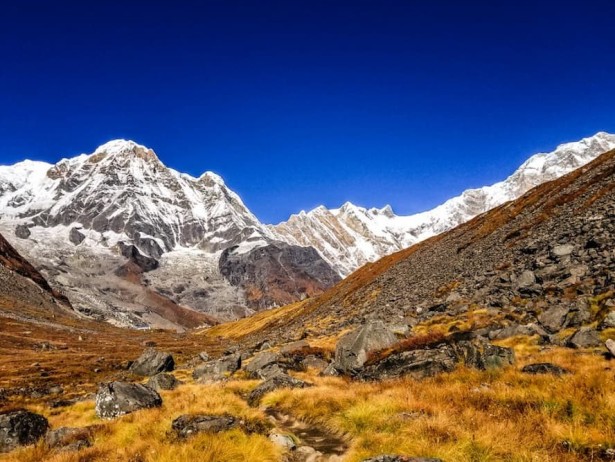

Kyanjin Ri and Tserko Ri hikes offer the best Himalayan views and sunrise panoramas in Langtang Valley.
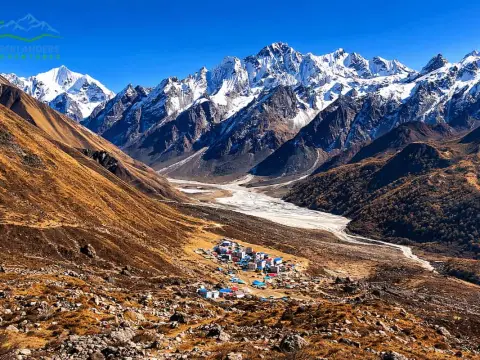
Kyanjin Ri (4,773m) is a steep day hike from Kyanjin Gompa offering stunning sunrise views of Langtang Lirung and the surrounding Himalayan peaks.
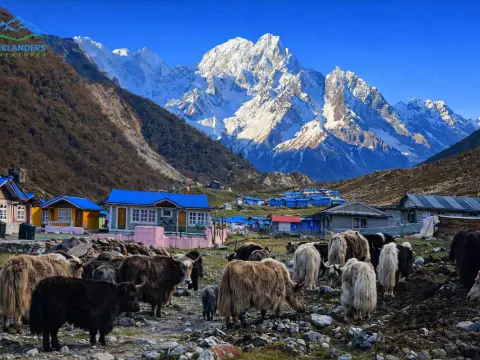
Bimthang Village is a scenic rest stop after Larkya La Pass on the Manaslu Circuit Trek, offering beautiful Himalayan views and peaceful valleys.



