
Manaslu Circuit Trek Photography Guide: 10 Best Photo Spots, Mount Manaslu Views & Cultural Landscapes in Nepal
1 Mar 2026
Capture Mount Manaslu, dramatic Himalayan landscapes, and authentic village life on the Manaslu Circuit Trek.

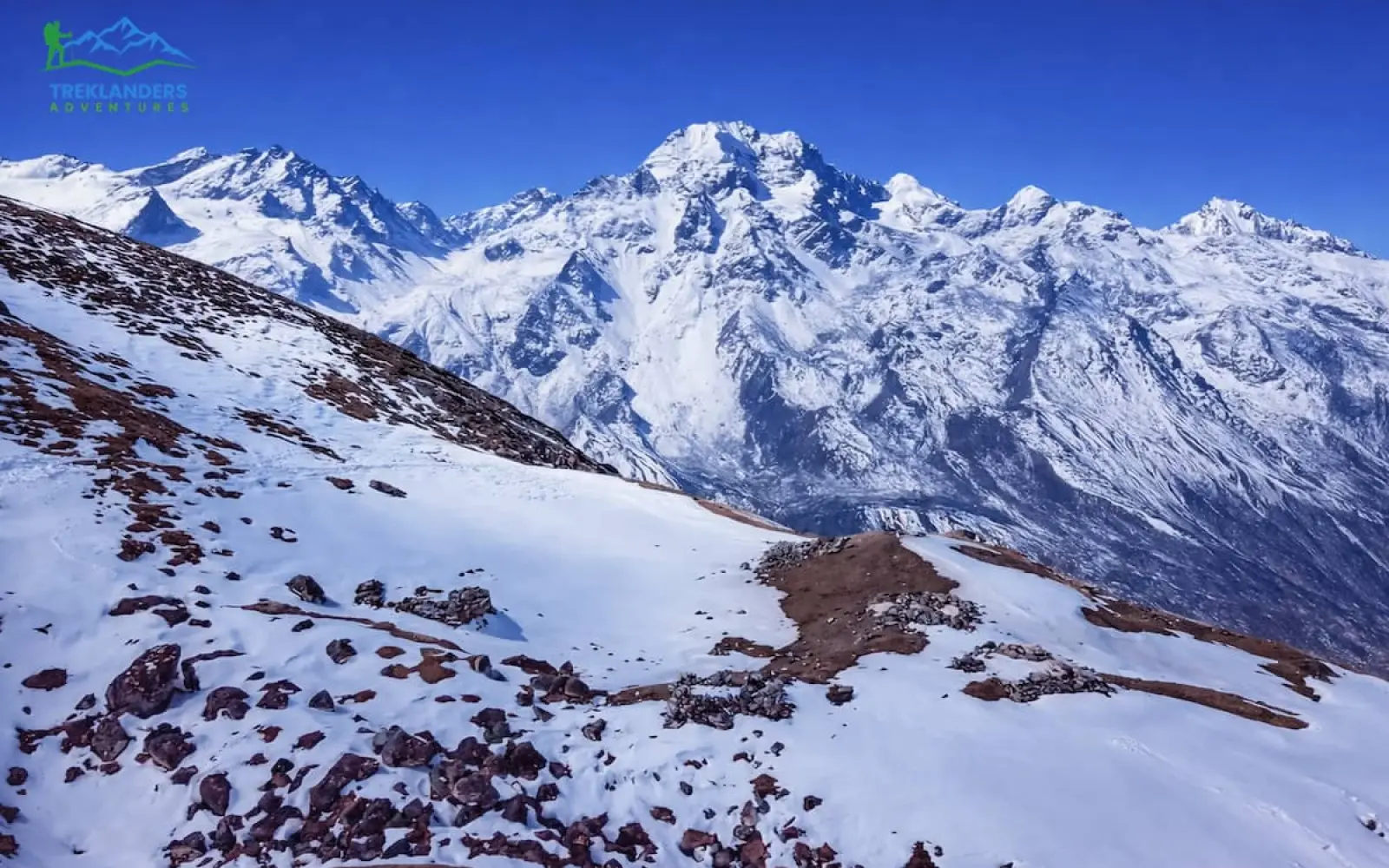
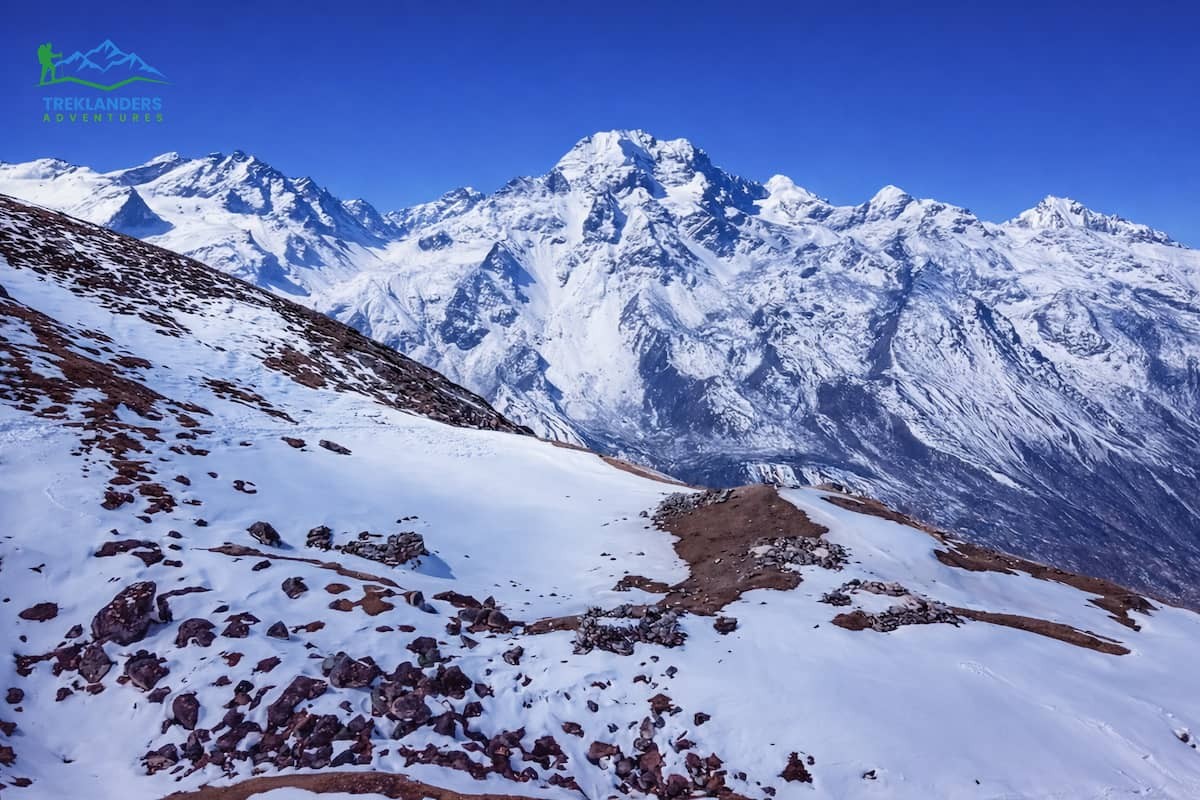
The Kyanjin RI and Tserko RI day hike offer the most worthwhile acclimatization and viewpoint experience in the Langtang Valley. Beginning from Kyanjin Gompa (3,870m), these two well-known ridges offer a 360-degree view of the Himalayas, a superb glacial landscape, and some of the best sunrise scenes in Nepal's trekking areas.
Kyanjin RI (4,773m) is the shorter and easier climb by far; the round trip usually takes 2-3 hours. On the trail, you climb alpine slopes and go through a forest of rhododendrons behind Kyanjin Gompa, and finally, at the summit, you get the great views of Langtang Lirung (7,227m), Dorje Lakpa, Yala Peak, and the wide Langtang Glacier. This is perfect for those who want to spend only half a day but still get the maximum amount of beautiful scenery.
Tserko RI (5,033 meters) is more elevated and harder; travellers should count on 6-8 hours round trip at a minimum. The path leads through yak pastures and glacial moraines before the final section to a broad summit ridge. Once you are there, you can capture a 360-degree Himalayan panorama which includes snow-capped peaks that extend to the border with Tibet. The sunrise can hardly get any better than the one at Tserko RI when the whole Langtang range is bathed in the golden light.

Both hikes play a very important role in acclimatization of the Langtang Valley Trek, and thus, the risk of altitude sickness is reduced before one gets down or continues with other activities. The trails are non-technical, but the steepness of the gradient and the high elevation make them physically challenging.
Spring (March-May) and autumn (September-November) are the best seasons for the Kyanjin RI and Tserko RI day hike when the skies are clear, and the visibility of the mountains is at its peak. It is also possible to go in winter, but expect snow and colder temperatures.
To sum up, a day hike along the route of the shorter Kyanjin RI or the higher Tserko RI will be the most stunning Himalayan views of the Langtang Valley Trek, thus making it an absolute must for every trekker.
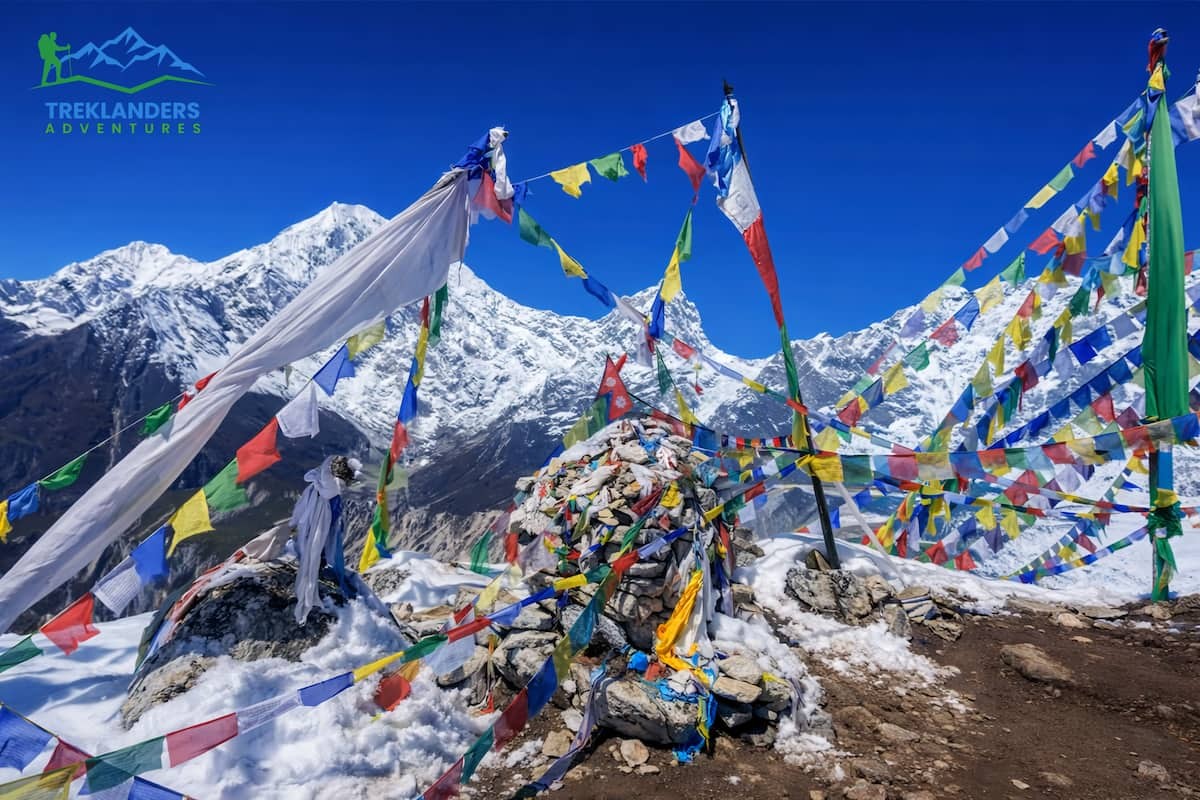
Kyanjin RI and Tserko RI are two of the most spectacular Himalayan viewpoints in the Langtang Valley, which is part of Langtang National Park in northern Nepal. Both of these peaks are situated right above Kyanjin Gompa (3,870 meters), the last habitation on the traditional Langtang Valley Trek route.
Kyanjin Gompa is located in a large glacial basin and is surrounded by snow-capped peaks such as Langtang Lirung (7,227m). From this settlement, you can easily spot the ridgelines of Kyanjin RI towards the south and Tserko RI in the northeast. Since they are so close to each other, it is perfect for a day's outing without having to stay anywhere or use any other mode of transport.
Kyanjin RI (4,773m) is located immediately behind Kyanjin Gompa. The trail begins right from the village and climbs steeply along an exposed ridge.
Tserko RI (5,000m) lies further east, beyond yak grazing pastures and glacial terrain. It requires crossing open alpine landscapes before reaching the summit ridge.
Both of these peaks are located near the Tibet border, and from there you can see the Langtang Himalayan range and the surrounding glaciers.
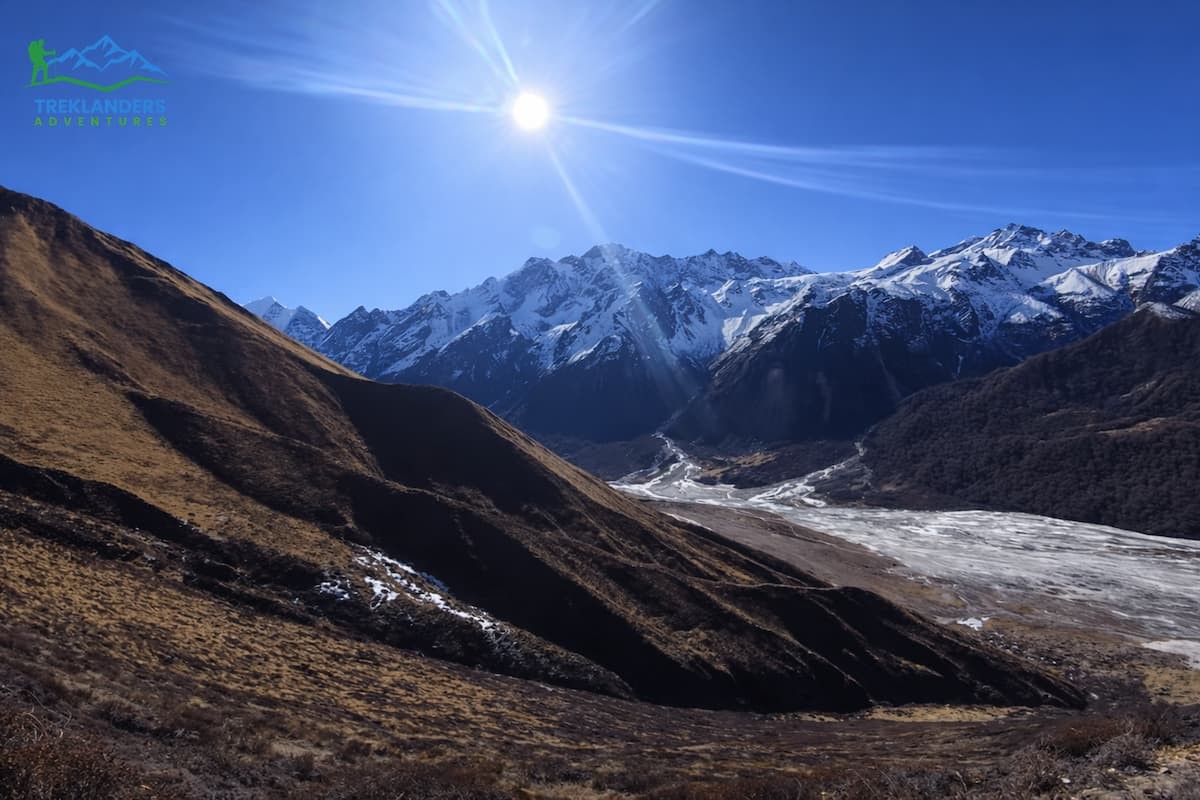
Taking the necessary road transport, it is possible to get from Kathmandu to Syabrubesi (7-8 hours). From Syabrubesi, it will take 2-3 days trekking along the Lama Hotel and Langtang Village till you reach Kyanjin Gompa.
No vehicle access to the trails beyond Syabrubesi. Walk freely. The routes are clearly marked and heavily trafficked during the high trekking seasons.
In brief, Kyanjin RI and Tserko RI are perfectly located above Kyanjin Gompa in Langtang Valley's upper region. Their easy accessibility, breathtaking alpine scenery, and short distance to the village have made them the most highly frequented and convenient day hikes in the area.
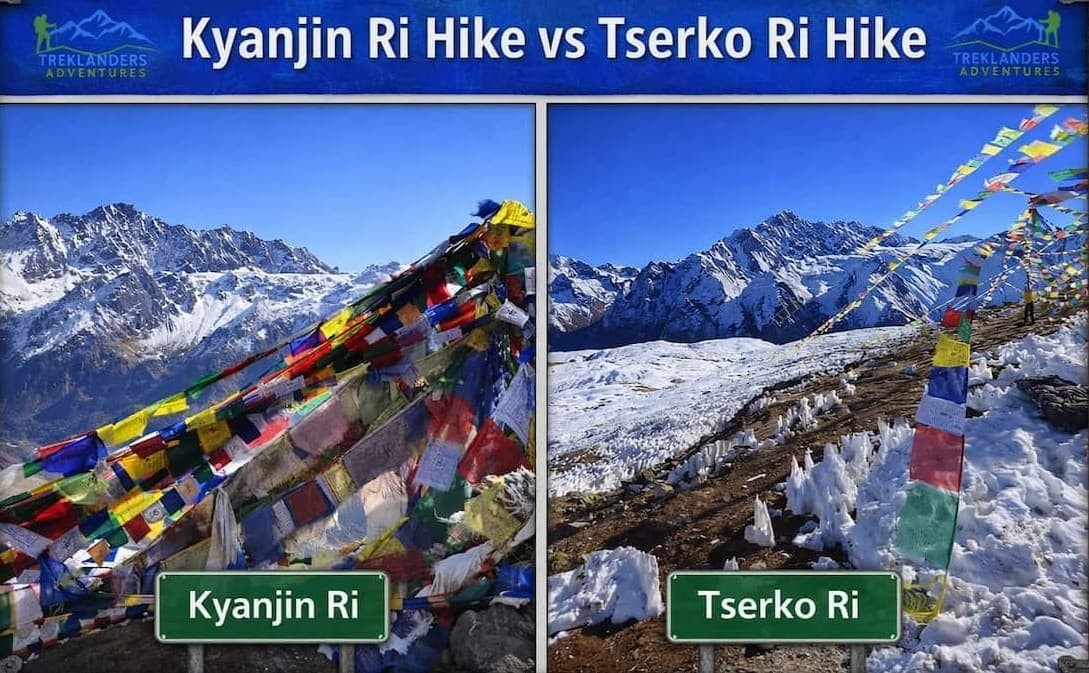
Which one to pick Kyanjin RI or Tserko RI basically depends on your fitness level, how much time you have on your hands, and the amount of altitude you can comfortably gain while staying in the Langtang Valley. Although both Kyanjin RI and Tserko RI hikes start from Kyanjin Gompa at 3,870 meters, they differ significantly in terms of difficulty, time, and elevation.
Kyanjin RI at 4,773 meters is the shorter and thus easier option. The path begins just behind Kyanjin Gompa, and from there, it steadily climbs a ridge. The climb is quite hard physically since the gradient is very steep, but the total time spent on the trail is relatively short, generally about two to four hours round trip. Therefore, it is a great acclimatization trek for those who just reached the upper valley. Besides, from the top, you get phenomenal views of Langtang Lirung and the snow-covered peaks around, as well as the Langtang Glacier at your feet. It is perfect if you want spectacular views without a full day's effort.
On the contrary, Tserko RI, which is 5,033 meters tall, is a longer and more persistent climb. It normally takes six to eight hours to complete the round trip, traversing open alpine terrain, yak pastures, and glacial sceneries before finally reaching the summit ridge. Due to the higher altitude, acclimatization becomes a necessity. Still, the amazing reward is the wider panorama that extends deeper into the Himalayan range and to the Tibetan border. Because you have gained more height, the feeling of remoteness and achievement here is even greater.
If you are pressed for time or just want a moderate challenge, Kyanjin RI is the sensible choice. If you are well acclimatized and looking for a higher, tougher climb, Tserko RI gives you a more extensive and gratifying summit experience.
Knowing the distance, elevation, and estimated time of the hike to Kyanjin RI and Tserko RI is very crucial for a properly planned trip to the Langtang Valley. Both hiking routes start from Kyanjin Gompa at an elevation of 3,870 meters, but the overall energy needed to reach each summit is quite different because of the height and the trail length.
Kyanjin RI is at an altitude of about 4,773 meters above sea level. Trekkers gain an elevation of around 900 meters on the way up from the starting point. The total distance of the trip back and forth is pretty short at 3 to 4 kilometers. The climb is steep and always going up, following a direct ridge with very little flat ground, despite the shorter distance. Due to the steep slope, hikers gain altitude very quickly over a small horizontal distance. Depending on their fitness level, walking speed, and rest breaks, most hikers can complete the round trip in two to four hours. The descent is faster but requires very careful steps because of the loose gravel areas.
Tserko RI is higher at around 5,000 meters. The elevation difference from Kyanjin Gompa to the summit is about 1,100 to 1,200 meters. The round-trip hiking distance is longer, generally between 7 and 8 kilometers. The path goes through alpine meadows and yak pastures at the beginning and then slowly goes up to the glacial area and the final summit ridge. Given the longer distance and the higher altitude, the hike usually takes six to eight hours.
Comparatively, Kyanjin RI is quite a short-duration hike with very intense effort, whereas Tserko RI necessitates a longer route with continuous endurance. Adequate acclimatization, proper hydration, and pacing are very important to be able to safely finish either trek to high altitude.
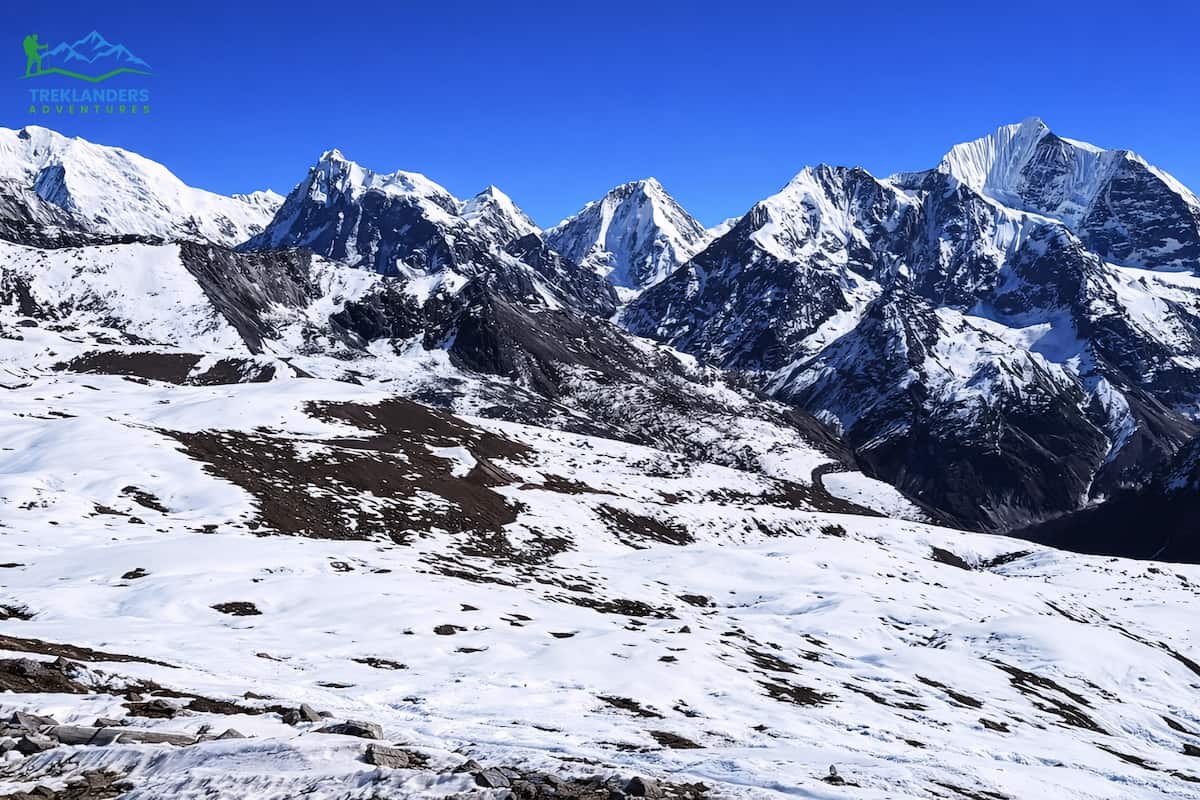
Deciding on the time to hike Kyanjin RI and Tserko RI is a key factor that determines the possibility of mountain views, weather conditions, and your general safety in the Langtang Valley. Since both summits exceed the height of 4,700 meters, the state of the seasons has a strong impact on the trail difficulty, visibility, and temperature.
One of the best seasons is spring, from March to May. It is generally a pleasant time to be out in nature with moderate temperatures, plenty of sunshine and rhododendron forests flowering at the lower elevations. As trekkers get closer to Kyanjin Gompa, it tends to be cooler, but the weather remains good. Hiking in the morning gives fresh air and great visibility of the beautiful Himalayan peaks. There may be snow at the top, but paths are generally passable without needing special gear. Spring is great for photographers and trekkers wanting comfortable hikes during the day.
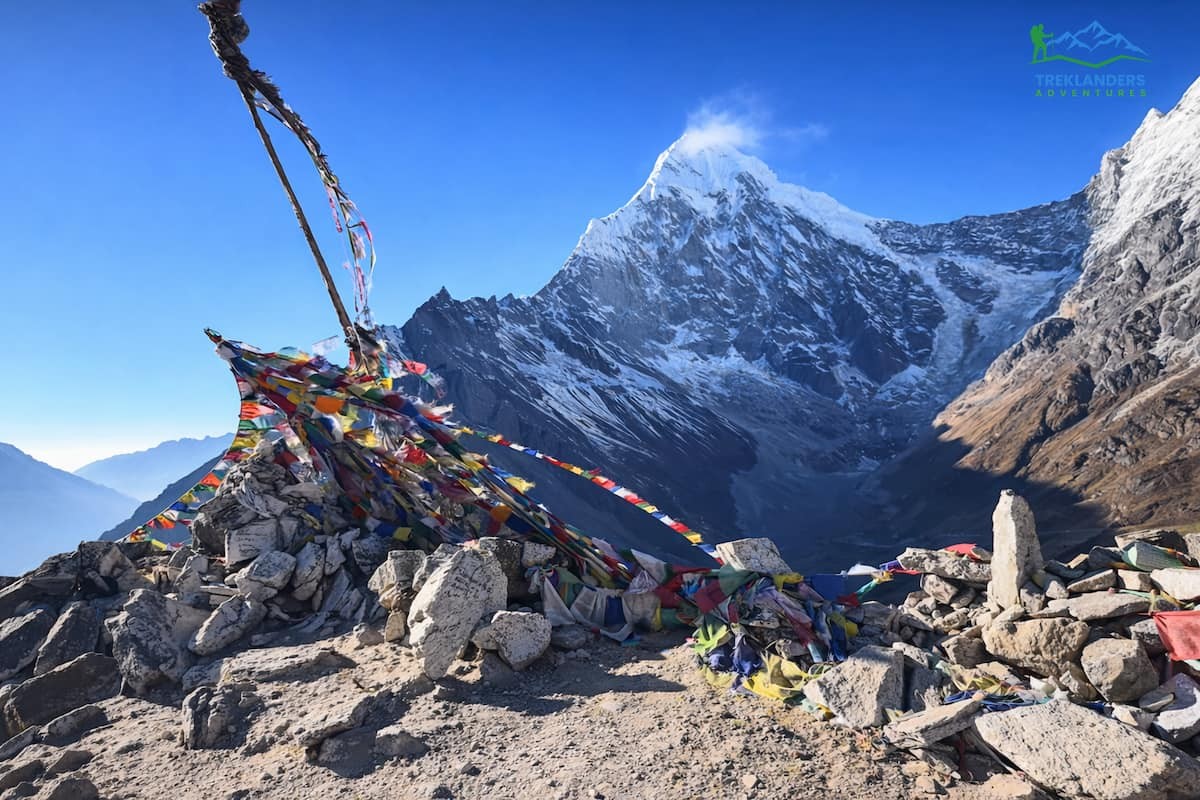
As for autumn, from September to November, it is the time when trekking is at its height. The monsoon winds clear the air of dust and pollution, making the mountains so visible that it almost hurts the eyes. The sky turns very blue, and the view from both Kyanjin RI and Tserko RI is stunning. While it is cooler if you want to do a long hike like Tserko RI, the temperature should be quite comfortable. Walking paths are dry and stable, so it is less likely that you will slip if the section is steep. Autumn represents, for most trekkers, the most secure and scenic consistent combination.
Winter (December through February) is associated with cooling temperatures and sporadic snowfalls. Snow on the ground can make the route to the peak trickier, and Tserko RI can be particularly affected. It also gets very cold in the early mornings, and you should be warmly dressed.
Monsoon season (June to August) is probably the least attractive time to visit. Besides, heavy rains can spoil the trails and cover the mountains in thick clouds.
Therefore, the best periods of the year to do a hike to Kyanjin RI and Tserko RI are spring and fall, when the weather is nice, the views are clear, and the trails are safe.
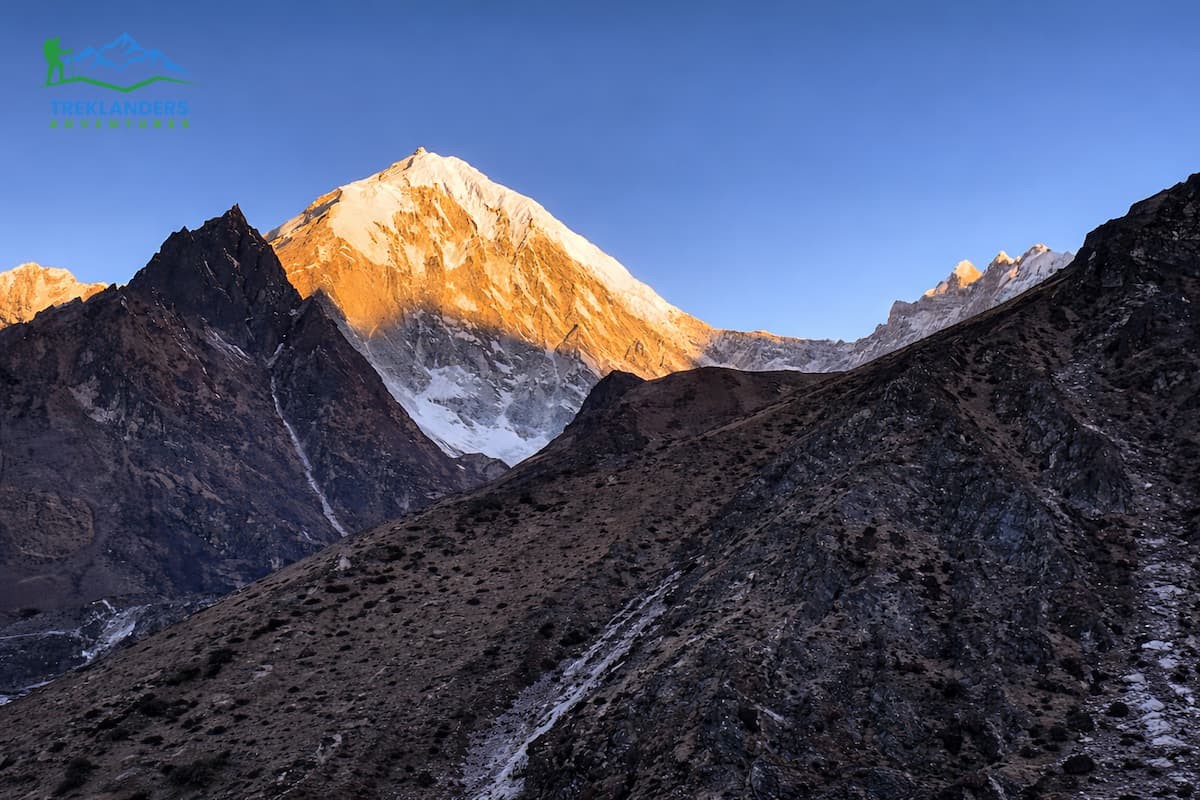
Making a decision about whether to start your walk towards Kyanjin RI or Tserko RI at dawn to see the sunrise or at dusk to see the sunset could make a big difference in your encounter with the Langtang Valley. Both peaks allow you to see the world from a stunning bird's eye view, but the time at which it is done affects the lighting, temperature, number of people, and the general atmosphere.
Setting off on a trek at dawn to witness the sunrise is by far the most favored option of hikers. The upstart generally happens around 4:30 to 5:30 a.m. depending on the season and the choice of your peak. Morning hikes have the perk of the lower temperature, which makes the ascents less tiring, particularly if you are going to Kyanjin RI with its steep ridge path or Tserko RI with its long stretch of alpine ground. The sunrise bathes the mountains in golden light, which brings to life Langtang Lirung and the other white-capped summits with stunning colors; thus, a memory that will last forever is imprinted on your mind. For photographers, this is the perfect moment to take pictures of the mountains by playing with the striking contrast and the elongated shadows.
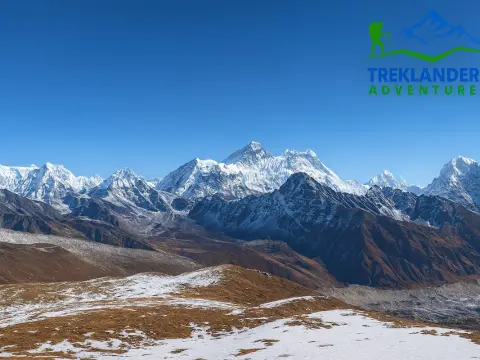
Moreover, by setting off at an early hour, you are able to escape from the potential formation of clouds and/or fog in the afternoon which is, in fact, the usual time when weather changes take place, especially during the spring and the transition to the monsoon season.
Meanwhile, going for a hike in the afternoon to see the sunset is not so typical, but can be very worthwhile for those who want a peaceful experience with hardly any other trekkers around. Usually, you would start an afternoon hike between 1:00 and 2:00 p.m. so that you can be at the top by late afternoon. Sunset colours turn the mountains into shades of warm and orange, showing a totally different face from sunrise. Most of the time, the place is quiet, and the gentle evening light makes for great photos, especially when you want to capture the shadows on the mountain ridges and valleys. On the other hand, an afternoon hike can mean you have to cope with dropping temperatures after sunset, particularly if you are up at a place like Tserko Ri which is a higher altitude, and also there is always the chance of sudden weather changes, so you have to be very careful with timing and get ready to go down safely before it is completely dark.
After all, whether to watch the sunrise or sunset is an individual's choice, depending on their likes and what they value most. Most of the time, people tend to opt for sunrise mainly because the visibility is the best, the temperature is cooler, and the lighting is vibrant in the morning, whereas sunset is more for people who are looking for solitude and softer warm light. For a lot of trekkers, sunrise on Kyanjin RI or Tserko RI is safer and visually more powerful, and that is why it is the best time to go for a day hike in the Langtang Valley.
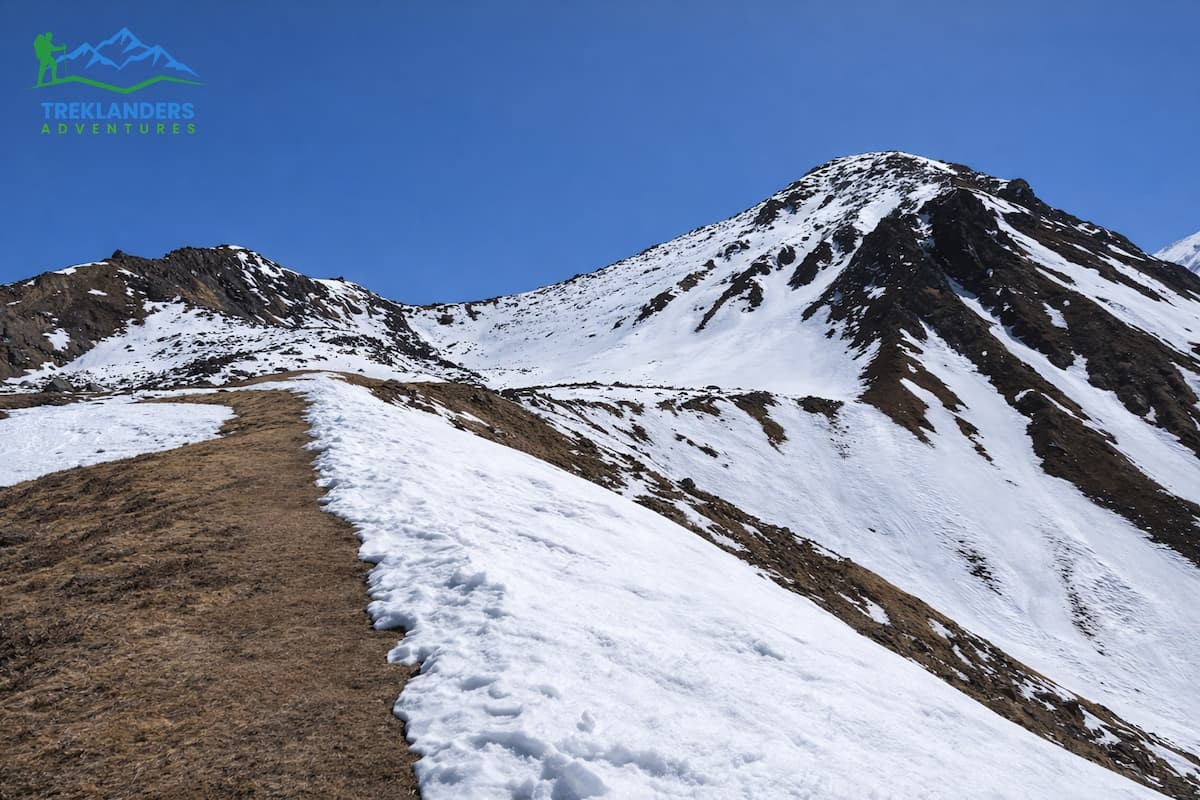
The routes leading up to Kyanjin Ri and Tserko Ri in the Langtang Valley not only give you some of the most satisfying walking experiences at a high elevation but also have difficulty levels and, therefore, demand good physical condition. To help trekking fans make a secure and fun day tour from Kyanjin Gompa, it is very important to know these factors.
Kyanjin RI is mostly ranked as a moderate to hard hike. The total distance back and forth is roughly 3 to 4 km; however, the elevation gain is nearly 900m. Along the ridge, the trail rises steeply with very few horizontal sections, which can be exhausting for those who are not used to hiking at high altitudes. Although the path is non-technical and does not require any specialized mountaineering skills, it is a test of endurance and the heart and lungs due to the thin atmosphere. Hikers should keep a steady pace, take short resting intervals, and be ready for the weather changes. In general, Kyanjin RI is perfect for slightly experienced trekkers who are in good physical condition and can deal with steep ascents and higher altitudes. It is also a very good walk for the body to get used to higher altitudes before going up higher peaks.
Tserko RI is a tougher mountain than Kyanjin RI based on its higher elevation of 5,000 meters and longer trail of 7 to 8 kilometers round trip. The trek passes through alpine meadows, yak pastures, and glacial areas before the summit ridge. The height difference between Kyanjin Gompa and the summit is about 1,100 to 1,200 meters, so the climb is certainly physically demanding. Even though the route is still non-technical, endurance, leg strength, and proper pacing are essential. Those who want to climb Tserko RI should be fully acclimatized to the high altitude to lower the risk of altitude sickness.
Basically, both hikes require good general fitness, i.e. the capacity to walk uphill for a handful of hours, enough energy to cope with the thin mountain air, and the right state of mind for long climbs. Tourists should always bring enough water, wear layered clothes, and trekking shoes with a good grip. Though the trails are clearly visible, being physically and mentally prepared is not only safe but also adds to the enjoyment of the trip.
To conclude, Kyanjin RI is a moderately difficult mountain and therefore can be attempted by most physically fit trekkers. Tserko RI is a longer and more demanding hike requiring better endurance, acclimatization, and preparation. The stunning views of the Himalayas are a great incentive for both trails and are well worth the effort.
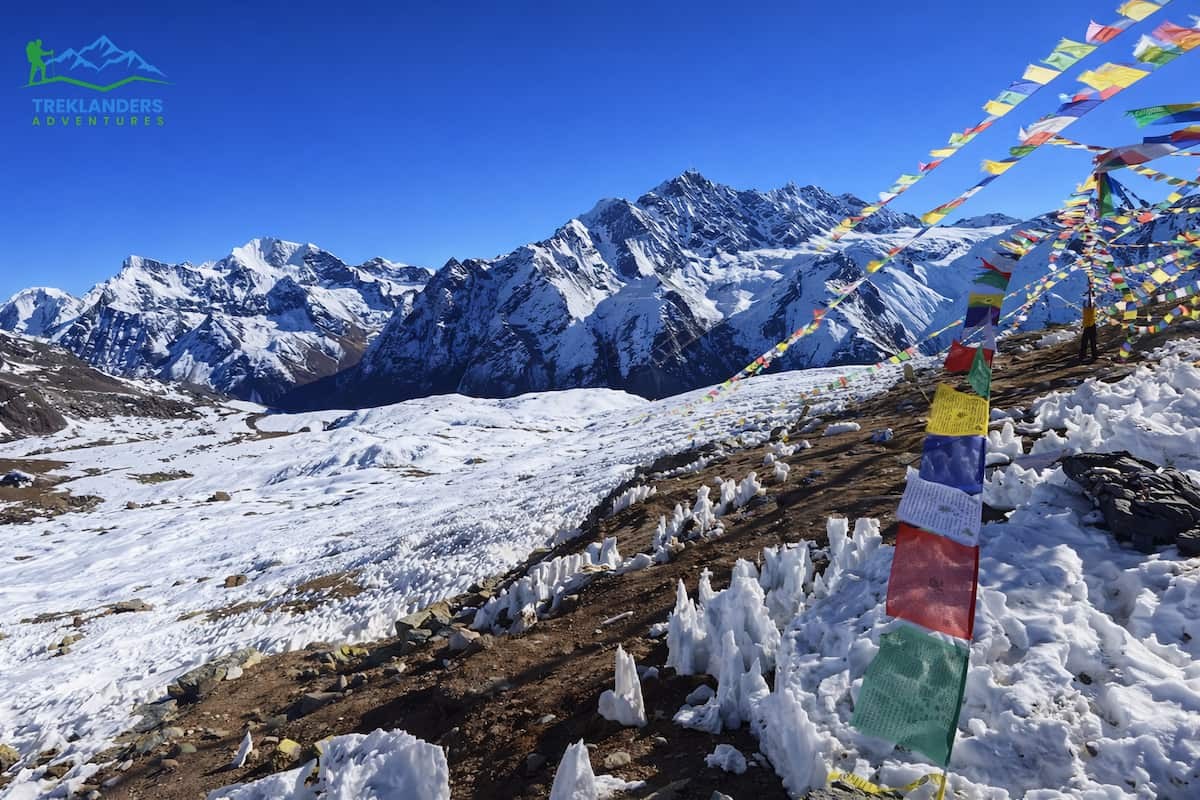
When hiking Kyanjin RI and Tserko RI in the Langtang Valley, proper acclimatization is crucial for safety, comfort, and enjoyment. Both summits are high-altitude day hikes, with Kyanjin RI at 4,773 meters and Tserko RI at around 5,000 meters. The human body requires time to adjust to thinner air, reduced oxygen levels, and changing temperatures. Understanding the benefits of acclimatization and the risks associated with altitude can help trekkers prevent health problems and have a more enjoyable experience.
Acclimatization allows your body to adapt gradually to higher elevations. At altitudes above 3,500 meters, oxygen levels drop significantly, which can cause fatigue, shortness of breath, headaches, or dizziness if your body is not prepared. By spending time at Kyanjin Gompa (3,870 meters) before attempting either summit, trekkers allow their bodies to produce more red blood cells and improve oxygen delivery to muscles. This process reduces the likelihood of altitude-related illnesses and makes steep climbs, like the ridge to Kyanjin RI or the extended ascent to Tserko RI, more manageable.
Day hikes to places like Kyanjin RI and Tserko RI are great acclimatization chances by themselves. Walking to these peaks and back to Kyanjin Gompa will expose your body to higher altitudes in a controlled manner. Such a strategy, usually dubbed as climb high, sleep low, is highly recommended by mountaineers as it helps the body get used to changes while limiting the risks. Going for an extra day in Kyanjin Gompa before setting off for Tserko RI is a very good idea, considering that the summit is above 5,000 meters and the route has a longer section where the air is very thin.
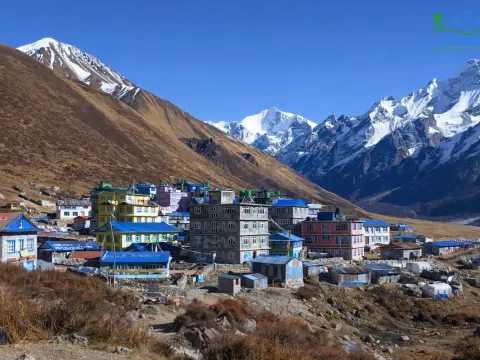
Altitude-related issues also refer to pacing, hydration, and nutrition. To prevent altitude sickness, climbers should walk at a slow pace, rest often, and drink sufficient water to keep themselves from getting dehydrated because dehydration is one of the factors that raise the risk of altitude sickness. It's crucial to pay attention to your body and be able to identify the early signs of altitude sickness, like a headache that doesn't go away, nausea, or being extremely tired. When the situation gets worse, the safest thing to do is to go down right away.
All in all, acclimatization should not only be seen as a way to ensure safety but also as a means to fully enjoy the hiking experience of Kyanjin RI and Tserko RI. Proper altitude adjustment leads to better endurance, deepens your hiking experience, and makes it possible for you to behold the magnificent Himalayan views without causing any harm to your health. Spending time to acclimatize is a win-win situation as it guarantees a safer and more enjoyable trek in the Langtang Valley.
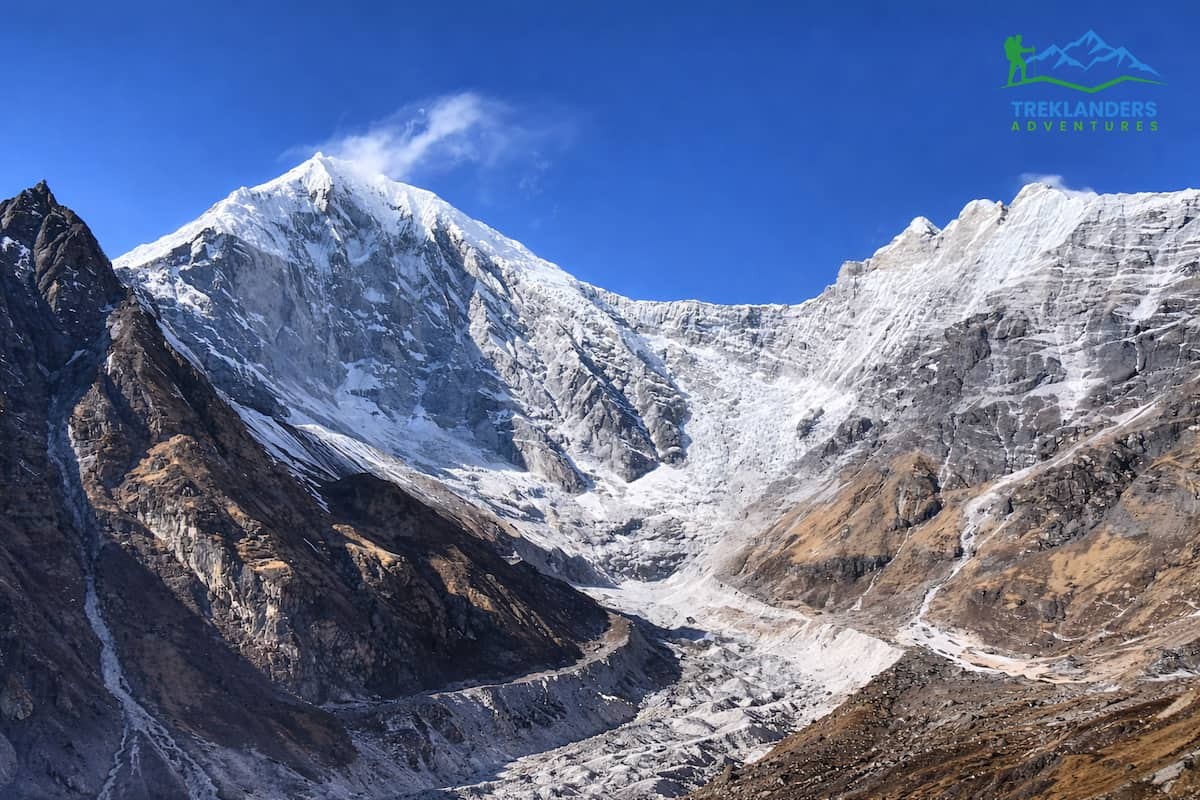
One of the greatest pleasures in hiking up Kyanjin RI and Tserko RI in the Langtang Valley comes from being able to enjoy the spectacular panoramic mountain scenery at their summits. Each of these summits is located at an altitude of more than 4,700 meters above sea level, and from the summits, trekkers can get almost a full 360-degree landscape view of the Himalayan surroundings. These spectacular vistas are the closest and most scenic high-altitude viewing points in the area. From here, you can also have clear views of the famous mountains, glaciers, and the alpine valleys.
Standing at a height of about 4,773 meters, the summit of Kyanjin RI, lets trekkers have a breathtaking view of Langtang Lirung (7,227 meters), the highest peak in the Langtang range. Its immense face, covered with snow, stretches along the sky, dominating the landscape, thus it becomes a perfect backdrop for photos and nature lovers. Several other peaks seen from Kyanjin RI are Dorje Lakpa, Yala Peak, and a number of tiny snow-covered mountains. The Langtang Glacier, as well as the valleys nearby, make the view even more fascinating. They allow hikers to see how the wild Himalayan mountainous landscape changes from very steep cliffs to more gentle slopes of the alpine meadows. The views are spectacular anyway, but sunrise or sunset at Kyanjin RI makes everything look better when the golden light bathes the peaks and long shadows are cast by the valleys below.
Tserko RI, which is slightly higher at about 5,000 meters, gives an even more extensive view. Hiking to the top of Tserko RI, you can see the Langtang range and even the northern Himalayan border with Tibet. The ridge offers a panoramic 360-degree view of the glacial moraines, yak pastures, and distant mountain ranges. Since Tserko RI is higher and more distant from the village, the resulting view is more remote and magnificent. The view not only impresses visually but also gives explorers a feeling of the enormous scale and the varied nature of the Himalayas in this part of Nepal.
Both peaks are great spots for photographers, wildlife lovers, and trekkers who want to experience the beauty of the area thoroughly. The pristine weather during spring and autumn helps you have the clearest view of the peaks, ridges, and glaciers, making them stand out against the deep blue Himalayan sky. Even those without much hiking experience realize that stepping to these summits generates a powerful feeling of success, which is further intensified by the magnificent sights around them.
To sum up, the incredible vistas from both Kyanjin RI and Tserko RI are the main attractions of the hike. Langtang Lirung, Dorje Lakpa, and other surrounding Himalayan peaks, along with the glacial valleys and the alpine ridges, have turned these day hikes into memorable ones, and they showcase some of the wonderful high-altitude vistas in Nepal.

Packing suitable gear is a must for a safe and comfortable day trip to either Kyanjin RI or Tserko RI in the Langtang Valley. Both routes are high-altitude hikes starting from Kyanjin Gompa, and the weather can be quite fickle. Having the right clothes, gear, and provisions on hand allows you to not only stay safe but also really appreciate the marvellous views.
Proper wear is the key item that cannot be compromised. Since temperatures from Kyanjin Gompa to the summits can be quite different, layering is a must. Starting with a base layer that whisks away moisture, followed by a warm mid-layer such as a fleece or down, and finally an outer-layer that is windproof and waterproof is best. Trekking pants should be soft and quick to dry, and warm gloves, a hat, and sunglasses will help you to be protected from the sun and cold wind. An extra insulated jacket is a must if you go during the colder months, especially if you do Tserko RI.
Shoes are another main point of focus. Proper trekking boots that are sturdy and have good ankle support, as well as a sole with good grip, are required to handle rocky and sometimes slippery ground. Wearing toe- and heel-covering socks that are designed to draw moisture away is one way to prevent blisters, and some people who go on longer hikes or under wet conditions also take a second pair.
For hydration and nutrition, please plan to take at least 2 liters of water per person. Water bottles or hydration packs are both equally good options. To keep your energy up throughout the hike, you are advised to bring along some high-energy snack items such as chocolate, nuts, and/or energy bars.

Other significant things are a daypack, preferably 20-30 liters for packing your stuff comfortably. Trekking poles are excellent for getting a firm footing in areas which are steep or uneven, particularly on Tserko RI. Besides the essentials, a small first aid kit comprising basic medication, blister pads, and bandages is very helpful. Sunscreen with high SPF, lip balm, and a headlamp or flashlight in case of delayed return are also advisable.
Comfort-enhancing optional items consist of a camera or smartphone for photography, a light rain poncho, and hand warmers when it is cold. Be sure all things are very light, as carrying too much weight can cause more tiredness on the steep climbs.
In brief, packing sensibly is one of the factors that contribute to the safety and enjoyment of day hikes to Kyanjin RI and Tserko RI. Wearing layered clothing, hiking with sturdy boots, staying hydrated, snacking, and carrying essential gear give you the mental space to admire the breathtaking scenery of the Himalayas without a worry, as you are well-equipped to handle the sudden change in weather and the demanding Langtang Valley terrain.
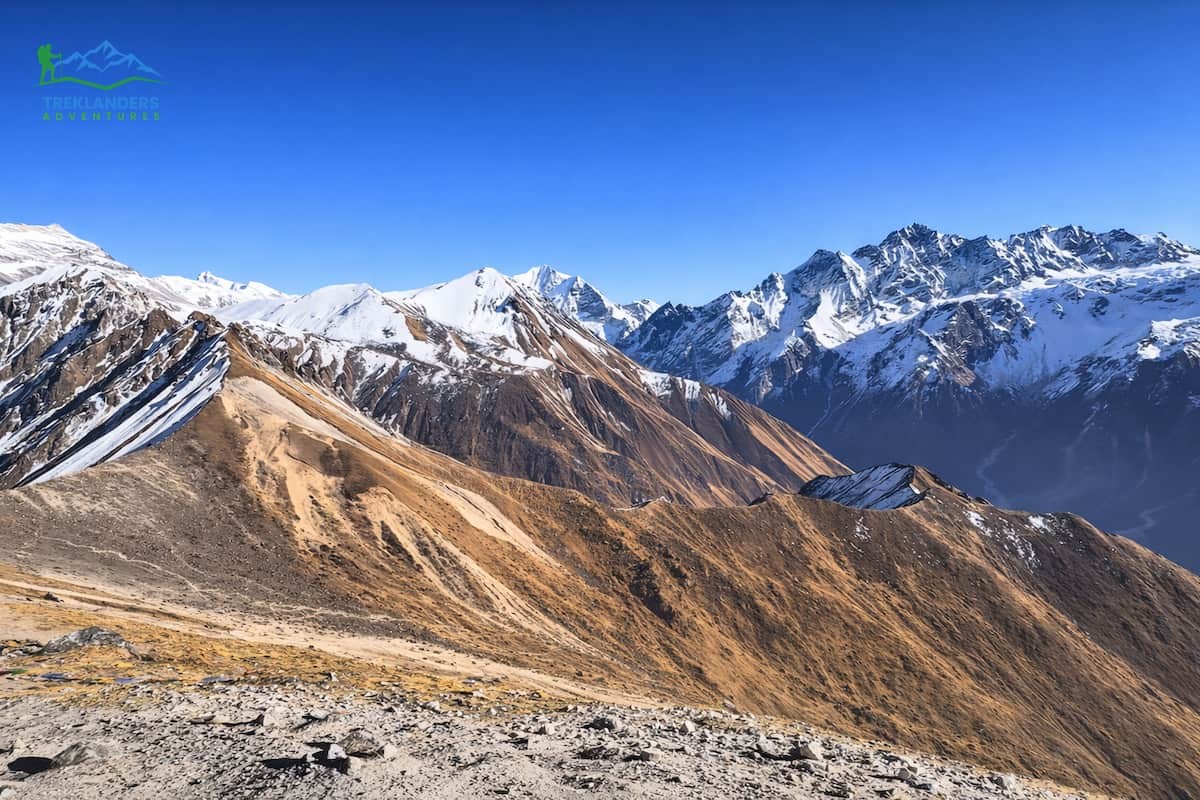
Kyanjin RI and Tserko RI hikes in the Langtang Valley are awe-inspiring itineraries; however, one must recognize the weather conditions and adhere to safety instructions for a successful trekking expedition. The area is set in the high-altitude Himalayas, where temperatures, visibility, and trail conditions can change swiftly. Being well-prepared keeps one safe and makes the experience more pleasurable.
The Langtang Valley has four different seasons, each with its own set of challenges. Spring (March to May) is characterized by mild weather, blooming rhododendrons, and pretty clear skies, which is why it is the safest and most favorite time of the year for trekking. Autumn (September to November) is the peak of the trekking season, the weather is very stable, the humidity is low, and the visibility is outstanding, which is perfect for climbing Kyanjin RI or Tserko RI.
During winter (December to February), the temperature drops, and there is occasional snowfall, which can make the paths slippery and more taxing physically. The hikers thus need to be dressed warmly and be careful after dawn and before dusk. Monsoon season (June to August) is generally considered unsuitable for these hikes due to the heavy rainfall, slippery trails, and limited mountain visibility.
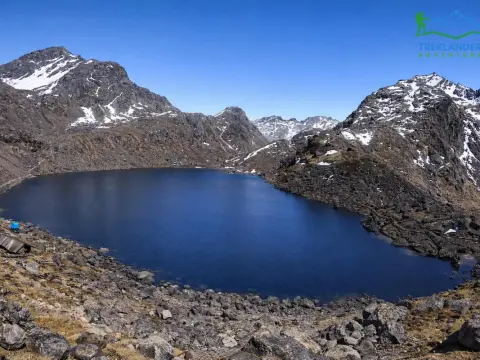
Safety tips begin with proper acclimation to high altitudes. Both Kyanjin RI and Tserko RI involve hikes at considerable heights; hence, tourists must stay for a while at Kyanjin Gompa (3,870 meters) to get their bodies ready. A rapid rise in altitude may result in headaches, vomiting, or even more severe problems such as acute mountain sickness. Taking regular breaks and walking slowly, as well as drinking a lot of fluids, are some ways of avoiding such risks.
It is advisable to check the weather forecast regularly. The Langtang Valley is known for its unpredictable weather. Trekkers can experience sudden snowfall, fog or even high winds at the summits, hence they need to be prepared for such eventualities by carrying with them a waterproof jacket, warm clothes, and trekking poles for assistance on slippery or precipitous parts. Keeping your guide or fellow trekkers informed of your whereabouts, following only the marked trails, and avoiding unnecessary detours also increases safety.
Other precautions are bringing a small first aid kit, applying sunscreen, wearing sunglasses to protect your eyes from UV rays, and getting enough food and water. Also, hiking with a group or a professional local guide is more secure, particularly for long treks like Tserko RI.
In a nutshell, to hike safely in Langtang Valley, you need to be well-prepared, know the changes in the weather, and be aware of how dangerous high altitudes can be. By sticking to these safety tips and carefully observing the situation around, tourists will not only be able to appreciate the breathtaking Himalayan view but also be safe. Therefore, the day hikes to Kyanjin RI and Tserko RI will be both fruitful and secure.
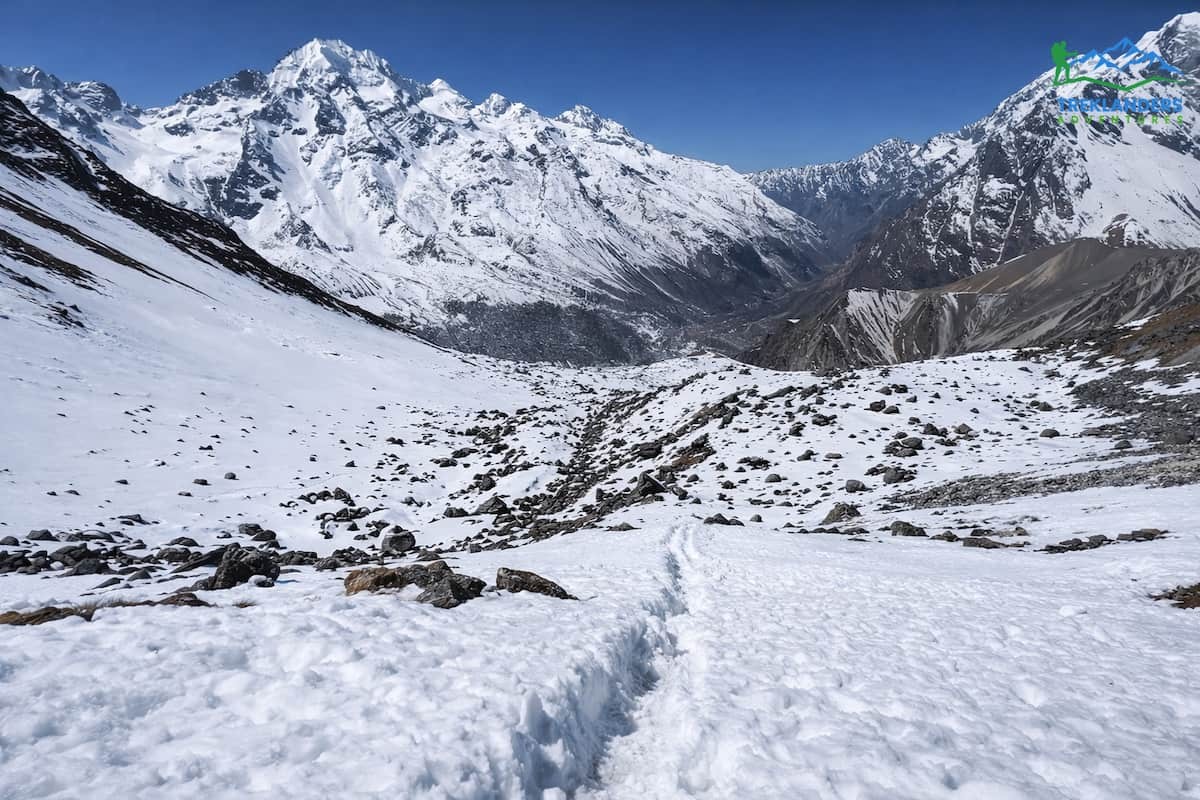
Going up Kyanjin RI and Tserko RI is probably the best way to see the Langtang Valley from above. If you start at Kyanjin Gompa, you can get to both these places. The two ridges totally don't overlap in terms of the kind of experience they offer. Kyanjin RI will get you to the top quicker because it's steeper; on the other hand, Tserko RI takes a bit longer, but it is at a higher altitude and gives you a broader Vista. To hike safely, you have to basically be acclimatized, in good shape and prepared. These two summits are best tried in the spring and autumn when the visibility and weather are perfect. In general, these day trips will stay with you forever if you are a trekker looking for Himalayan scenery and adventure.

Capture Mount Manaslu, dramatic Himalayan landscapes, and authentic village life on the Manaslu Circuit Trek.

Explore the Manaslu Circuit Trek with top highlights like Larkya La Pass, Manaslu Base Camp, and authentic Himalayan culture.

The Manaslu Circuit Trek is a breathtaking Himalayan journey with Mount Manaslu views, Larkya La Pass, Tibetan culture, and peaceful remote trails.



