Everest Base Camp Trek in Autumn: Weather, Route, Itinerary & Best Season Guide
25 Mar 2026
Plan your Everest Base Camp trek in autumn with clear views, ideal weather, and a complete guide to route, itinerary, and tips.

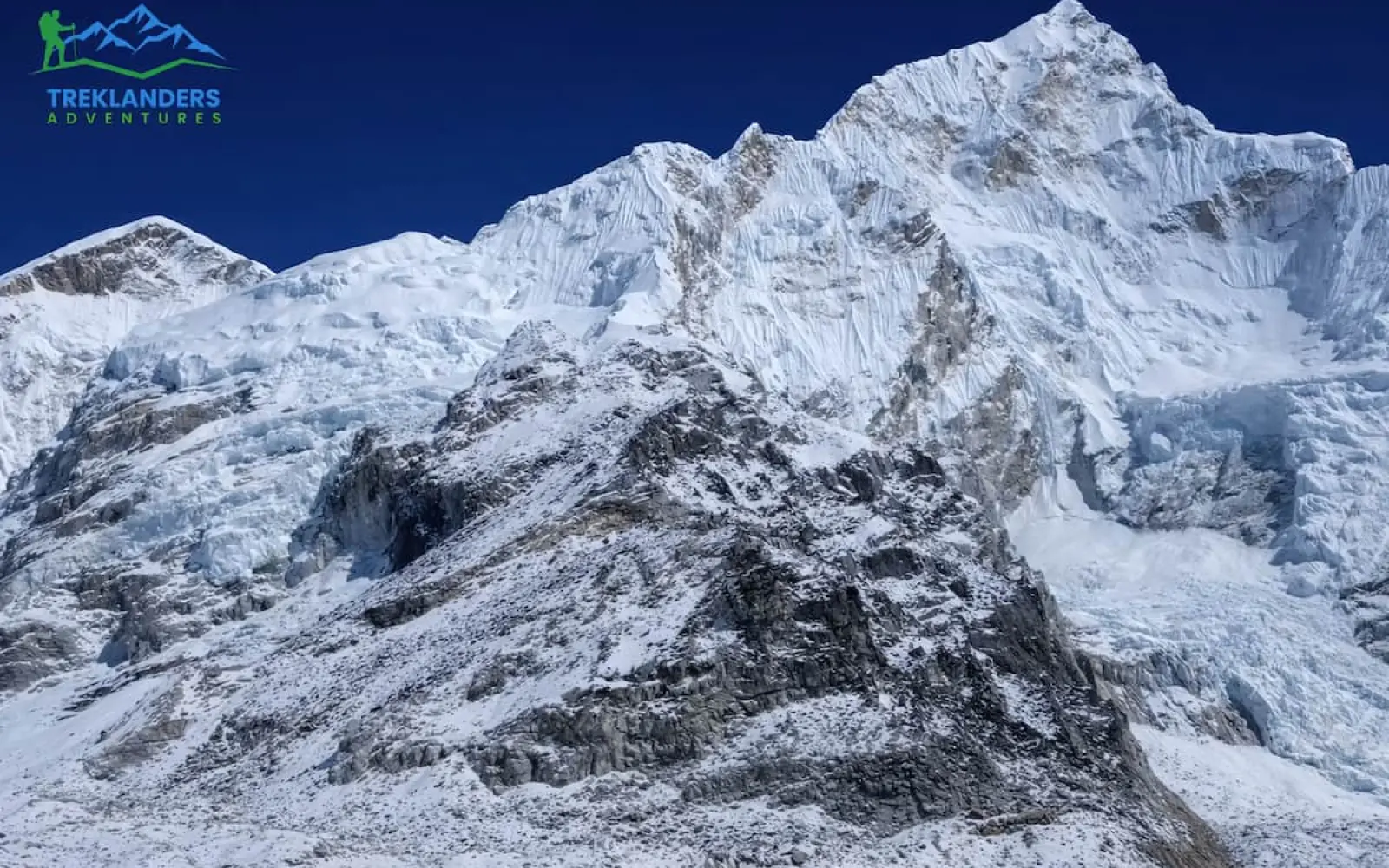
The Everest Base Camp Trek is not just a journey to a famed location but a series of unique moments that reveal themselves as you experience the Khumbu region. It is more than just arriving at a base camp after a walk.
You get to live in Sherpa culture, witness high-altitude landscapes, and see some of the most famous mountain views on the planet. Also, every day provides you with something special to observe, learn, and recall.
The trek begins with a brief but quite powerful flight to Tenzing-Hillary Airport, which sets the whole story. After that, the path follows the Dudh Koshi River, takes you over suspension bridges and small villages. Step by step, you enter Sagarmatha National Park, where forests, rivers, and mountains merge in a neat yet potent landscape.
At higher altitudes, places like Namche Bazaar turn into main attractions. You get to relax, get used to the air, and see how trade and tourism are changing the lives of mountain people. Further up, places of worship like Tengboche Monastery offer a different rhythm. The atmosphere is silent yet very powerful with prayer flags, chants, and mountain views.
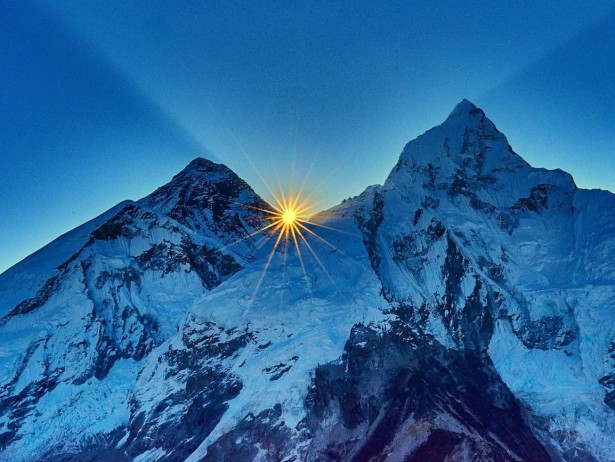
Besides, the trek allows you to see the major Himalayan peaks up close. You will be able to see Mount Everest, together with Lhotse, Ama Dablam, and Nuptse. You're not looking at them from a distance. They take up a great part of your view, especially when you are near spots like Kala Patthar.
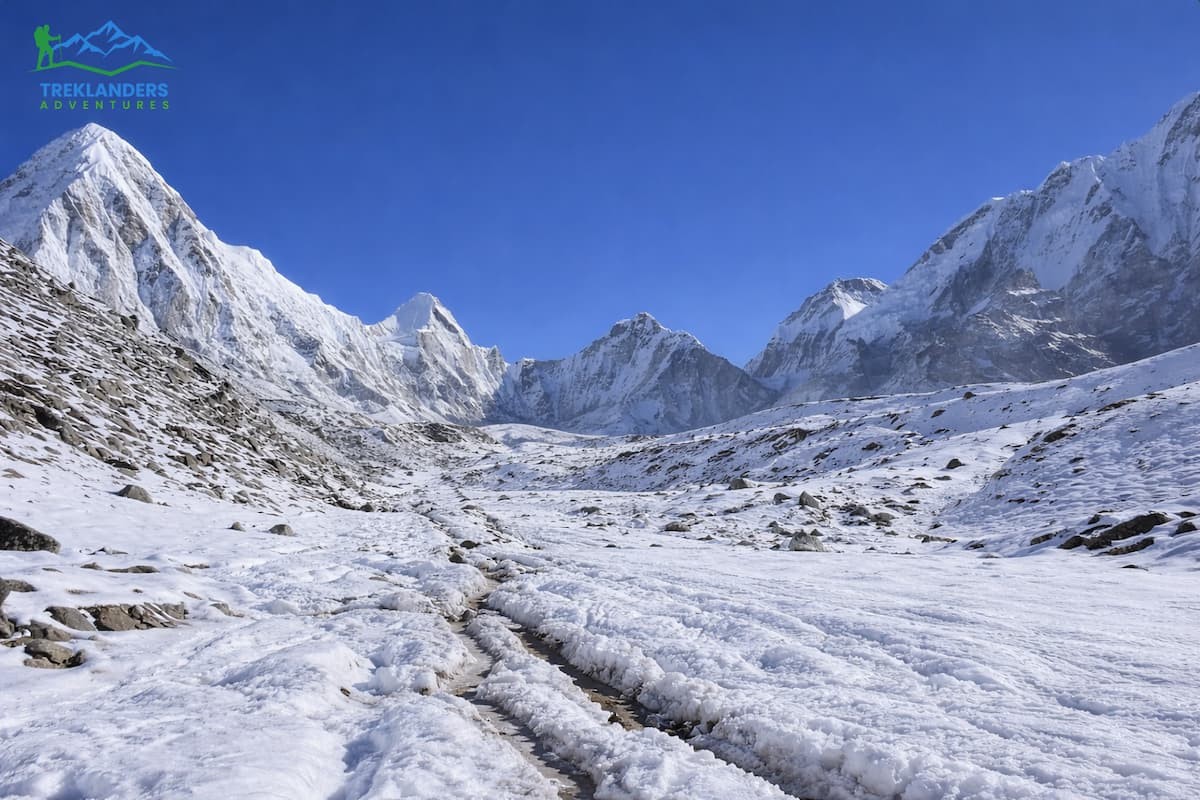
Higher up, the landscape transforms. Forests give way to bare land as glaciers top the mountains. Next to the Khumbu Glacier, one of the highest glaciers on earth, you find yourself walking. The exposed nature of the last part to the base camp gives you a sense of going back to basics, which makes getting there more worthwhile.
This trip requires a fair bit of physical endurance. On most days, you will be walking 5-7 hours. Besides changing the pace, the hunger, and the sleep, altitude takes its toll. However, the challenge leads to a closer bond with nature. Rather than only seeing the Himalayas, you experience them step by step.
The 10 experiences listed below are grounded in what truly matters on this path. They are moments that characterize the expedition, not just the endpoint, that highlight. Everyone deepens your trek and explains to you why Everest Base Camp is still among the most popular trekking routes in the world.
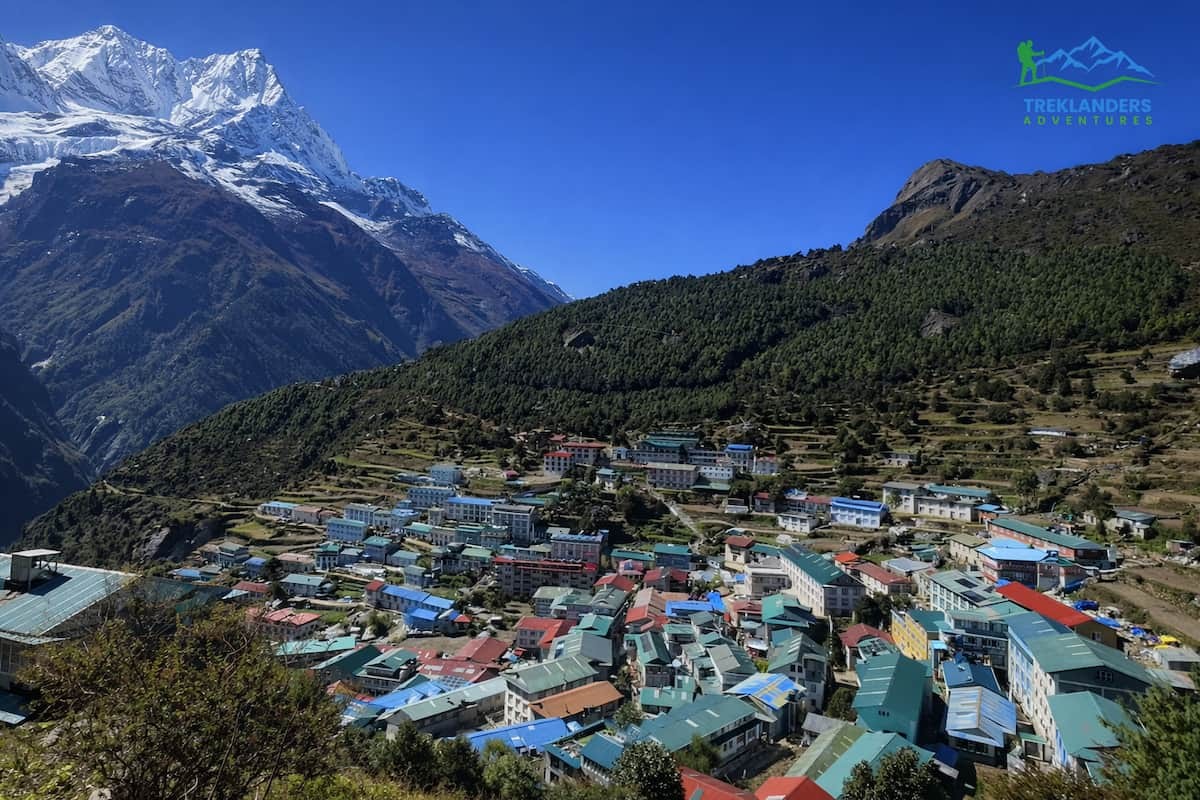
You stop in Namche because your body needs time to adjust to the altitude. At 3,440 meters, oxygen levels drop sharply. This is where a lot of trekkers first experience the effects of altitude. Headache, fatigue, and shortness of breath are some of the symptoms that start to show. If you climb higher too quickly, these symptoms can intensify and lead to a forced descent.
You should stay here for at least two nights. This is necessary for sufficient acclimatization. Through this process, your body will adapt mainly by increasing breathing rate and oxygen delivery. You should not stay inactive. Light movement works better. Doing a short hike during the day and then resting at the same sleeping altitude is an excellent way to acclimatize quicker. This method is based on the idea of going higher during the day and getting down to a lower altitude for sleep.
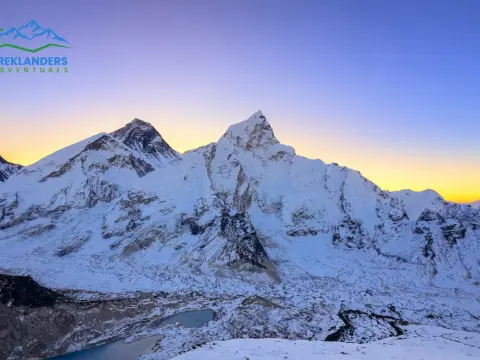
One typical acclimatization walk leads you beyond Namche towards the Everest View Hotel. From there, you are able to see Mount Everest very clearly, in addition to other peaks such as Ama Dablam. Though the walk is slow, it is a good way of exposing your body to the higher altitude without overexerting yourself. Namche is also a major stop before heading into less-inhabited areas. It is where you can check your health status, modify your speed, and make your next moves based on what your body tells you. In case the symptoms of altitude sickness get worse instead of better, an additional day is spent. Most of the time, this is what makes the difference between finishing the trek and going back.
What the town itself has to give you are its tangible benefits. For one, you can enjoy quality meals, get hold of your supplies, and find the basic services that you may need here. At this part of the journey, having good nutrition becomes a necessity. Your body, in fact, uses up more energy when you are at altitude, even if your appetite feels weaker. Along with this, staying well-hydrated is just as critical because it aids your bloodstream and oxygen delivery.
The duration of your stay at Namche deeply impacts your Everest Base Camp trek outcome. Hikers who value their time for acclimatisation here generally go on without major difficulties. On the other hand, those who hurry tend to have problems once they get above 4,000 meters, where things get tough, and their bodies take longer to heal.
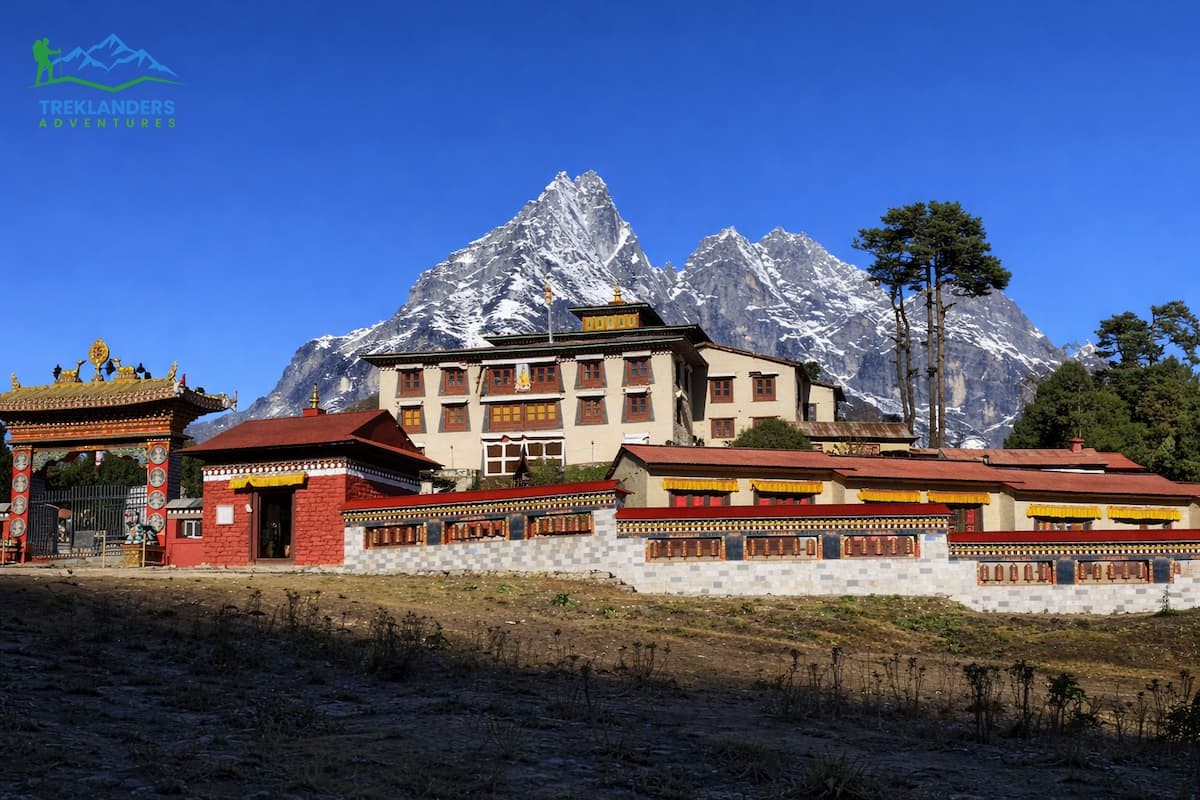
Tengboche Monastery is definitely one of the highlights stops on the Everest Base Camp trek. It is perched at around 3,860 meters and provides a blend of cultural, peaceful, and scenic mountain experiences. Reaching this place, you will be trekking through dense forests and charming villages. The atmosphere here is really serene and open, as the views you get of the surrounding snow-capped peaks are quite expansive.
Functioning as the largest monastery in the Khumbu region, this one is the very heart of the Sherpa community and faith. On your first step, you are met with prayer flags, prayer wheels, and the sweet sounds of chanting. All these signs strongly indicate the influence of Buddhism on the day-to-day lifestyles of the locals of this region.
During prayer hours, the monastery doors are open to visitors. This is when the monks congregate to chant their prayers and carry out sacred rituals which have remained unchanged for hundreds of years. The inside atmosphere is serene and intense. Just showing up there is enough to help you appreciate the significance. A brief stay will be more than enough for you to get a deep understanding of the religious aspect of the adventure.
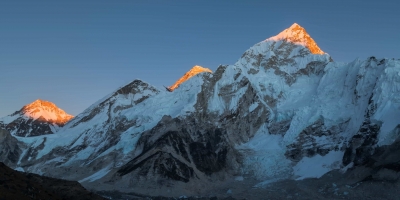
What makes this stop different towards the location? Besides the monastery, your eyes don't skip the magnificent Ama Dablam and Mount Everest, seen quite far away. Such a juxtaposition of the mountain and the monastery remains one of the most amazing sights on the whole track.
Tengboche is a great spot to slow the pace down. The trail ahead of this place and behind could feel very tough, especially if you increase the altitude. Being here for some time, you can change your pace and place your mind on what really matters. You do less walking, more observing and letting your body get used to the changes. Among the awesome things about this stop is the opportunity to see how Sherpa people live a different life connected to nature and the mountains.
Weather changes are common in such high altitudes. Usually, mornings are clear while afternoons are cloudier. If you are up for the best views, you would want to hit the trail early in the day. Blue skies will give you more striking mountain sceneries and nicer light for your snaps.
Besides just being a point on your map, this village is a highlight of your Everest adventure. It gives you an insight into how locals worship and stay spiritually connected to the mountains. That experience is something you carry with you even after the trek is over.
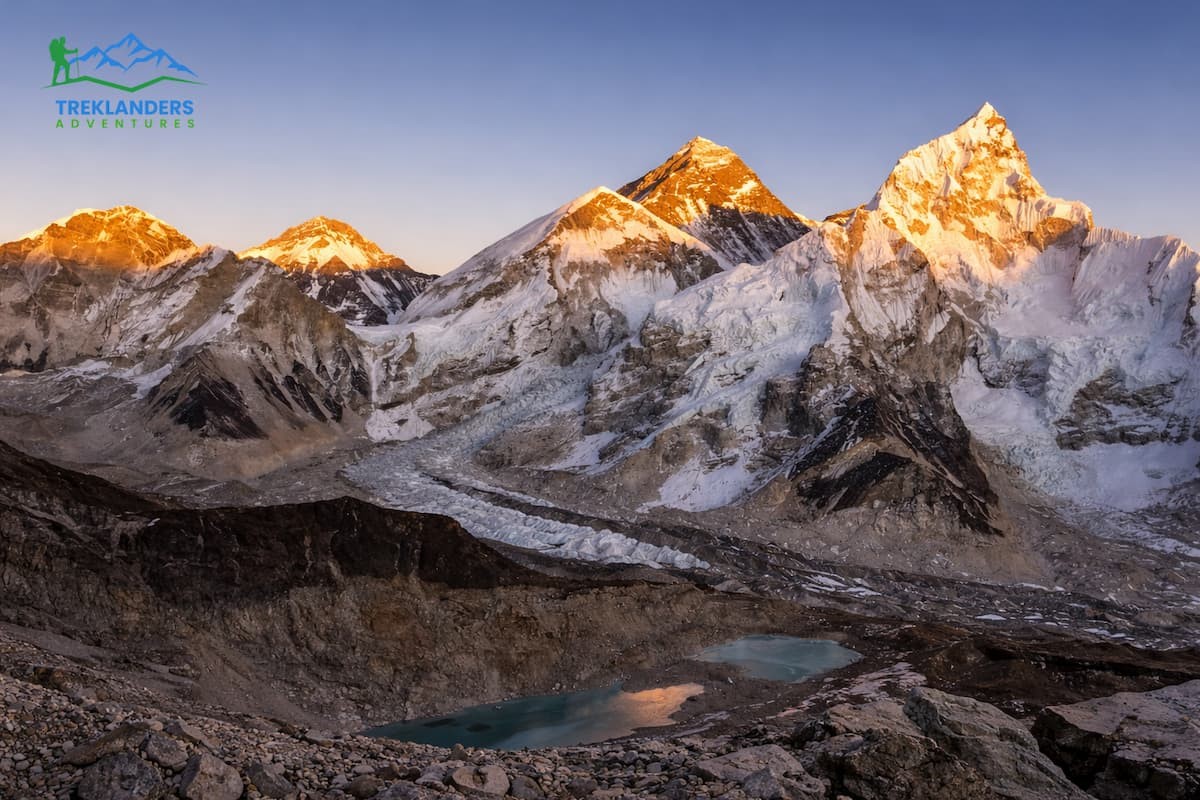
Most hikers' highest summit on the Everest Base Camp route is Kala Patthar, a short hike from the main trail. Being at a height of 5545 meters, the air gets quite rarefied, and even the slightest movement results in significant tiredness. Normally, you tend to start your journey early in the mornings from Gorakshep. A few trekkers even go at night for sunset, but sunrise gets the largest share of trekkers for clear views.
The path to the summit is quite short but at the same time steep and demanding. It should take you around 2 to 3 hours to reach the place, pace being your own. Your walking turns into a slow, break-involving activity. At such heights, you cannot get any benefit out of speed. The best thing is to maintain constant rhythm and keep good control over your breathing.
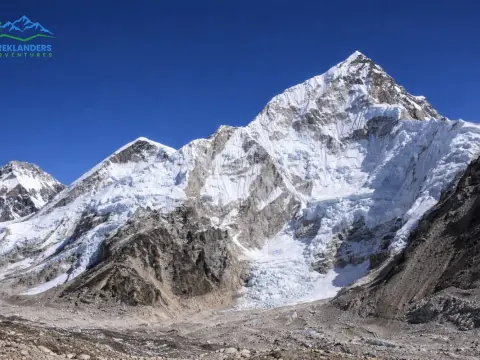
Going on a trek like this is the only way to catch a glimpse of Mount Everest like no other. It is not possible to see the summit clearly when at Everest Base Camp. This is what Kala Patthar is for. When you set foot on the summit, Everest appears to be just a step-in front of you, in addition to the nearby peaks like Nuptse and Pumori. The scenery is extensive, incisive and unhampered.
The exact moment is crucial. Morning hours are normally the time for" clear sky and consistent weather. You can watch the first rays of sunlight illuminate the mountain, turning the mountain tops to golden-colored peak. This is a very fast, but powerful moment. The majority of the trekkers think this is the best thing about the whole trip.
The conditions are hard. Temperatures can plunge significantly below zero, especially during the hours just before dawn. Wind can add to the chill factor. You will need proper clothing layers, gloves, and a hat. Even with top-notch equipment, the cold surrounds you in no time if you stop moving for a lengthy period.
Altitude, on the other hand, also takes a toll on your energy. You may catch yourself feeling drained, light-headed, or having difficulty breathing. This is entirely normal, but you have to keep an eye on your health condition. Should the symptoms worsen, you will have to drop down immediately. Your safety is the priority at this elevation.
Getting to the summit of Kala Patthar makes you feel like you have accomplished something great. Here you are at one of the most spectacular viewpoints in the Himalayas. The hardship, the coldness, and the low oxygen level come together at that very instant. The journey up is certainly challenging, but the mountain is among the most amazing experiences of the Everest Base Camp trek.
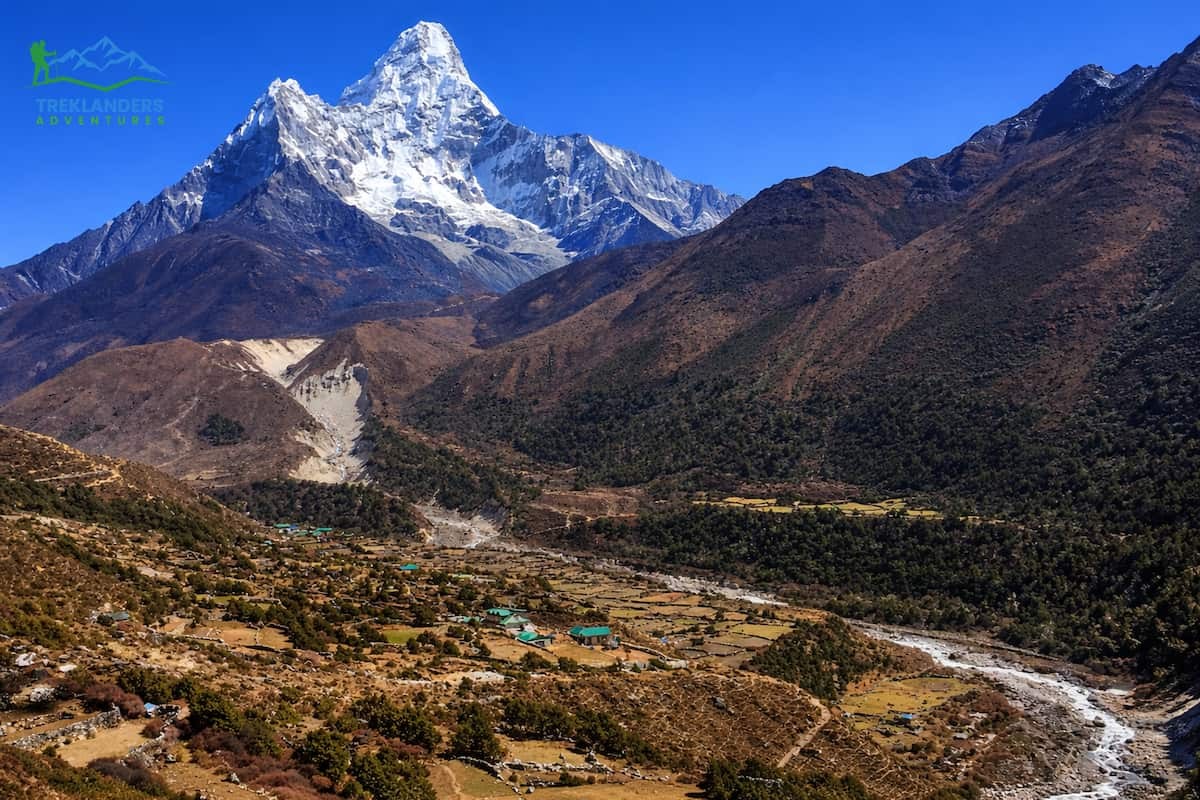
Experiencing the Sagarmatha National Park during your hike to the Everest Base Camp will give you a totally different perspective. You won't be just going towards the tall mountains but also traversing an area where nature is conserved and there is a great diversity of plants and animals. The Park begins around Monjo and goes all the way to the upper Khumbu.
At the lower levels, the path goes through pine, fir and rhododendron woods. In spring, when the rhododendrons blossom, they brighten up the scenery. Also, the air is cleaner, and the paths being covered with trees make walking easier and more pleasant than the exposed, higher parts.

Besides, this is where you will most probably encounter the local fauna. The Himalayan tahr is among the several animals that you can come across. It is usually found on cliffs and can be seen effortlessly moving over the rocky terrain. Another animal that you might come across is the elusive musk deer. It is normally hidden in the forest and is quite small and difficult to spot, so if you want to see it, vigilance is a must.
The red panda is a resident here, but it's extremely difficult to see one. It likes the thick bamboo growths and stays away from humans. Even if you don't come across one, knowing that they live here indicates how abundant nature is in this area.
Birdlife is plentiful along the trail. You hear a variety of bird calls as you walk, especially in the morning. Sometimes, the national bird of Nepal, Danphe, can be spotted in the open areas. These little things really liven up your trekking experience.
When you go up, the plants get scarcer. The trees vanish gradually, and the scenery changes to bushes and bare rock. Animals are rarely seen, but the forested areas still hold their significance. They furnish a stark contrast to the severe alpine environment above.
If you want to see animals, keep your voice down and don't fling your arms about. The best time is early morning when the animals are more active, and the trails are less crowded.
This section of the trek tells you that Everest is not all about the summits. It is also the whole natural system that enables life in the most extreme conditions.
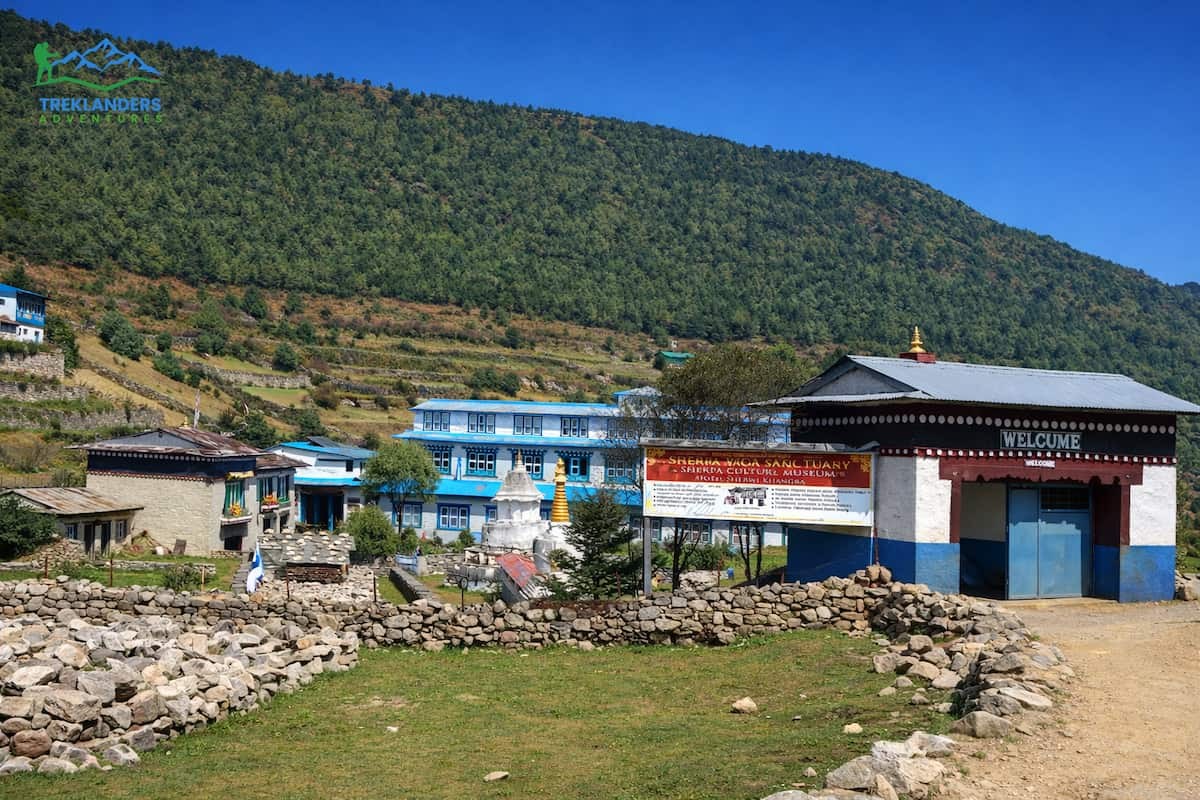
Visiting the Sherpa Culture Museum in Namche will give you a background for everything you encounter along the trail. The Everest area is not just about the mountains. The local people, their culture, and their way of life have also contributed to its identity. This tiny museum will make that point very clear to you.
The museum provides insights into Sherpa's heritage and how they have been living their lives for centuries. It describes the environmental adjustments that they made step by step in order to sustain life in the highlands. Their living quarters, the garments they wear, and the implements that they use daily are all adapted to frigid weather and scarcity of resources. The cooking methods, agriculture, and transport of goods on difficult mountain paths are illustrated with the help of simple exhibits. Besides that, you can find out about the Sherpas' rise to prominence in mountain climbing.
With the help of their extraordinary physical power, expertise in finding routes, and familiarity with the mountains, the initial climbers truly depended on them. The museum commemorates mountaineers like Tenzing Norgay, who was instrumental in the 1953 Mount Everest first ascent. That expedition, which was completed by him and Edmund Hillary, radically altered the course of mountaineering.
You find in the museum old photographs, climbing equipment, and narratives of the times. These things reflect the hardships of the earliest expeditions. While climbing equipment was rudimentary, weather reports were scarce, and routes were not very clear, Sherpas carried out their duties under such conditions. times, without recognition. This museum also has a replica of the ancient Sherpa home. This will provide you with a very vivid picture of mountain village family life. You are shown how every corner is utilized and how the house stays cozy in the winter season.
Going to this place while you are acclimatizing in Namche makes your trek even more worthwhile. After that point, the region will look totally different to you. Trails, lodges, and monasteries will no longer be mere waypoints but elements of a vibrant culture with an extensive history.
Such an experience merges the bodily movement through space with the human tale that is always there in the background.
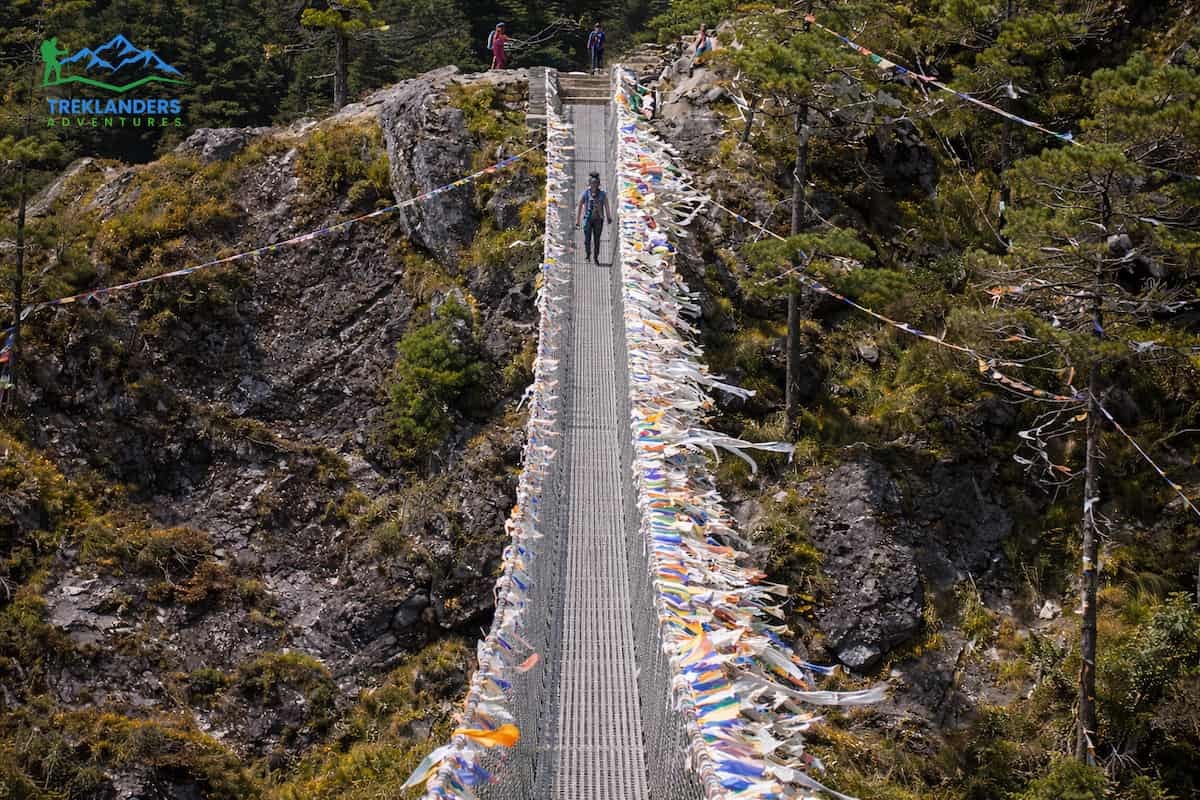
The Everest Base Camp trek would not be as memorable without crossing the Hillary Suspension Bridges. Spanning deep valleys and rushing rivers, these bridges especially cross over the Dudh Koshi River.
Stops near these bridges are Phakding and Namche Bazaar, thus you encounter them quite early in the trek. The most famous stretch of these bridges has two of them. Usually, the lower one is older and is often not in use.
The upper bridge, however, is higher, longer, and more exposed. This is the one you will be crossing. It is a suspension hanging high above the river with the strong steel cables securing it in place. When you take your first step on the bridge, you can feel it move slightly. This is really common, but if you are not used to heights, it can be pretty scary. Prayer flags are strung from one end of the bridge to the other. They are always fluttering in the wind and adding vibrant colours to the scenery. The roaring of the river below and the whistling of the wind around you together form a powerful sense of space.
The drop beneath you are so steep that it heightens your sensation of the challenge of the crossing. While crossing the bridge, it is necessary to stay very focused. Keep a smooth pace while walking and do not stop in the middle. If you meet a group of trekkers or a line of yaks coming from the opposite side, you wait at one of the ends. Yaks and mules are given priority as they can occupy most of the space on the bridge.
Despite the fact that these bridges are so high, they are very safe and quite well-maintained. Built with heavy-duty capability, they can carry heavy loads and are suitable for everyday use. Residents use them for transport and trade regularly. That is why they have become such a vital part of the locals' lives, far beyond being a mere trekking feature.
Going over the Hillary Suspension Bridge is the first time you feel that you can do something that you could not have done before. It takes you just a little bit beyond your comfort zone without exposing you to any real danger. After you cross the bridge, the path that leads to Namche begins, and you suddenly realize that you have switched from the low valleys to the high mountain areas.
In movement, height, and environment, this simple experience has been able to combine the power and the forces of nature.
One of the primary objectives of trekking is to reach the Everest Base Camp. At this elevation (5,364 meters), the surrounding nature appears untamed and stark. There are no trees, no permanent structures, and hardly any protection against the elements. Furthermore, the terrain is rocky, uneven, and sculpted by the Khumbu Glacier lying close by.
Upon reaching there, you realize that this is the point where actual Everest expeditions begin. Climbers get ready here before their summit attempts of Mount Everest. In the main climbing seasons, you can witness lines of expedition tents spread out in the base camp area. Every tent is a headquarters to a team that plans to ascend higher into the mountain.
Ahead of you is the Khumbu Icefall. It is a very perilous part of the Everest climbing route. The icefall consists of constantly moving ice towers, very deep cracks, and paths that are not steady. When you look at it from the base camp, you can gauge its enormity and also get a glimpse of the difficulties faced by the climbers as they start to climb the mountain.

If you set out from Gorakshep, the walk along the trail to the base camp will take you a few hours. The path follows glacial moraine, which means you will encounter loose rocks and a series of ups and downs. The distance is quite short; however, the altitude will make things tougher for you. You have limited time to move, and you must save your strength. At this great height, even the slightest movement requires significant exertion.
Upon arriving at the base camp marker, a lot of trekkers snap pictures and admire the scenery for a while. The feeling of success is quite intense here. You have been walking for days, have climbed quite high and are now at one of the most famous places for trekking in the world.
You can't actually see the summit of Everest very well from the base camp, as it is surrounded by other high mountains that obstruct the view. Most people, therefore, decide to go up to Kala Patthar afterwards, which offers much better views.
There is really no point in lingering at base camp for a long time because the altitude is very high and the environment is quite rough. Most probably, you will be going back to Gorakshep on the same day.
The moment stops you. You feel what the early climbers felt, the same thin air, the same brutal exposure. High altitude stops being an idea and becomes something you live in your body.
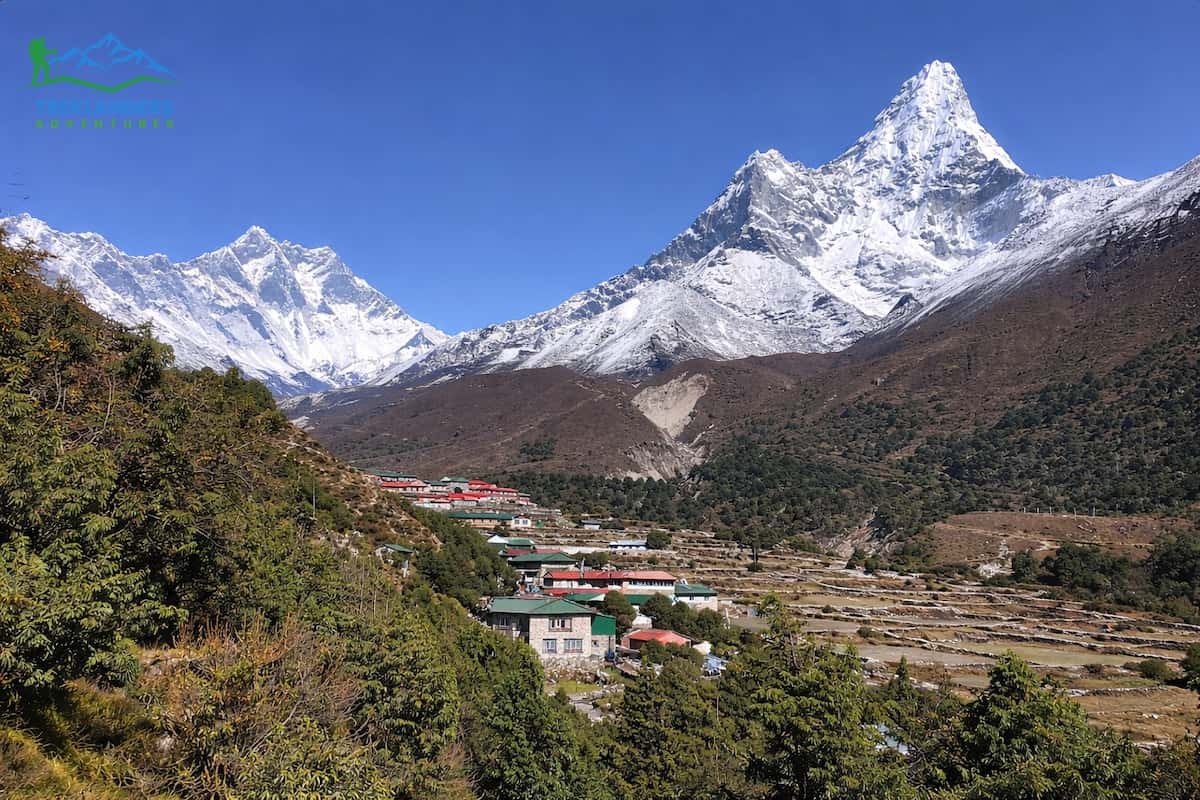
Dingboche is located at 4,410 meters and is an important acclimatisation stage on the Everest Base Camp trek. The village is quite small, and the houses are surrounded by stone walls that farmers have built over several generations to protect their barley and potato fields from the harsh Himalayan winds. After several days of climbing, you come here, and the altitude reveals itself in ways that you cannot ignore.
The itinerary normally includes a rest day here; however, rest is a relative term. Most trekkers go further up to Chukhung Valley, which is a raw glacial landscape nearer to Island Peak and the southern shores of Lhotse. The valley is sparse and dramatic with moraines, frozen streams, and huge rock faces. You experience the valley with a growing realization of how isolated this area really is.

The real prize is if you decide to climb Chukhung Ri, which is a peak that stands at 5,546 meters above sea level. The climb is very challenging and requires a very early morning start. Your legs will feel like they are on fire, your lungs will be working harder than usual, and every hundred meters of height will be tough to gain. However, you will keep going because the view from the top is worth all the effort.
Some of the best views on the entire trek would be the ones at the summit. Directly in front of you stands Ama Dablam with its sharp and exact ridgeline against the sky. The mountaineering spot, Island Peak, is also visible in the distance. Lhotse and Makalu, two of the highest mountains in the world, complete the background. On a clear morning when the sunlight reflects on the snow faces, the entire mountain range appears to be glowing.
Besides just training your body for higher elevation, this day will also change your perception of size. The mountains that you have been trekking towards for days are suddenly right there, close enough for you to get a detailed look. Dingboche and Chukhung Valley offer you some time to assimilate your location before the trek moves you upward.
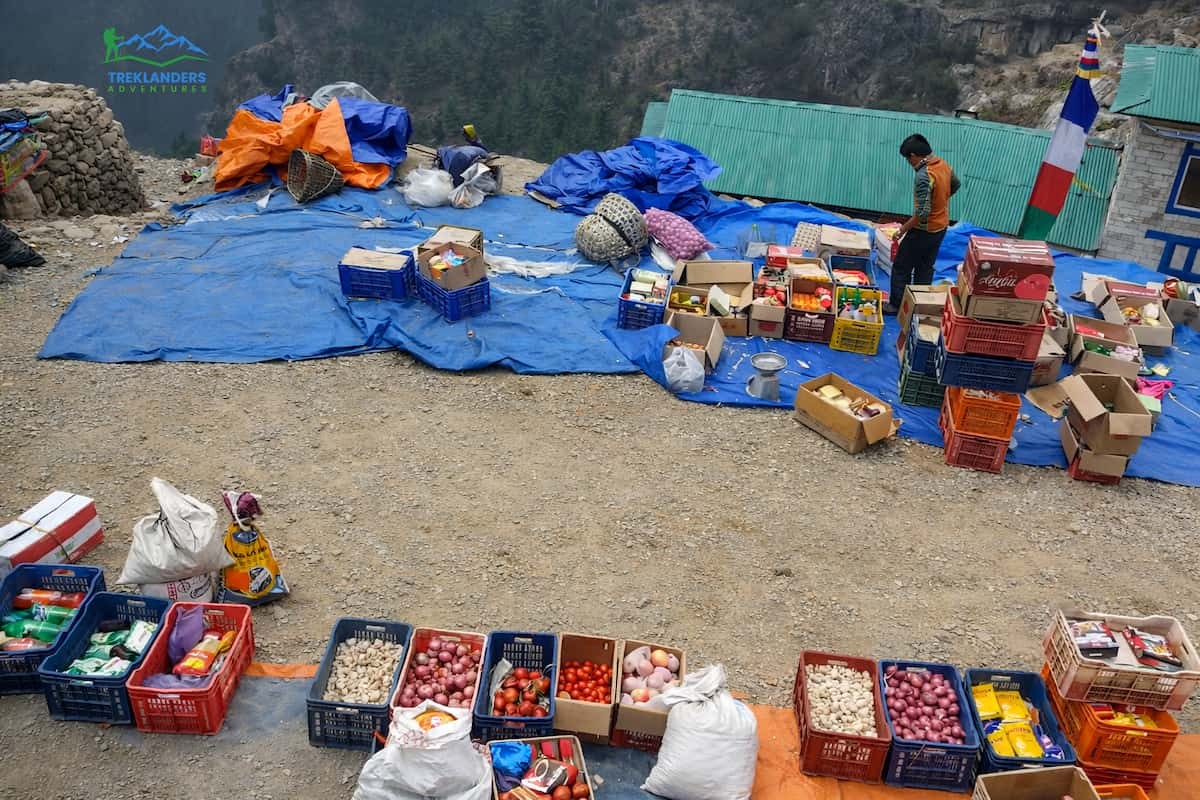
On Saturday morning, Namche Bazaar changes completely. It is rather a quiet mountain town, but if you go there on Saturday morning, it will be a crowded city full of sale and colour because traders, local people and trekkers will mix on the open market that has been going on here for generations. It would be great if you could schedule your journey so you get there on Friday evening and experience it at its peak.
The market occupies the whole lower part of the town, and the vendors even extend their selling space onto the stone paths and open ground. Before the sun shines over the peaks, the sellers arrange their goods. The produce is brought from lower valleys where farming is possible due to the climate. You get to see fresh vegetables, eggs and fruits that seem almost like a luxury after being on a trail for several days. Usually, trekkers who have been hiking for about a week stop and look at a simple pile of oranges as if they were something extraordinary.
The main attraction of this market which makes it really special is the Tibetan traders. They go over the border once a week and the goods they bring are the ones that have been transported over long distances and only then reached Namche. Apart from the usual stuff, Tibetan prayer flags, singing bowls, turquoise jewelry and handwoven textiles are also among the things which these traders put out on their stalls beside the more everyday commercial items. Most of these traders have been coming here for years, so they have kept up the local and trading relations that go way back before modern tourism. Even a quick chat with them through a translator or in a broken common language will see you getting a fresh insight into a Himalayan trading tradition.
Gear is indeed a major feature of the market. The range of products available is astonishing: down jackets and trekking poles are just a couple of examples. Although some of the items are great gear, others are only very good fakes. Seasoned mountaineers know that it is very helpful to check details such as stitching, zipper, and label. Prices can be changed by talking, and bartering is not only acceptable but also expected, and it is a little less disconcerting. Vendors admire a purchaser who is familiar with the value of a product.
Moreover, just for the sake of viewing, the market is a great place to go. Sherpa families purchase the weekly essentials just as expedition teams mount their high-altitude gear. Yak herders are emerging among the crowd. Kids running in and out of the stalls. The Namche Saturday Market is not a tourist site pretending to be local life. It is local life, and you are allowed to be part of it.
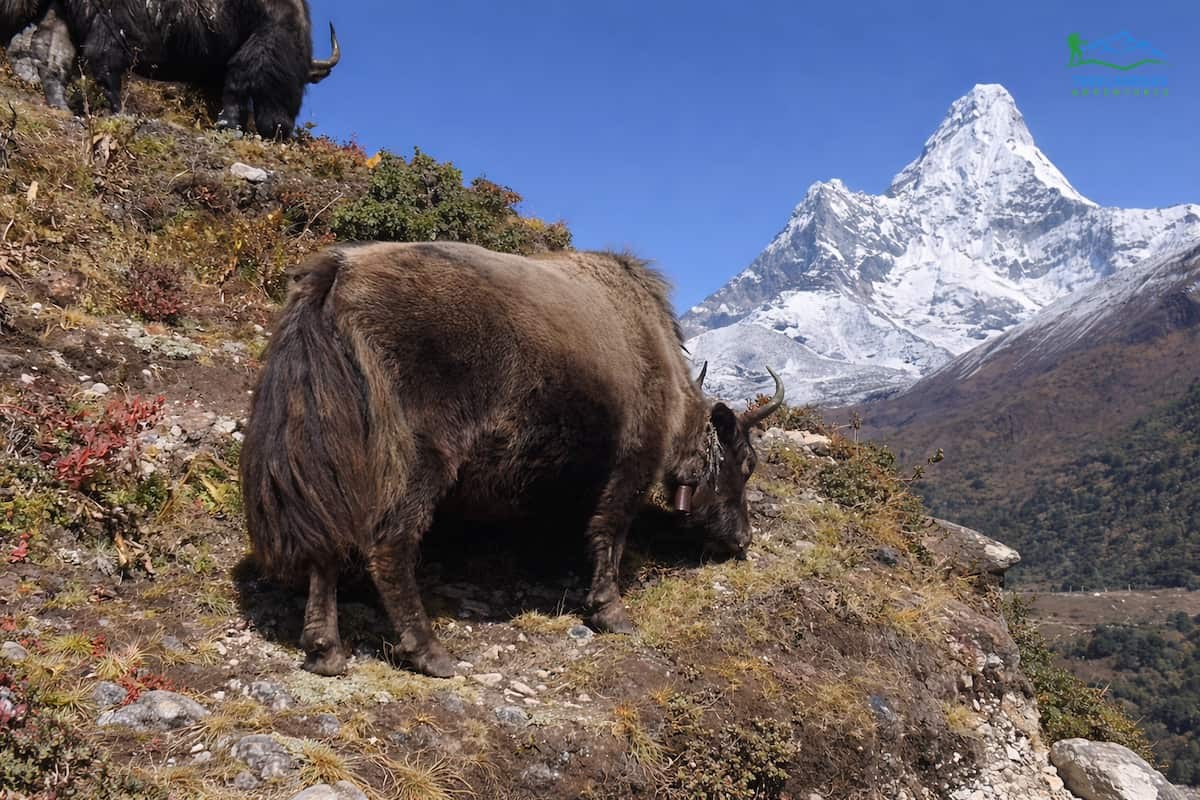
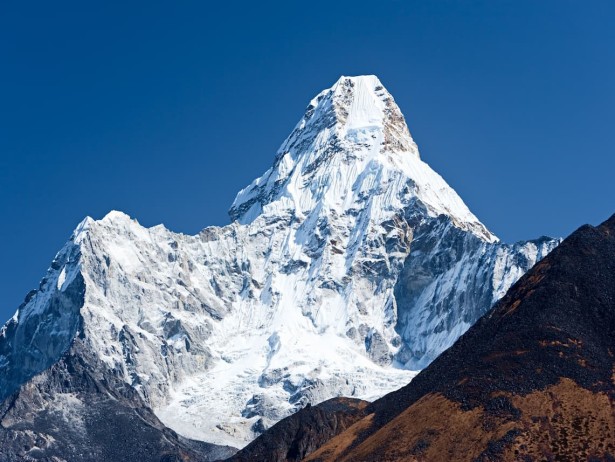
Ama Dablam takes your breath away the very first time you lay eyes on it. At an elevation of 6,812 meters, it stands out with an architectural exactness that most mountains lack, its two ridges falling from a central summit in a shape so sharp that it seems almost planned. Photographers who both professionally and personally have spent their time mountain chasing consistently place it in the top range of subjects on Earth, and once you are in front of it, it is clear why.
The mountain slowly makes its appearance as you go higher on your trek through the Khumbu area. Although your first sight of the mountain will be from Namche Bazaar, the view only fully reveals itself as you continue to Tengboche and later on. Each camp provides a new angle, a new way to associate the peak with the surrounding environment. Expert photographers walk around with notebooks in which they note down different spots, and they come back at certain times to take the pictures of what they had seen earlier in the day.
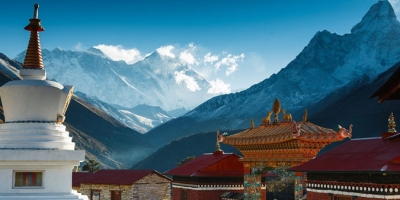
For the majority of photographers, Pangboche is the place where they get their best shots. The village is at a height of 3,985 meters and has unobstructed views of Ama Dablam's southern face. In fact, one can say that the golden hour here is good enough to plan your entire day around it. In the late afternoon, sunlight changes from white to amber to an intense orange that colours the snow and rock faces in such a way that no filter can do it. In fact, the mountain itself appears to radiate its own heat during the last minutes before the sun sets behind the western ridge.
Early morning works equally well. A pre-dawn start will get you a beautiful alpenglow, which is the phenomenon of the highest peaks catching direct sunlight while the surrounding terrain is still sunless. Ama Dablam stands out in pink and red colours against a sky that is still dark at lower elevations. You will have to be in position and ready before first light, which means, depending on the season, you will have to set an alarm for far before 5 am.
Your camera settings matter less than your patience. The mountain dictates the terms. You wait for cloud cover to shift, for wind to settle the prayer flags in the foreground, for the exact quality of light that turns a good frame into something you keep forever. Ama Dablam rewards the photographer who slows down and pays attention.
The trek to Everest Base Camp is not simply about getting to the destination; it is about ten days of unfoldment where the experiences you have change your perception of mountains, culture, and yourself continuously. You begin by acclimatizing in Namche, while the end is the time when you stand on the moraine at 5,364 meters. In between those two points, you cross suspension bridges over roaring rivers, you sit inside a monastery as monks chant, you walk through forests looking for red pandas, and you drink tea in a lodge while Ama Dablam fills the window. These are not merely events;
They comprise the trekking experience. The Khumbu region expects you to do something physically challenging every day. Your lungs have to work harder. Your legs have to carry a heavier weight. Your sleep is lighter. However, the one thing that makes each experience so vivid is the physical challenge itself. You deserve every view. You deserve every conversation with a Sherpa guide. You deserve the one moment when you arrive at base camp and take in the sight of the Khumbu Icefall while breathing the thin air.
What remains with most trekkers is not just the grandeur of the mountains. It is their minute aspects. The scent of juniper incense is being burnt outside Tengboche. The lively atmosphere of a Saturday market at dawn. The unique charm of silence at 5,000 meters when the wind stops, and the world seems motionless. Such little things don't get mentioned in altitude charts or route maps. You can only discover them by going.
The 10 experiences from this guide serve as a frame of reference. You can use them for making a plan, setting expectations, and preparing yourself. But don't forget to leave some space for what the path brings by itself. The Everest Base Camp trek is a kind of path that can give you what you need, often in a guise that you hadn't expected.
Plan your Everest Base Camp trek in autumn with clear views, ideal weather, and a complete guide to route, itinerary, and tips.

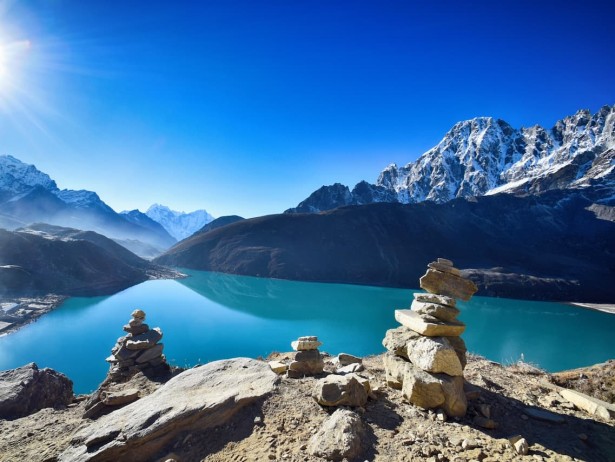
Experience Gokyo Lakes in autumn with clear skies, peaceful trails, and stunning Himalayan views—plus a complete guide with itinerary and tips.

Discover the Ghorepani Poon Hill Trek’s rich flora and fauna, from rhododendron forests to wildlife and birds, with the best seasonal insights.



