[{"name":"Everest Base Camp Trek","duration":"16","image_url":"https:\/\/www.treklanders.com\/storage\/trip-galleries\/1\/thumb_419a755c003cc609f3030ee332965ebe.jpg","offer_price":1405,"url":"https:\/\/www.treklanders.com\/trips\/everest-base-camp-trek"},{"name":"Gokyo Valley Trekking","duration":"16","image_url":"https:\/\/www.treklanders.com\/storage\/trip-galleries\/2\/thumb_676d1021b574aeba4d19d3f2a0b04ed2.webp","offer_price":1205,"url":"https:\/\/www.treklanders.com\/trips\/gokyo-valley-trekking"},{"name":"Annapurna Circuit Trek","duration":"23","image_url":"https:\/\/www.treklanders.com\/storage\/trip-galleries\/3\/thumb_2a9a92ea23c62f41de27b37f5e3e8c17.webp","offer_price":1495,"url":"https:\/\/www.treklanders.com\/trips\/annapurna-circuit-trek"},{"name":"Everest Panorama Trek","duration":"12","image_url":"https:\/\/www.treklanders.com\/storage\/trip-galleries\/4\/thumb_35c9f677ea2e88b1ff11a9f43daa3ddb.jpg","offer_price":1100,"url":"https:\/\/www.treklanders.com\/trips\/everest-panorama-trek"},{"name":"Everest Base Camp Trekking from Jiri","duration":"22","image_url":"https:\/\/www.treklanders.com\/storage\/trip-galleries\/6\/thumb_14763592492417b294aa66bf0ebf4e64.webp","offer_price":1400,"url":"https:\/\/www.treklanders.com\/trips\/everest-base-camp-trekking-from-jiri"},{"name":"Everest Base Camp via Cho la Pass from Gokyo Valley Trekking","duration":"18","image_url":"https:\/\/www.treklanders.com\/storage\/trip-galleries\/7\/thumb_d4e470e98d4e9e2ab8e93e39b8b7d252.jpg","offer_price":1405,"url":"https:\/\/www.treklanders.com\/trips\/everest-base-camp-via-cho-la-pass-from-gokyo-valley-trekking"},{"name":"Everest Three Passes Trekking","duration":"22","image_url":"https:\/\/www.treklanders.com\/storage\/trip-galleries\/8\/thumb_b413b221e913171500bb3dfd5c08ceea.jpg","offer_price":1635,"url":"https:\/\/www.treklanders.com\/trips\/everest-three-passes-trekking"},{"name":"Annapurna Base Camp Trekking","duration":"14","image_url":"https:\/\/www.treklanders.com\/storage\/trip-galleries\/9\/thumb_2e71f2ffe116c659fa66b01c2d571b4e.webp","offer_price":845,"url":"https:\/\/www.treklanders.com\/trips\/annapurna-base-camp-trekking"},{"name":"Mardi Base Camp Trekking","duration":"14","image_url":"https:\/\/www.treklanders.com\/storage\/trip-galleries\/10\/thumb_d7b2d2dc638f6bbf2c31c167ac68029d.webp","offer_price":845,"url":"https:\/\/www.treklanders.com\/trips\/mardi-base-camp-trekking"},{"name":"Mohare Danda Trekking","duration":"12","image_url":"https:\/\/www.treklanders.com\/storage\/trip-galleries\/11\/thumb_a384c8d35d789d29b19991c1d675c910.webp","offer_price":755,"url":"https:\/\/www.treklanders.com\/trips\/mohare-danda-trekking"},{"name":"Khopra Ridge & Khair Lake Trekking","duration":"15","image_url":"https:\/\/www.treklanders.com\/storage\/trip-galleries\/12\/thumb_c0f50461ddc74acfb553ba85be00fab0.webp","offer_price":855,"url":"https:\/\/www.treklanders.com\/trips\/khopra-ridge-khair-lake-trekking"},{"name":"Upper Mustang Trekking","duration":"17","image_url":"https:\/\/www.treklanders.com\/storage\/trip-galleries\/13\/thumb_7aa4dfdb69186b0f224a303d80a25c95.jpg","offer_price":1715,"url":"https:\/\/www.treklanders.com\/trips\/upper-mustang-trekking"},{"name":"Langtang Valley Trek","duration":"12","image_url":"https:\/\/www.treklanders.com\/storage\/trip-galleries\/14\/thumb_8650b4b1a3c160cff75da65369398353.webp","offer_price":735,"url":"https:\/\/www.treklanders.com\/trips\/langtang-valley-trek"},{"name":"Gosainkunda Lake Trek","duration":"11","image_url":"https:\/\/www.treklanders.com\/storage\/trip-galleries\/15\/thumb_bfe94c14e760c48234e117021105be84.webp","offer_price":735,"url":"https:\/\/www.treklanders.com\/trips\/gosainkunda-lake-trek"},{"name":"Chisapani-Nagarkot to Dhulikhel Hiking","duration":"7","image_url":"https:\/\/www.treklanders.com\/storage\/trip-galleries\/16\/thumb_468defe9a4000ee3129cd7e6421ee105.webp","offer_price":565,"url":"https:\/\/www.treklanders.com\/trips\/chisapani-nagarkot-to-dhulikhel-hiking"},{"name":"Kanchenjunga Trek","duration":"23","image_url":"https:\/\/www.treklanders.com\/storage\/trip-galleries\/17\/thumb_51f43fa4203106cc49aaedc89d76e01d.jpg","offer_price":1725,"url":"https:\/\/www.treklanders.com\/trips\/kanchenjunga-trek"},{"name":"Helambu Trek","duration":"12","image_url":"https:\/\/www.treklanders.com\/storage\/trip-galleries\/18\/thumb_0fe8e3fa1299d2e43bf1fb5977875ce2.jpg","offer_price":685,"url":"https:\/\/www.treklanders.com\/trips\/helambu-trek"},{"name":"Upper Dolpo Trek","duration":"26","image_url":"https:\/\/www.treklanders.com\/storage\/trip-galleries\/19\/thumb_d6080d490e1db83b0a711e7304000864.jpg","offer_price":3005,"url":"https:\/\/www.treklanders.com\/trips\/upper-dolpo-trek"},{"name":"Manaslu Circuit Trek","duration":"18","image_url":"https:\/\/www.treklanders.com\/storage\/trip-galleries\/20\/thumb_1fdd224e849f4f328e73d2d12b3d282d.jpg","offer_price":1225,"url":"https:\/\/www.treklanders.com\/trips\/manaslu-circuit-trek"},{"name":"Tilicho Lake Base Camp Trek","duration":"19","image_url":"https:\/\/www.treklanders.com\/storage\/trip-galleries\/21\/thumb_eba8ac5e029e6543e0c17630ebd9e2fb.jpg","offer_price":1220,"url":"https:\/\/www.treklanders.com\/trips\/tilicho-lake-base-camp-trek"},{"name":"Nar-Phu Valley With Thorang-La Pass Trek","duration":"21","image_url":"https:\/\/www.treklanders.com\/storage\/trip-galleries\/22\/thumb_43597423a5a366fe9c8937fb30d2fe2a.jpg","offer_price":1315,"url":"https:\/\/www.treklanders.com\/trips\/nar-phu-valley-with-thorang-la-pass-trek"},{"name":"Nepal Round Trip of Kathmandu-Pokhara-Lumbini and Chitwan Tour","duration":"10","image_url":"https:\/\/www.treklanders.com\/storage\/trip-galleries\/23\/thumb_32497d170b2ab340b0a1b3310e91e784.webp","offer_price":845,"url":"https:\/\/www.treklanders.com\/trips\/nepal-round-trip-of-kathmandu-pokhara-lumbini-and-chitwan-tour"},{"name":"Nagarkot Day Hike","duration":"2","image_url":"https:\/\/www.treklanders.com\/storage\/trip-galleries\/24\/thumb_a5a654930fd8ba7852e41738105bacfc.webp","offer_price":105,"url":"https:\/\/www.treklanders.com\/trips\/nagarkot-day-hike"},{"name":"Nagarkot Sunrise Tour","duration":"1","image_url":"https:\/\/www.treklanders.com\/storage\/trip-galleries\/25\/thumb_17dc28a29cfa44381ad503f0a75ee84f.webp","offer_price":22,"url":"https:\/\/www.treklanders.com\/trips\/nagarkot-sunrise-tour"},{"name":"Namobuddha Day Tour with Shiva Statue","duration":"1","image_url":"https:\/\/www.treklanders.com\/storage\/trip-galleries\/26\/thumb_beeb34202f9077764aa08c67ef2867f9.webp","offer_price":45,"url":"https:\/\/www.treklanders.com\/trips\/namobuddha-day-tour-with-shiva-statue"},{"name":"Kathmandu Full Day Sightseeing Tour","duration":"1","image_url":"https:\/\/www.treklanders.com\/storage\/trip-galleries\/27\/thumb_d045fc0f1acee2cfa6b3c95f3c656d18.jpg","offer_price":30,"url":"https:\/\/www.treklanders.com\/trips\/kathmandu-full-day-sightseeing-tour"},{"name":"Patan and Bhaktapur Sightseeing Tour","duration":"1","image_url":"https:\/\/www.treklanders.com\/storage\/trip-galleries\/28\/thumb_750eacac3424b5dba686dd93656ab87c.jpg","offer_price":30,"url":"https:\/\/www.treklanders.com\/trips\/patan-and-bhaktapur-sightseeing-tour"},{"name":"Upper Mustang Heli Tour","duration":"1","image_url":"https:\/\/www.treklanders.com\/storage\/trip-galleries\/29\/thumb_0b785f69a15557f8660c805c76fda14e.webp","offer_price":1250,"url":"https:\/\/www.treklanders.com\/trips\/upper-mustang-heli-tour"},{"name":"Everest Heli Tour","duration":"1","image_url":"https:\/\/www.treklanders.com\/storage\/trip-galleries\/30\/thumb_dc45f2beb36a3699e0decf0de41a6f17.jpg","offer_price":1495,"url":"https:\/\/www.treklanders.com\/trips\/everest-heli-tour"},{"name":"Island Peak Trek & Climb","duration":"21","image_url":"https:\/\/www.treklanders.com\/storage\/trip-galleries\/31\/thumb_a0f3e3468c92a8e436045cf8b2fbf361.jpg","offer_price":2295,"url":"https:\/\/www.treklanders.com\/trips\/island-peak-trek-climb"},{"name":"Mera Peak Trek & Climb","duration":"18","image_url":"https:\/\/www.treklanders.com\/storage\/trip-galleries\/32\/thumb_3e8128a23c36f02fa38135475e811b9e.jpg","offer_price":2815,"url":"https:\/\/www.treklanders.com\/trips\/mera-peak-trek-climb"},{"name":"Chandragiri Cable Car Tour","duration":"1","image_url":"https:\/\/www.treklanders.com\/storage\/trip-galleries\/33\/thumb_faa70b716449eada6d7f1450335edbb3.jpg","offer_price":30,"url":"https:\/\/www.treklanders.com\/trips\/chandragiri-cable-car-tour"},{"name":"Everest Base Camp Trek and Returning via Heli","duration":"13","image_url":"https:\/\/www.treklanders.com\/storage\/trip-galleries\/34\/thumb_11190941866206e1d578db11986ebc73.webp","offer_price":2100,"url":"https:\/\/www.treklanders.com\/trips\/everest-base-camp-trek-and-returning-via-heli"},{"name":"Annapurna Semi Circuit Trek","duration":"15","image_url":"https:\/\/www.treklanders.com\/storage\/trip-galleries\/35\/thumb_30ddd8ba818cdcb52efd5eb0a017bcdb.jpg","offer_price":965,"url":"https:\/\/www.treklanders.com\/trips\/annapurna-semi-circuit-trek"},{"name":"Everest Base Camp Luxury Trek","duration":"14","image_url":"https:\/\/www.treklanders.com\/storage\/trip-galleries\/39\/thumb_6079aea3c5dd83e745a16fd6162270dc.jpg","offer_price":2685,"url":"https:\/\/www.treklanders.com\/trips\/everest-base-camp-luxury-trek"},{"name":"Mt. Kailash & Lake Manasarover Tour","duration":"15","image_url":"https:\/\/www.treklanders.com\/storage\/trip-galleries\/41\/thumb_cf3fededfd7dd2b40399af399e04f95a.jpg","offer_price":2205,"url":"https:\/\/www.treklanders.com\/trips\/mt-kailash-lake-manasarover-tour"},{"name":"Ghorepani Poonhill Trek","duration":"11","image_url":"https:\/\/www.treklanders.com\/storage\/trip-galleries\/43\/thumb_602d9a56976e1b836ba8adc69b8d09c5.webp","offer_price":720,"url":"https:\/\/www.treklanders.com\/trips\/ghorepani-poonhill-trek"},{"name":"11 Days Gokyo Valley Trekkking","duration":"11","image_url":"https:\/\/www.treklanders.com\/storage\/trip-galleries\/45\/thumb_ab552c3c91de392f94230a937b1c4801.jpg","offer_price":900,"url":"https:\/\/www.treklanders.com\/trips\/11-days-gokyo-valley-trekkking"},{"name":"9-Day Everest Base Camp Trekking with Helicopter Return","duration":"9","image_url":"https:\/\/www.treklanders.com\/storage\/trip-galleries\/46\/thumb_9a8ba2b582500cd86786be056902c31a.webp","offer_price":1990,"url":"https:\/\/www.treklanders.com\/trips\/9-day-everest-base-camp-trekking-with-helicopter-return"},{"name":"12-Day Everest Base Camp Trek","duration":"12","image_url":"https:\/\/www.treklanders.com\/storage\/trip-galleries\/47\/thumb_d12c9ef776c0b395ceea817fe05c5892.jpg","offer_price":1000,"url":"https:\/\/www.treklanders.com\/trips\/12-day-everest-base-camp-trek"},{"name":"8-Day Everest Panorama Trek","duration":"8","image_url":"https:\/\/www.treklanders.com\/storage\/trip-galleries\/49\/thumb_c81ae3a8ac757a317a9362e6872e2dcb.jpg","offer_price":850,"url":"https:\/\/www.treklanders.com\/trips\/8-day-everest-panorama-trek"},{"name":"7-Day Langtang Valley Trek","duration":"7","image_url":"https:\/\/www.treklanders.com\/storage\/trip-galleries\/50\/thumb_99c2904df5475ab028c9e3633ea95ef3.jpg","offer_price":420,"url":"https:\/\/www.treklanders.com\/trips\/7-day-langtang-valley-trek"},{"name":"4-Day Trekking Adventure near Kathmandu","duration":"4","image_url":"https:\/\/www.treklanders.com\/storage\/trip-galleries\/51\/thumb_594681060514dc57be1959236a6996d0.jpg","offer_price":275,"url":"https:\/\/www.treklanders.com\/trips\/4-day-trekking-adventure-near-kathmandu"},{"name":"4-Day Ghorepani Ponnhill Trek from Pokhara","duration":"4","image_url":"https:\/\/www.treklanders.com\/storage\/trip-galleries\/53\/thumb_eede04edac01f983d9af2c16f55d03e8.webp","offer_price":500,"url":"https:\/\/www.treklanders.com\/trips\/4-day-ghorepani-ponnhill-trek-from-pokhara"},{"name":"7-Day Annapurna Base Camp Trek from Pokhara","duration":"7","image_url":"https:\/\/www.treklanders.com\/storage\/trip-galleries\/55\/thumb_547e91c74088c491111ebe31a759cfbb.jpg","offer_price":420,"url":"https:\/\/www.treklanders.com\/trips\/7-day-annapurna-base-camp-trek-from-pokhara"},{"name":"13-Day Manaslu Circuit Trekking","duration":"13","image_url":"https:\/\/www.treklanders.com\/storage\/trip-galleries\/56\/thumb_aef1af4f0c4a2a9622d518ad5959542b.jpg","offer_price":1050,"url":"https:\/\/www.treklanders.com\/trips\/13-day-manaslu-circuit-trekking"},{"name":"5-Day Mardi Himal Trek from Pokhara","duration":"5","image_url":"https:\/\/www.treklanders.com\/storage\/trip-galleries\/57\/thumb_dcd598d556c14835f0a18169afafcbc6.webp","offer_price":420,"url":"https:\/\/www.treklanders.com\/trips\/5-day-mardi-himal-trek-from-pokhara"},{"name":"Nagarkot Sunrise Tour with Day Hike","duration":"1","image_url":"https:\/\/www.treklanders.com\/storage\/trip-galleries\/58\/thumb_7cdfa1f16719486da2a0718da45b1f2f.webp","offer_price":30,"url":"https:\/\/www.treklanders.com\/trips\/nagarkot-sunrise-tour-with-day-hike"},{"name":"Seven Unesco Heritage Sites Day Tour in Kathmandu","duration":"1","image_url":"https:\/\/www.treklanders.com\/storage\/trip-galleries\/59\/thumb_92aed7b9c67e76740000aab9313dced7.jpg","offer_price":40,"url":"https:\/\/www.treklanders.com\/trips\/seven-unesco-heritage-sites-day-tour-in-kathmandu"},{"name":"10-Day Ghorepani Poonhill with Annapurna Base Camp Trek","duration":"10","image_url":"https:\/\/www.treklanders.com\/storage\/trip-galleries\/60\/thumb_d4c2c089497950ccb5f8541d76e1269b.webp","offer_price":835,"url":"https:\/\/www.treklanders.com\/trips\/10-day-ghorepani-poonhill-with-annapurna-base-camp-trek"},{"name":"3-Day Chitwan Wildlife Tour","duration":"3","image_url":"https:\/\/www.treklanders.com\/storage\/trip-galleries\/61\/thumb_7963c9033b4ecfb5d29583fb0965d521.webp","offer_price":150,"url":"https:\/\/www.treklanders.com\/trips\/3-day-chitwan-wildlife-tour"},{"name":"3-Day Pokhara Sightseeing Tour","duration":"3","image_url":"https:\/\/www.treklanders.com\/storage\/trip-galleries\/62\/thumb_61542f3c38329bcce9d2771c96f265a4.jpg","offer_price":230,"url":"https:\/\/www.treklanders.com\/trips\/3-day-pokhara-sightseeing-tour"},{"name":"7-Day Kathmandu Pokhara and Chitwan wildlifeTour","duration":"7","image_url":"https:\/\/www.treklanders.com\/storage\/trip-galleries\/63\/thumb_803b98ae15f14366124ebb109a32f49d.webp","offer_price":545,"url":"https:\/\/www.treklanders.com\/trips\/7-day-kathmandu-pokhara-and-chitwan-wildlifetour"},{"name":"Nagarjun Jamacho Day Hiking","duration":"1","image_url":"https:\/\/www.treklanders.com\/storage\/trip-galleries\/64\/thumb_85867eb85c60c8228e44f927341f67d1.jpg","offer_price":30,"url":"https:\/\/www.treklanders.com\/trips\/nagarjun-jamacho-day-hiking"},{"name":"Everest Mountain Flight from Kathmandu","duration":"1","image_url":"https:\/\/www.treklanders.com\/storage\/trip-galleries\/65\/thumb_1a66526d340ec175023842c38efd8a95.webp","offer_price":120,"url":"https:\/\/www.treklanders.com\/trips\/everest-mountain-flight-from-kathmandu"},{"name":"One Day Trishuli River Rafting Adventures","duration":"1","image_url":"https:\/\/www.treklanders.com\/storage\/trip-galleries\/66\/thumb_55ba0ea676c9c625f99f3d41bda224fb.jpg","offer_price":35,"url":"https:\/\/www.treklanders.com\/trips\/one-day-trishuli-river-rafting-adventures"},{"name":"13-Day Annapurna Circuit Trek","duration":"13","image_url":"https:\/\/www.treklanders.com\/storage\/trip-galleries\/67\/thumb_859e7a1fbb468a9252d365cab8379f10.jpg","offer_price":815,"url":"https:\/\/www.treklanders.com\/trips\/13-day-annapurna-circuit-trek"},{"name":"15-Day Tilicho Base Camp with Thorong-La Pass Trekking","duration":"15","image_url":"https:\/\/www.treklanders.com\/storage\/trip-galleries\/68\/thumb_56a5fd1506c9b9f1f83844353dc55edf.jpg","offer_price":920,"url":"https:\/\/www.treklanders.com\/trips\/15-day-tilicho-base-camp-with-thorong-la-pass-trekking"},{"name":"Cooking Class in Thamel-Full Course Meal","duration":"1","image_url":"https:\/\/www.treklanders.com\/storage\/trip-galleries\/69\/thumb_ed5cfbc0d94b624642d347c0776d36bb.webp","offer_price":30,"url":"https:\/\/www.treklanders.com\/trips\/cooking-class-in-thamel-full-course-meal"},{"name":"Cooking Class in Thamel-Full Course","duration":"3 Hours 30 Minutes","image_url":"https:\/\/www.treklanders.com\/img\/default.gif","offer_price":30,"url":"https:\/\/www.treklanders.com\/trips\/cooking-class-in-thamel-full-course"},{"name":"Cooking Class in Thamel-Full Course Meal","duration":"3 Hours 30 Minutes","image_url":"https:\/\/www.treklanders.com\/img\/default.gif","offer_price":30,"url":"https:\/\/www.treklanders.com\/trips\/cooking-class-in-thamel-full-course-meal"},{"name":"Momo Making Class in Thamel","duration":"1","image_url":"https:\/\/www.treklanders.com\/storage\/trip-galleries\/72\/thumb_a36e5ceca4d5c4cb0ecda367505b31d3.webp","offer_price":20,"url":"https:\/\/www.treklanders.com\/trips\/momo-making-class-in-thamel"},{"name":"8 Days Bhutan Tour from Kathmandu","duration":"8","image_url":"https:\/\/www.treklanders.com\/storage\/trip-galleries\/73\/thumb_df319d7d3ac21bcd9cf728cb1a70ea09.webp","offer_price":2275,"url":"https:\/\/www.treklanders.com\/trips\/8-days-bhutan-tour-from-kathmandu"},{"name":"10 Days Bhutan Tour with Druk path Trek","duration":"10","image_url":"https:\/\/www.treklanders.com\/storage\/trip-galleries\/74\/thumb_c7d4a4b89aceaf5d3aac313265729bb3.webp","offer_price":5715,"url":"https:\/\/www.treklanders.com\/trips\/10-days-bhutan-tour-with-druk-path-trek"},{"name":"9 -Day Langtang Valley Trek","duration":"9","image_url":"https:\/\/www.treklanders.com\/storage\/trip-galleries\/75\/thumb_65e69cec8917e39091c9e40ae06df3da.webp","offer_price":620,"url":"https:\/\/www.treklanders.com\/trips\/9--day-langtang-valley-trek"},{"name":"14 Day Everest Base Camp Trek","duration":"14","image_url":"https:\/\/www.treklanders.com\/storage\/trip-galleries\/76\/thumb_446e7f33a5f43896c9cdf470cd7be947.webp","offer_price":1175,"url":"https:\/\/www.treklanders.com\/trips\/14-day-everest-base-camp-trek"},{"name":"Lhasa Tour from Kathmandu: 10-Day Tibet Overland Journey via Gyirong","duration":"10","image_url":"https:\/\/www.treklanders.com\/img\/default.gif","offer_price":null,"url":"https:\/\/www.treklanders.com\/trips\/lhasa-tour-from-kathmandu-10-day-tibet-overland-journey-via-gyirong"},{"name":"13 Day Lhasa Tour from Kathmandu via Everest Base Camp","duration":"13","image_url":"https:\/\/www.treklanders.com\/storage\/trip-galleries\/78\/thumb_8a2bfb2abd99ba9ddc902b768e7b0759.webp","offer_price":2565,"url":"https:\/\/www.treklanders.com\/trips\/13-day-lhasa-tour-from-kathmandu-via-everest-base-camp"},{"name":"11 Day Annapurna Base Camp Trek","duration":"11","image_url":"https:\/\/www.treklanders.com\/storage\/trip-galleries\/79\/thumb_4e48a19c538c00cc8c36160ca97c5f21.webp","offer_price":720,"url":"https:\/\/www.treklanders.com\/trips\/11-day-annapurna-base-camp-trek"},{"name":"9 Day Mardi Himal Trek","duration":"9","image_url":"https:\/\/www.treklanders.com\/storage\/trip-galleries\/80\/thumb_8214945c5614ac9a84e5ca0b58b1f5a3.webp","offer_price":735,"url":"https:\/\/www.treklanders.com\/trips\/9-day-mardi-himal-trek"},{"name":"14 Day Manaslu Circuit Trek","duration":"14","image_url":"https:\/\/www.treklanders.com\/storage\/trip-galleries\/81\/thumb_b3ec98cd4036da5cb6e92250afa0d59e.webp","offer_price":1085,"url":"https:\/\/www.treklanders.com\/trips\/14-day-manaslu-circuit-trek"},{"name":"20 Day Manaslu Circuit with Tsum Valley Trek","duration":"20","image_url":"https:\/\/www.treklanders.com\/storage\/trip-galleries\/82\/thumb_b8c202cf8e16197517811d535f2a6795.webp","offer_price":1765,"url":"https:\/\/www.treklanders.com\/trips\/20-day-manaslu-circuit-with-tsum-valley-trek"},{"name":"15 Day Langtang Gosaikunda Lake Helambu Trek","duration":"15","image_url":"https:\/\/www.treklanders.com\/storage\/trip-galleries\/83\/thumb_a9c7bbb74f733cdc9a3469a448df7109.webp","offer_price":985,"url":"https:\/\/www.treklanders.com\/trips\/15-day-langtang-gosaikunda-lake-helambu-trek"},{"name":"14 Day Tamang Heritage with Langtang Valley Trek","duration":"14","image_url":"https:\/\/www.treklanders.com\/storage\/trip-galleries\/84\/thumb_57fe1b0ad2b7d0489273633b906d2f43.webp","offer_price":895,"url":"https:\/\/www.treklanders.com\/trips\/14-day-tamang-heritage-with-langtang-valley-trek"},{"name":"6 Day Pikey Peak Trek","duration":"6","image_url":"https:\/\/www.treklanders.com\/storage\/trip-galleries\/85\/thumb_f69c5c05ac7a2100c9010f66292efc86.webp","offer_price":550,"url":"https:\/\/www.treklanders.com\/trips\/6-day-pikey-peak-trek"},{"name":"Everest Base Camp Trek with Lobuche East Peak Climbing Expedition","duration":"17","image_url":"https:\/\/www.treklanders.com\/storage\/trip-galleries\/86\/thumb_9e7f330ecdbd7f74fe6f16202d3fed28.webp","offer_price":2295,"url":"https:\/\/www.treklanders.com\/trips\/everest-base-camp-trek-with-lobuche-east-peak-climbing-expedition"}]
Gokyo Lakes Trek in Autumn (September–November): Complete Guide with Itinerary, Weather, Permits & Gokyo Ri Views
Gokyo Lakes Trek in Autumn (September–November): Complete Guide with Itinerary, Weather, Permits & Gokyo Ri Views
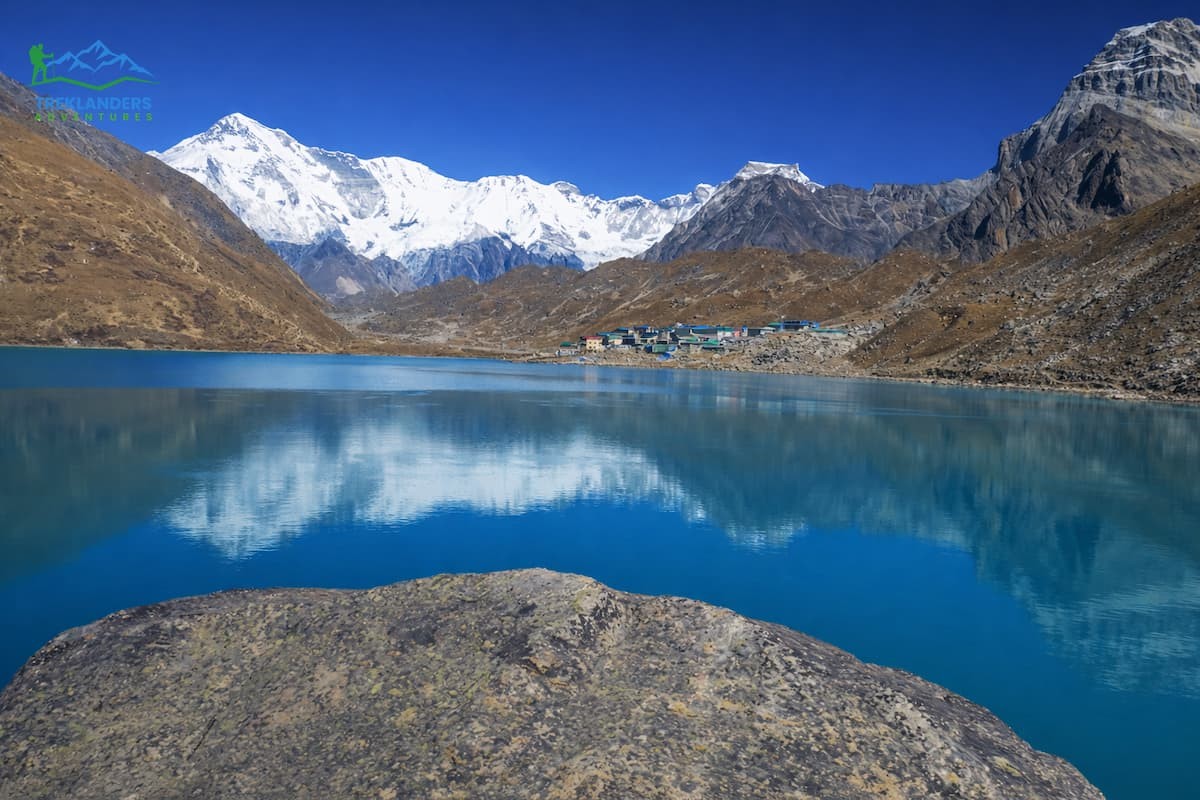
The Gokyo Lake Trek in autumn is one of the finest trekking options in Nepal. Located in the Everest Region, this path takes you away from the very busy trail to Everest Base Camp and reveals a quieter, almost untouched alpine scene. The main attraction of the trek is the set of six glacier lakes known as Gokyo Lakes, which are situated at an altitude of roughly 4,700 to 5,000 meters. Hindu and Buddhist religions consider these lakes to be sacred, and they are probably some of the highest freshwater lake systems in the world.
Autumn, which is from late September to November, is generally regarded as the most suitable season for this trek. At that time, the weather is usually stable and clear, so that one can see the majestic Himalayan mountains such as Mount Everest, Cho Oyu, and Lhotse without any interruptions. After the monsoon, the air is clean and fresh due to the washing away of dust and pollution. It is still warm enough to walk during the day, but if one goes to higher altitudes, the nights can be very cold.
Normally, the trek begins with a flight from Kathmandu to Lukla, the entrance to the Everest region. Then you will be able to admire the Sherpa lifestyle in the picturesque Sherpa villages such as Namche Bazaar, where you also get to adjust to the altitude. The Gokyo trail differs from the Everest Base Camp path because it branches off the latter and follows the Dudh Koshi valley toward hardly accessible places and quiet settlements at high altitudes. Thus, it is not only less crowded but also more peaceful, particularly in the autumn peak season.
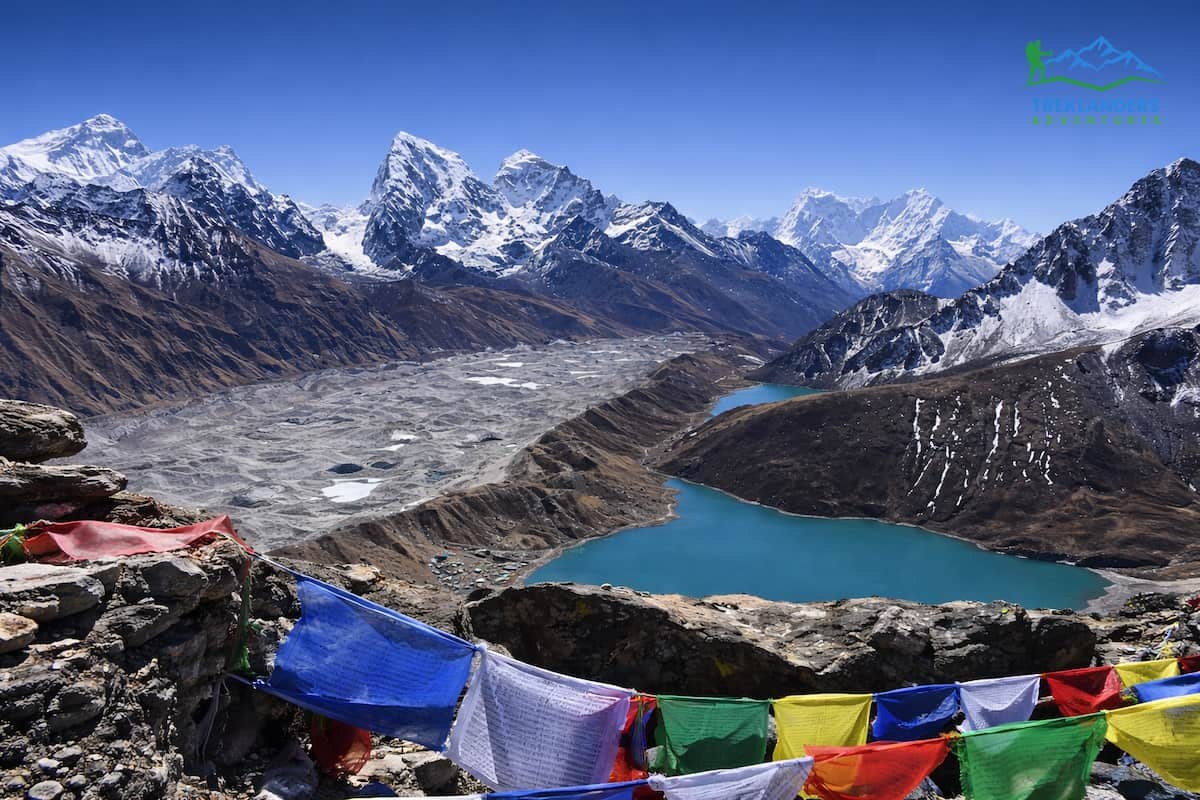
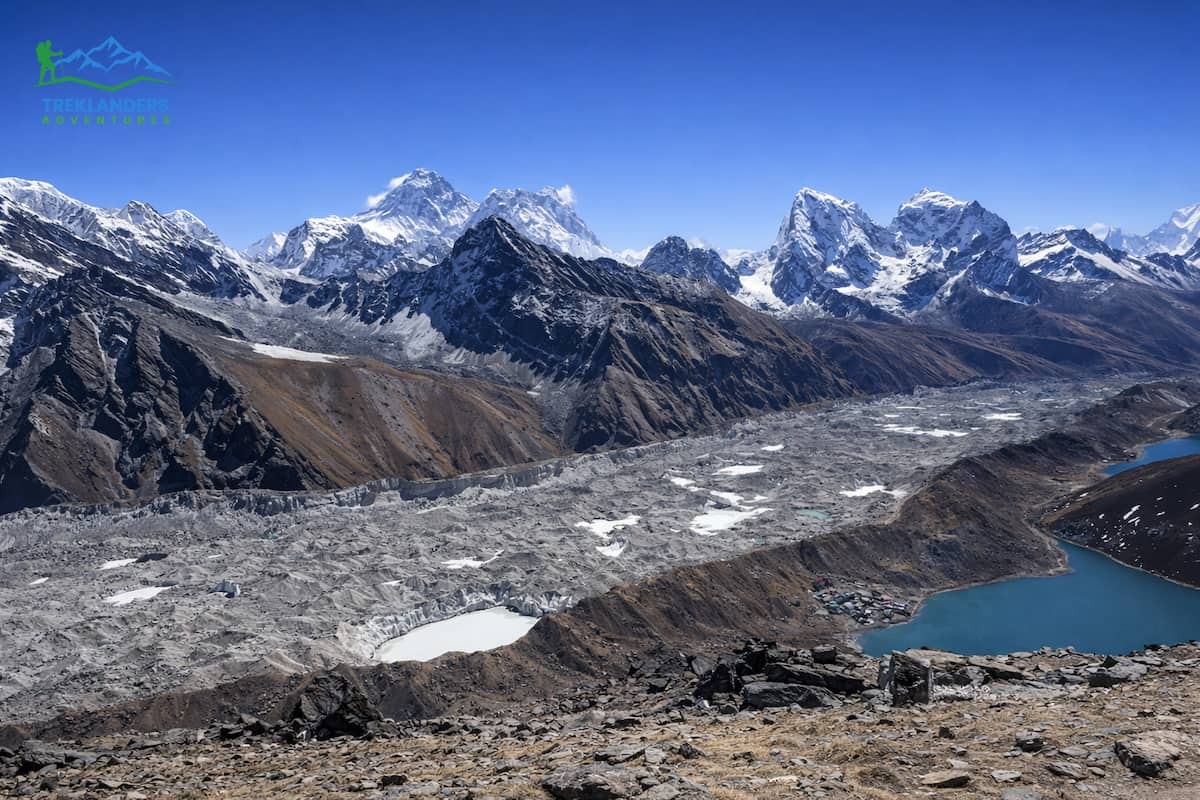
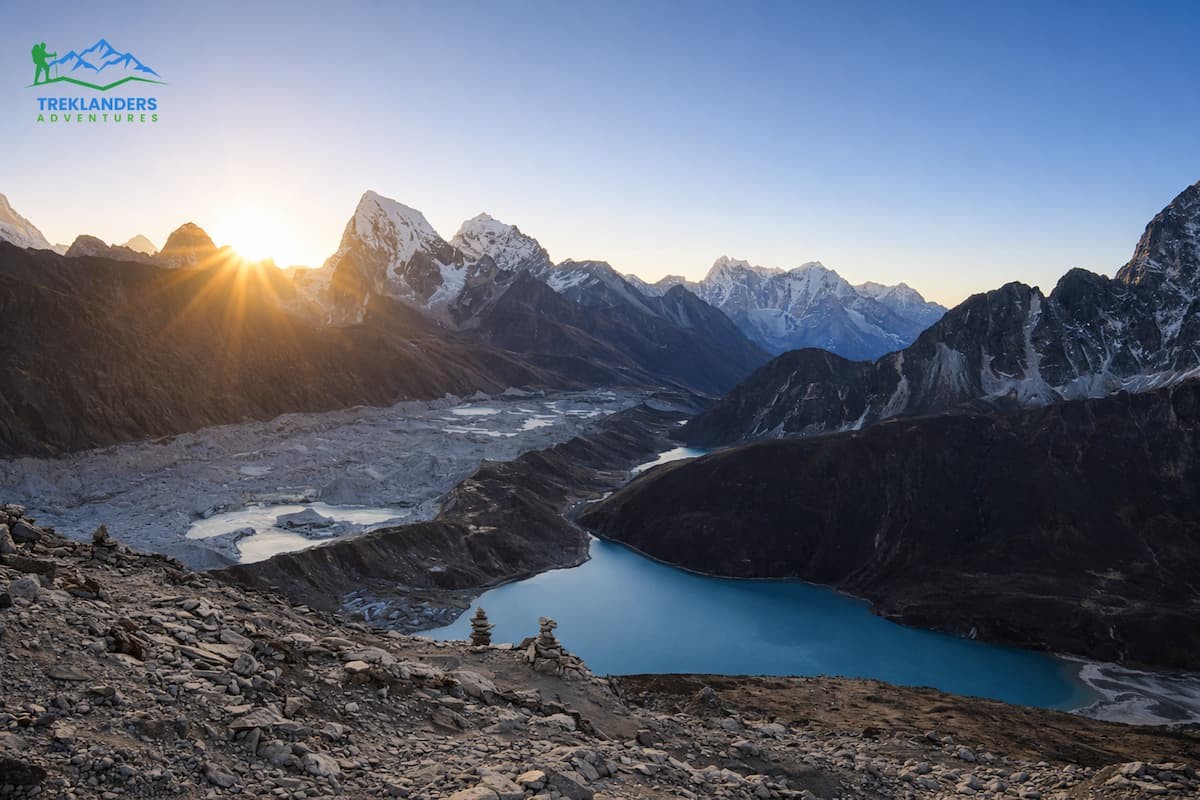
A major highlight is undoubtedly the hike up to Gokyo Ri, a viewpoint above the lakes. From the top, a 360-degree view of snow hill peaks, glaciers and the great Ngozumpa Glacier, the largest one in Nepal, is visible. The sharp contrast between the deep blue lakes and the white Himalayas gives one a visual experience that is hard to find elsewhere.
This trek is not only about beautiful scenery. It also gives one a peek into the ways of life, culture and spirituality of the Sherpa people who inhabit these high-altitude locations. Temples, prayer flags, and stone mani walls decorate the route, which turns the journey into a culture.
If you are looking for a mixture of natural wonders, cultural experiences and a bit less of a crowd, the Gokyo Lake Trek in autumn is one of the best ones in Nepal.
Quick Facts
Gokyo Lake
Location: Everest Region, inside Sagarmatha National Park
Main highlight: Gokyo Lakes and Gokyo Ri viewpoint
Duration: 10 to 14 days
Maximum altitude: 5,357 m at Gokyo Ri
Starting point: Flight to Lukla from Kathmandu
Difficulty: Moderate to challenging due to altitude
Best season: Autumn, September to November
Accommodation: Teahouses along the route
Major stop: Namche Bazaar for acclimatization
Top mountains visible: Mount Everest, Cho Oyu, Lhotse
Glacier crossed: Ngozumpa Glacier, largest in Nepal
Permits required: Sagarmatha National Park Permit and Khumbu Pasang Lhamu Rural Municipality Permit
Crowd level: Moderate, less busy than Everest Base Camp route
Day-by-Day Itinerary
Day 1: Fly to Lukla (2,860 m) and trek to Phakding (2,610 m), 4 hours
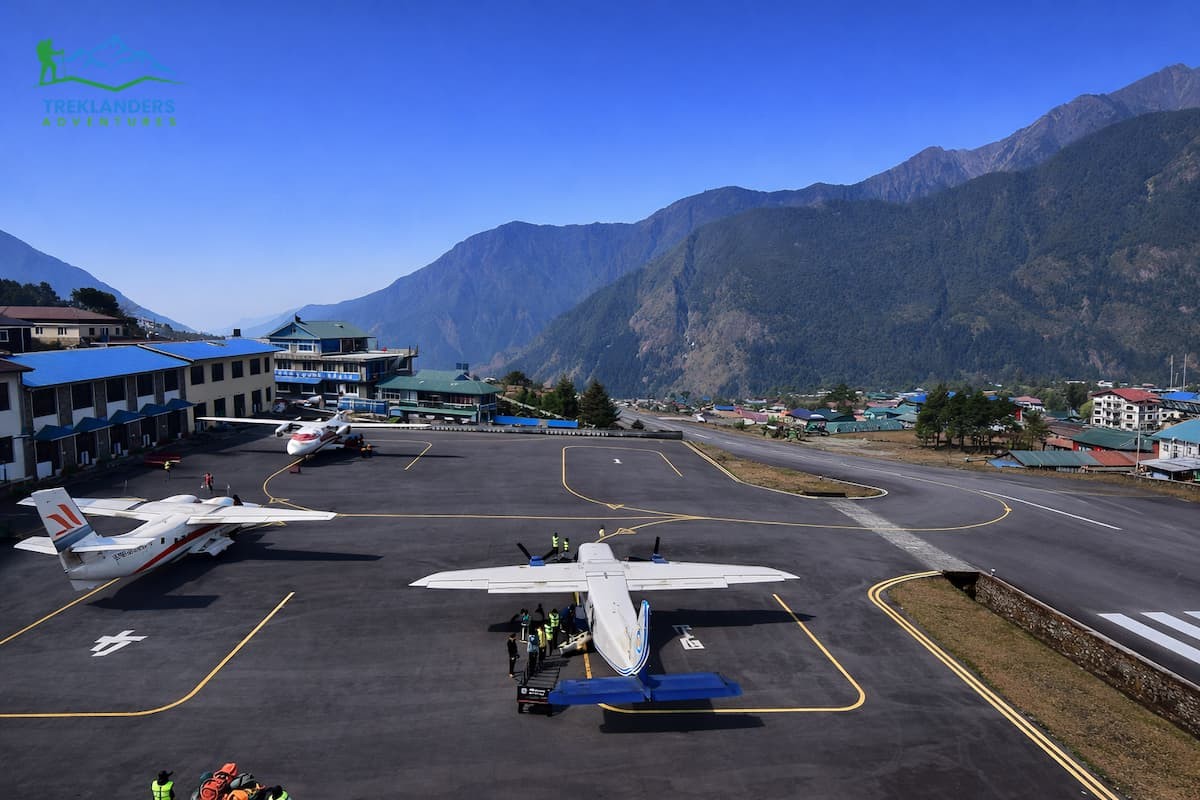
Lukla Airport
The start of your adventure is taking a short mountain flight from Kathmandu to Lukla, which is also called the gateway to the Everest Region. The flight itself is like a teaser of the Himalayan peaks since you get to see them early on. After you land, your journey continues with an easy downhill walk along the trail that passes through small Sherpa villages and wooded areas. You shadow the Dudh Koshi River and cross several suspension bridges. The walk is short and is meant to help you make it home gradually. Finally, you arrive at Phakding, a peaceful village featuring riverside teahouses.
Day 2: Trek to Namche Bazaar (3,440 m), 6 hours
This day will be longer and physically more challenging. The trail still runs alongside the river and includes several bridge crossings, one of which is the well-known Hillary Suspension Bridge. You reach Sagarmatha National Park at Monjo, where your permits will be checked. Beyond this point, the ascent is fairly steep. Just before getting to Namche Bazaar, the center of trade in the Khumbu area, you will have gained quite a bit of height. Provided the weather is nice, you might even get a glimpse of Mount Everest from afar on the way.
Day 3: Rest Day in Namche Bazaar for acclimatization
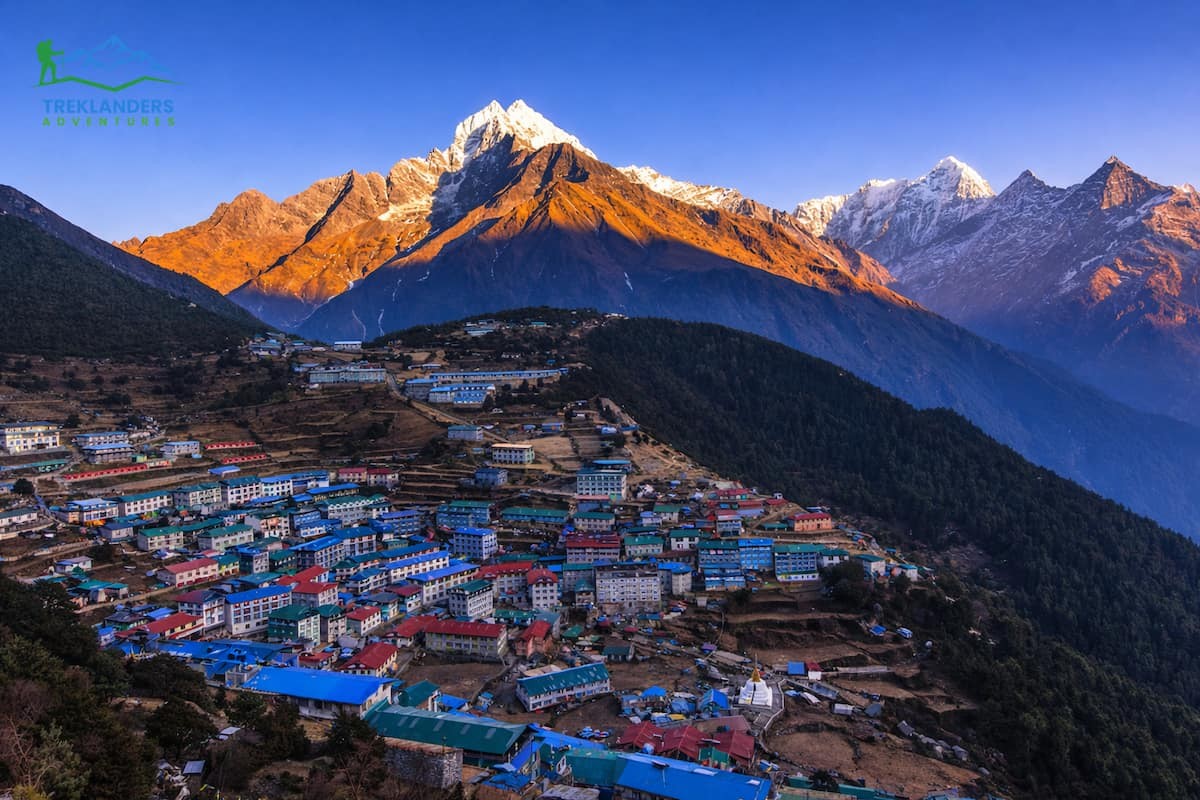
Namche Bazaar
You stay in Namche to adapt to the altitude. Instead of full rest, you take a short hike to higher ground. Popular options include the Everest View Hotel or nearby ridges. These hikes help your body adjust by following the “climb high, sleep low” principle. You also explore the local market, cafes, and museums. This day reduces the risk of altitude sickness and prepares you for higher elevations ahead.
Day 4: Trek to Dole (4,110 m), 6 hours
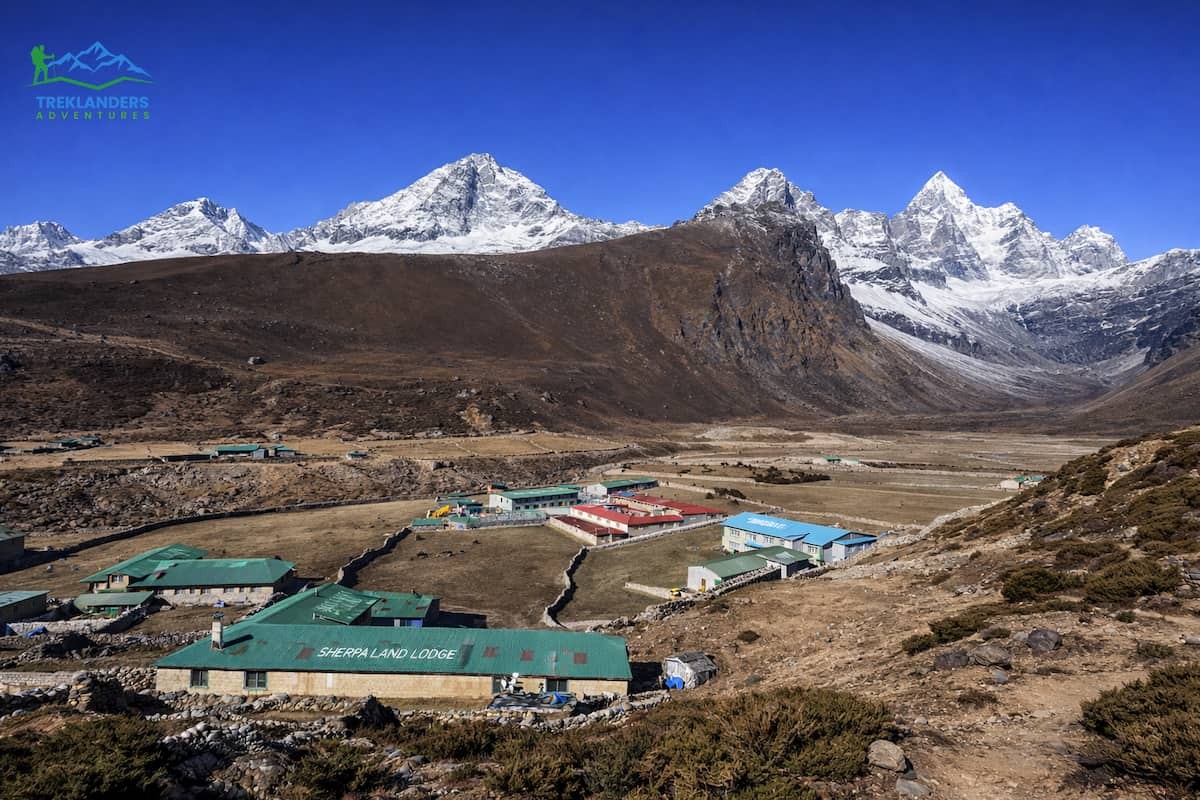
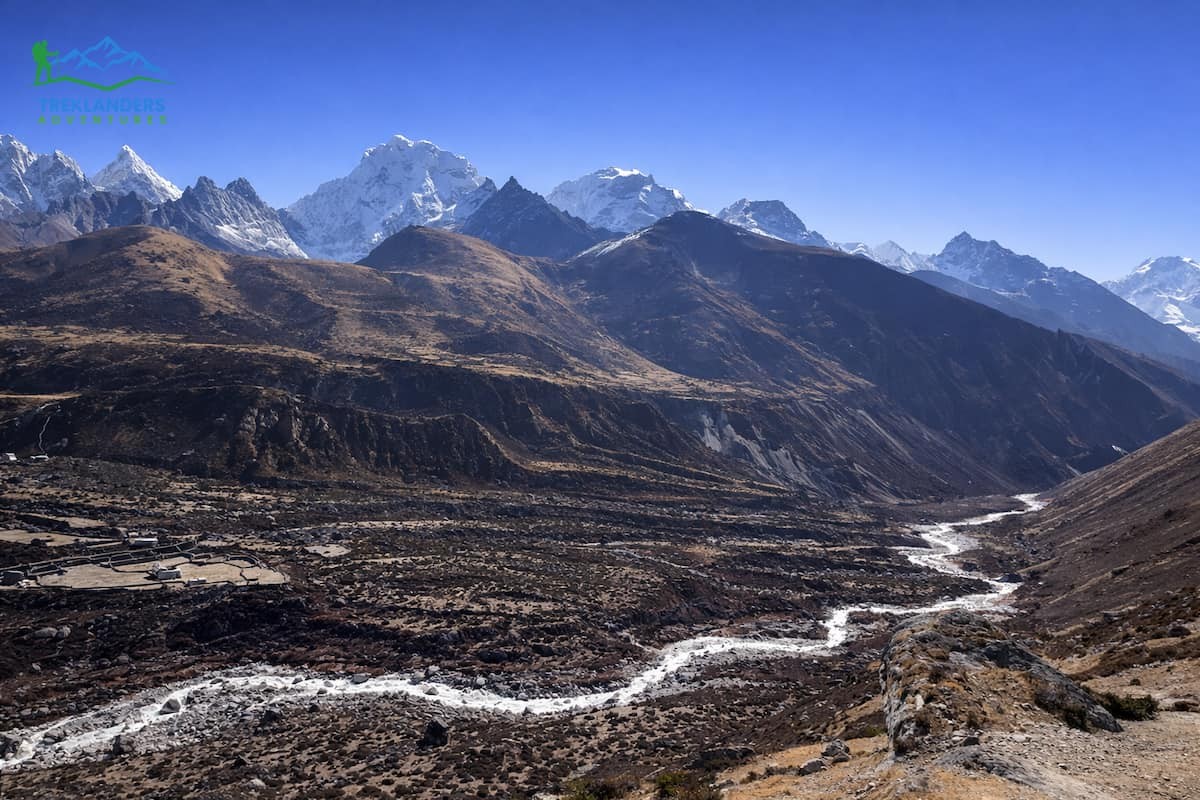
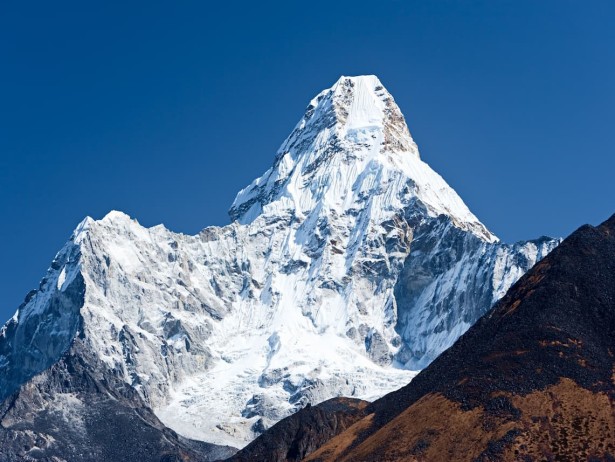
The trail splits from the main Everest Base Camp route. You take the quieter path toward Gokyo. The route climbs gradually through rhododendron and pine forests. You pass small settlements like Mong La, where you get views of peaks such as Ama Dablam. The trail becomes less crowded as you move higher. After steady uphill walking, you reach Dole, a small village with basic lodges surrounded by alpine terrain.
Day 5: Trek to Machhermo (4,470 m), 4 hr.
Machhermo- Gokyo Lakes Trek
This is a half-day hike to help you get used to the altitude. The path goes upward gradually beyond the tree line. Plants grow fewer and fewer, and the scenery gets wild. You walk along a big valley with glimpses of white mountains. The most correct answer is Machermo is famous for its center of primary research on altitude, where trekkers can be taught about altitude sickness. The short time will give you the chance to be ready physically to go up.
Day 6: Gokyo Valley trek (4,800 m), 4 hr.
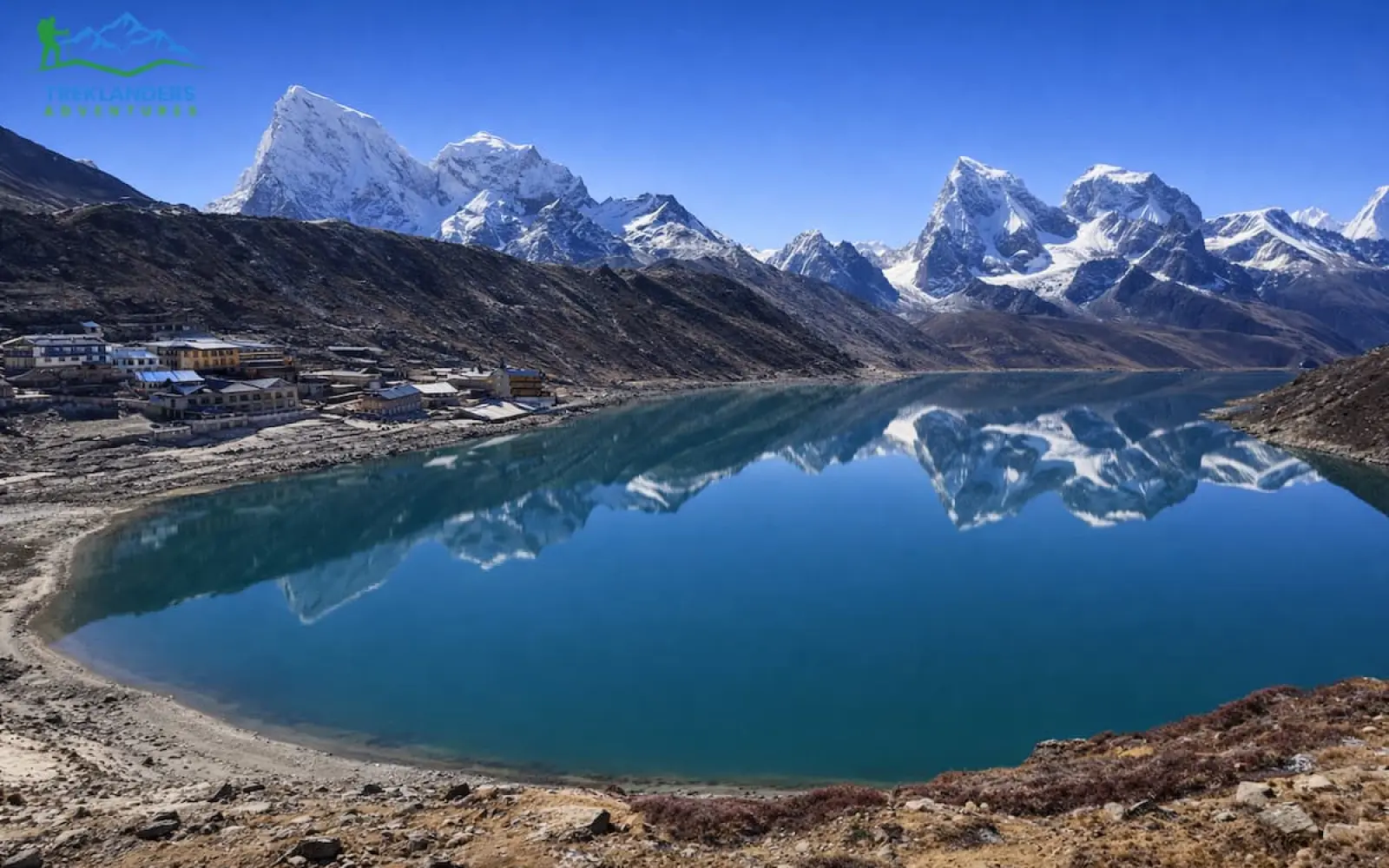
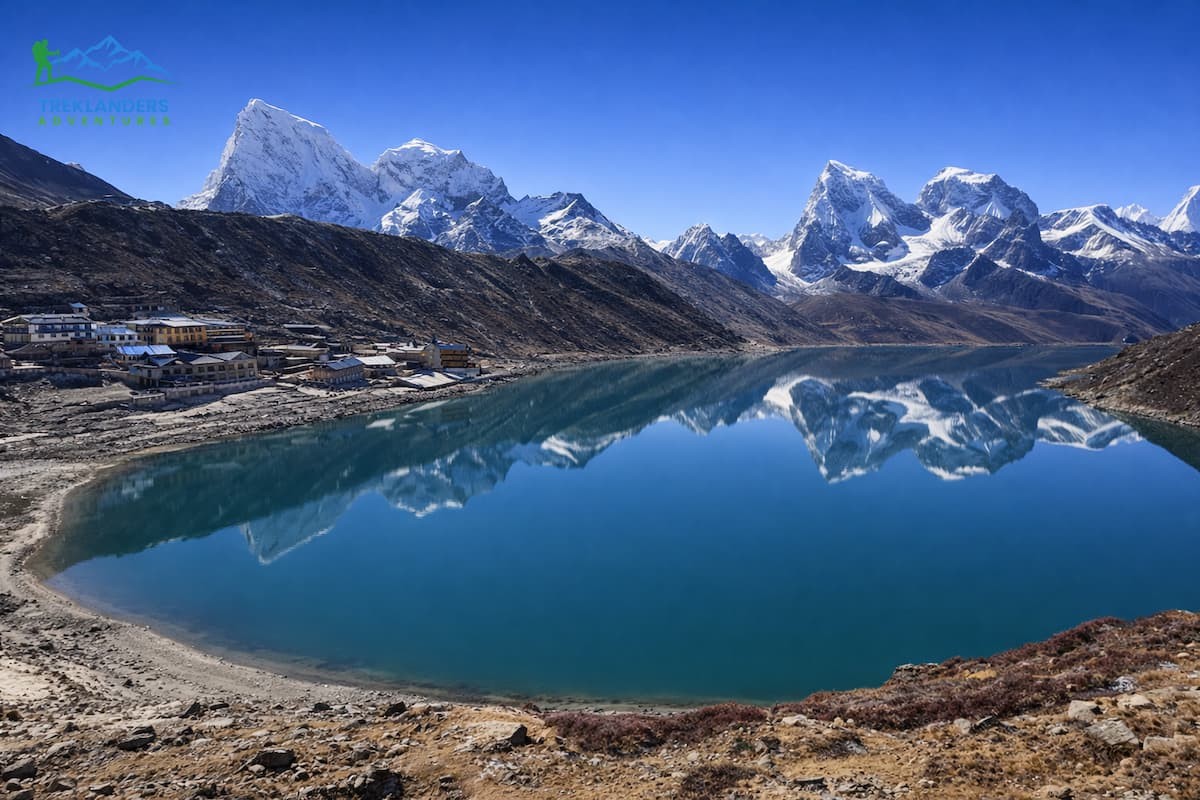
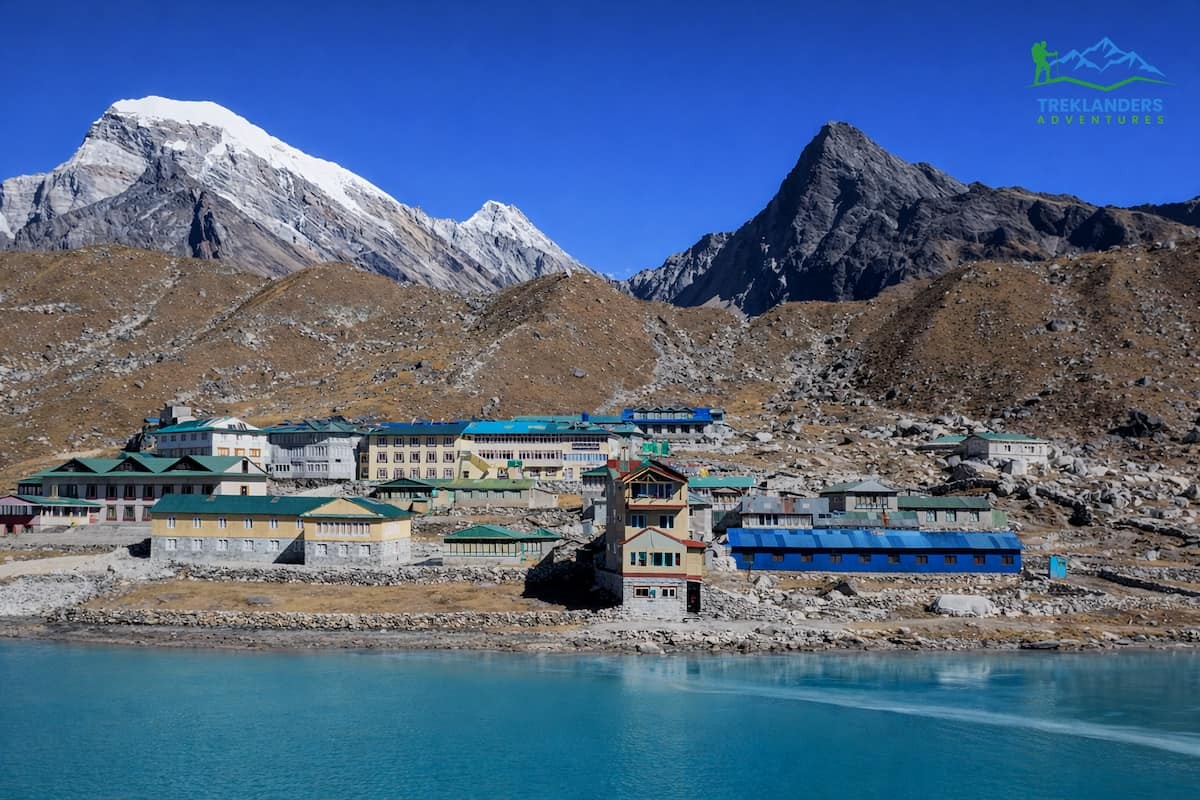
Following the valley, you go through the glacial area. The trail gives you your first sight of the Gokyo Lakes. When you get to Gokyo, the scene is made up of bright blue lakes surrounded by white mountains. Besides these, you will also notice the giant Ngozumpa Glacier, the largest one in Nepal. Gokyo village is located right on the shore of the third lake, and it will be your place to stay during the time you will be exploring.
Day 7: Morning climb to Gokyo Ri (5,357 m), afternoon free time
Gokyo Ri- Gokyo Lakes Trek
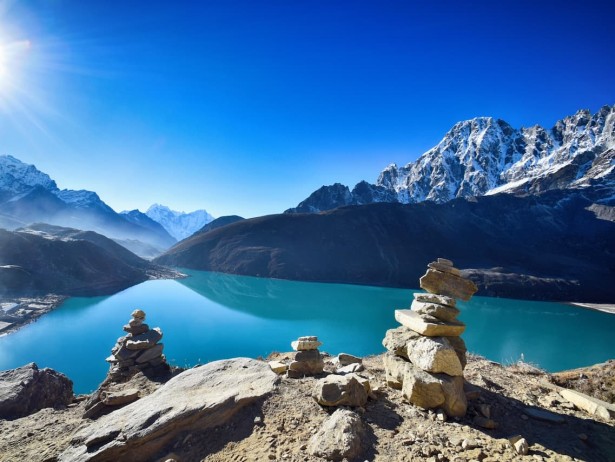
Your day begins with an early start to climb Gokyo Ri, which is the highest point of the entire trek. The path up the hill is quite steep but still doable if you keep a steady pace. Standing on the top, you get the most spectacular 360-degree view of Nepal. There are Mount Everest, Cho Oyu, Lhotse, and lots of other peaks. On the lower side, the Gokyo Lakes and glacier form a picturesque scenery. After the descent, you may choose to relax or visit other nearby lakes.
Day 8: Trek to Phortse Village (3,875 m), 6 hours
Today, you head back down to Phortse for your return journey. Along the way, you will be going both downhill and uphill slightly. You first follow back a part of the old track before you take a new one that leads you back to the main trail. Phortse is a Sherpa village that is well-known for its tranquility and awesome mountain views. In addition, the lower height means that the air is easier to breathe after spending so many days at high altitude.
Day 9: Trek to Monjo (2,880 m) via Namche Bazaar, 6 hours
First of all, you follow the same descending trails as before. Namche Bazaar is right there again - you can even stop for a quick rest. Then the path leads downward quite steeply to the Dudh Koshi River. Outside the Sagarmatha National Park lies Monjo. Being downhill, the trek lessens altitude stress and raises oxygen levels.
Day 10: Hiking to Lukla (2,860 m) and staying at a lodge, 4 hours
Today is the last day of your trek. Following the river and crossing suspension bridges, you do it all one last time. The walking is of moderate intensity, with the occasional uphill stretch before the final stretch to Lukla. You make merry over the achievement of the trek and take a break at a lodge. The place is quite animated, with trekkers and guides reciting their stories.
Day 11: Fly to Kathmandu and transfer to the hotel
You grab a morning flight back to the capital. Most flights fly in the morning as the weather is better then. Upon your arrival, you head to your hotel. This is where the journey ends, but the memory of Gokyo Lakes and the Himalayas lingers.
Such a plan ensures the right increase in altitude, time for your body to get used to it, and the beauty of the places you will see. It's right for anyone who wants a mountain trek with clear views of the mountains, meeting the locals, and a route that is less crowded compared to the Everest Base Camp.
Why Autumn Works
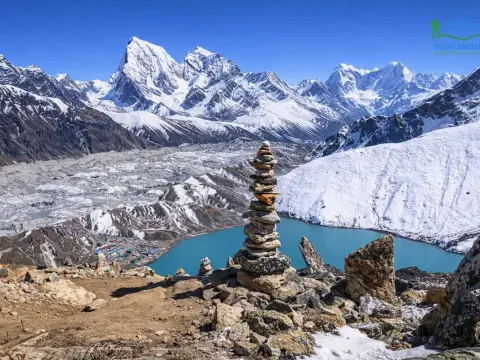
Beautiful mountain view of Gokyo Lake with the Everest range.
Autumn is undoubtedly the safest bet if you want to do the Gokyo Lake Trek in the Everest Region. It is the season when the weather is the most stable, the skies the clearest, and the visibility the strongest. These elements play a major role in enhancing your trekking experience. Once the monsoon retreats in September, the atmosphere becomes fresh. Besides washing away the air, rain removes dust and pollution, making it easier for you to spot the towering peaks of Mount Everest, Cho Oyu, and Lhotse. For the most part, the level of visibility remains quite high throughout the day.
This is important, especially when you are on your way to the viewpoints, such as Gokyo Ri, where it is the clear sky that makes the whole experience. Another important aspect of this season is the stability of the weather. Compared to spring and summer, autumn has less of a chance of storms.
Flights to Lukla are quite regular, which means fewer flight cancellations or delays. While trekking, you won't be troubled by abrupt changes in the weather too often. This allows you not to alter your plan drastically. Temperatures also tend to be favorable. It is during the day when the weather is generally cool enough at the lower and medium levels for you not to feel uncomfortable. You will be able to move around without wearing heavy clothes or feeling sweaty.
In the higher regions, it gets quite chilly at night, which is why layering is a must. Day-to-night temperature variations are well within the range that allows you to keep going without getting overly tired.
After the monsoon, trail conditions get better. The paths dry up and harden, which makes slips less likely. River levels go down, so one can cross over a bridge quite safely. Compared to the rainy season, landslides are rare. This results in a safer and more certain trekking environment.
Autumn is the season when nature changes marvelously. Lowland forest trails will be very green and lush. When you climb higher, the view of the blue sky, white mountain peaks, and the turquoise colored Gokyo Lakes is a feast for the eyes. The clearness of the scene at this period cannot be surpassed.
It is also the time when you can meet the local people and learn about their life and culture. This is when the biggest festivals, such as Dashain and Tihar, are celebrated very actively. You may see how people are celebrating in different places, like Namche Bazaar. Your trip gets more fun and memorable through these cultural happenings.
Autumn is the time when there are many people on the trails. However, the Gokyo path is less crowded compared to the Everest Base Camp one. You have well-developed facilities and a sense of being alone at the same time.
Because of all these reasons, autumn is the most well-rounded season. You get a safe environment, good visibility, and a high-quality trekking experience.
For the Gokyo Lake Trek in the Everest Region, you must get two main permits. These permits manage the entry of people, support conservation, and help control the trekking activities in these regions.
1. Sagarmatha National Park Permit
This permit is your pass to the entire Gokyo region via Sagarmatha National Park. The Park is a sanctuary for a delicate ecosystem at high altitude that includes forests, animals, glaciers, and mountain lakes. This permit is usually available in Kathmandu and at the park entrance in Monjo. While trekking, your permit will be examined at the designated checkpoints, so make sure to always have it with you. The money from the permit goes mainly for conservation efforts such as repairing trails, managing waste, and protecting wildlife. It also aids in the preservation of significant natural features like the Gokyo Lakes and the surrounding glacial systems.
2. Khumbu Pasang Lhamu Rural Municipality Permit
This document is a local permit issued by the Khumbu region authority. It is the replacement for the older TIMS card for this area. You can get it either in Lukla or at Monjo before entering the main trekking zone. Besides recording your entry into the region, this permit also enables the local authorities to regulate tourism. It is also a source of funding for community development projects like infrastructure, sanitation, and local services. Checks of this permit will take place by the officials at various points along the trail, especially near entry gates to villages. You must make sure that it remains handy for the entire duration of the trek, just like the national park permit.
How the Permit System Works
You need both permits. One covers environmental protection inside the national park. The other supports local governance and tourism management. Checkpoints are strict. If you fail to present valid permits, you may face delays or be required to obtain them on the spot. This can disrupt your itinerary. Most trekkers arrange permits through trekking agencies. If you travel independently, you can still obtain them at official counters before or during the trek.
Why These Permits Matter for the Gokyo Lakes Trek?
These permits ensure that trekking remains sustainable in a sensitive Himalayan environment. They fund conservation efforts and help manage increasing visitor numbers. Without them, areas like Sagarmatha National Park would face greater environmental pressure. Carrying valid permits keeps your trek smooth and compliant with local regulations. It also supports the long-term preservation of the region you are exploring.
Difficulty Level of the Gokyo Lakes Trek
Trail along the Gokyo Lakes Trek
The Gokyo Lake trek in the Everest region is considered a moderate to difficult hike. The main factors making it difficult are altitude, long walking days, and different types of terrain. You won't require any technical climbing skills, but being in good physical condition and having the right preparation are necessary.
Altitude plays a crucial role. The trek goes up to 5,357 meters at Gokyo Ri. At this level, the availability of oxygen is significantly less. It is normal to feel a little slower, get tired, or short of breath. Acclimatization to altitude is very important. Making stops, such as at Namche Bazaar, gives your body time to adjust. Not acclimatizing properly puts you at risk of altitude sickness and can hinder your trek.
Walking duration each day is between 4 and 7 hours. Some days consist of very easy climbing, whereas others involve very steep uphill and downhill sections. The route to Namche and the ascent of Gokyo Ri require a good level of fitness. You walk on a combination of stone-paved paths, dirt-covered trails, and glacial surfaces. Trekking in the vicinity of the Ngozumpa Glacier is even more challenging due to the rough terrain.
The weather is also an influential factor in the level of difficulty. In autumn, the weather is generally good, but with increasing altitude, temperatures go down. Cold conditions in the morning and night add to the difficulty of the trek if you are not well prepared. Being exposed to wind at higher elevations will make you get tired more quickly.
Compared to the Everest Base Camp trail, the route is less busy; however, it is also located in a more isolated area. Accommodation and other facilities are quite basic in the higher villages like Dole and Machermo. So, there are fewer options for creature comforts and services. You must be willing to have simple lodging and food.
Despite the difficulties, the trek can be done by most people after some preparation. You do not require previous experience at high altitudes. However, regular cardio training is beneficial. The most important thing is to mentally get ready as well. You have to be disciplined, keep steady progress, and control your pace.
With good planning, the challenge can be one that you can deal with. The payoff is great. You get to see the amazing Gokyo Lakes, beautiful mountain views and have a more peaceful trekking experience in the Himalayas. If you are able to put up with the physical effort over a long period, then this is a trek for you. Besides, you must be able to adapt to the altitude and keep your self-discipline all along the journey.
Acclimatization Strategy
Tea house lodges along the Gokyo Lakes Trek.
Acclimatization is the most important condition on the Gokyo Lake Trek in the Everest Region. Your altitude rises significantly within a short time. When you lack a definite plan, you simply increase your chances of getting altitude sickness.
The main guideline is pretty straightforward. Raise your altitude bit by bit. Allow your body some time to acclimate. If possible, practice the climb high, sleep low approach. The idea is to go to a higher place during the day and then come back to the lower place for sleep.
Namche Bazaar at 3,440 meters is your first major stop. You have an extra day here. Make good use of that day. Go for a short walk to the higher viewpoints and then get back. This will help you to get used to oxygen better and also prepare you to cope with higher elevations.
After Namche, keep a regular pace. Do not rush. Walk slowly and regulate your breathing. Rapid movement at high altitude causes fatigue and poor acclimatization. On the Gokyo path, shorter trekking days to places such as Dole and Machermo will also allow your body to get used to the altitude.
Water is essential. Drink at least 3 to 4 liters of water daily. Proper hydration helps the oxygen to circulate in your body. Stay away from alcohol and keep caffeine consumption to a minimum since both can affect your acclimatization.
Be attentive to what your body is telling you. Headache, nausea, loss of appetite, and sleeplessness are some of the symptoms of altitude sickness. If you notice the signs, see to them. Stop moving and do not get higher until you have recovered. If your condition deteriorates, do not hesitate to go down.
Sleeping lower than your highest altitude during the day assists your body to recover. To illustrate, when you get to the Gokyo Lakes, you don't go to your highest altitude before summit day. You climb Gokyo Ri very early and come down to the lower sleeping altitude again. Food is another factor that helps with acclimatization. Have a meal at regular intervals and take enough carbs.
Since your body has to burn extra energy to keep you going at high altitude, skipping meals will deplete your adaptive capacity. Don't wipe yourself out. Take a break now and then. Instead of pushing to get the short bursts at your limit, try to keep a slow and steady pace. Regularity is more important than speed.
Having an itinerary with planned rest days, slow ascent and good habits will minimize your risks. In that case, your body will adapt better, and you will finish the trek without problems.
Water and Hydration
During your expedition to the Everest region, consume 3-4 liters of water daily.\
Start drinking early in the morning and continue throughout the day.
You shouldn't wait till your throat is dry; instead, keep taking small sips of water.
Use water purification techniques such as tablets, filters, or UV devices for all water sources.
Get your water supply from teahouses and safe taps in places like Namche Bazaar.
Choose boiled or hot water at higher altitudes for your safety.
Carry an insulated water bottle as a preventive measure against water freezing near the Gokyo Lakes.
Do not drink untreated water from streams or taps.
Limit your alcohol consumption and cut down on caffeine intake.
Use electrolyte powder to balance salts in the body and also help in rest and recovery from tiredness.
Check your urine colour - a pale colour is a sign of good hydration.
If you experience headache, dizziness, or tiredness, increase the amount of water.
Besides water, drink warm beverages such as tea or soup to stay hydrated and keep your body temperature up.
Help in protecting Sagarmatha National Park by avoiding single-use plastic bottles.
Always have enough water with you between the places of stops and refill when possible.
Food and Nutrition on the Trail
Proper nutrition is crucial on the Gokyo Lake Trek in the Everest Region. Your body burns more energy at high altitude due to cold, walking, and lower oxygen levels. Maintaining a balanced diet helps with stamina, recovery, and acclimatization.
Daily Meals
You eat three main meals a day in teahouses along the trail. Breakfast usually includes porridge, eggs, bread, or noodles. Lunch often consists of dal bhat (rice and lentils), soups, or pasta. Dinner mirrors lunch with heavier, carbohydrate-rich foods to restore energy after a long day. Include snacks such as nuts, energy bars, or chocolate to maintain energy between meals.
Carbohydrates
Carbohydrates are the primary fuel for trekking at altitude. Foods like rice, noodles, bread, and potatoes provide slow-release energy. Meals rich in carbs reduce fatigue and help you maintain a steady pace. Include complex carbohydrates in every meal.
Proteins
Protein’s support muscle recovery and repair after long walking days. Dal (lentils), eggs, cheese, yoghurt, and occasional meat like chicken or yak are commonly available. Ensure each meal contains a protein source to maintain strength throughout the trek.
Fats
Healthy fats, such as nuts, seeds, and cooking oils, provide concentrated energy and help keep you warm. Fats are particularly useful on cold mornings or when hiking at high altitudes.
Hydration and Food
Food and hydration work together. Drink water with meals to aid digestion, but avoid excessive water at once. Warm beverages like tea or soup help maintain core temperature and provide fluids alongside calories.
Supplements
Electrolytes or mineral supplements help in maintaining salt balance. They not only ward off cramping but also prevent dehydration, especially on intense or dry days.
Avoid Heavy or Processed Foods
Fried or highly processed foods should be your last choice. They tend to be more difficult to digest and give you less energy that lasts. Instead, go for the simple, healthy items served by local teahouses.
Local Specialties
Dal bhat, momo (dumplings), thukpa (noodle soup), and butter tea are not only delicious and nutritious but also a wonderful way to experience the local culture. Eating local delicacies can greatly enhance your trek as well as help local communities.
Meal Timing
Consume a good meal first thing in the morning before you set out. Don't forget to snack during your journey, and once the day is over, have a hefty dinner. Eating your meals at regular intervals will not only keep your energy levels up but will also play a role in your acclimatisation.
By doing this way not only provides you with continuous energy but also helps the body acclimate to the altitude and makes your trekking experience safer and more enjoyable while you are visiting the Gokyo Lakes and the surrounding high-altitude areas.
Wildlife and Nature
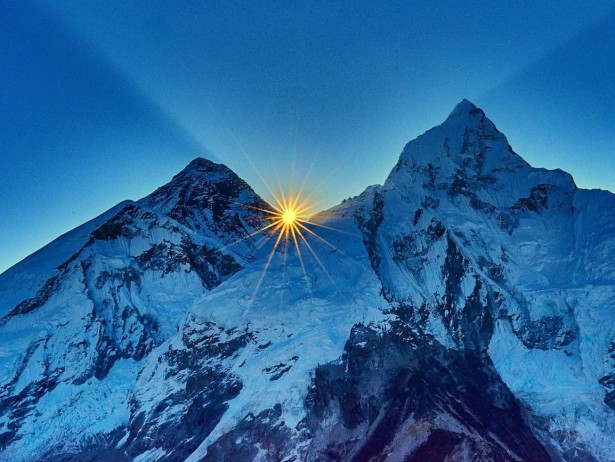
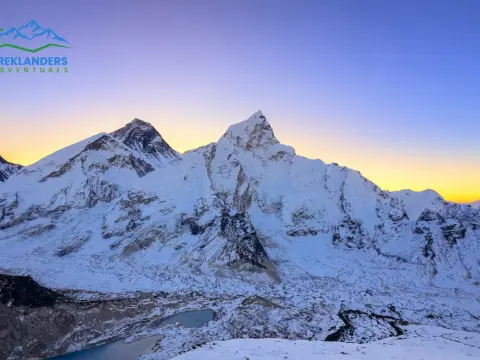
Beautiful sunrise view over the Everest range.
The Gokyo Lake Trek journey is an exploration of the very varied ecological zones of the Everest Region, taking one through river valleys right up to high alpine zones. The lower areas are covered with forests of pine, fir, and rhododendron trees. Such forests are the natural home of animals such as musk deer, Himalayan tahr, and pheasants. Bird-wise, one encounters quite frequently along the trail the Himalayan monal, snowcock, and various migratory species.
Step by step, the scenery changes to alpine and glacial. Right next to the Gokyo Lakes and the Ngozumpa Glacier, there is hardly any vegetation, but you might be lucky enough to spot snow leopards, blue sheep, and red foxes. The bird life features choughs and Himalayan griffon vultures.
The lakes offer a very special kind of aquatic ecosystem, and they are a magnet for migratory birds. Wildlife visibility varies with the seasons; autumn is usually the best time with clear skies and excellent conditions for spotting animals.
We cannot over emphasis the importance of nature conservation. Always stick to marked trails, don't disturb animals, and be sure to take your trash with you. Respecting local ecosystems is one of the ways we can help preserve the balance of these vulnerable alpine habitats. Besides, when done safely, watching wildlife gives a richer insight into the culture and nature of the trekking areas, while at the same time, even these high-altitude environments get the needed protection.
Conclusion
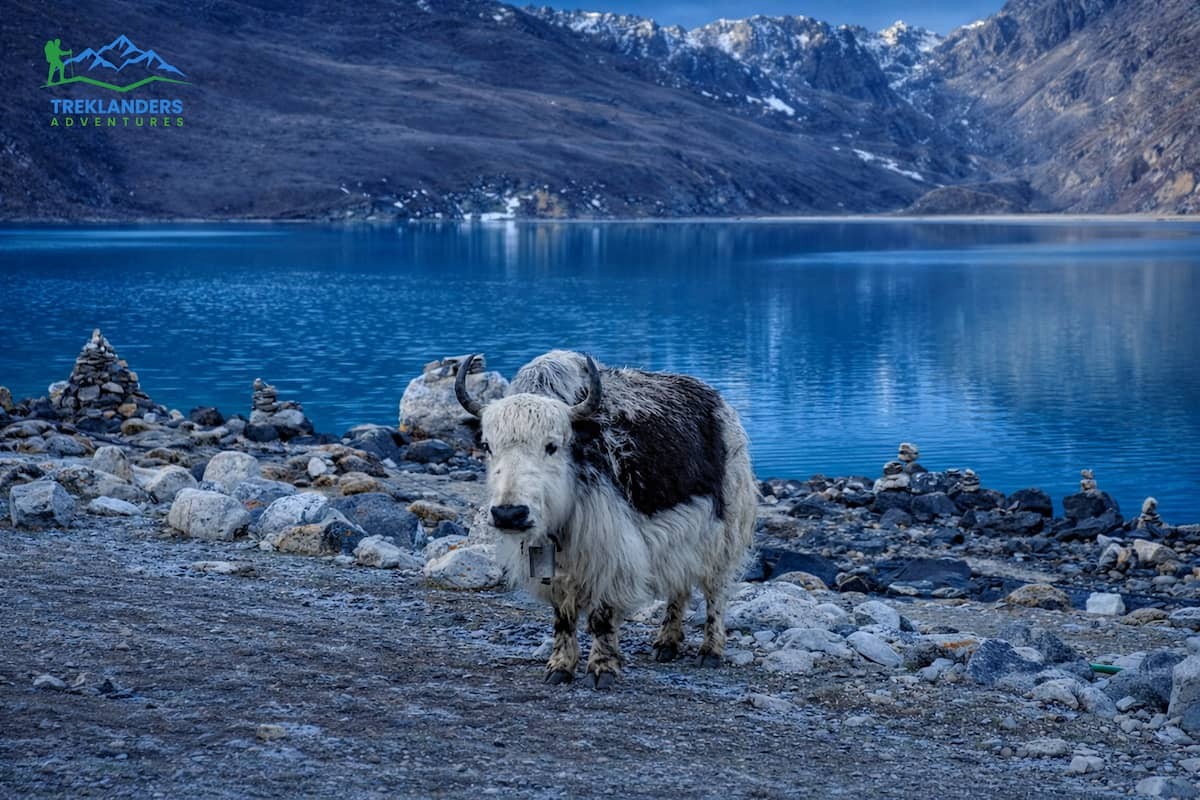
A yak standing near Gokyo Lake.
In autumn, the Gokyo Lake Trek takes you through some of Nepal's most beautiful and untouched high-altitude environments. On this trek, you see the amazing Gokyo Lakes, get big mountain views, and visit isolated Sherpa villages, yet you don't get with the crowds on the Everest Base Camp trail.
You can see Mount Everest, Cho Oyu, Lhotse, and other peaks because the weather is stable, clear, and the air is cool. To be able to go up and down the moderately to fairly difficult paths, proper acclimatization, drinking enough water, and eating enough are the main factors.
You can learn about Sherpa culture, go to monasteries, and also see rare animals. The trek is a good mix of nature, culture, and exercise. And it has a great itinerary that balances the time you spend on the route with your time off.
Trekking to Gokyo Lake in autumn is a complete Himalayan experience for those who want clear skies and quiet trails. It is a truly amazing adventure that will give you lasting memories of the glacial lakes, mountains, and the high-altitude ecosystem of the Everest Region.