Annapurna Base Camp Trek: Top Things to Do, Key Places & Unmissable Highlights
20 Mar 2026
Explore the best things to do on the Annapurna Base Camp Trek, featuring key places, stunning views, and authentic Himalayan experiences.

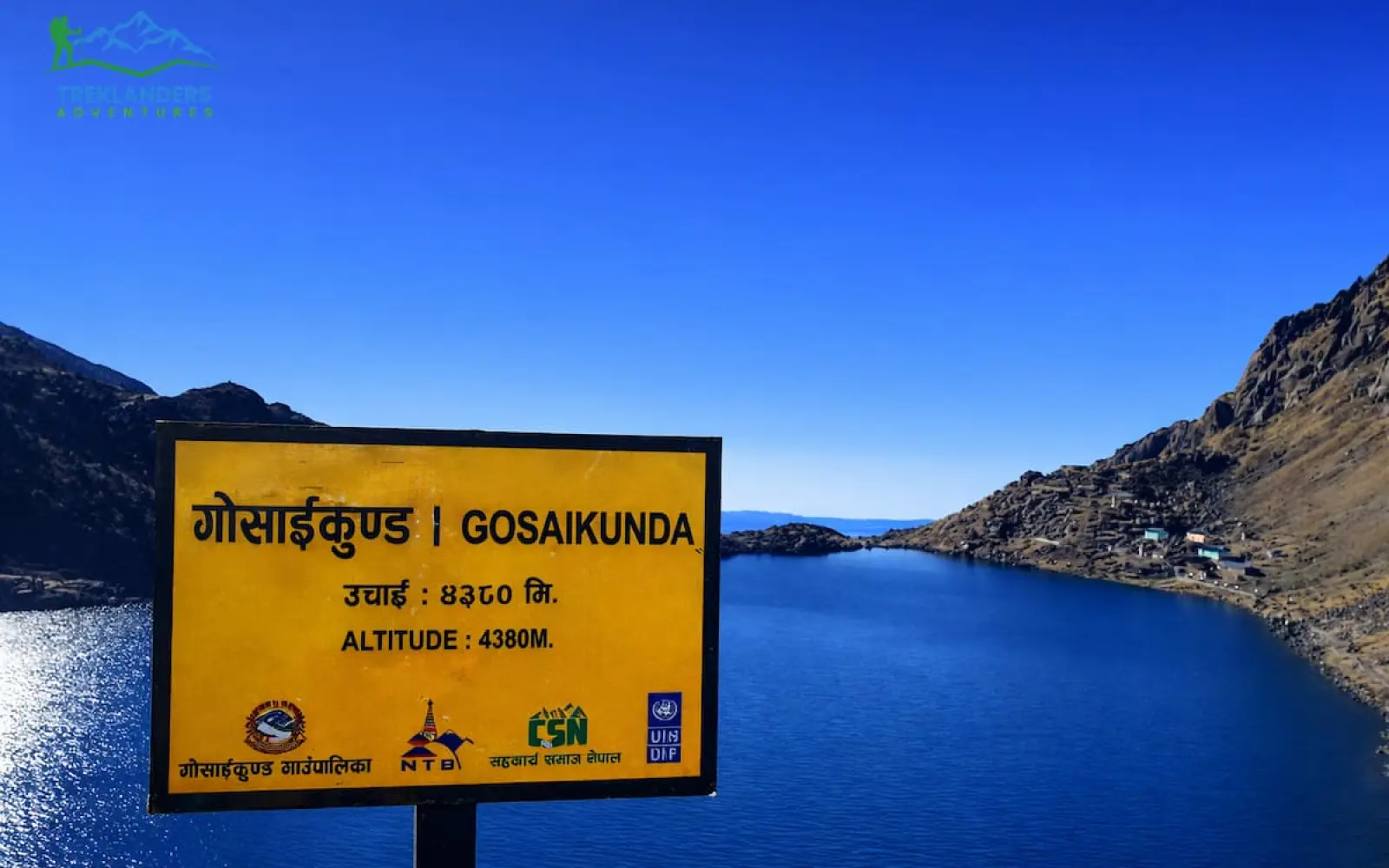
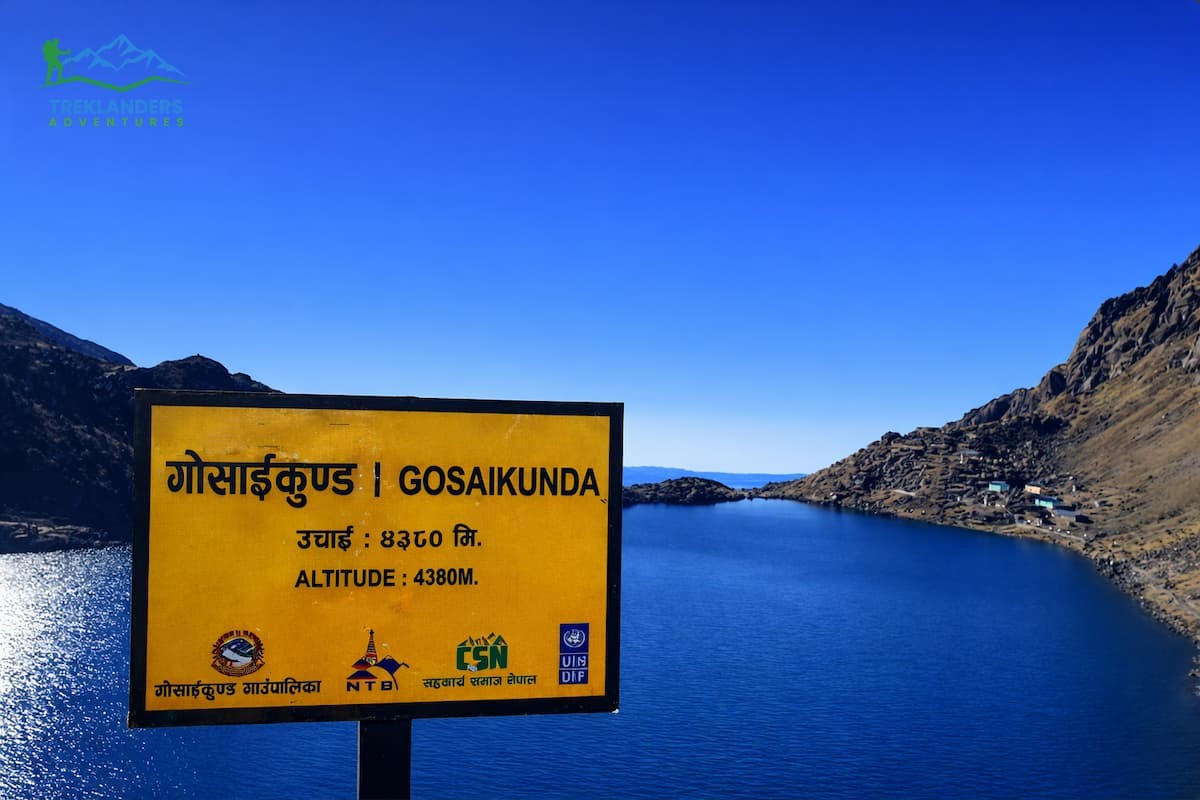
The Gosainkunda Lake Trek is the most convenient way to experience high altitude in Nepal. It is situated within the Langtang National Park, north of Kathmandu. In a short time, you will be able to visit the sacred alpine lakes. This is why it is perfect for you if you want to take a brief trek and still enjoy the stunning mountain views.
Autumn is the perfect time for this route. September, October, and November are typically the months with the best weather. The sky remains clear. Visibility is quite good. The paths are not wet as the monsoon has ended. Day temperatures are quite pleasant. As you go up in elevation, the nights can get quite cold, especially near Gosaikunda Lake, which is at an altitude of 4,380 meters.
This trek goes beyond the beauty of its surrounding nature. Gosaikunda is a very sacred spot, and it is seen as a place connected with Lord Shiva. Pilgrims make their way up there during the Janai Purnima festival. Even when it is not during the time of the festival, one gets a feeling of spirituality and serenity in this area.
The itinerary commences with your drive from Kathmandu to Dhunche or Sundarijal. Hereafter, you will hike amidst forests, villages, and ridgelines. Along the way, you will be passing by places like Chandanbari and Lauribina. The trail will be rising continuously. You will be going from lush green hills to the vast treeless alpine area.
Autumn definitely brings a lot of benefits to the whole trek. You will be able to observe the mountain peaks like Langtang Lirung and Ganesh Himal, crystal clear. The sunrises and sunsets are quite impressive and rich in colours. Even during this high season, the guesthouses remain open and busy. The variety and quality of food that you get here are dependable. You will be coming across other trekkers; nevertheless, you will also be able to find some quiet places along the trail.
This manual will guide you through every step. You will be instructed on route planning, altitude control, correct packing, and safe movement. The emphasis is on making practical decisions. You will be informed about daily expectations and preparation for weather changes.
In case you are looking for a short Himalayan trek with a deep cultural experience and high-altitude lakes, Gosainkunda during autumn is a great option.
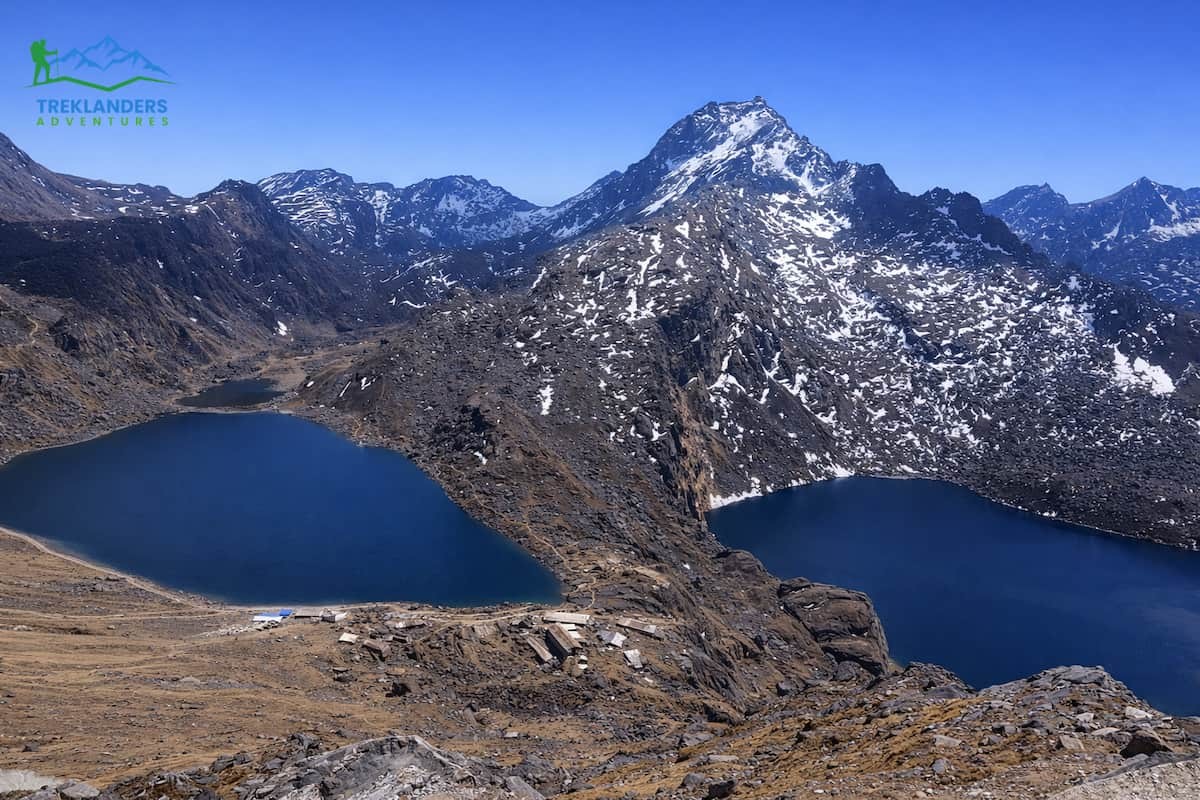
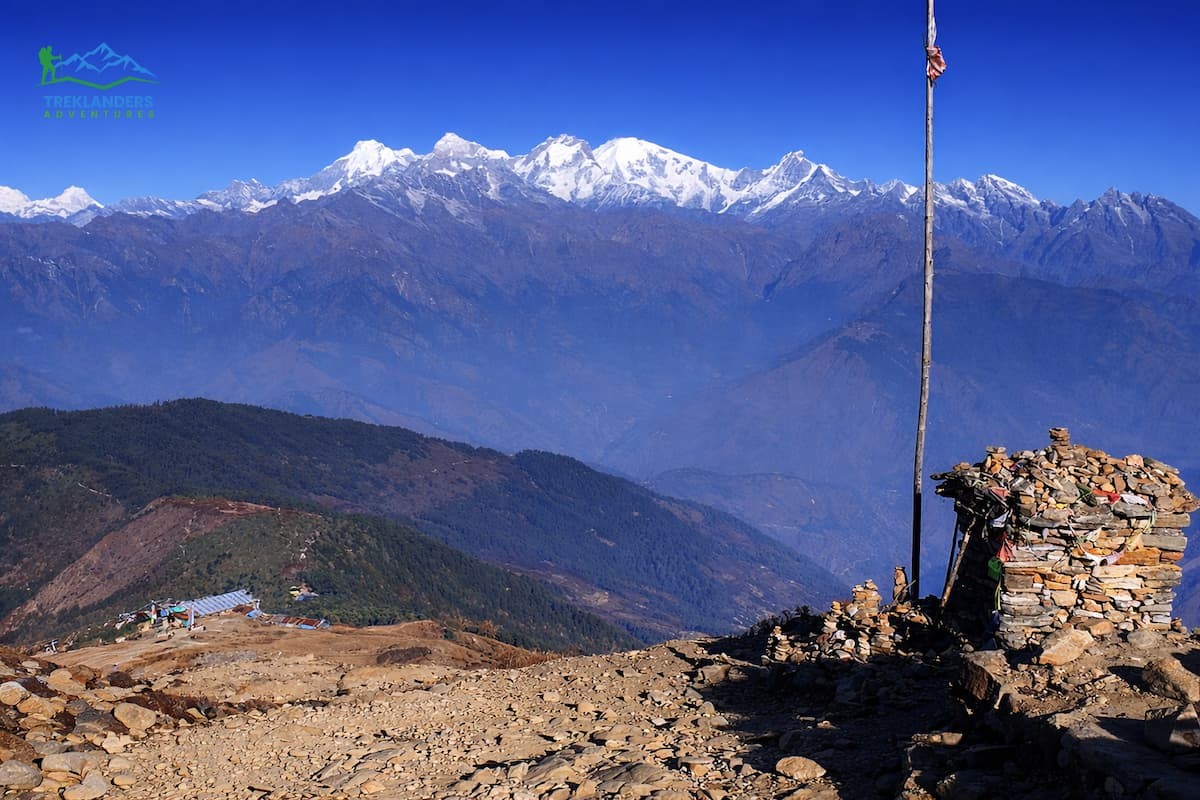
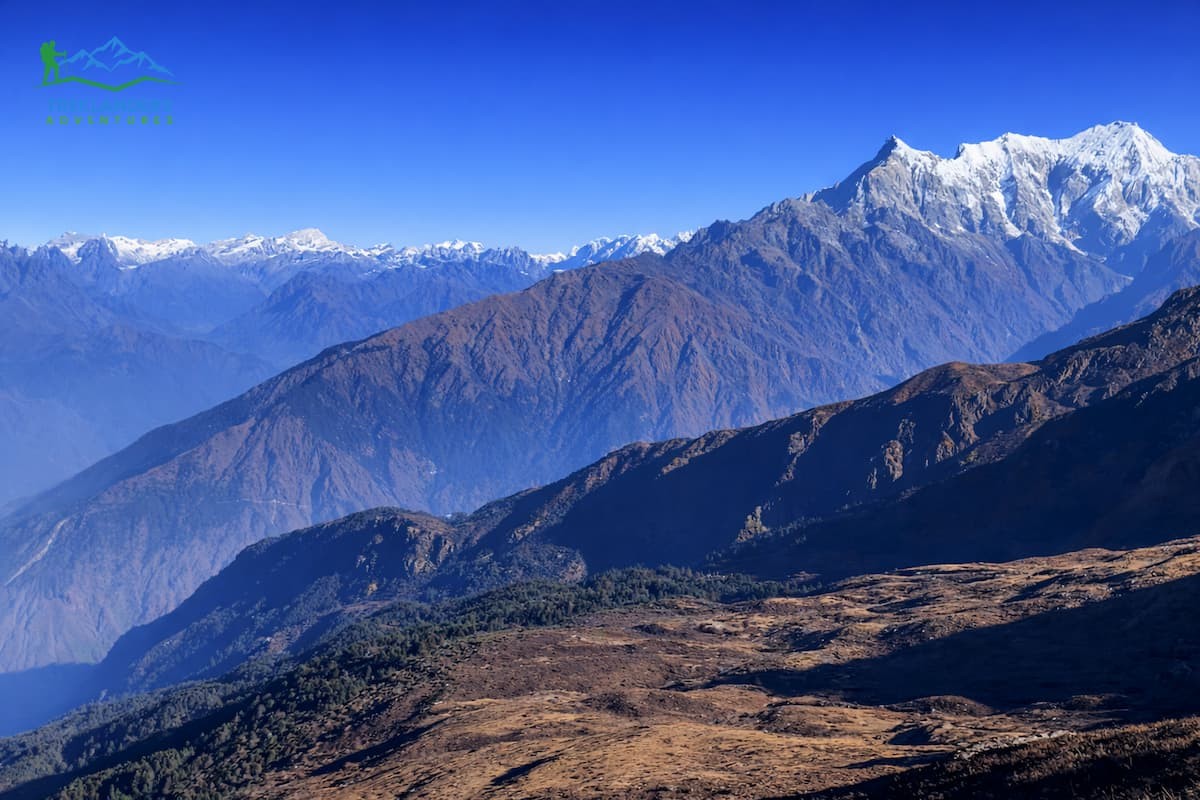
Autumn is the most dependable season for the Gosainkunda trek. Weather conditions remain unchanged. This means less hazard and a more pleasant trip. In Langtang National Park, from late September to November, clear skies prevail. You have a regular view of mountains without clouds covering them. This is the time when the Himalayas are at their most beautiful. Peaks such as Langtang Lirung stand out clearly and brightly. Mornings are when the light is perfect. Sunrise and sunset times produce a visually pleasing effect on the mountain ridges.
This is important if you are into taking photographs or just want to enjoy the views without interruption. The state of the trails is better once the monsoon is over. Rain is the main element that removes dirt along with pollution.
Oxygen is perceived as fresh in such an atmosphere. Since paths are drying, this leads to fewer accidents due to falls and no more getting held up by stuck vehicles on the trails. With each step, you gain more trust, especially in the difficult parts from Chandanbari to Lauribina. Comparatively, landslides are rarely noticed in other seasons. The temperature range is just right for the trek. Walking hours are amenable. Extreme heat or heavy perspiration are problems you won't encounter.
However, once you get to a high altitude, like Gosainkunda Lake, night becomes freezing. This is also one of the reasons why the sky is clear and the weather is stable. Besides that, autumn is also a season with a strong cultural aspect. The journey is linked to the Hindu holiday Janai Purnima, during which time worshippers come to the lake of Gosainkunda. Even if it is not the day of the festival, it is possible to sense the spiritual energy surrounding the lake. Besides, the one who is associated with the lake is Lord Shiva, which makes the trip more significant.
Logistics become easier in this season. Teahouses stay fully operational. Food options are consistent. Trails are active but not overcrowded compared to the Everest routes. You meet other trekkers, which improves safety, yet you still find quiet sections.
If you want predictable weather, strong visibility, and reliable trail conditions, autumn gives you the best window. You reduce uncertainty and maximize what the trek offers.
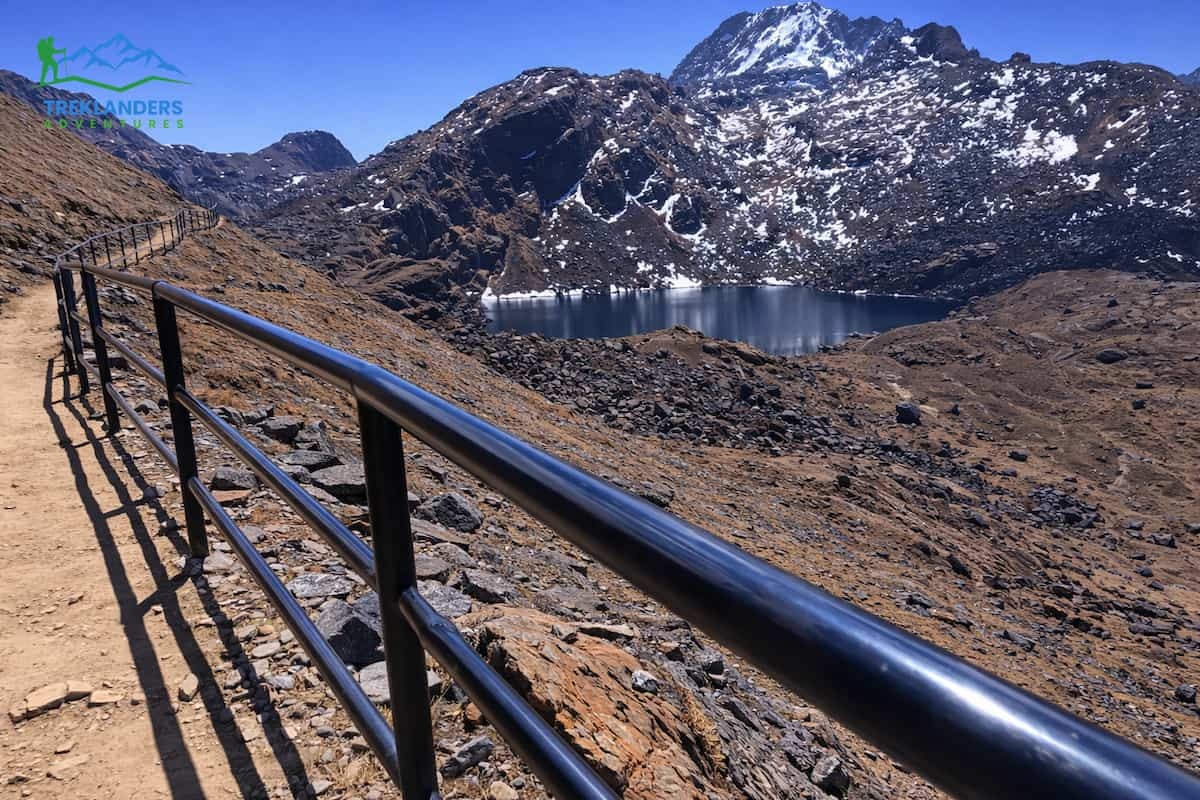
You arrive in Kathmandu. A short transfer takes you to your hotel. Use this day to rest after your flight. Walk around Thamel if time allows. Check your trekking gear. Buy any missing items. Confirm permits for Langtang National Park. You also meet your guide and review the plan. Stay hydrated and sleep early.
You leave early by bus or jeep. The road follows winding hills and river valleys. You pass through small towns and terraced farms. The drive gives you your first distant views of the mountains. You reach Dhunche by afternoon. This is the main entry point for the trek. Check permits at the park office. Spend the evening preparing for the climb ahead.
You start walking through forests of oak and rhododendron. The trail climbs steadily. You gain altitude quickly, so keep a slow pace. Stop often for water and rest. As you move higher, the air becomes cooler and thinner. You reach Chandanbari, also known as Sing Gompa. This place is known for its small monastery and local cheese factory. The environment feels calm and remote. Stay warm at night.
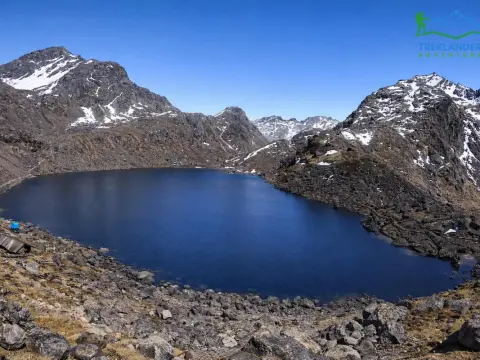
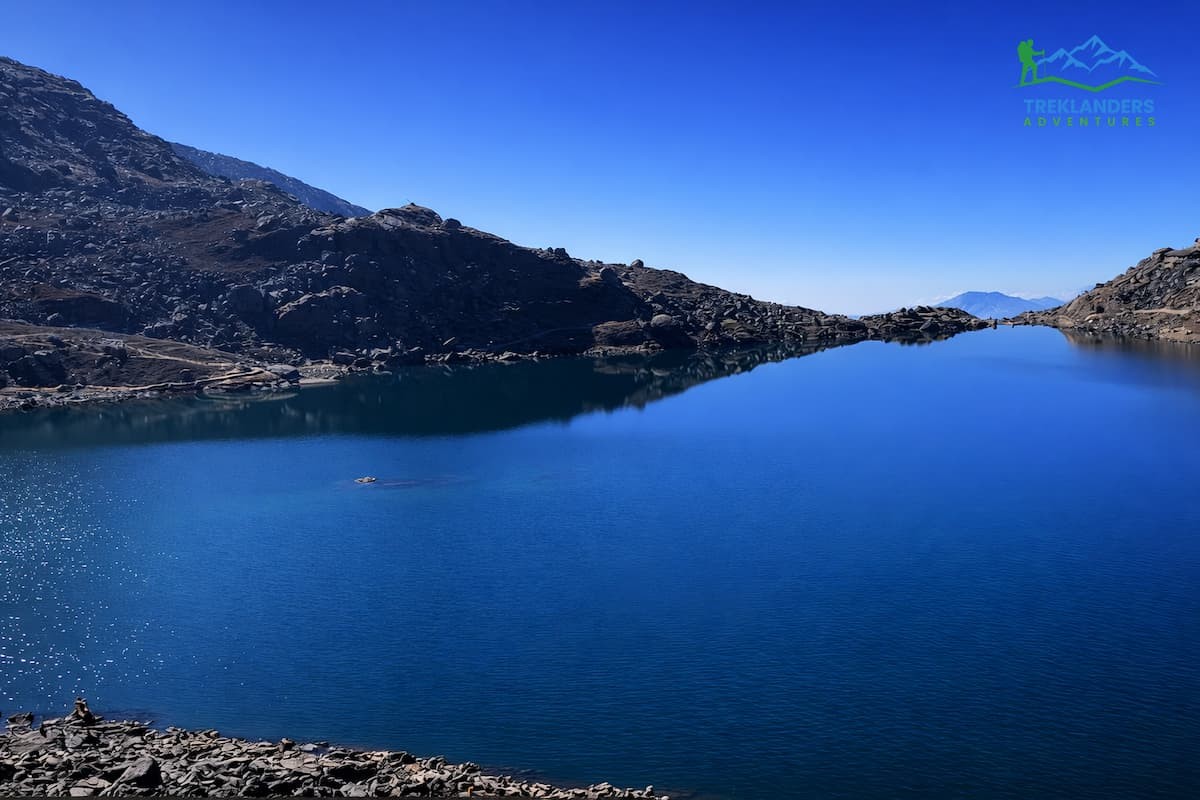
This is a key day. The trail moves above the tree line. You walk through open alpine terrain. The climb to Lauribina is steep but rewarding. From here, you get wide views of peaks like Langtang Lirung. Continue toward the sacred lakes. You finally reach Gosainkunda Lake. The lake sits in a high, rocky basin. The setting feels powerful and quiet. Expect cold temperatures.
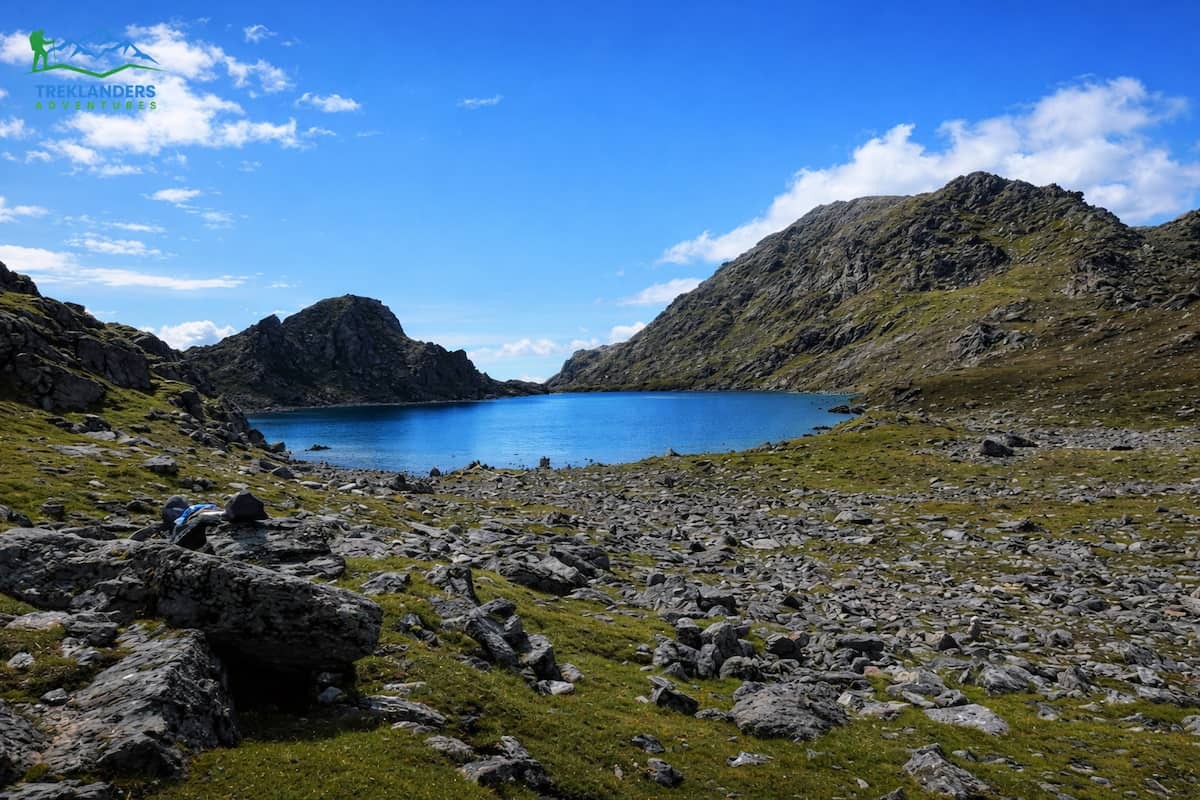
You stay at Gosainkunda to adjust to the altitude. Take a short hike to nearby lakes like Suryakunda. The walk is gradual but still at high elevation, so move carefully. Many trekkers visit the lake for religious reasons. The area is linked to Lord Shiva. You may see pilgrims performing rituals. Spend time enjoying the landscape and resting. Avoid overexertion.
You begin your descent. Walking downhill feels easier on breathing but harder on the knees. Use trekking poles if you have them. The route retraces your steps past Lauribina. You return to Chandanbari. The drop in altitude brings warmer air and thicker oxygen. You feel more comfortable. Spend the evening relaxing and eating well.
You continue descending through forests. The trail becomes greener as you lose altitude. You pass small settlements and farmland. Reach Dhunche by afternoon. This marks the end of the trekking section. Enjoy a proper meal and a comfortable night.
You take a morning drive back to Kathmandu. The journey follows the same scenic route. Once in the city, you transfer to your hotel. Use the rest of the day to rest, shop, or explore cultural sites.
You prepare for your flight home. Transfer to the airport from Kathmandu. Keep extra time for traffic. This marks the end of your Gosainkunda trek.
This itinerary balances altitude gain and rest. It keeps the pace manageable while covering key highlights.
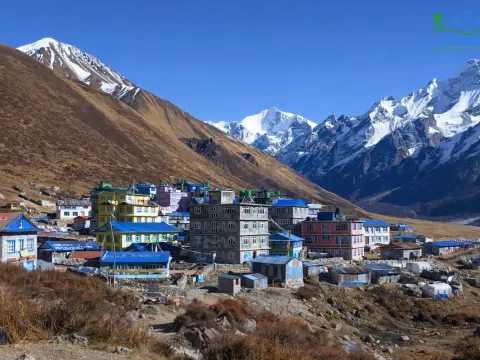
You need two permits for the Gosainkunda Lake trek. Both are mandatory. Besides, you have to carry them at all times because the officials check them at many points within Langtang National Park. The first one is the Langtang National Park Entry Permit. It allows you to enter the protected area. You can purchase it in Kathmandu at the Nepal Tourism Board office or at the park entry gate in Dhunche. The price for foreign trekkers is roughly NPR 3,000. SAARC nationals pay a smaller amount, about NPR 1,500. The citizens of Nepal are charged a very small fee. You are required to provide a passport copy and a passport-size photo.
The second is the TIMS Card, provided by the Trekking Agencies' Association of Nepal. TIMS is the abbreviation for Trekkers' Information Management System. It assists in tracking trekkers for safety purposes. If you trek solo, you get an individual TIMS card. If you go through a registered agency, they arrange for a group TIMS card for you. The price varies from NPR 1,000 to NPR 2,000 depending on the type of your trek.
You can get the TIMS card in Kathmandu or Pokhara. Most trekkers arrange both permits in Kathmandu before they start the trip. It is a time-saving method and helps to avoid delays on the trail.
Carry hard copies of your permits. Store them in a waterproof pouch for safety. You must present them when you reach checkpoints along the way. Not having valid permits for an extension might result in fines or refusal of entry.
There aren't any additional conservation or rural municipality fees on this route apart from the primary park permit. But prices might change, so check the current rates before your trek.
Sort your permits the day before you set off. It will give you a nice start and help you avoid problems at the last minute.
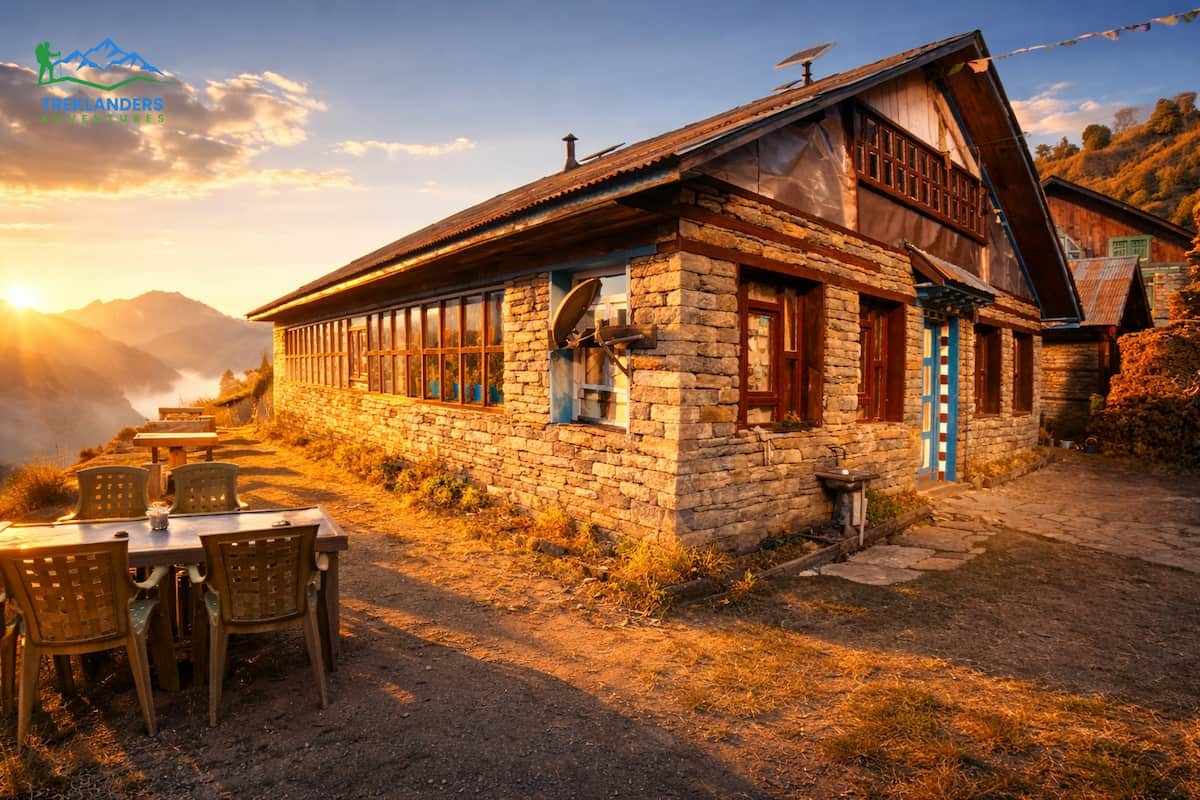
Accommodation for the Gosainkunda trek is pretty basic and practical. Along the way, you stay in teahouses inside the Langtang National Park. These are small, locally run lodges by the families. You can spot them in areas like Dhunche, Chandanbari, and near Gosainkunda Lake.
The rooms are quite simple. Generally, there are twin beds with a mattress, pillow, and blanket. Walls are so thin, and there is not much insulation. Nights become very cold, especially above 3,000 meters. So make sure to bring a warm sleeping bag for your comfort. Bathrooms are mostly shared. Sometimes you may find toilets attached at the lower elevations, but at the higher levels, you will have to use the common facilities.
The dining areas are indeed the heart of teahouses. It is where you eat and spend time to keep yourself warm. Usually, they have a wood or yak-dung stove in the evening. This is the one and only warm space most of the time. The bulk of the places have electricity, but be aware that charging devices might be an additional cost. The Wi-Fi is scarce and not dependable as you go higher.
The food choices remain uniform throughout the trail. The menus in all the teahouses are quite similar. Dal bhat is the most common dish by far. It consists of rice, lentil soup, vegetables, and occasionally pickles. It is quite a hearty dish, and most of the time it comes with free refills. Hence, it is a very good option for long days on the trek.
Other choices that you can opt for are noodles, fried rice, pasta soups, pancakes, and eggs. Breakfast usually consists of porridge, Tibetan bread, or toast. Tea, coffee, and hot lemon drinks can be obtained almost everywhere. The prices go up as the altitude rises because the provisions are brought in by porters or animals. In general, the quality of food is quite nice. The dishes are made fresh but straightforward.
It is best to stay away from raw foods and unboiled water. Choose boiled water or purification tablets to minimize the risk of getting stomach upset. Since autumn is the main trekking season, the teahouses remain open and well stocked. But even in such popular spots, the lodgings can get crowded quickly.
Make a habit of starting your journey early so that you are able to reach your hotel by the afternoon and get a room. During busy periods, you might have to share rooms. Luxury is not your requirement here. What do you really need? Warmth, sufficient calories, and rest.
That is exactly what teahouses offer, and at the same time, they keep your trekking efficient and manageable.
Start your trek early each day. Mornings typically bring blue skies and good weather within Langtang National Park. By the time afternoon rolls around, clouds tend to develop. Getting up early will also give you time to get to your stop before the lodges become full. Start pacing yourself as of day one. The path from Dhunche to elevated spots like Chandanbari and Lauribina quickly changes your altitude.
Take your time and mini-breaks. Frequently drink water. Try to drink 3 to 4 liters a day to decrease the risk of altitude sickness. Pack light but bring the essentials. Bring a layered wardrobe. Pack a jacket together with gloves and a hat.
Greenland's cold temperature can freeze your toes. If you are planning a stay, get a warm sleeping bag. Don't forget sunscreen, sunglasses, and lip balm because sun rays become stronger with increasing height. Altitude should be controlled prudently. Keep an eye out for signs of headache, nausea, and dizziness. If the symptoms are intensifying, get down without a moment's hesitation.
Predicting and preventing are your best strategies since the health centers are limited on this route. Take some money with you. There won't be any cash machines once you leave Kathmandu. Teahouses and shops will strictly be cash only. For food, charging and other basic services, having small change on hand would be the best option.
Drink safe water only. Avoid sources that are not regulated. Pick water that has been boiled or use water-dissolving purification tablets. This will safeguard you from the most common stomach ailments as well as other health issues, which may even cause you to interrupt your trek. Whenever possible, charge your devices. In some teahouses, electricity is accessible but not always guaranteed. Have a power bank. Batteries should be kept warm during the night as cold temperatures cause batteries to discharge more quickly.
The easiest way to travel during autumn is by planning. The route from Kathmandu to Dhunche gets congested. Booking a jeep or motor coach seat early is an absolute necessity to avoid being held up. Do local culture a favor. Gosainkunda is a holy place associated with Lord Shiva. Wear discreet clothing near the lake. Being too loud is very much out of place. Also, do not throw trash around.
Keep your schedule open. Chances are, weather or trail conditions will be different. Going with one extra day in hand is a good idea if you can afford it. It gives you a chance to figure things out without any pressure and also ensures that you will be able to finish the trek in a safe way.
Altitude is the main hurdle when trekking to Gosainkunda. You will be going from Kathmandu, located at about 1,400 meters, to Gosainkunda Lake at 4,380 meters. Such a quick elevation change makes it especially dangerous in terms of developing Acute Mountain Sickness (AMS). It takes time for your body to get used to the reduced oxygen levels at higher altitudes. The best way to avoid problems is to take a gradual ascent. You have to pace yourself in the segment from Dhunche to Chandanbari.
Refrain from rushing, even if you feel fit. At elevations above 3,000 meters, the exposure time becomes critical. This actually covers the way to Lauribina and beyond as well. Use this rule of thumb: "If you reach the ceiling during the day, you should come back down to sleep.” Although you are on a fast track here, you can still turn it to your advantage by doing little hikes around your overnight places. The day off at Gosainkunda is a must. Don't use it as a day of total rest.
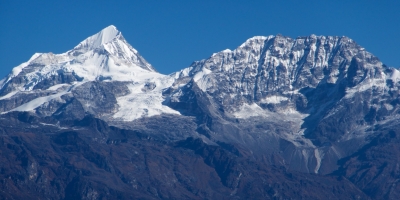
Going to other lakes for a short stroll is helping your body get used to the altitude. Besides this, hydration is also very important. Make it a habit to drink at least three liters of water every day. Steer clear of alcoholic drinks and keep caffeine consumption to a minimum. Have your regular meals on time, even if your hunger is not there. Getting the proper energy for your body changes is vital.
Learn about the symptoms of altitude sickness so you may recognize them in yourself. Early signs are headache, loss of appetite, nausea, and fatigue. If symptoms are still mild, you should rest and drink a lot of fluids. You should not attempt to go higher if you are not feeling well. If symptoms become serious, you must get off the mountain immediately. Confusion, inability to walk properly, and breathlessness even at rest are signs of the most extreme kind. Immediate lowering is required in these cases.
Drugs such as Acetazolamide may be effective in averting the manifestation of symptoms, whilst its use should strictly follow the doctor's orders. It is, however, not a substitute for a well-planned acclimatization schedule.
One should be constantly aware of one's own physical condition and follow its signals. Most walkers tend to downplay this path as it is a short one. However, the altitude is still very high and necessitates a certain measure of respect and caution. Only a prudent and thoughtful measure will ensure your safety and, at the same time, enable you to complete the trek without any difficulties.
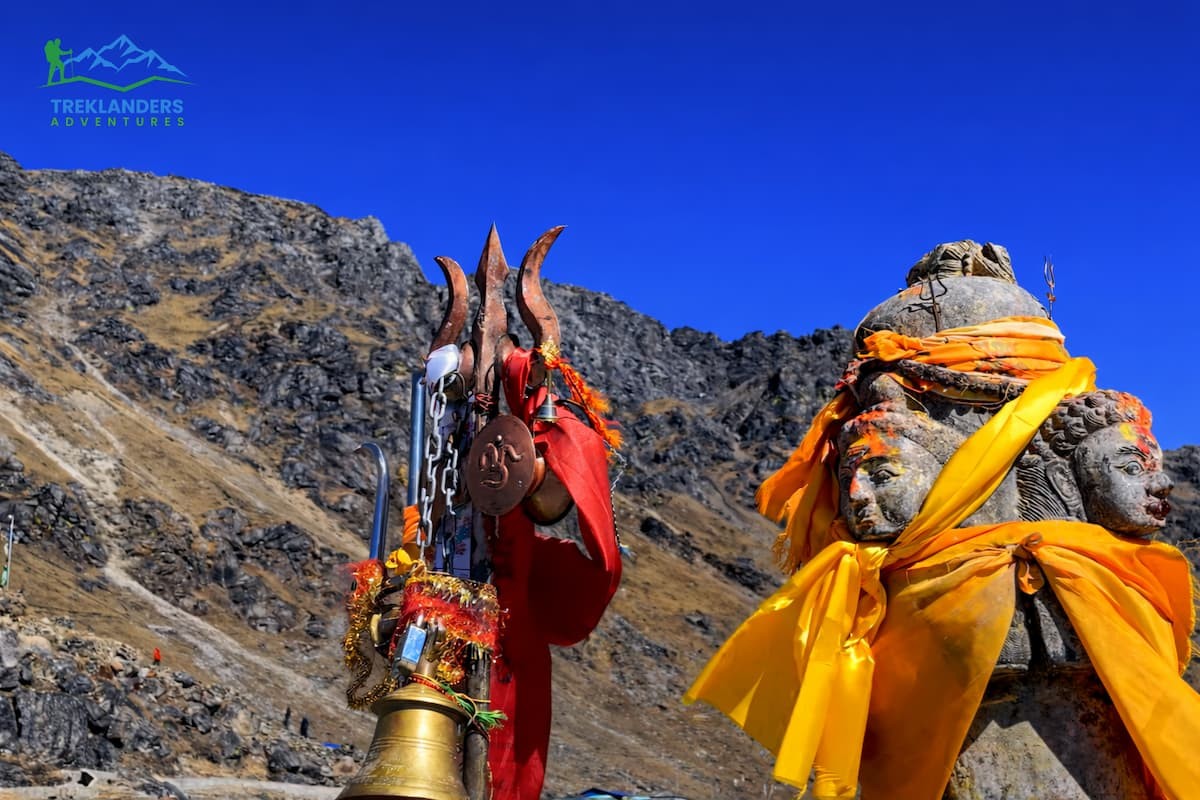
Gosainkunda is widely recognized as one of the most spiritually significant places in Nepal. The primary lake, Gosainkunda Lake, lies amongst the Himalayas in Langtang National Park. This spot has a profound spiritual significance for both Hindus and Buddhists. Hindus believe that the lake is associated with Lord Shiva. Myth has it that Shiva, needing water to quench his burning throat after swallowing poison, created the lake by hitting a rock with his trident.
Due to this, the lake is regarded as highly sacred and potent. Numerous pilgrims reckon that immersing themselves in its chilly water purifies their sins and accrues them spiritual merits. The significance of Gosainkunda is at its peak during the Janai Purnima festival. People throng from various places in Nepal and India to perform pilgrimage.
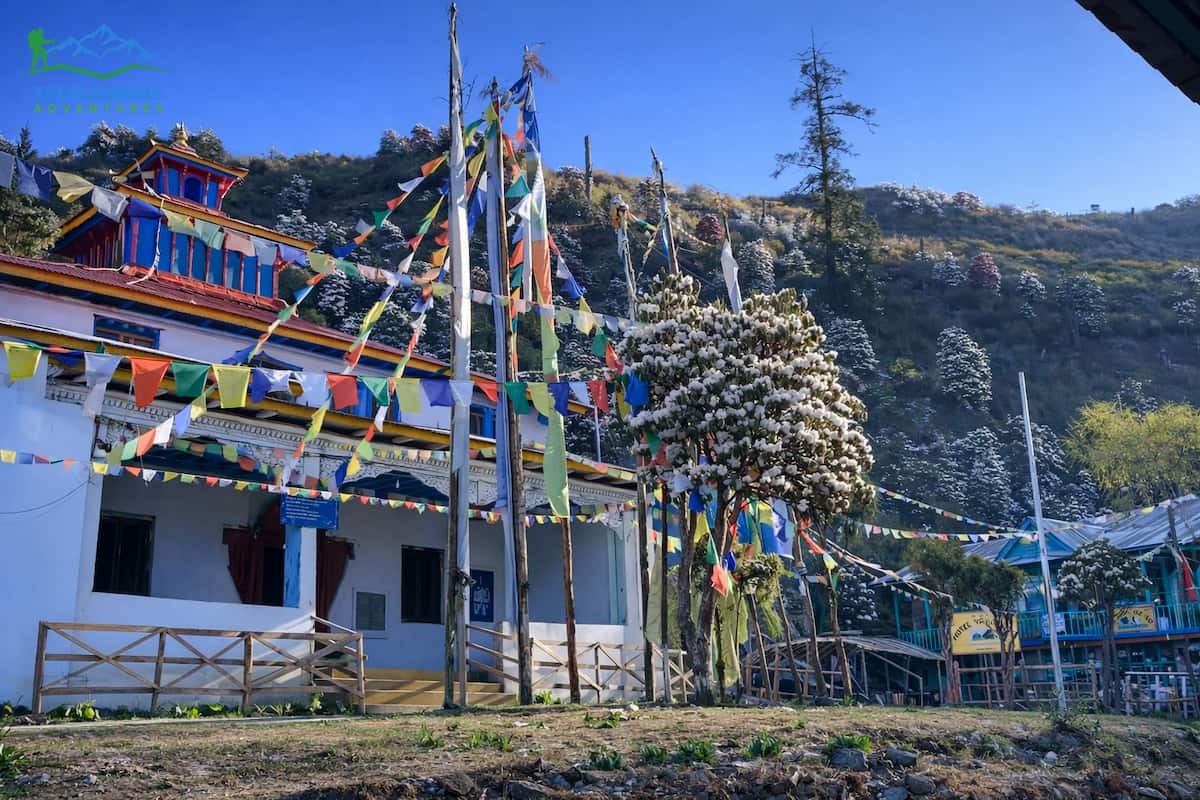
They are walking on the trekking routes, which are sometimes completed after several days. At that period, the place turns into a bazaar and a hustle scene. Near the lake, temporary camps and stalls appear. Priests are regularly engaged in performing rituals, and people present prayers and sacred threads. Besides the big lake, the area is dotted with many smaller lakes such as Bhairav Kunda and Saraswati Kunda. Collectively, they represent a sacred lake system. Each one has its own religious narrative and is symbolically significant. Usually, pilgrims do their rounds of several lakes as part of their pilgrimage.
Religion is just one aspect of the cultural experience. As you walk the trail, it is common to come across villages inhabited by Tamang communities whose lifestyle is a combination of Tibetan and Nepali traditions. Monasteries, prayer flags, and stone walls carved with mantras are some of the elements you will come across. Small but meaningful glimpses of local life can be found in places like Chandanbari.
When you visit Gosainkunda, it is important to show your respect. Wear decent clothing. Keep your voice down near the lake. Never litter or interfere with the rituals. You can take pictures, but always seek permission first before photographing people or ceremonies.
In fact, this trekking is not only about your physical capacity. It takes you back to the beliefs, customs, and way of life of the locals. Knowing this gives more meaning to your visit and enables you to connect with the place on a deeper level.
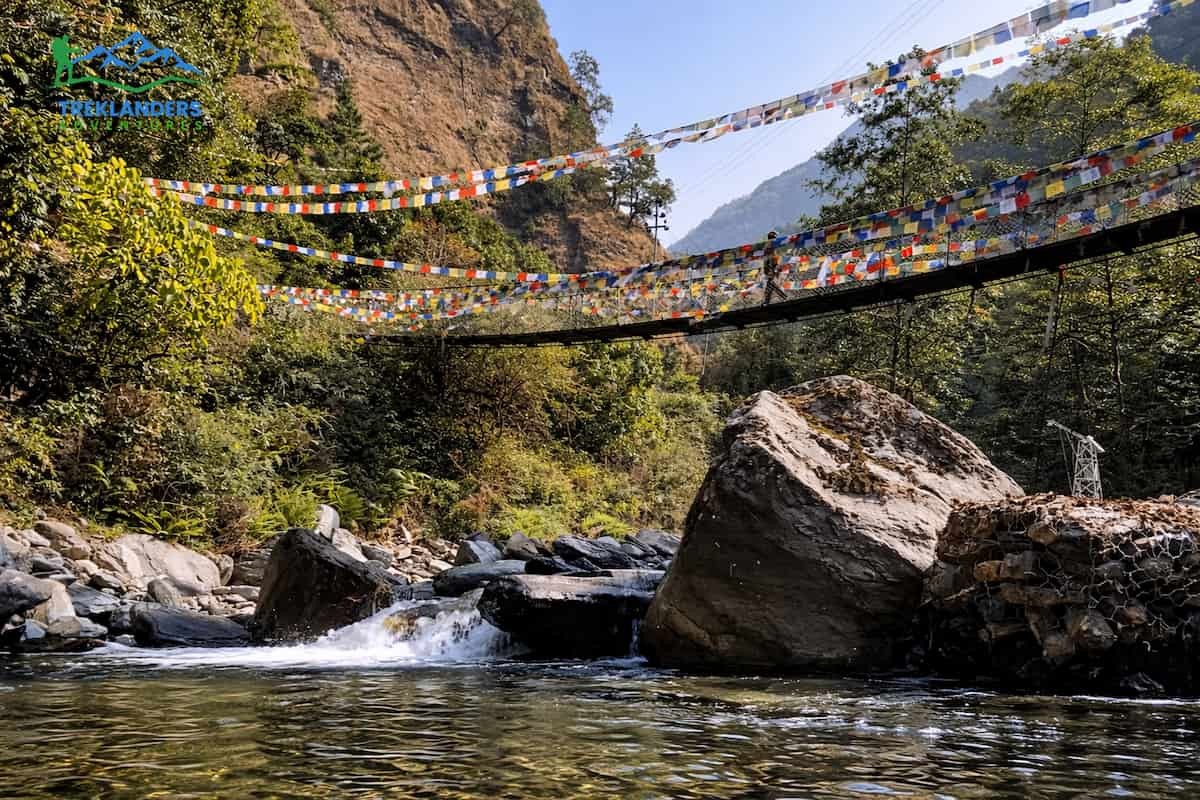
Among all the seasons, autumn is the time when the Gosainkunda trek is least subject to sudden weather changes. You will see hardly any rain, the skies are clear, and the mountains of Langtang National Park are visible from the trail for most parts. Due to the gradual transition of seasons, the situation keeps changing between September and November. In the first week of September, there is a chance of occasional rain, but after mid-month, the sky will brighten, and the trails will be dry. In the middle altitudes during the day, it will be quite warm, about 12 to 18 °C, but at night, it is 5 to 8 °C. At the highest altitudes, it is cooler, especially around Gosainkunda Lake.
For trekking, October is the month with the most dependable weather. The skies remain clear. The mountain views are well defined because of the good weather, and the trail is dry. At higher elevations, the daytime temperature fluctuates between 10 and 15 °C, while nights can be expected to be around 0 to 5 °C. Among all the seasons, autumn is the time when the Gosainkunda trek is least subject to sudden weather changes. You will see hardly any rain, the skies are clear, and the mountains of Langtang National Park are visible from the trail for most parts. Due to the gradual transition of seasons, the situation keeps changing between September and November.

In the first week of September, there is a chance of occasional rain, but after mid-month, the sky will brighten, and the trails will be dry. In the middle altitudes during the day, it will be quite warm, about 12 to 18 °C, but at night, it is 5 to 8 °C. At the highest altitudes, it is cooler, especially around Gosainkunda Lake. For trekking, October is the month with the most dependable weather. The skies remain clear throughout the month, mountain views become sharper, and the trail is completely dry. At further altitudes, the daily temperatures remain in the 10 to 15 °C range, while nights can reach as low as 0 to 5 °C.
As a result of continuous cooling down, especially at higher altitudes, November reaches an even lower temperature level. Days are still quite sunny, but the warmth is not as much as in September. Besides this, temperatures vary between -5 and 0 °C at night and near the lake level. There is quite a large contrast between daytime warmth and nighttime cold. The sunshine during the day makes the trek quite enjoyable, but the moment the sun disappears, the temperature drops dramatically, sometimes by 10 to 15 °C.
At an altitude of 4,380 meters, where Gosainkunda Lake is located, the environment is much colder and more exposed. The temperature during the day is considered cool, about 5 - 10 °C; however, at night it drops to freezing, about -5 °C or even less. The wind chill worsens the feeling of cold, and frost can be regularly seen early in the morning. A slight snowfall can occur at the end of November.
During autumn, strong sunlight in the daytime and very cold nights necessitate that the trekker be prepared. One must carry multiple layers of clothing, warm mittens, and a sleeping bag that is designed for sub-zero temperatures in order to ensure one's safety and comfort on the entire trip.
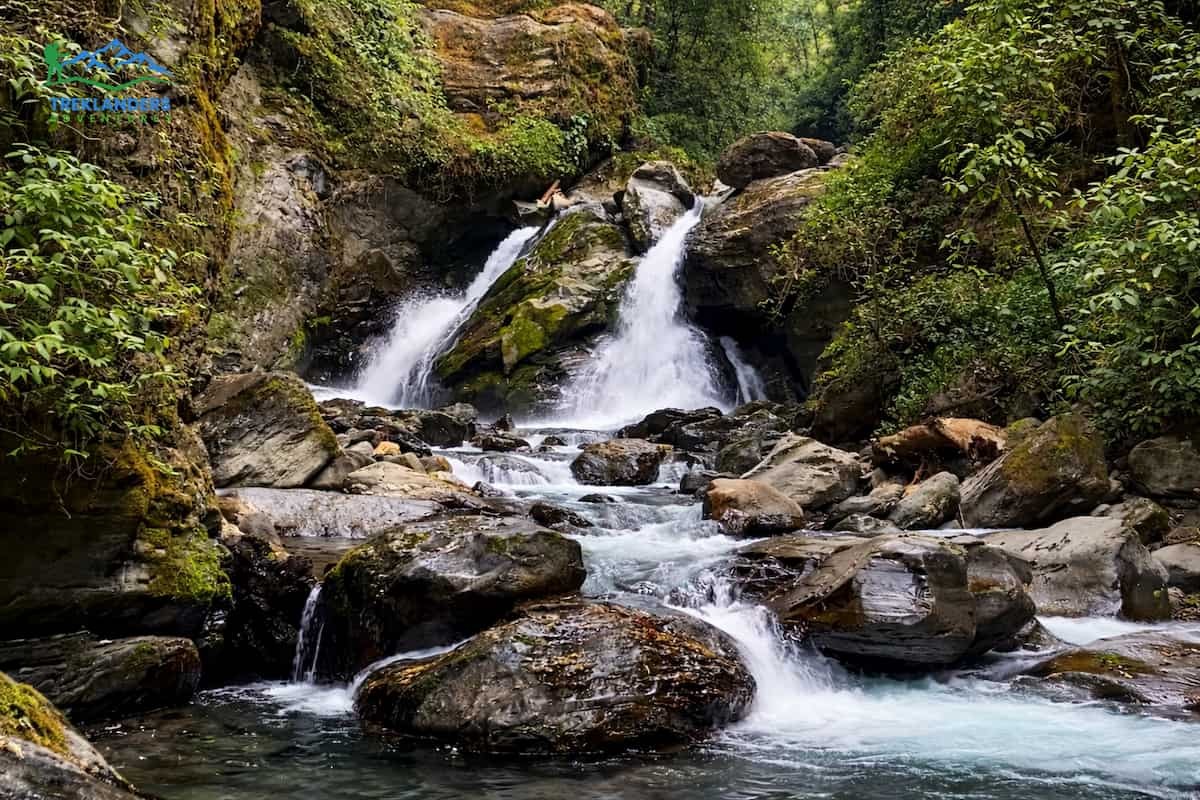
The Gosainkunda trek passes through diverse ecosystems, offering a variety of flora and fauna, especially in autumn. The trail begins at lower elevations near Dhunche, where the forest is dense with oak, rhododendron, and pine. In autumn, the rhododendron leaves turn golden and red, creating a colorful landscape. Ferns, moss, and small flowering plants cover the forest floor, adding to the visual richness.
As you gain altitude, the forests thin and alpine vegetation begins to dominate. Above 3,000 meters, you see hardy shrubs, dwarf rhododendrons, and medicinal herbs. Autumn offers a clear view of these plants without the heavy monsoon growth, making it easier to spot unique species. Small wildflowers bloom in patches, and frost in the early morning highlights the delicate alpine plants. The area near Gosainkunda Lake is mostly rocky with sparse vegetation, but resilient mosses and lichens cling to the stones, creating a fragile, and high-altitude ecosystem.
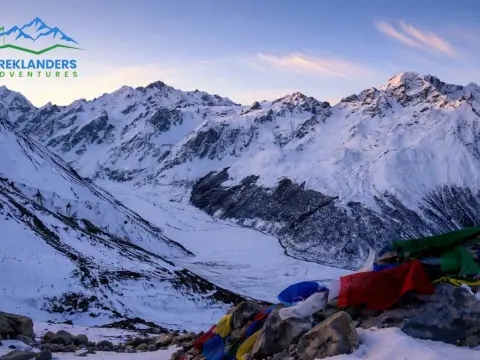
Wildlife is active throughout autumn. The lower forests are home to Himalayan monkeys, barking deer, and various bird species such as pheasants, woodpeckers, and partridges. You may spot langurs or Himalayan black bears, though they are shy and rarely seen. Autumn is a good season for bird watching because the skies are clear and migratory birds pass through the region.
In elevated zones, it is possible to spot Musk deer or Snow cocks. Himalayan monals, which are the national bird of Nepal, can be seen most of the time around the forest edges. Marmots and field mice, the smaller mammals, show up in the alpine meadows during the day. The fresh, dry air of autumn increases the visibility of the animal movements, and the tracks on the frost can point out their presence even if they are out of sight.
Besides observing animals, autumn is a great time to see how people live in harmony with nature. Local shepherds lead their yaks and goats to high mountain pastures. So, along the path, you will come across temporary corrals and grazing areas. This brings an additional cultural aspect to the surrounding natural scenery.
The best time for a trek is in autumn, which is a great season to see both flora and fauna because the paths are free from obstructions, the weather is quite predictable, and the animals are more visible. The scenery composed of colorful forests, alpine meadows, and high-altitude lakes is definitely a delight for nature enthusiasts. Moving with caution and observing closely will give you the best opportunity to spot a variety of plants as well as wildlife.
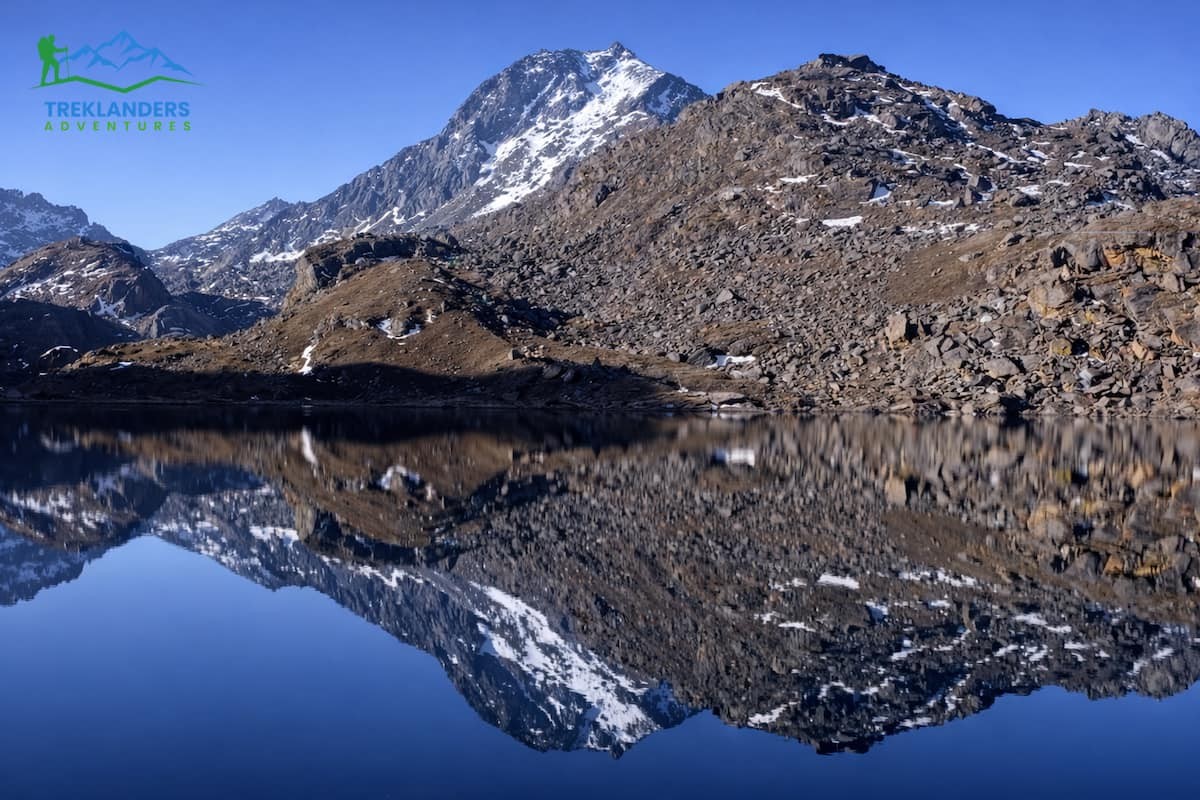
Autumn is the perfect time for a Gosainkunda Lake trek as it combines a short Himalayan journey with a splendid reward at the end of the trip. One of the main advantages of autumn over the other seasons is the unfiltered view of the snowcapped mountains that you can get due to clear skies and stable weather. Besides the legendary Langtang Lirung and Ganesh Himal peaks, you will see the whole region from the trail. The trail first takes you through thickly wooded forests, meadowland covered with wild flowers in summer and the atmospherically beautiful lakes at high altitude that line the trail. Besides langurs and pheasants that can be spotted at lower heights, the appearance of marmots and the strikingly colored Himalayan monal will be a highlight of your sighting of local fauna.
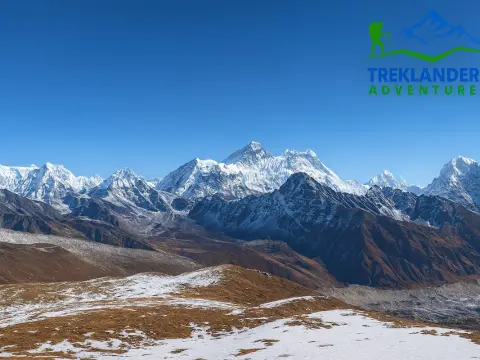
The trek is not only an opportunity to enjoy nature but also a way to get deeply immersed in different cultures and religion, the pilgrims, the religious practices, the quiet places offering the best views and also sometimes a conversation with a sadhu, you will experience all of it along the way and walk away with a good understanding of the local culture and daily life. Gosainkunda Lake is one of the sacred lakes in the Hindu religion and is dedicated to Lord Shiva. Apart from this, you also get to witness some fantastic glimpses of local people's customs and ways of life in the surge of pilgrimage activities, which are especially lively while at the same time avoiding the overcrowding of major festivals. Staying in teahouses on the way in the form of a homestay is a great way not only to get comfortable but also to meet local people, have simple local food, and get to know their lifestyle and culture.
Altitude and acclimatization are great factors to consider. You can still manage to go up and down without much of a problem if you stay healthy and do everything step by step. As long as you are in moderate physical shape, you can opt for this trek, but just be aware that it will require you to be a bit prepared, carry the proper gear, and know the local weather could change really fast without much warning.
Autumn in Nepal is the best season as it offers the perfect mix of natural beauty, cultural richness, and trekking conditions. The combination of clear views, colorful forests, crisp air, and well-equipped teahouses ensures that the trek is not only safe but also enjoyable. Those who are after high-altitude lakes, spiritual experiences, or Himalayan wildlife are sure to be fulfilled by this compact yet deeply immersive trek.
Gosainkunda in autumn is perfect for those who wish to experience the nature and culture of Nepal without going on a lengthy expedition. It includes a blend of adventure, breathtaking landscape, and culture, which will surely make the traveler remember it for a long time.

Explore the best things to do on the Annapurna Base Camp Trek, featuring key places, stunning views, and authentic Himalayan experiences.
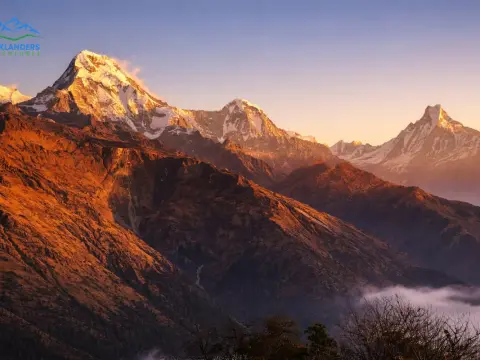
Khopra Ridge Trek autumn guide covering weather, views, itinerary, and tips for a quiet Annapurna adventure.
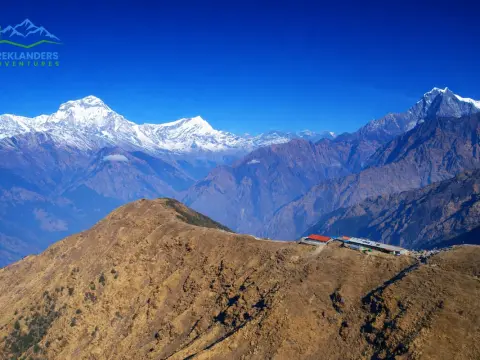
Discover the Khopra Ridge Trek with views from Khopra Danda, a hike to Khair Lake, peaceful trails, and authentic Annapurna village experiences.



