
Langtang Valley Trek Packing List & Preparation Guide: Complete Checklist, Permits, Fitness & Altitude Tips
13 Feb 2026
Langtang Valley Trek packing list and preparation guide with essential gear, permits, and altitude tips.

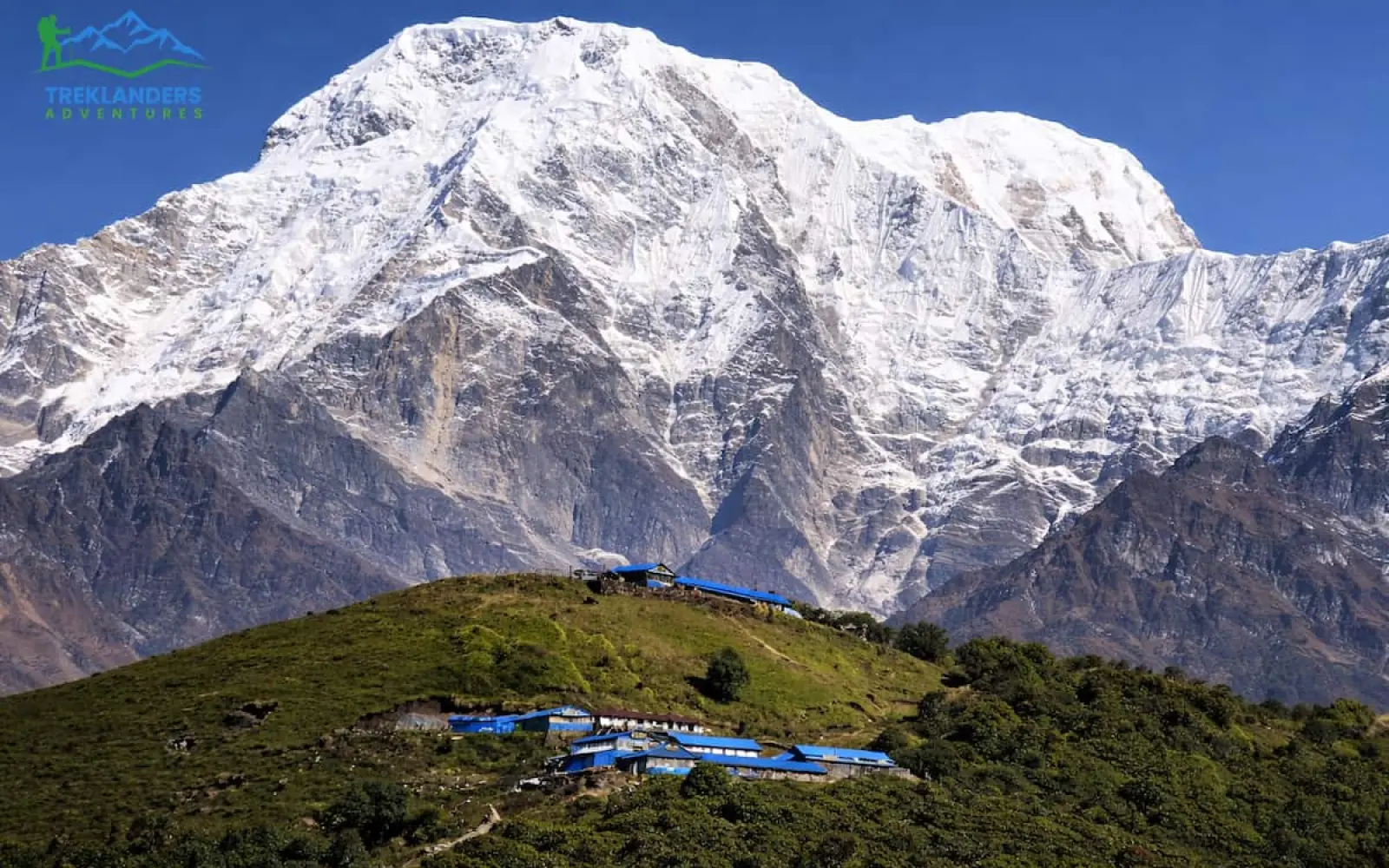
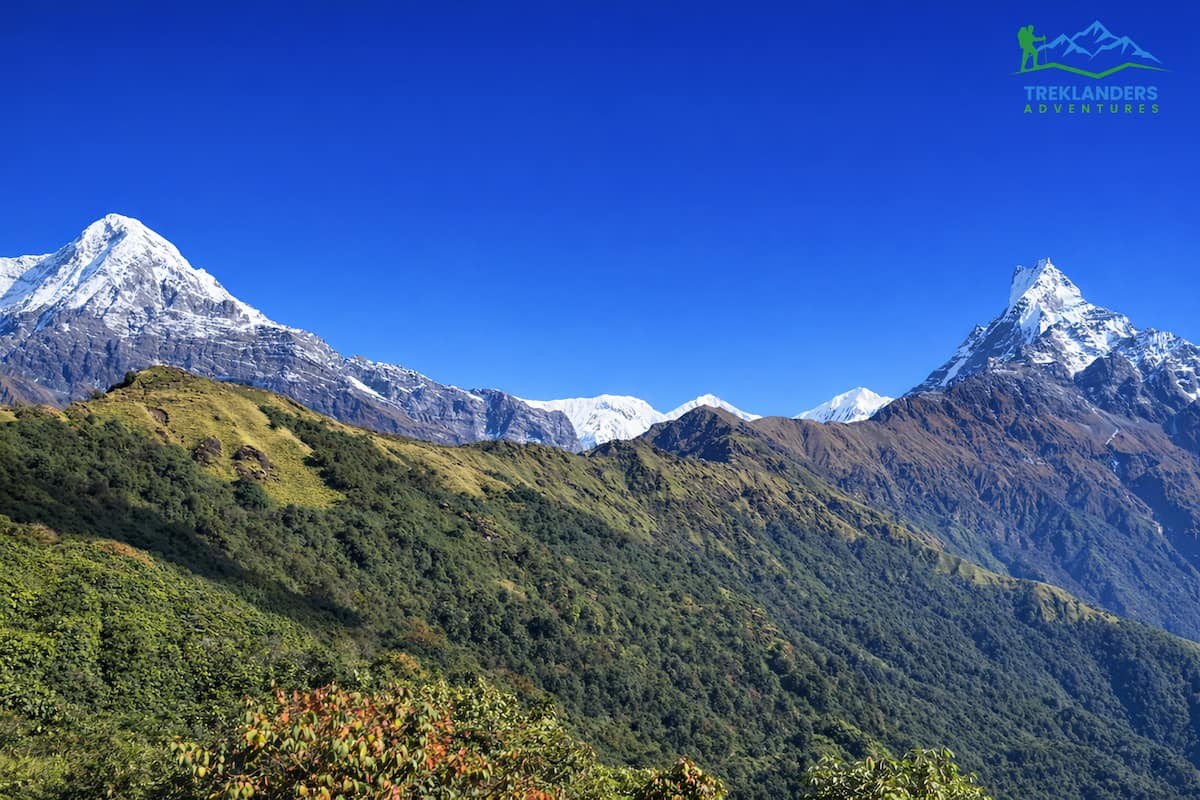
The Mardi Himal Trek during autumn is very popular among trekkers who want to see beautiful mountain scenery but avoid crowds, since it is one of the most rewarding short treks in Nepal. Autumn is the time from September to November, when the weather is stable, the sky is clear, and the temperature is comfortable, so it is the best season for trekking to this lesser-known spot in the Annapurna area. After the monsoon rains clean the atmosphere from dust and haze, the landscapes around the trail become very attractive with the green forests, colourful alpine plants, and fresh mountain air.
Visibility is one of the most important factors that make autumn the best season for hiking in Mardi Himal. Locals on clear days are able to see four famous Himalayan peaks: Machhapuchhre (Fishtail), Annapurna South, Hiunchuli, and other peaks. The mornings are usually sunny and without clouds, so, for instance, at Mardi Himal Viewpoint, hikers get a magnificent sunrise. These perfectly clear views are a great experience for photographers and nature lovers.
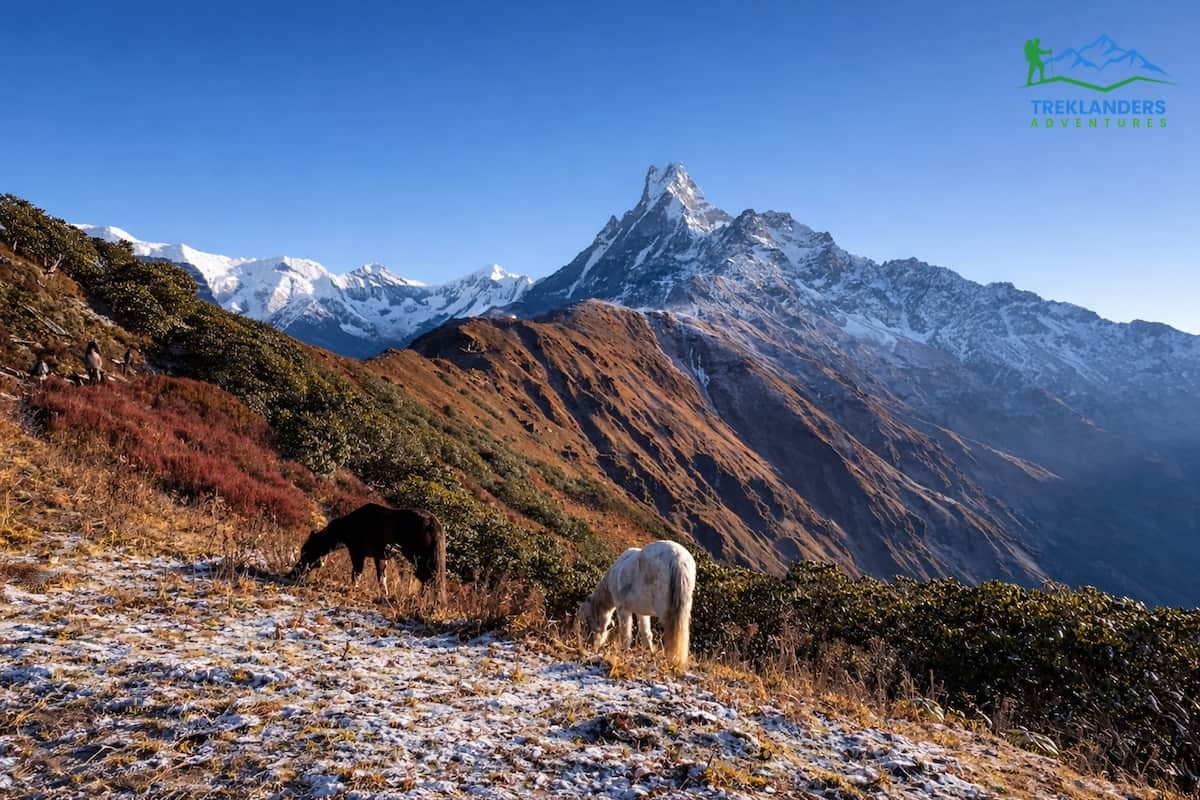
Another great thing is the weather during autumn. The sun shines, and the temperature is just right to spend most of the day outdoors, whereas the nights are chill, but it is not a problem to stay in a teahouse since they are close to each other. The difference compared to the monsoon season is that the paths are not muddy and slippery, while the difference compared to the winter season is that a lot of snow does not cover the way in this season. Such a situation makes autumn suitable both for beginners and for those who are more experienced in trekking.
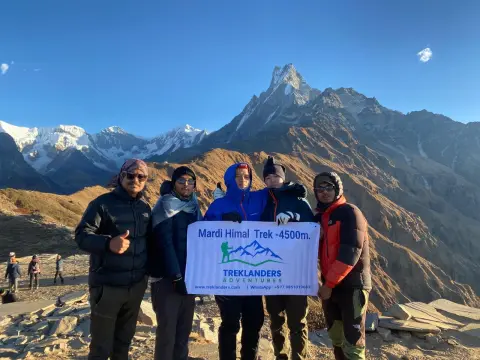
Another great thing autumn brings to the Mardi Himal Trek is a cultural aspect. The biggest Nepali festivals like Dashain and Tihar usually happen around this season, which provides trekkers an opportunity to see local traditions, village lifestyle, and festive celebrations on their way. Together with nicely maintained trails, the availability of tea houses, and reliable services, autumn is a guarantee for a smooth and pleasant trek.
All in all, Mardi Himal Trek during autumn offers an ideal mixture of crisp Himalayan vistas, stable weather, diverse natural beauty, and cultural experiences, which makes it the best season for anyone who wants to discover the less crowded Nepalese mountain trekking routes.
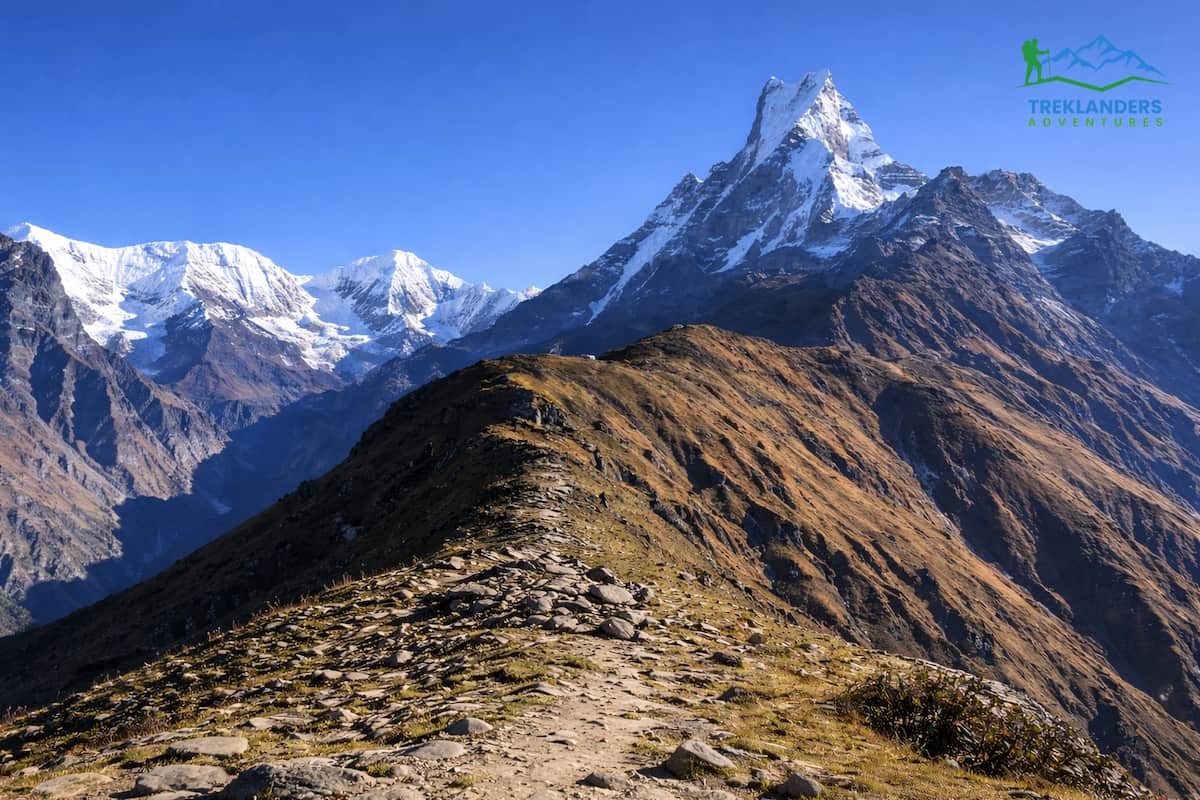
Autumn, which spans from September to November, is widely considered the most favorable season for the Mardi Himal Trek in Nepal. During this period, the weather becomes stable after the monsoon rains, offering clear skies, excellent mountain visibility, and comfortable trekking conditions. The trail to Mardi Himal lies within the renowned Annapurna Region, and autumn showcases this area at its absolute best.
One of the primary reasons autumns is ideal is the crystal-clear visibility. The monsoon rain washes away dust and atmospheric haze, leaving the air fresh and sharp. Trekkers can enjoy uninterrupted views of iconic Himalayan peaks, including Machhapuchhre (Fishtail), Annapurna South, and Hiunchuli. Early mornings are particularly stunning, with golden sunrise views illuminating snow-capped summits from High Camp and Mardi Himal Viewpoint. For photographers and mountain enthusiasts, autumn offers the clearest panoramas of the year.
Weather stability is another major advantage. Unlike the monsoon season, which brings heavy rainfall and slippery trails, autumn provides dry paths and safer walking conditions. Daytime temperatures are mild and pleasant, usually ranging between 10°C and 20°C at lower elevations, making long trekking hours comfortable. Nights are cooler at higher altitudes, but teahouses remain fully operational and well-prepared for the busy season. Compared to winter, there is minimal risk of heavy snowfall blocking the trail.
Autumn also coincides with Nepal's biggest festivals, Dashain and Tihar. If you go trekking at this time, you may get a chance to see vibrant village life, decorated houses, and traditional celebrations in the local communities along the way. Such a cultural experience greatly enriches the trekking scenery experience.
Besides that, autumn is the main trekking season in Nepal, which means that services are dependable, guides and porters are plentiful, and transportation runs without any problems. Although there may be more trekkers on the trail than during the off-season, the Mardi Himal route is still quiet compared to the popular ones like Annapurna Base Camp.
In general, autumn is the time when weather, visibility, safety, and cultural aspects are well-balanced, which is why it is the best and most enjoyable time to do the Mardi Himal Trek.
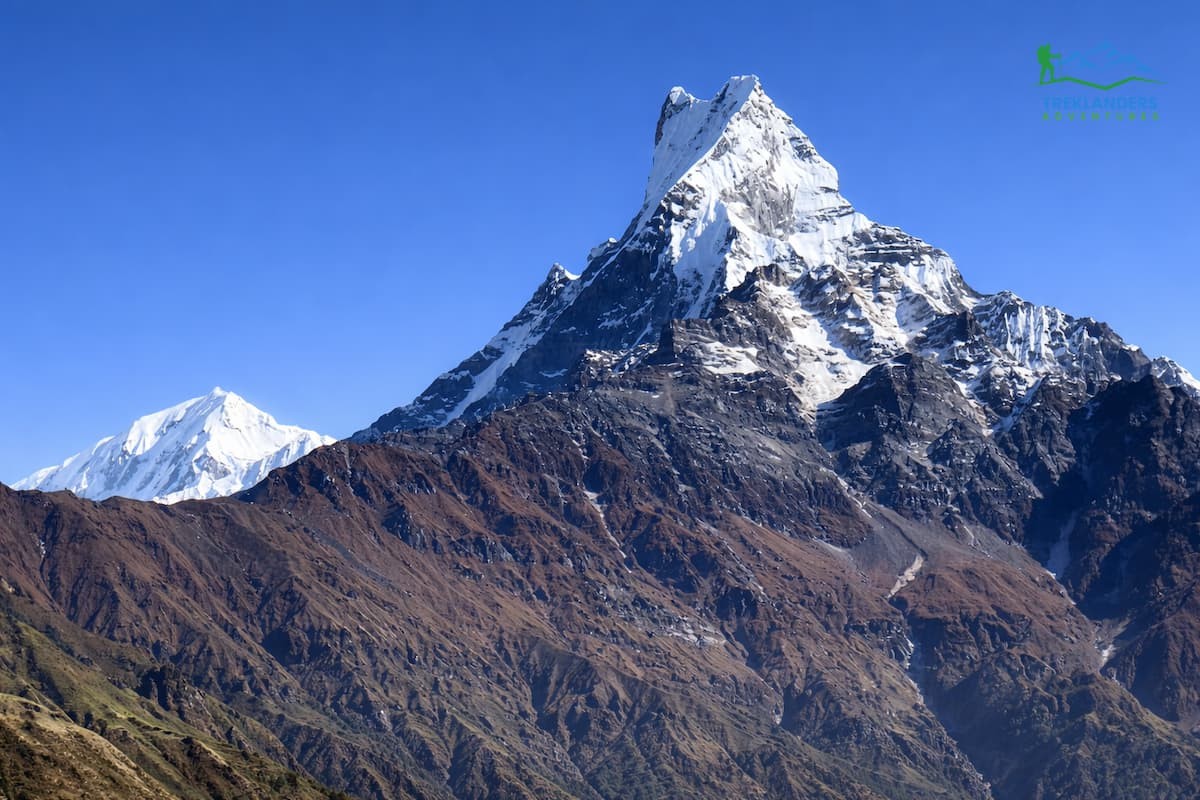
So, if you are wondering when the best time for the Mardi Himal Trek is, autumn (September to November) is the season that gives you the most stable and predictable weather conditions. The sky gets clear, the air dries, and the mountain views become stunningly visible after the monsoon ends in early September. This change of season is not only a physical relief, but also a treat to the eyes as Mardi Himal is one of the most beautiful treks during autumn.
In autumn, the general weather in the Annapurna Region is influenced by the high-pressure systems that lead to minimal precipitation and mostly clear skies. There is always a chance of an early September rain at the start of the month. However, from mid-September to November, the weather remains consistently dry. Furthermore, the higher temperature and absence of rain make the walking paths less muddy and slippery than during the monsoon season, which is a more comfortable and safer condition for trekking.
Autumn temperatures are generally quite pleasant for hiking. In the valleys like Kande or Forest Camp, where the altitude is around 1,700-2,500 meters, the air warms up to between 15 and 22 degrees Celsius during the day. The overall temperature is perfect for walking, and one especially enjoys the sunshine. However, as one goes up to places like High Camp (about 3,580 meters) and Mardi Himal Base Camp (about 4,500 meters), the temperature gets lower and lower.
Daytime temperatures at higher altitudes are generally between 5 °C and 12 °C, depending on sunshine and wind conditions. Night temperatures can be much lower, frequently dropping from -5 °C to 5 °C in October and November. Although it is quite normal for the temperature to go below zero during the night, heavy snowfall is rare in the autumn season, and the path remains accessible all through the season.
Another big benefit of the autumn weather is the low humidity. The dry air gives first-rate mountain views, especially at dawn when the sky is at its clearest. The wind tends to blow most of the time gently, but occasionally, strong gusts may be experienced at the ridgelines.
All in all, autumn is the perfect time to enjoy the combination of sunshine, daytime warmth, and cold nights. Such good weather and temperature conditions help to make the Mardi Himal trek safer, give better visibility, and improve the overall trekking experience.
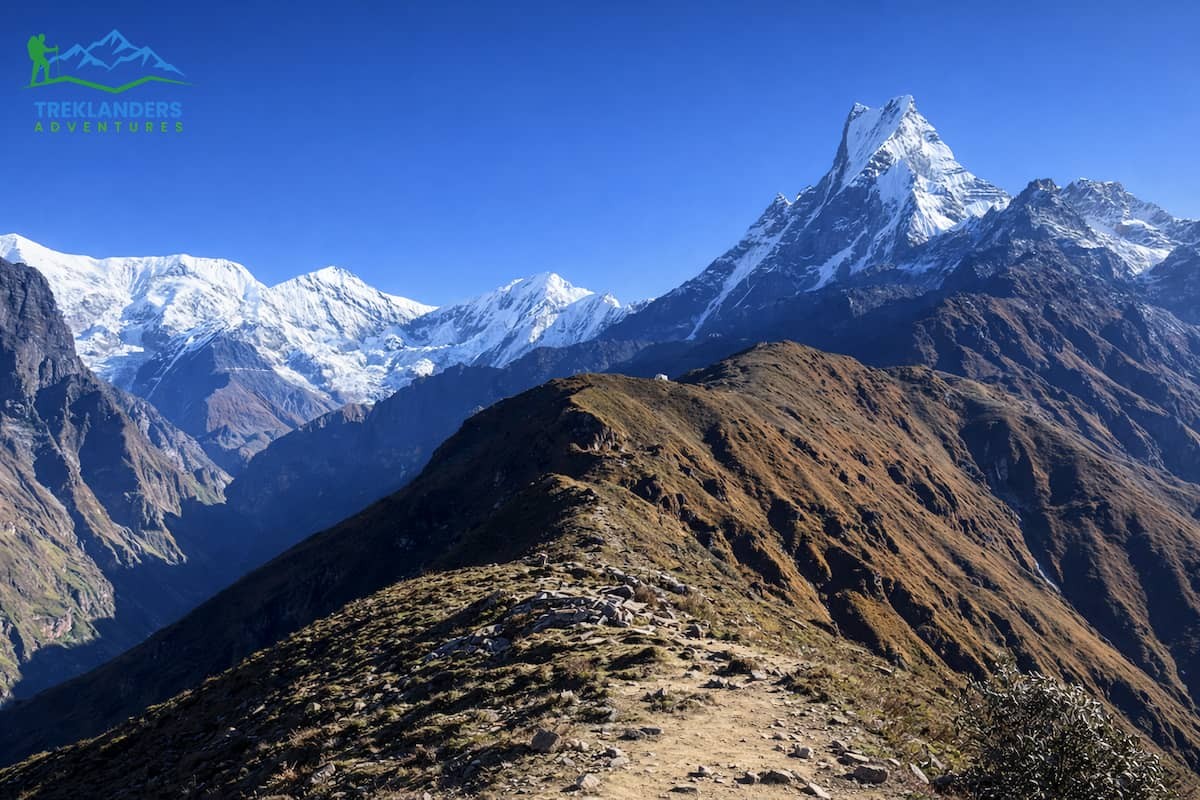
The spectacular mountain panorama that progressively reveals itself during the Mardi Himal Trek in autumn is probably the most important reason for the trek. The path climbs a beautiful ridge in the Annapurna Region, which is like a natural Amphitheatre of the tallest Himalayan peaks. Due to the post-monsoon clarity of autumn, the visibility is very sharp, the sky is azure, and the snow-covered summits are seen without any obstruction.
Machhapuchhre, or Fishtail Mountain, as it is also called because of its shape with two peaks resembling a fish's tail, is what stands out the most on this trek. Generally, on other treks, you see Machhapuchhre far away, but the Mardi Himal path allows you to get very close to the majestic south face of this mountain. From High Camp and Mardi Himal Viewpoint, the mountain is almost perpendicular above the path; thus, the trekkers get an intense and fascinating visual experience. Since Machhapuchhre is worshipped as a deity and has never been climbed, it is endowed not only with its natural beauty but also a spiritual aura.
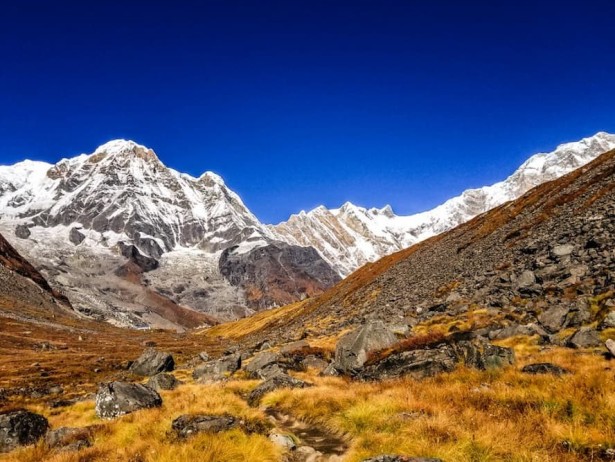
Along with Machhapuchhre, Annapurna South is a huge and domineering mountain that rules over the western skyline. Its wide snow-covered slopes mirror golden colours at the times of sunrise and sunset, especially in autumn when the air is crisp and free of dust. Close to it, Hiunchuli contributes its elegant ridges and glaciated flanks to the panorama. The elevation gain above the forest line brings changes in the scenery from thick rhododendron forests to open alpine ridges.
With the change in terrain, the view also changes dramatically as it extends over a vast Himalayan panorama that encompasses several peaks. The ridgeline trail between Low Camp and High Camp is picturesque, providing uninterrupted views of the mountains on both sides. Autumn takes this experience to a whole new level. The early morning cloudlessness offers trekkers the chance to see some of the clearest Himalayan views of the year. From Mardi Himal Base Camp, the sunrises are most of the time unforgettable as the first light bathes the Annapurna massif in golden and crimson colours. The mountain ambience on the Mardi Himal Trek is deeply engaging and lively, thus making autumn the ideal time to see Annapurna, Machhapuchhre, and the rest of the Himalayan panorama at their stunning best.
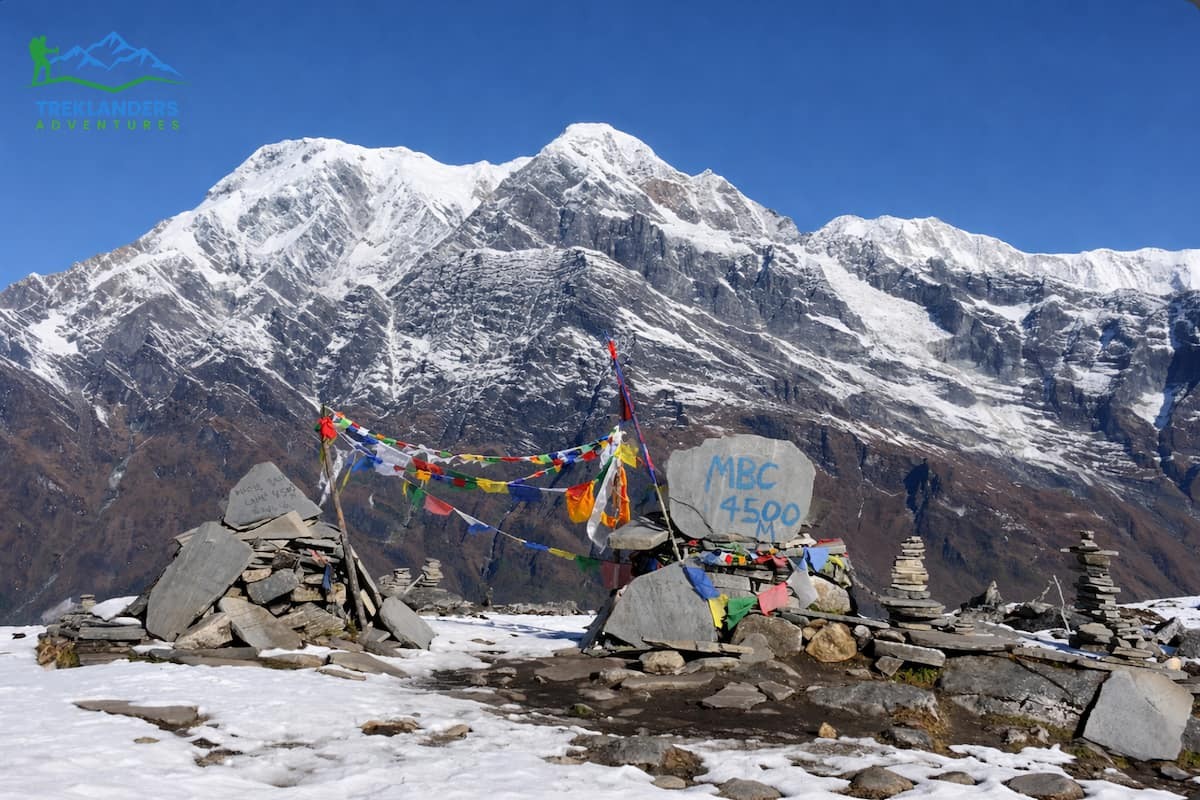
The Mardi Himal Trek is habitually a brief and very fulfilling Himalayan trip that one can easily complete within 5 to 9 days. The weather is most stable and the sky the clearest during the autumn (September-November) sessions, thus making it easier and safer to plan your itinerary. The following is a typical 9-day itinerary, which is a good fit for moderate trekkers.
Arrive at Tribhuvan International Airport in Kathmandu. After customs and luggage collection, you will be transferred to your hotel. The day is reserved for rest, hydration, and preparation for trekking. In the afternoon, a short sightseeing tour of Kathmandu’s heritage sites, such as Durbar Square, Pashupatinath Temple, or Boudhanath Stupa, can be included. Evening trekking briefing covers permits, safety, and gear check.
Begin a scenic drive along the Prithvi Highway, passing hills, rivers, and small towns. Autumn’s clear skies allow views of distant peaks along the way. Upon arrival in Pokhara, settle in Lakeside for an overnight stay. Optional evening activities include a boat ride on Phewa Lake or exploring local cafes and markets.
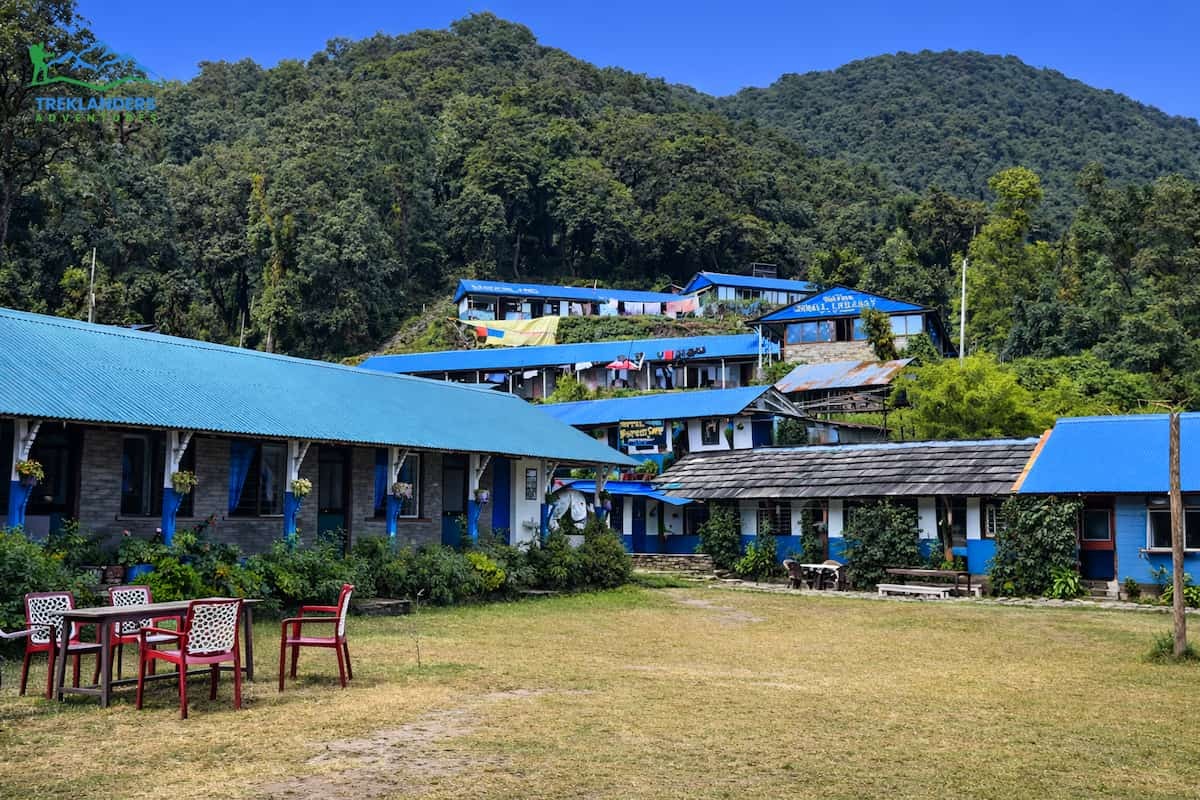
Drive from Pokhara to Dhampus, a beautiful village with panoramic views of Machhapuchhre and Annapurna South. Begin trekking through terraced farmland, local villages, and rhododendron forests. The trail gradually ascends to Forest Camp, where the serene environment and autumn weather make for a perfect first night in the mountains.
Trek deeper into the forest with occasional open viewpoints revealing Machhapuchhre and Hiunchuli. This moderate climb provides opportunities to spot native wildlife and enjoy the vibrant autumn foliage. Low Camp offers an ideal location for rest and sunset photography.
Above the tree line, the trail becomes more rugged with rocky ridges. Autumn ensures clear, uninterrupted mountain panoramas. High Camp provides breathtaking views of Annapurna South, Machhapuchhre, and the surrounding peaks. Evening at High Camp allows trekkers to witness an unforgettable sunset over the Himalayas.
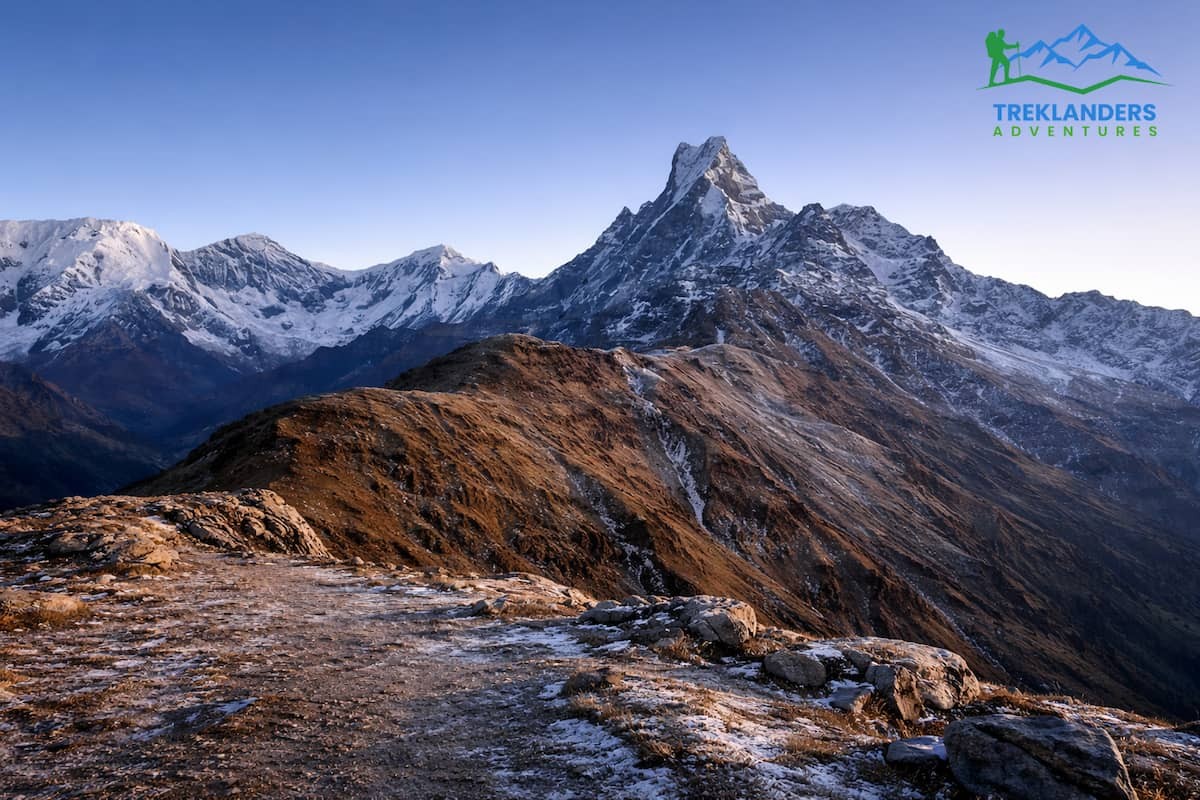
Start early for the final push to the Mardi Himal Viewpoint. The crisp autumn morning guarantees panoramic views of Machhapuchhre, Annapurna South, Hiunchuli, and distant Himalayan peaks. After photography and rest, descend carefully to Badal Danda, a quiet village nestled in the mountains, for an overnight stay.
Descend gradually through rhododendron forests and terraced farmlands to Siding Village, a traditional Gurung settlement where trekkers can interact with local communities. From Siding, enjoy a jeep transfer back to Pokhara, offering relaxation and a chance to reflect on the trek.
Begin the return journey to Kathmandu. Autumn weather ensures clear views of rivers, valleys, and distant mountains along the highway. Upon arrival, check into your hotel. An optional farewell dinner and cultural program can be arranged to celebrate the successful completion of the trek.
Transfer to Tribhuvan International Airport for international departure. Trekkers leave with vivid memories of snow-capped peaks, lush forests, local culture, and the crisp autumn atmosphere that makes the Mardi Himal Trek truly unforgettable.
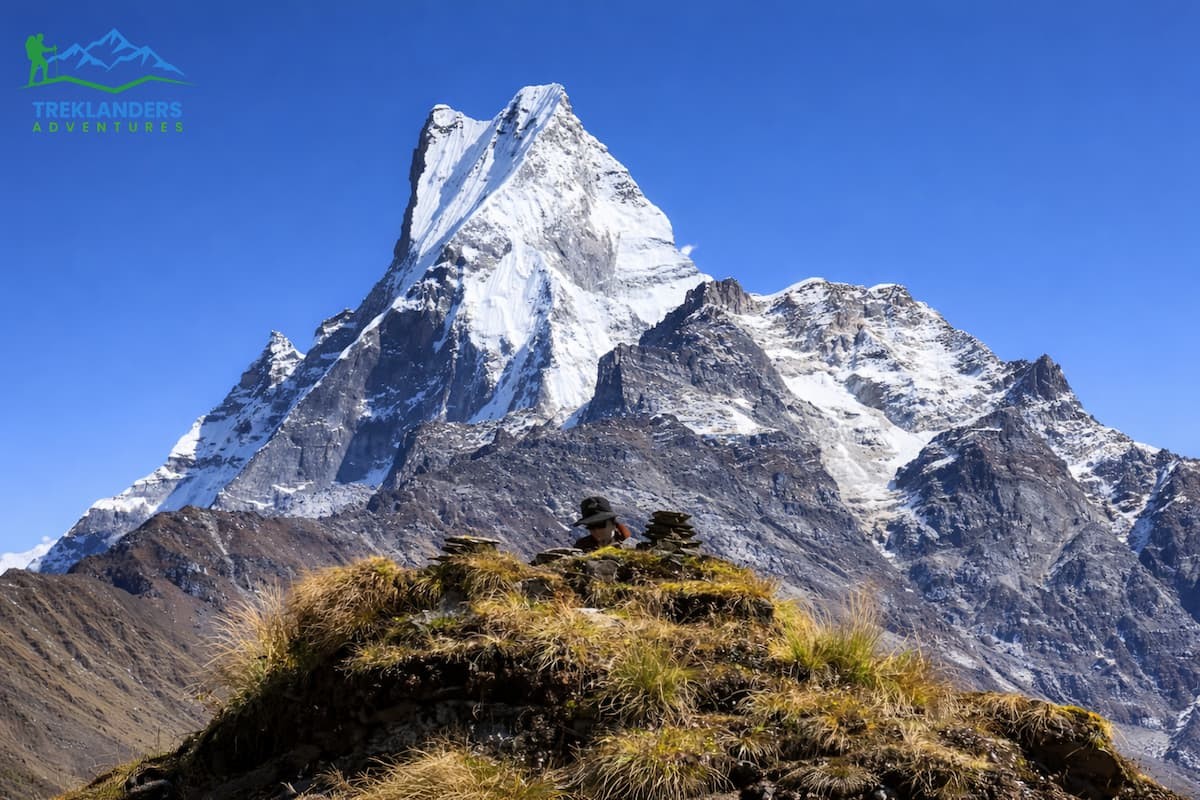
Before setting off on the Mardi Himal Trek, it is important to have the right permits and documentation ready if you want to have a hassle-free and lawful trekking experience in Nepal. Since the trek goes through the Annapurna Conservation Area, trekkers are required to follow the rules of the Nepal government as well as those of local authorities. As autumn is the peak trekking season, one should be particularly careful with permits because the checkpoints might be crowded.
The initial important document is the Trekkers Information Management System (TIMS) card. The Nepal Tourism Board or the registered trekking agencies issue this card to the trekkers. The TIMS card works as an ID for the trekkers, which allows the authorities to trace the trekkers in case of emergencies and also ensures their safety. If you're an individual trekker, the green card (intended for solo hiking) gets issued to you, but groups or those who trek with agencies get the blue card. You need to have your passport with you to get the TIMS card, and the fees will have to be paid as well.
Along with the TIMS card, trekkers are required to get the Annapurna Conservation Area Permit (ACAP). This is a non-negotiable requirement for anyone who wants to go trekking in the Annapurna region, and Mardi Himal is one of those routes. The money from the ACAP fees goes to the preservation, local inhabitants, and the upkeep of the trekking paths, teahouses, and lodges. Generally, the permit is obtained in Pokhara; however, it can be given at the gates of the Annapurna Conservation Area as well. You will be asked for your passport's copy and a passport-sized photo when acquiring the ACAP.
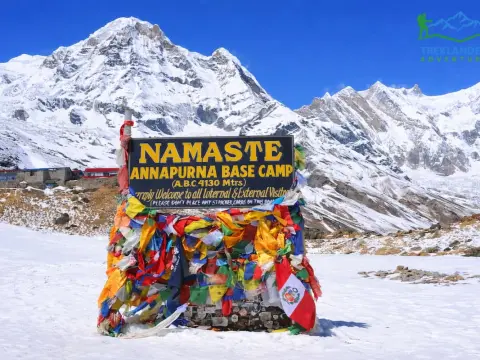
It's a good idea to have photocopies of your passport, TIMS card and ACAP permit with you while trekking. Different checkpoints or even some teahouses may want to see them. Even if it's not compulsory, having a travel insurance policy that covers high-altitude trekking is highly advisable in case of emergency, medical evacuation, or trip interruption.
If you are planning a trek in autumn, you should get your permits well in advance if you are going during the busiest months (September to November), as both trekking agencies and ACAP offices can get quite crowded. The right permits are your assurance that the trail you chose is legal, safe, and contributes to local conservation and community development.
Essentially, a Mardi Himal Trek requires mainly the TIMS card, ACAP permit, a valid passport, and, if you want, travel insurance. When these are ready, apart from fulfilling the Nepalese regulations, you open up the opportunity to fully enjoy both the breathtaking mountain views and the cultural experience(s) along the trek.
Packing the right gear is key to good safety and a nice Mardi Himal Trek experience, more so if it happens to be autumn (September-November). Generally, autumn weather is clear and pleasant in the Annapurna Region. However, temperatures differ greatly between the villages at lower altitudes and the camps at very high altitudes. This means that proper clothing and equipment are must-haves.
Clothing: For autumn trekking, layering your clothes is a must. To begin with, use base layers that will wick away moisture and keep you dry. Put on a warm mid-layer, e.g., fleece or lightweight down, to stay warm during cool mornings and nights at higher elevations. A waterproof and windproof jacket on top will keep you dry and warm during the occasional shower, strong winds, and cold temperatures. For comfort and freedom of movement, wear trekking pants, thermal leggings, and quick-dry shirts. Remember to bring a warm hat, gloves and a buff or scarf for wind protection at High Camp and Mardi Himal Viewpoint.
Footwear: It is obligatory to have sturdy, waterproof trekking boots with excellent ankle support since the trails can be rocky and uneven. Use moisture-wicking trekking socks together to keep your feet fresh and avoid blisters. If you want, bring along a pair of lightweight shoes or sandals to relax in the teahouses at night.
A daypack in the range of 30-40 liters is enough for carrying water, snacks, a camera, an extra layer, and small personal items during the day.
You should bring a reusable water bottle, a hydration system, a headlamp or torch with spare batteries, trekking poles for the trail's steep and rough parts, and a sleeping bag that can handle temperatures of about -5C to 0C.
The use of sunscreen, UV protection sunglasses, and lip balm is a must because of the strong Himalayan sun, even during the autumn season.
Take along a first aid kit with the necessary items, your prescription drugs, and a bottle of hand sanitizer. In addition, medication for altitude sickness may be of great assistance, especially if you are a sensitive trekker.
Along with your passport, don't forget your trekking permits (TIMS card and ACAP permit), carry some light snacks like energy bars or nuts, and a device like a camera or smartphone to take pictures of the stunning autumn panorama.
The fresh and crisp autumn air makes trekking quite comfortable; however, the temperature may fall very rapidly with an increase in altitude. In fact, when you pack these essential items, you are geared up for clear sky days, sunlit by the sunshine, and cold mountain nights, thus achieving a safe and unforgettable Mardi Himal trek.
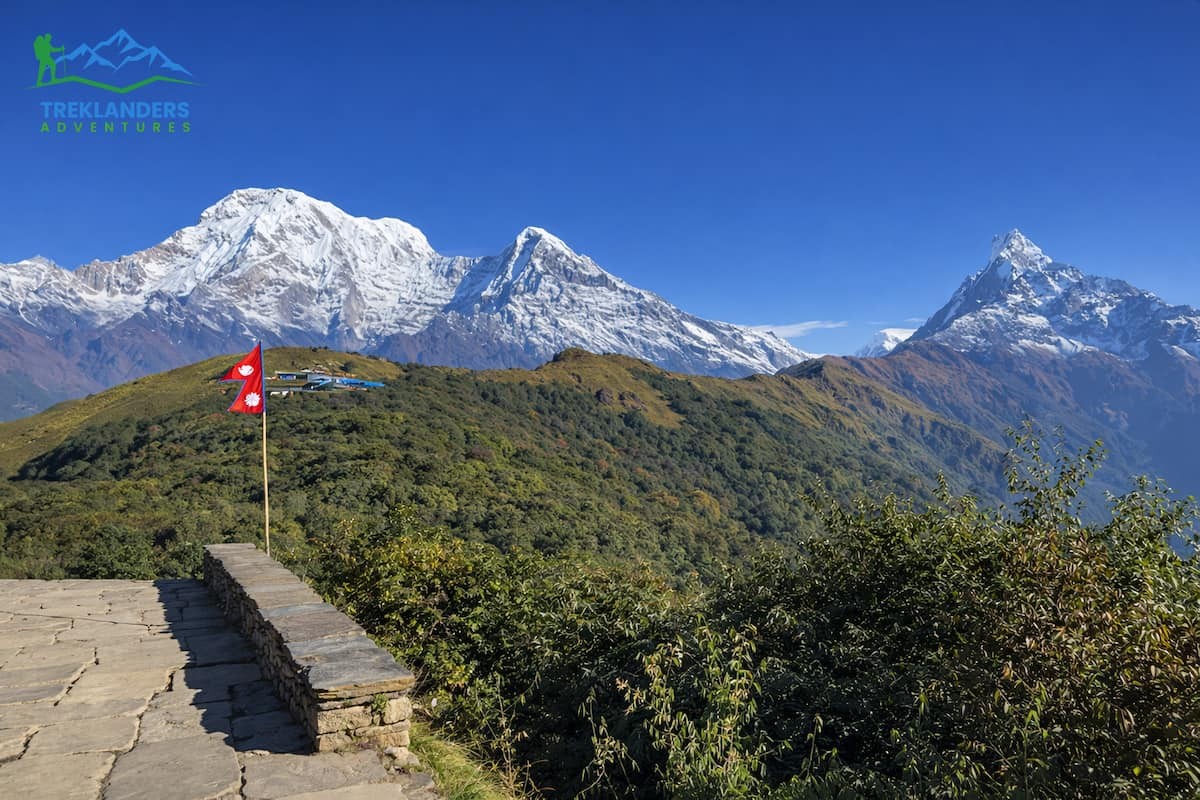
The Mardi Himal Trek climbs through various altitudes until reaching Mardi Himal Viewpoint, located at 4200 meters, where the danger of altitude sickness is notably great. Therefore, even if the weather is clear and stable during the autumn season, it is mandatory to be well prepared and allow the body to get used to the new environment to have a safe and pleasant trekking experience.
Altitude sickness, also known as Acute Mountain Sickness (AMS), is a condition that arises when the body is not able to cope with the lowered oxygen levels at higher altitudes. One gets a headache, feels nauseous, dizzy and tired, and has difficulty breathing when the symptoms become apparent. If no attention is paid, the condition may worsen to the extent of High-Altitude Pulmonary Edema (HAPE) or High-Altitude Cerebral Edema (HACE), both of which are fatal. The best way to deal with it is to prevent it in the first place.
To avoid getting altitude sickness, one should not climb too fast. The itinerary of the Mardi Himal Trek has been arranged in such a way as to permit ample time for getting used to the change in environment by gradually ascending higher and making intermediate stops at Low Camp - 2,970 m and High Camp - 3,700 m. Following the motto of climb high, sleep low, a hiker is allowed to ascend to a higher altitude during the day and then return to a lower altitude for sleeping.
One of the most important things is to stay hydrated. It is a fact that dehydration causes a higher risk of AMS; therefore, one needs to drink at least 3-4 liters of water a day, including electrolyte solutions. A diet high in carbohydrates is like fuel to your body, giving it the necessary energy to adapt to high altitudes. Besides, it's better to give up alcohol and an excessive amount of caffeine because they impede acclimatization.
Going at a slow and steady pace is very important. When you exert yourself too much, your body demands more oxygen, and that is one of the ways altitude sicknesses can be triggered. Take short breaks, especially when you are going uphill, and listen to your body to detect the first symptoms of AMS.
There are a few hikers who take acetazolamide (Diamox) to help with the acclimatization process, but it is only a medicine that should be consumed after consulting a doctor. Bring along a first aid kit and think about a portable pulse oximeter that can be used to check your oxygen levels.
In case the symptoms get worse, i.e., severe headache, vomiting, breathlessness, or confusion, you should immediately come down to a lower altitude. High Camp and teahouses have basic first aid facilities, but in case of a serious condition, an evacuation might be necessary.
By adapting to high altitudes gradually, drinking plenty of fluids, not overexerting, and being aware of your physical condition, the risk of altitude sickness is minimized and the Mardi Himal Trek with its incredible autumn vibes and Himalayan beauty can be enjoyed to the fullest.
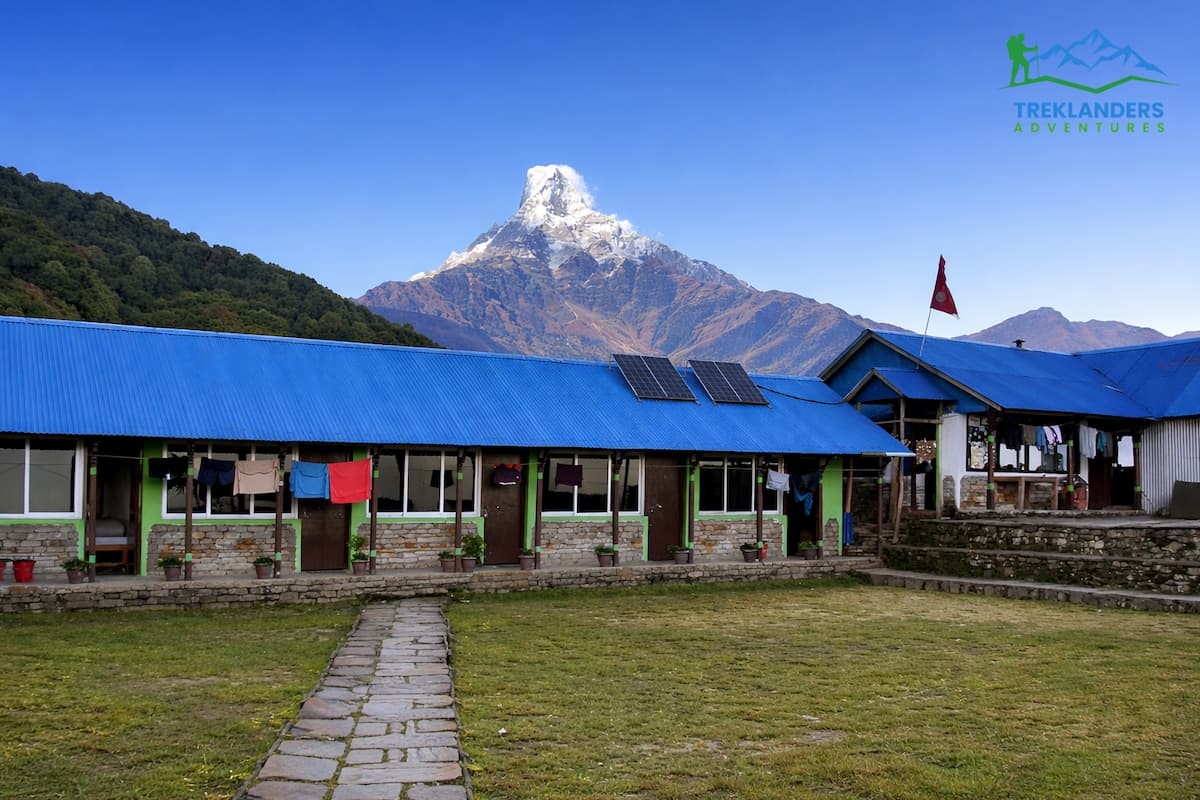
Among the distinctive facets of the Mardi Himal Trek is the opportunity to live in local teahouses and lodges that provide a great combination of comfort, cultural immersion, and convenience. Autumn, from September to November, is the busiest trekking time in Nepal, and the teahouse experience is especially satisfying at that moment because of stable weather, clear skies, and colourful scenery.
Teahouses on the Mardi Himal trail range from very simple to quite decent. At the lower altitude of Dhampus and Forest Camp, lodging is more basic, consisting of simple rooms with mattresses, blankets, and shared bathrooms. Although these lodges are very simple, they still provide a warm and friendly environment. They are usually managed by local families who offer traditional Nepali food such as dal Bhat, noodles, and soup.
Once the hikers go up to Low Camp (2,970 m) and High Camp (3,700 m), teahouses become more comfortable, but the number of rooms may be slightly smaller. In autumn, these lodges generally have everything ready for the arrival of a large number of trekkers. Most of the rooms have a heating device such as a small wood stove or hot water bottles, both very helpful for cold nights. In teahouses, you can find friends among other trekkers, exchange experiences and admire the magnificent mountain scenery that can be seen from verandas or common areas.
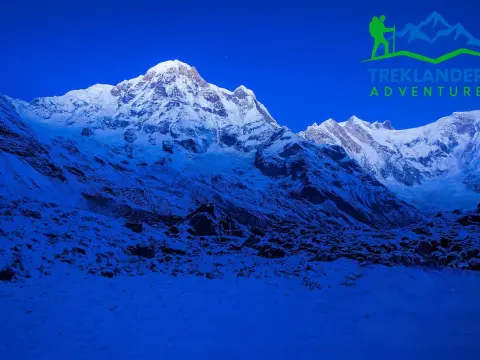
Lovely weather in the fall is just perfect for teahouse time. With the bright blue skies and the comfortably warm sun during the day, the trekkers can chill on the piazza, take in the breathtaking views of Machhapuchhre, Annapurna South, and Mardi Himal, or snap great shots of sunrise and sunset. Clear, fresh nights make one hit the bed early, which is great for rest and replenishment for the next day's hike.
The meals served at the teahouses are mostly wholesome and reasonable in price; however, it is always a great idea to have some munchies and drink with you when going up the mountains. You may get a hot shower at the bigger lodges, but at the High Camp and Base Camp, warm water is hardly available, so you need to be braced for a cold shower.
Since this beautiful season lures a great number of foreign trekkers, advance booking is a must for the autumn. Mardi Himal, however, is a lot less crowded than Annapurna Base Camp, which makes it a more peaceful and cosier place. Choosing teahouses for your stay is not only a way to help the locals but also the best method to experience mountain trekking at its finest.
In a nutshell, the teahouses on the Mardi Himal Trek give you a perfect blend of rustic appeal, basic needs, and gorgeous views, which make them an inseparable part of your fall trekking adventure.
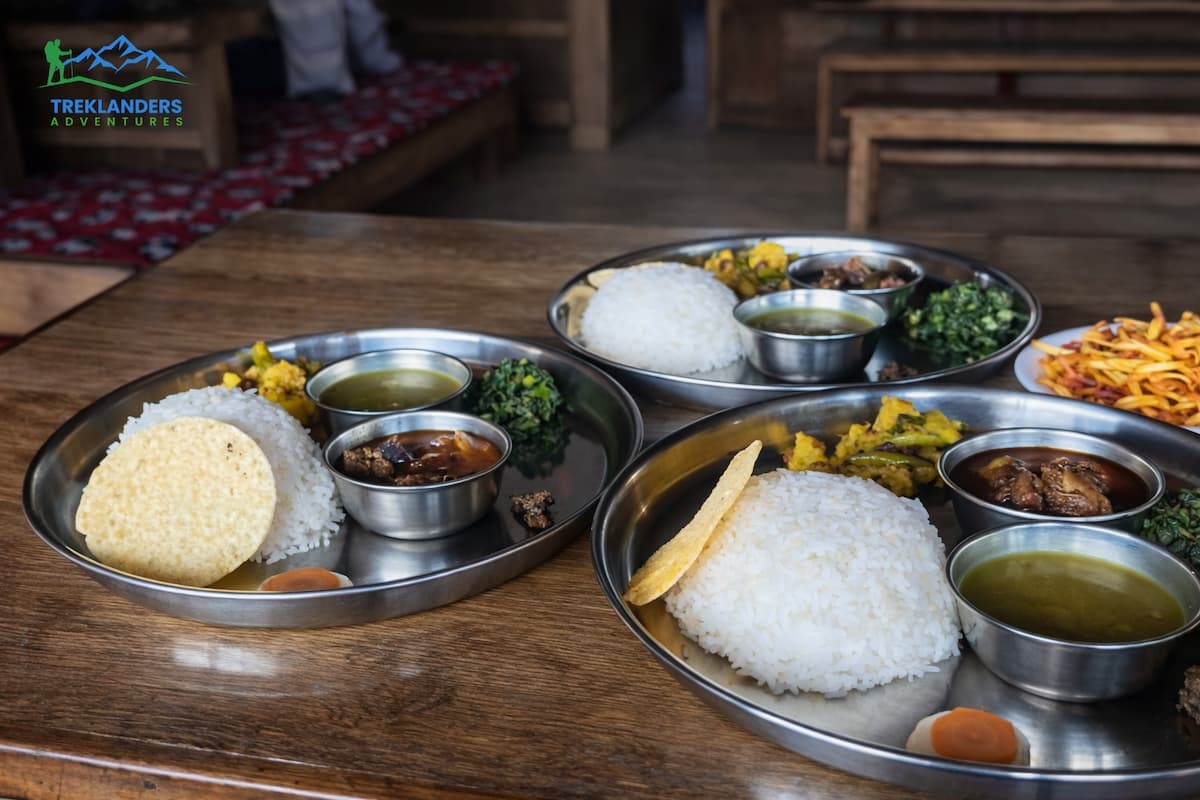
Properly taking care of your diet and water intake is part and parcel of a safe and fun Mardi Himal Trek. This is even more important during the autumn season when temperatures vary significantly, starting from warm valley areas to very cold camping spots up high. The trek goes through the Annapurna Region, where it is possible to visit local teahouses that offer meals, but simply knowing what and how much to eat, drink, and carry with you can mean the difference between having enough energy and even help you avoid altitude sickness.
Food on the Trail: Along the trek, teahouses have meals specially catering to the needs of trekkers. The menu is mainly composed of local Nepali food, which includes dishes like dal Bhat (rice with lentils and vegetables), momos (a type of dumpling), and soups, all of which can be found almost everywhere. It is very crucial to get enough carbohydrates, especially if you are going up to high altitudes, because they are the ones that supply energy fastest for a marathon-like climb. Some of the best breakfasts would be noodles, porridge, bread, and oatmeal, among others. You can keep energy levels up by having between-meal snacks like energy bars, nuts, dried fruits, or chocolate, which will also help prevent drowsiness.
Hydration Tips: When you are dehydrated, it may worsen the symptoms of altitude sickness, and you can also notice a decrease in your physical capabilities. Therefore, you should take plenty of water, at least 3-4 liters per day or more if you have been doing a lot of physical activity or if the weather is hot. The water served at teahouses is mostly boiled or filtered; however, it is recommended to always have a personal water filter, iodine tablets, or a UV sterilizer for treating water collected from natural sources such as rivers. Do not drink water that has not been treated, as it is likely to cause stomach problems.
Electrolytes and Drinks: Maintaining electrolyte balance in the body is very important when you are at high altitudes. Oral rehydration salts, electrolyte powders, or sports drinks can be used to prevent dehydration, cramps, and headaches.
Tea, coffee, and hot chocolate are the most common beverages available at teahouses, and they provide warmth, but be careful about your caffeine intake because it can cause more dehydration.
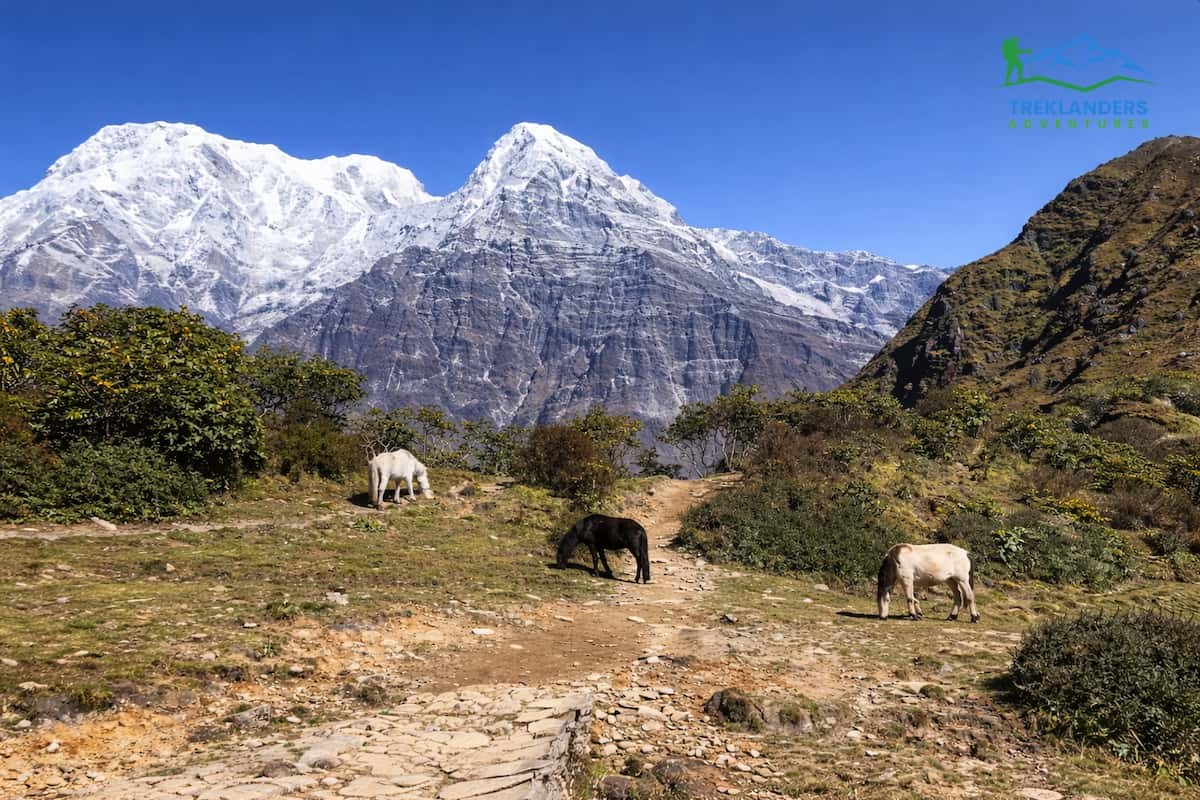
Keep drinking water at regular intervals instead of waiting to feel thirsty. Consume smaller meals more often so as not to upset your stomach at high altitude. A breakfast that is light but packed with carbohydrates provides the fuel for the morning hike, while a good lunch and dinner help to replenish energy and keep the body warm during cold nights. When you make the right food choices, keep drinking water regularly and take electrolyte supplements, you will have enough energy, will not easily get altitude sickness, and the great autumn and mountain view on the Mardi Himal Trek will be a delightful experience for you.
Planning a Mardi Himal Trek in autumn involves thorough thinking about the logistics, resources, and daily requirements to have a trouble-free and fun experience. Autumn, especially September to November, is the main trekking season in Nepal when the weather is most pleasant, and the mountain landscapes are most beautiful. This season is hence the busiest time to visit the Annapurna Region. A well-thought-out budget plan enables trekkers to handle their expenses on permits, lodging, meals, transportation, and equipment easily.
Permits and documentation: Hiking the trail requires crossing the protected areas, which means trekkers need to carry a TIMS Card as well as an Annapurna Conservation Area Permit (ACAP). By buying these permits, visitors are indirectly contributing to the conservation of nature and helping the locals to continue their livelihood. Moreover, the permits ensure that the trek is carried out legally and safely. Taking care of the paperwork beforehand allows one to skip the formalities and wait at the checkpoints.
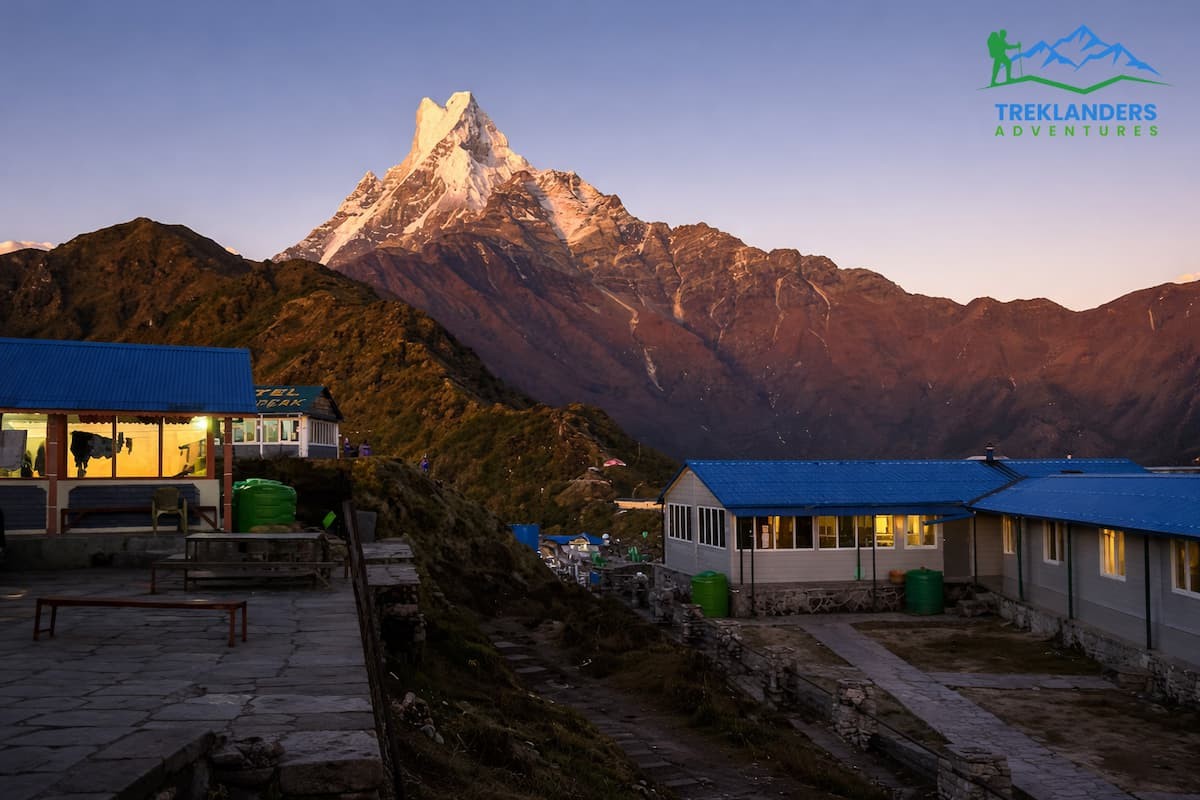
Tea houses found along the trekking route offer simple yet occasionally more comfortable rooms, which are mainly a source of livelihood for the families running them. Besides that, this accommodation option is a great way to help the community and, at the same time, enjoy the authentic Nepali culture. A meal at a tea house usually comprises local dishes like dal Bhat, noodles, and soups, which are perfect for providing the body with sufficient energy required during a trek. To keep one's energy level and stamina always at the highest point throughout the trek, it is advisable to plan the intake of meals, snacks, and water regularly.
One of the key aspects of planning the logistics of a trek is organizing the transfers from Kathmandu to Pokhara and then from Pokhara to the trailhead. There are various options available in this regard, such as tourist buses, private vehicles, or a mixture of local transport. An effective itinerary can result in more time being spent on the trail and less exhaustion.
Having the right trekking equipment, including clothes that can be layered, proper footwear, and safety gear, is very important; in fact, it is a must during the autumn season when temperature changes can be quite drastic. Being able to pack light by always having the 'most-for-the-least' items at hand is a great way of keeping the weight down and, at the same time, making sure you are comfortable during the trek.
Trekking enthusiasts should also consider the need for safety measures in the event of a situation such as a minor injury - first aid, travel insurance, and any other requirements like an extra snack, batteries, or a water purifier. Having some funds set aside for such instances is an intelligent step towards readiness for any eventuality.
By meticulously sorting out permits, accommodation, transportation, food, and gear, hikers will naturally be able to appreciate the fall colours, the fascinating mountain panoramas, and the cultural delights of the Mardi Himal Trek without any stressful situations or distractions. A well-thought-out plan is the key to a safe, smooth, and fun journey.
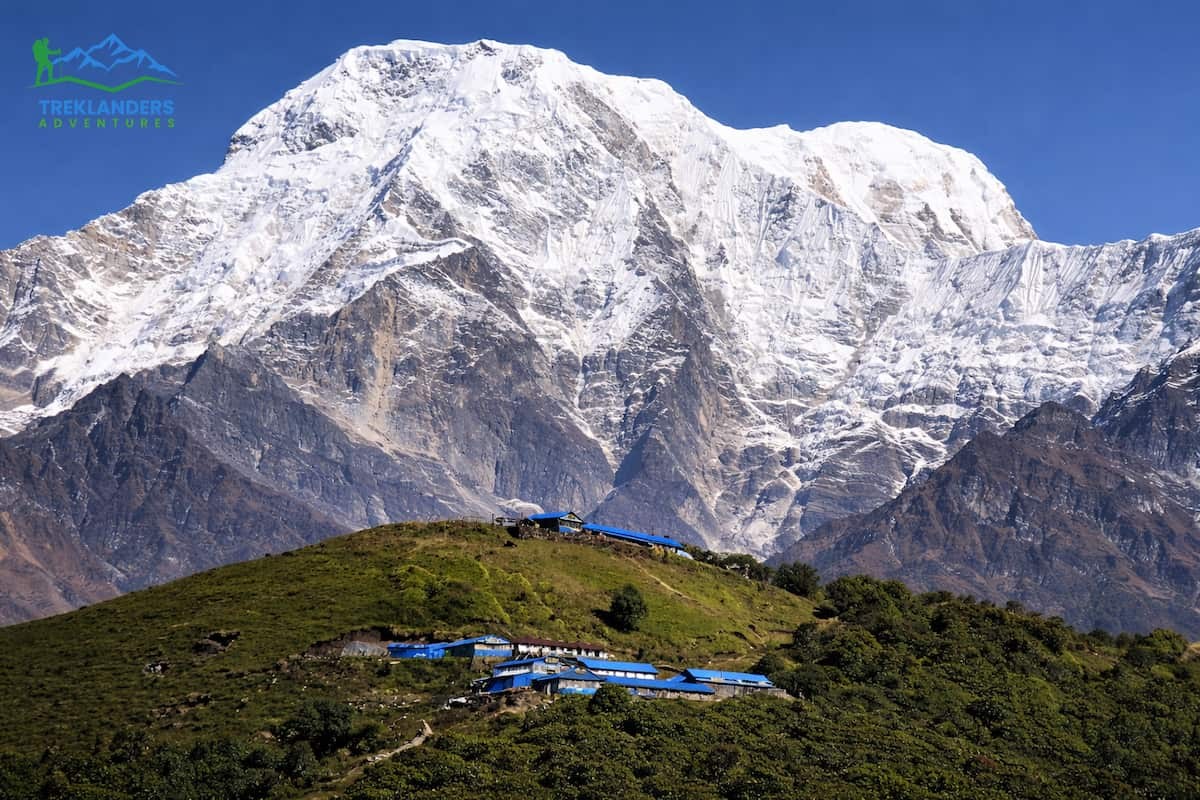
During the fall, Mardi Himal Trek promises an unforgettable Himalayan adventure. You get to enjoy blue skies, fresh mountain air, and stunning views of Machhapuchhre, Annapurna South, and Hiunchuli. The clear and stable weather of autumn not only makes trekking safer but also more pleasant. So, the conditions are perfect for hikers of all levels.
Besides amazing nature, the trek is a wonderful cultural exposure to the Annapurna Region - from seeing the traditional Gurung way of life to tasting the local teahouse food. Making the proper preparation, such as permits, acclimatization, essential gear, hydration, and nutrition, will lead to a smooth and safe trek.
Additionally, the autumn season witnesses the colour of the surroundings come alive, and the temperature remains pleasant. Besides the above advantages, from points like Mardi Himal Viewpoint and High Camp, one can also enjoy clear views of the sunrise and sunset. Setting out with proper planning combined with caring for the environment, the trekker can really have an amazing trip, which is a blend of nature, culture, and self-satisfaction.
Simply put, the Mardi Himal Trek in the fall is an all-in-one Himalayan experience. It gives one the opportunity to witness the spectacular mountain scenery, experience a unique culture, while having the perfect mix of challenge and comfort. It is suitable for anyone who wants a rewarding and beautiful trek in Nepal.
Langtang Valley Trek packing list and preparation guide with essential gear, permits, and altitude tips.

Complete Mardi Himal Trek packing and preparation guide covering gear, permits, fitness, altitude tips, and seasonal advice for a safe Himalayan Trek.

Experience the Mardi Himal Trek in spring with blooming rhododendrons, clear mountain views, and a complete trekking guide in the Annapurna region.



