[{"name":"Everest Base Camp Trek","duration":"16","image_url":"https:\/\/www.treklanders.com\/storage\/trip-galleries\/1\/thumb_419a755c003cc609f3030ee332965ebe.jpg","offer_price":1405,"url":"https:\/\/www.treklanders.com\/trips\/everest-base-camp-trek"},{"name":"Gokyo Valley Trekking","duration":"16","image_url":"https:\/\/www.treklanders.com\/storage\/trip-galleries\/2\/thumb_676d1021b574aeba4d19d3f2a0b04ed2.webp","offer_price":1205,"url":"https:\/\/www.treklanders.com\/trips\/gokyo-valley-trekking"},{"name":"Annapurna Circuit Trek","duration":"23","image_url":"https:\/\/www.treklanders.com\/storage\/trip-galleries\/3\/thumb_2a9a92ea23c62f41de27b37f5e3e8c17.webp","offer_price":1495,"url":"https:\/\/www.treklanders.com\/trips\/annapurna-circuit-trek"},{"name":"Everest Panorama Trek","duration":"12","image_url":"https:\/\/www.treklanders.com\/storage\/trip-galleries\/4\/thumb_35c9f677ea2e88b1ff11a9f43daa3ddb.jpg","offer_price":1100,"url":"https:\/\/www.treklanders.com\/trips\/everest-panorama-trek"},{"name":"Everest Base Camp Trekking from Jiri","duration":"22","image_url":"https:\/\/www.treklanders.com\/storage\/trip-galleries\/6\/thumb_14763592492417b294aa66bf0ebf4e64.webp","offer_price":1400,"url":"https:\/\/www.treklanders.com\/trips\/everest-base-camp-trekking-from-jiri"},{"name":"Everest Base Camp via Cho la Pass from Gokyo Valley Trekking","duration":"18","image_url":"https:\/\/www.treklanders.com\/storage\/trip-galleries\/7\/thumb_d4e470e98d4e9e2ab8e93e39b8b7d252.jpg","offer_price":1405,"url":"https:\/\/www.treklanders.com\/trips\/everest-base-camp-via-cho-la-pass-from-gokyo-valley-trekking"},{"name":"Everest Three Passes Trekking","duration":"22","image_url":"https:\/\/www.treklanders.com\/storage\/trip-galleries\/8\/thumb_b413b221e913171500bb3dfd5c08ceea.jpg","offer_price":1635,"url":"https:\/\/www.treklanders.com\/trips\/everest-three-passes-trekking"},{"name":"Annapurna Base Camp Trekking","duration":"14","image_url":"https:\/\/www.treklanders.com\/storage\/trip-galleries\/9\/thumb_2e71f2ffe116c659fa66b01c2d571b4e.webp","offer_price":845,"url":"https:\/\/www.treklanders.com\/trips\/annapurna-base-camp-trekking"},{"name":"Mardi Base Camp Trekking","duration":"14","image_url":"https:\/\/www.treklanders.com\/storage\/trip-galleries\/10\/thumb_d7b2d2dc638f6bbf2c31c167ac68029d.webp","offer_price":845,"url":"https:\/\/www.treklanders.com\/trips\/mardi-base-camp-trekking"},{"name":"Mohare Danda Trekking","duration":"12","image_url":"https:\/\/www.treklanders.com\/storage\/trip-galleries\/11\/thumb_a384c8d35d789d29b19991c1d675c910.webp","offer_price":755,"url":"https:\/\/www.treklanders.com\/trips\/mohare-danda-trekking"},{"name":"Khopra Ridge & Khair Lake Trekking","duration":"15","image_url":"https:\/\/www.treklanders.com\/storage\/trip-galleries\/12\/thumb_c0f50461ddc74acfb553ba85be00fab0.webp","offer_price":855,"url":"https:\/\/www.treklanders.com\/trips\/khopra-ridge-khair-lake-trekking"},{"name":"Upper Mustang Trekking","duration":"17","image_url":"https:\/\/www.treklanders.com\/storage\/trip-galleries\/13\/thumb_7aa4dfdb69186b0f224a303d80a25c95.jpg","offer_price":1715,"url":"https:\/\/www.treklanders.com\/trips\/upper-mustang-trekking"},{"name":"Langtang Valley Trek","duration":"12","image_url":"https:\/\/www.treklanders.com\/storage\/trip-galleries\/14\/thumb_8650b4b1a3c160cff75da65369398353.webp","offer_price":735,"url":"https:\/\/www.treklanders.com\/trips\/langtang-valley-trek"},{"name":"Gosainkunda Lake Trek","duration":"11","image_url":"https:\/\/www.treklanders.com\/storage\/trip-galleries\/15\/thumb_bfe94c14e760c48234e117021105be84.webp","offer_price":735,"url":"https:\/\/www.treklanders.com\/trips\/gosainkunda-lake-trek"},{"name":"Chisapani-Nagarkot to Dhulikhel Hiking","duration":"7","image_url":"https:\/\/www.treklanders.com\/storage\/trip-galleries\/16\/thumb_468defe9a4000ee3129cd7e6421ee105.webp","offer_price":565,"url":"https:\/\/www.treklanders.com\/trips\/chisapani-nagarkot-to-dhulikhel-hiking"},{"name":"Kanchenjunga Trek","duration":"23","image_url":"https:\/\/www.treklanders.com\/storage\/trip-galleries\/17\/thumb_51f43fa4203106cc49aaedc89d76e01d.jpg","offer_price":1725,"url":"https:\/\/www.treklanders.com\/trips\/kanchenjunga-trek"},{"name":"Helambu Trek","duration":"12","image_url":"https:\/\/www.treklanders.com\/storage\/trip-galleries\/18\/thumb_0fe8e3fa1299d2e43bf1fb5977875ce2.jpg","offer_price":685,"url":"https:\/\/www.treklanders.com\/trips\/helambu-trek"},{"name":"Upper Dolpo Trek","duration":"26","image_url":"https:\/\/www.treklanders.com\/storage\/trip-galleries\/19\/thumb_d6080d490e1db83b0a711e7304000864.jpg","offer_price":3005,"url":"https:\/\/www.treklanders.com\/trips\/upper-dolpo-trek"},{"name":"Manaslu Circuit Trek","duration":"18","image_url":"https:\/\/www.treklanders.com\/storage\/trip-galleries\/20\/thumb_1fdd224e849f4f328e73d2d12b3d282d.jpg","offer_price":1225,"url":"https:\/\/www.treklanders.com\/trips\/manaslu-circuit-trek"},{"name":"Tilicho Lake Base Camp Trek","duration":"19","image_url":"https:\/\/www.treklanders.com\/storage\/trip-galleries\/21\/thumb_eba8ac5e029e6543e0c17630ebd9e2fb.jpg","offer_price":1220,"url":"https:\/\/www.treklanders.com\/trips\/tilicho-lake-base-camp-trek"},{"name":"Nar-Phu Valley With Thorang-La Pass Trek","duration":"21","image_url":"https:\/\/www.treklanders.com\/storage\/trip-galleries\/22\/thumb_43597423a5a366fe9c8937fb30d2fe2a.jpg","offer_price":1315,"url":"https:\/\/www.treklanders.com\/trips\/nar-phu-valley-with-thorang-la-pass-trek"},{"name":"Nepal Round Trip of Kathmandu-Pokhara-Lumbini and Chitwan Tour","duration":"10","image_url":"https:\/\/www.treklanders.com\/storage\/trip-galleries\/23\/thumb_32497d170b2ab340b0a1b3310e91e784.webp","offer_price":845,"url":"https:\/\/www.treklanders.com\/trips\/nepal-round-trip-of-kathmandu-pokhara-lumbini-and-chitwan-tour"},{"name":"Nagarkot Day Hike","duration":"2","image_url":"https:\/\/www.treklanders.com\/storage\/trip-galleries\/24\/thumb_a5a654930fd8ba7852e41738105bacfc.webp","offer_price":105,"url":"https:\/\/www.treklanders.com\/trips\/nagarkot-day-hike"},{"name":"Nagarkot Sunrise Tour","duration":"1","image_url":"https:\/\/www.treklanders.com\/storage\/trip-galleries\/25\/thumb_17dc28a29cfa44381ad503f0a75ee84f.webp","offer_price":22,"url":"https:\/\/www.treklanders.com\/trips\/nagarkot-sunrise-tour"},{"name":"Namobuddha Day Tour with Shiva Statue","duration":"1","image_url":"https:\/\/www.treklanders.com\/storage\/trip-galleries\/26\/thumb_beeb34202f9077764aa08c67ef2867f9.webp","offer_price":45,"url":"https:\/\/www.treklanders.com\/trips\/namobuddha-day-tour-with-shiva-statue"},{"name":"Kathmandu Full Day Sightseeing Tour","duration":"1","image_url":"https:\/\/www.treklanders.com\/storage\/trip-galleries\/27\/thumb_d045fc0f1acee2cfa6b3c95f3c656d18.jpg","offer_price":30,"url":"https:\/\/www.treklanders.com\/trips\/kathmandu-full-day-sightseeing-tour"},{"name":"Patan and Bhaktapur Sightseeing Tour","duration":"1","image_url":"https:\/\/www.treklanders.com\/storage\/trip-galleries\/28\/thumb_750eacac3424b5dba686dd93656ab87c.jpg","offer_price":30,"url":"https:\/\/www.treklanders.com\/trips\/patan-and-bhaktapur-sightseeing-tour"},{"name":"Upper Mustang Heli Tour","duration":"1","image_url":"https:\/\/www.treklanders.com\/storage\/trip-galleries\/29\/thumb_0b785f69a15557f8660c805c76fda14e.webp","offer_price":1250,"url":"https:\/\/www.treklanders.com\/trips\/upper-mustang-heli-tour"},{"name":"Everest Heli Tour","duration":"1","image_url":"https:\/\/www.treklanders.com\/storage\/trip-galleries\/30\/thumb_dc45f2beb36a3699e0decf0de41a6f17.jpg","offer_price":1495,"url":"https:\/\/www.treklanders.com\/trips\/everest-heli-tour"},{"name":"Island Peak Trek & Climb","duration":"21","image_url":"https:\/\/www.treklanders.com\/storage\/trip-galleries\/31\/thumb_a0f3e3468c92a8e436045cf8b2fbf361.jpg","offer_price":2295,"url":"https:\/\/www.treklanders.com\/trips\/island-peak-trek-climb"},{"name":"Mera Peak Trek & Climb","duration":"18","image_url":"https:\/\/www.treklanders.com\/storage\/trip-galleries\/32\/thumb_3e8128a23c36f02fa38135475e811b9e.jpg","offer_price":2815,"url":"https:\/\/www.treklanders.com\/trips\/mera-peak-trek-climb"},{"name":"Chandragiri Cable Car Tour","duration":"1","image_url":"https:\/\/www.treklanders.com\/storage\/trip-galleries\/33\/thumb_faa70b716449eada6d7f1450335edbb3.jpg","offer_price":30,"url":"https:\/\/www.treklanders.com\/trips\/chandragiri-cable-car-tour"},{"name":"Everest Base Camp Trek and Returning via Heli","duration":"13","image_url":"https:\/\/www.treklanders.com\/storage\/trip-galleries\/34\/thumb_11190941866206e1d578db11986ebc73.webp","offer_price":2100,"url":"https:\/\/www.treklanders.com\/trips\/everest-base-camp-trek-and-returning-via-heli"},{"name":"Annapurna Semi Circuit Trek","duration":"15","image_url":"https:\/\/www.treklanders.com\/storage\/trip-galleries\/35\/thumb_30ddd8ba818cdcb52efd5eb0a017bcdb.jpg","offer_price":965,"url":"https:\/\/www.treklanders.com\/trips\/annapurna-semi-circuit-trek"},{"name":"Everest Base Camp Luxury Trek","duration":"14","image_url":"https:\/\/www.treklanders.com\/storage\/trip-galleries\/39\/thumb_6079aea3c5dd83e745a16fd6162270dc.jpg","offer_price":2685,"url":"https:\/\/www.treklanders.com\/trips\/everest-base-camp-luxury-trek"},{"name":"Mt. Kailash & Lake Manasarover Tour","duration":"15","image_url":"https:\/\/www.treklanders.com\/storage\/trip-galleries\/41\/thumb_cf3fededfd7dd2b40399af399e04f95a.jpg","offer_price":2205,"url":"https:\/\/www.treklanders.com\/trips\/mt-kailash-lake-manasarover-tour"},{"name":"Ghorepani Poonhill Trek","duration":"11","image_url":"https:\/\/www.treklanders.com\/storage\/trip-galleries\/43\/thumb_602d9a56976e1b836ba8adc69b8d09c5.webp","offer_price":720,"url":"https:\/\/www.treklanders.com\/trips\/ghorepani-poonhill-trek"},{"name":"11 Days Gokyo Valley Trekkking","duration":"11","image_url":"https:\/\/www.treklanders.com\/storage\/trip-galleries\/45\/thumb_ab552c3c91de392f94230a937b1c4801.jpg","offer_price":900,"url":"https:\/\/www.treklanders.com\/trips\/11-days-gokyo-valley-trekkking"},{"name":"9-Day Everest Base Camp Trekking with Helicopter Return","duration":"9","image_url":"https:\/\/www.treklanders.com\/storage\/trip-galleries\/46\/thumb_9a8ba2b582500cd86786be056902c31a.webp","offer_price":1990,"url":"https:\/\/www.treklanders.com\/trips\/9-day-everest-base-camp-trekking-with-helicopter-return"},{"name":"12-Day Everest Base Camp Trek","duration":"12","image_url":"https:\/\/www.treklanders.com\/storage\/trip-galleries\/47\/thumb_d12c9ef776c0b395ceea817fe05c5892.jpg","offer_price":1000,"url":"https:\/\/www.treklanders.com\/trips\/12-day-everest-base-camp-trek"},{"name":"8-Day Everest Panorama Trek","duration":"8","image_url":"https:\/\/www.treklanders.com\/storage\/trip-galleries\/49\/thumb_c81ae3a8ac757a317a9362e6872e2dcb.jpg","offer_price":850,"url":"https:\/\/www.treklanders.com\/trips\/8-day-everest-panorama-trek"},{"name":"7-Day Langtang Valley Trek","duration":"7","image_url":"https:\/\/www.treklanders.com\/storage\/trip-galleries\/50\/thumb_99c2904df5475ab028c9e3633ea95ef3.jpg","offer_price":420,"url":"https:\/\/www.treklanders.com\/trips\/7-day-langtang-valley-trek"},{"name":"4-Day Trekking Adventure near Kathmandu","duration":"4","image_url":"https:\/\/www.treklanders.com\/storage\/trip-galleries\/51\/thumb_594681060514dc57be1959236a6996d0.jpg","offer_price":275,"url":"https:\/\/www.treklanders.com\/trips\/4-day-trekking-adventure-near-kathmandu"},{"name":"4-Day Ghorepani Ponnhill Trek from Pokhara","duration":"4","image_url":"https:\/\/www.treklanders.com\/storage\/trip-galleries\/53\/thumb_eede04edac01f983d9af2c16f55d03e8.webp","offer_price":500,"url":"https:\/\/www.treklanders.com\/trips\/4-day-ghorepani-ponnhill-trek-from-pokhara"},{"name":"7-Day Annapurna Base Camp Trek from Pokhara","duration":"7","image_url":"https:\/\/www.treklanders.com\/storage\/trip-galleries\/55\/thumb_547e91c74088c491111ebe31a759cfbb.jpg","offer_price":420,"url":"https:\/\/www.treklanders.com\/trips\/7-day-annapurna-base-camp-trek-from-pokhara"},{"name":"13-Day Manaslu Circuit Trekking","duration":"13","image_url":"https:\/\/www.treklanders.com\/storage\/trip-galleries\/56\/thumb_aef1af4f0c4a2a9622d518ad5959542b.jpg","offer_price":1050,"url":"https:\/\/www.treklanders.com\/trips\/13-day-manaslu-circuit-trekking"},{"name":"5-Day Mardi Himal Trek from Pokhara","duration":"5","image_url":"https:\/\/www.treklanders.com\/storage\/trip-galleries\/57\/thumb_dcd598d556c14835f0a18169afafcbc6.webp","offer_price":420,"url":"https:\/\/www.treklanders.com\/trips\/5-day-mardi-himal-trek-from-pokhara"},{"name":"Nagarkot Sunrise Tour with Day Hike","duration":"1","image_url":"https:\/\/www.treklanders.com\/storage\/trip-galleries\/58\/thumb_7cdfa1f16719486da2a0718da45b1f2f.webp","offer_price":30,"url":"https:\/\/www.treklanders.com\/trips\/nagarkot-sunrise-tour-with-day-hike"},{"name":"Seven Unesco Heritage Sites Day Tour in Kathmandu","duration":"1","image_url":"https:\/\/www.treklanders.com\/storage\/trip-galleries\/59\/thumb_92aed7b9c67e76740000aab9313dced7.jpg","offer_price":40,"url":"https:\/\/www.treklanders.com\/trips\/seven-unesco-heritage-sites-day-tour-in-kathmandu"},{"name":"10-Day Ghorepani Poonhill with Annapurna Base Camp Trek","duration":"10","image_url":"https:\/\/www.treklanders.com\/storage\/trip-galleries\/60\/thumb_d4c2c089497950ccb5f8541d76e1269b.webp","offer_price":835,"url":"https:\/\/www.treklanders.com\/trips\/10-day-ghorepani-poonhill-with-annapurna-base-camp-trek"},{"name":"3-Day Chitwan Wildlife Tour","duration":"3","image_url":"https:\/\/www.treklanders.com\/storage\/trip-galleries\/61\/thumb_fc4de9cbf5bc83d67491b41df5725552.jpg","offer_price":150,"url":"https:\/\/www.treklanders.com\/trips\/3-day-chitwan-wildlife-tour"},{"name":"3-Day Pokhara Sightseeing Tour","duration":"3","image_url":"https:\/\/www.treklanders.com\/storage\/trip-galleries\/62\/thumb_a79a253f1a8bcbbf288eefc1d2f4038f.jpg","offer_price":230,"url":"https:\/\/www.treklanders.com\/trips\/3-day-pokhara-sightseeing-tour"},{"name":"7-Day Kathmandu Pokhara and Chitwan wildlifeTour","duration":"7","image_url":"https:\/\/www.treklanders.com\/storage\/trip-galleries\/63\/thumb_4f963fc141d7ef39e8a6a3c60317ae9b.jpg","offer_price":545,"url":"https:\/\/www.treklanders.com\/trips\/7-day-kathmandu-pokhara-and-chitwan-wildlifetour"},{"name":"Nagarjun Jamacho Day Hiking","duration":"1","image_url":"https:\/\/www.treklanders.com\/storage\/trip-galleries\/64\/thumb_85867eb85c60c8228e44f927341f67d1.jpg","offer_price":30,"url":"https:\/\/www.treklanders.com\/trips\/nagarjun-jamacho-day-hiking"},{"name":"Everest Mountain Flight from Kathmandu","duration":"1","image_url":"https:\/\/www.treklanders.com\/storage\/trip-galleries\/65\/thumb_1a66526d340ec175023842c38efd8a95.webp","offer_price":120,"url":"https:\/\/www.treklanders.com\/trips\/everest-mountain-flight-from-kathmandu"},{"name":"One Day Trishuli River Rafting Adventures","duration":"1","image_url":"https:\/\/www.treklanders.com\/storage\/trip-galleries\/66\/thumb_55ba0ea676c9c625f99f3d41bda224fb.jpg","offer_price":35,"url":"https:\/\/www.treklanders.com\/trips\/one-day-trishuli-river-rafting-adventures"},{"name":"13-Day Annapurna Circuit Trek","duration":"13","image_url":"https:\/\/www.treklanders.com\/storage\/trip-galleries\/67\/thumb_859e7a1fbb468a9252d365cab8379f10.jpg","offer_price":815,"url":"https:\/\/www.treklanders.com\/trips\/13-day-annapurna-circuit-trek"},{"name":"15-Day Tilicho Base Camp with Thorong-La Pass Trekking","duration":"15","image_url":"https:\/\/www.treklanders.com\/storage\/trip-galleries\/68\/thumb_56a5fd1506c9b9f1f83844353dc55edf.jpg","offer_price":920,"url":"https:\/\/www.treklanders.com\/trips\/15-day-tilicho-base-camp-with-thorong-la-pass-trekking"},{"name":"Cooking Class in Thamel-Full Course Meal","duration":"1","image_url":"https:\/\/www.treklanders.com\/storage\/trip-galleries\/69\/thumb_ed5cfbc0d94b624642d347c0776d36bb.webp","offer_price":30,"url":"https:\/\/www.treklanders.com\/trips\/cooking-class-in-thamel-full-course-meal"},{"name":"Cooking Class in Thamel-Full Course","duration":"3 Hours 30 Minutes","image_url":"https:\/\/www.treklanders.com\/img\/default.gif","offer_price":30,"url":"https:\/\/www.treklanders.com\/trips\/cooking-class-in-thamel-full-course"},{"name":"Cooking Class in Thamel-Full Course Meal","duration":"3 Hours 30 Minutes","image_url":"https:\/\/www.treklanders.com\/img\/default.gif","offer_price":30,"url":"https:\/\/www.treklanders.com\/trips\/cooking-class-in-thamel-full-course-meal"},{"name":"Momo Making Class in Thamel","duration":"1","image_url":"https:\/\/www.treklanders.com\/storage\/trip-galleries\/72\/thumb_a36e5ceca4d5c4cb0ecda367505b31d3.webp","offer_price":20,"url":"https:\/\/www.treklanders.com\/trips\/momo-making-class-in-thamel"},{"name":"8 Days Bhutan Tour from Kathmandu","duration":"8","image_url":"https:\/\/www.treklanders.com\/storage\/trip-galleries\/73\/thumb_df319d7d3ac21bcd9cf728cb1a70ea09.webp","offer_price":2275,"url":"https:\/\/www.treklanders.com\/trips\/8-days-bhutan-tour-from-kathmandu"},{"name":"10 Days Bhutan Tour with Druk path Trek","duration":"10","image_url":"https:\/\/www.treklanders.com\/storage\/trip-galleries\/74\/thumb_c7d4a4b89aceaf5d3aac313265729bb3.webp","offer_price":5715,"url":"https:\/\/www.treklanders.com\/trips\/10-days-bhutan-tour-with-druk-path-trek"},{"name":"9 -Day Langtang Valley Trek","duration":"9","image_url":"https:\/\/www.treklanders.com\/storage\/trip-galleries\/75\/thumb_65e69cec8917e39091c9e40ae06df3da.webp","offer_price":620,"url":"https:\/\/www.treklanders.com\/trips\/9--day-langtang-valley-trek"},{"name":"14 Day Everest Base Camp Trek","duration":"14","image_url":"https:\/\/www.treklanders.com\/storage\/trip-galleries\/76\/thumb_446e7f33a5f43896c9cdf470cd7be947.webp","offer_price":1175,"url":"https:\/\/www.treklanders.com\/trips\/14-day-everest-base-camp-trek"},{"name":"Lhasa Tour from Kathmandu: 10-Day Tibet Overland Journey via Gyirong","duration":"10","image_url":"https:\/\/www.treklanders.com\/img\/default.gif","offer_price":null,"url":"https:\/\/www.treklanders.com\/trips\/lhasa-tour-from-kathmandu-10-day-tibet-overland-journey-via-gyirong"},{"name":"13 Day Lhasa Tour from Kathmandu via Everest Base Camp","duration":"13","image_url":"https:\/\/www.treklanders.com\/storage\/trip-galleries\/78\/thumb_8a2bfb2abd99ba9ddc902b768e7b0759.webp","offer_price":2565,"url":"https:\/\/www.treklanders.com\/trips\/13-day-lhasa-tour-from-kathmandu-via-everest-base-camp"},{"name":"11 Day Annapurna Base Camp Trek","duration":"11","image_url":"https:\/\/www.treklanders.com\/storage\/trip-galleries\/79\/thumb_4e48a19c538c00cc8c36160ca97c5f21.webp","offer_price":720,"url":"https:\/\/www.treklanders.com\/trips\/11-day-annapurna-base-camp-trek"},{"name":"9 Day Mardi Himal Trek","duration":"9","image_url":"https:\/\/www.treklanders.com\/storage\/trip-galleries\/80\/thumb_8214945c5614ac9a84e5ca0b58b1f5a3.webp","offer_price":735,"url":"https:\/\/www.treklanders.com\/trips\/9-day-mardi-himal-trek"},{"name":"14 Day Manaslu Circuit Trek","duration":"14","image_url":"https:\/\/www.treklanders.com\/storage\/trip-galleries\/81\/thumb_b3ec98cd4036da5cb6e92250afa0d59e.webp","offer_price":1085,"url":"https:\/\/www.treklanders.com\/trips\/14-day-manaslu-circuit-trek"},{"name":"20 Day Manaslu Circuit with Tsum Valley Trek","duration":"20","image_url":"https:\/\/www.treklanders.com\/storage\/trip-galleries\/82\/thumb_b8c202cf8e16197517811d535f2a6795.webp","offer_price":1765,"url":"https:\/\/www.treklanders.com\/trips\/20-day-manaslu-circuit-with-tsum-valley-trek"},{"name":"15 Day Langtang Gosaikunda Lake Helambu Trek","duration":"15","image_url":"https:\/\/www.treklanders.com\/storage\/trip-galleries\/83\/thumb_a9c7bbb74f733cdc9a3469a448df7109.webp","offer_price":985,"url":"https:\/\/www.treklanders.com\/trips\/15-day-langtang-gosaikunda-lake-helambu-trek"},{"name":"14 Day Tamang Heritage with Langtang Valley Trek","duration":"14","image_url":"https:\/\/www.treklanders.com\/storage\/trip-galleries\/84\/thumb_57fe1b0ad2b7d0489273633b906d2f43.webp","offer_price":895,"url":"https:\/\/www.treklanders.com\/trips\/14-day-tamang-heritage-with-langtang-valley-trek"},{"name":"6 Day Pikey Peak Trek","duration":"6","image_url":"https:\/\/www.treklanders.com\/storage\/trip-galleries\/85\/thumb_f69c5c05ac7a2100c9010f66292efc86.webp","offer_price":550,"url":"https:\/\/www.treklanders.com\/trips\/6-day-pikey-peak-trek"},{"name":"Everest Base Camp Trek with Lobuche East Peak Climbing Expedition","duration":"17","image_url":"https:\/\/www.treklanders.com\/storage\/trip-galleries\/86\/thumb_9e7f330ecdbd7f74fe6f16202d3fed28.webp","offer_price":2295,"url":"https:\/\/www.treklanders.com\/trips\/everest-base-camp-trek-with-lobuche-east-peak-climbing-expedition"}]
Langtang Valley Trek Packing List & Preparation Guide: Complete Checklist, Permits, Fitness & Altitude Tips
Langtang Valley Trek Packing List & Preparation Guide: Complete Checklist, Permits, Fitness & Altitude Tips
The Langtang Valley Trek is one of Nepal's most renowned Himalayan treks, offering the chance to experience stunning mountain landscapes, learn about the traditional Tamang culture, enjoy the lush green forest, and witness alpine nature all within a short trekking period. Langtang, which lies north of Kathmandu and shares a border with Tibet, is considered by many to be the less crowded sister of Everest and Annapurna, though it still offers magnificent panoramas. Nevertheless, as with any mountain adventure, packing and preparing correctly are essential if you want to have a safe, comfortable, and successful trek.
The Langtang Valley Trek, which reaches altitudes of around 4,984 meters at Tserko Ri, is marked by changing weather conditions, steep climbs, and the facilities of basic teahouses. There may be quite a swing in temperatures from day to night, especially during the most popular seasons like spring (March-May) and autumn (September-November). If the right gear is not available and no good planning has been done, trekkers might find themselves in discomfort, having altitude problems, or putting too much unnecessary strain on their bodies. For this reason, it is very necessary to know what to bring and what to leave behind.
Trekker hiking along the Langtang Valley Trek trail.
Good preparation goes far beyond just the physical side of getting ready and is more of a mental challenge. It is very important that you do physical training, get travel insurance that covers high-altitude trekking, have the necessary permits, such as the Langtang National Park Entry Permit and TIMS card, and know how to avoid altitude sickness. Choosing lightweight yet functional trekking equipment is also important. Your backpack should be filled with only those items that will be used and the ones that are absolutely necessary. From layered clothing and sturdy trekking boots to sleeping gear, medical kit, and water bottles, everything should be very well thought out and reasoned.
In addition, you don't want to carry heavy and unnecessary stuff, which can be really draining on the trek. On the other hand, if you pack too little, you will not be able to provide for your needs during the cold nights or sudden weather changes. A perfectly balanced packing method will help you to bring only the necessary stuff, and at the same time, you will be comfortable and protected throughout your trip.
Preparation and packing are two of the main things to consider when planning a Langtang Valley trek, and, therefore, this guide is a great way to start your planning journey since it will not only help you make a packing list but also give you tips on how to get in good shape for your trek. Once you are well-equipped for and spiritually in tune with your adventure, you will be able to fully relish the amazing scenery of the Himalayas and the warm hospitality of the local communities that make the Langtang Valley a place that you will always remember.
Complete Langtang Valley Trek Packing Checklist
Langtang Valley Trek Packing List
Creating a thorough packing list for the Langtang Valley Trek plays a vital role in staying comfortable, safe, and efficient while on the trail. As the trek goes to heights close to 5,000 meters at Tserko Ri, the weather can be quite unstable, and the temperature might drop sharply at night. Smart packing and carrying a light pack will definitely add to the pleasure of your trip.
Start with clothing in line with a good layering system. You should have moisture-wicking base layers (two sets), an insulating mid-layer like fleece or a lightweight down jacket, and a waterproof and windproof outer shell. Also, pack three pairs of trekking pants, thermal innerwear for the colder nights, quick-dry T-shirts, and a warm hat and gloves. A buff or neck gaiter and UV-protected sunglasses are equally important at high altitudes. For your feet, bring strong, comfortable trekking boots, 3-4 pairs of trekking socks, and light sandals or shoes for the camp for the evening.
If you are carrying your equipment, your backpack should be about 40-50 liters. Bring a sleeping bag with a temperature rating of at least -10-degree Celsius, as blankets in the teahouses might not be enough during the cold seasons. Don't forget to pack a rain cover for your backpack. You can ease the burden on your legs by using trekking poles, especially on steep sections of the trail.
Some of the main equipment considerations that you should not miss include a reusable water bottle or hydration bladder, water purification tablets or filter, headlamp with extra batteries, power bank, basic toiletries, quick-dry towel, sunscreen (SPF 30+), lip balm with SPF, and a personal first aid kit. Carry your regular medications, blister treatment materials, and, if you have been prescribed, altitude sickness medicine.
Your passport copy, Langtang National Park Entry Permit, and TIMS card should be stored in a waterproof pouch that you can easily access. Don't forget to bring some cash in Nepali rupees since there are no ATMs on your way to the trail.
Stay away from option packing unnecessary gadgets, heavy books, or extra clothes. Each element needs to have a practical reason behind it. By having a detailed packing list, you can anticipate and be completely ready for the beautiful sceneries, the Tamang villages, and the glorious Himalayan views in the Langtang Valley Trek scene.
Best Clothing and Layering System for Langtang Valley Trek
Best Clothing and Layering for Langtang Valley Trek
Choosing the right clothing and layering system for the Langtang Valley Trek is essential if you want to be warm, dry, and comfortable despite the ever-changing weather conditions of the Himalayas. The trek traverses through subtropical forests to high alpine terrain above 4,000 meters, where it can be freezing cold at night. By using a proper layering system, you will be able to wear fewer or more clothes according to temperature changes that occur throughout the day.
The base layer is the first layer that forms direct contact with your skin. It mainly helps to handle moisture. Pick thermals, tops, and bottoms which are light, moisture-wicking and can be made of either merino wool or synthetic materials. Do not carry cotton as it sticks to sweat and can make you cold. Have at least two sets so that you can take one while the other is being dried.
The mid-layer, which is the second layer, is the insulating layer that helps the body to retain heat. To this end, a fleece jacket or a lightweight insulated jacket will work great in moderate cold conditions. In case of higher elevations or seasons of colder weather, like autumn and spring, it is best to have a packable down jacket. Down jackets have a great warmth-to-weight ratio and are your best choice when it is chilly at the beginning of the day or at Kyanjin Gompa in the evening.
The third layer is the outer shell layer that is designed to be your first line of defense against a harsh environment. The perfect jacket for this layer would be a waterproof and windproof one made from breathable fabric (Gore-Tex or similar). If you expect rain or snow, especially in the monsoon or when the weather is unpredictable, waterproof trekking pants are a must.
For the bottom part, two pairs of quick-dry trekking pants and one thermal bottom for cold nights are sufficient. Equally necessary are the accessories: warm gloves, a wool or fleece hat, a sun hat, UV-protection sunglasses, and a buff or neck gaiter for wind protection.
One major benefit of proper layering is that it gives you the ability to add or remove clothing as the situation demands. For instance, when going uphill, you usually get hot, so it is best to remove some layers to avoid overheating. Conversely, during a short break when you stop moving, the body cools down quickly, so putting on layers helps retain heat. Using a good layering system, you can enjoy the different climatic conditions of the Langtang Valley Trek while still having a lightweight and well-organized backpack.
Essential Trekking Gear and Equipment for Langtang Valley
Footwear for Langtang Valley Trek
Having the right trekking gear and equipment for the Langtang Valley Trek is a must if you want to stay safe, comfortable, and efficient while going up in altitude. You will be climbing steep slopes, walking on rocky paths, crossing rivers, and reaching almost 5,000 meters on Tserko Ri. Proper gear will not just help you perform better but will also reduce your tiredness and the possibility of getting hurt.
A strong backpack (40-50 liters) is where your trekking setup starts. It should have padded shoulder straps, a good hip belt, and a rain cover to keep your stuff dry in case of sudden weather changes. In case you are hiring a porter, a small daypack (20-25 liters) is enough for carrying daily essentials like water, snacks, a camera, and extra layers.
One of the most important parts of the equipment is footwear. Get a pair of high-quality, well-broken-in trekking boots that offer good ankle support and have a strong grip. The paths might be uneven and slippery, especially after the rain. Match your boots with moisture-wicking trekking socks so you don't get blisters. You can also bring along lightweight sandals or camp shoes for evenings at teahouses.
Trekking poles are an absolute must if you are doing the Langtang Valley Trek. They can significantly take the load off your knees during descents and also give you stability on the steep or uneven path.
Definitely, a headlamp with spare batteries is another fine piece of gear, especially if you plan to start your hike at dawn or there is a chance that the power may go off in the isolated lodges.
When it comes to hydration gear, it's a necessity. Along with water purification tablets or a portable water filter, think of carrying a reusable water bottle or hydration bladder. Proper hydration is the key to avoiding altitude sickness.
Among the essentials in a personal first aid kit should be the basic drugs, blister treatment, painkillers, band-aids, and any medications prescribed by a doctor.
You can also think of sunglasses with comfortable UV protection, sunscreen (SPF 30+), lip balm, a power bank for charging your gadgets, a quick-dry towel, and basic toiletries. In a waterproof pouch, keep your permits, passport copies, and money.
Choosing practical, lightweight, and trustworthy gear will not only give you a great trekking experience but also make sure you are well-prepared for the diverse terrain and weather conditions of the Langtang Valley Trek.
Permits Required for Langtang Valley Trek
Before going on a trek in Langtang Valley, you need to get certain permits and documents. These permits are necessary for access to the regulated trekking areas of Nepal; they help fund conservation work and make sure you are safe on the trail. So, it is important to know what permits are needed, retrieving them, and the cost involved for a hassle-free trekking experience.
The main documentation required is the Langtang National Park Entry Permit. Langtang National Park was the first Himalayan national park in Nepal that was set up to safeguard the special biodiversity and cultural heritage of the area. Every trekker - both Nepali and foreign nationals - must get this permit before crossing the park boundary. The permit charge is used for the park's upkeep, community development, and conservation. Usually, the park entry permit can be purchased at the Nepal Tourism Board Office in Kathmandu or at the official check posts in Syabrubesi, which is the typical starting point of the trek. For the permit application, you need to provide passport-sized photographs.
15 Day Langtang Gosaikunda Lake Helambu Trek | 15 days
Moreover, foreign trekkers, besides the park permit, should also have a Trekkers Information Management System (TIMS) card with them. TIMS was set up by the Nepal Tourism Board as a way to enhance trekkers' safety, control the trekking traffic, and facilitate rescue operations in case of emergencies. There are two sorts of TIMS cards: individual and group. Solo trekkers usually get the individual TIMS card. You can get the TIMS card in Kathmandu or at the accredited travel agencies and check-in points, such as Syabrubesi.
Rates for permits are subject to change; therefore, it is recommended to check the current prices before your trek. The cost of permits varies between SAARC nationals and other international trekkers, with SAARC nationals generally paying lower fees. Some trekking companies take the responsibility of arranging permits for you if you go with a trekking package, which makes the process easier but might have some extra service charges.
You should never leave your permits behind during the trek because the checkpoints on the trail might request to see them. Having the proper documents not only keeps you on the right side of the law but also increases your safety and helps in the preservation of the beautiful Langtang Valley environment.
Physical Fitness and Training Plan for Langtang Trek Preparation
Trekkers along the Langtang Valley Trek trail.
Langtang Valley Trek is not your backyard stroll; you'll be required to go up and down the hills without stopping, spend long hours walking under the sun and breathe the thin air at 4,984 meters in Tserko Ri. For this reason, strengthening your body physically before the trek is very important. The trek itself is not very difficult, but if you are in poor physical shape, your walk will be very tiring, and you will be more prone to suffering from altitude sickness. Having a well-planned training schedule 6-8 weeks ahead of the trekking date is a perfect way to elevate your stamina, along with your total trekking performance.
Firstly, your attention should be on your cardiorespiratory fitness. Brisk walking, jogging, biking, swimming, or stair climbing are all good ways of making your heart and lungs work stronger. 4-5 times a week, get yourself at least 30-45 minutes of cardio workout. Also, to prepare your body for the uphill hike, gradually increase the difficulty of the training. If you want a sure way to get your body ready for the Langtang trek terrain, hiking on local hills with a light backpack is an ideal option.
14 Day Tamang Heritage with Langtang Valley Trek | 14 days
At the same time, it is vital that you do strength training. Focus especially on the legs as these muscles will be most at work during the trek. To be more specific, quads, hamstrings, calves, and glutes. Keep your stability and strength by doing exercises like squats, lunges, step-ups, and leg presses. A strong core will help you keep your balance and good posture, which is especially important when your back is loaded with a heavy bag. Thus, planks and abdominal exercises are some of the cores strengthening workouts.
One should not overlook flexibility and mobility. Add to your routine 2-3 times a week some stretching or yoga sessions that help lower muscle stiffness and prevent injuries. Being flexible also allows for a more efficient stride and quicker recovery after a long day of walking.
Besides physical fitness, mental preparedness is also crucial. One of the things that makes high-altitude trekking successful is having patience, an even pace, and a positive attitude. Instead of going fast, always try to walk at a steady and sustainable pace. Take some time to familiarize with simple breathing methods that help you efficiently tackle the ascent.
If you suffer from any medical condition, be sure to consult a doctor before going high-altitude trek. Also, proper hydration, good nutrition, and getting enough rest are vital aspects of the training phase.
By persisting with training and gradually increasing the intensity, you will be able to acquire the endurance, power, and self-assurance necessary not only to complete the Langtang Valley Trek safely and soundly but also to really enjoy the amazing Himalayan landscape.
Altitude Sickness Prevention and Acclimatization Tips
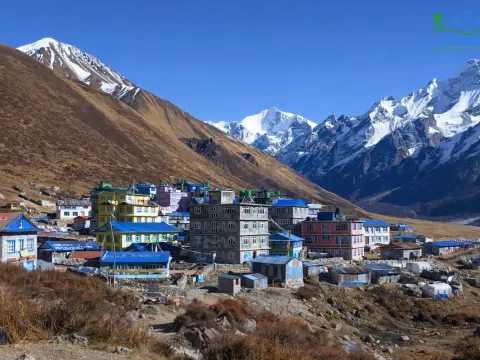
Kyanjin Gompa
Altitude sickness prevention is an essential element when preparing for the Langtang Valley Trek since the trail goes up nearly 5000 meters at Tserko Ri. Higher altitude means lower oxygen levels, which makes the body work less efficiently. If the body is not given enough time to get used to it, the trekkers will suffer from Acute Mountain Sickness (AMS), which, if neglected, can lead to death.
The best way to stop Mountain Sickness is to slowly go up. Try to use the idea of "going up high, sleeping low" wherever it is possible. Once you are over 3000m, do not increase your sleeping altitude by more than 300-500m per day. The typical Langtang schedule naturally supports acclimatization, especially if you spend an extra night at Kyanjin Gompa. You should not be in a hurry with this trip; a slow and consistent pace will give your body enough time to get used to the changes.
Water consumption is of great importance in altitude acclimatization. You should drink 3-4 liters of water a day at a minimum. Headaches and tiredness are some of the symptoms that can be worsened by dehydration. Cutting down on alcohol and smoking is also important since both reduce oxygen absorption and retard acclimatization. Make sure your meal is balanced and is high in carbohydrates to keep your energy up when you are at a high altitude.
The most crucial consideration is recognizing the early symptoms of AMS. Common symptoms that people suffer first are headache, nausea, dizziness, loss of appetite, fatigue, and difficulty sleeping. If symptoms appear, stop ascending and rest. Hydration and rest can bring a quick relief to those who are only mildly affected, but if the situation deteriorates such as with severe headache, confusion, shortness of breath at rest, or difficulty walking descend immediately and have the medical help ready. Even going down 500-1,000 meters can greatly assist the condition.
A few trekkers even go so far as to talk to a doctor about getting preventive medicine like acetazolamide (Diamox). However, this medication should not be used without the doctor's prescription. It is highly advisable to have travel insurance with rescue at high altitude coverage.
Most people think that only the physically fit get acclimatized and that it is impossible for an athlete to develop altitude sickness. However, the truth is that acclimatization involves more than physical fitness alone. It is best to respond to the signals of your body, stick to an itinerary that allows for slow progress, and drink enough water. These three are the surest ways of avoiding altitude-related troubles on the Langtang Valley Trek.
Best Season for Langtang Valley Trek and Seasonal Packing Guide
Kyanjin Valley
The time of year you choose to do the Langtang Valley Trek will impact your whole trip, including how the weather is, how well you can see the mountains, and what you need to bring in your pack. In fact, you can go to Langtang any time of the year, but the spring and autumn are probably the best seasons, not only because the weather is more stable, but also because the views of the Himalayas are clearer.
Spring (March to May) is definitely one of the best seasons for Langtang Trekking here. Temperatures are comfortable, the sun shines most of the time, and along the path, the forests of rhododendrons open their flowers, creating a beautiful background. At lower levels, during the day, you can expect temperatures to be between 10 and 20 degrees Celsius, whereas in the higher parts of the mountains, it can go down to below zero at night. When preparing for spring trekking, make sure you bring a good layering system: thermal underwear made of a material that dries quickly, a fleece or an insulated jacket, and a waterproof shell. Besides, it is advisable to have a medium-weight down jacket for the nights in Kyanjin Gompa.
Autumn (September to November) is the prime time for most of the trekkers. Right after the monsoon, when all the dust and haze are gone, the mountain views are just stunning. The weather is dry and quite stable; thus, the trails are in perfect condition. During the day, it is nice and warm, but when it gets to be over 3,500 m, nights can be really cold. Therefore, it is a must to have warm gloves, a thermal base layer, and a very good sleeping bag with a temperature rating of at least -10 °C.
Winter (December to February) brings the serenity of the slopes and the beauty of the snow-covered nature, but the temperature can plummet far below freezing. At higher altitudes, some teahouses might be closed. Heavy insulation, thermal innerwear, thick gloves, wool hats, and top-notch down jackets are a must.
Monsoon (June to August) is characterized by the most rain, muddy paths, and very limited mountain visibility. Nevertheless, the valley turns into a fresh green carpet. Waterproof items are therefore a must. Don't forget to have a raincoat, rain trousers, a backpack cover, and quick-dry clothes with you. At lower elevations, you may also require protection against leeches.
Overshadowing the weather and snow, the preference of most trekkers looking for clear views and comfortable conditions will be spring and autumn. By varying your packing list with the season, you ensure your safety, comfort, and a pleasant trekking experience in the ever-changing climate of the Langtang Valley.
Backpack Essentials: What to Carry and What to Avoid
Sleeping gear for the Langtang Valley Trek.
Careful consideration of your backpack is a key factor in making your Langtang Valley Trek a great experience. Not only does a neatly arranged backpack help you save your energy, but it also guarantees that your most-used items are always at hand and that you can easily adjust your clothes for a change in the weather. It is quite a challenge to decide on the items to pack and the ones to leave behind. However, doing it right can be a game-changer in your trekking experience.
What to bring: For starters, get a sturdy 40-50L backpack with the features of padded straps and a well-contoured hip belt. A waterproof rain covers to shield your stuff from unexpected rain and snow is a must. Since hydration is extremely important in high altitudes, bring a reusable water bottle or hydration bladder and also water purification tablets or a portable filter.
Clothing should be selected according to a layered technique: moisture-wicking base layers, a fleece or down jacket for warming, a waterproof shell, trekking pants, and thermal innerwear for cold nights. Likewise, gloves, a cap, a buff, and UV-protection sunglasses are necessary accessories.
Other important items are trekking poles for stability, a headlamp plus extra batteries, a quick-dry towel, a personal first aid kit, sunscreen, and lip balm. Bring some basic toiletries, a power bank for charging devices, and energy snacks for long walks. Keep documents such as a passport copy, Langtang National Park Entry Permit, and TIMS card in a waterproof pouch. A little cash in Nepali rupees is a must since there are very few ATMs on the trail.
Items to Avoid: Do not carry too many heavy clothes or unnecessary electronics for trekking. Having several books, a large camera, or non-essential gadgets unnecessarily weighs you down. Avoid cotton clothes as they hold moisture, and you may get cold. Minimize cosmetics and bulky toiletries; a small, light kit is quite enough.
Your backpack weight will be balanced if you place heavy things close to your back and light things at the top. This increases stability and decreases the stress of long walks. By bringing only what is necessary and excluding items that are not, you can have a light, neat backpack that is well-equipped for the changing conditions of the Langtang Valley Trek. Packing smartly is the key to comfort, safety, and a pleasant trekking experience from the trailhead to Kyanjin Gompa.
Food, Water, and Hydration Tips During Langtang Trek
Food served during the Langtang Valley Trek.
Proper food, water, and hydration management play a vital part in a successful Langtang Valley Trek since high-altitude trekking puts the body under more stress and thus requires more energy. Well-fueled and hydrated bodies have more stamina, are less fatigued, and are less prone to altitude-related illnesses.
Food Tips: On a Langtang trek, you will have to walk for long hours almost every day, allowing your body to consume more calories. Stave off from such a fad dieting of getting your main source of energy only from one type of macronutrient, like carbs or protein, but rather, go for a balanced diet with carbs providing you with energy, proteins helping your muscles repair and fats keeping you warm.
A typical teahouse meal consists of rice, noodles, soup, dal Bhat (lentil soup with rice), and vegetables. It is advisable to bring along high-energy snacks like nuts, energy bars, chocolate, and dried fruits as a quick source of energy on the trek. Eating small meals frequently is more beneficial than having large meals at one time. At high altitudes, it is better to avoid very fatty or spicy foods that may lead to digestive problems.
Water and Hydration: Dehydration at high altitudes is a common issue as the dry air combined with the physical activity leads to increased sweating and hence the loss of fluids. Even when you don't feel thirsty, you should be drinking at least 3-4 liters of water daily. For convenience, carry your refillable water bottle or hydration bladder with you at all times. Water purification is a must, either through the use of chlorine or iodine tablets or by using a portable water filter. If available, boiled water is also safe. Do not drink untreated stream water when hiking, as it may cause gastrointestinal problems.
Additional Hydration Tips: It makes sense to use herbal teas, soups, and electrolyte drinks to help replenish lost salts and minerals. Remember that both alcohol and caffeine can exacerbate dehydration, so it is better to avoid or limit them. Also, watch the colour of your urine; if it is light yellow, you are well-hydrated, but if it is dark yellow, you should drink more water.
Practical tips: Take a water refill as soon as it is possible, and consider your water needs in the areas where teahouse options are limited. If the water container is at your fingertips in your backpack or waist belt, you will be more likely to take small sips regularly.
In addition to nutrition, hydration is equally vital in regulating energy levels, achieving quicker recovery, and reducing the chances of altitude sickness, thus presenting an overall safer and more pleasurable Langtang Valley Trek. Without a doubt, the proper food and water management are equally as important as carrying the right trekking gear for a successful adventure.
Travel Insurance, Safety Tips, and Emergency Preparation Guide
Ensuring your safety on the Langtang Valley Trek means planning thoughtfully, having the right travel insurance, and being aware of the steps to take in case of an emergency. The trek crosses high-altitude paths, experiences changing weather, and goes through isolated areas where access to medical facilities is not easy. Being well-prepared can be a vital factor in avoiding accidents and managing unforeseen events.
Travel Insurance: Adequate travel insurance is a must-have for every trekker. Look for a policy that specifically covers high-altitude treks (up to a minimum of 5,000 meters) and that also has provisions for medical evacuation, helicopter rescue, and trip interruption. Immediate medical help or evacuation might be necessary in cases like altitude sickness, injuries due to falls, or sudden illness, which, without insurance, could be very costly. It is always good to have the insurance papers and emergency contacts both in digital and printed versions with you.
Safety Tips: Sticking to the marked trekking trails is a must, and one should never take shortcuts. Check the weather forecast every day because if it rains or snows suddenly, the trails can get slippery and dangerous. Consider using trekking poles to keep your balance and wear proper boots to avoid ankle injuries. Walk at a comfortable pace so that you don't get tired and give your body time to get used to the higher altitude. It is very unsafe to go on a trek alone; thus, travelling with a group or a knowledgeable guide is a good idea, as it enhances safety and the guide can help during emergencies.
Emergency Preparation: It is important to be familiar with the signs of altitude sickness, such as headache, nausea, dizziness, and fatigue. If symptoms become severe, follow a lower altitude immediately and get medical help. Always carry a basic first aid kit containing medicines, bandages, and blister treatments. Also, take along a whistle or a small signaling device in case of an emergency. Since mobile network coverage is scarce in most parts of the Langtang Valley, always let someone know your daily route plan and the time you expect to reach the next teahouse.
Communication: It might be a good idea to have a power bank or a solar charger with you to keep your phone battery at a good level. You can also take a satellite phone or GPS device that are not necessary but could be lifesavers in case you get lost in a very remote place.
At the end of the day, by picking up dependable travel insurance, adhering to safety rules, and being ready for emergency situations, you will be able to lessen the risks and concentrate on enjoying the wonderful natural scenery, cultural experiences, and Himalayan adventure of the Langtang Valley Trek without worry. Being well-prepared for safety is what keeps your trek going in the right direction and unforgettable for good reasons.
Conclusion
Yak grazing in the Langtang Valley during the trek.
Thus, in the end, proper packing and preparation are the main ingredients for a safe, comfortable, and enjoyable Langtang Valley Trek. All aspects, from finding the right clothes, trekking gears, and hydration plans, getting the permits, to keeping up with your physical fitness, contribute to the pleasant and memorable journey. Moreover, knowing how to deal with altitude, being prepared for emergencies, and changing the plan according to the season will make the hiking safer and more pleasant. If a trekker follows a well-thought-out plan and packs the things he really needs, he will be able to enjoy the stunning Himalayan scenery, the colourful local culture, and the peaceful nature, which are the main reasons why Langtang Valley is such an amazing adventure.