
Langtang Valley vs Mardi Himal Trek – Which One Should You Choose? Full Comparison Guide
26 Dec 2025
A quick guide comparing Langtang Valley vs Mardi Himal Trek to help you choose the right Himalayan adventure.


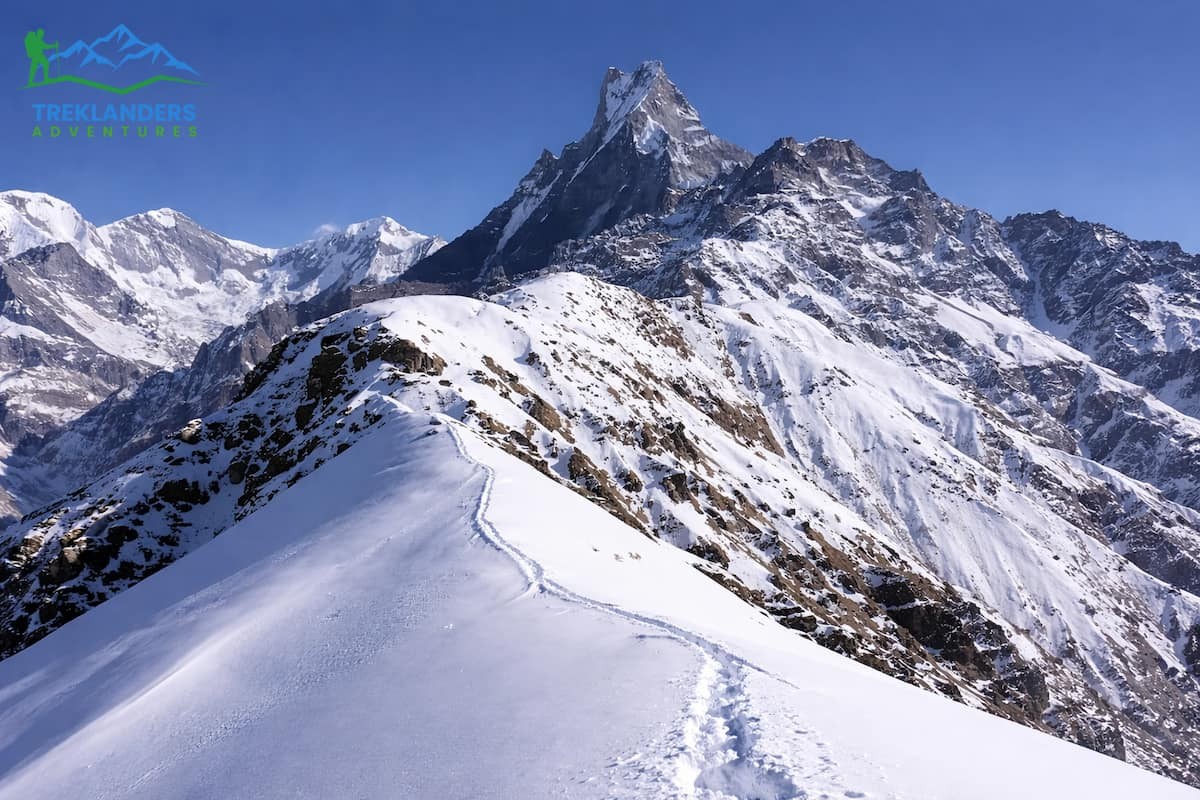
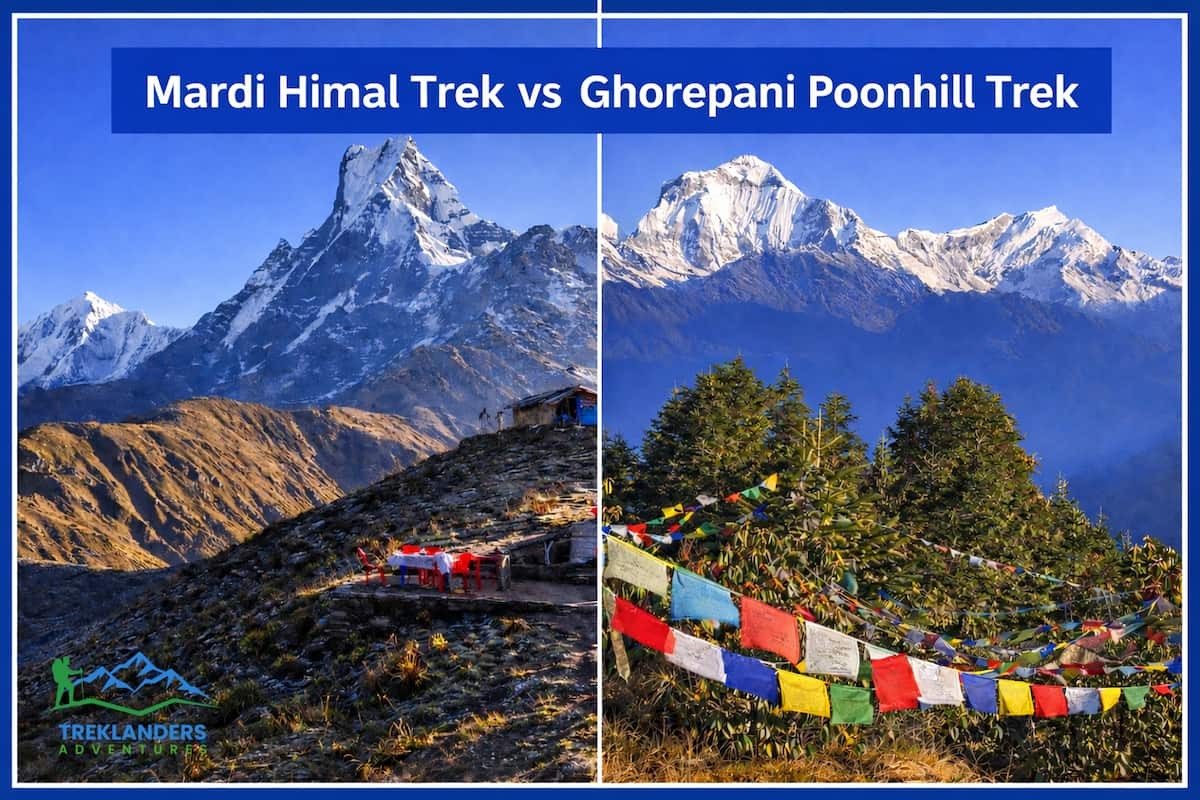
When it comes to short yet rewarding Himalayan treks in Nepal, Mardi Himal Trek and Ghorepani Poon Hill Trek are undoubtedly the two most popular picks. Both are just a short ride away from Pokhara, present stunning views of the mountains, and can be done in a week, pretty handy for time-constrained travellers. Nevertheless, besides these outward resemblances, the two treks differ greatly in the kind of experiences they offer. So, picking one over the other would highly depend on the kind of trekking adventure you wish to have.
Ghorepani Poon Hill Trek is the most renowned short trek choice in the Annapurna region. Known for the spectacular sunrise at Poon Hill (3,210 m), it offers a full panorama of the Annapurna I, Dhaulagiri, Machhapuchhre, and Nilgiri mountains. The route takes you to quaint Gurung and Magar villages, rhododendron forests, and well-established teahouse settlements. Owing to its moderate-level difficulty, excellent infrastructure, and cultural richness, Poon Hill is a favorite among beginners, families, and those who want to have a comfortable first experience of the Himalayas. On the other hand, its fame has resulted in crowded paths and viewpoints during the peak seasons.

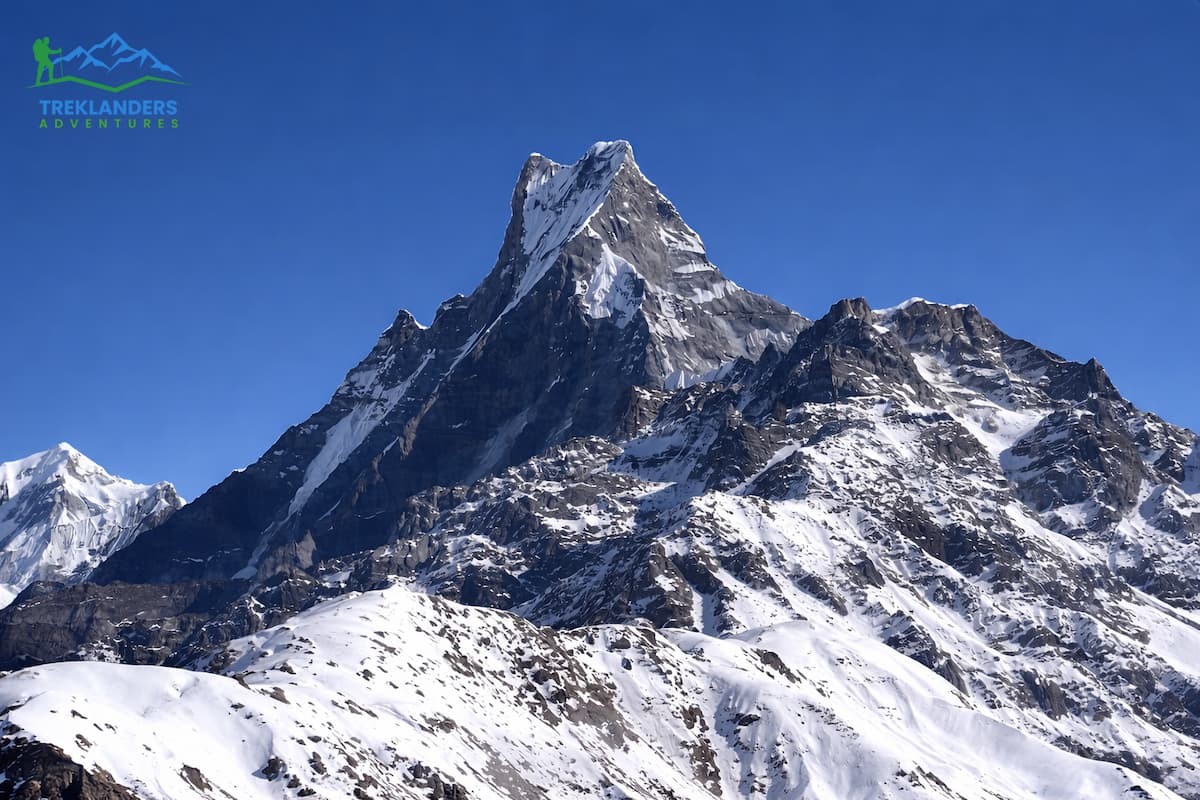
Unlike this, Mardi Himal Trek provides a less crowded and more nature-oriented experience. This relatively recent trekking trail takes trekkers through forested ridges and alpine landscapes to Mardi Himal Base Camp (approximately 4,500 m) and offers a stunning view of Machhapuchhre (Fishtail), Annapurna South, and Hiunchuli. In fact, the trek is less traditional, with fewer villages and more spectacular high-altitude landscapes. The Mardi Himal can still be considered a "beginner fit" trek, but with the inclusion of steeper climbs and higher altitudes, the hike will definitely attract those who are looking for solitude and a strong sense of exploration without the need for a long expedition.

Both treks are magnificent showcases of the natural beauty of the Annapurna region, yet they offer different kinds of experiences. If you can decide whether you want to immerse yourself in the culture and be comfortable or if you prefer being in the raw mountain landscapes and living in quiet, then you will be able to choose which short Himalayan trek is really better for you by realizing the main differences between Mardi Himal and Poon Hill.
| Feature | Mardi Himal Trek | Ghorepani Poon Hill Trek |
| Duration | 4–6 days | 4–5 days |
| Maximum Altitude | 4,500 m (Mardi Himal Base Camp) | 3,210 m (Poon Hill) |
| Difficulty Level | Moderate | Easy to Moderate |
| Crowd Level | Less crowded | Very popular & busy |
| Best For | Adventure seekers, solitude lovers | Beginners, families |
| Main Highlight | Close-up Machhapuchhre views | Iconic sunrise panorama |
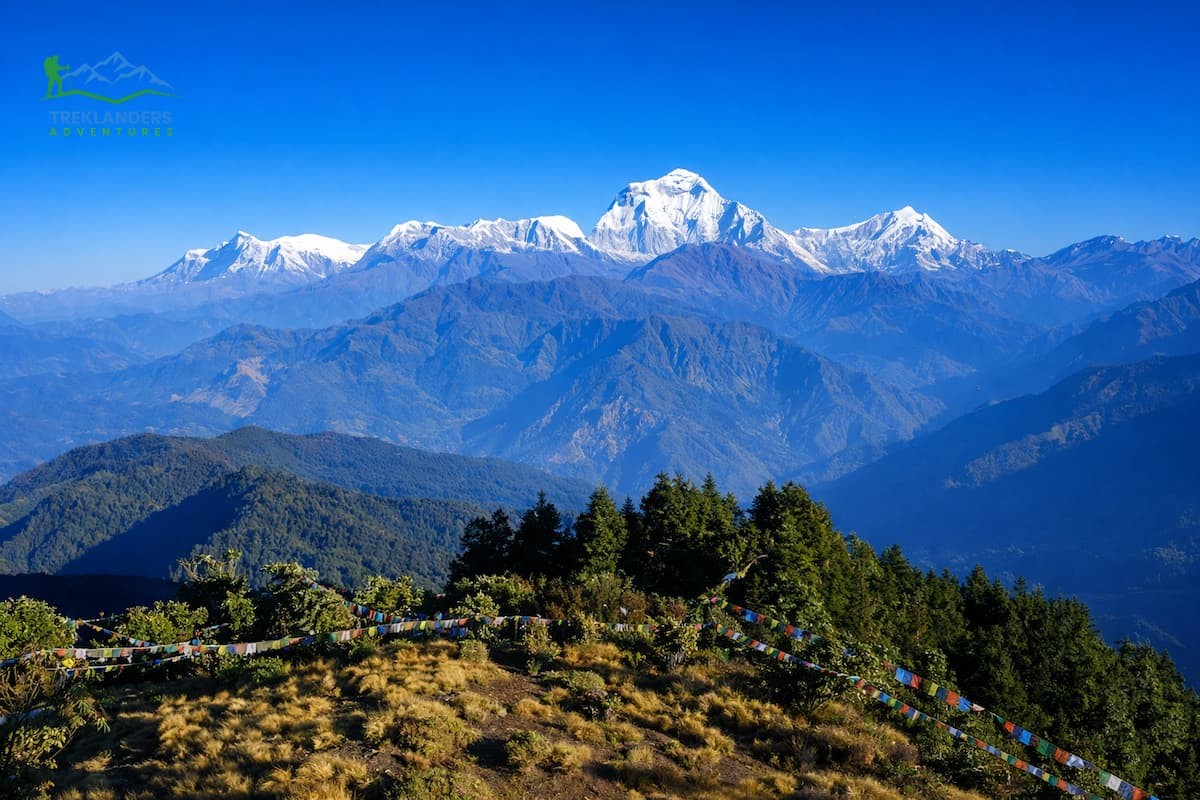
Both the Mardi Himal Trek and the Ghorepani Poon Hill Trek are situated in Nepal's famed Annapurna region, just north of Pokhara, which makes them the two most accessible Himalayan treks in the country. Even though both treks have the same main base, their starting points, trail connectivity, and accessibility differ in a quite noticeable way.
The Ghorepani Poon Hill Trek is located in the northwestern Annapurna foothills and goes through such well-known villages as Tikhedhunga, Ulleri, Ghorepani, and Ghandruk. It is among the most utilized trekking routes in Nepal. Trekkers can get to the trailhead of Nayapul in an hour and a half by road from Pokhara, and then there is a well-marked trail with frequent villages, stone staircases, and regular teahouses. Public buses, private jeeps, and taxis are readily available, so even first-timers can easily arrange their logistics. Because of its popularity, transportation, lodging, and emergency access are very dependable along the whole route.

On the other hand, Mardi Himal Trek lies on the eastern side of the Annapurna range, not far from Machhapuchhre (Fishtail Mountain). The trek is commonly initiated from Kande, Phedi or Dhampus, all of them approximately 45 minutes to 1 hour by car from Pokhara. In terms of road accessibility, it is equally easy, but as the trek goes on, the trail infrastructure becomes scarce. Once trekkers have exited the villages, they have to walk on the forested ridges and high mountain paths where there are fewer settlements and tea houses. The isolation, therefore, is quite relative, and that is why the trek has a unique charm. However, it calls for better planning in terms of accommodation and weather conditions.
Considering the degree of accessibility, Ghorepani Poon Hill is simpler and more flexible with the availability of numerous access points. Thus, making it adaptable to itinerary changes. Mardi Himal, although still reachable, is perceived as more daring because of the narrower paths and fewer transportation alternatives once on the route.
Both treks can be accessed from Pokhara without the need for flights or long car journeys. Ghorepani Poon Hill is the most convenient and well-equipped site, whereas Mardi Himal is the perfect choice for those seeking the peacefulness of the high Himalayas.
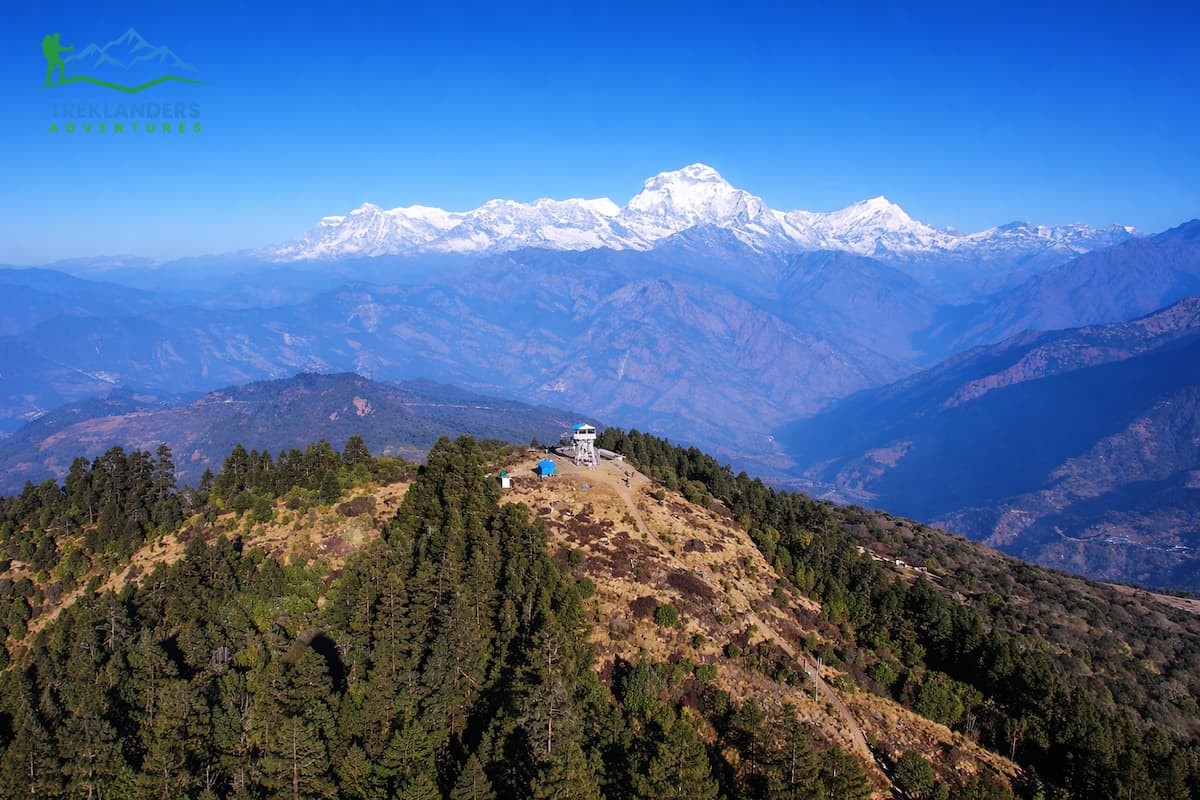
Scenery and mountain views account for the top reasons for the choice of the Mardi Himal Trek and the Ghorepani Poon Hill Trek by trekkers. However, the landscapes and view experiences feature quite different sides of the same issue. Both treks showcase a different part of the Annapurna region that caters to the unique tastes of the travellers.
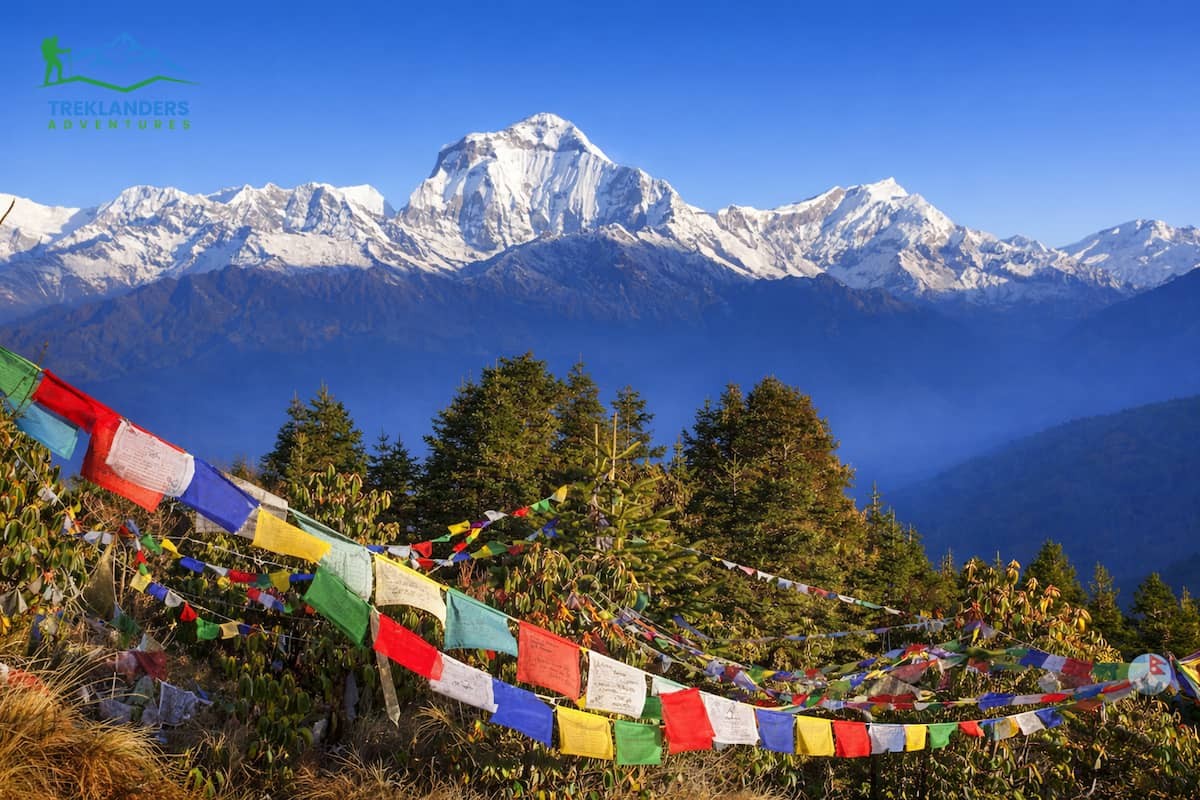
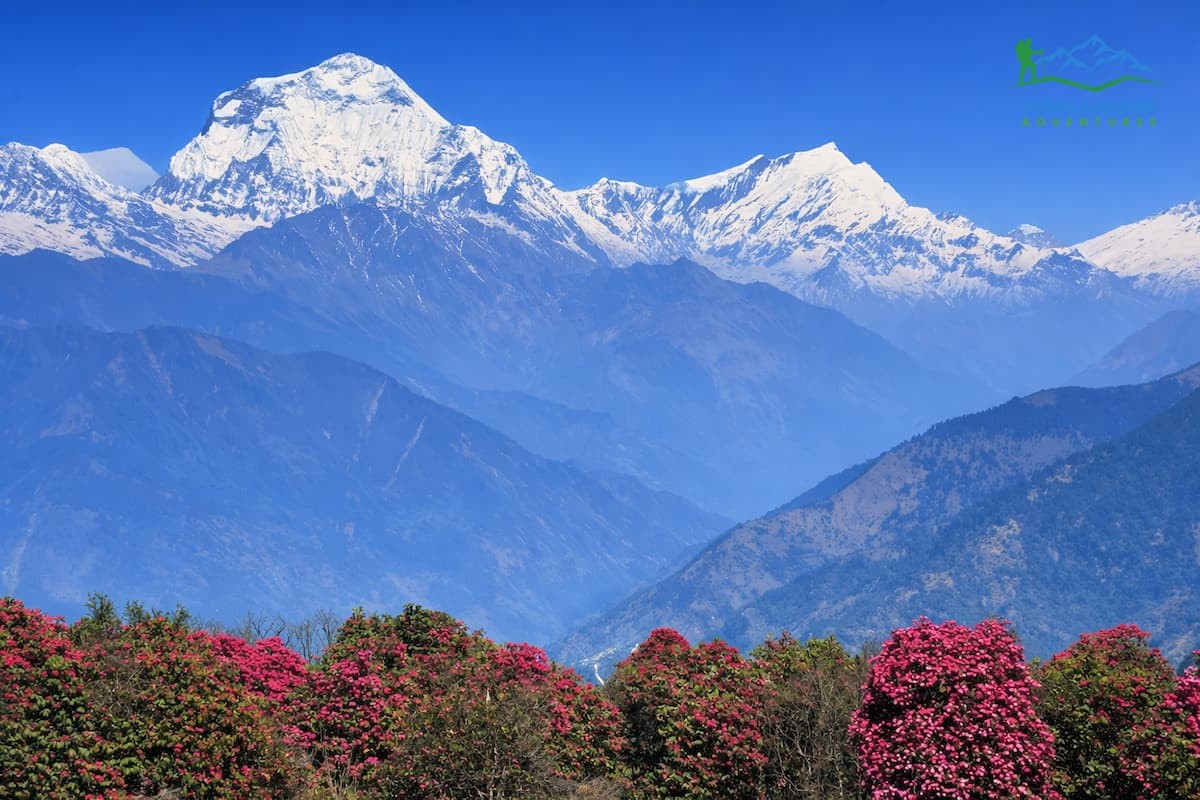
The Ghorepani Poon Hill Trek is known for its extensive, panoramic mountain views rather than the freshly isolated peaks. The main attraction is the sunrise spot down at Poon Hill (3,210 m). The panorama includes the mountain ranges of Dhaulagiri, Annapurna I, Annapurna South, Machhapuchhre, Hiunchuli, and Nilgiri. The mountains here look like they are in layers, the peaks covered in snow going as far as the eye can see in a very dramatic way.

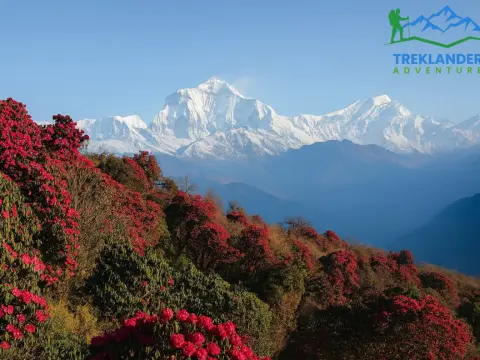
Along the way, the view is decoratively enriched by terraced farmlands, traditional villages, and thick rhododendron forests, which are particularly striking in spring. The visual experience is a mix of cultural landscapes and natural beauty, so it is beautiful and scenic throughout, even at the lower elevations.
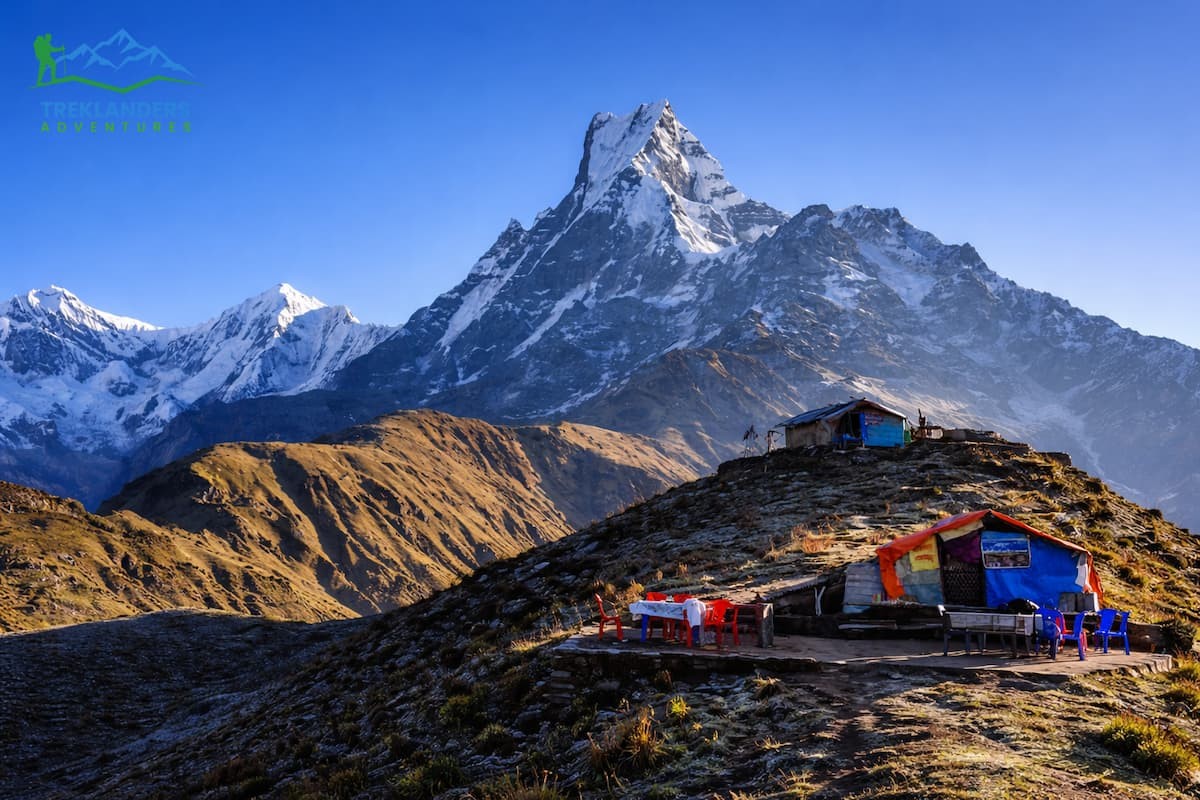
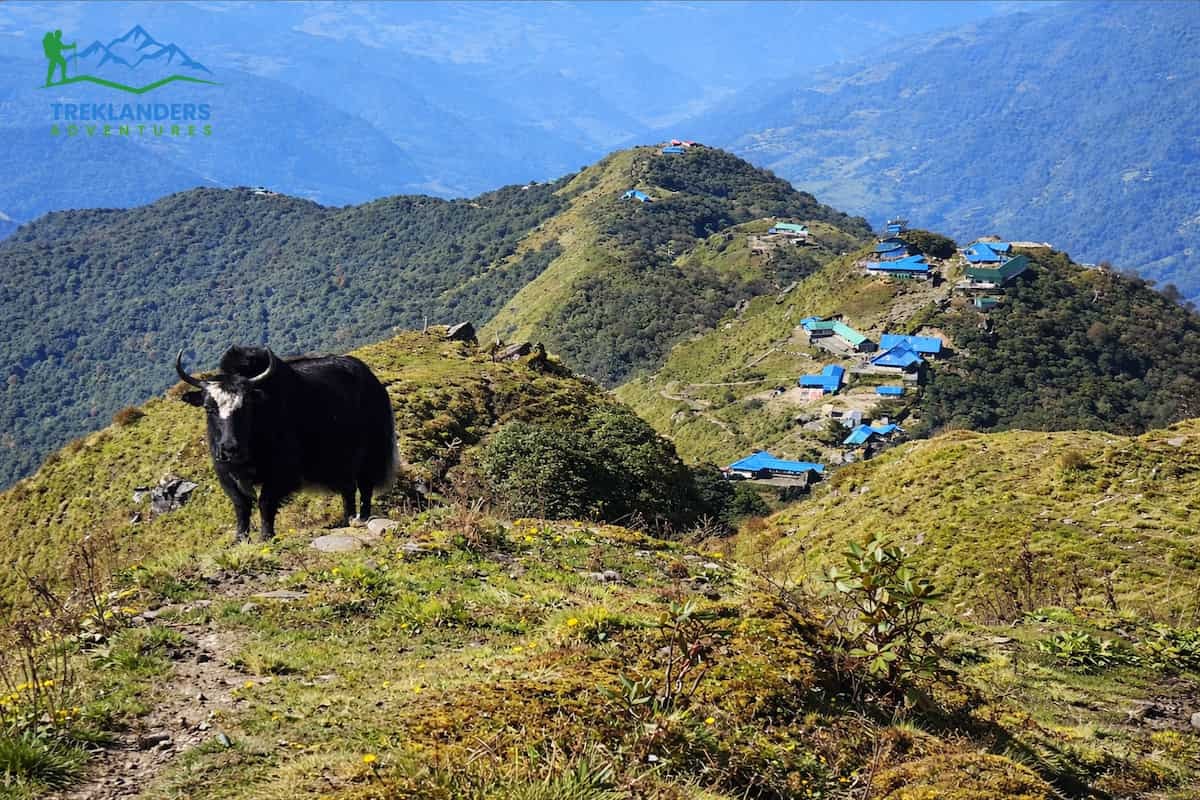
On the other hand, the Mardi Himal Trek offers a more personal, alpine adventure. The route, which goes higher than Forest Camp and Low Camp, changes the landscape from green forests into bright mountain ridges. The sights get more and more spectacular, with Machhapuchhre (Fishtail) almost literally towering over the skyline. Mardi Himal is not like Poon Hills faraway panoramas; the mountain faces are huge and close, giving the feeling of being in the middle of the Himalayas. Trekkers from High Camp and Mardi Himal Base Camp have stunning views of Annapurna South, Hiunchuli, Mardi Himal, and Machhapuchhre, which are sometimes held by thin ridgelines and deep valleys.
In fact, Poon Hill is great for touristy postcard panoramas, but Mardi Himal offers breathtaking, raw, and not-so-commercialized landscapes. Poon Hills views only last a moment, but they are very famous and focus on the sunrise, whereas Mardi Himal gives you the mountains for many days at high elevations.
In a nutshell, hikers who are into soft scenery, the charm of villages, and photos of the sunrise may want to go for Poon Hill, but lovers of the giant close-up Himalayas, alpine wild areas, and dramatic ridge line views will discover Mardi Himal much more visually rewarding.
Altitude is a big factor that can affect the difficulty, safety, and general vibes of the Mardi Himal Trek and the Ghorepani Poon Hill Trek. Both are labelled as short treks, but if you look at the maximum altitude and how much you need to get used to the thin air, they are quite different.
The Ghorepani Poon Hill Trek tops out at Poon Hill (3,210 meters / 10,531 feet). Most nights on this trek, you will sleep below 2,900 meters, with Ghorepani village at around 2,860 meters. Since the climb is steady and the altitude is pretty moderate, the trek is great for beginners, families, and those who haven't trekked at high altitudes very much.
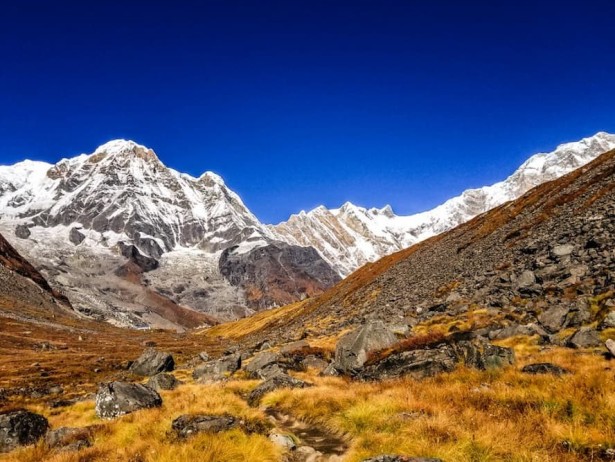
On the other hand, the Mardi Himal Trek goes a lot higher. The highest point is Mardi Himal Base Camp, which is around 4,500 meters / 14,764 feet, while High Camp is roughly 3,580 meters. This huge elevation gain makes Mardi Himal a high-altitude trek, even if the duration of the trek is short.
Because Poon Hill is less elevated, most people won't have to worry about altitude sickness and only experience a few mild symptoms like fatigue or breathlessness, which can easily be managed by staying hydrated and taking it slow.
In contrast to that, Mardi Himal Trek has a moderate level of risk for altitude sickness, particularly from High Camp upwards. The steep climb and a few days for acclimatization may increase AMS risk if people go too fast. People with AMS might have headaches, nausea, dizziness, and sleeping problems. Severe cases are uncommon; therefore, it is important to understand the risks and be careful when planning.
Normally, you won't have to take a day off just to acclimatize on the Ghorepani Poon Hill Trek, as the program and the low maximum altitude, compounded with the short elevation gains per day, naturally let you adapt your body. So, the trek is a safe and easy-going option for those who don't want to bother managing altitude.
For the Mardi Himal Trek, the itinerary does not always include formal acclimatization days; however, a slow ascent is one of the most important things to be followed along with an extra overnight stay in Low Camp or High Camp. The second day normally allows the body to adapt before the base camp climb, and the risk of altitude sickness is greatly lowered.
To sum up, Poon Hill is great for altitude-sensitive people, whereas Mardi Himal is for fit, careful and well-equipped trekkers to higher elevations.
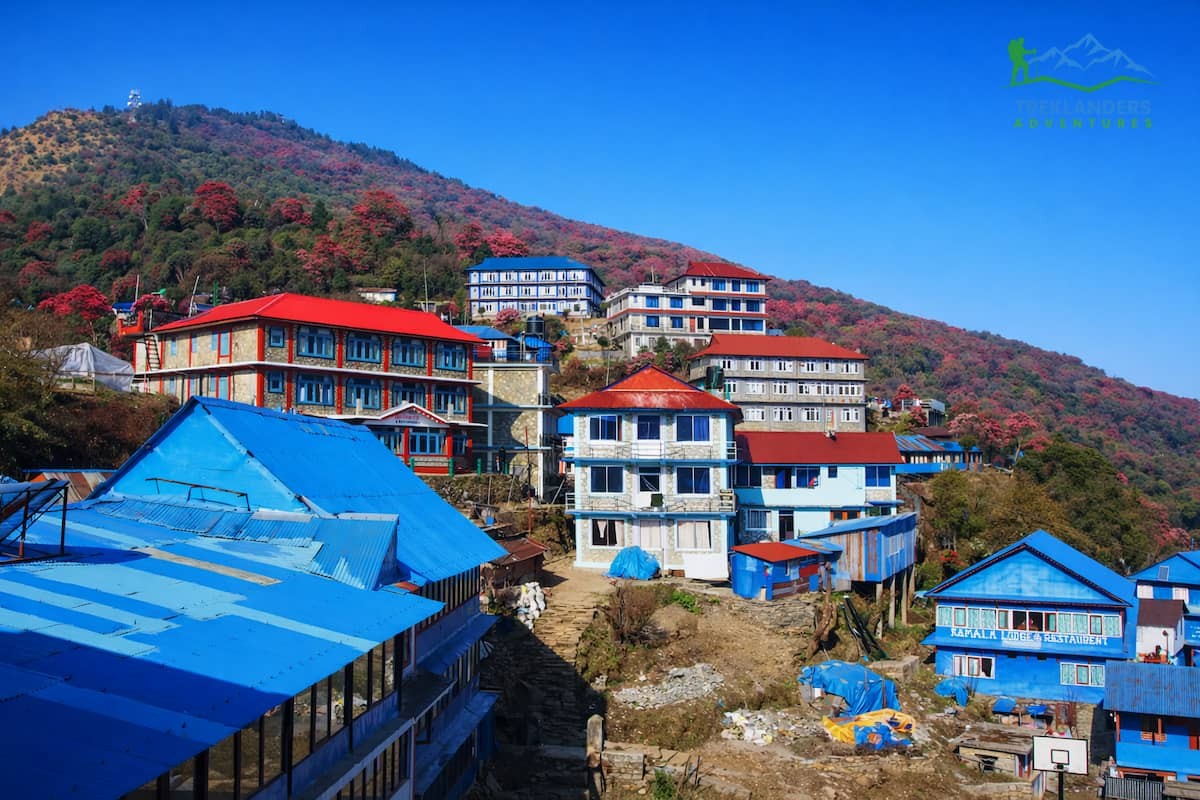
The Ghorepani Poon Hill Trek is an incredible journey, allowing you to deeply experience the culture of the locals as the trail leads through the famous Gurung and Magar villages such as Ulleri, Ghorepani, Tadapani, and Ghandruk, where the culture of these two ethnic groups has been well preserved. Along the trail, trekkers come across traditional stone houses, terraced fields, prayer flags, and local temples. Daily talks with villagers, farmers, and teahouse owners help understand mountain lifestyles, local food, and traditions kept for a long time. Cultural festivals, folk dances, and sincere hospitality are the main attractions. Poon Hill is a great option to enjoy cultural exploration combined with stunning views.
On the other hand, the Mardi Himal Trek is a bit more of a trek in nature with less exposure to the village and cultural encounters since the trail goes up. In the early part, the trek goes through villages such as Dhampus and Landruk, where trekkers can get a glimpse of the Gurung culture. However, after the Forest Camp, the trek goes into the remote alpine zones where there are hardly any permanent settlements. Teahouses are seasonal, and locals from nearby villages run them, hence the trek offers a simple and quiet experience.
In a nutshell, Ghorepani Poon Hill is a great place to explore the culture and village life in depth, while Mardi Himal is a great choice for a quiet, less touristy local experience that would probably appeal to trekkers who like solitude and raw mountain environments rather than frequent cultural interactions.
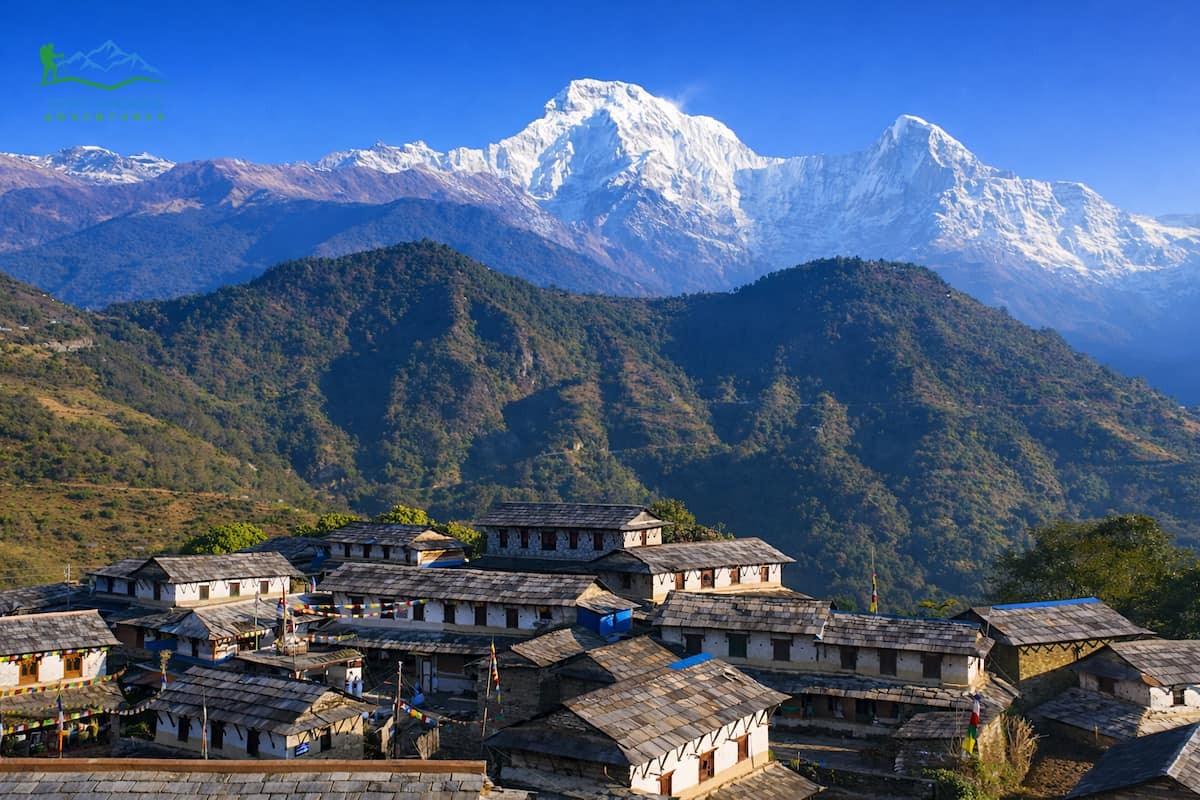
The Ghorepani Poon Hill Trek is a dream come true for those trekkers who like to stroll through vibrant mountain villages and witness the everyday rural life. The route passes through a number of well-established settlements like Tikhedhunga, Ulleri, Ghorepani, Tadapani and Ghandruk. The landscape is characterized by stone-paved paths, terraced fields, and the traditional houses of the villages. As the villages are located close to each other, it is possible to make frequent stops for talking to the locals, watching the farming activities, and tasting traditional Nepalese dishes in the comfy teahouses. The strong influence of the Gurung and Magar communities not only enriches the cultural aspect but also results in a friendly and hospitable atmosphere where everyone feels comfortable throughout the trek.
On the other hand, the Mardi Himal Trek is more suitable for those who want to be closer to nature and have a limited village experience. The first few days go through the villages of Dhampus, Pothana, or Landruk, where trekkers can have a short familiarity with the Gurung culture and village life. But once the path heads up to the Forest Camp, Low Camp, and High Camp, there are no more permanent dwellings. Instead of full-fledged villages, there are tiny and seasonal teahouses that provide a more remote and wilderness-oriented environment.
In a nutshell, Ghorepani Poon Hill promises a lively and uninterrupted village experience, whereas Mardi Himal is all about solitude, which means that one will meet the locals less frequently but in a more peaceful setting along the trail.
Between the two, the Ghorepani Poon Hill Trek is definitely the one that has the more diverse cultural experience. The trail goes through several traditional Gurung and Magar villages, where the local people, their farming methods, lifestyle, customs, and even the architecture, become part of the way to the destination. Locals and trekkers meet quite often, the latter staying in long-established teahouses and enjoying genuine mountain hospitality. The whole trek is lined with cultural landmarks, monasteries, and village traditions; culture is not a mere highlight but a constant presence throughout the journey.

The Mardi Himal Trek, on the other hand, is more about the natural beauty and the alpine wilderness. There are a few cultural encounters featured at the beginning in villages such as Dhampus or Landruk, but the higher parts of the trail have very few permanent settlements. Thus, as the trek progresses, you will have fewer chances to interact with the locals.
In short, if you want to immerse yourself in culture and village life, Ghorepani Poon Hill is the right choice for you, whereas Mardi Himal is more for those who want to be alone and have mountain-centered adventures.
Mardi Himal Trek and Ghorepani Poon Hill Trek are both located in Nepal's Annapurna region. However, their optimum seasons and weather experiences vary slightly due to factors such as altitude, terrain, and exposure.
Spring (March to May) is considered a great season for both treks. The temperatures are pleasant, the skies are mostly clear, especially in the mornings, and the hills are covered with rhododendrons in full bloom. In the case of Ghorepani Poon Hill, spring means nice daytime weather, spectacular sunrise views from Poon Hill, and overall comfortable trekking conditions suitable for beginners and families. Mardi Himal, which is higher and more exposed, is a little bit cooler, particularly near High Camp, but spring also offers stunning views of Machhapuchhre, Annapurna South, and Hiunchuli.
Both routes' prime trekking season is deemed to be autumn (September to November). The rains wash away the dust and pollution; thus, the air becomes crisp, the weather remains stable, and the mountain views are undoubtedly magnificent. The Poon Hill area enjoys dry trails and warm temperatures during the day; sunrise hikes are not only easy but also very rewarding. Mardi Himal also glows in the autumn season, at the higher elevations, nights can be quite cold. Nonetheless, the breathtaking ridge walks and the mountain scenery up close are simply the best during this time of the year.
Winter (Dec to Feb) in the two places offers different experiences. Ghorepani Poon Hill is still open during winter. The mornings are very cold, but overall, the weather is fine, and there is a lot less crowd. Snow falls only once in a while, and it usually doesn't block the trail for long. Mardi Himal, on the other hand, gets heavy snow above Low Camp; the weather is very cold, and the paths might be closed. Winter is a season for seasoned trekkers only with full gear.
Monsoon (June August) is the worst season for both treks. Heavy rains will make the paths slippery, leeches will be there to suck you, and there will be more clouds covering the sky. On the other hand, Mardi Himal will have few trekkers and a beautiful green world, whereas Poon Hill will still get some visitors because of the better facilities, although mountain views are frequently restricted.
Generally, both treks are finest in spring and fall, but Ghorepani Poon Hill can tolerate more weather changes throughout the year, whilst Mardi Himal is more vulnerable to the seasons because of its higher altitude and exposed ridges.
Choosing to go for the Mardi Himal Trek or Ghorepani Poon Hill Trek, the overall budget of both trips depends on similar categories, but the way the money is distributed and the scale differ due to the length of routes, services required, and the logistical needs.
Primarily, you have to factor in permits and administrative costs. Since both treks are within the Annapurna Conservation Area, hikers must obtain the same national and regional entry permits. These compulsory passes are usually processed at major checkpoints or at the gateway town before starting either trek. The steps and requirements for both routes are identical, involving standard documentation and identity verification.
Guide and porter services are both available on the two routes, but not essential. Besides, they are highly recommended for many people walking in the wilderness, especially those without trekking experience. Since the Ghorepani Poon Hill Trek is a relatively shorter trek, and it covers the well-marked trails where you are going to find frequent lodges and tea houses, some of the trekkers decide to do the trek on their own or hire help only for part of the journey. On the other hand, due to the longer and more difficult terrain of the Mardi Himal route, most trekkers are encouraged to hire guides for navigation and porters for load carrying, especially for the sections beyond Forest Camp. Generally, the amount of money spent on professional help is probably higher in Mardi Himal in comparison with Poon Hill's more established infrastructure.
Accommodation and meal provisions on the two trails are through tea houses and lodges on the route. The frequency and variety of options differ, though. The Ghorepani Poon Hill Trek presents a series of villages where lodging is concentrated, creating competition and more choice for meals, rest stops, and bargaining. Mardi Himal’s' elevated camps, for example, in Low Camp and High Camp, are very few with just a handful of establishments, which can cause a larger share of the trek budget to be spent on the necessary stops due to the lack of options. Meal costs in the less busy parts of Mardi Himal also get a bit more regulated as a result of less competition.
Lastly, different routes mean different travel-transportation arrangements. Both schedules originate in the same area, but Ghorepani trail access points are comparatively more easily reached by frequent local transport and scheduled shuttles, whereas Mardi Himal might require more segmented transit or private drop-offs to get the best timings. This impact on the travel portion makes the budget.
To sum up, the Mardi Himal Trek typically spends a larger percentage of the overall budget on guide support, lodging in the remote areas, and personalized transportation compared to the Ghorepani Poon Hill Trek, which allocates a bigger share of its itinerary budget to the flexible, frequent lodge stops and easier transit connections, even though both treks have the same main expense features.
Accommodation and food are two of the most important factors that decide a person's experience of the Mardi Himal Trek or the Ghorepani Poon Hill Trek; however, the quality, range, and availability vary because of the difference in the popularity of the trails and the degree of remoteness.
The Ghorepani Poon Hill Trail features well-developed and readily available accommodation. The trail goes through popular villages such as Tikhedhunga, Ulleri, Ghorepani, and Ghandruk, where there are many tea houses and lodges that stay open throughout the year. Generally, rooms are quite basic but nevertheless comfortable, featuring twin beds, blankets, and shared bathrooms, although some lodges may offer attached facilities and heated dining halls. Since the route is very popular among trekkers, especially during the peak seasons, trekkers have ample choices when it comes to lodges, and if one is full, they can easily find others. Facilities like electricity, hot water, and charging are standard.
Along the Ghorepani Poon Hill trek, the food menu is rich and consistent. Apart from the hidden dal bhat, noodles, fried rice, pasta, soups, pancakes, eggs, and local breads, the menus have included other things. Due to the frequent supply routes and the competition among lodges, meals are prepared in a very efficient manner and are served very fast. Vegetarian dishes are very easily found, and the food quality is, on the whole, stable along the trek.
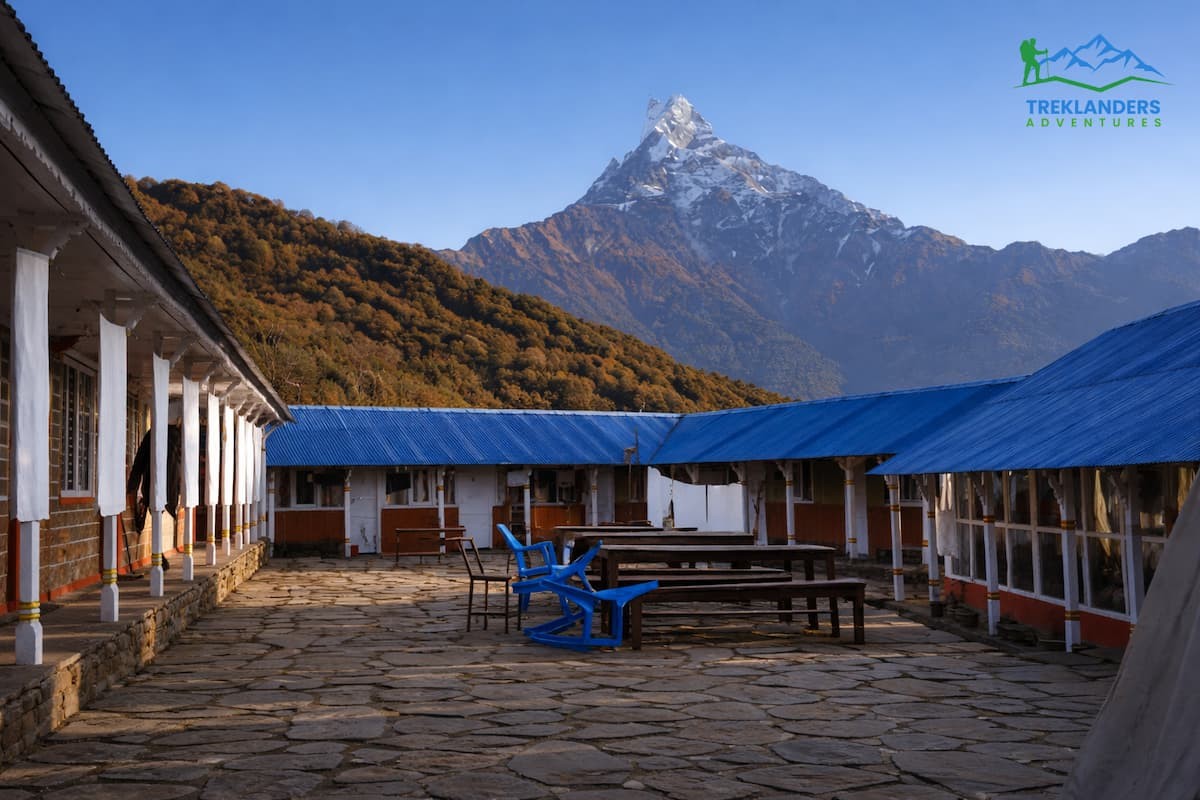
By contrast, the Mardi Himal Trek has a more basic and isolated accommodation style. There are fewer lodge options, especially after Forest Camp, with places such as Low Camp and High Camp having hardly any facilities. Rooms are basic, there is very little insulation, and bathrooms are mostly shared. The dining area may be warmed by a wood stove, and the services such as hot showers, charging, internet, etc., at the higher altitude might be either very limited or unavailable. Booking a guide or going with a guide is always a good idea in the busy season.
Food along the Mardi Himal is more limited but still sufficient for the needs of trekking. The menus are shorter and mainly consist of the food that is packed with energy and is very filling, such as dal bhat, noodles, soup, potatoes, and simple rice dishes. As the food supply is carried all the way up by hand, the variety lessens as the altitude increases, and the meals may take longer to be prepared. However, the meals are usually fresh and prepared on the spot, giving you warmth and the needed energy in a very peaceful mountain setting.
On the whole, Ghorepani Poon Hill is more along the lines of comfort and a wide choice of accommodation and food, whereas Mardi Himal is more about simplicity and a natural kind of living experience that will appeal to those trekkers who seek solitude and a less commercialized trail.
Hiring a guide and porter can greatly impact the trekking experience for both the Mardi Himal Trek and the Ghorepani Poon Hill Trek, but the degree of requirement and nature of support vary between the two routes.
On the Ghorepani Poon Hill Trek, only a few trekkers consider hiring a guide and porter. The trail is clearly marked, goes through big villages, and tea houses are available at every step, so beginners can even trek independently without any help. Yet a guide is useful for the cultural experience through the explanation of local traditions and for handling daily chores like booking the accommodation. Porters are usually hired when people want to carry very light daypacks or if they are with kids/senior people/limited time. Since the route is short and easy, some trekkers decide to share a porter within a small group.
Mardi Himal Trek, on the other hand, relies largely on professional support. Although the lower parts resemble a simple path, after Forest Camp, it becomes a narrower and more isolated trail with fewer villages and fewer signs. A guide is especially a plus when it comes to navigation, the assessment of the weather, and changing the plan according to the situation, especially near High Camp. Guides help also help with lodge arrangements where there is only one or two options for accommodation. For security reasons and to gain full confidence, most of the walkers who do this route are willing to rely on a guided support.
Porters carrying loads on the Mardi Himal Trek have an equally essential function, mainly because the trek days are longer and the steep ascents are tougher. When you hire a porter to carry your equipment, food, and/or some extra clothing, this will help you save a lot of energy, and thus you will be able to enjoy the excellent high-altitude views even more. As the facilities get more and more basic with the higher camps, porters come to the rescue with managing such essential items as the sleeping gear and emergency supplies, among others.
Guides on both treks undergo basic training in first aid, altitude sickness awareness, and local geography. Besides, the guides are the go-betweens for trekkers and lodge owners. When you hire a local guide and porters, the money goes directly to the villagers' pockets and helps to keep community-based tourism alive in the Annapurna region.
Quite liberally, Ghorepani Poon Hill provides an opportunity for independent trekking, while Mardi Himal is more suitable for guided travel. Accompanying yourself with a guide or porter on either trail is really a wise decision in that it makes the journey safer, less physically demanding, and culturally more enriching.
Choosing between the Mardi Himal Trek and the Ghorepani Poon Hill Trek is mostly a matter of your trekking experience, the time you have available, fitness level, and what kind of mountain experience you are looking for.
If you want a short and quite easy trek with good facilities, then most probably the Ghorepani Poon Hill Trek will be the right choice for you. It fits well for those who have just started their trekking hobby, families, students, and also people who can only spare a little time for trekking. The trail is very popular and passes through lively Gurung and Magar villages. Tea houses offering decent food and accommodations are very frequent along the route. The main attraction is the sunrise view from Poon Hill, allowing you to enjoy a spectacular Himalayan panorama at an altitude that does not require trekking for days or going very high. This trek is perfect for those who want to take it easy, experience culture and see beautiful landscapes without having to exert themselves physically.
Conversely, the Mardi Himal Trek suits well those who are after a quieter and more challenging adventure. It includes walking longer hours, going up steeper paths, and the trail being farther away from the settlements, especially after Forest Camp. A smaller number of trekkers can be seen on this route, which is a plus for the fans of solitude. Further, one gets closer to the mountain peaks, in particular to Machhapuchhre and the Annapurna range. This trail is great for people with an average level of fitness, who have some trekking experience, and also a desire to take less crowded paths and enjoy breathtaking mountain scenery.
You should also think about what comfort means to you! If you like a little bit of everything, meals, different lodging options, and facilities in general, then Ghorepani Poon Hill is more in line with your expectations. On the other hand, if you don't mind basic accommodation, limited meal choices, and a bit of cold in the higher camps, Mardi Himal gives you a more raw and immersive mountain experience.
In the end, your decision will depend on what your trekking goals are. If you want an easy Himalayan introduction packed with culture and famous viewpoints, then choose Ghorepani Poon Hill. However, if you want a more demanding trek that, through effort, gives you the reward of being alone, ridge walking, and having a deeper connection with the high mountains, then go for Mardi Himal.
They are both great treks - the perfect choice is yours, depending on whether you value comfort and ease of getting there or adventure and being alone.
Ghorepani Poon Hill is an excellent choice for trekkers looking for a short, easy, and well-developed route with reliable accommodation, diverse food options, and rich village culture. Its gentle trails and famous sunrise viewpoint make it ideal for beginners, families, and those with limited time who still want a rewarding Himalayan experience.
Mardi Himal, on the other hand, is better suited for trekkers seeking solitude, higher ridges, and a more adventurous journey. With fewer crowds, steeper ascents, and basic facilities at higher camps, it appeals to those with moderate fitness who want dramatic mountain scenery and a quieter, more immersive trek.
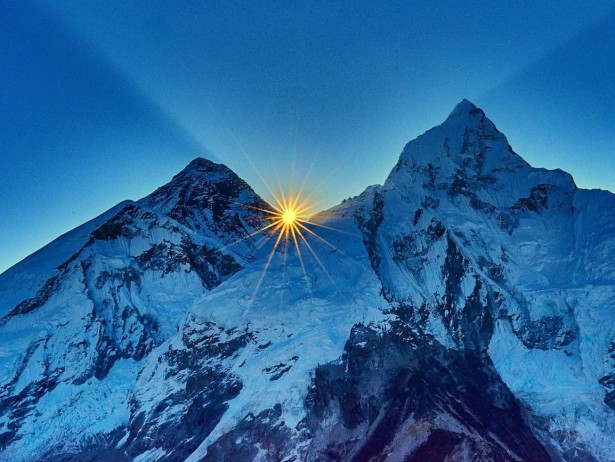

A quick guide comparing Langtang Valley vs Mardi Himal Trek to help you choose the right Himalayan adventure.
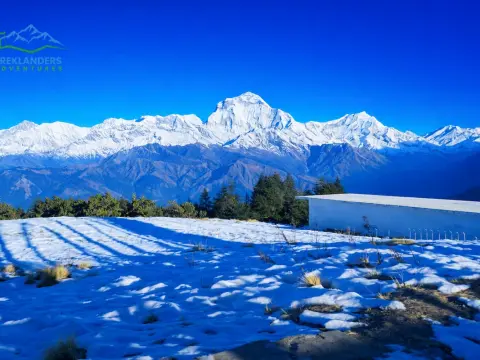
Langtang Valley vs Ghorepani Poon Hill Trek 2026: altitude, difficulty, scenery, culture, and best choice.

Langtang Valley blends Tamang culture, Tibetan Buddhism, and ancient Himalayan heritage beyond trekking.



