
Langtang Valley Trek vs Annapurna Base Camp Trek: Detailed Comparison, Difficulty, Cost & Best Choice
6 Jan 2026
A quick comparison of the Langtang Valley Trek and Annapurna Base Camp Trek, covering difficulty, cost, and experience.

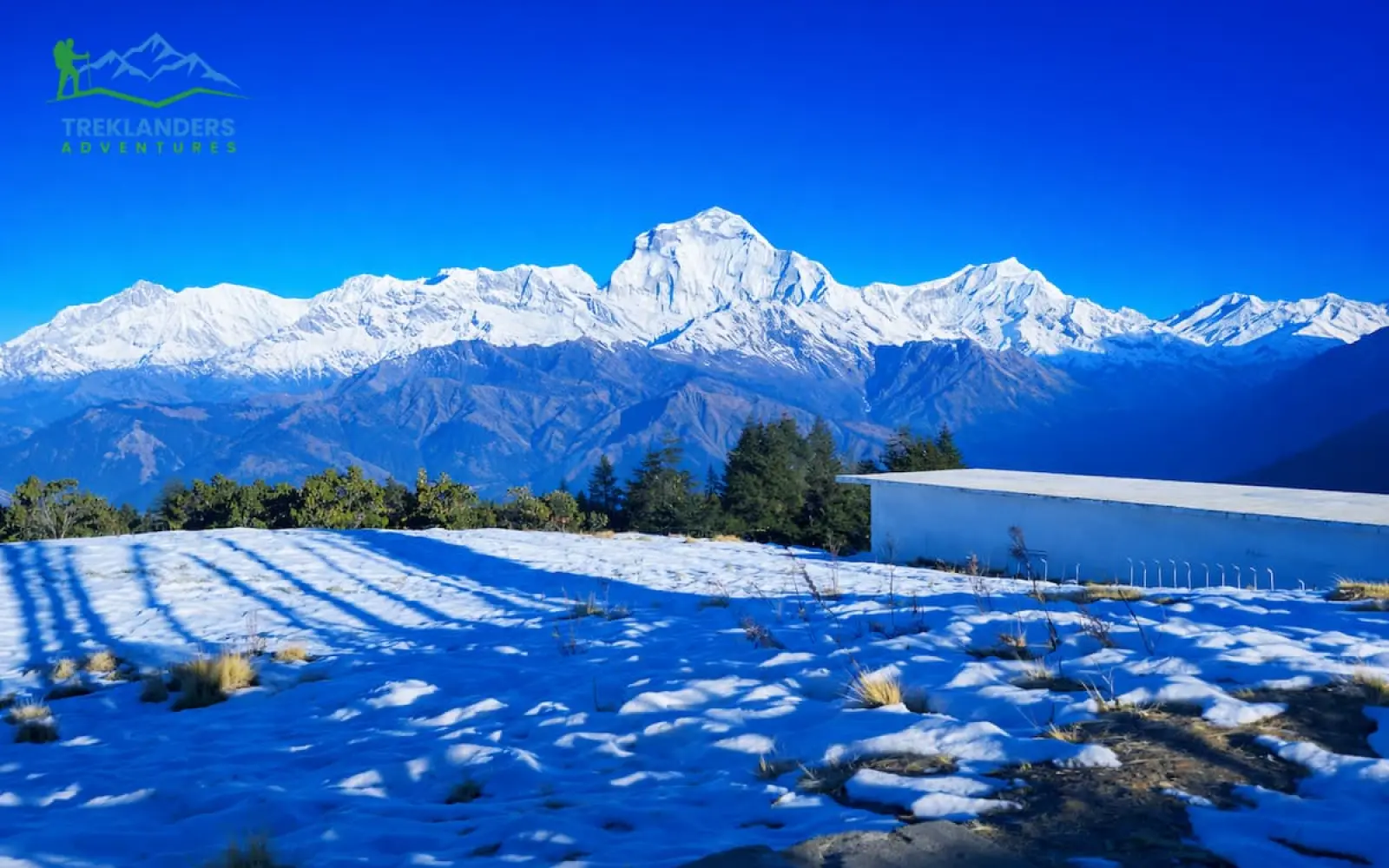
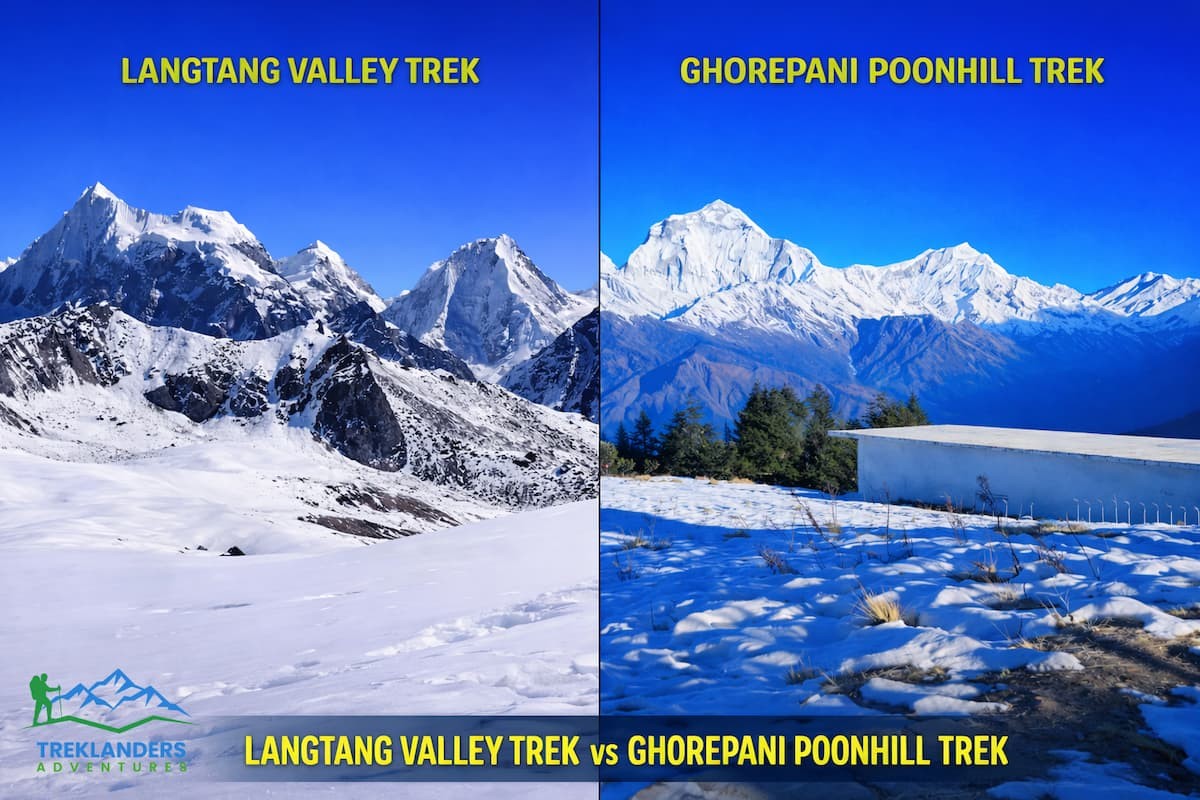
If you want to experience the Himalayas in a remote way, go for a Langtang Valley Trek, and if you want a short, beautiful introduction to trekking in Nepal in 2026, then pick the Ghorepani Poon Hill Trek. Both treks are among the most popular short-to-moderate routes in Nepal, yet they differ significantly in landscape, cultural depth, altitude, and overall trekking experience.
Langtang Valley Hiking has been a favorite for a long time, mainly because of its amazing alpine scenery, glacial valleys, and the distinct, strong Tibetan culture. Situated north of Kathmandu near the Tibetan border, the trek takes you deep into a Himalayan valley surrounded by snow-capped peaks, glaciers, and high pastures. Along the trek, you will encounter Tamang villages, ancient monasteries, Mani walls, and prayer flags, which will provide a deeper understanding of mountain life and culture.

Compared with the Annapurna region, Langtang is less crowded and offers a quieter, more wilderness-oriented trekking experience. It suits well those who prefer longer walking days, higher altitude exposure, and a more immersive mountain journey.
On the other hand, the Ghorepani Poon Hill Trek is arguably the most accessible and easiest trek for beginners in Nepal. Situated in the Annapurna region, this trek is well-known for its short length, highly maintained trails, and the breathtaking sunrise views from Poon Hill. During this trek, you can experience the beautiful Gurung and Magar villages, rhododendron forests, and terraced farmland; besides, you get to see the Annapurna and Dhaulagiri ranges without reaching a very high altitude or doing long trekking hours. Besides that, this area is more developed, having nice teahouses and good infrastructure, which makes it a perfect pick for those who are trekking for the first time, families, or people who don't have much time.
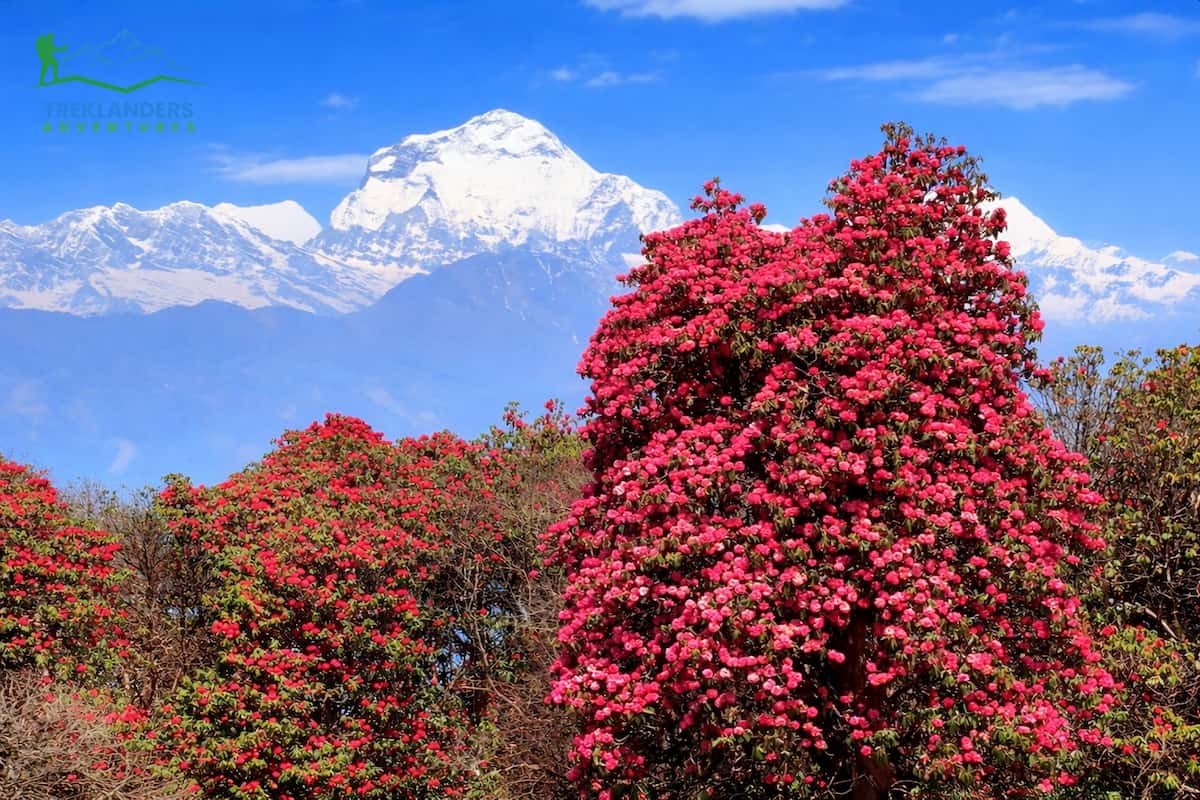
Looking at it from a comparative angle, Langtang Valley is somewhat more secluded and has a deeper cultural vibe with the addition of high-mountain landscapes, whereas Ghorepani Poon Hill is all about ease, coziness, and stunning Himalayan vistas that you can enjoy within a shorter time-pampering. Each of the two treks has its own merits, and there are no absolute winners - which one you go for depends on how fit you are, the time you have, and whether you want more adventure or comfort. Both trails are wonderful ways to experience the Nepalese Himalayas in 2026, and they offer different trekking goals and travel styles.
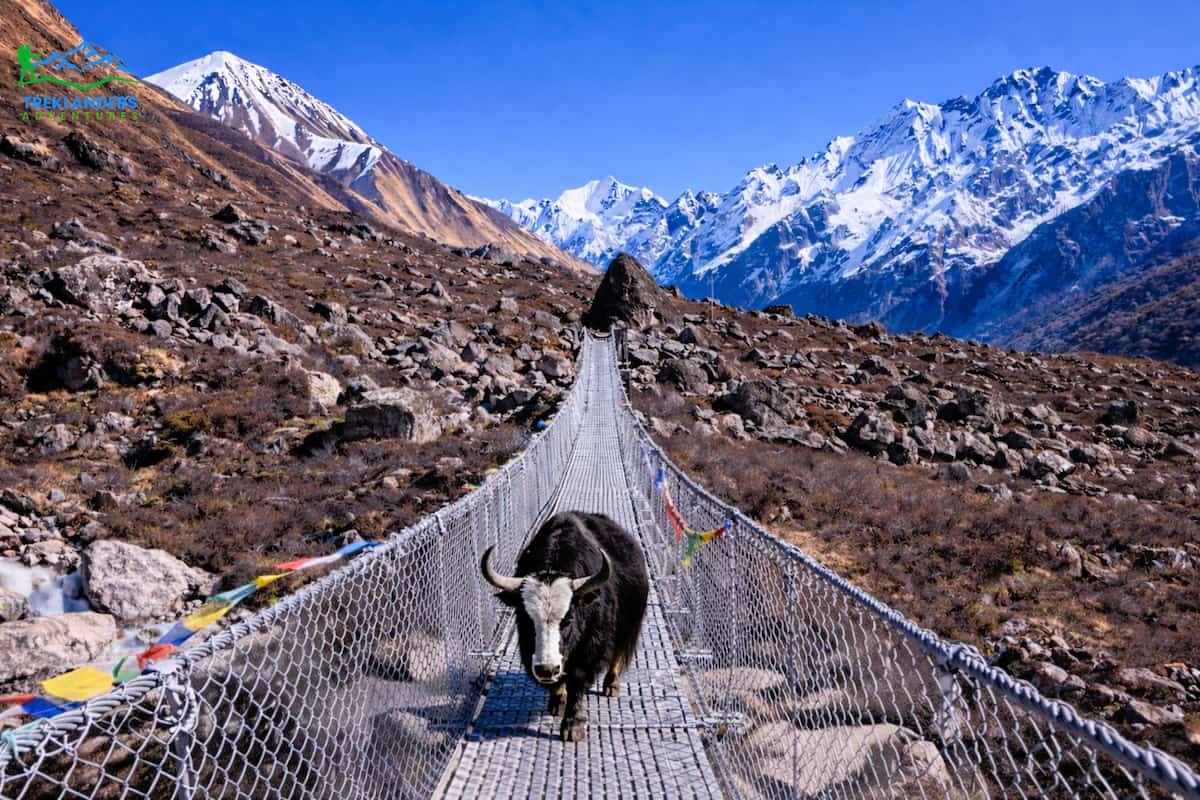
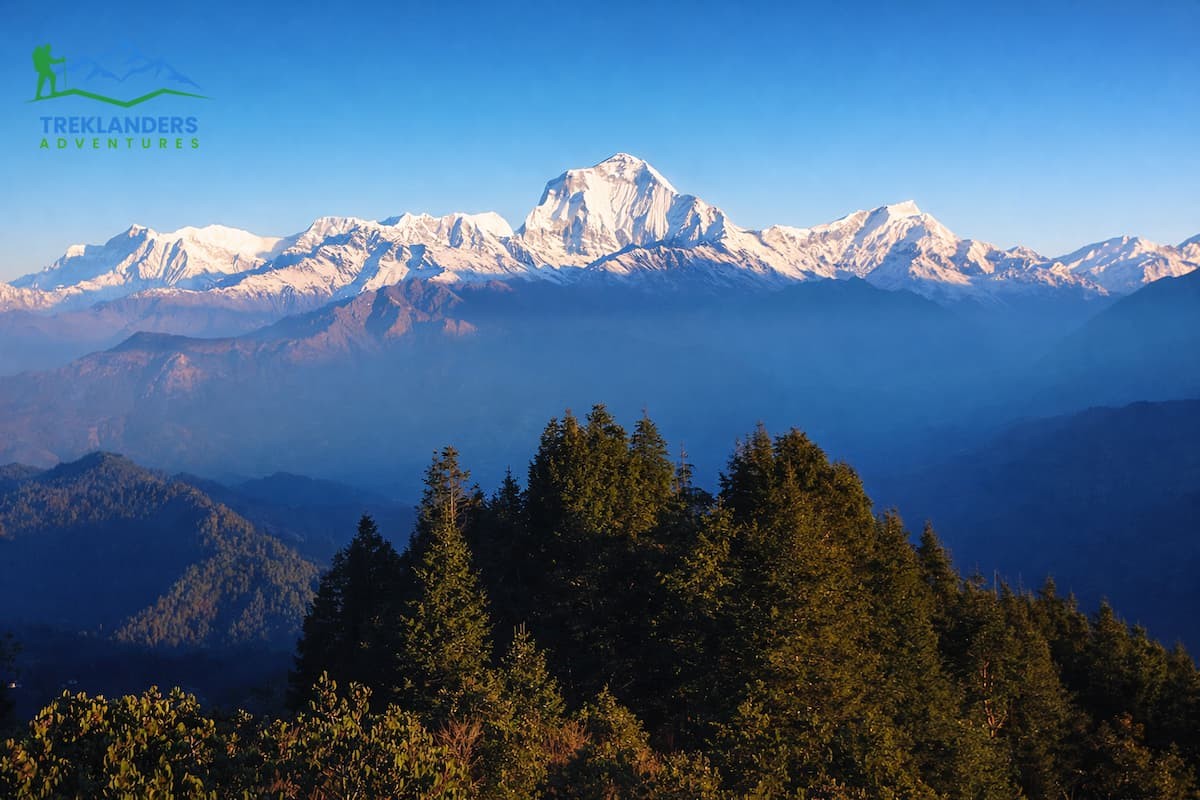
Langtang Valley Trek vs. Ghorepani Poon Hill Trek (2026) | ||
|---|---|---|
Aspect
| Langtang Valley Trek
| Ghorepani Poon Hill Trek
|
| Duration | 7–10 days | 4–5 days |
| Max Altitude | Tserko Ri (4,984m / 16,355ft) | Poon Hill: 3,210 m / 10,531 ft |
| Difficulty | Moderate | Easy to Moderate |
| Best For | Trekkers seeking remote, alpine experience | Beginners & short-time travelers |
| Scenery | Glaciers, deep valleys, high peaks | Sunrise views, forests, mountain panoramas |
| Crowds | Less crowded | More popular and busier |
| Cultural Experience | Strong Tamang & Tibetan influence | Gurung & Magar villages |
| Accessibility | Drive from Kathmandu | Easy access from Pokhara |
| Accommodation | Basic teahouses | Well-developed teahouses |
| Overall Experience | Quiet, immersive Himalayan trek | Short, scenic, and comfortable trek |
The Langtang Valley Trek and the Ghorepani Poon Hill Trek differ significantly in terms of their physical environment and access routes. These factors have a direct impact on travel time, logistics, and the overall level of convenience for trekkers in 2026.
Langtang Valley lies in the north of Kathmandu, near the Nepal-Tibet border, and is inside the Langtang National Park. A major advantage of Langtang Valley is that no domestic flight is needed. Usually, trekkers start with a picturesque drive from Kathmandu to Syabrubesi, which lasts about 7-8 hours depending on the condition of the road. Even though the road is rough in some parts, the journey goes through hills, rivers, and rural settlements, thus giving a first look at Nepal's countryside. The trail from Syabrubesi goes along the Langtang Khola, ascending a magnificent U-shaped glacier valley. Due to the fact that the area is less commercialized, transport facilities are simpler, and visitors should not expect a high standard of amenities. Nonetheless, this factor of seclusion is what adds to the charm of the wilderness and the realness that is the Langtang experience.
On the other hand, Ghorepani Poon Hill is located in Nepal's central-western Annapurna region and is known as one of the easiest treks to do in Nepal. Normally, the trek begins from Pokhara, which can also be reached from Kathmandu by a short flight or a comfortable tourist bus. From Pokhara, trekkers can easily reach trailheads like Nayapul, Ulleri, or Ghandruk by road within a couple of hours. Thus, the convenience of getting to these places makes the Poon Hill trek very flexible and perfect for travelers who have only a short time. Besides that, roads, lodges, and communication facilities are well developed, thereby making the overall trekking experience comfortable and hassle-free.

Basically, Langtang Valley provides easy access without an airplane but necessitates a longer road journey and having to put up with less developed infrastructure, thus representing a better choice for trekkers looking for a more secluded mountain adventure. Whereas Ghorepani Poon Hill is quite notable for its excellent accessibility, short approach, and dependable facilities, which is why it is one of the most convenient Himalayan treks for beginners and short-term visitors in 2026.
Comparing the views and mountain sceneries, the Langtang Valley Trek and Ghorepani Poon Hill Trek are just about as different in their Himalayan visual offerings as the two types of treks can be. Each one, however, is perfectly suited to the preferences of different kinds of trekkers.
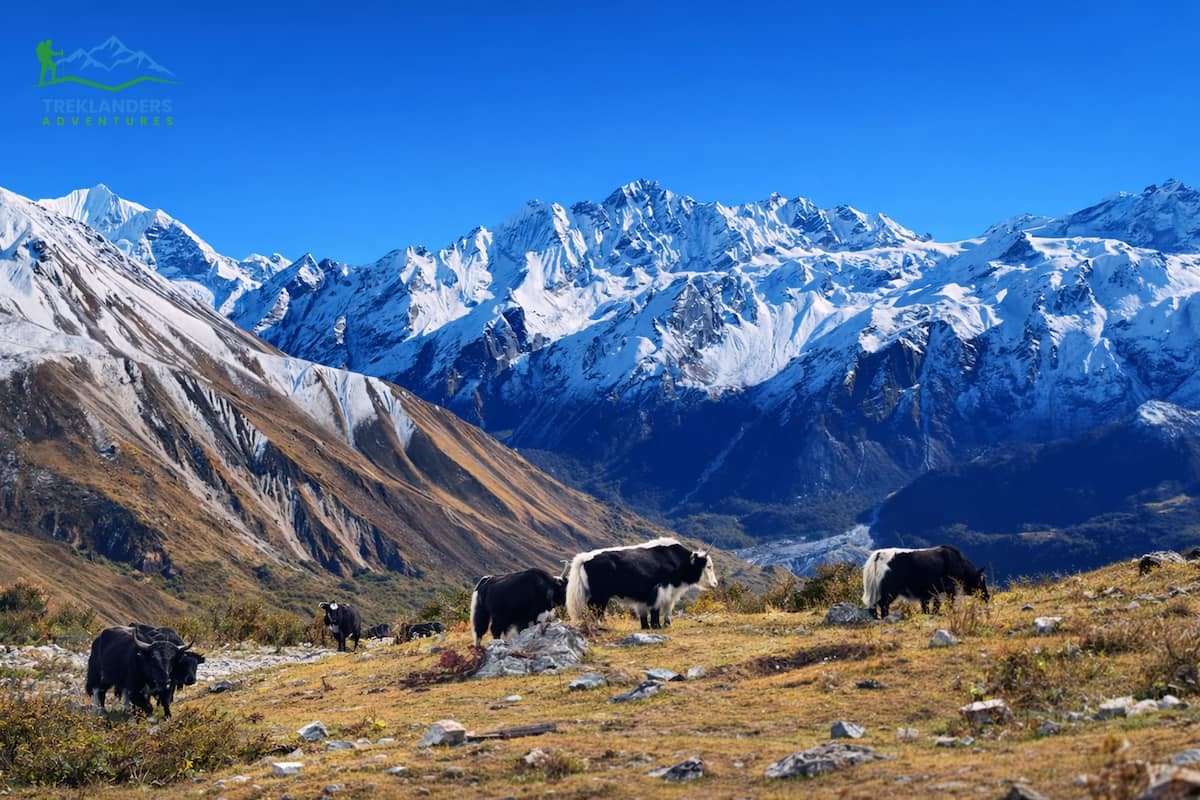
The valley of Langtang is a dramatic picture of mountains close-up with a strong alpine feel to it. As the path climbs the Langtang River, the hikers are enveloped by the steep walls of the valley, the thin waterfalls, the dense forests, and the glaciers coming up gradually. The mountains in Langtang really look huge and imposing as they rise directly from the valley floor. The skyline is dominated by Langtang Lirung, Langshisa Ri, and Dorje Lakpa, which are often seen very close during the entire trek. Near the top, at Kyanjin Gompa, the landscape is very alpine with glaciers, moraines, yaks grazing, and spectacular panoramic points like Kyanjin RI or Tserko RI. The visual experience in Langtang is so natural and earthy that it makes the trekkers feel as if they are a part of the landscape rather than merely watching the Himalayas from a distance.
Whereas the Ghorepani Poon Hill trek is famous for the expansive and sweeping mountain vistas that are seen all around, rather than for close-up glacial scenery, according to the narrative, the highlight of the trek is the morning view from Poon Hill. The trekkers here are rewarded with the classic-does-it-matter Himalayan vista of Annapurna I, Annapurna South, Machhapuchhre (Fishtail), and the towering Dhaulagiri range. The difference between Langtang and these peaks that makes them postcard-style is that they are seen at a distance, thus the layered, postcard-style panorama is created, which is very beautiful, especially when illuminated by the first rays of the morning sun. Besides that, the trek showcases fabulous nature with rhododendron forests, terraced hillsides, and old-time villages, but the exposure to glaciers and high-altitude wilderness is considerably less.
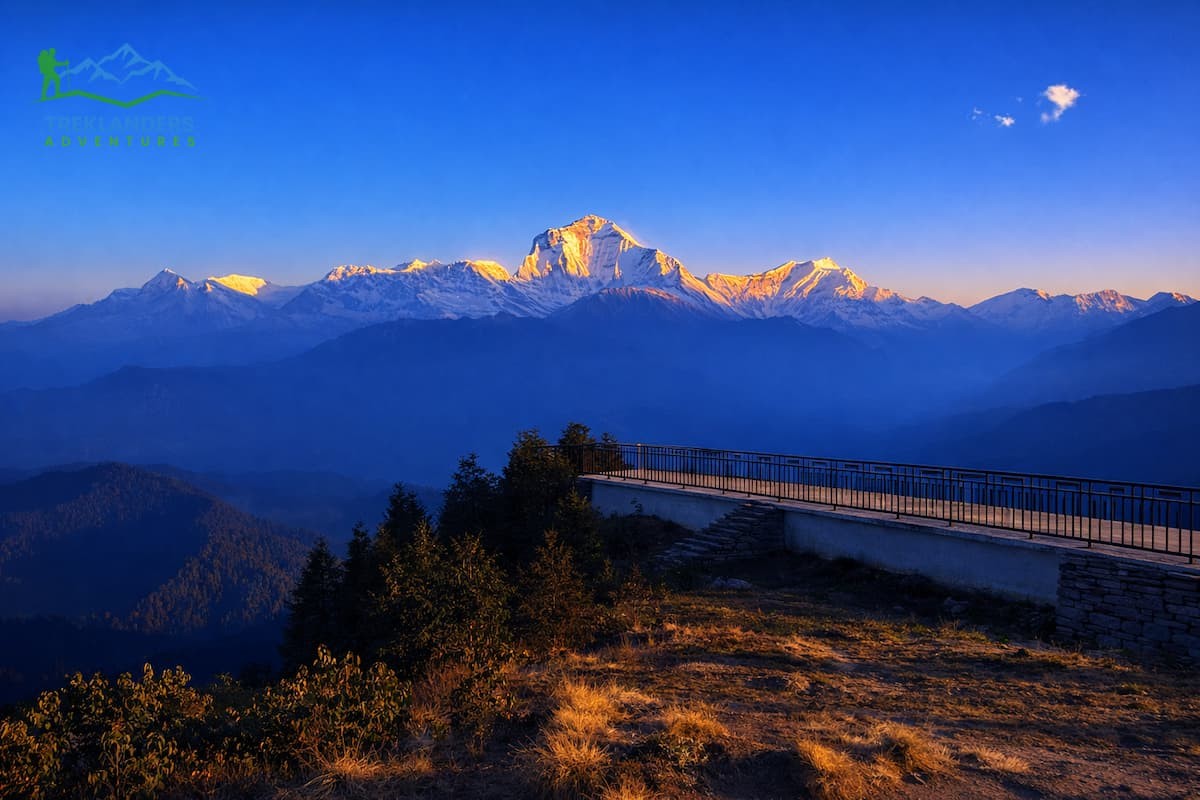
Langtang Valley, in general, offers rugged, close-range Himalayan drama and alpine wilderness, which would be attractive to the trekkers who give utmost importance to being surrounded by mountain scenery. Ghorepani Poon Hill, on the other hand, shines in the iconic sunrise panoramas and the diverse mid-hill landscapes, so it caters very well to the people who want to enjoy the classic Himalayan views through a shorter and more accessible trek.
The Langtang Valley Trek and the Ghorepani Poon Hill Trek are both great options for trekking in Nepal, but they have very different levels of difficulty and fitness requirements. So, different types of trekkers will find one or the other more suitable.
The Langtang valley trek is a moderate trek. It is characterized by longer days of trekking, a steady increase in altitude, and higher maximum elevations, especially at Kyanjin Gompa and the optional hikes to Kyanjin RI or Tserko Ri. Most trekkers will spend 5-7 hours per day walking on rough mountain paths, mostly with slow, continuous ascent. The trek itself does not entail any technical angles; however, the air is thinner at an elevation of more than 3500 meters, which can be pretty tough on one's body. A good level of cardio fitness, stamina, and the ability to walk several days consecutively are the key factors here. Prior trekking or hiking experience is a plus, but not necessary if the trek is done at a reasonable pace with days for acclimatization.

On the other hand, the Ghorepani Poon Hill trek comes under the easy to moderate category and is also one of the most beginner-friendly treks in Nepal. Typically, one walks for 46 hours per day, and the altitude stays quite low, so the chances of getting an altitude-related problem are less. The main physical challenge is the stone staircases, especially on the Ulleri-Ghorepani stretch, which can get quite tiring, but with breaks it’s manageable. This trek is a perfect fit for first-time trekkers, families, and those with a limited trekking background.
Overall, the Langtang Valley trek is more appropriate for hikers with a moderate fitness level who can handle longer days and higher altitude, whereas the Ghorepani Poon Hill trek is perfect for people with an average fitness level who want to do a shorter and less challenging Himalayan trek.
Altitude impacts the Langtang Valley Trek much more than the Ghorepani Poon Hill trek. Langtang Valley goes to higher heights, for example, Kyanjin Gompa is at about 3,870 meters, and there are optional hikes to Tserko RI (4,984m / 16,355ft)
Therefore, one cannot do without proper acclimatization. Different itineraries usually have one acclimatization day at Kyanjin Gompa to help trekkers get used to the mountain gradually and thereby reduce the chances of altitude sickness.
Maintaining a steady pace, drinking enough water, and not making quick climbs are some of the things that matter on this trail.
By comparison, the Ghorepani Poon Hill trek only goes as high as about 3,210 meters at Poon Hill. The lower height considerably decreases the chances of altitude sickness, and there is no need for formal acclimatization days.
This makes Poon Hill the simpler and more comfortable option for beginners or those who have limited experience of high altitudes.
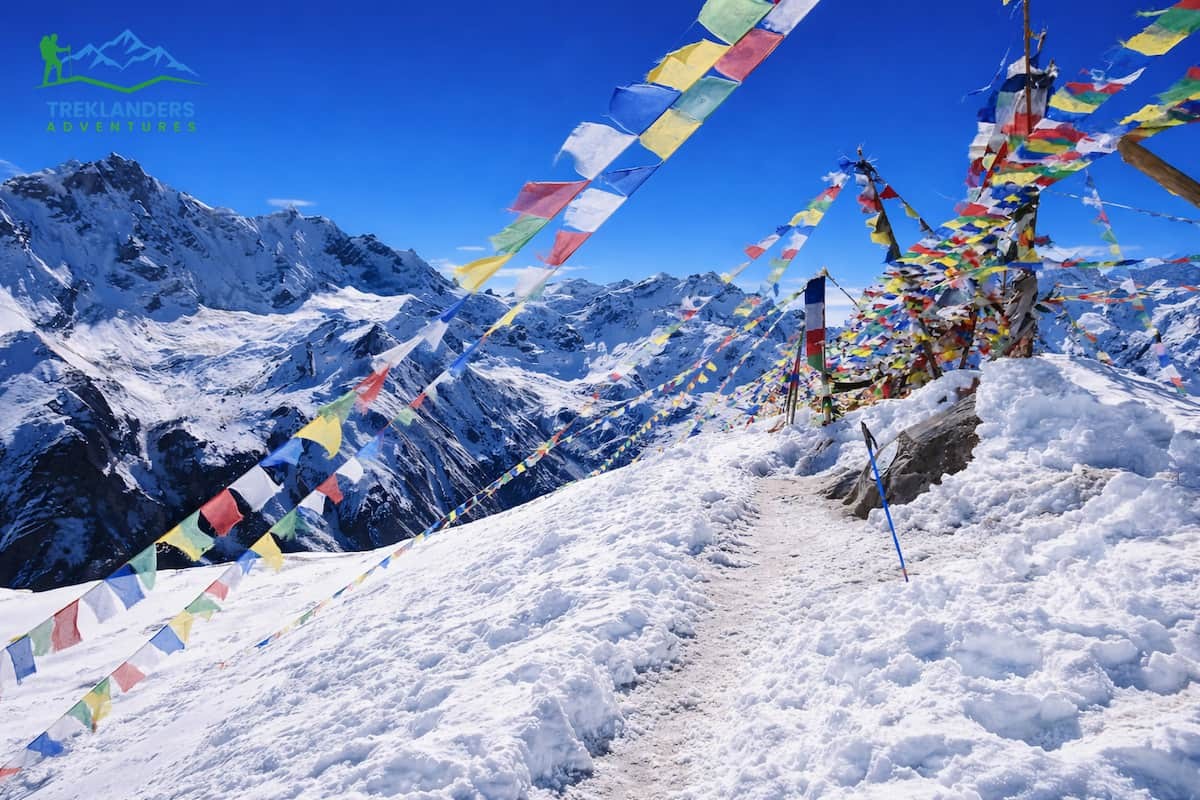
Langtang Valley goes way up above the Ghorepani trail in terms of the level of the altitude reached, so altitude is, in fact, the main distinguishing feature of the trek. The largest inhabited area, Kyanjin Gompa, is located at around 3,870 m / 12,697 ft and is the place to acclimatize and get around. From there, visitors have the option to go up to the summit of Tserko RI (4,984 m / 16,352 ft), where one can see Langtang Lirung and the glaciers around from the top. Besides the fact that these higher spots are physically demanding, they also significantly raise the high-alpine vibe.
On the other hand, the highest point on the Ghorepani Poon Hill trek is considerably lower. The main point of interest of the trek is, in fact, Poon Hill at 3,210 m / 10,531 ft, not a hard climb. Almost anyone can get there because of the moderate altitude, and yet you will be able to enjoy the fantastic Himalayan sunrise panoramas.
The risk of altitude sickness is much greater on the Langtang Valley trek because of the higher elevations and the longer time spent at altitude. Trekkers make a slow ascent from Syabrubesi to Kyanjin Gompa, which is approximately 3,870 meters high, while they can also do some extra hiking to go over 4,700 meters. At such heights, if the body is not allowed to get used to the altitude gradually, one may experience symptoms such as headache, tiredness, dizziness, and loss of appetite. Watching out for your pace, drinking enough water, and taking an acclimatization day at Kyanjin Gompa are some of the ways to reduce the risk. Going on a trek with a guide also increases safety as the guide can check up on your health regularly and know the best way to the next stop.
However, the Ghorepani Poon Hill trek has far less risk of getting altitude sickness. The topmost point, Poon Hill at 3,210 meters, is under the usual level where one can get serious problems with altitude. Therefore, this trek is mostly safe for those who are new to trekking and does not require special acclimatization preparations.
Due to the higher altitude and the gradual ascent into alpine terrain, acclimatization days are very significant on the Langtang Valley trek. Most standard itineraries have at least one complete acclimatization day at Kyanjin Gompa (3,870 m). This rest day is for going on short hikes to higher viewpoints like Kyanjin Ri or Tserko Ri, in accordance with the climb high, sleep low principle. These excursions help the body to adjust naturally to less oxygen in the air; at the same time, they increase the safety and comfort of the trek.
On the other hand, the Ghorepani Poon Hill trek usually doesn't require the presence of any special acclimatization day. The highest elevation at Poon Hill is quite low, and the schedule moves fast without the trekker being exposed for a long time to high altitudes. This is why the trek is good for beginners, families, and travelers with a tight schedule or little experience at high altitude.
For mountaineers who are worried about altitude, the Ghorepani Poon Hill trek is undoubtedly the safer and more comfortable option. The highest point on this trek is only 3,210 meters at Poon Hill, which is lower than the altitude range where people usually get altitude sickness. Moreover, the schedule includes gentle ascents every day, shorter walking hours, and immediate access to lower elevations, all of which greatly lessen the physiological strain. Thus, Poon Hill is perfect for first-time trekkers, families, and travelers who have been uncomfortable at higher altitudes before.
On the other hand, the Langtang Valley trek goes to much higher altitudes, with overnight stays above 3,500 meters and side trips that can be as high as 5,000 meters. Acclimatization days can reduce the risk; however, altitude-sensitive trekkers may still show symptoms. Hence, Langtang is more appropriate for people who have been to high altitudes before and are good at adapting to elevation changes, while Poon Hill is the ideal choice for altitude-sensitive trekkers.
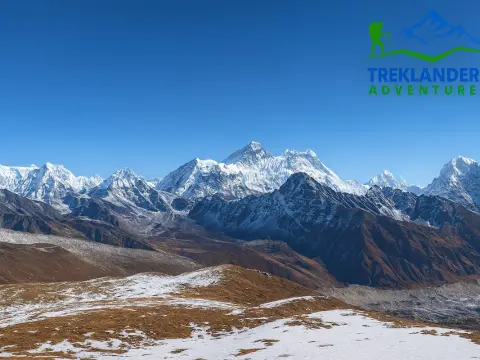
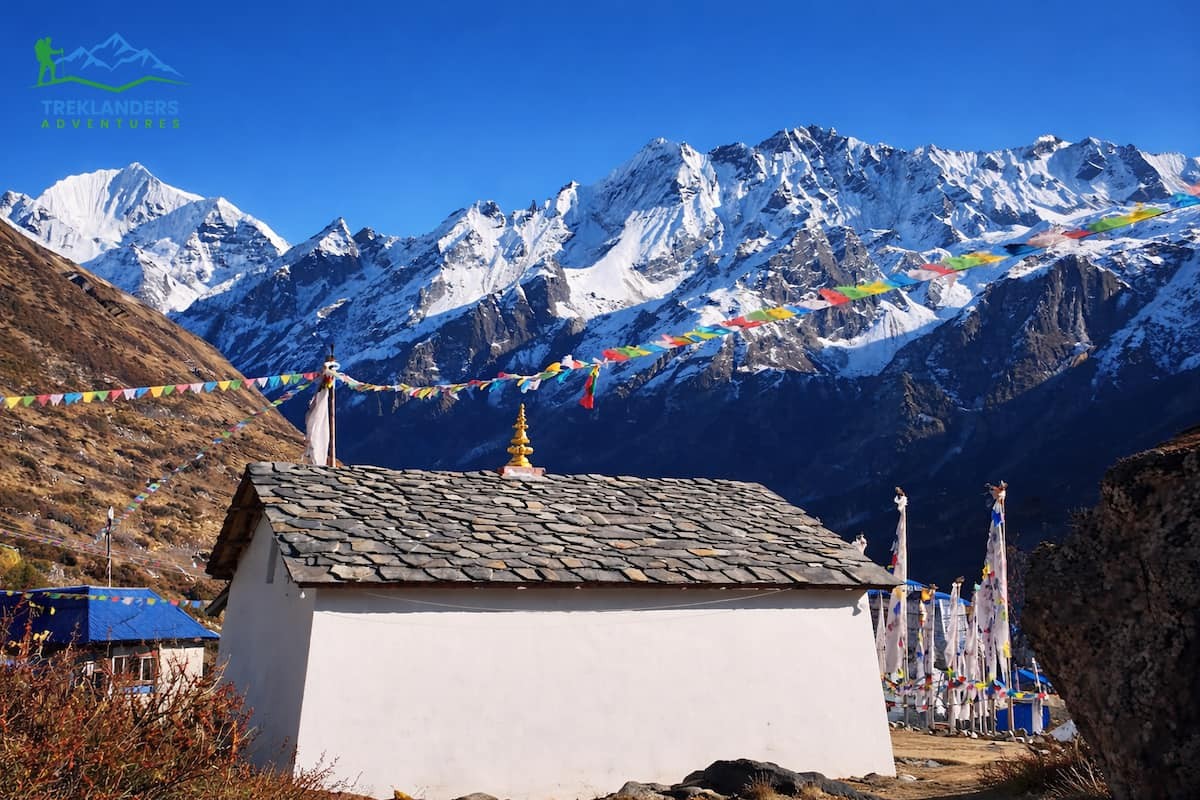
The cultural experience of the Langtang Valley comes from the traditions and way of life of the Tamang people and Tibetan-Buddhist influence. Places like Langtang and Kyanjin are mostly made up of stone houses alongside prayer wheels, Mani walls, and monasteries. Here, people live a lifestyle that is deeply connected with yak herding and high-altitude farming. Cultural elements are not frequently commercialized, and people's lives still revolve around seasonal movement, religious ceremonies, and close-knit community relationships. Local people generally don't speak much with tourists, but their interactions are more intimate, thus providing a good insight into the traditional lifestyle of the Himalayan people.
On the other hand, the Ghorepani Poon Hill trek will take you through vibrant Gurung and Magar villages like Ulleri and Ghorepani. These villages have adapted pretty well to tourism. They extend warm hospitality, have cultural dance performances, and offer decent teahouses. The cultural experiences here are more socially engaging and easier to access, thus providing a nice mix of traditional rural living and modern trekking facilities.
To sum up, Langtang provides a remote and traditional cultural immersion experience, whereas Ghorepani Poon Hill is a community-oriented and friendly experience that is suitable for beginners and short visits.
The cultural experience hikes along Langtang Valley and Ghorepani Poon Hill represent two different social and historical landscapes of Nepal's Himalayas. Both routes allow visitors to mingle with local folks, but culture, lifestyle, and people are quite different.
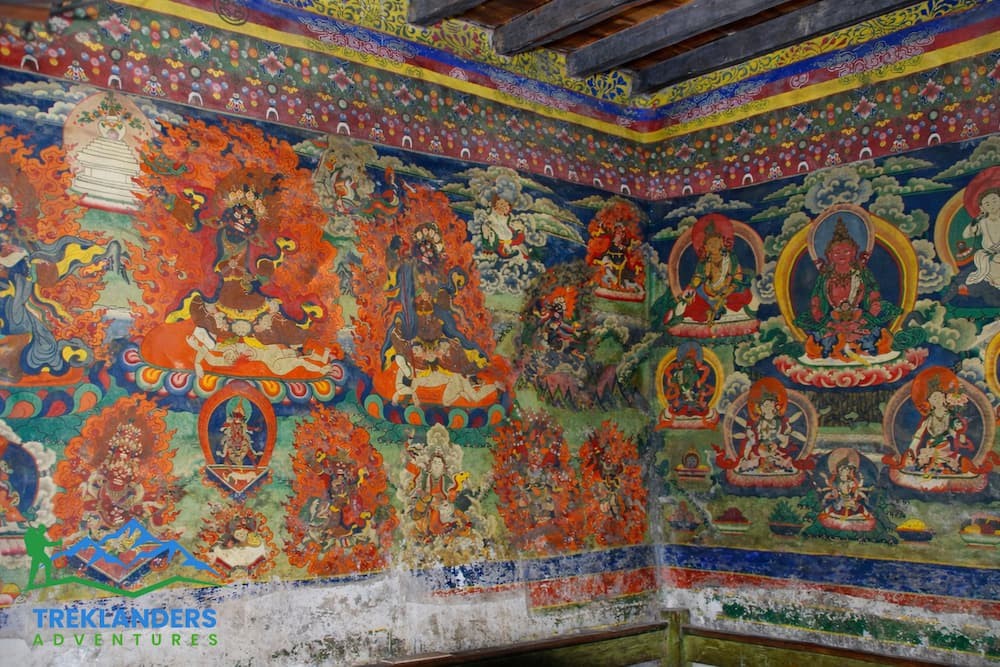
Langtang Valley has been the home of the Tamang community for ages, and their culture is deeply influenced by Tibetan Buddhism as the region is close to the Tibetan border. Walking through the villages such as Langtang and Kyanjin, you will see houses made of stones, yaks grazing in the pasture, prayer flags, Mani walls, and old temples. The way people live here is very much in harmony with the mountains as their main sources of income are herding, farming for their own use, and trade only during certain seasons. Religion is highly valued, so it is not unusual for hikers to see monks, chortens, and turning prayer wheels that are a natural part of village life. Although the 2015 earthquake caused a huge disaster in the area, the local people of Langtang managed to rebuild their communities with strength, and trekking tourism has now become one of the main sources of living in the region. Cultural interaction in Langtang is usually quiet, sincere, and well-established in tradition, giving the trekkers a feeling of true Himalayan mountain culture.
On the other hand, the Ghorepani Poon Hill Trek is in the Annapurna region, where the main inhabitants are the Gurung and Magar communities. The villages of Ulleri, Ghorepani, and Ghandruk are noted for their strong community spirit, vibrant traditions, and a proud historical connection to the Gorkha regiments. The culture here reveals a combination of traditional country living and a long history of trekking tourism. It is common to see stone houses, terraced fields, and village temples, but at the same time, modern comforts and tourism-related services are quite well established. Locals are very familiar with hosting trekkers, so cultural exchanges are usually lively and welcoming.
In a nutshell, Langtang Valley features a more authentic, Tibetan-style culture that has been influenced by the local environment and isolation from the world, whereas Ghorepani Poon Hill is the depiction of a lively, community-based culture that is more accessible and interactive. Both treks are like windows into the rich ethnic fabric of Nepal, each in its own distinctive way.
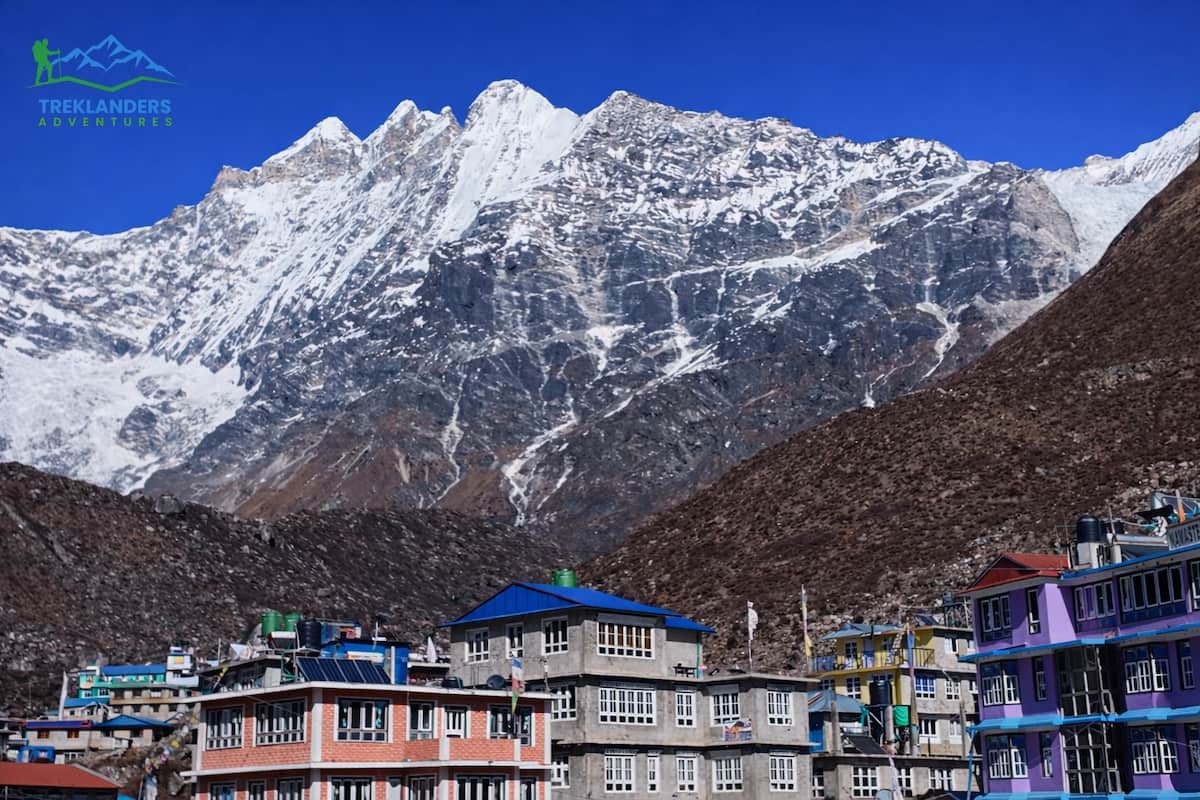
Along the Langtang Valley trekking trail, you'll find the villages to be petite, serene, and nature-synced. Places like Langtang and Kyanjin, the two main villages in the valley, seem very far away with their old stone houses, yak grazing areas, temples, and relaxed lifestyle. Getting to know the locals is very genuine and friendly, and it is a great way to learn about the traditional Himalayan lifestyle.
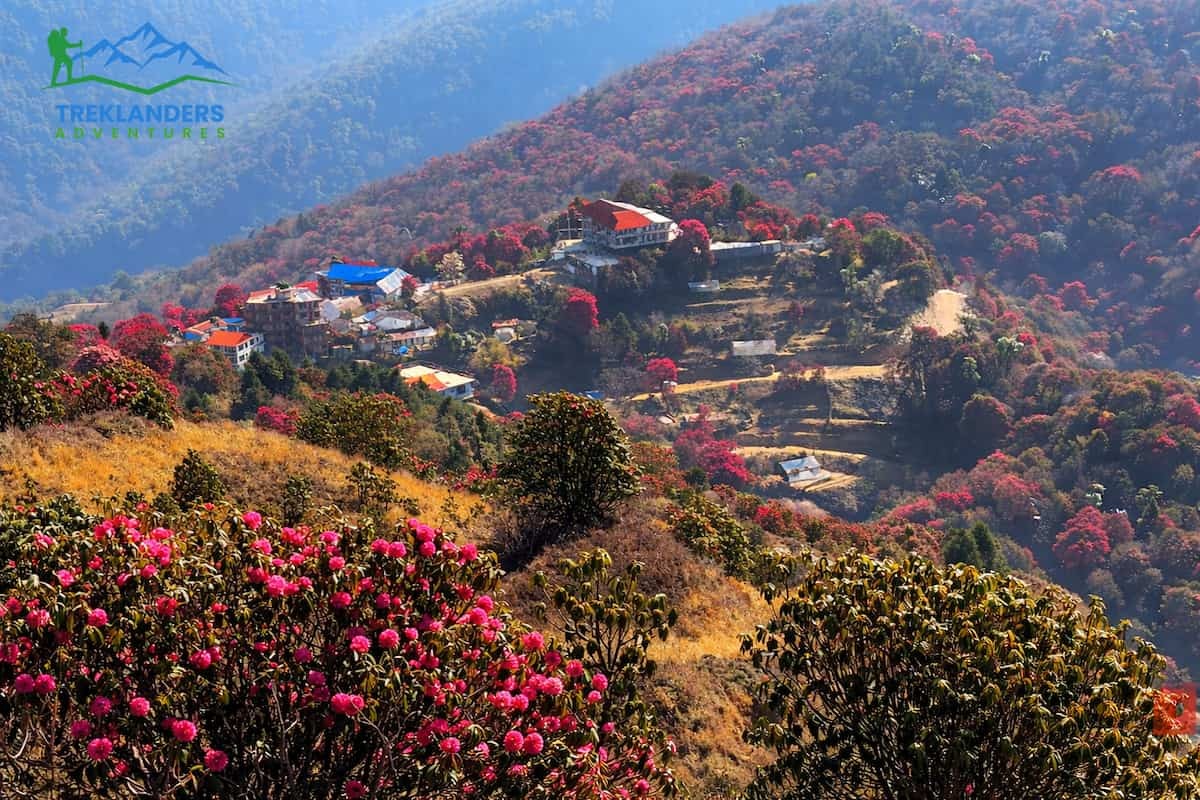
The Ghorepani Poon Hill trail villages, on the other hand, are bustling and full of amenities. Ulleri and Ghorepani can be counted as two places that offer generous hospitality, cosy teahouses, and a vibrant village lifestyle that has been influenced by trekking tourism for a long time.
If you value cultural immersion more than anything else, the Langtang Valley trek gives you a step up in cultural experience in a very traditional way. The major population in the region is the Tamang community, and their way of life, language, architecture, and religious practices are quite heavily influenced by Tibetan Buddhism. The villages are not very commercialized and cultural elements such as monasteries, Mani walls, prayer flags, and daily rituals blend naturally into everyday life here. Communicating with locals often seems very personal and real, thus you get a strong feeling of the authentic Himalayan mountain culture.
The Ghorepani Poon Hill trek offers the cultural aspect through the Gurung and Magar village but the experience in this case is more tourism-oriented. The cultural exposure here is friendly and lively, yet more tailored to visitors.
In short, Langtang Valley brings you the most in-depth and traditional cultural experience, whereas Ghorepani Poon Hill makes the culture more approachable, easier, and offers a more social introduction.
If you are deciding between the Langtang Valley and the Ghorepani Poon Hill treks, one of the most important factors to consider is the seasonal weather, as it affects not only visibility but also trail conditions and how comfortable you will be.
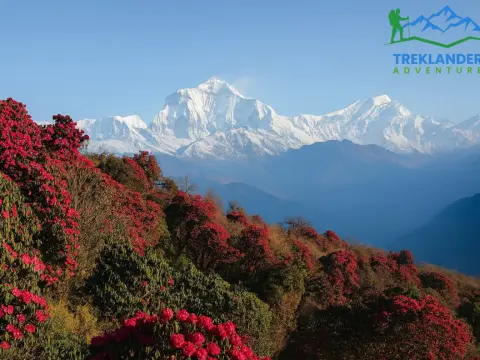
During the brief peak seasons in spring and autumn, the two treks are most popular and the most beautiful. The days are bright and clear, the temperatures are comfortable, and the views of the mountains are stunning. Spring is the season of rhododendrons, of which the blooms on Poon Hill are especially beautiful, while autumn is characterized by fresh air and stable weather, great for photography and trekking at altitude. Because of the factors of ease and comfort, these seasons attract the most trekkers.
Langtang Valley is located at higher altitudes, so the general trend is that the temperatures are lower, particularly at night. When the trekkers get nearer to Kyanjin Gompa, they get to the alpine zone where it is usual to have cold mornings and evenings. In contrast, Ghorepani Poon Hill is at a lower altitude, so the temperature is generally warmer, and the weather is less volatile. Poon Hill is usually more comfortable for daytime walking, especially if the trekker is a beginner.
Both treks can be done in winter if the person is well prepared. Langtang Valley has cold temperatures, snowfall, and freezing of the trail in the upper parts, so the side hikes may be risky. Because of its elevation, Poon Hill is still accessible during winter; the mornings are cold, but the conditions are generally good, and the mountain views on sunny days are clear.
Both regions experience rainfall during the monsoon, which brings the risk of leeches, slippery paths, and obscured views due to clouds. On the other hand, Poon Hill has the advantages of better infrastructure and faster ways out, whereas Langtang's isolated location makes monsoon trekking more difficult.
Because of its lower altitude, the Ghorepani Poon Hill Trek has, on the whole, more stable and comfortable weather over a larger part of the year. While Langtang Valley offers breathtaking views during the peak seasons, it is also more susceptible to cold and sudden weather changes.
Cost plays a major role in deciding whether to go for the Langtang Valley or Ghorepani Poon Hill trek. Although both are regarded as cheap Himalayan trekking options, the total expenditures vary between them due to differences in duration, altitude, logistics, and the availability of facilities.
Langtang Valley Trek is often seen as a mid-budget trek. Since the hike takes around 7-10 days, trekkers spend more on accommodation, meals, and the services of a guide or a porter. Kathmandu to Syabrubesi transport is done by local bus or private jeep, thus quite cheap as compared to domestic flights, though the bad condition of the road may add time. Due to its nature as an uncommercialized and remote place, food and accommodation in Langtang at the top of the valley can be a bit pricier owing to difficulties in getting supplies. What is more, tourists normally allow days for acclimatization and also take the option of side hikes, which further lengthen their trip and increase the total cost. Fees for permits are not high, as they usually cover only the national park and local area permits.
Unlike the Langtang trek, the Ghorepani Poon Hill trek is considered a very affordable trek in Nepal. The shorter duration of the trek, only 4-5 days, results in a considerable lowering of accommodation and food expenses. It is easy and flexible to get there through Pokhara; you can choose from different means of transport at varying prices. The excellent hiking infrastructure helps keep the prices of accommodation and meals low, and you also have greater access to budget teahouses as a trekker. The cost of permits is quite simple and similar to other treks, but the total cost stays low owing to the shortness of the trek.
There are guide and porter hiring charges along with both the treks; however, Poon Hill demands fewer days of assistance, therefore it is less expensive overall. Those who trek independently might be able to handle Poon Hill at a lower cost because of well-marked trails and the presence of many settlements, but Langtang is more suitable for professional guidance because of its remoteness.
In summary, Ghorepani Poon Hill is a better option for budget travelers or those who do not have much time, whereas Langtang Valley is a greater value for those who are willing to pay a little more for an extended, secluded, and more engaging Himalayan experience.
Accommodation and food are two of the major factors determining the overall hiking experience; both the Langtang Valley and Ghorepani Poon Hill treks are basically teahouse-based. That said, the standard of comfort, the diversity of the menu, and the quality of service vary with altitude and local development.
On the Langtang Valley Trek, accommodations are mostly basic, but the hosts are friendly, and the atmosphere is warm. Teahouses are small, family-run establishments with simple twin-sharing rooms. The rooms usually come with beds, blankets, and students use a bathroom in common. As one gains height on the trek, especially after the village of Langtang up to Kyanjin Gompa, amenities are fewer. In most cases, only dining rooms are provided with heating and hot water for showers, and charging, and Wi-Fi may be unavailable or, at best, offered at a charge. Still, the lodges are sufficiently clean and comfortable for a very remote Himalayan area. Staying in these lodges offers the chance to closely interact with local Tamang families, thereby deepening the cultural experience.
Meals on the Langtang Trek are wholesome and practical, meant to help trekkers cope with the energy demands of high altitudes. Staple food consists of dal bhat (rice, lentils, and vegetables), noodles, soups, fried rice, momos, pasta, potatoes, and eggs. As the height increases, the menu gets more and more limited because of the difficulty in bringing goods up, and the prices may go up.
Hot drinks such as tea, coffee, ginger lemon, and garlic soup are widely available and play an important role in providing warmth and helping acclimatization.
On the other hand, when considering the Ghorepani Poon Hill Trek, one can find that it provides more developed and comfortable accommodation options due to the area being popular and easily accessible.
Teahouses along this route tend to be bigger, with rooms that are better kept, some with attached bathrooms, and more reliable hot showers and electricity. The dining areas are large and social, which, among other things, makes the trek very suitable for beginners and families.
The Poon Hill trek has quite a range of food options that include Nepali, continental, and some Western-style dishes. Fresh vegetables are more common due to the road access, and, in general, the service is quicker and more flexible.
To summarize, the Langtang Valley offers a basic, genuine teahouse experience that is perfect for trekkers who are eager to find the off-the-beaten-path, whereas Ghorepani Poon Hill offers a higher level of comfort and a wider range of food, which is perfect for short and relaxed trekking holidays.
Hiring a guide and porter makes it safer and more comfortable overall for trekkers on both the Langtang Valley and Ghorepani Poon Hill treks.
In Langtang, a guide is strongly encouraged mainly because of the greater altitude, longer walking days, and more isolated trails; in addition, they help with pacing, acclimatization, and coordinating your stay at the lodges. Porters alleviate the load on the body; hence, the trekkers can enjoy the views more comfortably.
Guides and porters on the Poon Hill trek are, of course, optional. However, they can be a great help, especially for first-time trekkers, families, or those simply wanting local knowledge and a laid-back walking style.
It really comes down to how much time you have, your level of fitness, and what kind of trekking experience you want when you decide between the Langtang Valley and the Ghorepani Poon Hill trek. If you are after a less crowded trail with the presence of bigger mountains, more time for cultural interaction, and a more rugged Himalayan experience, then Langtang Valley is the right choice. It is designed for those trekkers of moderate fitness who like longer walking days and alpine scenery.
On the other hand, if you want a shorter and easier trek with the comfort of good facilities, world-famous sunrise views, and hardly any problems with altitude, then Ghorepani Poon Hill is your dream destination. It is great for beginners, families, or anyone who is short of time. Both treks are wonderful - the best one for you is simply the one that fits your experience and expectations.
Both the Langtang Valley and the Ghorepani Poon Hill treks are great ways to see the variety of Nepal's Himalayas. But each provides a completely different experience. Therefore one trek is not better or worse than the other. It just depends on what you want from your trip.
Langtang Valley is a good pick for travelers looking for a more intimate and real Himalayan experience. It is higher in altitude, longer in duration, and more secluded, all of which means you'll get a better sense of the area, both natural and cultural. Besides being a bit of exercise, this trek also requires a degree of altitude adaptation and a readiness to live in basically normal accommodation. You will be rewarded with the spectacular mountains, glaciers, and Chinese-influenced Buddhist Tamang villages. You'll get to enjoy the kind of isolation, wild nature, and authentic culture encounters that most people only dream about on holidays. Langtang suits best those adventurers who are looking for depth rather than convenience and want to feel like they are part of the mountains.
The other way around, Ghorepani Poon Hill is perfect for people who want a quick, easy trek with the chance to see some stunning Himalayan scenery. Thanks to the numerous well-kept paths, the comfortable teahouses, and the low altitude, it is beginner-friendly, family-friendly, and time-limited traveler-friendly. Only a few minutes after reaching the summit of Poon Hill, the morning light reveals the striking vistas of the Annapurna and Dhaulagiri ranges. At the same time, the lively Gurung and Magar villages make wonderful stops to immerse in local cultures and socialize. The main features of this trek are comfort, adaptability, and speed, which is why it is the most chosen among the starter treks of Nepal.
Basically, Langtang Valley showcases the less crowded, more authentic aspect of trekking in the Himalayas, whereas Ghorepani Poon Hill provides a simple and gratifying glimpse of the mountains of Nepal.
You should decide based on your fitness, time, how well you handle high altitude, and whether you want a cultural experience or just convenience. If you decide to take either of the two routes, both treks are a way to have memorable experiences and a real connection with the landscapes and people of Nepal that will make your journey to the heart of the Himalayas worthwhile.
A quick comparison of the Langtang Valley Trek and Annapurna Base Camp Trek, covering difficulty, cost, and experience.
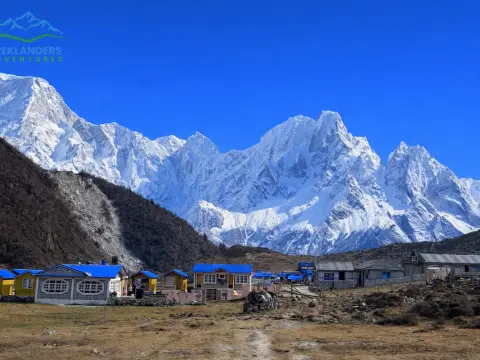
Compare the Langtang Valley Trek and Manaslu Circuit Trek to find which Nepal trek is best for your time, fitness level, and trekking experience.
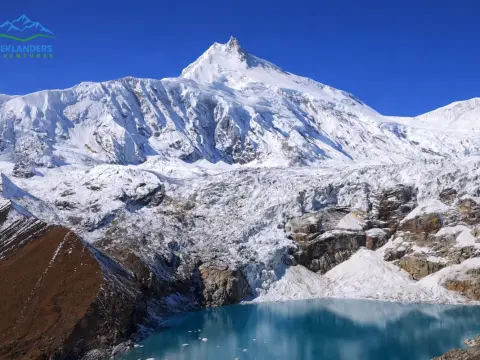
Explore the best Manaslu Circuit Trek viewpoints in 2026, including Larkya La Pass (5,106 m), spectacular Himalayan views, and a clear trek itinerary.



