
Langtang Valley Trek vs Manaslu Circuit Trek: Which Nepal Trek Is Best for You?
11 Jan 2026
Compare the Langtang Valley Trek and Manaslu Circuit Trek to find which Nepal trek is best for your time, fitness level, and trekking experience.

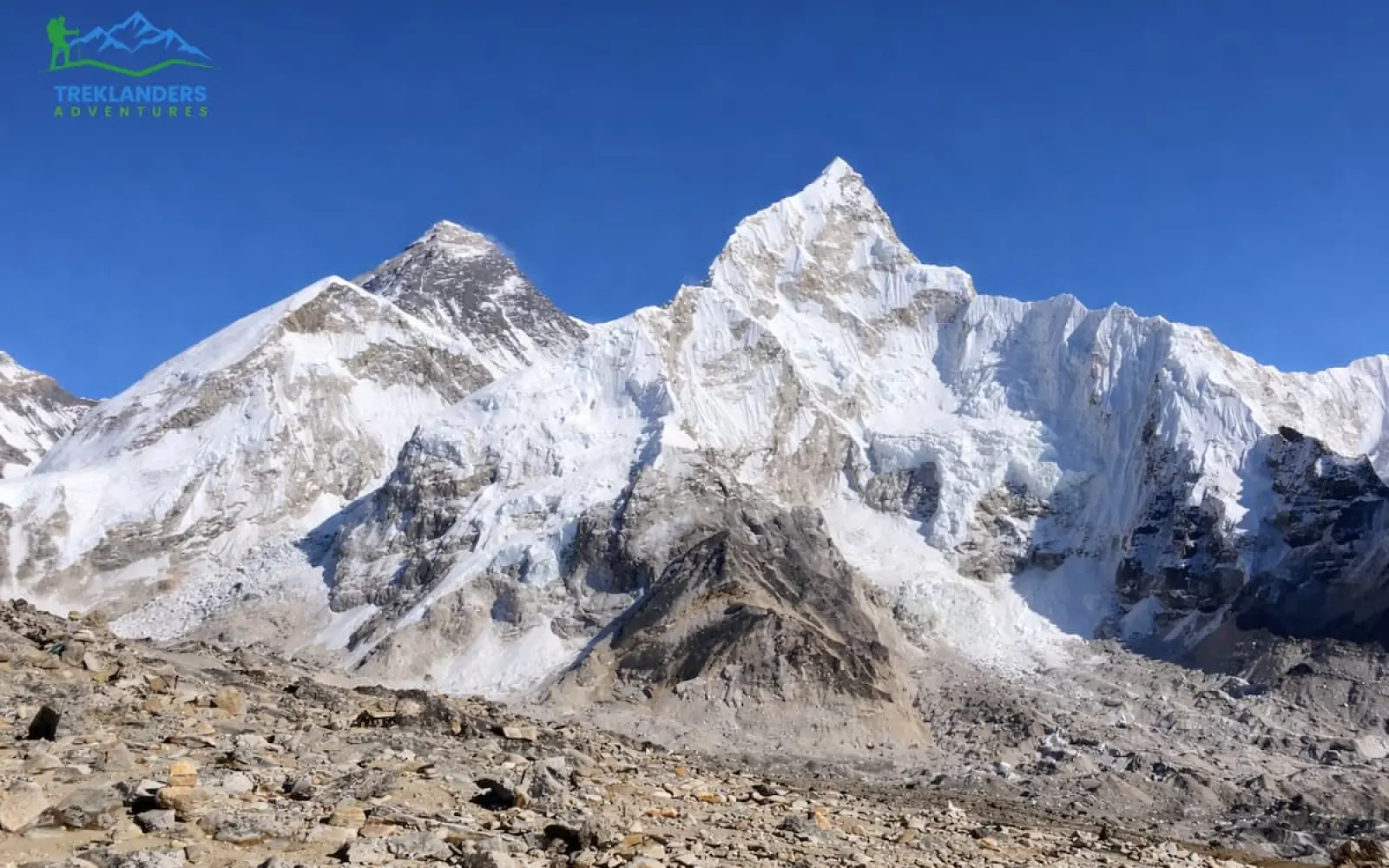
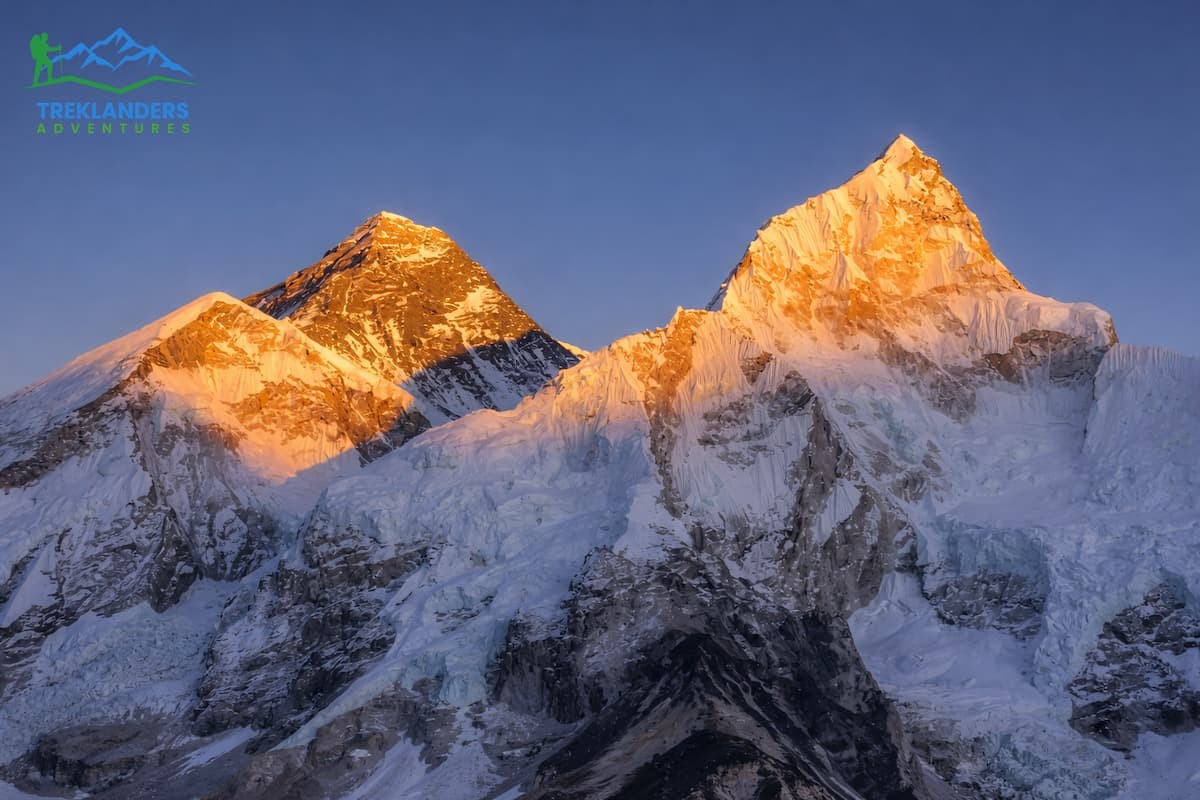
The trek to Everest Base Camp is one of the most renowned hiking adventures in the world. It is based in the Khumbu region of Nepal, and at an altitude of 5,364 meters (17,598 feet), the base camp is the first stop of climbers who want to conquer Mount Everest. However, only a few fully comprehend the key facts that make this extraordinary journey even more interesting.
The Everest Base Camp is actually the place where climbers stay during the spring expedition season, rather than the summit itself. Hikers usually stop at the South Base Camp situated on the Nepalese side, which is part of Sagarmatha National Park, a UNESCO World Heritage Site inhabited by spectacular Himalayan scenery, glaciers, and rare animals such as snow leopards and Himalayan tahr.
The conventional trek generally starts with a flight to Lukla and lasts about 12 to 14 days round-trip, depending on the acclimatization schedule. The trail goes through well-known Sherpa villages like Namche Bazaar and Tengboche where you can learn about local culture and Buddhist traditions. Proper acclimatization is essential because altitude sickness can happen above 3,000 meters if you are not careful. Trekkers slowly go up so their bodies get time to get used to the oxygen deficiency.
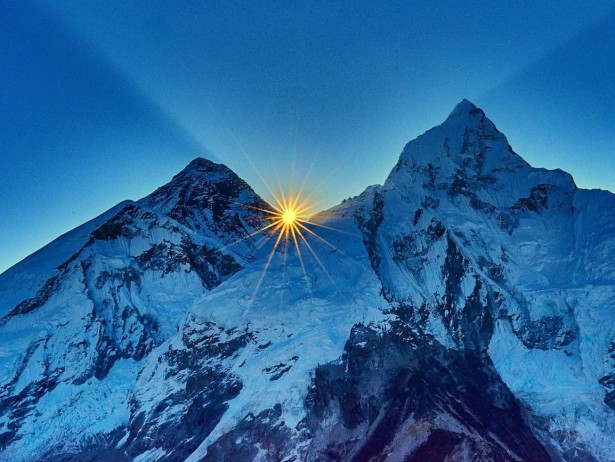
Weather conditions at Everest Base Camp can change rapidly. The finest times for trekking are considered to be spring (March to May) and autumn (September to November), as during these periods one can expect clearer skies and temperatures that are not too different. Extreme cold can be expected in winter, whereas the monsoon season is characterized by heavy rains and low visibility.
Apart from that, it is also very important to know that one doesn't need to have technical climbing skills to get to Everest Base Camp. On the other hand, because of long walking hours and the arduous nature of the path, one should be in good physical shape, have a strong mind, and be well-prepared. There are hanging bridges, stony trails, and glacier moraines along the way.
In the end, Everest Base Camp is not merely a place to go to. It stands for a person's accomplishment, the opportunity to experience a different culture, and a moment of awe in front of the majestic Himalayas.
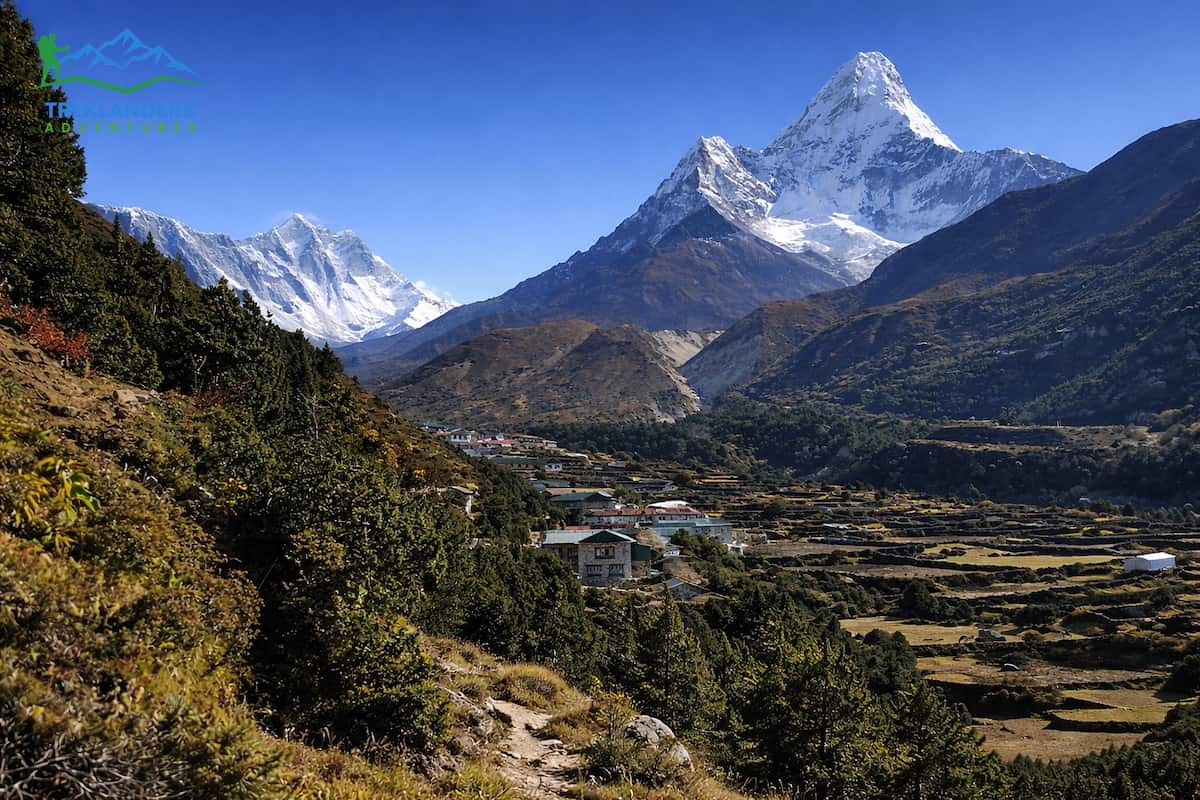
Everest Base Camp is at an altitude of 5,364 meters (17,598 feet). At this height, the amount of oxygen in the air is only half of what it is at sea level, so it becomes harder to breathe. To avoid altitude sickness and have a safe trekking experience, it is very important to properly acclimatize.
Everest Base Camp is in the Khumbu region of Nepal. This is an area of high mountains in the eastern Himalayas that offers breathtaking landscapes, glaciers, Sherpa villages, and some of the highest peaks of the world, including the tallest one on Earth.
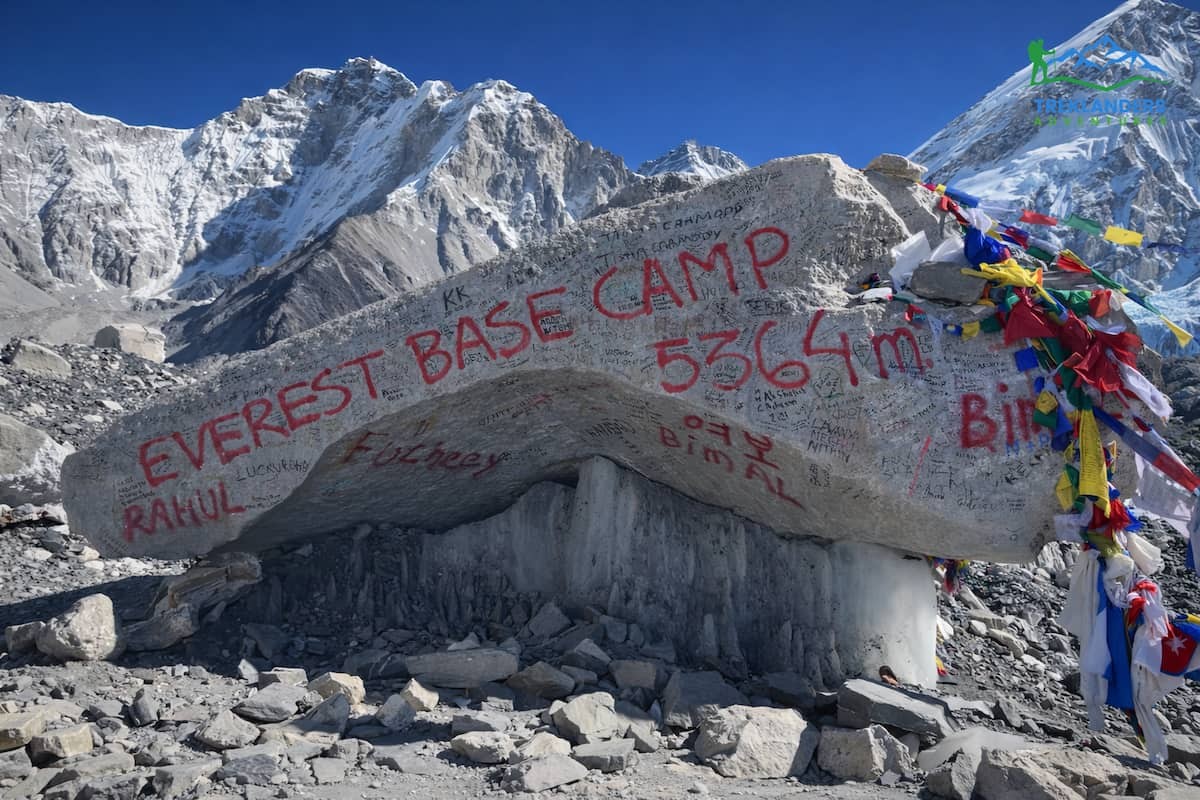
Base Camp is the place where climbers make their final preparations before they start to summit Mount Everest. While trekkers only get to the camp, mountaineers actually live here for several weeks, setting up their gear, getting used to the altitude, and waiting for good weather to go up.
The trail leading to the Base Camp is within Sagarmatha National Park, which is a World Heritage Site by UNESCO and was established in 1976. The park is a refuge for rare Himalayan animals and has alpine forests, glaciers, and Sherpa culture, thus being a valuable ecological and cultural resource.
The usual trip to the base camp of Everest lasts from 12 to 14 days in total. This plan features two days of acclimatization which are very useful for the trekkers to get used to the thin air and prevent the occurrence of Acute Mountain Sickness caused by the gradual increment of the altitude.
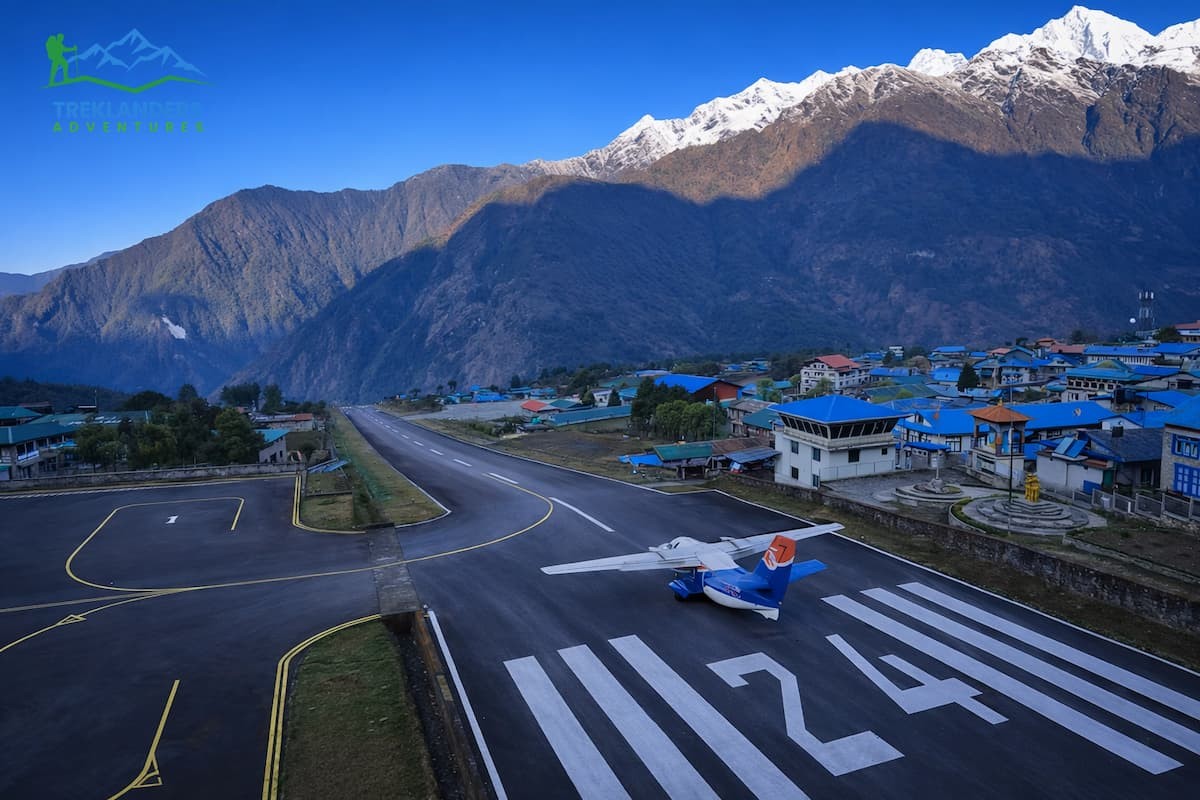
Most trekking activities commence with a flight to Tenzing-Hillary Airport, Lukla. The airport is famed for its very short runway and the surrounding mountains, making it one of the most exciting airports in the world.
Khumbu is the home area of the Sherpa people, who are famous worldwide for their mountaineering skills. Sherpas are essential as guides, porters, and expedition leaders, who greatly help the success of Everest expeditions and also uphold the strong Buddhist traditions.
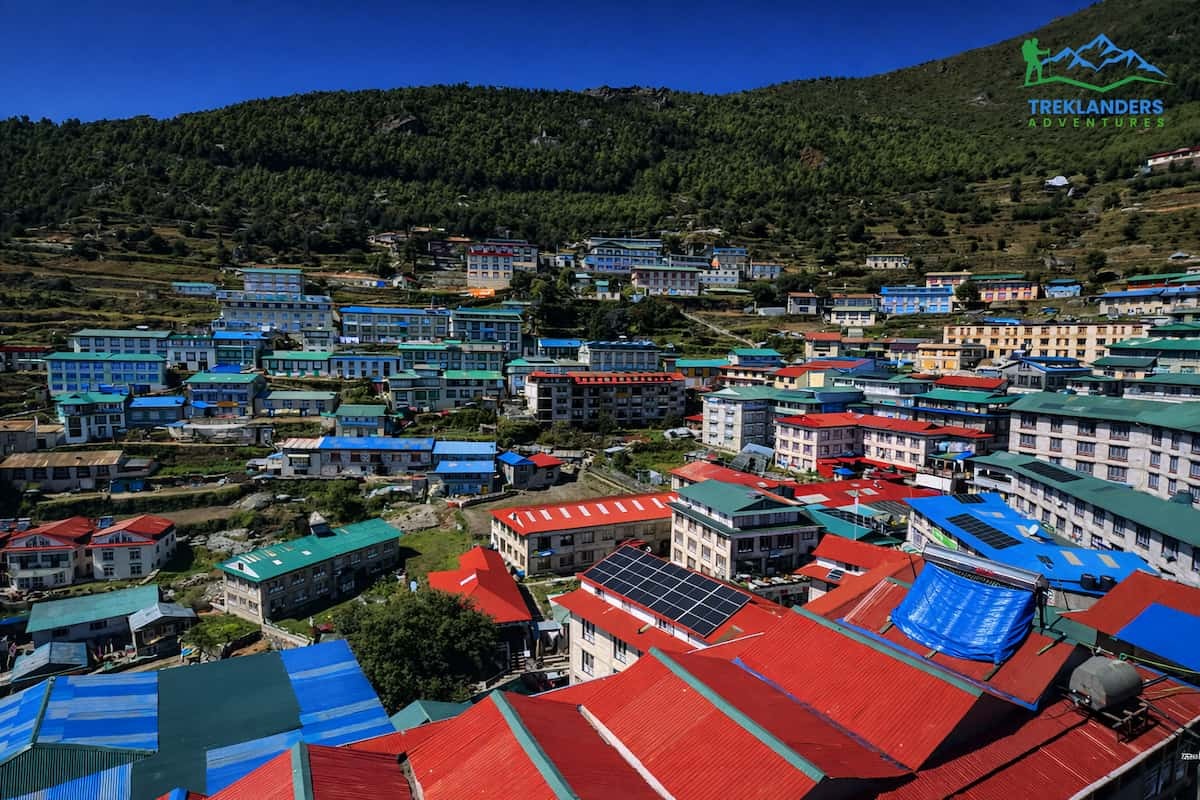
Namche Bazaar is the commercial and social center of the Everest region. Trekkers take an acclimatization day here, enjoying mountain views, bakeries, museums, gear shops, and getting to know the local Sherpa culture and history.
Tengboche Monastery is the biggest monastery in the Khumbu valley. Before Everest expeditions, climbers often got blessings here, which shows the close spiritual bond between Buddhism and Himalayan mountaineering traditions.
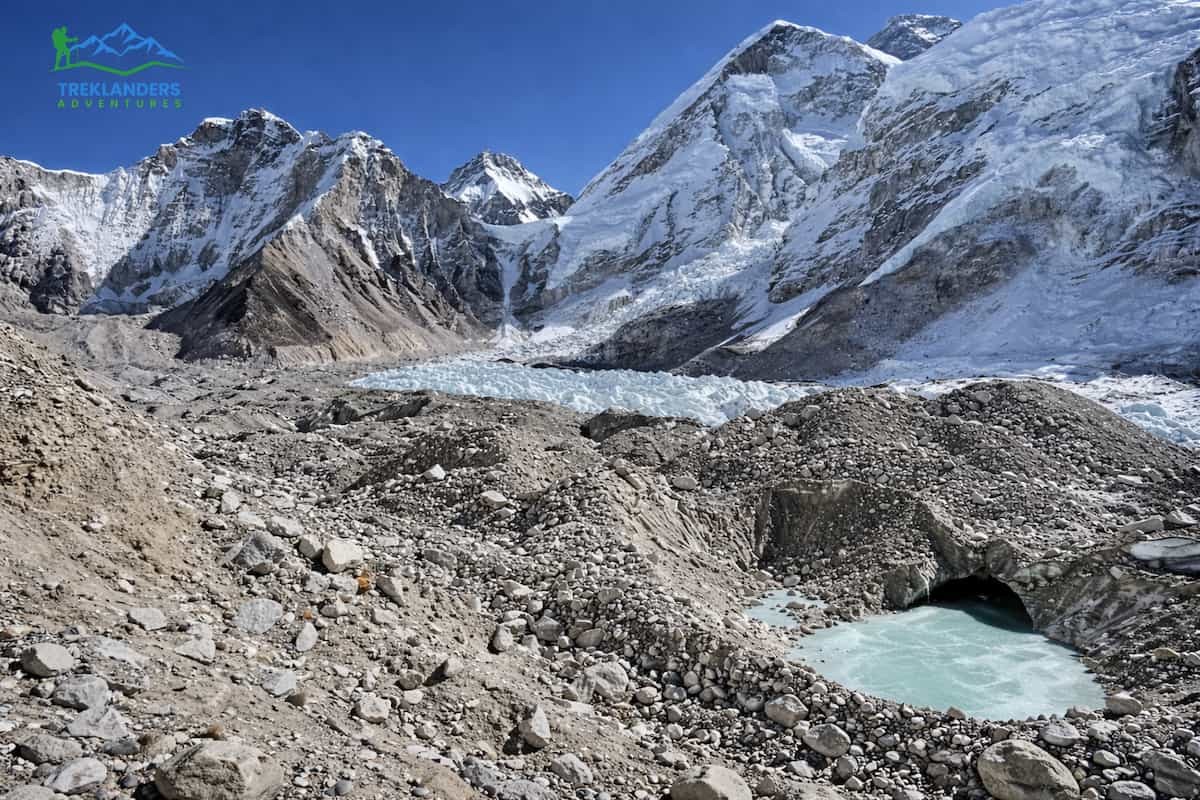
Everest Base Camp lies on the moving ice of the Khumbu Glacier. The glacier moves slowly over time, which is why camp locations change each climbing season slightly, depending on the stability of the ice.
Spring (March to May) and fall (September to November) are regarded as the best seasons for trekking. These are the months when you can expect the sky to be the clearest, the weather to be the most stable, and the mountains to be the most visible. Winter is very cold, and the monsoon season brings heavy rains and very little visibility.
Sometimes the sun makes the daytime temperature feel quite warm, but at night, the temperature usually drops far below freezing. Even during the high season for trekking, sudden changes in the weather, cold winds, and snow can occur.
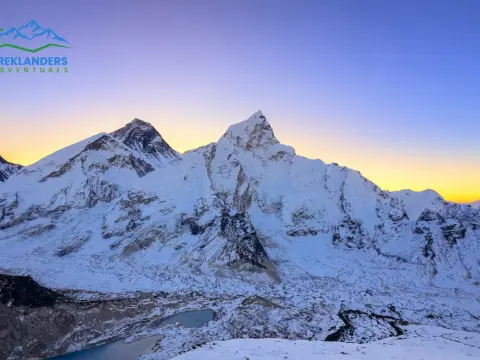
The Everest Base Camp trek is a non-technical one in the sense that there is no need for climbing gear like ropes and crampons. However, due to the high altitude, the steep climbs, and the length of the trekking days, the trek is quite physically demanding and thus requires good preparation and a high level of cardiovascular fitness.
Due to the lower oxygen level at the altitude of the Base Camp, one can experience such symptoms as headache, nausea, dizziness, and tiredness. A slow pace of walking, drinking plenty of water, and spending days for acclimatization are beneficial for the body to get used to it naturally.
To prevent severe altitude-related illnesses, trekkers implement a gradual ascent method along with rest days in places such as Namche and Dingboche. Such a controlled elevation gain plays a major part in reducing the risk of severe altitude-related illnesses.
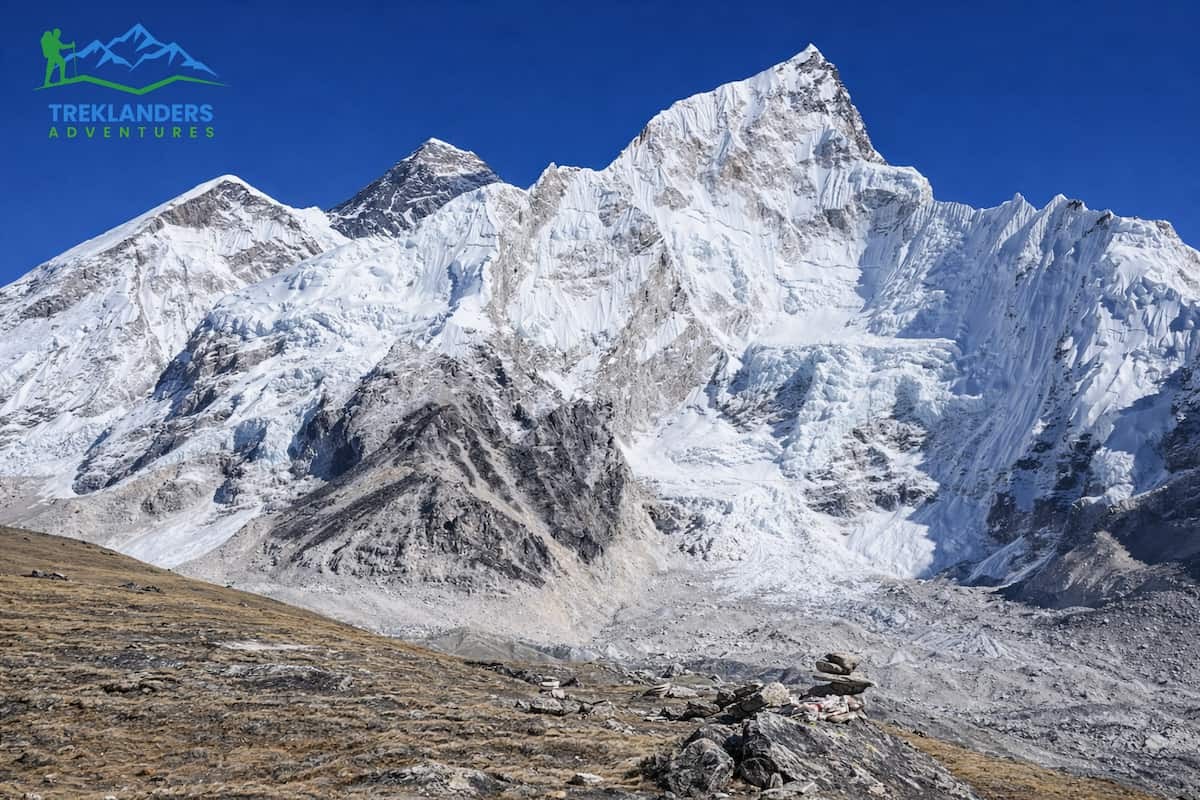
At a height of 5,545 meters, Kala Patthar is the perfect spot for a super-close view of Everest. Mountaineers and trekkers mostly hike up here at dawn to see the sun's first rays lighting up the Himalayan mountains.
If you count from Lukla to the Everest Base Camp and then back, the distance covered will be about 130 kilometers. Along the way, one could come across not only gradual climbs and steep ascents but also river crossings and rocky trails.
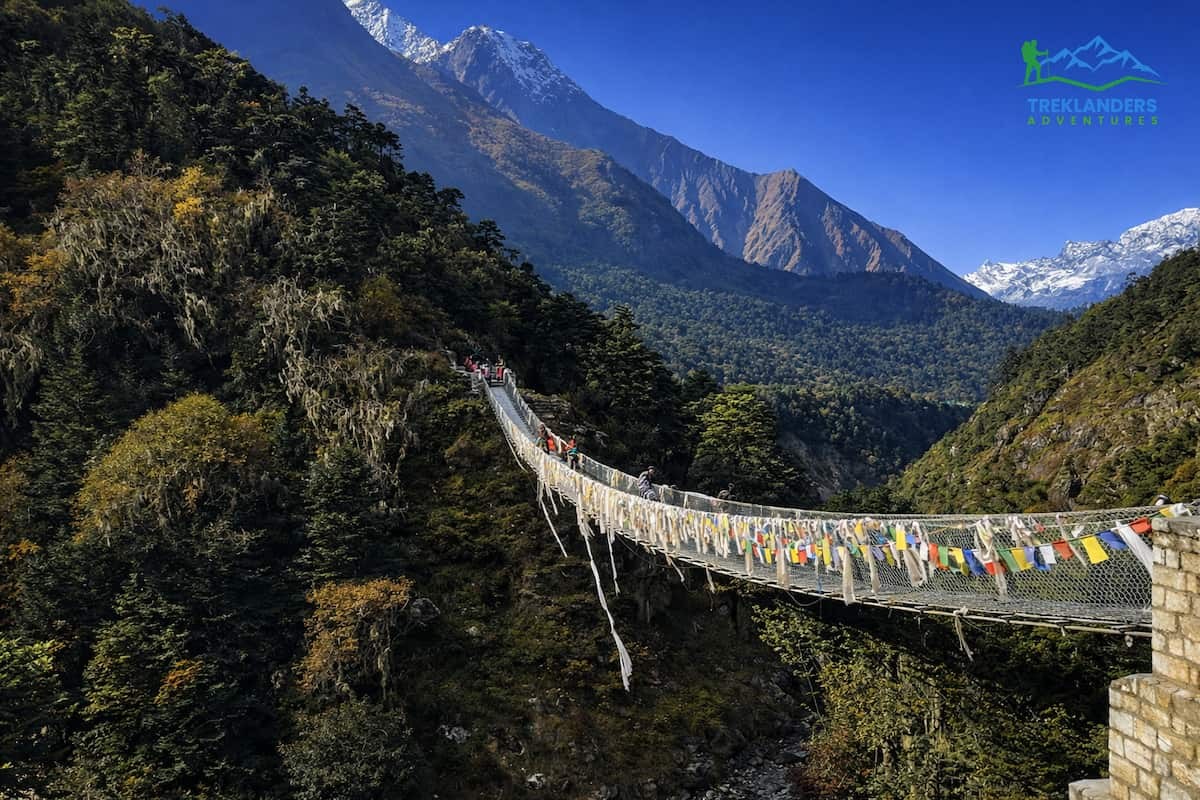
Putting together the trek, there are quite a number of suspension bridges that run high above the river gorges. Mainly, these bridges serve the purpose of connecting remote villages; they are decorated with prayer flags and are recognized as one of the landmarks of the Everest trail nowadays.
The available accommodation on the Everest hiking trail is mostly in the form of tea houses, which offer very simple facilities such as rooms for two and shared bathrooms. Generally, heating is provided only for the common dining rooms, especially at the highest points.
Prayer wheels, mani stones, chortens, and brightly colored flags are a few of the things that can be seen at the sides of the path. Such sacred items symbolize protection and blessings, and, therefore, they represent the strong Buddhist presence in the entire Everest area.
Depending on the number of kilometers covered and the elevation achieved, trekkers generally spend 5 to 7 hours walking daily. At higher elevations, the pace of walking slows down because of the lower oxygen level in the air. Taking regular short breaks is vital to keep one's energy level up and to prevent overexertion at high altitudes.
Of all the risks, high-altitude sickness is the primary risk to health on the trek. The signs are headache, vomiting, dizziness, and weakness.
When left untreated, high-altitude sickness can escalate to life-threatening conditions such as HAPE or HACE. As a last resort, when symptoms are severe, the most effective treatment is a rapid descent.
Helicopter rescue facilities are available in the Everest range for sick and injured cases. Those suffering from severe altitude problems are flown to Kathmandu for hospital treatment. Before going for the trek, it is very important to get travel insurance that covers high-altitude rescue.
In the spring climbing season, a whole town of brightly colored tents appears at Everest Base Camp. These are International Mountaineering teams who are busy setting up camps, medical stations, and communication facilities as part of their preparations for the summit attempt of Mount Everest.
The summit of Mount Everest was first reached in 1953 by Edmund Hillary and Tenzing Norgay. As the motion picture tells us, the couple's monumental accomplishment resulted not only in worldwide fame for the Khumbu region but also served as a great inspiration to present-day Everest expeditions and trekking tourism.
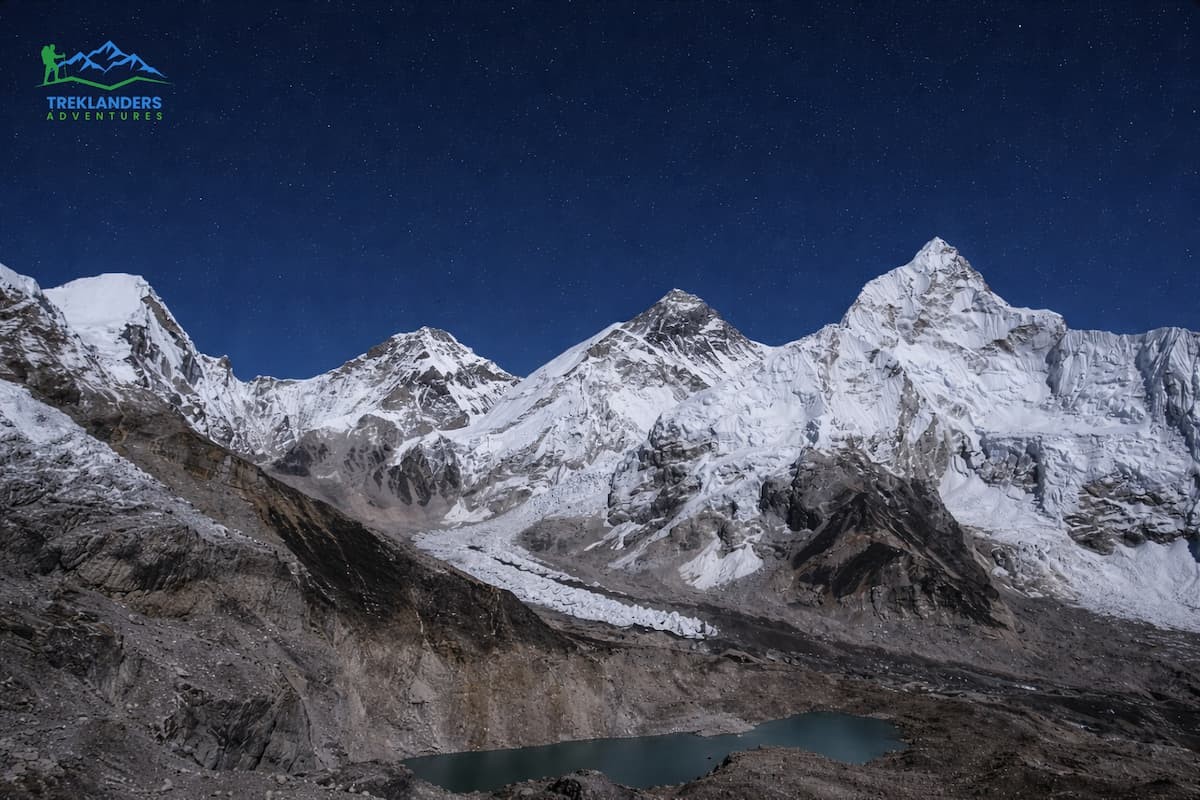
Everest Base Camp is surrounded by large peaks like Lhotse and Nuptse. Those huge mountains set the dramatic skyline and are a part of the stunning scenery that you can see at every point of the trek.
Right above Base Camp is the very dangerous Khumbu Icefall, a mass of constantly moving ice towers and deep crevices. Climbers need to go through this risky section when they are on the summit pursuit, so it is one of the most technically challenging parts of the Everest climb.
Trekking is not allowed without a permit, such as a Sagarmatha National Park entry permit and a permit from the Khumbu Pasang Lhamu Rural Municipality. These permit fees are used for conservation, infrastructure, and local community development.
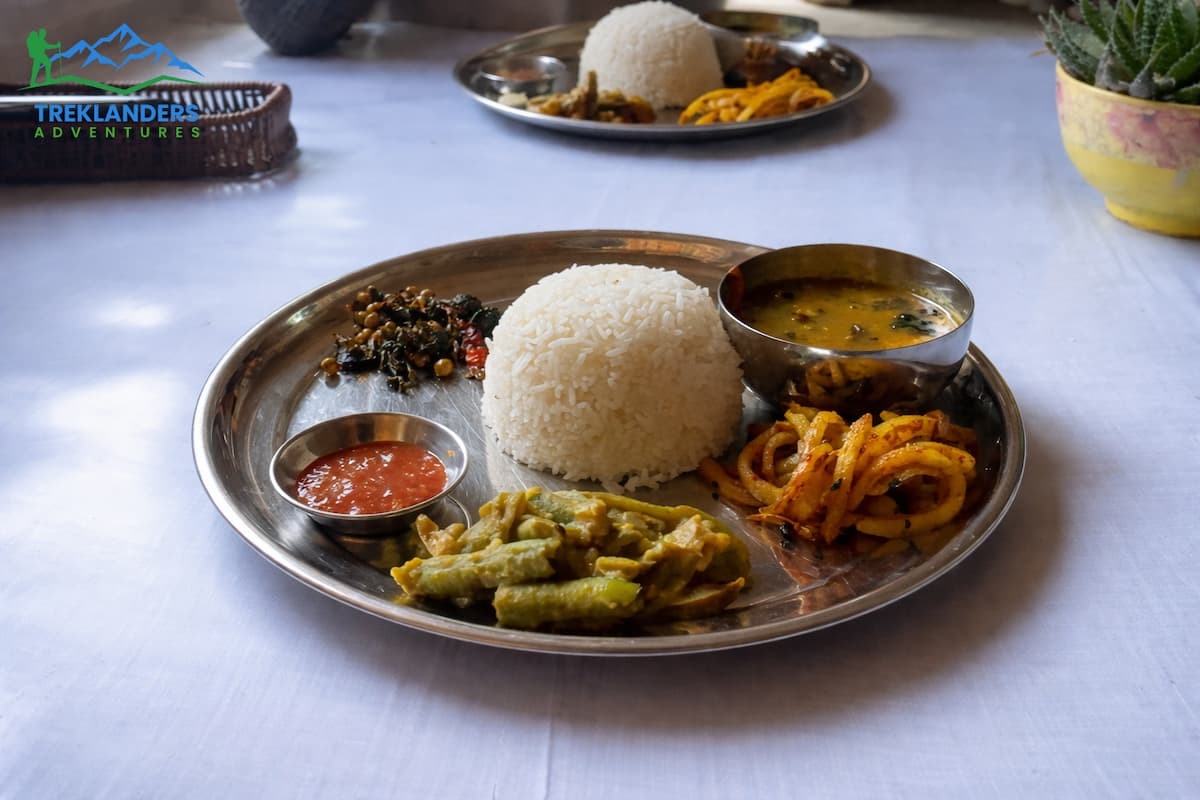
The tea houses offer various dishes such as dal Bhat, noodles, pasta, potatoes, soups, and even bakery items in larger villages. The prices go up as the elevation gets higher because the supplies have to be brought by porters, yaks, or helicopters.
Even though there are water sources available along the trail, drinking untreated water can be harmful as it may contain bacteria. To avoid getting sick, trekkers use purification tablets, water filters, or boiled water. Besides that, staying hydrated is very important at high altitude in order to reduce the risk of AMS.
In most villages, electricity is produced from solar panels or small hydropower units. In general, it is possible to charge electrical appliances at a cost. This is particularly true in remote areas at higher elevations where the power supply is scarce.
Many tea houses provide Wi-Fi at an extra charge. Nevertheless, the internet speed decreases drastically as you go up the hill, and bad weather might even cause the internet to be completely disconnected.
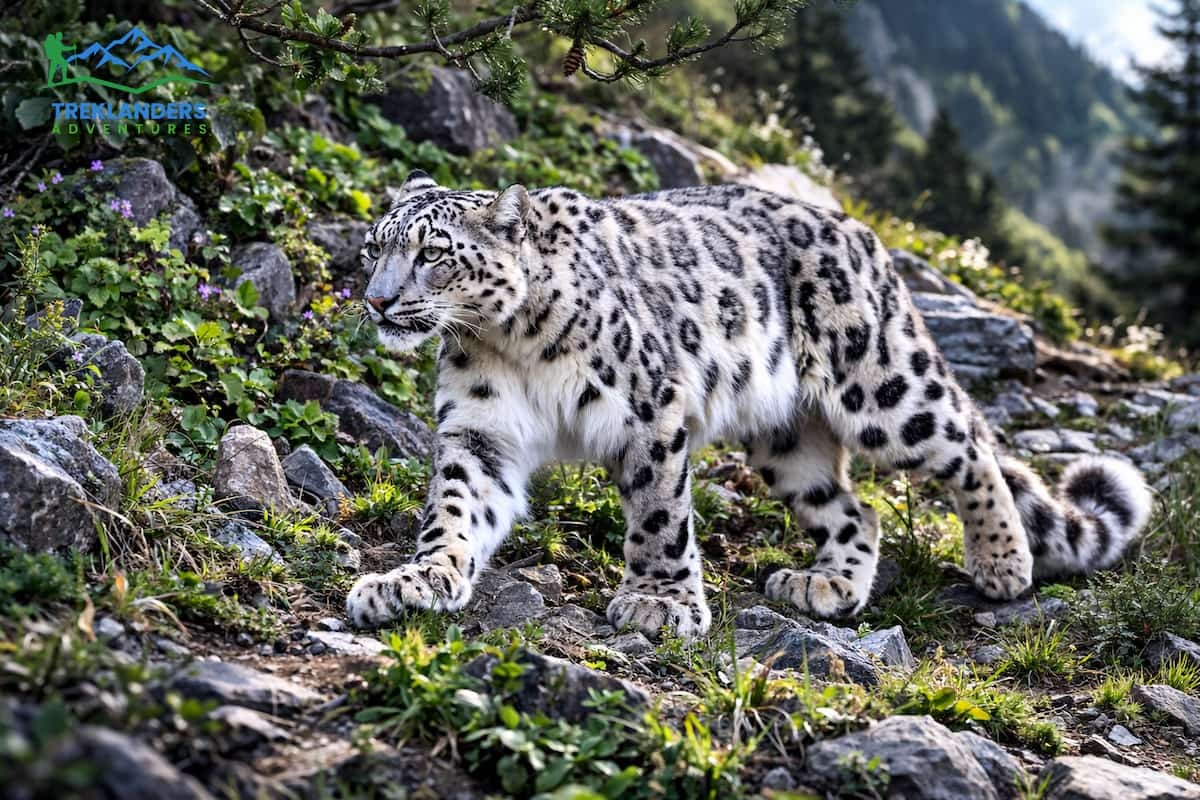
Sagarmatha National Park is home to some of the rare animals like the Himalayan tahr, musk deer, red pandas, and snow leopard. Although animals are rarely spotted, the area is still an important habitat for the overall environment.
You need to have a strong heart and leg muscles to be able to do this trek. Doing regular physical exercises like walking in the hills, climbing the stairs, and doing aerobics before the trip would help your overall strength and make you less tired during the hike at high altitude.
Being cold, having to live in a very simple environment, and physical tiredness all mean that your mental toughness will be tested. Having a happy mental attitude is equally as necessary as being physically fit to successfully finish the trek.
The trail runs through forest paths, rocky staircases, glacial moraines, and steep climbs. The terrain conditions keep changing from day to day, requiring a good sense of balance, a high level of fitness, and the right kind of trekking shoes.
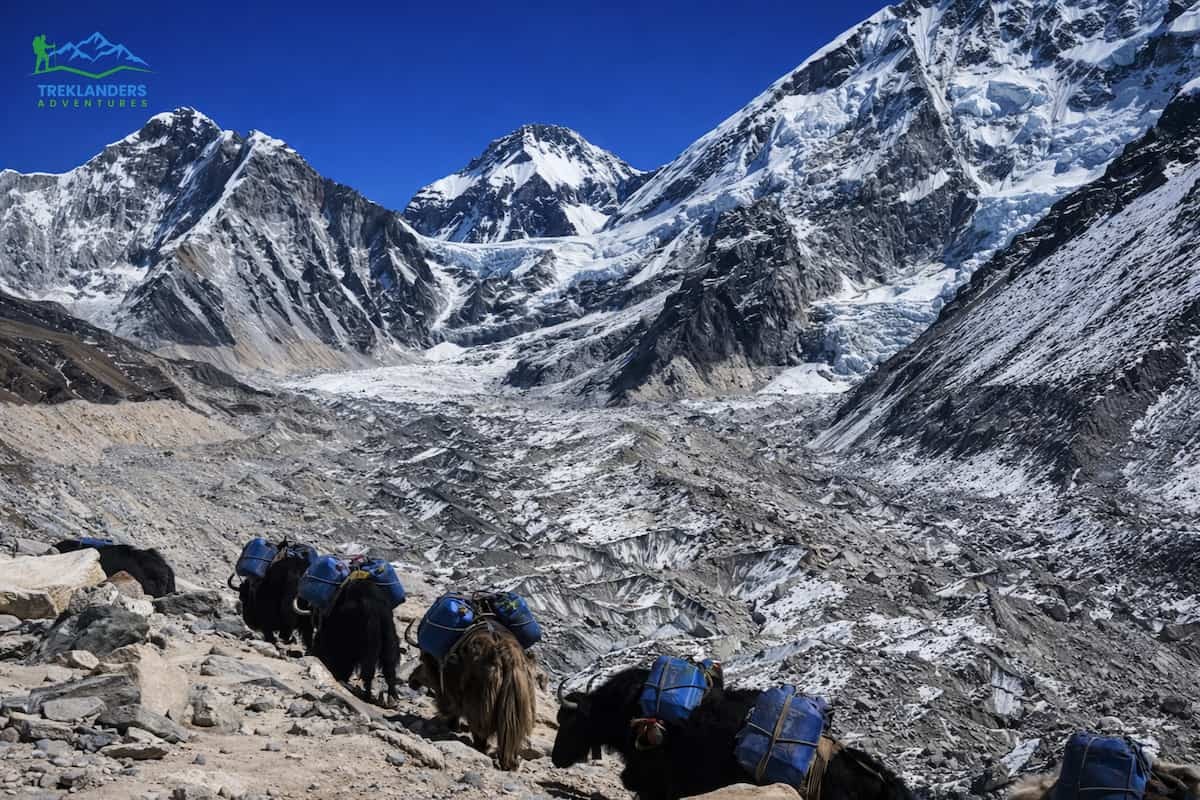
Throughout the region, yaks and human porters carry essential goods, food, and trekking equipment. Since most of the route is inaccessible to motor vehicles, these traditional means of transport are a lifeline for the locals.
Trekking along the route, you will need to have cash in Nepalese rupees. ATM facilities can only be found in Namche Bazaar, and even there, digital payments are seldom accepted.
The program of waste management is geared towards maintaining the cleanliness of the Everest region. Visitors are asked to reduce their plastic consumption and bring non-biodegradable refuse down to lower elevations.
Everest Base Camp is not a mountaineering summit, but it is a great personal achievement. The trek to the Everest base camp is a demonstration of endurance, discipline, and determination in one of the most hostile environments on earth.
Dingboche sits at 4,410 meters and is another main acclimatization spot village on the Everest Base Camp trek. Trekkers usually spend an additional night here to get their bodies used to the rising altitude. They take a small walk to higher elevation spots before going to sleep, thus aiding the body in gradual adaptation and lowering the risk of getting altitude sickness.
Lobuche is located at an elevation of approximately 4,940 meters and is one of the last overnight places before the Everest Base Camp. At such an altitude, the amount of oxygen is greatly decreased, and temperatures can plunge quite drastically at night. Trekkers frequently feel their pace slow down and get more tired as the air is thinner and the surroundings colder.
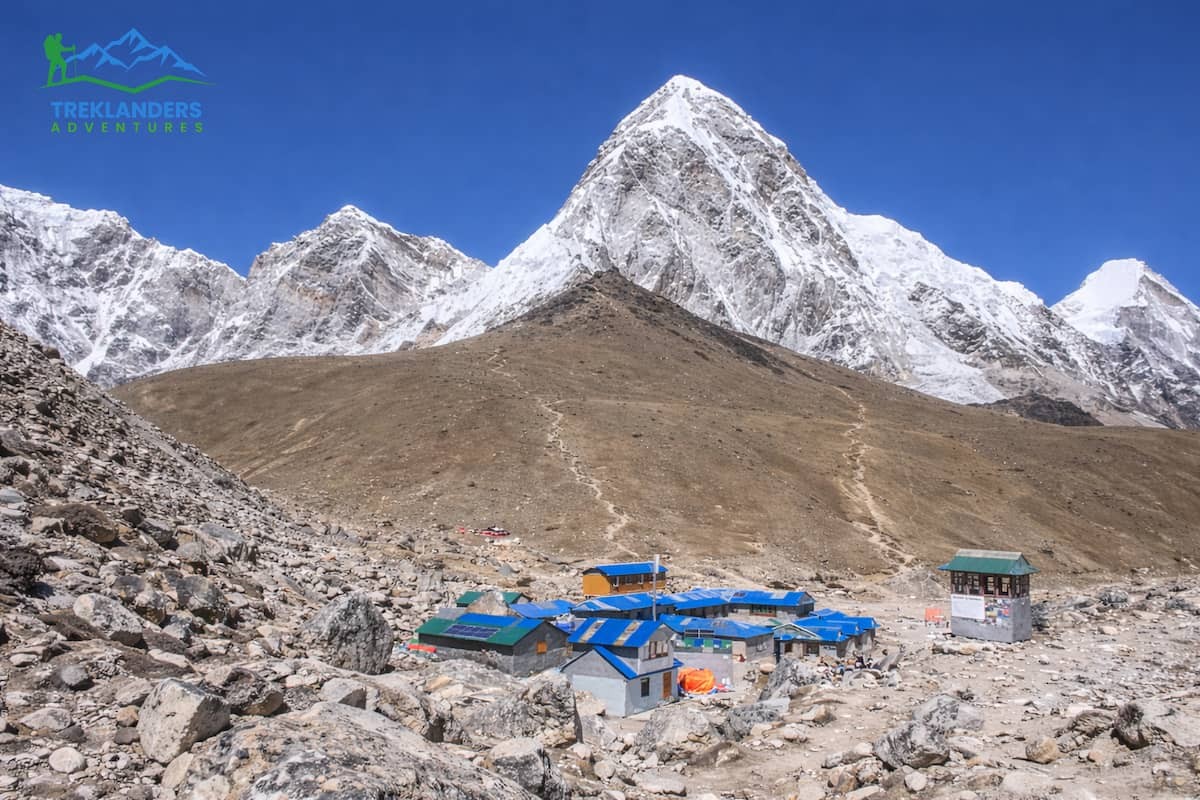
Gorak Shep is the last place where one can stay before Everest Base Camp, situated at 5,164 meters. The place to stay here is primitive and few. From here, trekkers make their way to Base Camp and often to Kala Patthar as well. Because of the severe altitude, it is a necessity to drink a lot of water and take it easy.
Kala Patthar at nearly 5,545 meters is actually higher than Everest Base Camp itself. A lot of climbers go up this peak first thing in the morning to see the sunrise over Mount Everest. It also provides a lot more spectacular and close-up views of Everest than Base Camp does.
Just like anywhere else in the Himalayas, the weather in the Everest region is extremely changeable. What may start out as a nice and sunny morning could easily end up as a snow or wind storm in the afternoon. Temperatures can fall quite suddenly, and very strong gusts of wind are usual, anyhow, particularly at high elevations. Therefore, people who are on their way to Everest base camp really have to be smart about the clothes they wear: layering is the key to adapting quickly to any changes and being ready for the unexpected in the mountain weather.
During the monsoon season, roughly from June to August, heavy rains make the lower parts of the trail almost impassable. Mountain visibility is compromised by the cloud cover, and flights to Lukla are often cancelled or delayed. Besides, forest areas contribute to the difficulties of trekking by having slippery ground and leeches, which is why this season is the one with the least number of trekkers.
Winter trekking from December to February is an entirely different experience due to the extremely cold weather, particularly at altitudes above 4,000 meters. Snow may close some routes, and the higher elevations' tea houses could be shut down temporarily. On the other hand, winter provides solitude on the trails and spectacular views of the snow-covered mountains to those who are very well equipped.
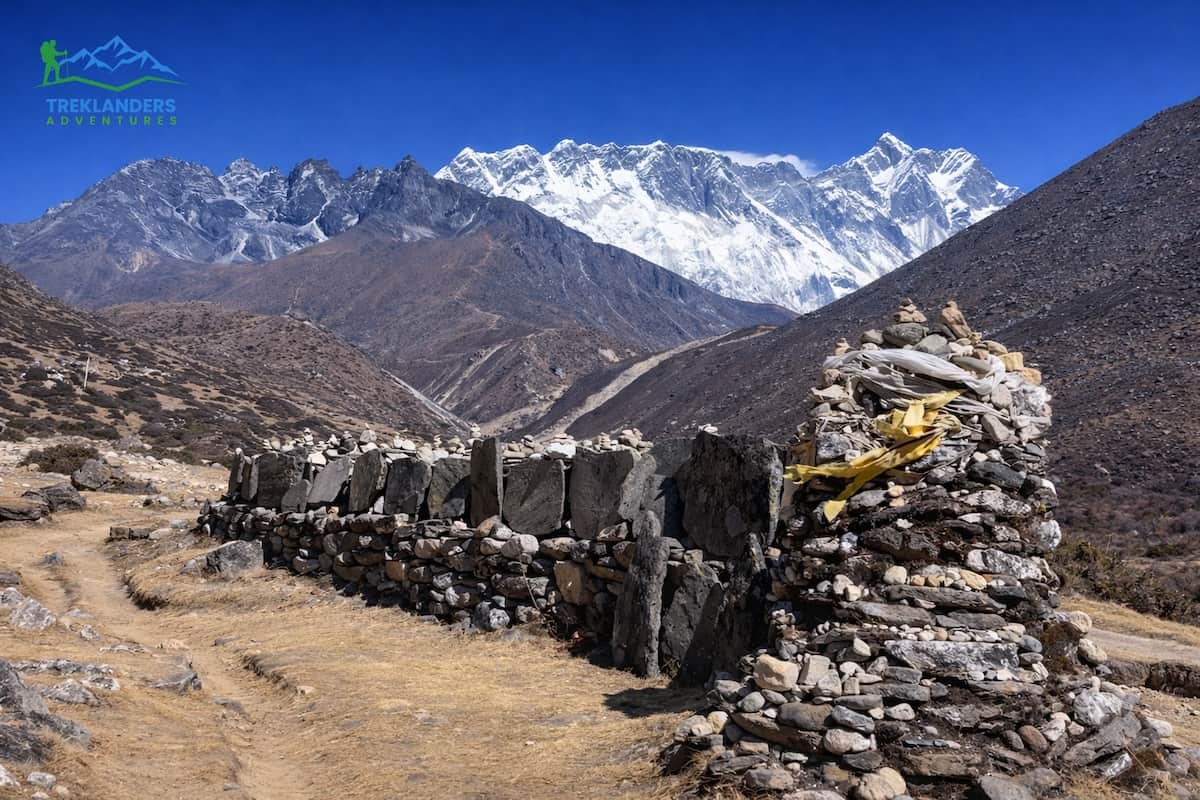
While hiking, one sees mani stones inscribed with Buddhist prayers pretty much everywhere. As a gesture of respect, these holy stones should always be passed on the left side. The deeply spiritual Sherpa community's beliefs are reflected in these stones, which also tell of the area's religious importance.
Multicolored prayer flags decorate the bridges, villages, and mountain passes. Each colour stands for one of the natural elements: sky, air, fire, water, and earth. When the wind blows, it is said that the prayers on the flags are carried out to spread love, peace, and harmony in the whole environment.
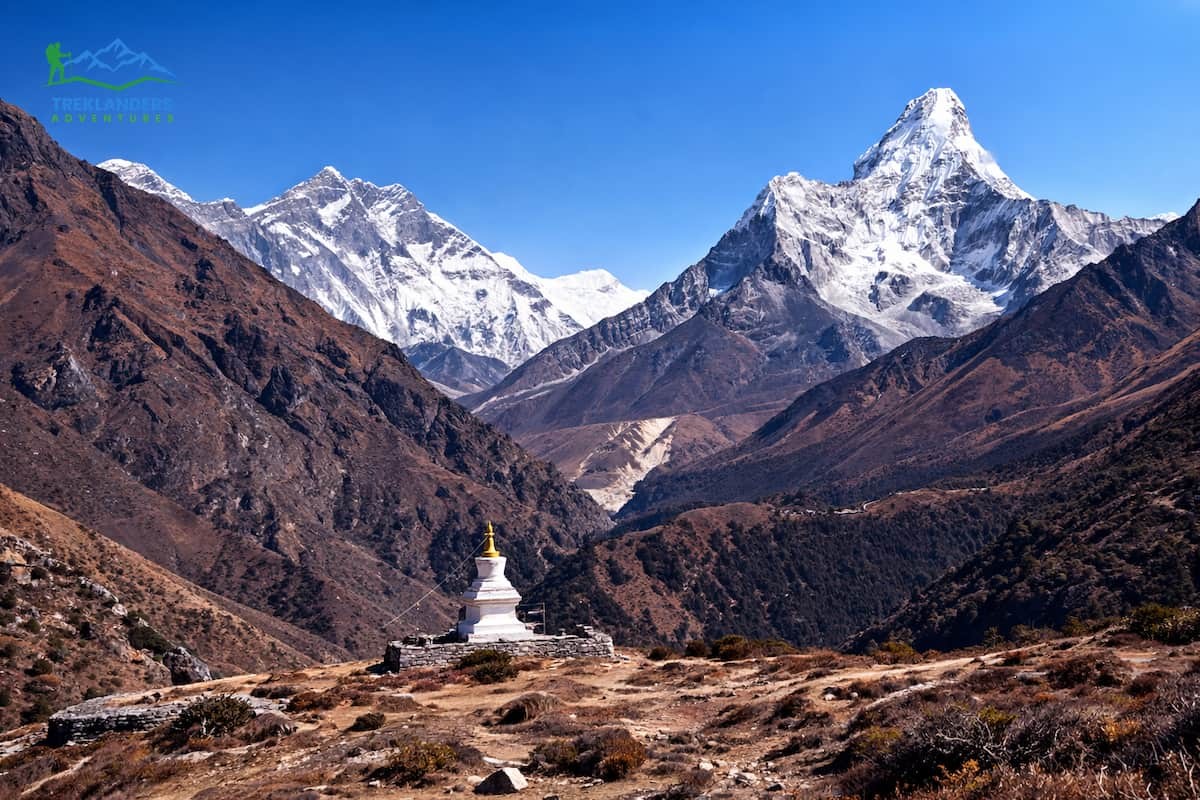
Chortens and stupas are Buddhist monuments all around the Everest region. They act as spiritual landmarks and symbols of protection. Traditionally, trekkers walk clockwise around them as a sign of respect, thus adhering to local customs deeply rooted in the Himalayan Buddhist tradition.
Everest Base Camp trekking is a significant contributor to the tourism economy of Nepal. It provides jobs for guides, porters, lodge owners, and transportation workers. Moreover, the revenue from trekkers' permits and park entry fees also helps in funding conservation and community development in the remote mountain areas.
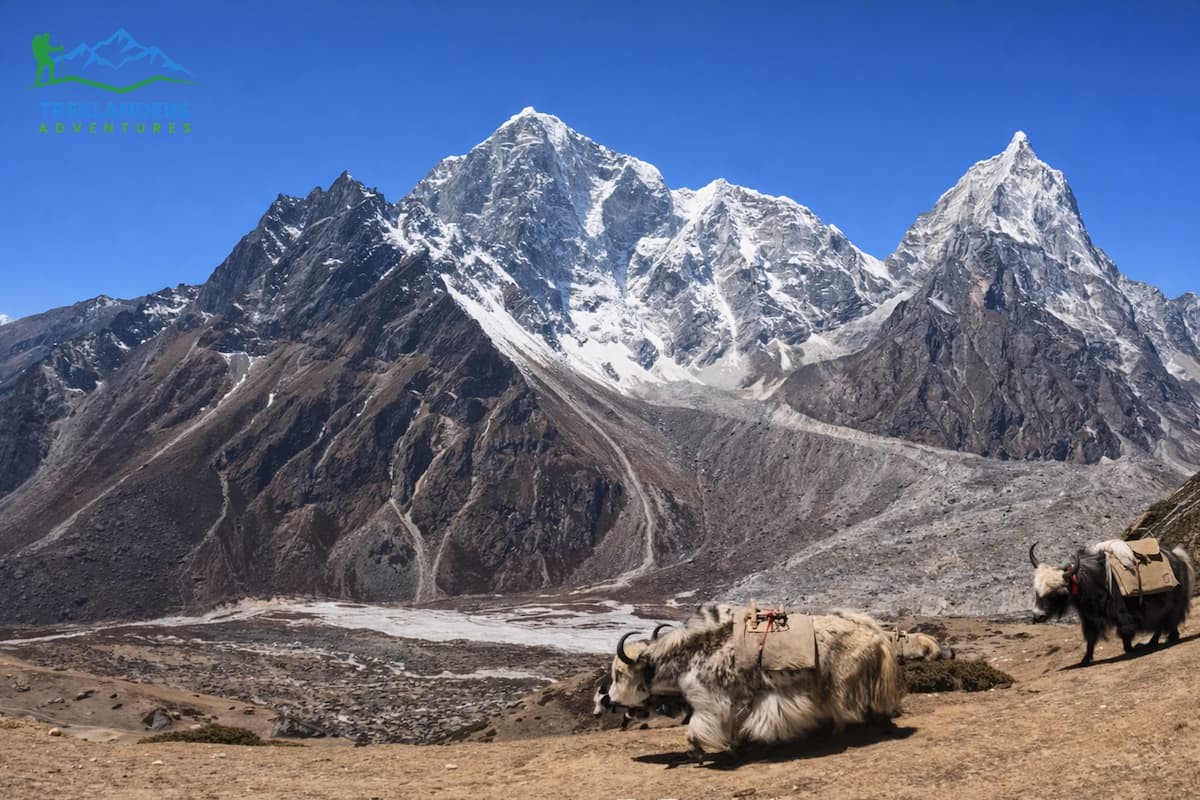
Yaks are the main means of transporting goods in the high-altitude regions. They carry food, trekking gear, and building materials from one village to another. As there are no roads leading to the upper Khumbu, the old-fashioned yak caravans are still a crucial part of both the local lifestyle and trekking operation.
The medical facilities in the Everest region are limited to basic clinics in villages such as Namche and Pheriche. These clinics mainly focus on altitude sickness reevaluation and emergencies. For advanced medical treatment, drastic cases will have to be evacuated to Kathmandu by a helicopter.
Some tea houses are dependent on solar panels to produce electricity. Owing to isolation and the absence of a power grid, renewable energy has become of great importance for the operation of high-altitude settlements where it is used to power lights, charge devices, and heat water.
Some villages have mobile network coverage, but the signal becomes almost non-existent at high-altitudes. In addition to weather conditions, mountainous terrain also has a negative impact on connectivity. To ensure communication, mountaineers opt for satellite phones during their expeditions.
One of the most dangerous parts of the route to the Everest summit is the Khumbu Icefall, situated above Everest Base Camp. It is composed of ice towers which are constantly shifting and very deep cracks. During summit attempts, the climbers have to be very careful while crossing it with the help of ladders and ropes.
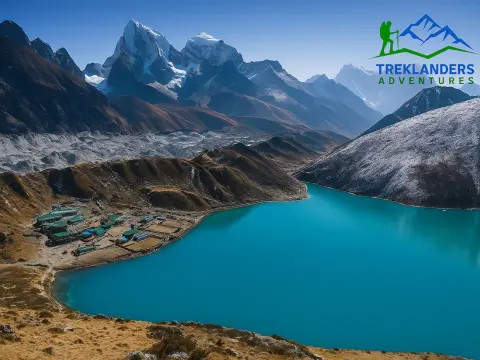
Due to numerous cleanup campaigns, a considerable amount of waste has been removed from the Everest region. Efforts to reduce pollution and protect the vulnerable Himalayan ecosystem are being carried out by local authorities and international NGOs who continuously encourage responsible trekking.
In the high mountains, the body needs more fuel as it loses heat to the cold and works hard at physical exercise. In order to maintain their energy levels and help their bodies adjust to the altitude, trekkers usually eat starch-heavy food like rice, potatoes, and pasta.
The hike is a real test of the mind, as well as the body. It can be demotivating at times when one has to walk for a long time under basic conditions and in bad weather. If you keep a steady pace and a positive attitude, you will have a much better chance of finishing the trek successfully.
Mount Everest Base Camp is not only the world's most famous and iconic trekking destination but also a place where exquisite natural sights, fascinating cultures, and the breathtaking 8,848-meter peak of the Earth come together. Up to tens of thousands of tourists visit the area every year, attracted by these features.
One of the most remarkable advantages of the Everest Base Camp trek is that it does not require any previous mountaineering experience. While climbing Mount Everest is a technical challenge, the trek to Base Camp is non-technical. Nevertheless, a good level of physical fitness, training, and proper acclimatization are significant for a safe journey at high altitude and long days of walking.
Besides Everest Base Camp itself, located at 5,364 meters, a few itineraries allow an overnight stay at Gorak Shep, which is a bit lower at 5,164 meters. Since sleeping above 5,000 m puts immense physical stress on the body, routes are carefully planned to minimize the risk of altitude sickness and allow safe recovery.
The permit fees paid by trekkers entering Sagarmatha National Park partially cover the costs of conservation projects, trail maintenance, and community infrastructure development. The park and the villages depend on such funds as they allow for the preservation of delicate natural frescoes and the continuation of the sustainable development of tourism in the most secluded Himalayan settlements.
Before starting their journey, trekkers receive information on the symptoms of acute mountain sickness, and each guide keeps a portable pulse oximeter to check the oxygen level of hikers in higher villages. In case of any symptoms, they have been advised to take their time to ascend slowly, and the best solution in case of severe symptoms is to descend immediately.
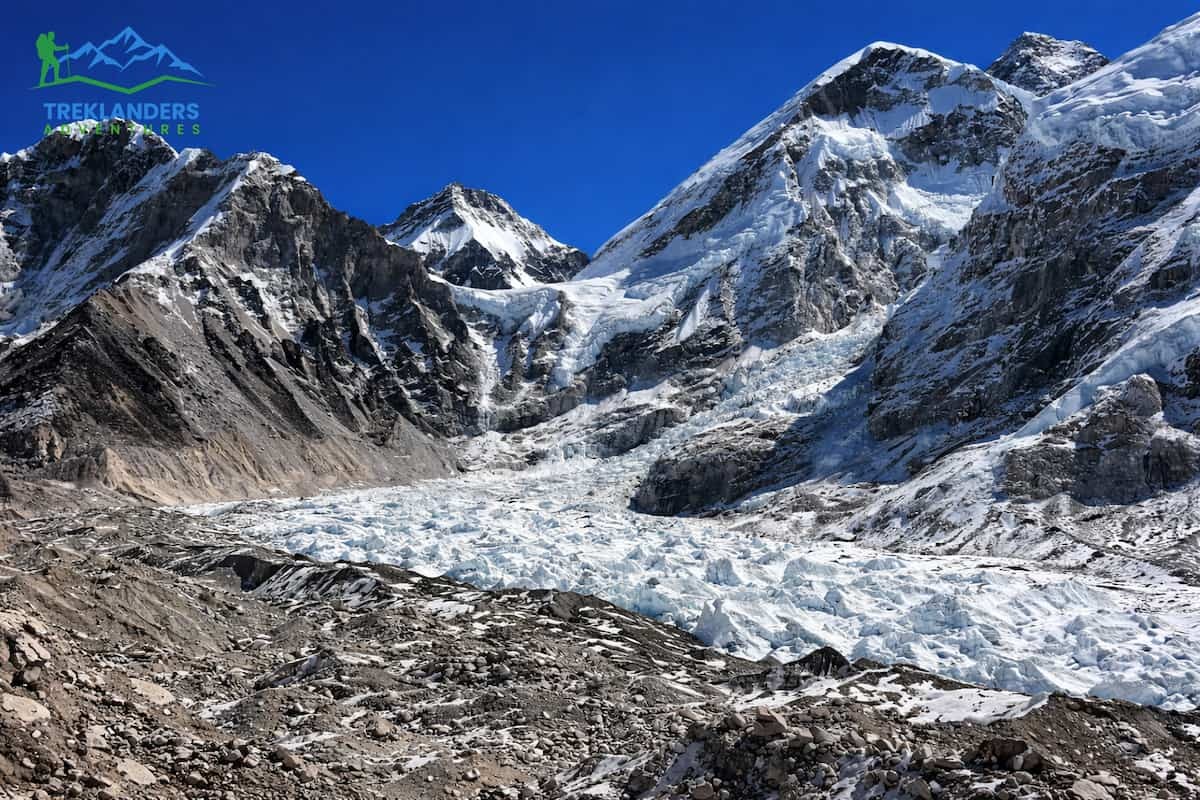
The glacial erosion of rocks throughout the last millennia has given a rough shape to the surrounding terrain of Everest Base Camp, as it is today. The Khumbu Glacier is still transforming the area, changing the riverbank and the landscapes with the ice itself folding and melting along the way.
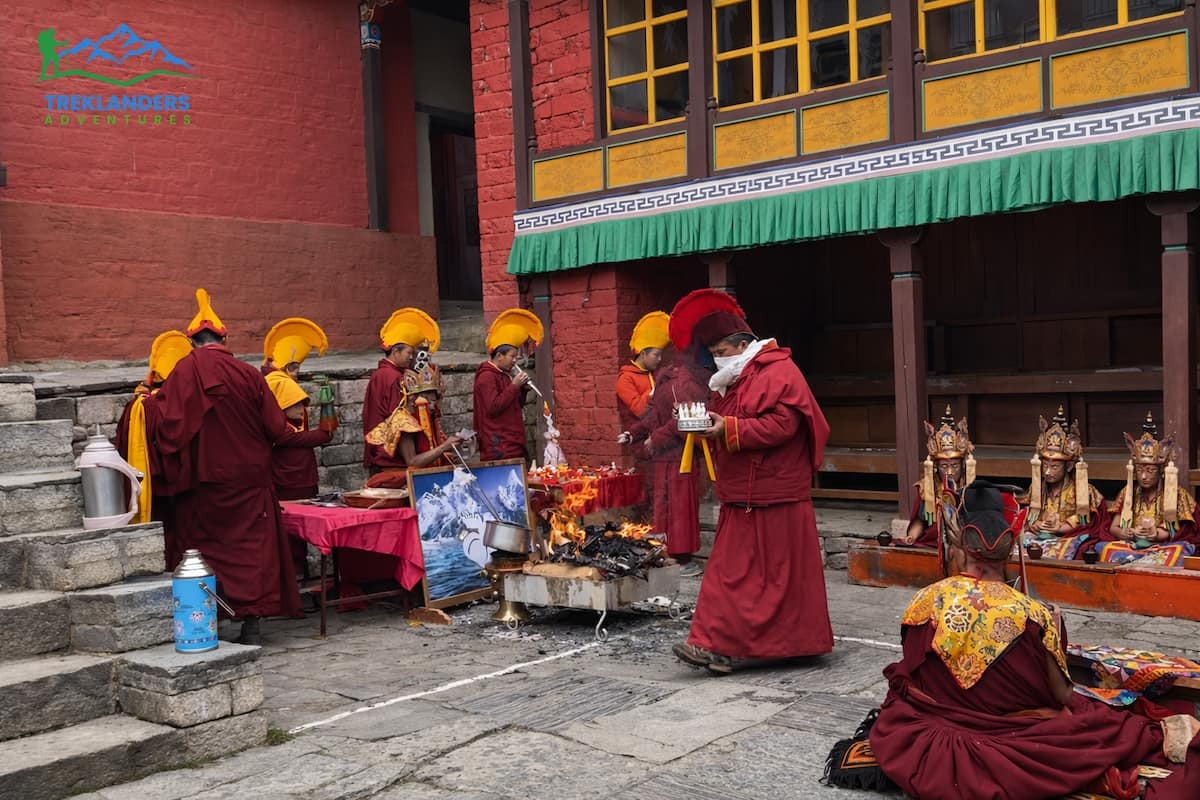
The local customs mainly focus on respect towards the Buddhist traditions. To get in tune with the locals' culture, the trekkers should spin the prayer wheels clockwise, go round the mani walls on the left side and wear modest clothes inside the monasteries. Being culturally sensitive not only gives a better experience while trekking but also ensures the locals are friendly and supportive.
One of the unique features of trekking to Everest Base Camp is that there is no road leading to it. The only ways to get there, except from Lukla, are by foot or helicopter. The natural beauty and the traditional lifestyle of the Khumbu region have been preserved due to their being no road access.

Porters help carry heavy bags over difficult and often high-altitude terrain. Without them, the whole trekking tourism industry would be at a standstill. Ethical trekking companies not only provide fair wages to porters but also ensure they are given good working conditions and proper safety gear so that they can do their job safely.
Climate change has already left its mark on the glaciers in the Everest region. For instance, the Khumbu Glacier is getting smaller and thinner. What is happening to the glacier is just one of the many examples of how the rising global temperature is affecting the environment in the Himalayas.
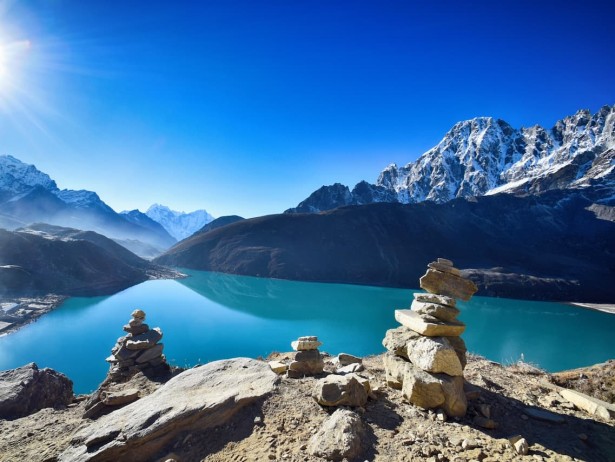
Every year, a large number of trekkers from different parts of the world come to Everest Base Camp. Europeans, North Americans, Asians, and Australians are the main groups of visitors. The trek is internationally famous because it not only takes one to the world's highest summit but also offers an insight into the deep-rooted culture of the local people.
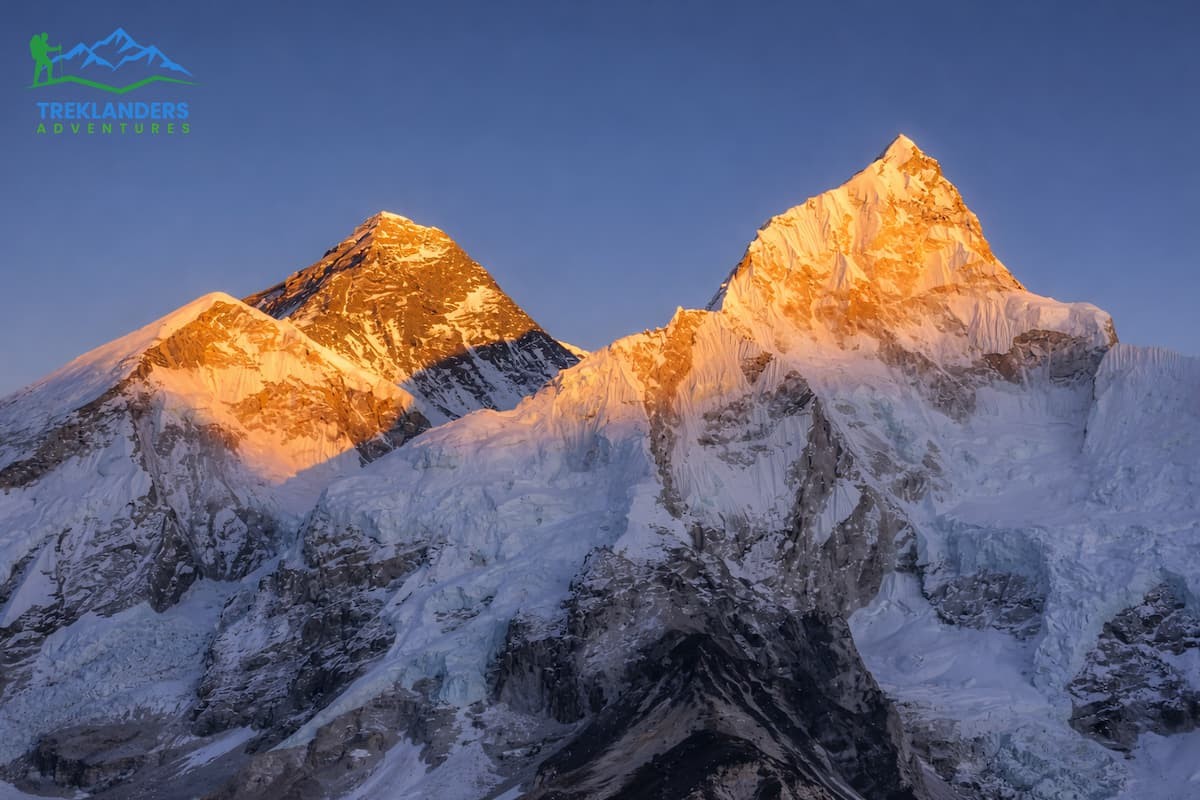
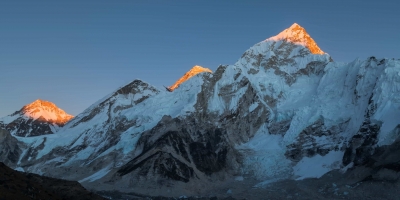
Clear sky mornings and evenings are ideal for enjoying the stunning views of the Himalayan peaks, which get on fire with sunlight. Sunrise from a place like Kala Patthar is widely recognized as offering spectacular panoramic views that take your breath away.
Proper hydration is closely linked to the effectiveness of acclimatization. Consuming three to four liters of water each day diminishes the risk of getting altitude sickness. Drying out your body only intensifies tiredness and headaches; drinking fluids regularly is a must for health on the trek.

Lower villages may offer tea houses with fairly agreeable accommodations, but going up, the facilities become very basic. Communal bathrooms, limited heating, and simple beds are the norm. Trekkers need to change their mindset and be prepared to accept minimum comfort levels.
During the spring and autumn peaks, the trails might be full of international trekkers. On the other hand, the winter season brings empty trails, but the weather is severe. Deciding on the season is about finding a balance between the preference of the crowd and the climate.
Working out prior to the trek ensures a better performance. Doing cardio, strength exercises, and practicing hiking get your body ready for long climbs and high-altitude problems. Thorough preparation helps you not only to lessen tiredness but also to have more fun on the trek.
Some tourists prefer Everest helicopter tours to trekking for several days. These flights offer the possibility to see Everest Base Camp and its surrounding peaks from the air in just a few hours. However, they hardly replace the cultural immersion and the gradual adventure that one experiences while trekking.
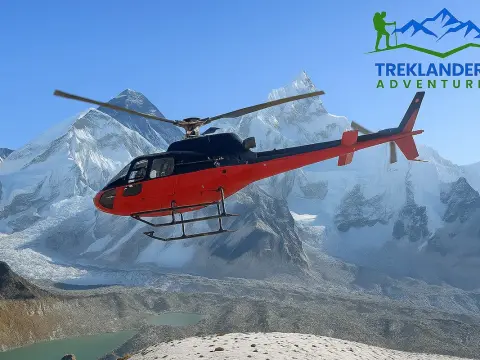
A travel insurance plan that covers high-altitude trekking and helicopter evacuation should be your top priority. Rescue operations in the remotest parts of the Himalayas cost a lot, and having an insurance policy allows you to get medical help immediately without worrying about money in case of an emergency.
The Everest area is rich in sedimentary and metamorphic rocks that formed millions of years ago. The discovery of marine fossils at very high places witnesses the venerable geological history of the Himalayas, which were once under the ocean.
Going to Everest Base Camp epitomizes human spirit and determination. It is not the point of reaching the mountain summit, but the fact that one can accomplish the trek is something great, which involves keeping up with the discipline, accustomed endurance, and productive getting along with the environment that is very, very extreme.
For a lot of people who love trekking, going to the Everest Base Camp is like a once-in-a-lifetime event. The glorious combination of huge mountain peaks, the kindness of Sherpas, the spiritual atmosphere, and the physical challenge are the usual things which create memories that last a lifetime and a profound admiration for the Himalayas.
Compare the Langtang Valley Trek and Manaslu Circuit Trek to find which Nepal trek is best for your time, fitness level, and trekking experience.

Experience the Mardi Himal Trek in spring with blooming rhododendrons, clear mountain views, and a complete trekking guide in the Annapurna region.

Mardi Himal Trek in autumn (September–November) offers clear skies, stable weather, and stunning mountain views with a complete itinerary guide.



