
Everest Base Camp Trek in Autumn: Weather, Temperature, Views & Why September–November Is the Best Time
12 Mar 2026
Autumn (September–November) offers the best weather, clear skies, dry trails, and stunning views for the Everest Base Camp trek.

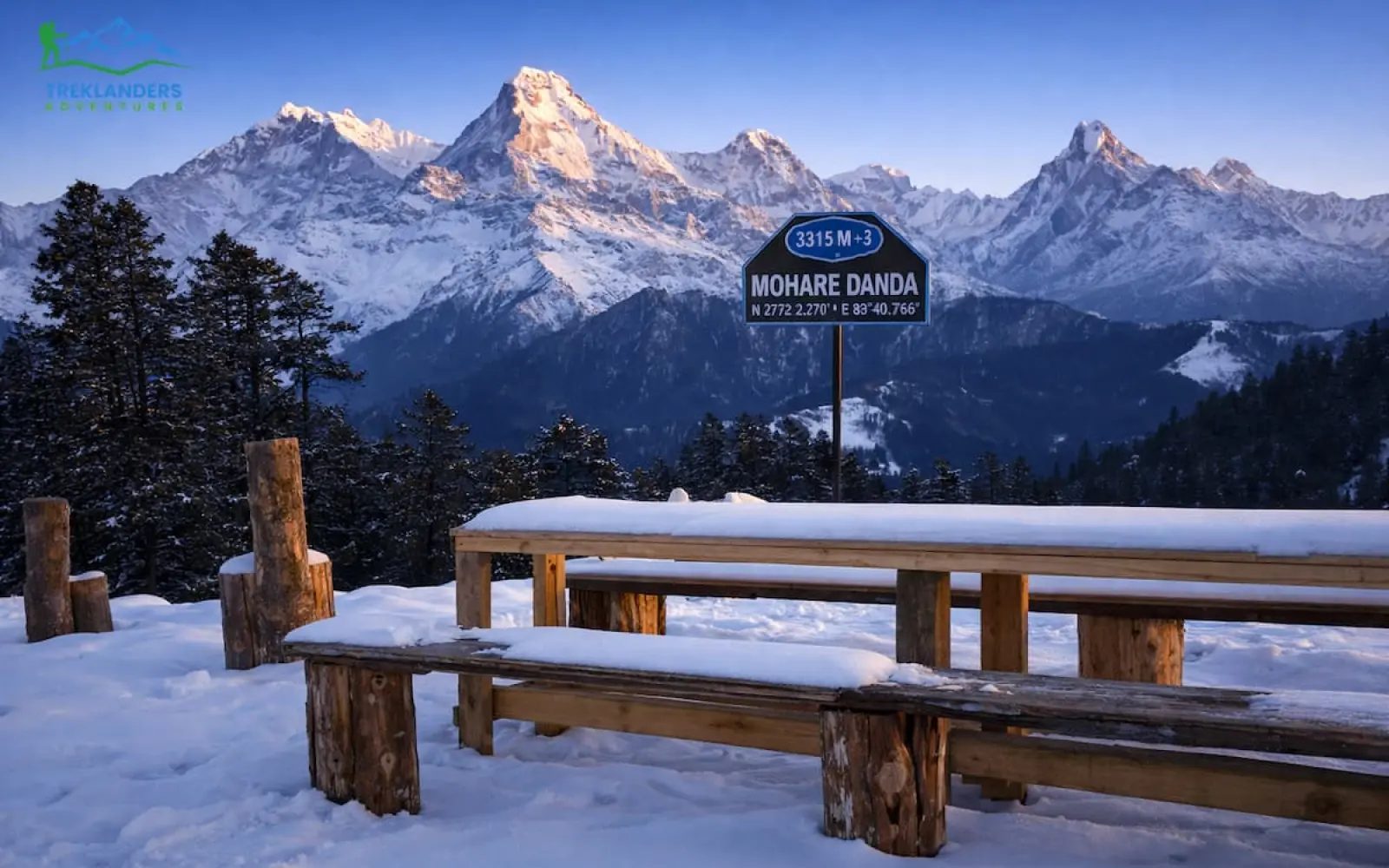
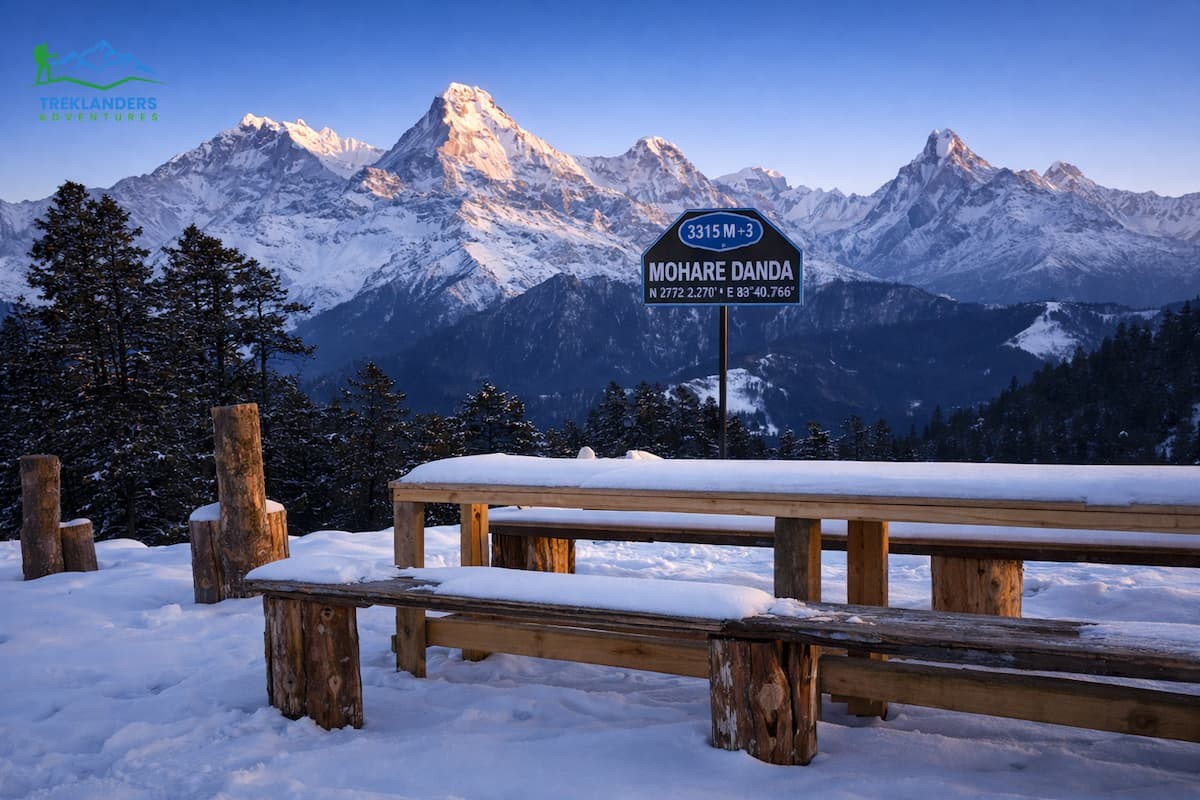
The Mohare Danda Trek is an excellent way to escape busy areas and still experience the beauty of the Himalayas. The path winds through forests, villages, and high ridges, offering stunning views of the surrounding mountains. One of the reasons many trekkers decide to take this trail is that it remains less crowded than the popular trekking routes of the Annapurna Region. This trek is all about nature, culture, and peaceful landscapes, not the heavy trekking traffic.
Mohare Danda is a ridge at an altitude of about 3,300 meters. From here, you get a vantage point of a run of Himalayan peaks. On very good days, you can see the likes of Dhaulagiri, Annapurna South, and Nilgiri. The sunrise at the ridge is considered the main attraction of the entire trek. The first light gradually turns the moonlit mountains from dark blue to golden white. The trek usually starts from Beni or Galeshwor. Trekkers move past the terraced farms and local villages, finally reaching dense rhododendron forests. These forests are decorated with bright red, pink, and white rhododendron flowers during the spring season. The path is very colourful and aromatic, which makes the hike more pleasant.
The community lodge system is one of the outstanding characteristics of the Mohare Danda Trek. Instead of the mass commercial kind of hotels, local people provide the accommodation service. This kind of system brings an income to the villages from tourism. A visitor energetically warm welcome from local hospitality and willingly gets to know the traditional village life. A meal generally means the simple Nepali food of Dal Bhat, vegetables, and homemade pickles.
The route also promotes ecotourism. Some villages on the path practice travel sustainability. They advocate waste management, forest conservation, and community enhancement. Such a strategy safeguards the natural environment in the Annapurna region and uplifts local families.
A further reason why many adventurers opt for Mohare Danda is the tranquil environment. Frequently visited spots, like Poon Hill, tend to get quite busy. Mohare Danda offers comparable mountain scenes but with fewer visitors. It leads to a more leisurely tearing adventure.
Besides, trekkers may have great cultural exposure during the hike. A majority of villages are inhabited by the Magar community, which is one of the significant ethnic groups of western Nepal. People, in general, get to see local farming lifestyles, the typical appearance of houses, and other village day-to-day activities.
Mohare Danda Trek features mountain landscapes, serene forests, and true village life. It is an excellent and offering path for outdoor lovers who desire untouched natural scenes and deep cultural experiences in the Himalayas.
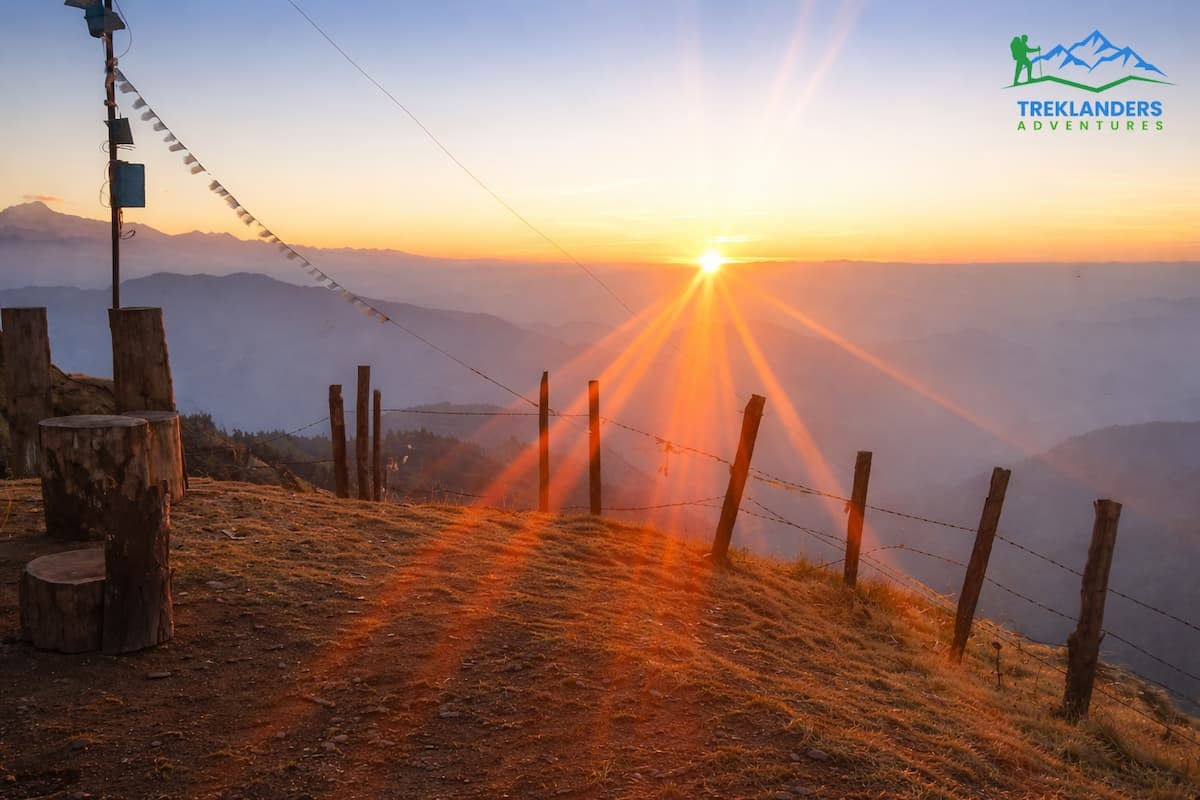
It is truly a remarkable experience when the first rays of the sun hit Mohare Danda, making it the highlight of the trekking adventure. Generally, trekkers get up before sunrise and move towards the viewpoint while the sky is still dark. The atmosphere is cold, and one can hear the silence. Gradually, the horizon starts to get light, and the shapes of the mighty Himalayas become distinguishable. When that initial ray of sunlight breaks the darkness, the towering peaks start shining.
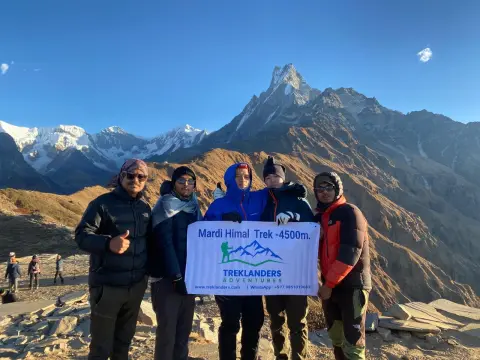
Snow-capped mountains take on the color of the dawn light and differ at every moment. In the beginning, in the light of the morning, the peaks look slightly blue. Then sunlight intensifies them in rich golden and bright colors. This slow transformation is so captivating and, at the same time, imbues serenity that many pilgrims keep the memory of the Himalayan sunrise enshrined in their hearts. On the mountain ridge, adventurers are rewarded with a spectacular view of snowy Himalayan peaks. The giant mountain Dhaulagiri overwhelms the western horizon. It looks down on its neighbor ridges with its immense snow-covered feature. In the east, the lovely silhouette of Annapurna South is warmed by the sunlight. Also, Machhapuchhre is highly visible up there. This mountain is well known as Fishtail due to its two summits resembling fish tails.
The ridge-top sunrise from Mohare Danda is a breathtaking sight, especially since the ridge is situated so prominently amongst the other hills. This position gives trekkers the ability to see a large portion of the Himalayan range without any blocking. On clear days, several peaks appear along the horizon, giving you a panoramic mountain view.
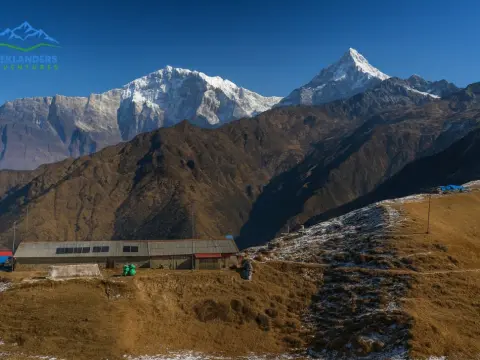
The experience here is so calm and relaxing that it feels like a different world from the crowded viewpoints in the Annapurna Region. The famous viewpoints are usually packed with trekkers who start arriving from early morning. One of the reasons why Mohare Danda is still a tranquil area is that only a handful of trekking groups take this route. Trekkers can have a sunrise moment all to themselves in a peaceful setting without any noise or big crowds.
Capturing sunrise moments with a camera is no less than a blessing for photographers. Morning sunshine is very gentle and is, therefore, a perfect time for photographers who want to capture mountains. The colours of the snow peaks, the clouds, and the distant valleys together make visually appealing pictures. Many trekkers take photographs for quite some time as the mountains gradually get illuminated by the sun.
Sunrise typically lasts for about half an hour to forty-five minutes. It is during this interval that the entire mountain scenery is changing from a state of darkness to full daylight. Once the sun has completely risen, you can see the forests, hills, and villages around the ridge. To a large number of trekkers, this peaceful morning time turns out to be the most emotionally fulfilling and satisfying moment of the Mohare Danda trek. The presence of fresh mountain air, the tranquility of the surroundings, and the illumination of the Himalayan peaks by the sunlight make a picture that is indelibly engraved in one's memory long after the trek is over.
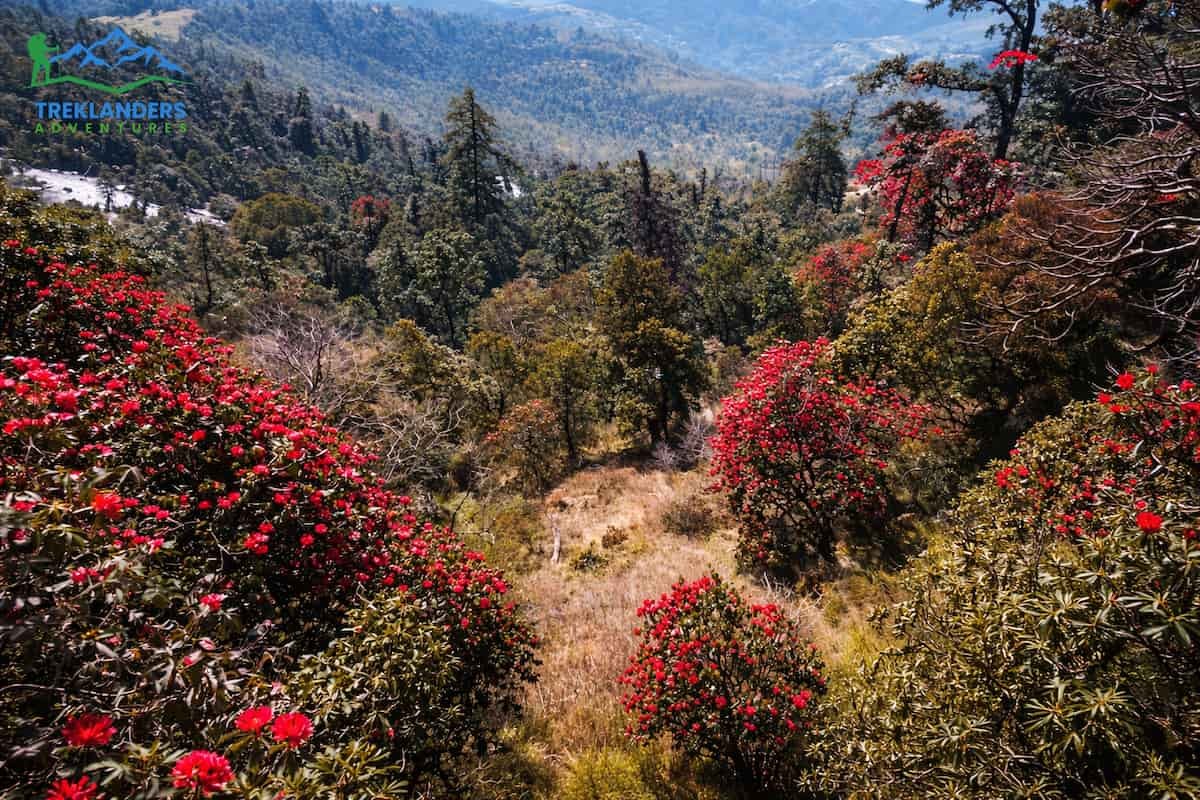
Walking through the woods on the way to Mohare Danda is a delightful, quiet and very scenic experience. Most of the trail consists of walking through thick woods with rhododendron, oak, and pine trees. The forest not only casts a pleasant shade and offers fresh air but also a tranquil environment for those walking through the Annapurna Hills.
The trail usually gently rises as it goes through the woods. Thin pathways snake between tall trees and dense greenery. It is common for the sun to shine through the tree leaves and create patches of light on the ground. Also, the sound of wind rustling the leaves and the singing of birds make this place even more peaceful. Due to the forest, which serves as a barrier to direct sunlight, most of the trek in this area appears to take place in a cool environment, and this is why many trekkers find this part very relaxing.
Spring is the time when nature outside the window starts coming alive and colorful. The rhododendron trees start to flower all over the slopes. The eye-catching blooms come in red, pink, and white tones. The big bunches of flowers cover the twigs and make a very beautiful contrast with the dark green forest. Such a natural show makes the footpath look cheerful and magnificent.

Rhododendron is of great significance to Nepalese people. The national flower of Nepal is the rhododendron. It is naturally found everywhere. During the flowering time, the whole woods seem to be blanketed with flowers. People walking through this area frequently pause either to take pictures or just to be delighted with the splendid surroundings.
The forest trails give sanctuary to different species of animals and birds. Trekkers may get the sounds of woodpeckers knocking on tree trunks or get glimpses of tiny birds scurrying among the branches. From time to time, animals like Himalayan langurs pass silently in the forest canopy. Such encounters with nature increase the fascination of the trek.
The scent of pine needles and other forest plants serves as a delightful accompaniment to the journey. The ground, often covered with fallen leaves and pine needles, feels soft and makes walking easy. When compared with exposed mountain trails, forest paths seem so calm and sheltered.
Most of the villages on the trail are located near the forest boundaries. Forests have been used cautiously by locals for firewood and other necessities without harming the environment. The harmony between nature and the village keeps the forest flourishing and beautiful.
Strolling through the rhododendron forests is a highlight for many in the Mohare Danda trek. The vibrant flowers, coupled with the fresh mountain air and serene surroundings, make the trekking expedition visually charming and mentally soothing.
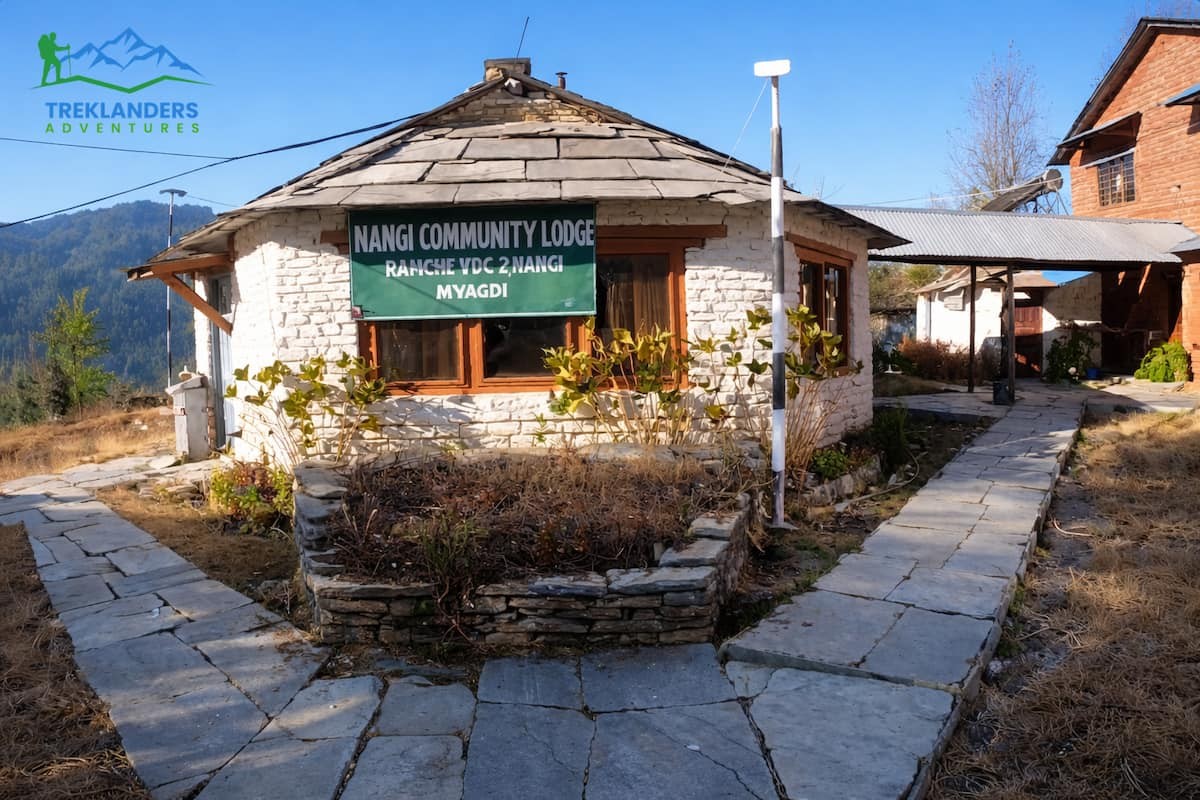
One special aspect of trekking to Mohare Danda is the chance to lodge in community-run teahouses. These are quite different from the big commercial hotels on the usual popular trekking routes. Locals in the villages live, manage, and govern the lodges in their area. The money coming from trekking and tourism goes right into the pockets of the local community.
Community lodges have been introduced to promote sustainable tourism in the Annapurna Region. Rather than outside investors constructing hotels, villages along the trail come together to offer accommodation and food to trekkers. This strategy contributes towards enhancing the local economy. Funds from trekkers aid village improvement, education, and small community projects.
Besides being basic, the lodges are also cozy. Most of the structures are made using natural local materials like stones and wood. Beds in rooms are generally accompanied by warm blankets. Some lodges have shared bathrooms and common dining areas where trekkers meet and chat in the evening. Since the lodges are smaller and quieter than the bustling trekking hotels, the whole feeling is very warm and inviting.
Food in these lodges is mostly based on the local culinary heritage. Trekkers usually have Dal Bhat, a combination of rice, lentil soup, vegetables, and pickles. This meal is packed with the necessary nutrients to power one through the long trekking days. Besides that, simple items like noodles, potatoes, and eggs are also likely to be found on the menu. Meals are made fresh by the local families that run the lodges.
Staying at community lodges not only offers a place to sleep but also opens the door to interacting with the locals. Locals at lodges usually share their stories with trekkers, whom they introduce to the village way of life. Besides, the daily activities of the villagers can be observed quite easily. Most of the villages along the trail belong to the Magar community, one of the main ethnic groups of western Nepal. Visitors can during their visit, visitors get a glimpse of traditional houses, farm terraces, and local cultural practices.
Nighttime often becomes the most cherished moments of the trek at the lodge dining room, where the trekkers congregate around a burning stove, share their stories, and relish the peaceful mountain ambience. Since this route attracts far fewer visitors than other paths, the experience feels intimate and tranquil. Community lodges have become a very significant aspect of the Mohare Danda trekking experience. Besides providing basic comfort, they enable local farmers to raise their standard of living by benefiting from tourism. Trekkers are not only given a resting place but also the opportunity to help the people living alongside this beautiful Himalayan trail.
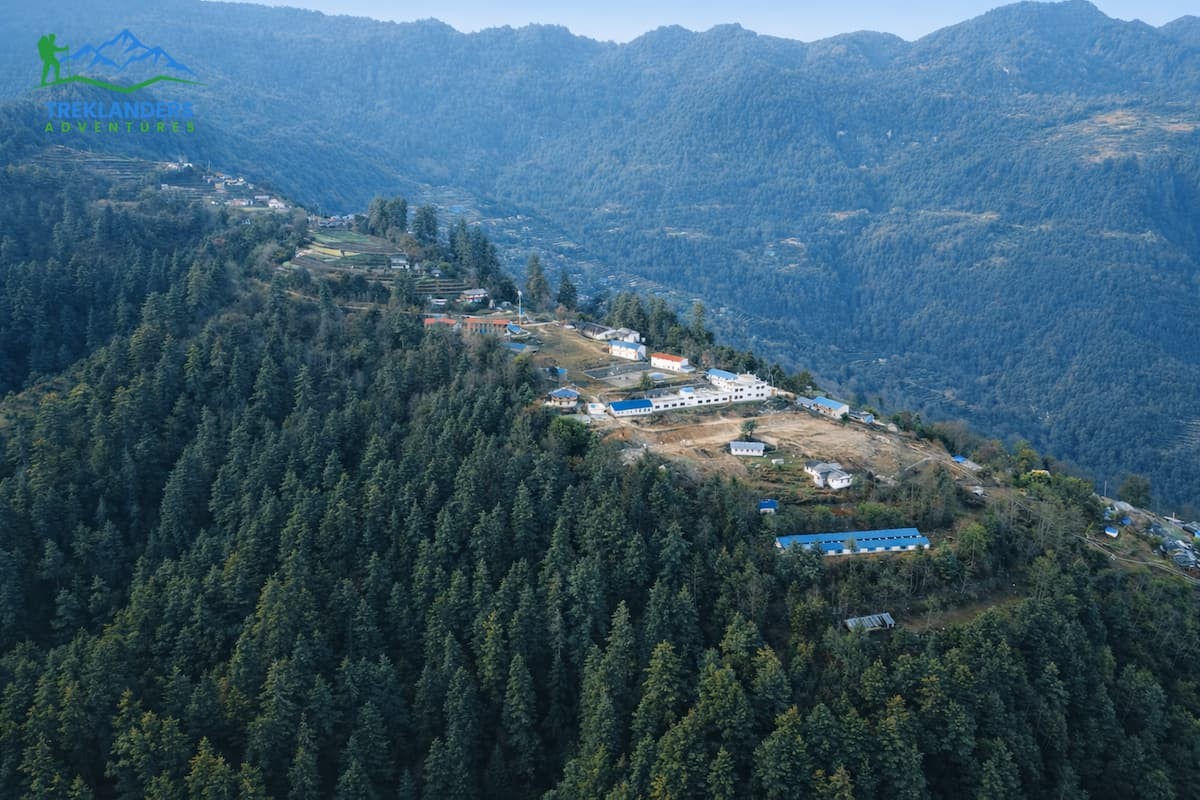
Exploring traditional villages on foot is a very important element of the trek to Mohare Danda. The trail meanders through a few tiny settlements where residents still keep their simple mountain lifestyle. These villages offer a great opportunity for hikers to get a glimpse of the local culture, the farming methods, and the way of life in the hills of western Nepal.
Nangi Village is perhaps the most famous settlement along the path. Perched on a hilltop and encircled by a mixture of forest and terraced fields, this village has a reputation for its community development initiatives and its adherence to local traditions. Usually, hikers come here to take a break and wander around the village. During a walk through the village's narrow alleys, tourists will find stone houses, small schools, and farms where villagers cultivate maize, millet, and potatoes.
Another lovely place on the trail is Banskharka. The location of the village on a ridge provides it with spectacular views of the hills and mountains. Villagers carry out their lives in picturesque houses and farms that have been built in the traditional stone and wood style. Some households have small gardens and livestock areas where the families keep their goats, chickens, and buffalo.
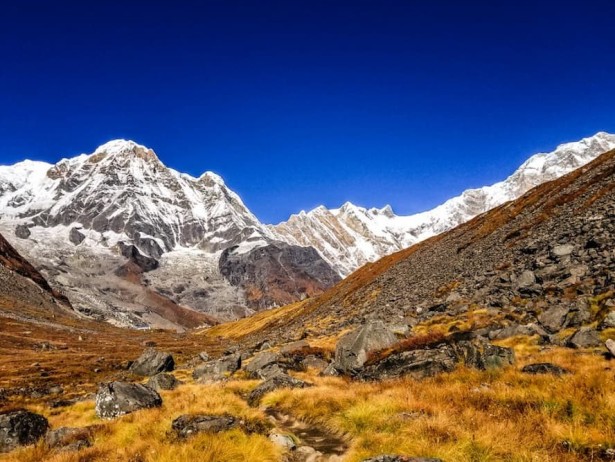
Daily life in these villages is largely governed by working the land and observing the changing seasons. At dawn, villagers head to the fields or the livestock yard. During the time of crop harvest, families come together to get the yields from the terrace farms that are characteristic of the area. Passers-by will be able to see villagers with bundles of firewood on their backs, tending the crops, or involved in food preparation at the outdoor kitchens.
Many of the residents in these rural areas are Magar’s. Their culture is shaping the local identity. Through the lives of the people, visitors can trace the presence of this long-time culture through traditional garments, festivals and even the distinctive architecture typical of the region. Warm welcomes from villagers are a regular part of the experience, and it's not uncommon for locals to strike up conversations with trekkers or offer insights into their village life.
These villages also illustrate the role of local communities in promoting trekking tourism. Besides small shops and tea houses, community lodges are also major suppliers to trekking tourism. They provide not only shelter and meals but also create a source of income for local families who, at the same time, continue to uphold their traditional way of living.
Exploring these villages really draws out the cultural dimension of the Mohare Danda trek. Besides the panoramic mountain scenes, trekkers get to see through, interact with and learn about the people, their lifestyles, hospitality, and customs in the hills of the Annapurna region.
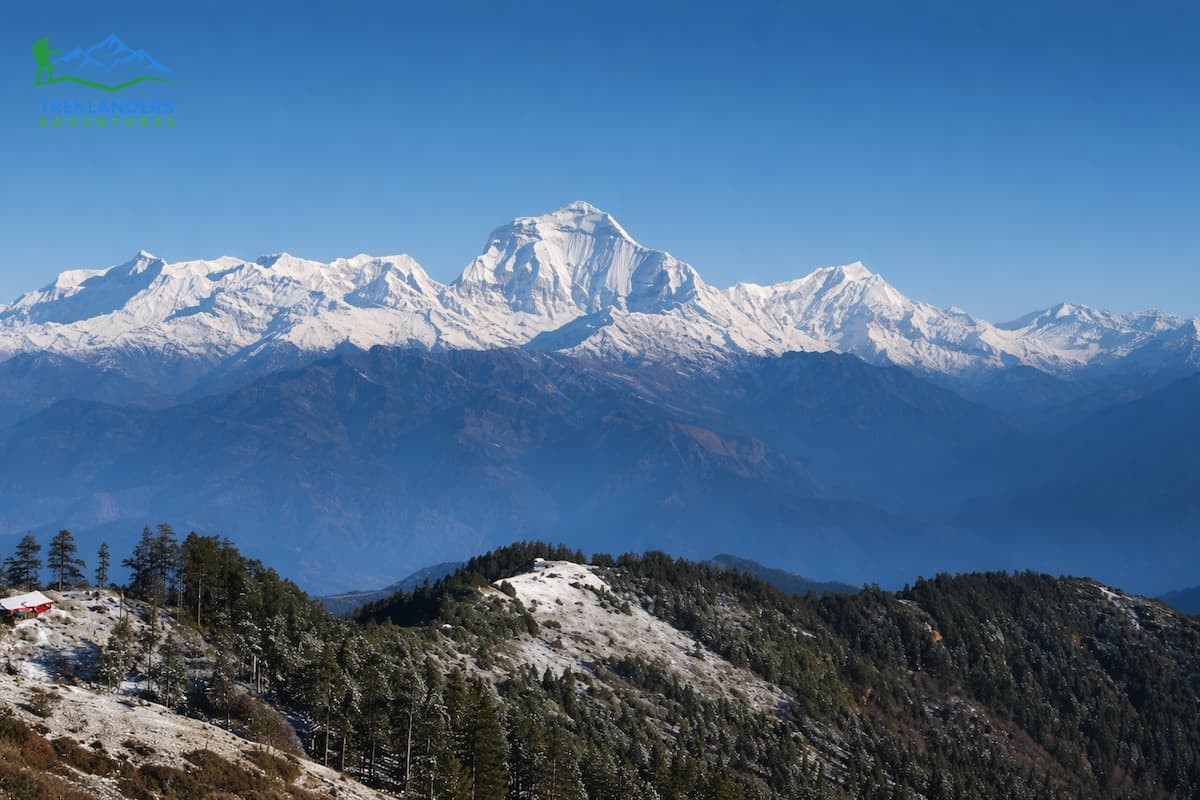
The trip to Mohare Danda is a great chance for nature lovers to take Himalayan pictures. Trekkers pass through different sceneries like forests, villages, and high ridges from where they can see large parts of the mountains. Each section of the path has new things that can be photographed. You can take photos of snow-capped peaks and also get pictures of people in their traditional way of life in the village.
One of the best things to photograph is the Mountain View that stretches for miles, taken from the high point where the ridge is. When the sky is clear, trekkers have a chance to take pictures of not just any Himalayan peaks but those that stand majestically, towering over the hills that are around them. Dhaulagiri, which is a huge mountain, is the one that is most clearly seen towards the west. Annapurna South and Machhapuchhre can also be seen quite vividly across the sky. These mountains form striking landscapes that are ideal for panoramic shots taken in a wide format.
The lighting produced at dawn and dusk is excellent for mountain photography. At the break of the day, the sunlight gradually highlights the snowcapped peaks and makes them golden in colour. The light that changes produces very strong contrasts between the bright mountain tops and the dimmer hills at the bottom. Photographers who want to take pictures of these moments usually get up quite early since the air is mostly very clear at that time and the light is gentle.
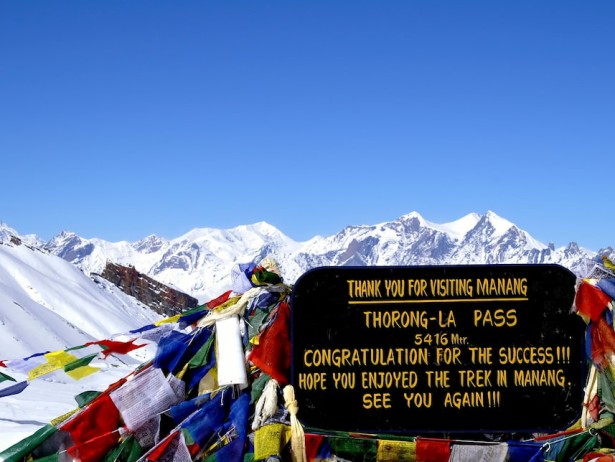
You can also get very attractive photos at sunset. It will still be light for some time after the sun goes down, as warm light will have spread to the mountains and valleys. Sometimes clouds that are quite low in the sky reflect pretty colours of orange and pink, which make the photo even more interesting. The calmness of the environment in the evening makes it possible for trekkers to enjoy spending time with their cameras to get a shot of the landscape that they want to remember.
The trees lining the path are also great for taking some amazing pictures. In the spring, the whole mountain area surrounding Annapurna is dotted with rhododendrons. These bright reds and pinks are striking against the lush greenery. Such floral abundance totally transforms the trekking trail into a visual delight for nature photography.
Besides that, village life presents a whole set of themes for pictures. When passing through the villages, hikers can take photos of stone houses, terraced fields, and locals performing their daily activities. Pictures of farmers working or kids walking down the alleys portray the cultural aspect of the trek clearly. As the Mohare Danda trail usually has fewer trekkers on it, photographers may be lucky enough to have their viewpoint all to themselves and enjoy open landscapes without crowds of people.
This kind of serenity will certainly enable hikers not only to relax and enjoy the Himalayan vistas and scenic beauty of the mountain trail but also to take the best photographs of their surroundings.
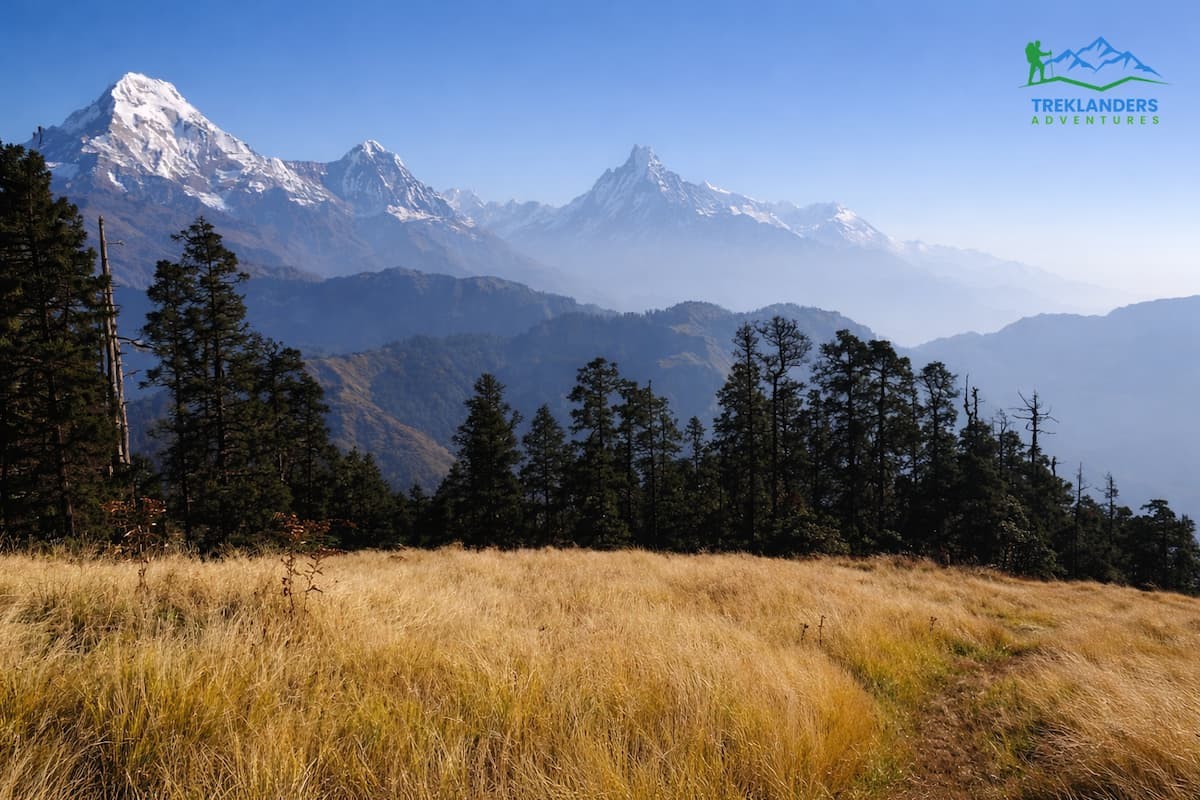
Mohare Danda trekking is a perfect choice for those who want to have a calm experience in nature, while other trekking routes in the Himalayan region draw huge crowds. The main viewpoints are always full during the trekking season, but Mohare Danda hardly sees any overcrowding. It is this quality that lets the trekkers surround themselves with mountains and forests peacefully and enjoy the calmness.
Seclusion is one of the features that has made this route very popular. Highly frequented places like Poon Hill may be overflowing with people during the main season. At sunrise, the viewpoint becomes a spectacle of hundreds of travellers. The scenes are undoubtedly impressive, but unfortunately, the number of visitors diminishes the tranquility that most people who come to the Himalayas desire.
Mohare Danda offers almost the same magnificent views, but with much less crowding. The ridge is the vantage point not only for the panoramic Himalayan range but also for the hills around. Besides, it's the uninterrupted silence prevailing at the site that charmed visitors the most. Especially during sunrise or sunset, people found solace and the sheer beauty of the mountains without noise or human traffic.

Like the above, even the trekking path is less bustling compared to the well-trodden trails of the Annapurna Region. There are times when trekkers travel several kilometers without encountering any big groups. In fact, this route weaves through woods, agricultural land, and small villages that are very much in a slower rhythm of life. Enjoying this serenity, many trekkers find an opportunity for a more intimate communication with nature.
Walking through quiet forests feels like the most enchanting moments of the trip. Along the way, the trail is lined with towering rhododendron and oak trees that are home to numerous birds and wildlife. In the absence of large trekking crowds, one can feel the peaceful and untouched vibe of the forest. Trampers get a chance to experience nature in its different sounds, including birds, wind in trees, and the faint sound of human activity from the village.
Fewer visitors also make the trekking experience more personal. Tea houses and lodges along the route accommodate fewer guests at a time. Therefore, trekkers get a chance to interact more with local families and understand their lifestyle. The setting is generally so inviting and warm.
For travellers who love scenic views of nature rather than crowded paths, Mohare Danda becomes a dream getaway. The path offers a great mix of gorgeous Himalayan landscapes, serene forests and traditional village life. Those who walk this trail generally thank it as a calmer and more satisfying experience than the heavily trafficked trekking routes nearby.
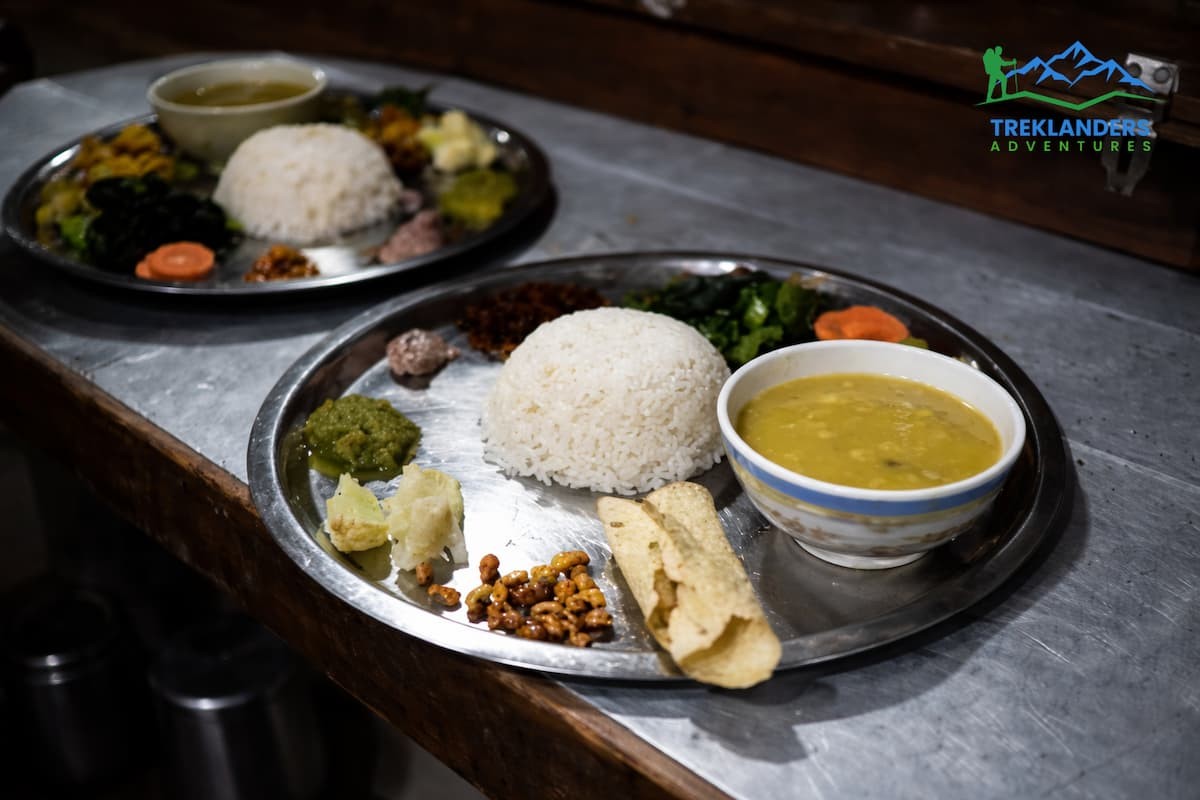
Food plays a major role in the trekking experience to Mohare Danda. After a long day of walking through forests and hills, trekkers eagerly anticipate a hot and hearty meal in local lodges. The food served by the trail is typical of the traditional cooking found in the mountain villages of Nepal.
Dal Bhat is by far the most popular meal along this route. It consists of steamed rice, lentil soup, vegetable curry, and pickles. Occasionally, it can include potatoes, leafy greens, or seasonal vegetables freshly harvested from local farms. Dal Bhat is a well-rounded and energy-packed meal that helps trekkers to recuperate after a day of hiking. For its nutritional value and large serving size, it continues to be the favorite meal of many trekkers in the Himalayas.
Additionally, one of the highlights of the Mohare Danda trek is the quality of the ingredients used in the food prepared. In fact, many of the vegetables served are made from farm products right in the villages. The local people cultivate such crops as cabbage, spinach, potatoes, and beans in terraced fields near their houses. Besides making the food more delicious, using fresh ingredients also contributes to the meals being more wholesome.
Besides Dal Bhat, trekkers can expect to find some other dishes that are just as simple. For example, noodle soups, fried rice, eggs, and potato dishes are usually readily available at many lodges. Some places even bake their own bread or pancakes for breakfast. Besides hot tea, coffee, and even ginger tea are the most preferred drinks among trekkers while they are trying to keep warm in the chilly mountain climate.
Meals are generally served in a communal dining room where trekkers come together in the evening. Being." At the table with fellow travellers naturally fosters social relations. Lots of people go on after their day's trekking to eat a hot meal and share their stories.
Cooking in these lodges is usually a slow process because the dishes are prepared fresh after the orders have been received. The host families normally prepare the meals themselves with traditional kitchen methods. Besides watching the making of food or chatting with the hosts often, the audience is entertained culturally by these dining experiences.
Sampling the local cuisine is a highlight of the Mohare Danda trek. Fresh ingredients, straightforward recipes and friendly hospitality combined to give a fulfilling experience. When you have spent a whole day walking, a hot meal made by local families is something that you will treasure.
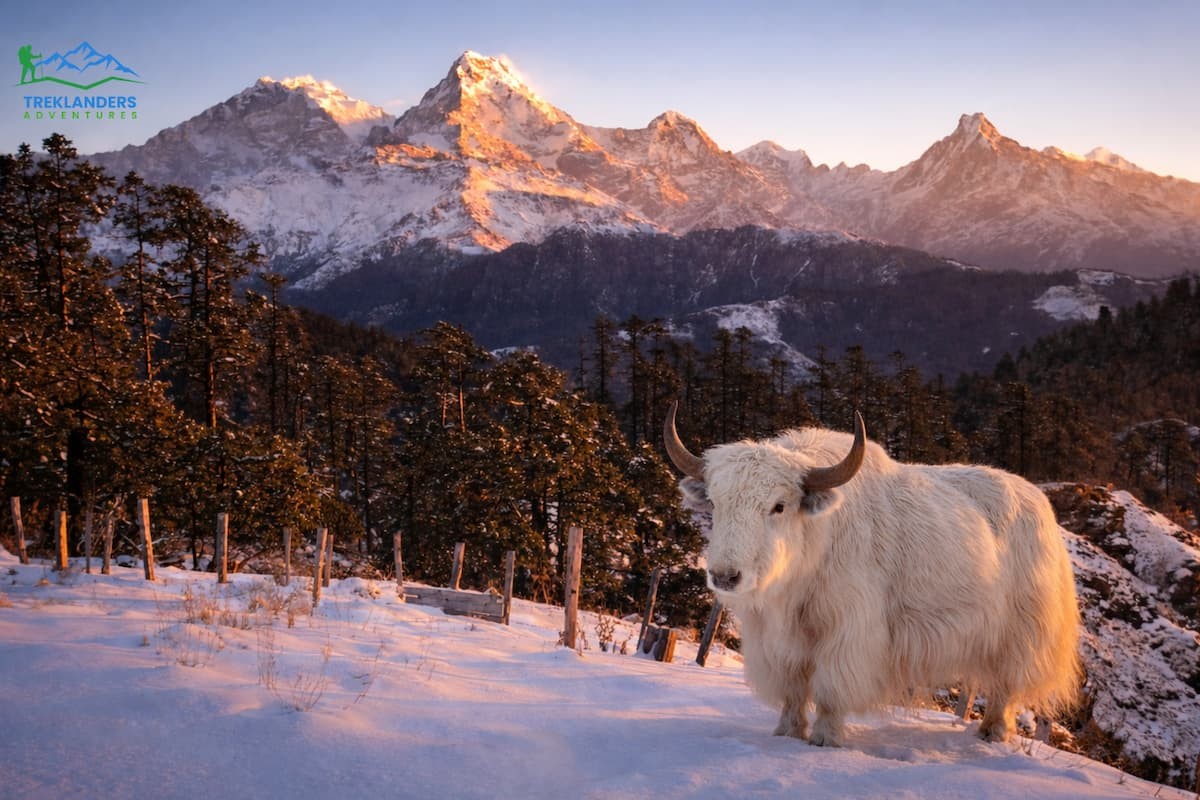
The forests surrounding Mohare Danda provide a lavish natural setting for wildlife and bird observation. Most parts of the trekking path go through secluded woodland sections in the hills of the Annapurna Region. These woodlands are home to a wide variety of bird and animal species, making the trek even more desirable for those who love nature.
Usually, trekkers can identify birds by their voices long before they get a chance to spot them. Birds tend to be most active during early mornings. As birds move through the trees in their search for food, the forest becomes alive with calls and songs. Besides being home to a variety of colourful Himalayan bird species, these forests offer an excellent bird-watching experience, which is not only a peaceful way of passing the time but also adds a level of excitement to the trekking experience.
Rhododendron, oak, and pine forests are thick and provide an excellent place for the animals to hide and take cover. One of the creatures that trekkers occasionally come across is the Himalayan langur. These monkeys group themselves and often travel through the trees. Their light-colored fur and long tails make it quite easy to spot them from a distance. It becomes a highlight of the trek when one manages to witness a group of langurs leaping from tree to tree.
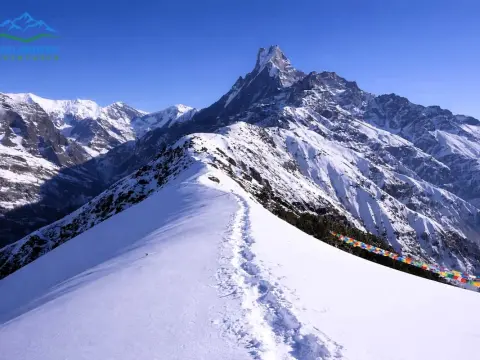
Other than langurs, there are also several other animals that one might see moving silently through the forest. Small mammals, squirrels, and mountain birds are some of the things you can see along the trail. As the Mohare Danda trail is less crowded compared to the other trekking areas, the animals are less likely to be disturbed, and hence the wildlife is more active.
The calm atmosphere of the forest enables hikers to focus on the subtle aspects of nature. For example, the rustling of leaves in the breeze, the singing of birds reverberating among the woods, and the movement of animals far away all these elements become a part of the overall experience. Besides, you can increase your chances of encountering wild animals on the trail by walking slowly and quietly.
Typically, wildlife is most visible in the morning or late afternoon. At these times, the animals and birds are up and about. Those who commence their hikes early usually appreciate the tranquility of the forest while also seeing more wildlife.
For most hikers, it is these interactions with nature that give their travels a new hop. The Mohare Danda trek is not just about enjoying the mountain scenery. It is also a chance to get to know the natural surroundings of the Himalayan hills. Watching birds and animals in their natural environment turns the trek into a more interesting and satisfying experience, especially for those who are nature lovers.
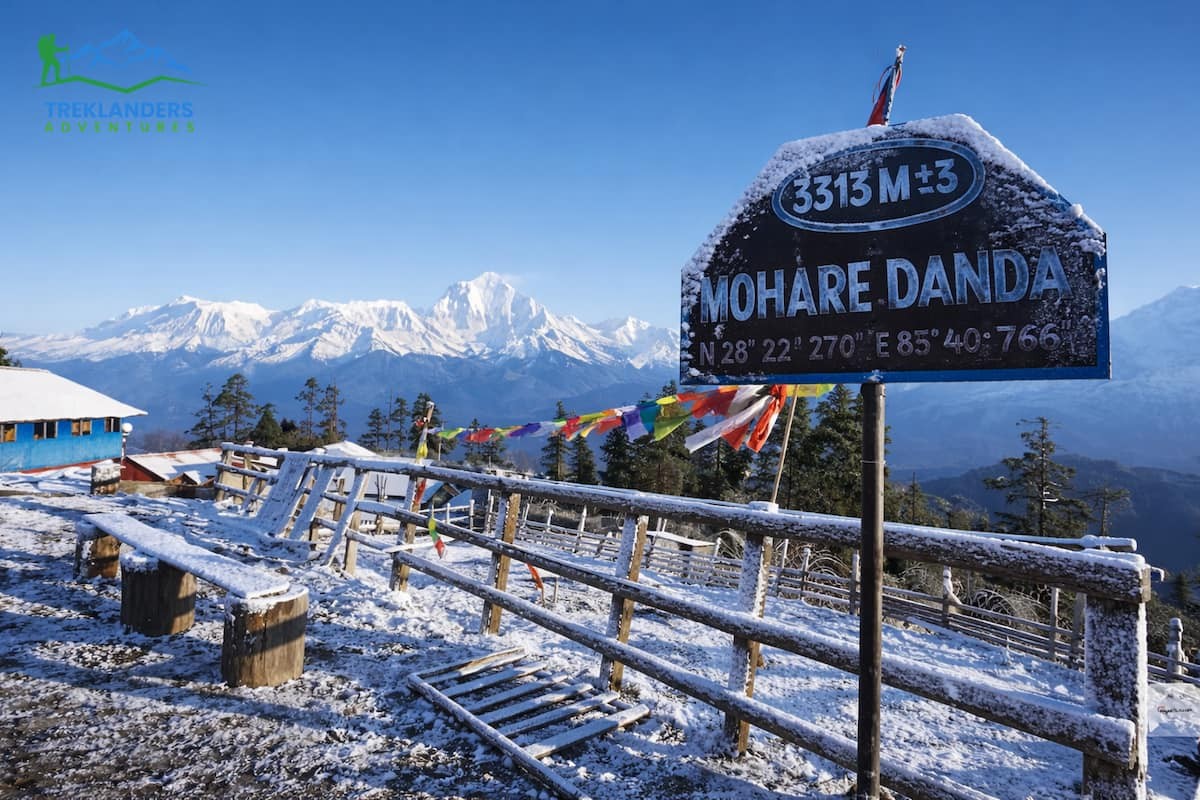
Interacting with the local people is the most memorable part of the journey for many individuals. The path crosses several tiny villages where people lead mainly traditional lives through farming and mountain culture. Those who stop for a chat with the locals usually manage to grasp better the hilly life of Nepal.
The inhabitants of the villages along the route are quite friendly and hospitable. Many come up to trekkers with a warm smile and a few words. Even brief encounters can be very rewarding. People usually tell stories of their everyday chores, farming, and the traditions of their community. Such little talks give visitors an insight into how the mountain communities live in the Himalayas.
One of the best locations for this kind of cultural interaction is a village like Nangi. It is famed for its community solidarity and local development groups. Visitors who stay in the lodges or just happen to stroll through the village often come across the locals who will be more than happy to refresh their memory about their culture and way of life. The curious visitor will get to know about old-fashioned agricultural practices, local schooling schemes, and the history of the village.
Besides that, most of the people living in these areas are Magar people, one of the most significant ethnic groups in the western part of Nepal. Their habits, rituals, and ecstatic cultural displays are a major part of village life. You will see the typical Magar houses that are made of wood and stone, the hillsides where the crops are grown in terraces, and the garments that are worn during festivals and gatherings.
Talking with trekking guides and owners of lodges is a great way to get cultural knowledge. Guides usually tell about the regional history, the significance of local traditions, and the way of life of the people living on the trail. Owners of lodges share on occasion how tourism has opened new doors for their villages.
Watching the daily life of the village shows how people survive in this mountain setting. Trekkers can witness villagers at work in the fields, carrying firewood, or preparing food outside their houses. Besides farm work, it is also quite common to see children going to school and farmers looking after animals along the trail.
Such cultural exchanges result in a heartfelt link between trekkers and the locale. Besides just admiring the wonderful nature, visitors are also able to get a glimpse of the human aspect of the trip. It is through meeting local people, listening to their life stories and becoming familiar with their customs that the Mohare Danda trek gets a deeper significance and is remembered for a long time.
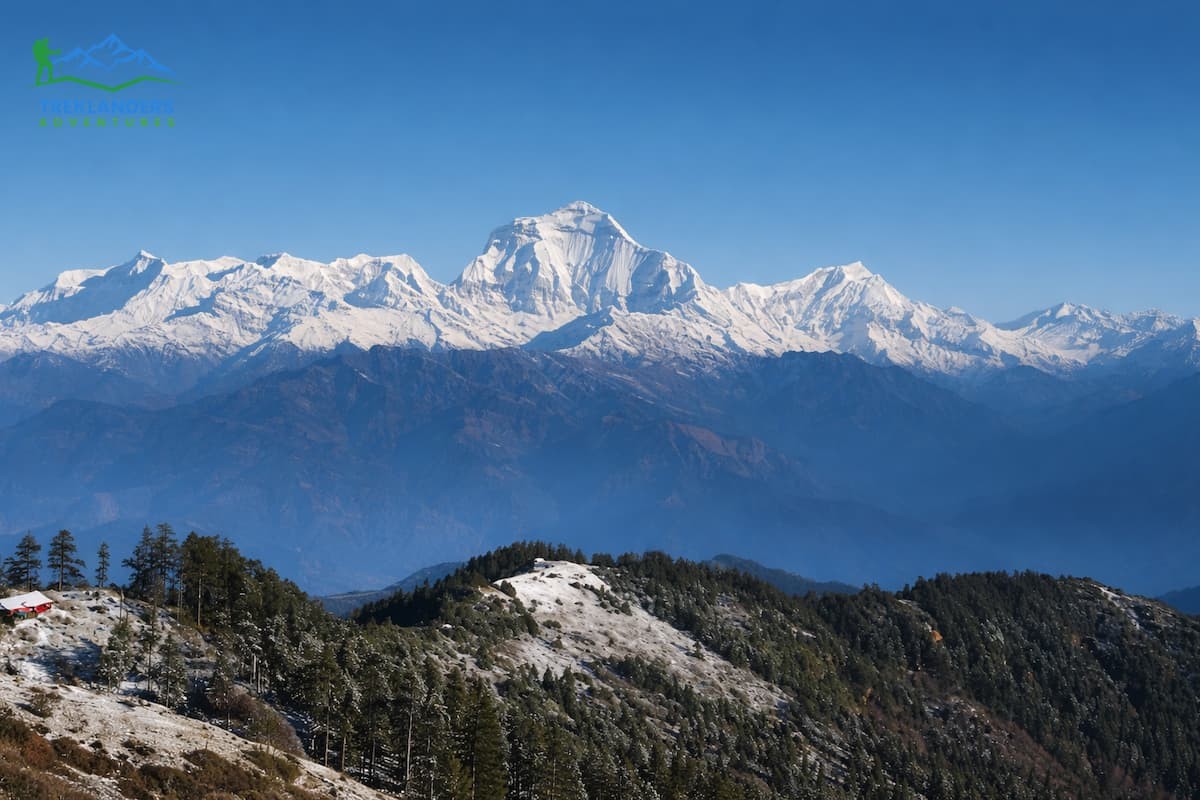
The Mohare Danda trek provides some of the most peaceful and scenic mountain landscapes in the Annapurna region of Nepal. From the ridge at Mohare Danda, trekkers can see wide panoramic views of the surrounding Himalayan peaks. Mountains such as Annapurna South and Dhaulagiri rise high above the valleys, their snow-covered slopes reflecting sunlight throughout the day. These views make every step of the trek visually rewarding.
The trail itself passes through forests, meadows, and terraced farmland. Walking through these natural areas, trekkers experience the quiet of the hills. The forested paths, lined with oak, pine, and rhododendron trees, create a calm atmosphere. Birds sing in the trees, and occasionally small wildlife appears along the trail, adding life to the peaceful surroundings. The combination of forest and mountain scenery provides a sense of solitude and connection to nature.
The ridge at Mohare Danda is especially popular for panoramic views. From this vantage point, trekkers can see multiple Himalayan ranges stretching across the horizon. The high peaks change colors throughout the day. In the morning, the mountains glow golden under the rising sun. By afternoon, the light shifts to bright white and blue shades. During sunset, the peaks turn orange and pink. These changing colors make the landscape dramatic and enjoyable for both trekking and photography.
The calm of the place even differentiates it from the busier trails. Unlike the popular viewpoints, the Mohare Danda trek is not as crowded. This gives the trekkers the freedom of not rushing and comfort to just be in nature. Also, the quietness of the place makes the trek not only a physical endeavor but also a great way to refresh one's mind.
The idyllic feel is what is felt by the stream in the entire valley where the village lies. Small stone houses and terraced fields blend with the natural landscape. Local communities maintain their traditions while living in harmony with the environment. Trekkers passing through these villages can very well catch the simplicity and serenity of the rural Himalayan lifestyle.
Altogether, wide mountain views, quiet forests, and village life in harmony are the main reasons why the Mohare Danda trek is a relaxing and rewarding journey. The peaceful landscapes offer the opportunity to connect with nature, enjoy the Himalayas, and experience tranquility and beauty at every stage of the trail.
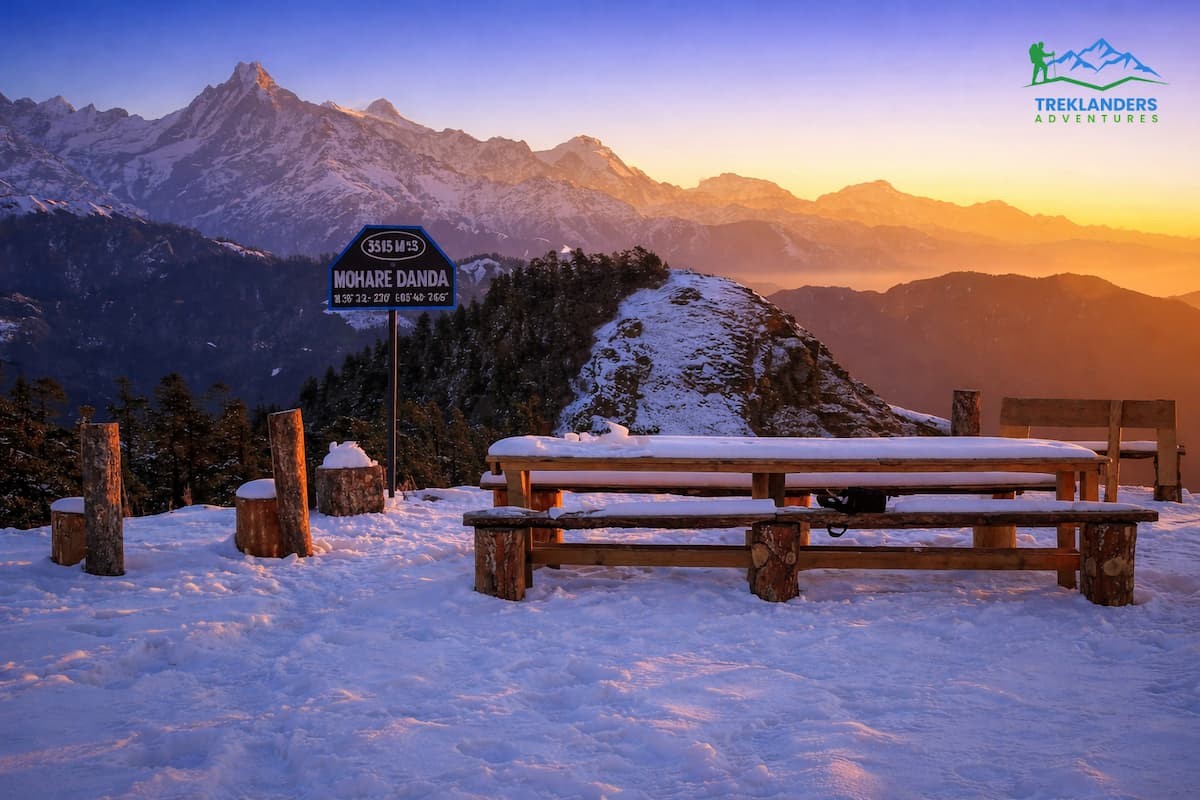
The Mohare Danda trek brings you a full Himalayan delight from the start. Spectacular sunrises over the mighty Dhaulagiri, Annapurna South, and Machhapuchhre peaks are amongst the scenes that the trekkers relish. The path goes through bright rhododendron woods, sleepy villages, and hilltops with a great view of the valleys. Community-run lodges offer a good level of comfort to the guests while they help local families sustain their livelihood. Tourists get to taste real Nepali cuisine, spot various types of animals, and talk to local people. Unlike the busy trails, Mohare Danda is still a secluded place, which makes one feel like the only person in the world and also is good for spiritual contemplation. Nature's splendor, cultural experiences, and the peacefulness of the Himalayas are the three elements that turn this trek into an enriching and unforgettable adventure in the Annapurna region.
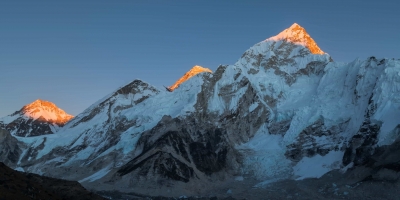
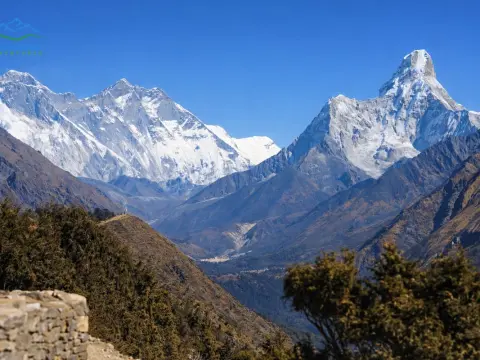
Autumn (September–November) offers the best weather, clear skies, dry trails, and stunning views for the Everest Base Camp trek.
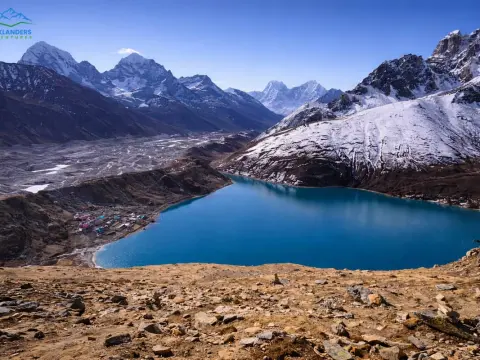
Gokyo Lakes Trek in spring (March–May) offers clear Everest views, turquoise lakes, and a quieter alternative to the Everest Base Camp trek.
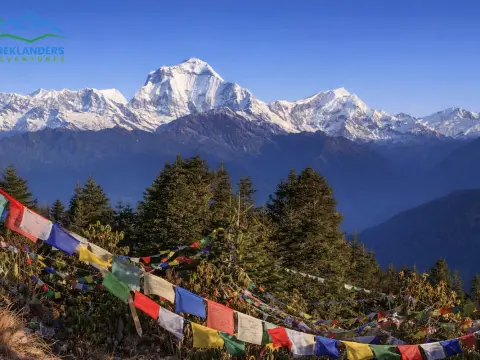
The Ghorepani Poon Hill Trek in autumn offers Himalayan views and a stunning sunrise over Annapurna and Dhaulagiri on one of Nepal’s best short treks.



