[{"name":"Everest Base Camp Trek","duration":"16","image_url":"https:\/\/www.treklanders.com\/storage\/trip-galleries\/1\/thumb_419a755c003cc609f3030ee332965ebe.jpg","offer_price":1405,"url":"https:\/\/www.treklanders.com\/trips\/everest-base-camp-trek"},{"name":"Gokyo Valley Trekking","duration":"16","image_url":"https:\/\/www.treklanders.com\/storage\/trip-galleries\/2\/thumb_676d1021b574aeba4d19d3f2a0b04ed2.webp","offer_price":1205,"url":"https:\/\/www.treklanders.com\/trips\/gokyo-valley-trekking"},{"name":"Annapurna Circuit Trek","duration":"23","image_url":"https:\/\/www.treklanders.com\/storage\/trip-galleries\/3\/thumb_2a9a92ea23c62f41de27b37f5e3e8c17.webp","offer_price":1495,"url":"https:\/\/www.treklanders.com\/trips\/annapurna-circuit-trek"},{"name":"Everest Panorama Trek","duration":"12","image_url":"https:\/\/www.treklanders.com\/storage\/trip-galleries\/4\/thumb_35c9f677ea2e88b1ff11a9f43daa3ddb.jpg","offer_price":1100,"url":"https:\/\/www.treklanders.com\/trips\/everest-panorama-trek"},{"name":"Everest Base Camp Trekking from Jiri","duration":"22","image_url":"https:\/\/www.treklanders.com\/storage\/trip-galleries\/6\/thumb_14763592492417b294aa66bf0ebf4e64.webp","offer_price":1400,"url":"https:\/\/www.treklanders.com\/trips\/everest-base-camp-trekking-from-jiri"},{"name":"Everest Base Camp via Cho la Pass from Gokyo Valley Trekking","duration":"18","image_url":"https:\/\/www.treklanders.com\/storage\/trip-galleries\/7\/thumb_d4e470e98d4e9e2ab8e93e39b8b7d252.jpg","offer_price":1405,"url":"https:\/\/www.treklanders.com\/trips\/everest-base-camp-via-cho-la-pass-from-gokyo-valley-trekking"},{"name":"Everest Three Passes Trekking","duration":"22","image_url":"https:\/\/www.treklanders.com\/storage\/trip-galleries\/8\/thumb_b413b221e913171500bb3dfd5c08ceea.jpg","offer_price":1635,"url":"https:\/\/www.treklanders.com\/trips\/everest-three-passes-trekking"},{"name":"Annapurna Base Camp Trekking","duration":"14","image_url":"https:\/\/www.treklanders.com\/storage\/trip-galleries\/9\/thumb_2e71f2ffe116c659fa66b01c2d571b4e.webp","offer_price":845,"url":"https:\/\/www.treklanders.com\/trips\/annapurna-base-camp-trekking"},{"name":"Mardi Base Camp Trekking","duration":"14","image_url":"https:\/\/www.treklanders.com\/storage\/trip-galleries\/10\/thumb_d7b2d2dc638f6bbf2c31c167ac68029d.webp","offer_price":845,"url":"https:\/\/www.treklanders.com\/trips\/mardi-base-camp-trekking"},{"name":"Mohare Danda Trekking","duration":"12","image_url":"https:\/\/www.treklanders.com\/storage\/trip-galleries\/11\/thumb_a384c8d35d789d29b19991c1d675c910.webp","offer_price":755,"url":"https:\/\/www.treklanders.com\/trips\/mohare-danda-trekking"},{"name":"Khopra Ridge & Khair Lake Trekking","duration":"15","image_url":"https:\/\/www.treklanders.com\/storage\/trip-galleries\/12\/thumb_c0f50461ddc74acfb553ba85be00fab0.webp","offer_price":855,"url":"https:\/\/www.treklanders.com\/trips\/khopra-ridge-khair-lake-trekking"},{"name":"Upper Mustang Trekking","duration":"17","image_url":"https:\/\/www.treklanders.com\/storage\/trip-galleries\/13\/thumb_7aa4dfdb69186b0f224a303d80a25c95.jpg","offer_price":1715,"url":"https:\/\/www.treklanders.com\/trips\/upper-mustang-trekking"},{"name":"Langtang Valley Trek","duration":"12","image_url":"https:\/\/www.treklanders.com\/storage\/trip-galleries\/14\/thumb_8650b4b1a3c160cff75da65369398353.webp","offer_price":735,"url":"https:\/\/www.treklanders.com\/trips\/langtang-valley-trek"},{"name":"Gosainkunda Lake Trek","duration":"11","image_url":"https:\/\/www.treklanders.com\/storage\/trip-galleries\/15\/thumb_bfe94c14e760c48234e117021105be84.webp","offer_price":735,"url":"https:\/\/www.treklanders.com\/trips\/gosainkunda-lake-trek"},{"name":"Chisapani-Nagarkot to Dhulikhel Hiking","duration":"7","image_url":"https:\/\/www.treklanders.com\/storage\/trip-galleries\/16\/thumb_468defe9a4000ee3129cd7e6421ee105.webp","offer_price":565,"url":"https:\/\/www.treklanders.com\/trips\/chisapani-nagarkot-to-dhulikhel-hiking"},{"name":"Kanchenjunga Trek","duration":"23","image_url":"https:\/\/www.treklanders.com\/storage\/trip-galleries\/17\/thumb_51f43fa4203106cc49aaedc89d76e01d.jpg","offer_price":1725,"url":"https:\/\/www.treklanders.com\/trips\/kanchenjunga-trek"},{"name":"Helambu Trek","duration":"12","image_url":"https:\/\/www.treklanders.com\/storage\/trip-galleries\/18\/thumb_0fe8e3fa1299d2e43bf1fb5977875ce2.jpg","offer_price":685,"url":"https:\/\/www.treklanders.com\/trips\/helambu-trek"},{"name":"Upper Dolpo Trek","duration":"26","image_url":"https:\/\/www.treklanders.com\/storage\/trip-galleries\/19\/thumb_d6080d490e1db83b0a711e7304000864.jpg","offer_price":3005,"url":"https:\/\/www.treklanders.com\/trips\/upper-dolpo-trek"},{"name":"Manaslu Circuit Trek","duration":"18","image_url":"https:\/\/www.treklanders.com\/storage\/trip-galleries\/20\/thumb_1fdd224e849f4f328e73d2d12b3d282d.jpg","offer_price":1225,"url":"https:\/\/www.treklanders.com\/trips\/manaslu-circuit-trek"},{"name":"Tilicho Lake Base Camp Trek","duration":"19","image_url":"https:\/\/www.treklanders.com\/storage\/trip-galleries\/21\/thumb_eba8ac5e029e6543e0c17630ebd9e2fb.jpg","offer_price":1220,"url":"https:\/\/www.treklanders.com\/trips\/tilicho-lake-base-camp-trek"},{"name":"Nar-Phu Valley With Thorang-La Pass Trek","duration":"21","image_url":"https:\/\/www.treklanders.com\/storage\/trip-galleries\/22\/thumb_43597423a5a366fe9c8937fb30d2fe2a.jpg","offer_price":1315,"url":"https:\/\/www.treklanders.com\/trips\/nar-phu-valley-with-thorang-la-pass-trek"},{"name":"Nepal Round Trip of Kathmandu-Pokhara-Lumbini and Chitwan Tour","duration":"10","image_url":"https:\/\/www.treklanders.com\/storage\/trip-galleries\/23\/thumb_32497d170b2ab340b0a1b3310e91e784.webp","offer_price":845,"url":"https:\/\/www.treklanders.com\/trips\/nepal-round-trip-of-kathmandu-pokhara-lumbini-and-chitwan-tour"},{"name":"Nagarkot Day Hike","duration":"2","image_url":"https:\/\/www.treklanders.com\/storage\/trip-galleries\/24\/thumb_a5a654930fd8ba7852e41738105bacfc.webp","offer_price":105,"url":"https:\/\/www.treklanders.com\/trips\/nagarkot-day-hike"},{"name":"Nagarkot Sunrise Tour","duration":"1","image_url":"https:\/\/www.treklanders.com\/storage\/trip-galleries\/25\/thumb_17dc28a29cfa44381ad503f0a75ee84f.webp","offer_price":22,"url":"https:\/\/www.treklanders.com\/trips\/nagarkot-sunrise-tour"},{"name":"Namobuddha Day Tour with Shiva Statue","duration":"1","image_url":"https:\/\/www.treklanders.com\/storage\/trip-galleries\/26\/thumb_beeb34202f9077764aa08c67ef2867f9.webp","offer_price":45,"url":"https:\/\/www.treklanders.com\/trips\/namobuddha-day-tour-with-shiva-statue"},{"name":"Kathmandu Full Day Sightseeing Tour","duration":"1","image_url":"https:\/\/www.treklanders.com\/storage\/trip-galleries\/27\/thumb_d045fc0f1acee2cfa6b3c95f3c656d18.jpg","offer_price":30,"url":"https:\/\/www.treklanders.com\/trips\/kathmandu-full-day-sightseeing-tour"},{"name":"Patan and Bhaktapur Sightseeing Tour","duration":"1","image_url":"https:\/\/www.treklanders.com\/storage\/trip-galleries\/28\/thumb_750eacac3424b5dba686dd93656ab87c.jpg","offer_price":30,"url":"https:\/\/www.treklanders.com\/trips\/patan-and-bhaktapur-sightseeing-tour"},{"name":"Upper Mustang Heli Tour","duration":"1","image_url":"https:\/\/www.treklanders.com\/storage\/trip-galleries\/29\/thumb_0b785f69a15557f8660c805c76fda14e.webp","offer_price":1250,"url":"https:\/\/www.treklanders.com\/trips\/upper-mustang-heli-tour"},{"name":"Everest Heli Tour","duration":"1","image_url":"https:\/\/www.treklanders.com\/storage\/trip-galleries\/30\/thumb_dc45f2beb36a3699e0decf0de41a6f17.jpg","offer_price":1495,"url":"https:\/\/www.treklanders.com\/trips\/everest-heli-tour"},{"name":"Island Peak Trek & Climb","duration":"21","image_url":"https:\/\/www.treklanders.com\/storage\/trip-galleries\/31\/thumb_a0f3e3468c92a8e436045cf8b2fbf361.jpg","offer_price":2295,"url":"https:\/\/www.treklanders.com\/trips\/island-peak-trek-climb"},{"name":"Mera Peak Trek & Climb","duration":"18","image_url":"https:\/\/www.treklanders.com\/storage\/trip-galleries\/32\/thumb_3e8128a23c36f02fa38135475e811b9e.jpg","offer_price":2815,"url":"https:\/\/www.treklanders.com\/trips\/mera-peak-trek-climb"},{"name":"Chandragiri Cable Car Tour","duration":"1","image_url":"https:\/\/www.treklanders.com\/storage\/trip-galleries\/33\/thumb_faa70b716449eada6d7f1450335edbb3.jpg","offer_price":30,"url":"https:\/\/www.treklanders.com\/trips\/chandragiri-cable-car-tour"},{"name":"Everest Base Camp Trek and Returning via Heli","duration":"13","image_url":"https:\/\/www.treklanders.com\/storage\/trip-galleries\/34\/thumb_11190941866206e1d578db11986ebc73.webp","offer_price":2100,"url":"https:\/\/www.treklanders.com\/trips\/everest-base-camp-trek-and-returning-via-heli"},{"name":"Annapurna Semi Circuit Trek","duration":"15","image_url":"https:\/\/www.treklanders.com\/storage\/trip-galleries\/35\/thumb_30ddd8ba818cdcb52efd5eb0a017bcdb.jpg","offer_price":965,"url":"https:\/\/www.treklanders.com\/trips\/annapurna-semi-circuit-trek"},{"name":"Everest Base Camp Luxury Trek","duration":"14","image_url":"https:\/\/www.treklanders.com\/storage\/trip-galleries\/39\/thumb_6079aea3c5dd83e745a16fd6162270dc.jpg","offer_price":2685,"url":"https:\/\/www.treklanders.com\/trips\/everest-base-camp-luxury-trek"},{"name":"Mt. Kailash & Lake Manasarover Tour","duration":"15","image_url":"https:\/\/www.treklanders.com\/storage\/trip-galleries\/41\/thumb_cf3fededfd7dd2b40399af399e04f95a.jpg","offer_price":2205,"url":"https:\/\/www.treklanders.com\/trips\/mt-kailash-lake-manasarover-tour"},{"name":"Ghorepani Poonhill Trek","duration":"11","image_url":"https:\/\/www.treklanders.com\/storage\/trip-galleries\/43\/thumb_602d9a56976e1b836ba8adc69b8d09c5.webp","offer_price":720,"url":"https:\/\/www.treklanders.com\/trips\/ghorepani-poonhill-trek"},{"name":"11 Days Gokyo Valley Trekkking","duration":"11","image_url":"https:\/\/www.treklanders.com\/storage\/trip-galleries\/45\/thumb_ab552c3c91de392f94230a937b1c4801.jpg","offer_price":900,"url":"https:\/\/www.treklanders.com\/trips\/11-days-gokyo-valley-trekkking"},{"name":"9-Day Everest Base Camp Trekking with Helicopter Return","duration":"9","image_url":"https:\/\/www.treklanders.com\/storage\/trip-galleries\/46\/thumb_9a8ba2b582500cd86786be056902c31a.webp","offer_price":1990,"url":"https:\/\/www.treklanders.com\/trips\/9-day-everest-base-camp-trekking-with-helicopter-return"},{"name":"12-Day Everest Base Camp Trek","duration":"12","image_url":"https:\/\/www.treklanders.com\/storage\/trip-galleries\/47\/thumb_d12c9ef776c0b395ceea817fe05c5892.jpg","offer_price":1000,"url":"https:\/\/www.treklanders.com\/trips\/12-day-everest-base-camp-trek"},{"name":"8-Day Everest Panorama Trek","duration":"8","image_url":"https:\/\/www.treklanders.com\/storage\/trip-galleries\/49\/thumb_c81ae3a8ac757a317a9362e6872e2dcb.jpg","offer_price":850,"url":"https:\/\/www.treklanders.com\/trips\/8-day-everest-panorama-trek"},{"name":"7-Day Langtang Valley Trek","duration":"7","image_url":"https:\/\/www.treklanders.com\/storage\/trip-galleries\/50\/thumb_99c2904df5475ab028c9e3633ea95ef3.jpg","offer_price":420,"url":"https:\/\/www.treklanders.com\/trips\/7-day-langtang-valley-trek"},{"name":"4-Day Trekking Adventure near Kathmandu","duration":"4","image_url":"https:\/\/www.treklanders.com\/storage\/trip-galleries\/51\/thumb_594681060514dc57be1959236a6996d0.jpg","offer_price":275,"url":"https:\/\/www.treklanders.com\/trips\/4-day-trekking-adventure-near-kathmandu"},{"name":"4-Day Ghorepani Ponnhill Trek from Pokhara","duration":"4","image_url":"https:\/\/www.treklanders.com\/storage\/trip-galleries\/53\/thumb_eede04edac01f983d9af2c16f55d03e8.webp","offer_price":500,"url":"https:\/\/www.treklanders.com\/trips\/4-day-ghorepani-ponnhill-trek-from-pokhara"},{"name":"7-Day Annapurna Base Camp Trek from Pokhara","duration":"7","image_url":"https:\/\/www.treklanders.com\/storage\/trip-galleries\/55\/thumb_547e91c74088c491111ebe31a759cfbb.jpg","offer_price":420,"url":"https:\/\/www.treklanders.com\/trips\/7-day-annapurna-base-camp-trek-from-pokhara"},{"name":"13-Day Manaslu Circuit Trekking","duration":"13","image_url":"https:\/\/www.treklanders.com\/storage\/trip-galleries\/56\/thumb_aef1af4f0c4a2a9622d518ad5959542b.jpg","offer_price":1050,"url":"https:\/\/www.treklanders.com\/trips\/13-day-manaslu-circuit-trekking"},{"name":"5-Day Mardi Himal Trek from Pokhara","duration":"5","image_url":"https:\/\/www.treklanders.com\/storage\/trip-galleries\/57\/thumb_dcd598d556c14835f0a18169afafcbc6.webp","offer_price":420,"url":"https:\/\/www.treklanders.com\/trips\/5-day-mardi-himal-trek-from-pokhara"},{"name":"Nagarkot Sunrise Tour with Day Hike","duration":"1","image_url":"https:\/\/www.treklanders.com\/storage\/trip-galleries\/58\/thumb_7cdfa1f16719486da2a0718da45b1f2f.webp","offer_price":30,"url":"https:\/\/www.treklanders.com\/trips\/nagarkot-sunrise-tour-with-day-hike"},{"name":"Seven Unesco Heritage Sites Day Tour in Kathmandu","duration":"1","image_url":"https:\/\/www.treklanders.com\/storage\/trip-galleries\/59\/thumb_92aed7b9c67e76740000aab9313dced7.jpg","offer_price":40,"url":"https:\/\/www.treklanders.com\/trips\/seven-unesco-heritage-sites-day-tour-in-kathmandu"},{"name":"10-Day Ghorepani Poonhill with Annapurna Base Camp Trek","duration":"10","image_url":"https:\/\/www.treklanders.com\/storage\/trip-galleries\/60\/thumb_d4c2c089497950ccb5f8541d76e1269b.webp","offer_price":835,"url":"https:\/\/www.treklanders.com\/trips\/10-day-ghorepani-poonhill-with-annapurna-base-camp-trek"},{"name":"3-Day Chitwan Wildlife Tour","duration":"3","image_url":"https:\/\/www.treklanders.com\/storage\/trip-galleries\/61\/thumb_7963c9033b4ecfb5d29583fb0965d521.webp","offer_price":150,"url":"https:\/\/www.treklanders.com\/trips\/3-day-chitwan-wildlife-tour"},{"name":"3-Day Pokhara Sightseeing Tour","duration":"3","image_url":"https:\/\/www.treklanders.com\/storage\/trip-galleries\/62\/thumb_61542f3c38329bcce9d2771c96f265a4.jpg","offer_price":230,"url":"https:\/\/www.treklanders.com\/trips\/3-day-pokhara-sightseeing-tour"},{"name":"7-Day Kathmandu Pokhara and Chitwan wildlifeTour","duration":"7","image_url":"https:\/\/www.treklanders.com\/storage\/trip-galleries\/63\/thumb_803b98ae15f14366124ebb109a32f49d.webp","offer_price":545,"url":"https:\/\/www.treklanders.com\/trips\/7-day-kathmandu-pokhara-and-chitwan-wildlifetour"},{"name":"Nagarjun Jamacho Day Hiking","duration":"1","image_url":"https:\/\/www.treklanders.com\/storage\/trip-galleries\/64\/thumb_85867eb85c60c8228e44f927341f67d1.jpg","offer_price":30,"url":"https:\/\/www.treklanders.com\/trips\/nagarjun-jamacho-day-hiking"},{"name":"Everest Mountain Flight from Kathmandu","duration":"1","image_url":"https:\/\/www.treklanders.com\/storage\/trip-galleries\/65\/thumb_1a66526d340ec175023842c38efd8a95.webp","offer_price":120,"url":"https:\/\/www.treklanders.com\/trips\/everest-mountain-flight-from-kathmandu"},{"name":"One Day Trishuli River Rafting Adventures","duration":"1","image_url":"https:\/\/www.treklanders.com\/storage\/trip-galleries\/66\/thumb_55ba0ea676c9c625f99f3d41bda224fb.jpg","offer_price":35,"url":"https:\/\/www.treklanders.com\/trips\/one-day-trishuli-river-rafting-adventures"},{"name":"13-Day Annapurna Circuit Trek","duration":"13","image_url":"https:\/\/www.treklanders.com\/storage\/trip-galleries\/67\/thumb_859e7a1fbb468a9252d365cab8379f10.jpg","offer_price":815,"url":"https:\/\/www.treklanders.com\/trips\/13-day-annapurna-circuit-trek"},{"name":"15-Day Tilicho Base Camp with Thorong-La Pass Trekking","duration":"15","image_url":"https:\/\/www.treklanders.com\/storage\/trip-galleries\/68\/thumb_56a5fd1506c9b9f1f83844353dc55edf.jpg","offer_price":920,"url":"https:\/\/www.treklanders.com\/trips\/15-day-tilicho-base-camp-with-thorong-la-pass-trekking"},{"name":"Cooking Class in Thamel-Full Course Meal","duration":"1","image_url":"https:\/\/www.treklanders.com\/storage\/trip-galleries\/69\/thumb_ed5cfbc0d94b624642d347c0776d36bb.webp","offer_price":30,"url":"https:\/\/www.treklanders.com\/trips\/cooking-class-in-thamel-full-course-meal"},{"name":"Cooking Class in Thamel-Full Course","duration":"3 Hours 30 Minutes","image_url":"https:\/\/www.treklanders.com\/img\/default.gif","offer_price":30,"url":"https:\/\/www.treklanders.com\/trips\/cooking-class-in-thamel-full-course"},{"name":"Cooking Class in Thamel-Full Course Meal","duration":"3 Hours 30 Minutes","image_url":"https:\/\/www.treklanders.com\/img\/default.gif","offer_price":30,"url":"https:\/\/www.treklanders.com\/trips\/cooking-class-in-thamel-full-course-meal"},{"name":"Momo Making Class in Thamel","duration":"1","image_url":"https:\/\/www.treklanders.com\/storage\/trip-galleries\/72\/thumb_a36e5ceca4d5c4cb0ecda367505b31d3.webp","offer_price":20,"url":"https:\/\/www.treklanders.com\/trips\/momo-making-class-in-thamel"},{"name":"8 Days Bhutan Tour from Kathmandu","duration":"8","image_url":"https:\/\/www.treklanders.com\/storage\/trip-galleries\/73\/thumb_df319d7d3ac21bcd9cf728cb1a70ea09.webp","offer_price":2275,"url":"https:\/\/www.treklanders.com\/trips\/8-days-bhutan-tour-from-kathmandu"},{"name":"10 Days Bhutan Tour with Druk path Trek","duration":"10","image_url":"https:\/\/www.treklanders.com\/storage\/trip-galleries\/74\/thumb_c7d4a4b89aceaf5d3aac313265729bb3.webp","offer_price":5715,"url":"https:\/\/www.treklanders.com\/trips\/10-days-bhutan-tour-with-druk-path-trek"},{"name":"9 -Day Langtang Valley Trek","duration":"9","image_url":"https:\/\/www.treklanders.com\/storage\/trip-galleries\/75\/thumb_65e69cec8917e39091c9e40ae06df3da.webp","offer_price":620,"url":"https:\/\/www.treklanders.com\/trips\/9--day-langtang-valley-trek"},{"name":"14 Day Everest Base Camp Trek","duration":"14","image_url":"https:\/\/www.treklanders.com\/storage\/trip-galleries\/76\/thumb_446e7f33a5f43896c9cdf470cd7be947.webp","offer_price":1175,"url":"https:\/\/www.treklanders.com\/trips\/14-day-everest-base-camp-trek"},{"name":"Lhasa Tour from Kathmandu: 10-Day Tibet Overland Journey via Gyirong","duration":"10","image_url":"https:\/\/www.treklanders.com\/img\/default.gif","offer_price":null,"url":"https:\/\/www.treklanders.com\/trips\/lhasa-tour-from-kathmandu-10-day-tibet-overland-journey-via-gyirong"},{"name":"13 Day Lhasa Tour from Kathmandu via Everest Base Camp","duration":"13","image_url":"https:\/\/www.treklanders.com\/storage\/trip-galleries\/78\/thumb_8a2bfb2abd99ba9ddc902b768e7b0759.webp","offer_price":2565,"url":"https:\/\/www.treklanders.com\/trips\/13-day-lhasa-tour-from-kathmandu-via-everest-base-camp"},{"name":"11 Day Annapurna Base Camp Trek","duration":"11","image_url":"https:\/\/www.treklanders.com\/storage\/trip-galleries\/79\/thumb_4e48a19c538c00cc8c36160ca97c5f21.webp","offer_price":720,"url":"https:\/\/www.treklanders.com\/trips\/11-day-annapurna-base-camp-trek"},{"name":"9 Day Mardi Himal Trek","duration":"9","image_url":"https:\/\/www.treklanders.com\/storage\/trip-galleries\/80\/thumb_8214945c5614ac9a84e5ca0b58b1f5a3.webp","offer_price":735,"url":"https:\/\/www.treklanders.com\/trips\/9-day-mardi-himal-trek"},{"name":"14 Day Manaslu Circuit Trek","duration":"14","image_url":"https:\/\/www.treklanders.com\/storage\/trip-galleries\/81\/thumb_b3ec98cd4036da5cb6e92250afa0d59e.webp","offer_price":1085,"url":"https:\/\/www.treklanders.com\/trips\/14-day-manaslu-circuit-trek"},{"name":"20 Day Manaslu Circuit with Tsum Valley Trek","duration":"20","image_url":"https:\/\/www.treklanders.com\/storage\/trip-galleries\/82\/thumb_b8c202cf8e16197517811d535f2a6795.webp","offer_price":1765,"url":"https:\/\/www.treklanders.com\/trips\/20-day-manaslu-circuit-with-tsum-valley-trek"},{"name":"15 Day Langtang Gosaikunda Lake Helambu Trek","duration":"15","image_url":"https:\/\/www.treklanders.com\/storage\/trip-galleries\/83\/thumb_a9c7bbb74f733cdc9a3469a448df7109.webp","offer_price":985,"url":"https:\/\/www.treklanders.com\/trips\/15-day-langtang-gosaikunda-lake-helambu-trek"},{"name":"14 Day Tamang Heritage with Langtang Valley Trek","duration":"14","image_url":"https:\/\/www.treklanders.com\/storage\/trip-galleries\/84\/thumb_57fe1b0ad2b7d0489273633b906d2f43.webp","offer_price":895,"url":"https:\/\/www.treklanders.com\/trips\/14-day-tamang-heritage-with-langtang-valley-trek"},{"name":"6 Day Pikey Peak Trek","duration":"6","image_url":"https:\/\/www.treklanders.com\/storage\/trip-galleries\/85\/thumb_f69c5c05ac7a2100c9010f66292efc86.webp","offer_price":550,"url":"https:\/\/www.treklanders.com\/trips\/6-day-pikey-peak-trek"},{"name":"Everest Base Camp Trek with Lobuche East Peak Climbing Expedition","duration":"17","image_url":"https:\/\/www.treklanders.com\/storage\/trip-galleries\/86\/thumb_9e7f330ecdbd7f74fe6f16202d3fed28.webp","offer_price":2295,"url":"https:\/\/www.treklanders.com\/trips\/everest-base-camp-trek-with-lobuche-east-peak-climbing-expedition"}]
Gokyo Lakes Trek in Spring (March to May): Weather, Route, Highlights & Complete Everest Region Guide
Gokyo Lakes Trek in Spring (March to May): Weather, Route, Highlights & Complete Everest Region Guide
One of the top trekking experiences in Nepal's Everest region is the Gokyo Lakes Trek in spring. The spring season lasts from March to May. The weather during this time is typically clear, with stable skies and extended periods of sunshine. Such conditions enable trekkers to see wide views of the Himalayan Mountains as well as the famous Gokyo turquoise lakes.
The path passes through the Sagarmatha region and follows the Dudh Koshi Valley track. Trekkers cross Sherpa villages, suspension bridges, and forests with flowering rhododendron trees. The bright forests form a colorful backdrop that makes the journey more pleasant in spring.
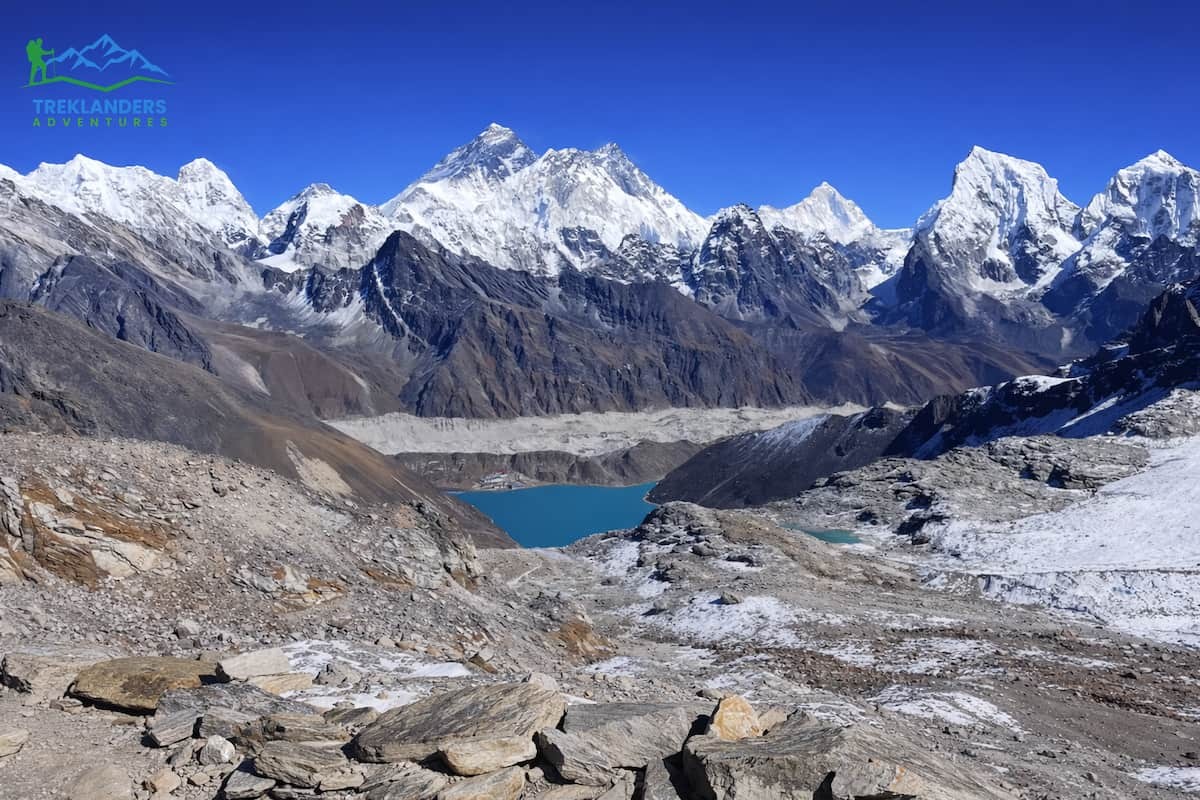
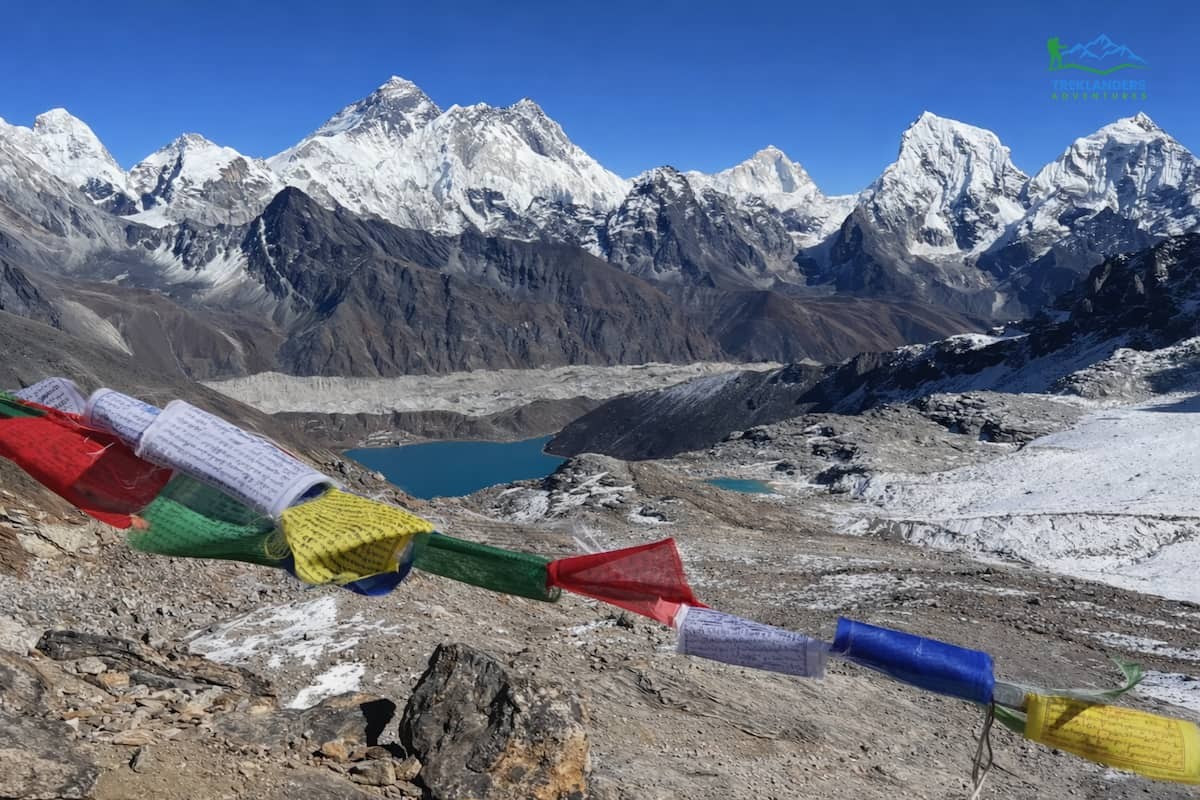
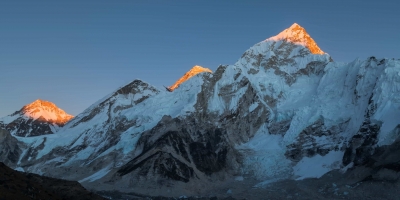
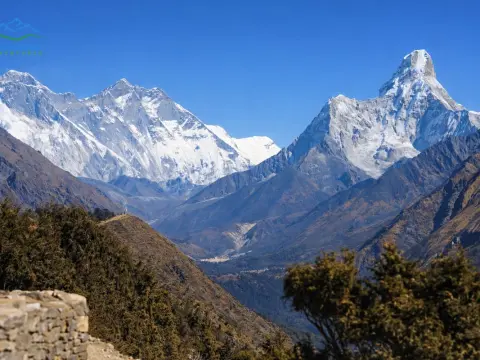
One of the reasons why a lot of trekkers opt for the Gokyo Lakes route is that it is less crowded than the classic Everest Base Camp trail. In fact, the route still provides magnificent views of the major Himalayan peaks. At 5,357 meters, from the Gokyo RI viewpoint, one can see four of the world's tallest mountains. They include Mount Everest, Lhotse, Makalu, and Cho Oyu. The clear spring atmosphere is perfect for increasing the sharpness of the views of these snow-capped peaks, thus allowing trekkers to enjoy them to the fullest.
Spring also means that daytime temperatures in the Everest region stay relatively warm. Lower regions like Namche Bazaar, for example, are quite comfortable for trekking. Whereas the higher areas around Gokyo Lakes will always be cold, finally, in the mornings, the skies are mostly clear. As a result, early morning hikes to viewpoints become quite a great experience.
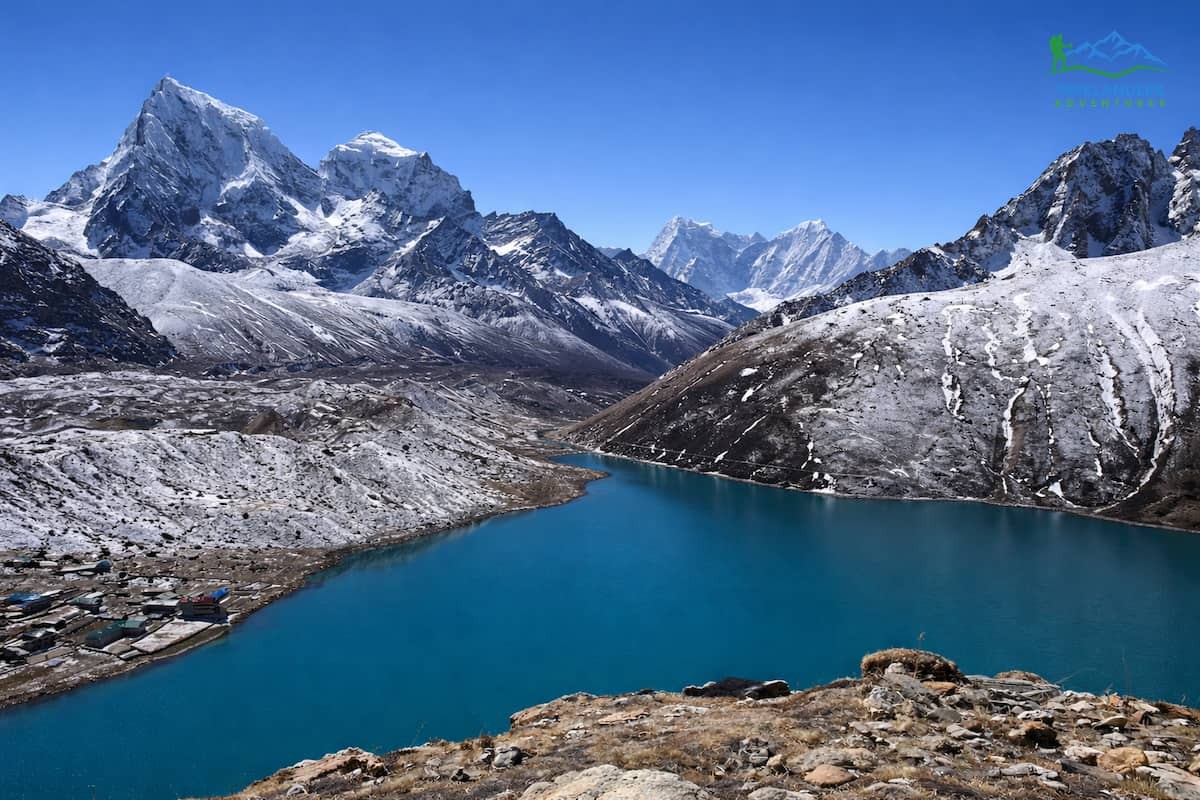
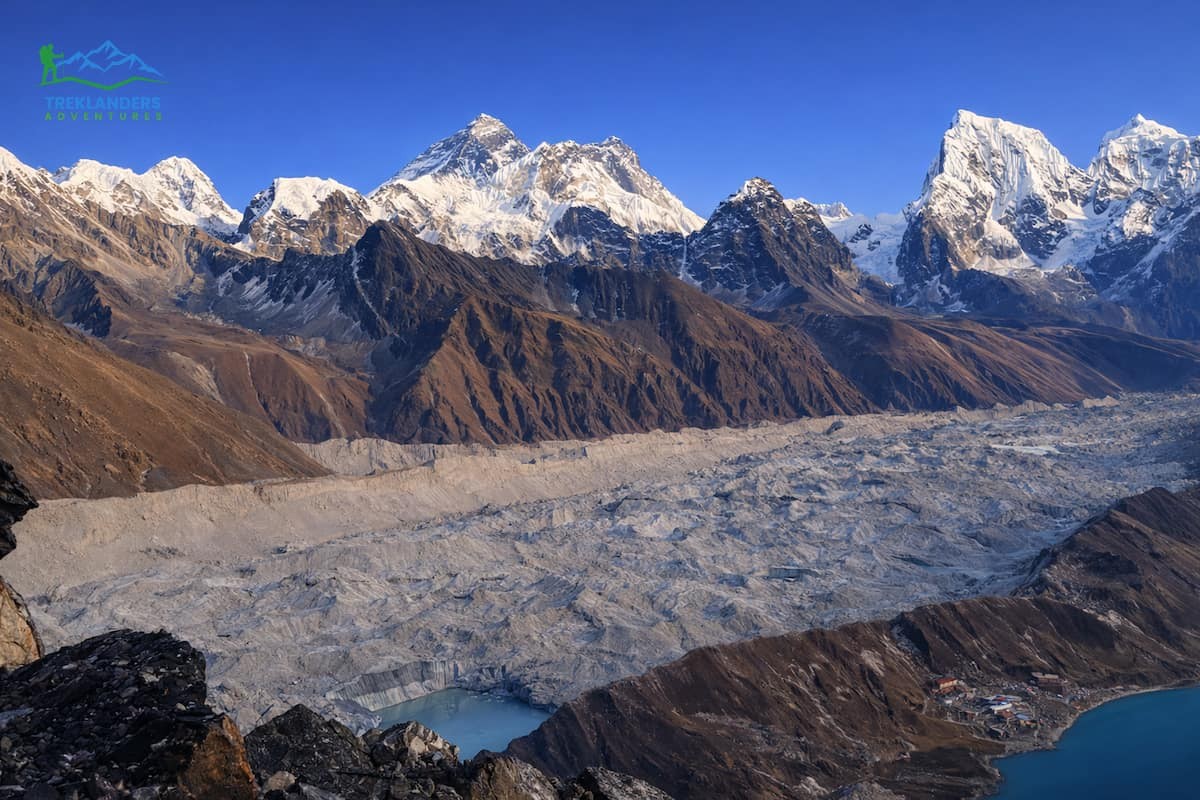
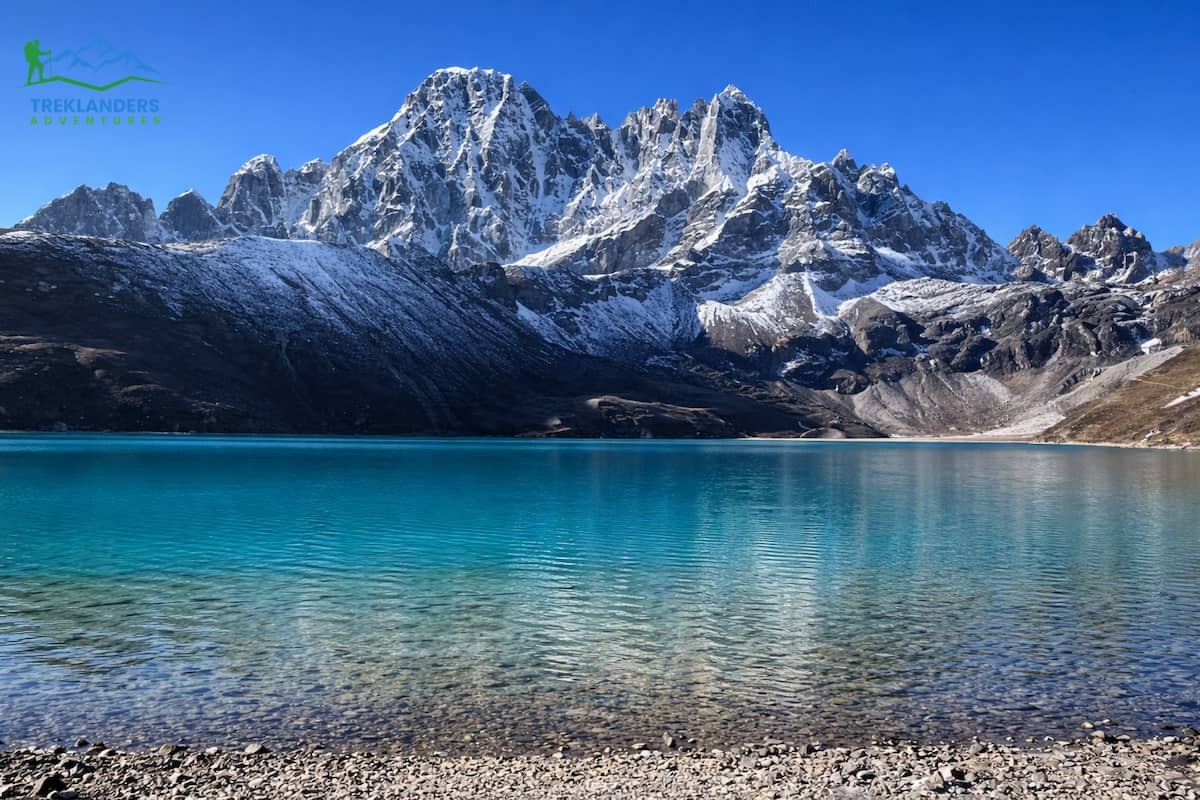
One more highlight of the trek is the chain of six glacier lakes that make up the Gokyo lake system. After the mineral-rich glacier-water the lakes glow with bright blue and turquoise colors. The whole area is surrounded by snowy peaks and glaciers, making it one of the most impressive landscapes in the Everest region. Ngazumpa, the biggest glacier that can be visited from the trail, creates a nice supplementary view along your expedition.
Spring naturally runs as the most crowded trekking season in Nepal. Accommodations, teahouses, and trekking provisions are fully functional on the trail. Trekkers will come across villages that offer food, lodging, and basic facilities during the whole trekking period.
Strolling along the Gokyo Lakes in springtime, we trekkers are blessed by encountering the gleaming mountain summits, the blossoming woods, and the calmness of the remote high-altitude lakes. These characteristics render it one of the most beautiful hiking adventures in the Himalayas, and a great alternative to the Everest Base Camp trek.
1. Why Spring Is the Best Time for the Gokyo Lakes Trek?
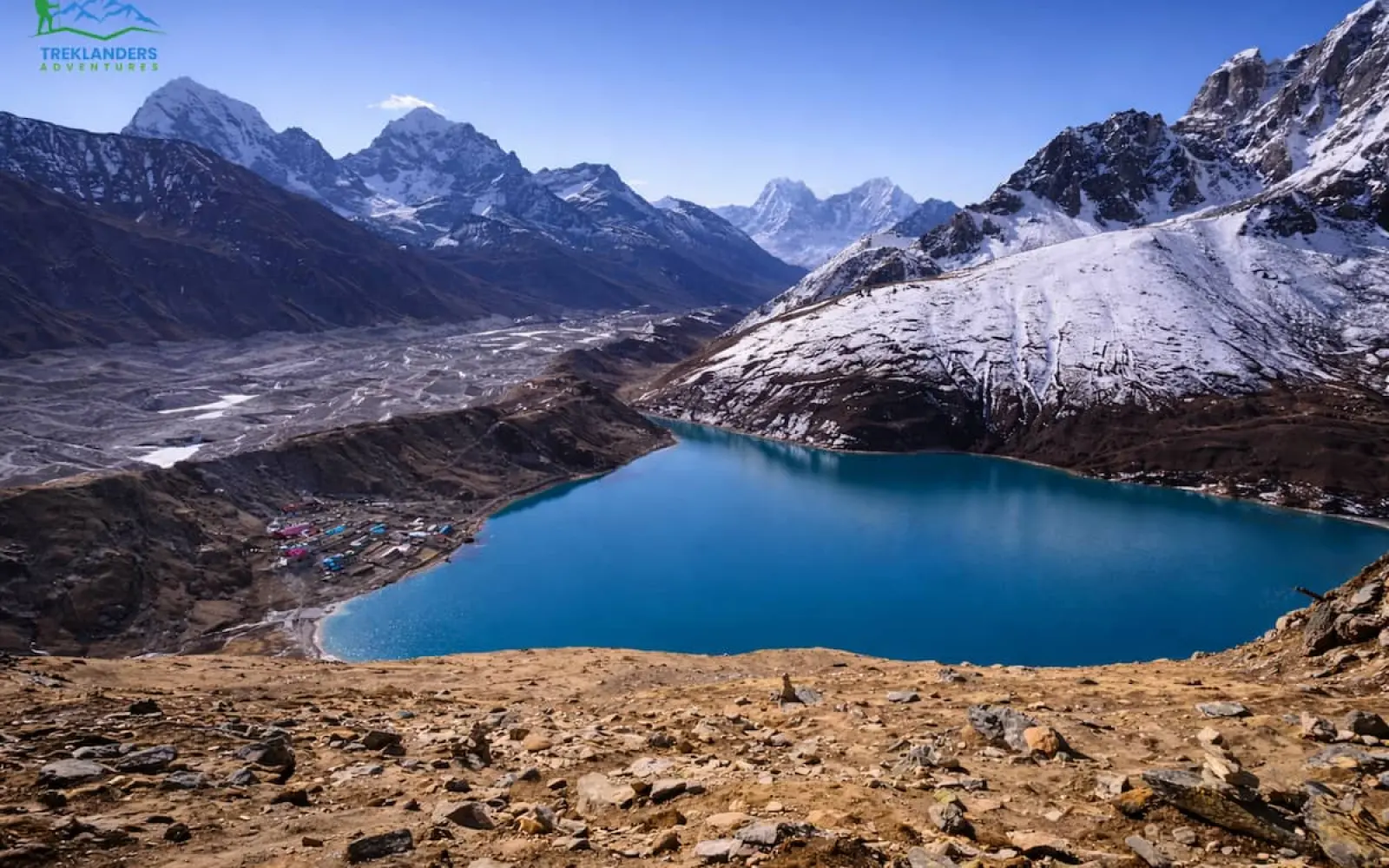
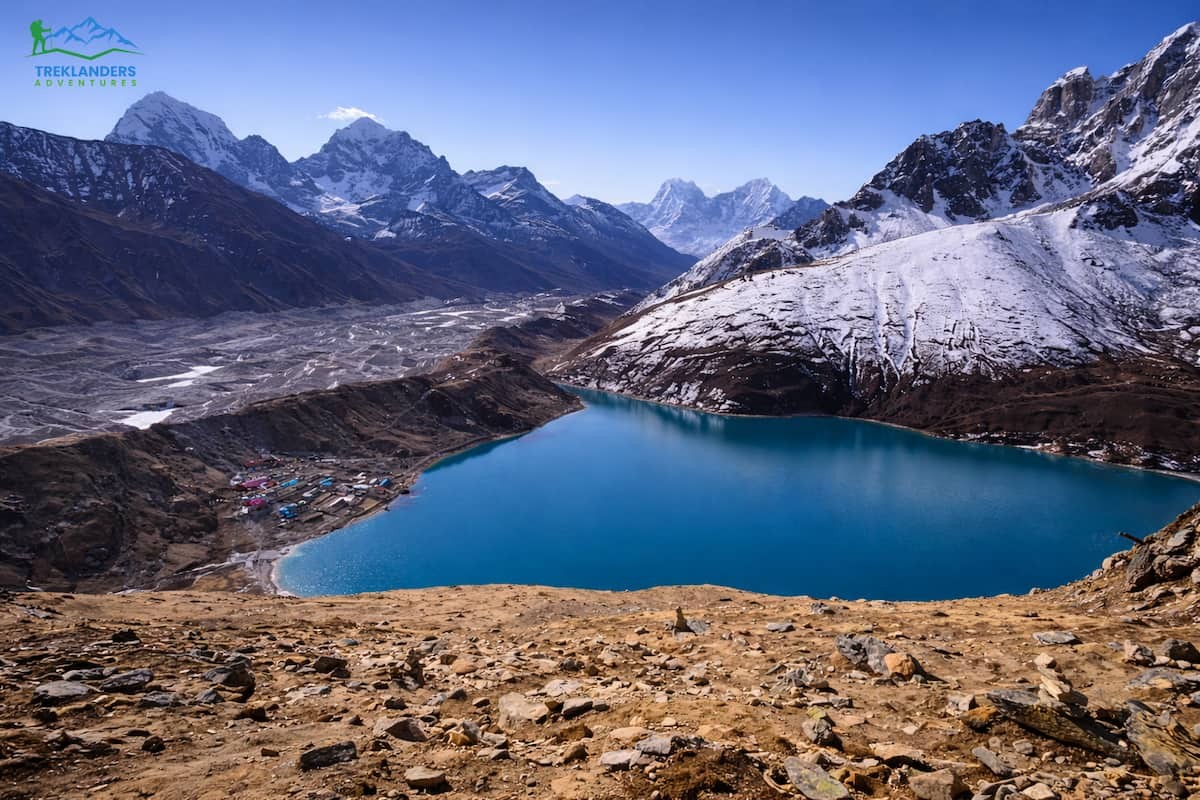
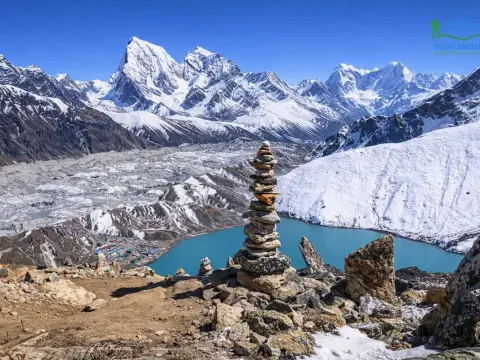
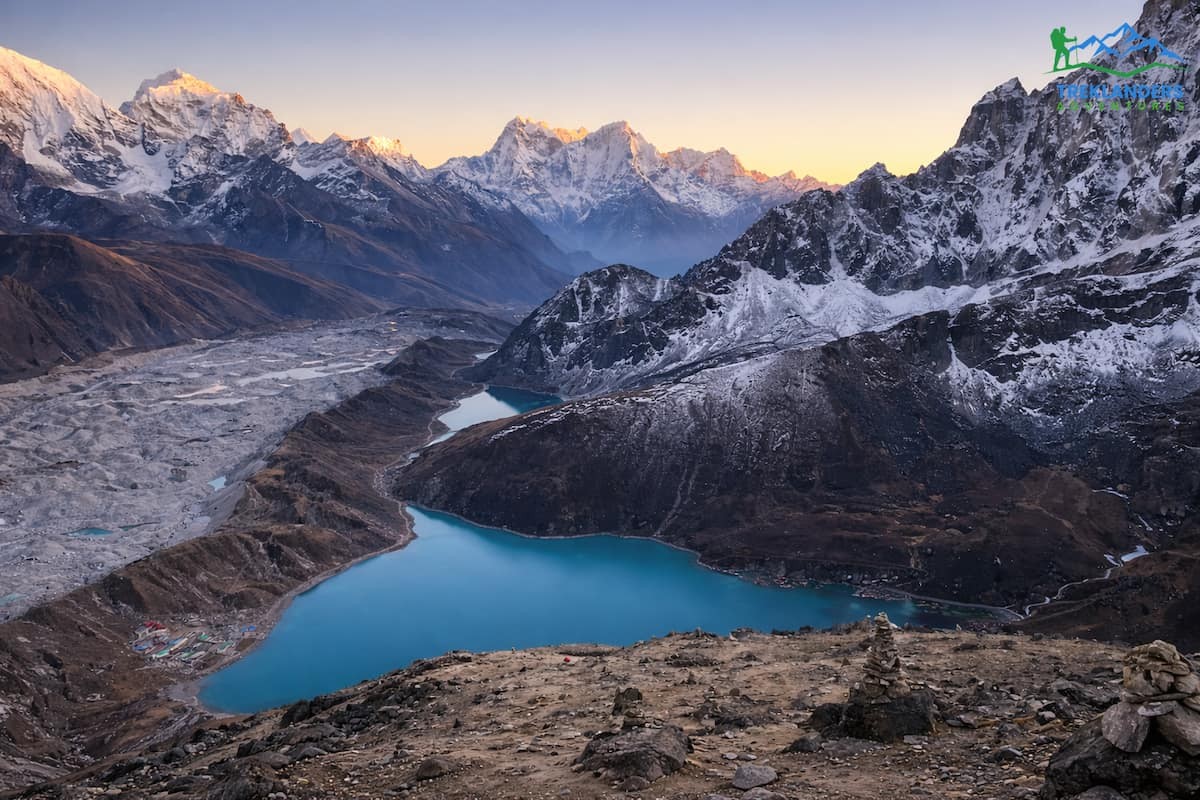
Stunning views of the Gokyo Lakes and surrounding mountains from Gokyo Ri
Spring, the months of March to May is the perfect time for the Gokyo Lakes Trek in the Everest region of Nepal. The weather during spring is more stable than in winter and is very suitable for trekking. In addition, the sky is clearer most of the time, which not only enhances the mountain visibility but also provides a great trekking ambience.
One of the main reasons why trekking in the Himalayas is considered a great experience in spring is that the panoramic Mountain View becomes stunning and extensive. Besides, the occurrence of snowfall lessens, and the air stays purified. Such conditions make it possible for trekkers to spot faraway peaks from numerous trail points. For instance, the Gokyo RI summit presents a single perspective of the mountain splendor in Nepal. A glance at the viewpoint yields splendid images of Mount Everest and Cho Oyu. The two mountains soar above the adjacent glaciers and valleys, imparting to the scene a powerful effect.
The number of daylight hours is increased during the spring season. Therefore, it is quite easy for trekkers to walk for a long period of time without hurrying to reach the next village before sunset. As usual, mornings are often the clearest times of day. To witness the bright sunrise views over the Himalayan range, many trekkers open their day early.
Besides, spring is the time when the forests of the Everest region are turned. Rhododendron trees bloom widely in the lower and middle sections of the trail. Large clusters of red, pink, and white flowers spread over hillsides and valleys. These colourful forests not only flank many villages but also enhance the beauty of the trekking route. The flowering season usually reaches its height in April when the trails are exceptionally vibrant.
Temperature conditions generally improve during spring compared to winter. Walking during the day, the lower areas stay cool but comfortable. Higher altitude areas near the Gokyo Lakes still have a cold feel, especially during early morning hours and at night. But the daytime temperatures are quite pleasant and allow hikers to do their trekking without experiencing extreme cold. These mild temperatures mean that the risk of being caught in severe weather has been greatly diminished.
Furthermore, trails are generally in good shape during this season. Deep snow that may have blocked paths during the winter is melting, which means that the paths are getting clearer and hence it is easier for trekkers to move about. Fishing, stone steps, and high passes are all still open. The facilities and homes are serving guests again as the main trekking season has started.
Due to these factors, spring is a favorite time for trekkers who desire to see clear mountain views, enjoy the richly colored landscape and still have safe trekking conditions. A mixture of the calm weather, blossoming forests and vast Himalayan views makes the Gokyo Lakes Trek one of the most fulfilling experiences in the Everest region in spring.
2. Weather and Temperature in Spring
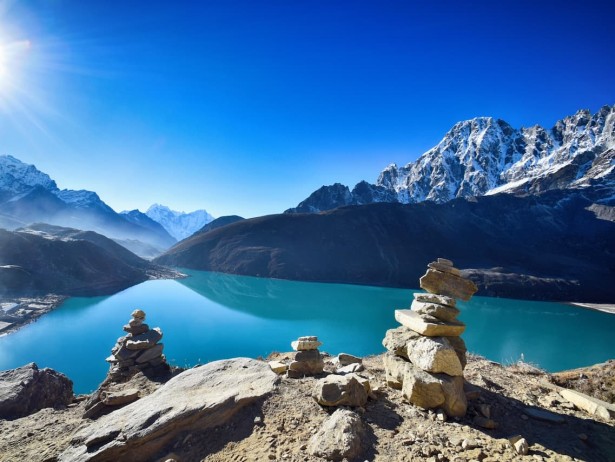
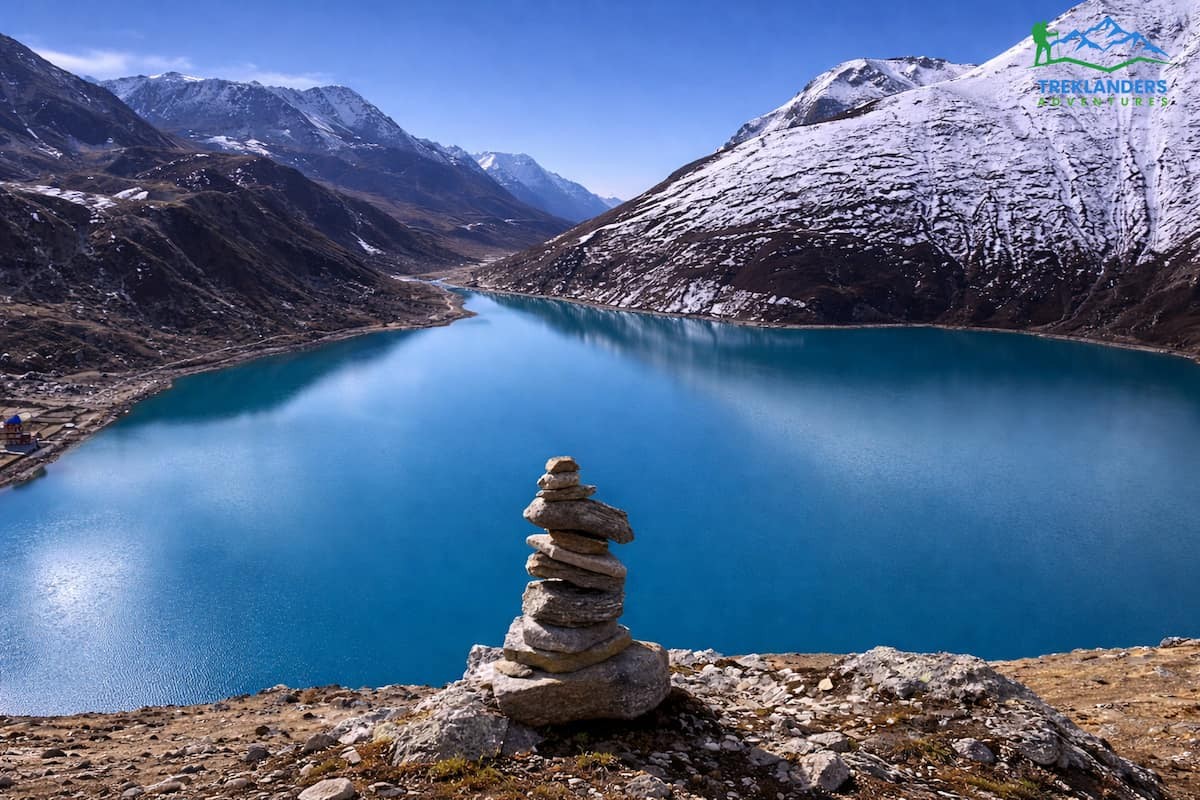
Gokyo Lake in the Everest Region
Spring brings stable weather and comfortable trekking conditions in the Everest region. The months from March to May offer clear skies, improving temperatures, and better trail conditions. These factors make spring one of the best seasons for the Gokyo Lakes Trek.
March Weather and Temperature
March marks the beginning of the spring trekking season. The weather starts to improve after the cold winter months. Skies become clearer, although higher areas may still receive occasional snowfall.
In Namche Bazaar, daytime temperatures usually range between 8°C and 12°C. Nights remain cold, often dropping to around −5°C. Trekkers experience fresh and crisp mornings with good visibility of nearby peaks.
Higher locations such as Gokyo remain colder. Daytime temperatures stay around 0°C to 5°C, while nights can drop to −10°C or lower. Snow from winter may still cover parts of the trail, but routes remain accessible for trekkers.
April Conditions and Clear Skies
April is considered the most stable month for trekking in the Everest region. The weather becomes dry and clear. Visibility improves, which allows trekkers to see distant Himalayan peaks throughout the day.
In Namche Bazaar, daytime temperatures rise to around 10°C to 15°C. Nights remain cool at about −3°C to 0°C. Trekking conditions feel comfortable during daylight hours.
In Gokyo, daytime temperatures usually stay between 2°C and 8°C. Night temperatures often fall between −8°C and −5°C. Clear skies during April provide excellent views of the surrounding mountains and glaciers.
April also brings blooming rhododendron forests along the lower parts of the trail. Colorful flowers cover hillsides and add vibrant scenery to the trekking experience.
May is generally considered the warmest month of spring in the Everest area. During the day, the temperature tends to increase, particularly in the lower-altitude areas. Walkers can expect good conditions for trekking; meanwhile, there is also a possibility of clouds building up in the afternoon.
In the bustling market town of Namche Bazaar, the daily highs will regularly be 15 °C to 18 °C. The night lows, on the other hand, hover between 2 °C and 5 °C. These warmer conditions are a big help for those who trek to have a more comfortable experience.
Gokyo, situated at a higher elevation, sees daytime temperatures of 5 °C to 10 °C. The coldest times at night hit around 5 °C. Mornings tend to be the best time to enjoy clear mountain panoramas as the clouds gradually develop throughout the day.
Everest region's spring climate consists of mainly clear skies and moderate temperatures, along with good trail conditions. All these elements make for splendid trekking opportunities to the enchanting Gokyo Lakes.
3. Trekking Route and Major Stops
The Gokyo Lakes Trek follows a scenic route through the Everest region. The trail passes traditional Sherpa villages, rivers, forests, and high mountain valleys. Most trekkers complete the journey in about 10 to 12 days, depending on acclimatization and trekking pace.
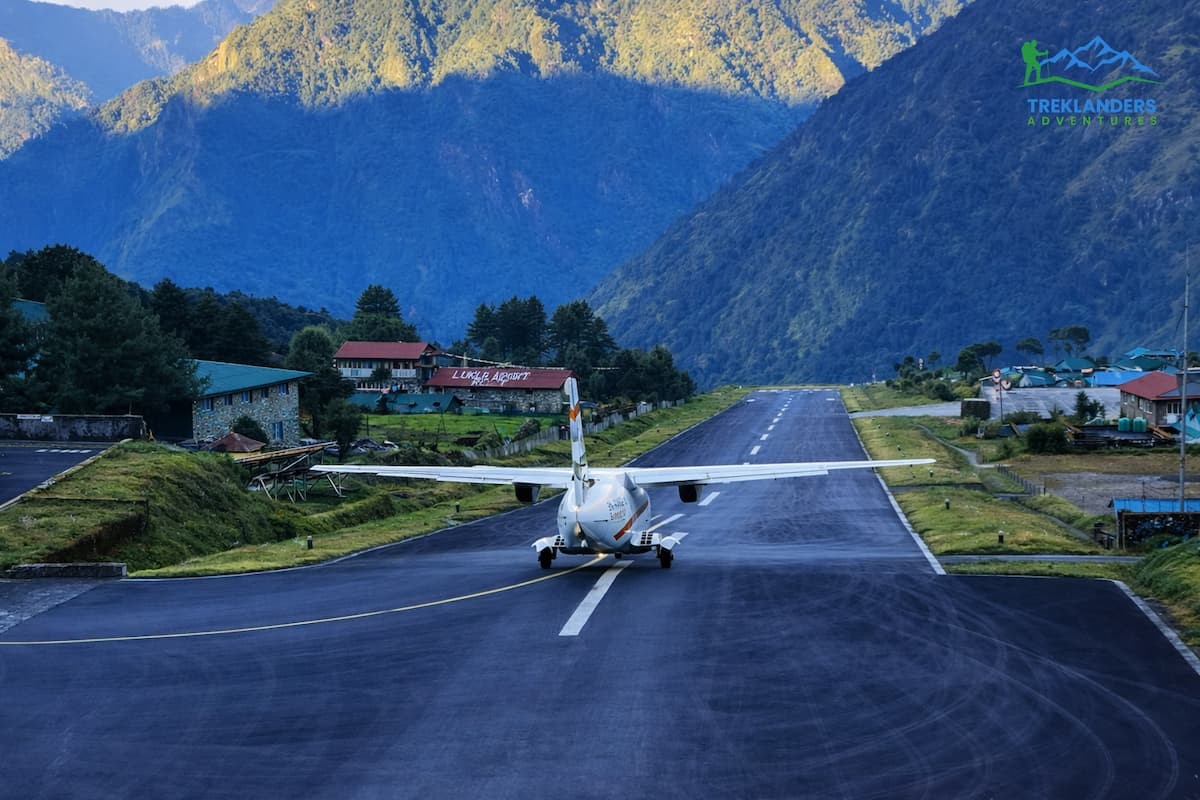
Lukla
Lukla Airport
The trek usually begins in Lukla. Trekkers take a short mountain flight from Kathmandu to reach this small Himalayan town at 2,860 meters. From Lukla, the trail descends toward the Dudh Koshi River valley. On the first day, trekkers walk about 7 to 8 kilometers to reach Phakding. This section takes around three to four hours. The trail passes suspension bridges, small villages, and forested paths. The altitude gain is minimal, which helps trekkers adjust gradually.
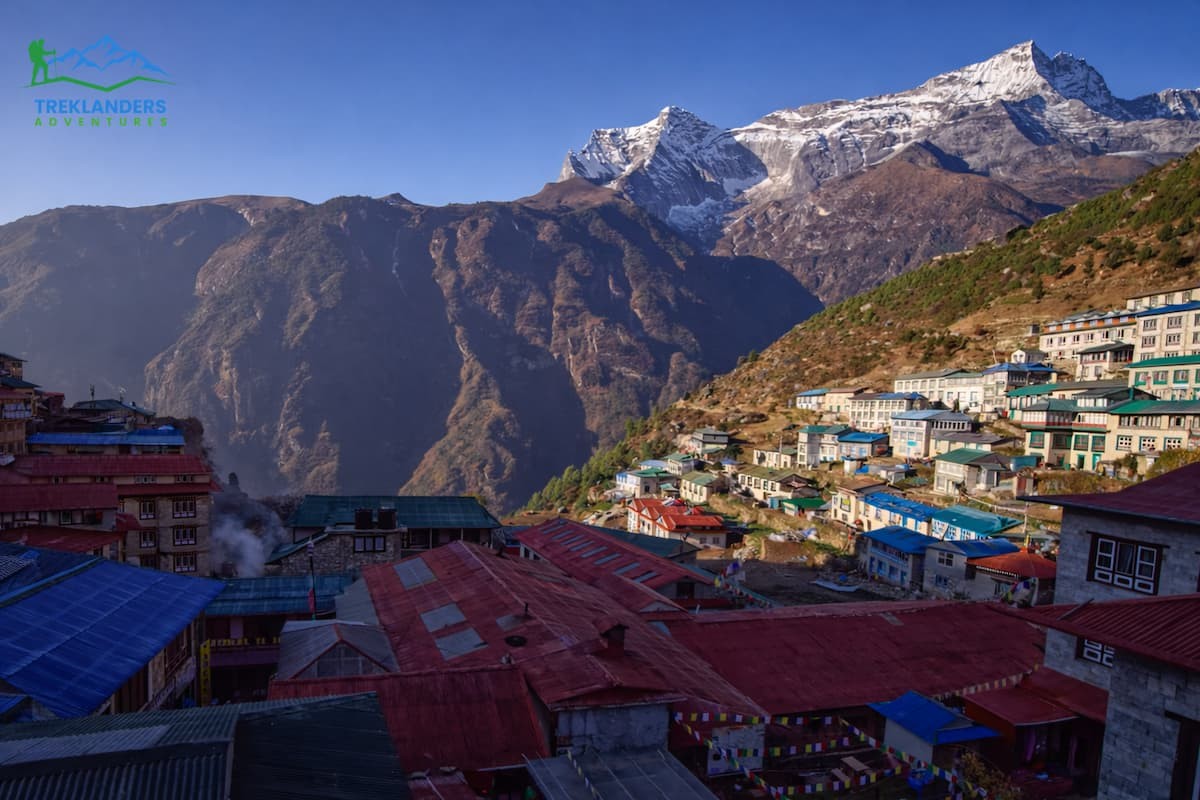
Namche Bazaar
Namche Bazaar
The next major stop is Namche Bazaar at 3,440 meters. Trekkers usually reach Namche on the second day after walking about 10 to 11 kilometers from Phakding. The hike takes around six hours and includes a steady climb through pine forests and across high suspension bridges. Namche Bazaar is the main trading center of the Everest region. Trekkers often spend an extra day here for acclimatization. This rest day helps the body adjust to a higher altitude before continuing the trek.
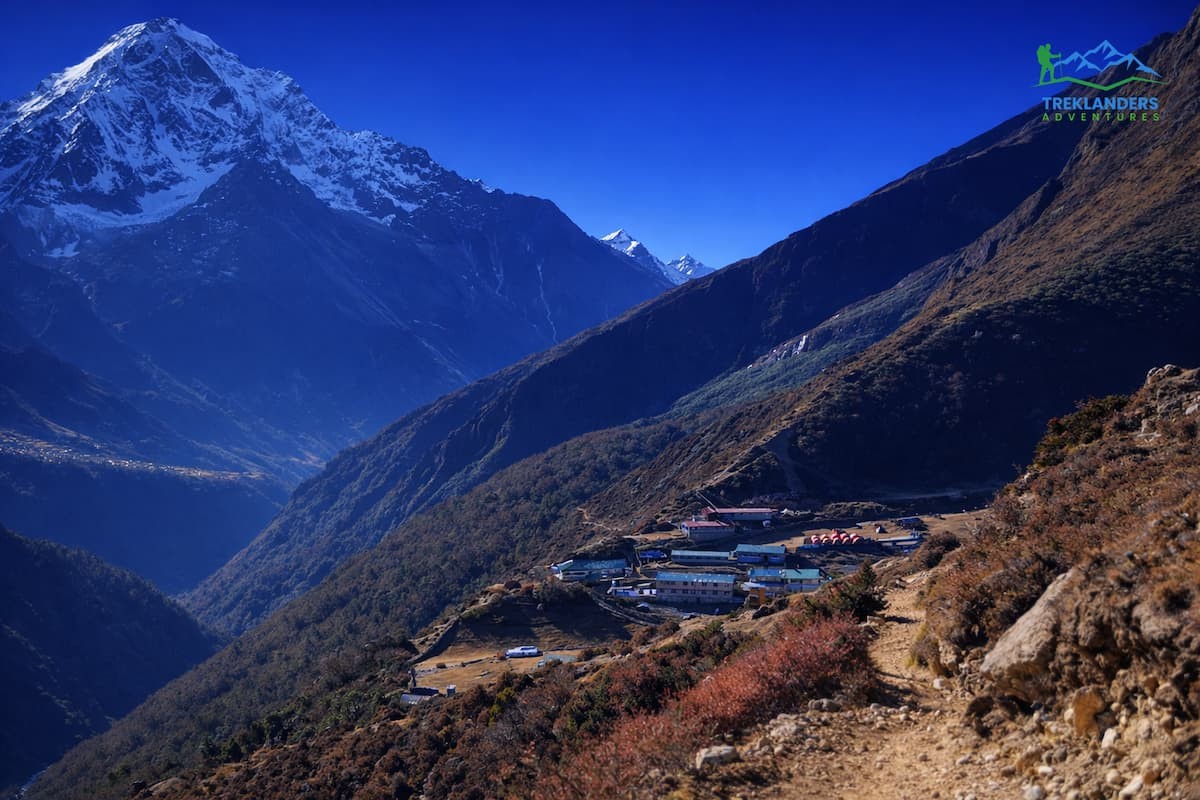
Dole
Dole- Gokyo Lakes Trek
After Namche Bazaar, the trail diverges from the Everest Base Camp route and heads towards the Gokyo Valley. The climbers climb progressively through the small settlements of Mong La and Phortse Thanga before arriving at Dole.
Dole is located at an elevation of about 4,040 meters. The distance for trekking from Namche to Dole is approximately 11 to 12 kilometers. It normally takes six to seven hours of walking to cover this segment. Due to the altitude gain becoming more prominent, the trekkers walk slowly to prevent altitude sickness.
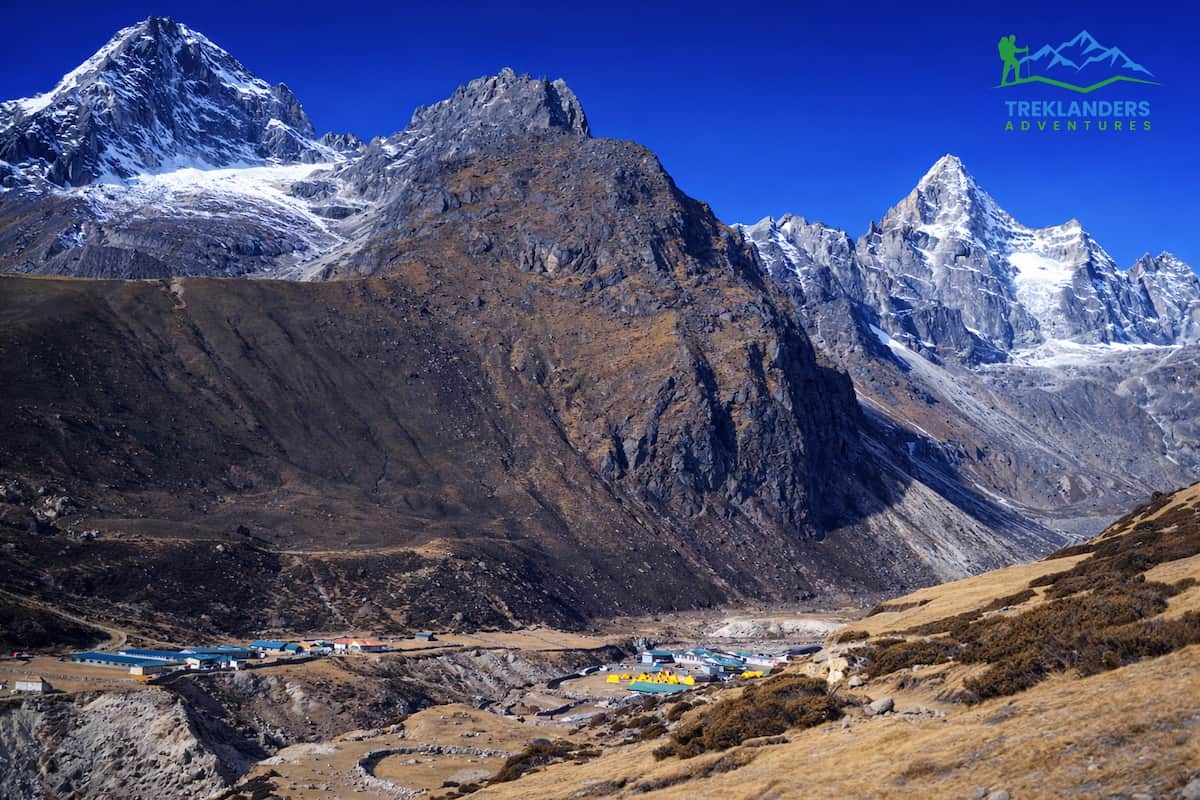
Machhermo
Machhermo- Gokyo Lakes Trek
After Dole, the hiking route goes further up the valley to Machhermo at 4,470 meters. The distance is about 6 to 7 kilometers which takes four to five hours of trekking. This part offers grand mountain views and the open landscapes. Many trekkers spend the night in Machhermo to have extra time for acclimatization before going to the higher elevations.
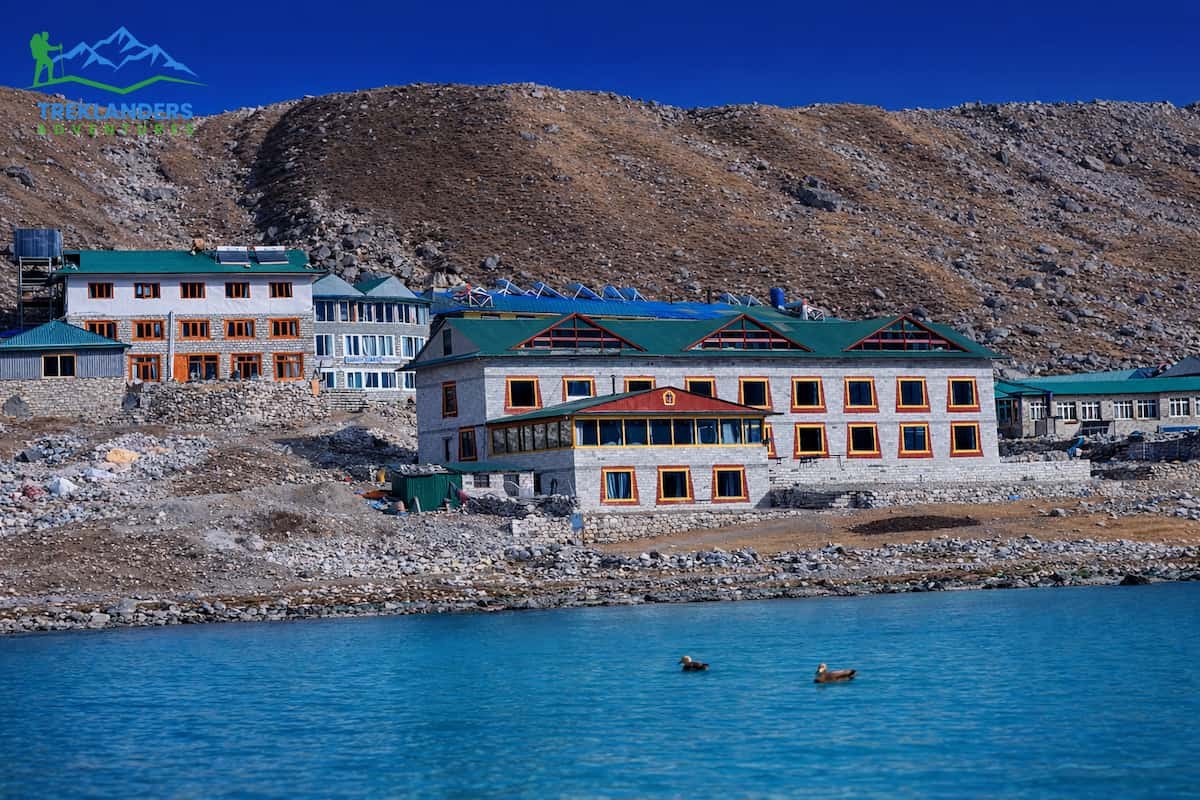
Gokyo Lakes
Gokyo Lake - Everest Region
The ultimate destination of the trek is the stunning Gokyo Lakes located at an altitude of around 4,790 meters. The route from Machhermo to Gokyo is about 7 kilometers and it normally takes four to five hours.
The path rises slowly along the valley and crosses the immense Ngozumpa Glacier. Eventually, the trekkers find themselves at the turquoise lakes and the small village of Gokyo. Many trekkers come from here to hike to Gokyo RI in the early morning and see the Himalayan Mountains from the panoramic viewpoints.
4. Highlights of the Gokyo Lakes Trek in spring
The Gokyo Lakes Trek in spring is one of the best times to see the most beautiful sights in the Everest area. This is a great time of the year to see clear skies, blooming rhododendrons, and easy-to-follow paths, which are all great reasons to go to the mountains, lakes and local culture.
Climb of Gokyo RI
Stunning views of the Everest region mountains and Gokyo Lake from Gokyo Ri.
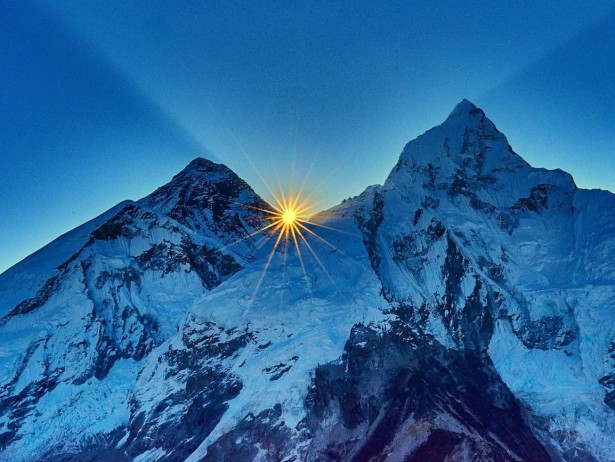
The climb to Gokyo RI is a big reason why people do this trek. Being at the top of 5357 m, Gokyo RI gives you a 360-degree view of the whole Himalayas. Climbers can even spot the world's highest mountain, Mount Everest, along with other gigantic ones such as Cho Oyu, Lhotse, and Makalu. These climbs are done most often at sunrise or in the early morning because the weather is usually good and one can see clear figures of snow-covered peaks and glaciers.
Views of Ngozumpa Glacier
Ngozumpa Glacier- Gokyo Lakes Trek
Passing by the gigantic Ngozumpa Glacier is part of the trek experience. This glacier is over 36 km long and is among the longest in the Himalayas. Being so near the glacier, one can observe the different layers of ice, deep cracks, and other features of the glacier's geology. The glacier scene, along with the turquoise lakes and the mountains, makes a wonderful picture.
Turquoise Lakes and Snowy Peaks
The Gokyo Lakes are most definitely the big draw of the area. The six largest lakes are colored in various shades of turquoise and blue due to the presence of glacial minerals in the water. The snow-capped mountains which enclose the lakes are seen on the still water, creating a magnificent landscape. Spring is perfect to view these beautiful places with rhododendron trees blooming at the lower lakes, their colours contrasting well with the rocky surroundings.
Sherpa Villages and Monasteries
Along the route, the trek leads you into Sherpa villages like Dole, Machhermo, and Gokyo. These villages have teahouses, lodges, and local Buddhist monasteries that portray Sherpa culture. Usually, monasteries have prayer flags and small shrines, where trekkers get a chance to see the spiritual aspect of the region. Meeting Sherpa people opens up a window into the way of life in high-altitude settlements.
Spring on the Gokyo Lakes Trek is a combination of a high-altitude thrill, spectacular scenery, and cultural moments. The clear skies, blossoming forests, turquoise lakes, and the Himalayan views that one gets are the main reasons this route is considered the most rewarding one among Nepal's trekking routes. Going up to Gokyo RI, having a look at the Ngozumpa Glacier, and the serene villages dotted along the trail are the elements that stay in the minds of the trekkers forever.
The Gokyo Lakes Trek in the Everest region is generally rated by some as moderate to challenging. While no technical climbing skills are necessary, you do need stamina and a consistent level of physical effort. Trekkers dedicate several hours each day to walking and achieve heights of over 5,000 meters. Being well-prepared and pacing yourself are factors that allow trekkers to make the trip safely.
Most of the trekking days involve walking for five to seven hours. The distance usually varies from 8 to 12 kilometers depending on the part of the trail. Some days you may have to make slow climbs alongside forests and valleys, while on other days you might have to go on steeper uphill paths.
Slinging bridges, rocky trails, and mountain ridges are typical aspects encountered in the course of the trek. Since the altitude increases little by little as trekkers make their way into the valley, it is crucial not to rush oneself. One of the areas demanding the most physical effort on this route is the ascent to Gokyo RI. This vantage point is at an altitude of approximately 5,357 meters above sea level.
The typical trekker begins the ascent early in the morning from the village close to Gokyo Lakes. The climb uphill will last about two to three hours. Even though the trail is steep, the summit presents hikers with sweeping views of the Himalayas.
Altitude is the primary difficulty of the Gokyo Lakes Trek. The trip starts around 2,860 meters in Lukla and steadily increases to heights over 5,000 meters. The higher the altitude, the thinner the air and the less oxygen it contains. Trekkers may get tired more easily and may have some minor symptoms like headaches or shortness of breath. Walking slowly and taking frequent breaks aids the body in adapting to these conditions.
Also, acclimatization is crucial while on this trek. To help their bodies get used to the altitude, several trekkers decide to stay for an extra day at Namche Bazaar. Resting in villages such as Dole or Machhermo also helps to lessen the risk of getting altitude sickness. Being physically fit will help you to feel comfortable and have fun during the trek. Doing regular walks, hiking or doing cardio exercises before the trip will get you ready for long days on mountainous paths. Besides training, with patience and correct acclimatization, most healthy trekkers can complete the Gokyo Lakes Trek successfully and enjoy its breathtaking views.
6. Accommodation and Teahouse Facilities
Accommodation and Teahouse in Gokyo Lakes
The main lodging option on the Gokyo Lakes Trek is small mountain lodges called teahouses. Located in villages along the trekking route, these lodges offer trekkers simple yet comfortable places to rest. The majority of trekkers, however, spend most of their time in Namche Bazaar, Dole, Machhermo, and in the vicinity of the Gokyo Lakes-based villages.
At each stop, there are several lodges where trekkers can sleep. Teahouse accommodations are mostly basic; however, they are quite sufficient for high-altitude treks. Usually, there are two single beds inside a room equipped with mattresses, pillows, and blankets. Normally, wooden or stone walls help the rooms to be insulated against the cold mountain weather. However, rooms are basic and, as a rule, do not have private bathrooms or heating systems. Bathrooms, which are usually shared with other guests, can be either inside the lodge or in a separate section of the building.
The dining halls are one of the essential aspects of the teahouse visit. These are the main areas where trekkers eat, relax, and warm themselves after a day of walking. In many lodges, there is a central stove burning wood or dried yak dung in the middle of the eating area. This stove helps to keep the place warm during the cold nights, especially at higher elevations. If the weather is pleasant, trekkers will often gather around the stove, sipping tea and chatting with other travelers.
Most teahouses along the trail provide food and drinks. Dining establishments typically have a menu with common trekking dishes such as rice noodles, soups, fried rice, and pasta. Dal bhat, the traditional Nepali food, is among the most favored dishes as it gives stamina for the long trekking days.
Hot drinks like tea, coffee, lemon ginger tea, and hot chocolate are also fairly common. In big villages such as Namche Bazaar, trekkers may get lodges with better facilities. A few places have hot showers, Wi-Fi, and charging stations for electronic gadgets. However, this type of service is reduced as you go higher towards Gokyo.
Generally, the teahouse lodging on the Gokyo Lakes Trek is basic but dependable. The lodges provide warm meals, a bed, and protection from the cold mountainous atmosphere, thus enabling trekkers to rest and be ready for the following day's trek.
7. Food and Drinking Water on the Trail
Food during the Gokyo Lakes Trek is nutritious, light, and packed with sufficient energy to fuel long walking sessions. Most of the meals take place in teahouses that are strategically positioned in villages along the trail. These places provide a menu featuring local Nepali cuisine along with some simple international dishes. Usually, the food is made on the spot and served hot - a necessity considering the chilly mountain environment.
The staple meal for most trekkers is dal bhat. This Nepali meal consists of rice, lentil soup, vegetables, and sometimes pickles. Dal bhat remains a favorite among trekkers as it offers a wholesome blend of carbs and proteins. Most of the time, teahouses allow a second helping of rice and lentils for free, hence it is a trustworthy and hearty meal after a day spent walking.
The countryside is dotted with places selling noodles and soups. The vegetable noodle soup is a popular pick because a hot meal at high altitudes is a necessity. Fried noodles, along with noodle soups, usually have additions of vegetables and occasionally eggs. Such meals dispense warmth and energy, which are very much needed during the cold days in the mountains.
One more favorite among trekkers is the Tibetan bread. This bread is thick and fried a little, which imparts to it a soft inside and a crunchy outside. Tibetan bread is most commonly eaten by hikers for breakfast along with honey, jam, or peanut butter. Sometimes it is also paired with eggs or potatoes. Due to its satiating qualities and simplicity of cooking, many eateries have it on their standard breakfast menus.
Hot beverages are a must-have during trekking, especially when you reach higher altitudes. You will find tea and coffee almost everywhere in the teahouses along the route. Black tea, milk tea, ginger tea, and lemon tea are the most popularly ordered teas. Quite a few trekkers rely on a cup of hot tea to keep themselves warm and hydrated throughout the day.
Water for drinking purposes is available on the trekking route; however, it should always be purified prior to consumption. Trekkers can purchase boiled water from teahouses, which is undoubtedly the safest way. On the other hand, using water purification tablets or liquid drops is quite a common practice as well. Some trekkers go for portable water filters or UV purification devices to treat water from the environment.
Drinking safe water and eating healthy meals provide the necessary nutrients and energy that help trekkers remain fit and healthy during the well-known Gokyo Lakes Trek. Keeping up with proper hydration and having meals regularly are very effective for getting used to the high altitude and finishing the trek comfortably.
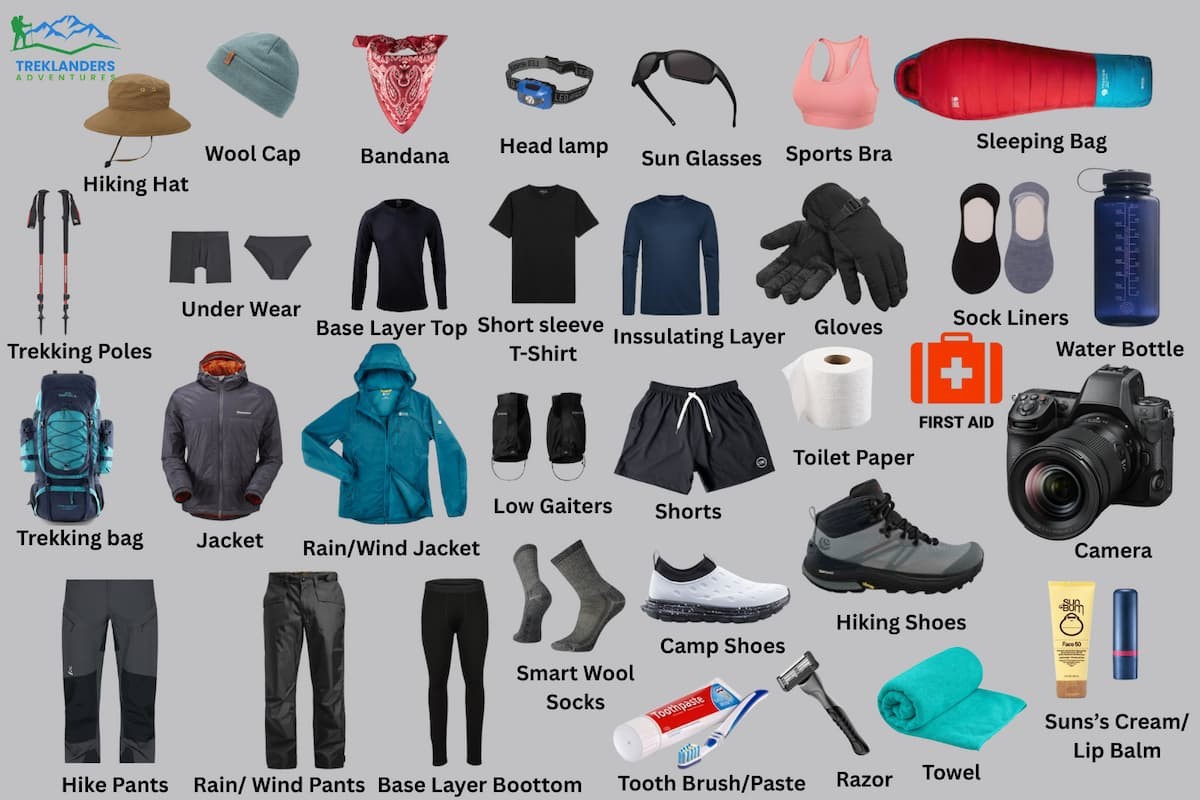
8. What to Pack for a Spring Trek
Packing List for Gokyo Lakes Trek
Packing the right gear is important for a comfortable and safe Gokyo Lakes Trek in spring. The season offers clear skies and stable weather, but temperatures can change quickly with altitude. Trekkers start the journey in lower villages and gradually move to higher areas near Gokyo Lakes, where the air becomes colder and thinner. Proper clothing and equipment help trekkers handle these changing conditions.
Layered clothing works best for trekking in the Himalayas. Temperatures are usually mild during the day but cold in the early morning and evening. Trekkers often wear a light base layer that keeps the body dry, followed by a warm mid-layer such as a fleece or insulated jacket. A windproof or waterproof outer layer protects against cold wind and sudden weather changes. With layers, trekkers can easily add or remove clothing as temperatures change during the day.
A warm jacket is essential for higher elevations. A down or insulated jacket helps retain body heat during cold mornings and nights. Temperatures can drop below freezing in higher villages such as Machhermo and Gokyo. A warm jacket also becomes useful during rest stops and early morning hikes, including the climb to viewpoints above the lakes.
Trekking boots are another essential that should not be overlooked. Sturdy boots that provide good ankle support are a must, as they will enable trekkers to walk comfortably even on rough, rocky, and uneven trails. The Gokyo route features stone paths, steep ascents, and glacier moraines. Boots that are waterproof and have excellent grip not only enhance balance but also minimize the chances of slipping on loose or wet areas. It is advisable to wear the new boots for a few days before the trek to avoid any chance of getting blisters.
Besides these, sunglasses and sunscreen are also indispensable when at high altitudes. The sun is much stronger at high altitudes, plus sunlight gets reflected off snow and ice. Excellent quality sunglasses serve as a shield for the eyes against strong ultraviolet rays. Sunscreen with a higher factor provides a good level of protection against sunburn of exposed skin, especially the face and neck.
It is crucial that you bring a reusable water bottle with you on the trek. When walking for several hours each day, trekkers must ensure that they are drinking enough water to stay hydrated. Water can be bought from the villages, or it can be collected from the natural sources along the trail. But the water should always be treated before drinking it. Most of the hikers carry water purification tablets, drops, or even a small filter to ensure that the water is safe.
When heading out on a spring trek to the Everest region, packing thoughtfully can make all the difference in the level of warmth, safety, and comfort that the trekkers experience during their journey.
9. Tips for a Successful Spring Trek
Gokyo lakes Trek- Everest Region
Spring is widely regarded as the best time of the year for the Gokyo Lakes Trek. However, the right preparations combined with good habits will ensure trekkers have a safe and enjoyable time. Since the trail goes through some of the highest mountains and most isolated villages, the decision to prepare well and be wise can greatly influence the trekking experience.
One of the most beneficial habits for this route is starting the day early. On most days, mornings in the Himalayas give the clearest skies and the most spectacular mountain views. However, clouds tend to gather in the afternoons, especially during the warmer months of spring. Therefore, those who begin their walking early will be able to enjoy the vivid mountain views and reach their next destination before the weather changes in the afternoon.
Additionally, setting aside days for acclimatization is a very good measure to take in order to have a successful trek. The path leads to high elevations step by step, with some parts being above 5,000 meters, such as around Gokyo RI. One can spend some extra days in the villages, for example, Namche Bazaar, where the body has the time and opportunity to get used to the high altitude. Good acclimatization not only decreases the possibility of getting altitude sickness but also keeps the trekkers energized during the course of the trek.
Being well-hydrated is equally a very important factor in high altitude areas. The air is thin at the mountain heights, and due to this, along with physical exertion, trekkers end up losing water through respiration and sweating. Intake of water regularly assists the body in altitude adaptation and is an effective way of avoiding tiredness and headaches. Having a bottle that can be reused and refilling it at the teahouses on the trail is good practice for keeping proper hydration.
During a busy spring trekking season, planning transportation saves a lot of stress. Most trekkers start by flying from Kathmandu to Lukla. Not only is there a low number of flights to Lukla, but it is also quite common for the flights to be disrupted by weather. Since spring is peak trekking season, securing a flight seat by booking early definitely increases your chances.
Walking constantly at a good rhythm and taking short breaks has a good impact on comfort while trekking. In fact, the main purpose is not to rush but to move gradually and at the same time enjoy the view. By taking short rests, one can clearly avoid being worn out and also maintain a pleasurable trekking time.
Keeping it up with these few and simple steps is enough to keep you safe and comfortable while admiring the spectacular scenes of the Everest region in spring.
Conclusion
Gokyo Lake- Everest Region
The Gokyo Lakes Trek during the spring is one of the best ways to see the most beautiful sights of the Everest region. The stable weather, clear sky and comfortable trekking conditions are the major attractions of the season. These factors are responsible for providing trekkers with a vast Himalayan mountain view and the gorgeous Gokyo Valley landscapes.
Apart from this, the visibility of the mountains is one of the most unforgettable aspects of the trek. In fact, from Gokyo RI and other high points throughout the trek, people can see some of the highest peaks in the world. The stunning view shows Mount Everest and Cho Oyu atop the glaciers and valleys. In fact, these views are usually very clear and sharp during spring mornings when the sky remains clear.
Moreover, the season of spring brings colours and new life to the trekking route. For example, the rhododendron forests that grow along the trail's lower sections bloom, and create charming, colorful landscapes with the presence of red, pink and white flowers. These forests that surround many villages not only make the way more desirable but also add the experience of the hills and valleys through which the trekkers travel. These lovely Gokyo Lakes would be a great memory of the trek.
Located in the high mountains, the turquoise chain of glacial lakes reflects the peaks covered with snow. Besides, the peaceful environment around Gokyo Lakes allows the trekkers to enjoy the great outdoors of the Himalayas and restores their senses after the long journey. Most people consider this place to be one of the most spectacular sceneries in Nepal.
The Gokyo Lakes Trek is a great option for people looking for something different from the crowded Everest Base Camp route. Both treks offer breathtaking views of the mountains. However, the Gokyo route is generally a lot less crowded and more serene. In addition to glaciers and high-altitude lakes, trekkers also get to visit old Sherpa villages, and the main Everest trail is a lot less crowded.
With the Himalayas in view, vibrant forests in spring, and serene mountain lakes, the Gokyo Lakes Trek will give you a great time in the Everest region. Mixing nature and culture makes this trek a great option if you are after a Himalayan trip that is rewarding.
7-Day Annapurna Base Camp Trek from Pokhara | 7 days