
Annapurna Circuit Trek Facts: Complete Guide to Route, Altitude, Permits (ACAP/TIMS) & Difficulty
23 Jan 2026
A complete facts guide to the Annapurna Circuit Trek covering route, altitude, Thorong La Pass, permits, and difficulty.



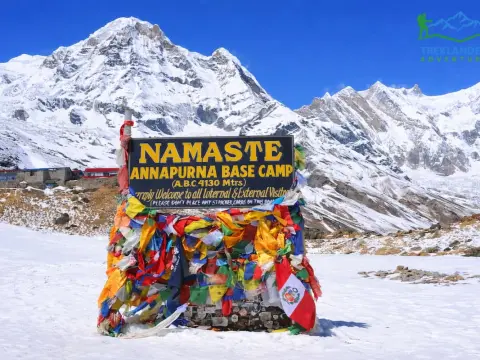
The Annapurna Base Camp (ABC) Trek is a Himalayan adventure in Nepal that perfectly combines stunning mountain scenery, local culture, and the thrill of adventure. At a height of almost 4,130 meters, the trek offers a journey through varied sceneries, such as rich subtropical forests and terraced farmlands to alpine meadows and glacier basins, all flanked by some of the highest peaks in the world. A well-thought-out preparation plus the right gear are the two main factors that will result in a safe, comfortable, and fun-filled time on this splendid trek.
Getting ready for the Annapurna Base Camp Trek certainly goes beyond working out one's body only. Although the footpath is rated moderate difficulty, hikers are advised to start training their stamina by going for a walk, hiking, or doing some cardio workouts regularly at least a few weeks before their trip. Equally important is mental readiness since one can get easily frustrated by bad weather, high-altitude, and long walking days. Knowing the route, the walking time per day, the change in altitude, and the facilities along the trek will help you have a more manageable trek with fewer moments of stress because of unrealistic expectations.

Packing smartly is a major factor in how well your ABC trip turns out. The weather can be very unpredictable in the Annapurna region; hence, wearing layers is the only sensible choice of clothing. A warm down jacket is necessary at the very cold times, like early mornings and nights, and during the day, you can wear lighter clothes that are more breathable. It is a good idea for you to be able to explain to the local people what items each piece of your backpack contains. Proper trekking footwear, a sturdy backpack, and suitable sleeping equipment are the main contributors to your ease and safety when going in the wild. Carrying too much stuff inevitably slows you down; on the contrary, having too few things might result in you getting socked to chilly weather or sudden changes in the weather.
Besides clothing and equipment, a trekker should always bear in mind permits, personal documents, health items, and toiletries. Things like a first-aid box, methods of purifying water, and sun protection are among the most overlooked items, yet they have a significant impact on high-altitude trekking. Since the Annapurna Base Camp Trek goes through very hospitable but remote villages where there are almost none, it is really very important to be well-prepared in advance.
When you properly balance your preparation with a carefully made packing list, the Annapurna Base Camp Trek becomes not only a physical journey but a wonderful and rewarding experience in the Himalayas.

Proper physical conditioning is vital if one is to have a successful Annapurna Base Camp (ABC) Trek, especially if the person has little experience at a high altitude. The trek is rated as moderate, but it still entails long hikes, many ups and downs, and staying at an altitude of more than 3,000 meters for a whole day. If you get into good shape by working on your endurance, strength, and flexibility before the trek, it will be a lot easier and safer for you, and you'll have more fun, too.
Cardiovascular endurance is the single most important part of physical training. This means that one should try very hard to do brisk walking, jogging, cycling, swimming or stair climbing or some other aerobic activity for about 30 to 60 minutes, at least four to five times a week. Hiking with a heavy pack is especially good training because it most closely matches the conditions that you will face on the trek. Your body will get used to the idea of exerting itself physically for days on end if you continuously increase the distance and the intensity of your training.
Besides, you are also going to need strong legs and a stable core if you want to complete the ABC trek comfortably. There are a lot of stone steps on the trail, particularly in Ulleri and Chhomrong, which puts a lot of strain on your knees and thighs. Doing squats, lunges, step-ups, calf raises, and planks will help you build and strengthen the muscles you use most on hikes, so you get less tired. Also, if your core is strong, your balance on rough ground will be better, and the chances of you getting injured will be lower.
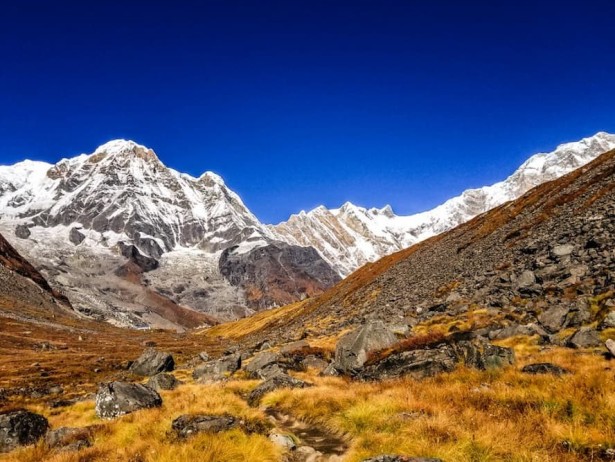
Don't forget about flexibility and mobility. Muscle stretching through yoga or a light mobility exercise can keep muscles loose and prevent sore muscles from over-trekking. A special focus on hips, hamstrings, calves, and lower back will be of great help to trekkers carrying backpacks for a long time.
Besides physical training, mental fitness is also necessary. The ABC trek takes the physical and mental effort continuously for a few days at times in winter/external weather conditions. Keeping a steady pace while walking, breathing deeply and controlled, and raising spirits will help cope with fatigue and problems caused by the altitude.
On top of the fitness training, acclimatization is very important. The most effective way is to go slow, keep your water intake up and give your body time to adapt to the different altitude levels during the trek itself. Starting a regular fitness routine 68 weeks before you leave for the trek, the majority of people can confidently and comfortably do the Annapurna Base Camp Trek.

Finding the most suitable time to trek is one of the major components of proper planning for the Annapurna Base Camp (ABC) Trek. This is because the weather, in addition to having a strong impact on the safety of the trail, also influences the visibility of the trail and the overall comfort level of a trekker. There are four separate seasons in the Annapurna region, and each one offers different types of trekking experiences. Being aware of these seasonal changes will allow a trekker to acquire suitable clothing and equipment and prepare himself/herself both physically and mentally.
The most favorable period to embark on a trek to Annapurna Base Camp would be during the two main seasons of spring (March to May) and autumn (September to November). The spring season is frequently chosen by people because of its moderate temperature, weather stability, and flowering of rhododendron, which colours the path vibrantly. The temperatures during the day are nice and comfortable for walking, whereas the nights are a little cold but not too bad if one has good insulation. On quiet mornings, one can expect to have a very good view of the mountains, which therefore makes springtime very suitable for taking pictures and is a great time for beginners to give it a try.
The fall season is regarded as the main trekking time of the year for the ABC trek. The monsoon rains have washed away the dust and cleared the haze, and the skies are now neat, blue, and can offer stunning views of Annapurna I, Machhapuchhre, and the neighboring peaks. Usually, the weather is nice and calm, with the ground being dry and the temperature during the day being neither too hot nor too cold. Since the nights can be very cold at the higher altitudes, the use of warm clothes cannot be overemphasized; however, apart from that, the conditions for trekking are very good.
The monsoon season (June to August) is the time when the lower areas experience heavy downpours. Paths may get muddy, slick, and leeches will attend the forests. From time to time, clouds hide the mountains, and there might be landslides. The vegetation is fresh and green, but monsoon trekking entails real care, rainwear, and making plans that are not too tight.
Winter (December to February) is when you get deserted paths and gorgeous snow-covered sceneries, but temperatures fall very low, especially during the night. The snow at the top may cause parts of the path to be very difficult or even impossible. Winter hiking is for trekkers who are well-equipped with the necessary gear to keep warm and who have some experience in trekking at high altitudes.
Smart ABC trek preparation involves finding out about local weather for each season, bringing clothes that match the temperatures you will face, and being willing to change your plans. In the mountains, no matter what season you are in, the weather is always prone to rapid changes. If you take the necessary measures against cold, rain, and temperature changes, you will have a safer and more pleasant Annapurna Base Camp trekking experience.
One major thing that packing smartly happens to be your best step in preparation for the Annapurna Base Camp (ABC) Trek. ABC trek has multiple days of walking at different altitudes and weather changes along the route, so packing only the necessary stuff is very helpful in keeping you comfortable, safe, and energized. To keep up your energy levels, you can have a lightweight but comprehensive packing list that ensures you can't be caught off-guard without putting too much weight on your back while walking.
Clothing essentials should be planned in layers so that one can easily adjust to temperature variations. First, pack base layers that dry fast and don't stick to the skin for daytime trekking; second, add warm mid-layers like fleece or a light down jacket; and third, top it with a waterproof and windproof shell to keep rain, wind, and cold out. Also, trekking pants, thermal underwear, warm gloves, a woolen hat, and a sun hat are must-haves. An excellent down jacket is indispensable for cold mornings and nights at higher altitudes such as Machhapuchhre Base Camp and Annapurna Base Camp.
Footwear and accessories are the key to comfortable trekking. You need to have a pair of tough, yet comfortable trekking boots, which you have already worn enough to be sure they won't give you blisters, and that give you good ankle support. Along with that, warm hiking socks, gaiters (if you are going through snow or rain), and lightweight sandals or camp shoes for evenings should be your other gear components. Trekking poles are a great help, especially while going down, and thus highly recommended as they take the load off your knees.
For gear and equipment, a comfy backpack (40-50 liters) with a rain cover would be great. A sleeping bag with a temperature rating below zero is a must, particularly if hiking during the cold season. Alongside these items, a headlamp with a spare set of batteries, reusable water bottles or a hydration bladder, and water purification tablets or filters are things you'd want not to forget. Because of the strong mountain sunlight, sunglasses with UV protection and sunscreen are also necessary.
Don't neglect the personal stuff and health supplies. Bring along basic toiletries, a quick-dry towel, wet wipes, and hand sanitizer for your convenience. A small first aid kit including your personal medication, blister care, pain relief, and medicine for altitude sickness is a must. Lip balm and moisturizer are great to keep your skin from drying out due to cold air and wind.
At last, have your documents and valuables hidden to avoid getting lost or stolen. You should have trekking permits, copies of your passport, travel insurance details, some cash, and a phone or camera with you. By limiting your focus to necessities only, the Annapurna Base Camp Trek turns into a lighter, safer, and thus, much more fun experience.

One of the biggest factors in getting ready for the Annapurna Base Camp (ABC) Trek is wearing the right clothes because the temperature can vary greatly from early mornings, during the day, and at high-altitude evenings. Layering clothes is the best way to keep warm since it gives the trekkers the ability to change their clothes as per the weather, altitude, and level of activity. This system consists of three major layers: the base layer, the mid-layer, and the outer layer, and each has its own function.
The base layer is the first layer of skin, and its main function is to keep the skin dry at all times by absorbing the moisture of the sweat. Therefore, materials like merino wool and synthetic fabrics are great choices since they dry fast and, at the same time, help keep the body warm. Cotton is to be avoided because it becomes wet and can give you a cold during cold mornings or at high altitudes. While trekking in the Annapurna area, a base layer of long-sleeve tops and thermal leggings will help a lot in protecting against cold air and wind.
The mid-layer, the layer between the base layer and the outer shell, is responsible for the insulation, keeping the body warm by trapping the heat. People use fleece jackets, light down jackets, or insulated vests for this purpose. The mid-layer is especially necessary at the beginning of a hike in the morning, for the higher parts of the altitude, and in the cold evening. It should be light, compressible, and easily adjustable according to temperature variation, thus guaranteeing comfort without limiting movement.
The outermost layer functions as a barrier against natural elements like wind, rain, and snow. Jackets and trousers that are waterproof and windproof with breathable membranes are the best way to stay dry and, at the same time, allow for sweat to be released. Features such as adjustable hoods, cuffs, and ventilation zippers make the garment more functional and adaptable in an unpredictable weather scenario. This layer is your weather protection during storms and at wind exposure times at high-altitude, thus avoiding heat loss and giving the trekkers the proper safety and comfort.
Other clothing considerations are adequate socks and gloves for warmth and comfort, as well as hats for sun protection at the lower parts and as insulation at the higher parts. Following this complete layering system, the hikers will be able to keep their body temperature steady, be flexible in a rapidly changing mountain environment, and safely and comfortably admire the stunning landscapes of the Annapurna region.

Selecting the appropriate footwear and carrying the right trekking gear play a major role in ensuring a safe and enjoyable journey in the Annapurna Base Camp (ABC) Trek. The path traverses’ different types of terrain, such as stone steps, rocky trails, and muddy areas; hence, having the right gear will not only make your hike more comfortable but also lessen the chance of you getting hurt. Of all the gear, footwear comes first, for it is the one that supports your feet and ankles during the whole trek.
A pair of tough trekking boots capable of holding your ankles and having a hard sole would be the most basic requirement. You have to make sure that you will use the boots several times before the trek to get used to them and prevent blisters and discomfort. It would be wonderful if you brought waterproof or water-resistant boots because the trail may have wet or snowy patches. Trekking shoes that provide flexibility and grip on uneven surfaces are suitable for lower altitudes or less challenging sections, while insulated boots can be helpful for colder parts of the trail. Trekking socks that absorb moisture from the skin are the best choice as they will not only keep your feet dry and warm but also protect them from blisters. It is better if you carry some extra pairs so that you can have a change whenever the socks become wet or sweaty.
Trekking poles are a must-have for the ABC trek. They help to lessen the pressure on your knees, especially when going downhill steeply, like in Ulleri and Chhomrong, and assist in maintaining balance on slippery or uneven surfaces. Poles that can be adjusted and folded for storage are the most convenient. A good-quality backpack in the 40 to 50-litre range is ample to carry the necessities such as water, snacks, extra clothes, and personal stuff. The backpack should have a decent harness system, cushioned straps, and, if possible, a rain cover for sudden shower protection.
Besides, a headlamp with spare batteries is a must-have item to bring along, particularly when you are starting your trek very early or finishing late at the lodges. A water bottle or a hydration system is essential to ensure proper hydration, and water purification tablets or a portable filter come in handy when refilling from natural sources. Sunglasses with UV protection are necessary for the sun at high altitudes, and a sun hat helps prevent sunburn during long hours of walking.
Getting the proper footwear and trekking equipment is the key to safe, comfortable, and well-prepared trekking despite the changes in the trail conditions. Equipped with the right gear, hikers can get lost in the beauty of the Annapurna region, hence the trip to Annapurna Base Camp turns out to be a memorable and beautiful experience.

A well-structured backpack, proper sleeping equipment, and the necessary accessories play a major role in making the Annapurna Base Camp (ABC) Trek comfortable and safe. As the trekkers take with them the stuff for several days, packing smartly and choosing the right quality gear can totally change the level of the ABC trekking experience.
The backpack is basically your entire trekking setup. A backpack with a volume of 40-50 liters would be just right for the ABC trek - enough space for a few changes of clothes, personal items, water, and snacks but not too heavy. Make sure to buy a backpack with padded shoulder straps, an adjustable harness, and a supportive waist belt to help distribute the weight evenly and minimize the pressure on your back. Besides, a rain cover or a waterproof backpack is a must-have as the Annapurna region is prone to sudden showers. Furthermore, internal compartments or packing cubes can be used to neatly arrange the gear for quick access.
The sleeping gear is the next very important point, especially in terms of high-altitude nights when the temperature goes down drastically. A small sleeping bag that is rated for below zero temperatures will keep you warm during the cold nights in teahouses or lodges. Additionally, ultralight, packable sleeping pads can provide more warmth and coziness when you sleep on a thin mattress. For some trekkers, the option of bringing a sleeping bag liner may be to have extra warmth as well as maintain hygiene.
Accessories not only enhance comfort but also elevate safety on the trail. For instance, a headlamp along with a couple of sets of batteries is a must-have if you plan to start your hike early in the morning or get back late to the lodge. To keep yourself hydrated, you should have reusable water bottles or hydration bladders at your disposal, and in case you refill from streams or taps, you can resort to water purification tablets or portable filters for a safe solution. Sunglasses equipped with proper UV protection are a very good investment to protect your eyes from the glare of a high mountain, and a sunhat or a cap will protect your face during the day time trekking.
Personal comfort and safety can be greatly increased with items like trekking poles, a multi-tool, and a small first-aid kit. In addition, a lightweight travel towel, wet wipes, and a small toiletry kit are good to have to ensure hygiene on the trail.
Selecting sleeping gear wisely, properly packing your backpack, and bringing along some key accessories will certainly minimize your stress level, maximize comfort, and enable you to better take in the incredible landscapes and rich cultural experiences on the Annapurna Base Camp Trek. If you prepare well, your trip will not only be safe but also a really great and fun experience from beginning to end.
Going on the trek to Annapurna Base Camp (ABC) involves getting the right permits and strictly following the rules laid out by the Annapurna Conservation Area Project (ACAP). If you figure out the requirements before the trek, it guarantees your journey will be without complications and at the same time, you will help to preserve the delicate Himalaya environment. It is a must for all trekkers, whether local or international, to have the right papers and to abide by the local regulations.
The main permits necessary for the ABC hike are the Annapurna Conservation Area Permit (ACAP) and the Trekkers Information Management System (TIMS) card. The ACAP permit is the one that gives the right to enter the Annapurna Conservation Area by the Department of National Parks and Wildlife Conservation, which controls the entire hiking route from Nayapul to Annapurna Base Camp. The TIMS card is a monitoring system for trekkers in Nepal that is meant to enhance safety on one hand and, on the other hand, help the authorities to keep track of tourism activities. If you like, you can get both permits in Kathmandu and Pokhara or at the official check-posts before entering the trekking area. You will need a couple of passport copies and passport-size photos for the formalities.
The trekking laws focus on protecting the environment and the starting point of responsible tourism. Pollution by garbage, use of fire for heating or cooking in the open, and cutting of trees or plants are some ways that the law has put a stop to. Trekkers are advised to install showrooms of eco-friendly toilets, use reusable water bottles, and responsibly handle the waste. The teahouses and lodges accommodation on the route is controlled to make sure that the tourism is sustainable, and trekkers should be considerate of the local customs and traditions in the villages they visit.
Besides permits, trekkers should have on them their personal essential documents, such as a passport, travel insurance details, emergency contact numbers, and permit copies. One should take a travel insurance policy that will cover them for high-altitude trekking and also emergency evacuation, because there are only a few medical facilities along the trail, and in case of an emergency, a helicopter rescue will be the only option.
Learning and keeping to trekking regulations not only guarantee a legitimate and trouble-free journey but also plays a part in helping the Annapurna area's nature and cultural heritage to be preserved. Doing the right thing, i.e. having the right documents, following the rules, and engaging in responsible trekking practices, visitors will be able to see the spectacular scenery, towering Himalayan peaks, and the vibrant local culture. At the same time, they will be helping in the preservation of this world-renowned trekking area.
Maintaining good health and ensuring readiness for emergencies cannot be overemphasized while trekking to Annapurna Base Camp (ABC). The trail goes through remote settlements and high-altitude stretches. A thorough preparation will enable a trekker to handle minor injuries, illnesses, or altitude problems without the trek being disrupted, thus also helping the trekker to stay safe while appreciating the gorgeous Himalayan landscape.
One of the most critical health issues when trekking in the ABC is altitude sickness, also known as acute mountain sickness (AMS). The sickness happens if the body fails to adapt quickly enough to less oxygen being available at a higher altitude. Usually, the symptoms show up above 2,500 meters. They are headache, nausea, dizziness, tiredness, and shortness of breath. In the worst instances, the illness may lead to high-altitude pulmonary edema (HAPE) or high-altitude cerebral edema (HACE), both of which require an emergency. Simple measures that help avoid the illness include a slow ascent, rest days, sufficient hydration, abstaining from alcohol, and maintaining a steady, easy pace. Some hikers opt to bring medically prescribed drugs such as acetazolamide to lower the chance of AMS; however, it is important that these drugs are taken only when following a doctor's instructions.
It is a good idea to carry a well-equipped first aid kit that is well-equipped so that a trekker can be able to take care of issues that might arise from trekking, such as blisters, minor cuts, cramps, and stomach upsets. Some of the necessary things are bandages, antiseptic wipes, pain killers, anti-inflammatory drugs, blister plasters, and any other prescriptions that the individual requires. Using a pair of trekking poles along with wearing proper shoes can be helpful in alleviating stress on the knees and thus can prevent injuries during steep ascents and descents.

Generally, staying healthy on the trek entails having a good diet, staying hydrated, and adhering to proper hygiene. One can avoid dehydration and get rid of bacteria causing diseases in water by consuming enough water and using water purification tablets or filters. Consuming regular and balanced meals supplies the energy required for long walking days. Doing hand hygiene and having hand sanitizer reduce the chances of getting infections.
It is highly advised to have travel insurance that covers high-altitude trekking and emergency evacuation because healthcare facilities are very limited along the trail, and in case of emergencies, a helicopter rescue might be necessary. Additionally, trekkers should have emergency contact numbers and a map of medical posts along the route.
In short, an understanding of the risks, a well-prepared first-aid kit, constant altitude sickness monitoring, and maintenance of general health will help trekkers find the Annapurna Base Camp trail safe and comfortable for navigation. With proper preparation, it is possible for hikers to enjoy the stunning landscapes and cultural experiences of this world-famous Himalayan trek without worries.
Proper nutrition and hydration are vital components for a safe and pleasant Annapurna Base Camp (ABC) Trek. Trekking at high altitudes demands continuous energy supply and due diligence to hydration. Besides the exertion of muscle, the body suffers from cold and less oxygen, so food and water should be planned as per the needs of such conditions.
During the ABC trek, the body consumes a lot more energy than usual because the physiological and environmental conditions at high altitude make the body work harder to keep warm and get sufficient oxygen. It is advisable that the diet should be mainly based on carbohydrates, which are the most efficient and fastest energy source. Teahouses offer meals like dal Bhat (rice and lentils), rice, noodles, potatoes, and porridge that are turned into energizers by the addition of vitamins, minerals, and spices. Snacks, including energy bars, nuts, chocolate, and dried fruits, are excellent ways to keep blood sugar levels steady and provide immediate energy during breaks.
Moreover, hydration should not be overlooked. At higher altitudes, the body's water loss occurs at an accelerated pace because of increased respiration and dry mountain air. Drinking small quantities more frequently is way better than gulping down a lot at once. At least 2-3 liters of water should be taken in daily, and this quantity might get even higher if one is physically active or it is a hot day. It is a good idea to carry water in a refillable bottle or hydration bladder and, if necessary, use water purification methods such as chlorine tablets, iodine tablets, or portable filters to make water from streams or taps safe to drink.
Caffeine and alcohol are best limited, as they can cause dehydration or interfere with acclimatization. Furthermore, meal-time hygiene is a must to avoid intestinal diseases. Hands should be washed with soap or sanitizer before meals, and the use of clean utensils is another way to lower infection risk.
Trekking at higher altitudes also means carrying your own snacks, like instant soups or energy gels, which are light and provide instant nutrition if you cannot rely on the teahouse options. Being careful about both the quality and quantity of what you eat and drink not only keeps you energized but also reduces the feeling of tiredness and helps your body to acclimatize.
If trekkers adhere to these food, water, and hydration guidelines, they will stay in great shape, avoid problems related to altitude, and have a fantastic time among the stunning scenery and local culture of the Annapurna Base Camp Trek without sacrificing either their safety or level of energy.
| Category | What Not to Pack | Smart Weight Management Tips |
| Clothing | Excess casual clothes, heavy jackets, too many pairs of shoes | Stick to versatile, quick-dry clothing; use layering system to minimize items |
| Footwear | Multiple heavy boots, slippers that aren’t compact | Carry only one sturdy pair of trekking boots and lightweight sandals for evenings |
| Gear | Bulky electronics, unnecessary gadgets | Limit electronics to essentials (phone, camera, power bank); share group gear if possible |
| Toiletries | Large bottles of shampoo, conditioner, or lotion | Use travel-sized containers; focus on essential hygiene items only |
| Food & Snacks | Excess packaged snacks or heavy foods | Carry lightweight, high-energy snacks; rely on teahouse meals for main meals |
| Accessories | Heavy books, multiple unnecessary accessories | Bring a small guidebook or digital version; prioritize functional accessories |
| Documents | Extra copies of non-essential papers | Only carry passport, permits, travel insurance, and emergency contacts |
| General | Anything “just in case” that duplicates essentials | Prioritize multipurpose items; pack only what will be used daily |
| Backpack | Oversized or unorganized pack | Choose 40–50L pack with compartments; use packing cubes or stuff sacks to stay organized |
| Water & Hydration | Heavy pre-filled bottles | Carry empty bottles or hydration bladder; refill and purify water along the trail |

Proper planning and packing are paramount if you want to have a safe, comfortable, and enjoyable Annapurna Base Camp (ABC) Trek. Getting your body physically fit and learning about weather changes during seasonal variations are just two ways of planning for your trek.
Choosing suitable cotton wear, proper shoes, gear, and accessories are all preparations that help make your trekking experience a pleasant one. Being health-conscious, getting enough rest, and staying hydrated will give your body the strength to walk for long hours and also help deal with the altitude situation.
Knowing how to pack your stuff well and not carrying too many unnecessary things will help you to reduce weariness and make your trek more enjoyable. If you carry the right permits and other necessary documents, as well as observe the rules for trekking that you will be doing, you will demonstrate responsible tourism. Besides, you will be helping to preserve the delicate ecosystem, cultural heritage, and local traditions of the Annapurna region.
Wise preparation results in being able to safely negotiate the trail, having the flexibility to cope with changing weather, and most of all, being able to enjoy the stunning scenery of impressive mountains and the exciting local culture to the fullest.
In fact, thorough preparations enable one to concentrate fully on the adventure without worrying about discomfort or unexpected problems. The trek to ABC, with thorough planning, prudent packing, and the right level of fitness, can be not just a trekking journey but also a realization of a dream, witnessing mother nature in all her grandeur, meeting different cultures, and self-fulfillment.
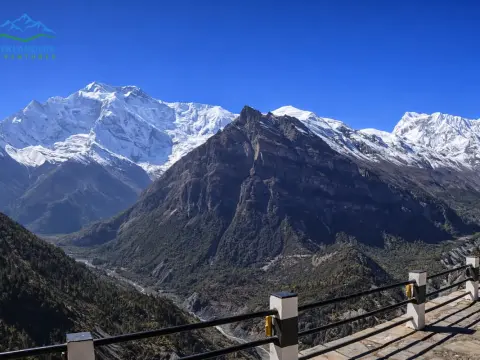
A complete facts guide to the Annapurna Circuit Trek covering route, altitude, Thorong La Pass, permits, and difficulty.

Discover the Manaslu Region’s cultural heritage, shaped by Tibetan Buddhism, sacred valleys, and timeless Himalayan village life.
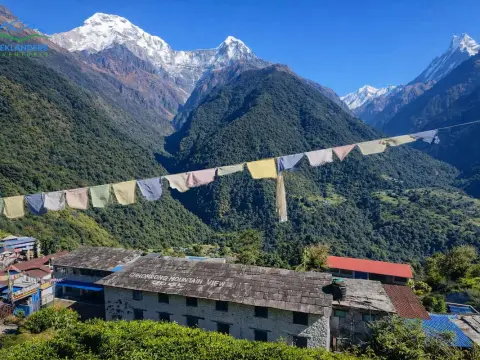
The Annapurna Base Camp Trek blends Himalayan history, sacred Machhapuchhre, and rich Gurung heritage into one cultural journey.



