
Manaslu Trek Facts: Complete Guide to Routes, Permits, Altitude, Culture & Preparation
19 Jan 2026
A comprehensive guide to Manaslu trekking facts covering routes, permits, altitude, culture, difficulty, seasons, and preparation.

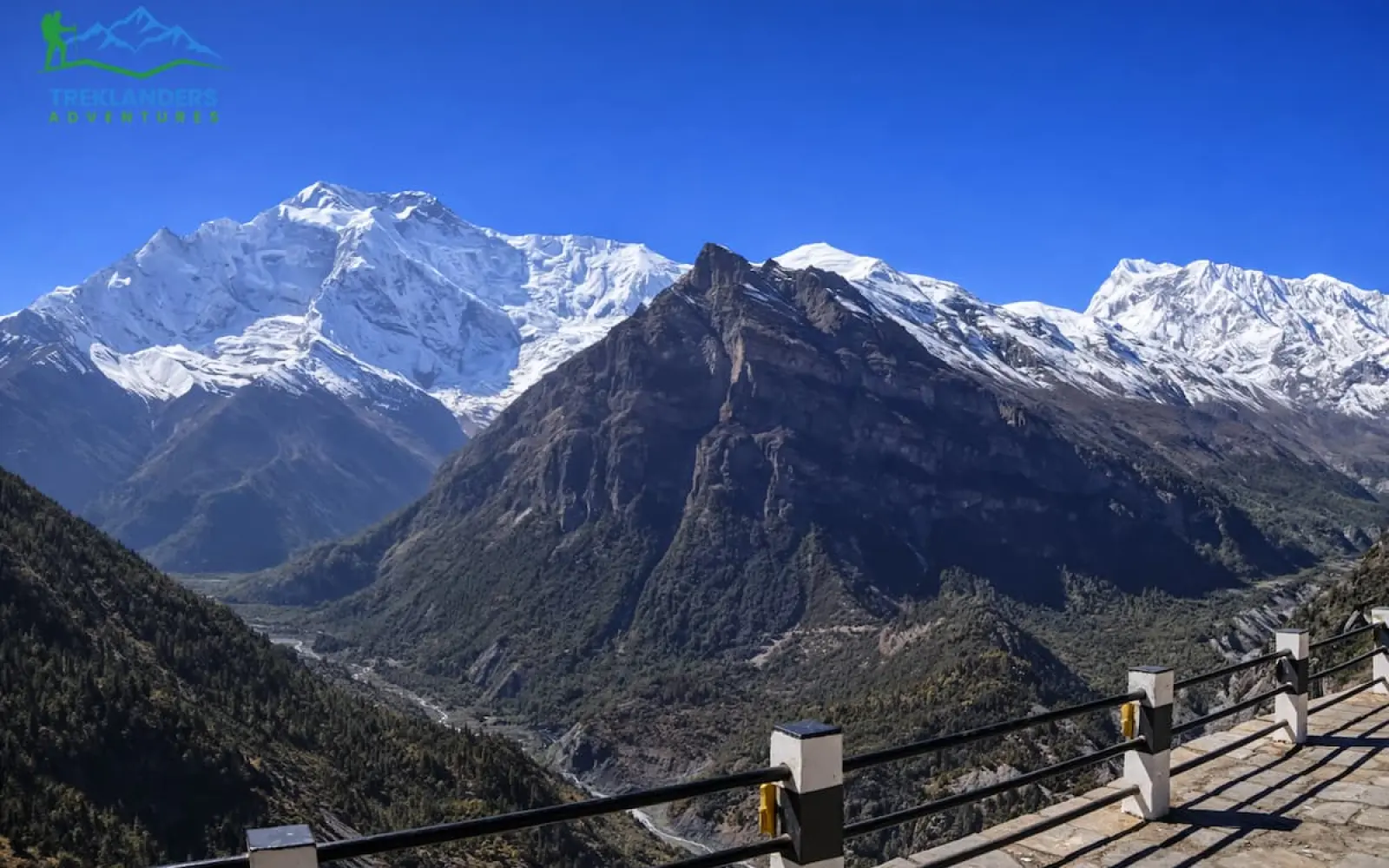
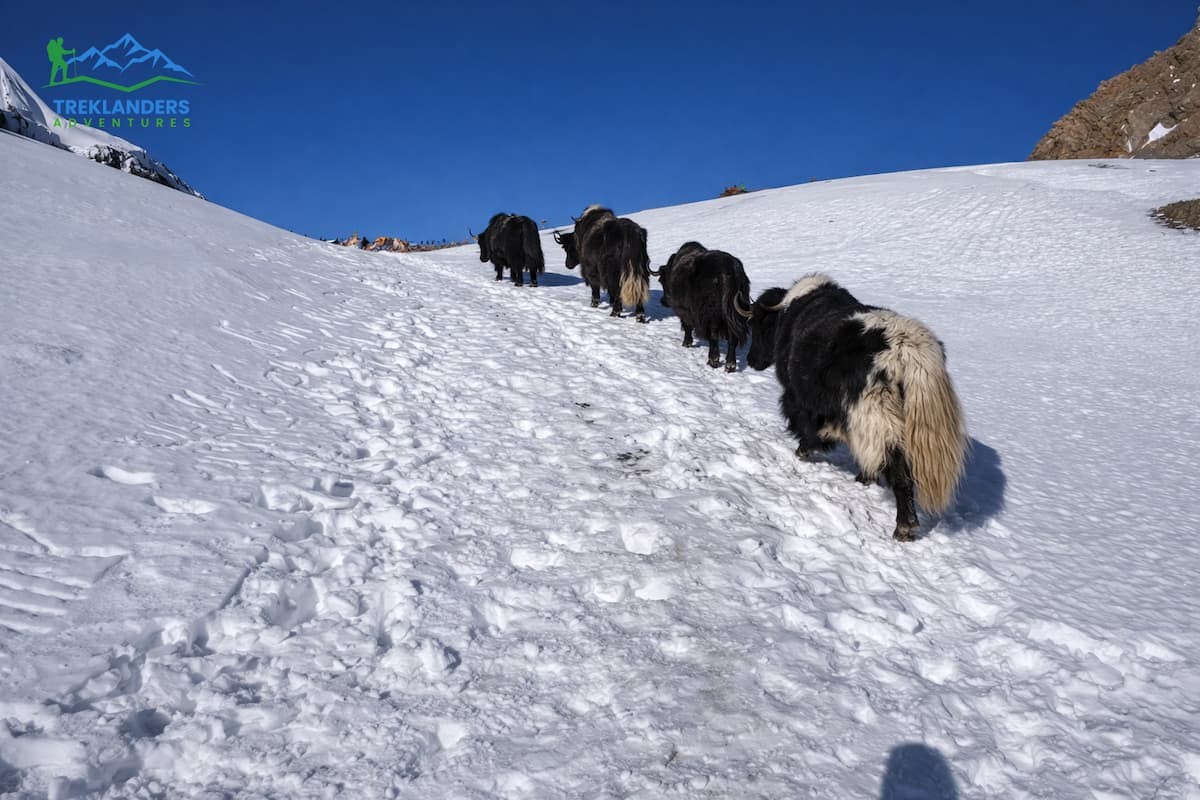
The Annapurna Circuit Trek is a legendary, long-distance trekking path in Nepal, famous for its great variety of views, cultures, and high-altitude trekking adventure. Running around the Annapurna Massif in the central part of Nepal, the trek initially takes you through subtropical river valleys and terraced farmlands and then goes up to alpine forests, high mountain deserts, and magnificent Himalayan passes. There are hardly any other treks in the world that can offer a change of scenery, climate, and culture as complete as the Annapurna Circuit within one single journey, and that is the reason why the Annapurna Circuit keeps on being a favorite of trekkers from all over the world.
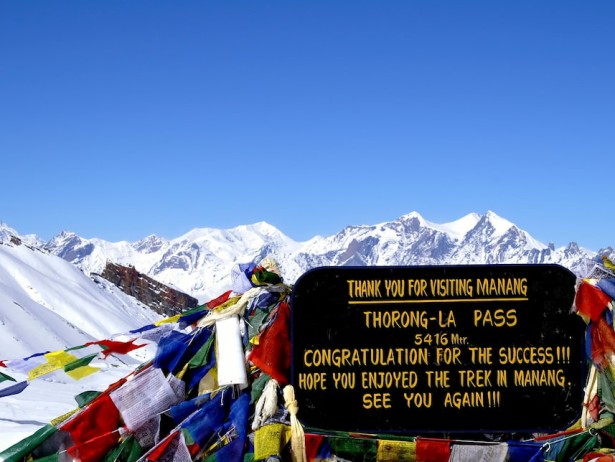
This book, Annapurna Circuit Trek Facts: Complete Guide to Route, Altitude, Permits & Difficulty, aims to clearly, practically, and truthfully inform those who intend to do this classic Himalayan trek. Most travelers associate the Annapurna Circuit with its legendary high point, Thorong La Pass (5, 416 m / 17, 769 ft), but the trek involves much more than a single pass crossing: it is a continuous journey through Gurung, Thakali, and Manangi villages, ancient monasteries, prayer wheels, and trade routes which have connected mountain communities for hundreds of years.
The gradual yet substantial altitude gain is one of the primary characteristics of the Annapurna Circuit. The trekkers go up step by step over many days, thus the best acclimatization can be obtained before the high pass is reached. Knowing altitude, daily elevation changes, and rest days is very important for both safety and fun.
Though the trail is non-technical and mountaineering skills are not required, the trek calls for a good level of physical fitness, mental toughness, and thorough preparation because of the long walking days, changing weather, and high altitudes.
When it comes to the Annapurna Circuit, one of the critical factors is logistics. The trek has to be done with the permit; the teahouse system is very well established, and following the seasonal conditions is a must. Some parts of the trek have been shortened by road access, but the main trekking experience has not been changed, especially for those walking the alternative footpaths. If you are aware of which route option to take, when to do the trek, and the level of difficulty of each section, it will greatly enhance your experience.
This guide walks you through the essential facts of the Annapurna Circuit trek, such as route variations, altitude challenges, permit requirements, cultural highlights, and difficulty level, with the aim that you will be helped to make informed decisions and get well-prepared. Whether it is your first time trekking in the Himalayas or you are a seasoned hiker looking for a classic adventure, the Annapurna Circuit is a well-worth challenge that will give you an unforgettable journey deep in the Nepal Himalaya.
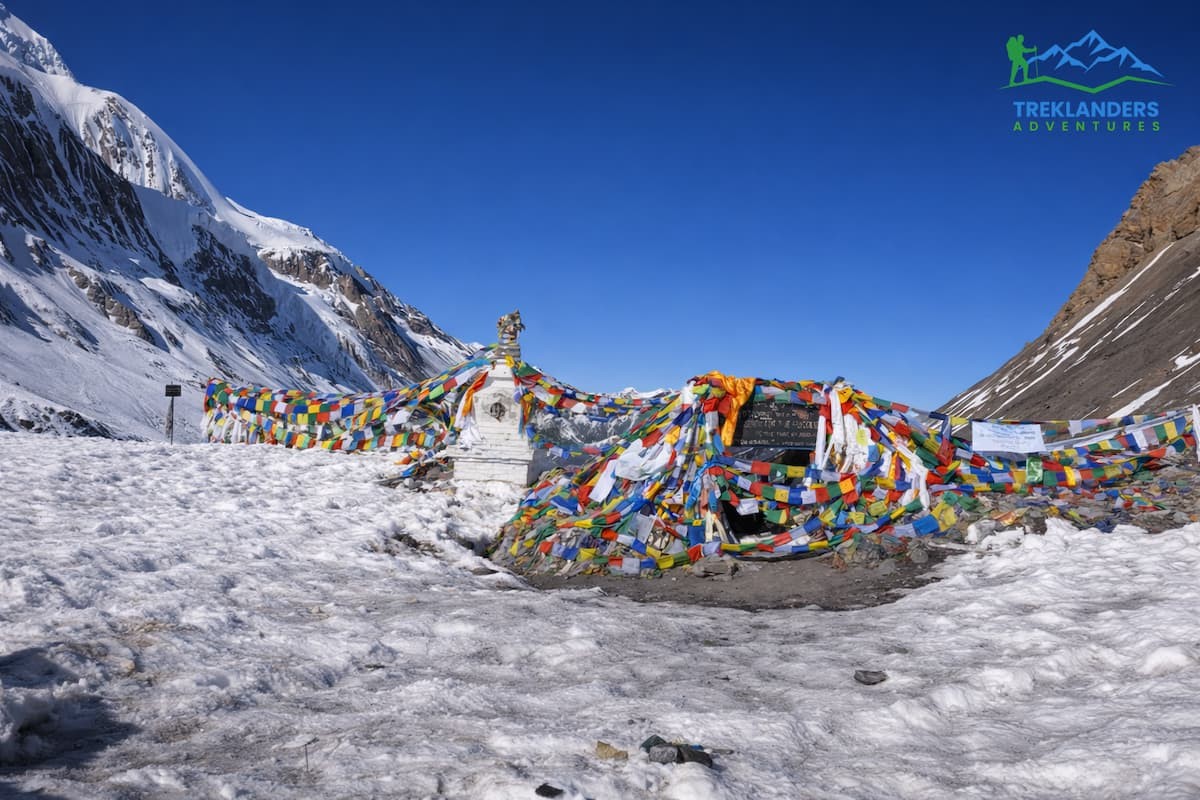
The Annapurna Circuit Trek has been praised as one of Nepal's most classic long-distance trekking routes due to the exceptional variety of landscapes, cultures, and climatic zones it presents. Most treks usually focus on a single valley, a few viewpoints, or a single culture along the way, but the Annapurna Circuit is a complete Himalayan journey that is revealed bit by bit, day after day. Trekkers get to see everything from green lowland valleys, high alpine settings, and the passing of dramatic mountain passes. Its long-distance nature means correct acclimatization and a deeper cultural experience are possible, thus it is a good match for those who want more than just a short adventure. Besides, the circuit-style route gives a real sense of progression and achievement as each day, the change in scenery and environment is quite noticeable. It is this diversity and completeness that have made the Annapurna Circuit a benchmark trek in Nepal over the last several decades.
Annapurna Circuit Trek is distinguished by the fact that it follows a circular route around the whole Annapurna Massif in central Nepal. Instead of walking down and up a single valley, the trekkers go around a huge Himalayan range and therefore get the view from multiple sides. Thanks to this circuit arrangement, the trekkers see the Annapurna range from different weather zones and altitudes, which results in a variety of landscapes. After the walk starts at the lower areas near the Marsyangdi River valley, the trail steadily goes up to the high mountain region before the Thorong La Pass and the Kali Gandaki Valley descent.
This complete circle is a geographical as well as a cultural way of understanding the Annapurna region, thus, the full circumnavigation. The circular character also increases the feeling of adventure as the trekkers perceive that they have done a real mountain excursion rather than walking the same way twice.
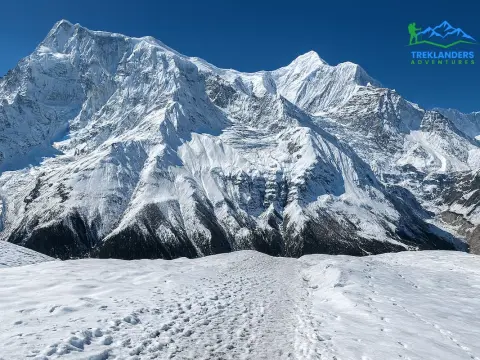
One of the major reasons why the Annapurna Circuit Trek is so popular among trekkers is that it is non-technical; in other words, it does not require skills such as climbing, mountaineering, or rope work. The whole route is along the established trekking trails, village footpaths, and mountain passes that can be easily and safely walked with suitable preparation. Although the trek goes to very high altitudes and has some steep sections, the problems faced are endurance, altitude, and weather related rather than the difficulty of the routes. Hence, the Annapurna Circuit is within the reach of a large number of trekkers, even those without prior mountaineering experience. However, it being non-technical does not imply that it is a walk in the park. One's physical health, mental toughness, and familiarity with the basics of trekking are still necessary. Not having to deal with technical climbing allows the trekkers to indulge in the scenery, culture, and the journey as a whole.
The Annapurna Circuit Trek is renowned for the spectacular variety of habitats it features as the trail goes through different climate and vegetation zones. At the lowest parts, hikers follow paths in subtropical river valleys where there are terraced fields, rivers, and rich vegetation. On the way up, the scene changes from temperate to alpine forests with mainly pine, fir, and rhododendron trees. Further up, around Manang and Thorong La, the scenery turns to dry and desolate and looks like a high mountain desert area, close to the Tibetan plateau. This striking change happens within a quite short distance, so the trek is visually very diverse and never boring. Not many treks in the world have such a clear succession of different ecosystems, which is why the Annapurna Circuit is considered a world-class trekking experience.
Annapurna Circuit Trek is recommended for trekkers who have some degree of physical fitness. Even though the route is non-technical, it is characterized by long walking days, continuous uphill segments, and a considerable increase in altitude over successive days. A trekker should be able to walk for six to eight hours a day with a light backpack. Having some previous trekking or hiking experience is an advantage but not a prerequisite, provided that one gets adequately trained before the trip. A good cardiovascular system, strong legs, and endurance are really important to be able to enjoy the trek without any discomfort. If a moderately fit person follows a well-structured schedule with ample days for acclimatization, he/she can not only meet but also exceed the expectations of the circuit.
On this trek, slow and steady come to no disadvantage and it is more about being prepared and physically fit than having technical skills.
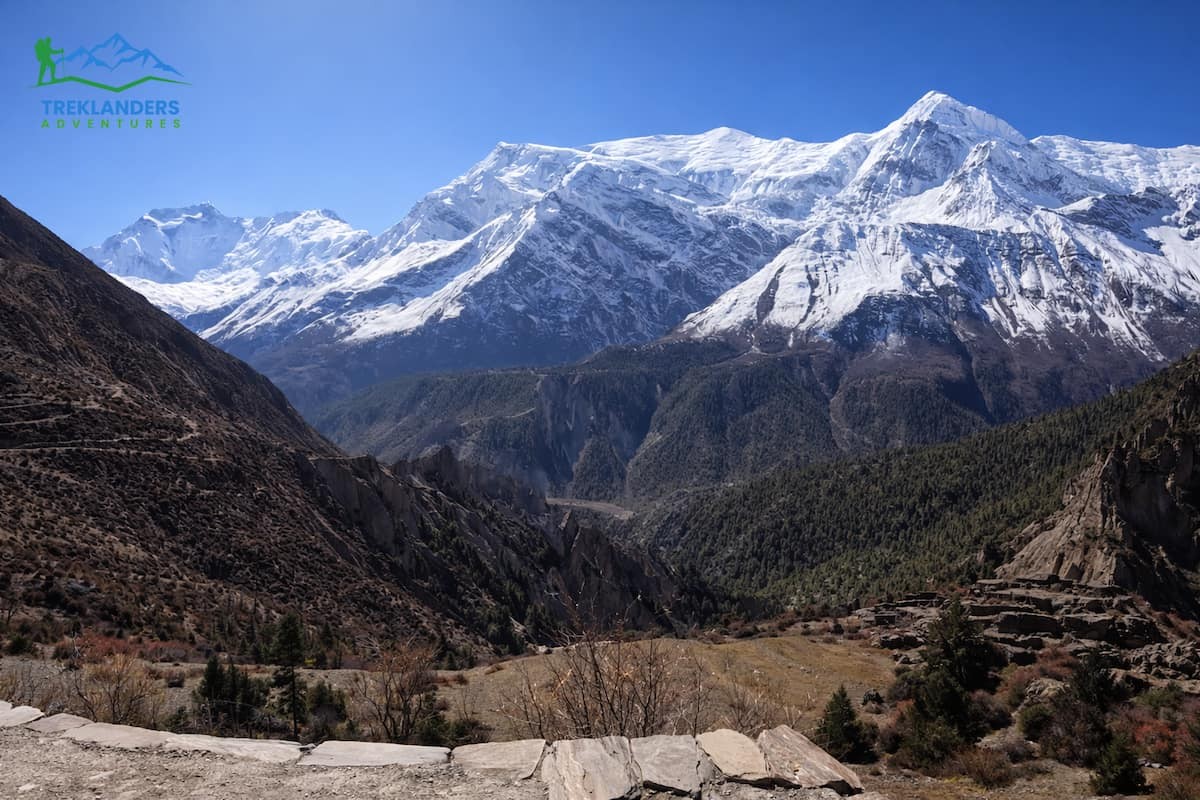
One of the most notable features of the Annapurna Circuit Trek is the considerable altitude variation within a relatively small geographical area. The trek usually begins at an altitude of less than 1,000 meters and climbs to more than 5,400 meters at Thorong La Pass before going down again. Such a rapid change in elevation makes it possible for trekkers to experience serious physiological effects, especially related to how the body gets used to the altitude. The stark contrast between the low valleys and the high alpine areas makes proper acclimatization planning a must. Villages like Manang are very important for acclimatization and thereby help the trekkers to get safely used to the higher altitude. This dramatic altitude variation not only makes the trek more beautiful but also the scenes, the weather, and the flora noticeably change almost from one day to the next. A good understanding of altitude changes is indispensable for staying safe and having a successful trip on the Annapurna Circuit.
The Annapurna Circuit Trek is culturally very diverse as it goes through different ethnic communities' areas. At the lower levels, there are Gurung and Magar villages, while the higher places like Manang and Mustang have a strong Tibetan Buddhist influence. Walking along the circuit, hikers see different styles of buildings, hear different languages, and observe different traditions and religions. At the higher altitude, mani walls, prayer flags, monasteries, and chortens are more and more types of religious structures that are common. The cultural change is a reflection of the geographical and climatic changes along the path. The variety of cultures is a great chance for the trekkers to get an experience of the different Himalayan cultures on one trip. A respectful attitude towards the locals not only makes the trek more enjoyable but also helps to understand the traditional mountain way of life, which has persisted for a long time.
Since the 1970s, the Annapurna Circuit Trek has been one of the most well-known trekking routes worldwide. Following the opening of Nepal's mountain regions to foreign trekkers, the Annapurna Circuit Trek quickly gained international recognition. As a result, it has continually been one of the most popular trekking routes globally. Initial adventurers and trekkers were attracted by the circuit's length, variety, and the fact that it was easy to get to, and its fame rapidly spread through guidebooks and travel communities. Gradually, over the years, facilities like teahouses and trails have been developed, thus the trek is now more accessible without losing its adventurous flavor. The Annapurna Circuit once again has become a tourist attraction despite changes in road access and tourism trends. Its history of trekking is long enough to have influenced the standards for teahouse trekking in Nepal and the development of the country’s trekking tourism at large.

The Annapurna Circuit is located in the Annapurna Conservation Area, which is the most frequented trekking region in Nepal. This popularity stems from the region's easy access, variety of trekking options, and well-developed infrastructure.
The Annapurna region presents a spectrum of treks, from brief nature walks to multi-day, high-altitude adventures, with the Annapurna Circuit being the highlight of the area. Although the region draws numerous trekkers, the circuit itself can still feel isolated, particularly in the higher altitude areas.
The popularity of the region has resulted in better trail upkeep, dependable teahouse lodging, and enhanced safety measures. However, conservation initiatives are trying to strike a balance between tourism development and the safeguarding of the environment and local culture, thus making the region sustainable for the next generations.
There is no doubt that one of the best things about the Annapurna Circuit Trek is the wide range of majestic Himalayan vistas that it offers. At various points on the trail, trekkers are able to admire the stunning views of the major peaks such as the Annapurna range, Dhaulagiri, Manaslu, and Tilicho Peak. While the treks that focus on a single mountain usually give changing mountain scenes as the route bends around the massif. The sunrises and sunsets from the high villages and passes are especially unforgettable because the snow-capped peaks reflect the light of the sun in a changing way. The panoramic views are not just the property of a single viewpoint but are the ones that come up time and time again during the whole trek, thus heightening the sensation of being enveloped by the high Himalayas. The visual splendor of the Annapurna Circuit is the main reason why it is one of the most popular treks in Nepal.
Traditionally, the Annapurna Circuit Trek starts from Besisahar, a town that can be reached by road from Kathmandu and Pokhara. The trekking route follows the Marsyangdi River valley from here, which is good for acclimatization. These days, a lot of trekkers opt to start at Dharapani, which is a jeep ride away, so they can save a couple of days of walking at low altitude. Both ways of starting are correct; the decision depends on the available time, fitness, and preference for a gradual ascent or a shorter itinerary.
Normally, the Annapurna Circuit, in the past, after crossing Thorong La Pass, the Annapurna Circuit trek was traditionally finished in Jomsom. From Jomsom, trekkers may fly or drive onward. Many continue walking south to Tatopani, famous for its natural hot springs, before finishing in Pokhara. The flexibility of the ending choices allows you to adjust your plan based on time, interest in hot springs, or the desire to complete the full circuit experience on foot.
Part of the Annapurna Circuit still follows the old trade routes that had been used for salt, wool, and grain trading between Tibet and Nepal. Before the era of recreational trekking, these trails connected remote mountain communities. There are still visible signs of this history in stone-paved paths, dilapidated houses, and village structures that are a living testimony to the tradition. Going along these routes enriches one's trekking experience from just a simple hike to a cultural exploration since the trekkers get to see not only natural Himalayan vistas but also the ones carved by centuries of local trade and migration.
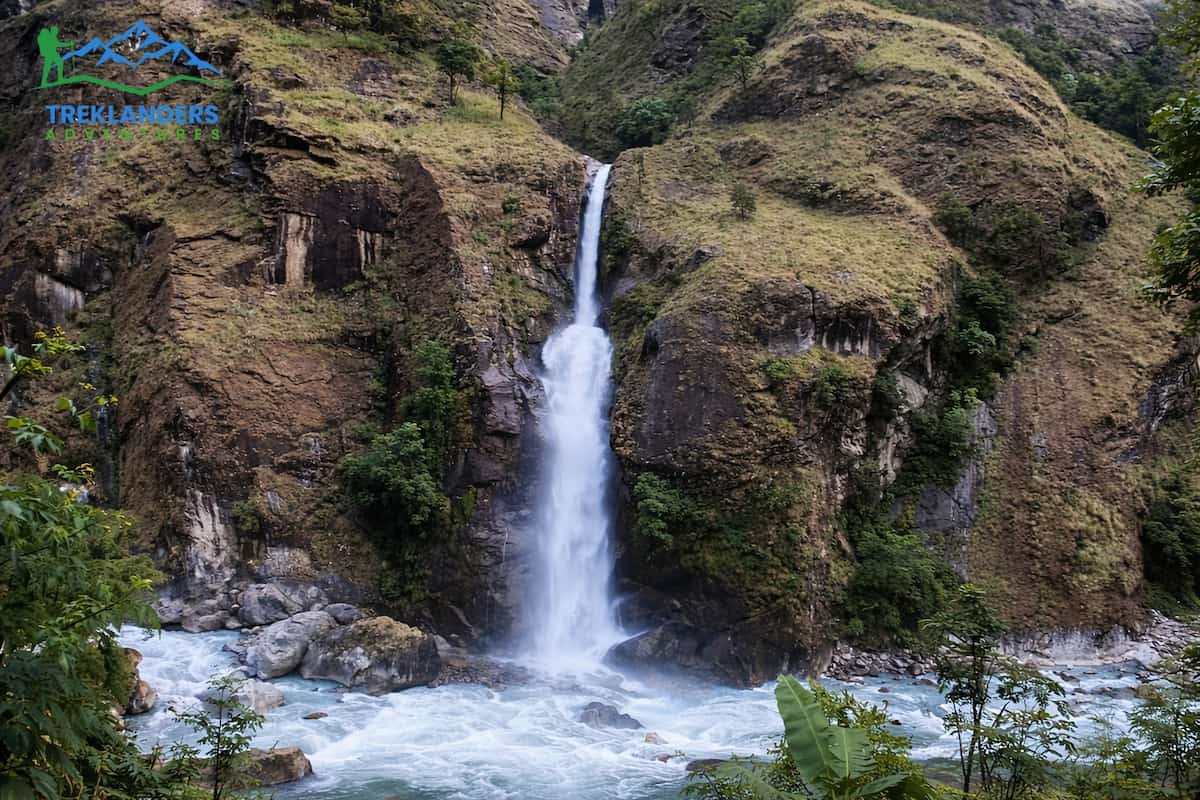
The lower part of the Annapurna Circuit runs almost entirely along the Marsyangdi River, where suspension bridges characterize the trail. These bridges help to cross deep gorges and fast-flowing rivers and link villages and trekking paths. Even though they might scare first-timers, the bridges are quite safe and have been kept in good condition. Their crossing is like an adventure, and besides, one can see from the top the waterfalls, cliffs, and the river valley below.
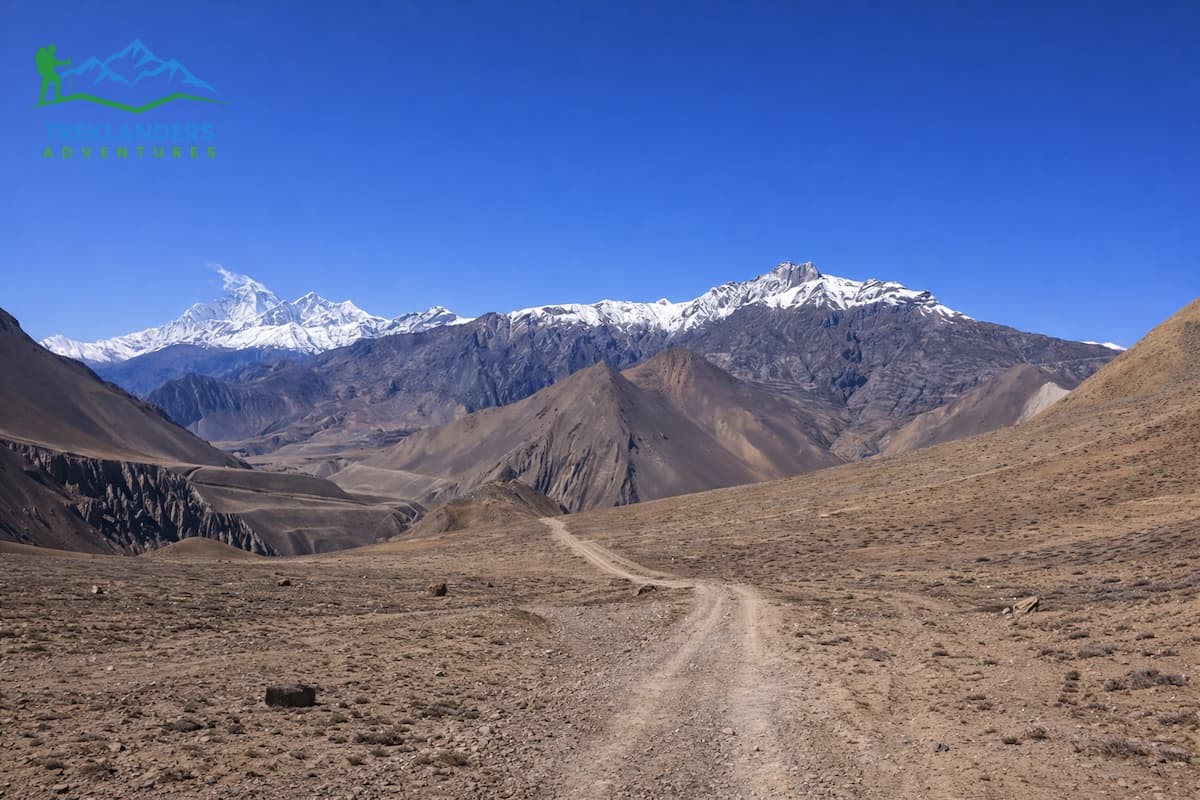
Once you pass Manang, the scenery goes through a huge transformation. The lush green valleys give way to a desolate and barren land that resembles the trans-Himalayan region of Upper Mustang. Due to the rain-shadow effect, the amount of rainfall drops drastically, hence the desert-like environment. This change is probably the most eye-catching aspect of the Annapurna Circuit and offers a Tibetan-plateau kind of atmosphere without the necessity of getting into a restricted region.
The Annapurna Circuit has some great side trips, like Tilicho Lake, which ranks as one of the highest lakes in the world. Besides, there are other popular acclimatization hikes like Ice Lake and Gangapurna Lake. These side trips may add a couple of days to the schedule, but still, they raise the trekking experience to an even higher level with the possibilities of panoramic views, better acclimatization, and a more thorough exploration of the Manang area.
Over the last ten years, road construction in some parts of the Annapurna region has led to a reduction in the traditional walking distances. Jeeps are able to get to many villages that used to be a few days' trek away. While this has altered the classic route, it also provides an option for trekkers who have less time. The main point is that the core high-altitude sections of the Annapurna Circuit are still without roads, thus the essential trekking experience is preserved. Good route planning can help one get the best of both worlds, i.e., convenience and authenticity.
In order to keep the wilderness experience intact, alternative footpaths and side trails have been created, which allow the hikers to go around the road sections. Such footpaths are usually the old paths of the villages located above the road level and not only offer a quieter walk and better views, but also more cultural experiences. If one chooses the alternative routes, it is necessary to have local knowledge or a guide, as these routes greatly enhance the trekking experience. These possibilities, on the one hand, help to keep the nature of the Annapurna Circuit; on the other hand, they accommodate the rise in road access at the lower elevations.
The section from Manang to Thorong Phedi is thus known for being the most beautiful part of the trek. Glorious snow-capped peaks, extensive alpine landscape, and magnificent valleys are the main features here. The path climbs slowly through Yak Kharka and Ledar, giving you spectacular mountain views and a chance to get used to the altitude. This part of the trail is really going to get you excited about crossing Thorong La, and it is also the area where you can see the Himalayas in all their brutal beauty.
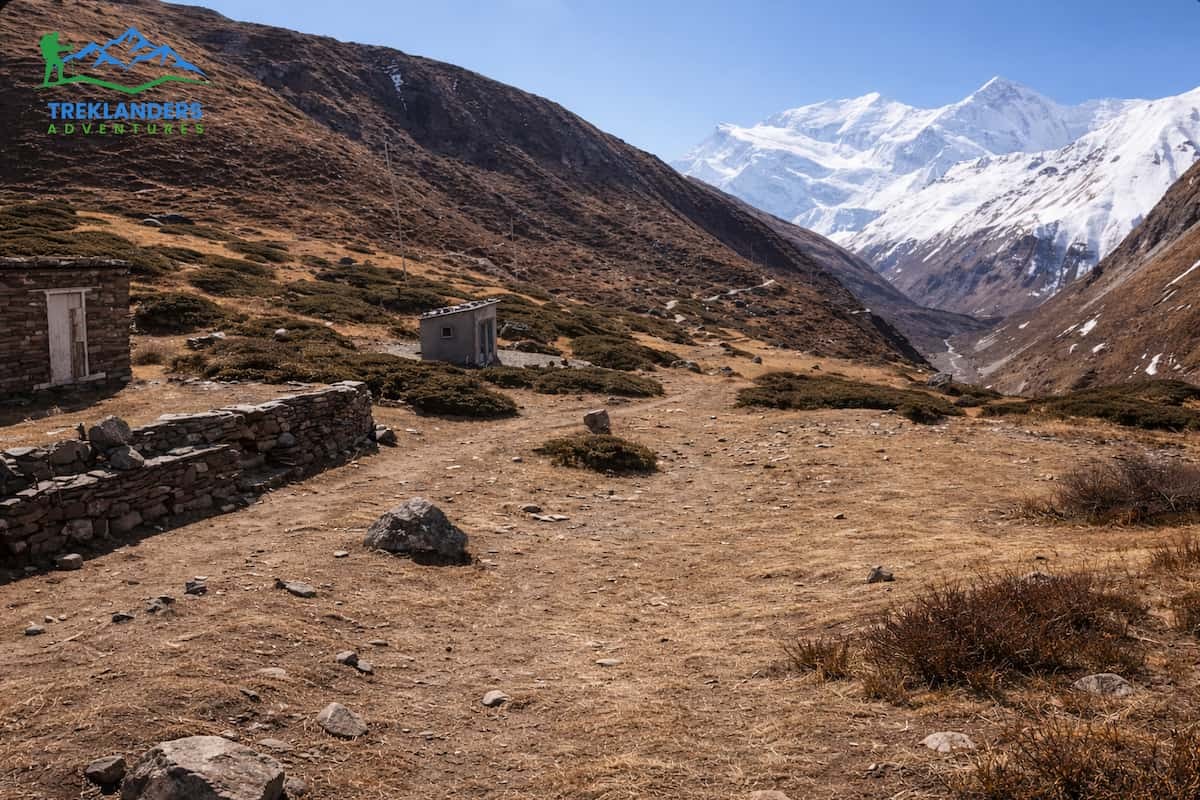
Once the Thorong La is behind us, we start the descent to the Kali Gandaki Gorge, which is located between the Annapurna and Dhaulagiri ranges. This gorge is the deepest on the planet, and we can see the glaciers and the peak of the mountain rising dramatically on both sides. Walking along this huge landscape gives a great impression of the scale and the geological wonders. The descent also brings warmer temperatures and cultural changes, which are a big contrast to the high pass environment.
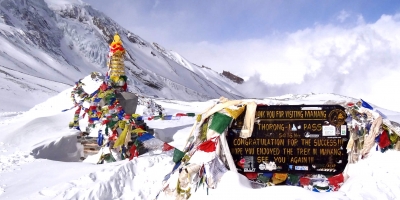
Thorong La Pass (which is 5,416 m or 17,769 ft high) is the highest point on the Annapurna Circuit Trek. Getting to this altitude is a significant milestone and an accomplishment that defines the trek. The pass separates Manang from the Kali Gandaki Valley and is generally crossed at dawn. At this height, the oxygen content is much less, so it is harder to breathe. Without a doubt, you will need good acclimatization and physical condition to safely reach and cross Thorong La, which is the ultimate challenge of the Annapurna Circuit.
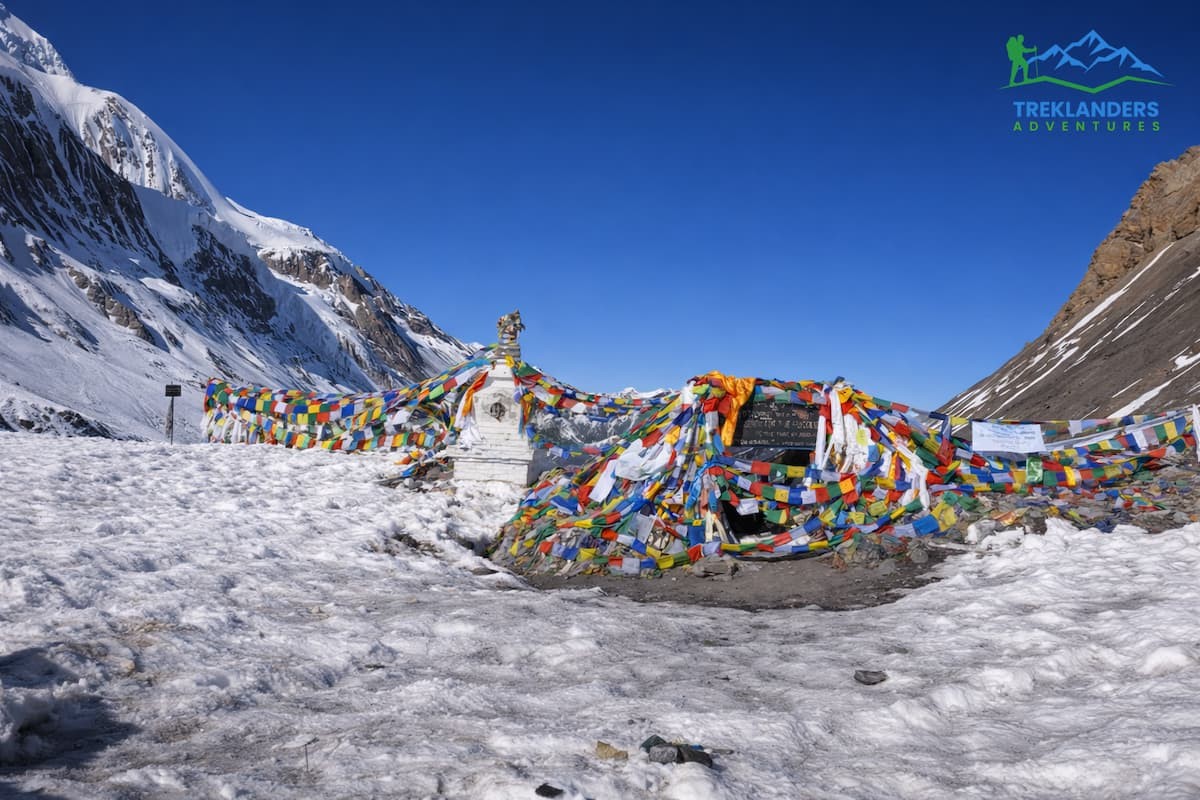
Thorong La is well-known worldwide as one of the highest trekking passes that can be crossed without the help of technical climbing skills. Although there are higher mountain passes in the Himalayas, very few of them are reachable via established trekking routes with teahouse accommodation. This fact makes Thorong La extraordinary and very attractive to those trekkers who are looking for a serious altitude challenge. Its height puts it among the top-most Himalayan passes, similar to those seen on remote expeditions. For most trekkers, crossing Thorong La is a once-in-a-lifetime achievement and a memorable point of trekking in Nepal.
Even though the Annapurna Circuit is structured for a gradual ascent, the total altitude gain is quite significant. Usually, trekkers start at less than 1,000 meters and within two weeks reach over 5,416 meters. This slow pace helps the body to get used to the changes, but one should not overlook the cumulative effect of altitude. Every day, the elevation increases gradually, which puts more and more stress on the body. The villages are spaced in such a way as to facilitate acclimatization, but the trekkers still have to be careful with the symptoms of altitude sickness. A good knowledge of how the altitude will change throughout the trek is a prerequisite for a safe and successful trek.
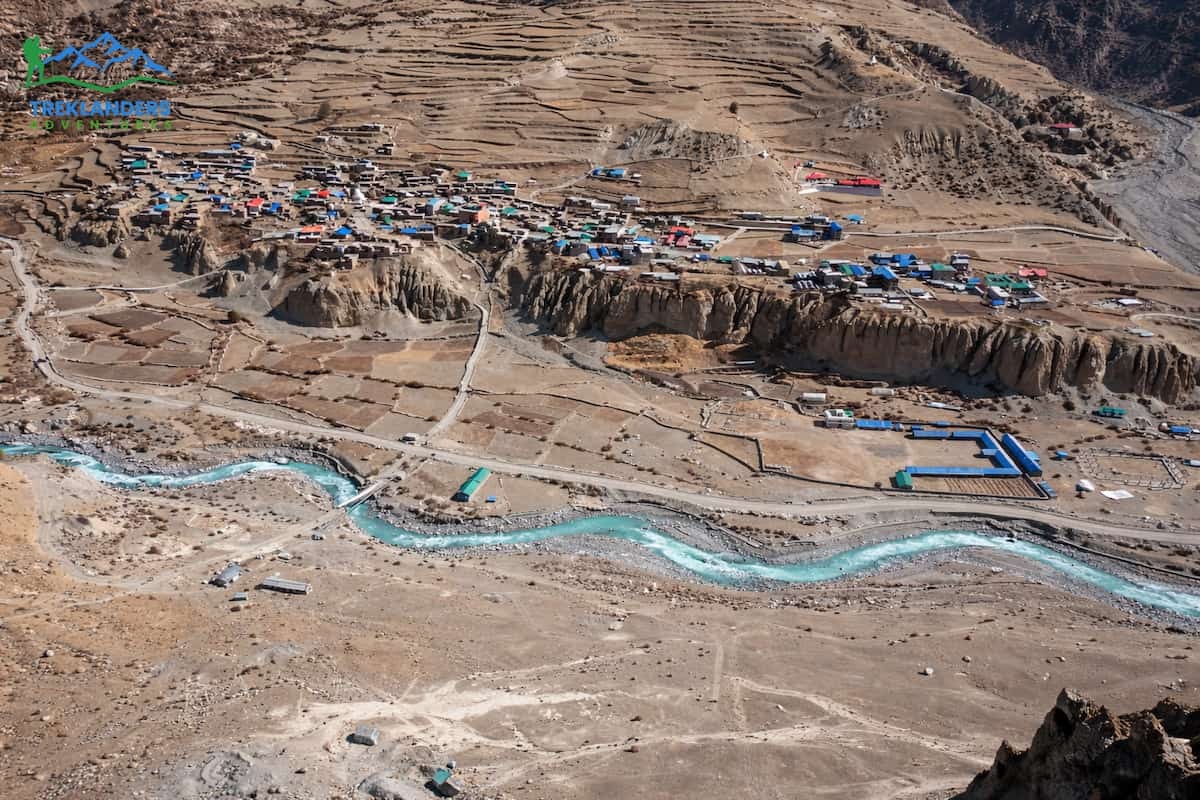
The village of Manang at 3,540 meters is the main acclimatization haven on the Annapurna Circuit. Most schedules have a rest day (or days) included in Manang so that the body can adjust to the height change. Manang has medical facilities, bakeries, monasteries, and local acclimatization hikes; thus, it is a perfect spot to rest and prepare.
Having enough time in Manang will almost eliminate the risk of altitude sickness and greatly increase the chance of making a successful crossing of Thorong La Pass.
Acclimatization hikes are very important in minimizing the risk of altitude sickness on the Annapurna Circuit. The body gets used to the oxygen levels in the air when short hikes are made to higher elevations on rest days, and then one sleeps at lower altitudes. Ice Lake and Gangapurna are two popular spots for acclimatization hikes near Manang. Besides getting physically adapted, such hikes also bolster one's morale for the climbs ahead. Omitting such hikes drastically raises the chances of getting AMS (Acute Mountain Sickness), hence they are mandatory for safety during high-altitude trekking.
The biggest health issue that can be faced while trekking the Annapurna Circuit is altitude sickness, also called Acute Mountain Sickness (AMS). It is characterized by symptoms such as headache, vomiting, loss of balance, tiredness, and loss of appetite. Anyone can be a victim of AMS, regardless of their age or level of fitness. When left untreated, it can lead to serious conditions like HAPE or HACE. The main preventive measures are being aware, early detection, drinking plenty of water, hiking at a slow pace, and taking rest days. Guides know the symptoms of the disease, and the best way to treat AMS is to go back down immediately if it deteriorates.
Most people start crossing Thorong La Pass very early in the morning, even as early as 3:00 to 5:00 a.m. You can't do without an early start as the weather is usually calm in the morning. The crossing can get dangerous due to strong winds, cloud cover, and snowfall later in the day. By starting early, trekkers can also get to the descent point before the afternoon weather changes. Since it is cold and the source is likely to be covered in ice, it is advisable to dress properly and take your time. The early start day is probably the hardest day of the entire trek, but also the most unforgettable one.
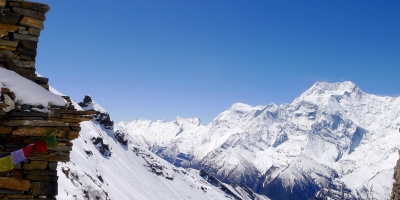
The weather is very important in the decision of whether or not to cross Thorong La Pass. Snowfall, strong winds, or low visibility may make the path unsafe or completely inaccessible. At high altitude, the weather can change rapidly even during the high trekking seasons. Knowing the weather forecast is a must for the mountain guides, and if the conditions are unsafe, they might postpone or cancel the crossing. Having extra days in your schedule, to be used if the weather delays you, is very important. You cannot ignore weather conditions if you want to be safe. Attempting to cross the pass in bad weather is very risky.
Among other things, one effective way to minimize the risk of Acute Mountain Sickness during the Annapurna Circuit is to keep a slow, steady pace. The body is strained and its ability to get used to the new environment is limited when one makes a rapid ascent. Walking at a slow pace, resting often, and breathing steadily help the body absorb more oxygen. Besides, a correct pace also allows one to save energy for long trekking days. Those who rush end up having a tough time at higher elevations while those who take their time experience fewer problems due to the altitude and thus really enjoy the trek.
The moment a trekker gets over Thorong La Pass, he/she is greeted by a steep descent down to the Kali Gandaki Valley, which means immediate altitude relief. The air becomes filled with more oxygen and thus breathing becomes easier and the symptoms of the altitude are reduced. Not only that, the descent is said to bring about a change in temperature such that it is warmer and even a change of scenery is evident. Many hikers experience a surge of energy after the pass, both in their bodies and in their minds. Therefore, the downhill part is a major milestone in the trek which shows that the difficult high-altitude section is over and now the journey continues to more comfortable elevations.
A permit from the Annapurna Conservation Area Project (ACAP) is required for trekking in the Annapurna Circuit. The ACAP permit is compulsory for anyone trekking in the Annapurna area. Such a permit plays a major role in controlling the influx of tourists, the preservation of delicate natural areas, and the financing of conservation and local community development activities within the Annapurna Conservation Area.
Trekkers are also required to have a TIMS (Trekkers Information Management System) card besides an ACAP permit. The TIMS card is a way of assisting the authorities in locating and ensuring the safety of trekkers as well as the coordination of rescue operations. It also contains simple data related to trekking, which is used for the purposes of tourism management and emergency response within the Annapurna region.
The Annapurna Circuit is located in the Annapurna Conservation Area, which is the largest protected area in Nepal. Being a protected area, it is ensured that the surrounding forests, wildlife, rivers, and traditional villages remain untouched. The local authorities control the use of the area by tourists in order to promote sustainable tourism and, at the same time, preserve the natural and cultural heritage for future generations.
The main Annapurna Circuit, unlike Manaslu or Upper Mustang areas, does not need a restricted-area permit. That is why the trek is more reachable and cheaper. The regular permits like ACAP and TIMS are enough for you to do the classic Annapurna Circuit legally.
A guide is not a must for the Annapurna Circuit trek, but hiring one is greatly encouraged. A guide can make your trek safer, help you get used to the altitude, take care of the trip arrangement, and share the local culture with you. It is quite possible for a trekker going solo to finish the trip.
Solo trekking is one of the main reasons why the Annapurna Circuit is so popular. However, solo walkers need to be very well prepared and knowledgeable about the dangers of high altitude. Also, they have to be very careful about their safety since nobody can help them if they get into trouble.
Permit fees are spent on donations to conservation and to support local communities directly from ACAP and TIMS. The money is mostly spent on maintaining the path, managing waste, protecting the wild animals, and building local facilities, thereby both nature and mountain communities benefit from tourism.
In Kathmandu and Pokhara, trekkers are able to get their ACAP and TIM’s permits easily before stepping on the trail. These two cities are the homes of the official permit offices and trekking agencies. If you get your permits beforehand, you won't have to wait and can even have a more comfortable start to your Annapurna Circuit Trek.
At a number of checkpoints, such as gate entry points and villages located on the Annapurna Circuit, permits are checked. Campers need to have their permits with them wherever they go since the officials quite often check the documents to see if the camp has followed the regulations of trekking.
Trekking the Annapurna Circuit without valid permits is illegal. Traveling without the authorized documents not only breaks the law but may also lead to hefty fines or being turned back at checkpoints. Permit enforcement is one of the methods used to keep the safety standards high, manage the influx of tourists in a responsible manner, and protect the conservation area. Preparing for a trek by first acquiring permits is a minor yet very necessary step.
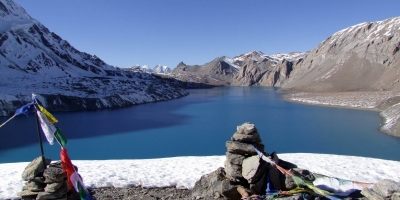
The Annapurna Circuit is a moderate to difficult trek mainly because of the length, altitude, and diverse terrain. Although the trails are well known, a combination of long days, steep climbs, and thin air raises the level of difficulty. Most physically fit trekkers can finish the trek safely if they are properly acclimatized and prepared.
Trekkers on the Annapurna Circuit usually trek 6 to 8 hours daily. A walk time depends on the altitude, the terrain, and the volume of the walker. With the exception of Thorong La Pass, most days are shorter, and acclimatization days are even shorter. Constant daily walking necessitates one's stamina as well as good time management to prevent high levels of exhaustion.
On the Annapurna Circuit, physical fitness is what really matters, not one's trekking background. This is the reason why fit, patient, and well-prepared hikers who are not familiar with the trail manage to perform better than those who are experienced but in poor condition. Having a strong cardiovascular system, strong legs, and mental toughness will help in dealing with the difficult days and the altitude.
The Annapurna Circuit doesn't call for any technical climbing or mountaineering skills. The whole trek is on footpaths and mountain passes that require only basic trekking skills. Although the trip goes to great heights, the difficulties are mostly related to one's physical endurance and the process of acclimatization, not to the use of ropes, ice axes, or other technical gear.
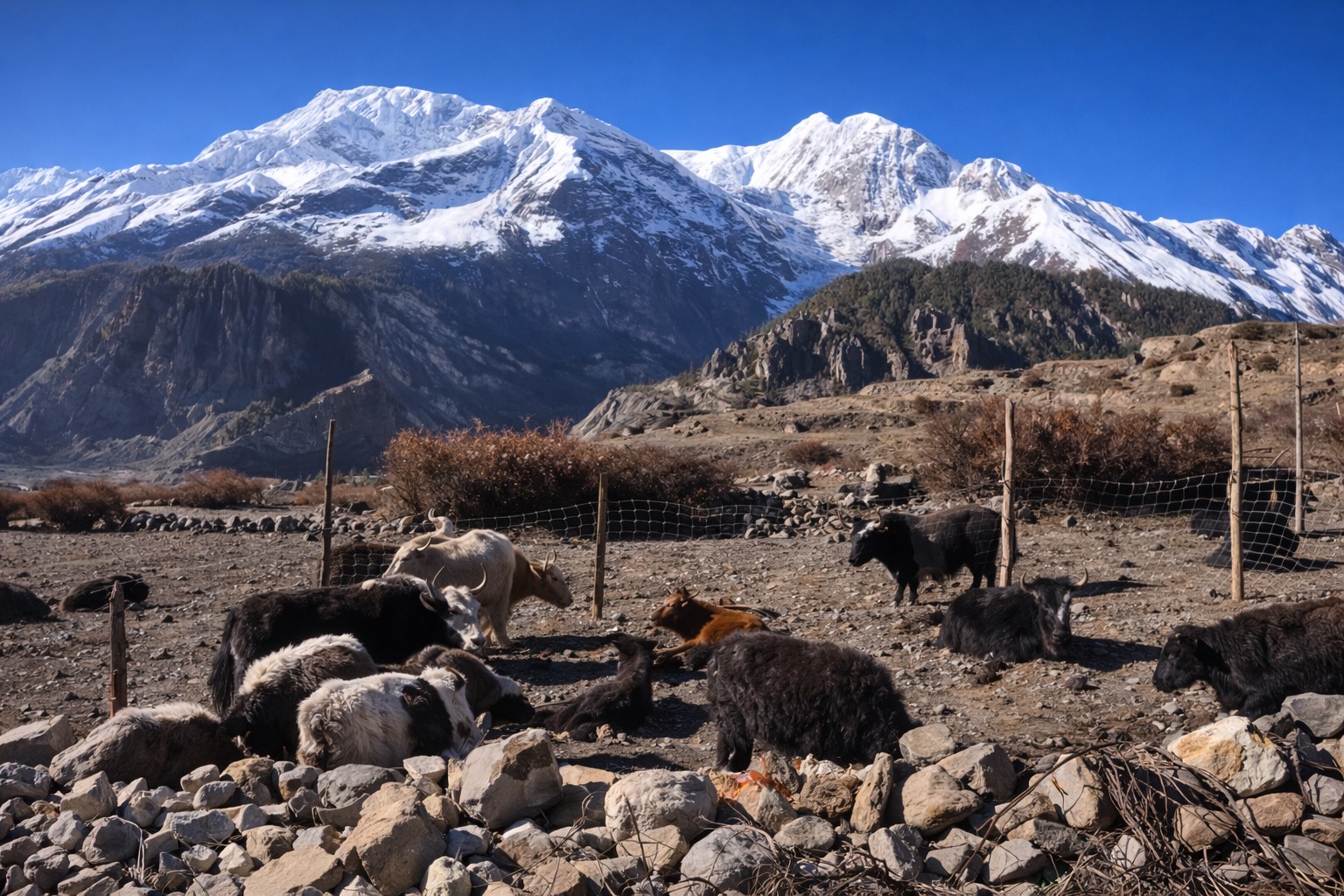
Another feature that makes the Annapurna Circuit special is that it has a lot of long uphill and downhill sections. While long ascents push the limits of the heart and lungs, going down steeply can be hard on the knees and joints. Wearing the right shoes, using trekking poles, and going at an easy pace can help lessen the impact. Working out the muscles and overall body fitness before the trek is also a great way to stay comfortable and avoid injuries.
It is a fact that the weather on Thorong La Pass can significantly worsen the trekking conditions. The combination of cold temperature, wind, snow, and poor visibility is usual at high altitude. If the weather is like this, it means you have to wear proper clothes, start early, and go slowly. However, sudden changes in the weather can cause the postponement of the pass, so being flexible and prepared also means being safe.
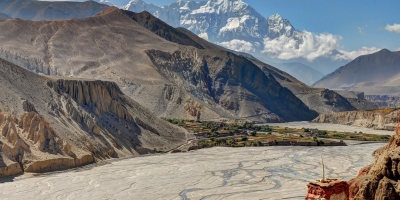
On top of the mountain, along with the physical training, you also need mental strength. When you are tired, cold, and the oxygen supply is not enough, it is easy to lose motivation and make poor decisions. People who manage to stay calm, cheerful, and patient will have beaten the hardest moments of the trek. Being mentally prepared not only ensures one's safety but also is the only way one can fully enjoy the experience and be able to handle situations well.
It is true that through prior hiking or trekking experience, the person gains more comfort and confidence, but it is not a liability for the Annapurna Circuit. Correct training and a feasible itinerary allow first-time trekkers to come through. Beginners who know the basic routines of trekking, how to pace themselves, and the importance of hydration can easily adjust to long days and changing conditions.
Pre-trip training plays a major role in both safety and enjoyment when trekking the Annapurna Circuit. Cardiovascular workouts, leg-strength exercises, and practice hikes help the body adapt to the physical demands of the trek. Training also makes it easier to recover after exertion, prevents injuries, and enables trekkers to experience the beauty of nature and the local culture instead of being bothered by physical discomfort.
The Annapurna Circuit is a trek where the steady and patient mosey gets the most out of the trek. A slow, regular pace helps acclimatization and saves energy. Those who know their limitations and are aware of their body's signals will find a comfortable and safe way to complete the trek and fully enjoy the Himalayan surroundings.
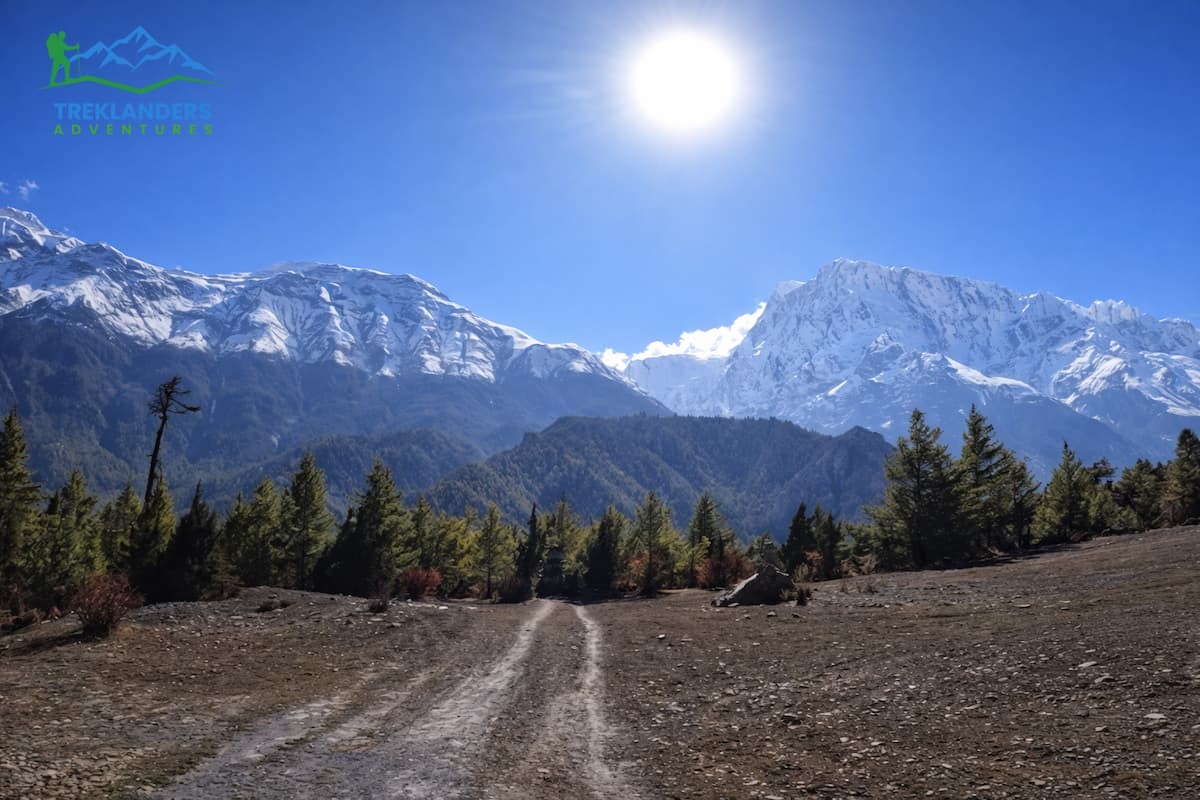
Spring is one of the best seasons for the Annapurna Circuit Trek because of the good weather, moderate temperatures, and blooming rhododendron trees in the lower areas. The paths are usually dry, and the visibility is great, especially in the mornings. There may be some snow at the high altitudes, but with proper preparation, the conditions should be fine.
People usually say that autumn is the best time to go to the Annapurna Circuit if you want to enjoy clear mountain views. After the monsoon, the atmosphere is pure, the skies are clear, and the visibility is perfect. The weather is very stable, thus it is safer to cross Thorong La Pass. Since this is the most popular season, the trails, as well as the teahouses, are crowded.
Winter trekking on the Annapurna Circuit is doable, but it comes with more difficulties. The temperature goes down a lot, especially after Manang, and the heavy snowfall might close the Thorong La Pass. The amenities in the higher villages might be shut down. The best candidate for winter trekking would be a highly experienced and well-prepared trekker who also has enough time on hand.
The monsoon season (June-August) brings heavy rainfall to the Annapurna region, thus increasing the risk of landslides, slippery trails, and leeches at the lower elevations. Cloud cover often hides the mountain views. Although the upper Mustang side is quite dry, monsoon trekking still needs extra care and planning.
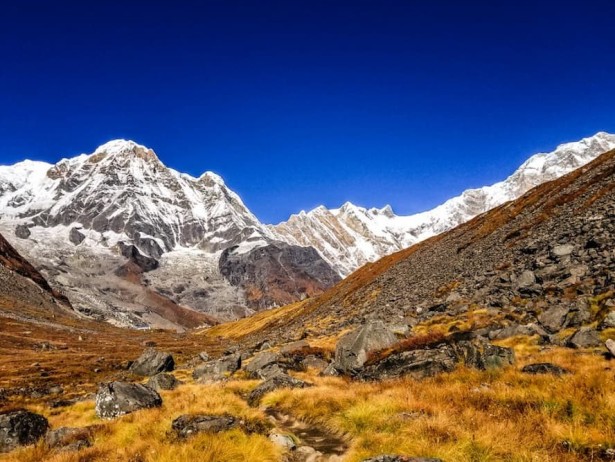
Rapid weather changes are one of the characteristics of nature at the high elevations of the Annapurna Circuit. At times, the skies may be clear at dawn, but within a few hours, the conditions may be very cold, windy, stormy, or totally overcast. This is especially true on sections such as Thorong La Pass. Such sudden changes severely limit visibility and increase the risk factor. Therefore, starting very early, carrying adequate clothing, and keeping the schedule flexible are some of the essentials that any trekker will have to take into consideration for a successful trekking experience.
It is highly advisable to have a travel insurance policy that covers high-altitude trekking activities and emergency helicopter evacuation in the case of the Annapurna Circuit. There is a very limited availability of medical services in the remote mountain regions, so it is always possible that you might need to be evacuated due to illness or injuries caused seriously by the altitude or an accident. Having a comprehensive insurance policy will not only protect you financially but also give you the comfort to enjoy your trek without worry.
Along the Annapurna Circuit, there are many spots where you can get water from nature, but it is not safe to drink without treating it first. Trekkers are advised to rely on purification tablets, filters, or boiling techniques. Besides being good for health, treating water also helps reduce the plastic waste problem as well as the environmental pollution issue.
If you intend to cross the Thorong La Pass, you should be properly equipped with a range of high-altitude gear that will provide support and protection. This means, for instance, that you have to wear a number of warm layers, carry a windproof jacket, put gloves and a hat on your head, and wear sturdy trekking boots to be ready for it. Since temperatures during such early hours are below freezing, there is always a possibility that the trail may be covered with snow and/or ice. Having the right gear on you will guarantee that you will be safe, warm, and comfortable during the time of this great challenge.
Adding buffer days to the schedule greatly enhances the safety and success of a trip on the Annapurna Circuit. Having extra days on hand provides the opportunity to weather a delay, get an extra acclimatization day, or simply rest. The Thorong La pass is a notorious place for bad weather, so you can always use some buffer days if you have to wait for a safe window to cross the pass.
The Annapurna Circuit Trek brings together the beauty of nature, local culture, high-altitude adventure, and accessibility in an unmatched way. It has everything from diverse sceneries and ethnic villages to teahouse comforts and a major Himalayan pass. Therefore, it makes a perfectly balanced and satisfying trekking experience, and it is considered one of the most complete and iconic treks in Nepal.
A comprehensive guide to Manaslu trekking facts covering routes, permits, altitude, culture, difficulty, seasons, and preparation.
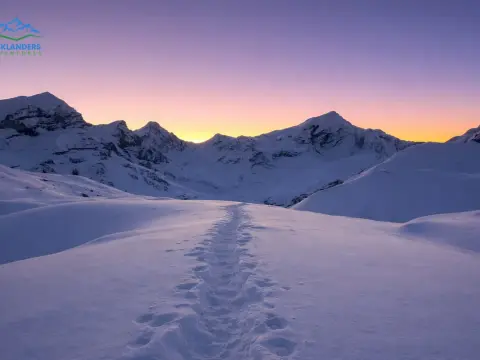
A 2026 comparison of the Manaslu Circuit Trek vs Annapurna Circuit Trek to help you choose the right Himalayan trek.
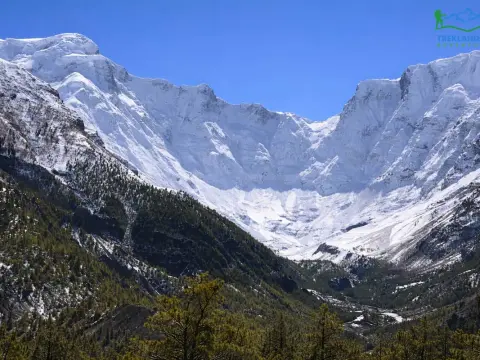
Discover the 10 best viewpoints of the Annapurna Circuit Trek, featuring iconic Himalayan scenery, altitude, difficulty, and the best time to trek.



