
Manaslu Circuit Trek: Top 10 Things to Do in Nepal (Complete Guide with Larkya La Pass & Manaslu Base Camp)
3 Mar 2026
Explore the Manaslu Circuit Trek with top highlights like Larkya La Pass, Manaslu Base Camp, and authentic Himalayan culture.

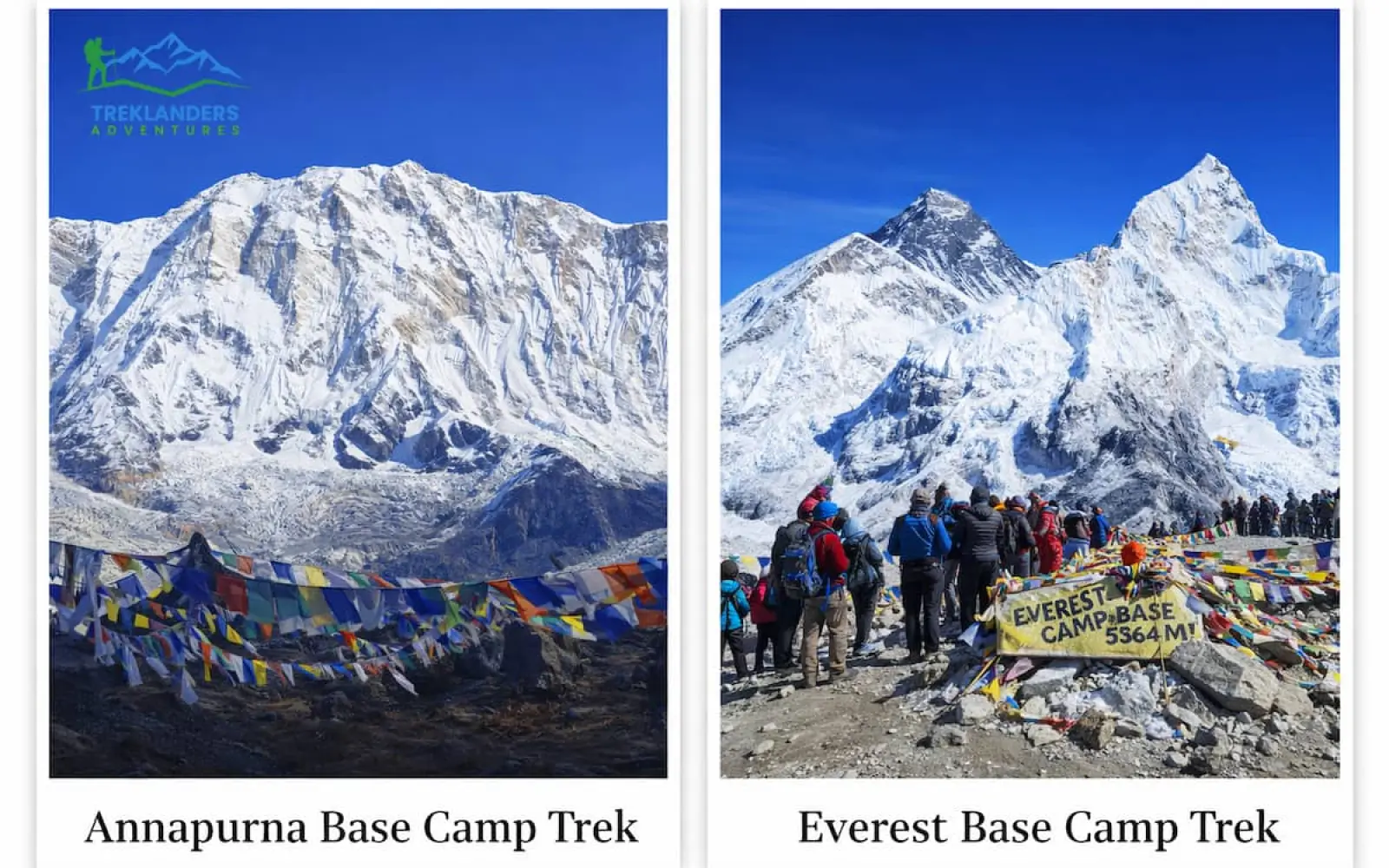
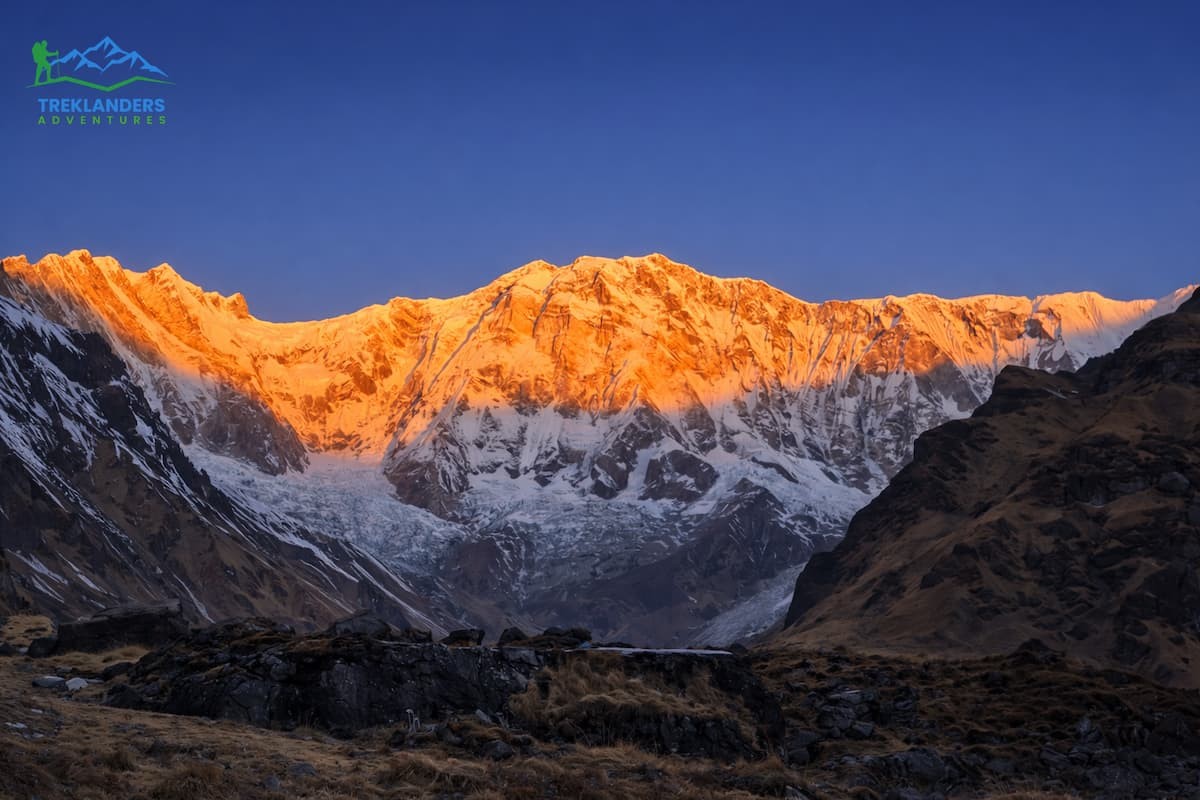
Choosing between the Annapurna Base Camp (ABC) or Everest Base Camp (EBC) trek is a significant decision that many trekkers face when planning a Himalayan adventure in Nepal. Both trails are highly popular and lead you right into the high mountains of the Himalayas. Besides that, they promise you amazing mountain scenery. That said, the experience, difficulty level, cost, altitude, and vibe of the two treks are very different. It would be helpful if you became familiar with these distinctions before deciding on your trek.
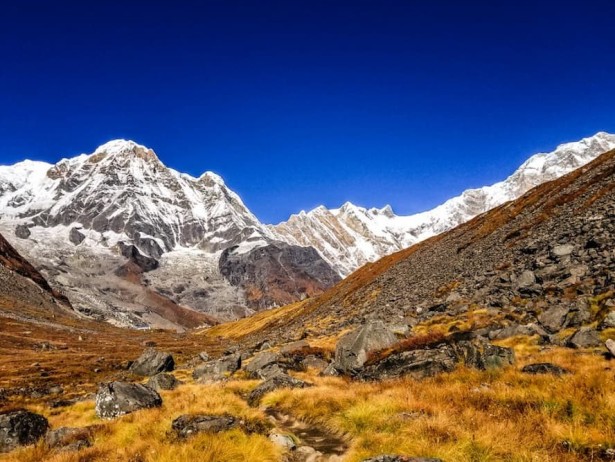
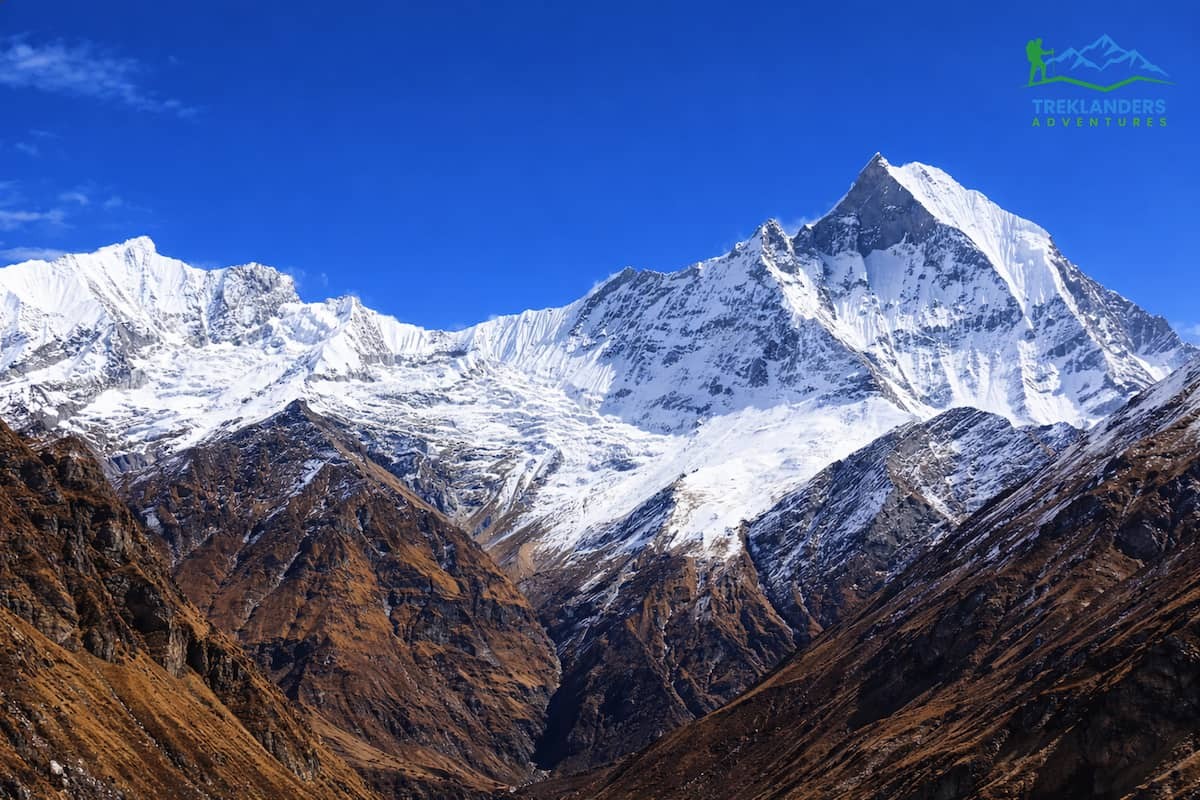
When you go on the Annapurna Base Camp trek, you will be led to the beautiful Annapurna Sanctuary that is enclosed by spectacular peaks such as Annapurna I, Machhapuchhre, and Hiunchuli. People say that the trek is a bit shorter and hence, more manageable than the Everest one. You can even find terraces along the path, various types of forests, such as rhododendron, waterfalls, and villages of the Gurung and Magar ethnic groups. ABC is a combination of nature and culture and thus, is suitable for the trekkers who want to experience different landscapes without dealing with very high altitudes.
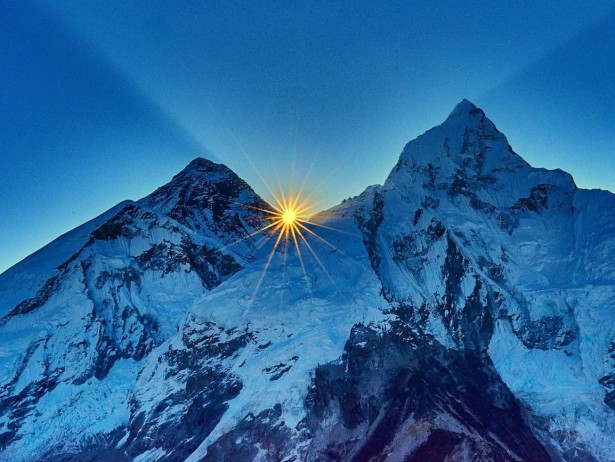
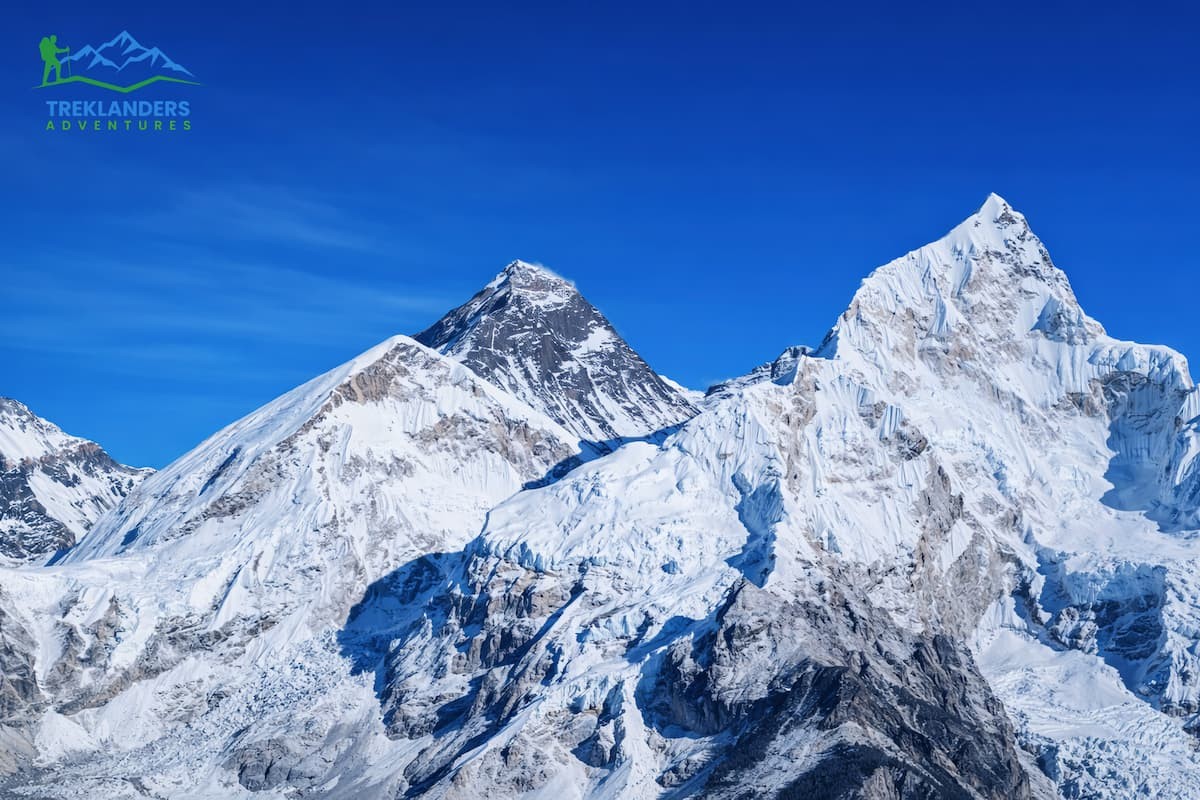
In contrast, the Everest Base Camp trek guides you to the foot of the world's highest peak, Mount Everest (8,848.86 meters). This region is home to the Sherpa people and their culture, old Buddhist monasteries, and the famous suspension bridges. Therefore, in addition to being on the exact path that the great climbers took, you will enjoy the views of Everest, Lhotse, Ama Dablam and other giant mountains. EBC is usually longer and attains higher altitudes than ABC, and therefore, the proper management of altitude problems is even more necessary.
Both of these journeys are very popular and highly rated adventures. Still, the two only suit a certain type of travelers. The ABC will probably attract people who are looking for a trek with moderate difficulty and a change of scenery. EBC, on the other hand, will be the first choice of the trekkers who have the dream of being very close to the beautiful and majestic Mount Everest. Your budget, the time you can allot to the journey, your physical condition, your favorite way of trekking - all these and more will be deciding factors of the right choice.
In this exhaustive guide, we are going to tackle the comparison between ABC and EBC in all aspects, especially cost, duration, altitude, difficulty, scenery, and overall experience, so that you will have a very clear idea of which Himalayan journey suits you the best.
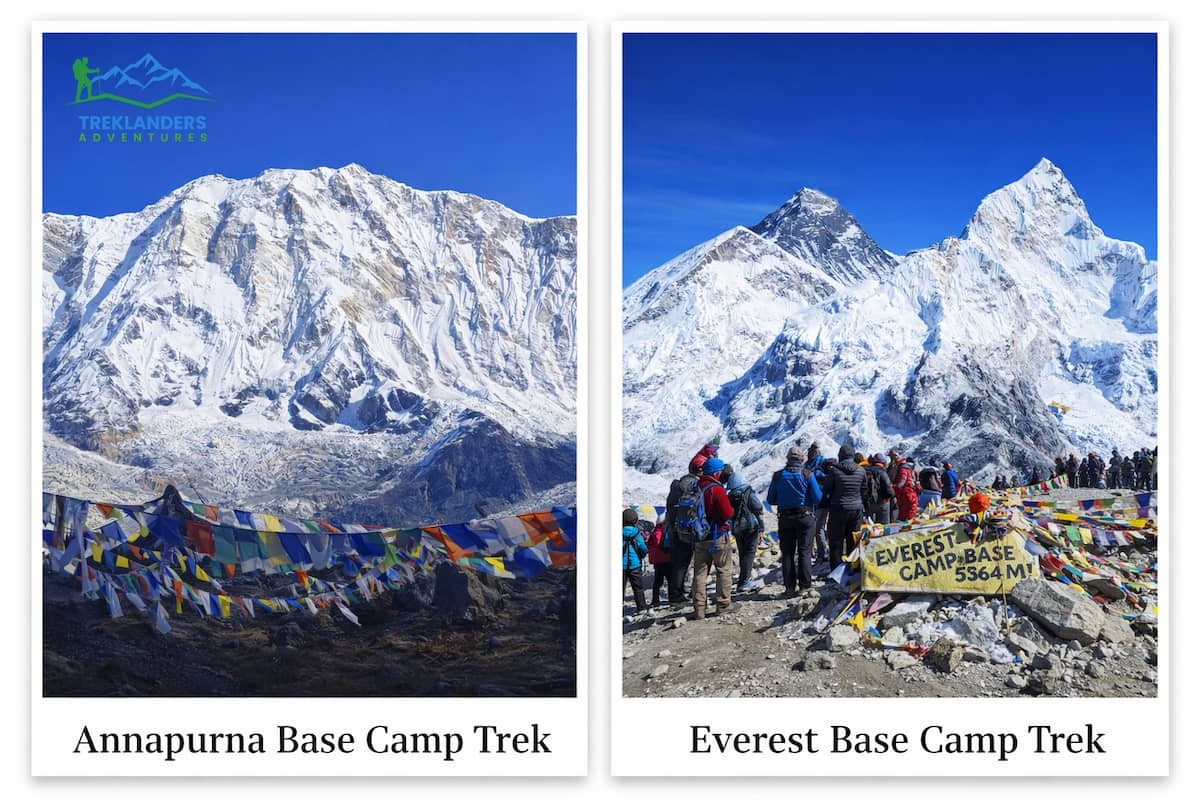
Feature | Annapurna Base Camp (ABC) | Everest Base Camp (EBC) |
|---|---|---|
| Maximum Altitude | 4,130 meters | 5,364 meters |
| Trek Duration | 7–12 days | 12–14 days |
| Difficulty Level | Moderate | Moderate |
| Scenery Type | Forests, villages, waterfalls, mountain amphitheater | High alpine terrain, glaciers, dramatic peaks |
| Cultural Experience | Gurung & Magar communities | Sherpa culture & Buddhist monasteries |
| Best Viewpoint | Annapurna Sanctuary | Kala Patthar (best Everest view) |
| Crowd Level | Moderate | High (very popular worldwide) |
| Budget Range | Generally more affordable | More expensive (flight to Lukla required) |
| Accessibility | Road access to starting point | Flight to Lukla required |
| Overall Experience | Diverse landscapes, shorter adventure
| Iconic Everest journey, higher altitude challenge
|
Location and how easy it is to get there through transportation are two of the major factors that influence the decision between Annapurna Base Camp and Everest Base Camp.
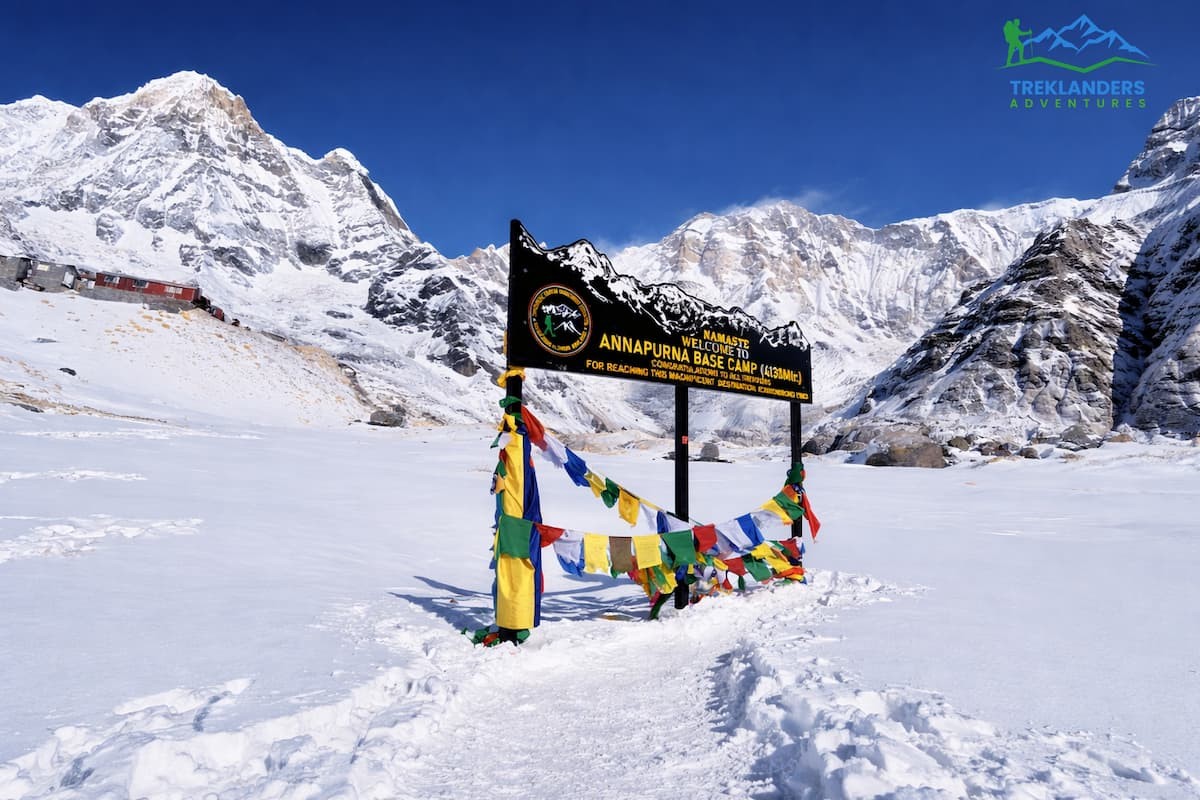
Situated in the Annapurna region of central Nepal, north of Pokhara, is the Annapurna Base Camp (ABC). After a short drive from Pokhara to trailheads such as Nayapul, Jhinu Danda, or Siwai, the trek normally starts. Having road access to these points makes ABC simpler and more flexible to begin. Domestic flights are not necessary; hence, both the cost and the risk of delays are reduced. Trekkers can take a 25-minute flight or a 6-8 hour drive from Kathmandu to reach Pokhara, and from there, the road transport goes straight to the trekking starting point. For this reason, ABC is not only more accessible but also easier to manage logistically.
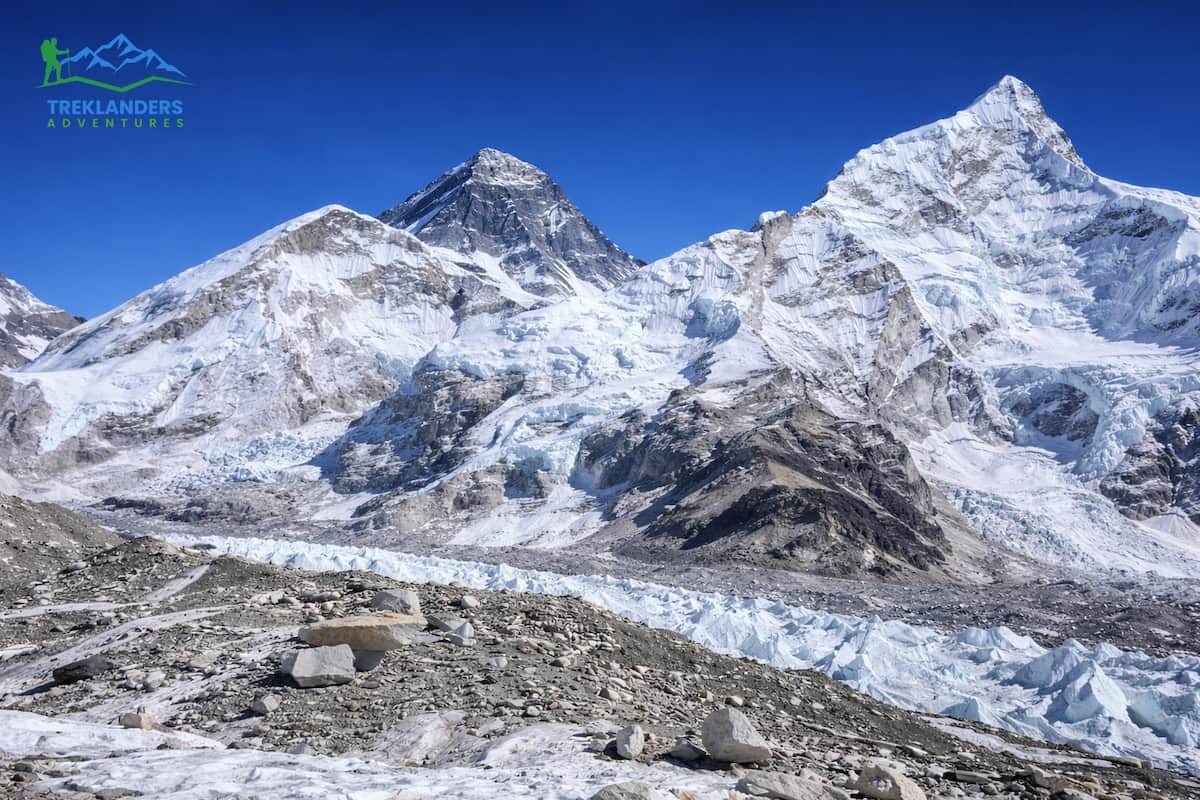
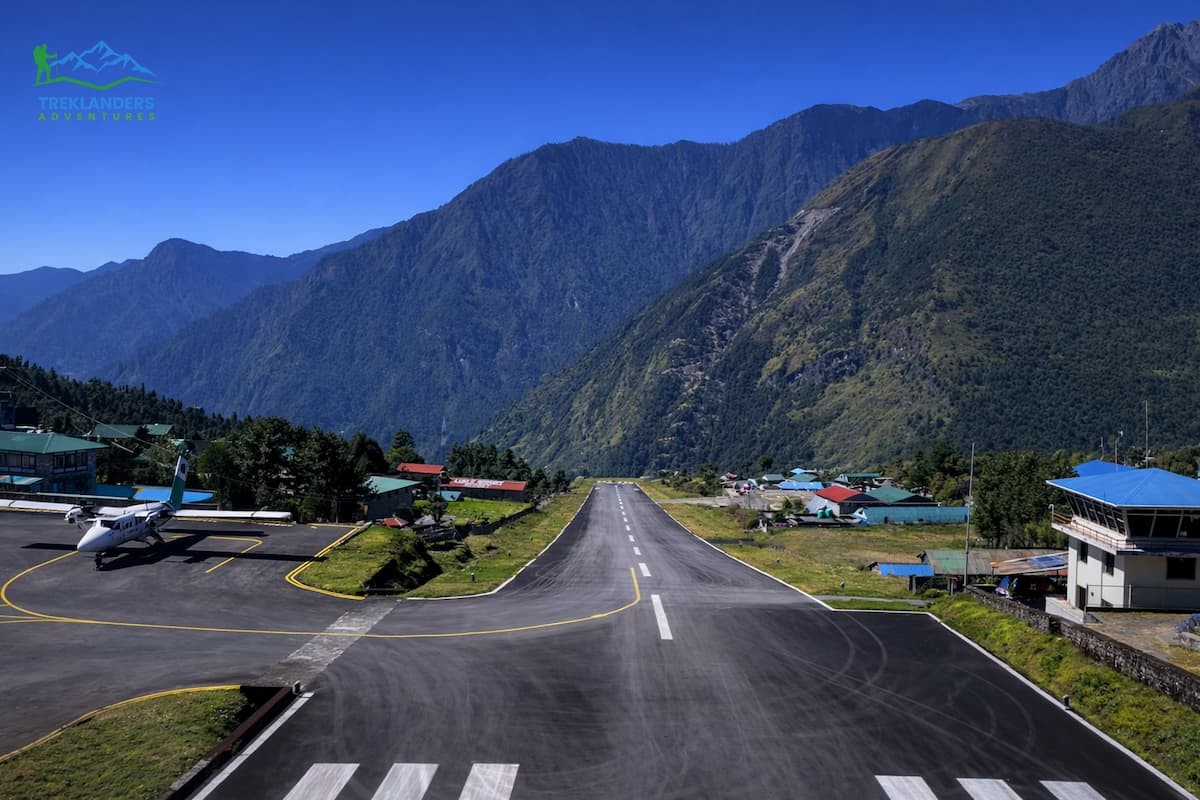
On the other hand, Everest Base Camp (EBC) is in the Khumbu region of northeastern Nepal, within Sagarmatha National Park. The usual way to get there is to take a mountain flight from Kathmandu to Lukla. Lukla is famous for its short and exciting runway, and the flights depend mostly on the weather. Delays and cancellations are very frequent, especially in the high trekking season. After landing at Lukla, the trek proceeds through the villages such as Phakding and Namche Bazaar on the way to the Base Camp of Everest.
The use of flights for EBC has made it more expensive and less predictable than ABC. Over the past few years, during busy seasons, a few Lukla flights have taken off from Ramechhap instead of Kathmandu, resulting in an extra 4-5 hour drive from the capital. This means that more travel time is added before the trek even starts.
In short, Annapurna Base Camp is more accessible and easier to get to, thanks to the fact that it is connected by roads and there are more transport options available. Although Everest Base Camp is more remote and has complicated logistics, it offers a traditional Himalayan flight experience, which most trekkers consider part of the adventure. You may choose based on whether you are looking for convenience or a more remote, high-altitude journey.
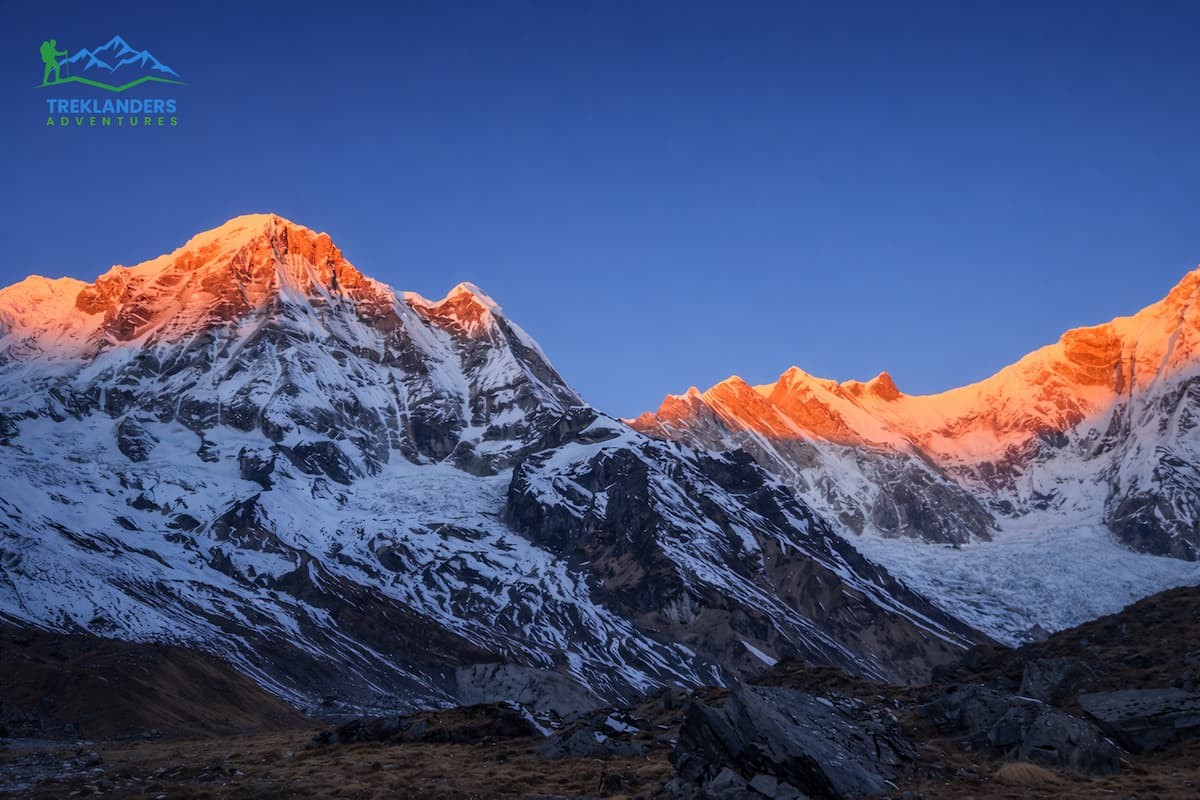
The most significant factor that is most likely to sway a hiker's decision between Annapurna Base Camp and Everest Base Camp is the scenery. Both treks provide amazing mountain views, but the scenery and the overall visual experience are quite different.
Annapurna Base Camp is celebrated for its fabulous natural amphitheatre, the Annapurna Sanctuary, as it is often called. The mountains literally surround you as you move closer to the base camp. Enormous peaks such as Annapurna I (8,091m), Machhapuchhre (Fishtail), Hiunchuli, and Annapurna South tower over the valley. The vibe here is very personal; you are literally surrounded by the mountains instead of seeing them from a distance. Furthermore, the trip is a great showcase of varied landscapes. You follow the path through terraced farmlands, bamboo forests, rhododendron woods, waterfalls, rivers, and alpine meadows before you get to the snow-covered high-altitude zone. The ABC trek is therefore visually very attractive at every single stage due to this continual change of scenery.
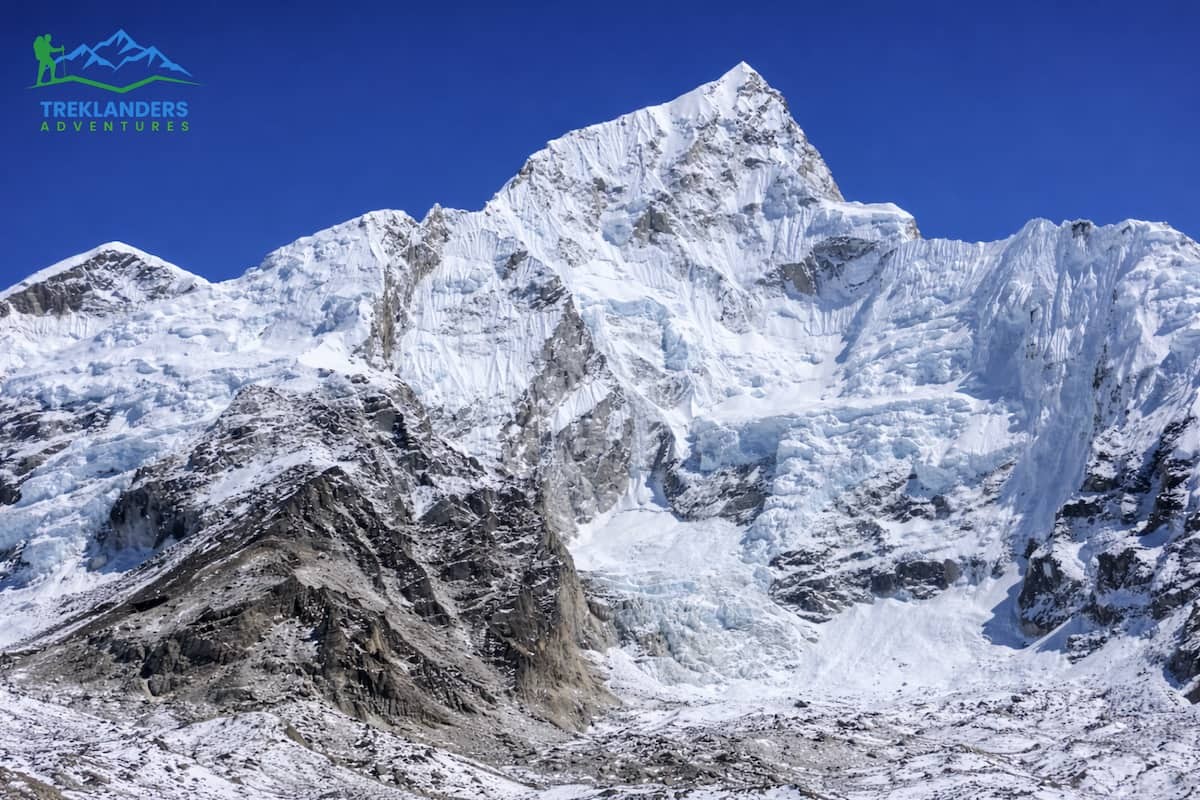
In contrast, Everest Base Camp presents a more dramatic and high-altitude environment in the Himalayas. The mountains appear to be higher, sharper, and more rugged. Trekkers can take clear pictures of Mount Everest (8,848.86m), Lhotse, Nuptse, Ama Dablam, and other well-known peaks. The highlight viewpoint is Kala Patthar, offering an excellent close-up panoramic view of Everest itself. While ABC is a path featuring the beauty of nature, the EBC one goes through wide glacial valleys, rocky terrain, and the breathtaking Khumbu Icefall near base camp. The surroundings here are natural and powerful, with the presence of huge glaciers and giant ice figures that dominate the landscape.
Simply, ABC provides a more diverse and closer, more intimate mountain experience. EBC offers the higher, grander, and more iconic Himalayan views, especially for those who are eager to have a face-to-face encounter with Mount Everest. Should you like pristine forests and a variety of landscapes, ABC might seem more beautiful overall. However, if you are after dramatic glaciers and the world's highest peaks, EBC offers an authentic, legendary mountain panorama.
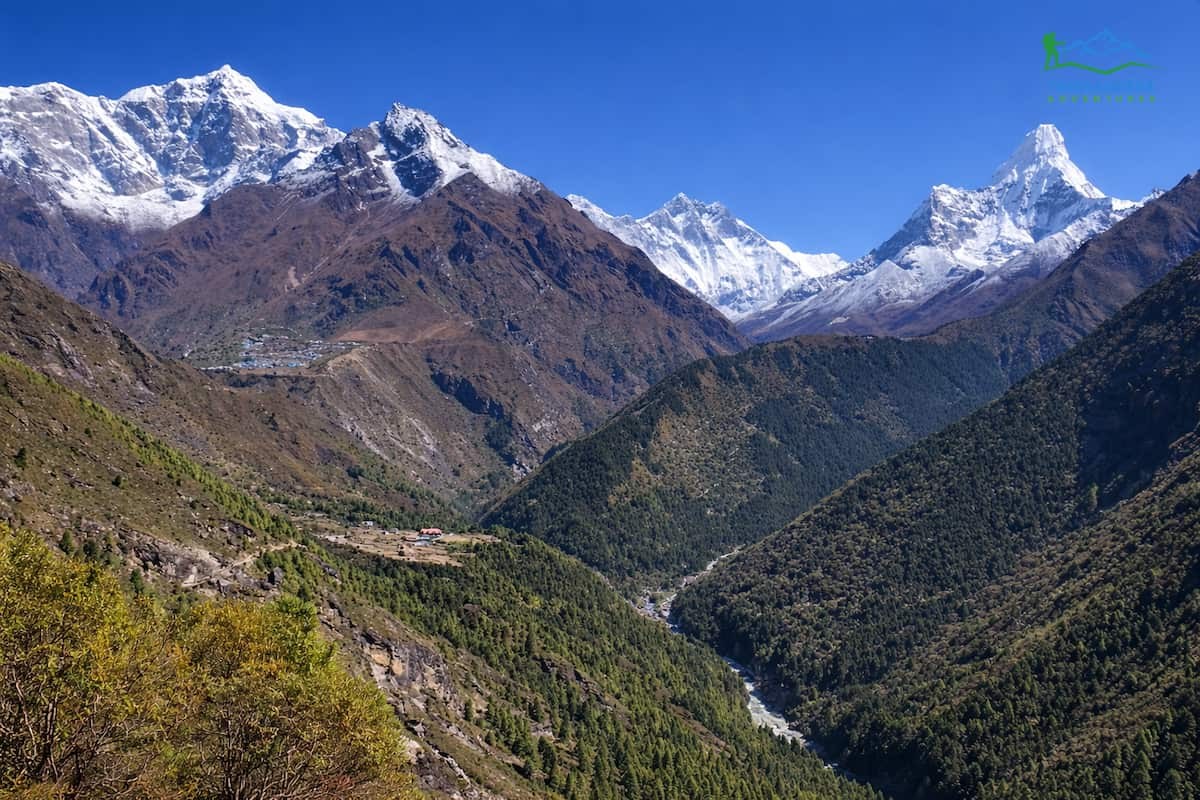
Understanding the difficulty level and fitness required is a must when you compare Annapurna Base Camp with Everest Base Camp. Both are moderate treks, but physically, Everest Base Camp is more challenging.
Annapurna Base Camp (ABC) is a trek which goes up to a maximum of 4,130 meters. The time to complete the trek depends on your pace or chosen route - generally, it takes 7-12 days. The trekking route has long stone staircases, consistent uphill climbs, and a few steep descents. Nevertheless, the altitude gain is slow, and the total altitude is less than that of Everest. For this reason, the chance of altitude sickness is moderate but can be controlled with proper acclimatization. ABC is ideal for beginners who are moderately fit, have some experience in hiking, and can walk for 5-7 hours a day. Usual cardio workouts like jogging, cycling, or stair climbing for a few weeks before the trek are generally sufficient to get you ready.
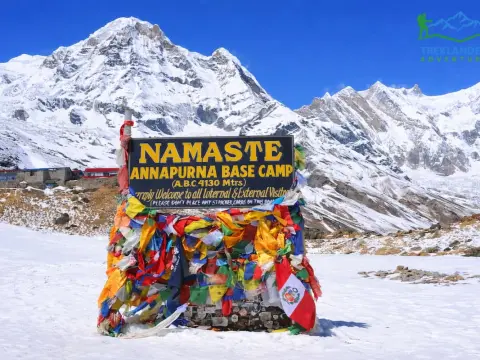
Everest Base Camp (EBC), on the other hand, goes up to an altitude of 5,364 meters, with a hike to Kala Patthar at 5,545 meters for the best Everest view as an optional activity. The trek usually takes 12-14 days, and there are planned acclimatization days at spots such as Namche Bazaar and Dingboche. At a higher altitude, it is harder to breathe, and naturally, your physical condition will deteriorate as you move up. Although the amount of time walking daily is the same (5-7 hours), the lower oxygen level makes the body undergo more stress. Even physically strong trekkers can get tired at high altitudes.
Annapurna Base Camp (ABC) is generally a more moderate trekking route with the majority of the distance covered at lower altitudes. EBC, on the other hand, involves a longer total distance as well as more time spent above 4,000 meters. This raises the significance of slow pacing, hydration, and paying attention to your body.
Mental strength is basically on the same level as physical fitness, particularly during those cold mornings and when you are trekking for long stretches up steep slopes.
To recapitulate, Annapurna Base Camp is a little bit easier and more appropriate for first-time Himalayan trekkers of average fitness level. Everest Base Camp, on the other hand, needs strong endurance, good cardiovascular fitness, and a proper understanding of altitude effects. Both expeditions can be done without technical mountaineering skills, but getting ready, keeping up the training, and having a good attitude are essential to finishing either journey successfully.
Altitude is among the key factors that we should take into account when deciding between Annapurna Base Camp and Everest Base Camp. As you go up higher, the amount of oxygen drops, and your body has to get used to it gradually. So, getting the right acclimatization is the first step to ensuring your safety and comfort during both treks.
In Annapurna Base Camp, you will reach a height of 4,130 meters. At this altitude, you can notice a difference in the air, but it is still okay and doable for a typical healthy trekker. Moreover, if planned properly, the trail in the Annapurna region is quite smooth in terms of elevation changes. Therefore, most people are able to go through ABC without facing any major problems related to the altitude as long as they keep walking at a regular pace, drink enough water, and do not rush. It is possible that they experience slight altitude sickness, such as a headache, tiredness, or difficulty in breathing, but the cases of serious altitude sickness are rarely seen here when compared to high-level Himalayan treks.
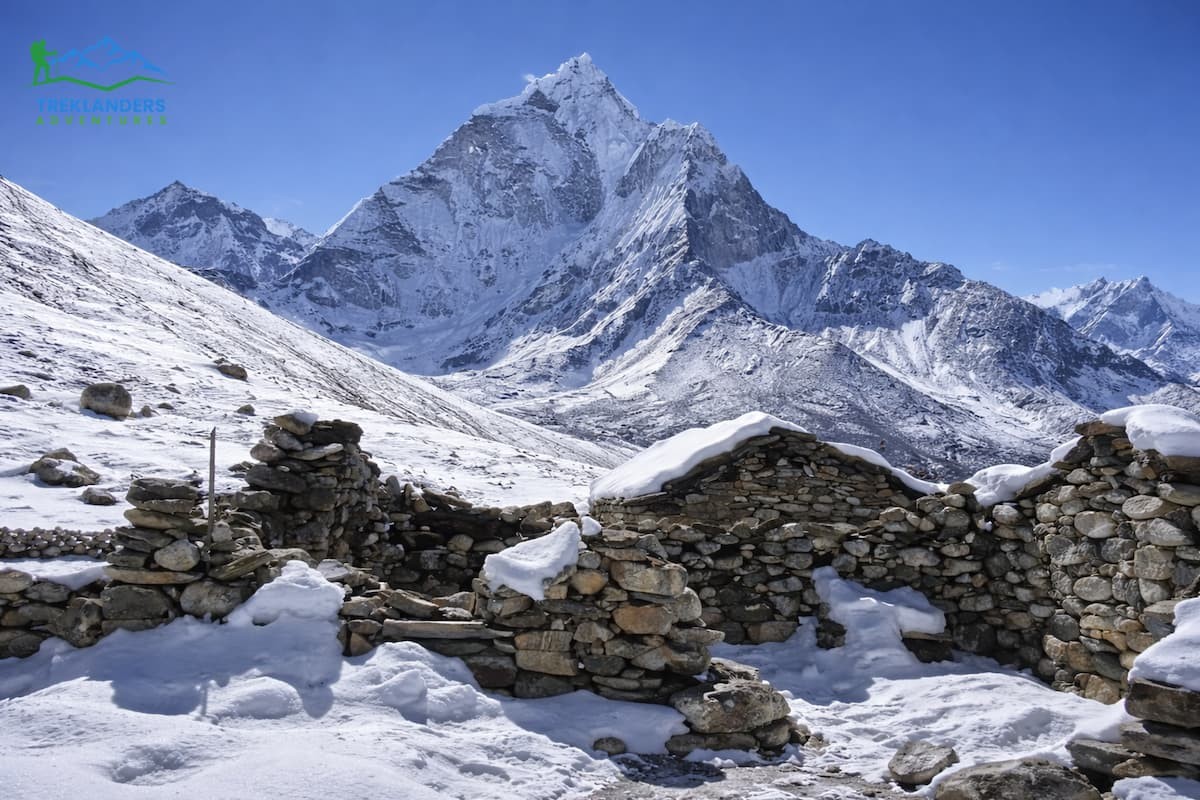
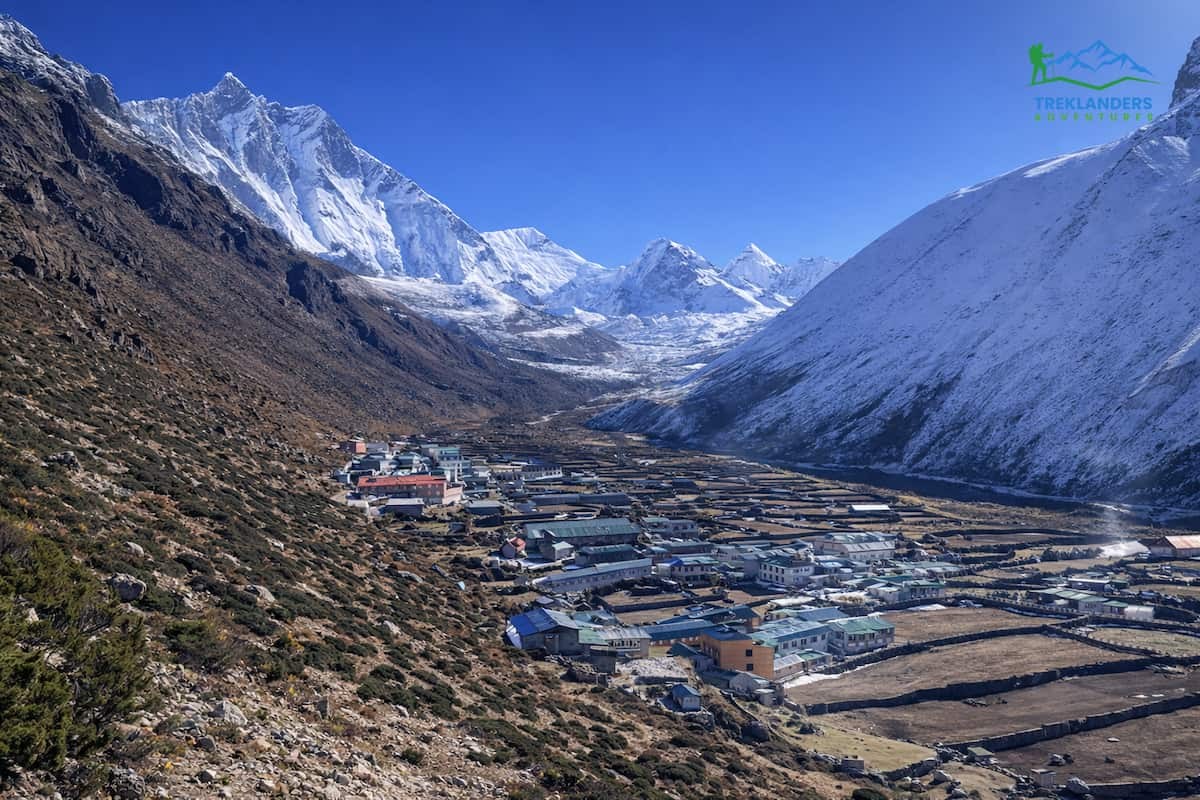
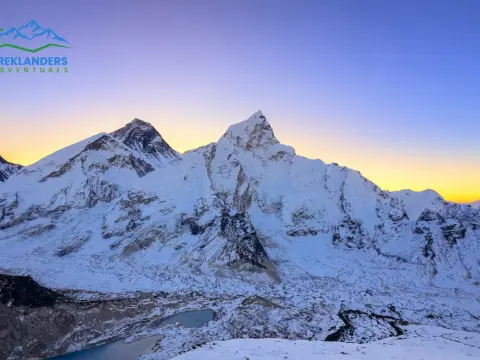
On the other hand, Everest Base Camp (EBC) reaches an altitude of 5,364 meters, and some people even go for a hike up to Kala Patthar (5,545 meters) to have a stunning view of Everest. Being at such heights, the danger of Acute Mountain Sickness (AMS) is much greater. That is the main reason why there are at least two acclimatization days incorporated in EBC itineraries, normally in Namche Bazaar (3,440m) and Dingboche (4,410m). Actually, these days off are not full rest days, because the trekkers do some short walking to a higher altitude and then go back to sleep at a lower level. The method of going up high and sleeping low is one of the ways your body gets better adapted.
On both treks, the main thing that will allow your body to adjust naturally to the new altitude is gradual ascent, staying well hydrated, eating well, and paying close attention to your body.
Going down to a lower altitude is the best remedy if your symptoms get worse. This being said, trekking to Annapurna Base Camp keeps you at a moderate altitude, and thus it's usually easier for your body to get used to it. Since Everest Base Camp is located at a higher elevation, more careful acclimatization planning is necessary. Besides choosing the right itinerary, being patient throughout the climb is very important if one wants to have a safe and successful Himalayan trekking experience.
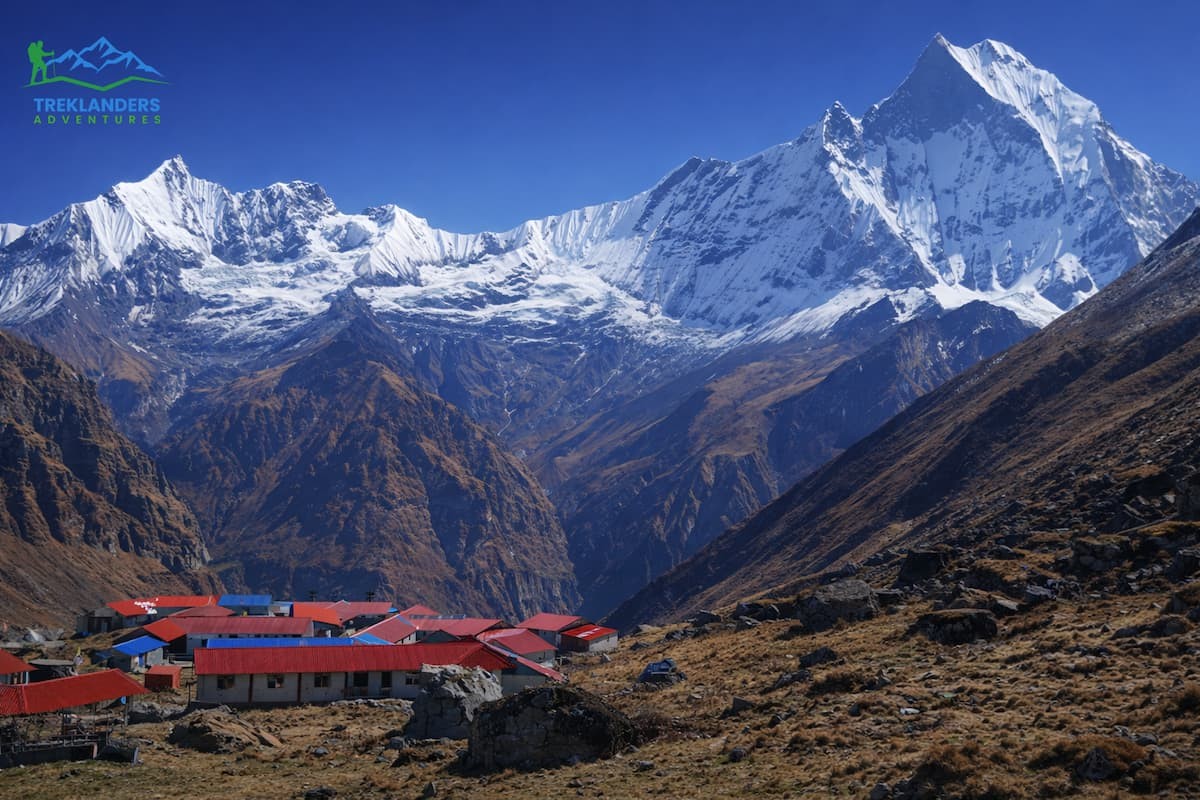
Knowing the highest altitudes of the Annapurna Base Camp and Everest Base Camp treks is a must for proper planning, preparation, and acclimatization.
At Annapurna Base Camp (ABC), the highest point is the base camp itself, at an elevation of 4,130 meters (13,550 feet). ABC is located inside the Annapurna Sanctuary. Here, you get a full panoramic view of the surrounding peaks, such as Annapurna I (8,091m), Machhapuchhre (6,993m), and Hiunchuli (6,441m). Annapurna Base Camp is sufficiently high to notice the air getting thinner and, possibly, to experience minor altitude effects, but, from a health perspective, it is quite comfortable for any trekker of even average fitness level.
The slow and steady ascent gives plenty of time for the body to get used to the altitude, and most people will only have very mild altitude symptoms, such as feeling short of breath or having light headaches. No technical climbing capability is necessary, thereby making ABC a perfect high-altitude introduction for novices.
Everest Base Camp (EBC) is higher, with the trek reaching 5,364 meters (17,598 feet) at the base camp itself. Many trekkers also hike to Kala Patthar (5,545 meters / 18,192 feet) for the best panoramic view of Mount Everest and surrounding peaks such as Lhotse, Nuptse, and Ama Dablam. The higher altitude increases the risk of Acute Mountain Sickness (AMS), making proper acclimatization critical. Trekkers typically include rest and acclimatization days in Namche Bazaar (3,440m) and Dingboche (4,410m), following the “climb high, sleep low” principle. The EBC trek requires greater endurance and careful monitoring of altitude symptoms, but reaching the base of the world’s highest mountain is a uniquely rewarding experience.
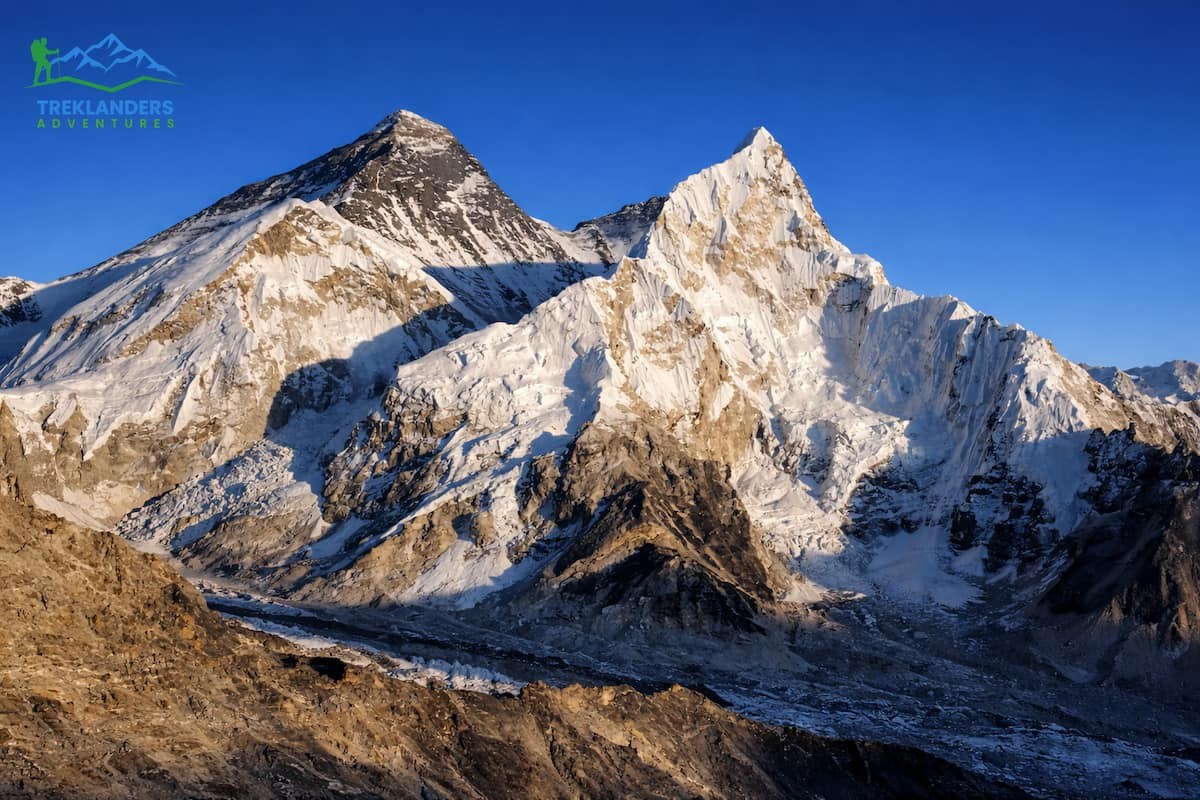
Summary: ABC’s highest point at 4,130m provides breathtaking Himalayan scenery with moderate altitude exposure, suitable for most trekkers. EBC’s higher elevation at 5,364m, with optional Kala Patthar at 5,545m, demands careful acclimatization and higher fitness but offers iconic, once-in-a-lifetime Everest views.
Altitude sickness, or Acute Mountain Sickness (AMS), is a major issue to be considered when hiking in the Himalayas. Besides, the likelihood of getting sick varies greatly between Annapurna Base Camp and Everest Base Camp. Going into the details of the danger level is one of the helpful ways that hikers could use to ensure their safety by properly planning the process of acclimatization.
At Annapurna Base Camp (ABC), the highest altitude is 4,130 meters (13,550 feet). At this height, a great majority of healthy trekkers only suffer from minor issues like headache, shortness of breath, or tiredness. The slow climb and the relatively lower height compared to Everest significantly diminish the chance of getting serious AMS. If you keep up proper pacing, hydration, and rest, you might not see the development of severe altitude sickness. Hence, ABC is taken as a good choice for first-time high-altitude trekkers or those having an average level of fitness.
On the other hand, Everest Base Camp (EBC) stands at 5,364 meters (17,598 feet), and there are also optional hikes to Kala Patthar (5,545 meters / 18,192 feet). At such heights, AMS risk is greatly escalated. The list of symptoms can be expanded to include persistent headaches, nausea, dizziness, difficulty sleeping, and extreme tiredness. In exceptional situations, high-altitude pulmonary edema (HAPE) or high-altitude cerebral edema (HACE) may come about, which are both very dangerous and require immediate treatment to save a person's life. To mitigate such a risk, EBC journey schedules always have days for acclimation in Namche Bazaar (3,440m) and Dingboche (4,410m). Trekkers adhere to the rule of climb high, sleep low and take their time while keeping an eye on their body, so they would be able to recognize the early signs of trouble.
Summary: ABC has a lower risk of altitude sickness and is more forgiving for beginners, while EBC’s higher elevation requires careful acclimatization and vigilance. Choosing the right trek depends not only on physical fitness but also on your ability to manage altitude safely.
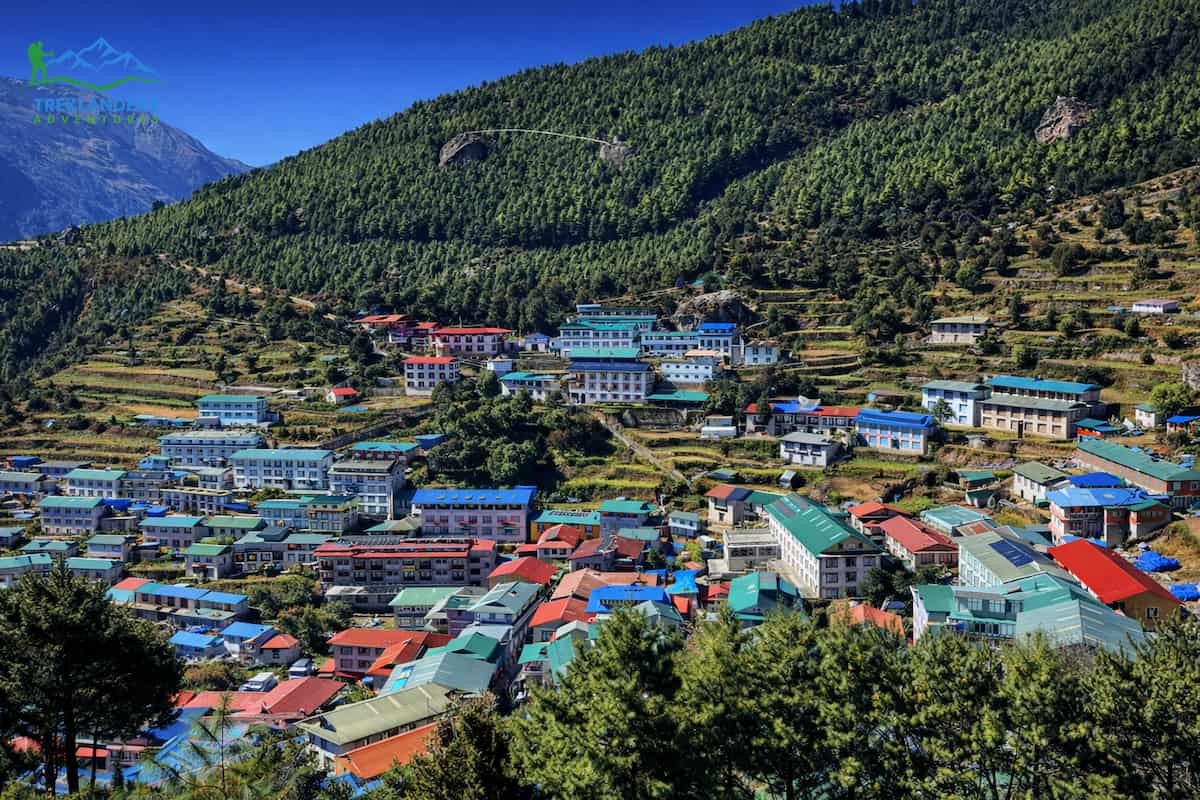
One of the main factors to ensure a safe Himalayan trek is proper acclimatization, and hence, the number and placement of rest days vary greatly between Annapurna Base Camp and Everest Base Camp, mainly due to differences in the highest altitude and trail difficulty.
The highest point on the Annapurna Base Camp trek is 4,130 meters. Because the ascent is slow and the overall altitude is moderate, most itineraries of the trek do not call for days for acclimatization outside of the normal trekking schedule. Typical itineraries last 7 to 12 days with daily walking hours ranging from 5 to 7. Trekkers can finish the trek safely without any planned rest days at high altitude. Nevertheless, first-time trekkers or those who want to go at a slower pace can add an optional rest day at Chhomrong or Dovan. The rest days allow the body to get used to the thinner air, lessen the feeling of tiredness, and give an opportunity to the trekkers to enjoy the environment more comfortably. These days are not strictly necessary, but they can make the trek more fun and less demanding.

Everest Base Camp trek presents a different situation. The highest altitude you reach here is 5,364m, and a lot of trekkers go for a climb to Kala Patthar (5,545m) to get the best views of Mt. Everest. At these heights, you have a much higher risk of altitude sickness, and performing acclimatization days becomes a necessity rather than an option. Regular EBC itineraries have been designed to include two to three acclimatization days, most often in Namche Bazaar and Dingboche.
At Namche Bazaar, trekkers usually hike to local hills or to Tengboche Monastery and then come back to sleep at a lower elevation. This process helps the body get used to the higher altitudes step by step. The same kind of day is allocated at Dingboche, where short hikes to nearby viewpoints allow the body to adapt to the surroundings before ascending to higher elevations. These days are based on the concept of "climb high, sleep low," which results in the body producing more red blood cells, making better use of oxygen, and lowering the risk of Acute Mountain Sickness.

In summary, Annapurna Base Camp is generally a non-demanding trek for strict acclimatization days, mainly due to the lower elevation, although optional rest days can be beneficial for comfort. Everest Base Camp, however, is an adventure where you have to pay great attention to the planning of the acclimatization days to ensure the safety and increase the chances of a successful trek. When you schedule these days properly, it will be easier for you to manage the challenges of the high altitude and enjoy a wonderful Himalayan experience.
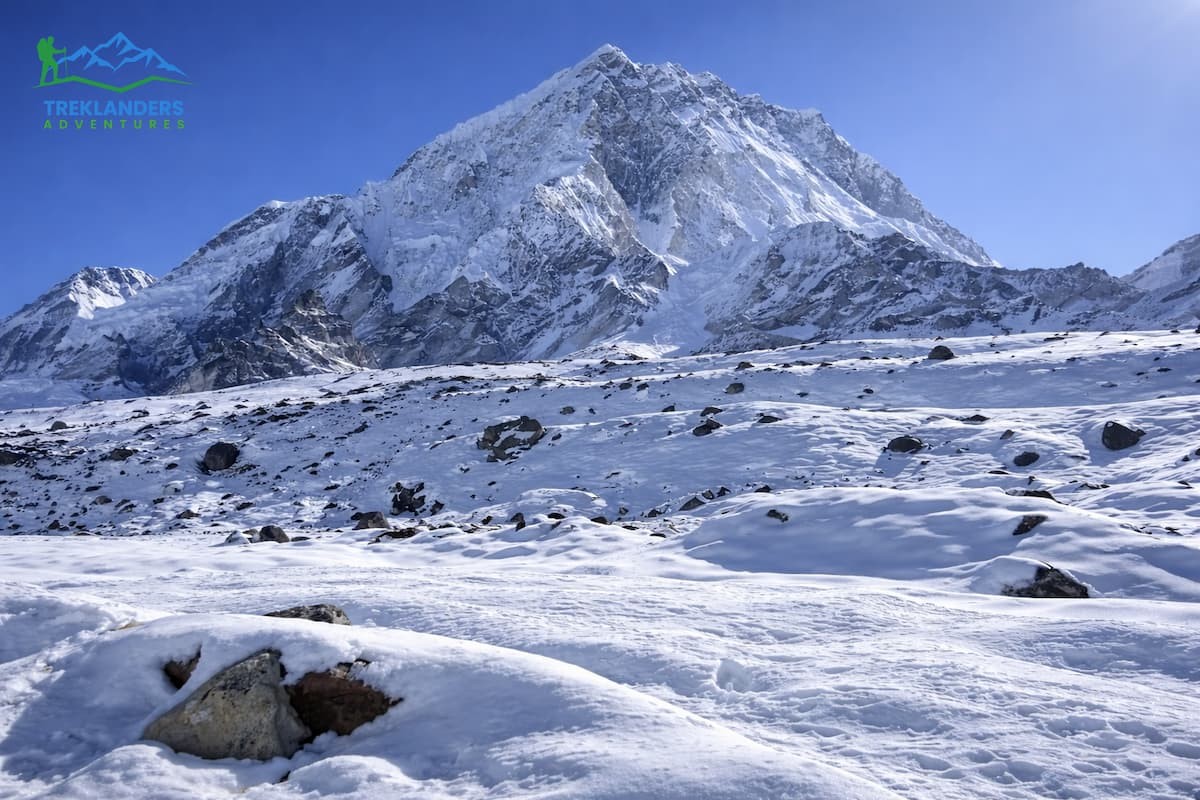
Among the two, Annapurna Base Camp (ABC) is usually the safer and less taxing option for altitude-sensitive trekkers. ASC has a highest point of 4,130 meters, and hence the body gets a gradual exposure, considerably lowering the likelihood of Acute Mountain Sickness. The ascent is gradual, and the path goes via lower villages, forests, and valleys before arriving at the higher elevations, thus providing trekkers with natural acclimatization. There are rest days on Chhomrong or Dovan that are optional, which also help the body adapt without greatly extending the duration of the itinerary.
On the other hand, the Everest Base Camp (EBC) trek reaches an altitude of 5,364 meters, and there are optional hikes above 5,500 meters. The higher altitude brings with it a higher risk of symptoms such as headaches, nausea, and fatigue, thus making it less desirable for those who are easily affected by altitude sickness. EBC demands strict acclimatization and regular health checks, which can be difficult for trekkers who are sensitive to altitude.
Simply put, ABC is a better, easier and safer option for those who worry about the effects of high altitude.
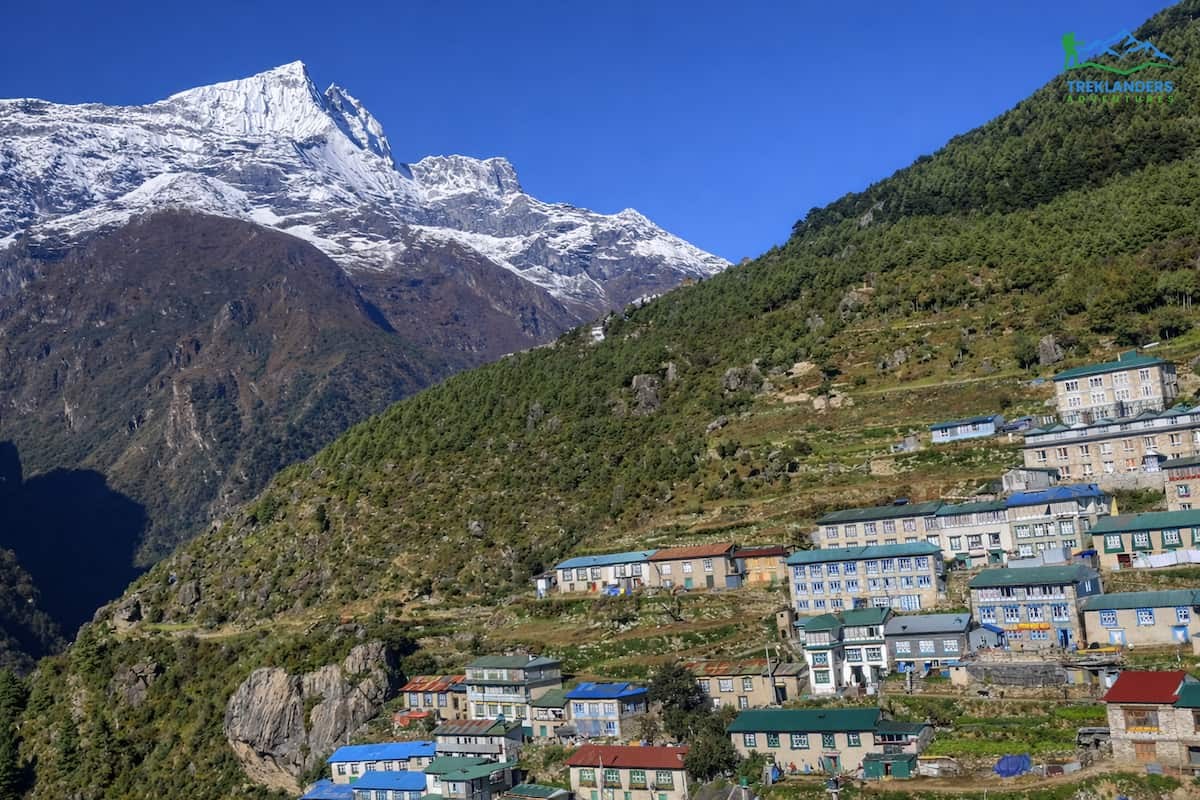
Both Annapurna Base Camp and Everest Base Camp give you a chance to experience the culture, but they are quite different in terms of style and atmosphere. On your way to Annapurna, you will come across the villages of the Gurung and Magar tribes. The fields with terraces, the stone houses, and the hospitality of the locals give you a very close and authentic experience of rural Nepalese life. You can interact with the locals at the tea houses along the trail and enjoy home-cooked mountain meals. The festivals and local customs, as well as the friendly villagers, make ABC culturally very down-to-earth - almost like a homecoming.

In the Everest area, you get to know the Sherpa culture that is widely recognized due to the mountaineering achievements and Tibetan Buddhist traditions. Some of the things that a trekker gets to do are: visit the monasteries such as Tengboche, watch the prayer flags along the trails, and have a look at the lively villages like Namche Bazaar. EBC is at a higher altitude and is surrounded by the most famous peaks, it is more isolated, but the cultural experience here centers on the high-altitude lifestyle, spirituality, and the mountaineering tradition of the Himalayas.
If you compare the two, ABC is more about the warm and friendly local villages, while EBC is about Sherpa culture in a mountain spectacle.
Meeting the local people on a trek is one of the great experiences in Nepal trekking, and both Annapurna Base Camp and Everest Base Camp treks offer unique cultural experiences that come from the geographical, ethnic and traditional makeup of the region.
The Annapurna region is the traditional home of the Gurung and Magar ethnic groups, who are two of the original inhabitants of Nepal. These communities have been living in the mid-hills for hundreds of years and have developed agricultural systems suitable for terraced farming on very steep slopes. You will notice that villages along the ABC trek, like Chhomrong, Jhinu Danda, and Bamboo, still show the traditional use of stones and wood in their architecture. Local people mostly activate hospitality as small-time operators of tea houses, lodges, and farms, allowing trekkers to experience the rural mountain life in person. You can see traditional local work such as making cloth, raising animals, and doing the farming ritual according to the seasons. Festivals, cultural songs, and dances provide additional insight into the region's heritage. The local people are so warm-hearted, friendly, and open that they gladly share with you their daily life, religion, and mountain lore.
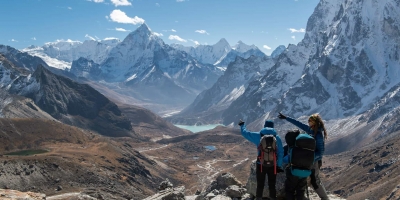
Instead, the Everest area is known as the territory of the Sherpa people, who are globally recognized for their mountaineering expertise and their ability to cope with high-altitude conditions. Sherpa settlements such as Namche Bazaar, Khumjung, and Pangboche are dotted with stone houses decorated with prayer flags, Mani walls, and Buddhist stupas. Buddhism is a major part of Sherpa culture, and trekkers are often drawn to old monasteries like Tengboche Monastery, where they can see daily rituals and festivals. The Sherpa’s' existence is very much set to the rhythm of the mountains, from assisting mountaineers, through traditional agriculture and yak herding. Their culture centers on spirituality, community, and endurance, thus giving the trekkers a deep insight into how people manage to live in extreme high-altitude environments.
In essence, the Annapurna trek is a culturally vibrant journey taking you through rural mid-hill communities, where you will be warmly welcomed and will experience different ways of village life. The Everest trek is a journey into the world of the Sherpa’s, their hardiness at high altitudes, and their spiritual ways. Both treks give the adventurers an opportunity to intimately engage with the people and the culture of Nepal, each in its uniquely mountain setting.
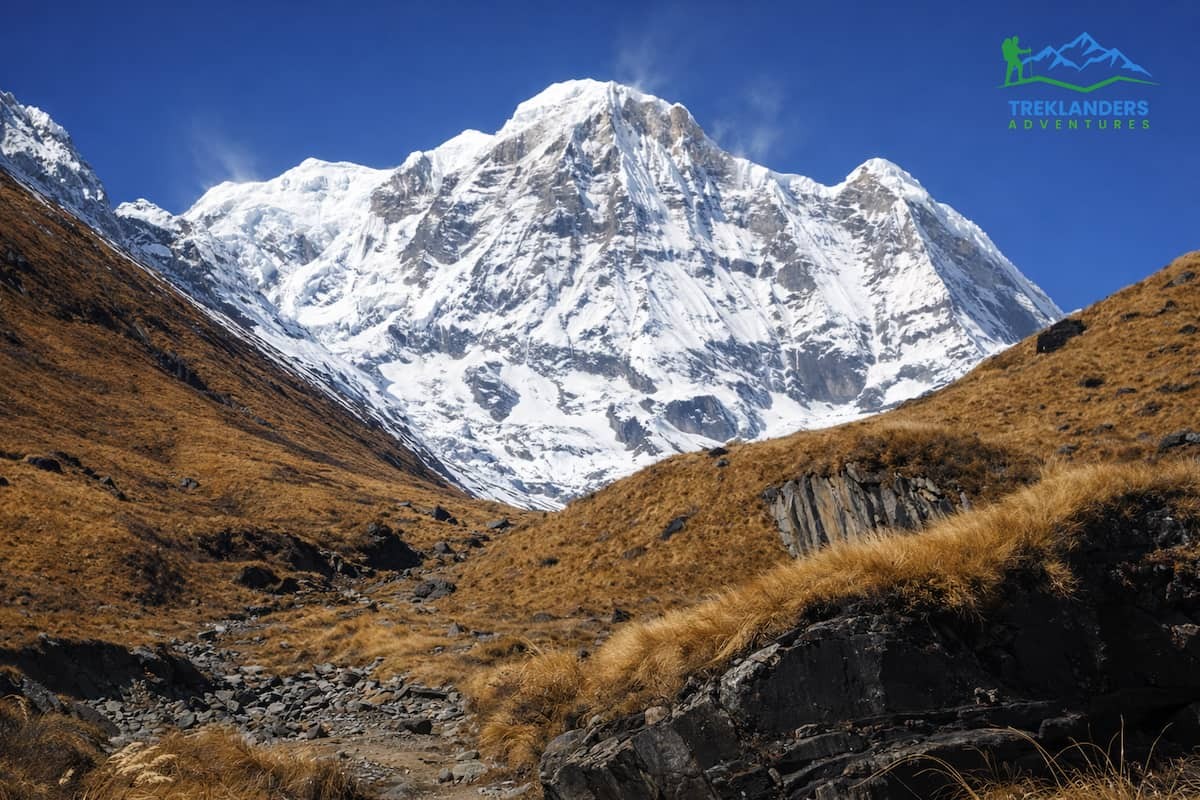
Trekking seasons and respective weather conditions at the Annapurna Base Camp, as well as the Everest Base Camp, mostly determine your safety and fun during the entire trip.
One can get on the Annapurna Base Camp (ABC) trail all year round, but the perfect seasons are spring (March to May) and autumn (September to November). Rhododendrons bloom during spring, which adds splashes of colour to the landscapes. In autumn, the weather is nice, the skies are clear, and you can see the Annapurna peaks from all sides; it is the most favored time to go trekking. The coldness in December till February is mainly at high altitudes; however, if you dress well, you can still do the trek. The monsoon season (from June to August) is characterized by heavy rainfall, slippery paths, and very limited mountain views; hence, this is the worst time for trekking.
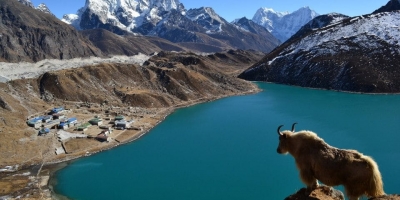
Due to the clear skies, both spring and autumn offer spectacular views of Everest, Lhotse, and Ama Dablam; therefore, the Everest Base Camp (EBC) trek gets most of its goodies from these two seasons. Spring is a little warmer, so trekkers can also spot alpine flowers in bloom along the way, while the stable weather and less cloud cover have made autumn the peak season. In winter, the conditions are severe, and temperatures can drop to below freezing levels, especially around Kala Patthar and base camp. The trek gets difficult. Heavy rains, snow at higher elevations, and dangerous trail conditions characterize the monsoon season, which is generally not preferred.
Due to the fact that the ABC trail is at a lower altitude, it is a bit more tolerant during the off-seasons, while EBC needs around-the-corner planning to avoid extreme cold and altitude-related problems. Spring and autumn are still the safest and most beautiful seasons for both trips, providing great mountain views, comfortable temperatures, and dependable trail conditions. Being well-timed allows one to have a great Himalayan experience with a minimum of weather-related risks.
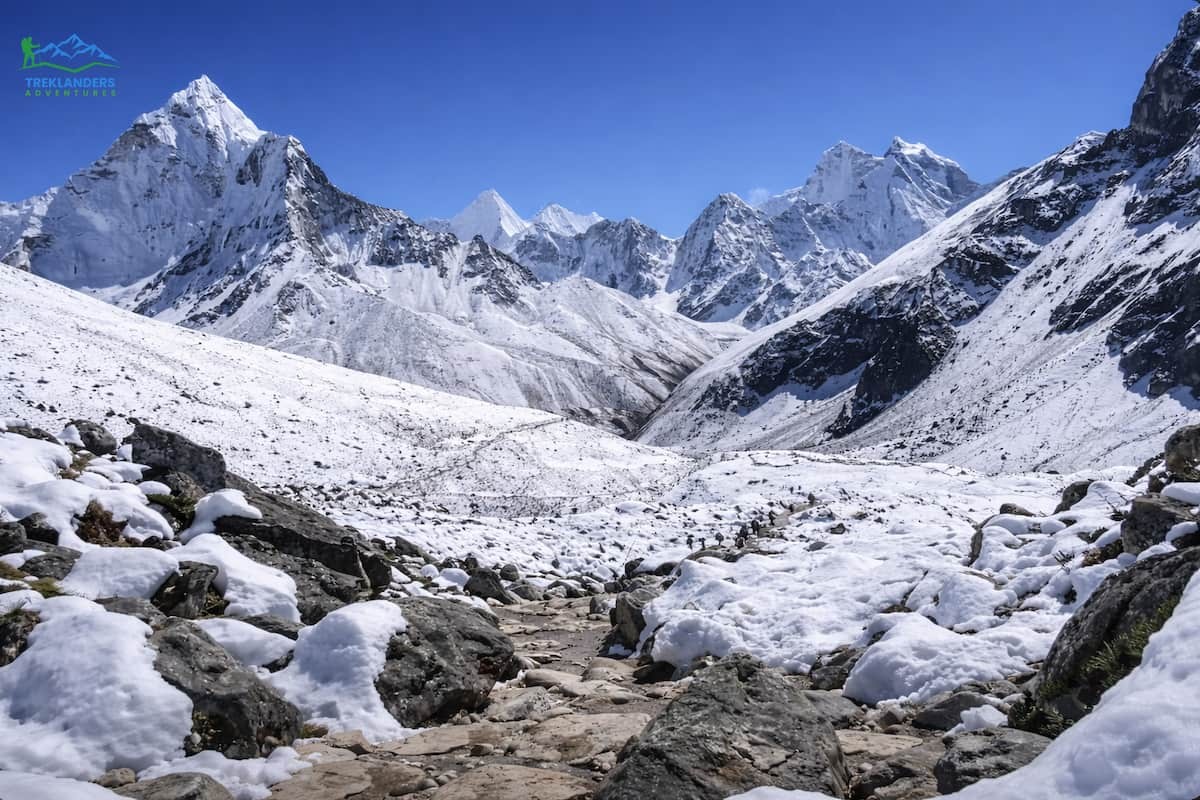
Choosing between Annapurna Base Camp and Everest Base Camp is largely a matter of your level of fitness, how much time you can spare, how much money you have and what your personal trekking goals are. Both are incredibly beautiful and iconic Himalayan trekking Routs, but they suit different kinds of vacationers.
If you are new to high altitude trekking, do not have much time (7-10 days) or want to go for a moderate challenge with a variety of landscapes, ABC is probably the best option. It features - forests - waterfalls - terraced farms and the grand mountain amphitheatre at 4130 meters. The altitude is quite easy to cope with, the logistics are quite simple as there is a road leading to Pokhara and overall, the costs usually are lower. ABC is a great option if you want to get a little bit of nature, culture and mountain scenery without a big climb.

However, if your ambition is to be at the foot of the world's highest mountain and experience legendary Himalayan scenery, EBC might be your trek. It is more time-consuming (12-14 days), needs higher fitness and also a good acclimatization because its altitude is 5364 m. The path offers stunning glaciers, the Sherpa culture, and fabulous views from Kala Patthar. EBC is the right choice for the trekkers who want to tick it off their bucket list and who enjoy high-altitude trekking challenges.
Simply put, find an advantage in ABC if you want to be less away and have moderate difficulty and lots of landscape types. Go for EBC if you want to be at an iconic place, challenge yourself to a higher altitude and have the experience of a lifetime by hiking in the shadow of Mt. Everest. The trek that is best for you is the one that represents your perfect Himalayan journey.
If you are making plans for a trek either to Annapurna Base Camp or to Everest Base Camp, then besides these two basics, it would only be natural to think about the overall logistics such as transport, accommodation, meals and permits for trekking.
Compared to Everest Base Camp, Annapurna Base Camp is easier to get to. For starters, it is possible to get to the trailhead by road from Pokhara, and along the route, there are several well-established villages where tea houses and lodges abound. The cost of accommodation and food per day is reasonable, and with the flexibility of road transport, itineraries can be changed, which is a plus. The trek is of a shorter duration and moderate altitude, which makes a good planning combination, and since there are plenty of villages on the way, requirements for food, water, and lodging will be very easy to meet.
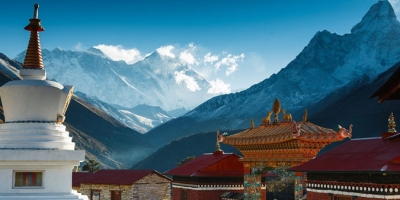
Everest Base Camp is a lot more isolated; the trek itself starts from Lukla after a mountain flight. Being at a higher elevation and having a longer route means you have to plan your accommodations, meals, and acclimatization even more carefully. The stuff along the way, e.g., Namche Bazaar and Dingboche, the tea houses are very nice and well kept, but you have a little bit fewer choices than you would in the Annapurna area. For one, the flight to Lukla is another factor involved, and then if the weather is not good, you might be forced to stay longer.
In short, Annapurna Base Camp is mostly more straightforward to arrange because of the accessibility by car and the close settlements, whereas Everest Base Camp needs more careful arrangements due to the much less accessible location, dependence on flights, and higher altitude. However, both trekking routes have a dependable infrastructure for hikers, which is guaranteed to make their experience of the beautiful mountains of Nepal a safe and pleasant one.
Annapurna Base Camp and Everest Base Camp are both equally great if you want to have an amazing Himalayan experience. Yet, they are suitable for different types of trekking preferences and Annapurna Base Camp is perfect if you are moderately active, interested in different types of sceneries, cultural immersion, and a shorter and more accessible adventure whereas Everest Base Camp is suitable for those who want to experience the thrill of standing at the base of the world's highest peak with higher altitude, more challenging conditions, and epic mountain views.
Both of these trekking routes offer you the opportunity to see the natural beauty of Nepal, experience the vibrant local culture, and enjoy the warm hospitality of the people. However, the deciding factors will be your fitness level, the time you have available, your tolerance for altitude, and the kind of adventure you are looking for. Whether you like the close and cozy mountain amphitheatre of Annapurna or the dramatic glaciers and peaks of Everest, the memory of the two trips will be amazing and a Himalayan experience of a lifetime.
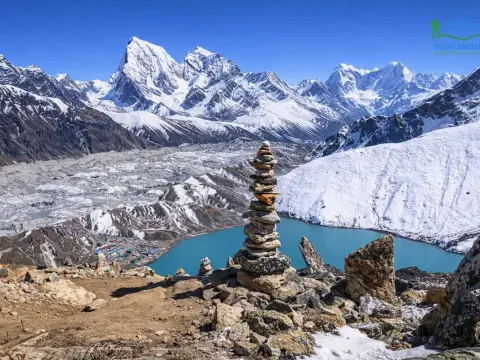

Explore the Manaslu Circuit Trek with top highlights like Larkya La Pass, Manaslu Base Camp, and authentic Himalayan culture.

The Manaslu Circuit Trek is a breathtaking Himalayan journey with Mount Manaslu views, Larkya La Pass, Tibetan culture, and peaceful remote trails.

Kyanjin Ri and Tserko Ri hikes offer the best Himalayan views and sunrise panoramas in Langtang Valley.



