Langtang Valley Trek: 10 Best Things to Do & Complete Guide in Nepal
26 Feb 2026
Discover the Langtang Valley Trek in Nepal — a stunning Himalayan journey to Kyanjin Gompa, Tserko Ri (4,984m), and close-up views of Langtang Lirung.

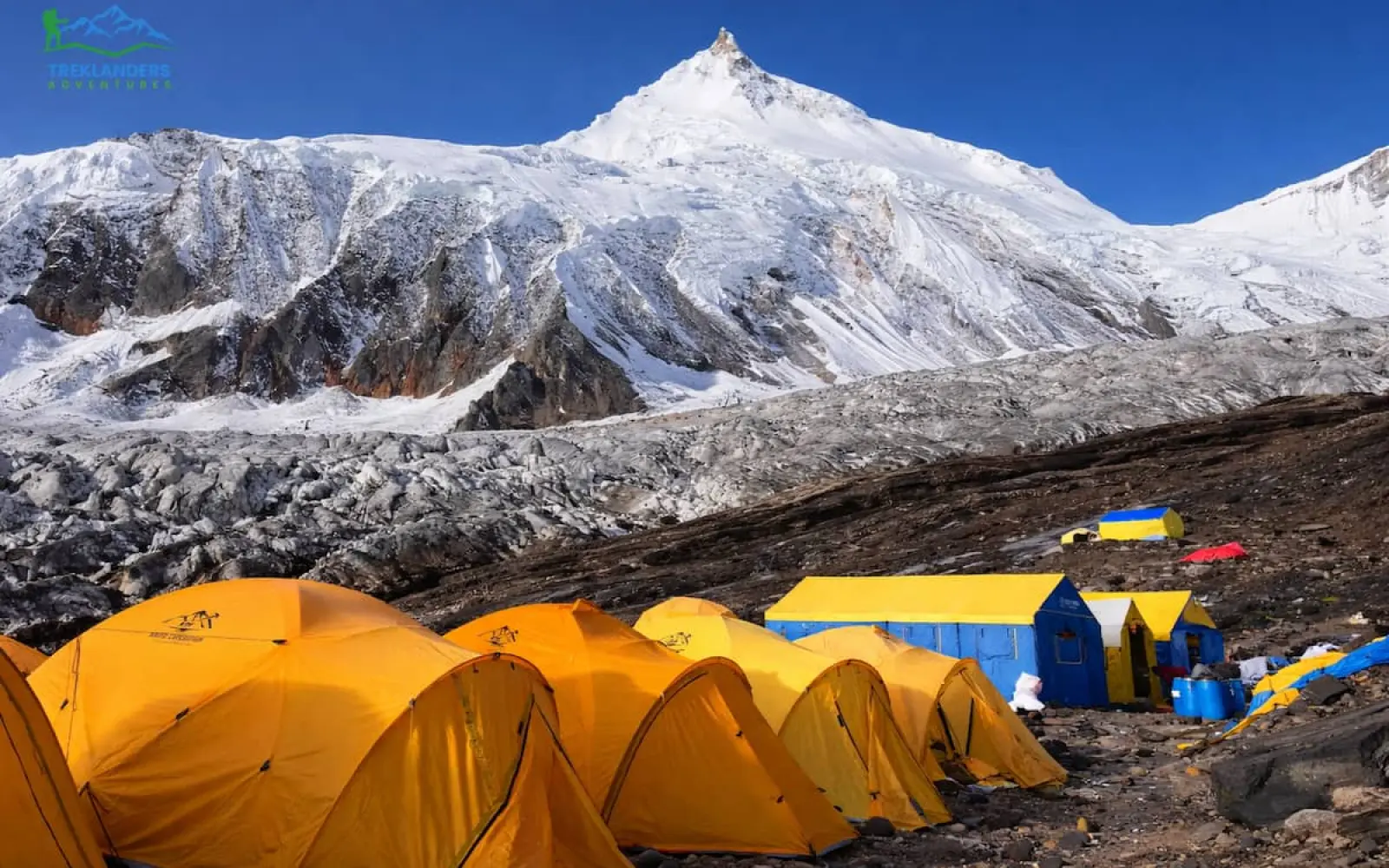
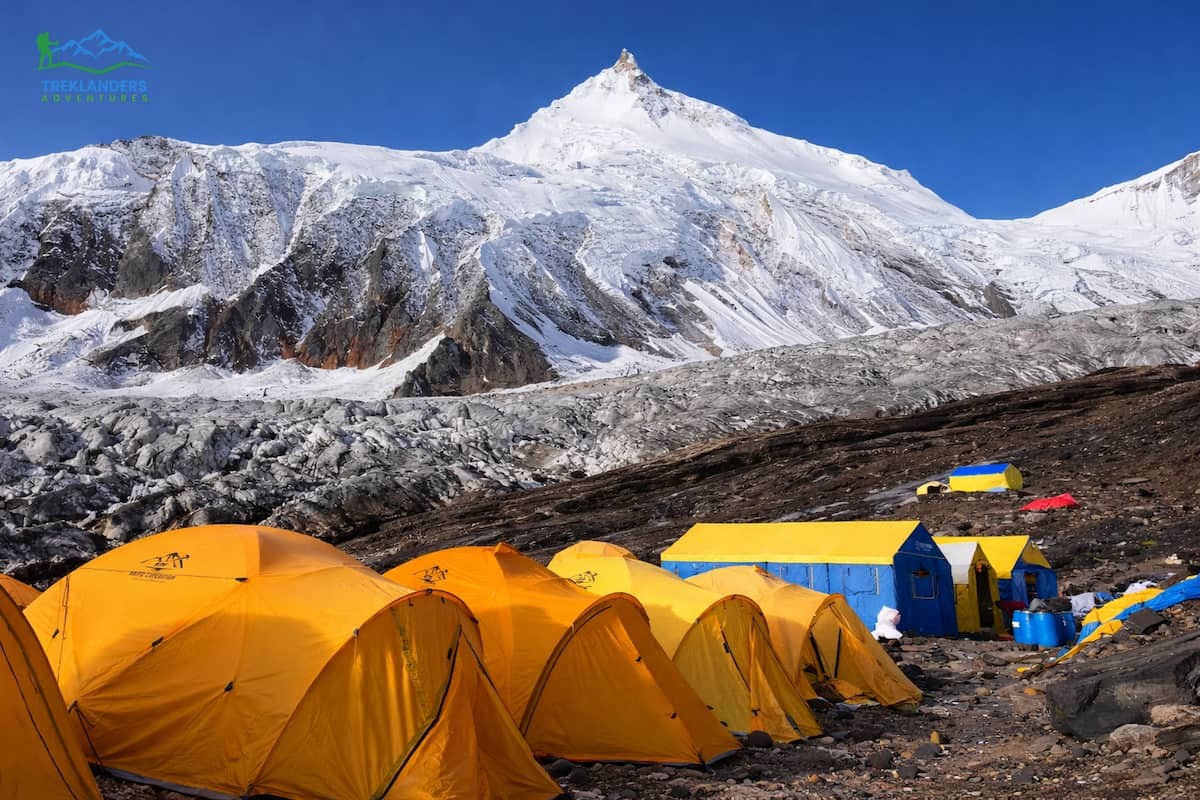
The Manaslu Circuit Trek is certainly one of Nepal's best and most tranquil Himalayan escapades. This trek around the magnificent Mount Manaslu - a mountain that reaches 8,163 meters and is the world's eighth-highest peak - offers some of the most dramatic landscapes, along with authentic Himalayan culture, high passes, and peaceful trails. While Everest and Annapurna treks are overrun with tourists, the Manaslu trek offers a traditional experience, as it remains unspoiled and culturally preserved.
The itinerary generally starts from Soti Khola and proceeds along the Budhi Gandaki River, going through deep gorges, multiple suspension bridges, terraced fields, and thick forests. Going higher, the nature is gradually changing from subtropical to alpine meadows and finally glacial valleys. Among the remarkable things is the crossing of the difficult Larkya La Pass (5,160 meters), which presents to the trekkers wonderful, wide aerial views of various summits like Himlung Himal, Cheo Himal, Kang Guru, and Annapurna II.
On top of that, the cultural side of the trip is quite amazing. Both Samagaun and Samdo villages display the Tibetan Buddhist culture to a great extent. There, you have a chance to see old monasteries, Mani walls, prayer wheels and are even able to chat with the local Gurung and Tibetan people. In fact, the combination of a tranquil setting, snowy peaks, and yak pastures makes the scenery of each day worth seeing.
This trek is perfect for adventure lovers who crave a physical challenge as well as want to discover a new culture. The Manaslu Circuit offers an abundance of experiences, such as visiting local mountain villages, being surrounded by the beauty of glacial lakes, and enjoying a great morning view of the Himalayas. On this trek, you will gather memory after memory without even realizing it.
In this ultimate travel guide, you can get to know the top 10 things that you can do during the Manaslu Circuit Trek, thus helping you plan a well-rounded, scenic, and adventurous journey in perhaps one of the most beautiful trekking areas of Nepal.
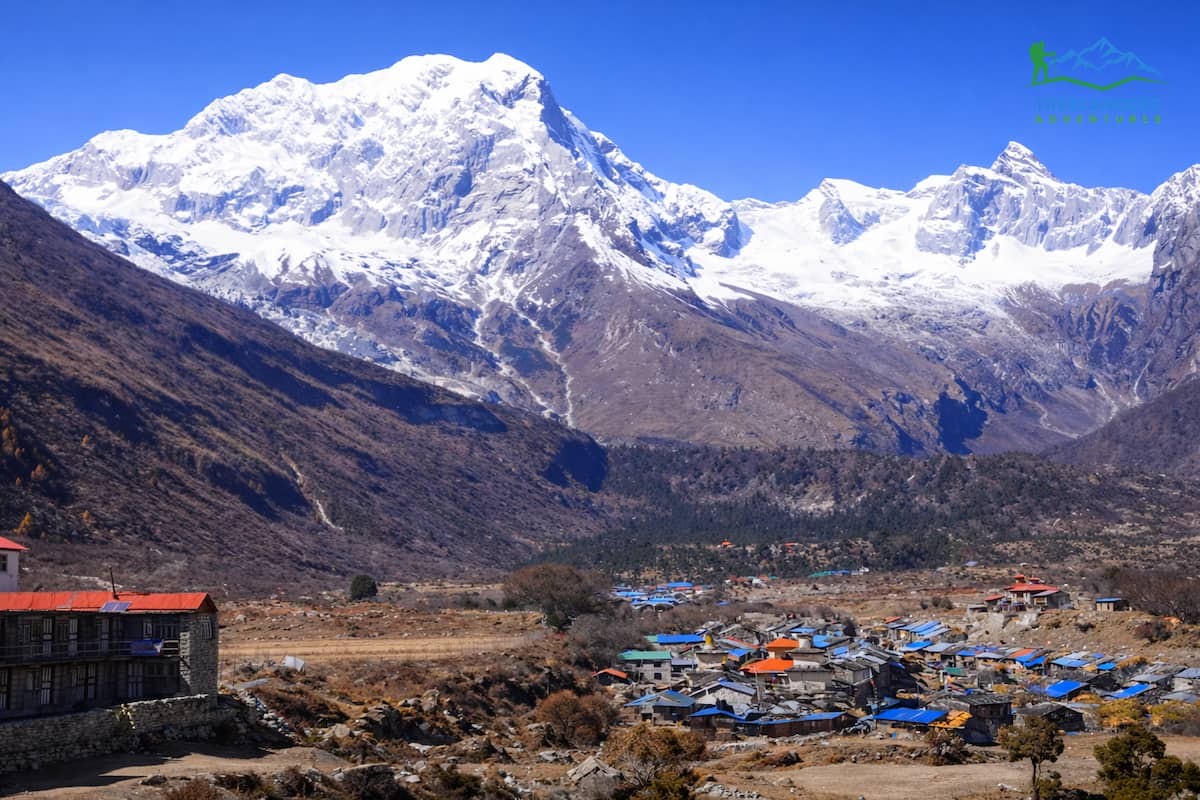
During the Manaslu Circuit Trek, one of the most remarkable things you get to do is to explore the ancient mountain villages of Samagaun and Samdo. These charming villages are almost like living museums of the unique lifestyle, culture, and traditions of the Gurung and the Tibetan-influenced people who have made their homes up in the high Himalayas.
Samagaun is a large and beautiful village situated at an altitude of 3,530 meters. It is surrounded by picturesque mountains, including the giant Mount Manaslu. The village stocks traditional stone houses, narrow lanes, prayer wheels being spun, and long mani walls adorned with Buddhist mantras. A visit to the old Pungyen Monastery, which is slightly further afield, is also worth your time if you want to see monks practicing Tibetan Buddhism. The serenity of the place and the warmth of the people make Samagaun an ideal spot for rest and acclimatization.
Going higher in elevation, the trek eventually brings you to Samdo, a small village near the Tibetan border at about 3,875 meters. Samdo gives a stronger sense of being isolated and less influenced by external cultures. The inhabitants here have deeply Tibetan roots, and many of the households are engaged in yak herding and trading. You find vast yak grazing fields, folks wearing traditional dresses, and modest mountain shelters that are perfectly equipped to endure the severe winters.
Walking through these villages allows you to get a glimpse of how people live in the Himalayas on a day-to-day basis. You might spot ladies spinning wool, kids having fun in the courtyards, and the old folks chanting prayers. Besides, trekkers can savour local dishes such as Tibetan bread, thukpa (noodle soup), and butter tea.
Visiting Samagaun and Samdo is far more than just an outing. It is an opportunity to see how culture, religion, and mountain life are interconnected at a very intimate level. These villages represent an incredible cultural treasure of the Manaslu Circuit Trek, hence making the trip a deeply rewarding and memorable experience.
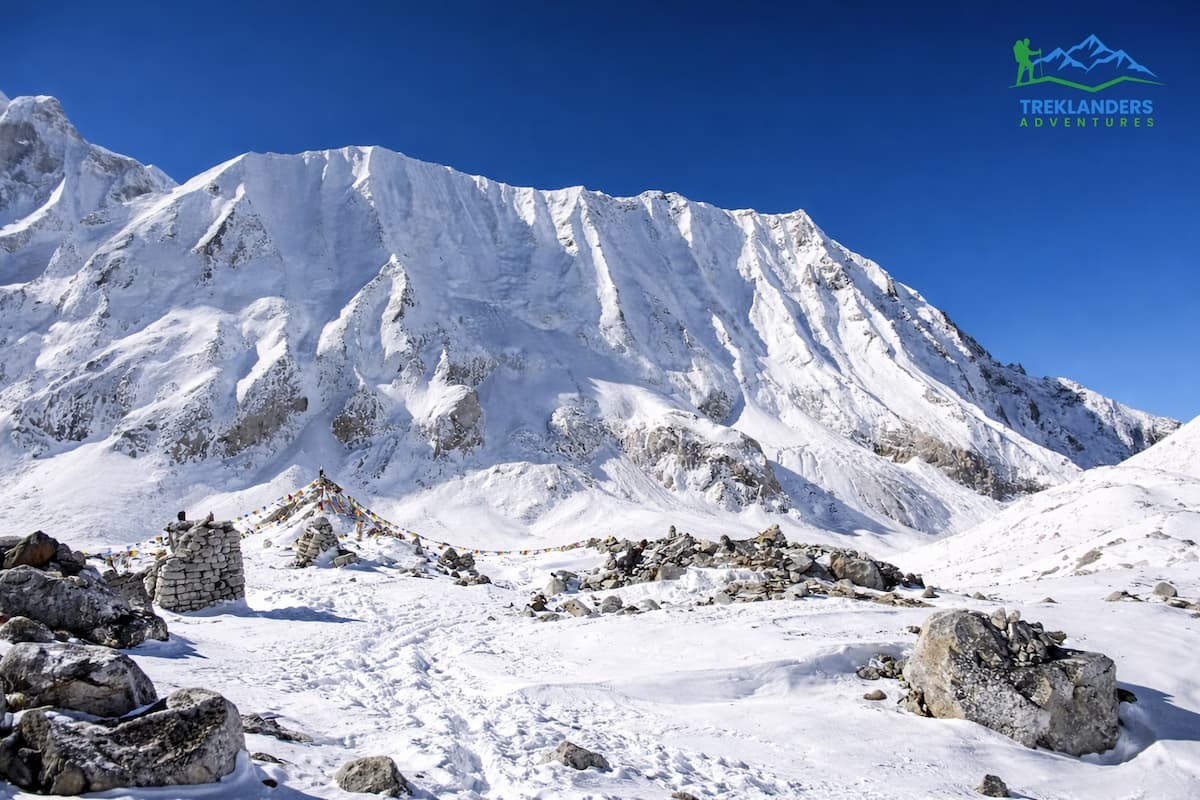
Crossing Larkya La Pass (5,160 meters) to me is the most thrilling and challenging part of the Manaslu Circuit Trek. Also, it is the highest point of the whole journey. For a lot of trekkers, it is a very proud and memorable moment when they get to this pass.
The departure time is usually very early, often before the first light of the day. It is known that the weather is more stable in the morning, and the snow is firmer, which makes it more secure to walk. The ascent is done over rocky paths, frozen streams, and snowy sections. As you reach a higher altitude, the air is less dense, and the pace is slower and more tiring. This is the reason why one should properly get used to the altitude in villages like Samagaun and Samdo before going up the pass.
While the ascent can be physically quite demanding, the view at the top is just amazing. At the top, you get to see a 360-degree view of the snow-covered Himalayan peaks such as Himlung Himal, Cheo Himal, Kang Guru, and Annapurna II. The brightly colored prayer flags are flying in the strong mountain wind and thus create a powerful, and even emotional, atmosphere. A lot of trekkers take pictures, have a small party with their groups, and enjoy the feeling of success.
After ascending for quite a while, the trail takes a downward turn toward Bimthang. The descent might be quite long and steep, particularly when there is snow, so one should watch their step carefully. Nonetheless, the change in the surroundings from icy slopes to vast alpine valleys makes the walk quite beautiful.
Going over Larkya La Pass is more than just coming to a very high altitude. It is about how well you can manage your energy, patience, and willingness. At 5,160 meters, when you are surrounded by the beautiful giants of the Himalayas, you can really perceive the beauty and greatness of the natural world. This exciting passage is the pinnacle of the Manaslu Circuit Trek and a memory that will always be with you.
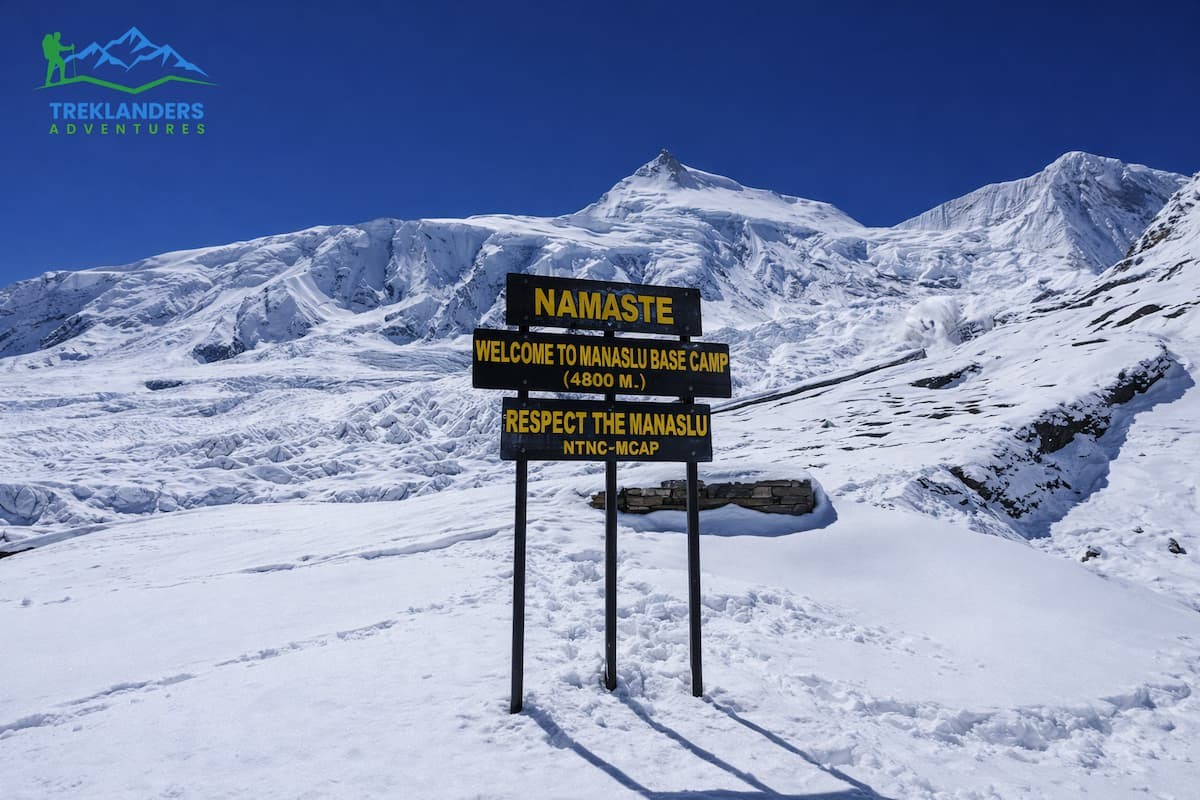
A visit to Manaslu Base Camp is certainly one of the most thrilling side trips available during the Manaslu Circuit Trek. Situated at an elevation of approximately 4,800 meters, this excursion grants you unbelievable close-up views of Mount Manaslu (8,163 meters). Normally, it is done as an acclimatization stroll from Samagaun.
The journey sets off at the crack of dawn from Samagaun village. The path slowly goes up beyond the village, leading you amidst the yak meadows, stony trails, and glacial streams. The higher you go, the more stunning and wild the environment becomes. The peaks covered with snow tower over you from all sides, and the whole area looks like a pristine and silent natural sanctuary. Since the air is getting thinner, it is a must to walk at a slow pace and take frequent rests.
Following a few hours of continuous ascending, you arrive at Manaslu Base Camp. The outlook of Mount Manaslu from this point is simply spectacular. You can see the huge glacier, icefalls, and the steep snowy slopes that are almost in your grasp. When the sky is clear, the mountain glimmers vividly under the sun, and it can be an ideal moment for taking pictures. You may notice climbers' brightly colored tents if mountaineering expeditions are in the process of summiting during the high season.
Manaslu Base Camp is quieter and less crowded than Everest Base Camp, which is why the experience becomes more peaceful and personal. One can simply sit on the rocks, enjoy the silence, and really get the feeling of the power of the Himalayas.
After spending a few hours at the base camp, the trekkers go back to Samagaun for the night. The route offers magnificent mountain panoramas, and at the same time, it is a great way for your body to get accustomed to the higher altitude before the Larkya La Pass crossing.
A trip to Manaslu Base Camp can be considered a gratifying adventure, which is packed with natural beauty, thrill, and an accomplishment. It is the most beautiful part of the trek and a necessary step for those desiring unforgettable up-close Himalayan views.
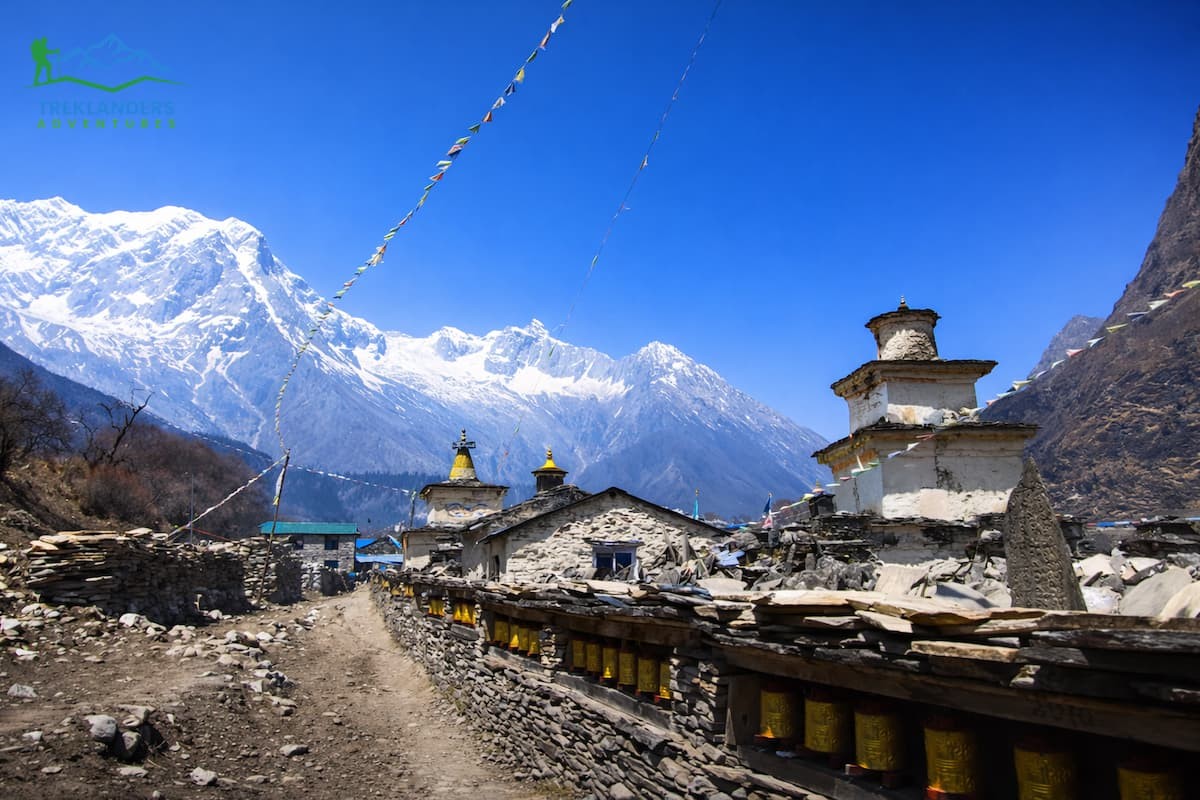
One of the most serene and lovely experiences on the Manaslu Circuit Trek is the strong Buddhist culture felt along the trail. When you pass through the villages of Samagaun and Samdo, you can find stunning monasteries, Mani walls, prayer wheels, and prayer flags in all directions. These spiritual icons demonstrate the locals' deep bond with Tibetan Buddhism.
There is a very well-known monastery in the area called Pungyen Monastery. The monastery is perched on the hill behind Samagaun and gets the most beautiful natural light throughout the day. It is a quiet and peaceful sanctuary where monks carry out their prayers and daily rituals. You can find Buddha statues, ancient murals, butter lamps, and more traditional ornaments inside the temple. The place is so calm and peaceful that it is perfect for visitors who want to relax and get in touch with nature after trekking for days.
You will also come across Mani walls made of stone as you follow the path. The walls bear inscriptions of Buddhist prayers, predominantly the famous mantra Om Mani Padme Hum. In accordance with the local custom, hikers must always walk past Mani walls on the left side as a gesture of respect towards the walls. You might also see locals spinning prayer wheels while they are walking. They have a belief that each turn of the wheel is a prayer sent to the universe.
Colorful prayer flags are the other major symbol of the area. People typically stick these flags on hilltops, bridges, and mountain passes. The five colors stand for the five elements, namely sky, air, fire, water, and earth. It is thought that as the wind blows, the prayers written on the flags get carried and spread peace and positive energy.
Encountering monasteries, Mani walls, and prayer flags is a culturally enriching element of the Manaslu Circuit Trek. Besides being a trek through mountains, it is also a religious and cultural journey that unveils to trekkers the Himalayan lifestyle.
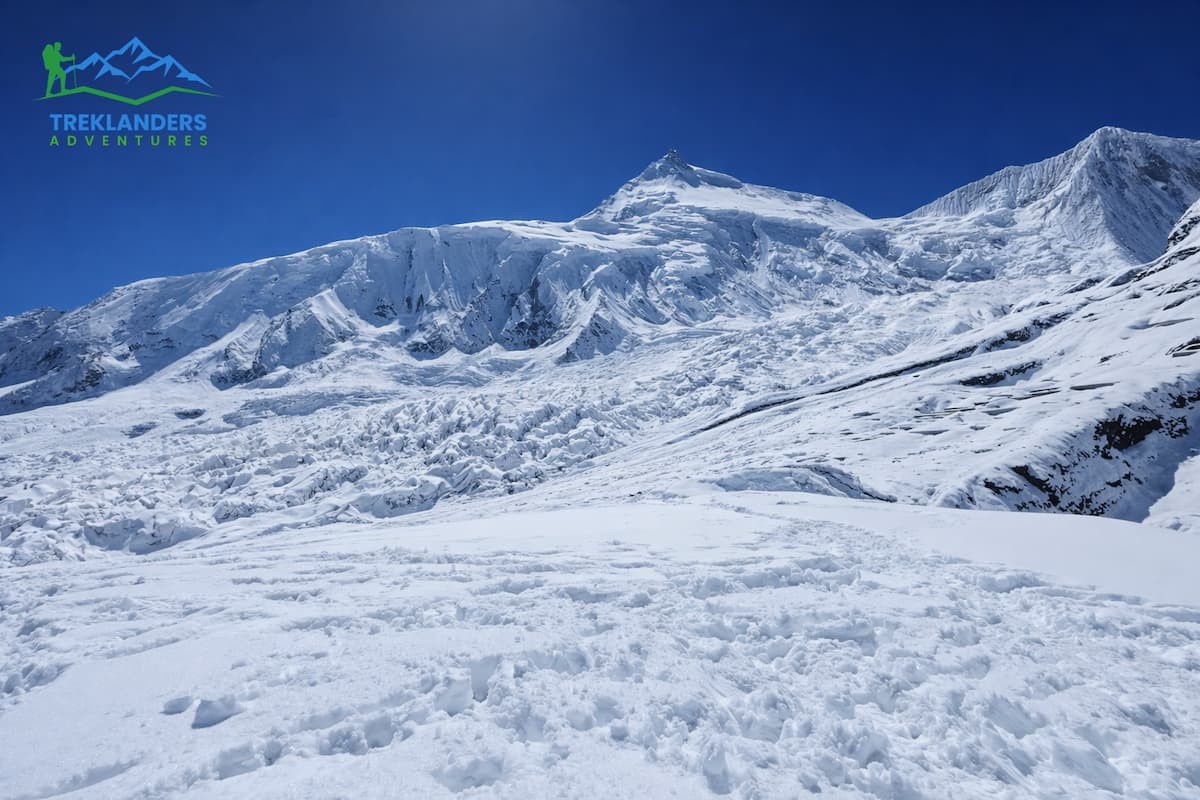
Take mountain photography, one of the most fulfilling parts of the Manaslu Circuit Trek. This beautiful part of the planet features breathtaking vistas of Mount Manaslu (8,163 meters), the eighth-highest mountain on Earth. Its enormous snow-covered flanks, sparkling glaciers, and steep ridges give rise to unforgettable photographs.
Sunrise and sunset are the perfect times for photo sessions. At the break of day, the first ray of light turns the white snow into golden and pink colours. In the evening, the mountains are bathed in the soft orange light. The sky is clear most of the time during the spring and autumn seasons, so these two times of the year are the best for your camera work.
The top spots for your photos are just after Samagaun and in Manaslu Base Camp, Larkya La Pass, and Bhimthang. Larkya La Pass has breathtaking panoramic views of the peaks around, like Himlung Himal, Cheo Himal, and Annapurna II. These snow-clad giant mountains are set against the deep blue Himalayan skies.
You actually don't need professional gear for capturing beautiful photographs. A smartphone is definitely capable of taking great pictures, especially if the weather is nice. Yet, it is not a bad idea to bring along a small camera with spare batteries, as cold temperatures cause batteries to discharge very quickly. Also, a tripod is a must if you want to get stunning sunrise and sunset shots.
Apart from mountains, you can take pictures of glaciers, rivers, yak caravans, traditional stone houses, and colourful prayer flags. Such visual elements will definitely make your travel scrapbook more comprehensive and touching.
By taking pictures of Mount Manaslu and the adjacent peaks, you are going to get the real picture of the Himalayan beauty. Each step of the trek reveals a new angle and a different view. And these pictures, not only will help you to remember your journey, but will also be able to convey the aura of the Manaslu region to the rest of the world.
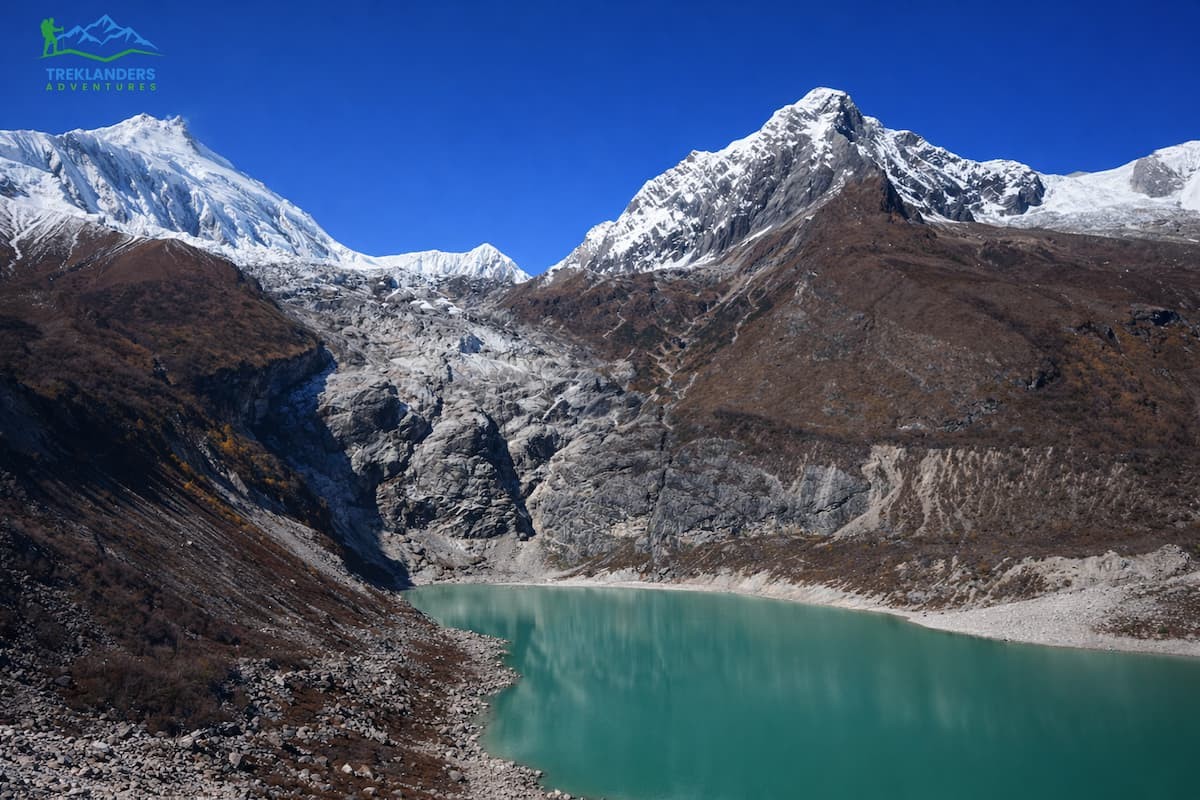
Birendra Lake is one of the most beautiful and tranquil places that you will experience during the Manaslu Circuit Trek. It is a breathtaking glacier lake that is located near the village of Samagaun at around 3,450 meters above sea level. The hike is very short and easy, so it is an ideal side trip for acclimatization.
Birendra Lake is famous for its bright turquoise-blue water that is fed by the melting glaciers of Mount Manaslu. Its colour undergoes a variety of changes depending on the sunlight and weather conditions; sometimes it appears as a deep blue, and other times it seems to be glowing green. The crystal-clear water mirrors the surrounding snow-covered peaks, thus making it an ideal photo spot for trekkers.
It takes approximately 30 to 45 minutes to walk to the lake from Samagaun. The route goes through open fields, stone paths, and small prayer flags flapping in the wind. When you get close to the lake, the scenery gets rough and picturesque. The glacier can be seen very clearly above the lake, and it is the source of the lake, which is fed by the melting of the glacier's ice.
The surroundings of Birendra Lake give a feeling of serenity and being unspoiled. There are no massive buildings or throngs of people, so you can simply sit quietly, breathe the fresh mountain air, and admire the tranquil environment. The glacier scenery, with its rocks, ice, and lofty peaks, reflects the great natural forces that have shaped the Himalayas.
Finding Birendra Lake is not merely about seeing a beautiful spot. It is about coming face-to-face with the untamed beauty of nature in the towering mountains. The mix of crystal-clear water, glaciers, and Himalayan peaks that rise skyward makes this place a major highlight on the Manaslu Circuit Trek.
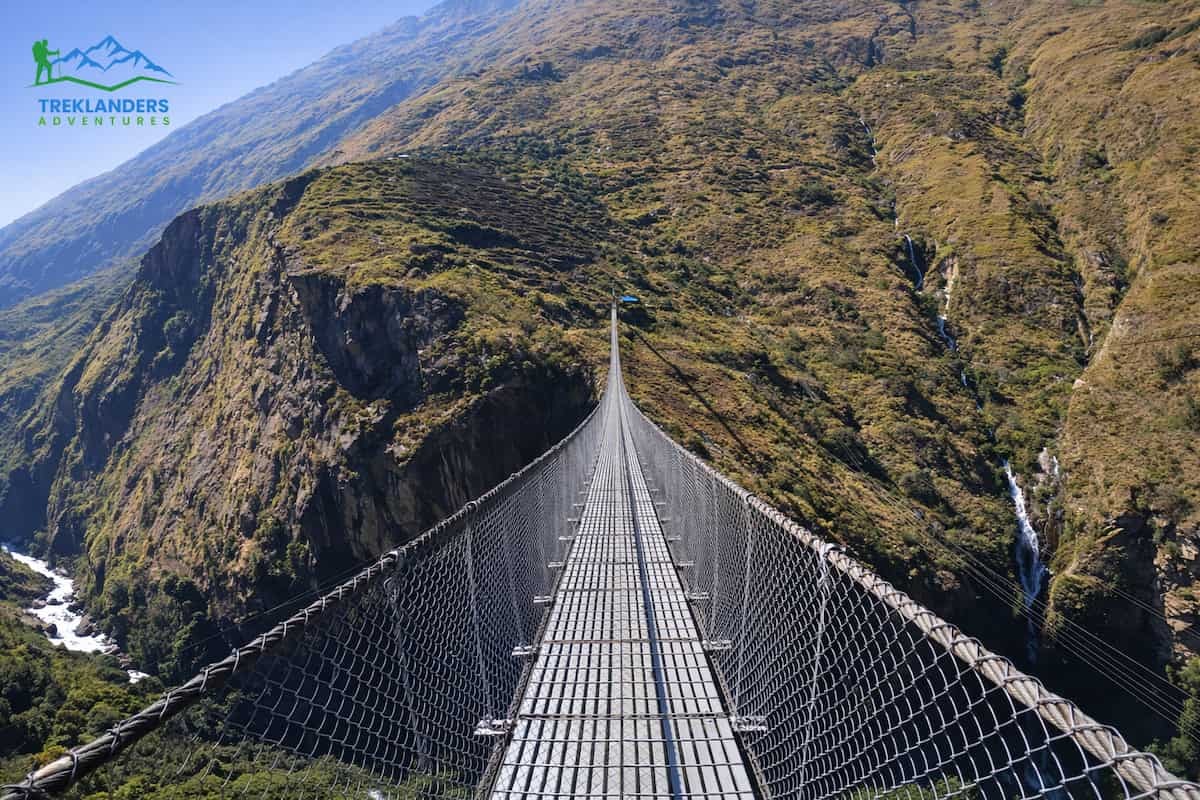
Walking over long suspension bridges and exploring deep river gorges is probably one of the most thrilling aspects of the Manaslu Circuit Trek. In the lower part of the trek, the path runs alongside the mighty Budhi Gandaki River. This river originates from the mountains, and its waters cut through the granite rocks, forming the spectacular scenery.
There are times when the path follows the ups and downs of the river valley. Along the way, you will have the chance to walk next to the rushing water, encounter waterfalls, and cross rocky trails that are built into the slopes. In many instances, the river is flowing at a considerable distance in a tight gorge, which is encircled by tall green hills. The noise of the rapid water adds to the vitality of the journey.
Suspension bridges form an integral part of this trek. These elongated metal bridges are suspended over the river at a considerable height and serve as a means to connect villages on the opposite sides of the valley. Some bridges are small and straightforward, while others are long and slightly move with the wind. Walking on them can be quite exhilarating, especially when you peer down at the deep river beneath. However, they are secure and very well made.
The bridges are usually adorned with brightly colored prayer flags that flutter gracefully in the breeze. Standing in the middle of a bridge, you can have a wonderful view of the valley, waterfalls, and terraced fields. Besides, it is a perfect spot for photography.
Gradually, as one goes up in altitude, the dense green gorges turn into rocky and alpine areas. The change in scenery is what makes the hike more thrilling.
Manaslu Circuit Trek is made more adventurous by going over suspension bridges and through deep river gorges. In this way, the trekkers can not only see the raw force of nature but also enjoy the fabulous mountain valleys of Nepal.
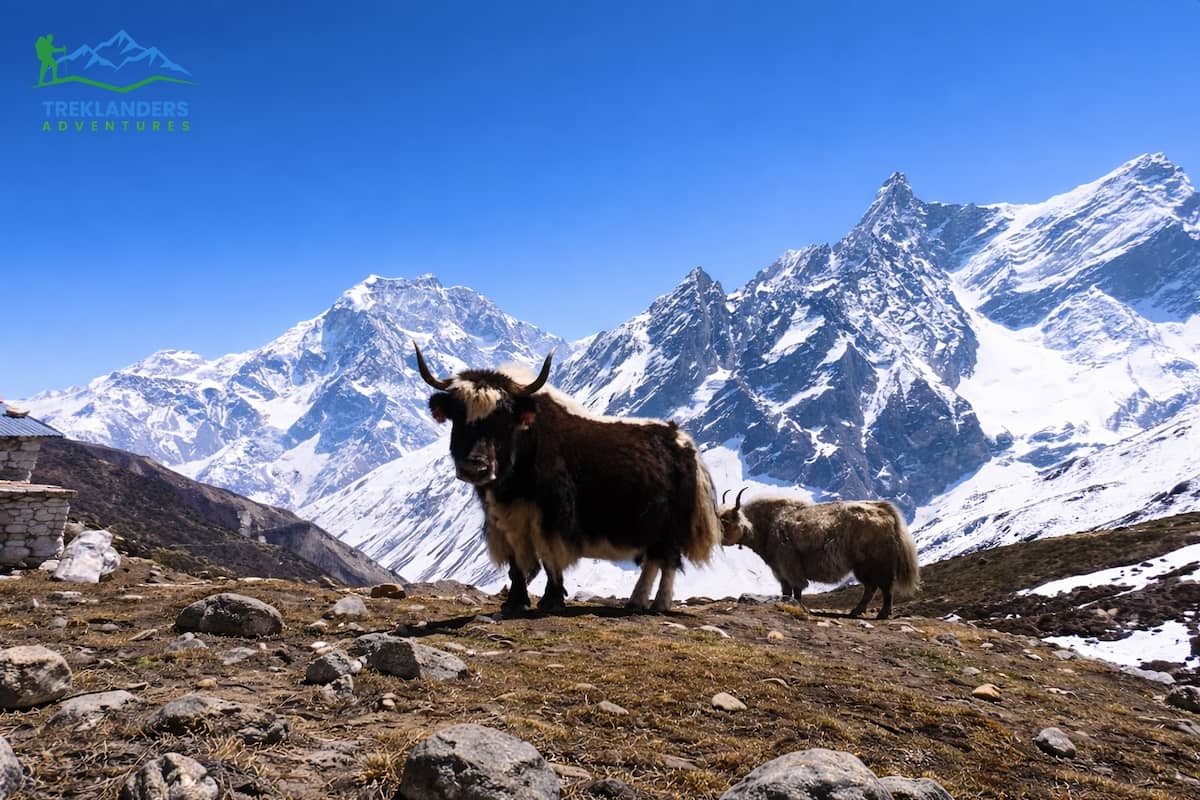
One of the most captivating experiences on the Manaslu Circuit Trek is the opportunity to see yak herding and visit the high-altitude pastures that are a major part of the Himalayan lifestyle. When you cross the 3,500-meter mark, especially in the villages of Samdo and Larkya, you can come across vast alpine meadows and gently sloping high pastures where the locals graze their yaks, sheep, and goats. These pastures, which are called "ghumlo" in the local language, offer nutrient-rich grass for the animals during the short summer period and are a source of income for the remote mountain communities.
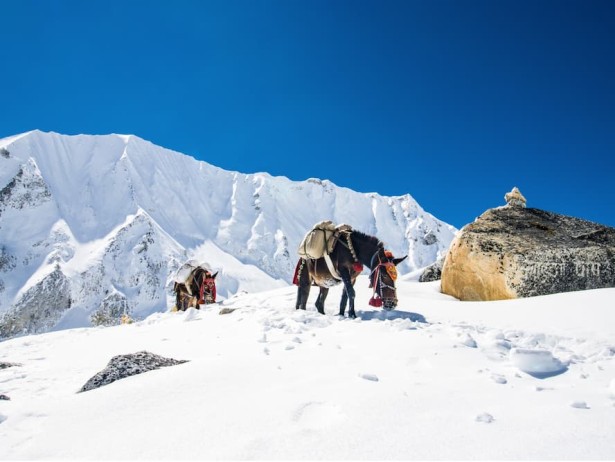
Yaks are huge, hairy animals that have a perfect climate for the cold and severe environment of the Himalayas. They serve to provide milk, meat, wool, and means of transportation to the local people. On the trail, it is even possible that you come across a herdsman who is leading a small or large yak caravan along the path. Most probably, the yaks would be carrying things like tents, food, and supplies for the family. The yaks are very tough and sure-footed animals, and they can even go on narrow paths that are rocky while carrying heavy loads, so they are an extremely valuable asset to the mountain community.
The pasturelands themselves are not only visually pleasing but also serene. Often, they might be embellished with wildflowers in spring and summer, and surrounded by towering, snow-covered peaks. Here, the open sky lets travellers stroll around without restrictions and admire the Himalayan views from different angles. At first light, it is possible that you will witness quietly grazing yaks in the mist, the shepherds with small bells or their voices nearby to control the herd. This is a scene that can be considered both beautiful and a great insight into the culture.
Going through divides in relation to yak herders can be a very nice addition to the travel experience as well. A couple of them even enthusiastically share their stories about living in the mountains, the traditions, and how they take care of their animals. When you see what they are doing, it gives the travellers an understanding of the toughness and ingenuity it takes to survive in such high places.
In terms of photography, mountain meadows and yak herding at high altitude present amazing opportunities. Yaks between peaks, colourful prayer flags in the wind, and animals basking in the warm sunlight of the early morning, all these are perfect pictures of the Himalayas.
At the end of the day, seeing the yak herding and wandering these mountain pastures is a nice way of reconnecting with nature and culture at the same time. The demonstration of the mutual relationship of the local people and their natural environment gives an insight into their lifestyle in the high Himalayas. It is a calm, educational, and memorable part of the Manaslu Circuit Trek.
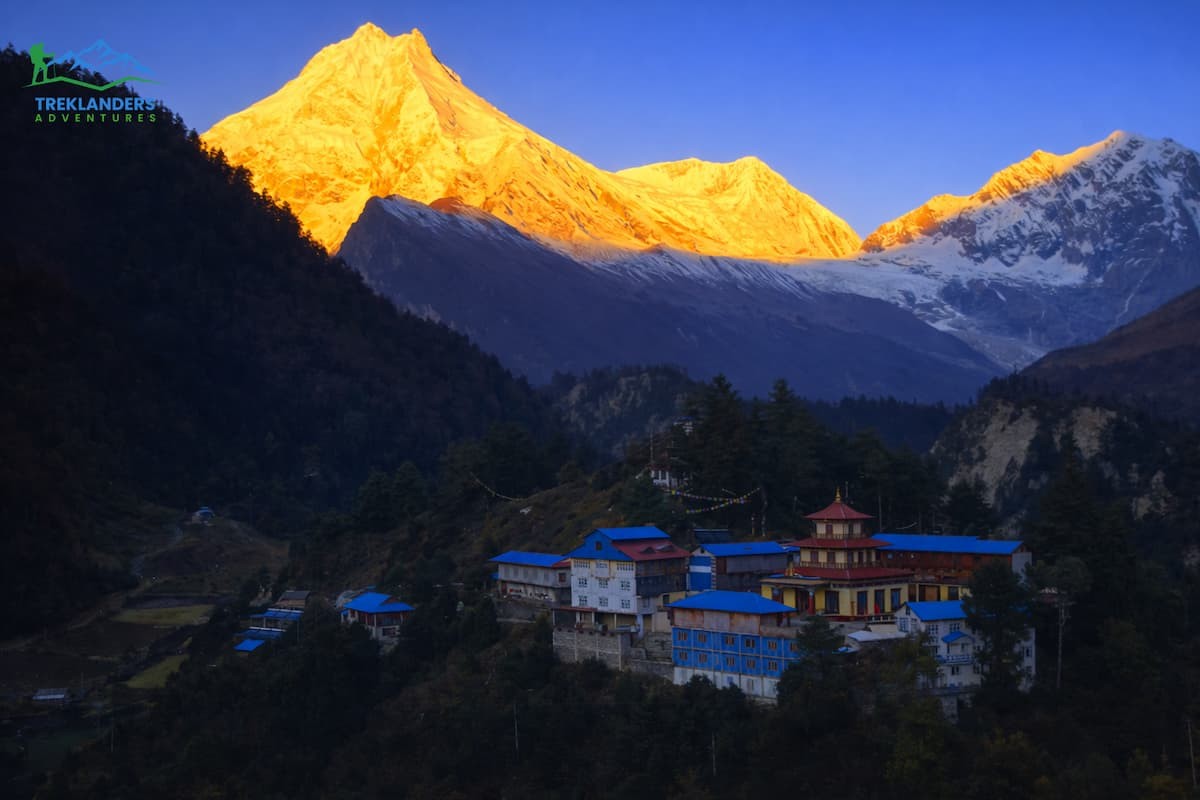
Sunrise and sunset from the Manaslu region represent two of the most enchanting experiences of the whole trek. Basically, it's the combination of towering Himalayan peaks, cloudless skies, and peaceful valleys that produce such incalculably beautiful moments that no hiker can ever forget them. Be it Samagaun, Bhimthang, or even crossing the Larkya La Pass, departing and arriving light in all its varieties will so completely alter the look of the mountains and valleys that you'll never be able to forget the experience.
Morning light in the Himalayas is particularly breathtaking. When you wake up early and go out to a vantage point, you see the very first twinkles of sunbeams coming down on the snow-covered peaks. So, among other things, the mighty mountains like Mount Manaslu, Himlung Himal, and Cheo Himal seem to be lit up by a magical mixture of gold, pink, and orange colours. The silence of the morning is naturally coupled with the softness of the light, and together they make the whole landscape appear peaceful and almost holy. Quite a number of trekkers utilize this moment for taking pictures as the golden hour lighting turns out to be absolutely ideal for wrapping the stunning beauty of the Himalayas in photos.
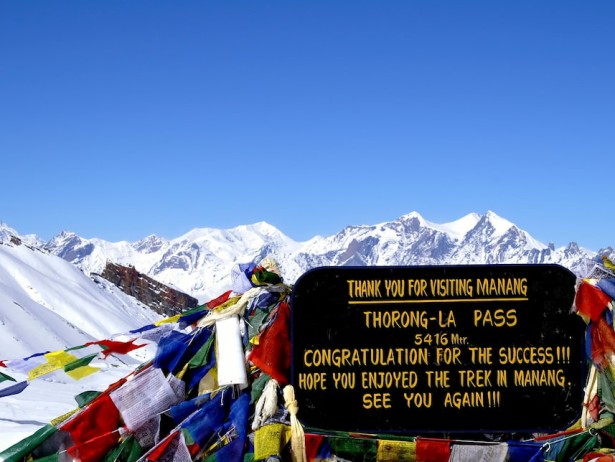
The evening sky is just as fabulous. At night, the sun gradually sets behind the mountains, thus making the sky look like a gorgeous painting in warm colours, red, purple, and orange. From spots like Bhimthang village or from the high grassland around that section of the trail, you can see how the dwindling light plays on the glaciers and rivers, giving rise to a calm and pleasant feeling. It is absolutely the right moment to unwind, reminisce about the day's walk, and soak in the surrounding beauty.
One can catch an early morning or evening scene at the best spot in the Manaslu region - Samagaun looks directly at Mount Manaslu; Bhimthang, with its open valleys and distant mountains; and the Larkya La Pass area, where the high altitude gives an extraordinary view of several mountains at the same time. Even small terraces of local villages can be good spots for a view.
Sunset and sunrise in the Manaslu region not only provide spectacular views but also have a deep emotional impact. Such moments allow you to get connected to nature and appreciate the extent, charm, and silent force of the Himalayas. It is a daily highlight of the trek that combines adventure, relaxation, and photography opportunities, thus ensuring that your trip to this secluded mountain area will be kept in your memory forever.
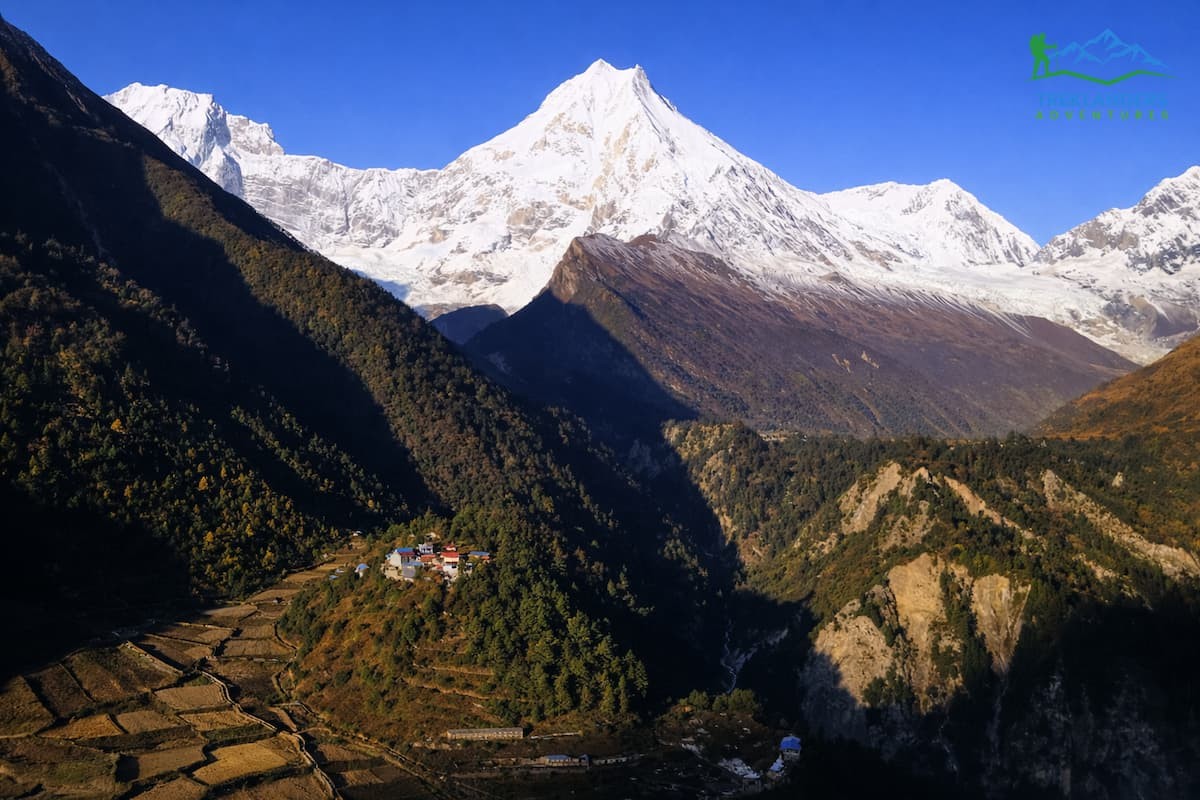
The Manaslu Conservation Area is a protected area located along the Manaslu Circuit Trek, and discovering its unique flora and fauna is, without doubt, one of the most satisfying experiences for trekkers. Covering a total area of 1,663 square kilometers, this conservation area is a habitat for a variety of densely forested areas, alpine meadows, rivers, glaciers, and mountain ecosystems at high altitudes, thus supporting a diverse range of plants and animals.
If you go trekking at the lower elevations, you will find yourself walking through subtropical as well as temperate forests dominated by oaks, pines, and rhododendrons. In spring, rhododendrons bloom in bright shades of red, pink, and white, and the natural environment becomes breathtakingly beautiful. Apart from being spectacularly beautiful, these forests also provide shelter to different Himalayan birds and animals. Birdwatchers can expect to see various kinds of birds, including the Himalayan monal, which is Nepal's national bird, as well as pheasants, eagles, and small songbirds.
Going further up, the plants become alpine shrubs, medicinal plants, and hardy grasses. During summer, pretty wild flowers can be seen, and among them, there are powerful medicinal herbs that the local people harvest and use for their traditional medicine. The high altitude grasslands, ghumlos, are the grazing grounds of the yaks, but they are also rich habitats for the mountain animals.
The Manaslu Conservation Area shelters several rare and endangered species besides humans. You might see snow leopards, musk deer, red pandas, Himalayan tahr, and blue sheep; however, some of the animals are very secretive, and observing them might require quite a lot of patience. Besides that, yaks are also one of the local wildlife species that are under the care of local inhabitants. Along the paths, you will frequently come across small mammals such as marmots and pikas, while amphibians and fish thrive in the streams and rivers.
Besides fauna, the region is quite focused on community-based conservation. The locals cooperate with the authorities in forest protection, poaching prevention, and the upkeep of trekking trails that are not only clean but also safe. These actions help to keep both the natural environment and the traditional lifestyles intact, hence giving trekkers the opportunity to experience authentic Himalayan culture side by side with nature.
Venturing into the Manaslu Conservation Area brings a distinct ecological and educational aspect to the trek. Watching Himalayan plants and animals in their natural environment makes the trip more valuable, thus enabling trekkers to establish an intimate relationship with the mountain environment. Starting from the multi-colored rhododendron forests and continuing with the alpine meadows of the high mountains and the somewhat elusive wild animals, Manaslu Conservation Area is your window into the astounding biodiversity of the Nepalese Himalayas.
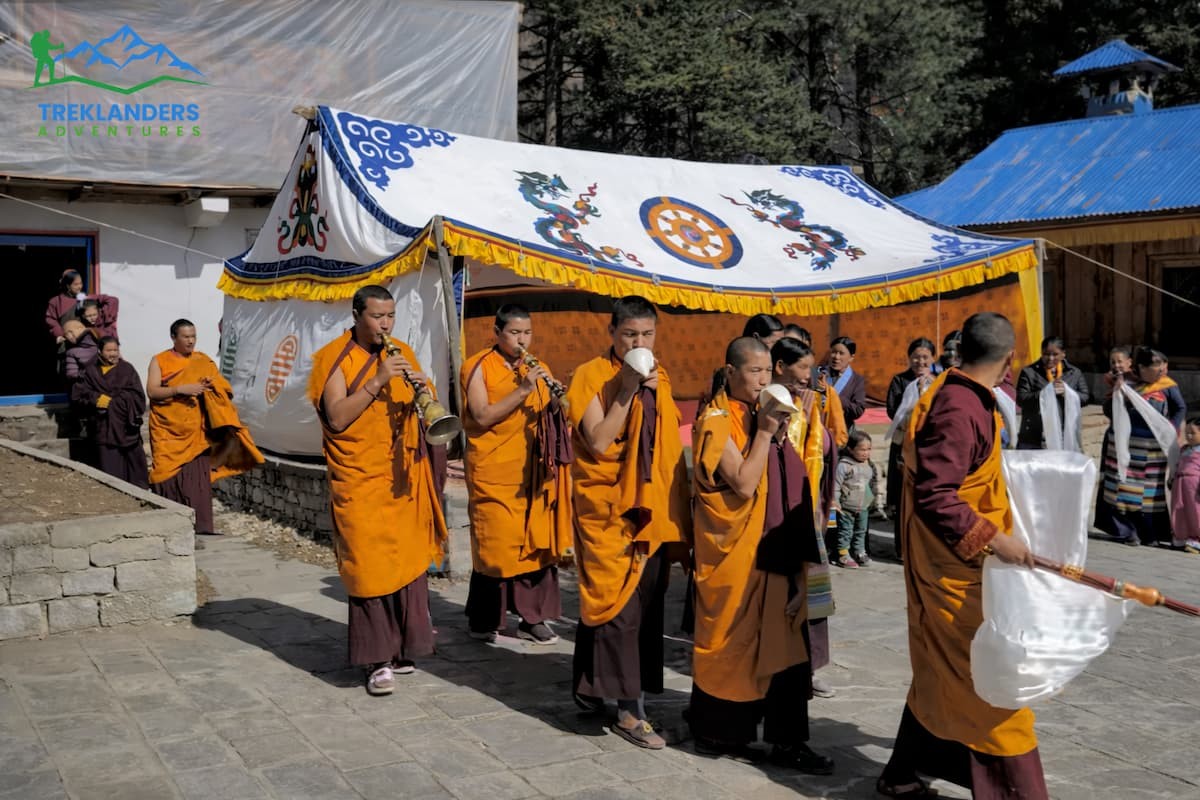
One of the best and most unforgettable parts of the Manaslu Circuit Trek is getting to know and experience the local culture, food, and hospitality of the mountains. In contrast to the more crowded and commercial trekking areas, Manaslu allows you a more authentic and personal insight into the daily lives of the locals, especially the Gurung communities and the Tibetan-influenced villages along the trek.
Interacting with locals and getting an insight into their lifestyle and their traditions is possible in villages such as Samagaun, Samdo, and Bhimthang, where you can meet local families. The traditional houses are generally made of stone and wood, and their Buddhist faith is evidenced by the prayer flags and Mani walls. You may have an opportunity to observe different kinds of daily activities, such as spinning wool, cooking using firewood stoves or even the raising of yaks and other kinds of livestock. The inhabitants are very friendly and hospitable, and the majority of them usually offer tea or some snacks to the visitors in their homes.
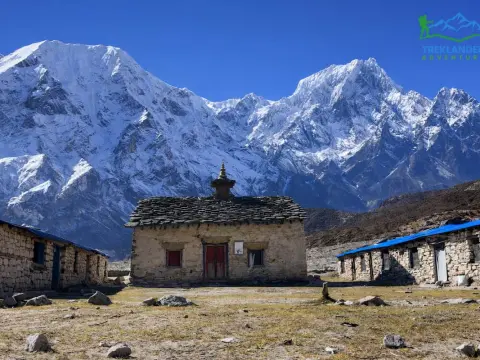
Local food is another aspect of culture that is very attractive. The meals in the locality are very nourishing and have been prepared in a way to provide energy for the high-altitude trekkers. Locals serve Tibetan traditional foods such as thukpa (noodle soup), momos (dumplings), tsampa (roasted barley flour), and butter tea, which is very high in calories and ideal for cold mountain mornings. During the trek, numerous teahouses offer delicious meals mostly made of fresh and locally grown ingredients.
Mountain hospitality in Manaslu is warm and intimate. The teahouses and homestays are generally smaller and less commercialized compared to other trekking regions, so the locals often treat visitors as family. You might be invited to help with simple chores, share stories, and get to know local festivals, rituals, and traditions. Even small things like saying hello to a monk at the monastery or spinning a prayer wheel will help you to understand the culture.
Local culture, food, and hospitality are the elements that make a trek more than just a series of beautiful views and exciting adventures. This way, you get a glimpse of how the local communities manage to live and prosper in such high-altitude areas, and it also allows you to connect on a more human level with the people living in one of the world's most isolated areas. The cultural experiences along the Manaslu Circuit Trek are what elevate the journey to the mountains from being just another hike to being an enlightening discovery of life, tradition, and human strength in the Himalayas.
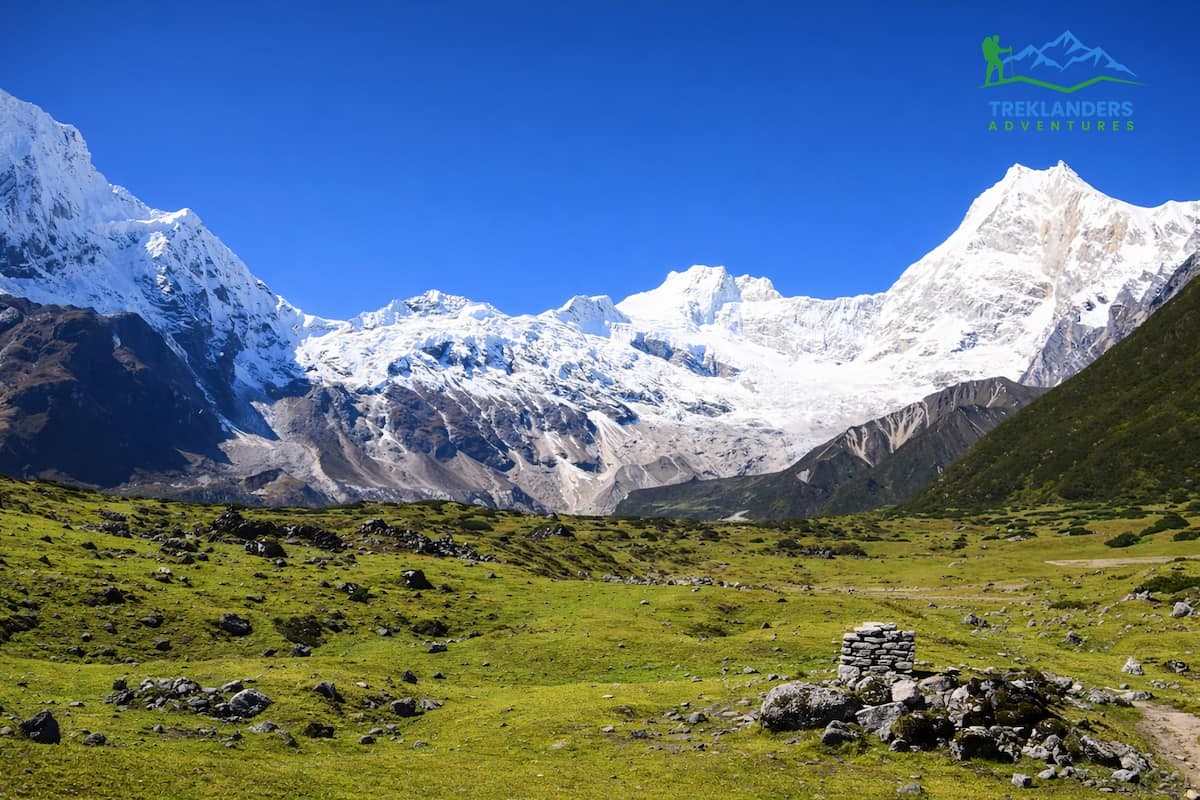
The Manaslu Circuit Trek is a perfect blend of adventure, natural beauty, and cultural wealth. It is not only about walking through traditional Gurung and Tibetan villages and crossing the challenging Larkya La Pass, but it is also a unique Himalayan encounter at each step. The trekkers will have the opportunity to get a close-up of Mount Manaslu, capture the beauty of stunning peaks, and even visit glacial lakes such as Birendra Lake amidst the dramatic scenes of deep gorges and alpine pastures.
This trek is also a way to know the local culture via monasteries, Mani walls, prayer flags, traditional food, and the warm hospitality of the locals. Watching yaks being herded, witnessing high-altitude flora and fauna, and communicating with the mountain communities give a new dimension to trekking besides just a physical adventure. The views of sunrise and sunset over the snow-capped peaks are so mesmerizing and memorable that the journey becomes a visual and spiritual delight.
To sum up, the Manaslu Circuit Trek is not just a hiking adventure but a Himalayan immersive experience that beautifully integrates the scenic beauty, cultural richness, and personal achievement. Those who want to avoid the crowd and still want breathtaking landscapes and authentic encounters, this trek has all that a traveler may dream of: adventure, tranquility, and unforgettable memories. Such a trip becomes a part of your heart even long after you leave the mountains.
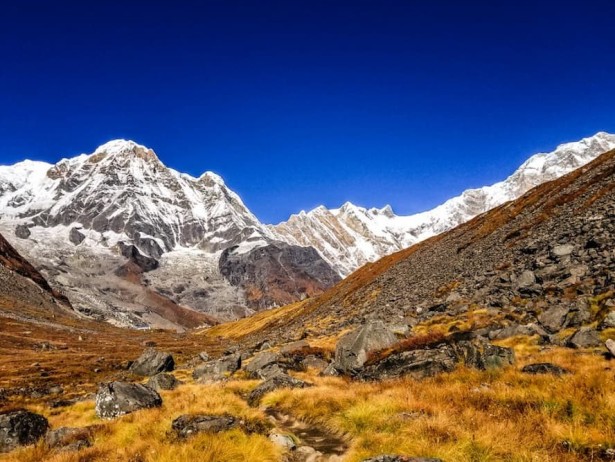

Discover the Langtang Valley Trek in Nepal — a stunning Himalayan journey to Kyanjin Gompa, Tserko Ri (4,984m), and close-up views of Langtang Lirung.
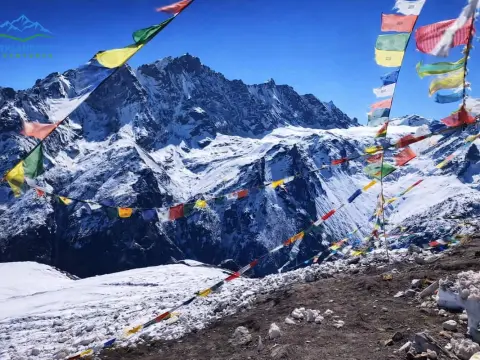
Discover the best photography spots on the Langtang Valley Trek, from sunrise mountain views to Tamang culture and wildlife in Nepal’s Himalayas.

Capture Mount Manaslu, dramatic Himalayan landscapes, and authentic village life on the Manaslu Circuit Trek.



