
Annapurna Base Camp Trek details blog| Cost| Itinerary| route| difficulty| best season| altitude
7 Jan 2024
A quick guide to the Annapurna Base Camp Trek, outlining its cost, itinerary, route, difficulty, best season, and altitude.

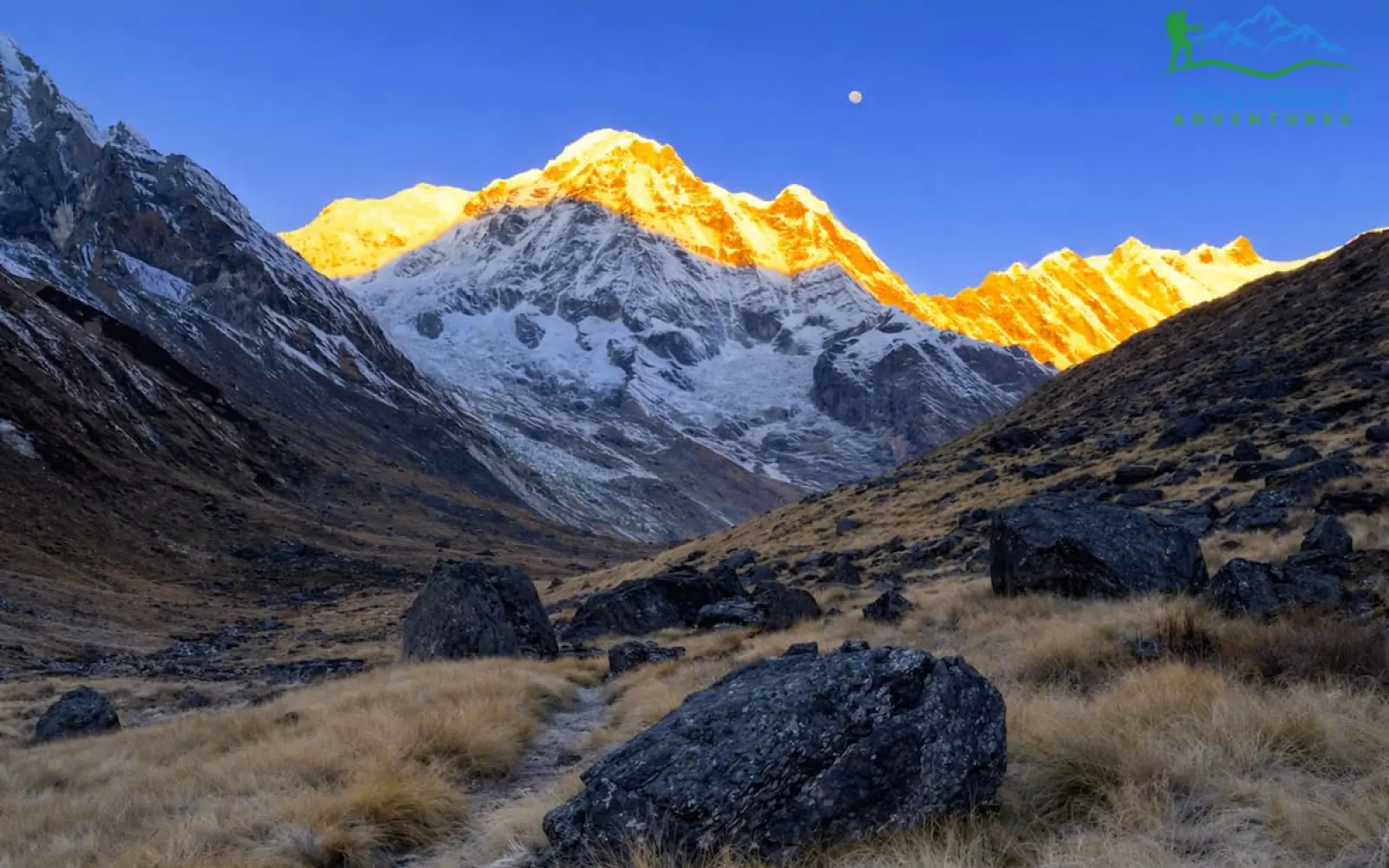
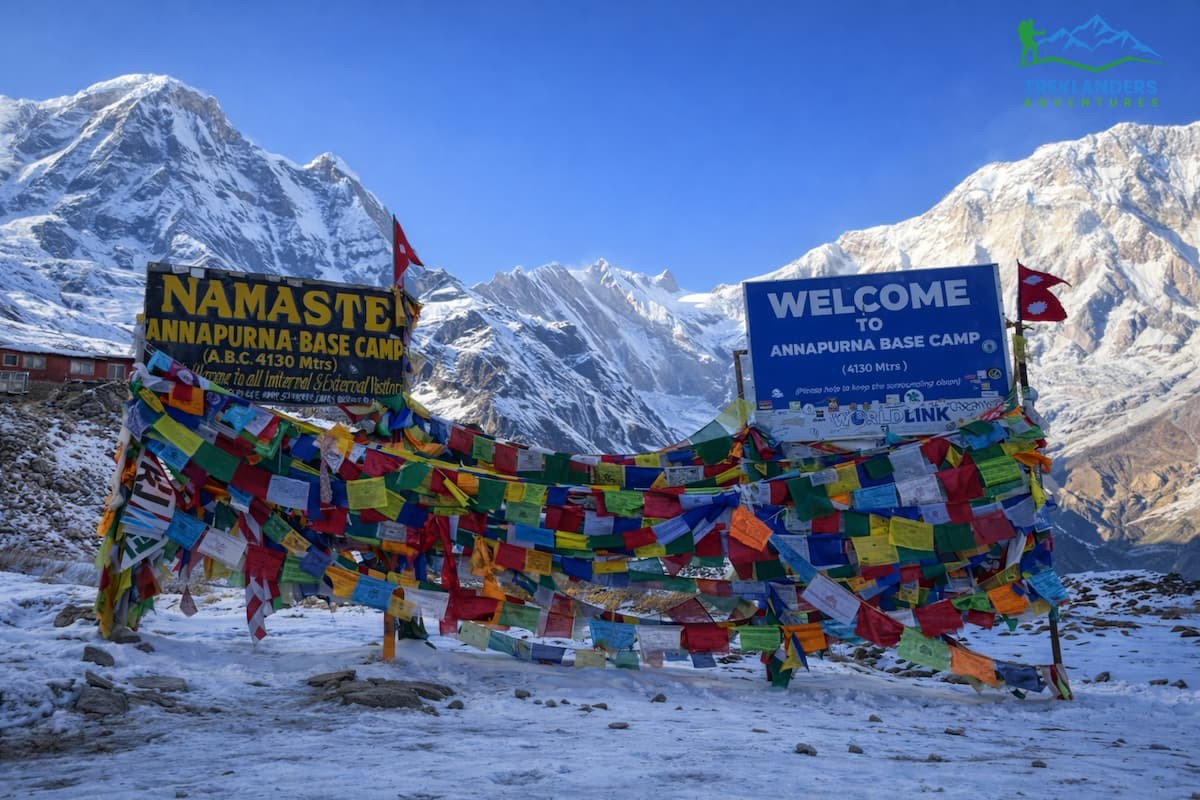
The Annapurna Base Camp Trek is undoubtedly one of Nepal's most charming and fulfilling adventures, offering a blend of spectacular Himalayan landscapes, warm cultural experiences, and a highly developed. The trail to the Annapurna Base Camp is part of a large area known as the Annapurna Conservation Area. Here, you, as a trekker, will see a natural amphitheater made by towering mountains that are also some of the most beautiful peaks in the world. These peaks are Annapurna I (8,091 m / 26,545 ft), Annapurna South(7,219 m / 23,684 ft), Hiunchuli(6,441 m / 21,132 ft), Gangapurna(7,455 m / 24,457 ft), and Machhapuchhre(6,993 m / 22,943 ft), among others.
Most hikers consider the Annapurna Base Camp Trek a moderate level of difficulty, which is one of the most important facts the trekkers should be aware of. Mountaineering skills, including the use of technical gear, are not necessary. However, the trek entails long walking hours, numerous stone staircases, and a gradual increase in altitude. Since the apex of the trek is 4,130 meters, it is crucial to practice altitude awareness, stay hydrated, and ascend gradually for the journey to be both safe and enjoyable.
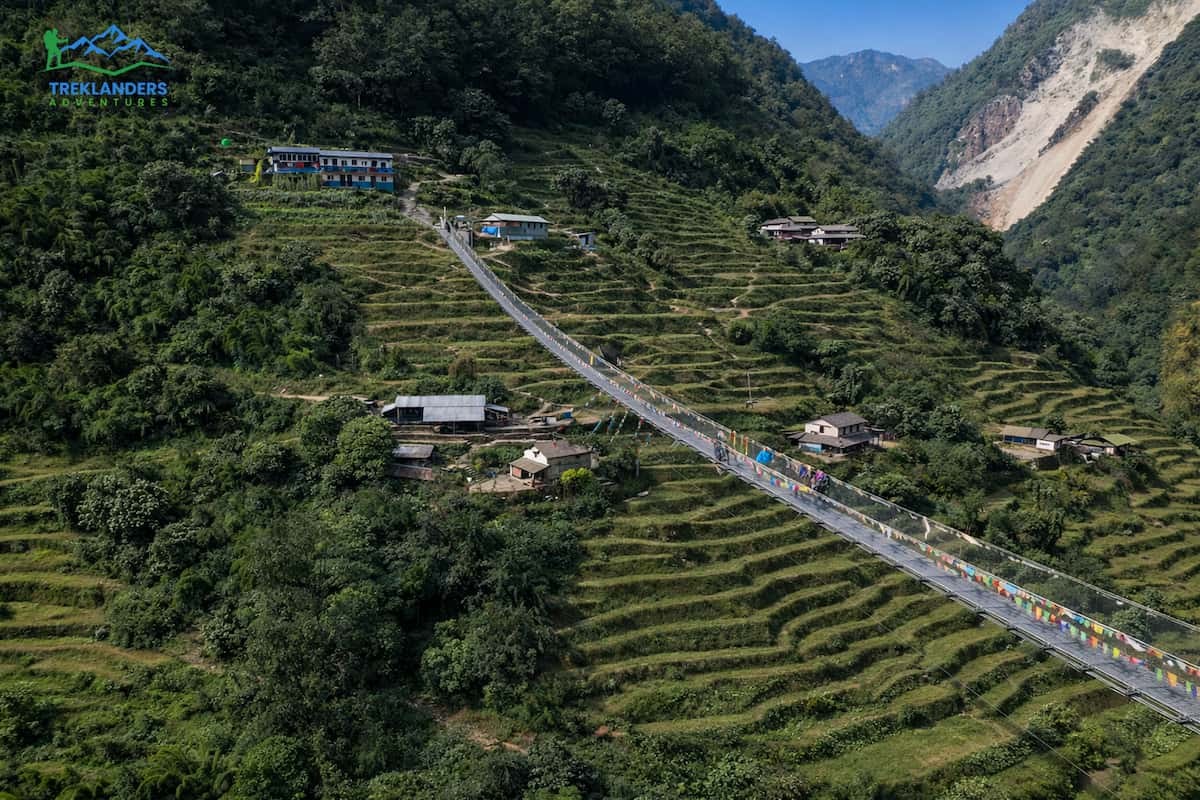
Moreover, the variety of scenery that can be enjoyed on the way is another significant fact. The trek starts amidst warm and humid forests interspersed with terraced farmlands and quaint villages. With the passage of time, you will come across dense rhododendron and bamboo forests, alpine terrain, glaciers, and finally, the sanctuary at high altitude. This diversity keeps the trek interesting throughout.
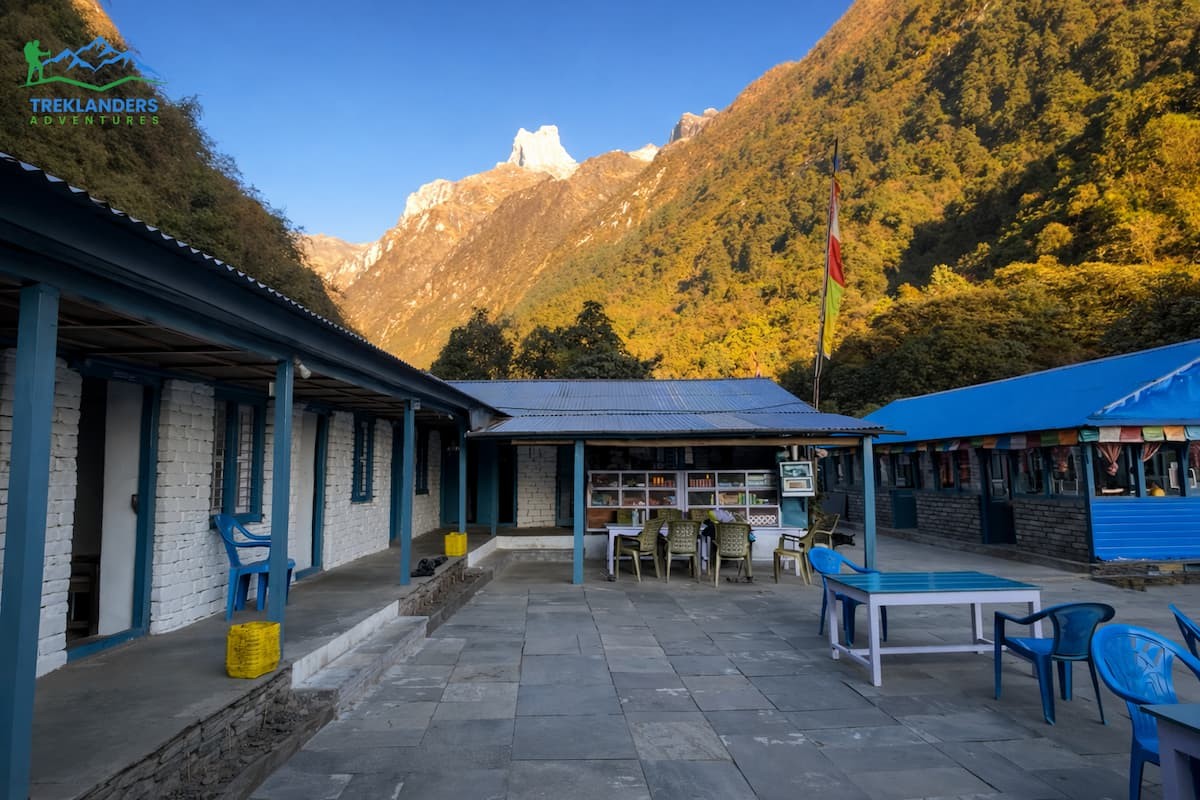
During the Annapurna Base Camp Trek, one gets to stay at local teahouses that offer simple yet comfortable rooms and fresh meals. Even though the amenities are more basic at higher elevations, the teahouse network allows the trek to be undertaken without camping. Food like dal bhat, soups, noodles, and rice dishes is served to provide the trekkers with the necessary energy for their day's hiking.
Seasonality is another very important factor. The most favorable times for trekking are in the spring (March-May) and autumn (September-November) seasons when the weather is nice, and the mountain views are really clear. Winter and monsoon treks can be done as well, but these require better preparation and more flexibility.
At last, trekkers should be well aware that permits, travel insurance covering high-altitude trekking, and responsible trekking practices are absolutely necessary. When you hire licensed guides and porters, you not only raise your safety and comfort level, but also help local communities. Taking everything into consideration, the Annapurna Base Camp Trek features the perfect mix of adventure, accessibility, and Himalayan grandeur, thus becoming a must-do trek for both first-time and experienced trekkers.
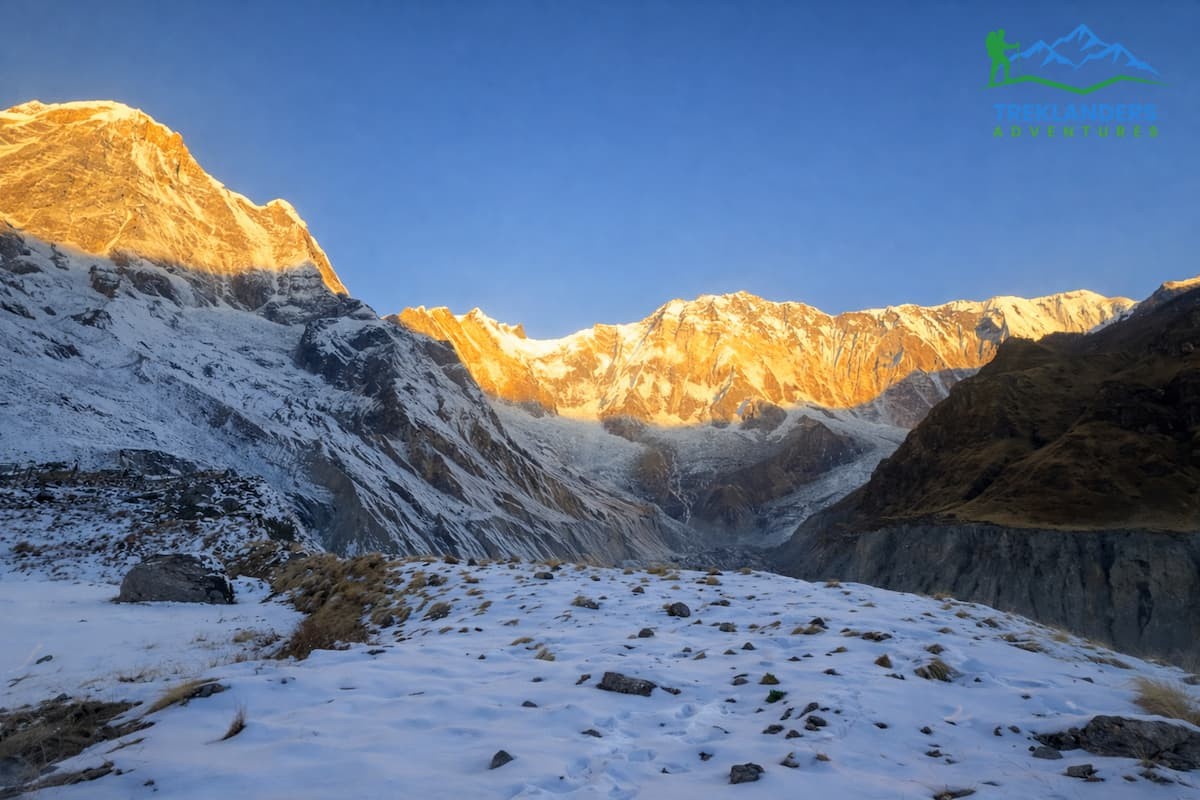
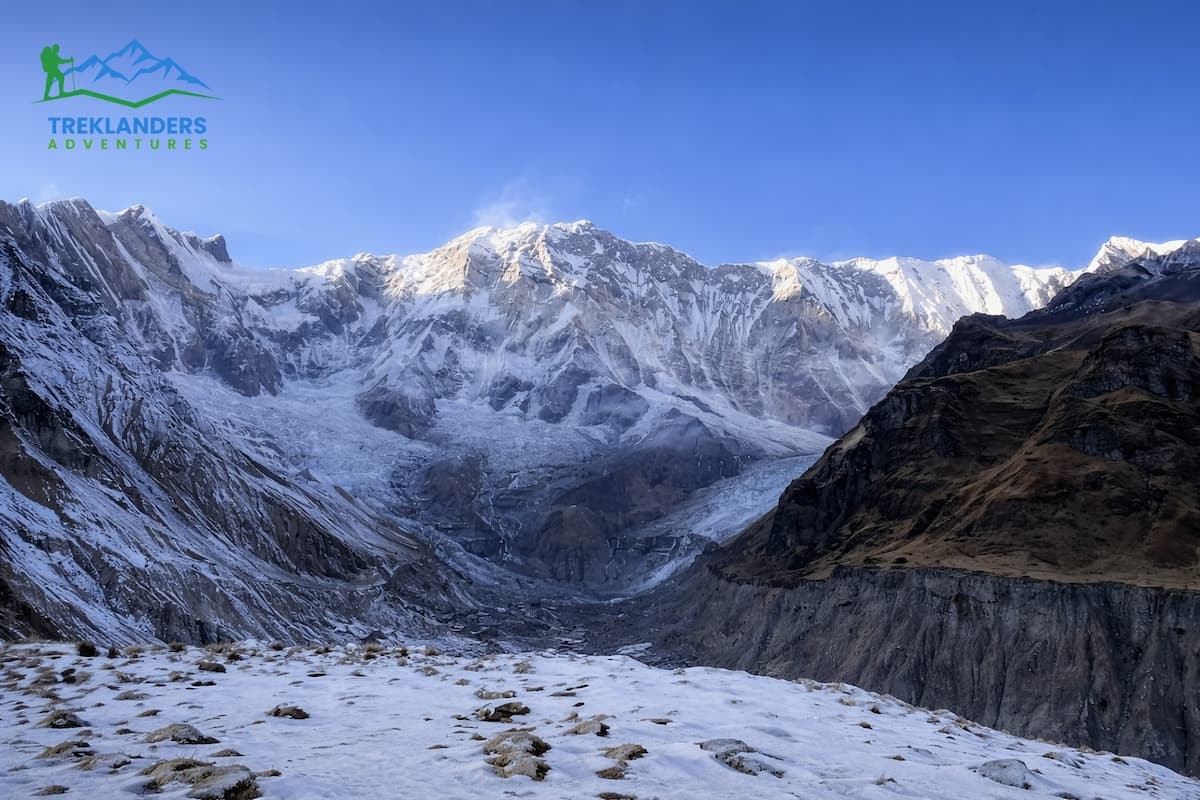
Annapurna Base Camp is located at an altitude of 4,130 meters in the middle of a huge glacial bowl. It is often compared to a natural amphitheater of mountains. ABC is different from other base camps as it is not situated on a ridge or valley exposed to the open, but it is completely enclosed by the peaks all around. Annapurna I (8,091 m / 26,545 ft), Annapurna South(7,219 m / 23,684 ft), Hiunchuli(6,441 m /21,132 ft), Gangapurna(7,455 m / 24,457 ft), and Machhapuchhre(6,993 m / 22,943 ft) are peaks that shoot up starkly around the campsite, thus creating a 360-degree view. This unusual location holds early morning sunlight, thus producing one of the most amazing sunrises in the Himalayas. The feeling of being away and on such a large scale is so deep that mountaineers feel very tiny, but at the same time, they are very much in harmony with the mountains. The same setting also explains the fact that while ABC could be quite chilly at night, it is quite warm during sunny mornings. There are hardly any trekking routes in Nepal that offer you a personal gathering with several 8,000, meter giants without the need for technical climbing skills.
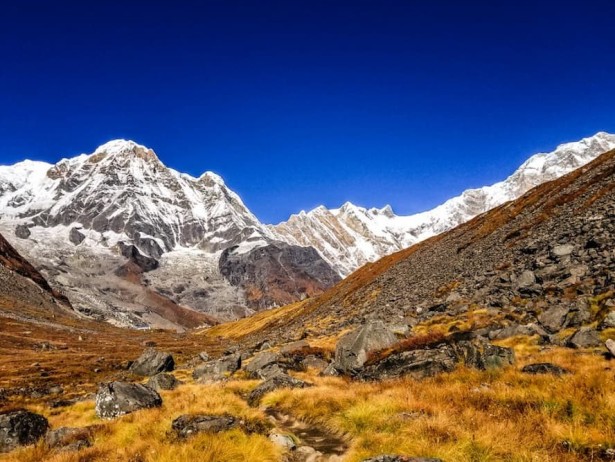
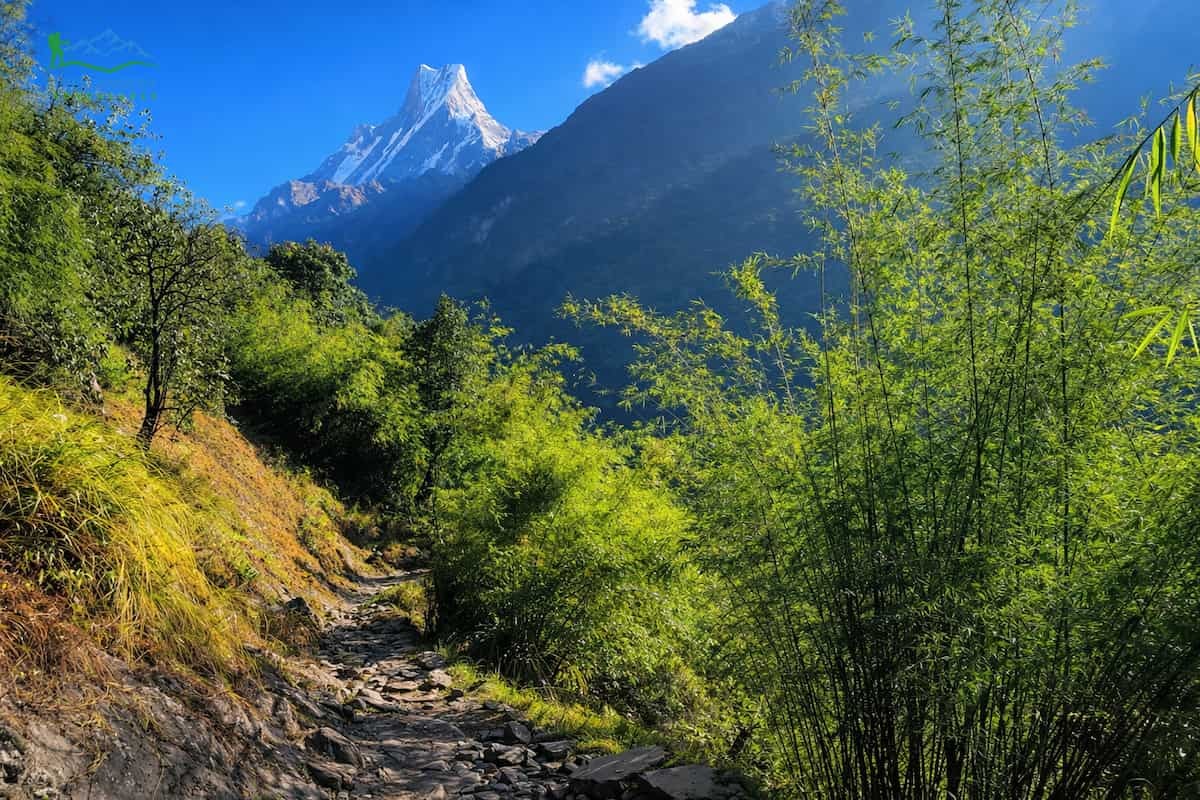
One of the reasons Annapurna Base Camp trekking is rated as a moderate trek is that it's quite demanding physically as a result of the long walking days and never-ending stone staircases. Trekkers normally cover the distance of around 5-7 hours a day, and most of the time the road goes up and down for thousands of stairs, especially near Chhomrong and Bamboo. The main point is that the trek is not technically difficult. The stair-heavy terrain is also something that even very fit people will become tired of after a few days. The highest point at 4,130 meters gives thinner air, which makes you more tired even if you only walk for a short time.
However, the path is very well paced so that if you stick to it, no day will have extreme altitude gain. With a reasonable level of fitness, a strong mind, and a good pace, first-timers should have no problem finishing the trek. The trick lies in being well-prepared, drinking enough water, and listening to your body instead of trying to race the trail.
Altitude sickness is a potential danger on the Annapurna Base Camp Trek; however, it can be very well controlled if you plan properly. Compared with the altitude of Everest Base Camp, the altitude on the Annapurna Base Camp is gradually increasing, which considerably lowers the risk level. Above 3000 meters, especially around Machhapuchhre Base Camp and ABC, one can experience headaches, tiredness, loss of appetite, or mild nausea.
The greatest importance should be given to prevention by gradually increasing the altitude, drinking 3-4 liters of water every day, avoiding alcoholic drinks, and following the instructions of your guide. Besides, if you are not feeling well, the down routes are quick and accessible, so you can take advantage of them.
With the help of professional guides who check the condition of the trekkers every day, the occurrence of serious altitude sickness is very rare. One should be aware of the height one is going to, but being scared should not be a reason for the mistake not getting prepared for the trek.
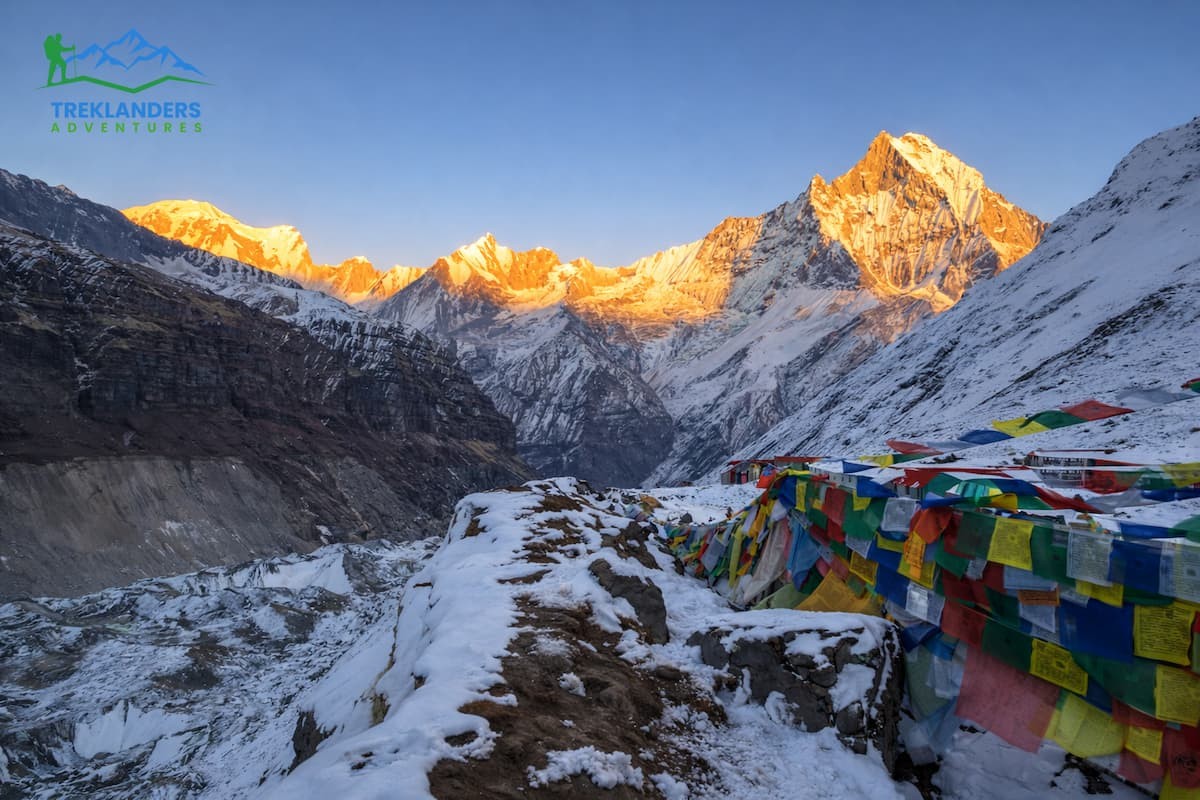
One of the most fascinating facts about going on an Annapurna Base Camp Trek is the constant alteration of the landscape. The journey starts in a subtropical zone that features terraced rice fields, banana plants, and riverside villages. As the elevation goes up, the trail is mostly covered by rhododendron and bamboo forests, which are very helpful in creating really green corridors that are also shaded. At a higher elevation, vegetation disappears and is replaced by alpine areas, glaciers, and rocky moraines. When you get to the Annapurna Sanctuary, it might even remind you of the moon because the space is large, exposed, and there is ice and rock all around. Such an ongoing change of scenery makes the trek not just a treat for the eyes but also a challenge for the brain. There are hardly any other treks in Nepal that present such a variety of ecosystems in a comparatively short time, which is why ABC is perfect for those who like having different sceneries on their hike.
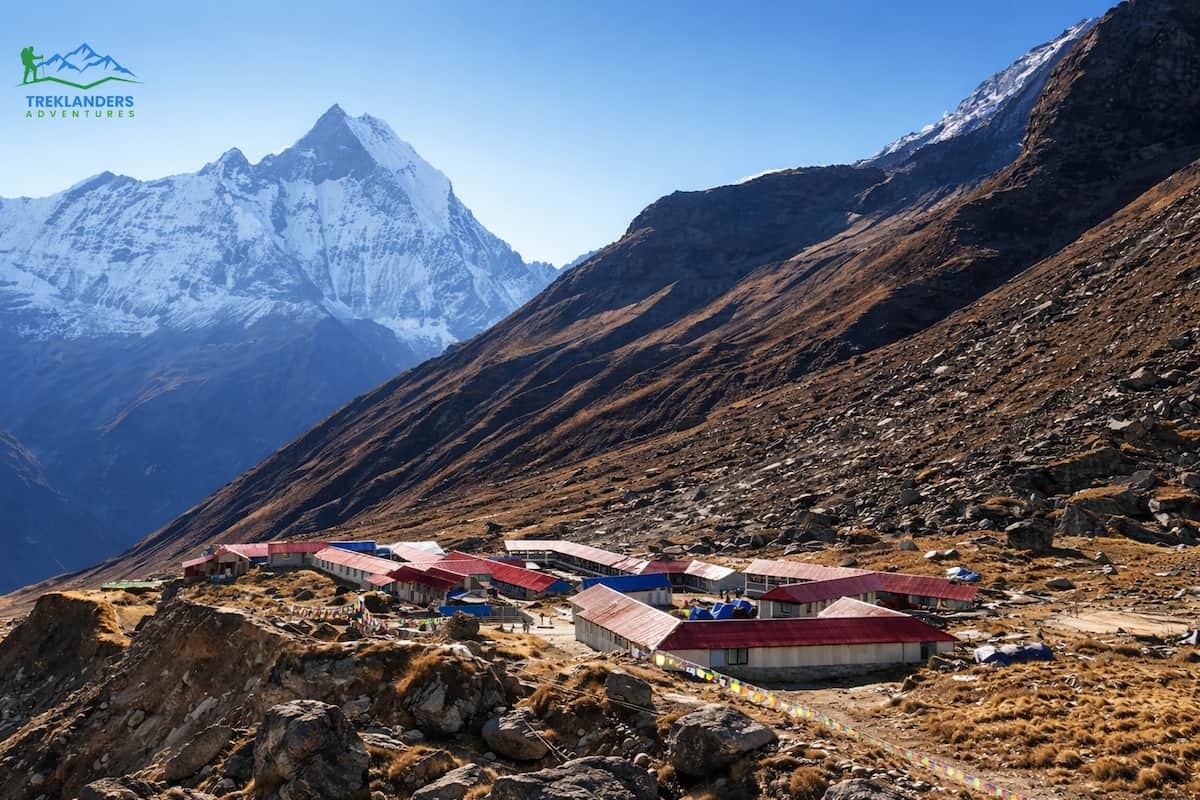
The Annapurna Base Camp Trek follows a teahouse system throughout, thus making it accessible without the need for camping or carrying heavy gear. Teahouses are the local inns that offer simple rooms, hot meals, and shared dining areas. Though the facilities get basic at the higher altitude, they are neat, secure, and made especially for the trekkers. This way, people with different levels of experience can comfortably take on a high-altitude Himalayan trek. Dal bhat, soups, rice, noodles, and eggs are some of the dishes that provide adequate energy for the days of trekking. Since the porters and mules carry the supplies, the prices go up with altitude, but the availability remains reliable. The teahouse network is among the main factors why ABC is one of Nepal's most popular and logistically smooths trekking routes.
The trek to Annapurna Base Camp is an adventure up the mountain and a cultural journey into the lives of the Gurung and Magar people. The villages of Ghandruk and Chhomrong are living museums of traditional stone houses, terrace farming, and mountain-dependent lifestyles. Firstly, the Gurung families have a tradition of working as soldiers in the British and Indian Gorkha regiments, which is reflected in the local pride, discipline, and hospitality. They are usually very friendly and hospitable.
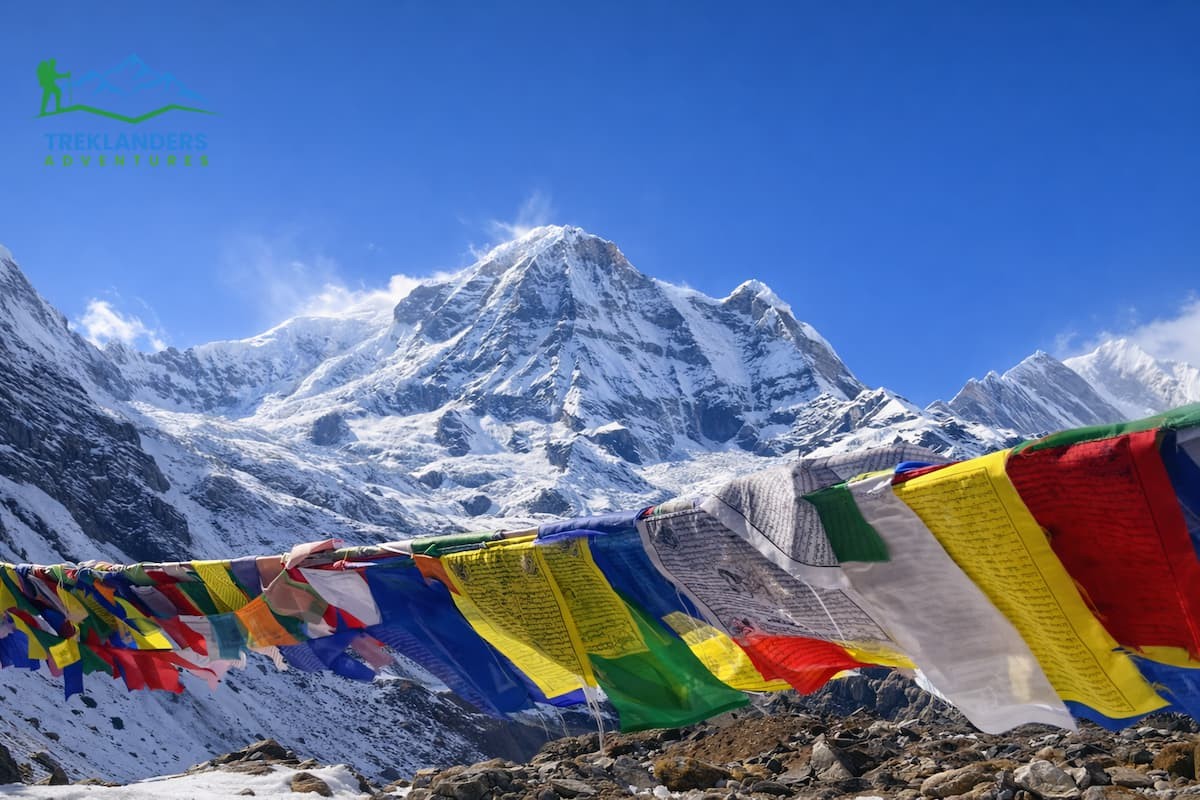
Buddhist elements such as prayer flags, mani walls, and small monasteries are interwoven with the local folk traditions. By staying at teahouses run by local families, trekkers are helping these communities. Realizing the cultural aspect turns the trek into a significant human experience instead of just a physical challenge.
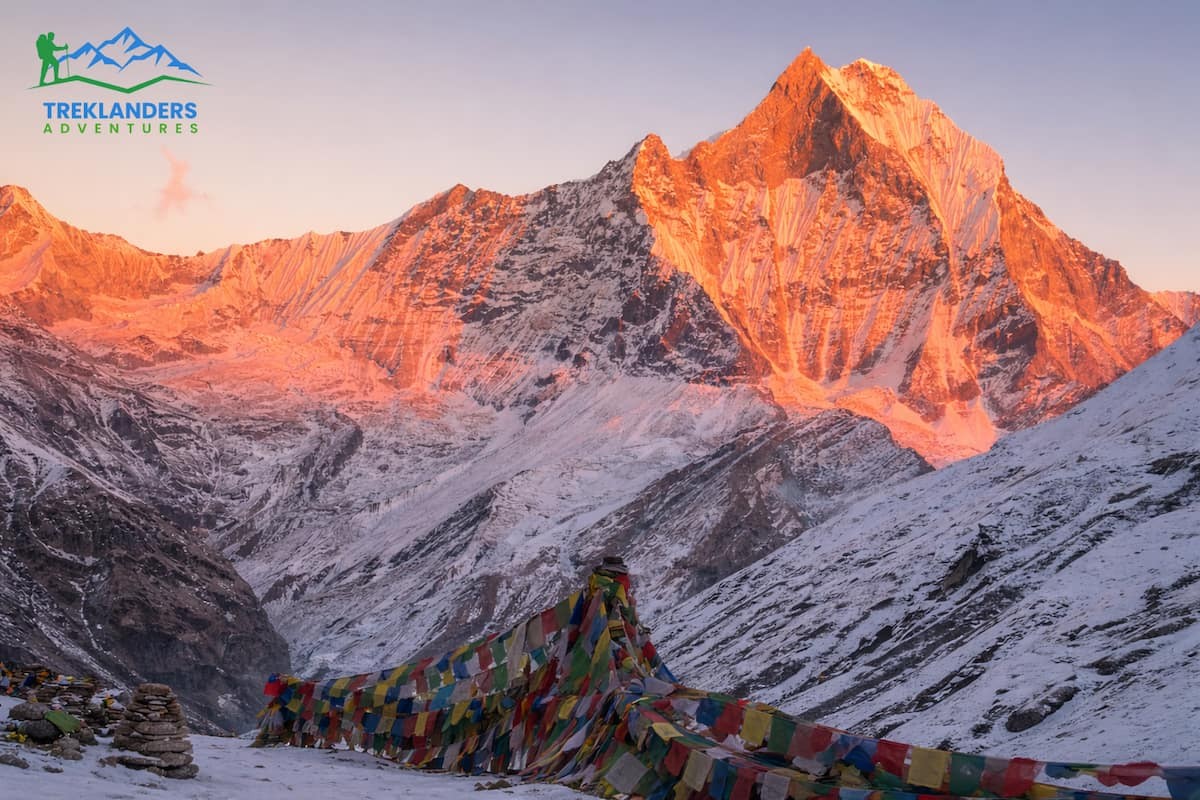
Among the several prominent peaks seen en route to Machhapuchhre is one that goes by the two names, Fish Tail and Machhapuchhre. The mountain is dramatically rising above the Annapurna Sanctuary and has always been regarded as sacred; no one has done the official climbing. The government of Nepal is very strict about climbing prohibitions on this peak in order to be in line with religious and cultural respect. This ban not only protects the mountain's natural condition but also adds to its allure. Trekkers can view Machhapuchhre from different spots and, in fact, the view from the Base Camp area is quite remarkable. Its virgin status makes it one of the most renowned sacred peaks worldwide. Being aware of this fact greatly contributes to the respect of the spiritual aspects that are inseparably intertwined with Himalayan trekking.
It is true that both spring and autumn are great seasons; however, they offer very different experiences when it comes to trekking. Spring is characterized by higher temperatures, rhododendron forests coming into bloom, and the colorful nature being especially outstanding between the lower camps and mid-altitude villages. Autumn air is fresh, and trails are dry; the mountain views are at their best after monsoon rains have washed the dust from the atmosphere.
Generally, autumn is the period with more crowds due to festivals and stable weather, while spring is more lively and floral. Both seasons are safe and rewarding, but photographers usually choose autumn for the clarity, while nature lovers go for spring. Knowing the differences between the seasons allows trekkers to make the right choice for the experience they want.
Many trekkers are quite amazed when they find out that it is the stone staircases and not the altitude that ends up being the most challenging part of the Annapurna Base Camp Trek. There are thousands of steps most of them around Chhomrong that put your knees, calves, and lungs under constant strain. The stone staircases are necessary for erosion control and trail longevity, but at the same time, they require very strong legs. The use of trekking poles greatly helps to decrease the impact, and also, it provides better balance on the descents. Controlling fatigue essentially relies on proper pacing, taking rest breaks, and staying hydrated. One of the best things you can do to prepare yourself for trekking in the Annapurna region is definitely training on stairs. People who underestimate the stairs often end up having more difficulties than they expected, even though they are physically fit otherwise.
In comparison with many other high-altitude treks, Annapurna Base Camp is ranked among the safest. The path is clearly marked, the villages are quite frequent, there are mobile networks in most of the areas, and emergency evacuation is quite easily accessible. The gradual ascent profile lessens the altitude risks, and if necessary, there are several options for descent. During the peak seasons, the weather is usually quite predictable, and the teahouse facilities are pretty well established. If the trek is done with licensed guides, daily health check-ups, and contingency planning add to the safety level. This mix of good facilities, accessibility, and a manageable altitude level makes ABC a perfect choice, especially for first-time Himalayan trekkers who are looking for a high-reward, lower-risk adventure.
Annapurna Base Camp Trek food choices tend to be safe, but smart decisions become increasingly important with altitude increases. Teahouses prepare fresh meals daily at lower elevations; however, supply chains become longer as altitude increases - this is why experienced guides recommend vegetarian options when trekking above Chhomrong. Meat must be transported from lower villages and may not always be fresh in high-altitude conditions, making dal bhat the safest and most reliable option, since it's freshly prepared, energy-dense, and easy to digest. Other good choices are soups, rice dishes, potatoes, and eggs - raw vegetables or unpeeled fruits should be avoided at higher camps to prevent stomach issues associated with altitude fatigue - good nutrition directly affects acclimatization and energy levels.
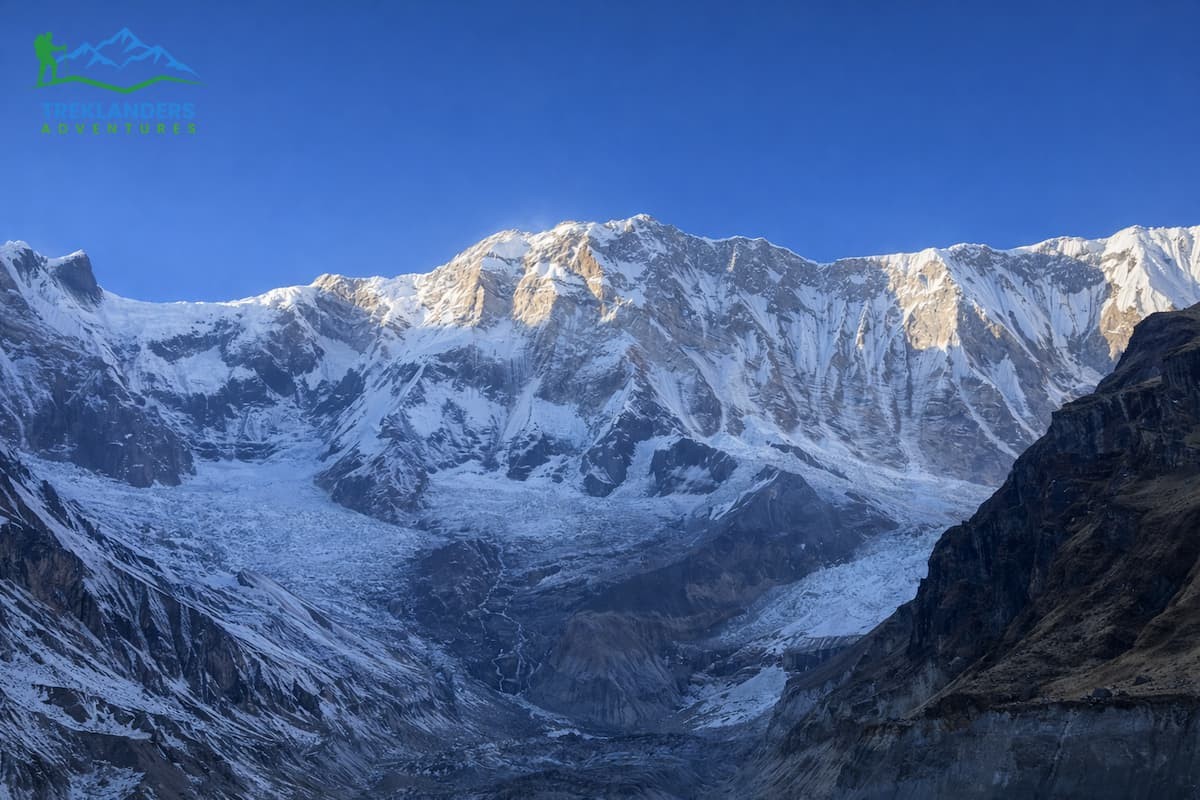
As trekkers move closer to Machhapuchhre Base Camp and Annapurna Base Camp, their surroundings transform dramatically into a glacial environment. Trekkers cross ancient moraines formed by retreating glaciers with visible ice flows descending from Annapurna South and Hiunchuli; these glaciers feed Modi Khola, which originates deep within the sanctuary. Walking this terrain gives trekkers a firsthand glimpse into Himalayan glaciology and climate change; crevasses, ice walls, and rock debris highlight natural forces shaping this region. Contrast this stark high altitude environment with lush forests below, and it offers one of the most educational and visually impressive trek segments.
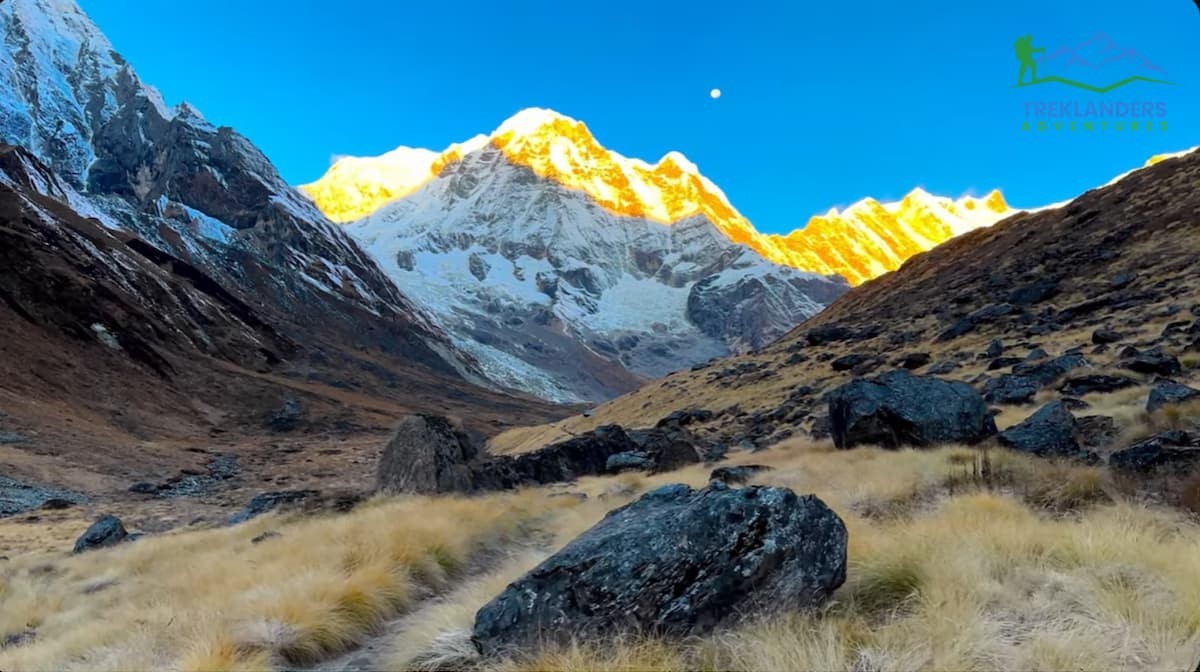
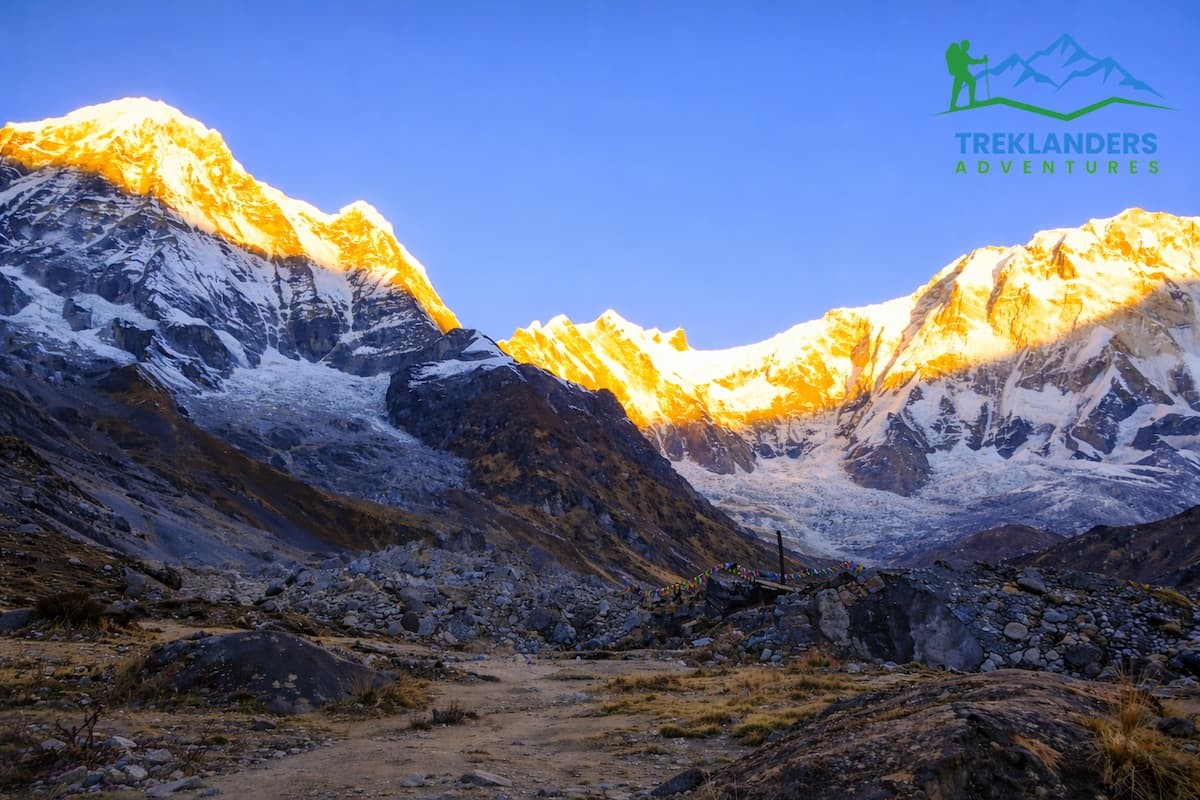
Sunrise at Annapurna Base Camp is stunning, but also scientifically interesting. Since ABC is located in a bowl-shaped area, the sunlight can only slowly enter as the mountain peaks get the first rays one after another.
Annapurna South and Hiunchuli become illuminated initially, then Annapurna I, whereas Machhapuchhre acts as a mirror in reflecting the light. This order is resulting in the changing colors of snow, ice, and rock within a few minutes. The encircling cliffs both increase the brightness and give off the heat, which makes the mornings quite a bit warmer than one would expect in spite of the freezing nights.
This explanation accounts for the fact that people at Base Camp have such a wonderful feeling from the time, very early in the morning, and also booking the sunrise pictures is one of the main attractions of the trek, Sun and clear sky mornings in autumn and spring witness the most beautiful natural spectacle.
Strict environmental regulations are adhered to in the Annapurna area to protect the delicate ecosystem. Plastic waste reduction, controlled camping, and responsible tourism practices are only permitted when the necessary permissions are obtained and there is local monitoring. Use of bottled water is discouraged, and travelers are supposed to use purification methods. At higher elevations, fires are not allowed, and when someone litters, he/she may be fined. Such rules ensure that the forests, animals, glaciers, and water sources are preserved for the use of future generations. Trekkers who follow the Leave No Trace concept are actually helping the conservation efforts. One of the ways to be a responsible trekker is understanding and respecting these regulations, and it also guarantees the sustainability of the Annapurna trekking region in the long run.
All trekkers entering the Annapurna region must obtain valid permits, such as an Annapurna Conservation Area Permit (ACAP) and a TIM’s card that will be checked at various points along the trail. Permits support conservation projects, trail maintenance projects and community development - without them fines may apply or you could even be turned back mid-route; when trekking with registered companies permit processing can be handled ahead of time to ensure compliance and save time - carry permits at all times as regular checks will happen at various points along the trail - carry permits are more than formalities - they play a vital role in protecting our trekking region while managing safety concerns.
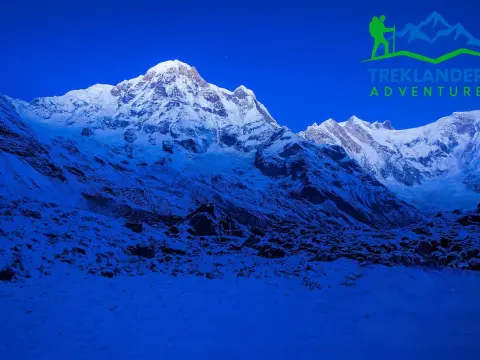
Even during spring and autumn, the Annapurna region's weather can quickly change; clear mornings may turn cloudy by noontime; sudden temperature drops at higher elevations are common. As winds can increase near Machhapuchhre and Annapurna Base Camp, layering properly is of the utmost importance for safe trekking experiences. Trekkers should always carry waterproof jackets, warm mid layers, and sun protection regardless of the season. Early starts are advised for optimal viewing conditions, as afternoon clouds often form due to valley heat rising, which means understanding Himalayan weather patterns is vital for staying safe, comfortable, and flexible on trek. Trekkers expecting constant sunshine tend to struggle, while those who come prepared adapt more readily and enjoy themselves despite occasional short weather fluctuations.
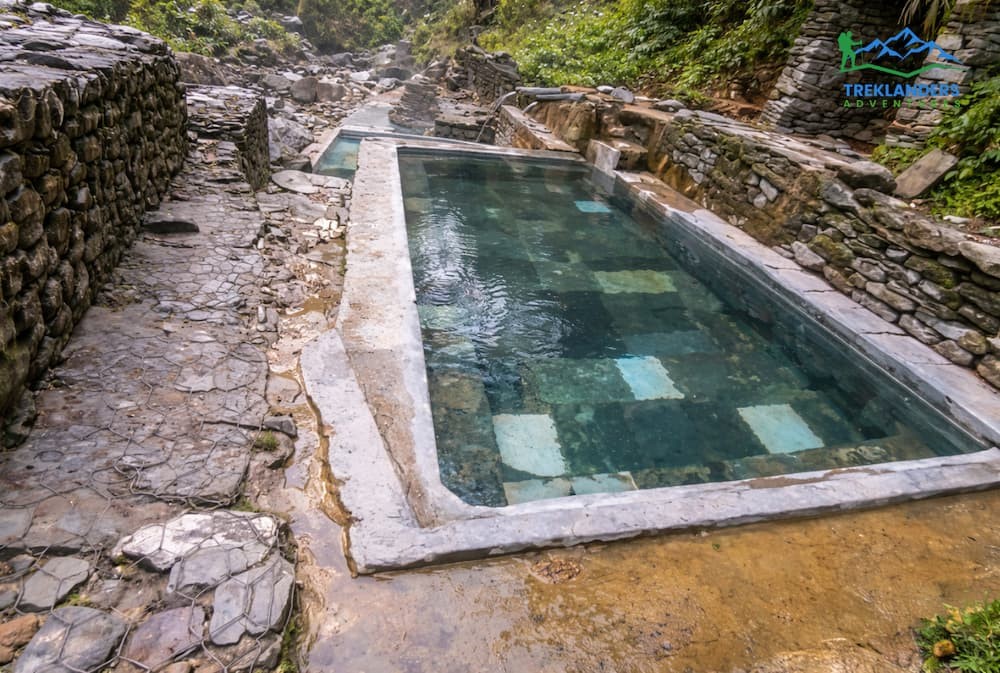
Besides being a luxury, the natural hot springs at Jhinu Danda are actually a real recovery tool after days of tough trekking. Situated near the Modi Khola river, these hot pools work great for relaxing tired muscles, easing joint stiffness, and improving blood circulation. More than one trekker arranges their return trip to have Jhinu in the itinerary because of the springs. The springs are a great rebound from a long downhill trek that forces the knees and ankles to work extra hard. Going there late afternoon or early evening makes the most of it, as the warm water is in a nice contrast with the cool mountain air. Being a natural attraction, it contributes a delightful wellness aspect that is hardly ever available on Himalayan treks at high altitudes.
Porters are the backbone of Himalayan trekking, and it is crucial to treat them ethically. Responsible operators make sure that porters are not overburdened, have adequate shoes and clothing, and get insurance in case of altitude sickness and evacuation. Usually, one porter carries the luggage of two trekkers, and the total load limit is about 20-24 kg. Ethical trekking directly helps local people and makes the trail safer for everyone. Trekkers should not hire unregistered or overworked porters on their own. By opting for the companies that care about the welfare of the porters, the visitors contribute to sustainable tourism and show their respect to those who enable high-altitude trekking.
Many hikers wonder how they can sleep so lightly or have their sleep interrupted at high elevation when they don't have altitude sickness. It is natural that lower oxygen concentration in the air affects our breathing pattern and, therefore, we experience shallow sleep or waking up frequently, but it usually gets better when the body gets used to it. Drinking plenty of water, eating good nutrition, and no alcohol consumption will help you sleep better. At a height of over 3,000 m, it is very important to have warm sleeping gear as the temperature drops drastically at night. Being aware that not sleeping well is common without worrying too much enables the hikers to put their energy into the next day's activities and rest.

The Annapurna region has one of the most reliable emergency response networks in Nepal. Regular helicopter evacuation services are available during the trekking seasons, weather permitting. The guides undergo training to identify the symptoms of altitude sickness and to coordinate a quick response in case of an emergency. There is mobile coverage in most villages, and satellite communication is used where the network is unavailable. Serious emergencies are handled effectively when a person has the necessary insurance and is accompanied by a guide. This setup goes a long way in risk mitigation and makes Annapurna Base Camp one of the safest high-altitude trekking spots in the Himalayas.
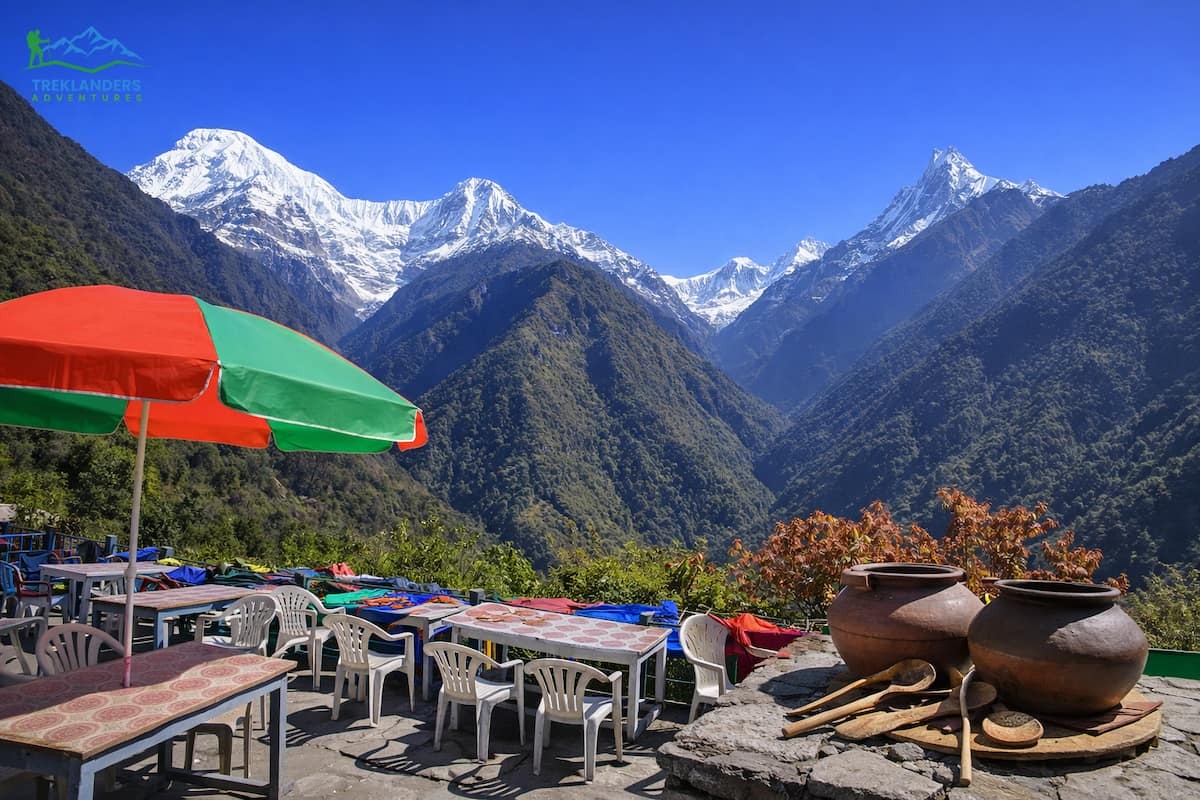
The Annapurna Base Camp trek is very rewarding for photographers. Along the route, there is a wide variety of subjects to shoot - terraced villages, suspension bridges, waterfalls, dense forests, glaciers, and the imposing peaks of the Himalayas. The best times for photos are morning and late afternoon light, especially when you are above Deurali and at Base Camp. ABC's geography, which is quite different from ridge treks, results in spectacular light reflections on snow and ice.
Even non-professionals can take beautiful pictures without any special gear. Weather variations also alter the scenes and add character and depth to the landscapes, so being patient is very important. Autumn offers better visibility, whereas spring is more colorful because of the forests and meadows.
This trek is always at the top of the list when it comes to the most photogenic trips in Nepal.
Annapurna Base Camp is a favorite, yet it generally does not feel overcrowded at all if one hikes wisely. The highest crowd level is in October and the first half of November, particularly at Chhomrong and Base Camp. Nonetheless, getting an early start each day, trekking in the weeks just before or after the peak ones, or going in spring greatly lessens crowd pressure. When compared with Everest Base Camp, the paths are wider and less crowded. There is still good teahouse availability even in the peak seasons. Knowing the crowd pattern enables the trekkers to have the right expectations and enjoy the quiet moments without losing safety or facilities.
Compared to treks like Everest Base Camp or Manaslu Circuit, the Annapurna Base Camp Trek is cost-effective. Road access reduces dependence on expensive flights, teahouse prices are relatively moderate, and logistics are simpler. Food and accommodation costs rise with altitude but remain manageable. This affordability makes ABC attractive for budget-conscious trekkers without compromising scenery or experience. Choosing optional flights adds cost but saves time. Overall, ABC offers exceptional value for a classic Himalayan trek.
It is widely believed that to trek to Annapurna Base Camp, one has to be at an elite fitness level. What is really the case is that having a steady moderate fitness level is much more important than having a lot of strength or being very fast. The ones who get out and walk frequently, do stairs for their training, and keep up their endurance, are the ones who end up doing better than the ones who only rely on gym workouts.
Actually, the trek is more about how well you can pace yourself, keep your spirit up, and get back your energy than it is about having great raw athleticism. A big majority of the people who succeeded in this trek were first-timers who prepared in a very reasonable way. Generally, people who are overconfident get tired quickly, whereas those who keep a steady pace are the ones who do well.
Trekking poles, along with greatly reducing the knee strain during long descents from Bamboo and Jhinu, also provide the same and even more benefits, such as great balance on stone steps, wet trails, and suspension bridges. Most trekkers only realize how important they are when they reach the middle of the trek. Poles that can be adjusted help you have a better posture and balance your energy, thus lessening the chances of becoming injured. Trekking poles in ABC are not just optional accessories they are practical safety tools that help you feel better and stay longer on the trail.
Some of the most obvious signs of climate change can be noticed in the glacial retreat, exposed moraines, and changed snowlines near Base Camp. Guides, who have been there for years, can tell the difference in the amount of ice and the seasonal characteristics quite clearly. Climbers see the impacts of climate change with their own eyes, especially in the Annapurna Sanctuary area. This fact strengthens the message of why responsible trekking, reducing waste, and getting conservation permits are important. ABC is more than just a breathtaking place - it is a natural, environmental classroom.
Many trekkers mistakenly believe that the hardest part is climbing, but in fact, descending is even more demanding physically. Walking downhill continuously puts a lot of strain on the knees, ankles, and hips, especially when a person is already tired. It is very important that a person wears good shoes, has walking poles, and walks at a controlled pace.
The days when one is coming down are usually the ones when a person's muscles are the sorest, and not when a person is at Base Camp. It is very helpful for a person who is going on a trek to understand this so that he/she will be able to figure out how to save energy and also how to keep away from injuries towards the end of the trek.
Mobile networks and Wi-Fi are now accessible even in a number of villages; however, the speed slows at higher altitudes. Emergency communication works through guides and satellite systems. Although connectivity may not be regular, it is good enough to send safety updates and make basic contact. The availability of communication gives an extra sense of security, especially to first-time trekkers and families.
A licensed guide provides many services on a trek besides just finding the way. Guides arrange the logistics, do health checks, interpret the local culture, and assess the risks. Their skills help them to avoid the typical errors of pacing, choosing food, and deciding the weather. For a lot of hikers, guides make a hard walk a well-organized and rewarding experience.
For a lot of people, the Annapurna Base Camp trek is the very first big Himalayan trek and also very rarely the last one. The experience helps to develop confidence, acclimatization to altitude, and the skills needed for trekking. After doing ABC, it is quite common for trekkers to take on routes such as Everest Base Camp, Langtang, or Manaslu. The ABC trek is like a stepping stone, confirming that high-altitude trekking is not only doable but also fulfilling and life-changing.
One of the less talked about advantages of the ABC trek is that it has a natural acclimatization profile. The plan of the trek slowly goes up, and you spend several nights at elevations between 2,000 and 3,000 meters before going higher. This gradual upslope lets your body get used to the altitude without most people needing extra days for acclimatization.
In comparison to the steeper routes, ABC mitigates altitude stress by elevating smartly rather than by enforced rest days. Thus, if you follow the pace suitable for your body, the trek will be safe as well as efficient. A lot of people who go on the trek say that they were tired, but their condition was stable when they got to Base Camp, and this is a sign of good acclimatization rather than a lucky fluke.
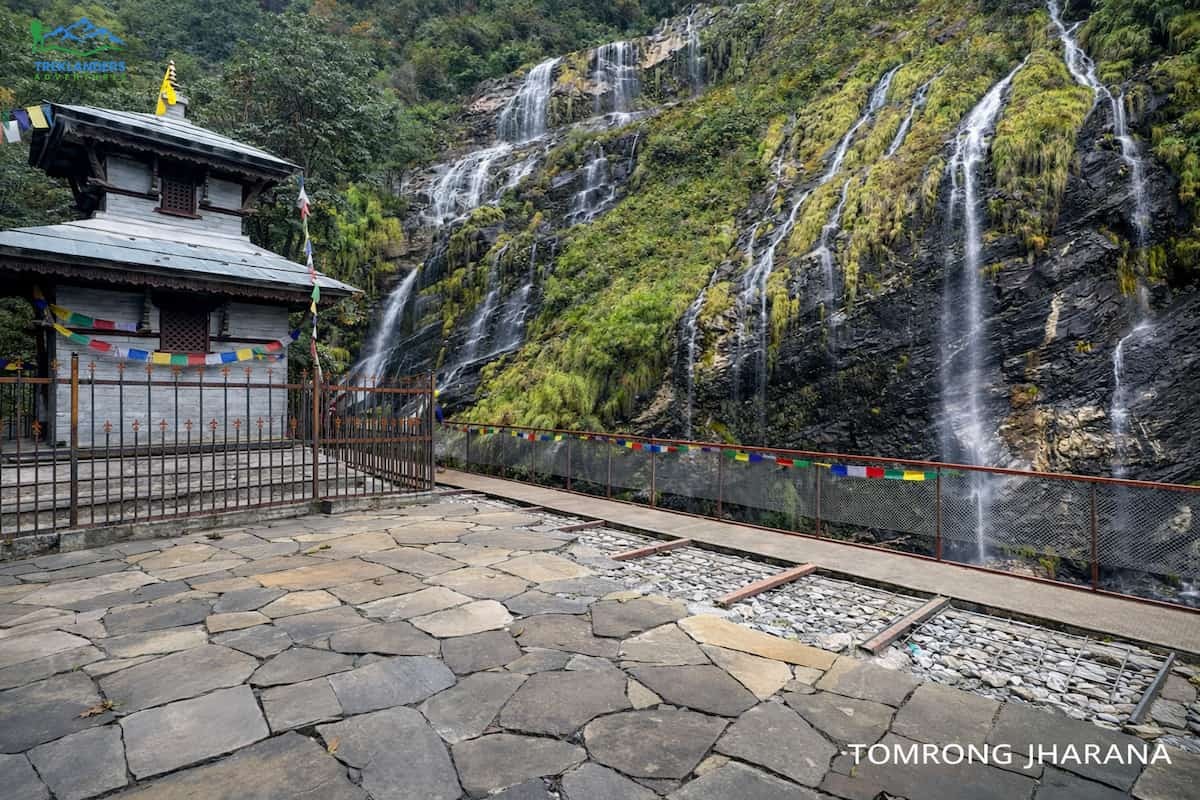
One of the most outstanding features of the Annapurna Base Camp trail is its high level of maintenance. Steps made of stone, bridges, water drainage systems, and well-marked signs help to minimize the erosion of the trail and also make it safer. These enhancements are very much the result of a series of conservation funds over the years, as well as the involvement of the locals. Even though stairs can be tiring, they do make the paths safer, especially during rain and snow. The ABC trail quality compared with the remote trekking regions enables the trekkers to focus on their physical stamina and the beautiful landscape rather than getting lost. This is one of the reasons why ABC continues to be open to such a wide variety of trekkers.
The trek is characterized by a consistent weather pattern - clear mornings and cloud buildup by the afternoon. This is a natural cycle as the heat in the valley rises, and the moisture condenses on the mountain walls. With this knowledge, trekkers can plan early starts and get the best of photography and visibility conditions. Afternoon clouds are not usually a sign of danger; instead, they merely obscure the mountain peaks. Experienced guides adjust the walking hours according to this practice. Trekkers who are aware of the pattern get to enjoy the scenery and have less frustration, while those who expect clear skies all day long may be disappointed unnecessarily.
Many hikers do not give enough consideration to the psychological side of the trek to ABC. Being on stairs for a long time, going over the same landscape, and getting physically tired are all things that will wear down your patience even more than your strength. The hikers who have a calm pace, a positive attitude, and are adaptable will come out on top, time and again, over those who are in a hurry. Mental toughness enables you to cope with physical pain, changes in the weather, and lack of sleep. ABC is a trek where the biggest winners are those who show discipline rather than those who go fastest. This is what makes it such a great trek for developing long-term trekking confidence and resilience.
Above the landscape and difficulty, the Annapurna Base Camp (ABC) trek is emotionally very powerful and thus leaves a deep impression. Walking to the temple by sunrise, and then the view of 7,000- and 8,000-meter peaks outside the window, gives a feeling of humility and achievement, thus many trekkers consider this moment life-changing. Physical effort, cultures, and natural beauty combined together totally change the way of thinking of trekkers about nature and their personal limits. Due to this intense feeling, ABC is most of the time kept in mind as one of the major travel experiences rather than just a trek.
Annapurna Base Camp Trek is considered one of the most wholesome and gratifying Himalayan experiences in Nepal. It incorporates high altitude thrill with a cultural deep dive, the natural variety of scenes, and a good facility network, thus making it a great choice for either first-timers or accomplished hikers. The trail is constantly changing with the contrast of the terraced hamlets, the rhododendron woodlands, a glacier, and the dramatic mountain sanctuary, offering relentless eye candy to the trekkers.
But what really differentiates the Annapurna Base Camp Trek is its harmony. The altitude is enticing but does not cause severe problems, the trail is physically demanding but not dangerous, and the experience is quite isolated, yet there is always a presence to help you. The teahouses, ethical employment of guides and porters, well-organized emergency services, and a permit system that is transparent all add up to a trekking environment that is safe, friendly to the environment, and sustainable. Alongside this, the feeling that you get when you are standing at the Annapurna Sanctuary, surrounded by some of the highest mountain peaks on earth, is so deeply moving that it hardly ever fades away.
Knowing about the facts of this trekking in the first place lets trekkers be grounded in their preparations, make the right choices, and be full of faith on the route. If one is well-equipped, has a good understanding of altitude, and follows the most responsible trekking protocols, the Annapurna Base Camp Trek can be turned from merely a physical challenge into a wonderful Himalayan experience with a spiritual touch that will stay with the trekker's mind long after the end of the trek.
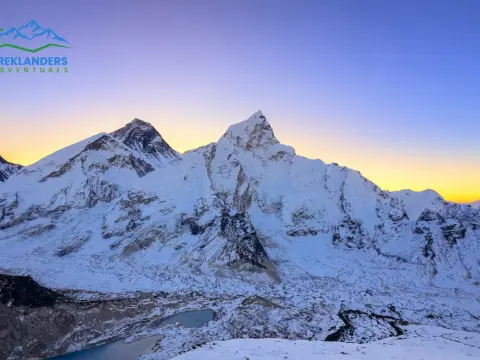
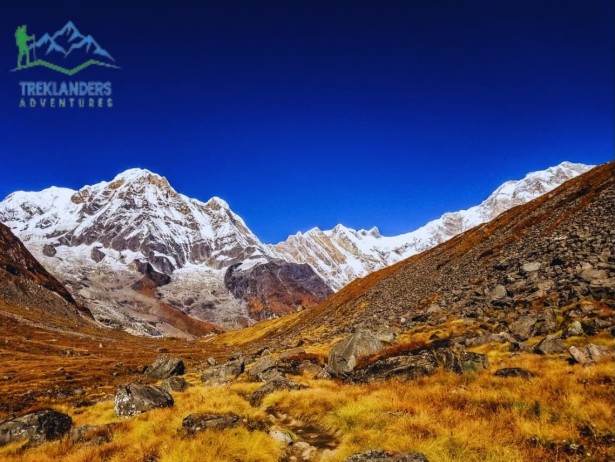
A quick guide to the Annapurna Base Camp Trek, outlining its cost, itinerary, route, difficulty, best season, and altitude.
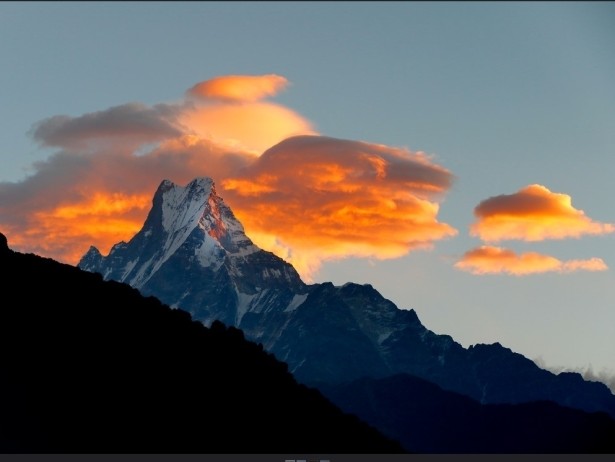
A quick overview of the 7-day Annapurna Base Camp Trek, highlighting the route, mountain views, and the exciting Himalayan adventure.
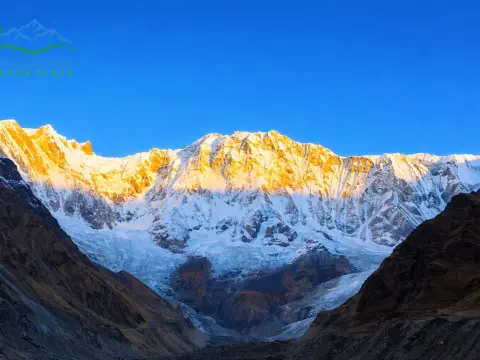
A quick comparison of the Langtang Valley Trek and Annapurna Base Camp Trek, covering difficulty, cost, and experience.



