
Langtang Valley vs Mardi Himal Trek – Which One Should You Choose? Full Comparison Guide
26 Dec 2025
A quick guide comparing Langtang Valley vs Mardi Himal Trek to help you choose the right Himalayan adventure.

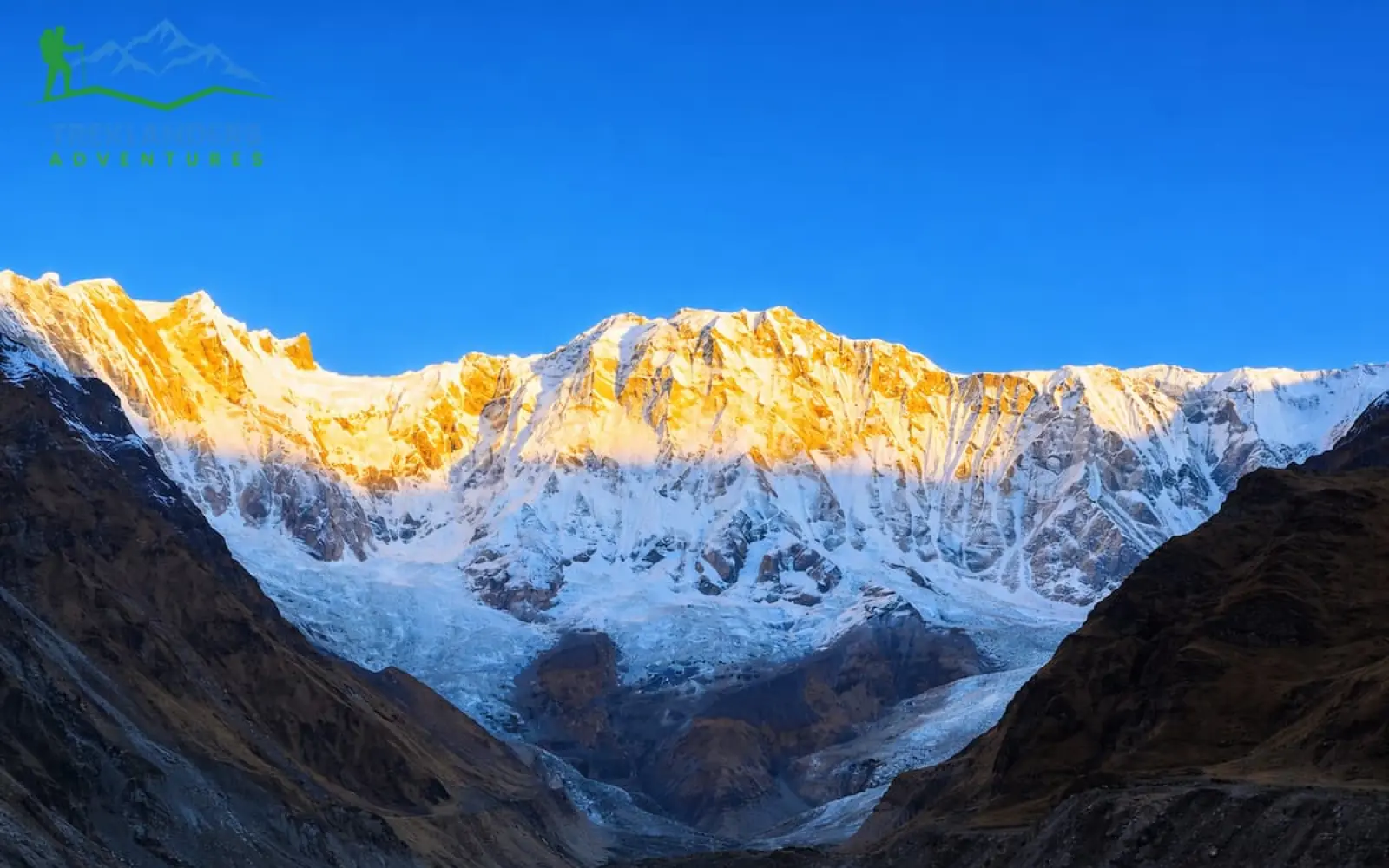
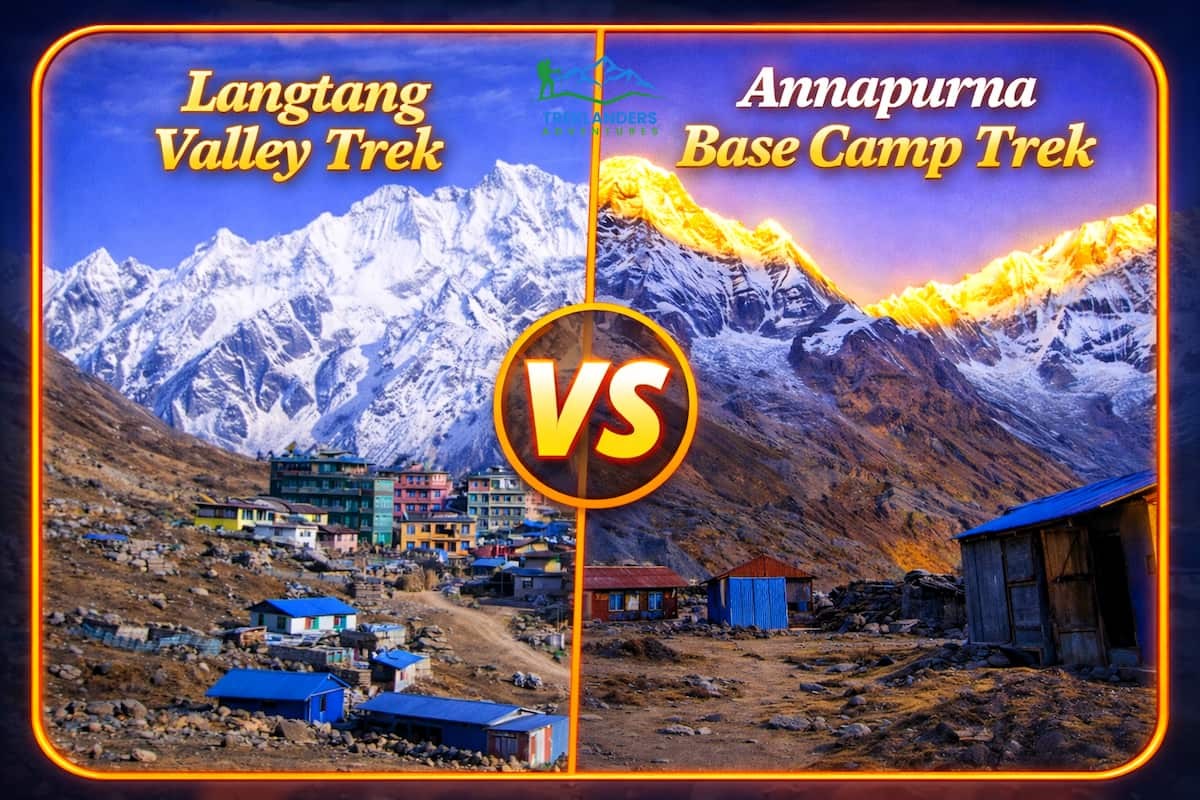
Choosing between the Langtang Valley Trek and the Annapurna Base Camp Trek largely depends on what you value the most during your trekking time: solitude, nature views, or the overall vibe. Both rank as the top moderate treks in Nepal, promising stunning Himalayan scenery, but they differ significantly in their nature.
The Langtang Valley Trek is the closest trekking region to Kathmandu, so it is definitely a good choice for those who have very little time for trekking. The trip starts with a picturesque drive and proceeds with trekking through green forests, riversides, and quaint Tamang villages, which show strong influences of Tibetan culture. Some of the sights are Kyanjin Gompa, glaciers, yak pastures, and stunning views of Langtang Lirung. Compared to Annapurna, Langtang is less trafficked and therefore more serene and authentic in terms of a mountain experience. It is also usually more economically viable and nice for trekkers who like to go on less-commercialized trails while still having accommodation in teahouses.

On the other side, Annapurna Base Camp (ABC) is well known for its spectacular mountain amphitheater encircled by the highest peaks of the world, such as Annapurna I and Machhapuchhre (Fishtail). The trek provides an assortment of sceneries, subtropical forests, terraced farmlands, Gurung villages, and alpine areas. ABC is a bit tougher than Langtang with regard to daily climbs, but it is still open to beginners who are reasonably fit. Because of its popularity, the route is fully developed with good teahouses and food choices, but can be quite crowded during the peak seasons.
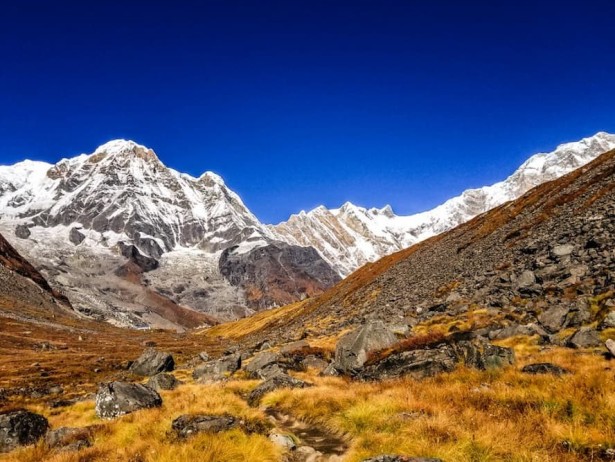
To summarize, Langtang Valley Trek is an ideal escape for those looking for peace, an authentic cultural experience, and a location close to Kathmandu. On the other hand, the Annapurna Base Camp Trek is more suitable for those dreaming of spectacular Himalayan vistas, diverse landscapes, and well-established trekking routes. The deciding factor between the two comes down to your availability, financial resources, and whether you would rather be alone or bask in the majestic beauty of nature.
Stunning views of Langtang Lirung and surrounding Himalayan peaks
Rich Tamang culture with strong Tibetan influences
Scenic hike to Kyanjin Gompa and nearby glaciers
Peaceful trails with fewer crowds than major trekking routes
Beautiful alpine forests, rivers, and high mountain landscapes
Accessible trek close to Kathmandu, saving travel time
Authentic teahouse stays with warm local hospitality
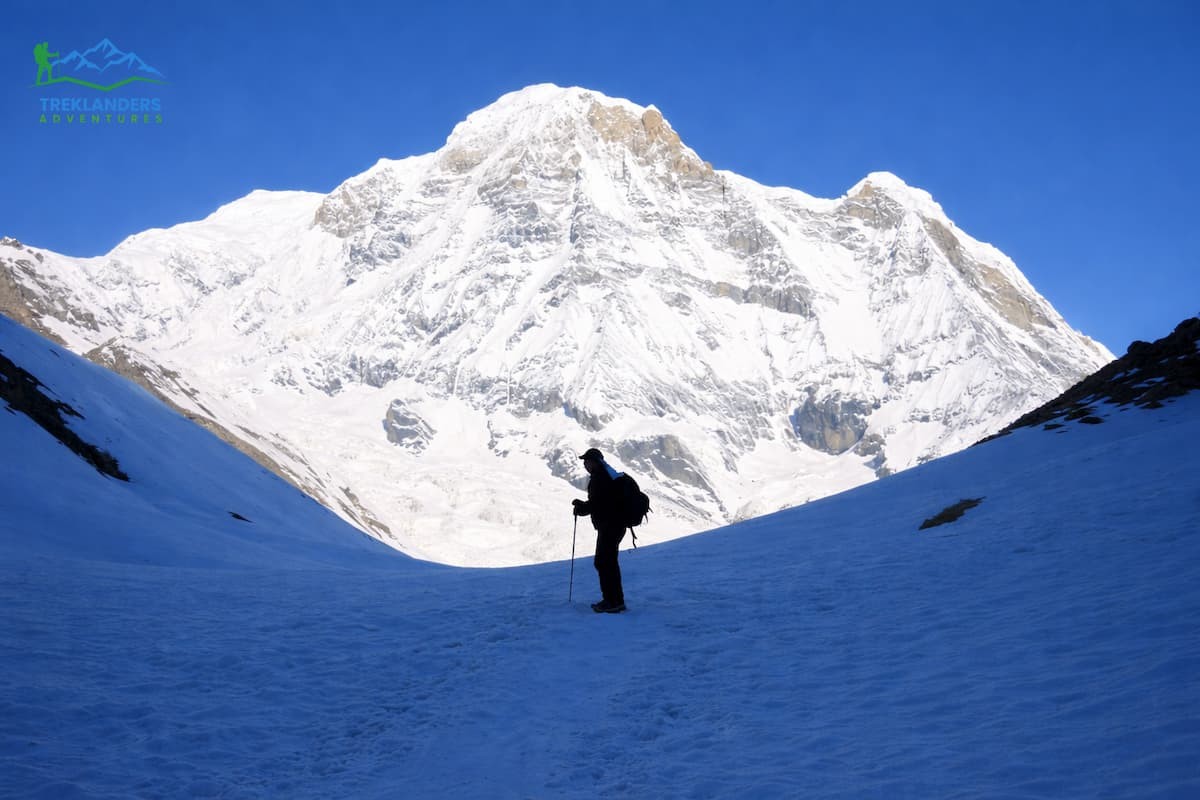
Close-up views of Annapurna I, one of the world’s highest mountains
Iconic scenery of Machhapuchhre (Fishtail)
Spectacular sunrise and sunset inside the Annapurna Sanctuary
Diverse landscapes from subtropical forests to high alpine terrain
Rich Gurung and Magar culture in traditional mountain villages
Well-developed teahouses with comfortable accommodation and meals
A classic Himalayan trekking experience suitable for beginners and experienced trekkers alike,
Langtang vs. ABC – Quick Comparison | ||
|---|---|---|
Aspect
| Langtang Valley Trek
| Annapurna Base Camp Trek
|
| Trek Duration | 7–10 days | 7–12 days |
| Maximum Altitude | 4,984 m (16,352 ft) – Kyanjin Ri | 4,130 m (13,550 ft) – ABC |
Starting Point
| Syabrubesi (drive from Kathmandu) | Nayapul / Jhinu / Ghandruk (from Pokhara) |
Scenery
| Glaciers, alpine valleys, close mountain views | Massive mountain amphitheater, diverse landscapes |
| Crowd Level | Less crowded, peaceful trails | Popular and busier in peak seasons |
| Cultural Experience | Tamang & Tibetan-influenced culture | Gurung & Magar villages |
| Difficulty Level | Moderate | Moderate |
| Budget | More budget-friendly | Slightly higher cost |
Accessibility
| Very close to Kathmandu | Requires travel to Pokhara |
| Best For | Quiet trekking & cultural immersion | Iconic Himalayan views & classic trek |
The Langtang Valley Trek and the Annapurna Base Camp Trek are located far apart from each other and cannot be accessed by the same means, which has a strong impact on planning, time allocation, and a round-up of travel costs.
Langtang Valley lies to the north of Kathmandu. It is near the Nepal-Tibet border and is situated in the Langtang National Park. One of its biggest advantages is proximity to the capital city. The trek starts with a drive from Kathmandu to Syabrubesi, which takes 68 hours depending on the road conditions. There are no domestic flights required, so Langtang can be considered one of the easiest treks to the Himalayas in Nepal in terms of access.
As the starting point of the trail is directly accessible by road, Langtang is suitable for trekkers who do not have much time and also for those who want to avoid the inconveniences of flight. The road trip itself reveals beautiful river valleys, hillside villages, and mountain views. After getting on the trail, the pathway slowly goes upward through the forest, villages, and alpine terrain, thus allowing a gradual process of acclimatization. In short, Langtang's simple access is trekkers who start and end their journeys in Kathmandu cost-effective, time-efficient, and logistically less complicated.
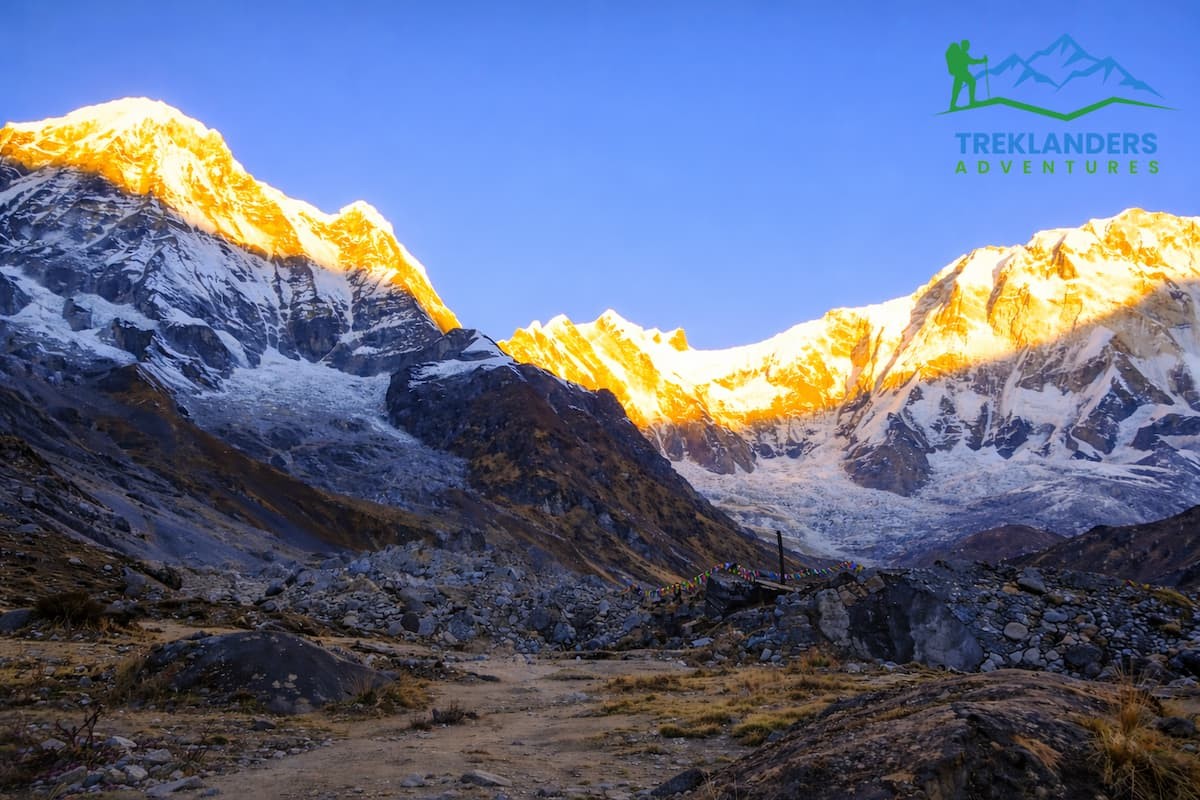
The Annapurna Base Camp Trek is a picturesque hiking route that lies in the heart of the Annapurna Conservation Area, Nepal. The route is definitely accessible but not so straightforward. Trekkers, therefore, have to fly or drive from Kathmandu to Pokhara first and then drive to a trailhead like Nayapul, Ghandruk, or Jhinu Danda to commence their trekking adventure.
Although it does increase the number of days on the road, there is no need to worry about the transit from Pokhara as it is a major tourist hub and has everything from great hotels and restaurants to excellent transport facilities and thus the trek in ABC would benefit from several access points and the different exit points options from the route allowing for a flexible itinerary design. On the other hand, if a flight is chosen, it can increase costs and cause delays due to uncooperative weather.
In short, Langtang Valley presents a simpler and quicker access route straight from Kathmandu; on the other hand, Annapurna Base Camp necessitates further travel through Pokhara but is a more polished and flexible tourism infrastructure route. Those trekkers who put the ease of the trip and the efficient use of their time first are most likely to choose Langtang, while those who have no problem with extra traveling will be glad to take the classic route to Annapurna Base Camp.
Both Langtang Valley Trek and Annapurna Base Camp Trek offer stunning Himalayan landscapes through the mountains, but they differ significantly in terms of their visual styles and the extent of the views.
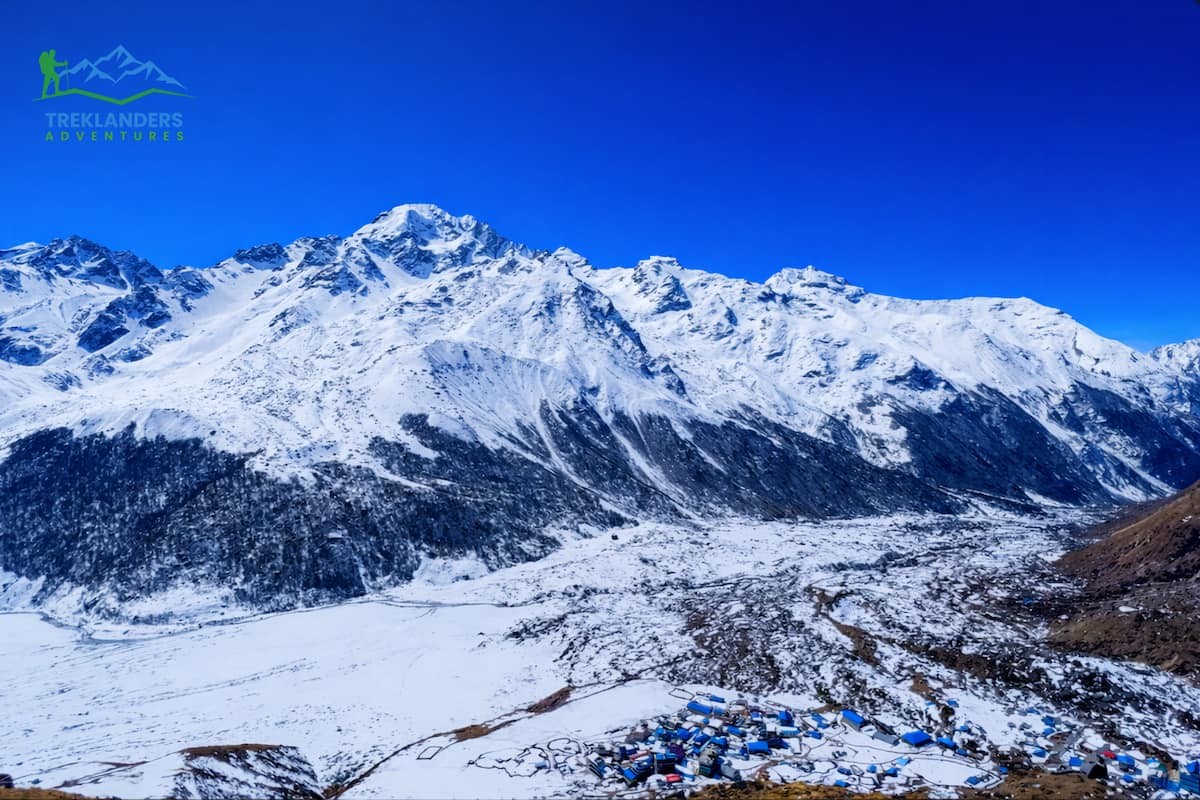
Langtang Valley is famous for its close and very detailed mountain scenery. The path goes down a tight glacial valley with very high peaks going up steeply on both sides. It is Langtang Lirung, out of the main four that is very close and looks very dominating, especially when you are around Kyanjin Gompa. Walking along glaciers, alpine meadows, rivers, and yak pastures, the trekkers are made to feel like they are in the mountains.
The scenery in Langtang changes slowly and thus could be liked by the trekkers who want to see the forested slopes, waterfalls, and high-altitude landscapes, and do not want to have the sudden change of scenery. Also, there are such side hikes as Kyanjin Ri and Tserko Ri, which lead to the summits from where the trekkers can see the snow-capped peaks, glaciers, and huge valleys. In fact, Langtang trekking is all about nature and intimacy with mountains. It is perfect for those trekkers who love to be in the wild and crave solitary moments among the mountains close at hand.
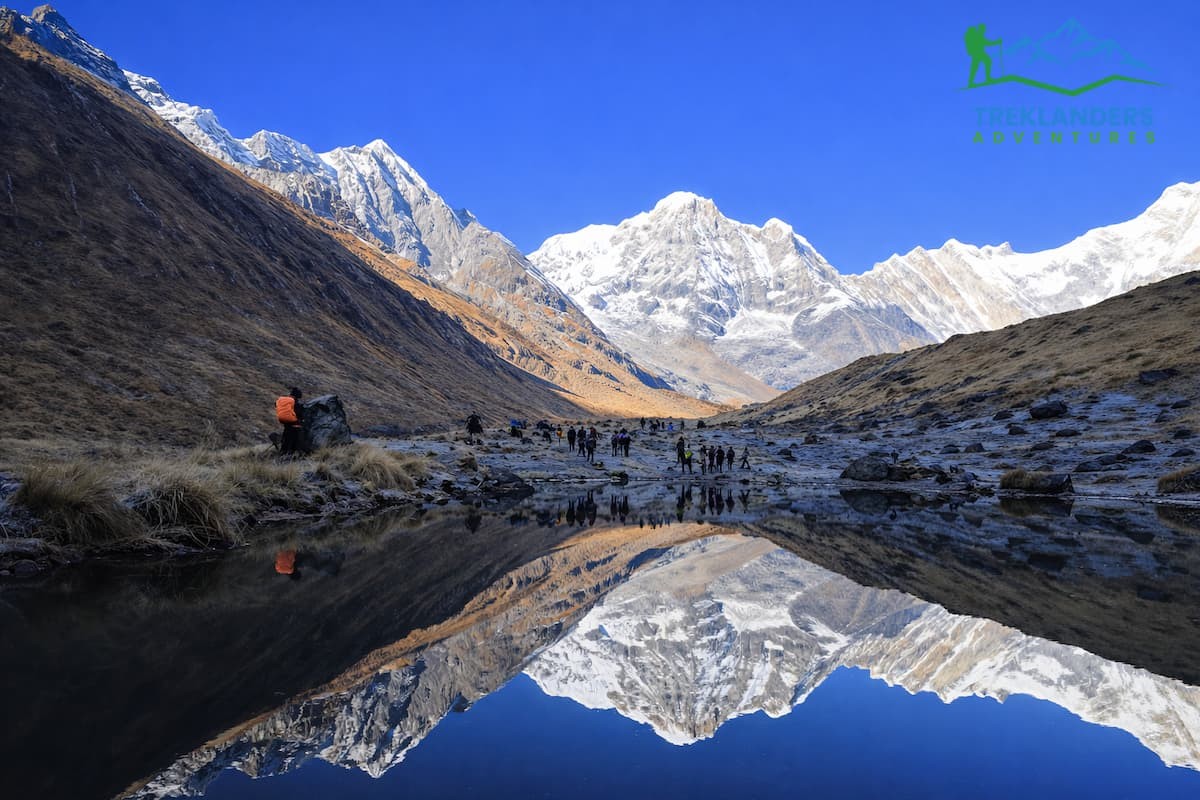
The Annapurna Base Camp Trek is renowned for its varied and spectacular nature of the sceneries. The trail goes through areas such as a subtropical forest, terraced farmlands, bamboo groves, and alpine terrain before it reaches the Annapurna Sanctuary. From Base Camp, the view of the natural amphitheater wrapping the likes of Annapurna I, Machhapuchhre (Fishtail), Annapurna South, and Hiunchuli, is simply stunning.
Where Annapurna is known for expansive, postcard-perfect views with huge peaks all around, Langtang has rather close and intimate mountain encounters made of glaciers. Morning and evening light inside the sanctuary, for instance, are fabulous, with the surrounding mountains being lit up by the golden sun. The trek in the ABC is very engaging from a visual point of view due to the constant change of scenery.
In short, Langtang Valley is intimate and glacier-rich with close mountain encounters, while Annapurna Base Camp offers dramatic, large-scale Himalayan views with more landscape diversity. The right pick will thus depend on whether one is after quiet, raw mountain beauty or iconic, wide-ranging Himalayan panoramas.
Both the Langtang Valley Trek and the Annapurna Base Camp Trek are moderate treks; they are suitable for beginners with good preparation as well as for experienced trekkers. Nevertheless, these two treks differ significantly in terms of terrain, altitude, and physical demands.
The difficulty level of the Langtang Valley Trek is considered moderate, with a steady and gradual ascent. The daily walking hours are usually between 5 and 7 hours, with altitude gain at a well-paced rate that allows for good acclimatization. The highest night stop is Kyanjin Gompa (3,870 m), while the ascents to Kyanjin RI or Tserko RI are optional and thus can be done at a higher elevation.
The trails are forest paths, rocky sections, and some uphill climbs, but no technical or exposed sections. Since the trek is done below extreme altitudes for overnight stays, the risk of altitude sickness is relatively lower when trekkers follow proper acclimatization guidelines. A basic level of fitness such as the ability to walk uphill for several hours is enough. People who regularly go for walks, light hikes, or do cardio training will usually be adequately prepared.
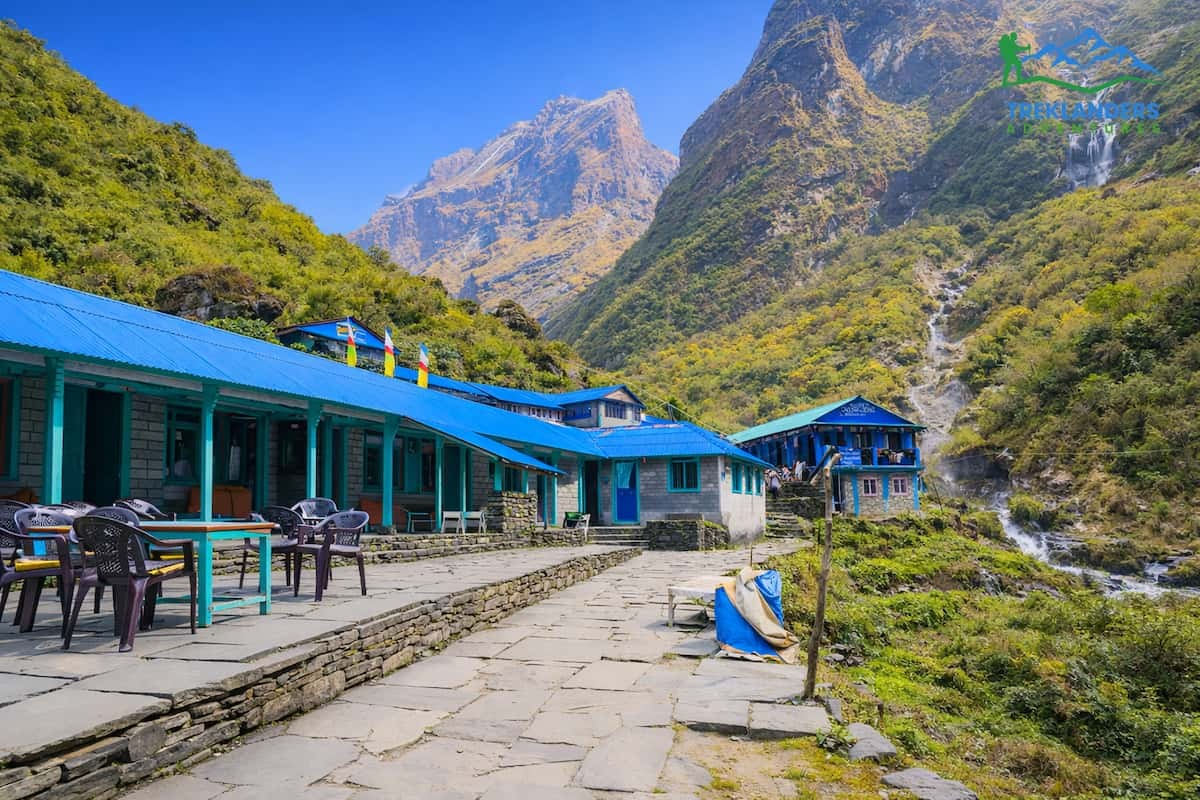
The Annapurna Base Camp Trek is moderate in difficulty as well. However, it is slightly more demanding than Langtang due to the frequent stone staircases and the repeated ascents and descents, especially through villages like Ulleri and Chhomrong. The daily walking time is similar to that of Langtang, averaging 5 to 7 hours, but leg endurance plays a bigger role.
The maximum altitude at ABC is 4,130 m, which is lower than Langtang's highest viewpoints. However, the continuous ups and downs can feel physically challenging. Trekkers should have good stamina, strong knees, and reasonable cardiovascular fitness. Beginners can complete the trek comfortably if they have prior preparation, such as hiking practice, stair climbing, and endurance training.
To summarize, Langtang Valley Trek is a bit easier and more suitable for first-time trekkers or those looking for a gentler pace, whereas Annapurna Base Camp Trek requires more leg endurance due to steeper and more frequent elevation changes. With good preparation, both treks are doable and rewarding for fit and motivated trekkers.
Altitude and proper acclimatization remain the major safety concerns on both the Langtang Valley Trek and the Annapurna Base Camp Trek. While both treks can be handled by most trekkers, the difference in their altitude profiles is significant.
The Langtang Valley Trek has the highest sleeping altitude of around 3,870 m at Kyanjin Gompa. However, trekkers generally go up during their acclimatization days, for example, to Kyanjin Ri (4,773 m) or Tserko Ri (4,984 m), and then descend to sleep at a lower altitude. This climb high, sleep low method makes Langtang great for natural acclimatization.
The altitude gain in Langtang is mostly gradual and consistent, which lessens the likelihood of Acute Mountain Sickness (AMS) if a proper pace is followed. A Kyanjin Gompa acclimatization day is normally part of the trek. Since the valley is narrow and protected, changes in weather are more predictable, thus allowing for safe acclimatization.
Annapurna Base Camp Trek reaches the highest altitude of 4,130 m at ABC, which is lower than Langtang's highest viewpoints but still quite high. Acclimatization on the ABC route is mostly done through gradual daily ascent, as there are no fixed acclimatization days, unlike Langtang. The trekkers go through villages like Deurali and Machhapuchhre Base Camp, which allows the body to get used to the altitude naturally.
On the other hand, the frequent ups and downs of the trail can be quite exhausting, and if there is a rapid elevation gain on a particular day, the risk of AMS caused by fatigue may be higher if trekkers decide to rush.
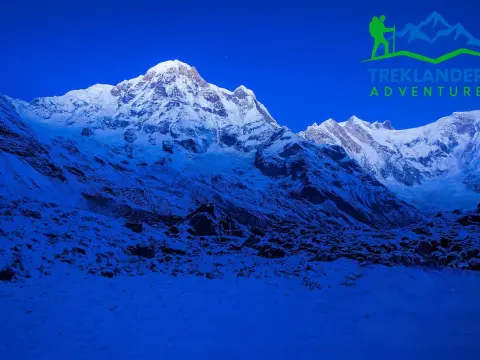
To conclude, Langtang Valley provides a more gradual and easier way of acclimatization with the option of going to the high viewpoints, while Annapurna Base Camp is based on steady progression. If the trekkers take the proper pace, drink enough water, and rest well, both treks are safe and suitable for them as long as they follow altitude guidelines.
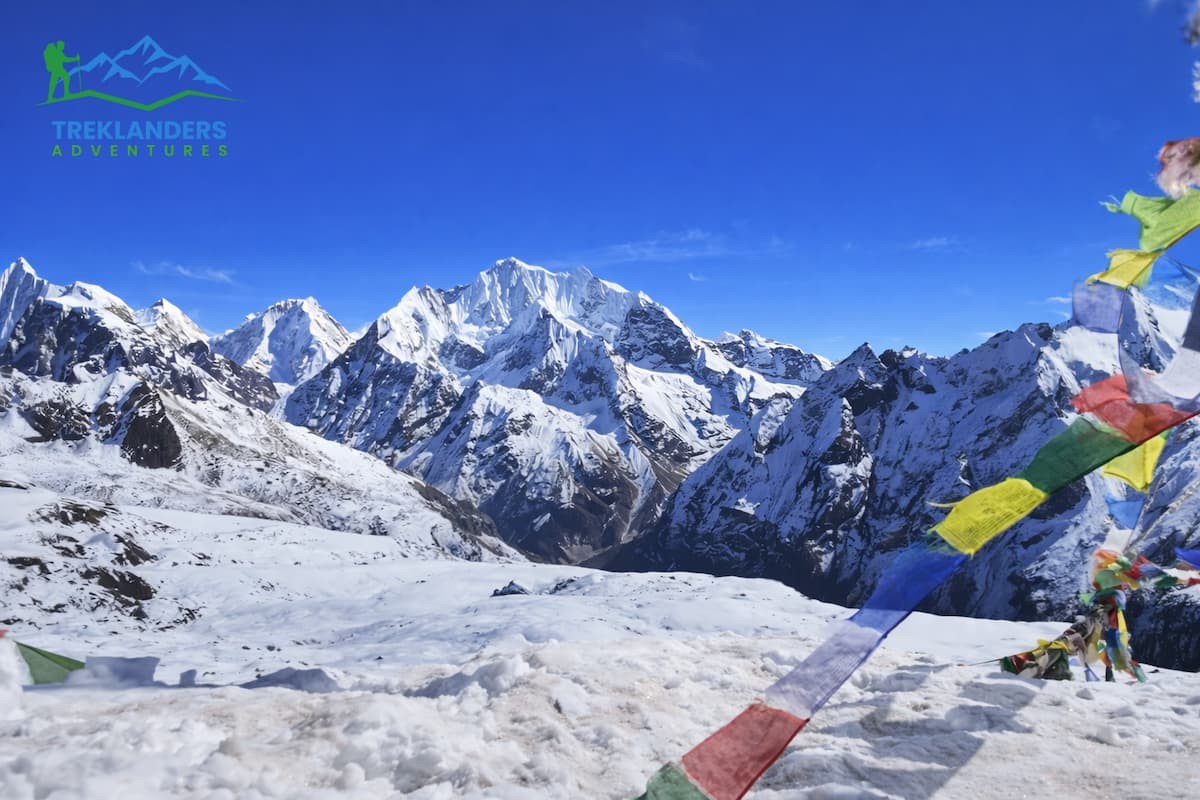
The Langtang Valley Trek has its highest point at Tserko RI (4,984 m / 16,352 ft) - a voluntary acclimatization hike from Kyanjin Gompa. From this vantage point, one can see the massive Langtang Lirung, glaciers, and other Himalayan peaks in all directions. Trekkers generally hike back to a lower altitude for the night, which is helpful in the acclimatization process.
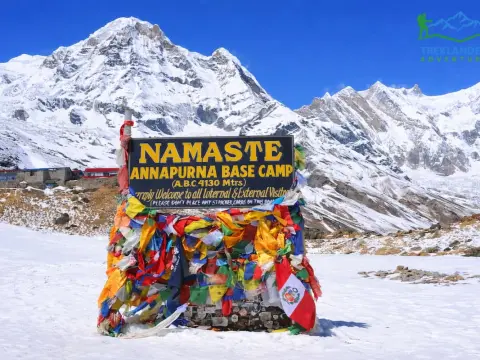
The Annapurna Base Camp Trek goes up to Annapurna Base Camp (4,130 m / 13,550 ft) only. Located in the Annapurna Sanctuary, ABC features breathtaking views in all directions of Annapurna I, Machhapuchhre, and other surrounding peaks; thus, it is one of the most legendary high-altitude destinations in Nepal.
The possibility of altitude sickness is moderate on both the Langtang Valley Trek and the Annapurna Base Camp Trek and can be controlled by taking the right precautions. Although Langtang goes to higher viewpoints, the slow ascent and acclimatization hikes make it safer in terms of altitude sickness. Annapurna Base Camp is a bit lower in altitude; however, the successive ascents and longer trekking days may cause fatigue if the trekkers do not have a pace that is not too fast. Taking it slow, drinking plenty of water, having rest days, and being able to identify early symptoms such as headache or nausea are very important. If trekkers behave responsibly, they will be able to complete most of the routes safely and comfortably.
Acclimatization is a crucial aspect of both the Langtang Valley Trek and the Annapurna Base Camp Trek. Generally, Langtang has a specific acclimatization day at Kyanjin Gompa (3,870 m), with the option of hiking Tserko Ri before going back to sleep at a lower altitude. This method of acclimatization allows the body to get used to the altitude in a safe manner. On the other hand, the Annapurna Base Camp Trek mostly depends on gradual daily ascent, and fixed acclimatization days are rare. Stopping overnight at Deurali and Machhapuchhre Base Camp is, therefore, a natural way of acclimatizing if trekkers maintain a steady pace.
If you are particularly sensitive to altitude, the Langtang Valley Trek would generally be a better choice than the Annapurna Base Camp Trek. While Langtang does have higher optional viewpoints, the total ascent is more gradual, and there is a special acclimatization day at Kyanjin Gompa. Therefore, trekkers are able to practice the "climbs high, sleep low" rule, which is one of the most effective ways to reduce the chances of altitude-related problems. On the other hand, the Annapurna Base Camp Trek goes to a slightly lower altitude, but it is a bit of a roller coaster with frequent ascents and descents, and longer walking days, which can tire you more. So, in comparison, Langtang offers slower pace and better altitude acclimatization for those who are sensitive to altitude.

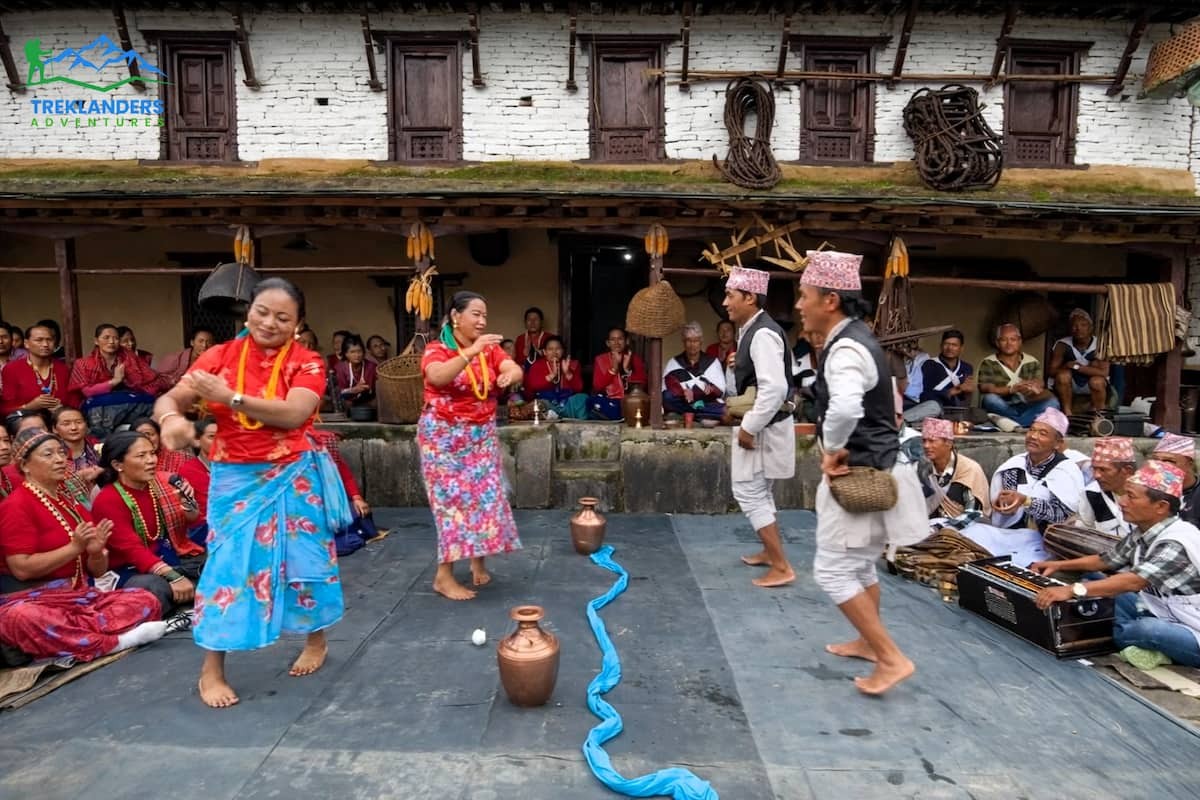
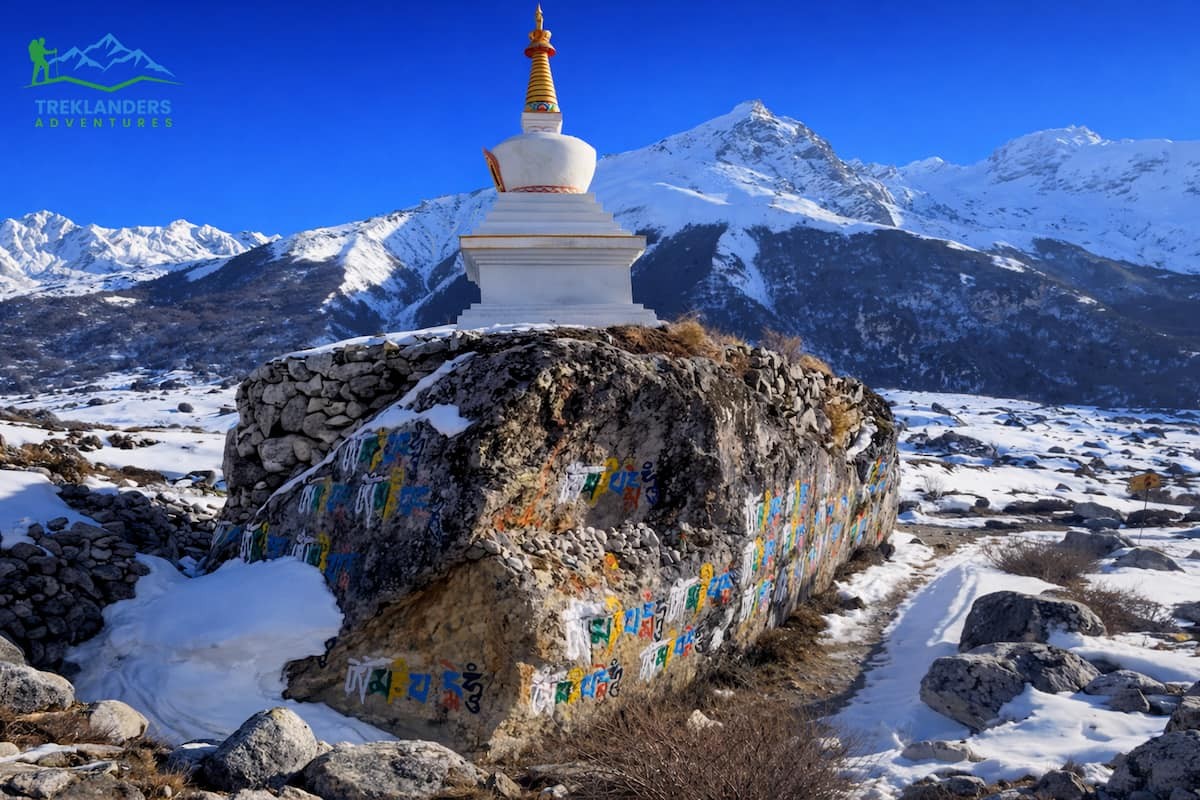
The Langtang Valley Trek is a beautiful cultural immersion deeply influenced by the Tamang and Tibetan heritage. Along the way, trekkers can see villages nestled in the mountains, prayer flags fluttering, chortens, and monasteries like Kyanjin Gompa, through which they can learn about the mountain life and local hospitality.
The Annapurna Base Camp Trek is a feast of Gurung and Magar culture with stone houses, terraced farms, and vibrant villages like Ghandruk and Chhomrong. Being very popular, Annapurna seems to be more of a commercial place, whereas Langtang gives a more peaceful and genuine village experience, and you can have a closer interaction with the local people.
The Langtang Valley Trek is characterized by the Tamang culture, which is heavily influenced by Tibetan traditions. The villages on the trek present a lifestyle typical of the Himalayas, with features such as stone houses, prayer flags, Mani walls, and Buddhist monasteries like Kyanjin Gompa. The locals are simple, strong, and hospitable. Their everyday routine is centered on yak herding, farming, and tourism, thereby giving a very real mountain experience to the trekkers. The Langtang has a less commercial vibe and thus, offers more interaction with the local community for the trekkers.
On the other hand, the Annapurna Base Camp Trek journey is through Gurung and Magar villages that are known for their charming traditions, lively festivals, and tight-bond to Gorkha heritage. Villages like Ghandruk and Chhomrong are quite developed with good facilities of teahouses and cultural museums. While Annapurna is vivacious with village life, Langtang is serene and offers a traditional cultural experience.
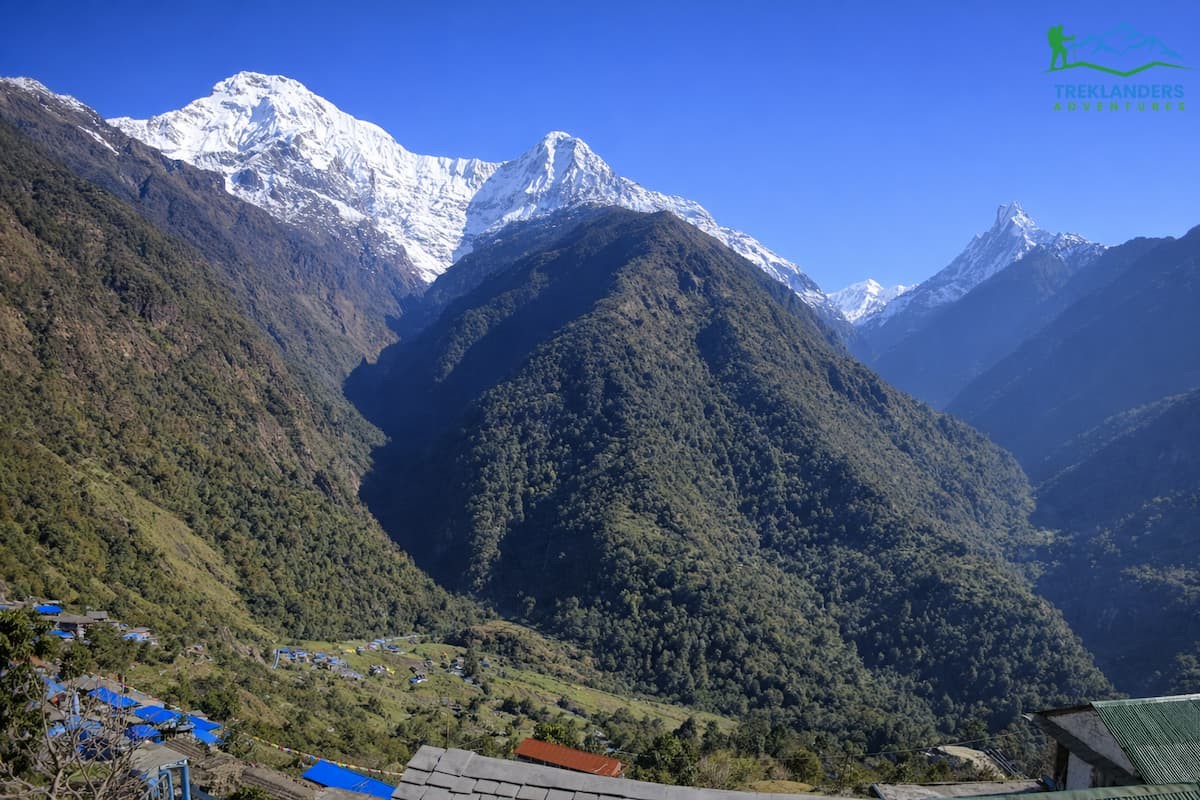
Along the Langtang Valley Trek, one finds small, traditional villages that are culturally Tamang and Tibetan mixed. Stone houses, prayer flags, Mani walls, and monasteries make up the peaceful Himalayan surroundings. Trekkers often get close interaction with locals, having meals in family-run teahouses and learning about daily mountain life, yak herding, and Buddhism.
On the Annapurna Base Camp Trek, villages like Ghandruk and Chhomrong are bigger and more developed. The trail offers lively Gurung and Magar settlements with comfortable lodges, bakeries, and cultural museums. While Annapurna gives vibrant village life and better facilities, Langtang is a quieter, more intimate village with stronger cultural authenticity.
The Langtang Valley Trek provides a cultural immersion that is heavily influenced by the Tamang and Tibetan Buddhist heritage. The local festivals are directly related to the Buddhist calendar and village life, and they consist of monastery rituals, prayer ceremonies, and seasonal celebrations rather than large festivals for tourists. Traditions like yak herding, subsistence farming, and communal living have always been the way of life, and they are still central to daily life. Since tourism is still at a very low level, the locals are very friendly, and trekkers get the chance to experience the real Himalayan mountain culture.
The Annapurna Base Camp Trek features Gurung and Magar traditions, which include vibrant festivals, folk dances, and the strong cultural identity of the Gorkha. Although the cultural practices are very well preserved, tourism has become a significant factor, and most visitors' experiences are more organized.
The Langtang Valley Trek, in general, is a more immersive and down-to-earth cultural journey for those trekkers who cherish the traditional Himalayan lifestyle. The valley is inhabited by Tamang communities that are strongly influenced by Tibetan Buddhism. In these communities, not only the routines but also the religious practices and the life of the village are deeply intertwined with the traditions of the past. Also, since the area is not crowded with tourists, the locals are always willing to have a real and less commercial interaction with you. On the other hand, the Annapurna Base Camp Trek consists of vibrant Gurung and Magar villages with a rich cultural heritage, but the huge number of trekkers has led to the creation of a more tourism-oriented environment. Thus, while Annapurna can be called a culturally energetic region, Langtang gives you a stronger feeling of cultural authenticity.
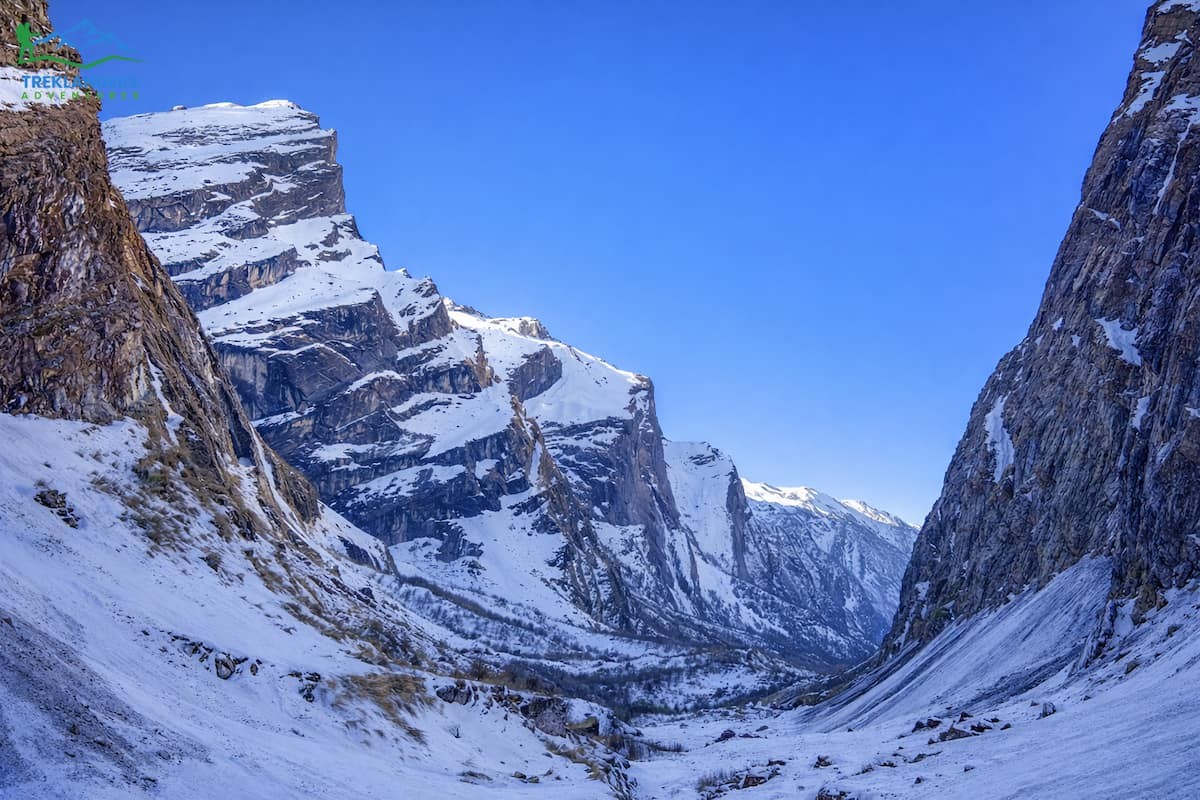
It is advisable to do the Langtang Valley Trek and the Annapurna Base Camp Trek when there are stable weather conditions and good mountain visibility. Spring and autumn are considered the best seasons as the trails are dry, the temperatures are moderate, and the views are reliable. However, the geography of the regions creates some differences. Langtang usually has drier and more variable weather that can be predicted, while Annapurna's terrain is more varied and thus the weather can change more drastically, especially between the lower and higher parts of the area.
Spring (March to May) and autumn (September to November) are the best periods when the treks can be done. The temperatures in spring are mild, and the forests are in bloom, whereas the air in autumn is fresh and the visibility is perfect after the monsoon. During these months, Annapurna Base Camp is very crowded due to its popularity, but the Langtang Valley is not. Both regions offer their best trekking conditions in these seasons, but the crowd levels are very different.
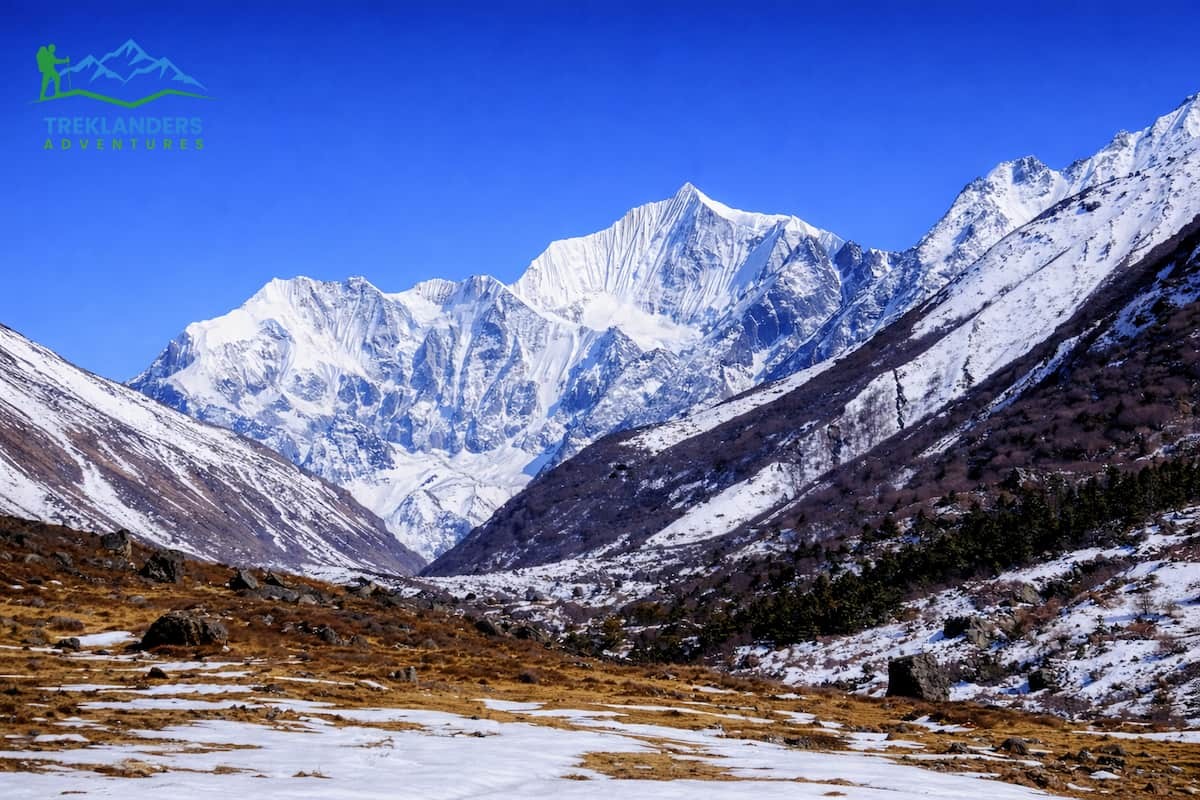
Langtang Valley is located closer to the Tibetan plateau and thus has a cool and dry alpine climate. The temperatures in the daytime are nice, but at night, it can get very cold in the higher parts of the area. The route to Annapurna Base Camp, however, is a passage through different climate zones. It begins warm and humid, and then it reaches the colder alpine areas. Hence, there is a bigger temperature range and cloud cover is more frequent, especially in the afternoons and the shoulder seasons.
During winter (December to February), Langtang Valley is usually a better option as there is less snowfall and the sky is clear. However, the temperature drops a lot at night, and it becomes very cold. Annapurna Base Camp is often covered with fresh snow in the upper sections, which leads to trail blockage and avalanche risk. The winter trek is doable on both routes, but Langtang is more trustworthy and safer for those who are experienced and want to go off-season.
In the monsoon season (June to August), Annapurna Base Camp is characterized by heavy rain, leeches, slippery trails, and no mountain views. Langtang Valley gets less rain as it is located in a partial rain shadow. Though landslides may cause the road to be closed, Langtang is still the better option during the monsoon for those who are ready to face some weather disruptions.
Overall, Langtang Valley provides more stable and less unpredictable weather conditions for more seasons than is the case with the winter and monsoon shoulder periods. Annapurna Base Camp promises the best conditions in spring and autumn, but is highly affected by heavy rain and snow outside the peak seasons. Those who want to have the flexibility to take the weather into account and not be disturbed much by it will find Langtang Valley to be a more reliable choice.
When comparing the budgets for the Langtang Valley Trek and the Annapurna Base Camp Trek, the primary differences are due to factors such as accessibility, infrastructure, and the level of tourism development rather than the trekking experience. Both treks operate within the teahouse-based system, which means that accommodation and meals are available along the route, but the overall spending patterns differ.
Langtang Valley is often described as a cheaper option due to its straightforward access and low logistical complexity. The trek is initiated by a direct overland journey from Kathmandu, and the need for additional domestic travel is eliminated. The villages along the Langtang route are smaller and less commercialized, with family-run teahouses that provide basic but comfortable services. The minimal tourism footprint helps keep the daily expenses at a moderate level, and trekkers generally spend fewer amounts on optional activities such as bakeries, specialty foods, or luxury upgrades. Langtang is therefore an ideal trekking circuit for those who prefer a trek with controlled spending, minimal add-ons, and a straightforward route.
On the other hand, the Annapurna Base Camp Trek comes with more developed infrastructure and a wider range of service options. Most itineraries recommend traveling to Pokhara before going to the trailhead, thus adding another layer of logistics. Along the trekking route, villages like Ghandruk and Chhomrong have undergone extensive development to offer various kinds of lodgings, menu choices, and additional comforts. While it increases convenience and comfort, it naturally increases the overall spending as well. The popularity of the route means there is more competition among service providers; however, it also facilitates a more commercial trekking environment.
Another variable impacting the budget is the duration and flexibility of the trek. Annapurna Base Camp has several route variations, so the trek can be lengthened or shortened, and the daily expenses will be affected accordingly. Langtang routes are more concise and predictable, which facilitates the planning and management of the total spending.
To put it briefly, the Langtang Valley is a perfect place for the trekkers who want a simple, efficient, and controlled way of spending their money, whereas the Annapurna Base Camp is attractive to those who sacrifice more for comfort, variety, and getting to use the facilities that are already there.
Langtang Valley Trek and Annapurna Base Camp Trek are significantly improved by the hiring of guides and porters in terms of safety, comfort, and cultural understanding. Local support is strongly recommended for first-time trekkers or those unfamiliar with the Himalayan terrain, though it is possible to trek independently on both routes.
Guides in Langtang Valley Trek are crucial for navigation, altitude management, and cultural interpretation. Since the region is less commercial and quieter, local guides who come from the nearby Tamang communities often have good knowledge of traditions, monasteries, and daily mountain life. Porters carry the heavy load so that trekkers can walk comfortably and enjoy the view. The guided trekker relationship, therefore, is more personal and flexible due to the less crowded trail.
On the Annapurna Base Camp Trek, guides are equally crucial as the route is very popular, there are many junctions on the trail, and there are frequent ascents and descents. To help with pacing, accommodation planning, and weather-related decisions, especially during peak seasons when lodges fill quickly, experienced guides are very useful. Porters are commonly used on the ABC route, and they are comfortable with the established trekking infrastructure; the logistics are smooth and efficient.
In both areas, the use of guides and porters is also beneficial for their livelihoods and the promotion of responsible tourism. They are equipped with knowledge of altitude, basic first aid, and emergency response, thus creating an important safety layer. Summing up, guides and porters make the trek more comfortable, safe, and culturally enriching, regardless of whether it is the Langtang Trek or the Annapurna Base Camp.
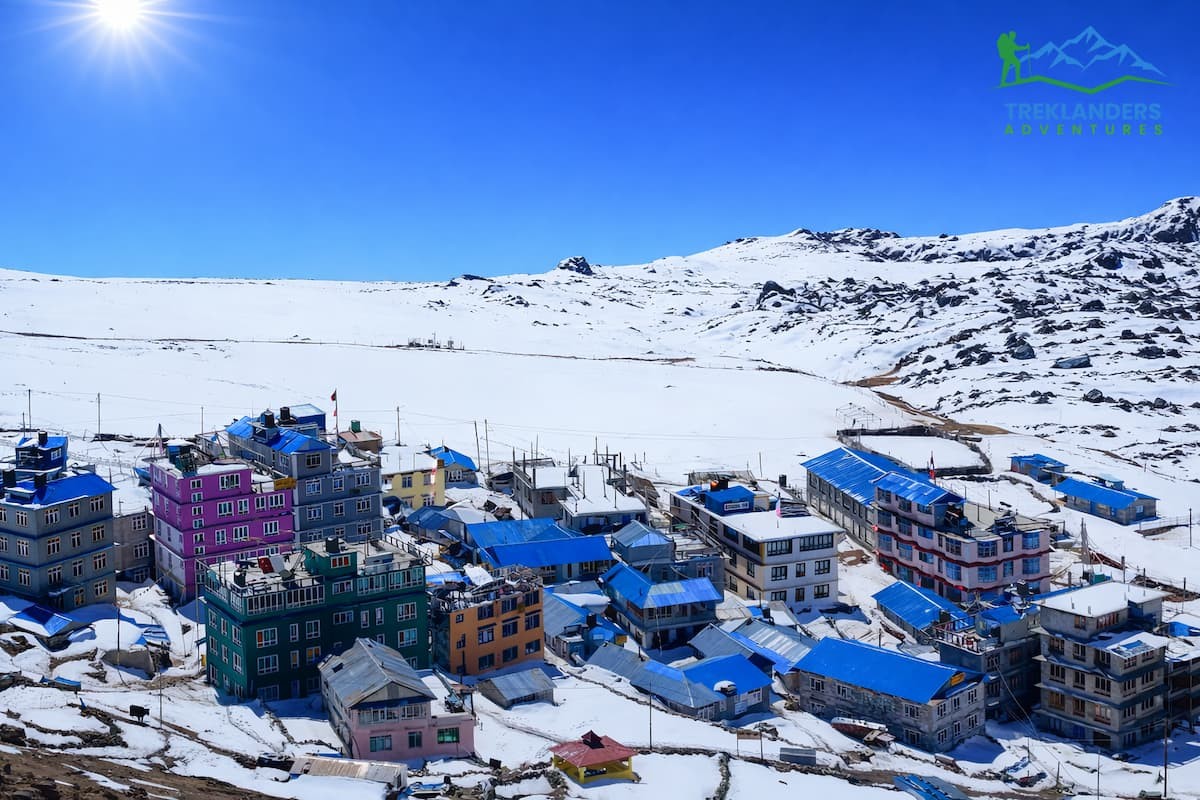
Accommodation and food on both the Langtang Valley and the Annapurna Base Camp treks are generally similar to those in traditional Nepalese teahouses. However, the levels of comfort and variety of food have improved due to the developments in tourism.
In Langtang Valley, accommodation is basic but comfortable and hygienic. Most teahouses are small family-run lodges that offer a simple twin room with a shared bathroom, especially in the upper areas. Hot water and charging facilities can be found in many places, but they may be limited in some higher elevation areas. The environment is peaceful and friendly, allowing trekkers to get an authentic mountain experience. Food is also traditional and healthy, made of staples like dal bhat, noodles, soups, potatoes, rice, eggs, and seasonal vegetables. Meals are freshly made, plain, and energy-giving rather than offering a variety of choices.
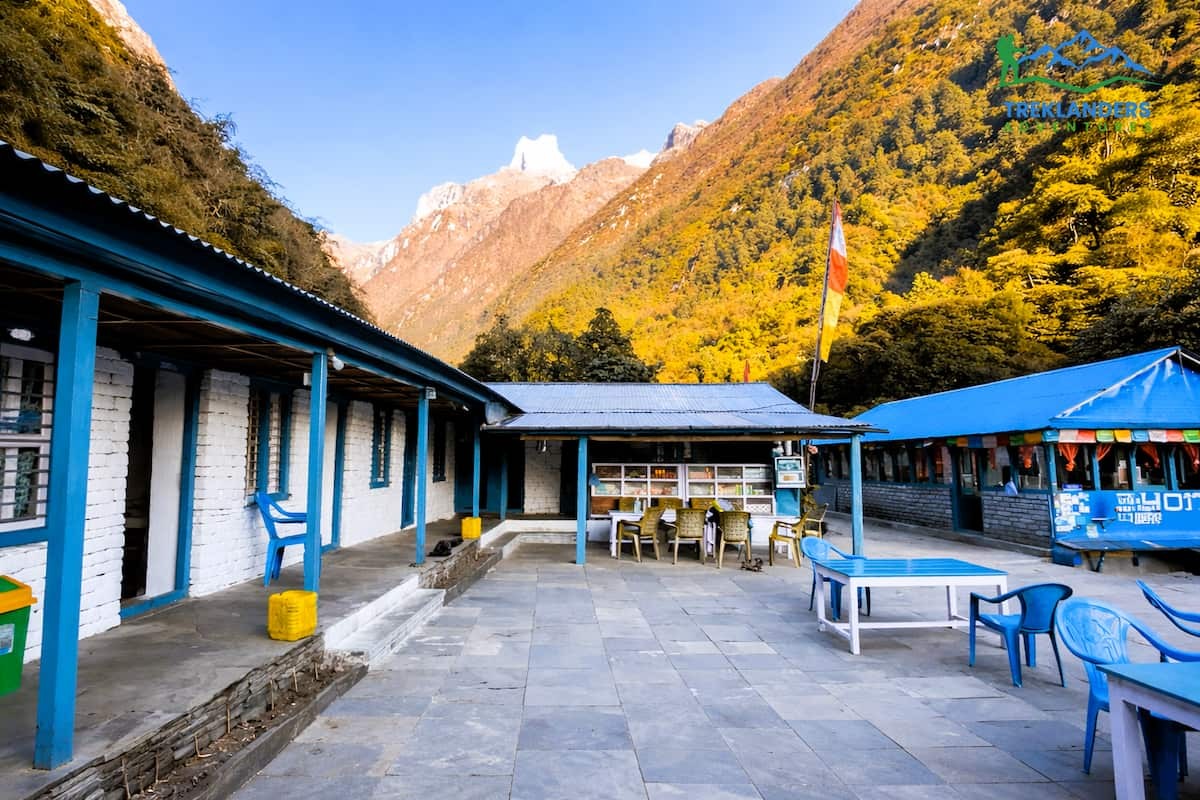
On the Annapurna Base Camp Trek, accommodation and dining are more advanced. Some of the villages along the trail, such as Ghandruk and Chhomrong, have bigger lodges that come with better amenities, and attached bathrooms are available in some places. Because of the large number of trekkers, teahouses are well, equipped, though it can be difficult to get a room during the peak seasons. Food menus are also long, consisting of dal bhat, pasta, pizza, momos, fried rice, pancakes, bakery items, and even coffee at the lower elevations. This variety makes the trek more comfortable, but it is a sign of a more commercial trekking environment.
In short, the Langtang Valley offers a simple and authentic teahouse experience with traditional food, whereas the Annapurna Base Camp provides more comfort and food choices. The decision comes down to whether the trekkers want to be authentic and simple or have the convenience and selection.
Whether you decide to hike the Langtang Valley or the Annapurna Base Camp is really up to you. Those are two very different experiences, and the choice depends on what kind of trek you like. If you want to be on less crowded trails, dive deeper into the culture, have straightforward logistics, and keep a slower pace, Langtang Valley will be perfect for you. Definitely, it is also the most suitable option for people who are going to trek for the first time, travelers who are sensitive to altitude, and those who are looking for authenticity. On the other hand, if you are after breathtaking and famous Himalayan views, changing landscapes, lively villages, and well-developed facilities, then you should go to Annapurna Base Camp. Both treks are amazing and offer you the Himalayas as you have never seen them before - the right decision is the one that most fits your interests, fitness level, and travel style.
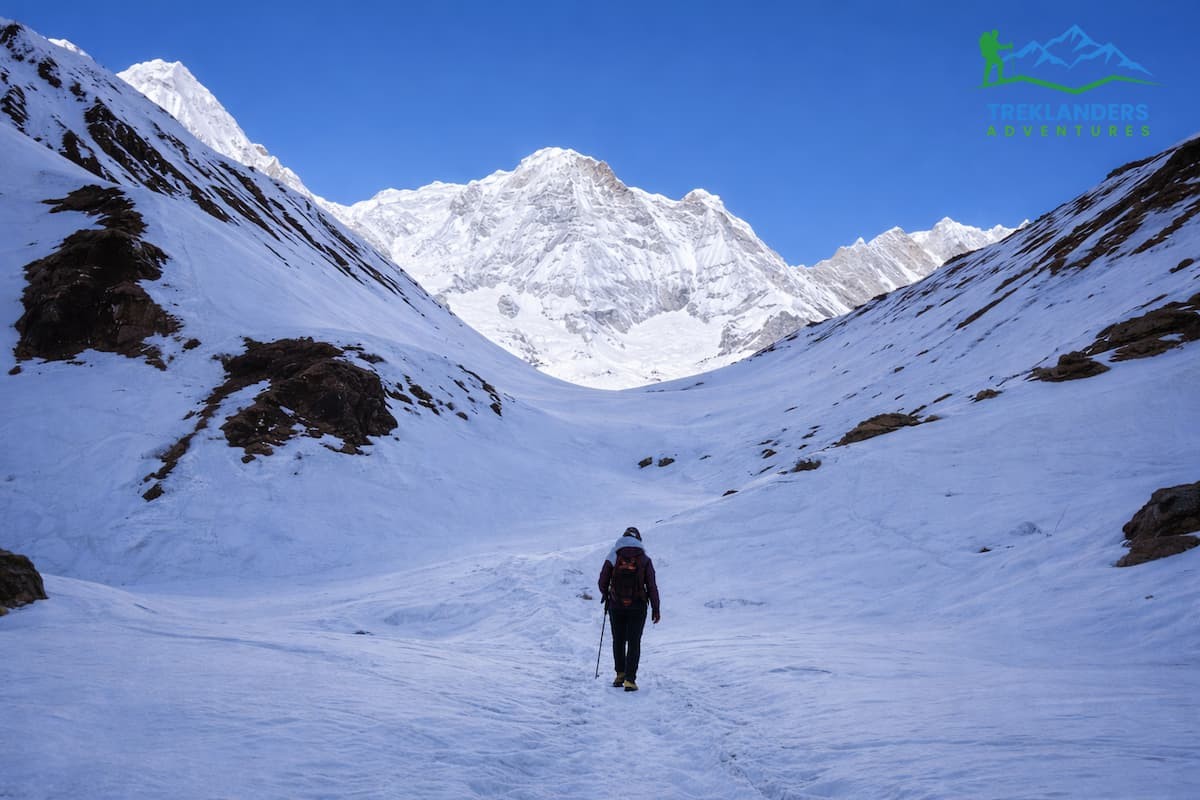
Both the Langtang Valley Trek and the Annapurna Base Camp Trek are incredible Himalayan treks, and each has a different feel based on nature, culture, access, and general vibe. Neither of the two treks is better than the other. The decision between the two depends on what you want to get out of your trip to Nepal.
Langtang Valley is distinguished by its closeness to Kathmandu, less crowded trails, and higher cultural authenticity. The trek offers close-up mountain views, a slow altitude profile, and real interaction with the Tamang communities that follow Tibetan Buddhism. Its easier logistics, tranquil surroundings, and less commercial atmosphere make it very attractive, in particular, to trekkers who seek solitude, cultural depth, and a more personal Himalayan experience.
However, Annapurna Base Camp is a legendary circuit that is known for its breathtaking mountain views and the incredible variety of landscapes. The visual reward is huge, starting with the subtropical forests and terraced fields and ending at the gorgeous Annapurna Sanctuary. The well-developed villages, comfortable tea houses, and a wide choice of foods together provide convenience and comfort, thus making ABC the perfect choice for trekkers who like crowded trails and the most traveled sceneries.
So, Langtang Valley is the right trekking route if you value peace, authenticity, and simplicity the most, whereas Annapurna Base Camp is the right trekking route if you are attracted by panoramas of the Himalayas and the infrastructure of the trekking route. In fact, whichever trek you choose, both trail routes have these in common: unforgettable memories, magnificent mountains, and a stronger bond with Nepal's natural and cultural heritage.
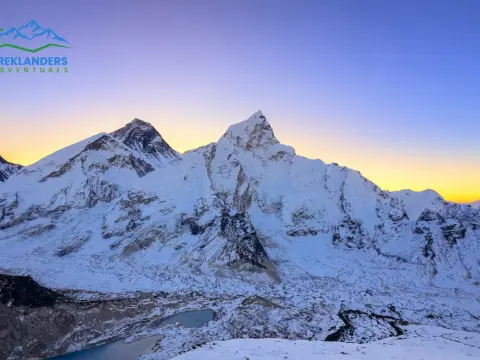
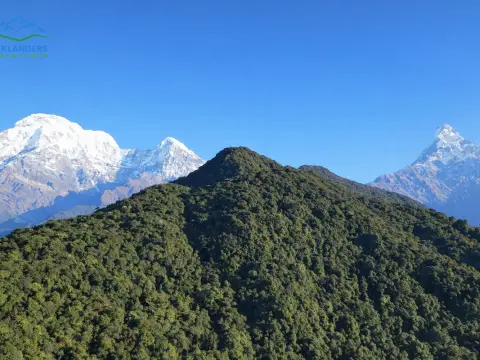
A quick guide comparing Langtang Valley vs Mardi Himal Trek to help you choose the right Himalayan adventure.
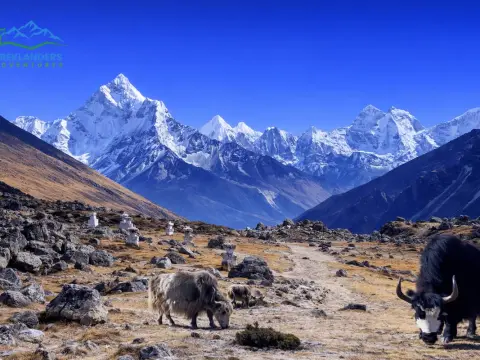
Langtang vs Everest Base Camp Trek explained in one guide—compare cost, difficulty, itinerary, scenery, and experience to choose the best Nepal trek.
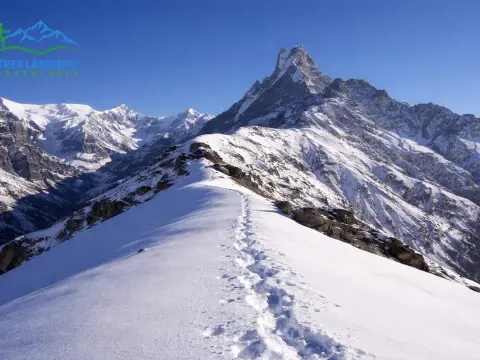
Best viewpoints on the Mardi Himal Trek featuring scenic Himalayan and sunrise views.



