
Khopra Ridge Trek in Autumn (October–November): Best Time, Weather, Itinerary & Views
21 Mar 2026
Khopra Ridge Trek autumn guide covering weather, views, itinerary, and tips for a quiet Annapurna adventure.

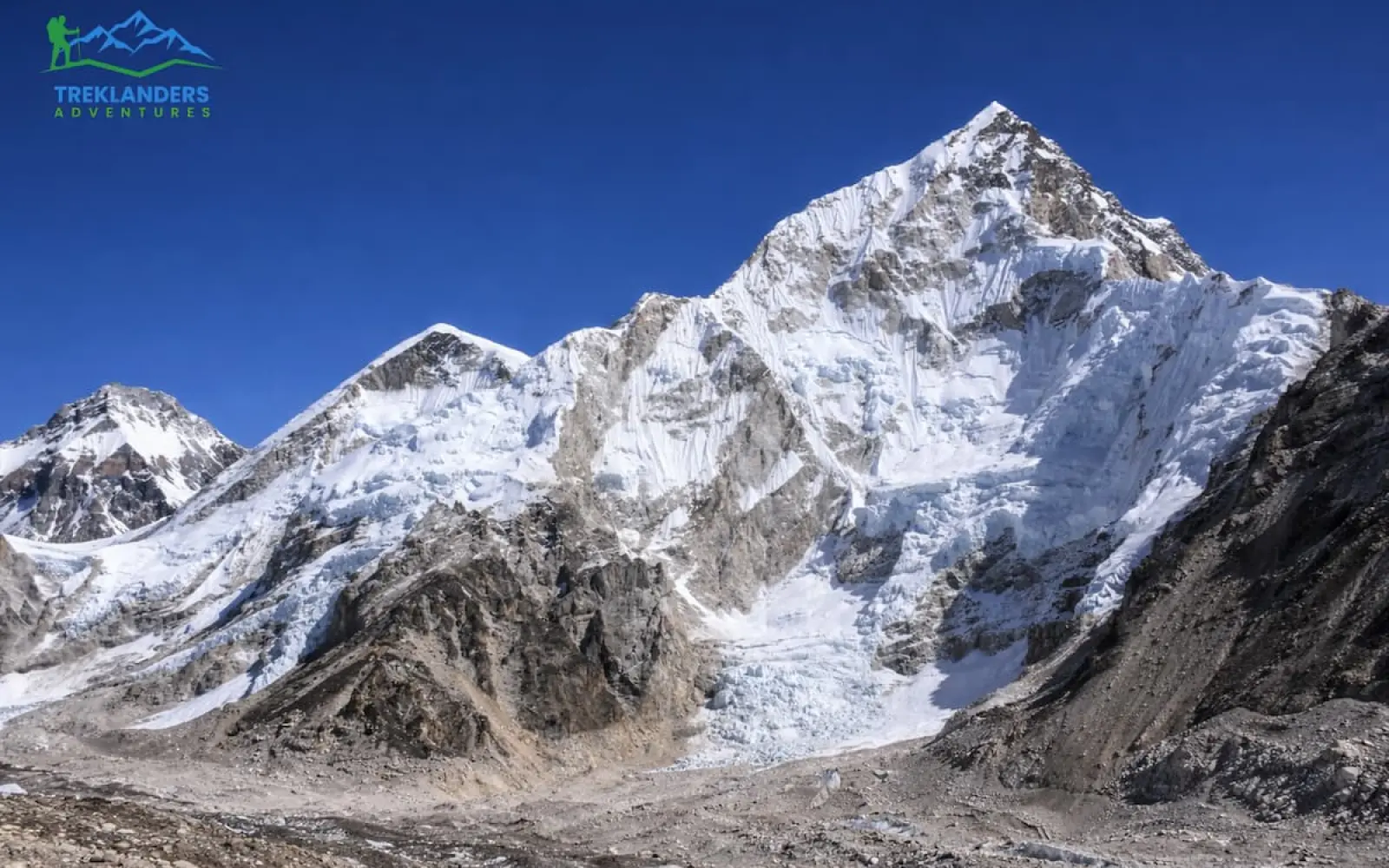
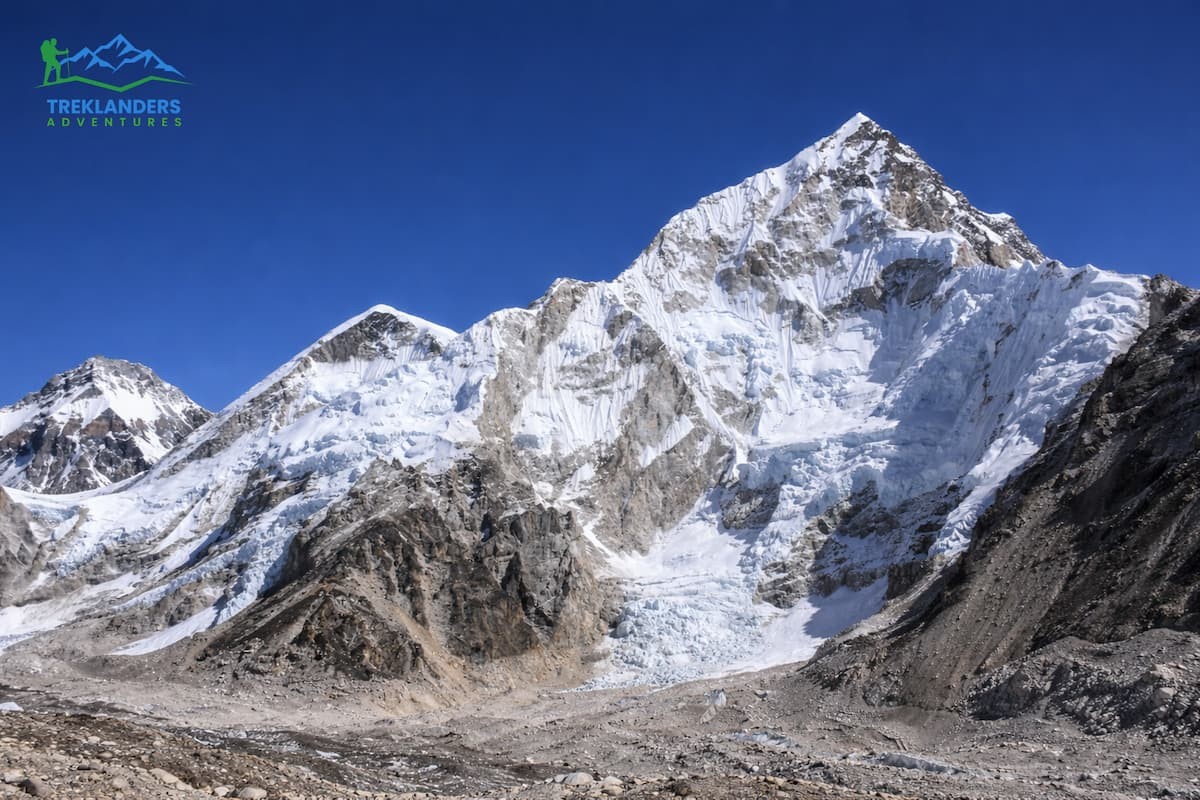
The trek to Everest Base Camp is one of the most famous adventures in the world, bringing thousands of trekkers each year who dream of standing at the very foot of the world's tallest mountain, Mount Everest. Out of all the seasons, autumn (September to November) regularly scores as the best time to go on this legendary journey, which is not without reason.
Autumn brings the right blend of steady weather, clear mountain views, and perfect trekking conditions. After the monsoons, the air is dust-free and clean. Visibility reaches a high, allowing trekkers to enjoy huge panoramas of peaks such as Lhotse, Ama Dablam, and Nuptse with amazing detail. Daytime weather is perfect for trekking. The predominantly dry, clear sky makes the journey more pleasant and fulfilling.
One major feature of trekking in autumn is the high success rate. If we look at the numbers, more than 90% of trekkers actually reach Everest Base Camp in this season, thanks not only to the good weather but also to the well-trodden paths. Moreover, the footfall on the route is at its peak during the autumn season, especially in October, when thousands of trekkers from all over the world gather in the Khumbu region. This, of course, means that the trails and teahouses are quite vibrant and social but also require better rolling out of accommodation and other logistics.
Apart from trekking conditions, autumn in Nepal happens to be the time when major festivals like Dashain and Tihar are celebrated. So, your trekking trip also becomes a cultural journey. Trekkers can see local traditions, festivities, and experience the genuine hospitality of the mountain people.
Building on these rich cultural experiences, this article explains why autumn is the perfect time for the Everest Base Camp trek, discusses the best trails to choose, and offers useful advice to make your expedition safe, successful, and memorable. The information in this post will assist first-timers and experienced trekkers alike in planning their EBC hikes with assurance.
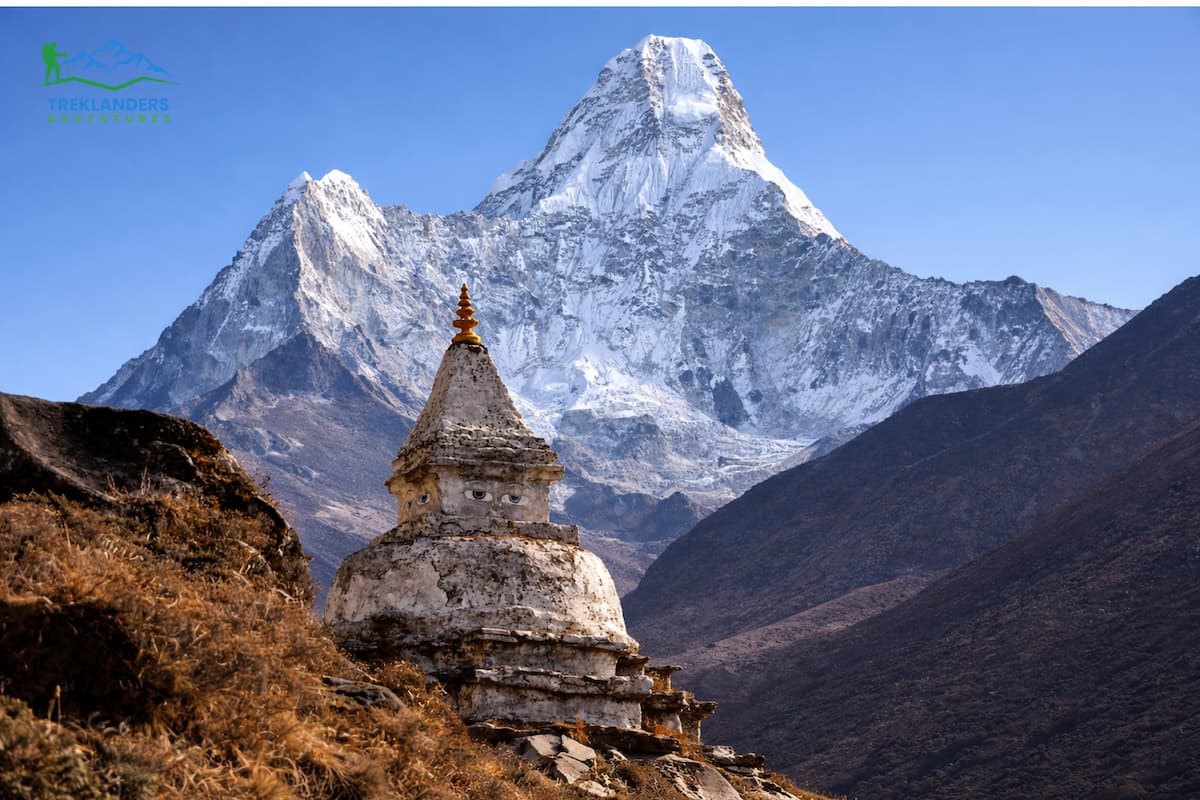
Autumn, specifically September through November, is considered the best time for trekking to Everest Base Camp because it offers the most stable and dependable weather conditions. During this season, you have a mixture of good weather, clear and magnificent mountain views, and a trail that is well equipped to handle trekkers. Most importantly, you get consistency, which is a major factor when dealing with high altitudes.
The weather can generally be relied on. The summer monsoons finish by early September, so the trails are drying up and humidity levels are low. Besides, the skies being clear for a good part of the season makes it safer to do those challenging sections and only seldom causes flight disruptions. When flights to Lukla Airport are running normally, it means that your schedule is less likely to change, and this is during the autumn rather than the monsoon or winter seasons.
Visibility is best in all seasons. Clean air after the rains will give you marvelous views of all the big peaks, e.g., Mount Everest, Ama Dablam, and Lhotse. So throughout your trekking, you will be fortunate enough to have ample opportunities to take photos in good lighting conditions, rather than a few lucky mornings.
The temperature swings give an advantage to a steady pace. At mid-altitudes, during the day, the mercury may go up to around 10 °C to 15 °C, but the high camp(s) will experience near freezing at night, which, however, will be manageable if one carries proper gear. Besides, the fact that you are able to walk for longer hours without suffering the effects of heat or cold extremes will help you with acclimatization.
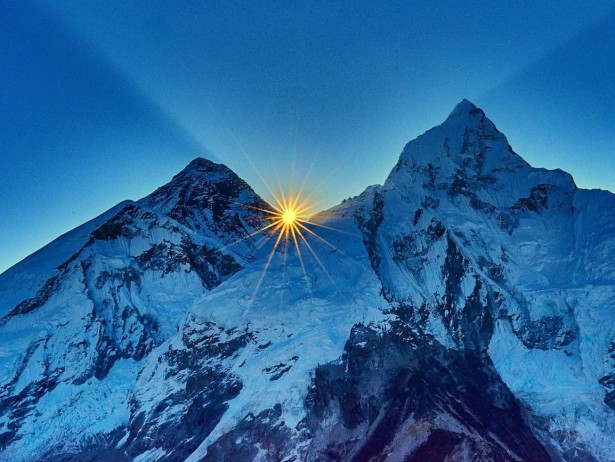
The trails up to the summit are in very good shape as well. The paths are now free of mud and leeches, which are a direct consequence of the wet season. Besides, bridges and routes are examined and repaired, if necessary, after the monsoon season, so there will be a reduced risk of slips from the original path. Most importantly, you will have gained a lot of confidence with each passing day.
The support along the route is unparalleled during this time. Teahouses open their doors fully, various food options become available, and supply chains work efficiently. Since its peak season, you can easily find guides, porters, and rescue services that provide an extra safety element, especially in isolated areas.
Social interaction enhances the experience. You get to know trekkers from all over the world. Sharing teahouses promotes a feeling of connectedness, which is a big help to one's spirit during the long, hard days. This is not only socially advantageous but also a handy practical feature for lone trekkers.
Besides, autumn coincides with the biggest festivals in Nepal, such as Dashain and Tihar. You get a taste of the local lifestyle in the villages on the Khumbu route, which is a great complement to the beautiful scenery.
This period is characterized by a significantly higher success rate. Weather conditions are stable, logistics are efficient, and the trail support is excellent - all these factors together considerably enhance your odds of completing the Everest Base Camp trek without any hiccups. For the majority of trekkers, autumn presents the ideal compromise between safety, views, and the total experience.
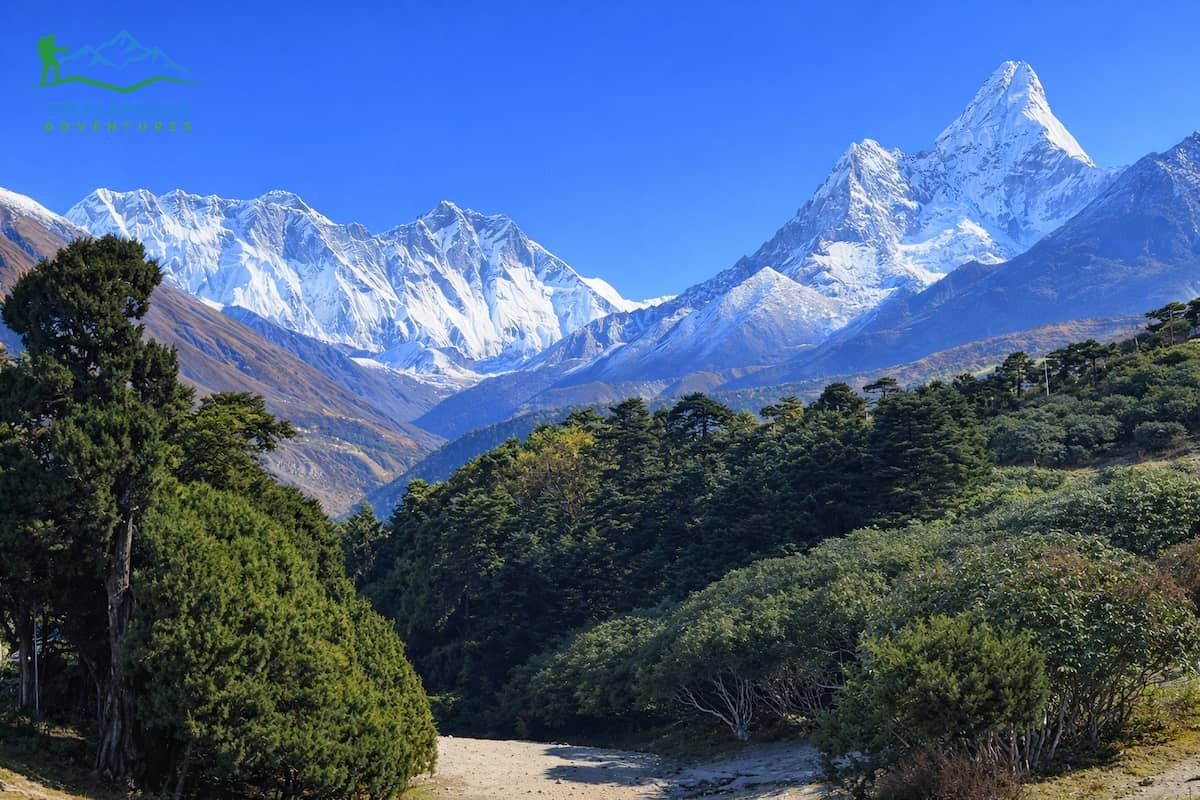
Autumn is the season that covers September, October, and November. Each of these months presents a different side of the Everest Base Camp trek. When you choose to trek during these months will determine the kind of weather you get, how busy the trails are, and your level of comfort throughout the trek.
Early September can be a little wet as the monsoon is still retreating. You could experience a few showers, especially during the first half of the month. The footpaths might be a bit slippery, and the flights to Lukla Airport can sometimes be postponed.
Conditions get a lot better from the middle to the end of September. The atmosphere is pure, the natural scenery is very lush, and the water streams are running well. The temperature is comfortable, which makes the long walking days easier. Also, since there are fewer people around than in October, you have less crowded paths and more availability of lodging.
If your preference is for less crowded trekking and you are willing to take a bit of a chance with the weather at the beginning of the month, this would be the best time for you.
October attracts the largest number of climbers and trekkers to the EBC route. The weather during the month remains steady, the sky is free of clouds, and the visibility is top-notch at all times. You can almost count on seeing the majestic peaks of Mount Everest, Ama Dablam, and Lhotse every day.
During the day, the temperature may go up to 12 °C to 15 °C in lower altitude areas. The further you go, the colder it gets at night, but it is still very bearable. Paths are not only dry but also safe to walk on.
However, this is the time of the year when everything is most crowded. Tea houses will be full, particularly in names like Namche Bazaar and Gorak Shep. Booking ahead becomes almost a necessity.
If getting the most dependable weather and unclouded mountain views is what you desire the most, then this time of the year would suit you the best.
November begins with the same clearness as October, but by the end of the month, it gradually turns colder. Overhead, the sky will be so clear that you can easily see for miles around - some of the visibility is actually the best of the season. Snow-caps of the surrounding mountains will also stand out visibly, adding to the beauty.
The locals are getting ready for the big festivals, and the tourists are wandering around eagerly, which means November is a lively month here. If you love to shop and be amongst the crowd, remember to come early in the month, as after that the crowds will be thinning out and the shops will be quieter. But that's also the best time if you like empty trails and getting more accommodating lodging at will. The temperatures of the day are good for long walks, but the temperature at night can fall below freezing without you even realizing it.
Winter's advent can be felt in the last days of November. Few teahouses get completely shut down at the end of the month. The characteristic features of November are fewer people, excellent views, and cold weather.
Each autumn month makes for a great trekking season. October is the most stable one, September is the perfect balance with fewer crowds, while November is the loneliest one with colder weather. Your decision will rely mostly on what you value the most: comfort, views, or the quietness of the trails.
The classic path to Everest Base Camp is the one through the well-known Khumbu area. It offers a gradual altitude rise coupled with dependable lodging and scheduled acclimatization points. Generally, travellers spend 12 to 14 days for the whole trip, including the flight to and from Lukla Airport.
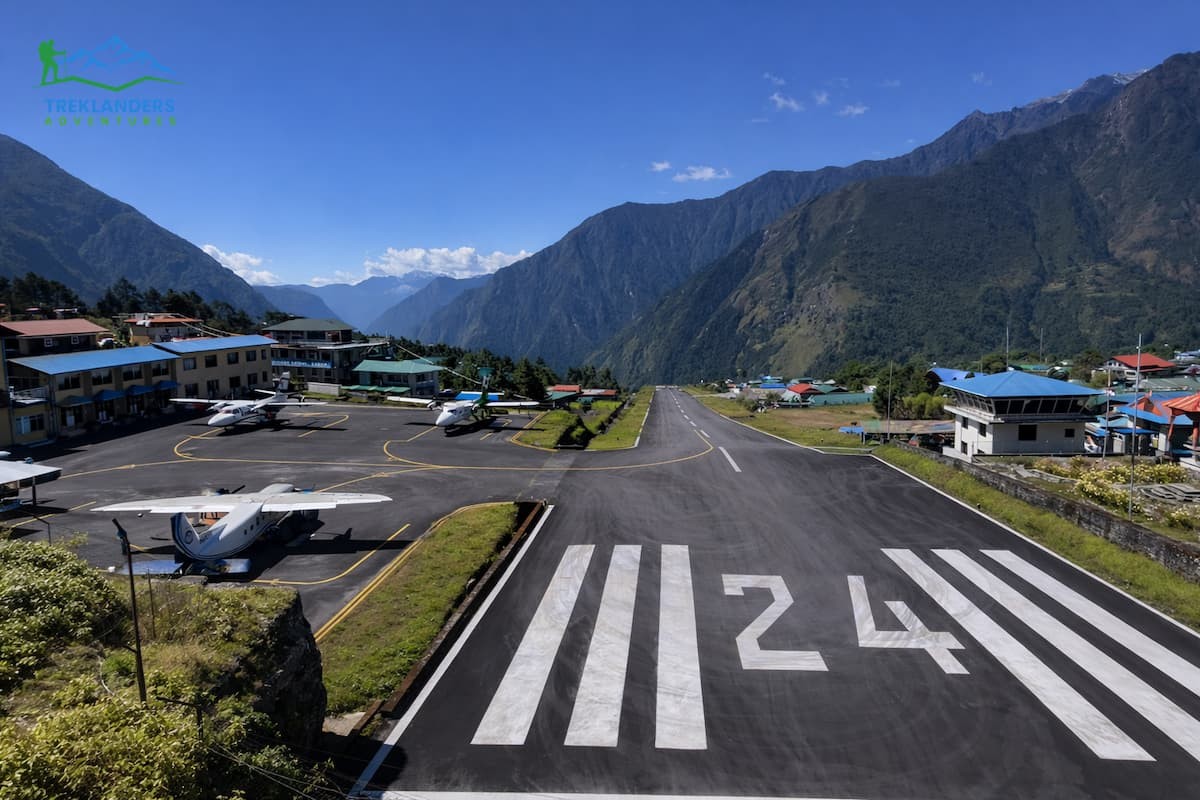
Starting from Lukla, which is located at 2,860 meters, your hiking journey takes a downward trend up to Phakding, and later you trace the Dudh Koshi River leading to Namche Bazaar. Being at 3,440 meters, Namche Bazaar is the principal center for acclimatization. You have at least a single day extra here for altitude adjustment.
Leaving Namche behind, the path leads to Tengboche, where Tengboche Monastery resides, a significant monastery in this region. Following the route, you reach Dingboche and Lobuche. These are the altitude adjustment stations before the last challenge to summit.
Eventually, you arrive in Gorak Shep, the very last village before EBC, your place before base camp. After that, you ascend to the base camp itself, which is situated at 5,364 meters. Most plans also feature a morning walk to Kala Patthar, which is a vantage point above 5,500 meters from where one sees Mount Everest very well.
It's a good idea to acclimatize alongside your physical training for the challenging parts of this trek. The trail makes your gradual ascent, and typically, trekkers mark 2 days of acclimatization in areas like Namche Bazaar and Dingboche that are conveniently spaced. This coping mechanism significantly lessens one's vulnerability to altitude sickness. You ascend at a modest pace, which is very important when you go above 3,000 meters.
There are teahouses on the entire trekking path. You can get meals, accommodation, and very basic healthcare amenities at regular intervals. So, even if you are not a mountaineering expert, the route to EBC is still accessible.

Some people mix up the EBC route to improve the beauty factor of their trip. The Gokyo Lakes have the additional benefit of alpine lakes and the climb to Gokyo RI, whereas crossing the Cho La pass gives you the main EBC trail after the Gokyo path. They are the most efficient routes and still offer spectacular panoramas.
Traditionally, the EBC trek starts with a Jiri drive instead of taking a flight to Lukla. This method will make you extend your trek for several days and will also allow you to thoroughly acclimate to Namche.
The trekking time would be between 5 and 7 hours per day on average. Your trekking path will mainly consist of stone steps, suspension bridges, and high-altitude trails. Physically, the trek is quite tough, but there are hardly any technical difficulties on the way.
But with the right pace management and scheduling, most of the people who did the trek have a strong finish.
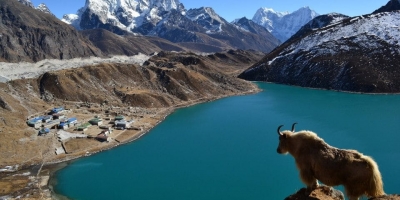
This 14-day trek to Everest Base Camp takes you along the most popular Khumbu route. It is intended to help you get used to the altitude slowly, while your body is given enough time to adjust. Each day will be a stepping stone, a mixture of effort, rest, and acclimatization that will enable you to reach your target in a safe manner.
Today, starts when you get to Kathmandu, your door to the Himalayas. Once you land, you go to your hotel. After that, you have a day with no stress but is packed with things that matter. You will have the chance to get to know your guide, your schedule, and have an equipment check. Should you find that you lack anything, the local Thamel markets have plenty of trekking gear? This day serves as a kind of warm-up to get you ready both physically and mentally before getting into the mountains.
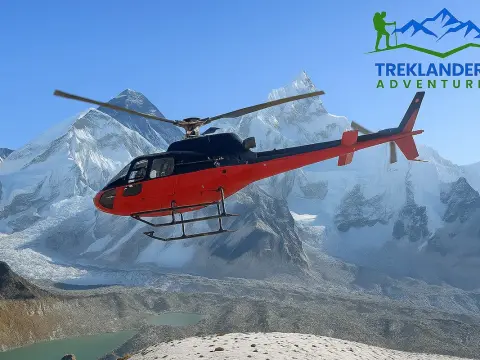
Today, you will be flying to Lukla Airport early in the morning. The short flight is highly appreciated for its mountain scenery and the spectacular landing. Your trek will actually start from Lukla. The path goes down slowly through the Sherpa villages and the pine forests. After following the Dudh Koshi River for a couple of hours, you arrive at Phakding. Since the walk is easy, you can start the trek quite comfortably while your body gets accustomed to the new surroundings.
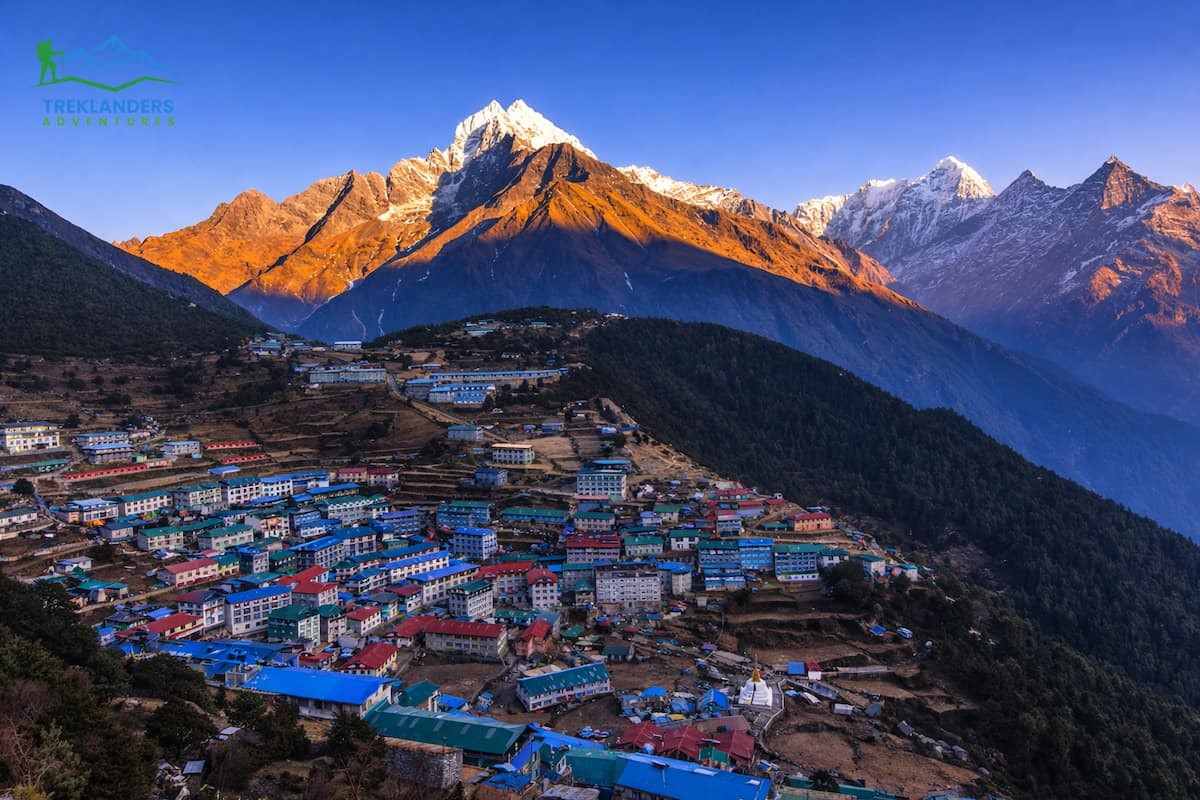
Today, introduces you to Namche Bazaar, the main trading center of the Khumbu region. The path crosses several suspension bridges and continuously ascends towards a higher altitude. The last part before Namche is very steep and will challenge your stamina. At higher elevations, you might get your first glimpse of Mount Everest from afar through the clear sky. Namche is a lively town with bakeries, shops, and mountain panoramas.
Today, you spend your first acclimatization day at Namche Bazaar. Rather than being idle, you make a short walk to a higher point and sleep at the same altitude after returning. Most people choose a trek to the Everest View point that reveals Ama Dablam and other peaks. The idea behind this plan is to gradually get your lungs used to the thinner air while you remain physically active.
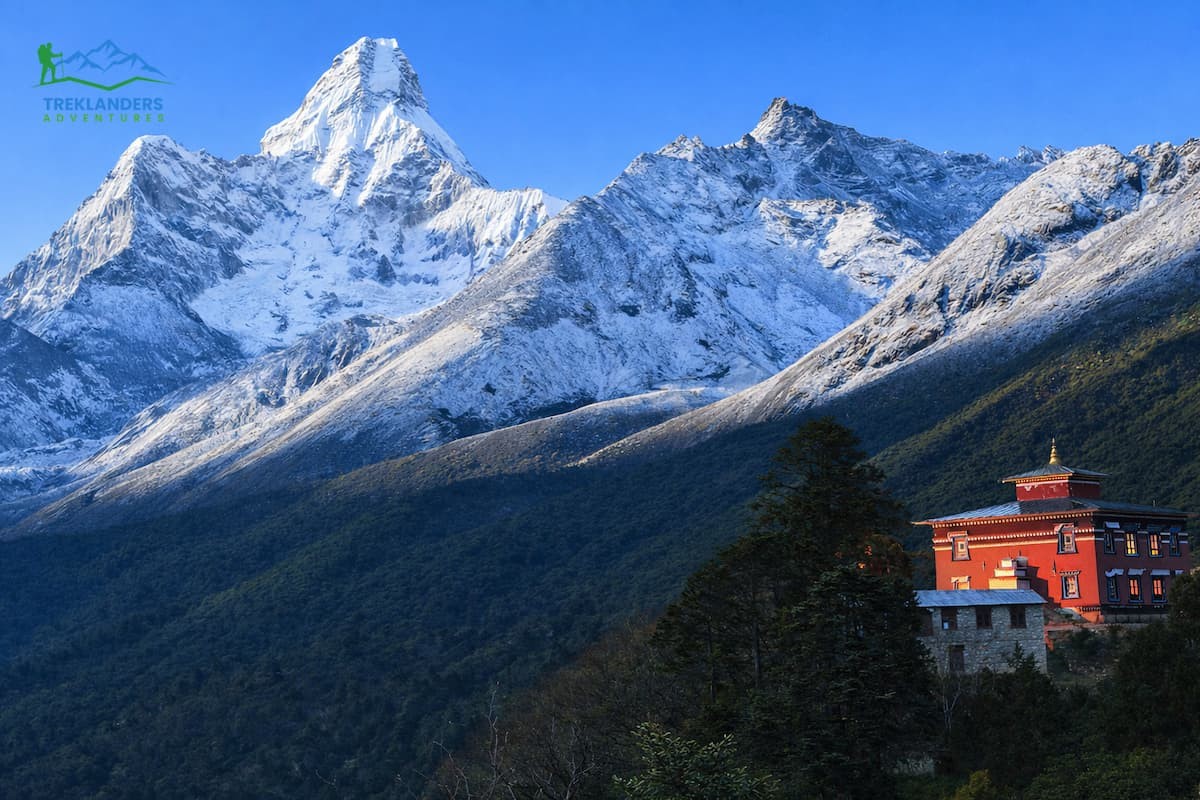
Today, you depart from Namche and move on to Tengboche. There are some gentle and downhill sections before a last uphill one. Tengboche boasts the Tengboche Monastery, the biggest monastery of the region. The location is breathtaking with mountain giants towering on all sides. You will very likely see monks during their evening prayers before heading to your lodge.
Today, you proceed to Dingboche. The trees gradually disappear, and the landscape becomes completely open and rugged. You come across small villages as Pangboche, while climbing steadily. Dingboche is located in a broad valley and is quite exposed to winds in the afternoons. Here you can also successfully acclimatize.
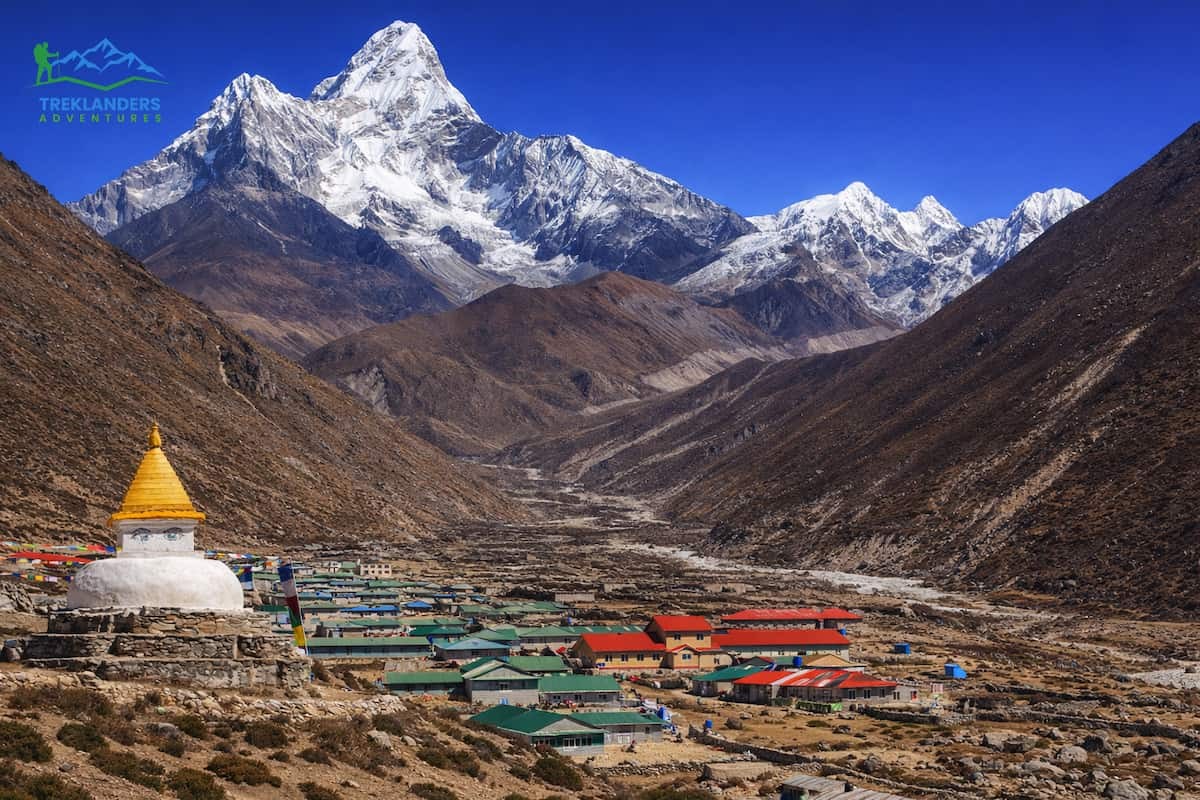
Day 7 is your second acclimatization day in Dingboche. You take a short hike to a nearby ridge or viewpoint. From here, you get clear views of peaks such as Lhotse. The goal is to climb higher during the day and return to sleep lower, which improves your body’s ability to handle altitude.
Today, you trek to Lobuche. The trail becomes more challenging as oxygen levels drop. You pass the memorial area dedicated to climbers who lost their lives on Everest. This section is quiet and reflective. By the time you reach Lobuche, the air feels noticeably thinner, and rest becomes important.
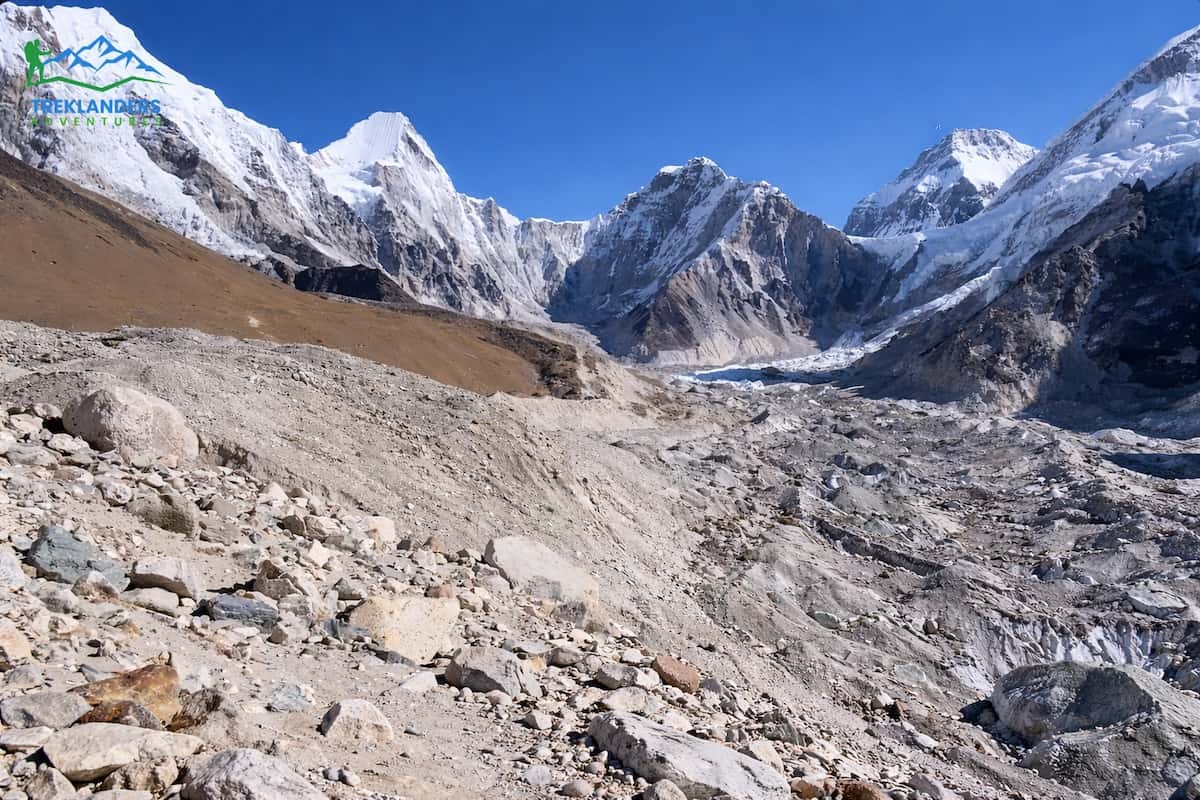
Day 9 is one of the most significant days of the trek. You walk from Lobuche to Gorak Shep and then continue to Everest Base Camp. The terrain is rocky and uneven, with sections of glacier and moraine. When you finally reach base camp, you stand at the foot of Mount Everest. Colorful expedition tents may be visible during climbing season. After spending time here, you return to Gorak Shep for the night.
Day 10 begins early with a sunrise hike to Kala Patthar. This viewpoint offers the best close-up view of Everest and the surrounding peaks. The climb is steep and cold, but the reward is unmatched. After the hike, you descend to Pheriche. The drop in altitude makes breathing easier, and you begin to feel more comfortable.
Day 11 brings you down further toward Namche Bazaar. Descending means more oxygen, which helps you feel more energetic. The same familiar trails shouldn't be too hard on the way down, although covering the long distance will still require some focus and stamina.
Day 12 is your last walking day as you go back to the Lukla Airport. It's a long day, but it feels good. Along the way, you will be walking through the same path along the river and through the same villages that you saw at the beginning of the trek. Getting to Lukla means you have finished your trekking journey.
Day 13 is when you fly back to Kathmandu. On the plane coming back, you get a last look at the majestic mountains from the air. When you get back to Kathmandu, you can take it easy, have an excellent meal, and think about what you’ve just accomplished.
Day 14 is when you fly out of Nepal. You will be leaving Nepal with a feeling of satisfaction and beautiful memories from the Everest region. This schedule offers a well-arranged and tested route to help you finish the Everest Base Camp trek confidently and safely.
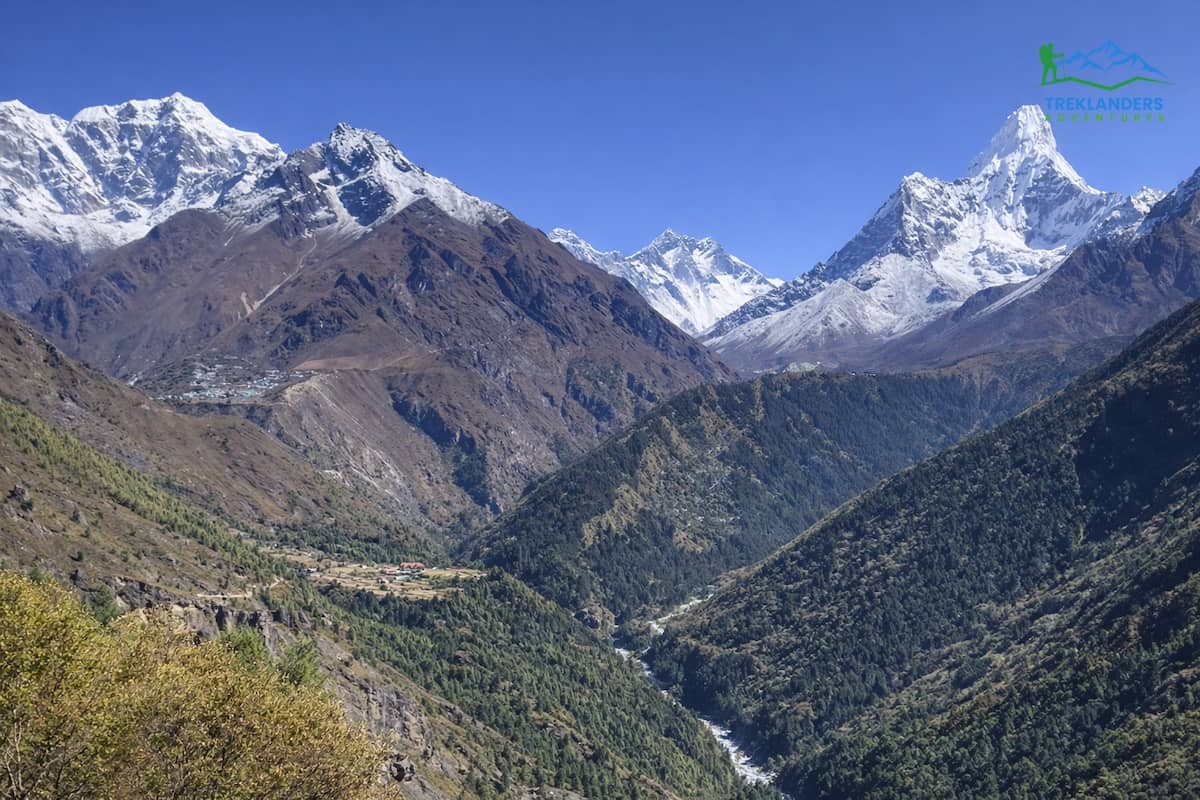
Altitude sickness is one of the biggest problems you face when trekking to Everest Base Camp. Above 3,000 meters, oxygen levels start to decrease, and your body needs time to adjust. However, if you go up too fast, your body will not be able to make the changes, and you may get symptoms of Acute Mountain Sickness or AMS in short.
These symptoms are often mild, but they should not be neglected. You might experience headache, loss of appetite, nausea, dizziness, or difficulty sleeping. These symptoms will normally surface near places like Namche Bazaar or Dingboche, where the altitude changes significantly. If the symptoms get worse, the conditions of High Altitude Pulmonary Edema or High Altitude Cerebral Edema might develop, which are life-threatening and require immediate descent and medical intervention.
Acclimatization is the method that aids in the prevention of such dangers. The main idea of the method is very straightforward: during the day, you go up high, and at night, you sleep at a lower altitude. This is one of the reasons why rest days are included in the itinerary at significant points. In Namche Bazaar, the typical practice for trekkers is to go for a short hike to the higher elevations and then come back to sleep. Dingboche is no different. These scheduled breaks help the body with time to make more red blood cells and get used to the lower oxygen in the air.
Pacing is very important. You should walk slowly and keep a steady rhythm. Don't rush, even if you feel strong at lower altitudes. Hydration also plays a big role. Consuming 3 to 4 liters of water daily is beneficial for your body to adapt better. Alcohol and smoking must be avoided as they decrease oxygen supply and delay acclimatization. You can rely on nutrition to help your performance.
Have your regular meals with an emphasis on carbohydrates as they are the main source of energy and are also the easiest to digest at the altitude. Even if you don't feel like eating a lot, you need to continue eating so that you can have enough strength. Medications may at times be the right solution. Acetazolamide, for example, is a type of medicine used to prevent or reduce the symptoms of altitude sickness. However, it requires proper consultation before usage.
The most important thing is to listen to your body. If symptoms get worse, don't continue the climb. Get down to a lower altitude and rest. No summit or destination is worth risking your health. By acclimatizing properly, pacing themselves, and staying conscious of the situation, the majority of the trekkers safely carry out the Everest Base Camp trek.
It is not necessary to have technical climbing skills in order to reach Everest Base Camp. On the other hand, it is quite physically demanding as you have to walk continuously for 5 to 7 hours daily for almost two weeks, and it is often very challenging as you are at high altitudes. In fact, preparing for this trek is similar to training a long-distance runner, focusing on building endurance, strength, and the capability to work at a consistent pace. First and foremost, building up your cardiovascular system is the most important. Being able to keep up a certain pace without getting tired is what is meant here.
Walking, running, cycling, or going hiking are excellent options to help you develop your cardiovascular health. Planning 4 to 5 workout sessions a week, with each session lasting roughly between 30 and 60 minutes, would be great. Also, try to introduce some hill or stair climbing, as these are the types of uphill sections that you will encounter along the trail towards Namche Bazaar and after that. Working on your muscles makes you more secure on your feet and less prone to getting injured.

Your legs, core, and lower back should be the muscles that you are primarily working. Today's squats, lunges, step-ups, and planks are among the dominant muscle-building exercises of mountain trekking. Only strong legs will help you cope with the extremely steep climbs and long descending stretches, while having a well-tightened and balanced core will help you get through the rocky paths and crossing a bridge. Most indeed, the best way to get ready for this type of trek is to hike for longer periods of time during your training.
Walking on a regular basis with a heavy backpack is a good idea. It is best to start out with less load and just a bit of walking, then continuously increase both. And the best part is to actually train as if you are on a hiking trip, at a real location. During a trek in the Khumbu region, your body and mind will need to be well prepared for the short hiking trails, elevation gain, long walking hours, and other factors, so that you will be capable of enduring those conditions.
Consistency is even more important than the intensity of the exercises. You don't have to do extreme workouts, but you have to regularly train your body for several weeks. Usually, a plan of 8-12 weeks duration is adequate for most trekkers. Rest and recovery also matter a lot. If you over train, you might get so tired that you won't even start the trek.

Your mental fortitude will be a major factor in getting through the trek. Besides long walking days, you will have to put up with very basic lodging and weather that keeps changing. You have to be very patient in addition to being able to stay focused. In fact, the training hikes are a way to get you into the habit of persisting even when you are uncomfortable because they are done under conditions where discomfort is kept at a minimum.
To run better, you need to be able to stretch and move better. Doing simple stretches before and after your workouts can greatly help reduce muscle tightness as well as speed up the muscle recovery process. Make sure that you exercise your ankles and hips properly because these parts of the body deal with uneven ground.
Being an athlete is not necessary in order to do the trek, but being physically fit and well prepared is an absolute must. Regular training, appropriate pacing, and keeping expectations within the realm of what is possible - with these three things, you stand a very good chance of taking the Everest Base Camp trek successfully, without injury and without being totally worn out.
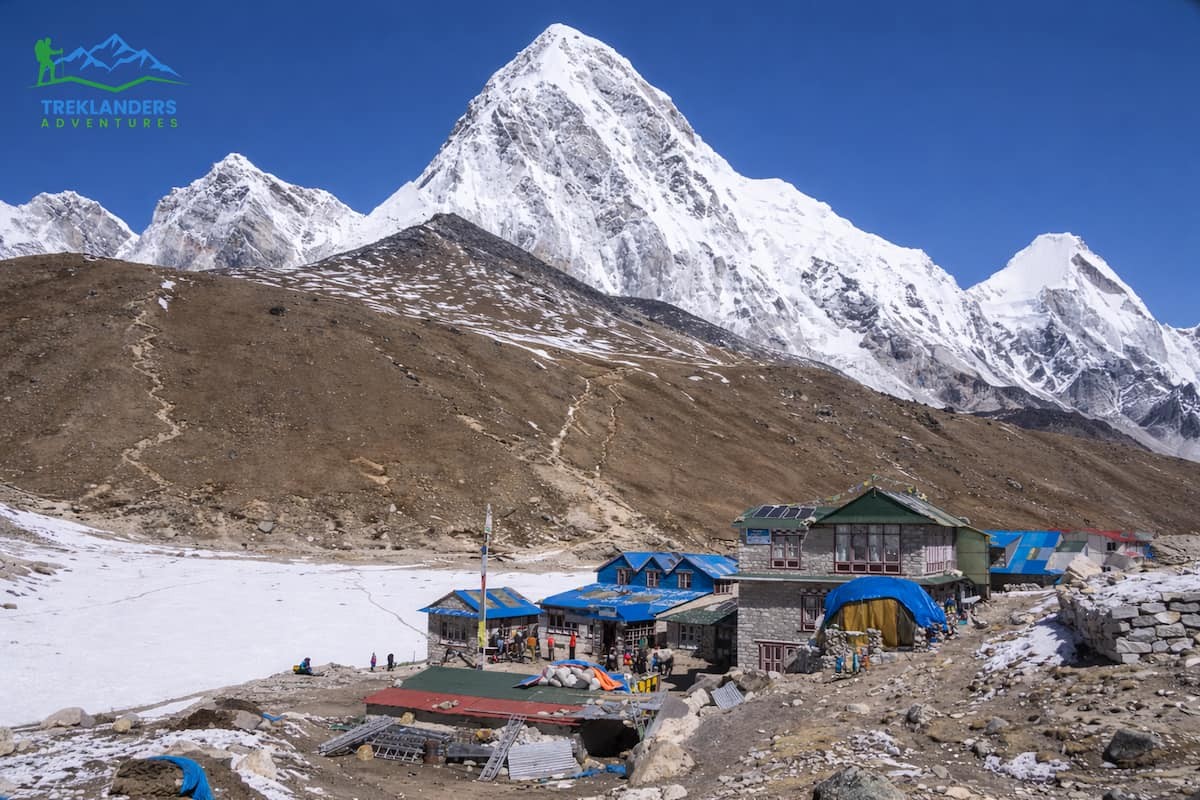
Accommodation near Everest Base Camp is mainly of the teahouse type, which means small guesthouses run by local families. Generally, rooms are basic with two beds, blankets, and bathrooms being shared. At lower elevations like Namche Bazaar, one can come across conveniences such as hot showers, Wi-Fi, and charging points. As the level is increased, facilities become more elementary, and prices go up because of the transportation challenges.
Besides comfort, teahouse dining is a warm and cheerful social experience. An evening spent around the central fireplace is characteristic of most teahouses, which provide an ideal setting for trekkers to get acquainted and share stories of the day. Food is always substantial and focused on supplying energy. The most widespread meal is Dal Bhat, which consists of rice, lentil soup, vegetables, and pickles. It is the mainstay, wholesome, and frequently accompanied by free refills.
There are also noodles, fried rice, pasta soups, eggs, and pancakes available. The menu does not change much along the trail. At higher altitudes, it is difficult to get fresh meat, so vegetarian dishes are the safer bet.
Food standards are good on the whole, but one cannot overlook hygiene. Only consume hot, well-prepared dishes and take purified or bottled water. This way, you will definitely have enough energy and good health for the whole trekking period.
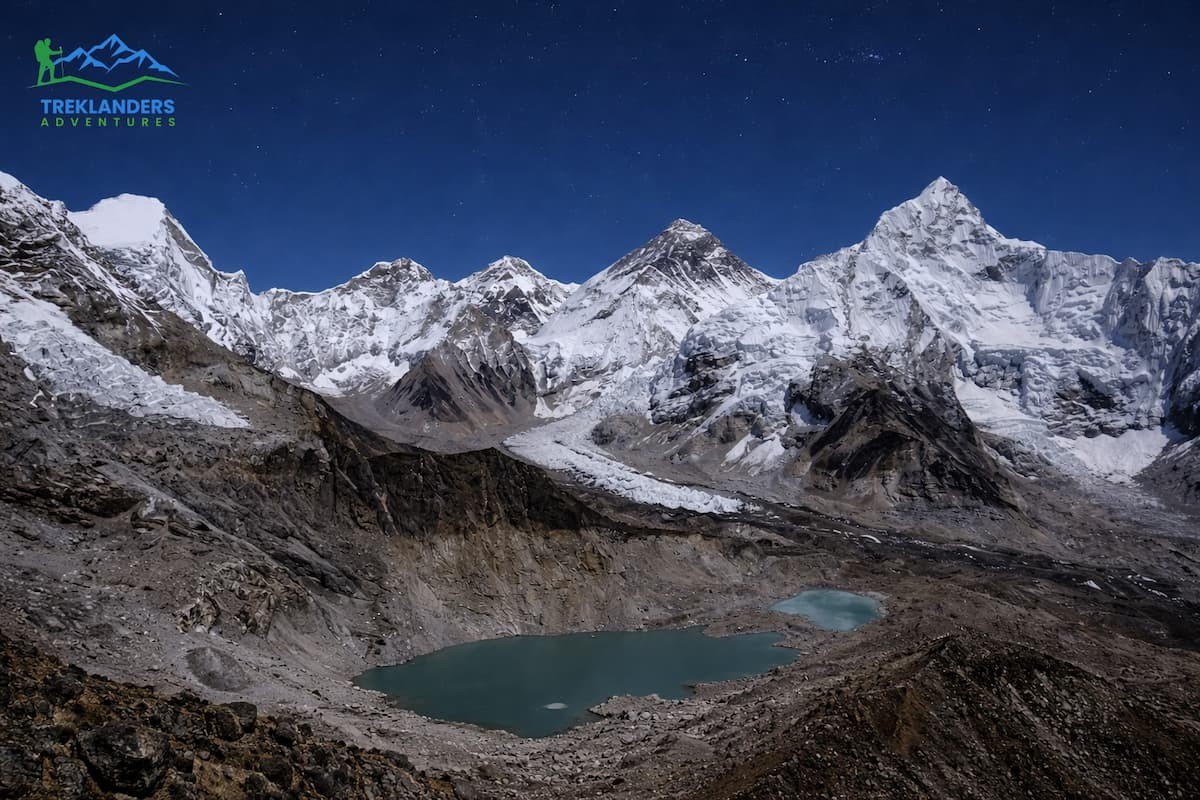
The Everest Base Camp trek in autumn presents a perfect blend of clear skies, stable weather, and well-maintained paths. The journey from the vibrant streets of Kathmandu to the high-altitude areas of Gorak Shep unfolds a well-thought-out mixture of physical challenges, cultural encounters, and stunning landscapes. Effective acclimatization, fitness training, and altitude sickness mitigation are crucial for the safe and successful completion of the trek.
The spectacular views of famous peaks like Mount Everest, Ama Dablam, and Lhotse are at their best in autumn, while the teahouses offer dependable lodging and satisfying meals. Weather conditions throughout the season can be seen as a guide for trekkers, where they can choose between September for exploring less-crowded trails, October for exhibiting the highest clarity and views, or November for a combination of solitude and crystal-clear skies.
Apart from properly organizing, physically getting ready, and being mindful of the high-altitude surroundings, it is possible to safely and blissfully complete the trek. Autumn makes this experience available to both novice and expert trekkers. The end product is a spellbinding experience that marries the exhilarating Himalayas with the rich culture of the Khumbu region, thereby gifting you with leaves of remembrance and accomplishments that will remain for a lifetime.
Khopra Ridge Trek autumn guide covering weather, views, itinerary, and tips for a quiet Annapurna adventure.
Discover the Khopra Ridge Trek with views from Khopra Danda, a hike to Khair Lake, peaceful trails, and authentic Annapurna village experiences.
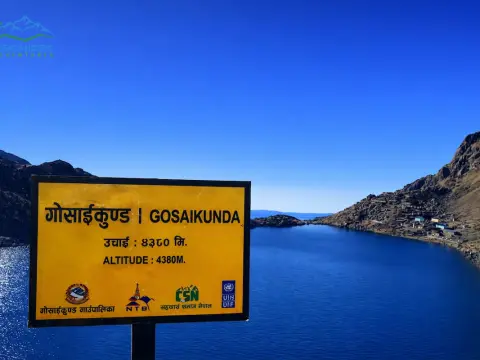
Gosainkunda Lake Trek in autumn: clear views, sacred lakes, route, itinerary, and permits guide.



