
Everest Base Camp Trek Packing List: Essential Gear Checklist for 2026
26 Nov 2025
Preparing the right gear for the Everest Base Camp Trek is crucial, as the trail shifts from warm valleys to freezing high altitudes.

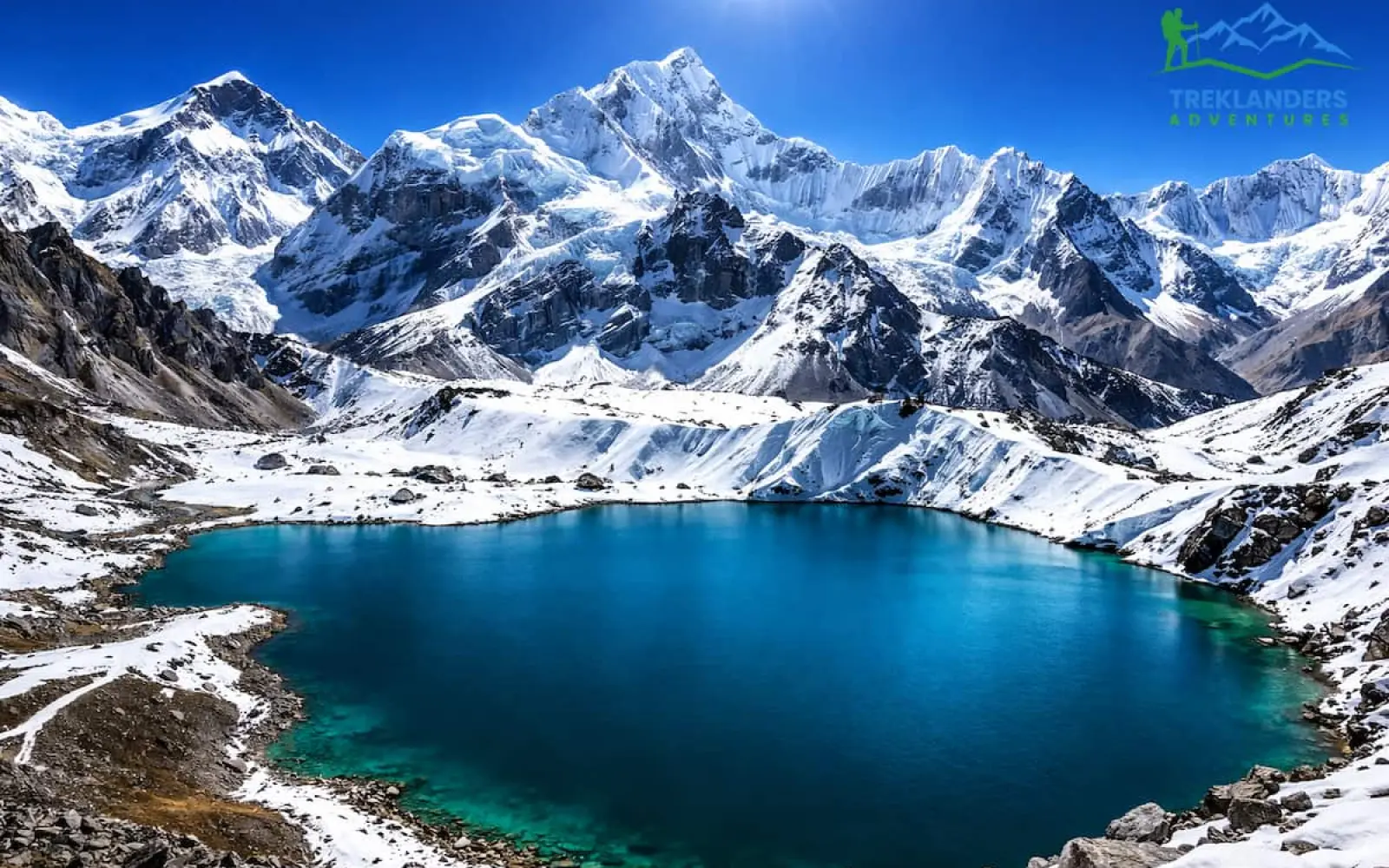
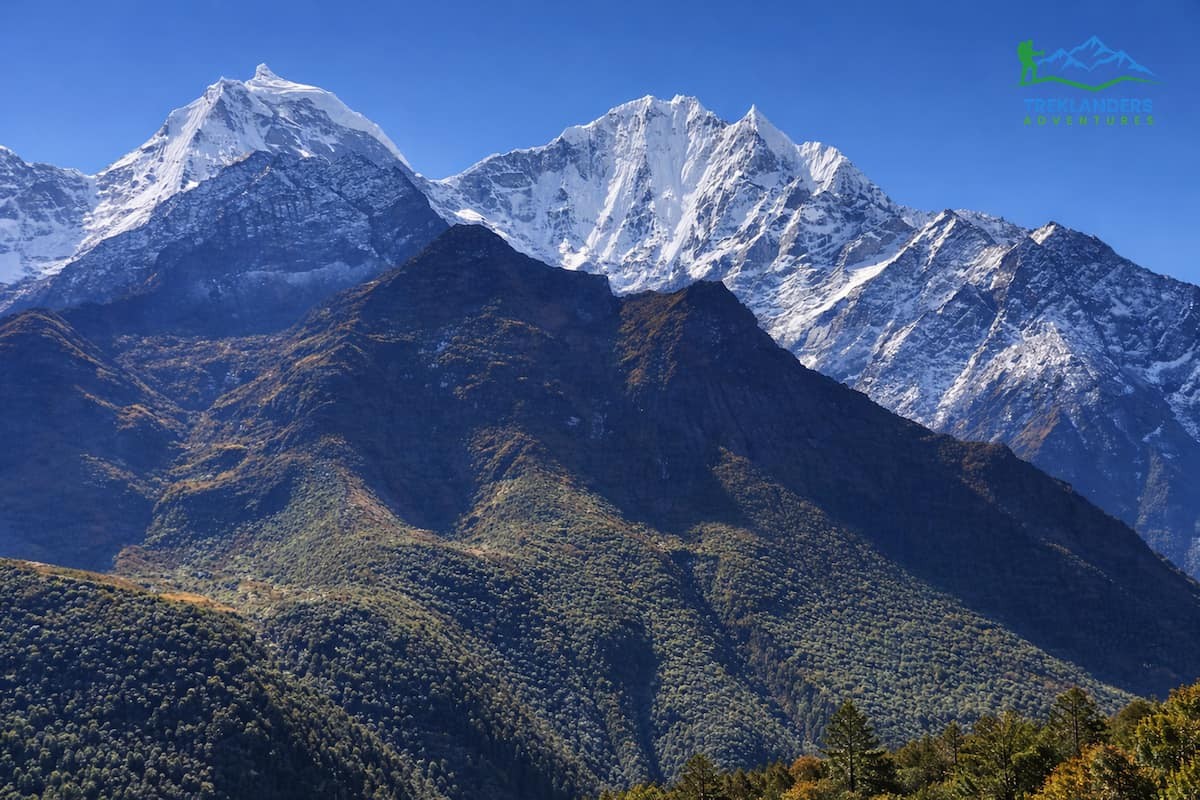
Sagarmatha National Park is renowned worldwide not only for its majestic Himalayan peaks but also for its remarkable biodiversity. The park, which spans a dramatic altitude gradient from approximately 2,800 meters to the summit of Everest, encompasses various ecosystems that support rare wildlife, as well as hardy plant species uniquely adapted to the extreme mountain environment. The Everest region is basically an ecological wonder from the lower river valleys up to the high alpine glaciers. It is an ecological transition shaped by elevation, climate, and terrain.
The trek to this biodiversity hotspot basically starts in Lukla, where the landscape is covered by mixed forests and subalpine vegetation. Following the Dudh Kosi River valley, colourful rhododendron, pine, fir, and birch forests provide perfect homes for musk deer, Himalayan tahr, and a variety of bird species. As you go higher to the Namche Bazaar and Thame areas, temperate forests slowly give way to subalpine ecosystems where, instead of trees, you will find shrubs and tough grasses.
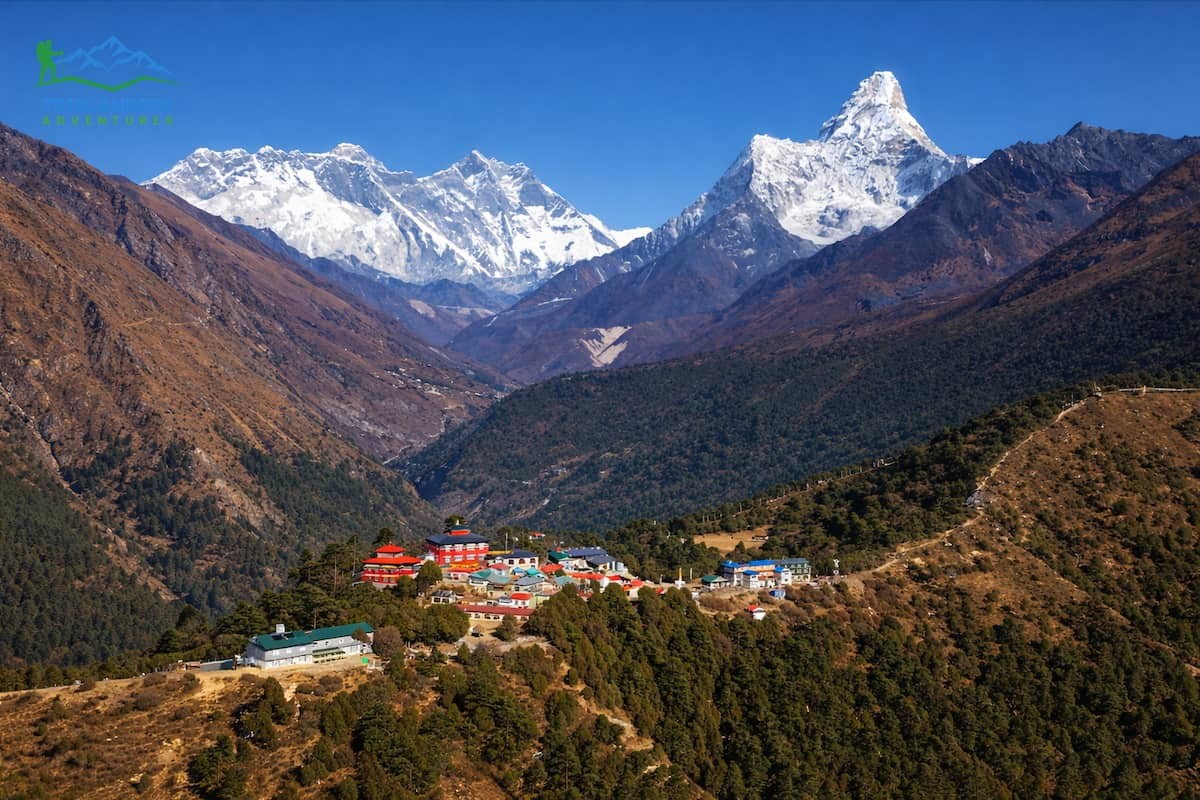
Elevation increases around Tengboche Monastery, Phortse Village, Dingboche, and Chukhung, and here one finds alpine meadows and dwarf plants that are naturally adapted to cold, wind, and low oxygen. The unspoiled Gokyo Lakes wetlands and the spectacular Gokyo Ri viewpoints are the hallmarks of delicate high-altitude ecosystems that offer a habitat for migratory birds and alpine flora specially adapted to such harsh conditions.
Vegetation in the upper alpine and glacial areas, namely Lobuche, Everest Base Camp, Kala Patthar, Khumbu Glacier, and Khumbu Icefall, is very limited, mainly consisting of mosses, lichens, and cushion plants that can survive on the rocks. Similarly, Imja Valley and Island Peak, Ama Dablam, and Cholatse are home to some of the iconic species of fauna like the snow leopard and Himalayan monal.
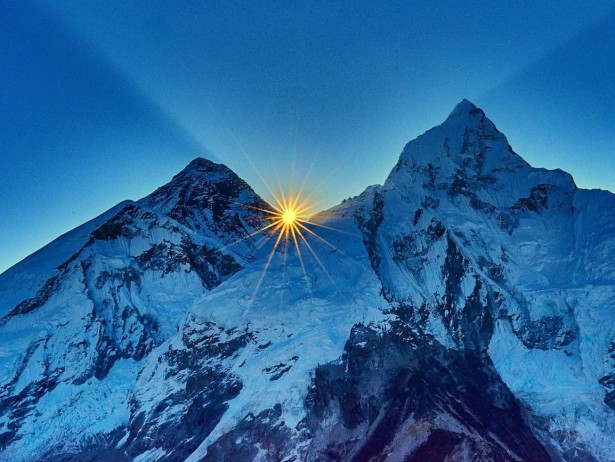
Combined, these natural features make the Everest region a mountain environment of great ecological significance on our planet, where rare animal species and unique Himalayan plants still flourish amidst the most unforgiving natural conditions.
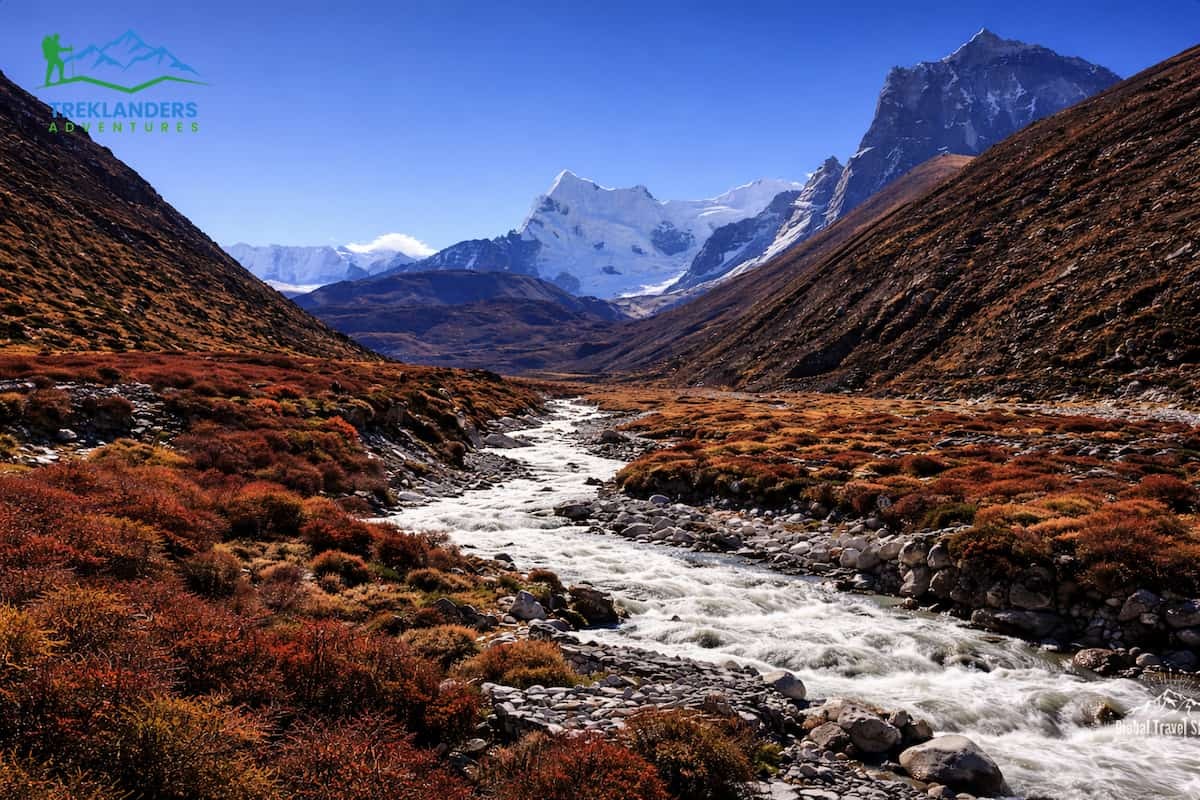
Sagarmatha National Park is globally recognized as an excellent example of the impact of altitude on biodiversity. The park extends from roughly 2,800 meters up to the top of the world, thereby establishing distinct ecological zones. An increase in elevation leads to a fall in temperature, a drop in oxygen level, and thus, a change in the type of vegetation. The resulting different altitudinal biodiversity zones have their own distinctive sets of flora and fauna.
Most people's trekking adventure begins in Lukla and later, along the Dudh Kosi River valley. This lowest section enjoys relatively mild temperatures and is densely forested. The landscape is mainly covered with pine, fir, birch, and red-flowering rhododendron. What's more, animals like musk deer, Himalayan tahr, birds of various species, etc., can be seen here. Better soil and moisture conditions make this zone the one that harbours the richest biodiversity in the park.
Trekking pilgrims, generally, after Namche Bazaar and Tengboche Monastery, the forests will be seen to be less dense. Due to colder weather, trees not only become shorter but also more spread out. There are still rhododendrons, but the vegetation consists more of shrubs and tough bushes. The Himalayan monal (the national bird of Nepal) and blue sheep are some creatures that belong to this zone.
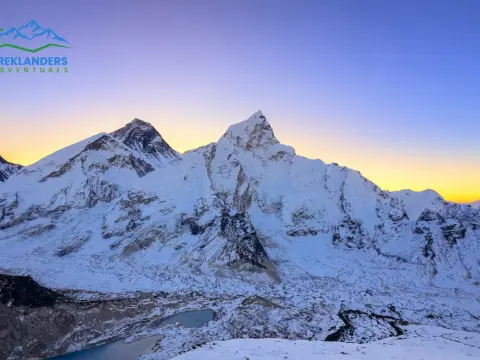
Topographical locations such as Dingboche and Gokyo Lakes are categorized under the alpine zone. At this altitude, trees have completely disappeared. The main vegetation is made up of grasses, mosses, lichens, and tiny cushion plants which are all resistant to freezing temperatures and strong winds. Animal life is less abundant here, but there are still some species, like the snow leopard and the Himalayan griffon vulture, that are specially adapted to the extreme conditions and can be found there.
Extreme high-altitude places such as Everest Base Camp and the Khumbu Glacier are almost completely devoid of any form of life. In fact, only very rudimentary organisms, such as lichens and microscopic life forms, are capable of surviving. Even though the conditions are very unfriendly, these organisms are very significant as they are an integral part of the mountain ecosystem, which is very fragile.
In total, these major altitudinal zones have made the Everest region a very unique biodiversity hotspot of great scientific importance.
The towering peaks of Sagarmatha National Park are a sanctuary to some of the rarest and most intriguing mammals on our planet. Due to extreme weather, rugged landscapes, and hypoxic conditions of the air, only animals that have undergone special adaptation are capable of surviving in this environment. The Everest region is particularly known for the snow leopard, musk deer, and Himalayan tahr as the most recognizable animal species.
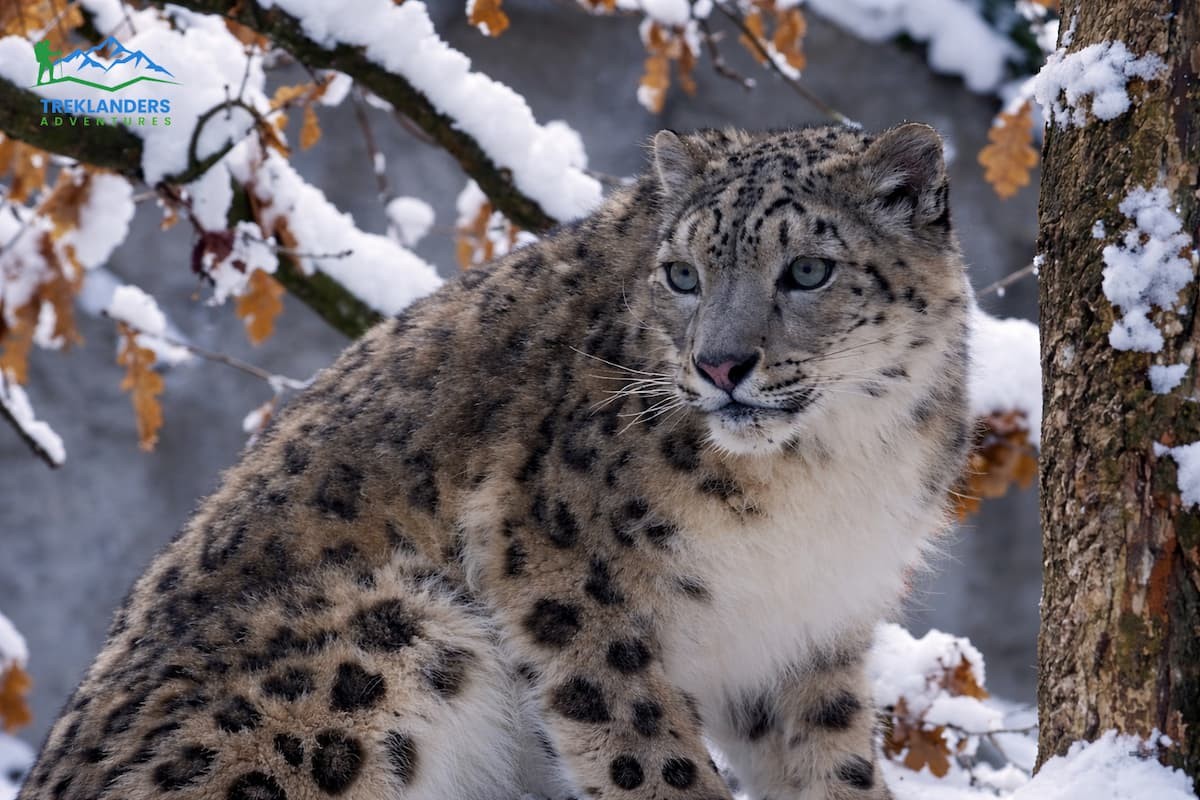
The Snow Leopard is one of the most secretive and mysterious carnivores of the Himalayas. It inhabits areas of rocky alpine and high mountains, generally at elevations of over 3,500 meters.
Its long fur, tail, and large paws are the features that have allowed a snow leopard to adjust to extreme cold and move over the snow effortlessly. Their primary food source consists of blue sheep and the Himalayan tahr.
Since they are naturally timid and have a coloring that is difficult to distinguish against the background, few people ever see them. Therefore, due to the destruction of their habitat and global warming, their status is also considered vulnerable.
The Himalayan Musk Deer is a diminutive, secretive animal that dwells in wooded sections between 2,500 and 4,000 meters. Male musk deer, in contrast to other deer, have elongated fang-like teeth rather than antlers. The males of these species are most closely associated with the musk gland, which in the past has been the target of illegal hunting for perfume production."
These deer mainly consume leaves, grasses, and other small plants. They are usually found in the vicinity of densely wooded areas, e.g. Namche and Tengboche, where they have good hiding places from their natural enemies.
The Himalayan Tahr is a robust and goat-like creature that you may often spot on the precipitous rocky slopes. It wears a dense reddish-brown fur, which is quite effective in shielding it from the cold winds. A Himalayan tahr is a consummate climber, and they usually travel in herds. Their diet consists of grasses and alpine plants, which they find in the open high-altitude meadows. They are very crucial to the mountain ecosystem as they are the main food source for snow leopards.
Together, these rare mammals illustrate how the local wildlife of the Everest region has evolved to survive in one of the most unforgiving environments on Earth. It is through their protection that we can preserve the delicate Himalayan ecosystem.
Besides mountains, the Khumbu region of Sagarmatha National Park is also known for its diverse and colorful birdlife. Many bird species have managed to adapt to the cold temperatures and the scarcity of oxygen at high altitudes, from the forested valleys to the rocky alpine slopes. The huge altitude variation in the Everest region provides ideal habitats for birds of different kinds to settle and reproduce.
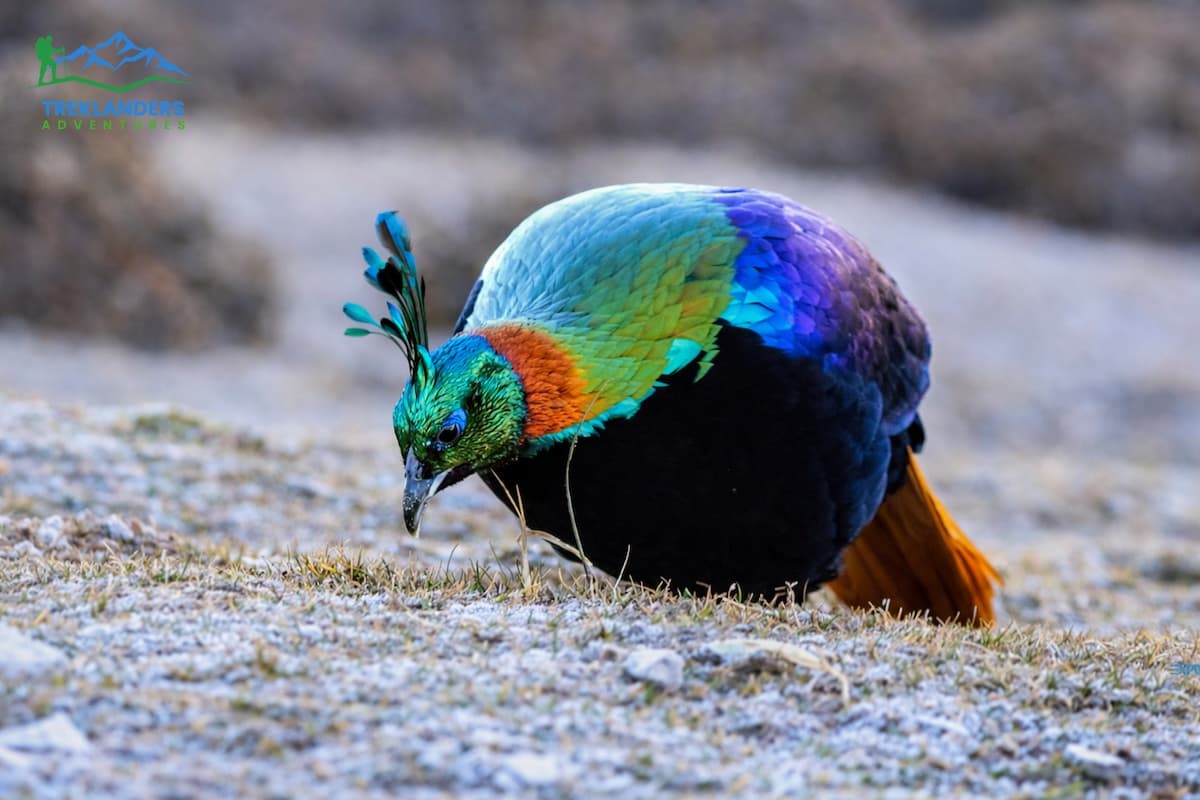
The Himalayan Monal is regarded as the symbol of the region and is the national bird of Nepal as well. It is distinguished by its bright and shiny plumage that reveals blue, green, copper, and purple hues. While the male monal is very striking in colour, the female has brown feathers that serve as camouflage. These birds mostly inhabit rhododendron and pine forests ranging from 2,700 to 4,000 meters. Their diet consists of roots, insects, seeds, and small plants. When winter comes, they descend to lower altitudes to avoid heavy snow.
The Blood Pheasant is a species of bird that thrives at very high altitudes, like the Himalayan Monal. It is an inhabitant of alpine shrubs and forest edges. Its name was given to it because of the red stripes on its feathers. Blood pheasants are very resistant to cold and usually move around in small groups. Their diet includes shoots, moss, berries, and insects.

The Himalayan Griffon is a big vulture that you can often spot soaring very high above the valleys. It has huge wings through which it can easily glide using the mountain winds. Mainly, it feeds on dead animals, and thus it contributes to the cleanliness of the environment. The Snow Pigeon is another high-altitude species which is often spotted close to rocky cliffs and settlements.
Birdlife in the Khumbu is very significant in the overall ecological balance. Birds in this area assist through seed dispersal, insect control, and by naturally cleaning the environment. Even though the weather is harsh and the landscape is rugged, the Everest region still provides a haven for many rare and beautiful bird species.
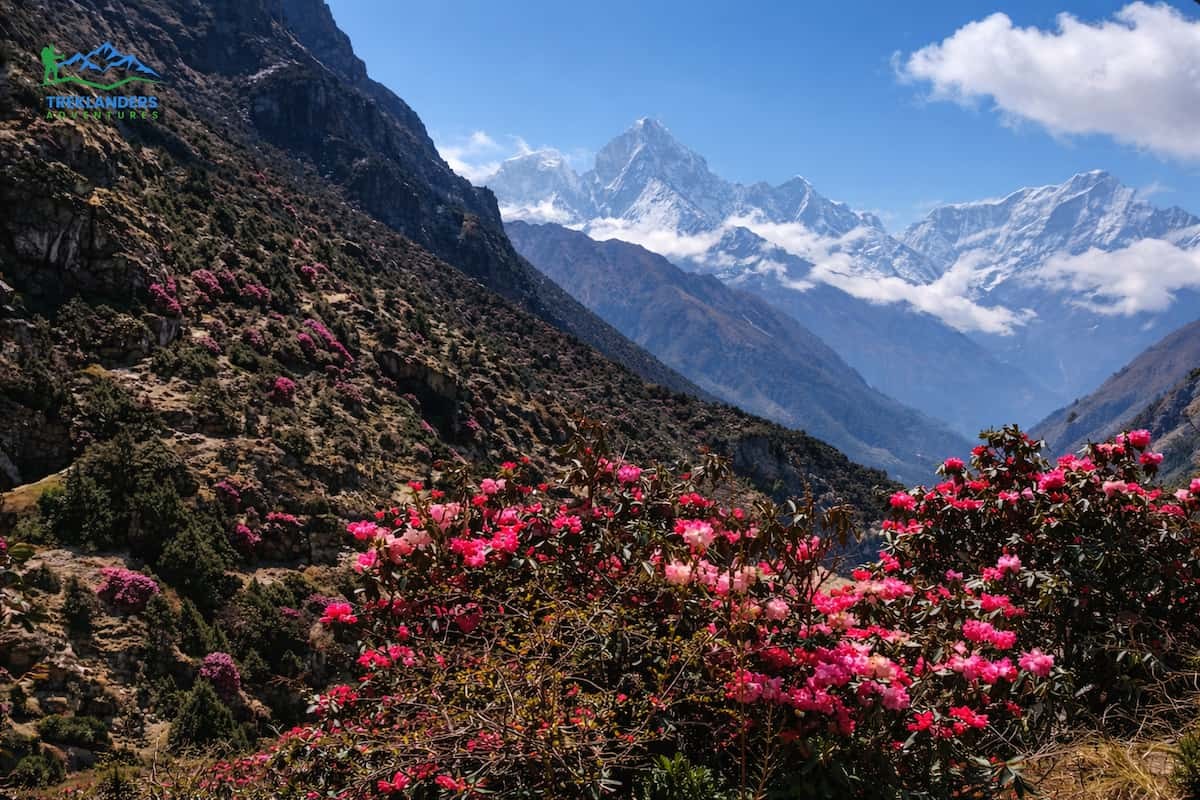
The mid-hill portion of Sagarmatha National Park is renowned for its spectacular rhododendron forests and diverse temperate flora. The settings of Namche Bazaar and Tengboche Monastery are situated at an altitude of 3,000 to 4,000 meters, where the climate is mild and not very harsh. Such a moderate climate is favorable for the growth of dense forests and a variety of plant species.
Rhododendron trees are undoubtedly the most attractive plants in this area. During the spring season (from March to May), the hillsides are covered with vividly colored flowers of red, pink, and white, thus giving nature a truly delightful look. Rhododendrons, being perfectly adjusted to the cold, are capable of thriving in the wet soils of the mountains. These forests are aesthetically pleasing and crucial in terms of environmental conservation as they are a habitat and a source of food for many animals and birds.
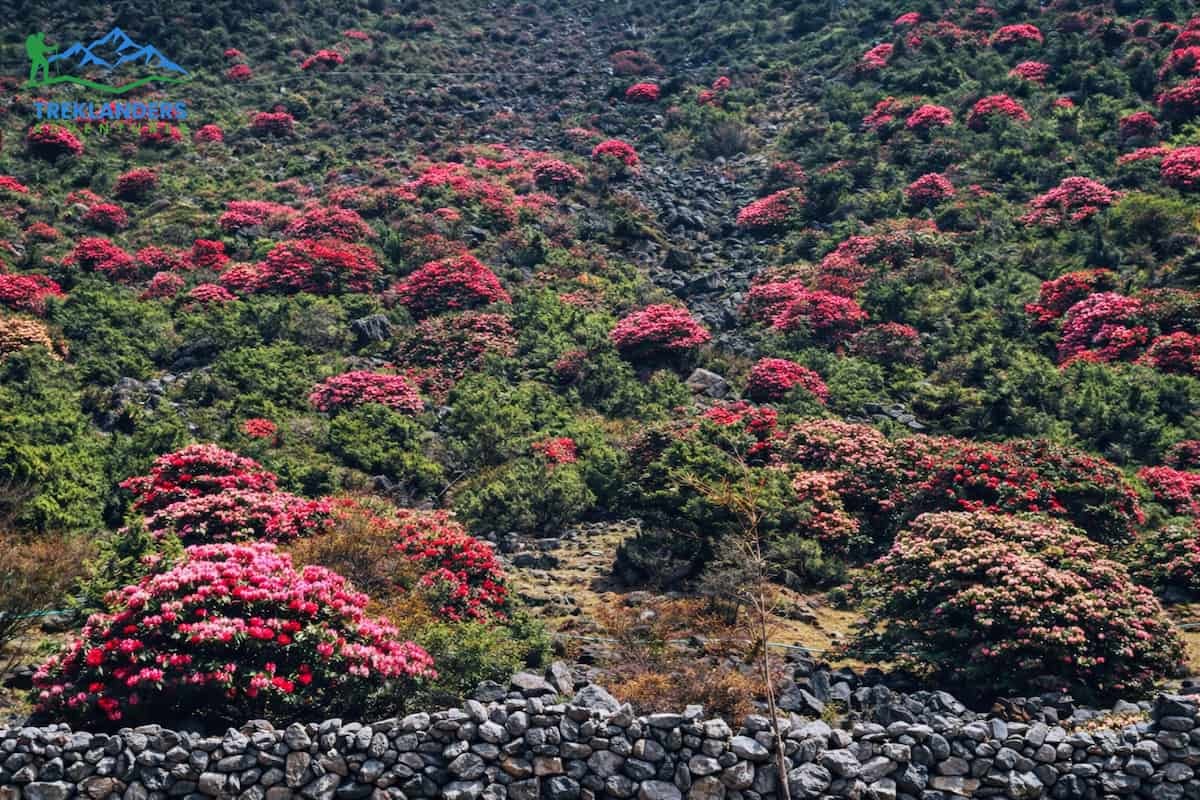
Besides rhododendrons, the temperate woodlands have pine, fir, birch, juniper, and hemlock trees. These skyscraper trees create a thick forest canopy, which helps to prevent the soil from washing away and ensures the water sources are kept. The ground of the forest is usually covered with mosses, ferns, and tiny bushes. Besides, medicinal plants and alpine herbs can be found in this area, which have been used by Sherpas for generations.
This vegetation zone provides a natural home to animals such as musk deer, Himalayan tahr, and red pandas at lower levels. Himalayan monal and different kinds of pheasants are among the birds frequently seen here. The forests close to Tengboche are particularly famous for birdwatching because they are very quiet and undisturbed.
When the elevation goes up beyond Tengboche, the trees become shorter and less dense, which is the sign of the subalpine and alpine zones. Nevertheless, the temperate forests around Namche and Tengboche are still one of the most diverse ecosystems in the Everest region.
Besides their ecological importance, these rhododendron forests have great cultural significance, and their natural charm and environmental importance enhance the value of the Khumbu landscape.
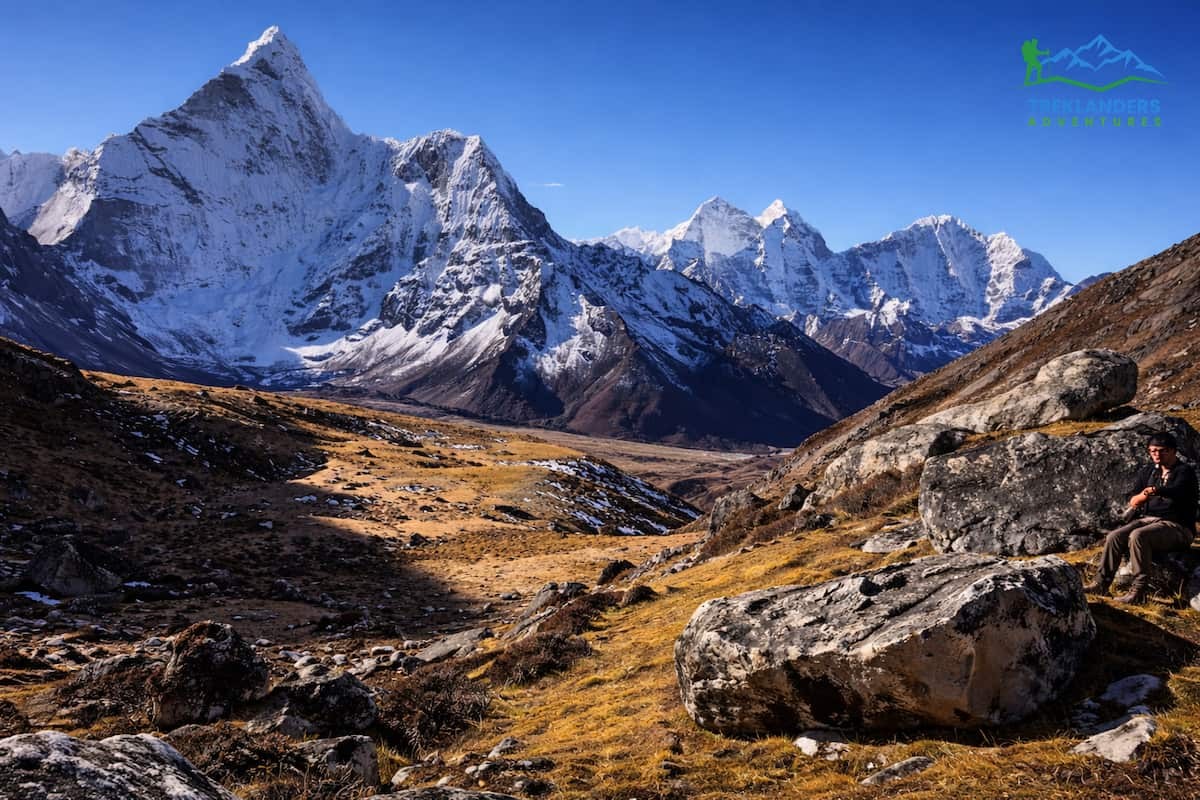
Higher areas in Sagarmatha National Park have a transition from thick forests to treeless, open alpine areas. In places like Dingboche and Imja Valley, situated between 4,000 and 5,000 meters, there are hardly any trees anymore. Only alpine and subalpine plants that have special adaptations can live in such severe conditions.
In the bottom section of this area, you can find dwarf rhododendron and juniper among small shrub growth. By growing low to the ground, these plants effectively shield themselves from fierce winds and extreme cold. Tiny leaves are one of their features that limit the loss of water, which is crucial in an environment with dry, cold air. The higher you go, the shorter and sparsely spread the vegetation becomes.

The alpine meadows in the vicinity of Dingboche are dressed in grasses and flowering plants that are able to withstand harsh conditions during the short summer. Such plants as edelweiss, primulas, and alpine asters offer a brief display of their blossom when the snow starts melting. They have a very short life cycle growing, flowering, and seeding within a couple of months before winter sets in again. Such a speedy development is a survival trick in towering peaks.
Mosses and lichens are very significant components of this area. They are found on rocks and very thin soil where other plants are not able to survive. Lichens are particularly resilient as they withstand severe cold, strong sunlight, and a lack of nutrients. Gradually, they contribute to the breaking of rocks and the formation of soil, thus facilitating the growth of other plant species.
The view of the plants in the Imja Valley, close to Island Peak, reveals the remarkable ways through which these plants have adapted to low levels of oxygen and the high level of ultraviolet radiation. The majority of alpine plants have dense roots to help them firmly attach themselves to the rocky ground and also to effectively absorb the scarce nutrients.
Even though the vegetation here appears quite scanty as compared to the lower forest, it is the alpine and subalpine plants that actually make up a very significant part. Besides contributing to the conservation of soil by preventing soil erosion, they also serve as food for the grazing animals, such as the Himalayan tahr and blue sheep, and are thus instrumental in maintaining the delicate high-altitude ecosystem of the Everest region.
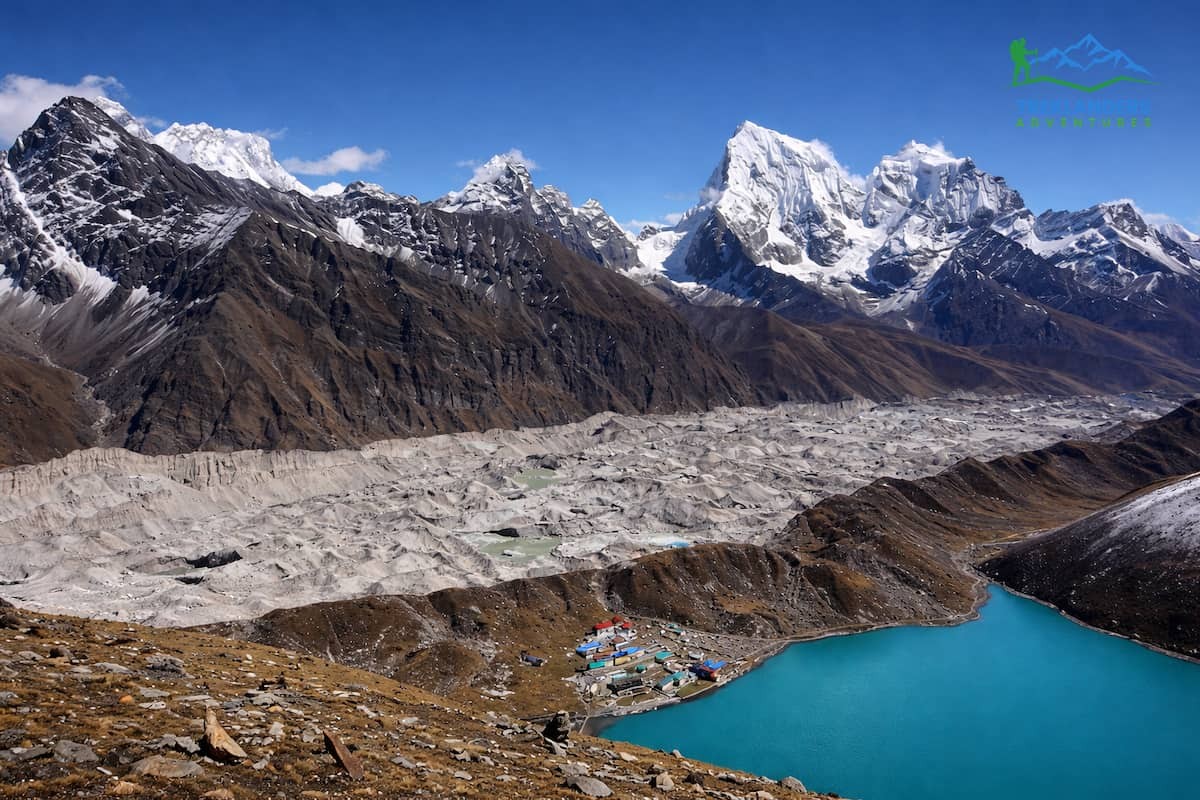
The Gokyo Lakes in the Everest region of Sagarmatha National Park is among the highest freshwater wetlands in the world. At 4,700 to 5,000 meters above sea level, these lakes are not only visually stunning but also spiritually and ecologically vital as they provide a natural habitat for the very few species of plants and animals which can survive the harsh conditions of the extremely high altitudes.
The Gokyo Lakes system has several glacial lakes, Ngozumpa and Thonak being the largest. These lakes get their water mainly from the melting glaciers, with the nearest Ngozumpa Glacier being the main source, and they are very important as they help to control the water running through the high Himalayan valleys. The wetlands surrounding the lakes create a special environment where aquatic as well as semi-aquatic plants can grow. Plants like sedges, grasses, and mosses develop along with the lake shores, while some cushion plants manage to grow on the rocks, showing plants' adaptation to an environment that is cold and where the soil is thin.
The area is not only plants but also birds because these high-altitude wetlands provide perfect living conditions. Birds migrating use the lakes as their stopover, and there are even the Bar-headed goose and brown-headed gull, which have nests there during the short summer period. The wetlands are very important as a feeding ground, which provides birds with a large quantity of aquatic insects, seeds, and algae. Himalayan monal and blood pheasant can also be frequently seen in the nearby alpine meadows and forests, thus linking the aquatic and terrestrial ecosystems.
Besides birds, Gokyo Lakes are home to various small amphibians, insects, and other invertebrates that are the basis of the high-altitude food chain. Due to the nutrient-poor environment and low oxygen levels, it is quite challenging to survive here; however, the organisms have developed special ways, such as compact growth forms and slow metabolic rates, to successfully live.
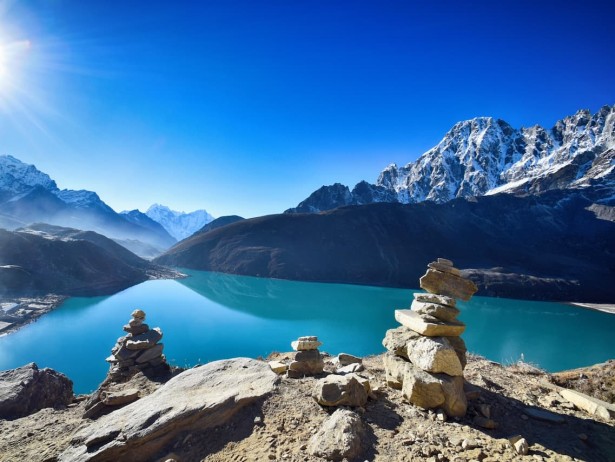
The importance of the Gokyo Lakes ecosystems is not limited to the wild animals only. They contribute to the prevention of soil erosion, local hydrology conservation, and act as natural water storage for the nearby villages. Still, the retreat of glaciers due to global warming is changing the water levels and thus the biodiversity. It is necessary to protect these wetlands in order to keep both the rare alpine plants and animals, as well as the fragile ecological balance of the Everest region.
Gokyo Lakes are a testimony to the fact that life can adjust and continue in one of the most extreme and stunning high-altitude environments on the planet.
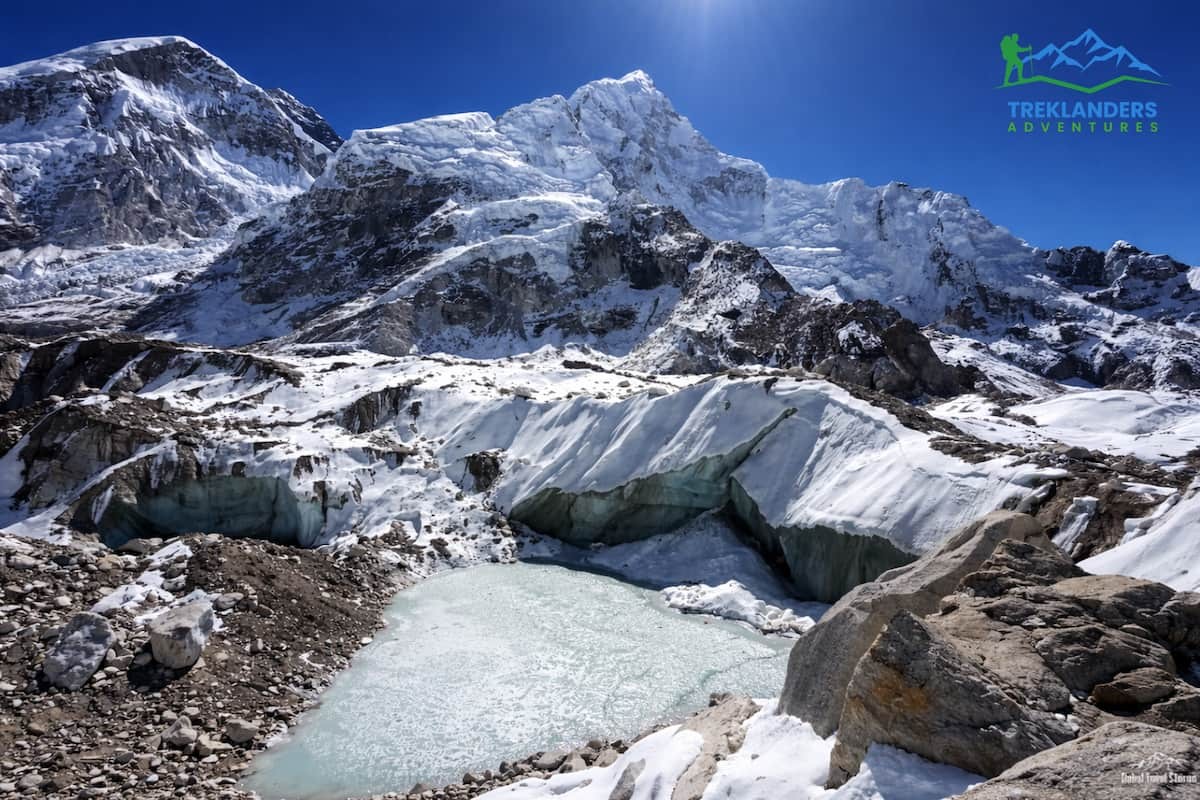
The glacier of Khumbu and the dangerous Khumbu Icefall are a world apart from most other locations on this Earth. They sit above 5,000 meters in Sagarmatha National Park, where ice and snow almost totally cover them.
In addition to the cold, the lack of oxygen and the powerful ultraviolet rays, there is life in the form of highly specialized plants and microbial organisms that are constantly pushed to the edge of their survival and have developed unique characteristics to cope with extreme environments.
There is hardly any vegetation in the vicinity of the glacier and icefall. Only the toughest mosses, lichens, and tiny cushion plants manage to find a foothold on the bare rocks and moraines. Because these plants hardly ever get wet and are often exposed to frost and sun, they have a number of adaptations that make them very resistant. One of these adaptations is the growth habit of some of these plants: they form tightly packed mats close to the soil surface to avoid direct exposure to cold winds and thus reduce water loss. In addition, cushion plants and mosses help to prevent soil erosion and facilitate the development of soil by producing humus; besides this, they shelter various small animals that have other ways of surviving in a cold area that seems to them completely inhospitable.
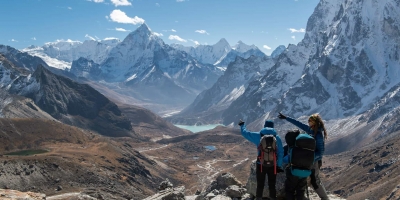
The microbial life of the Khumbu Glacier is even more extraordinary. Bacteria, algae, and fungi that live on the ice and in the glacial soils that have very little organic material have developed their survival strategies. They can produce their own energy through photosynthesis or decompose the very small amount of organic matter that they find. Many of them synthesize chemicals that give them resistance to the harmful ultraviolet radiation; hence, the ice areas where they live have a faint pink or green hue, which can even be seen from afar. Their existence is essential to the whole glacier ecosystem because they provide food for small animals and have an impact on the nutrient cycles of the high Himalayas.
Glacial ecology has an influence on downstream ecosystems as well. For example, meltwater from Khumbu Glacier nourishes the Dudh Kosi and other rivers, thus transporting nutrients that support the growth of plants and animals at lower elevations. Moreover, glacial microbes are involved in carbon and nitrogen cycling, indicating that even under severe cold conditions, life still plays a crucial ecological role.
Even though these organisms are quite tough, climate change and glacier retreat pose a threat to this fragile ecosystem. Increases in temperature are shrinking the ice cover, thus causing microbial habitats to be disturbed and changing the flow of meltwater. It is a cornerstone to the protection of these high-altitude glacial ecosystems if we want to continue enjoying biodiversity, ecological balance, and the natural heritage of the Everest region.
The Khumbu Glacier and Icefall exemplify the extraordinary power of life to adjust to extremely cold, low-oxygen, and high radiation conditions, thereby emphasizing the significance of glacial ecology in the Himalayas.
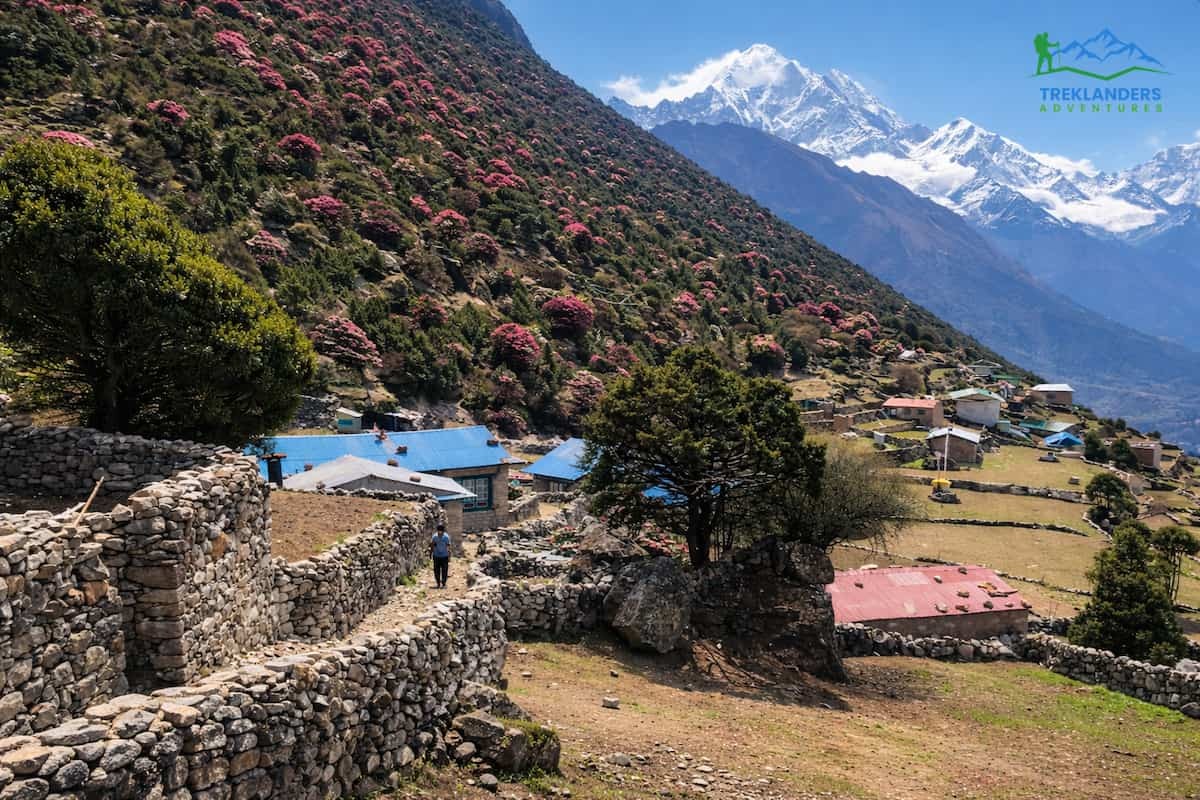
The Everest region is a habitat of a rare variety of indigenous and medicinal plants that have been used for centuries by local Sherpa communities. A special combination of altitude, climate, and soil characteristics enables various species of plants to grow in a gradient from the lower forests of Lukla to the alpine meadows near Dingboche. Besides their stabilizing role in the ecosystem, these plants are traditionally used in medicine and the culture of the region.
One of the most prized medicinal plants is Yarsagumba (Cordyceps sinensis), which is found in the subalpine and alpine zones at altitudes between 4,000 and 5,000 meters. This elusive fungus that parasitizes caterpillar larvae is considered a general tonic capable of increasing energy and is also used for respiratory and kidney problems. A variety of Rhododendron can also be seen everywhere, and apart from beautifying the forests surrounding Namche Bazaar and Tengboche Monastery, the leaves have been used traditionally to relieve headaches, inflammation, and digestive disorders.
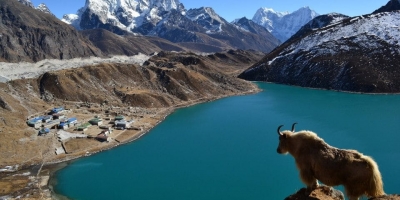
Himalayan nettle (Girardinia diversifolia) is yet another local plant known for its anti-inflammatory and fibre-giving qualities. Herbs of the alpine species like Saussurea and Potentilla are gathered from the high-altitude meadows near Imja Valley for the treatment of stomach ailments, fever, and injuries. These plants are able to endure the harsh conditions of strong winds, low temperatures, and nutrient-poor soils, which makes them very durable and useful in traditional medicine.
Many plants from this list also have a cultural significance attached to them. Sherpas incorporate them in their festivals, rituals, and religious ceremonies, thus tying the biodiversity of the region with their cultural heritage. Nevertheless, some of these rare species are being endangered due to overharvesting and climate change, which is why there is a call for sustainable practices and conservation.
The medicinal and native plants of the Everest area do not only have health advantages but they also narrate the complex association of man and nature in the high-altitude environment. Saving plant species means continuing the tradition of the knowledge, keeping the balance of the ecosystem and preserving the natural treasure of the Himalayas.
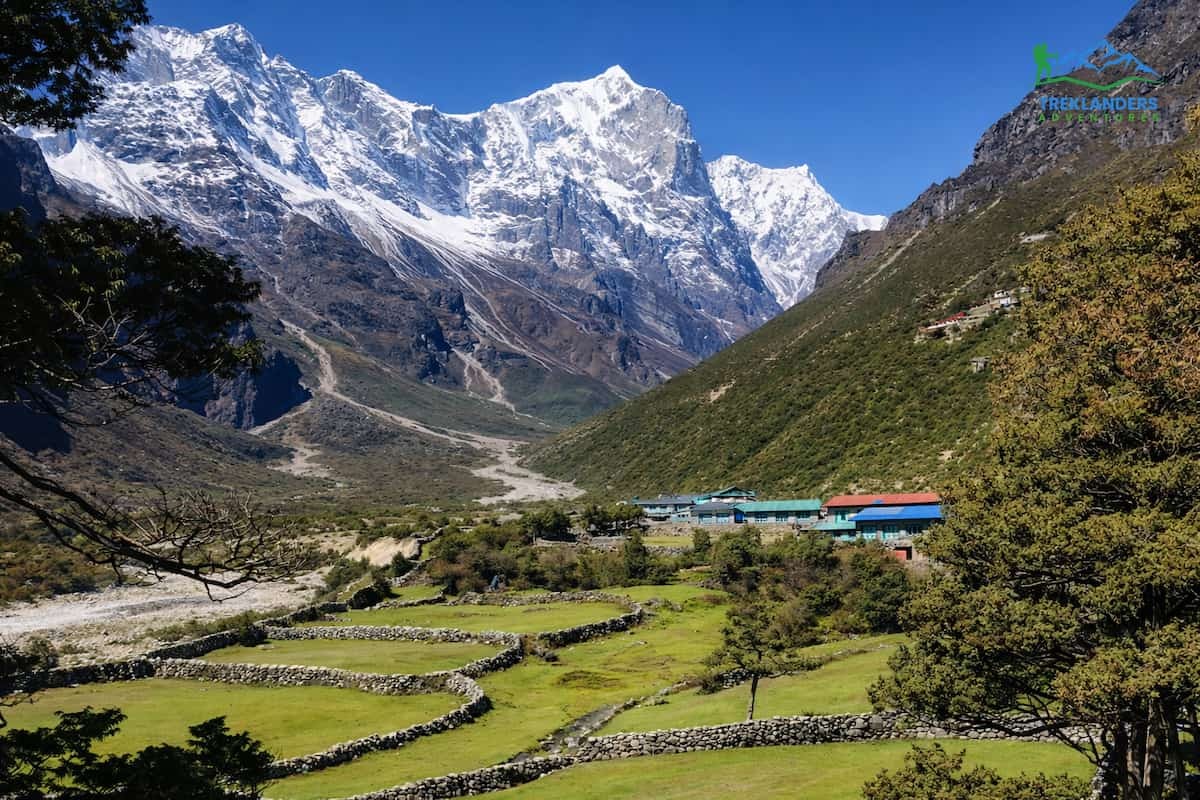
The remote mountain villages of Phortse and Thame in Sagarmatha National Park are a great illustration of human-nature interaction. Here, the Sherpa of the two villages live surrounded by forests, alpine meadows, and animal habitats of the high mountains. Over the years, they have developed a method of living in harmony with the local fauna, sharing their environment with them and protecting nature at the same time.
Besides the villages of Phortse and Thame, animals such as Himalayan tahr, musk deer, and blue sheep are a common sight when they come out to graze in the meadows or forested slopes of the adjoining area. On rare occasions, snow leopards and red foxes, which are predators, come to the villages' periphery. Among the livestock, yaks and goats are the main source of income for the Sherpa people. The pastoralists, as a rule, have to be on their guard to keep predators at bay, yet at the same time, they must give free rein to the wild animals. The achievement of this harmony depends on very close and respectful observation of the habits of the living things in the surroundings.
In fact, birds are an integral part of human animal relationship at the same time. Birds such as the Himalayan monal, blood pheasant, and snow pigeons often use the farmland or forest near the homes as their habitat. Sherpas, for example, usually treat these species as lucky charms and even embellish their customs with references to them. A few of the village's surrounding high-altitude wetlands and rivulets also serve as a haven for migratory waterbirds and, in that way, bring the people and nature closer.
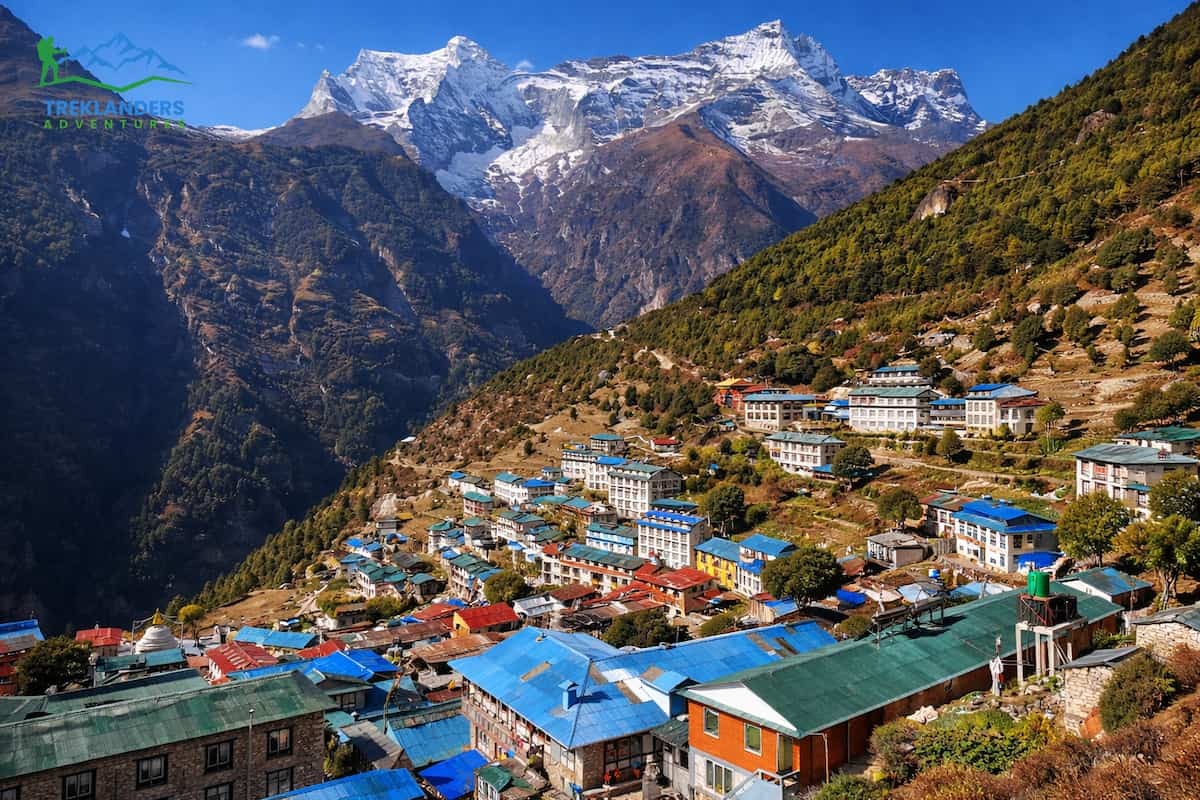
Traditional Sherpa knowledge is a key factor in how to handle interactions with wild animals. The locals can predict the behavior of animals, their seasonal movements and feeding ways, and thus can avoid confrontations. For instance, it is sometimes animals' natural repellents that keep crops safe and livestock that are driven in such a way as to lessen the risk of attacks by predators. Moreover, religious and cultural practices also cultivate an appreciation of certain species that lead to community-based conservation works.
Though the two cohabit closely, human-wildlife encounters are gradually becoming more challenging due to tourism, climate change, and habitat loss. Phortse and Thame are the approach routes to the trekking areas, which are also the wildlife habitats; hence, the animals get disturbed sometimes. To keep the good neighborliness between people and animals, it is very important to have sustainable ways, such as limiting the number of livestock grazing, agriculture that is friendly to wildlife, and raising people's environmental awareness.
To sum up, Sherpa villages like Phortse and Thame have shown that it is possible for humans and animals to share the high-altitude environments in a sustainable way through the combination of traditional knowledge, cultural respect, and practical strategies for the protection of the fragile Himalayan ecosystems.
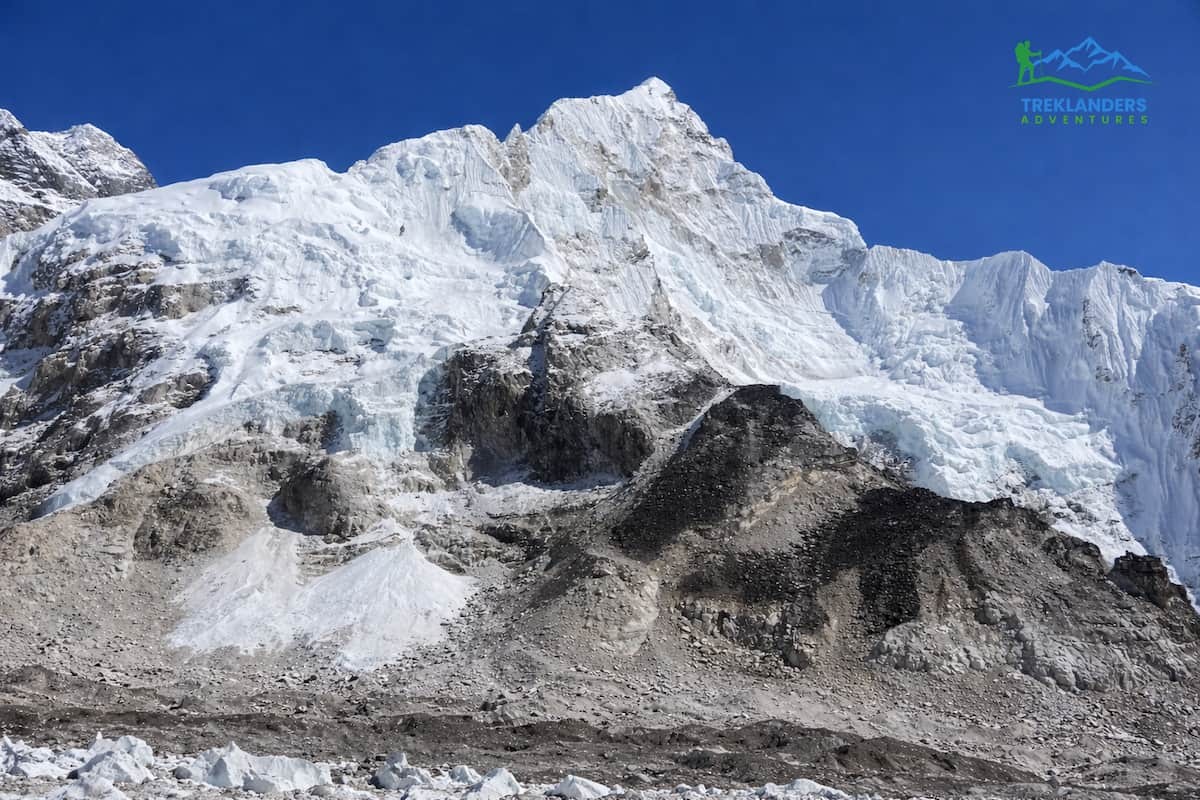
The Everest region of Sagarmatha National Park is very vulnerable to the effects of climate change because of its very high altitudes, fragile ecosystems, and characteristic plants and animals. Changes in temperature, precipitation patterns, and glacier melting are transforming the natural environment and therefore affecting plant growth, animal habitats, and the diversity of life in general. Such changes are putting at risk the fragile balance that has enabled Himalayan species to coexist for centuries.
One of the most obvious signs has been the disappearance of glaciers, including the Khumbu Glacier and the Khumbu Icefall. As ice melts at a faster rate than ever before, alpine wetlands like the Gokyo Lakes undergo changes in water levels. This, in turn, impacts aquatic plants, migratory birds, and species that require stable wetland conditions for their survival.
Increasing temperatures are leading to changes in vegetation zones as well. The rhododendron forests near Namche Bazaar and Tengboche Monastery are growing at higher elevations, whereas subalpine and alpine meadows around Dingboche and Imja Valley might experience a drop in plant species number due to the drying of the environment. Rock-dwelling plants such as cushion plants, mosses, and lichens on rocky slopes near Kala Patthar and Everest Base Camp are especially susceptible to temperature fluctuations and changes in UV radiation.
Wildlife suffers as well. Snow leopards, Himalayan tahr, and musk deer have a hard time finding food and are losing their living spaces. Himalayan monal and blood pheasant might change their migration routes or get victim of competition with the species moving up. Species from lower-altitude areas may come to higher zones and disturb the old ecological relationships.
Besides, climate change influences the human-wildlife interactions in places like Phortse Village and Thame. Here, as villagers adjust to the variations in the water supplies and grazing areas, wildlife is also affected.
On the whole, plants and animals (flora and fauna) in the Everest region are facing an unprecedented level of pressure. To protect these ecosystems, it is necessary to carry out thorough monitoring, climate adaptation measures, and sustainable living practices to keep one of the Earth's most unique high-altitude environments.
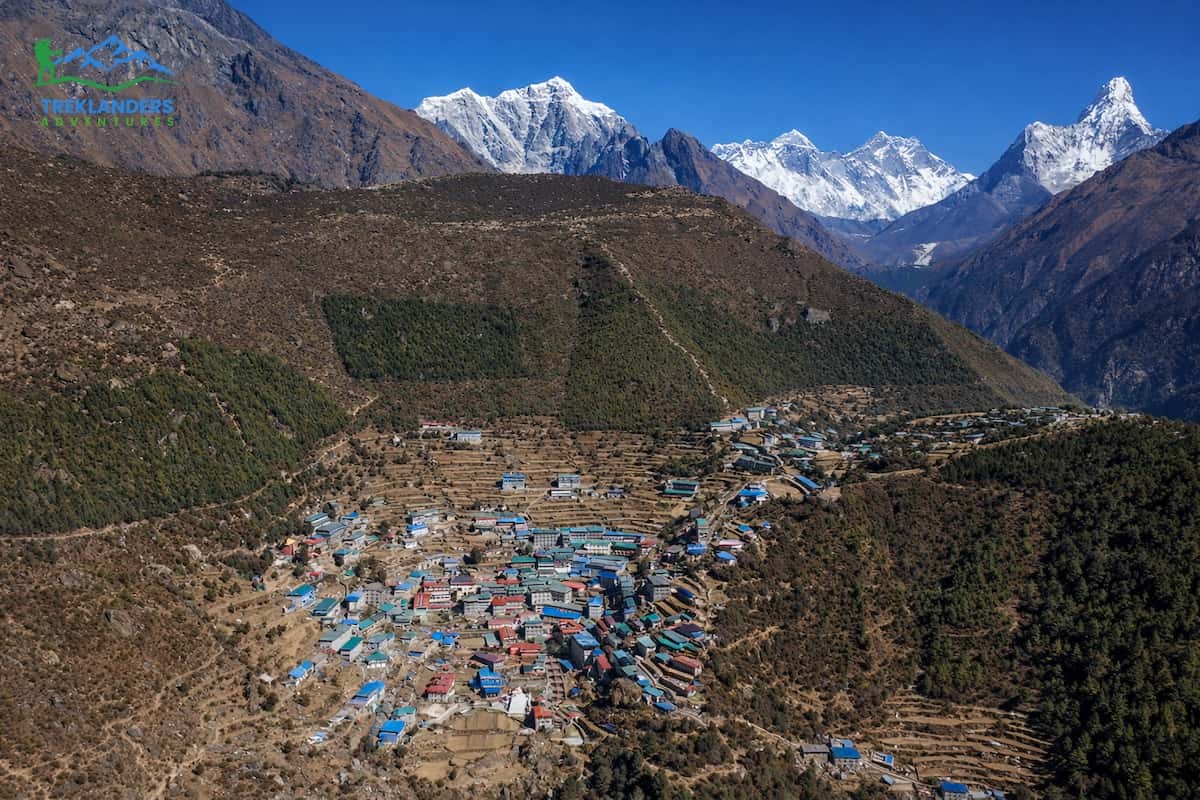
The Everest area of Sagarmatha National Park is an ecological gem that harbours some of the rare mammals, such as the snow leopard, musk deer, and Himalayan tahr, and even brilliantly colored birds like the Himalayan monal and blood pheasant. Starting from rhododendron dense forests around Namche Bazaar and Tengboche Monastery, through alpine meadows at Dingboche and glacier ecosystems at Khumbu Glacier and Khumbu Icefall, the area essentially provides evidence of how living organisms have adjusted to extreme high-altitude conditions.
Traditional villages like Phortse Village and Thame not only illustrate the existence of a fragile harmony between the local people's way of life and nature but also include a few examples of wildlife conservation. Meanwhile, high-altitude wetlands such as Gokyo Lakes are a good example of the strong linkage between aquatic ecosystems and those on land. Together with the medicinal and native plants, mosses, lichens, and cushion plants are thriving even in tough surroundings.
Nevertheless, climate change, melting glaciers, and more people visiting the area are the main causes of the current environmental degradation. The gradual rise in temperature is causing the movement of different vegetation zones, changes in habitats of wild animals, and also has an impact on water resources, which makes it very difficult for plants and animals in the Everest area to survive.
Conserving the wildlife and plants of the Everest area necessitates sustainable tourism, locals' involvement, and scientific conservation practices. The protection of this high-altitude biodiversity hotspot is of great significance not only to Nepal but also to the whole world. The rare animals, exclusive plants, and splendid glacial ecosystems of the region serve as a reminder that nature is resilient and that there is an urgent need to protect these delicate Himalayan environments for the coming generations.
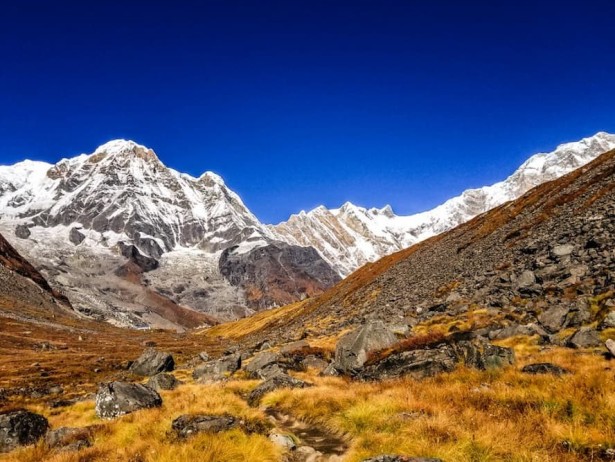

Preparing the right gear for the Everest Base Camp Trek is crucial, as the trail shifts from warm valleys to freezing high altitudes.

Mardi Himal Trek in autumn (September–November) offers clear skies, stable weather, and stunning mountain views with a complete itinerary guide.

Discover 80 must-know facts about the Everest Base Camp Trek, from altitude and route to weather, culture, permits, and high-altitude safety in Nepal.



