
Gosainkunda Lake Trek in Autumn: Route, Itinerary, Weather, Permits & Travel Guide
24 Mar 2026
Gosainkunda Lake Trek in autumn: clear views, sacred lakes, route, itinerary, and permits guide.

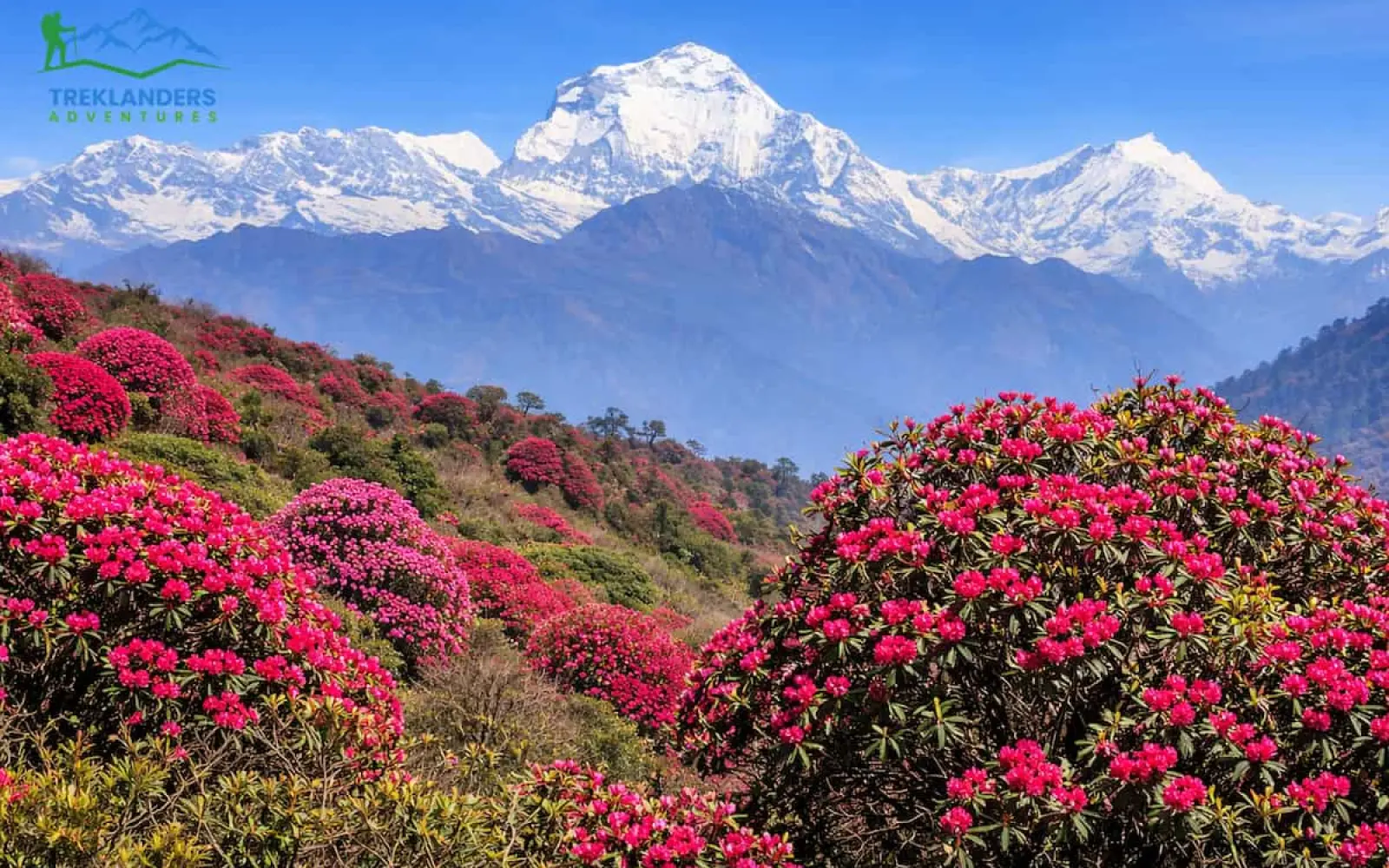
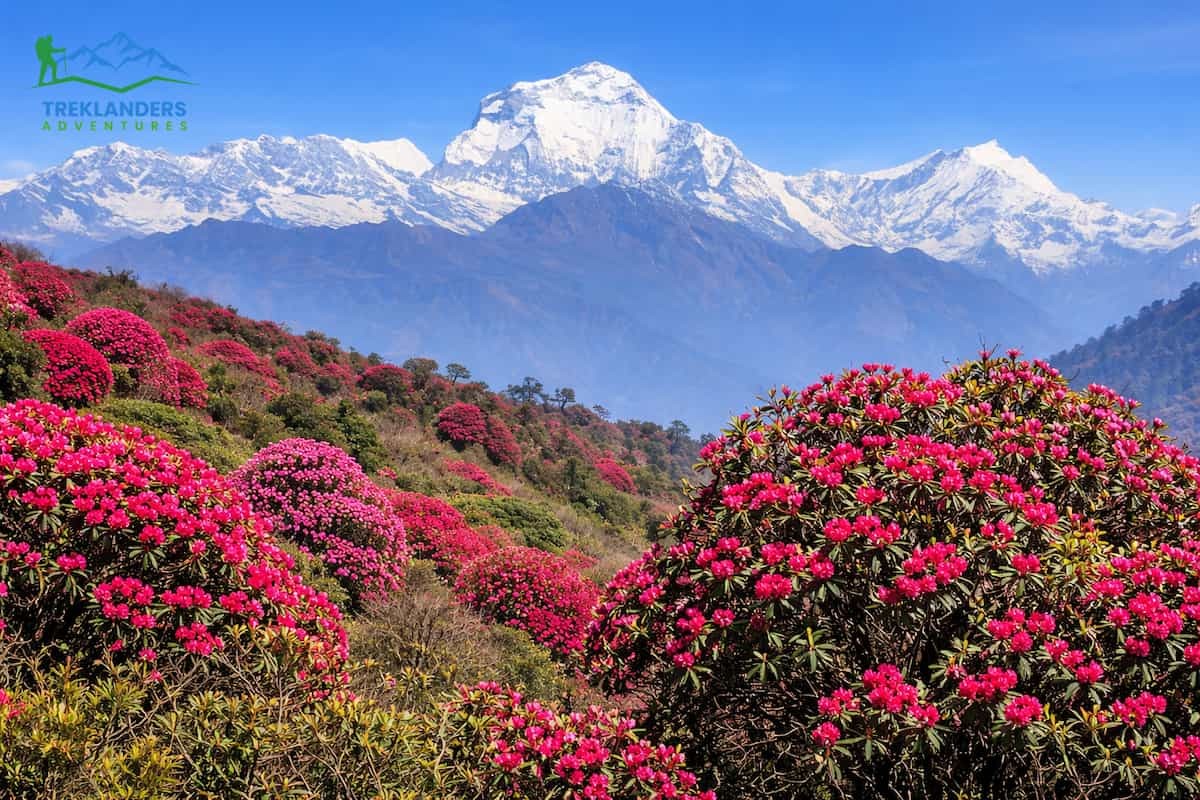
The Ghorepani Poon Hill Trek is renowned for its breathtaking mountain views. Plus, it also has a strong presence of plant and animal life. As you walk along the path, you move through forests, small villages, and hills that support many different kinds of plants and animals. This trek goes beyond being just a view-based trip. Now, it becomes a hands-on experience in nature.
One major highlight is the rhododendron forest. Rhododendron is Nepal’s national flower. This area hosts one of the biggest rhododendron groves in the nation. From March to April, the hills show bright reds, pinks, and whites as flowers bloom. The forest fills with colour and energy. Making the walk more pleasant. Even when flowers aren't blooming, these woods offer shade and calm.
Other plants like oak, pine, and bamboo are visible throughout the area. Forests are in particular thick between Tikhedhunga, Ulleri, and Ghorepani. Moss and ferns cover tree trunks, showing how wet and strong the environment is. The diversity of plant species supports various forms of wildlife.

Animals can be spotted during the trek, though you may not see them every day. Common animals include langur monkeys, barking deer, and Himalayan tahr. If you stay quiet and watch closely, you see them early in the morning or after sunset. These animals often avoid busy paths, so patience is needed.
Birds are easier to spot and enjoy here. You can see bright pheasants, including the Danphe, Nepal's national bird. Songs fill the forest, mainly in calm parts of the trail. Many hikers find this journey satisfying because of the variety.
The Annapurna Conservation Area keeps the land protected. People in nearby villages use forest resources responsibly.
Forests, blossoms, animals, and birds all shape the walk. You aren't just heading to a view. You're walking through a system that changes with seasons and elevation.
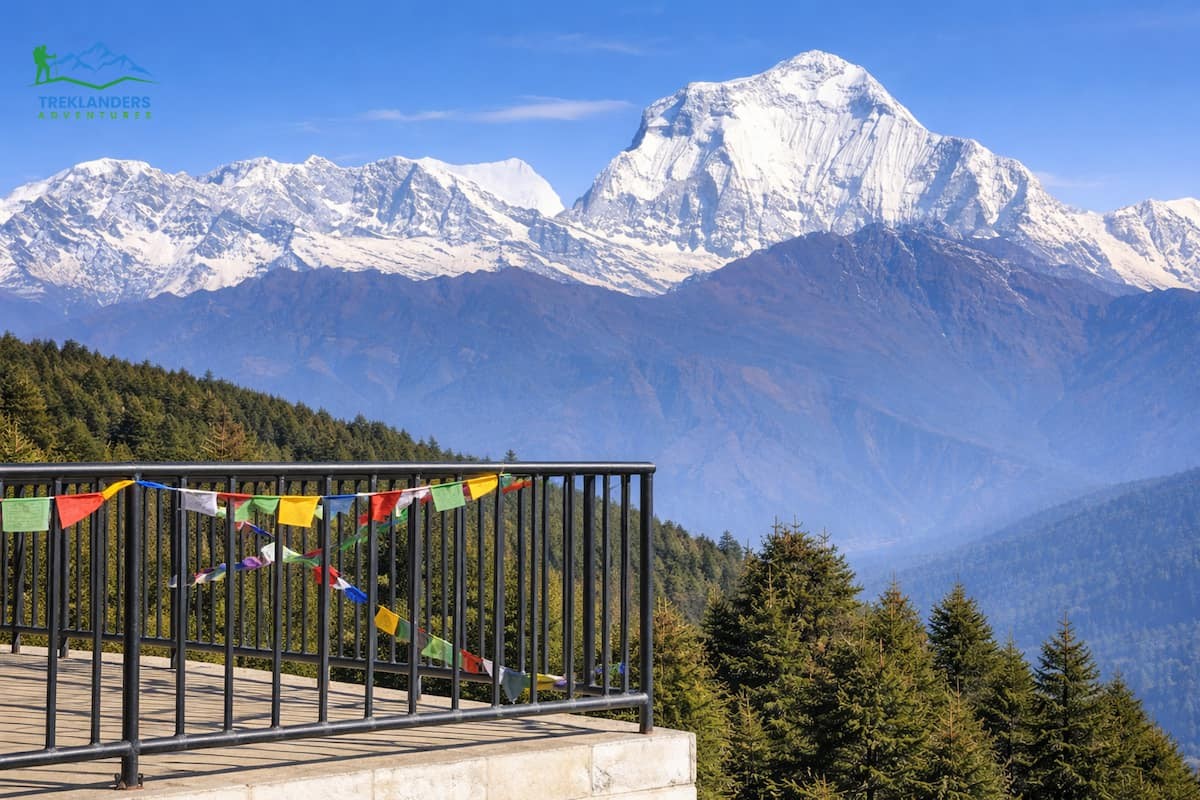
Hiking to poon Hill is a common choice for travellers in Nepal. The path is straightforward, not too hard, and changes naturally over a few days. People usually finish the trek in four to five days, starting at Nayapul or Ulleri, moving through Tikhedhunga, Ghorepani, and Ghandruk. The best part is the sunrise walk to poon Hill, where you watch the sky light up over Annapurna and Dhaulagiri. And the trail starts at 1,070 meters and climbs to 3,210 meters at Poon Hill. This height difference changes the air and surroundings bit by bit. As elevation rises, temperature drops, humidity lowers, and trees shift in type. These shifts form separate habitats within a short stretch.
Below 1,500 meters, the weather stays warm and damp. You pass terraced farms and dense subtropical forests. Fields grow rice and millet. Trees include bamboo and broadleaf species. Insects, rodents, and birds thrive here. Between 1,500 and 2,500 meters, it gets cooler. Oak trees and rhododendrons take over. This section offers the most colourful views. In spring, rhododendron flowers cover hillsides. Cold weather supports langurs and barking deer. Bird numbers go up because of thick woods and food sources. It seems hard to ignore how the space changes with altitude.
The forest layers change noticeably every few hundred meters. A single day can show shifts from wet to dry conditions. Even small animal movements reflect these differences. One morning, you might hear monkeys calling from high branches; by midday, it is quiet under leaf cover. So these patterns stay consistent across seasons despite rainfall or dry spells.
Above 2,500 meters, the air gets thinner and colder. Vegetation becomes less dense. Trees grow shorter and are more spread out. Alpine shrubs appear instead of tall forests. Wildlife adjusts to cold weather, so fewer species live here, but they're more specialized.
This wide range of elevations forms distinct ecological zones. Each level has different plants and animals. You move through various environments quickly without facing extreme altitude dangers. (This makes the journey feel full and changing even though it's not long.)
The whole trail runs within the Annapurna Conservation Area. Local protection programs support forest health, animal habitats, and traditional culture. As a result, nature's variety stays preserved and open for hikers.
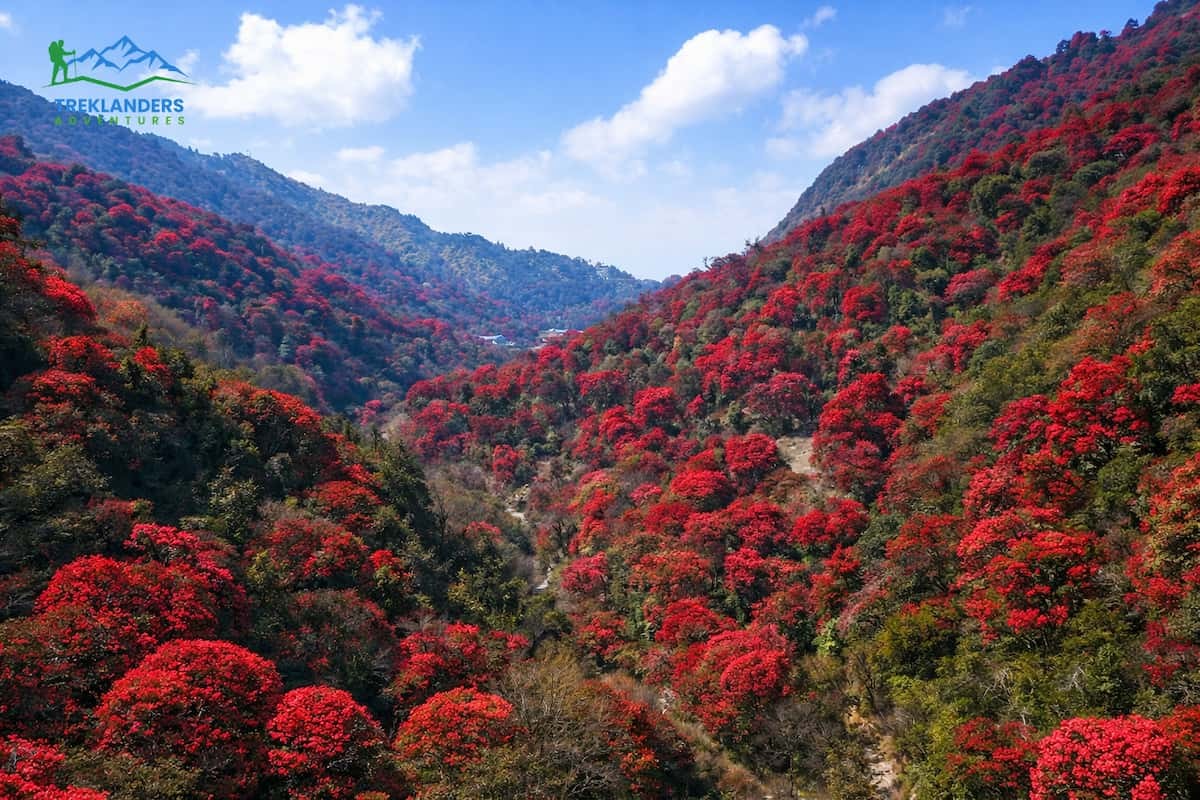
The Annapurna Conservation Area Project, known as ACAP, is the biggest protected region in Nepal. So it started in 1986 and spans over 7,600 square kilometers. This area includes forests from the lowlands up to the high Himalayas. The Ghorepani Poon Hill section is part of it, which explains the variety of life found there.
ACAP combines environmental protection with local development. Unlike national parks, where people are kept out, residents here live and grow crops inside the area, but strict rules exist. Wildlife hunting isn't allowed. Removing trees without permission is prohibited. Waste disposal is promoted. These limits help prevent environmental harm and let animals survive with less disruption.
Can wildlife thrive when habitats stay stable? Yes, because forests stay thick and full of life. That supports chains that feed insects, birds, and mammals. All benefit when forests aren't overused. This balance supports biodiversity and makes trekking better by keeping paths clean and natural.
Local groups are actively involved in care work. Villages such as Ghorepani and Ghandruk rely on tourism, so they value clean environments. Many guesthouses use local supplies responsibly and follow conservation rules. Community forest groups oversee nearby woods. They manage firewood use, plant trees, and watch for illegal actions. For now, these efforts seem effective at keeping things under control.
Local participation helps conservation efforts work better. Rather than depend solely on government policies, the approach relies on mutual duty. Residents in the area keep the land safe because their earnings and daily lives depend on it.
One well-known natural area here is the rhododendron forest. Ghorepani stands out for its thick rhododendron growth. These trees typically grow between 2,000 and 3,000 meters above sea level. The weather at this elevation is cool and damp, which supports rhododendron development.
In spring, the forest fills with red, pink, and white blooms. This draws hikers from many countries. The trees offer homes and food for birds and wildlife. Even when flowers aren't in full bloom, they hold ground and retain moisture.
The forest isn't just beautiful - arguably, it makes a difference in maintaining local biodiversity and balancing mountain ecosystems.
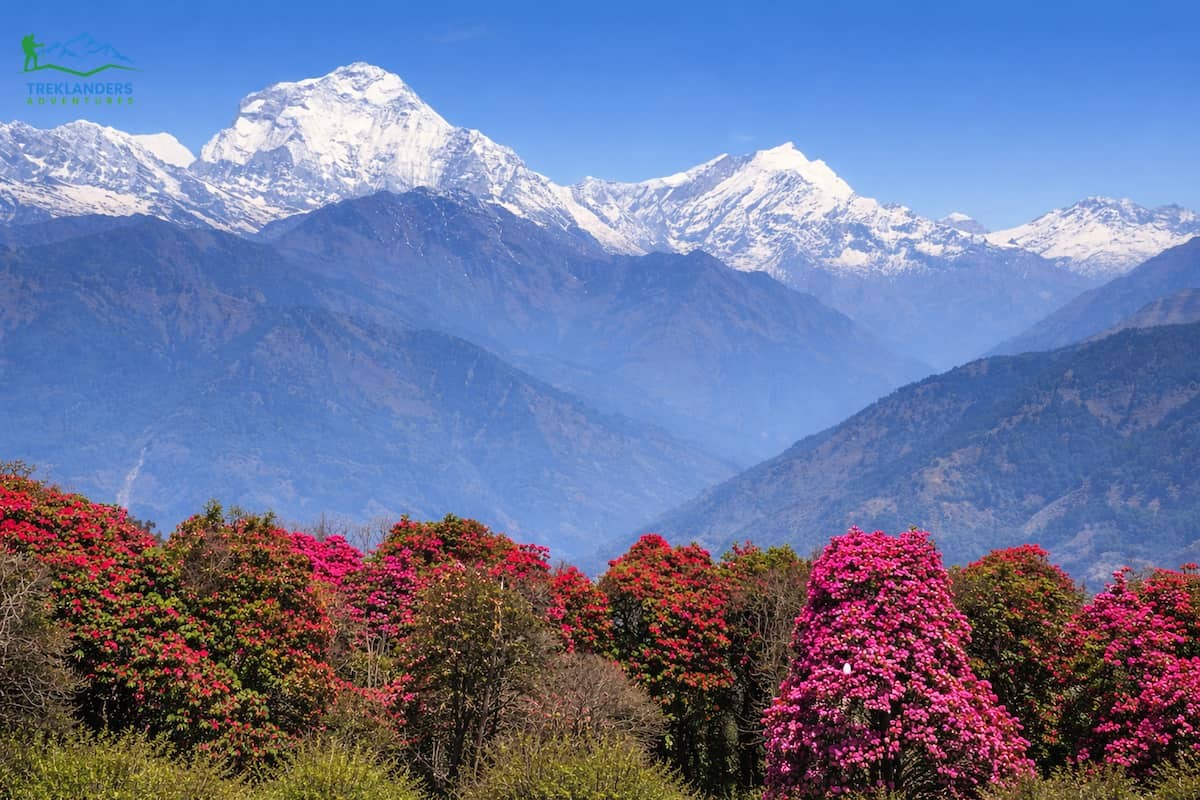
The rhododendron forests near Ghorepani are a top natural feature of the trek. These woods stretch across big parts of the path, mostly from Ulleri to Ghorepani. Now, they form a thick layer above the ground and offer a cool climate for hiking. The mix of plant types and hues makes this area one of the best trekking spots in Nepal to view rhododendrons in nature.
Several types of rhododendrons thrive here. Rhododendron arboreum is the most frequent; this plant is also Nepal's national flower. It shows bold red blooms and spreads well in mid-elevation zones. Rhododendron barbatum grows too, with deeper red to pink flowers, and it's found at a bit higher levels. Also, rhododendron campanulatum appears as well, Most of all near greater heights. This type typically displays soft pink or white flowers and handles cold weather well.
The flowering time runs from March to May. This is when the forest looks fully colored. In early March, flowers start opening at lower spots. Over time, flowering moves upward along the trail - by April, nearly all areas around Ghorepani are in bloom. In May, flowers still shine at high elevations, as lower sections begin to fade. This slow progression allows trekkers to witness various bloom stages during a single trip - probably more or less consistent each year depending on weather patterns.
Growing rhododendrons thrive within a defined altitude zone. Most are located between 2,000 and 3,000 meters. Rhododendron arboreum appears at the lower side of this zone, typically beginning around 1,500 meters. As elevation increases, Rhododendron barbatum becomes widespread. At nearly 3,000 meters, Rhododendron campanulatum takes over. Cooler temps and more moisture at those levels make their survival possible.
These forests do more than just offer vibrant colour. But they stabilize soil and stop erosion on rugged hillsides. Their roots keep the ground from washing away, mostly during rainy months. They also shelter birds, insects, and tiny animals. The thick tree cover blocks rain and guards against predators.
The thing is, walking through these woods shows how elevation shapes plant life clearly. You pass through distinct plant layers, each matching its environment. This makes Ghorepani both beautiful and ecologically vital. Over 25 words in one sentence, it's hard to ignore how climate conditions affect which species can live where. Each layer reflects a different set of challenges and adaptations that plants have developed over time.
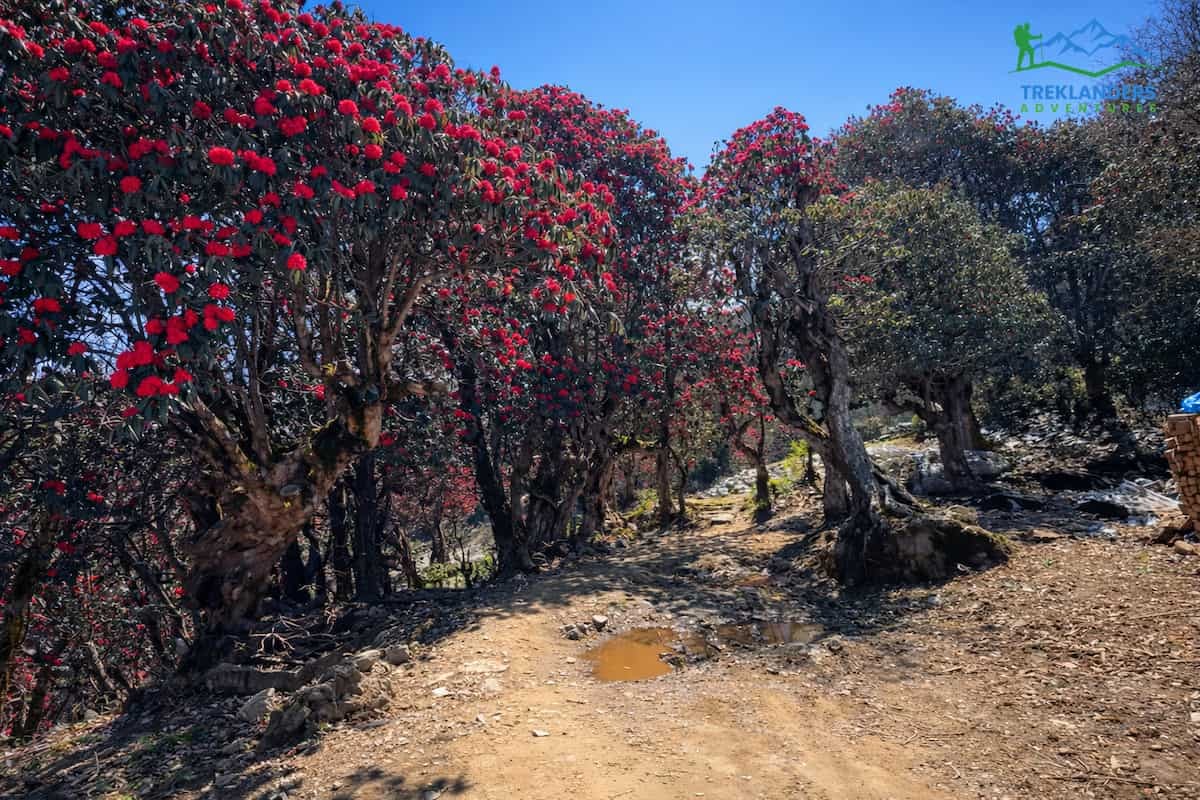
The forests along the Ghorepani Poon Hill Trek include more than just rhododendrons. A mix of tree types and plant life covers the area, shifting based on elevation and weather. This mix helps maintain biodiversity and keeps the scenery fresh throughout the trek.
Oak forests are frequent in mid-level zones, from 1,800 to 2,500 meters. These trees live long and grow sturdy. Now, they create thick canopies that cut out direct sun, keeping the path cool and shaded. Leaves from these trees fall over time, adding nutrients to the soil. This supports bugs and tiny organisms. Birds and small mammals find safe space in this setup.
Maple trees grow with oaks in similar ranges. Though not as dense, they add variety to the forest layout. In the fall, their leaves turn yellow and orange. This changes how the trail looks outside of springtime. Magnolia trees show up in parts of the route, too. They bloom with large white flowers during late winter and early spring. The blooms show up before new leaves appear. Making them easy to find on the trail.
Near Tikhedhunga and Nayapul, lower elevation areas feature bamboo groves. Bamboo grows quickly and spreads easily in warm, wet spots. Wildlife uses these areas for food and cover. Small animals and insects hide within bamboo walls. Some species rely on it for meals. The presence of bamboo suggests a thriving subtropical climate. Why does bamboo grow so well in these places?
As you walk through the shaded parts of the forest, ferns are common on the ground and on tree bark, often found near damp areas. These plants do best in wet spots where light is low. Moss grows right with them, coating rocks and tree roots. That green cover helps hold moisture and shows the soil stays damp.
Wildflowers show up along the trail in spring and early summer - Mostly in open fields, at forest borders, and near stone steps. They come in shades of yellow, purple, blue, and white. Butterflies and bees are drawn to them, helping spread pollen from plant to plant.
The mix of oak trees, maple trees, magnolias, bamboo, ferns, and wildflowers forms a layered habitat. Each plant type offers food or shelter for different animals. As you progress down the path, you observe how plant life changes with elevation and temperature. Does this mean the trail has more variety than expected? The result is a more active and balanced environment.
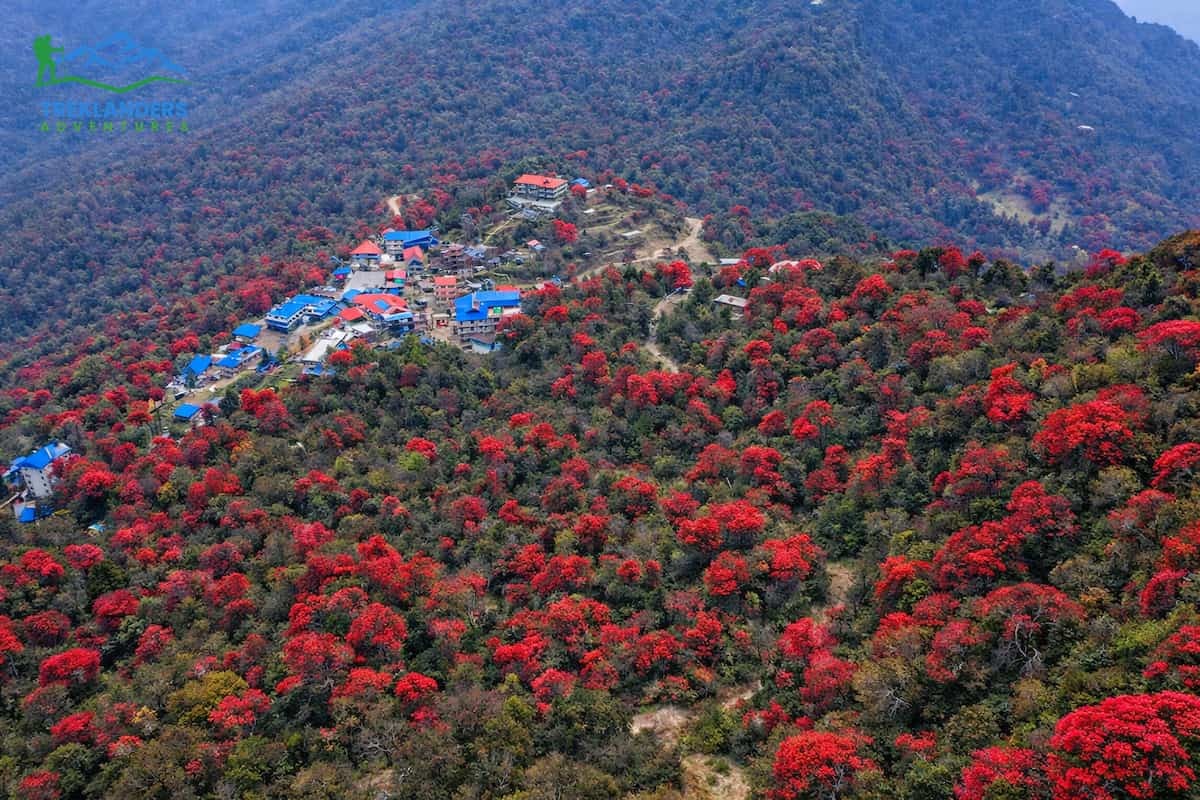
The forests along the Ghorepani Poon Hill Trek aren't just full of trees and wildflowers. And they also hold many plants with healing and scent qualities. These have been used for decades by nearby villagers to manage illness, relieve discomfort, and cover daily routines. Jatamansi, which scientists call Nardostachys Jatamansi, grows at high elevations - typically over 2,500 meters. It gives off a sharp smell and its roots are mostly prized. Residents use it to reduce stress, help people sleep better, and create natural oils. It appears in traditional health practices throughout the Himalayas.
Nirmasi is another herb found in the area, often tied to high-altitude healing and cleansing. It thrives in cool, damp spots like forest borders and exposed hillsides. The collection happens slowly and only in small parts to prevent depletion. Now, it helps fight minor sicknesses, boosts digestion, and contributes to general well-being. The region hosts various Himalayan plants too. Some are used in tea blends, natural treatments, or for fragrance. Leaves are often soaked in water to make hot drinks during colder months. Others are dried and kept for future use. These herbs grow near the soil surface among grasses, mosses, and small bushes.
It seems hard to ignore how deeply these plants are woven into local life. At least in theory, sustainable harvesting is practiced here for now. But people still collect more than needed at times. And conservation efforts remain limited.
Local communities have strong knowledge of these plants, at least in theory. This knowledge is passed down through generations by family members and elders. People know exactly when to collect them, how much to take, and how to use each plant without risking harm. This helps protect the environment while still letting people access natural resources responsibly.
You can spot these plants in certain trail zones. Higher elevation spots near Ghorepani and along the path to poon Hill are ideal for finding Jatamansi and other alpine herbs. Look at rocky slopes, open meadows, and the less-travelled edges of the trail. In mid-elevation forests, smaller medicinal plants grow under trees, mostly in damp and shaded areas.
These plants aren't always easy to see. They're usually small and match the colors of surrounding plants. Walking slowly and checking the ground carefully helps you find them. A trained guide can point out each plant and explain its traditional uses.
Medicinal and aromatic plants enrich the trekking journey. They show how nature supports daily life beyond food and shelter. Plus, this deep link between people and plants is a key part of the region's natural and cultural practices.
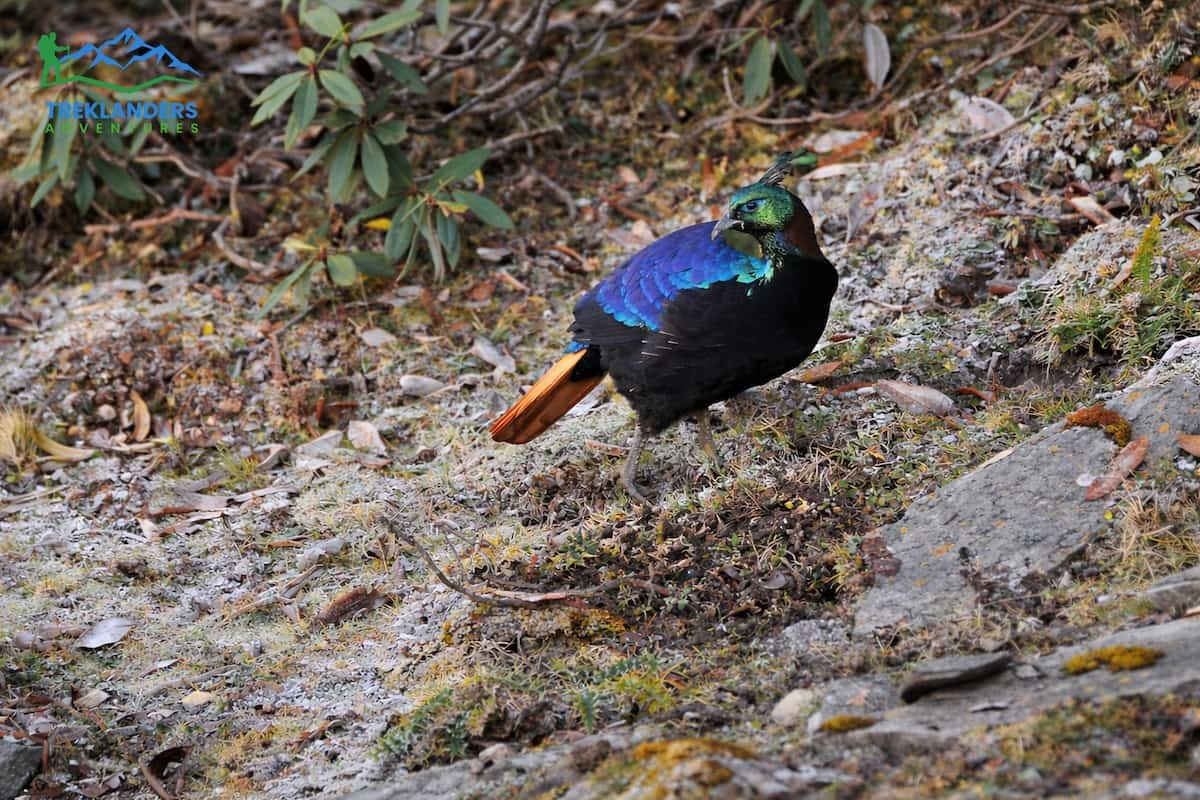
Bird life stands out clearly along the Ghorepani Poon Hill Trek. Forest variety and elevation levels support many bird species. Even without being a birdwatcher, you'll hear sounds and see birds moving through the trail.
The Danphe, called the Himalayan Monal, is a well-known bird here. It holds national status in Nepal. Males show bright metallic shades like blue, green, and copper. These birds appear in upper forest areas, in particular around Ghorepani and above 2,500 meters. Can you imagine seeing it walk on the ground during early morning hours?
The blood pheasant lives in thick shrub areas and colder zones. Plus, it has less colour than the Danphe but still shows grey feathers with red spots. It travels in small flocks and stays near tree cover. The Impeyan pheasant is sometimes used to refer to the Himalayan Monal and lives in similar settings.
You might also spot the red-billed chough. This bird stands out because it flies in flocks and gives off loud, sharp sounds. It has black feathers and a red beak that's easy to see. Also, it often shows up near rocky cliffs and open land, in particular around Poon Hill. The Himalayan griffon is another big bird at high elevations. It's a vulture with broad wings and can be spotted flying far above the valleys. It rides rising air to stay aloft with little effort.
Birding works best in calm parts of the trail. The woods between Ulleri and Ghorepani are excellent due to thick trees and little human noise. Poon Hill area also gives views of birds in the open sky and on ridgelines.
Morning hours, from just after sunrise to 9 AM, see the most bird action. Birds hunt for food and shift between branches. Later in the day, some birds are still active, but not as much.
Move slowly and keep your voice down to catch more birds. Bright clothes and shouting can make them fly away. Binoculars let you see details without getting too close.
Bird life brings constant motion and noise to the trek. It keeps the forest lively and draws your attention beyond just walking the path. Hard to ignore how much these birds shape the experience here.
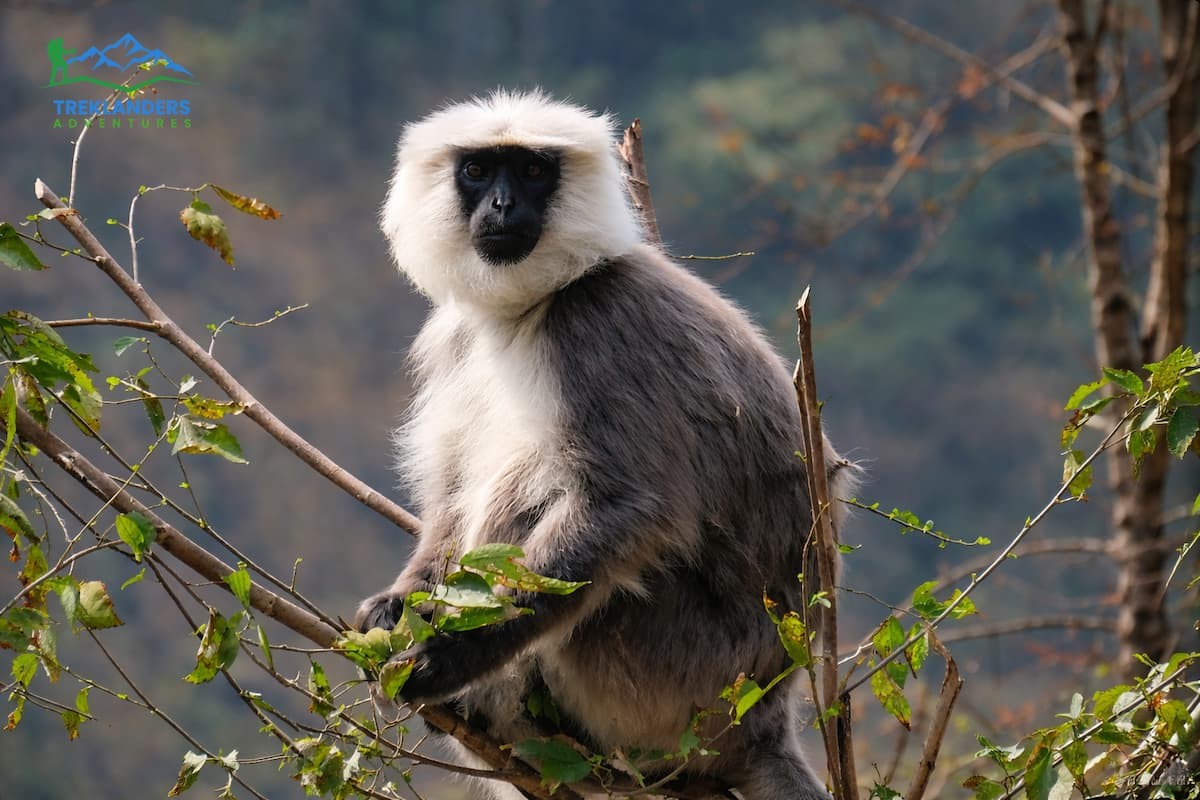
The forests along the Ghorepani Poon Hill Trek support multiple mammal species. You might not always see them directly, but evidence of their presence is frequent. Most of these animals stay away from people, so spotting them relies on when you are there, how quiet you are, and a bit of luck.
One big animal in this area is the Himalayan Tahr. It's a wild goat adapted to steep, rocky hills. Also, its thick brown coat helps it withstand cold weather. You're more likely to see it near high elevations, close to cliffs or open slopes above the tree line. It lives in small groups and moves during early morning or late afternoon.
The Barking Deer is another species found here. It's smaller and tends to hide. It makes a barking noise when it feels threatened. Also, it stays in thick forest areas, mostly where undergrowth is heavy. You may hear it before you actually see it. It eats leaves, fruits, and small plants.
Langur Monkeys are easier to find and are often spotted. They travel in groups and live in tree canopies. And now, they have long tails and grey fur with black faces. You can watch them leap between branches or sit still in the sun. These monkeys live in mid-level forests between Ulleri and Ghorepani.
One of the rarest animals in this region is the Red Panda. It lives in dense bamboo forests at higher elevations. Sightings are very rare, but the habitat around Ghorepani supports this species. The red panda is small, with reddish fur and a long tail. It is mostly active at night or during quiet hours, which makes it difficult to spot.
The best time to see mammals is early morning or late afternoon. These are the hours when animals are most active. Walking quietly and staying alert increases your chances. Look for movement in trees, listen for sounds, and watch forest edges carefully.
Even if you do not see many animals, knowing they live in these forests adds depth to the trek. It shows that the ecosystem is healthy and balanced.
The Ghorepani Poon Hill Trek is not only about large animals and birds. Smaller creatures like insects, reptiles, and amphibians also play an important role. They are easier to miss, but they are active throughout the trail and help keep the ecosystem balanced.
Butterflies are the most visible among them. You will often see them flying along the trail, especially in sunny and open sections. They are common at lower and mid elevations where flowers and plants are abundant. Different species show bright colours like yellow, blue, and orange. These butterflies depend on nectar from wildflowers and help in pollination. When they move from one flower to another, they support plant growth and reproduction.
In forested areas, especially between Tikhedhunga and Ulleri, you may notice butterflies resting on leaves or near water sources. Warm weather and clear skies increase their activity. Spring and early summer are the best seasons to see a higher number of butterflies.
Lizards are also present, mainly at lower elevations. They prefer warm and rocky areas where they can sunbathe. You might see small lizards on stone steps, walls, or near houses in villages. They move quickly and hide when disturbed. These reptiles feed on insects, which helps control insect populations.
Frogs and other amphibians live in damp places like wet forests and near streams. They move around more during the rainy season or when water is present. Their existence means the water is clean and the humidity stays steady. You often hear their croaks at night, even if you don't see them.
Butterflies and small bugs help plants reproduce. It helps plant growth happen. Lizards and frogs eat insects, which keeps insect numbers from growing too high. These animals also feed birds and other predators, connecting different parts of the food web.
If you walk slowly and pay close attention, you'll spot them more easily. Check around flowers, under rocks, on tree trunks, and by ponds. These creatures are part of what keeps forests functioning well.
Small animals can have a big effect. They aid in plant life, support balance, and add variety to outdoor adventures. Hard to ignore how much they contribute to daily forest life.
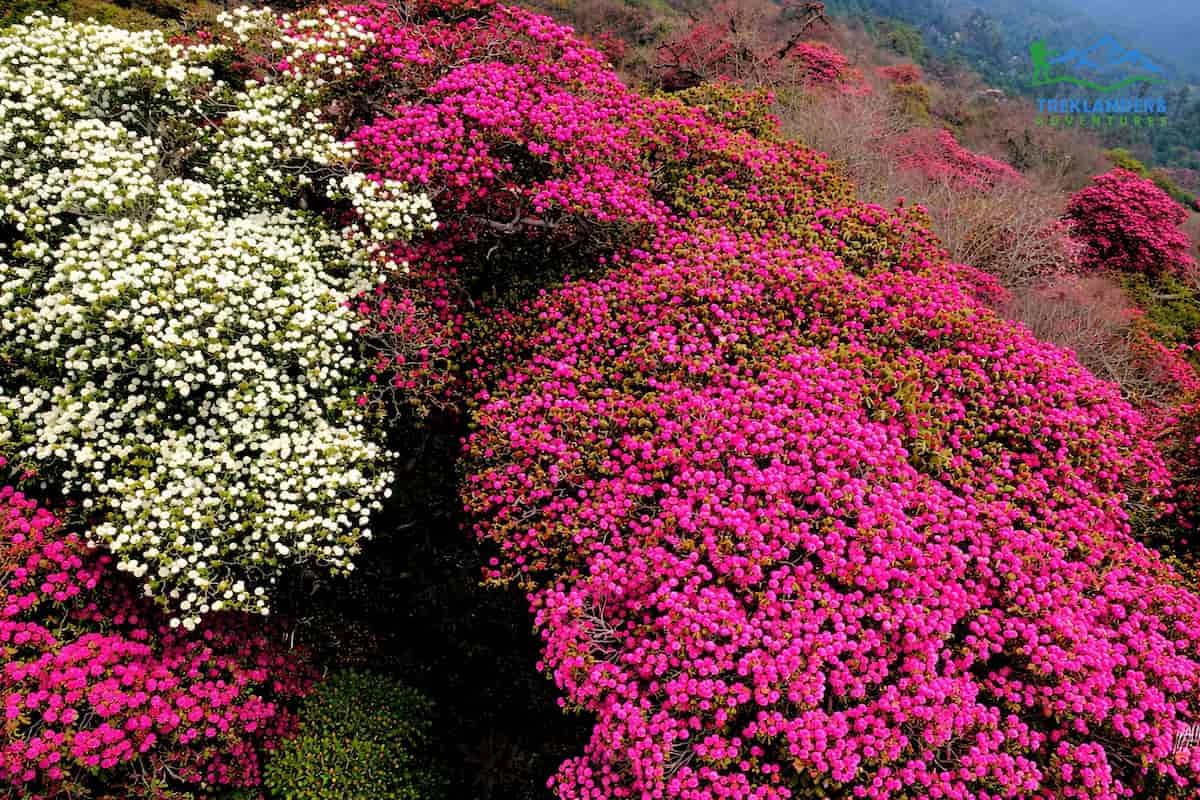
The best time to experience flora and fauna on the Ghorepani Poon Hill Trek depends on what you want to see. Each season offers different conditions, and plant and animal activity changes with temperature, rainfall, and visibility.
Spring, from March to May, is the most vibrant season. Rhododendron forests are in full bloom, especially around Ghorepani. Hills turn red, pink, and white as flowers open across different altitude levels. This is also a good time for bird activity. Species like the Danphe are easier to spot during early mornings. Warmer temperatures increase insect movement, which attracts birds. Forests feel active and full of sound. Visibility is generally good in the mornings, though clouds may build later in the day.
Autumn, from September to November, offers the clearest skies. This is the best season for mountain views from Poon Hill. The air is dry, and visibility remains stable throughout the day. While flowers are not in bloom like in spring, wildlife is still active. Animals move more in cooler temperatures, especially in early morning and late afternoon. Forests look clean and fresh after the monsoon. Bird watching is still rewarding, though slightly less active than in spring.

Winter, from December to February, brings solid cold, Most of all at higher elevations. Snow covers parts of the trail near Ghorepani and poon Hill. Plant growth slows noticeably, and few flowers are visible. Animals move to lower areas or hide from view. Making wildlife harder to find. The trails are quieter, and skies stay clear most days. You can still see the mountain scenery, though plants and animals aren't active.
Monsoon, from June to August, brings heavy rain. Trails turn wet and can become slippery in spots. Leeches are common in forest regions. This time of year leads to strong plant growth. Forests grow deep green, and ferns spread across the ground and tree trunks. Amphibians and insects move more because of moisture levels. Visibility drops due to clouds and rain, blocking mountain views.
Each season brings a unique experience. Spring offers vivid colour and bird activity. Autumn gives clear sightlines and stable weather. Winter feels quiet but cold. Monsoon creates lush greenery, but also rainstorms. Your choice should match your primary interest during the trek.
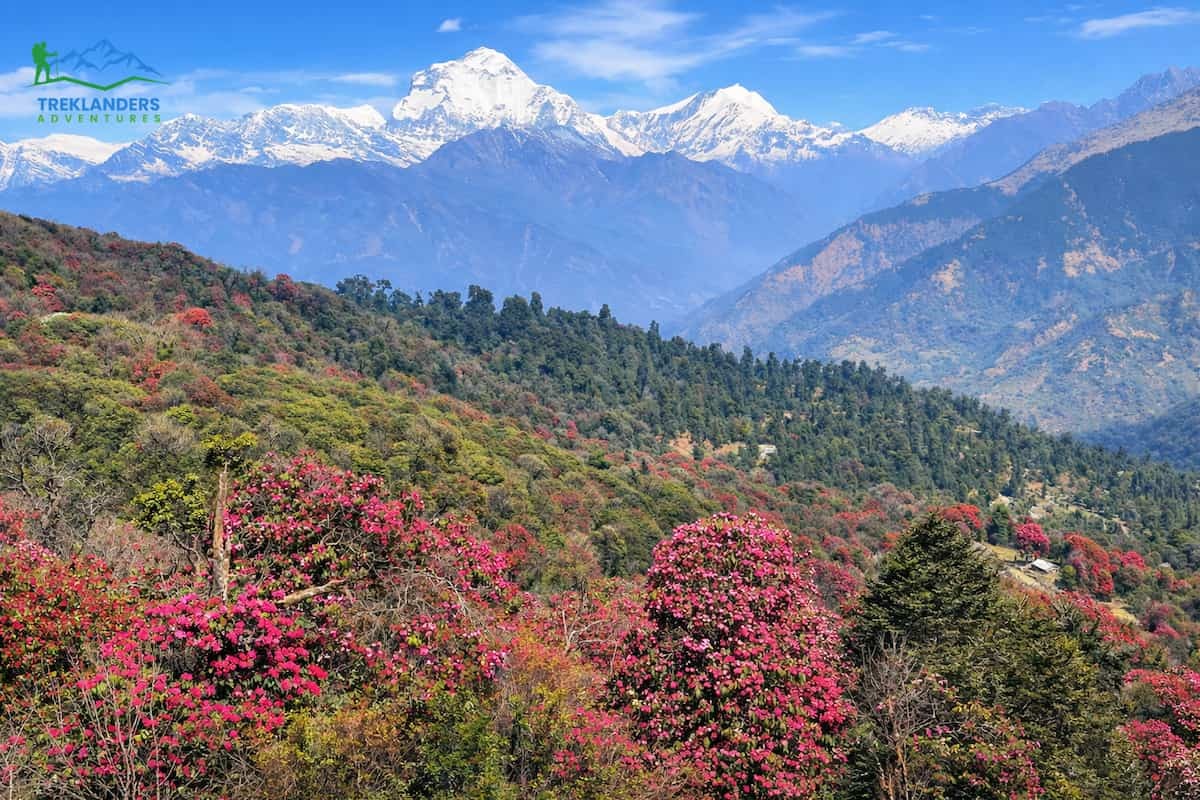
Trekking responsibly on the Ghorepani Poon Hill route means adhering to set rules (Annapurna Conservation Area regulations). The region is protected for both natural balance and local people, so following those guidelines keeps forests, animals, and paths safe for others later.
Hiking in this zone calls for a TIM’s card and payment of the conservation fee. Cutting down trees, hunting, or bothering animals is not allowed. Setting up camp beyond approved spots is prohibited. Fires may only happen in designated zones. These actions stop damage to trees, soil loss, and animal stress.
When seeing animals, maintain a safe distance. Move slowly and avoid sharp motions. Use binoculars instead of stepping closer. Don't give food to wildlife because it can make them sick or change their habits. Also, don't chase animals or touch them. And don't take plants, flowers, or fungi from the forest. Sticking to these steps keeps animals free and ecosystems stable.
Practicing Leave No Trace means taking all trash with you - like wrappers and food scraps. Don't leave toilet paper or personal care items on the trail. Follow marked trails to prevent erosion and damage to plants. Don't make new paths or cut shortcuts through terrain. Keep noise low so birds and mammals don't feel disrupted. Always get permission before going into private homes and avoid loud sounds in villages. And sometimes it's hard to remember everything, but consistency matters most.
Water sources need to be handled with care. Don't wash clothes or dishes in rivers because that can pollute streams. If you have to use soap, pick a type that breaks down easily. These simple choices don't hurt animals or people who live nearby.
Doesn't it make sense that clean water helps keep the trails nice and the forests strong? Nature stays balanced when tourists follow the rules. In places like Ghorepani Poon Hill, the land is mostly sensitive. Following ACAP rules, animal protection guidelines, and Leave No Trace advice helps preserve the area.
You can still see rhododendron trees, watch birds, and enjoy mountain views without damaging what's there. Future hikers and local groups will get to enjoy the same beauty as you do.
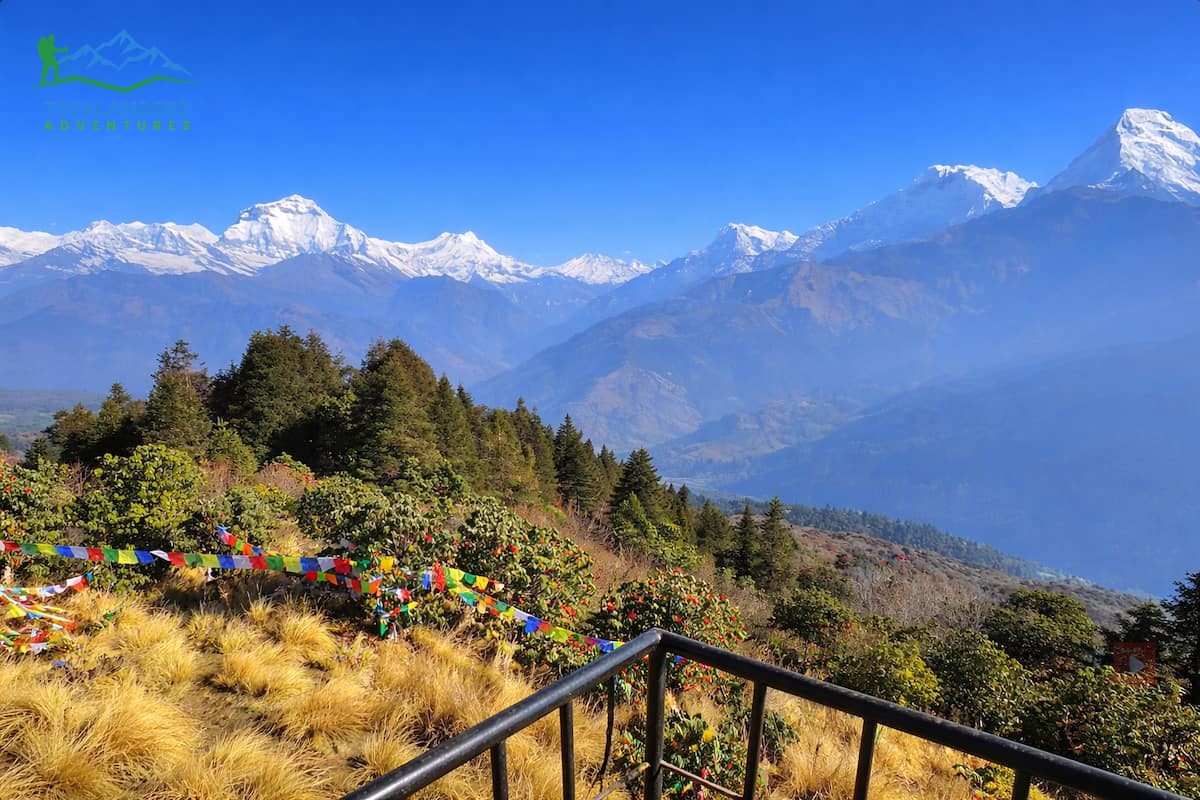
The Ghorepani Poon Hill Trek probably gives more than just scenic mountain views. But it includes a real, working natural system with many different kinds of plants and animals. As you hike along the path, the types of forests shift with elevation. Bamboo and subtropical species grow at lower levels. Oak and rhododendron trees cover the midsection of the trail. Alpine shrubs appear in high elevation zones. This mix supports birds, mammals, insects, and plants used for healing.
The trek is part of the protected Annapurna Conservation Area. Local people and official rules work together to keep forests safe, protect wildlife homes, and support traditional village ways. Because of these actions, the environment stays balanced and living things continue to grow there.
Rhododendron woods, colorful birds such as the Danphe, animals like langurs and Himalayan tahr, and small insects all help maintain forest health. Each part of this system has a purpose in keeping the area strong.
When you hike this route, you go through a network shaped by height, weather patterns, and conservation work. Walking responsibly helps keep the land healthy so others can enjoy it too. This experience shows how people and nature depend on each other for long-term survival.

Gosainkunda Lake Trek in autumn: clear views, sacred lakes, route, itinerary, and permits guide.
Plan your Everest Base Camp trek in autumn with clear views, ideal weather, and a complete guide to route, itinerary, and tips.

Experience Gokyo Lakes in autumn with clear skies, peaceful trails, and stunning Himalayan views—plus a complete guide with itinerary and tips.



