Treklanders Adventures offers exciting, scenic walks and climb around the secluded areas of Pikey Peak Trekking. It is the best viewpoint around the Himalayas, as well appreciated by the late Edmund Hillary. When he visited Pikey Peak on his way to Everest Mountaineering Expeditions towards the high Khumbu region of Everest.
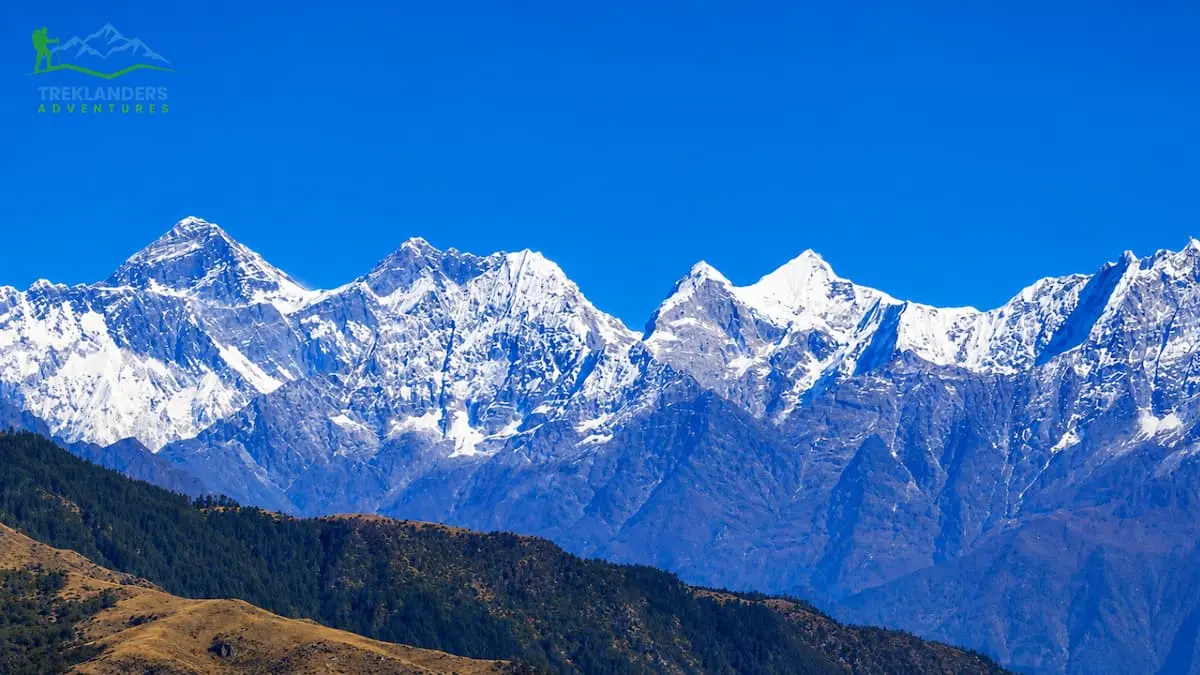
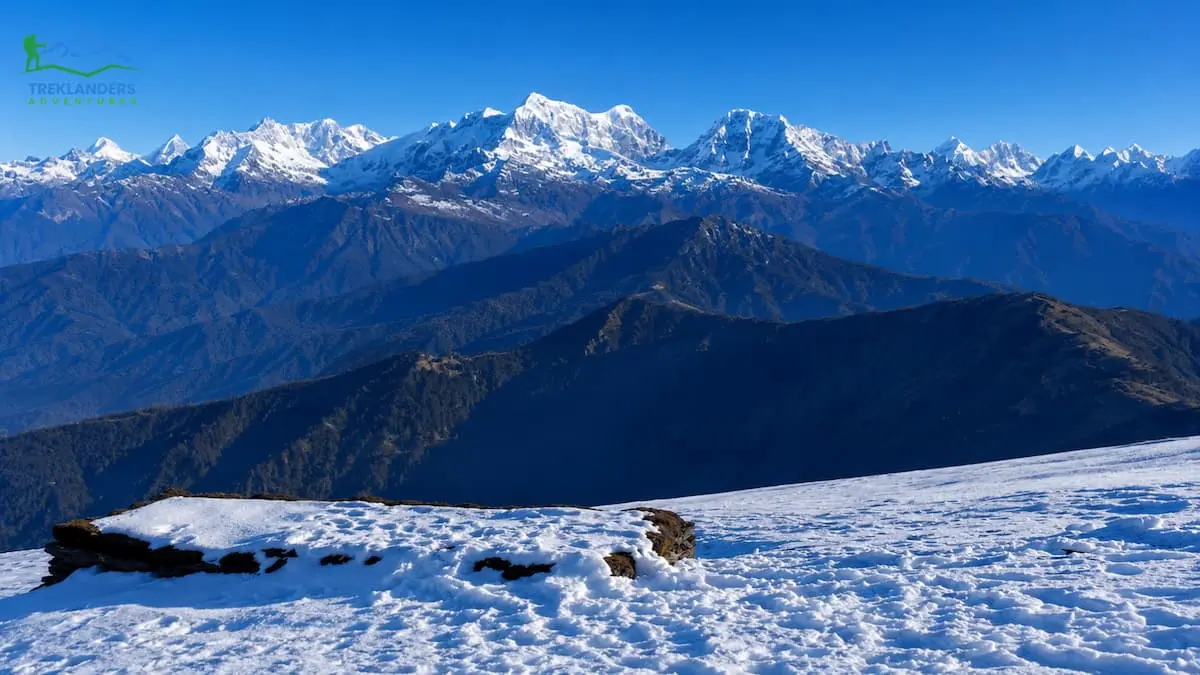
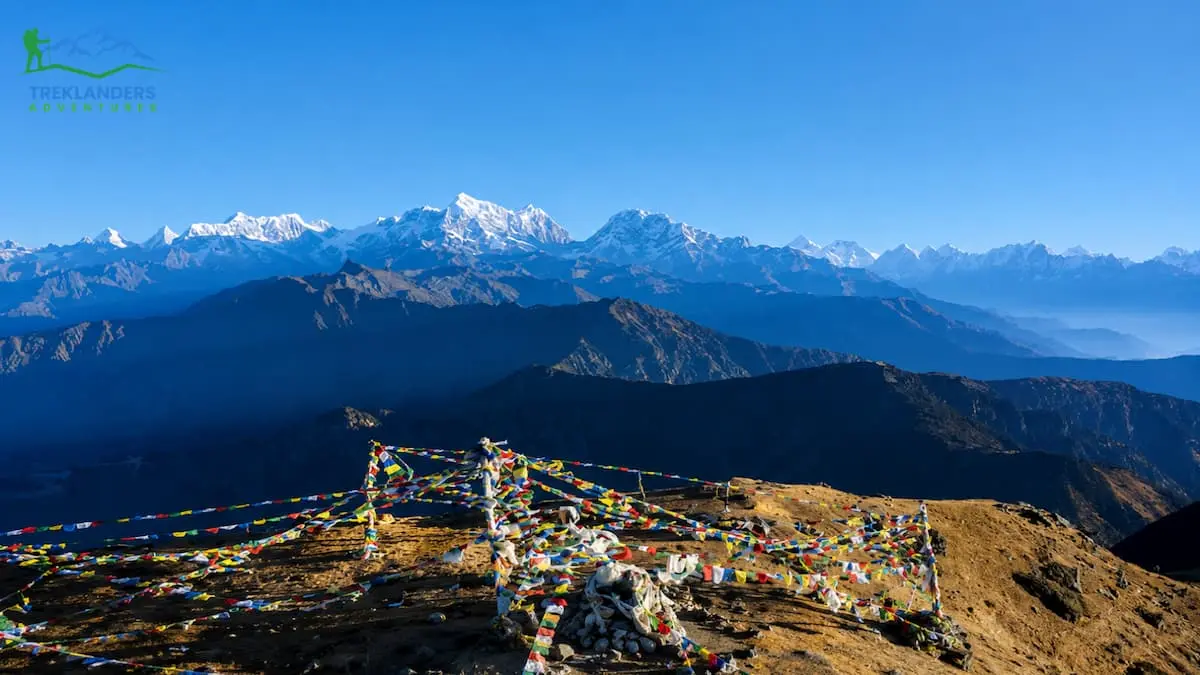
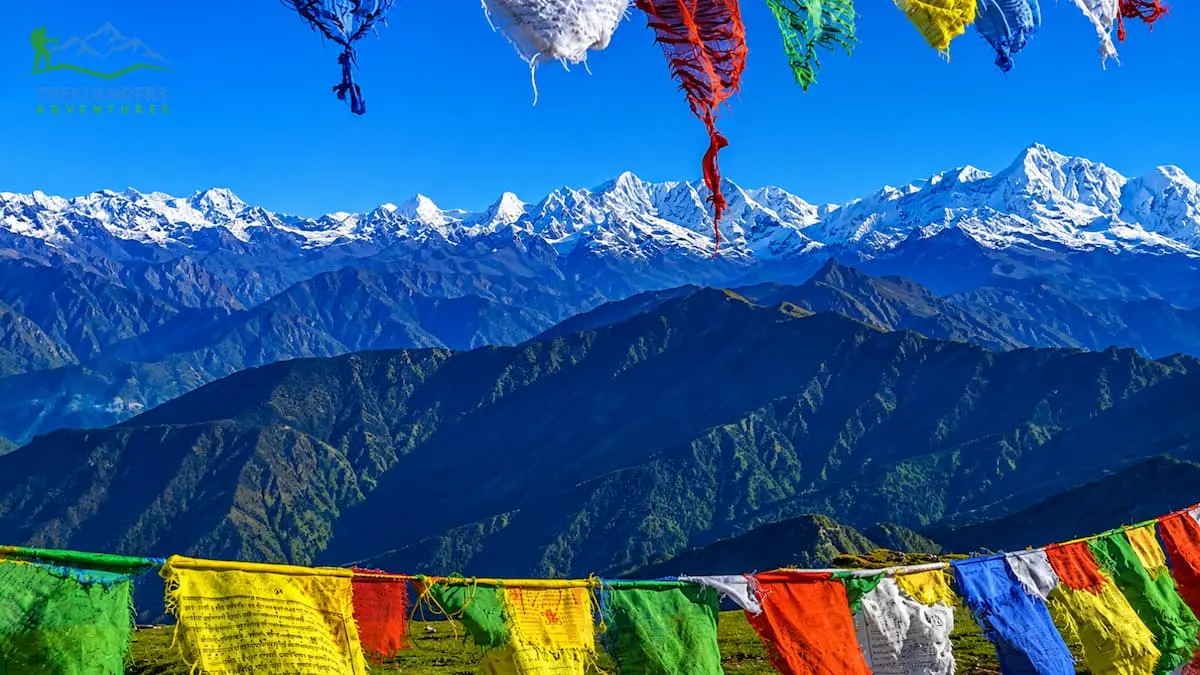
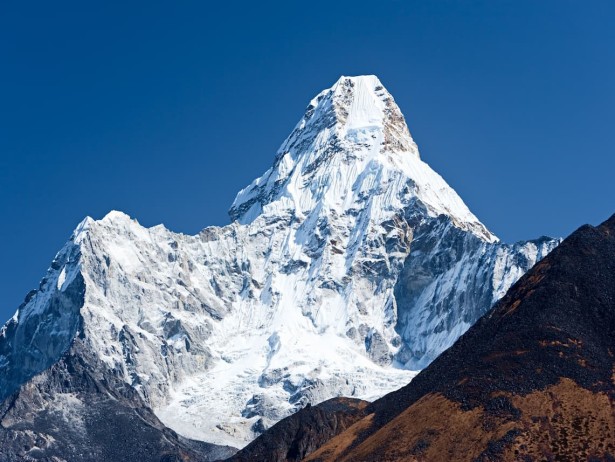
Pikey Peak is a high scenic Viewpoint Hill Top, rather than a peak at 4,065 meters. From this high ridge, trekkers can enjoy stunning the sunrise with a breathtaking panorama of more than 360° Himalayan range of peaks. Includes views of all Central and Eastern Himalayan snow peaks with Mt. Everest, Lhotse, and Makalu as far as Kanchenjunga.
Pikey Hilltop is blessed by nature, with charm and beauty amidst beautiful forest surroundings. Amidst dense trees of rhododendrons, magnolia, pines, oaks, and fir trees, the area will be a paradise. When wildflowers are in their seasonal blooms, especially the rhododendrons of various species from tall trees to bushes.
Pikey Peak Trekking is truly a magical place of natural wonders the adventure starts with an exciting long drive. To reach the starting point of the treks at a country farm village of Dhap. Then the walk follows from one lovely village to another with time to observe the local impressive cultures of Buddhism.
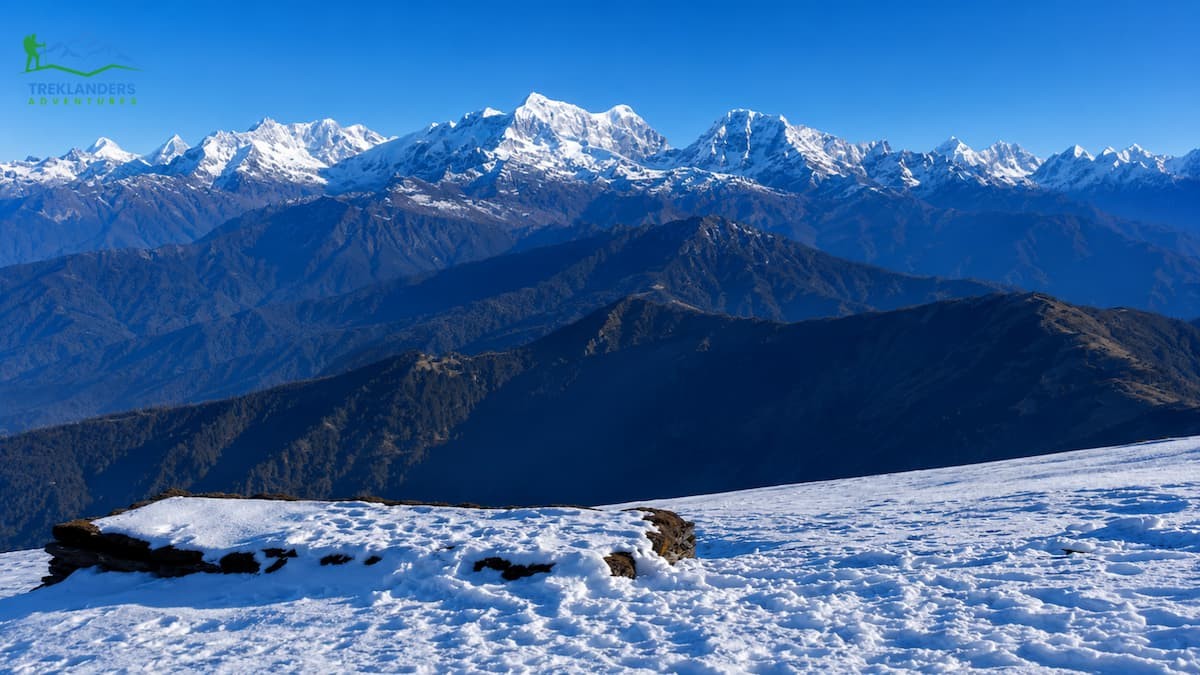
After days of pleasant and scenic walks, then reach the base of Pikey Peak, around an isolated spot. From the Pikey Base Camp, an early morning hike takes you on an undulating climb on winding uphill to Pikey Peak. Catch the striking sunrise with the panorama of the world’s highest unparalleled snow-mountain ranges.
Enjoy the refreshing and delightful morning with the alluring scenery of surrounding landscapes and snow peaks. From the top of Pikey Peak Viewpoint, a long descent leads to a lovely Sherpa Village at Junbesi.
A perfect place for a rest day, and to explore the immense cultures and heritages of the Sherpa, the natives of Solu and Everest. At Junbesi, with ample time for an enjoyable hike to the large monastery complex of Thubten Choling Monastery.
Founded in the 19th century by Tibetan Buddhist monks, the monastery is home to more than 450 monks and nuns. From Junbesi Village, explore places of great religious and cultural interest, then drive back to Kathmandu.
After a great experience on Pikey Peak Trekking, with the excellent services of the Treklanders staff and guide.
Day 01: Drive from Kathmandu to Dhap 2,413 m on 4WD Jeep or similar
vehicles Approx. 07 hour’s journey.
Day 02: Trek to Bhulbhule 2,815 m via Jhapre 2,920 m-06 hrs.
Day 03: Trek to Pikey Base Camp 3,640 m-06 hrs.
Day 04: Climb to Pikey View Point Hill 4,065 m/13,337 feet, and trek to Junbesi 2,701 m-06 hrs.
Day 05: At Junbesi extra day for local hike to Thubten-Choling Monastery.
Day 06: Drive from Junbesi to Kathmandu-Approx. 07 hours.
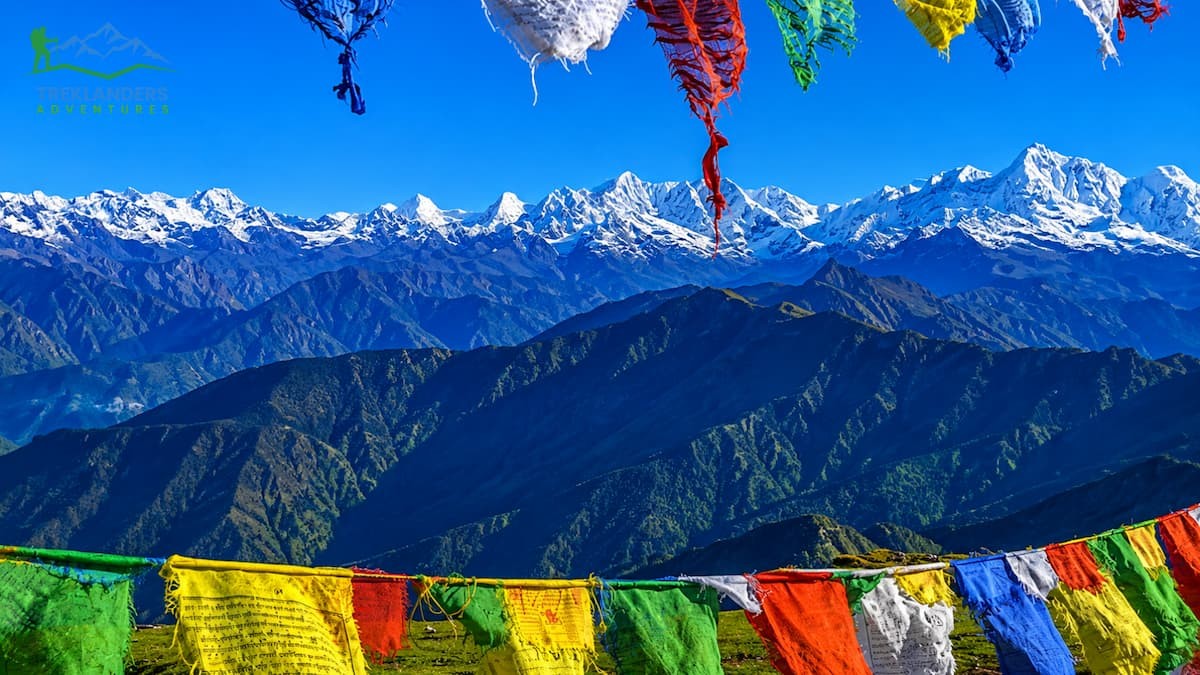
For Pikey Peak, can enjoy the trek nearly all seasons of the year except the wet monsoon and summer times. The right favorable and the best seasons are spring and autumn/fall.
Spring begins in early March and ends in May, where most days are bright with sunshine for longer hours. From early 6:30 am till 5 pm, but can get cloudy afternoon sometimes with chances of light snowfall.
Cold morning, late afternoon, and night times, as well with an extra wind-chill factor above 2,000 meters.
Spring is a lively time when wildflowers are in seasonal blooms, mainly the rhododendrons of various species and colors.
The next best season is autumn/fall, from September to November, most days are fine and clear for views and walks. But much colder morning, late afternoon, and nighttime, chances of snowfall sometimes. Can get cold in the afternoon, however a pleasant season of autumn/fall for Pikey Peak treks.
Pikey Peak trek, can enjoy the walks during the winter time of the Christmas and New Year holidays. Despite the cold winter mornings and nighttime, but most days are fine with sunshine, get dark soon. Due to winter months with limited hours of sunlight as well as freezing temperatures. Especially at Pikey Peak Hill Top and base camp, but enjoyable walks during the winter times and trekkers to encounter.
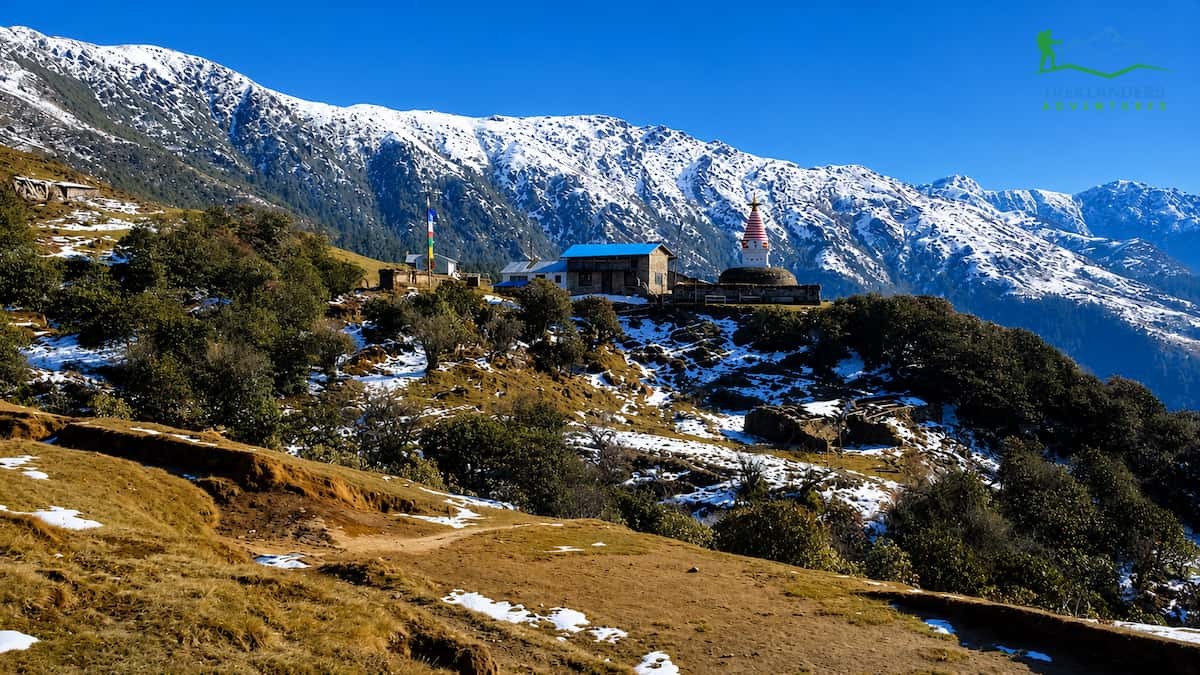
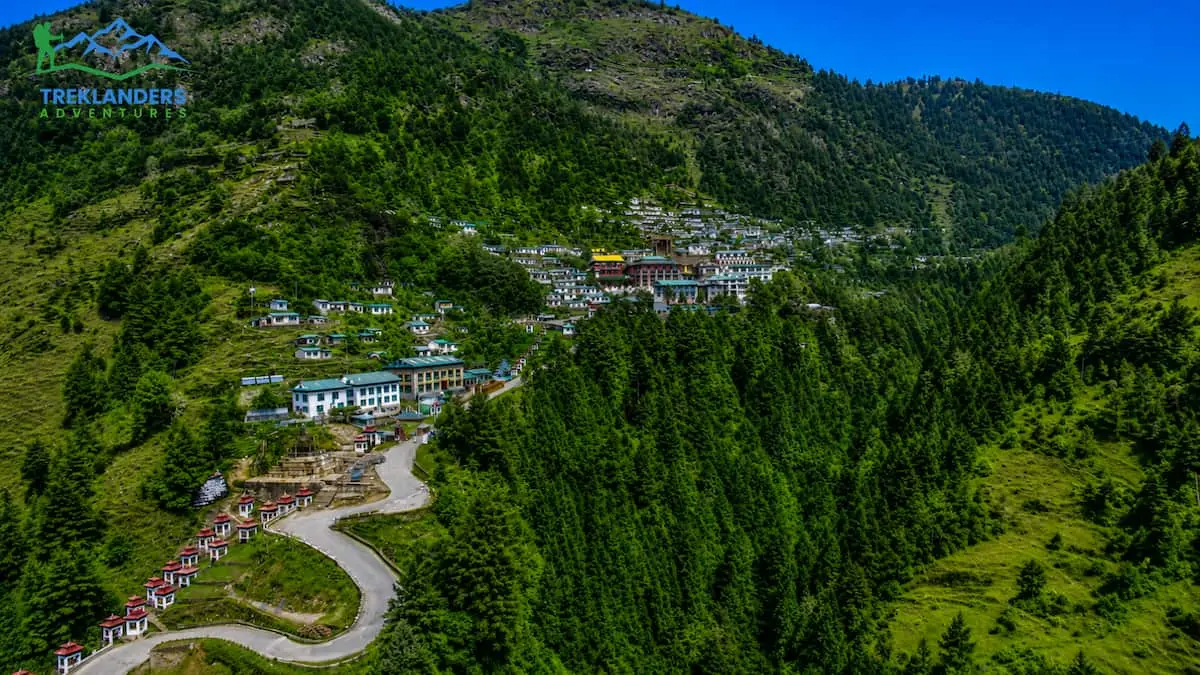
Nepal is a country of great diversity of landscape and people with their age-old religions, cultures, and heritage. The mid-hill people around the Solu-Khumbu region of Nepal North Mid-East Himalayas. The Sherpa follow the Buddhist religion, similar to their early Tibetan predecessors. The walk leads across many Buddhist monuments and shrines, as well as impressive monasteries.
Starting from the Solu area, the eastern people are of mixed peoples, mostly Sherpa and Rai, from Kirat tribes with few Gurung, Magar, and Tamang, Hindu Chettries, and Brahmin. As the walk enters the heart of Solu, the southern areas of Mt. Everest, en route to Pike Hill, visiting the Sherpa villages adorned with age-old heritage and colorful culture. Besides the majority of the Sherpa tribe, inhabited by other mixed hill tribal people, the Kirat Rai. Including Magar, Tamang, Hindu Chettries, and Bharamins Bhawan with Dalit’s also.
Visitors must be aware that this adventure leads to a new raw country, seldom visited by fewer group of trekkers. Only simple lodge with basic facilities are available, but at Junbesi Village the lodges are of Tourist Standard.
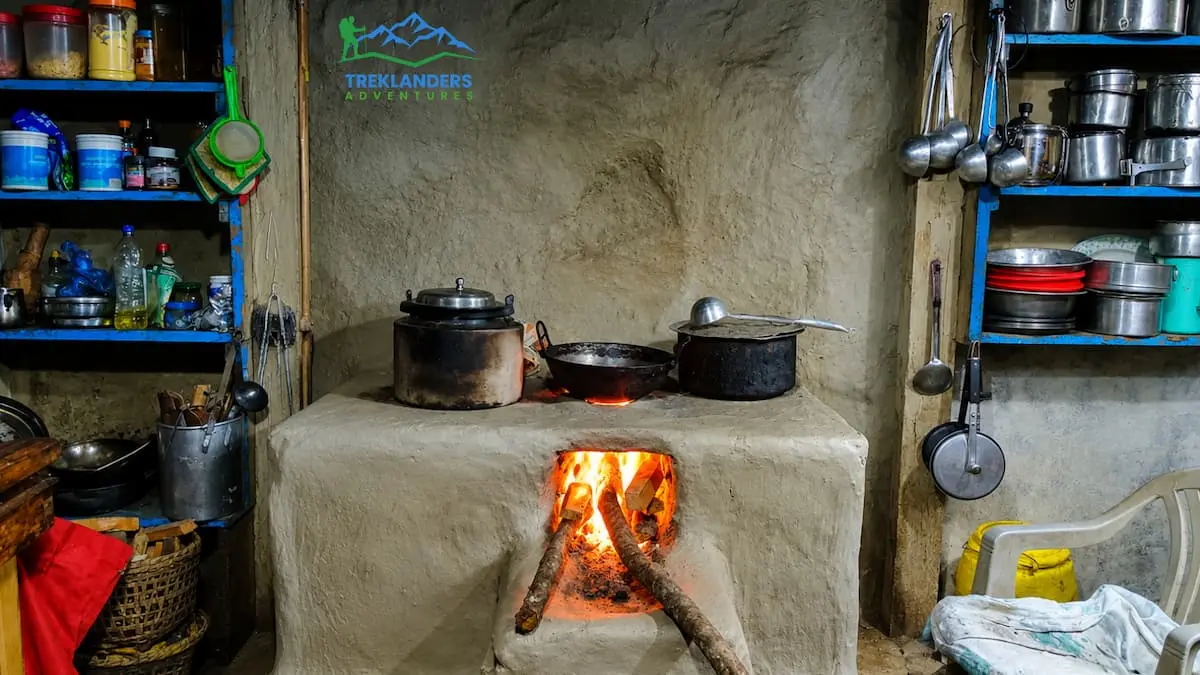
But from past few years, this trek is drawing more visitors as well as better lodge facilities are built. All lodges provide common baths and toilets, extra charge for using hot showers. But the dining is large and cozy with a fireplace to keep the environment warm, while you enjoy the meals.
All lodges provide limited items of food menu, includes breakfasts, from oats, porridge, and cornflakes. Bread, Chapatti, Pancakes with choices of eggs from scrambled, boiled, poached, and omelets. Followed by hot refreshing drinks, tea, coffee, and drinking chocolates. Lunch and dinner to enjoy Indian, Nepali, Chinese, and Tibetan/ Sherpa foods. The dining rooms are bright with lamps run by local hydroelectricity or from solar power. Some lodges also provide free internet or Wi-Fi, it is quite slow and disturbing. Due to landscapes and weather conditions on designated overnight stops. On this trek it is best to order a set menu, which saves time and fuel energy. As well as following the norms of Eco or Responsible Tourism.
Although Nepal is dominated by 75% Hindu religion, the higher mountains around the Himalayan range. The Sherpa highlanders of Everest, are interwoven with Buddhist religion and cultures. Trekkers can notice every house adorned with Buddhist prayer flags and the village trail lined with religious monuments. Like the prayer stone walls and spinning wheels, with large boulders engraved with prayer inscriptions.
Trekkers will have time to visit the monasteries en route, like the famous Tengboche Monastery. The Sherpa follows the same Buddhist religion and traditions, similar to the early Tibetan predecessors.
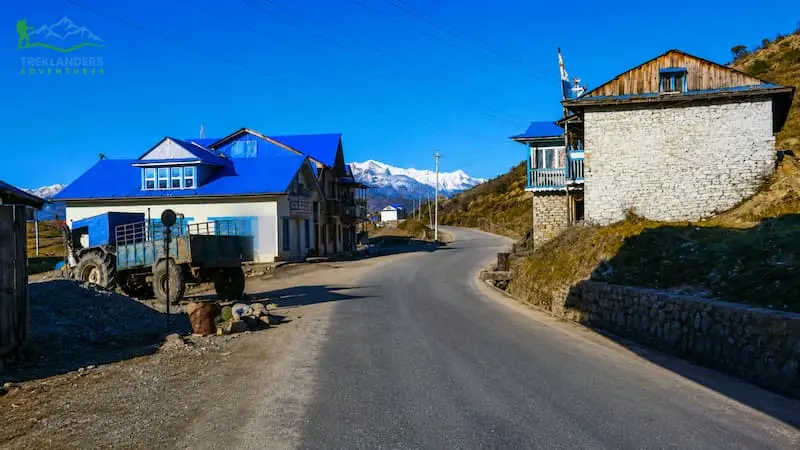


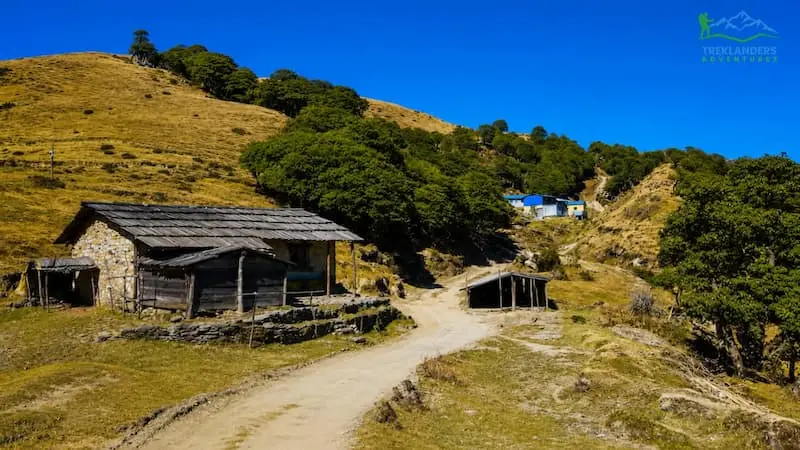
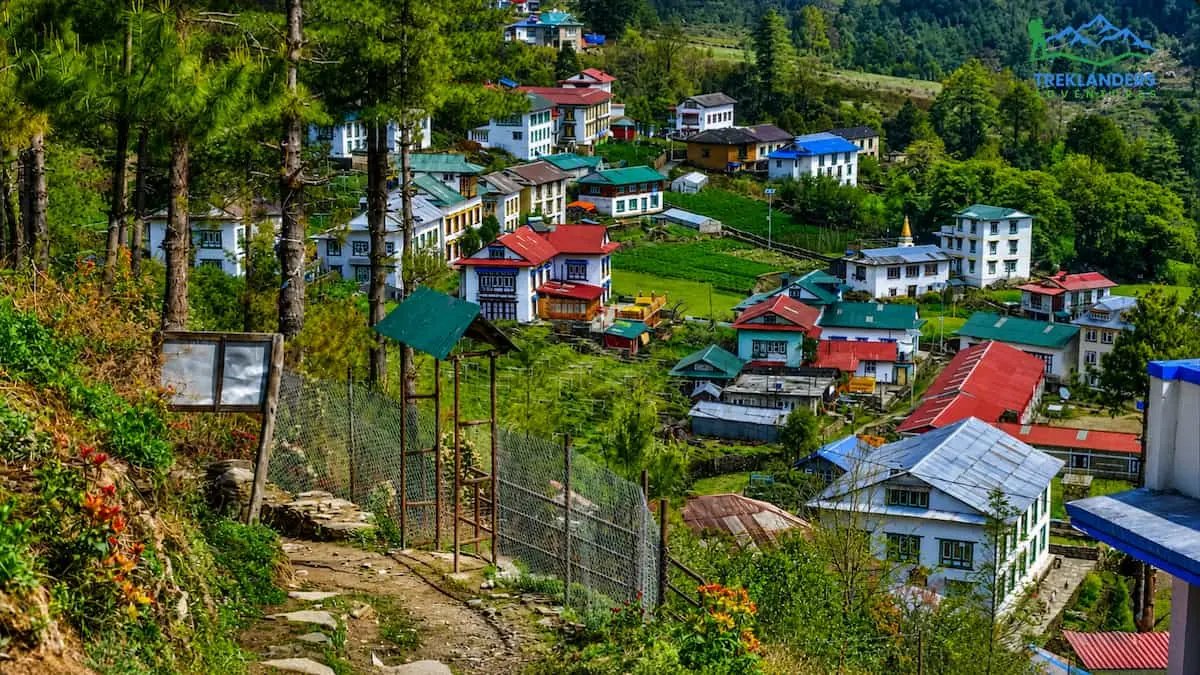
After a long, interesting drive, from Dhap Bazaar leads you to a refreshing walk and the first day of trekking. Morning after breakfast, start the walk on newly constructed road, it can be quite dusty. As walk leads through smaller hamlet and farm areas to Sigane Village. From here walk on the dirt road for few hours and then reaching Jhapre Village. Nestled above a deep valley with views of Everest and Khumbu Himal. As time permits tour of the Buddhist Gompa it is worth visiting. From Jampre walk continues heading uphill through cool shade of forest to reach Bhulbhule for overnight. Enjoy the comfort of a nice simple lodge neat rooms after a first day of good trekking.
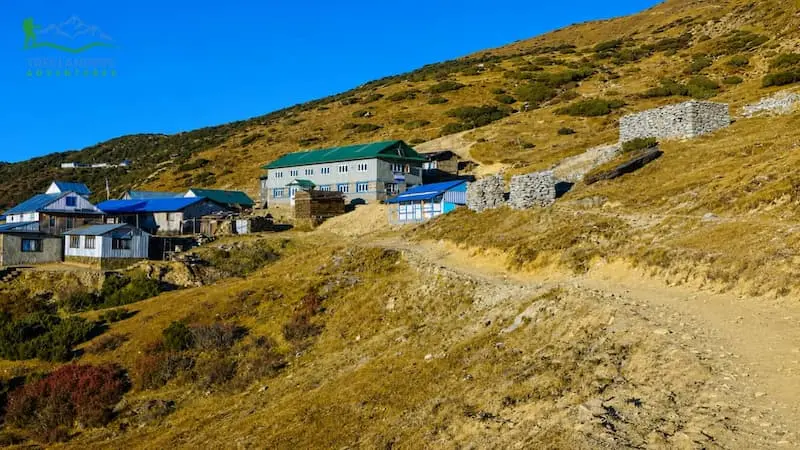
From Bulbule, enjoy the second day trek, to cover a moderate distance to reach overnight stop at Pikey Base Camp. Morning route follows with slow climb to Lhamuje, in spring time, these areas will be natural garden.
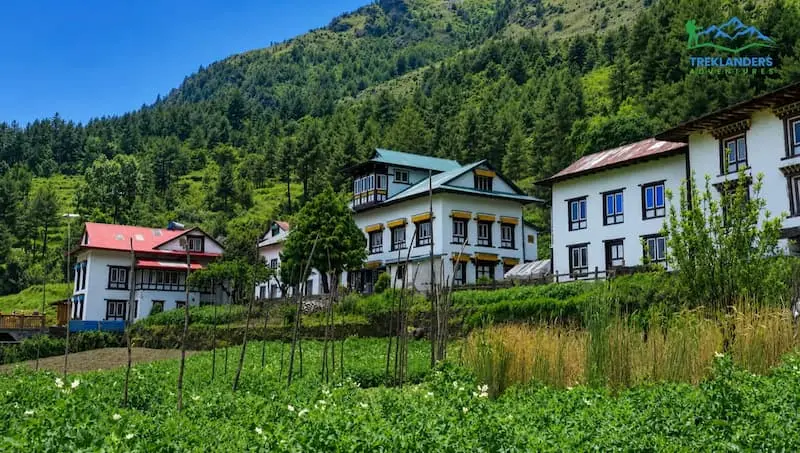
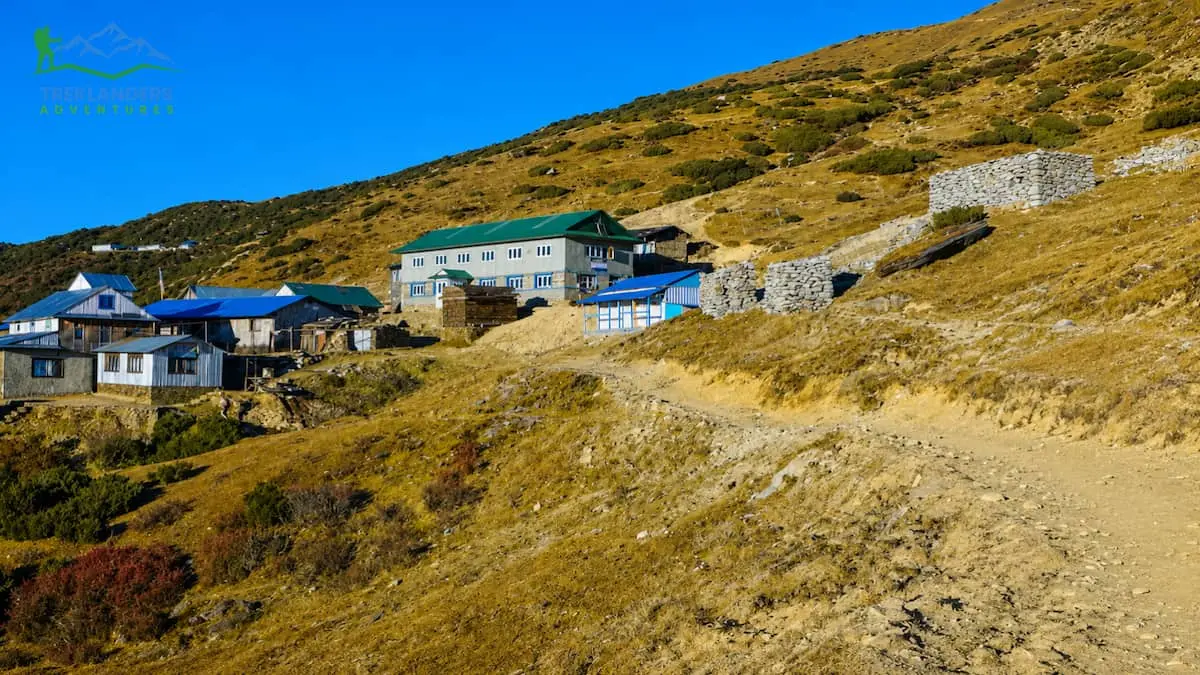
When wildflowers with rhododendrons in seasonal bloom, as well enjoying the views of the Himalayan peaks. The walk slowly leads to ups and downs, along the ridge, then reach a pasture field. Where yaks are seen grazing on a wide green meadow, then walk across series of Mani wall. From here a short steep leads to Pikey Peak Base Camp for lunch and overnight. Enjoy the comfort of a nice and small neat lodge accommodation. After getting organized in a cozy room, visit the local yak cheese factory nearby.
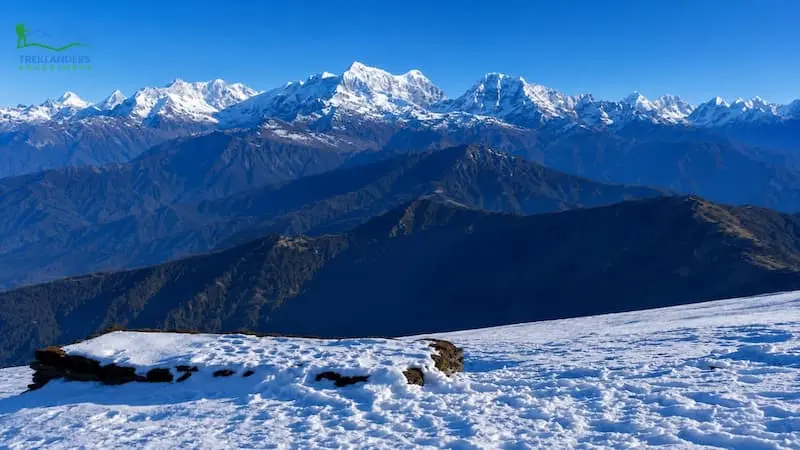
Rising much early for breakfast, and then start the long day of hiking around winding uphill. An interesting climb through lovely woods, until you reach on top
Pikey Peak Viewpoint, after an hour or uphill climb.
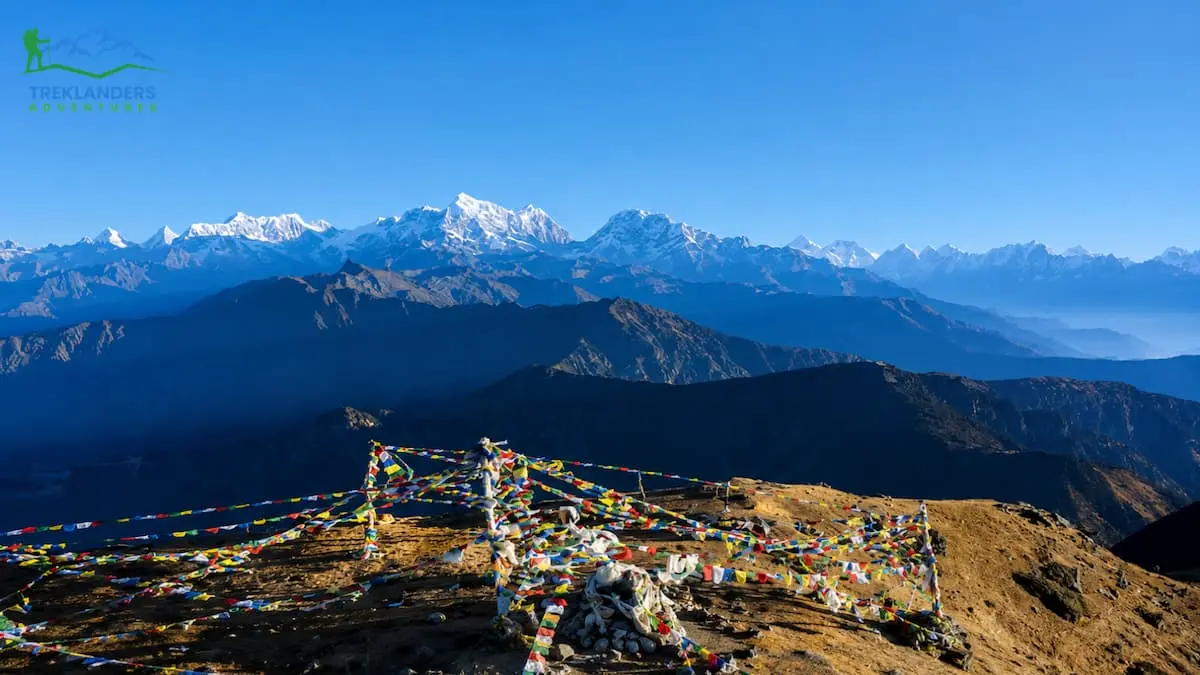
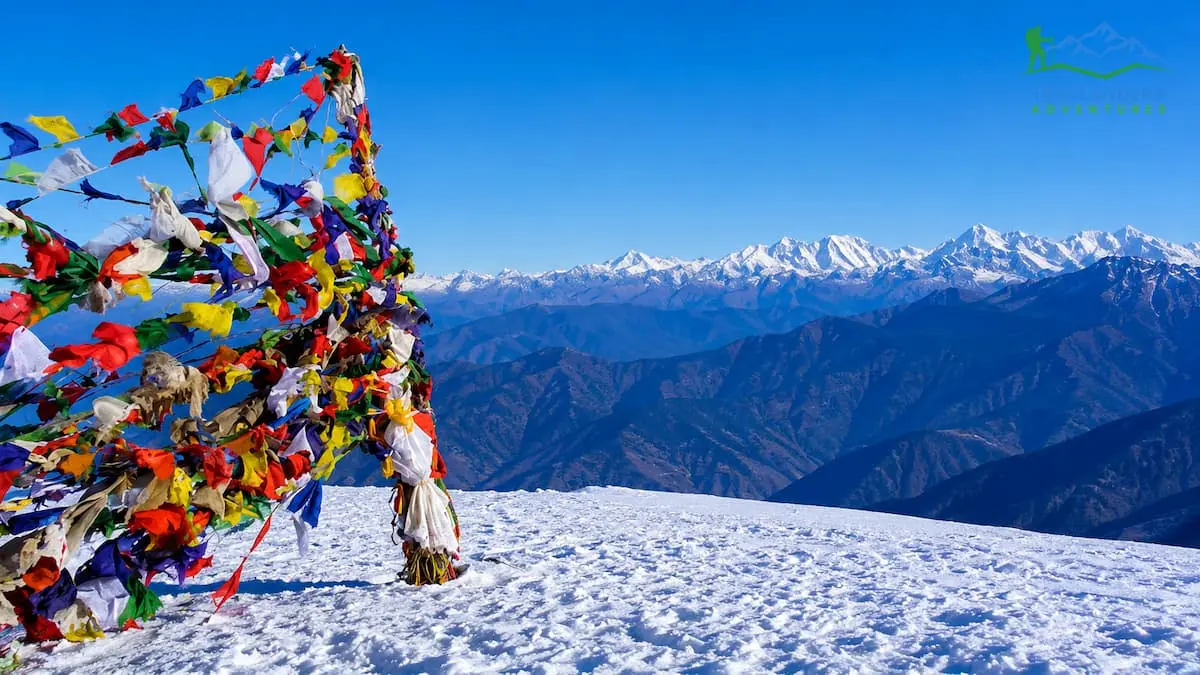
From the highest spot of the adventures, enjoy the stunning sunrise views over the Himalayan range of peaks. Includes grand views of Mt. Everest with Khumbu Himal toward north. The views extend towards Makalu and Kanchenjunga in the east, with Ganesh and Manaslu towards far west horizon. As the well the wide views of the Central Himal range with Langtang, Jugal Himal Gaurishankar,
and Dorje Lakpa. After a glorious refreshing morning facing breathtaking scenery of Himalayan peaks and landscapes. Then walk down and ups to Jase Bhanjyang and descent to Lamjura for possible lunch stop. From here a long descent to reach the valley floor through firs, and rhododendrons forests to Taktor Village.
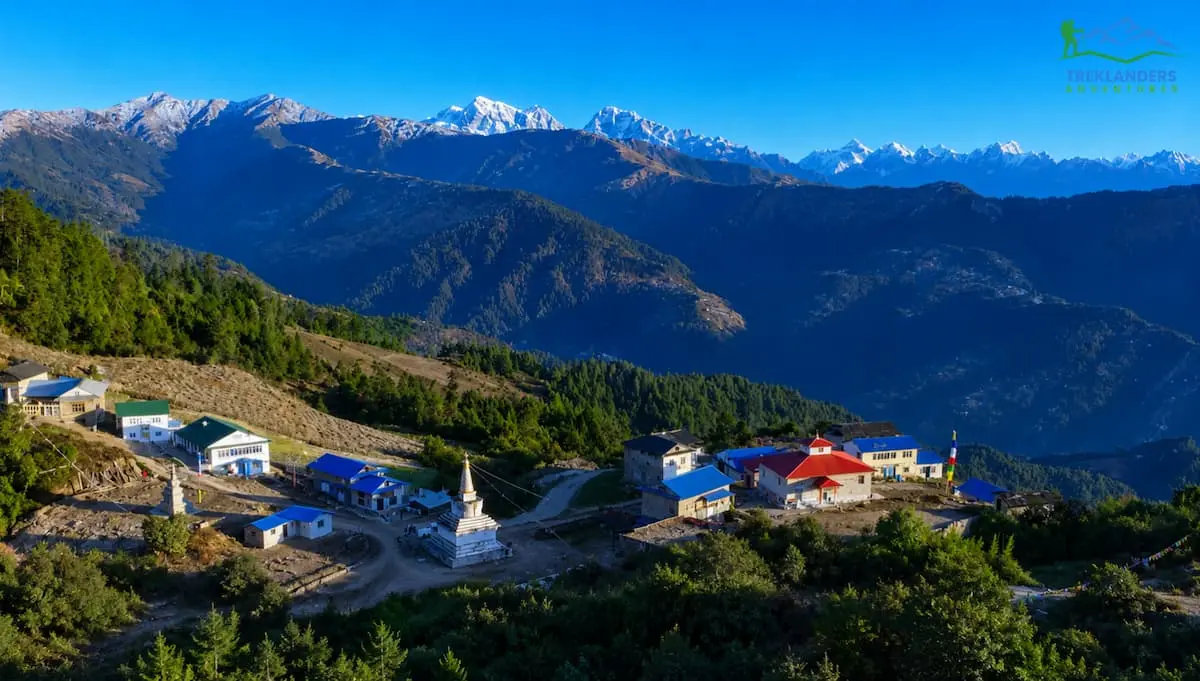
From here on pleasant and winding path with downhill to Junbesi, coming across series of Mani walls. At Junbesi for overnight halt, enjoy the comfort of a nice lodge, and visit the old monastery before dinner. From Junbesi views of Numbur Chuli Peak, as it looms high above the village towards north.
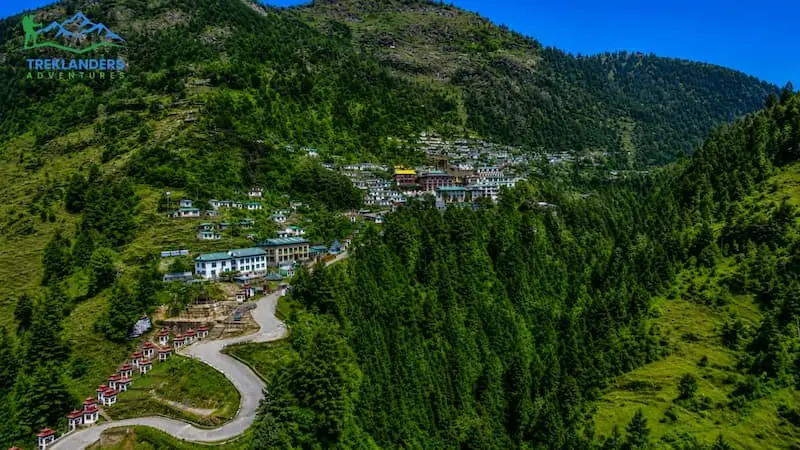
Enjoy another day in Junbesi Village, as well as free from the routine of packing every morning. After a good breakfast, explore the village and take a hike of few hours to Thubten Choling Monastery. Founded in the 19th century, by the Tibetan Buddhist monks. This large monastic complex, houses more than
500 Buddhist nuns, an exciting place to experience the Buddhist heritage traditions. Observe the nuns with prayers and activities with monastic chores,
visit the monastery interior of great religious and cultural interest. After an interesting morning, then head back to Junbesi for last overnight around the beautiful villages of Solu district.
The adventure comes to an end, taking an early morning drive to Kathmandu.Although a long drives, but very interesting and exciting, an opportunity to
experience the rural country village life. The drive then heads back near Salleri Town, and then over down and ups to reach the main highway.The winding road finally reaches the Kathmandu Valley and then into the city,back to your hotel. Reaching on time for dinner, after a most wonderful time and experience on Pikey Peak Trekking.
I recently completed the 6 Days Pikey Peak Trek with Treklanders Adventures, and it was an amazing experience from start to finish. Our guide was professional, friendly, and very knowledgeable about the local culture, mountains, and trekking routes. The entire trip was well organized, including transportation, accommodation, and meals during the trek. The Pikey Peak Trek itself was absolutely beautiful, with peaceful trails, authentic Sherpa villages, rhododendron forests, and breathtaking Himalayan views. Watching the sunrise from Pikey Peak was the highlight of the trek. We could clearly see Mount Everest, Kanchenjunga, Makalu, and many other snow-capped peaks. I also appreciated how flexible and caring the Treklanders team was throughout the journey. They always checked on our comfort and safety and made the trek enjoyable for everyone in the group. The teahouses selected were comfortable, and the overall itinerary was perfect for experiencing the beauty of the lower Everest region without heavy crowds. I highly recommend Treklanders Adventures to anyone looking for a reliable trekking company in Nepal. Thank you to the whole team for creating such unforgettable memories.
Purpose: Keep sweat off the skin and maintain warmth.
Purpose: Trap body heat in cold air at altitude.
Tip: Keep electronics in inner pockets at night to prevent freezing.
The flight to Phaplu small airport in Solu does not operate on regular basis, like to Lukla. It is possible to fly to Phaplu airport, but needs to charter the whole plane, depending upon the group size. The flight to Phaplu is unreliable and unpredictable, at present few smaller aircraft operates on charter basis.
Approx. 250 km/156 miles driving distance to reach Dhap Bazaar from Kathmandu of more than 7 hours drives. Reaching by late evening on time for a dinner, the same mileage distance and hour’s drives from Junbesi to Kathmandu.
Yes, one can have single rooms on this treks but needs to inform the company well in advance on booking. In peak and high seasons, the local lodges will be overbooked, needs to book earlier as possible. As well it depends upon the overnight stops, where lodges at Bulbule or Pikey Base Camp. Provides double or dormitory, it all depends upon the seasons of trekking and reaching the overnights stops.
All lodges en route to Pikey Base Camp and Junbesi Village, have the facilities of electricity, either by small local Hydro-Plant or run by solar power. Some lodges provide electricity only for dining, where trekkers need a good torch or flash lights for your rooms.
The 6 Day Pikey Peak Trek takes you through some of the most beautiful and scenic parts of Nepal, the SoluKhumbu region, and the mid-east Himalayas. Pikey Peak is at an elevation of 4,065 meters (13,337 feet), and it is more of a scenic viewpoint than a technical peak to climb. From the top, you get a wonderful panoramic 360-degree Himalayan range view, where you can spot Mt. Everest, Lhotse, Makalu, and Kanchenjunga in the east, and Manaslu and Ganesh Himal in the west. This viewpoint was even admired by the late Sir Edmund Hillary. Besides the cultural and natural beauty along this route, the trek also takes you through local Sherpa and Rai villages, rhododendron forests, and areas with Buddhist monuments.
If you're a traveler seeking an authentic Himalayan experience but would like to avoid lengthy and physically demanding routes like Everest Base Camp, then this trek is for you. It is categorized as a moderate one, involving some uphill and downhill walking and a certain altitude gain. A physically fit adult, the elderly, and a person visiting Nepal for the first time who wishes to go trekking will find it comfortable. You don't have to be a seasoned high-altitude trekker. Children and teenagers who are reasonably fit can get involved too. As the highest point that you will get to is 4,065 meters, having some basic knowledge of the effects of altitude would be beneficial.
Definitely. Pikey Peak is quite a hidden gem compared to the likes of Everest Base Camp and Annapurna, which attract a large number of tourists each year. The trails lead to the remote villages of Sherpa and Rai that are rarely visited by tourists. This means fewer crowds, genuine encounters with the locals, and a more intimate trekking experience. Accommodation along the route is quite basic and simple, being in line with the raw and unspoiled nature of the surroundings.
Absolutely not. All tourists going to Nepal need a tourist visa. You may get one on arrival at Tribhuvan International Airport in Kathmandu or at the land border entry points. In addition to that, you will need to obtain a TIMS (Trekkers' Information Management System) card and the necessary national park or conservation area permit for SoluKhumbu. Your guide and the trekking company will handle the paperwork for these permits as part of your package.
Pikey Peak is located at a distance of about 250 kilometers (156 miles) from Kathmandu if you travel by road. The road trip to the trek's start point at Dhap Bazaar might take about seven hours in a 4WD jeep. The return road trip from Junbesi to Kathmandu will also require seven hours. Both trips offer a spectacular view of the countryside: you will see hill villages, farmlands, pine and rhododendron forests.
The closest small airport is Phaplu in the Solu region. However, compared to the flights to Lukla, those to Phaplu do not operate on a regular scheduled basis. Charter flights are available but depend on group size and aircraft availability, and they are also unreliable due to weather and demand. Taking the road is the practical and reliable choice, and on the way, you will get a good look at Nepal's rural landscape.
The two major seasons you should consider are spring (March to May) and autumn/fall (September to November). In spring, you will get a day that is long and bright with sunshine from early morning until late afternoon. Wildflowers, especially rhododendrons in different colors and species, cover the slopes forming a wonderful natural picture. Autumn, on the other hand, is characterized by clear skies and great views of the mountains, although you will notice that in the mornings and nights it is quite cold and there can sometimes be snowfalls above 2,000 meters.
Yes, Pikey Peak can be trekked even in the winter season, and so Christmas and New Year days may be challenging, but not impossible. Most of the days will have a good amount of sunshine which will make your mountain views quite clear and dramatic. However, temperatures at Pikey Base Camp and the summit ridge will be below freezing, especially at night and in the early morning hours. Since daylight hours are shorter in winter, you should be careful when planning that daily distance. For this time of year, it is important to have proper insulation like a warm sleeping bag, thermal base layers, and a heavy down jacket.
The monsoon season is roughly from June to August. During this time, trails can be slippery and muddy due to the heavy rain, leeches will infest the lower trails, and the cloud cover will prevent you from seeing the mountain for most of the day. It is not advisable to trek Pikey Peak in the monsoon season. The time between late September and mid-November, after the monsoon has gone, is the period when you can expect the clearest skies and the best visibility of the year.
Since Pikey Peak is at an altitude of 4,065 meters, it has cold temperatures during the entire year. During the spring, the temperature range at the top is approximately from freezing to 10 degrees Celsius. The weather in autumn is usually anywhere between -5 and 5 degrees Celsius. During the winter, the temperature at the summit level may go as low as -10 degrees Celsius and sometimes even lower if we consider the wind chill factor. On the other hand, nights at Pikey Base Camp (3,640 meters) are only warm enough for comfort in late spring, so be sure to bring ample warm clothing for any season.
The trekking route is: Kathmandu to Dhap Bazaar by jeep (Day 1), Dhap to Bhulbhule via Jhapre on foot (Day 2), Bhulbhule to Pikey Base Camp (Day 3), Pikey Base Camp to Pikey Peak summit (4, 065 m) and descent to Junbesi (Day 4), rest and monastery hike at Junbesi (Day 5), and Junbesi back to Kathmandu by jeep (Day 6). The trek starts and finishes in Kathmandu.
Trekking days involve around six hours of walking daily. Day 4 is the longest and most strenuous day as it starts with an early morning hike to the summit of Pikey Peak, followed by a descent to Junbesi village. Day 5 in Junbesi is a rest and optional exploration day, with a possible short hike to Thubten Choling Monastery.
The highest point is the 4, 065 meters (13, 337 feet) Pikey Peak Viewpoint. It is reached on Day 4 of the trek after leaving Pikey Base Camp (3, 640 meters) early in the morning. It usually takes about one to one and a half hours of uphill walking from the base camp to the summit.
Day 1: Dhap Bazaar is at 2, 910 meters.
On Day 2, you'll be at Bhulbhule 2, 815 meters, while passing Jhapre at 2, 920 meters.
On Day 3, you will be at Pikey Base Camp 3, 640 meters.
Days 4 and 5 will be spent in Junbesi 2, 701 meters.
You come back to Kathmandu at around 1, 365 meters on Day 6.
Definitely. Treklanders Adventures provides a custom trip planning service for those who are looking to modify the duration, pace, or side trips. You may ask for a longer rest day, include a visit to other monasteries, or even extend your trip into the larger SoluKhumbu region. To discuss a modified itinerary, you can directly contact the Treklanders team.
If you want to get your body ready for a trekking adventure, regular cardio activities like hiking, jogging, cycling, or stair climbing for about four to six weeks should do the trick. Target building your leg muscles and enhancing your heart and lung capacity. Also, get used to walking on tricky paths carrying a daypack. You don't have to be a pro athlete, but a steady level of cardio fitness makes the whole experience way more fun, and you will get tired less easily.
Think layers when packing. At the bottom layer, you should have two to three t-shirts made of moisture-wicking synthetic fabrics or merino wool, one to two long-sleeve thermal tops, thermal bottoms, and wool/synthetic trekking socks. For your middle layer, you will need a fleece and a lightweight insulated jacket. For your outer layer, you will require a waterproof hard-shell jacket and pants, a heavy down jacket for cold nights and the summit morning, warm gloves, a beanie or wool hat, a neck buff, and UV-protective sunglasses rated Category 3 or 4.
Strong waterproof trekking boots with ample ankle support are a must-have. Make sure to wear them in well before your trip to prevent foot injuries. Light sandals or camp shoes are a good choice to have inside lodges and for rest breaks. Take along two to three pairs of wool or synthetic trekking socks, and think about one pair of thick mountaineering socks for the chilly summit morning.
Trekking poles, a 30 to 35 liter daypack for your personal items during the day, a 60 to 70 liter duffel bag for your porter, a headlamp with spare batteries, two one-liter water bottles or a hydration system, a thermos, a sleeping bag ideal for cold nights, a power bank (between 10, 000 and 20, 000 mAh), a backpack rain cover, water purification tablets, and a sunscreen with a high SPF are considered as primary equipment.
You may want to consider bringing micro spikes in case you encounter frozen paths, and snow/mud gaiters are also an option.
Typically, one porter is allocated per two trekkers, and this is included in the price. Your porter will be responsible for carrying the main duffel bag that you provide.
You, however, will carry your daypack comprising water, snacks, a camera, a rain jacket, and other personal items that you might need access to during the day's trek. Be sure to keep your duffel bag under 15 kilograms so as not to overburden your porter.
Trekking poles are not mandatory but are strongly recommended, particularly for Day 4's long descent. They reduce impact on your knees, improve balance on uneven terrain, and assist on steep uphill sections. Collapsible poles are compact and easy to pack. If you do not own poles, they can be rented in Kathmandu's Thamel district for a low daily rate.
You stay in tea house lodges (also called guesthouses) all the way through the trek. These are small family-run places where you get a bed, three meals, and the very basic amenities. Places like Junbesi offer tourist-level lodges with comfortable rooms. In contrast, Dhap Bazaar, Bhulbhule, and Pikey Base Camp have lodges that are simple and basic, which is typical of the area's remoteness.
The standard is a double room in most lodges along the trail. Dorm-style rooms might be the only option in camps like Bhulbhule or Pikey Base Camp (especially during busy trekking seasons). If you want a single room, tell Treklanders when you book. Single rooms and their availability are a matter of season and early negotiation with the lodges.
The majority of lodges along the way do have hot showers, but such facilities are usually chargeable, and one needs to pay locally, at the lodge. Most often, the water is heated by solar panels. In fact, at the top of the trail and other fairly inaccessible places, the situation of having hot showers can be very limited and even sometimes unavailable. Pikey Base Camp, at times, only has cold water bucket showers.
Absolutely, all lodges on the route are equipped in some way with electricity that comes from either small local hydropower stations or solar panels. Some lodges don't give you access to electricity in your room, only in the shared dining area. Remember to carry a reliable headlamp for your room as well as a power bank for charging your devices, since some places may not have outlets available or may have very limited ones.
It will be difficult to find lodges that provide Wi-Fi or internet access, as connectivity is slow and unreliable in the remote terrain and due to weather conditions. Do not rely on Wi-Fi for important communications while on the trek. A local Nepali SIM card with a data plan from providers like Ncell could give you basic connectivity in some areas, although signal coverage above 3,000 meters is inconsistent.
Vegetarian food can be found without any problem at the various stops. In fact, Nepalese and Tibetan cuisine have a lot of vegetable and legume-based dishes. It is a bit more difficult for vegans, but not impossible if the main lodge staff are informed in advance.
In case you have a serious food allergy or a very strict diet, it is best to let Treklanders know even before booking so that your guide can be informed and other options can be found if possible. Among the remote lodges, the choices are very limited for gluten-free and dairy-free diets.
There are a lot of breakfast, lunch and dinner items in lodge dining rooms. Breakfast options are oats, porridge, cornflakes, bread, chapatti, and pancakes, which are usually served with eggs of any style and hot drinks such as tea, coffee, and hot chocolate. For lunch and dinner, the menus mainly feature Nepali, Indian, Chinese, Tibetan, and Sherpa dishes.
Dal bhat (lentil soup with rice and vegetables) is a common dish that is both healthy and energizing for trekking, and is found in every lodge.
Yes. In fact, breakfast, lunch, and dinner will be provided on all trekking days. Since you leave Kathmandu in the morning on Day 1, only lunch and dinner are included. On Day 6, the schedule includes breakfast and lunch before the return drive. The package also includes a farewell dinner on the last night in Kathmandu.
Both the tap water and stream water are considered unsafe for direct drinking without any purification. You should always carry and use water purification tablets, a portable water filter, or choose bottled water sold at the lodges for drinking. Water that has been boiled is available at the lodges for a small extra charge. Proper hydration is even more important at high altitudes to help your body acclimatize; therefore, you should try to consume a minimum of two to three liters of water each day.
For maximum efficiency and minimal environmental impact, it is better to choose set menus while staying at lodges in remote areas. This method helps in saving time of preparation, cutting down fuel usage for cooking at high altitudes, and generally adhering to the principles of responsible and eco-friendly tourism. Set menus usually consist of a starter, a main dish, and a hot drink, and their prices are quite competitive. Your guide will give you more information about this at the beginning of the walking holiday.
A licensed guide will be a part of your package. In fact, for this trek, it is the only scenario in which a guide is not an option but a necessity. Pikey Peak is an off-the-beaten-path trekking route that lacks adequate infrastructure, and the authorities will not provide you with rescue services should anything happen. Besides, your guide is always with you, and he/she is not only equipped with a first aid kit but also have complete knowledge of the route. They keep communication with the local lodges, check your health status at high altitudes, and even help you solve any logistical problems.
Besides the Nepal government's regulations, guides officially registered and licensed are also the only ones allowed to conduct trekking in protected areas.
Treklanders are responsible for providing you with knowledgeable and seasoned trekking guides who are authorized by the government. They are also provided with first-aid training, the skills to identify symptoms of altitude sickness, and the knowledge of mountain safety. Besides being able to communicate fluently in English and Nepali, they can guide you through the customs of the Sherpa’s (local) and show you the Buddhist traditions as well as the natural environment of the SoluKhumbu region.
A porter is allocated to carry the main duffel bag for every two trekkers, so you get a porter for two. The group is led by your guide, and he/she is also responsible for safety and pace. The guide and porter receive food, salary, and insurance that are part of the package.
Trekking in Nepal through Treklanders, you will be escorted by Porters. We made it a point that the welfare of the porters we use is in line with the ethical codes of Porter Welfare Standards and distributors of guidelines internationally. The load given to a porter is limited to a safe weight. So, if you bring a duffel bag that is heavier than the set weight, the guide will have to ask you to put your stuff back into your own daypack. Putting too much in your duffel bag is not only making it difficult for your porter, but it is also something that we discourage very strongly.
Altitude sickness symptoms, also known as Acute Mountain Sickness (AMS), usually start to show when a person goes above 2, 500 meters. Typical symptoms are headache, nausea, lightheadedness, tiredness, appetite loss and insomnia. Mild AMS is quite common, and healthy people should be able to get through it just by resting and drinking water. Severe AMS symptoms like confusion, being unable to walk properly, vomiting that doesn't stop or feeling short of breath even when resting mean going down the mountain immediately and seeing a doctor. Your guide is first-aid trained to be able to assess and deal with the situation should any of these symptoms manifest.
The maximum altitude of 4,065 meters represents a moderate risk of AMS, significantly lower than the risk for treks that go as high as 5,000 meters or more. Moreover, since the ascent is spread out gradually over several days on this trek, you will probably have a good amount of time for your body to get used to the altitude. In fact, the majority of people who undertake this trek do so without experiencing any serious altitude-related problems. That being said, it has to be kept in mind that people differ significantly in their physiological responses to high altitude. So, do not disregard any AMS symptoms and always keep your guide informed of your condition.
Let your guide know right away. Don't try to keep going if you start to have symptoms of AMS without talking to your guide first. Depending on how bad it is, your guide might suggest taking it easy, drinking more water, or going down to a lower altitude. In extreme cases, being taken by jeep or helicopter might be the right thing to don't go any higher if you have symptoms of AMS.
Diamox may be helpful for relief and prevention of altitude sickness symptoms, but only a doctor can give the prescription. You should seek medical advice well in advance of the journey so that your doctor can decide if it is suitable for you. Diamox should never be taken without a doctor's prescription, as it has several contraindications and side effects such as excessive urination, numbness of the hands and feet, and becoming sunburned more easily. Experiencing a side effect from Diamox is possible; however, it is likely to be mild and short-lived. Taking this drug does not guarantee that you will not get altitude sickness. It is also not a substitute for a proper acclimatization.
In general, you should see your doctor or get professional advice at a travel health clinic four to six weeks before your trip. Most of the time, a trip to Nepal requires hepatitis A vaccination, while additional shots against B, typhoid, tetanus and rabies might be considered based on the traveler's situation. Few travelers even decide to take the Japanese encephalitis vaccination, depending on their itinerary. Besides this, all your regular vaccinations should be current as well. For the Pikey Peak Trek, no special vaccinations are medically mandatory. However, you should take to heart the health and safety measures for travel in Nepal in general, which include making sure that you have all the necessary vaccinations.
Medical facilities along the Pikey Peak route are very limited. There are no hospitals or clinics on the trail between Dhap and Junbesi. Junbesi village has a basic health post. The nearest fully equipped medical facility is in Kathmandu. Your guide carries a first aid kit for minor injuries and ailments. For serious medical emergencies, helicopter evacuation to Kathmandu is the primary option.
Travel insurance is not included in the package price and is your responsibility to arrange independently. However, it is strongly recommended and effectively essential for any trekking adventure in Nepal. Your policy must explicitly cover high-altitude trekking up to at least 4,500 meters and emergency helicopter evacuation. Helicopter rescue costs in Nepal can reach USD 3,000 to 6,000 or more per evacuation. Without insurance, you bear these costs personally.
Your travel insurance policy should cover emergency medical treatment and hospitalization, high-altitude trekking at the elevation of this trip, emergency helicopter rescue and evacuation, trip cancellation or interruption, loss or damage to personal equipment, and personal liability. Read your policy carefully and confirm coverage with your insurer before departure. Keep a copy of your policy document and the emergency contact number accessible throughout the trek.
Your guide will assess the situation and make the call on the appropriate response. For minor injuries, the first aid kit and rest are sufficient. For serious emergencies requiring evacuation, the guide contacts the trekking company and coordinates a helicopter rescue through your insurance provider. Helicopter landing is possible at several points along the route. The process requires your insurance details and a guarantee of payment from the insurer or a deposit.
Basic medicines such as pain relievers, antidiarrheal tablets, and oral rehydration salts may be available at Dhap Bazaar and Junbesi. However, you cannot rely on finding specific medications along the trail. Bring your own personal medical kit with prescribed medications, blister treatment supplies, antidiarrheal medicine, rehydration salts, pain relievers, and any prescription medications you take regularly.
The trek is graded moderate. You walk approximately six hours per day on terrain that includes steady uphill climbs, ridge walks, and long descents. The highest point reaches 4, 065 meters, which introduces a mild altitude component. The trails are unpaved and can be uneven, with some sections passing through dense forest. There is no technical climbing, rope work, or glacier crossing involved. A person in average good health who exercises regularly can complete this trek.
Day 4 is the most demanding. You wake early, before sunrise, to begin the ascent to Pikey Peak. After enjoying the sunrise panorama at 4,065 meters, you descend all the way to Junbesi at 2,701 meters. This involves a significant elevation loss over several hours of downhill walking, which can strain the knees and lower legs. Trekking poles are helpful on this day. Pace yourself on the descent to avoid knee fatigue.
No prior high-altitude trekking experience is required. The moderate grading means that fit beginners can complete the trek successfully. If you have done multi-day hiking or trail walking before, you will feel comfortable on this route. If this is your first trek of any kind, begin a structured fitness program at least two months before your departure date.
The Pikey Peak Trek is significantly easier than the Everest Base Camp Trek. EBC reaches 5,364 meters over 12 to 16 days and involves much greater elevation gain, longer daily distances, and higher altitude risk. Pikey Peak at 4,065 meters over 6 days is shorter, lower, and less physically demanding. Pikey Peak is an excellent choice for travelers who want a genuine Himalayan view trek without the commitment and challenge level of EBC.
The Pikey Peak Trail stands apart from most Nepal treks because of its low traffic and authentic character. The trail passes through villages rarely visited by large trekking groups, giving you direct encounters with Sherpa and Rai communities in their everyday setting. The forest zones rich in rhododendrons, magnolia, and oak, pine, and fir trees add a distinct natural beauty. The 360-degree Himalayan panorama from the summit, which Sir Edmund Hillary valued enough to visit, rewards the effort with one of the most complete mountain views available on any short trek in Nepal.
| No of people | Price per person |
|---|---|
| 1 - 1 | $1,200 |
| 2 - 3 | $1,000 |
| 4 - 8 | $900 |
| 9 - 30 | $850 |

| No of people | Price per person |
|---|---|
| 1 - 1 | $665 |
| 2 - 3 | $550 |
| 4 - 8 | $450 |
| 9 - 20 | $420 |
| No of people | Price per person |
|---|---|
| 1 - 1 | $795 |
| 2 - 3 | $585 |
| 4 - 8 | $495 |
| 9 - 30 | $420 |