Gokyo Lakes Trek vs Everest Base Camp Trek: Complete Comparison (Difficulty, Cost, Views & Route Guide)
19 Apr 2026
Gokyo Lakes or Everest Base Camp? Compare difficulty, cost, views, and route to choose the best trek in Nepal’s Everest region.

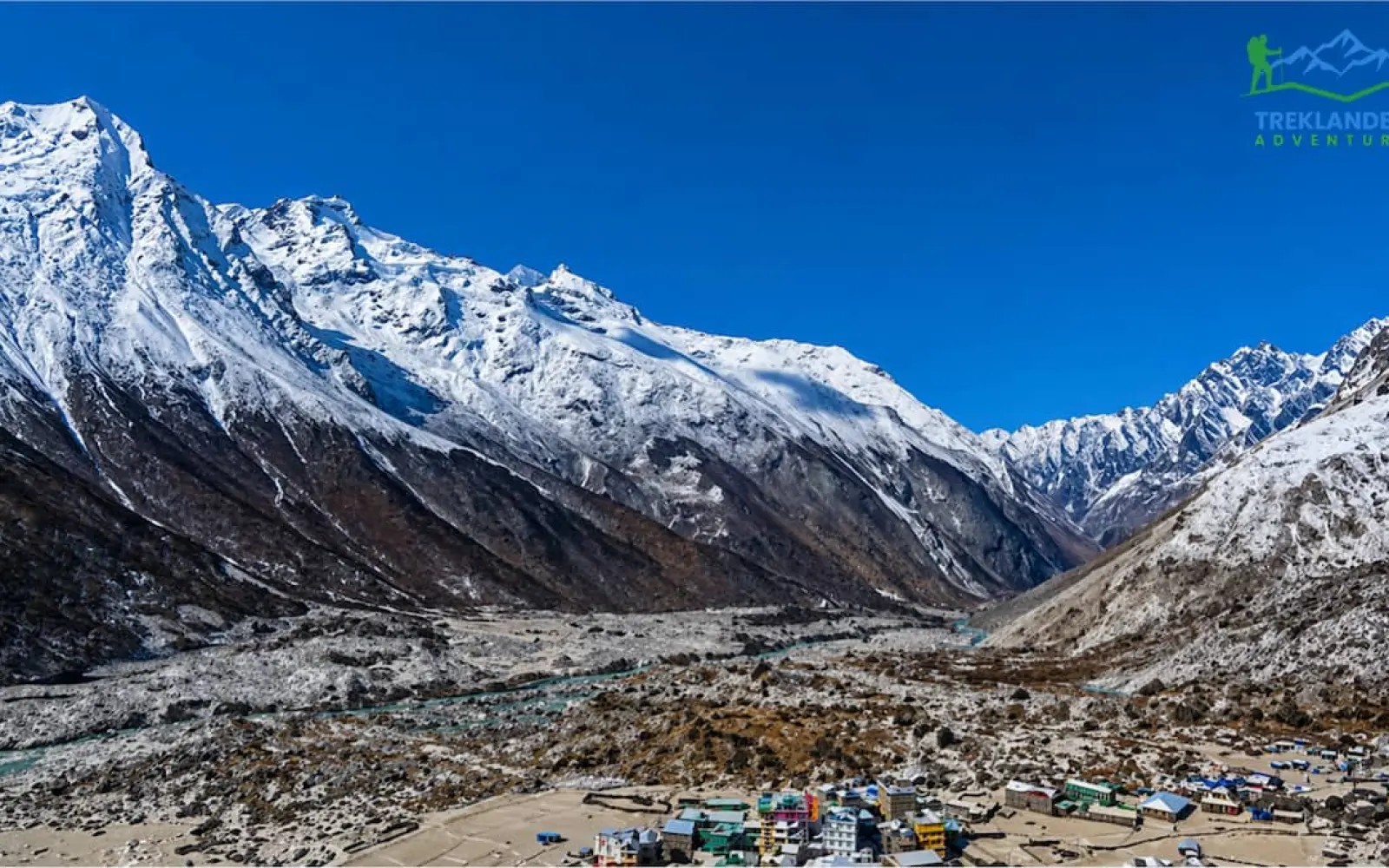
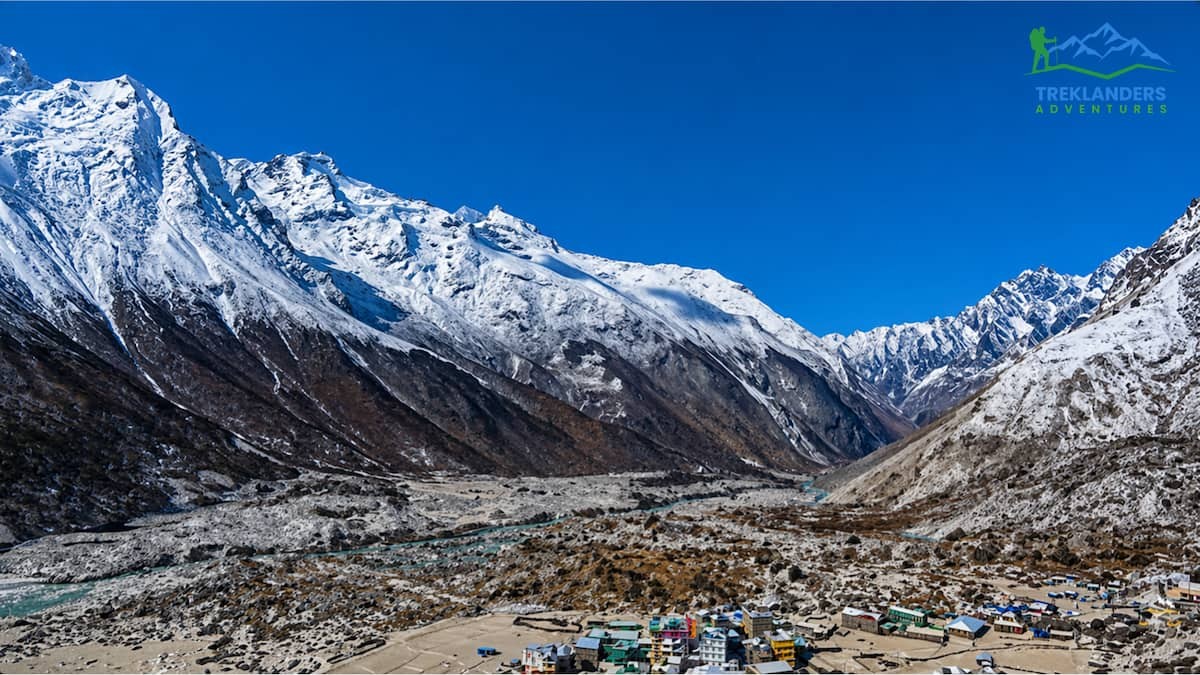
Want to trek to Langtang Valley in 2026? The first question you probably have is: how much will this really cost me? Not the advertised price. I mean the actual, day-by-day costs of what’s deducted from your bank account from the moment you arrive in Kathmandu until the moment you depart.
Here, I outline every single category of cost you will encounter on the Langtang Valley Trek. Permits, guides, food, lodging, transport, and those miscellaneous items that most price breakdowns overlook. All prices are pulled directly from packages and pricing provided by Treklanders Adventures, a well-established Nepal trekking company with a 5.0-star rating from 233+ reviews.
If you’re trekking independently or with a group, whether you're looking for the absolute lowest price or a fully supported trek, you’ll find precise details below.
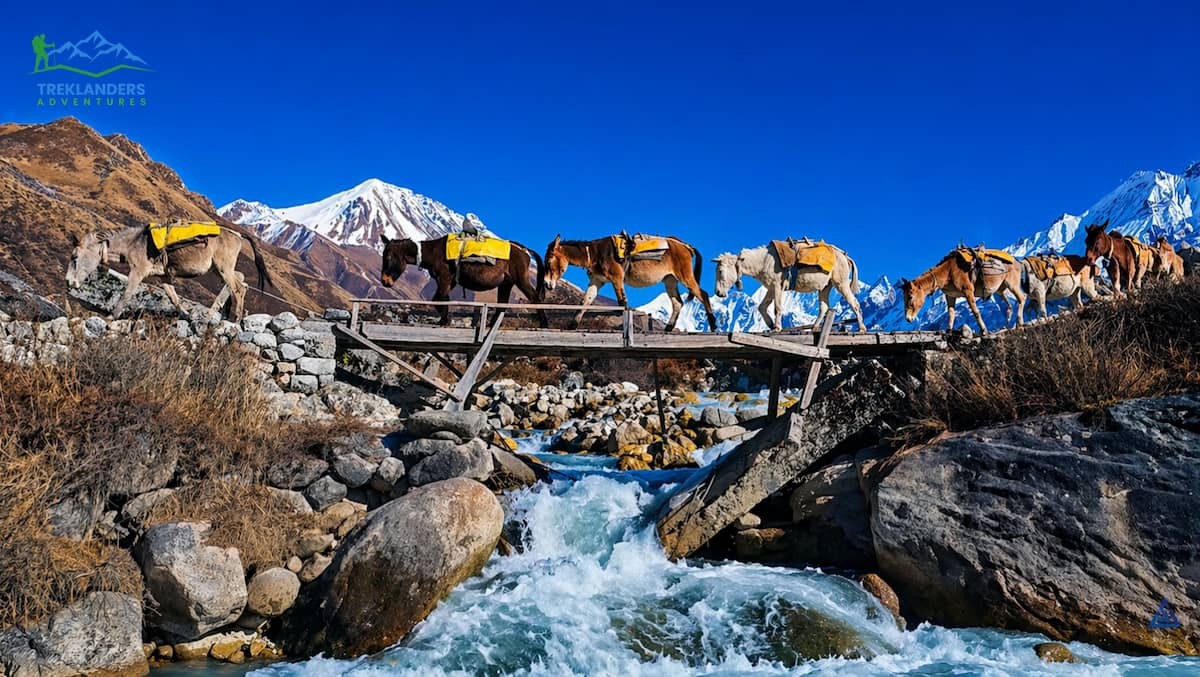
First, let’s look at why Langtang Valley is ranked #1 for best value among all popular trekking regions in Nepal.
Your trek begins and ends in Syabrubesi, only 122 km north of Kathmandu via jeep road that takes approximately 6-7 hours. Contrast that with the flight you need to take to Lukla for Everest Base Camp, or the arduous drives from Kathmandu to Pokhara for Annapurna.
Since Langtang is so much closer to Kathmandu, you can trim your transportation budget.
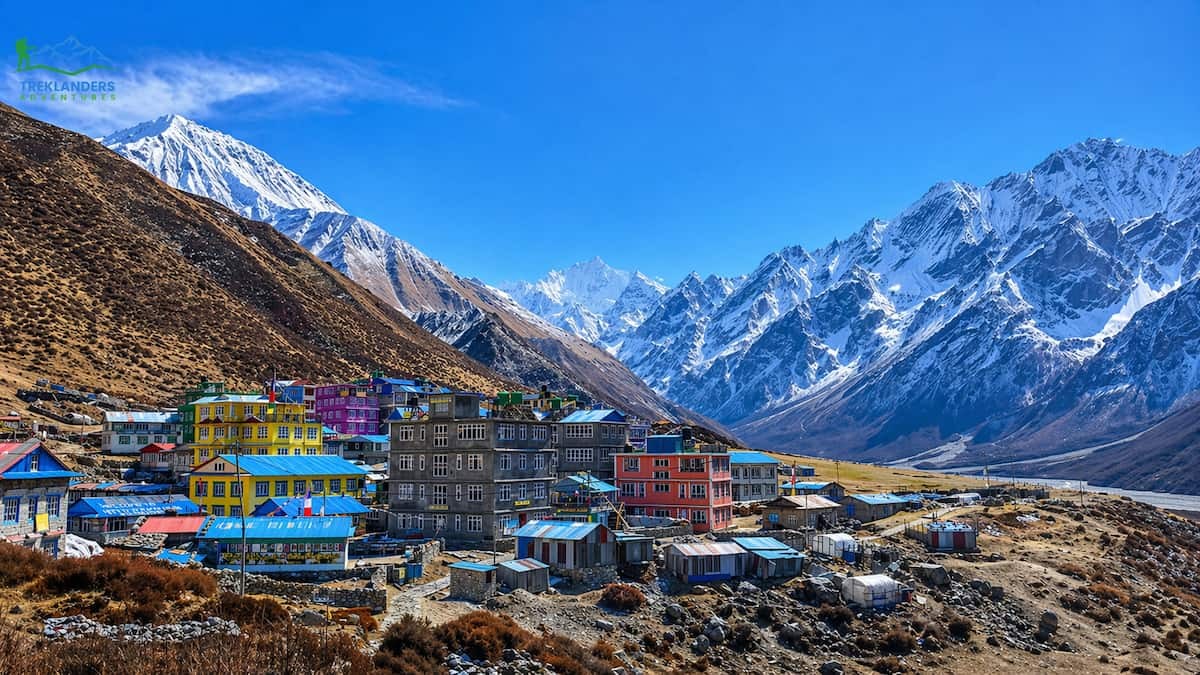
The highest point for most itineraries through Langtang Valley is Kyanjin Gompa, which sits at 3,800 m. You can hike to nearby viewpoints of Kyanjin Ri (4773 m) and Tserko Ri (5033 m) if you’re feeling ambitious, but overall, the trek doesn’t challenge you with a high-altitude gain, making the trek accessible to moderately fit walkers and minimizing costly extra days for acclimatisation.
Langtang Valley’s routing measures about 77 km (48 miles) round-trip from Syabrubesi. You trek through lush rhododendron forest, villages of the Tamang people, yak pastureland and up into the high alpine environment of Kyanjin. It’s considered moderate difficulty, so it’s ideal for beginner trekkers, families with teens, and avid hikers seeking a condensed 7-12-day focus in the Himalaya.
When you add all this up, you get a shorter trek with fewer layers of permits, less money spent on transportation and a cost that will always be lower than what you’ll find in the Everest region or Annapurna.
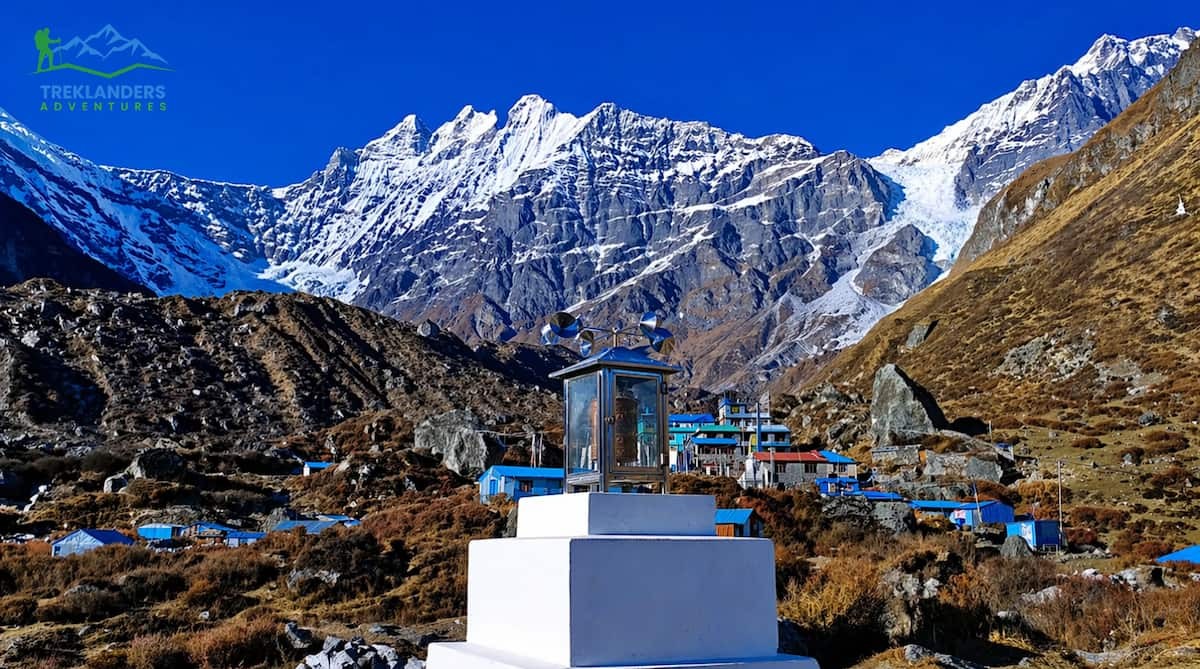
Treklanders operates three main Langtang Valley Trek packages, based on group pricing. Let's take a look at these first, so you have an idea of the cost reference for everything else in this guide.
This is Treklanders' standard package, which spends 2 nights in Kathmandu, including a heritage sightseeing tour, drive to Syabrubesi, 7 nights on the trail and a full rest/exploration day at Kyanjin Gompa.
Single (1): US$1,105
Small Group (2-3): US$925
Medium Group (4-8): US$845
Large Group (9-20): US$735
For packages quoting "From US$735", it means a group of 9 or more. Note that the previous cost was US$800, so you save US$65 using the current discounted group rate.
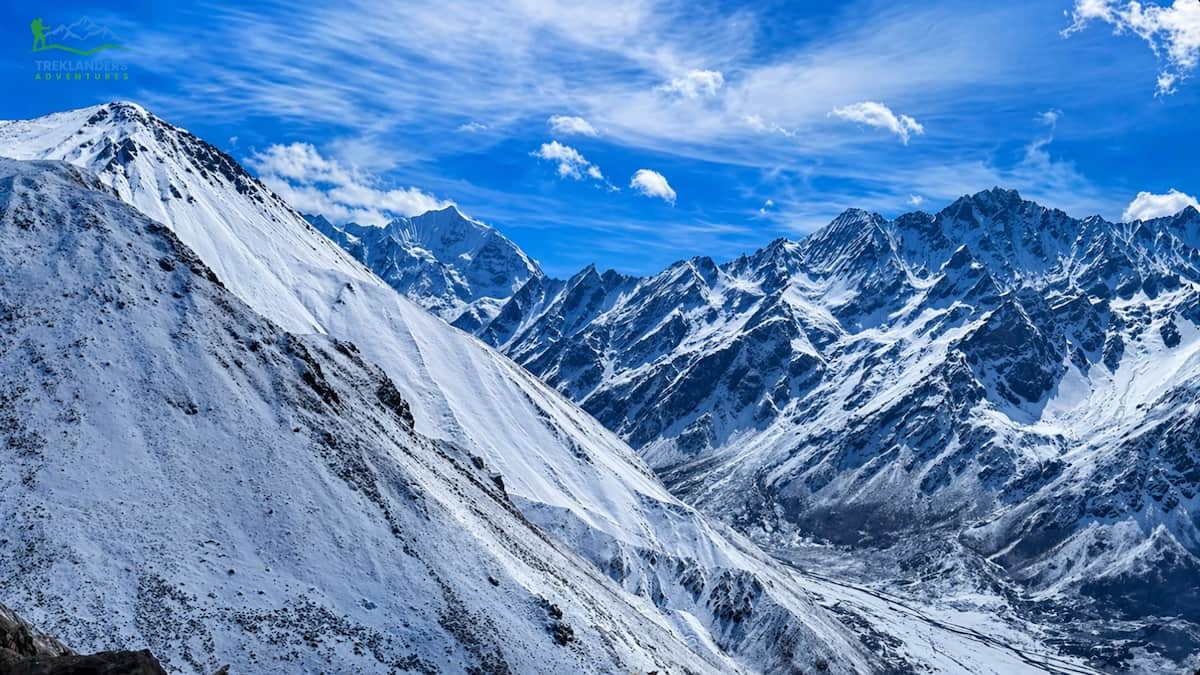
Essentially the same trek, however, Kathmandu time is shortened.

Minimum time on offer as an organized itinerary.
What Is Included in the Treklanders Package Price?
Knowing what you are paying for is essential to working out your true per diem cost once you are on the ground. Things included with every
Treklanders includes just about everything you would think of as needing to be paid for daily. If you were planning a trek on your own, figuring out these logistics would be one of your primary concerns.
Now that you know what you will pay for the package, here is what your daily payment breaks down to per person. Please note that for these calculations, we excluded phone credit since many prefer not to use it, and locals have free Wi-Fi access wherever they go.
Package price: US$1,105
Package divided by 12 days: approx. US$92 per day
Family/group of 4 to 8 travellers on the 12-day package:
Package price per person: US$845
Package divided by 12 days: approx. US$70 per day
Family/group of 9+ travellers on the 12-day package:
Package price per person: US$735
Package divided by 12 days: approx. US$61 per day
If you factor in Wi-Fi, hot showers, private drinks and tips, you really want to budget US$5 - US$15 more per day. So, your true daily all-inclusive cost is about:
Solo: US$97 - US$107 per day
Group of 4-8: US$75 - US$85 per day
Large group (9+): US$66 - $76 per day
Compare that to US$96 per day on the 9-day package for a single trekker. Or US$60 per day on the 7-day package on a group rate, although the latter has fewer nights in Kathmandu and fewer meals on the trail.
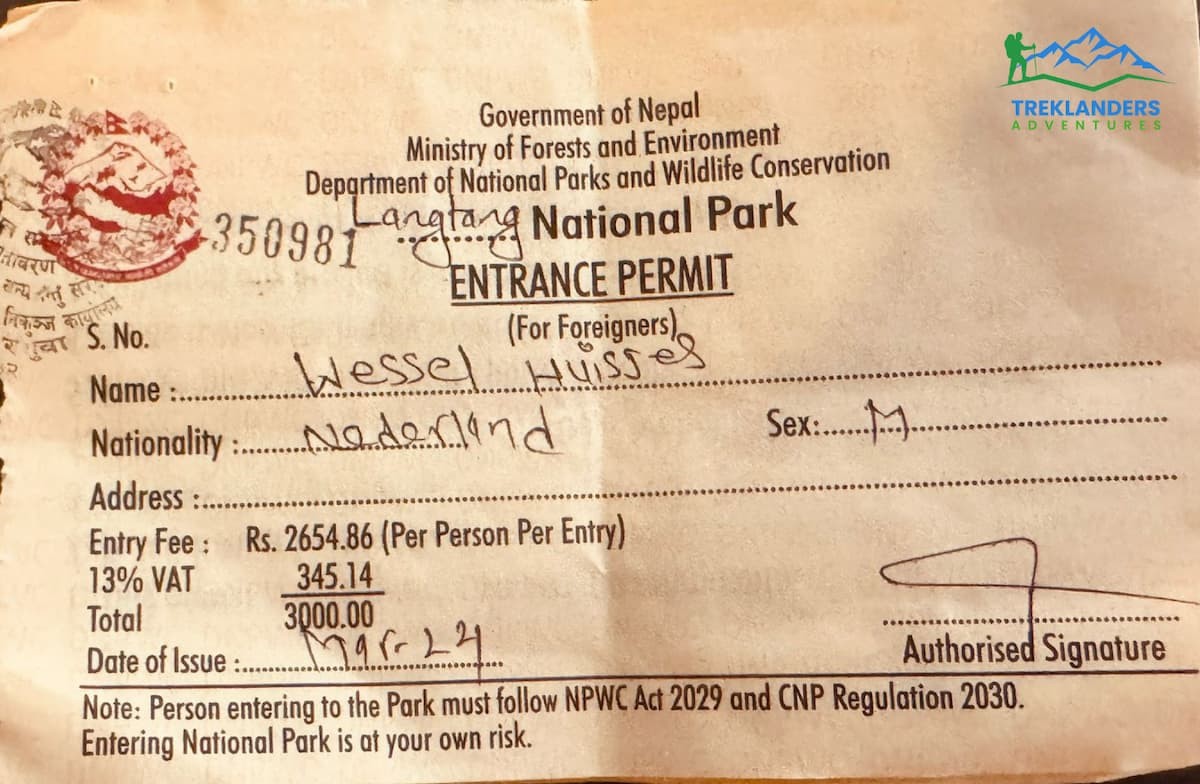
All foreign trekkers visiting Langtang must acquire two permits. Treklanders provides both, included in our package cost, but we understand if you want to know what actual numbers we’re working with, Langtang National Park Entry Permit.
Nepali citizens: No Park entrance fee
NTB office in Kathmandu, or at the entrance of Langtang National Park in Dhunche or Syabrubesi.
If you purchase through Treklanders, we file all permit documents on behalf of your group.
TIMS cards are trekker registration cards that allow Nepal to track your whereabouts for safety reasons. Starting in 2023, Nepal required all trekkers in most Protected Areas to trek with a licensed Nepali tour guide. You can no longer trek independently or solo in Nepal. When obtaining your TIMS card with Treklanders, we register you as a trekker with your guide’s information.
Total permit price: ~ NPR 5,000 per person (US$37-38)
Once again, both permits are already covered in your Treklanders price, so when you arrive at these checkpoints, you pay absolutely nothing!
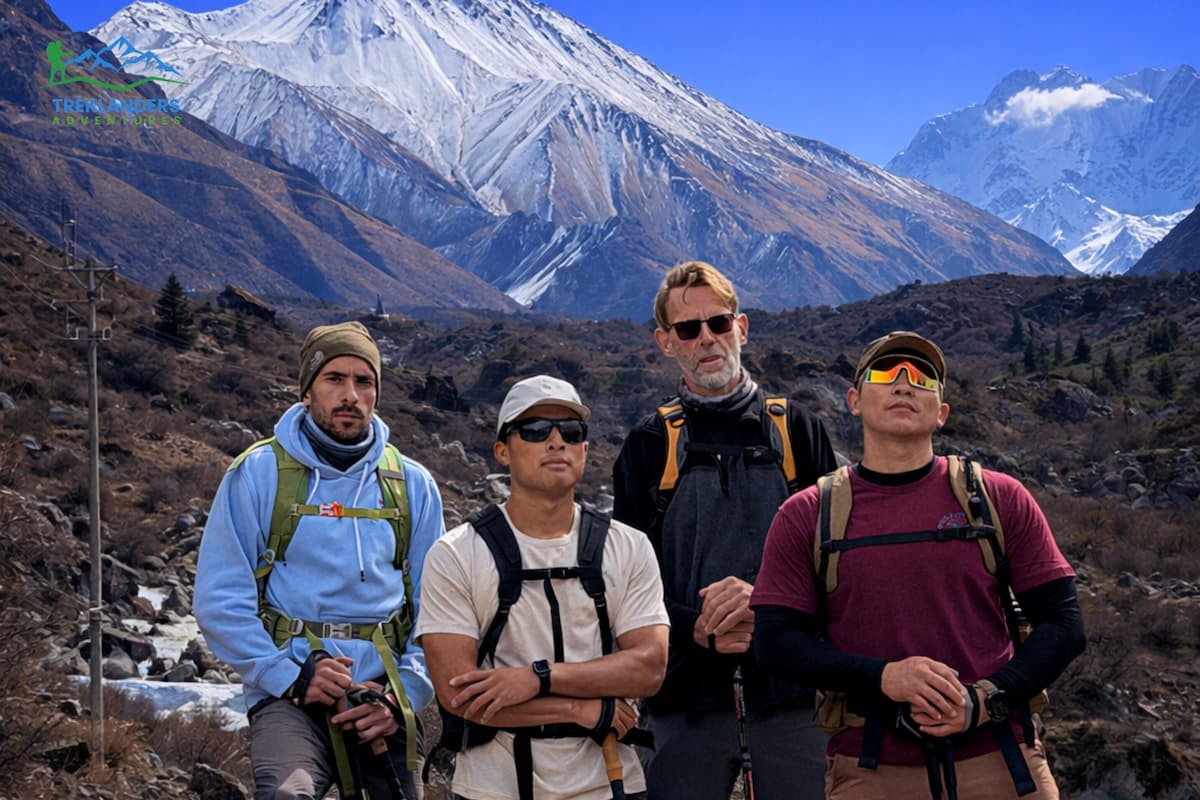
Guide and porter costs are where most of your Langtang Valley Trek cost goes. Below, we’ve outlined what exactly you’re paying for so you know it’s money well spent.

If you are hiking alone and find that you require extra help, you always have the option of hiring a licensed guide or an individual porter daily. These services are very flexible and can be set up either before you leave or when you reach the main trekking points. On the other hand, when you make your reservation with Treklanders, the guide and porter services come already packaged together with the trek, so you do not have to deal with arranging or negotiating these services separately. This not only makes your planning easier, but it also guarantees the same level of service as you go along.
Giving tips is done differently. It is actually a normal part of the trekking culture in Nepal, but it is not at all included in the price of the package that you pay upfront. The expectation is that you will tip your guide and porter depending on how many days you go trekking and the quality of the service that they give you. The daily tip amount is reasonably small, but when it is multiplied by the number of days of a long trek, it can add up. For example, if you are doing a week-long trekking part of a bigger itinerary, the total tip for guide and porter together can be a significant part of your expenses that are not fixed.
You should definitely make a plan and also set aside some money that is only for tipping. This way, you will not be in a hurry or stressed out when you end up in an area that is so isolated that you cannot get hold of cash. It is a good idea to have with you some small notes of Nepali currency to be able to tip your guide and porter daily or at the time of finishing the trek without any trouble. Doing things this way will effectively keep your trekking experience going without any hiccups and, at the same time, will make sure that the support team that has helped you is properly rewarded.
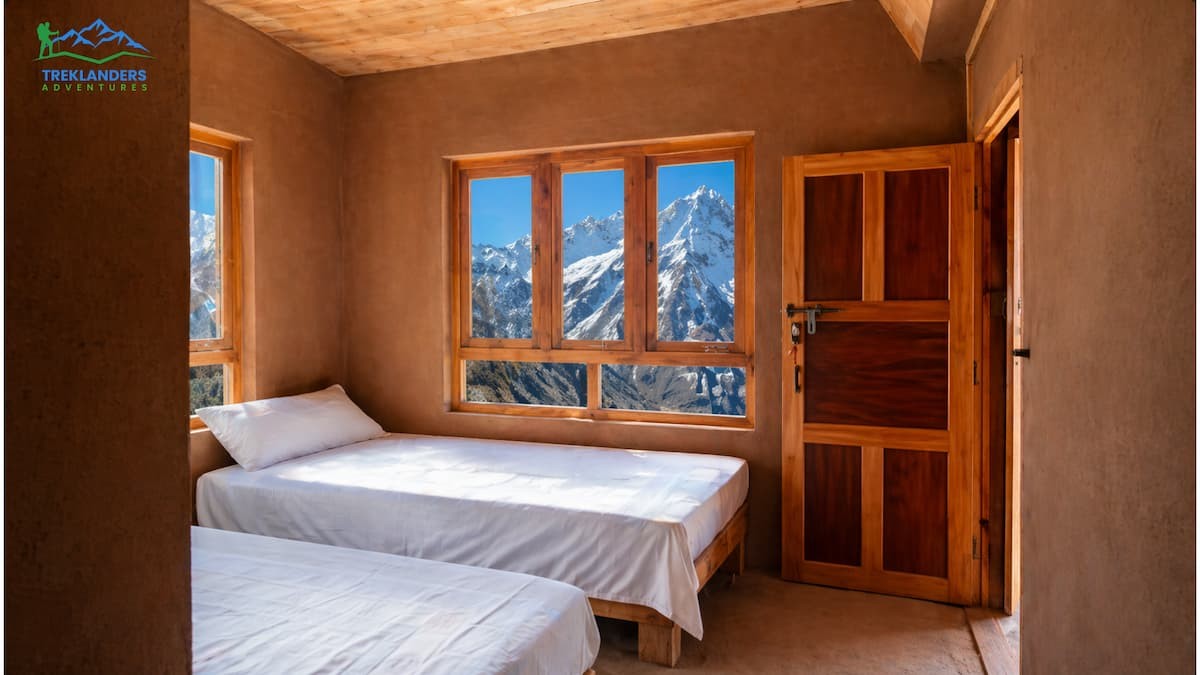
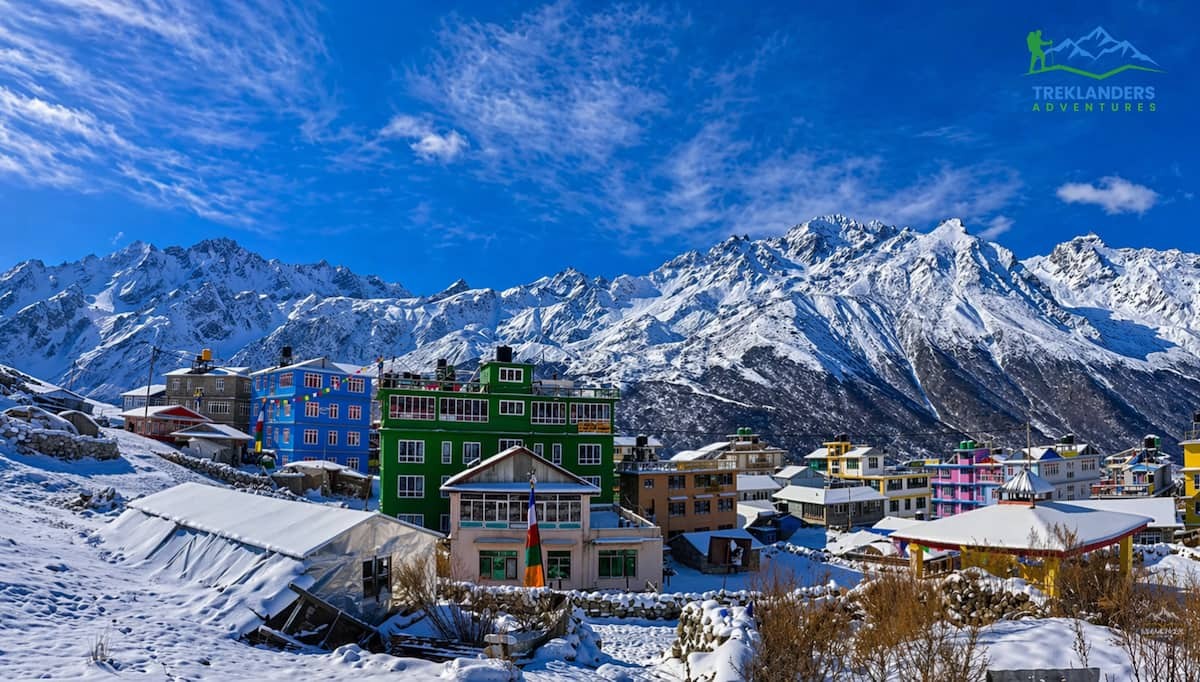
The Treklanders package includes all of your accommodation along the trail in teahouses/lodges. You won’t need to worry about paying for rooms yourself on the trek. This makes it easier if you want to arrange trekking yourself, or even if you’re just booking independently but want to know exactly what your package includes, it’s useful to know how accommodation on the Langtang trek works:
Teahouses along the trail are pretty basic but functional. Rooms have two beds for twin-sharing with wooden slatted beds and a blanket/duvet. Eating facilities are shared in the dining room, and there’s usually a stove that you plug your cushion into at night – this is where everybody congregates! Toilets are often shared too, but attached toilets can be found at lower elevations, such as at Syabrubesi and Lama Hotel.
Room costs along the trail are very cheap. They vary slightly from place to place, and do tend to creep up slightly as you ascend (due to it costing more to transport them there and there being less around!), but actual room costs themselves are often very cheap because most of their money is made from you buying food and drink. If you spend all your meals in one lodge, the owners will often knock the room price down, or even offer it for free. This also happens everywhere you trek in Nepal.
Rooms will get booked up quicker during peak seasons. Book late April to early May and September/October for the best choice of rooms. You’ll need to book by early afternoon in most cases, especially at smaller stops along the way, such as Mundu and Kyanjin Gompa. It’s best to arrive early to choose from the best rooms. Sleeping bags are useful as they warm you up at night and provide extra comfort – you’ll need them once you get higher up!
As part of your package, you’ll be provided with a few nights in Kathmandu in a mid-range hotel, with breakfast included. Should you choose to book this separately (such as if you stay in Thamel), there are loads of similar standard hotels. Most will include Wi-Fi, hot showers and an airport pickup service.
Typical independent teahouse room rates (NPR per night)
Food Costs: What to Expect on the Trail and in Kathmandu
Food included for trekking days (breakfast, lunch, dinner) is included in the Treklanders package. When we are in Kathmandu, breakfast will be included at the hotel. The Farewell dinner on your last night is included.
For the independent pay days (days where you pay for personal drinks/snacks/extras or your free day in Kathmandu), here is an inexpensive, realistic food cost guide:
On the trail...at teahouses (Independent Expense):
If you independently have three meals a day on the trail, your daily food expenses will be at a moderate level but will accumulate over multiple days. Prices rise with altitude due to transport limitations, so meals in high-altitude villages are more expensive than those in lower areas. As meals are included in the Treklanders package, most of your personal expenses will be for drinks, snacks, and the occasional extras such as desserts or additional tea and coffee.
Typical extras are bottled water, soft drinks, tea, coffee, hot lemon, and goodies like chocolate bars or biscuits. The prices are notably higher than in cities, with the most significant jumps at higher elevations. You can save money by purifying water instead of buying bottled water and by bringing some snacks from Kathmandu before going on the trek.
Food in Kathmandu offers a wide range of choices. You can have cheap meals at local eateries or spend more for a mid-range restaurant where they serve Nepali, Indian, or international dishes. As a bonus, you get a farewell dinner at a traditional Nepali restaurant with a cultural show, so you don't have to include that meal in your planning.
Maintain a small but adjustable budget for your free day in Kathmandu and personal consumption during the trek. The sum will easily allow you to buy drinks, light snacks, and one or two independent meals without making a dent in your total travel budget.
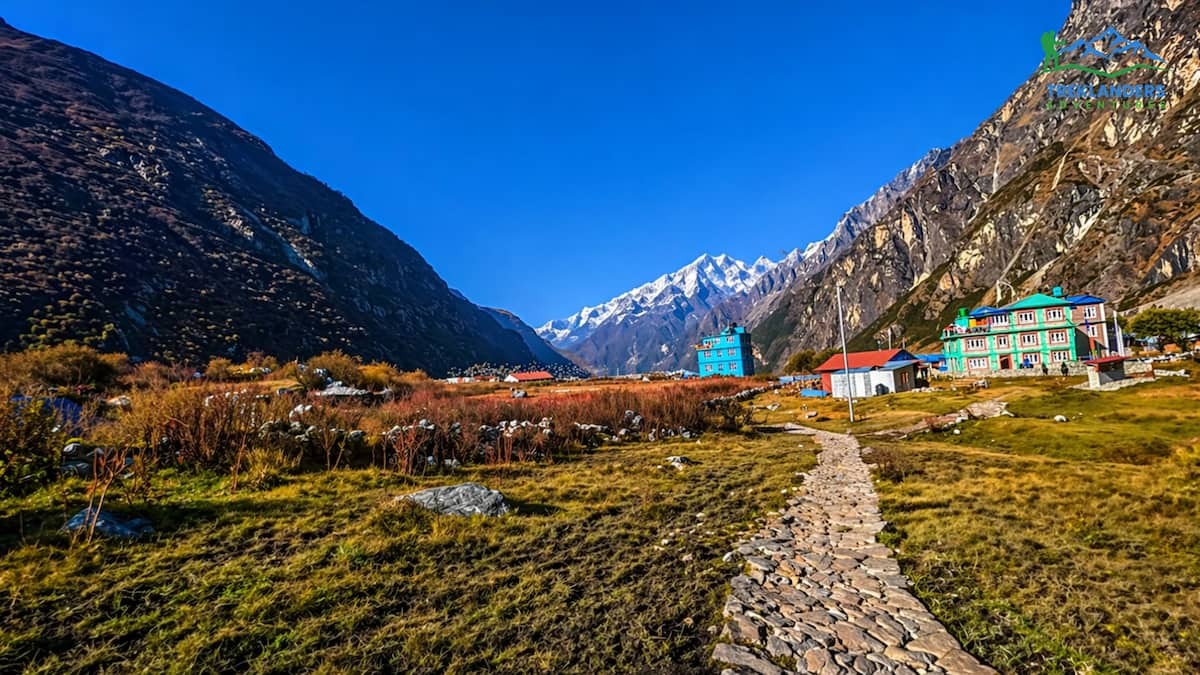
Whether you prefer public buses or private vehicles, we provide full ground transportation from Kathmandu to Syabrubesi in your Treklanders package. This way, you don't have to worry about a logistical step or an additional cost. The journey is approximately 122 km, along a winding mountain road route that goes through Nuwakot and Rasuwa, with Dhunche being the last town before the road descends to Syabrubesi. Depending on vehicle type and road conditions, travel times vary; to have a faster and more comfortable ride, a private jeep is the best option. It is also less time-consuming than public buses, as they take more time due to frequent stops, and they also have variable schedules.
In case you are planning your own transport, costs will depend on the type of vehicle and the number of people in your group. A private jeep from Kathmandu to Syabrubesi will normally cost about US$100 to US$150 per vehicle one way, but it is possible to split the fare among passengers. Public buses are significantly cheaper, with a fare of about NPR 500 to 700 per person (US$3.75 to US$5.25) one way. However, bus rides are less comfortable, and their schedules are not always reliable.
For the individual trekkers, if you decide to take a private jeep in both directions, that will amount to nearly US$200 to US$300. But in a group of four, it will be much more economical, and the cost per person will even come to about US$50 to US$75 each way. Group travelling is therefore a very good option if you want to travel in comfort and without paying a high price for it individually.
The package also includes airport transfers on both arrival and departure at Tribhuvan International Airport. In case one is arranging independently, a taxi from the airport to Thamel is usually in the range of US$5 to US$10. By including these transfers in the package, you are assured of a perfect start and finish to your tour, especially when one is back from a long international flight.
Depending on the weather, the road conditions on this route can be affected, especially during the monsoon or winter seasons. There can be landslides or traffic jams; therefore, having transport already booked through a package is more reliable and removes the need for immediate coordination on the spot.
This is where many self-organized trekkers get caught off guard. Although each of these expenses is a small amount, it can easily add up over a span of 12 days.
Wi Fi: Most tea houses will offer Wi Fi at a price of around NPR 200 to 500 per session or per day. The quality of the connection differs a lot depending on the altitude and the weather. At Kyanjin Gompa, the signal might be very weak or even nonexistent. If staying connected while trekking is your thing, set aside NPR 1,500 to 3,000 (US$11 to US$22).
Device charging: Every lodge has the habit of charging a small fee for the use of its electricity. NPR 100 to 300 per device per charge. To lower your reliance on paid charging points, carry a power bank with a capacity of 10,000 to 20,000 mAh. Set aside US$3 to US$8 overall.
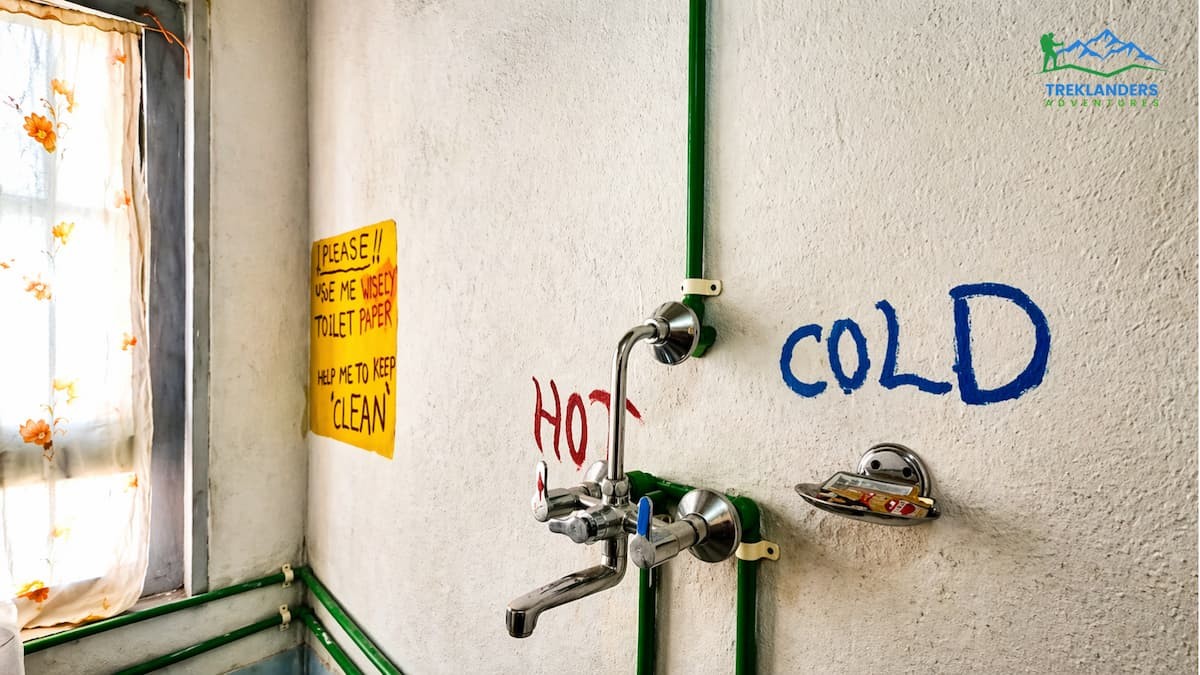
Hot showers: At most teahouses, those heated by solar energy can be taken for NPR 300 to 500 per shower. At places at higher elevations like Kyanjin Gompa, the supply of hot water might be scarce. Set aside US$10 to US$20 for showering throughout the days of trekking.
Travel insurance: This is not included in any package, and it is a must to have travel insurance that covers emergency helicopter evacuation and trekking up to 5,000 m altitude. You can expect a policy from a good international company to cost between US$50 and $150 based on your nationality, age, and coverage length. This is a must; the cost of a helicopter evacuation in Nepal without insurance can range from US$3,000 to US$8,000 or even more.
Gear and Equipment: If you don't have trekking gear, there are a lot of rental options. Renting a down jacket in Kathmandu's Thamel district can cost US$3 to US$5 per day. You can also rent a sleeping bag for US$2 to US$4 per day and trekking poles for US$1 to US$2 per day. There is a wide range of capable brands that are imported and sold at Thamel in affordable stores. Local brands normally cost less than international ones. The price depends on the type of gear that you choose as well.
Nepal Visa: Most people have to pay US$30 for a 15-day stay visa or US$50 for a 30-day stay visa on arrival at Kathmandu airport. You might want to include this in your spending plan.
Personal Medications: It is good to have your own blister treatment, painkillers, as well as any medication for altitude sickness (Diamox, if a doctor has prescribed it to you). Cost estimate: US$20 to US$40.
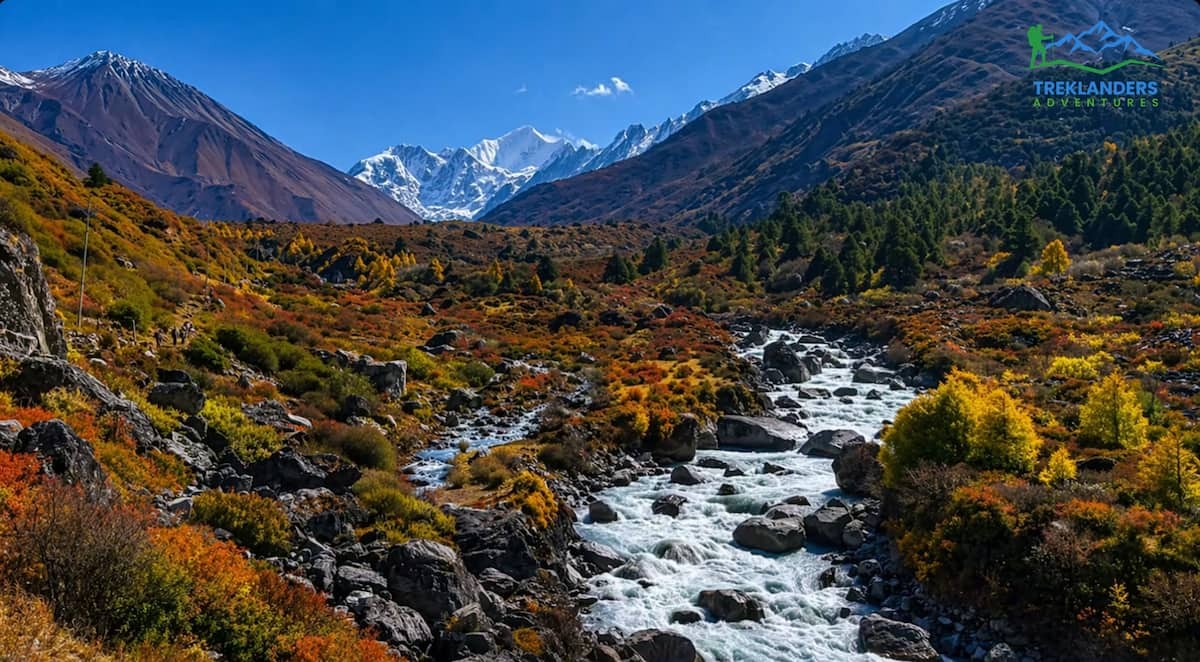
Here is the complete picture with all costs consolidated.
Solo trekker, 12-day Langtang Valley Trek via Treklanders:
The group discount structure at Treklanders is significant and worth planning around. Here is the direct comparison for the 12-day package.
Travelling with a partner instead of solo saves you US$180 per person, roughly 16% off the package price. Going from a pair to a group of 4 saves an additional US$80 per person. The maximum saving from solo to large group is US$370 per person.
If you are planning a solo trip, check Treklanders' group departure calendar. They organize group treks where individual trekkers join scheduled departures, giving you access to the group rate without having to recruit your own trekking companions.
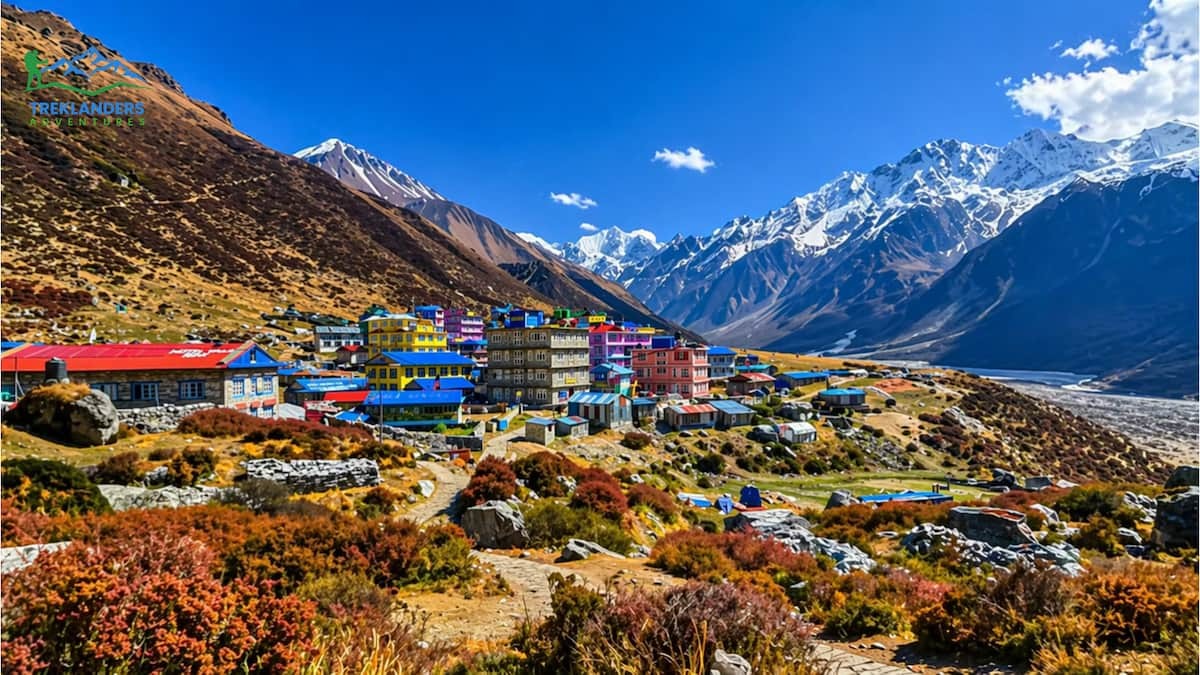
Not every trekker has 12 days available for the Langtang Valley. Here is a comparison of all three main trek packages based on cost per day.
The shortest trek with fewer nights in Kathmandu. Fewer days to explore the valley mean fewer expenses for trekkers.
The middle trek length offers the most coverage of the Langtang Valley for trekkers.
The longest trek with extra days in Kathmandu to rest up and a full day to explore the Kyanjin Gompa monastic complex.
The 12-day Langtang Valley trek group costs less per day than the 9-day Langtang Valley trek package, despite the extra days in the valley. This is due to the scaling of trek costs for trek companies as the number of days increases.
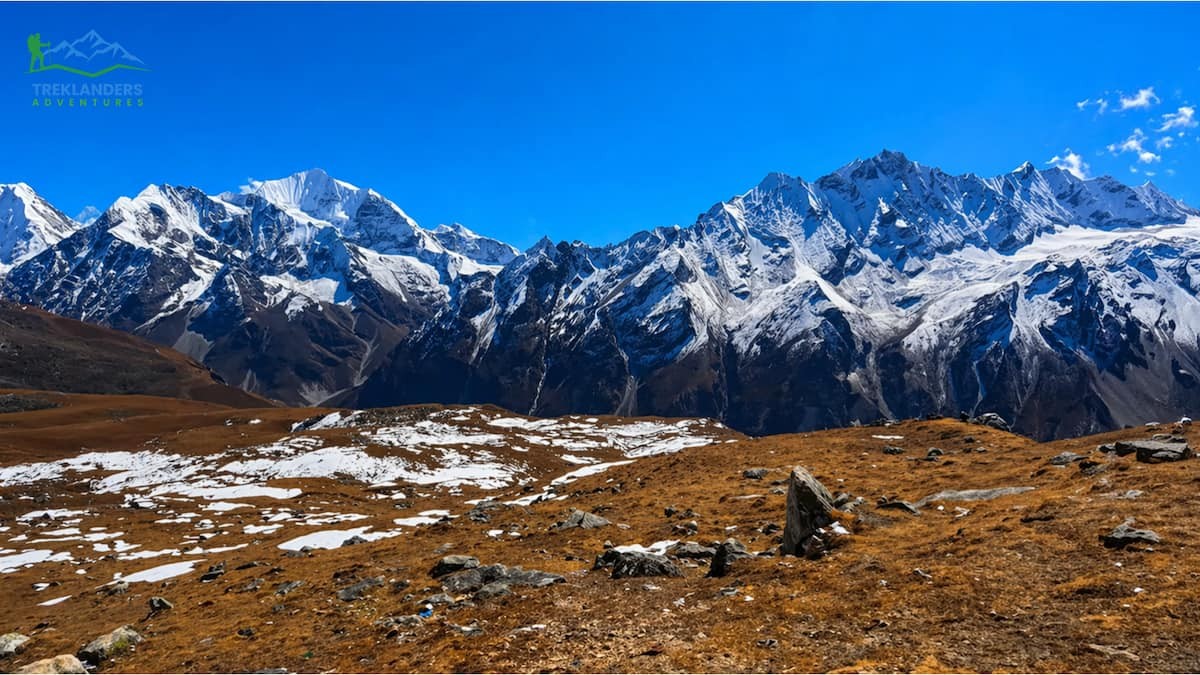
Season affects both availability and your personal comfort, but it also influences certain on-trail costs.
Spring (March to May): It's the busiest time for Langtang Valley during these months. The sky is clear, flowers are blooming, and temperatures can be anywhere between 10 °C and 20 °C. Most teahouses will be open for business, you'll have no trouble finding hot showers, and Wi Fi will be working most of the time. No price hikes on Treklanders packages during these months.
Autumn (September to November): It's the second busiest season for trekking. The weather is clear as the monsoon has just ended, the trails are dry, and the sky is usually blue. You will find availability and pricing similar to spring. Since this season attracts the most trekkers, it is better to make your group departure bookings early.
Winter (December to February): The number of trekkers will be less, and so will the crowds. The sky will be clear for you to get a good view of the mountains. Some higher altitude teahouses might close. It will be very cold, especially in the mornings and at night, if you are above 3,000 m. Although Treklanders' packages will be at the same price points, you will likely pay more for hot showers and charging, as the solar power will be less effective.
Monsoon (June to August): Treklanders does not recommend this season for Langtang because of heavy rain, slippery trails, and the danger of landslides on the road to Syabrubesi. If you still decide to trek during the monsoon, you may find lower occupancy in teahouses and possibly have some negotiation for the independent accommodation costs.
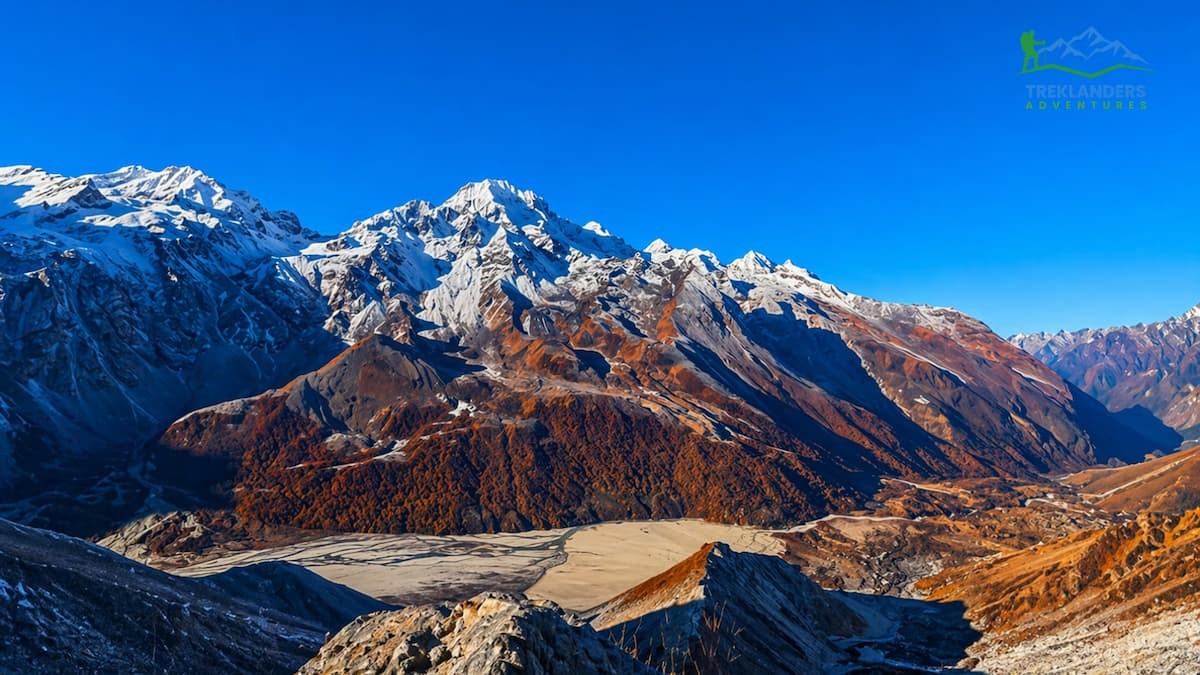
The Langtang Valley Trek offers a truly authentic Himalayan adventure, and it is the only big Nepal trek whose price of its package can compare with. At a rate of US$61 to US$92 per day, you will have a qualified guide, all meals along the way, teahouse accommodation permits transport, and a hotel in Kathmandu, all without taking a domestic flight or going through a complicated multi-permit system. Let's look at the numbers.
If you are a lone trekker, you will spend approximately US$1,515 in total for 12 days. A group of four, on the other hand, will pay US$1,215 each, and a group of nine or more will pay US$1,095 each. Each person you add to your group individually decreases what each member pays. And what you stand to get for that is quite something. You walk through ancient Tamang villages steeped in Buddhist culture, pass through thick rhododendron forests, get to Kyanjin Gompa at 3,800 m, and look out from Tserko Ri (5,033 m) with Langtang Lirung closing the picture. The path is suitable for both newbies and seasoned trekkers.
We recommend spring (March to May) or autumn (September to November) as the time to trek for the best weather and the clearest views. Secure the current promotional price of US$735 per person before it changes. Go to treklanders.com to see when the groups depart and check your package with complete cost transparency from the very first day.
Gokyo Lakes or Everest Base Camp? Compare difficulty, cost, views, and route to choose the best trek in Nepal’s Everest region.
Planning the Manaslu Circuit Trek in monsoon? Learn about weather, risks, safety tips, and what to expect on this remote Himalayan adventure.
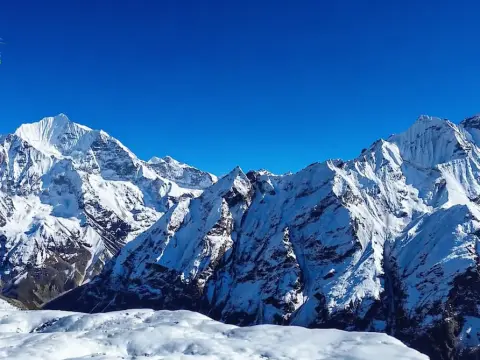
Spring or autumn for Langtang Valley Trek? Compare weather, views, trails, and crowds to choose the best season for your perfect Himalayan adventure.



