[{"name":"Everest Base Camp Trek","duration":"16","image_url":"https:\/\/www.treklanders.com\/storage\/trip-galleries\/1\/thumb_419a755c003cc609f3030ee332965ebe.jpg","offer_price":1405,"url":"https:\/\/www.treklanders.com\/trips\/everest-base-camp-trek"},{"name":"Gokyo Valley Trekking","duration":"16","image_url":"https:\/\/www.treklanders.com\/storage\/trip-galleries\/2\/thumb_676d1021b574aeba4d19d3f2a0b04ed2.webp","offer_price":1205,"url":"https:\/\/www.treklanders.com\/trips\/gokyo-valley-trekking"},{"name":"Annapurna Circuit Trek","duration":"23","image_url":"https:\/\/www.treklanders.com\/storage\/trip-galleries\/3\/thumb_2a9a92ea23c62f41de27b37f5e3e8c17.webp","offer_price":1495,"url":"https:\/\/www.treklanders.com\/trips\/annapurna-circuit-trek"},{"name":"Everest Panorama Trek","duration":"12","image_url":"https:\/\/www.treklanders.com\/storage\/trip-galleries\/4\/thumb_35c9f677ea2e88b1ff11a9f43daa3ddb.jpg","offer_price":1100,"url":"https:\/\/www.treklanders.com\/trips\/everest-panorama-trek"},{"name":"Everest Base Camp Trekking from Jiri","duration":"22","image_url":"https:\/\/www.treklanders.com\/storage\/trip-galleries\/6\/thumb_14763592492417b294aa66bf0ebf4e64.webp","offer_price":1400,"url":"https:\/\/www.treklanders.com\/trips\/everest-base-camp-trekking-from-jiri"},{"name":"Everest Base Camp via Cho la Pass from Gokyo Valley Trekking","duration":"18","image_url":"https:\/\/www.treklanders.com\/storage\/trip-galleries\/7\/thumb_d4e470e98d4e9e2ab8e93e39b8b7d252.jpg","offer_price":1405,"url":"https:\/\/www.treklanders.com\/trips\/everest-base-camp-via-cho-la-pass-from-gokyo-valley-trekking"},{"name":"Everest Three Passes Trekking","duration":"22","image_url":"https:\/\/www.treklanders.com\/storage\/trip-galleries\/8\/thumb_b413b221e913171500bb3dfd5c08ceea.jpg","offer_price":1635,"url":"https:\/\/www.treklanders.com\/trips\/everest-three-passes-trekking"},{"name":"Annapurna Base Camp Trekking","duration":"14","image_url":"https:\/\/www.treklanders.com\/storage\/trip-galleries\/9\/thumb_2e71f2ffe116c659fa66b01c2d571b4e.webp","offer_price":845,"url":"https:\/\/www.treklanders.com\/trips\/annapurna-base-camp-trekking"},{"name":"Mardi Base Camp Trekking","duration":"14","image_url":"https:\/\/www.treklanders.com\/storage\/trip-galleries\/10\/thumb_d7b2d2dc638f6bbf2c31c167ac68029d.webp","offer_price":845,"url":"https:\/\/www.treklanders.com\/trips\/mardi-base-camp-trekking"},{"name":"Mohare Danda Trekking","duration":"12","image_url":"https:\/\/www.treklanders.com\/storage\/trip-galleries\/11\/thumb_a384c8d35d789d29b19991c1d675c910.webp","offer_price":755,"url":"https:\/\/www.treklanders.com\/trips\/mohare-danda-trekking"},{"name":"Khopra Ridge & Khair Lake Trekking","duration":"15","image_url":"https:\/\/www.treklanders.com\/storage\/trip-galleries\/12\/thumb_c0f50461ddc74acfb553ba85be00fab0.webp","offer_price":855,"url":"https:\/\/www.treklanders.com\/trips\/khopra-ridge-khair-lake-trekking"},{"name":"Upper Mustang Trekking","duration":"17","image_url":"https:\/\/www.treklanders.com\/storage\/trip-galleries\/13\/thumb_7aa4dfdb69186b0f224a303d80a25c95.jpg","offer_price":1715,"url":"https:\/\/www.treklanders.com\/trips\/upper-mustang-trekking"},{"name":"Langtang Valley Trek","duration":"12","image_url":"https:\/\/www.treklanders.com\/storage\/trip-galleries\/14\/thumb_8650b4b1a3c160cff75da65369398353.webp","offer_price":735,"url":"https:\/\/www.treklanders.com\/trips\/langtang-valley-trek"},{"name":"Gosainkunda Lake Trek","duration":"11","image_url":"https:\/\/www.treklanders.com\/storage\/trip-galleries\/15\/thumb_bfe94c14e760c48234e117021105be84.webp","offer_price":735,"url":"https:\/\/www.treklanders.com\/trips\/gosainkunda-lake-trek"},{"name":"Chisapani-Nagarkot to Dhulikhel Hiking","duration":"7","image_url":"https:\/\/www.treklanders.com\/storage\/trip-galleries\/16\/thumb_468defe9a4000ee3129cd7e6421ee105.webp","offer_price":565,"url":"https:\/\/www.treklanders.com\/trips\/chisapani-nagarkot-to-dhulikhel-hiking"},{"name":"Kanchenjunga Trek","duration":"23","image_url":"https:\/\/www.treklanders.com\/storage\/trip-galleries\/17\/thumb_51f43fa4203106cc49aaedc89d76e01d.jpg","offer_price":1725,"url":"https:\/\/www.treklanders.com\/trips\/kanchenjunga-trek"},{"name":"Helambu Trek","duration":"12","image_url":"https:\/\/www.treklanders.com\/storage\/trip-galleries\/18\/thumb_0fe8e3fa1299d2e43bf1fb5977875ce2.jpg","offer_price":685,"url":"https:\/\/www.treklanders.com\/trips\/helambu-trek"},{"name":"Upper Dolpo Trek","duration":"26","image_url":"https:\/\/www.treklanders.com\/storage\/trip-galleries\/19\/thumb_d6080d490e1db83b0a711e7304000864.jpg","offer_price":3005,"url":"https:\/\/www.treklanders.com\/trips\/upper-dolpo-trek"},{"name":"Manaslu Circuit Trek","duration":"18","image_url":"https:\/\/www.treklanders.com\/storage\/trip-galleries\/20\/thumb_1fdd224e849f4f328e73d2d12b3d282d.jpg","offer_price":1225,"url":"https:\/\/www.treklanders.com\/trips\/manaslu-circuit-trek"},{"name":"Tilicho Lake Base Camp Trek","duration":"19","image_url":"https:\/\/www.treklanders.com\/storage\/trip-galleries\/21\/thumb_eba8ac5e029e6543e0c17630ebd9e2fb.jpg","offer_price":1220,"url":"https:\/\/www.treklanders.com\/trips\/tilicho-lake-base-camp-trek"},{"name":"Nar-Phu Valley With Thorang-La Pass Trek","duration":"21","image_url":"https:\/\/www.treklanders.com\/storage\/trip-galleries\/22\/thumb_43597423a5a366fe9c8937fb30d2fe2a.jpg","offer_price":1315,"url":"https:\/\/www.treklanders.com\/trips\/nar-phu-valley-with-thorang-la-pass-trek"},{"name":"Nepal Round Trip of Kathmandu-Pokhara-Lumbini and Chitwan Tour","duration":"10","image_url":"https:\/\/www.treklanders.com\/storage\/trip-galleries\/23\/thumb_32497d170b2ab340b0a1b3310e91e784.webp","offer_price":845,"url":"https:\/\/www.treklanders.com\/trips\/nepal-round-trip-of-kathmandu-pokhara-lumbini-and-chitwan-tour"},{"name":"Nagarkot Day Hike","duration":"2","image_url":"https:\/\/www.treklanders.com\/storage\/trip-galleries\/24\/thumb_a5a654930fd8ba7852e41738105bacfc.webp","offer_price":105,"url":"https:\/\/www.treklanders.com\/trips\/nagarkot-day-hike"},{"name":"Nagarkot Sunrise Tour","duration":"1","image_url":"https:\/\/www.treklanders.com\/storage\/trip-galleries\/25\/thumb_17dc28a29cfa44381ad503f0a75ee84f.webp","offer_price":22,"url":"https:\/\/www.treklanders.com\/trips\/nagarkot-sunrise-tour"},{"name":"Namobuddha Day Tour with Shiva Statue","duration":"1","image_url":"https:\/\/www.treklanders.com\/storage\/trip-galleries\/26\/thumb_beeb34202f9077764aa08c67ef2867f9.webp","offer_price":45,"url":"https:\/\/www.treklanders.com\/trips\/namobuddha-day-tour-with-shiva-statue"},{"name":"Kathmandu Full Day Sightseeing Tour","duration":"1","image_url":"https:\/\/www.treklanders.com\/storage\/trip-galleries\/27\/thumb_d045fc0f1acee2cfa6b3c95f3c656d18.jpg","offer_price":30,"url":"https:\/\/www.treklanders.com\/trips\/kathmandu-full-day-sightseeing-tour"},{"name":"Patan and Bhaktapur Sightseeing Tour","duration":"1","image_url":"https:\/\/www.treklanders.com\/storage\/trip-galleries\/28\/thumb_750eacac3424b5dba686dd93656ab87c.jpg","offer_price":30,"url":"https:\/\/www.treklanders.com\/trips\/patan-and-bhaktapur-sightseeing-tour"},{"name":"Upper Mustang Heli Tour","duration":"1","image_url":"https:\/\/www.treklanders.com\/storage\/trip-galleries\/29\/thumb_0b785f69a15557f8660c805c76fda14e.webp","offer_price":1250,"url":"https:\/\/www.treklanders.com\/trips\/upper-mustang-heli-tour"},{"name":"Everest Heli Tour","duration":"1","image_url":"https:\/\/www.treklanders.com\/storage\/trip-galleries\/30\/thumb_dc45f2beb36a3699e0decf0de41a6f17.jpg","offer_price":1495,"url":"https:\/\/www.treklanders.com\/trips\/everest-heli-tour"},{"name":"Island Peak Trek & Climb","duration":"21","image_url":"https:\/\/www.treklanders.com\/storage\/trip-galleries\/31\/thumb_a0f3e3468c92a8e436045cf8b2fbf361.jpg","offer_price":2295,"url":"https:\/\/www.treklanders.com\/trips\/island-peak-trek-climb"},{"name":"Mera Peak Trek & Climb","duration":"18","image_url":"https:\/\/www.treklanders.com\/storage\/trip-galleries\/32\/thumb_3e8128a23c36f02fa38135475e811b9e.jpg","offer_price":2815,"url":"https:\/\/www.treklanders.com\/trips\/mera-peak-trek-climb"},{"name":"Chandragiri Cable Car Tour","duration":"1","image_url":"https:\/\/www.treklanders.com\/storage\/trip-galleries\/33\/thumb_faa70b716449eada6d7f1450335edbb3.jpg","offer_price":30,"url":"https:\/\/www.treklanders.com\/trips\/chandragiri-cable-car-tour"},{"name":"Everest Base Camp Trek and Returning via Heli","duration":"13","image_url":"https:\/\/www.treklanders.com\/storage\/trip-galleries\/34\/thumb_11190941866206e1d578db11986ebc73.webp","offer_price":2100,"url":"https:\/\/www.treklanders.com\/trips\/everest-base-camp-trek-and-returning-via-heli"},{"name":"Annapurna Semi Circuit Trek","duration":"15","image_url":"https:\/\/www.treklanders.com\/storage\/trip-galleries\/35\/thumb_30ddd8ba818cdcb52efd5eb0a017bcdb.jpg","offer_price":965,"url":"https:\/\/www.treklanders.com\/trips\/annapurna-semi-circuit-trek"},{"name":"Everest Base Camp Luxury Trek","duration":"14","image_url":"https:\/\/www.treklanders.com\/storage\/trip-galleries\/39\/thumb_6079aea3c5dd83e745a16fd6162270dc.jpg","offer_price":2685,"url":"https:\/\/www.treklanders.com\/trips\/everest-base-camp-luxury-trek"},{"name":"Mt. Kailash & Lake Manasarover Tour","duration":"15","image_url":"https:\/\/www.treklanders.com\/storage\/trip-galleries\/41\/thumb_cf3fededfd7dd2b40399af399e04f95a.jpg","offer_price":2205,"url":"https:\/\/www.treklanders.com\/trips\/mt-kailash-lake-manasarover-tour"},{"name":"Ghorepani Poonhill Trek","duration":"11","image_url":"https:\/\/www.treklanders.com\/storage\/trip-galleries\/43\/thumb_602d9a56976e1b836ba8adc69b8d09c5.webp","offer_price":720,"url":"https:\/\/www.treklanders.com\/trips\/ghorepani-poonhill-trek"},{"name":"11 Days Gokyo Valley Trekkking","duration":"11","image_url":"https:\/\/www.treklanders.com\/storage\/trip-galleries\/45\/thumb_ab552c3c91de392f94230a937b1c4801.jpg","offer_price":900,"url":"https:\/\/www.treklanders.com\/trips\/11-days-gokyo-valley-trekkking"},{"name":"9-Day Everest Base Camp Trekking with Helicopter Return","duration":"9","image_url":"https:\/\/www.treklanders.com\/storage\/trip-galleries\/46\/thumb_9a8ba2b582500cd86786be056902c31a.webp","offer_price":1990,"url":"https:\/\/www.treklanders.com\/trips\/9-day-everest-base-camp-trekking-with-helicopter-return"},{"name":"12-Day Everest Base Camp Trek","duration":"12","image_url":"https:\/\/www.treklanders.com\/storage\/trip-galleries\/47\/thumb_d12c9ef776c0b395ceea817fe05c5892.jpg","offer_price":1000,"url":"https:\/\/www.treklanders.com\/trips\/12-day-everest-base-camp-trek"},{"name":"8-Day Everest Panorama Trek","duration":"8","image_url":"https:\/\/www.treklanders.com\/storage\/trip-galleries\/49\/thumb_c81ae3a8ac757a317a9362e6872e2dcb.jpg","offer_price":850,"url":"https:\/\/www.treklanders.com\/trips\/8-day-everest-panorama-trek"},{"name":"7-Day Langtang Valley Trek","duration":"7","image_url":"https:\/\/www.treklanders.com\/storage\/trip-galleries\/50\/thumb_99c2904df5475ab028c9e3633ea95ef3.jpg","offer_price":420,"url":"https:\/\/www.treklanders.com\/trips\/7-day-langtang-valley-trek"},{"name":"4-Day Trekking Adventure near Kathmandu","duration":"4","image_url":"https:\/\/www.treklanders.com\/storage\/trip-galleries\/51\/thumb_594681060514dc57be1959236a6996d0.jpg","offer_price":275,"url":"https:\/\/www.treklanders.com\/trips\/4-day-trekking-adventure-near-kathmandu"},{"name":"4-Day Ghorepani Ponnhill Trek from Pokhara","duration":"4","image_url":"https:\/\/www.treklanders.com\/storage\/trip-galleries\/53\/thumb_eede04edac01f983d9af2c16f55d03e8.webp","offer_price":500,"url":"https:\/\/www.treklanders.com\/trips\/4-day-ghorepani-ponnhill-trek-from-pokhara"},{"name":"7-Day Annapurna Base Camp Trek from Pokhara","duration":"7","image_url":"https:\/\/www.treklanders.com\/storage\/trip-galleries\/55\/thumb_547e91c74088c491111ebe31a759cfbb.jpg","offer_price":420,"url":"https:\/\/www.treklanders.com\/trips\/7-day-annapurna-base-camp-trek-from-pokhara"},{"name":"13-Day Manaslu Circuit Trekking","duration":"13","image_url":"https:\/\/www.treklanders.com\/storage\/trip-galleries\/56\/thumb_aef1af4f0c4a2a9622d518ad5959542b.jpg","offer_price":1050,"url":"https:\/\/www.treklanders.com\/trips\/13-day-manaslu-circuit-trekking"},{"name":"5-Day Mardi Himal Trek from Pokhara","duration":"5","image_url":"https:\/\/www.treklanders.com\/storage\/trip-galleries\/57\/thumb_dcd598d556c14835f0a18169afafcbc6.webp","offer_price":420,"url":"https:\/\/www.treklanders.com\/trips\/5-day-mardi-himal-trek-from-pokhara"},{"name":"Nagarkot Sunrise Tour with Day Hike","duration":"1","image_url":"https:\/\/www.treklanders.com\/storage\/trip-galleries\/58\/thumb_7cdfa1f16719486da2a0718da45b1f2f.webp","offer_price":30,"url":"https:\/\/www.treklanders.com\/trips\/nagarkot-sunrise-tour-with-day-hike"},{"name":"Seven Unesco Heritage Sites Day Tour in Kathmandu","duration":"1","image_url":"https:\/\/www.treklanders.com\/storage\/trip-galleries\/59\/thumb_92aed7b9c67e76740000aab9313dced7.jpg","offer_price":40,"url":"https:\/\/www.treklanders.com\/trips\/seven-unesco-heritage-sites-day-tour-in-kathmandu"},{"name":"10-Day Ghorepani Poonhill with Annapurna Base Camp Trek","duration":"10","image_url":"https:\/\/www.treklanders.com\/storage\/trip-galleries\/60\/thumb_d4c2c089497950ccb5f8541d76e1269b.webp","offer_price":835,"url":"https:\/\/www.treklanders.com\/trips\/10-day-ghorepani-poonhill-with-annapurna-base-camp-trek"},{"name":"3-Day Chitwan Wildlife Tour","duration":"3","image_url":"https:\/\/www.treklanders.com\/storage\/trip-galleries\/61\/thumb_fc4de9cbf5bc83d67491b41df5725552.jpg","offer_price":150,"url":"https:\/\/www.treklanders.com\/trips\/3-day-chitwan-wildlife-tour"},{"name":"3-Day Pokhara Sightseeing Tour","duration":"3","image_url":"https:\/\/www.treklanders.com\/storage\/trip-galleries\/62\/thumb_a79a253f1a8bcbbf288eefc1d2f4038f.jpg","offer_price":230,"url":"https:\/\/www.treklanders.com\/trips\/3-day-pokhara-sightseeing-tour"},{"name":"7-Day Kathmandu Pokhara and Chitwan wildlifeTour","duration":"7","image_url":"https:\/\/www.treklanders.com\/storage\/trip-galleries\/63\/thumb_4f963fc141d7ef39e8a6a3c60317ae9b.jpg","offer_price":545,"url":"https:\/\/www.treklanders.com\/trips\/7-day-kathmandu-pokhara-and-chitwan-wildlifetour"},{"name":"Nagarjun Jamacho Day Hiking","duration":"1","image_url":"https:\/\/www.treklanders.com\/storage\/trip-galleries\/64\/thumb_85867eb85c60c8228e44f927341f67d1.jpg","offer_price":30,"url":"https:\/\/www.treklanders.com\/trips\/nagarjun-jamacho-day-hiking"},{"name":"Everest Mountain Flight from Kathmandu","duration":"1","image_url":"https:\/\/www.treklanders.com\/storage\/trip-galleries\/65\/thumb_1a66526d340ec175023842c38efd8a95.webp","offer_price":120,"url":"https:\/\/www.treklanders.com\/trips\/everest-mountain-flight-from-kathmandu"},{"name":"One Day Trishuli River Rafting Adventures","duration":"1","image_url":"https:\/\/www.treklanders.com\/storage\/trip-galleries\/66\/thumb_55ba0ea676c9c625f99f3d41bda224fb.jpg","offer_price":35,"url":"https:\/\/www.treklanders.com\/trips\/one-day-trishuli-river-rafting-adventures"},{"name":"13-Day Annapurna Circuit Trek","duration":"13","image_url":"https:\/\/www.treklanders.com\/storage\/trip-galleries\/67\/thumb_859e7a1fbb468a9252d365cab8379f10.jpg","offer_price":815,"url":"https:\/\/www.treklanders.com\/trips\/13-day-annapurna-circuit-trek"},{"name":"15-Day Tilicho Base Camp with Thorong-La Pass Trekking","duration":"15","image_url":"https:\/\/www.treklanders.com\/storage\/trip-galleries\/68\/thumb_56a5fd1506c9b9f1f83844353dc55edf.jpg","offer_price":920,"url":"https:\/\/www.treklanders.com\/trips\/15-day-tilicho-base-camp-with-thorong-la-pass-trekking"},{"name":"Cooking Class in Thamel-Full Course Meal","duration":"1","image_url":"https:\/\/www.treklanders.com\/storage\/trip-galleries\/69\/thumb_ed5cfbc0d94b624642d347c0776d36bb.webp","offer_price":30,"url":"https:\/\/www.treklanders.com\/trips\/cooking-class-in-thamel-full-course-meal"},{"name":"Cooking Class in Thamel-Full Course","duration":"3 Hours 30 Minutes","image_url":"https:\/\/www.treklanders.com\/img\/default.gif","offer_price":30,"url":"https:\/\/www.treklanders.com\/trips\/cooking-class-in-thamel-full-course"},{"name":"Cooking Class in Thamel-Full Course Meal","duration":"3 Hours 30 Minutes","image_url":"https:\/\/www.treklanders.com\/img\/default.gif","offer_price":30,"url":"https:\/\/www.treklanders.com\/trips\/cooking-class-in-thamel-full-course-meal"},{"name":"Momo Making Class in Thamel","duration":"1","image_url":"https:\/\/www.treklanders.com\/storage\/trip-galleries\/72\/thumb_a36e5ceca4d5c4cb0ecda367505b31d3.webp","offer_price":20,"url":"https:\/\/www.treklanders.com\/trips\/momo-making-class-in-thamel"},{"name":"8 Days Bhutan Tour from Kathmandu","duration":"8","image_url":"https:\/\/www.treklanders.com\/storage\/trip-galleries\/73\/thumb_df319d7d3ac21bcd9cf728cb1a70ea09.webp","offer_price":2275,"url":"https:\/\/www.treklanders.com\/trips\/8-days-bhutan-tour-from-kathmandu"},{"name":"10 Days Bhutan Tour with Druk path Trek","duration":"10","image_url":"https:\/\/www.treklanders.com\/storage\/trip-galleries\/74\/thumb_c7d4a4b89aceaf5d3aac313265729bb3.webp","offer_price":5715,"url":"https:\/\/www.treklanders.com\/trips\/10-days-bhutan-tour-with-druk-path-trek"},{"name":"9 -Day Langtang Valley Trek","duration":"9","image_url":"https:\/\/www.treklanders.com\/storage\/trip-galleries\/75\/thumb_65e69cec8917e39091c9e40ae06df3da.webp","offer_price":620,"url":"https:\/\/www.treklanders.com\/trips\/9--day-langtang-valley-trek"},{"name":"14 Day Everest Base Camp Trek","duration":"14","image_url":"https:\/\/www.treklanders.com\/storage\/trip-galleries\/76\/thumb_446e7f33a5f43896c9cdf470cd7be947.webp","offer_price":1175,"url":"https:\/\/www.treklanders.com\/trips\/14-day-everest-base-camp-trek"},{"name":"Lhasa Tour from Kathmandu: 10-Day Tibet Overland Journey via Gyirong","duration":"10","image_url":"https:\/\/www.treklanders.com\/img\/default.gif","offer_price":null,"url":"https:\/\/www.treklanders.com\/trips\/lhasa-tour-from-kathmandu-10-day-tibet-overland-journey-via-gyirong"},{"name":"13 Day Lhasa Tour from Kathmandu via Everest Base Camp","duration":"13","image_url":"https:\/\/www.treklanders.com\/storage\/trip-galleries\/78\/thumb_8a2bfb2abd99ba9ddc902b768e7b0759.webp","offer_price":2565,"url":"https:\/\/www.treklanders.com\/trips\/13-day-lhasa-tour-from-kathmandu-via-everest-base-camp"},{"name":"11 Day Annapurna Base Camp Trek","duration":"11","image_url":"https:\/\/www.treklanders.com\/storage\/trip-galleries\/79\/thumb_4e48a19c538c00cc8c36160ca97c5f21.webp","offer_price":720,"url":"https:\/\/www.treklanders.com\/trips\/11-day-annapurna-base-camp-trek"},{"name":"9 Day Mardi Himal Trek","duration":"9","image_url":"https:\/\/www.treklanders.com\/storage\/trip-galleries\/80\/thumb_8214945c5614ac9a84e5ca0b58b1f5a3.webp","offer_price":735,"url":"https:\/\/www.treklanders.com\/trips\/9-day-mardi-himal-trek"},{"name":"14 Day Manaslu Circuit Trek","duration":"14","image_url":"https:\/\/www.treklanders.com\/storage\/trip-galleries\/81\/thumb_b3ec98cd4036da5cb6e92250afa0d59e.webp","offer_price":1085,"url":"https:\/\/www.treklanders.com\/trips\/14-day-manaslu-circuit-trek"},{"name":"20 Day Manaslu Circuit with Tsum Valley Trek","duration":"20","image_url":"https:\/\/www.treklanders.com\/storage\/trip-galleries\/82\/thumb_b8c202cf8e16197517811d535f2a6795.webp","offer_price":1765,"url":"https:\/\/www.treklanders.com\/trips\/20-day-manaslu-circuit-with-tsum-valley-trek"},{"name":"15 Day Langtang Gosaikunda Lake Helambu Trek","duration":"15","image_url":"https:\/\/www.treklanders.com\/storage\/trip-galleries\/83\/thumb_a9c7bbb74f733cdc9a3469a448df7109.webp","offer_price":985,"url":"https:\/\/www.treklanders.com\/trips\/15-day-langtang-gosaikunda-lake-helambu-trek"},{"name":"14 Day Tamang Heritage with Langtang Valley Trek","duration":"14","image_url":"https:\/\/www.treklanders.com\/storage\/trip-galleries\/84\/thumb_57fe1b0ad2b7d0489273633b906d2f43.webp","offer_price":895,"url":"https:\/\/www.treklanders.com\/trips\/14-day-tamang-heritage-with-langtang-valley-trek"},{"name":"6 Day Pikey Peak Trek","duration":"6","image_url":"https:\/\/www.treklanders.com\/storage\/trip-galleries\/85\/thumb_f69c5c05ac7a2100c9010f66292efc86.webp","offer_price":550,"url":"https:\/\/www.treklanders.com\/trips\/6-day-pikey-peak-trek"},{"name":"Everest Base Camp Trek with Lobuche East Peak Climbing Expedition","duration":"17","image_url":"https:\/\/www.treklanders.com\/storage\/trip-galleries\/86\/thumb_9e7f330ecdbd7f74fe6f16202d3fed28.webp","offer_price":2295,"url":"https:\/\/www.treklanders.com\/trips\/everest-base-camp-trek-with-lobuche-east-peak-climbing-expedition"}]
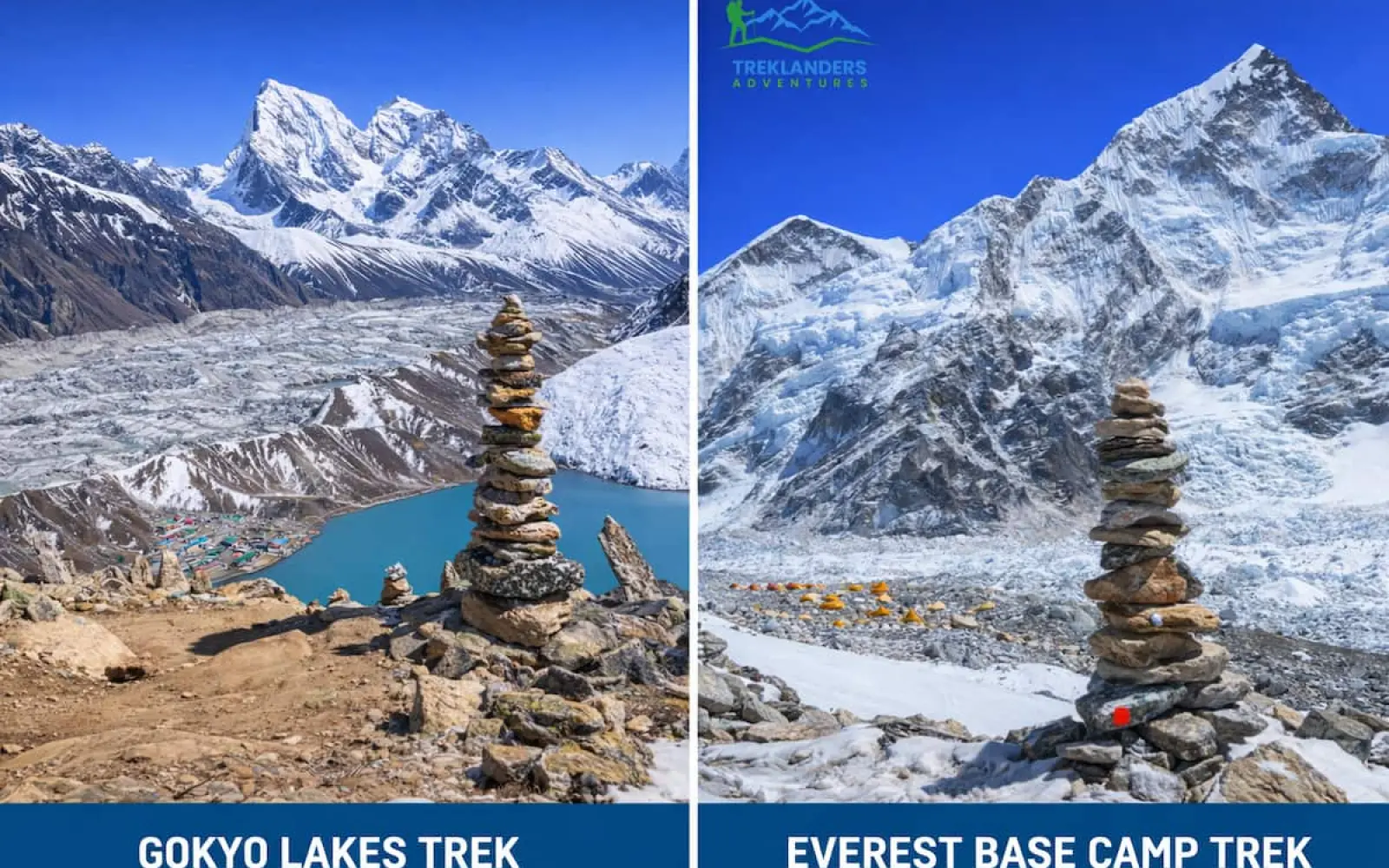
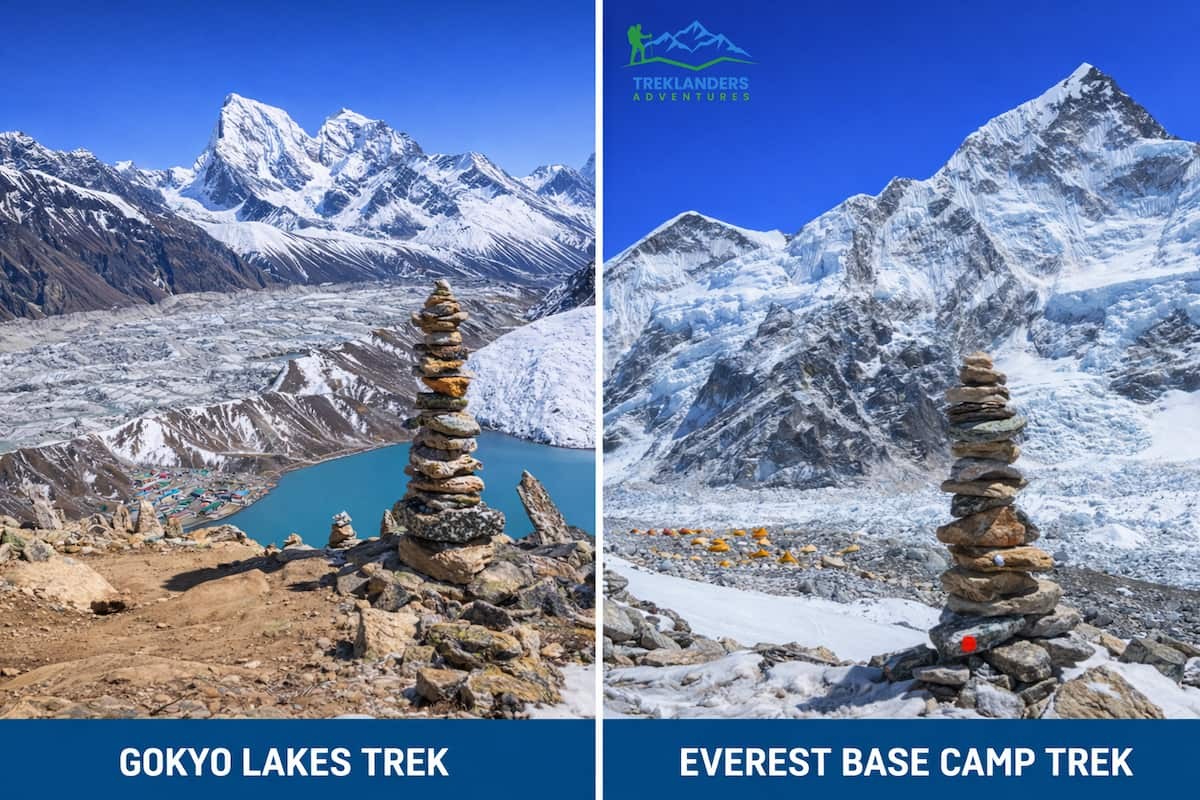
Gokyo Lakes Trek vs Everest Base Camp Trek: Complete Comparison (Difficulty, Cost, Views & Route Guide)
Gokyo Lakes Trek vs Everest Base Camp Trek: Complete Comparison (Difficulty, Cost, Views & Route Guide)
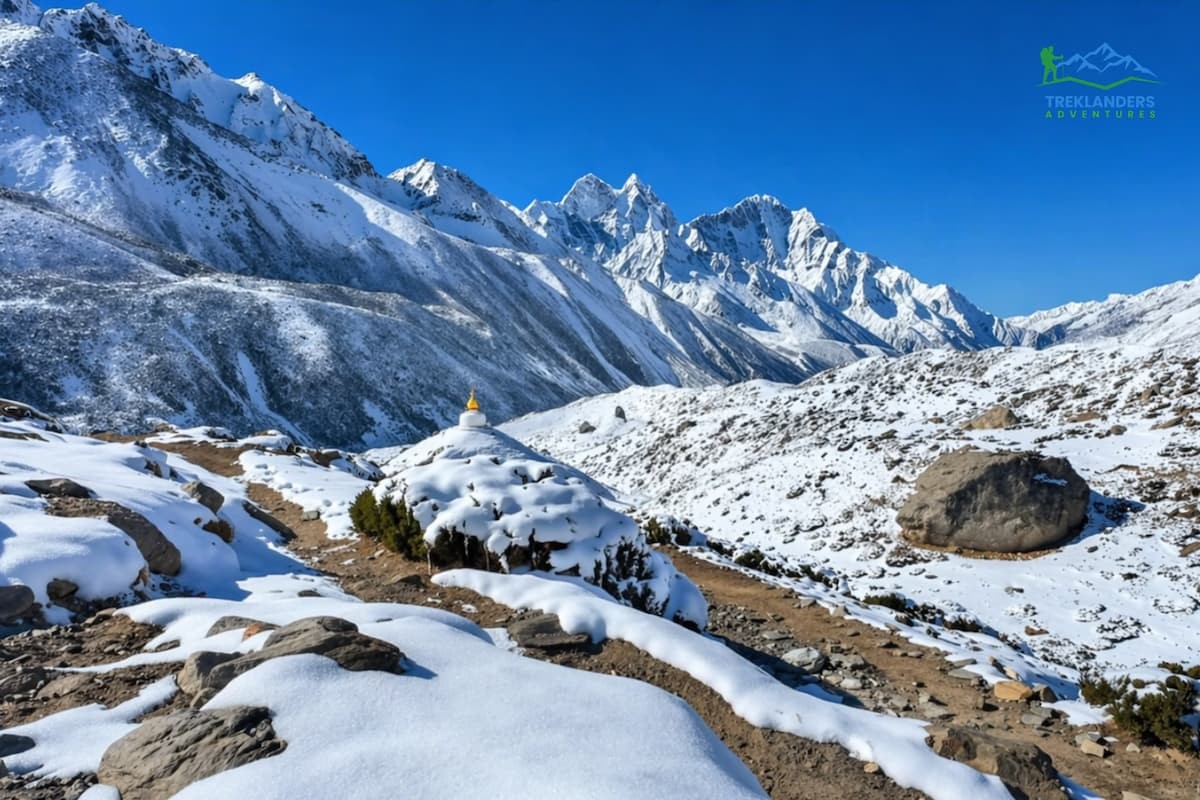
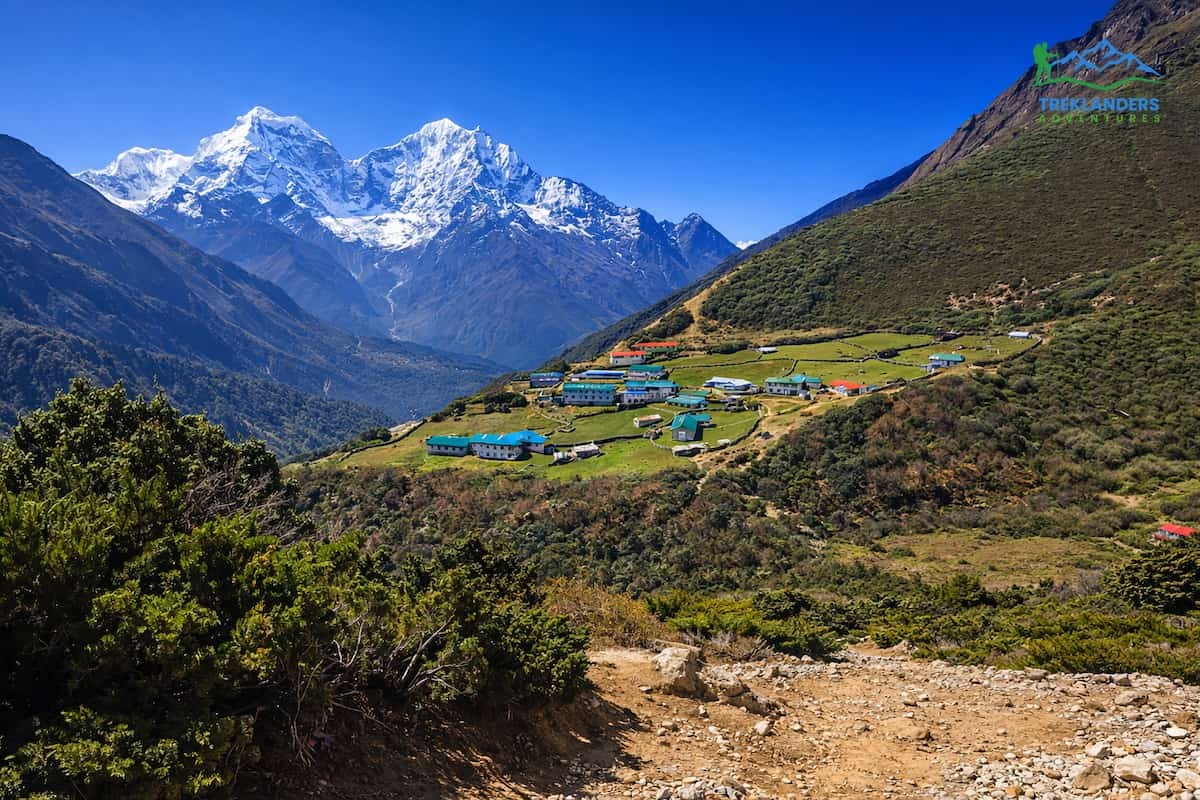
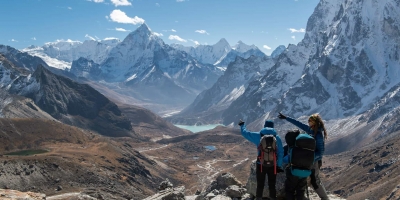
Trail along the Everest Base Camp route from Lobuche
Imagine yourself in Namche Bazaar, known as the Sherpa heartland of the world, located at an altitude of 3,440 meters above sea level, where the two most famous trekking trails of the Himalayas converge before you. One route continues to ascend towards Everest Base Camp - the iconic 5,364-metre point that has attracted hundreds of thousands of thrill-seekers since the first ascent by Sir Edmund Hillary and Tenzing Norgay in 1953. The other one meanders towards the west direction, leading to the Gokyo Valley - a remote area comprising beautiful glacial turquoise lakes, old pastures for yaks and the breathtaking heights of Gokyo Ri.
Both trails enter Sagarmatha National Park, which is a UNESCO World Heritage Site located in the northeastern part of Nepal. Both provide extraordinary sights of the world's highest peaks. Both will require you to be physically fit, know about the altitude issues and have mountain respect. However, each one of them is a very different experience in terms of terrain difficulty, number of people, cultural exposure, cost and the memories that you will take back with you.
This all-encompassing guide pits the Gokyo Lakes trek against the Everest Base Camp trek based on every feature that is important to a trekker in 2024. Whether you are a newbie indecisive about the route, a seasoned trekker wanting a new challenge, or just dreaming while sitting at your desk, this is all you need to get the facts and get started.
Quick Comparison: Gokyo Lakes vs Everest Base Camp
Gokyo Lakes Trek vs Everest Base Camp Trek
Factor
Gokyo Lakes Trek
Everest Base Camp Trek
Duration
12–14 days
12–14 days
Max Altitude
5,360 m (Gokyo Ri)
5,364 m (Base Camp)
Difficulty
Moderate–Challenging
Moderate–Challenging
Best Season
Mar–May, Oct–Nov
Mar–May, Oct–Nov
Trail Crowds
Low–Moderate
Very High
Permits Required
TIMS + NP Entry
TIMS + NP Entry
Glacier Crossing
Yes (Ngozumpa)
No
Lakes Highlight
5 sacred glacial lakes
None
Base Camp View
Distant (from Kala Patthar)
Ground level at EBC
Best For
Scenery, solitude, landscape
Iconic achievement, history
Route Overview: Setting the Scene
The Everest Base Camp Trek:
Everest Base Camp
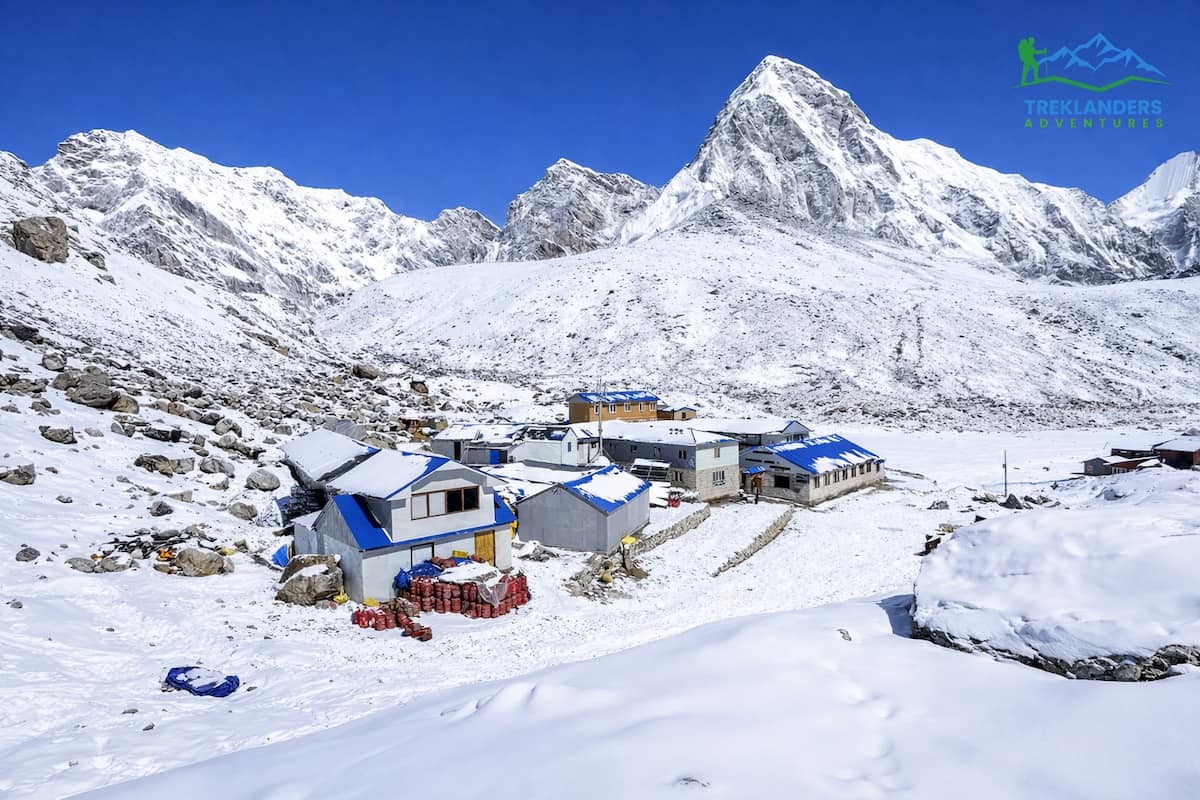
The Everest Base Camp (EBC) trip is no doubt the world's most famous trekking route. First, it will excite you with a thrilling mountain plane flight to Lukla's Tenzing-Hillary Airport itself, which is not only the most dramatic airport runway in the world but is considered one of the most dangerous as well. Then, trekkers walk along the valley of Dudh Koshi River northwards and pass through a series of famous Sherpa villages: Phakding, Namche Bazaar, Tengboche, Dingboche, Lobuche, and finally Gorak Shep, which is the last human settlement before the glacier.
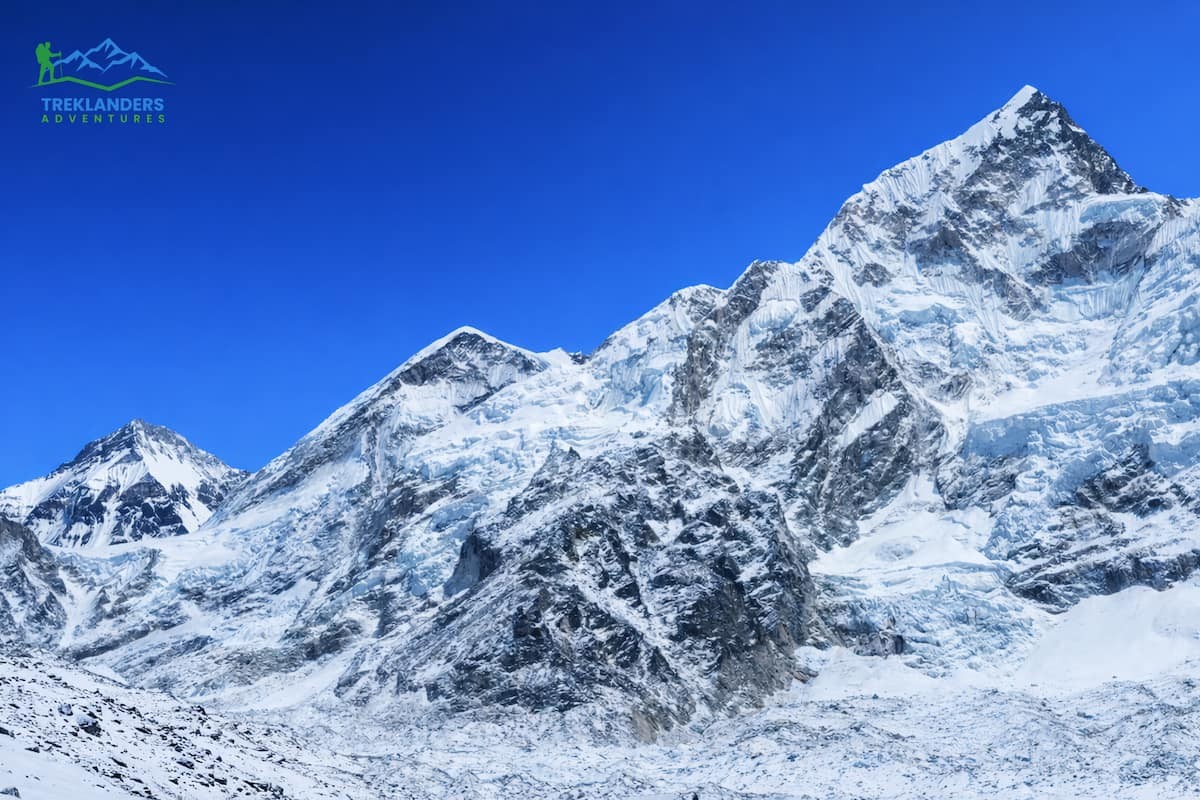
Two side trips make the trek from Gorak Shep truly memorable. One is the trail to Everest Base Camp, which is the base of the world's highest mountain and where usually expedition teams set up their tented cities in spring and autumn. You cannot see the peak of Mount Everest because it is behind the Khumbu Icefall, but it is a powerful experience to stand there, right at the foot of the world's highest mountain. The other trip climbs Kala Patthar (5,645 m), which is the rocky black peak above Gorak Shep and is the place that is considered to give the most magnificent vista of Mount Everest's summit without any need for technical climbing.
The EBC route is a highly popular and heavily frequented one. Also, it is well commercialized. Tea houses, lodges, bakeries, and even Wi-Fi are found at most points. This setup makes it open to different kinds of trekkers, but the flip side is that the paths are very crowded, especially during the October November peak season, when the trail looks like a very long queue up a mountain to an observer.
The Gokyo Lake Trek
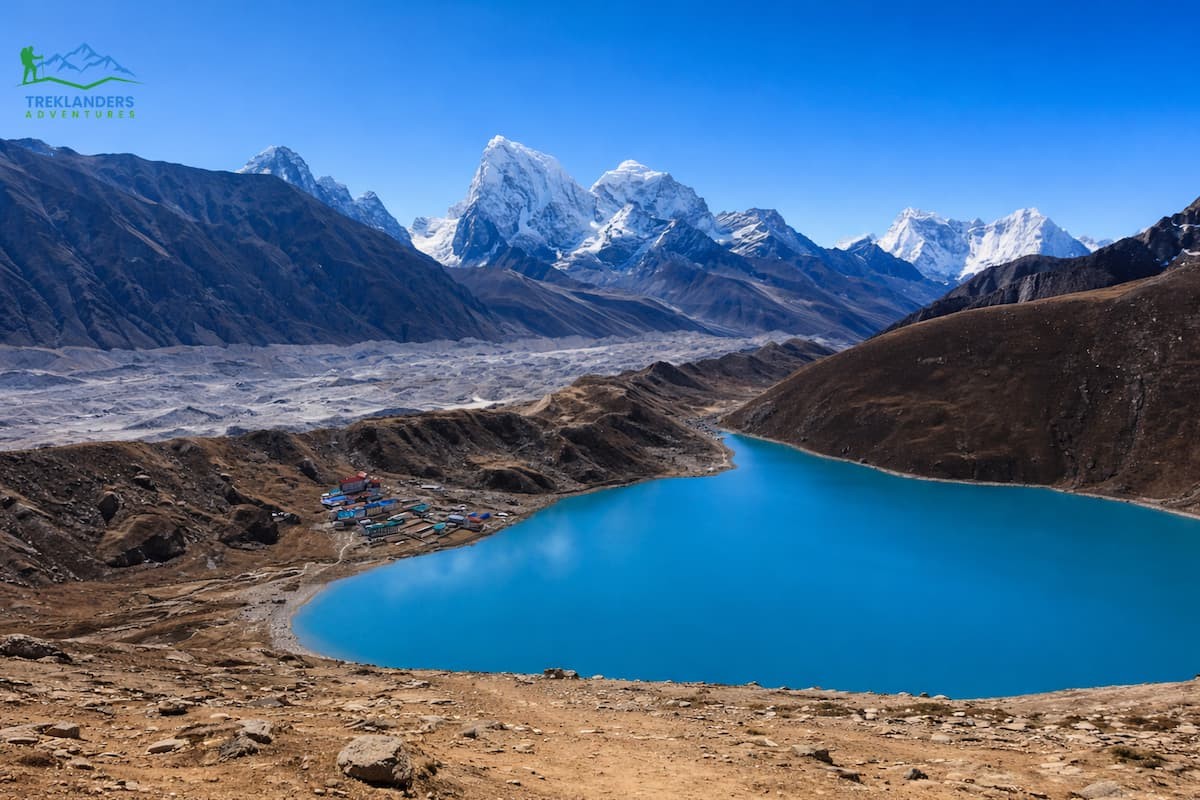
Gokyo Lake
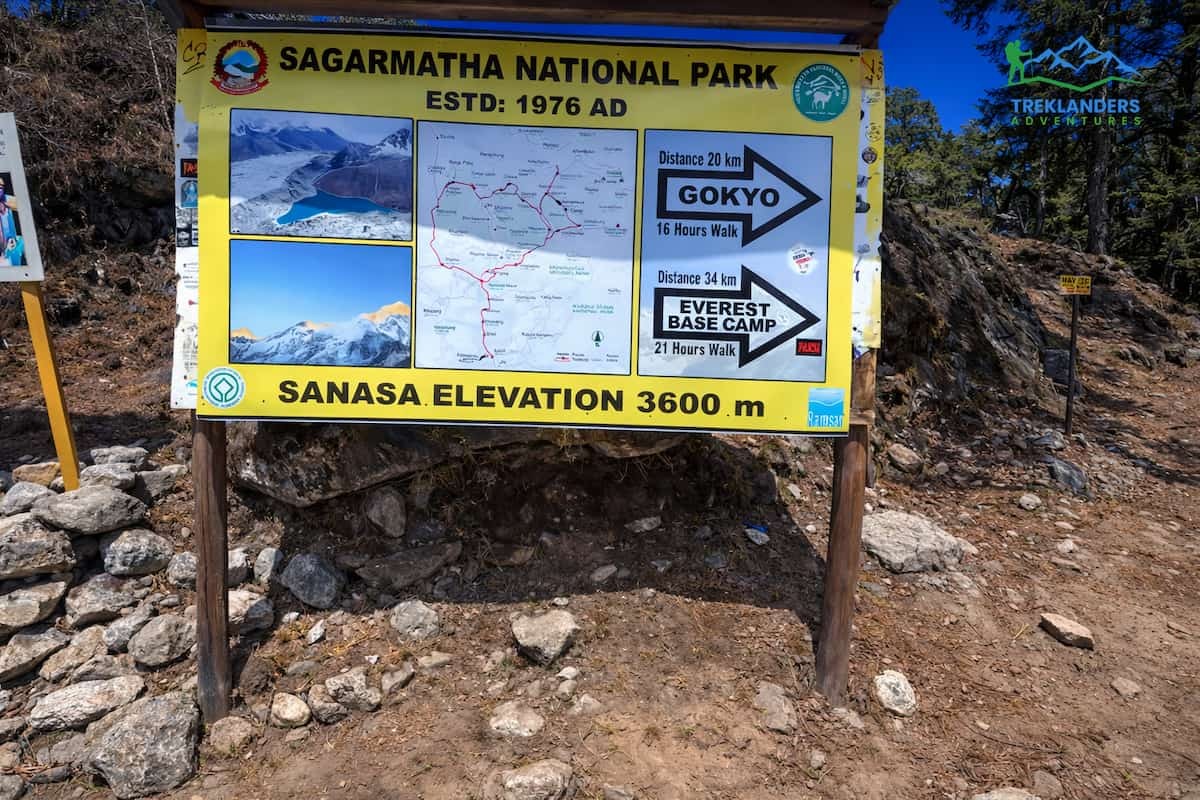
The route to Gokyo Lakes at first is the same as the trek to EBC from Lukla to Namche Bazaar; however, it later turns west past Dudh Koshi's tributary, the Bhote Koshi valley, and into the Gokyo area. This way is more remote, less trafficked and visually in many ways more stunning than EBC.
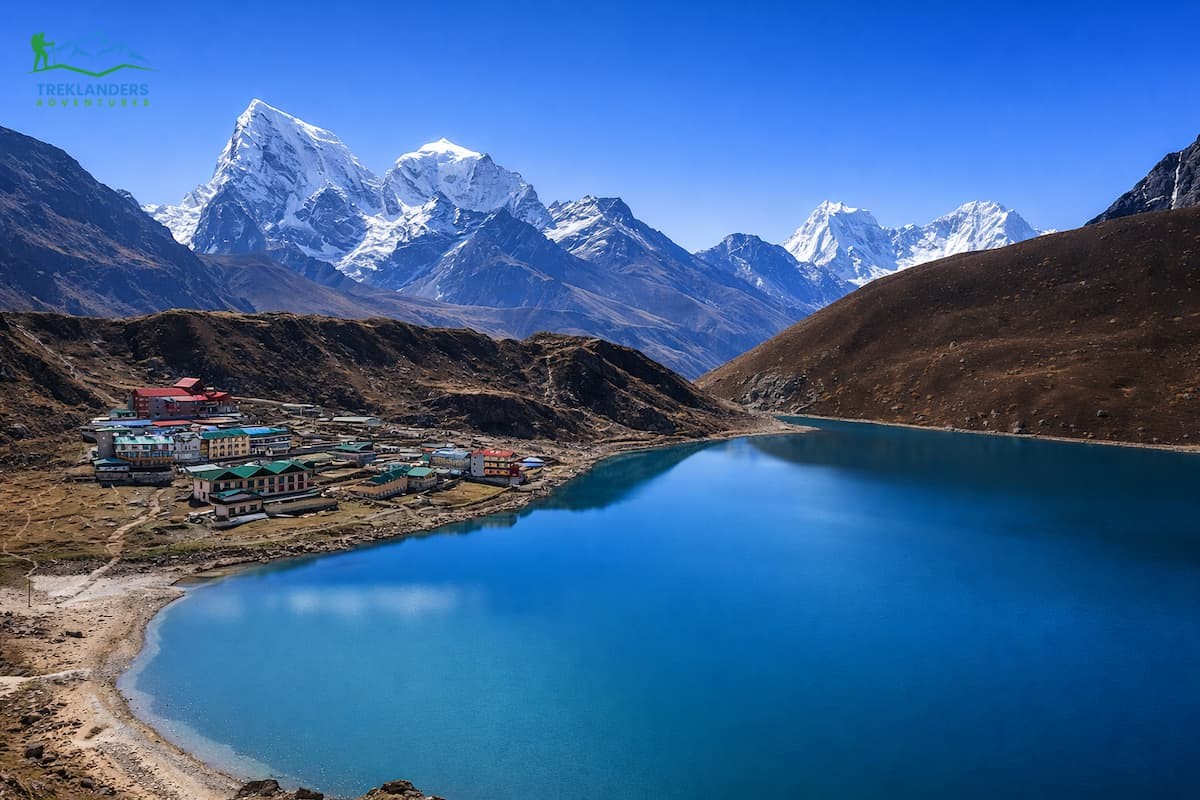
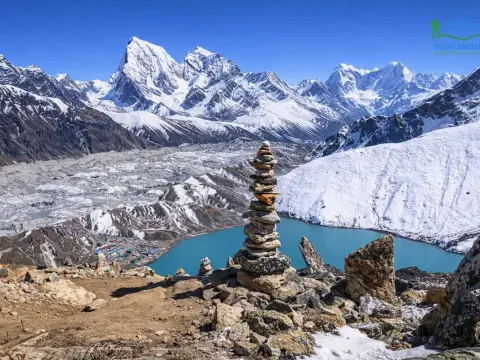
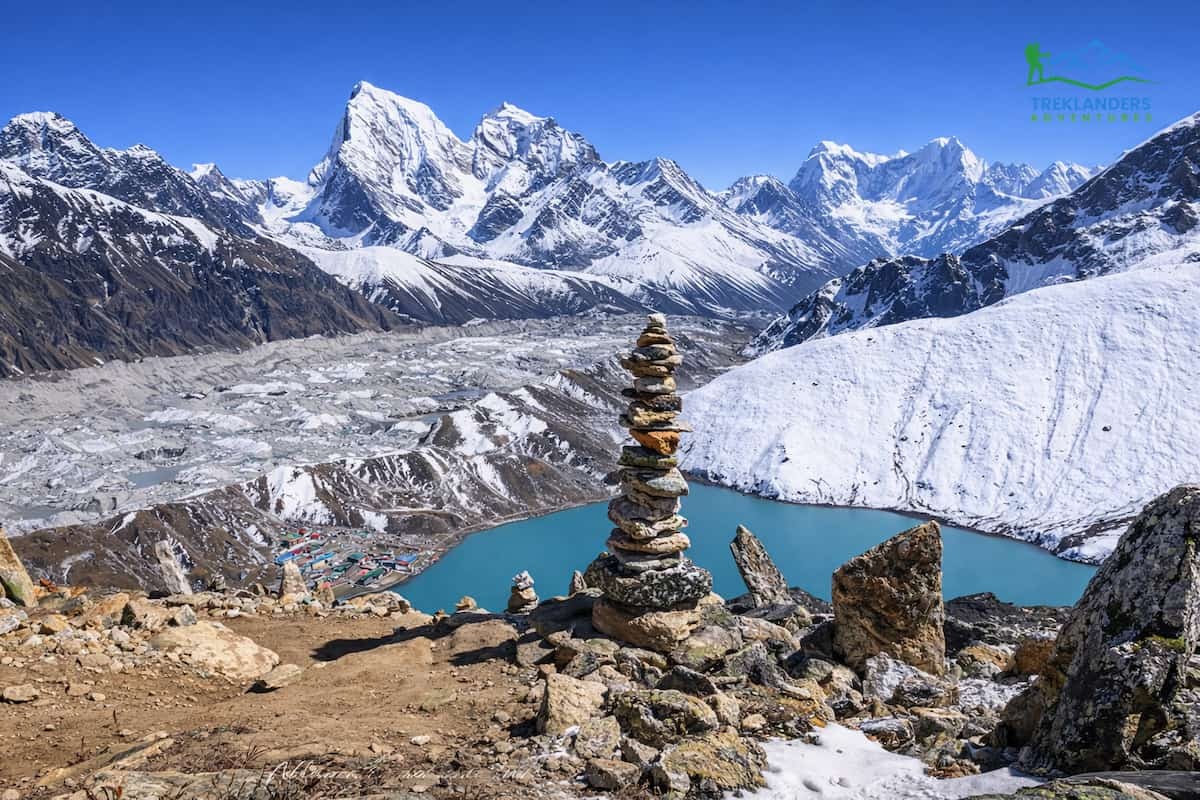
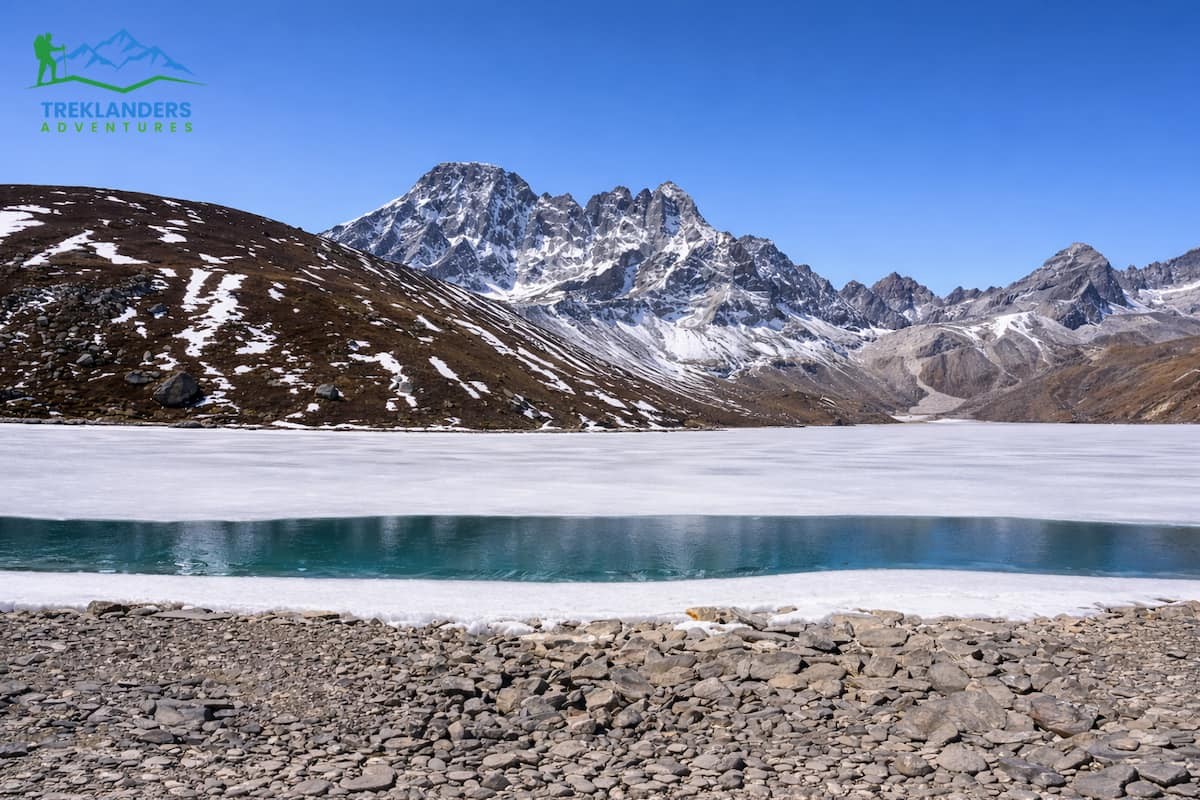
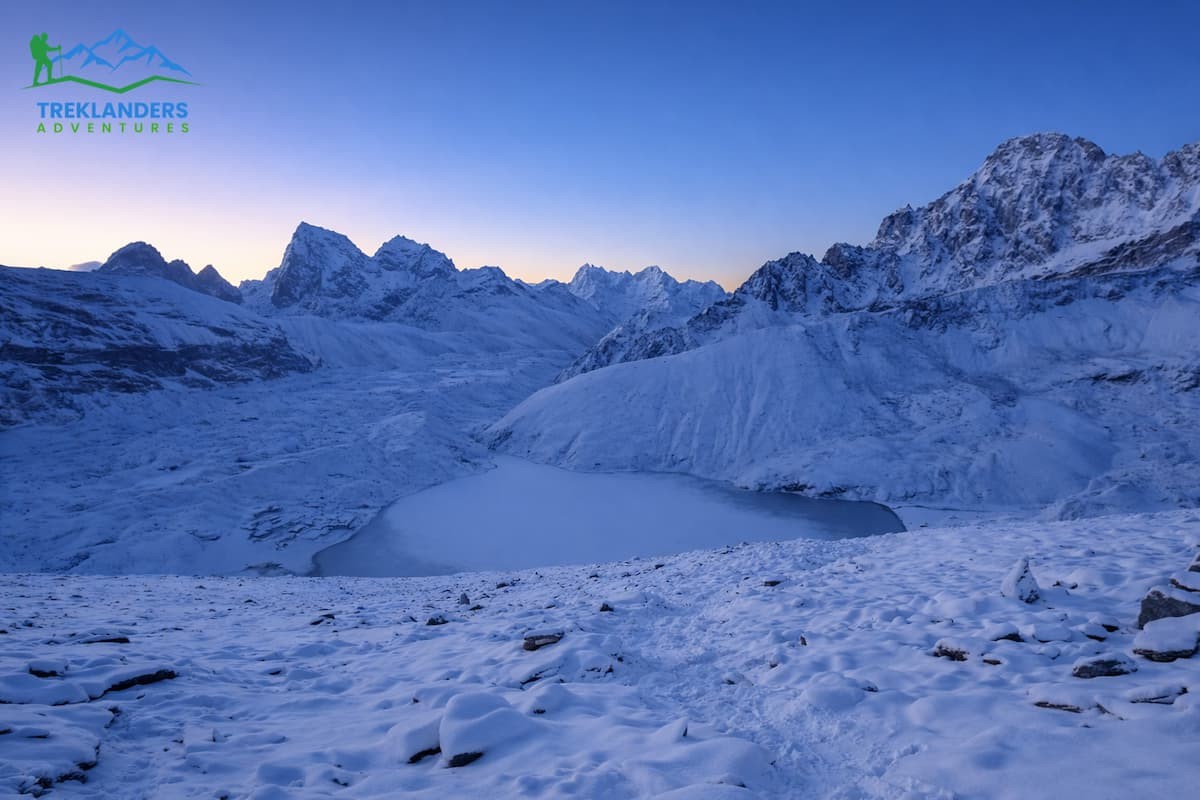
The main attraction of the trek is the chain of five holy glacier lakes: Longponga Tsho, Taujung Tsho, Dudh Pokhari (the main Gokyo Lake situated at 4,700 m), Thonak Tsho, and Ngozumpa Tsho, which is fed by the meltwater of the Ngozumpa Glacier, the longest in Nepal, at around 36 km. Gokyo village itself is located on the shore of the third and largest lake, with the lodges' reflections in the unbelievably blue waters and the five 8,000-meter peaks as a backdrop.
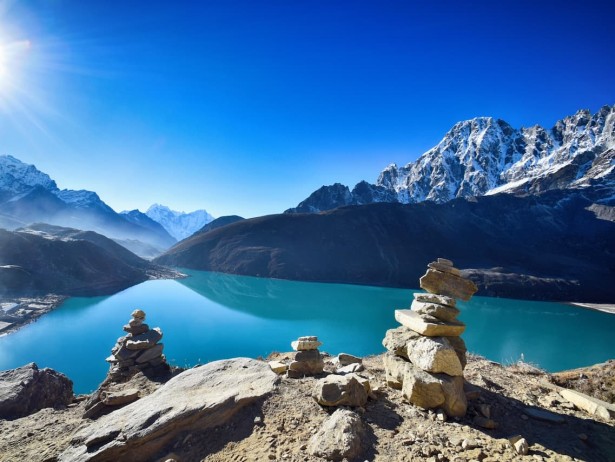
At a height of 5,360 m, Gokyo Ri is a sharply pointed and steep hill located above the village, and it is essentially the most picturesque viewpoint. After a climb to the top, trekkers are given a full 360-degree vista that is thought to be the best in the entire Himalayas, displaying at the same time Everest, Lhotse, Makalu, Cho Oyu, and Gyachung Kang. What is more, this view comes without the large numbers of tourists found at Kala Patthar, giving the climbers a deeply intimate mountain experience.
Trail along the Gokyo Lake Trek and Everest Base Camp Trek
Both hikes are considered moderate-to-challenging, and expect a good level of physical fitness as a starting point. Technical mountaineering skills are not necessary for either, nor is having a previous experience of high altitudes, although such experience can be an advantage. The main point is that the type of difficulties they pose is very different.
Elevation Profile
The gradual elevation gain on the EBC trek is one of the reasons why this trek appeals to many first-time high-altitude trekkers. The trail ascends continuously from Lukla (2,860 m) to Namche Bazaar (3,440 m), where an acclimatisation day is mandatory, then altitude changes continue in increments suitable for the body to adjust. The highest point on the standard EBC route, Kala Patthar at 5,645 m, is higher than the summit of Gokyo Ri; EBC is technically higher.
The Gokyo Lakes trek attains the same altitude as Gokyo Ri (5,360 m); the path also requires the crossing of the Ngozumpa Glacier moraine to reach the upper lakes, which complicates navigation and physical exertion. The area above Gokyo village is isolated with fewer rescue provisions and weather forecasting systems, which can be less reliable.
One of the best-kept trekking routes globally is the EBC trail. Most of the lower part is on broad, stone-paved trails with easy-to-understand signs. Higher up past Dingboche and Lobuche, the route gets rockier and more challenging but is still very well-marked. The Khumbu glacier moraine stretch to EBC is actually the only technical part; the combination of loose rocks, uneven ground, and altitude makes it difficult even for those in good physical condition.
Overall, the Gokyo path gives a wider range of different types of terrain. Under the Dole and Machhermo areas, the route goes through beautiful rhododendron woods (great in March-April) and then through open grazing areas. Near the Gokyo village, especially around the fourth and fifth lakes (Thonak Tsho and Ngozumpa Tsho), the route crosses glacier moraine, which calls for very careful steps and a good head for heights.
Altitude Sickness Risk
These days, altitude sickness (also called Acute Mountain Sickness or AMS) is probably the first medical concern that comes to mind when talking about the two routes. Starting approximately from the elevation of 3,000 meters, a person needs more effort to breathe in oxygen and get it into the blood, so going up the mountain too fast is the chief reason for AMS, which can even develop into the very dangerous High Altitude Pulmonary Oedema (HAPE) or High-Altitude Cerebral Oedema (HACE).
One common thing with both routes is that they comply with the golden rule of altitude acclimatisation, i.e., climbing to a certain height and then sleeping at a lower one. There are compulsory rest days incorporated in the standard trekking schedules for Namche Bazaar (3,440 m) and Dingboche (EBC route) or Machhermo (Gokyo route). The EBC way even gets the upper hand in terms of having a well-established medical system - the Himalayan Rescue Association runs a clinic at Pheriche staffed by doctors who specialize in altitude medicine during the trekking seasons.
On the other hand, the Gokyo route has slightly less of a medical setup, so besides carrying a pulse oximeter, knowing AMS symptoms becomes even more essential. Also, both routes ideally should have Diamox (acetazolamide) in the kit, which works as a preventive drug; however, this should be a part of the itinerary discussion with the doctor before embarking on the trip.
The main rule when spending days trekking at high altitudes is: do not go up more than 300500 meters daily above 3,000 meters, always grant rest days every 3rd day of climbing, but if you get a severe headache, vomiting, loss of coordination or confusion, go down straightaway. Both valleys have a helicopter rescue facility, but it is costly. Check if your travel insurance includes emergency medical evacuation.
Scenery and Natural Highlights
If EBC is about standing on the ground where legendary human achievements occurred, then Gokyo is about being surrounded by the untouched Himalayan wilderness. The difference in the kind of scenery is probably the main element in deciding which of the two paths to take.
Everest Base Camp: Icons and History
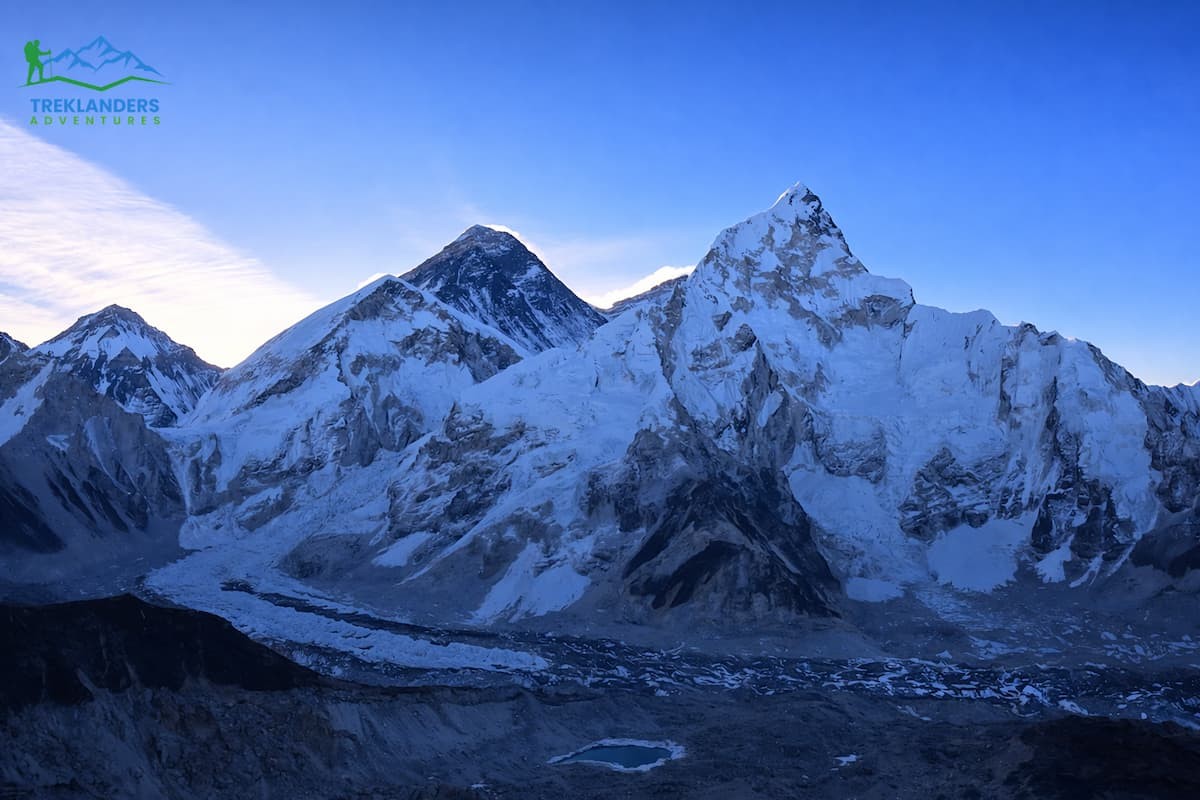
Stunning views of the Everest range seen from Kala Patthar
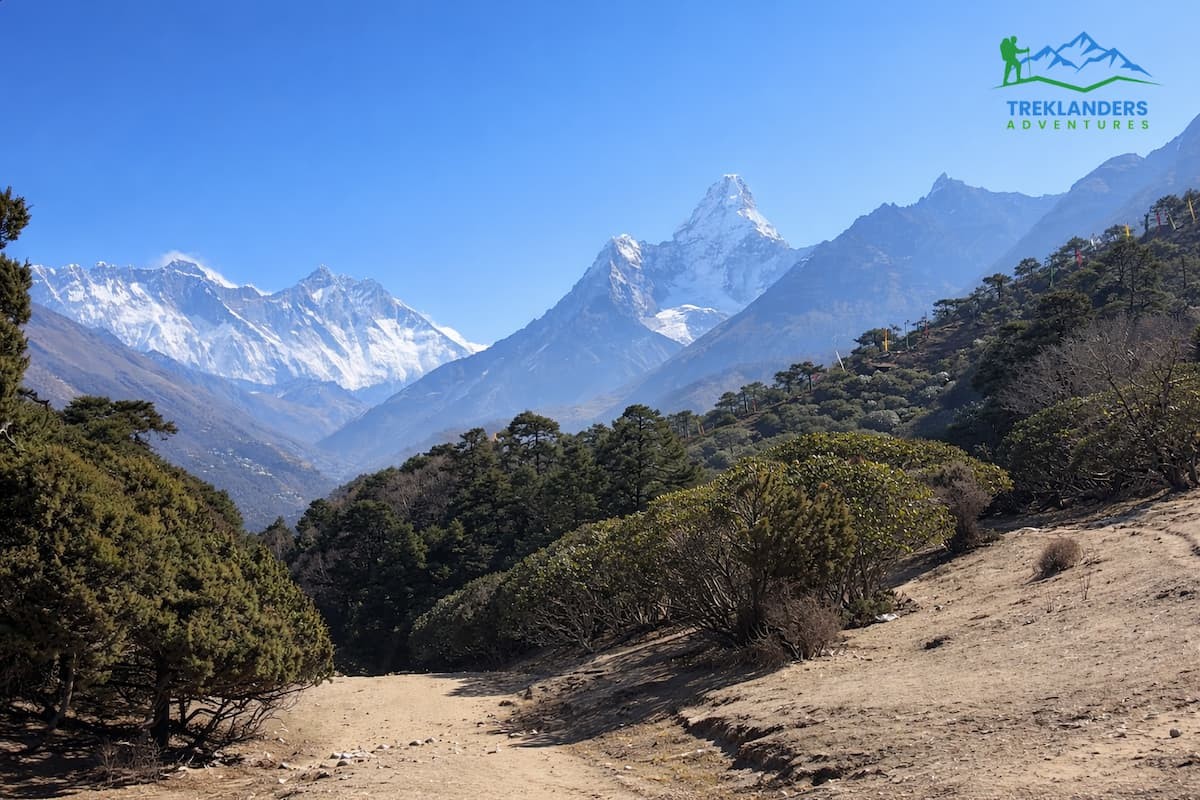
The EBC route offers an incredible series of the most beautiful sights. Tengboche Monastery (3,867 m), with Ama Dablam on one side and Everest on the other, is probably the most photographed place in Nepal. Dingboche chorten-filled village in its broad, exposed valley, yak caravans nearing Lobuche, and the Khumbu Glacier with its broken seracs - these are the images that truly represent the Himalayas.
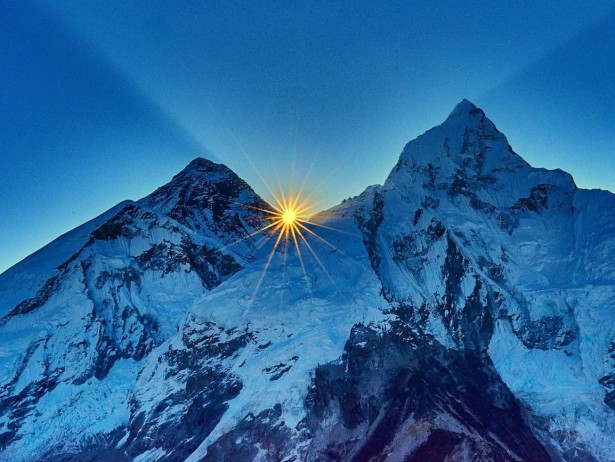
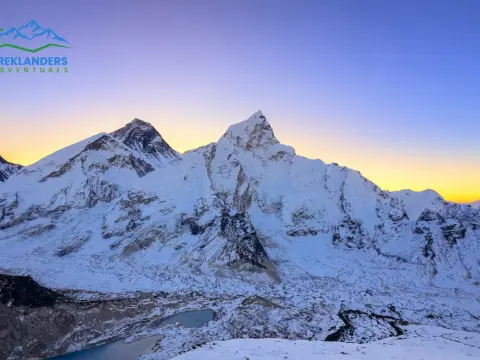
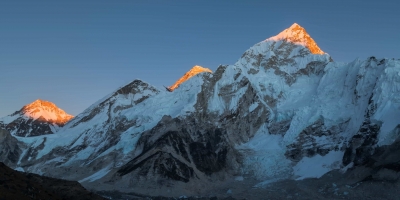
Everest seen from Kala Patthar is the highlight of the EBC trek. If the weather is clear, the triangular shape of this highest peak of the world, at sunrise, through the mist, colours itself in shades of gold and pink; Nuptse's south ridge rising beside it. There is no doubt that it is among the most magnificent spectacles of the earth.
But - and this is an important detail for many trekkers - the view of Everest from Base Camp itself, which is the camp quite close to the glacier, is surprisingly disappointing for many visitors. In the camp, you are sitting in a huge boulder field below the Khumbu Icefall. From the camp, you won't see Everest's summit as it is hidden behind the West Ridge. Many people who come to EBC and expect to see the entire mountain hanging over them are very surprised when they discover that they are surrounded by rocks, glacier moraine, and expedition detritus. In fact, the significance of the place is mostly historical and symbolic rather than visually spectacular.
Gokyo Lakes: Wilderness and Wonder
Beautiful Gokyo Lake with stunning mountain views and the Ngozumpa Glacier in the background
The Gokyo Valley presents a completely different kind of awe. The five sacred lakes form the highlight, especially Dudh Pokhari (the third lake, often simply referred to as 'Gokyo Lake'), whose milky-turquoise waters can mirror the surrounding peaks with exceptional clarity when the weather is right. These lakes are spiritually very important not only to Hindu tradition but also to Buddhism, and their shores are covered with prayer flags, mani walls, and tiny shrines.
The path towards the Gokyo Valley crosses among some of the most nature-rich areas in the Khumbu. During the spring, the rhododendron forests lower down the hill at Dole glow with colours of red, pink, and white. Further up in the valley, it opens out to large yak pastures where the animals graze in herds that have moved back and forth between highlands and lowlands for many centuries.
The scene from Gokyo Ri at sunrise, according to many long-time Himalayan trekkers, is the most astonishingly beautiful 360-degree mountain panorama that one can get anywhere in the world without doing any technical climbing. At 5,360 meters above sea level, you get the sight of as many as four of the world's 8,000-metre peaks (there are fourteen in total) at once: Everest (8,849 m), Cho Oyu (8,188 m), Lhotse (8,516 m), and Makalu (8,485 m), plus the almost 8,000-metre-high Gyachung Kang. The Ngozumpa Glacier stretches for 36 kilometers beneath you like a huge, slow-moving river of ice.
Beautiful panoramic view from Tengboche during the Everest Base Camp trek.
On both routes, you will be walking through Sagarmatha National Park, which is a wonderful place to spot wildlife in the Himalayas despite the high elevations. Snow leopards are the top predators of the park, and they live in the high rocky areas above 4000 meters on both routes. Although you are very unlikely to see them, just knowing they are there makes every walk more interesting. Himalayan tahr, which are strong wild goats with long manes, can be seen quite frequently on the rocky slopes; red pandas are known to be around the forests at lower altitudes; meadows are used by musk deer and Himalayan marmots.
Because the Gokyo trail is less crowded with tourists and is really quite different from what one would expect, it is usually the one with the better chances of seeing wildlife. The woods below Dole on the Gokyo route house large numbers of Danphe (Himalayan Monal), which is also the national bird of Nepal, as well as blood pheasants and several types of high-altitude birds of prey like the Himalayan griffon vulture.
Cultural Immersion and Sherpa Heritage
The Khumbu region is the homeland of the Sherpa people, one of the world's most remarkable ethnic groups. Originally from Tibet, the Sherpas have inhabited these valleys for approximately 500 years, and their culture, deeply rooted in Tibetan Buddhism, adapted to extreme altitude, and now profoundly shaped by the mountaineering industry, is one of the great cultural tapestries of Asia.
EBC Route: Cultural Hubs
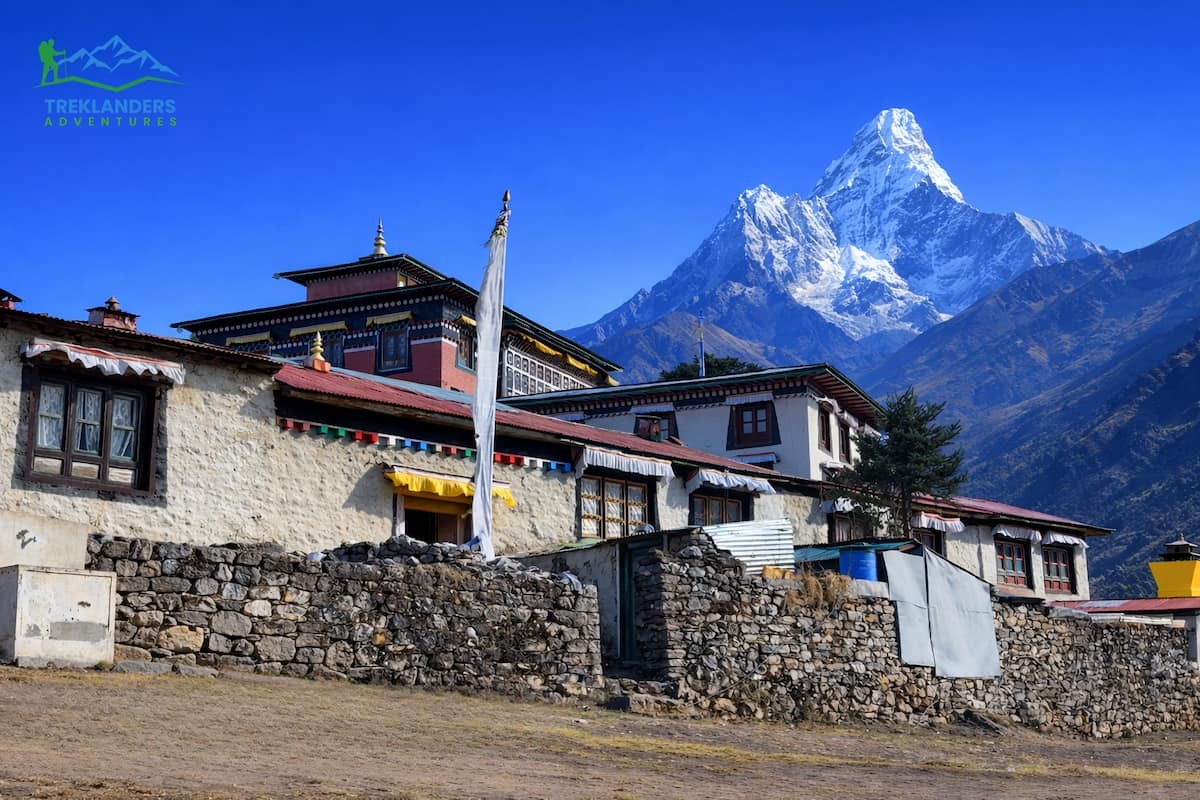
Tengboche Monastery
The EBC route is located in an area with the most concentrated cultural resources in the Khumbu region. Namche Bazaar is not only the commercial but also the social hub of the region. It is a horseshoe-shaped town built on terraces on a steep hillside. Besides housing the Sagarmatha National Park Museum and the Sherpa Culture Museum, it also has numerous monasteries and a Saturday market where Tibetan traders still use the high passes to exchange their goods.
Tengboche Monastery at an altitude of 3,867 meters is considered the spiritual center of the Khumbu Sherpa community. It was established in 1916, and after a fire in 1989, it was rebuilt. The monastery holds the Mani Rimdu festival every year in October or November (dates are determined by the Tibetan lunar calendar). It is a three-day masked dance ritual attracting thousands of pilgrims and trekkers, and is considered one of the best cultural happenings in the Himalayas. Going to Mani Rimdu if you are there at the right time is way beyond regular trekking tourism.
The EBC route, with its bigger crowds, offers more chances for social interaction with other trekkers, Sherpa guides and porters, and also teahouse owners. In the peak season, the trail has such a warm and friendly community vibe that a lot of trekkers find it very pleasurable.
Gokyo Route: Authentic Sherpa Village Life
Dole Village- Gokyo Lakes Trek
The less busy with tourists Gokyo trail makes it possible to have a deeper experience with the traditional Sherpa lifestyle. The settlements that line this path, like Dole, Machhermo, and Gokyo, are tiny, peaceful, and way less commercialized than the EBC route. It wouldn't be surprising if the teahouse owners were local families who, besides traditional hospitality, still engage in herding and farming.
These sacred lakes are also the locations where religious practices happen. On the full moon day of Janai Purnima in July and August, the banks of Gokyo Lake come alive with Hindu and Buddhist pilgrimage festivities. Thousands of pilgrim’s flocks to the lake for bathing and circumambulation of the holy waters. When not festival time, it is not unusual to see groups of Buddhist monks and nuns going around (doing kora) the lake chain, which is an extremely touching experience in such a secluded place.
Gokyo village, which normally is the home for just a few locals, increases its population to the maximum level during the trekking season, but even then, it has the feel of a genuine rustic place. Those yak herders who spend their summers in the valley are a living connection to the pre-mountaineering Himalayan culture that is changing very quickly as the younger generation moves to cities.
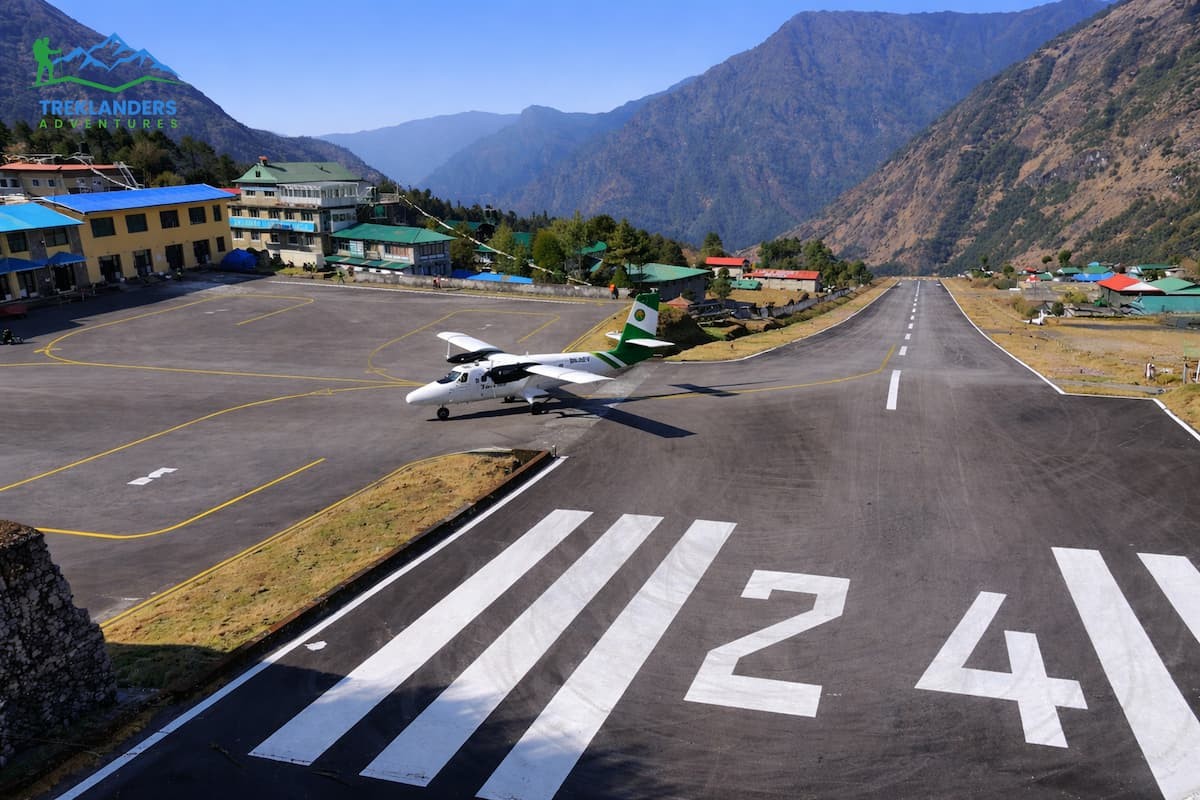
Lukla Airport: The gateway and starting point for the Gokyo Lakes and Everest Base Camp treks.
Both treks start at Lukla (2,860 m), which can be reached by a mountain flight of about 35 minutes from Kathmandu's Tribhuvan International Airport or from Manthali Airport in Ramechhap (a shorter flight that has recently become the preferred departure point after Kathmandu's flight congestion problems). The flight to Lukla is very thrilling; the small plane lands on a 527-metre runway with a 12% uphill gradient that ends at a cliff face, and it is sometimes cancelled due to weather, causing a delay of a day or more in the itinerary.
However, if you like challenges, you can take a trek from Salleri or Phaplu, these two towns being accessible by road from Kathmandu, thus increasing the approach time by 4-5 days while completely omitting the Lukla flight. This choice appeals to those trekkers who want to experience complete wilderness and also prefer a more gradual altitude gain.
Required Permit
Both paths need the same permits that are usually available in Kathmandu as well as at the checkpoints along the way. With the Sagarmatha National Park Entry Permit, for example, you can step into the Sagarmatha National Park, which includes the area above Monjo all through Khumbu. Besides that, a TIMS Card, which helps in counting the trekkers, is a must, and it is mostly taken care of through a local guide or a registered agency. Moreover, the Khumbu Pasang Lhamu Rural Municipality Permit works as a local entry fee for the area. By the way, the latest rules say that every trekker in the Khumbu must have a licensed guide with them as solo trekking is no longer allowed after the regulations have been put to enhance safety.
9-Day Everest Base Camp Trekking with Helicopter Return | 9 days
Each route has its own teahouse network supporting it - the Himalayan equivalent of hostels where trekkers rest in simple twin rooms and have communal meals together in a main dining room warmed by a yak-dung or wood stove. Depending on the village, the level of comfort in teahouses varies from very basic (earthen floor, shared outdoor toilet) to the most comfortable ones (en-suite rooms with attached bathrooms, solar-heated showers, Wi-Fi) in main villages.
Accommodation amenities are significantly more expanded on the EBC route. Namche Bazaar offers several lodges that supply hot showers, international cuisine, and even espresso machines. Even the higher-altitude settlements of Dingboche (4,360 m) and Lobuche (4,940 m), with their numerous lodges, create a competitive atmosphere that keeps prices at a reasonable level and quality good.
Accommodations on the Gokyo path become scarce after Machhermo. Gokyo village has several good lodges, but beyond the third lake, travellers will only find one or two basic teahouses (or possibly none at all). Those trekking to the fourth and fifth lakes should be ready for very basic conditions and bring along emergency camping gear.
Best Season to Trek: When to Go
Beautiful Gokyo Lakes with mountain views seen from Gokyo Ri.
Pre-Monsoon (March–May)
Arguably, spring is the best season to do both treks. After the severe Khumbu winter, the weather is quite stable. At lower altitudes, the daytime temperatures are nice, and the rhododendron woods under 4,000 meters are in full blossom. March and April are some of the best times for mountain views as the pre-monsoon haze has not yet arrived. In May, temperatures are getting hotter, and there are more clouds in the afternoon; however, the weather is still great for trekking. Besides that, May is peak Everest summit season, which means EBC at the end of April or May is busy with climbing expeditions, colourful tents, fixed ropes visible up to Camp 1, and the loud thuds of avalanche blasts from the icefall can be heard at a distance.
Post-Monsoon (October–November)
October and November are the main times to visit, and rightly so. The monsoon rain basically cleans up the air, not only leaving it really clear but also giving you the sharpest mountain views of the entire year. October, in particular, offers a great combination of excellent visibility, mild temperatures, and stable weather conditions. However, this is the time when you also have to deal with the crowd - the EBC trail in October can actually feel like a busy highway in the mountains. On the other hand, even in October, the Gokyo Lakes route is much less crowded.
In November, the temperature goes down, especially in the high elevation areas above 4,000 meters where it can even get as cold as -15 to -20 °C at night. However, the paths become quite deserted after the middle of the month, and the quality of light is reminiscent of late autumn, which is great for taking amazing photographs.
Monsoon (June–September) and Winter (December–February)
During the monsoon, heavy rain falls at elevations below 4,000 meters while frequent snowfall occurs at higher levels. Both paths are accessible to skilled trekkers even in the monsoon. The Khumbu area gets less rain than lower Nepal, but leeches at the lower trails, obscured views by clouds, and difficult river crossings make it hard. One can trek in winter only if he is equipped seriously with cold weather gears and ready to accept frequent closures of the path due to snow at elevations above 4,500 meters.
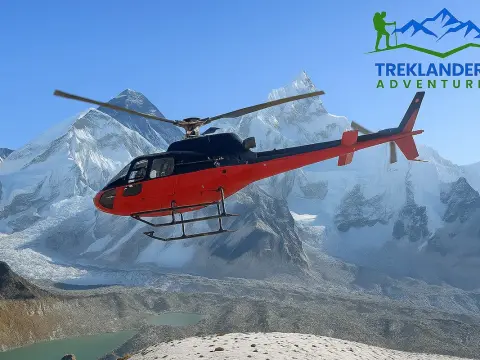
Everest Base Camp Trek and Returning via Heli | 13 days
You are motivated by the historical and symbolic significance of standing at the foot of the world's highest mountain.
You are a first-time high-altitude trekker who values well-established infrastructure, more frequent medical support, and a busier, more sociable trail atmosphere.
You want the iconic Kala Patthar view of Everest and are comfortable with crowds in exchange for excellent facilities.
You are trekking in spring and want to observe Everest expedition preparations at Base Camp.
You want maximum cultural infrastructure, the Tengboche Monastery, the Sherpa museums of Namche, the Mani Rimdu festival (if timing aligns).
You are travelling with a mixed-experience group, including fewer fit members who would benefit from the more consistent teahouse infrastructure.
Choose the Gokyo Lakes Trek If:
Gokyo Lake
You prioritize spectacular scenery and the experience of genuine Himalayan wilderness over symbolic achievement.
You have trekked before and are comfortable with remoter terrain and sparser services.
You want to avoid the crowds of the EBC corridor — particularly true in October peak season.
You are interested in the glacial landscape and the extraordinary experience of the five sacred lakes.
You are travelling in late October or November and want thinner crowds combined with excellent visibility.
Conclusion
Gokyo Lakes Trek in winter
Both of these fantastic treks offer amazing Himalayan adventures but each of them attracts different kinds of trekkers for different things. EBC is one of the very few places on earth where people can have a truly incomparable experience: a chance to be at the world highest mountain's base. Besides that, the trail or path has a really good infrastructure, the level of native culture is so high, and the famous Kala Patthar viewpoint make it the best option for people who are coming for the first time and also for those who are interested in the history of mountaineering. Although the crowds might be a problem, people are also there because of the great energy.
However, Gokyo Lakes has lots of good things including: peace and quiet, nature that is not spoiled, and one of the most beautiful Himalayan views that experienced trekkers call it the best panoramic one without doing any technical climbing. After the trek is over, the five holy lakes, the Ngozumpa Glacier, and the 360-degree sunrise from Gokyo Ri remain in your memory for a long time. If you want a legendary milestone with good support systems, go for EBC. If you want Himalayan wilderness to the core and views that show four 8,000-metre peaks, then go for Gokyo. In any case, you are not going for a less worthy option. You are simply choosing another type of excellence. Actually, which one is better is not the question, which one meets your personality as a trekker is the real question.
Get ready. Both valleys are there for you.
Everest Base Camp via Cho la Pass from Gokyo Valley Trekking | 18 days