
Langtang Valley Trek vs Manaslu Circuit Trek: Which Nepal Trek Is Best for You?
11 Jan 2026
Compare the Langtang Valley Trek and Manaslu Circuit Trek to find which Nepal trek is best for your time, fitness level, and trekking experience.

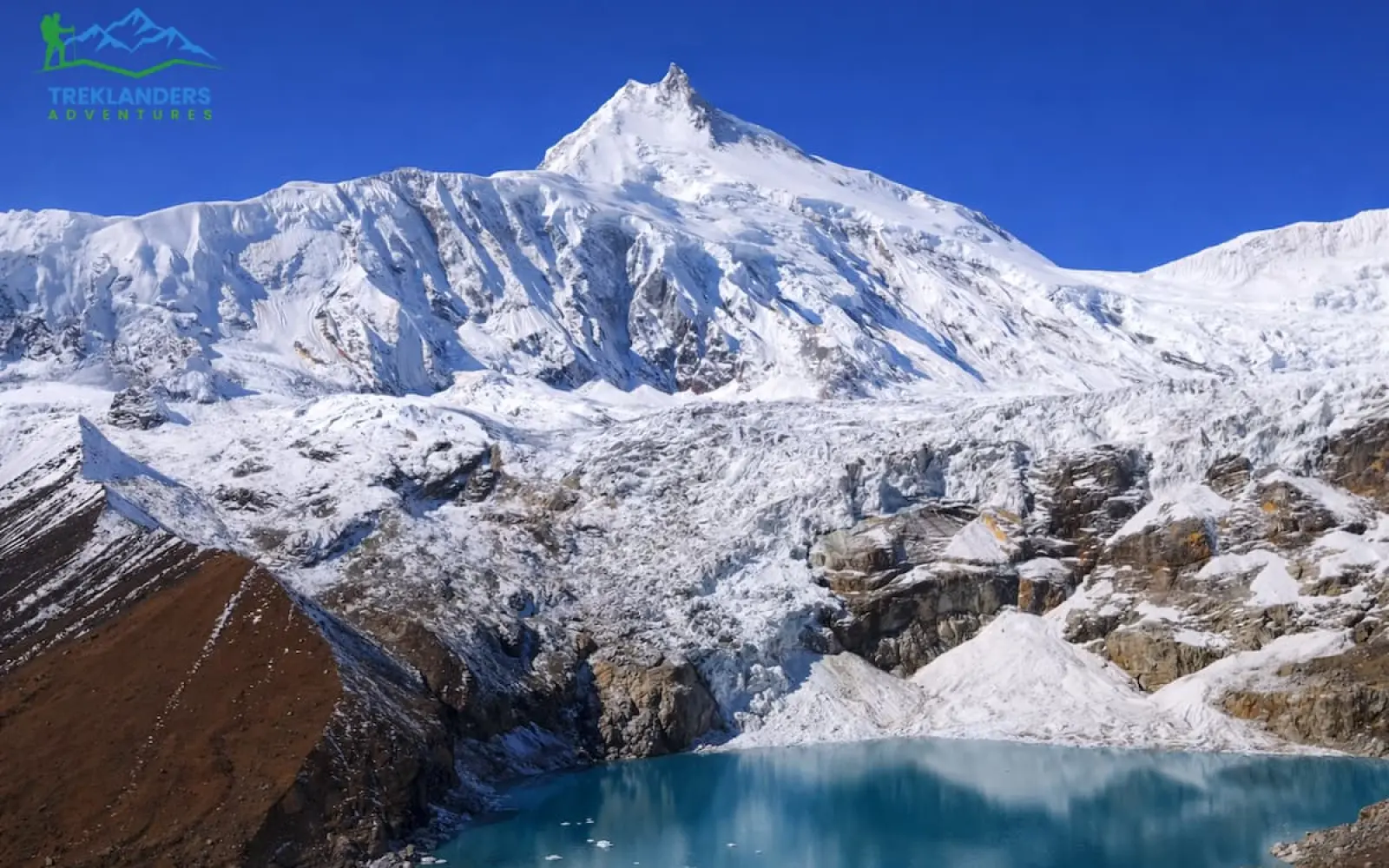
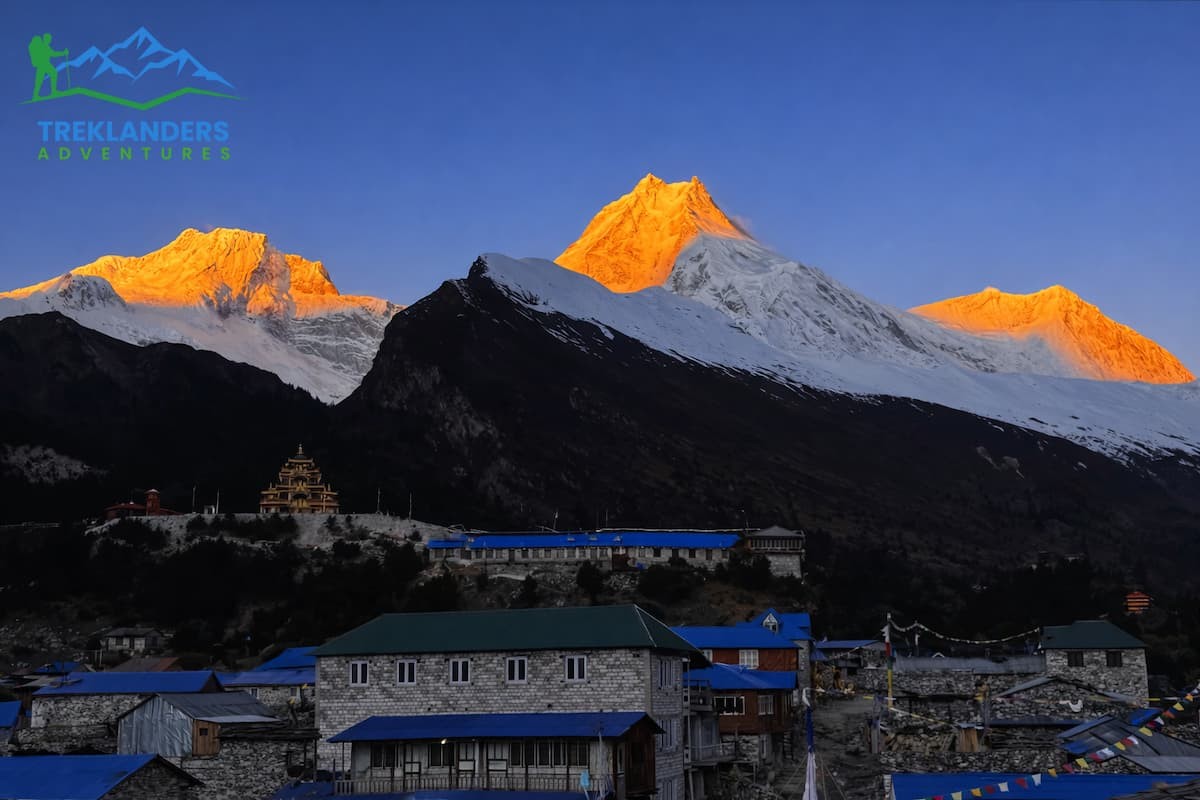
With the sun rising over the rugged Mansiri Himal ridges in 2026, the Manaslu Circuit Trek continues to gain popularity as an increasingly popular alternative to the already overcrowded Annapurna and Everest areas. Sometimes called the "Great Himalayan Trails Crown Jewel," this trek is known for its dramatic changes in scenery, from the lush subtropical forests along the Budhi Gandaki River valley to the bare, almost lunar-like terrain departing from the Larkya La Pass at a very high altitude.
Today's trekker can find the justification in Manaslu not only for the physical challenge but also for the amazing sights that allow a pure, unfiltered view of the world's eighth-highest mountain.
The "Ultimate Guide to Manaslu Viewpoints" in 2026 is not just a collection of locations; it is a guide to the spiritual and geological core experience of the Himalayas. Different from most other heavily commercialized routes, the viewpoints of Manaslu call for exertion and a good sense of detours. The first one is the Birendra Tal, which is famous for the last point where the reflection is almost perfect, because the shape of its water, which is small and long, and the second one is the Pungyen Gompa, which is an ancient monastery located very close to the sky, totally exposed to the winds. The mountain presents a different aspect of its "double, peak" form from each of these viewpoints.
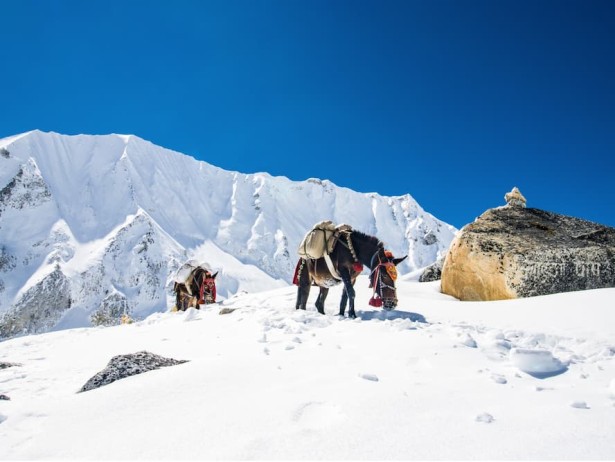
The 2026 trekking season has witnessed a considerable growth in the popularity of "slow trekking,” with the emphasis being on taking extra acclimatization days at high-altitude places like Samdo Ri or the secret plateaus above Lho instead of just crossing the pass. These locations provide 360-degree views that not only show the Tibetan plateau beyond the border but also the Annapurna range to the west.
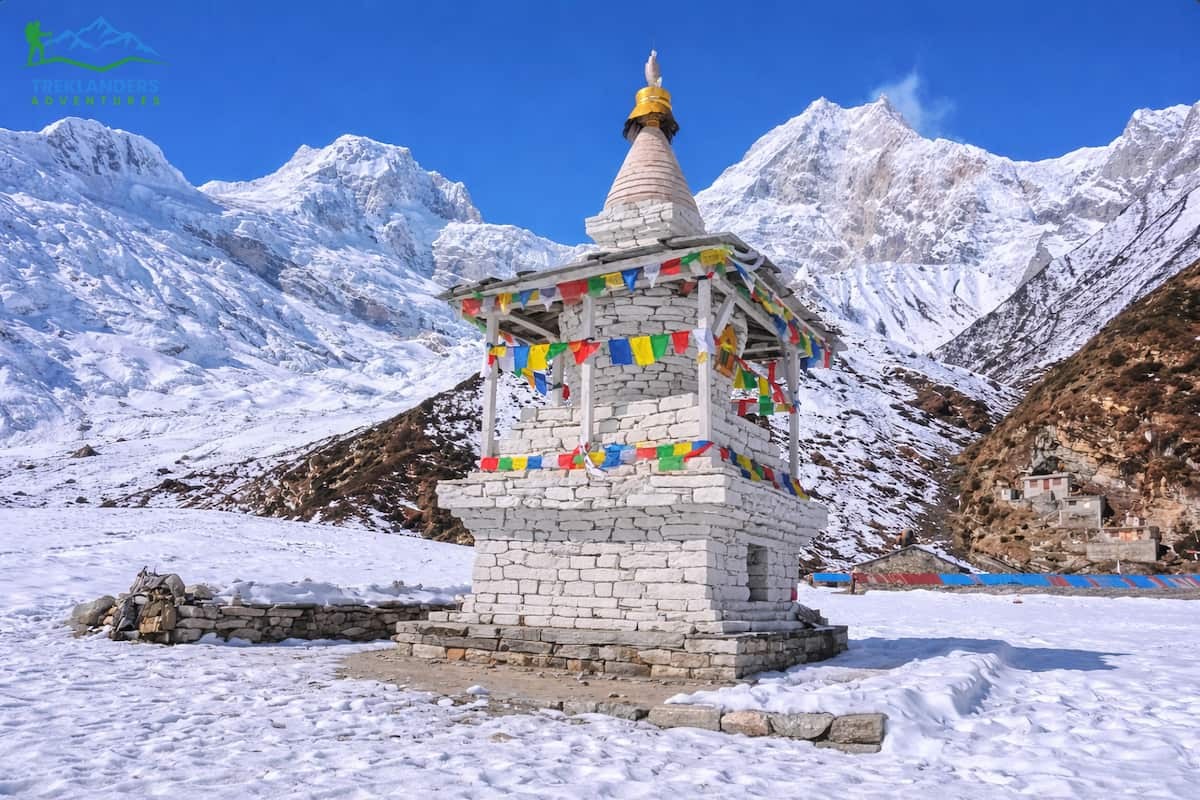
If you are planning to photograph the Manaslu massif during the "golden hour" or are a high, altitude wanderer who wants to reach the summit of the 5,106, meter Larkya La, it is crucial to know where and when to look. This guide takes you through the most outstanding viewpoints that give the Manaslu trek its identity and helps you connect with the spirit of this restricted area jewel at the same time. Get ready to be immersed in the Himalaya in its purest form. Each viewpoint narrates a tale of millennia, old glaciers, holy monasteries, and the incredible energy of the mountains.
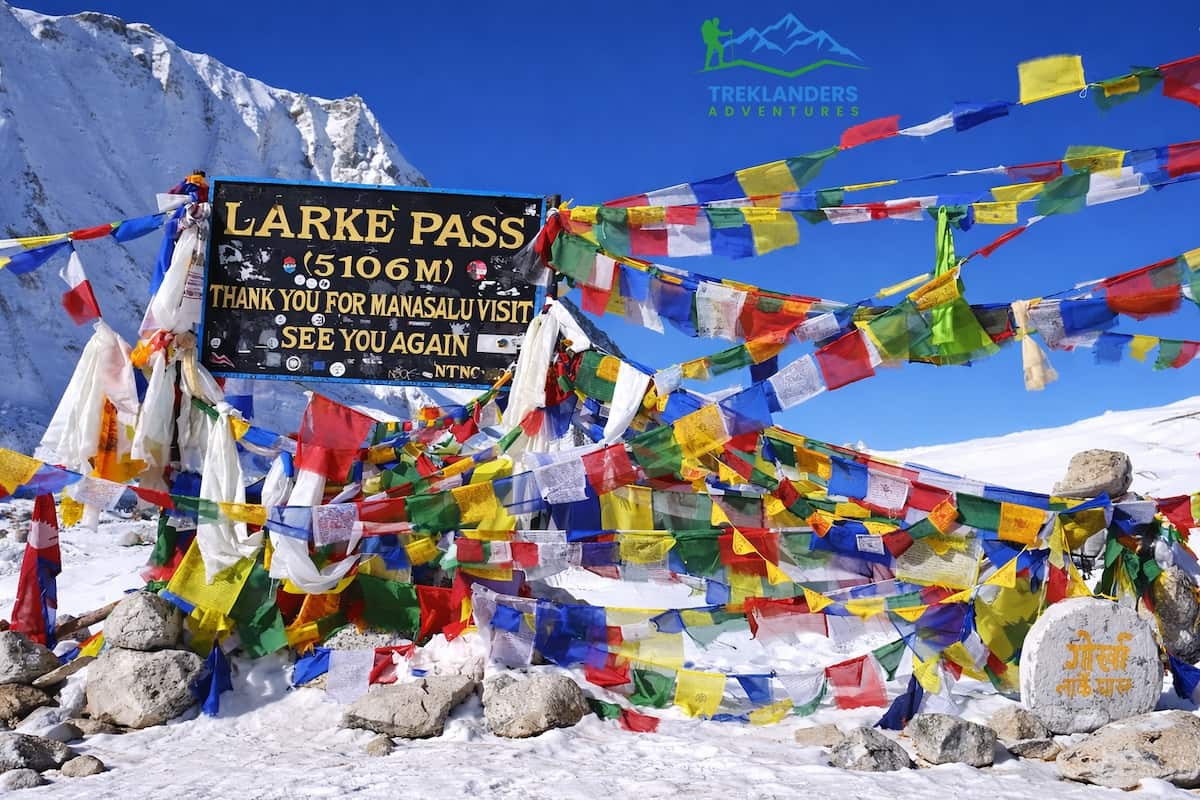
Conquering the Larkya La Pass is undoubtedly the highlight of the Manaslu Circuit Trek, not only because it is the highest point but also the most demanding physical challenge of the trek. Instead of going to sleep, climbers leave the camp shortly before pre dawn to reach the top of the pass at around 5,106 meters for the first rays and get down quickly, as high altitude winds usually scour the ridge in the afternoon.
They cross a landscape of dry moraines and glacial ice before the final reward of an amazing three hundred and sixty-degree view. The spectacle of the Himalayan giants forms the backdrop to the scene at the pass. The Himlung Himal (7,126m), Cheo Himal, and Kang Guru peaks rise to the north and east. To the west, the enormous Annapurna II (7,937m) massif appears next to Gyaji Kang and the vast Larkya Glacier. Being on top, surrounded by prayer flags dancing in the wind, is both a humbling and exhilarating moment as the viewpoint shows the stark nature of the restricted Manaslu region and the fertile valleys of the Annapurna range.
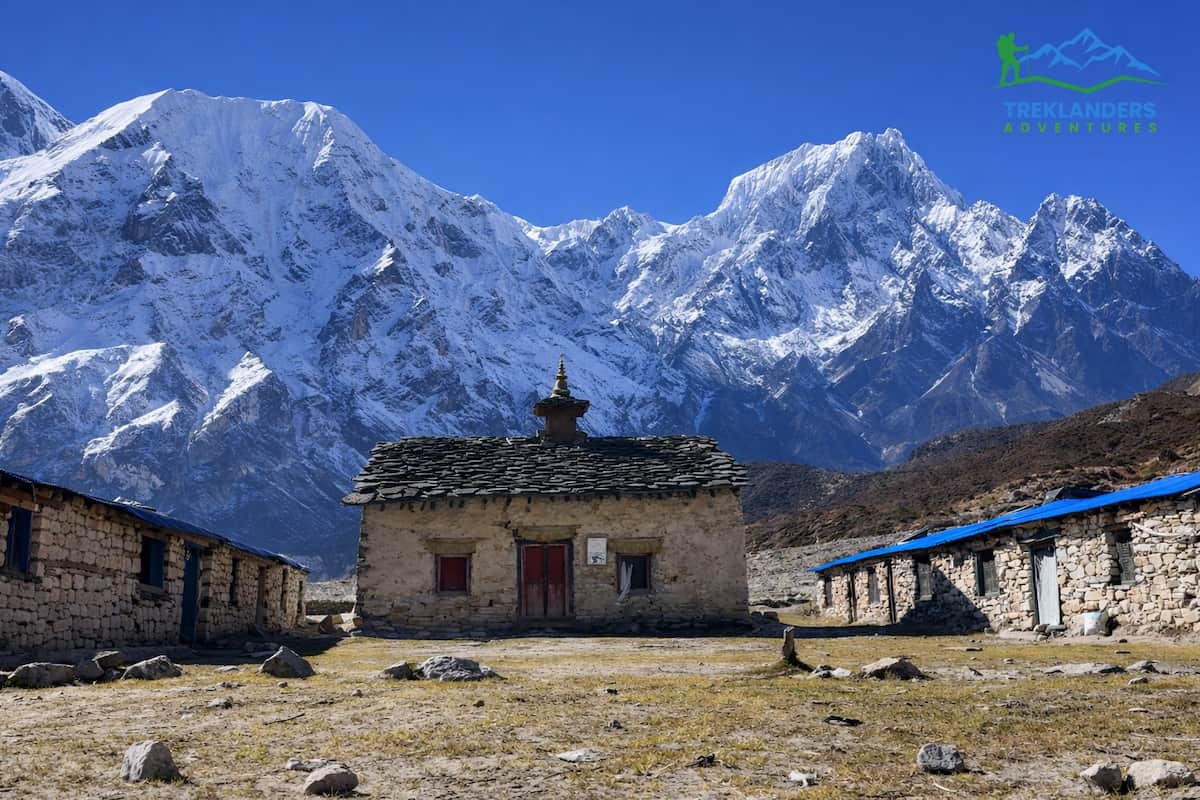
Pungyen Gompa is considered by many to be not only the spiritually most important place on the Manaslu Circuit Trek but also the most artistically located one.
The monastery that is thought to be almost 400 years old stands on a high-altitude plateau from 4,050 to 4,100 meters, right under the giant south face of Mount Manaslu, which supposedly is the main peak of the region. It is said that the name reflects the great sense of tranquility, which is encountered in the lonely area.
During the acclimatization day, trekkers usually have the Gompa as their hike goal from Samagaun. The path leads through beautiful alpine meadows and pastures for yaks, where the Himalaya blue sheep are regularly seen. When you get there, first of all, you will be welcomed with the ones that will be your companions for a while - fluttering prayer flags - and secondly, the stunning setting of the Pungyen Glacier.
The site not only allows a fantastic view of Mount Manaslu (8,163 m), but it also looks as if it is so close that you can just stretch out your hand and touch it. However, the beauty of the place, which is beyond scenery, is that it is still a living museum of Tibetan Buddhism wherein the monks go about their age-old rituals under the watch of the mountains.
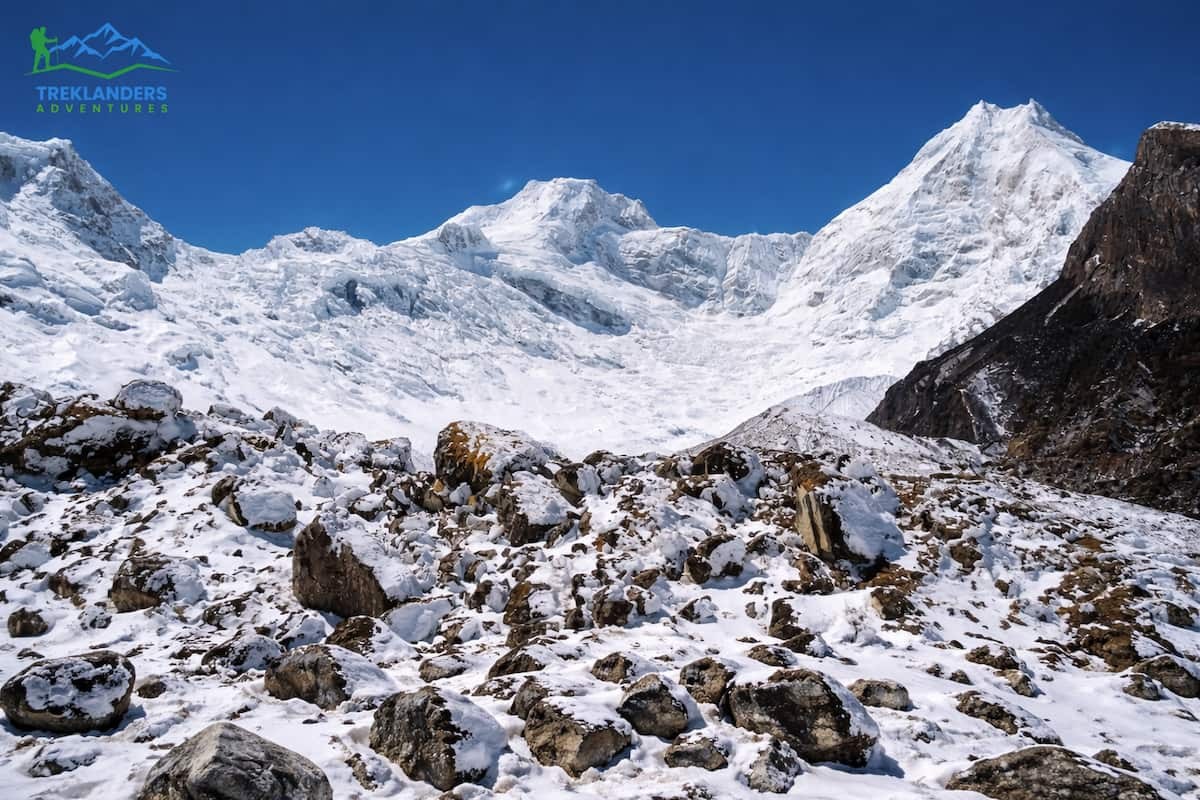
A difficult but very fulfilling side trip from Samagaun is the one leading to the official Manaslu Base Camp. At about 4,800 meters above sea level, it is the main operational center for climbers who are trying to summit the eighth-highest mountain in the world. For a normal trekker who doesn't intend to go to the top, the path is an excellent chance to spot the mountain in its natural, untouched form that is rarely accessible to visitors.
Walking is tough as there are several steep climbs along the moraine ridges, and you will also pass through glacier areas. The reward is a pretty incredible and almost inhospitable setting where the green and fertile valleys turn into a land of ice and rocks. At the base camp, the gigantic mountain reveals itself to be a mysterious and magnificent source of beauty and natural danger, providing extraordinary glimpses of the glacier lying at its feet and the intricate route we have to take winding up the sheer face. It's not about a single "panorama" but rather a very personal meeting with the logistics and the huge power of 8000-meter peak climbing. It is an impactful and memorable viewpoint that gives a profound sense of perspective on the scale of the Manaslu massif.
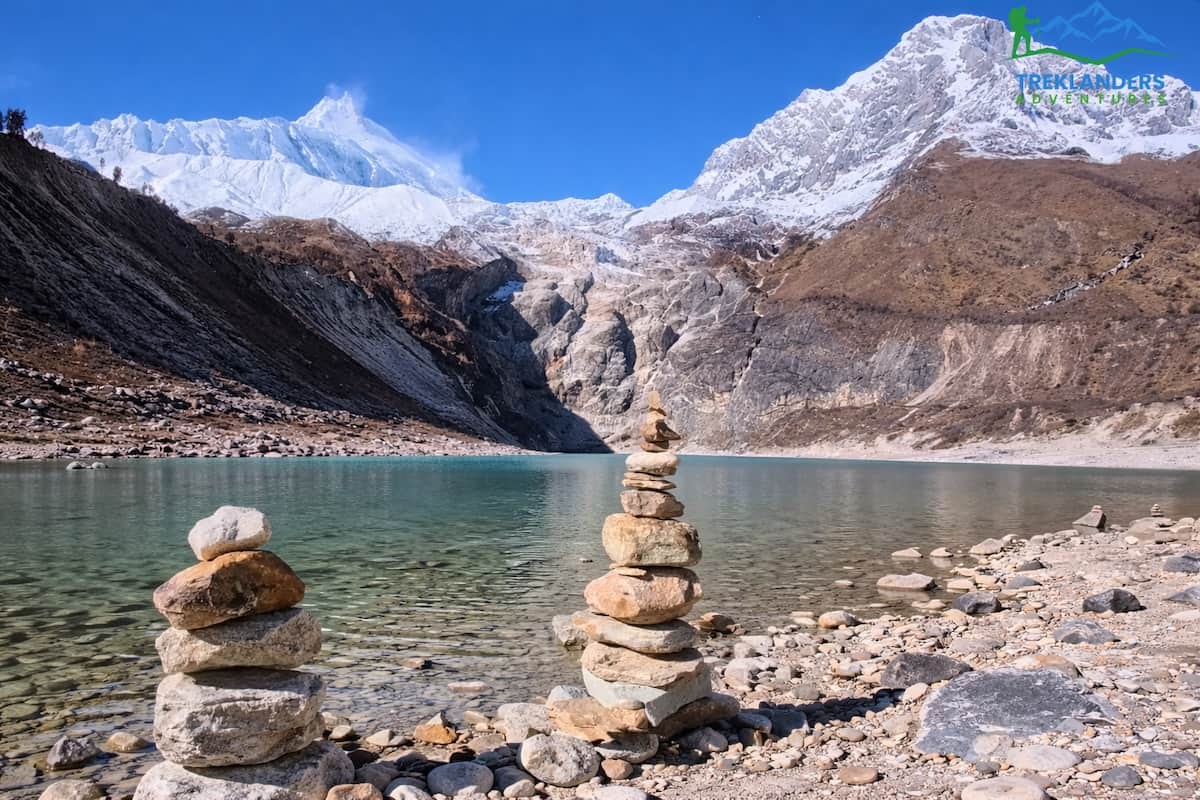
Birendra Tal is a breathtaking frozen freshwater lake (during winter) that presents calm and aesthetically pleasing natural views. It is the most photogenic spot along the whole Manaslu Circuit. Its location is only a short and fairly easy walking distance from the main Samagaun village, thus a trip to this lake is an essential part of the acclimatization process as well as a treat for the eyes. The water of the lake mainly comes from the melting of the vast Manaslu Glacier that descends the mountain's northern slopes.
The wonder of Birendra Tal is reflected in the marvelous reflections it produces. If it is a beautiful, calm morning, the clear turquoise lake water will reflect like a mirror the huge Mount Manaslu (8,163m) and Peak 29 (Ngadi Chuli) with almost perfect accuracy. The contrast between the saturated drop water, the snow-capped mountains, and the green alpine meadows surrounding the lake is a scene of extraordinary beauty. It is an isolated place, where you can take a moment to enjoy the immensity of the environment without the strain of the mountain altitude. This is a great vantage point for the photographers to get the iconic shot of the Manaslu massif's reflection.
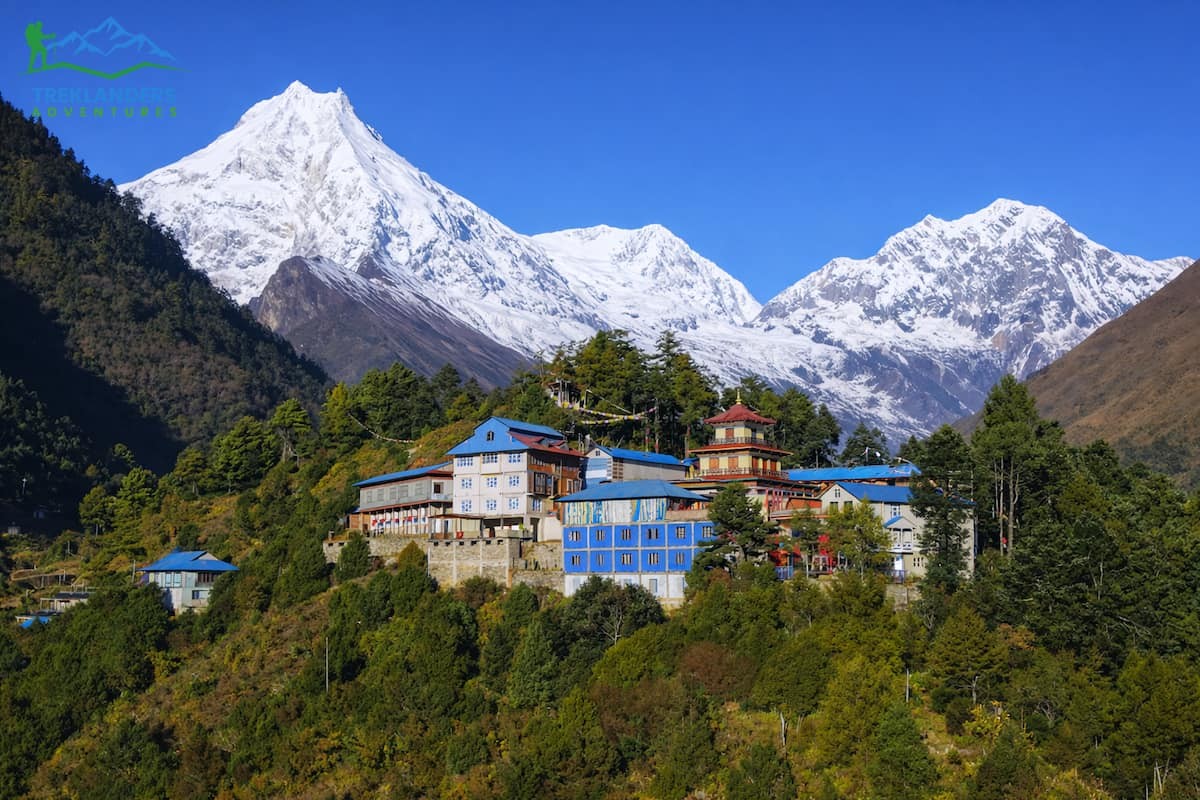
Lho is not merely a refueling spot on the Manaslu Circuit; it is a cultural and scenic treasure that presents trekkers with their first genuine iconic view of Mount Manaslu's distinctive shape. Nestled in the upper Budhi Gandaki valley, Lho is a major Tibetan settlement identified by grand Chortens, ancient Mani walls, and the ubiquitous sound of prayer wheels.
The village is renowned for offering the most spectacular "teahouse views" in the region. Most trekkers wake up at dawn to witness the sun illuminating the "double-peak" summit of Manaslu, which appears to tower directly over the village rooftops. For a superior vantage point, a twenty-minute hike to Ribung Gompa provides an elevated perspective where the monastery’s golden roofs contrast sharply against the massive white backdrop of the 8,163-meter giant. This location serves as a vital psychological milestone, signaling the transition into the high-altitude heart of the Himalayas.
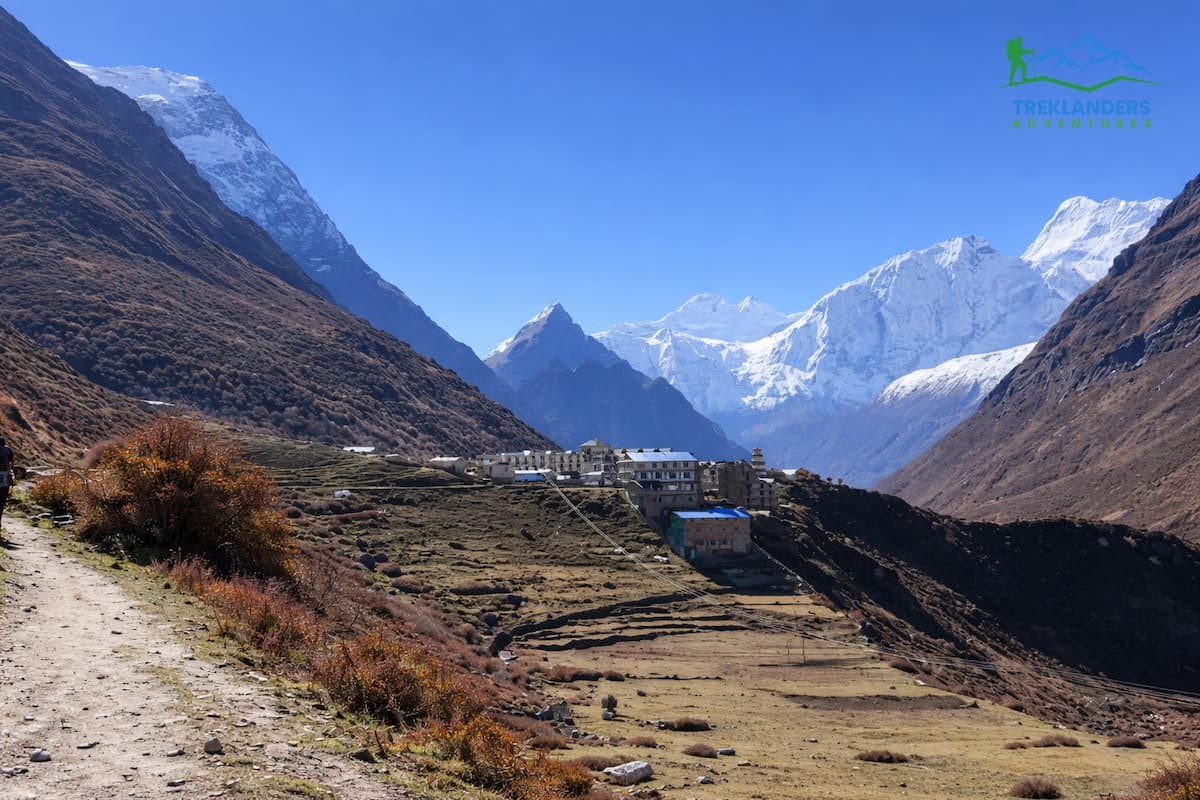
For hikers who want a breathtaking view that is literally "on top of the world," Samdo Ri is the ultimate option. The mountain, which is directly above the high-altitude village of Samdo, is used as a small trek for acclimatization before crossing the Larkya La Pass, making it a fairly popular day trek. Even in 2026, it is a place where avid trekkers can venture off the beaten path and discover the stark, overpowering beauty of the borderlands at high altitude.
The climb will be physically exhausting, mainly due to the steepness and the lack of sufficient oxygen, but the view is worth it. The top of Samdo Ri is the moment when the view changes from looking at the peaks to looking over them. The tourists get a spectacular 360-degree view which includes, among other things, the north face of Manaslu, Pang Phuchi, and the huge, gently sloping plateaus of Tibet just over the border.
Looking downward, the village of Samdo seems to be just a few stone houses placed in the middle of the vast valley. This is usually the point where hikers feel for the first time the mountain desert mood that is typical of the high Himalayas; thus, it can be considered a vital mental and physical achievement of the trek.
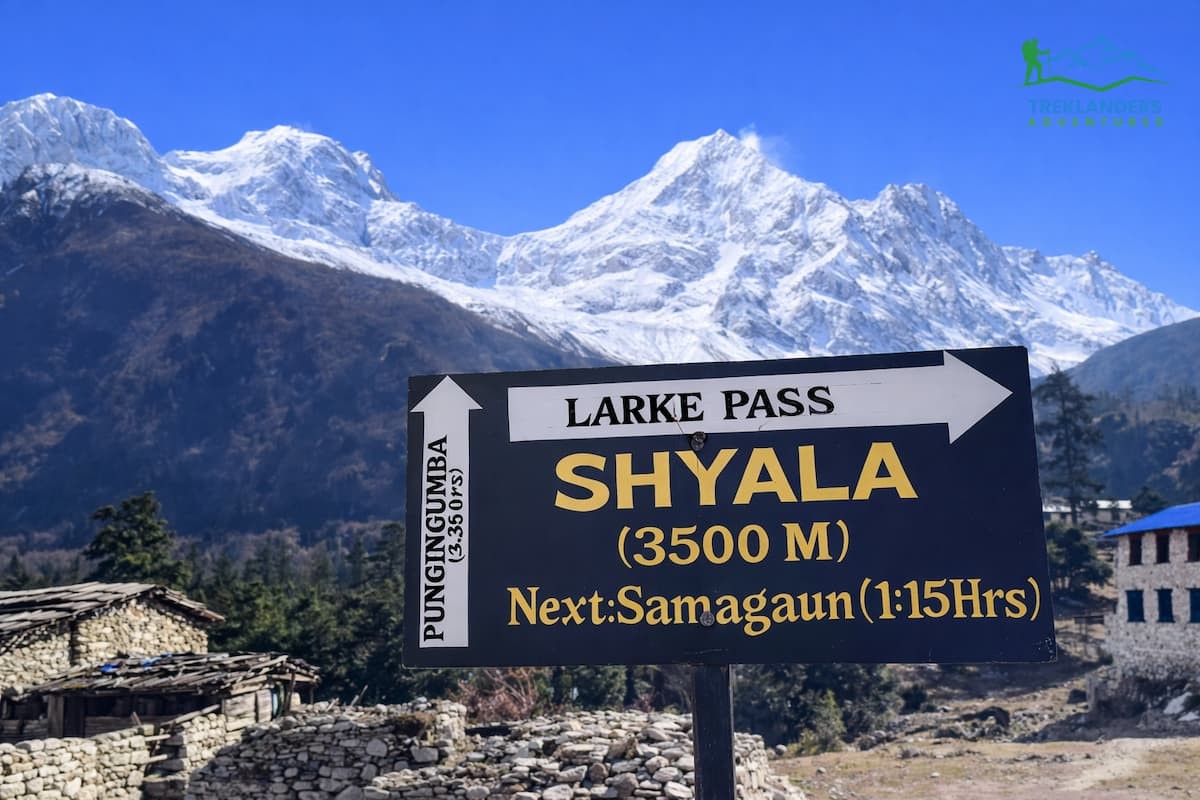
Shyala Village is a high-altitude village of great beauty, strategically situated between the two main stopping points of Lho and Samagaun. It is usually just a short stop on the route, but those who take the time to stop here will get to see some of the most beautiful and expansive open-valley views of the whole circuit. This village is located in a large alpine meadow, which gives a totally new and different feeling from the narrow gorges that you would have passed through earlier on the trek.
Shyala's main attraction is its uninterrupted 360-degree view of the surrounding mountains. Hikers can see the whole of the Manaslu range to the southeast quite clearly, and at the same time, they get great views of the neighboring peaks such as Himal Chuli (7,893m) and Peak 29 (Ngadi Chuli). Thanks to the openness of the area, photographers have a lot of room to frame shots that showcase the enormity of the mountains, especially when the light of the early morning hits the snowy mountain faces. The scene here is a magnificent teaser of the spectacular granite formations that are to be found in Samagaun and Pungyen Gompa, thus making it a memorable visual landmark on the journey.
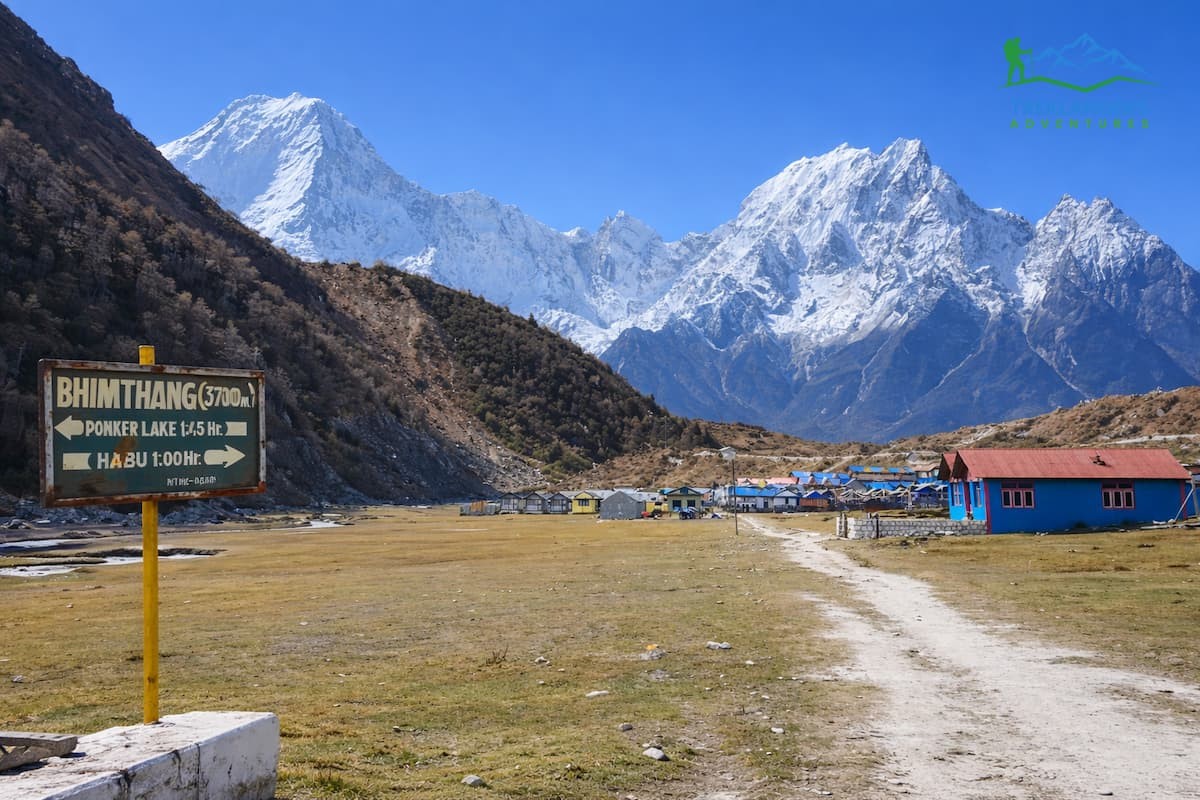
Bimthang has been praised as one of the most stunning high-altitude valleys globally and has been the perfect scenic reward for the tough crossing of the Larkya La Pass. It remains a popular place for trekkers in 2026 as it shows a "rear-view" perspective of the Manaslu massif that is totally different from the views on the ascent.
The valley is a wide, glacial bowl surrounded by an amphitheater of towering ice-clad peaks.
When staying at Bimthang lodges, one can enjoy a breathtaking view of the west face of Manaslu, along with Phungi Himal, Him lung Himal, and Cheo Himal.
This "sunset glow" of the place is particularly well-known when the setting sunlight colors the glaciers in deep orange and pink colors.
Down-valley, the view starts its drastic transformation into the green rhododendron and pine forests of the Dudh Khola. The place still remains the most famous glacial scenery in the Himalayas.
At the same time, it gives a deep feeling of relief and wonder, and the trekkers can reflect on their trek while being surrounded by some of the most dramatic glacial scenery in the Himalayas.
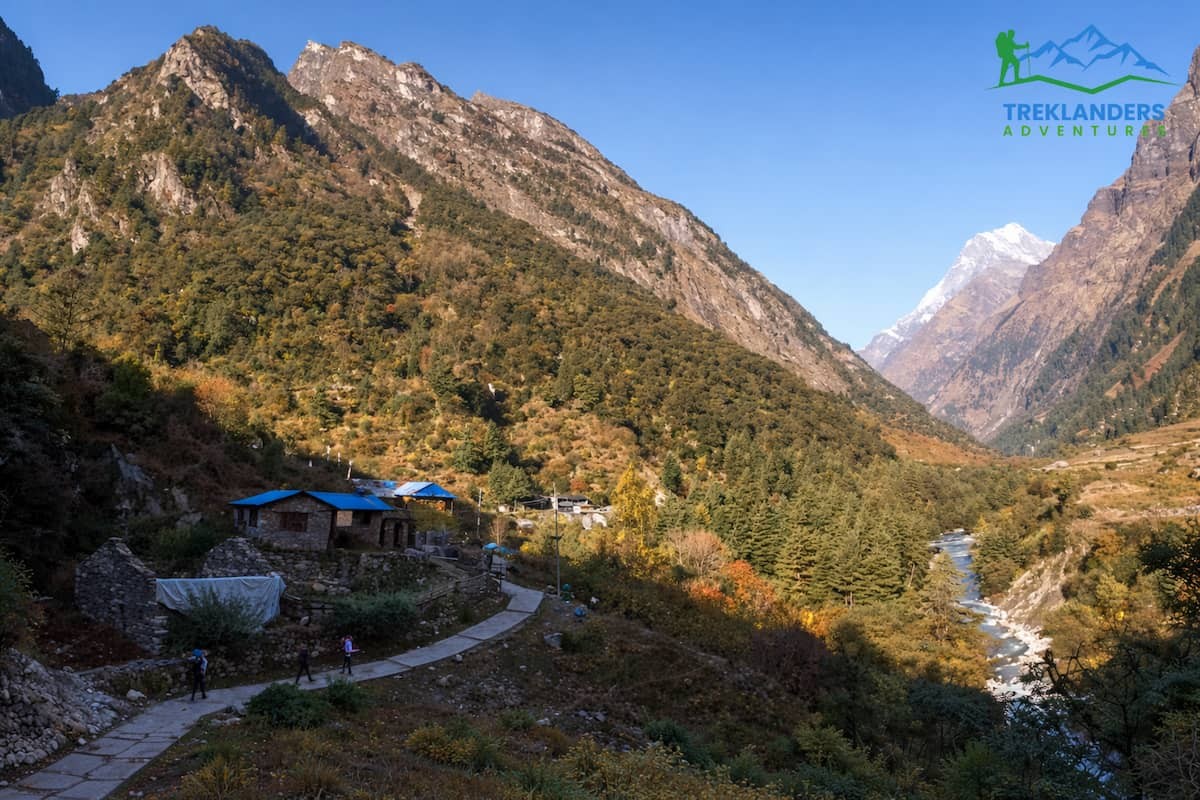
Namrung is the beautiful gateway to Upper Gorkha, and it is the first place on the journey where you see the landscape change from deep river gorges to broad Himalayan views. For most trekkers in 2026, this village is the first "big mountain" moment of the trek. When you get to this plateau, the air gets thinner, and the cultural vibe turns very Tibetan, with extensive stone sculptures and colorful prayer flags decorating the trail.
The main thing that catches your eye at Namrung is the incredible sunrise view of Siringi Himal (7,161m). If you are standing in the village fields early in the morning, you can see the first ray of the sun touching the needle-like, frosty summit of Siringi, which seems to be standing right over the village. Besides, if the weather is clear, you will get your first delicious glimpse of Ganesh Himal in the east and the far white peaks of the Manaslu range. The place where you can see the view at Namrung is very important because it signifies the entry into the world of high altitude, thus it gives you a perfect mix of the deep green slopes and the tall, snow-covered mountains of the north.
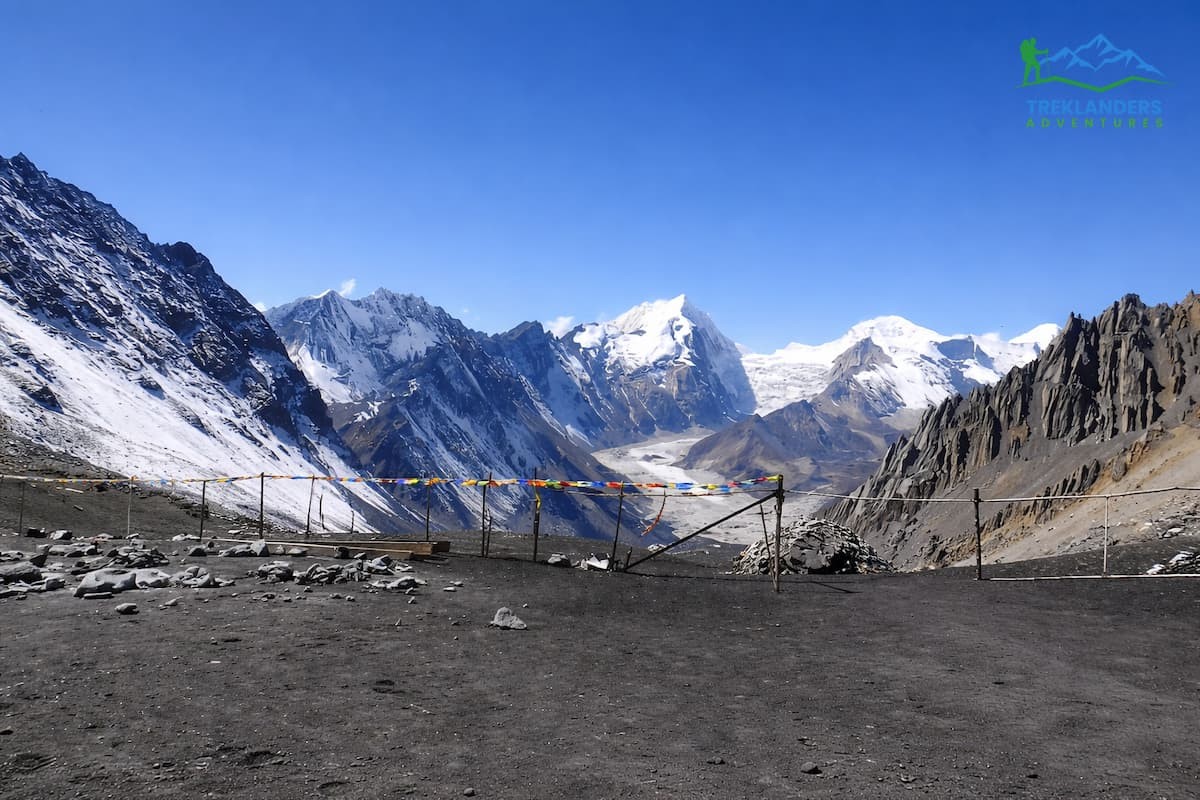
Rui La Pass is perhaps the ultimate "hidden gem" in the Manaslu region, providing a secluded and thrilling side trip from the Samdo village. In 2026, more and more trekkers will be drawn to this spot as it will be an opportunity to literally "stand on the edge" of Nepal, the reason being that this high-altitude pass sits exactly on the Nepal-Tibet border. This viewpoint is definitely less crowded than the main Larkya La, thus giving you a feeling of solitude and raw adventure, which is hardly available anywhere else.
The way to Rui La goes along a long and unremitting climb through high mountain pastures that are frequently surrounded by yaks and wild Blue Sheep. When you finally get to the pass which is indicated by customary stone cairns and faded prayer flags the reward is a mind-blowing, cross-view panorama. Glancing back towards Nepal, you can enjoy the magnificent north faces of the Manaslu range in their full splendor. If you look north into Tibet, the scenery changes to the great, dry, and rolling brown hills of the Tibetan Plateau, which stretch endlessly to the horizon. This viewpoint is definitely not just a feast for the eyes; it is a deep cultural experience as well, standing at the ancient crossroads of Himalayan trade and history.
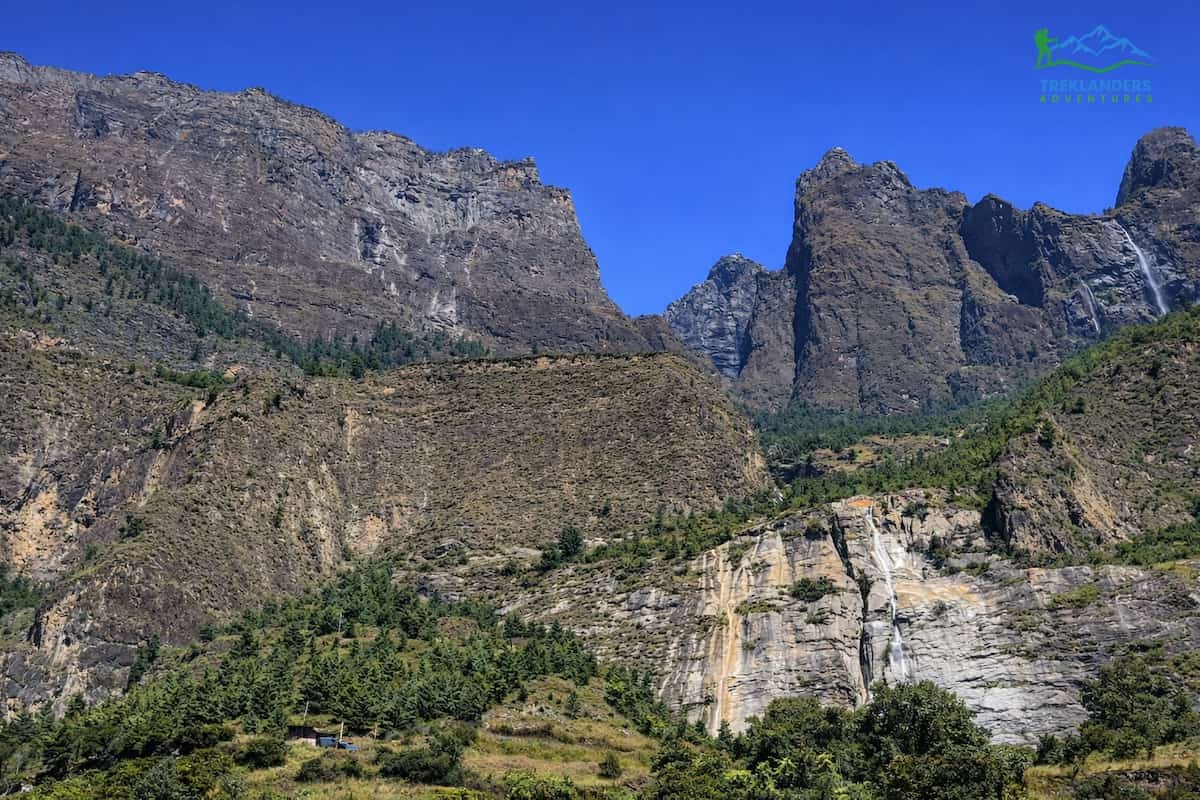
To Namrung, one has to go up stone stairways and pass over hanging bridges, which symbolize the entrance to the Tibetan Buddhist area. A good, solid trail has been made, and most people will be able to walk it with little problem as the height is still under 3,000 meters. The moist air of the lower valley can be quite tiring; however, the walking is very easy with hardly any difficulty. This settlement offers the first unambiguous and magnificent view of Siringi Himal, thus a rewarding slow day of walking.
Moreover, this is a very good stage for warming up. Also, it is not a difficult path as you need only your normal trekking shoes and have basic fitness, which means it is almost at a beginner level.
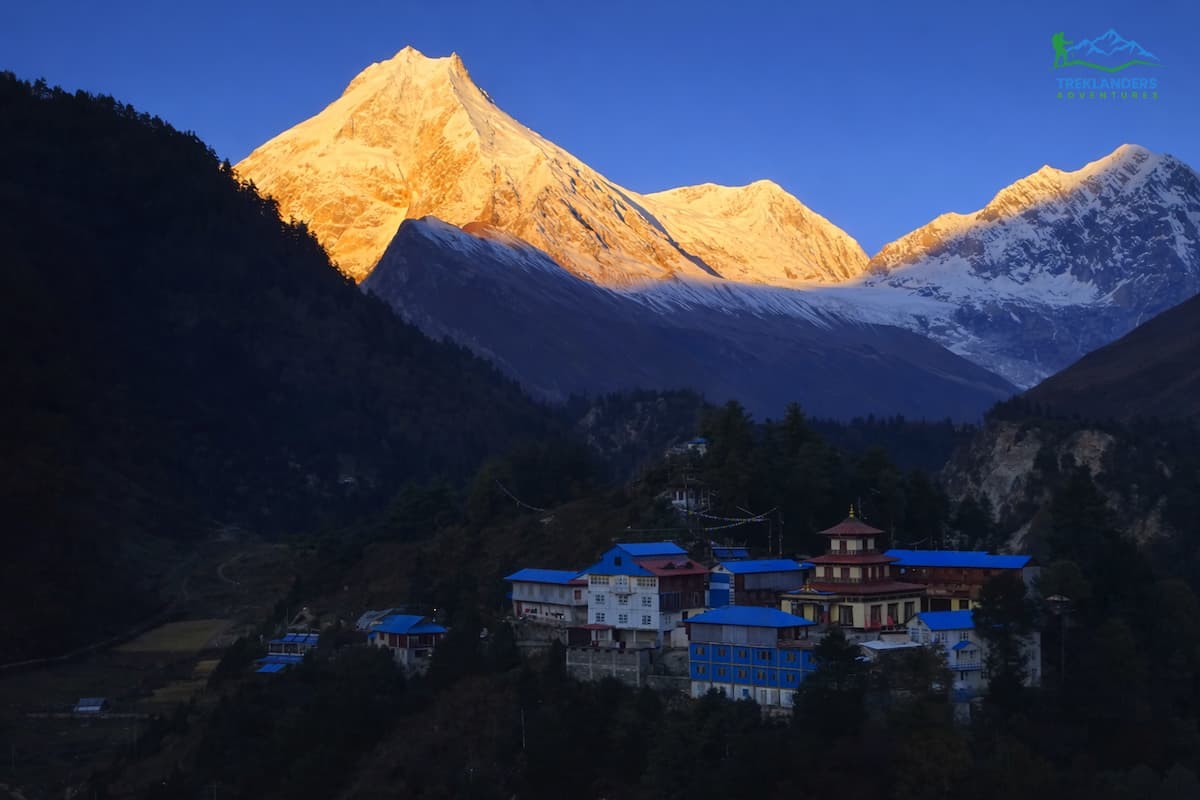
The journey to Lho is when one starts to experience the symptoms of high altitude. The path has a few very steep uphill parts through the woods. Although the path is not technically difficult, the uninterrupted uphill walk requires constant stamina and a slow pace. Even first-timers can handle it with frequent rests and sufficient water intake. The great view of the Manaslu "double-peak" from the teahouse windows is an excellent incentive to do the hard work. Indeed, Lho is an essential acclimatization stop where you first get the real and full feeling of the great Himalayas.
The walk from Lho to Shyala is one of the least strenuous parts of the trek. The path goes along a broad and beautiful valley floor with very slight gradients. The exertion level is moderate, essentially as a result of the body being tired from the previous days, rather than the nature of the terrain. Even at 3,400m, it is still a good idea to go slow for comfort's sake.
The biggest plus is that the open environment allows you to have an uninterrupted 360-degree view of the Manaslu range, Himal Chuli, and Peak 29 without any considerable extra effort beyond the daily walk.
A perfect, easy side trip from Samagaun, Birendra Tal is not a demanding one at all. The path is short, mainly level, and leads straight to a beautiful glacial lake. It's a perfect "active rest" exercise that helps your body adjust to the high altitude without tiring you out. The main attraction is the glassy reflection of Mount Manaslu in the blue water. This scenic spot is available to all trekkers; it only requires them to have comfortable walking shoes and be in decent shape, and it gives a great visual result for very little effort.
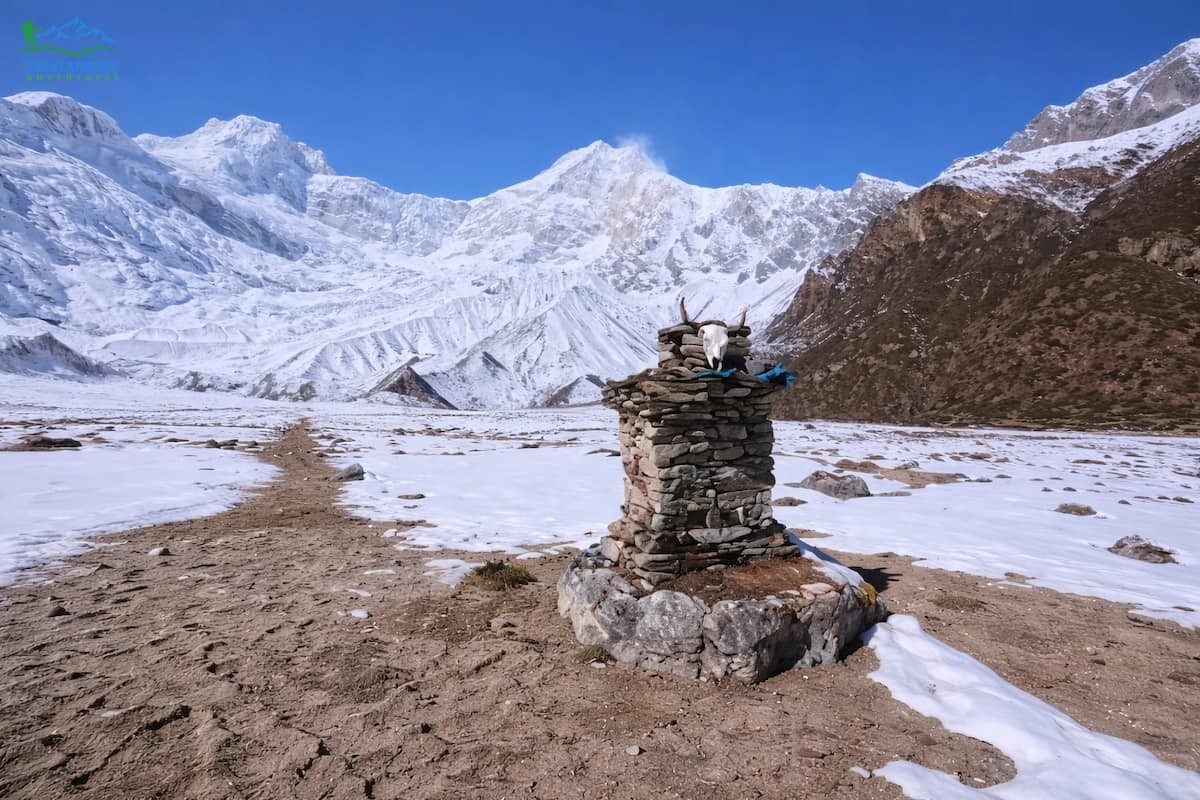
This acclimatization hike is significantly more physical than the primary trail to Birendra Tal. The route entails a gradual ascent up an isolated plateau. At 4,000m, the air is quite thin, so the climb naturally feels tiring. Although it is a non-technical route, having a good level of fitness is a must for the round trip. The highlight is a legendary, unobstructed view of the Manaslu massif from a holy monastery.
This is a must-do hike if you want to acclimatize better and have a more profound cultural experience, but it demands a certain level of fitness and determination.
Getting to Manaslu Base Camp involves a hard climb over rock-strewn moraine and steep, zigzagging trails. The main challenge is the very fast increasing altitude and the thin air at over 4,500m. It is very physically demanding, and thus a high level of fitness and good acclimatization is required. The way is fine and indicated, but it is rough terrain. This journey reveals the mountain's glaciers and the climbing route in a very raw and close way. One must have not only physical strength but also mental strength and maintain a slow and steady pace to handle the risks of altitude.
Samdo RI is a grueling climb to the highlands, which is mostly ideal for those trekkers who are physically fit, have good acclimatization, and are mentally prepared for an adventure. The steepness of the trail is quite notable, and at times, you will find it covered with loose rocks, and the slopes will be very rocky. It is so exposed to the sky, and that makes the oxygen at this level very scarce, and hence every step at this level is very tiring in human terms. The main challenge to be faced on this hike, apart from physical exhaustion, is the real risk of getting altitude sickness. A splendid and almost unattainable vista towards the Tibetan Plateau is what the climb offers, but it should really be the privilege of those who have great physical stamina and a good guide on whom they can rely.
Rui La Pass is a challenging trip that can take up the whole day and takes one to the border between Nepal and Tibet. The hard part is mostly due to the hike's distance and the continuous high altitude of almost 5,000m. The area is far and open to the strong winds, thus proper preparation and good navigation skills are necessary. Although it is not technical mountaineering, the great physical exertion needed to do the round trip over the rough mountain trails makes it a tough adventure for those who look for being alone and seeing a unique border view.
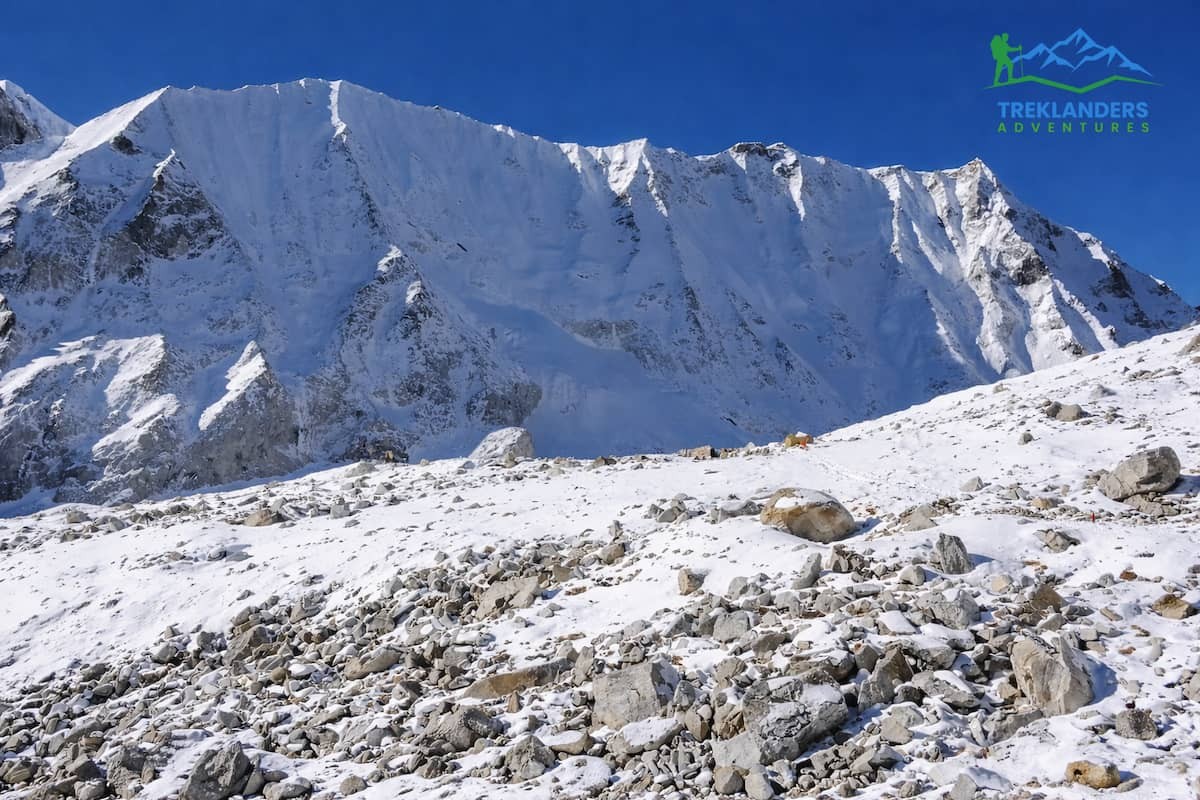
This is the highest and toughest physical challenge during the trek. To get there, you have to start very early, before dawn, and make the long climb in freezing conditions on icy and snowy ground to an altitude of 5,160m. The thin air and cold weather are the main problems, and then there is a steep and tiring way down. To be able to complete the challenge, one has to be in really good shape, have warm clothes and trekking poles, and be mentally strong. The climb is hard, but once at the top, the fantastic 360-degree views of the surrounding 7000 m+ peaks make it one of the most memorable moments of the trek.
The trek to beautiful Bimthang Valley is a reward after the tiring crossing of Larkya La Pass. The last leg leading to the valley is a long downhill section through glacial terrain. Although the path is quite simple, the sheer exhaustion resulting from the pass crossing makes this stretch feel as if it were pretty tough for the knees. The view of the west face of Manaslu and the glaciers around is a magnificent scene to lie down, rest, and rejuvenate at a lower elevation.
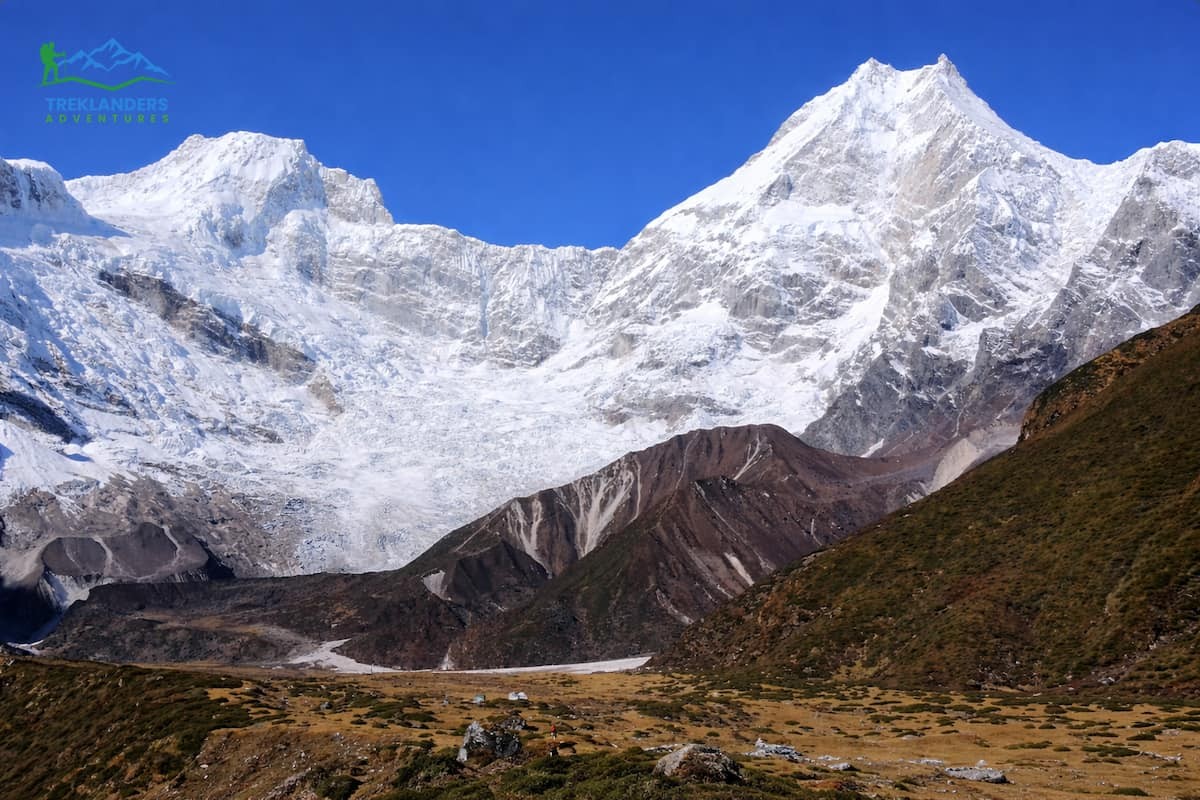
Namrung is the perfect place to be in autumn. The air is so clean after the monsoon rains that you can easily get the first crisp view of Siringi Himal that the village is famous for. The weather is steady, and the temperatures are nice for trekking. You can also choose spring, but the air can get a bit hazy in the afternoons. Stay away from the monsoon season (June-August) when the sky is always covered with clouds, and you cannot see the mountain peaks at all. Winter gives you clear skies, but you will be freezing cold. If you want to be sure of seeing the mountains, there is no season better than autumn.
The "double-peak" sunrise sight seen from Lho Village is a wonderful highlight of the trek, which is best enjoyed in autumn. The chilly, fresh mornings of the season leave little room for haze, and the Manaslu's silhouette gets beautifully outlined against the sky thanks to the stable weather conditions. Although in winter the visibility is even better, the bitter cold may be inconvenient. Spring is also a decent season, but a morning view in October is virtually perfect. If you come in autumn, you will certainly snap the classic, clear pics for which this village is renowned.
Thanks to its open, spacious area, Shyala enjoys the dry air of Autumn and Winter very much. The time from October to February is the most favorable to get 360-degree clarity over the broad valley. Autumn gives you nice weather for trekking, while winter is very cold, but gives you amazing and very clear opportunities for photographs. Spring can also be a bit hazier in the afternoons.
To see the complete panorama of Manaslu, Himal Chuli, and Peak 29, organize your trip during the post-monsoon months.
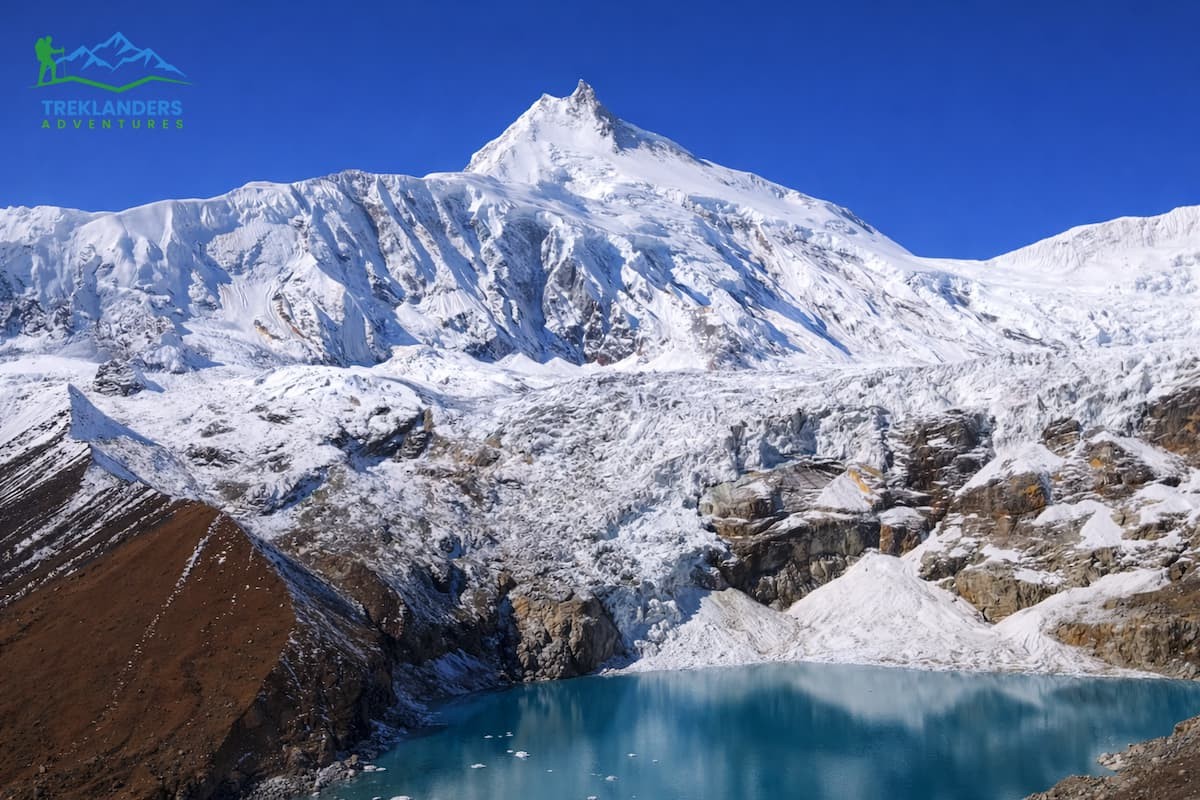
The wonder of Birendra Tal lies in the flawless mirror image it gives of Mount Manaslu. To produce such an image, the lake demands two things: a sky without clouds and mornings that are so silent and still that you cannot feel the breeze. These are exactly the conditions that the autumn season regularly brings. The steady weather system in October and November guarantees that the water surface is undisturbed, and the atmosphere is without pollution.
Spring is also a good season, but the reflective nature of the lake becomes a bit untrustworthy because of the possible winds in the late afternoon. Your trip in the autumn will be the best time to get a great picture of reflection.
Autumn or Spring Pungyen Gompa visits bring about excellent results. In Autumn, the air is much clearer, which is great for the dramatic close-up views of Manaslu's south face. Contrarily, Spring has the advantage of rhododendron flowers flowering in the lower parts of the passage, which look beautiful against the white snow of the peak. Both seasons have stable weather, and you will be safe and rewarded with a nice side trek. Avoid the cloudy monsoon and winter months, which may be snowed out.
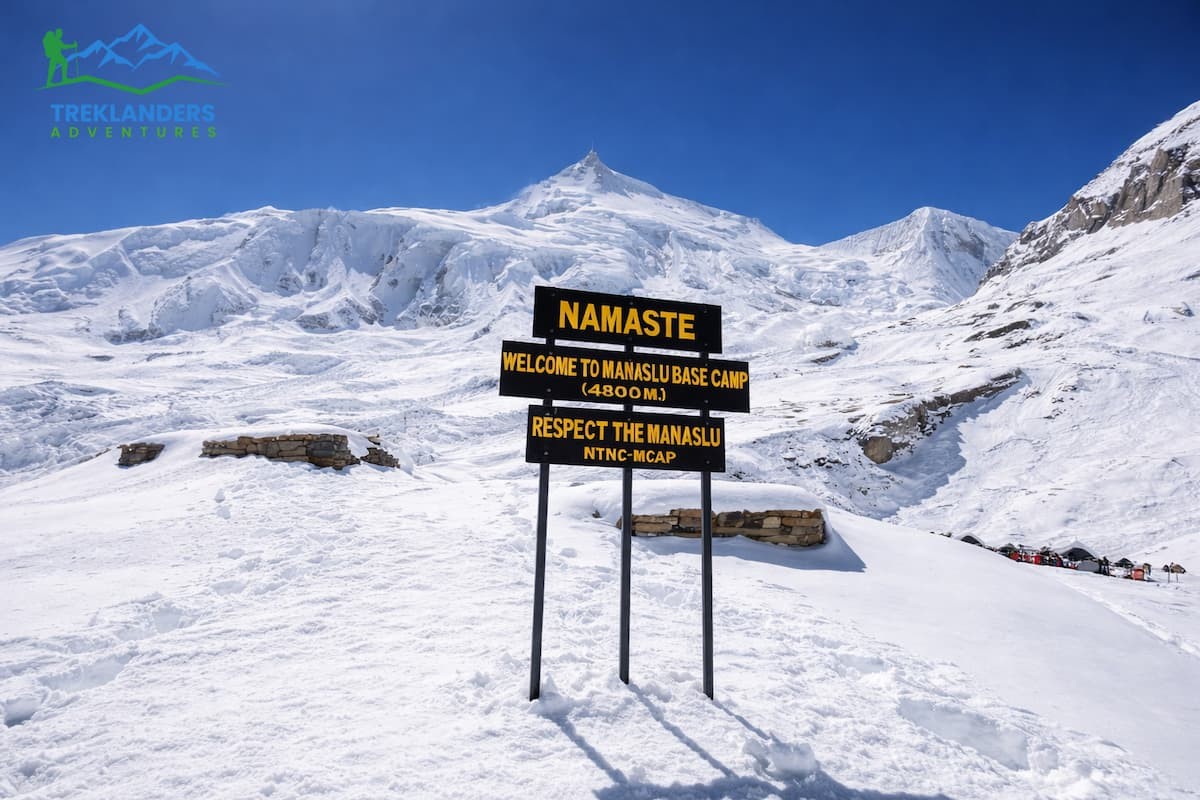
One factor every trekker considers while going to the foot of an 8000 m. mountain is seeing the mountain clearly. Autumn, being the season when the weather turns most stable, gives you the highest chance of getting a cloudless view of the glaciers and climbing routes. The fact that the climbers use this season is proof of the favorable conditions. Although it is possible to do the trek in late spring, melting snow makes the ground wet and muddy. Winter is snow overload. To get a good look and feel of the mountain on a grand scale, visit during the months of September to November.
This difficult viewpoint requires brilliant visibility to see the border of the Tibetan Plateau. The cold, dry air after the monsoon in autumn is just what is needed for such a clear view. The stable weather is a must for a hard, high-altitude side trip. In winter, it is very cold at this height, and the snow can definitely make the trek dangerous. Autumn gives you the perfect conditions in terms of temperature and long-range visibility.
Rui La is located exactly at the Nepal-Tibet border, and to be able to fully appreciate the vastness of the Tibetan plateau landscape, one needs good visibility. Autumn is by far the best time weather-wise, as it is almost sunny, the air is still, and there is hardly any wind (mostly in the mornings). The snow can make this route impassable in winter. It might be fine in spring as well, but the smog can block the view of faraway objects. A trip at the height of the autumn season is not only guaranteed to be safe, but you will also get the most beautiful views from this remote border viewpoint.
One should definitely time the crossing of Larkya La Pass for both safety and beautiful views. Without a doubt, autumn is the best season. During this season, the weather is very stable, which means the winds blow at lower speeds, and besides, the sky is so clear that one can enjoy the stunning views of Him lung, Annapurna II, and Manaslu. Eventually, the snow will not be a problem if you cross in autumn, but in winter, it would be impossible due to the deep snow.
Spring is the second option, but there is a higher chance of afternoon snow. If one wants to make the crossing beautiful and be successful, October/November is the perfect time.
The stunning Bimthang Valley is basically the grand finale of the view of the Manaslu massif after crossing the pass. Both autumn and Spring are great times for a stay here. The light is crisp and clear in autumn for taking dramatic photos of the west face. Spring is warmer, and you will find charming flowering rhododendron forests on the way down from the valley. The weather would be stable enough in both seasons to have clear morning views before going down to the lower altitudes.
Arrive in Kathmandu and transfer to your hotel. This day is for rest, final preparations, and a trek briefing with your guide.
Viewpoints Covered: None.
A long drive along the Prithvi Highway and then rugged mountain roads following the Budhi Gandaki River. The journey is scenic, passing through rural landscapes and terraced fields.
Viewpoints Covered: None. Views are of hillsides and river gorges from the vehicle.
The first day of trekking involves frequent ascents and descents along the river gorge, crossing suspension bridges and passing through villages like Khorlabesi and Tatopani.
Viewpoints Covered: None. Views are restricted within the deep canyon walls.
The trail enters the restricted region, climbing to Salleri and passing through Philim village. The scenery begins to change with hints of Tibetan Buddhist culture appearing.
Viewpoints Covered: None. The valley is still too enclosed for grand peak views.
This is a pivotal visual and cultural day.
Namrung Viewpoint: You reach Namrung Village (2,630m) around midday, providing your first exciting and clear view of Siringi Himal.
Lho Village Viewpoint: The day ends in Lho Gaun (3,180m), where the majestic twin peaks of Mount Manaslu dominate the skyline right outside your teahouse window.
A shorter, easier trekking day for acclimatization. The trail opens into a wide, beautiful alpine valley.
Shyala Village Viewpoint: A break point in the open meadows of Shyala Village (3,400m) provides stunning 360-degree mountain views of Manaslu, Himal Chuli, and Peak 29.
Use this vital rest day for active recovery hikes to nearby scenic spots around Samagaun (3,530m).
Birendra Tal Viewpoint: A short walk from the village center leads to the glacial lake for perfect reflection photos.
Pungyen Gompa Viewpoint: A challenging side hike to a monastery on a plateau for a dramatic, close-up view of the Manaslu south face.
Manaslu Base Camp Viewpoint: It is accessible via a strenuous hike from Samagaun
The trail is a fairly easy walk above the river to Samdo (3,875m), the last permanent village.
A short distance but significant altitude gain to the high camp, Dharamsala, the staging point for the pass.
(Note: Optional hikes to the remote Samdo Ri Viewpoint or Rui La Pass Viewpoint near the border require an extra day in Samdo village prior to this day).
The pinnacle physical challenge of the trek.
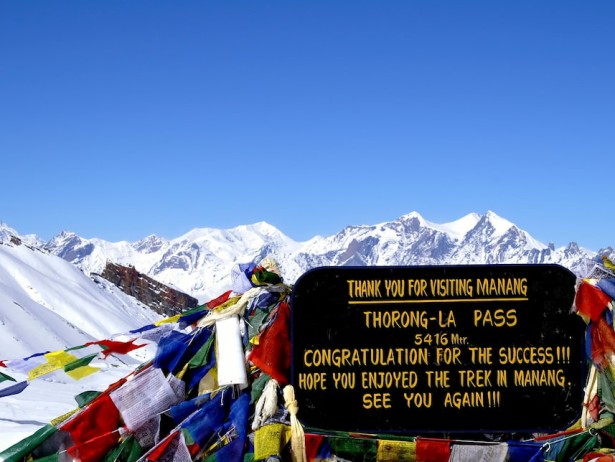
Larkya La Pass Viewpoint: At the summit of the pass (5,106m), a 360-degree panorama of Him lung Himal, Cheo Himal, Annapurna II, and Manaslu unfolds.
A long descent through beautiful forests.
Bimthang Valley Viewpoint: Enjoy the final spectacular views of Manaslu's west face and surrounding glaciers from the meadows of Bhimthang (3,720m) before descending.
A final short trek to Dharapani where you join the Annapurna Circuit trail and drive to Besisahar (760m).
A comfortable drive back to the capital city for a final celebratory dinner.
Transfer to the airport for your flight home.
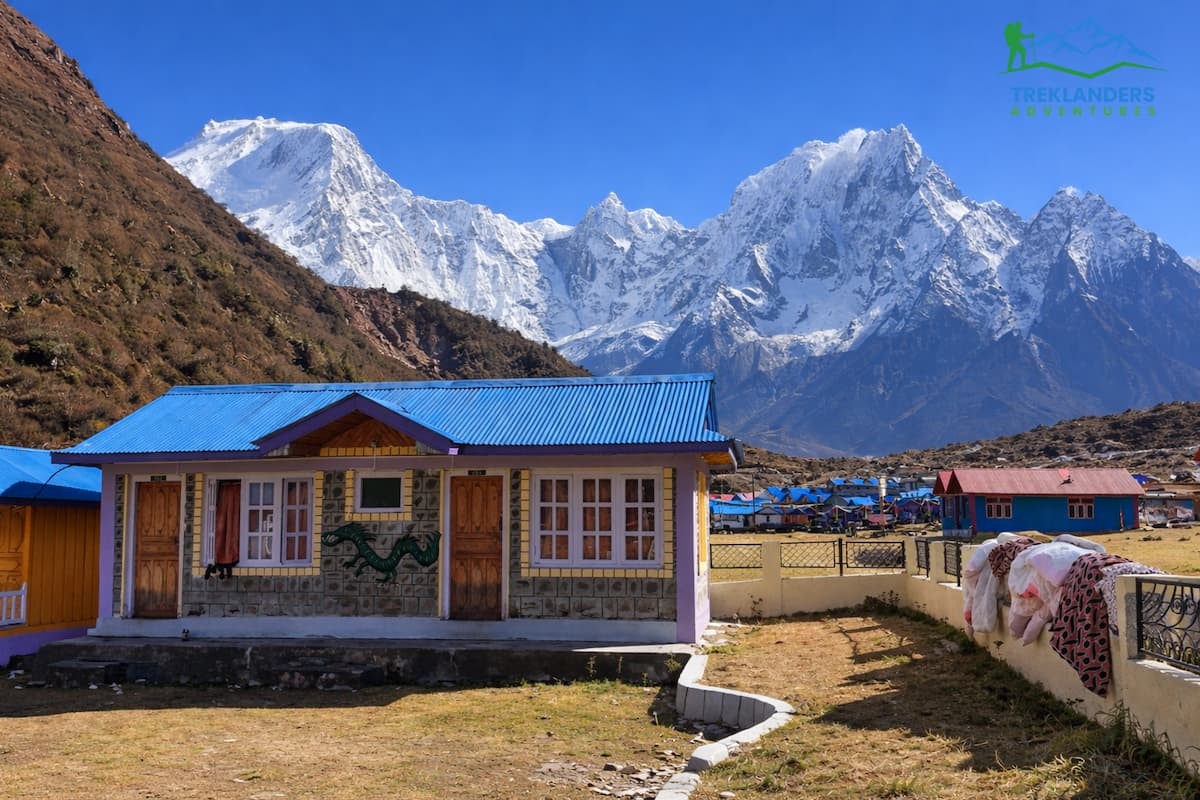
Altitude and acclimatization are the two most important factors for the success of the Manaslu Circuit Trek in 2026. The trek commences at a humble 930 m. in Machha Khola and ends at the daunting 5,106m summit of Larkya La Pass. Such a drastic rise of more than 4,000 m. vertical meters hardly passes unnoticed in terms of oxygen levels; hence, adepts are advised to abide by the "climb high and sleep low" principle to safeguard against the development of Acute Mountain Sickness (AMS).
When you get above 2,500m, less and less oxygen is coming into your lungs due to the lowering of atmospheric pressure. Your lungs become tenser, and your heart beats faster to supply the tissues adequately with oxygen. Most importantly, your kidneys produce more erythropoietin to stimulate the production of red blood cells. This will not happen overnight; it takes time and hydration.
According to the schedule of 2026, Samagaun (3,530 m.) and Samdo (3, 875 m.) are the crucial points in the progress of acclimatization. Most of the expert-led treks are now mandating a two-night stay in Samagaun. During the "rest day, " trekkers are advised to do an active recovery hike to Pungyen Gompa (4,050m) or Manaslu Base Camp (4,800m). When you are raising the altitude level of your body during the day and at the same time returning to the lower sleeping altitude of the village, you are effectively activating the "body’s" solving mechanisms.
Hydration: Drink at least 3–4 liters of water daily. The dry Himalayan air and increased respiration lead to rapid dehydration, which mimics and worsens AMS symptoms.
Pacing: Maintain a "bistari, bistari" (slow, slow) pace. In 2026, guides increasingly use pulse oximeter to monitor blood oxygen saturation levels at breakfast and dinner.
Diamox (Acetazolamide): Many trekkers consult doctors about using Diamox to speed up acclimatization, though it is not a substitute for proper pacing,
Listening to Your Body: Headaches, nausea, and loss of appetite are early warning signs, If symptoms persist or worsen, the only cure is immediate descent.
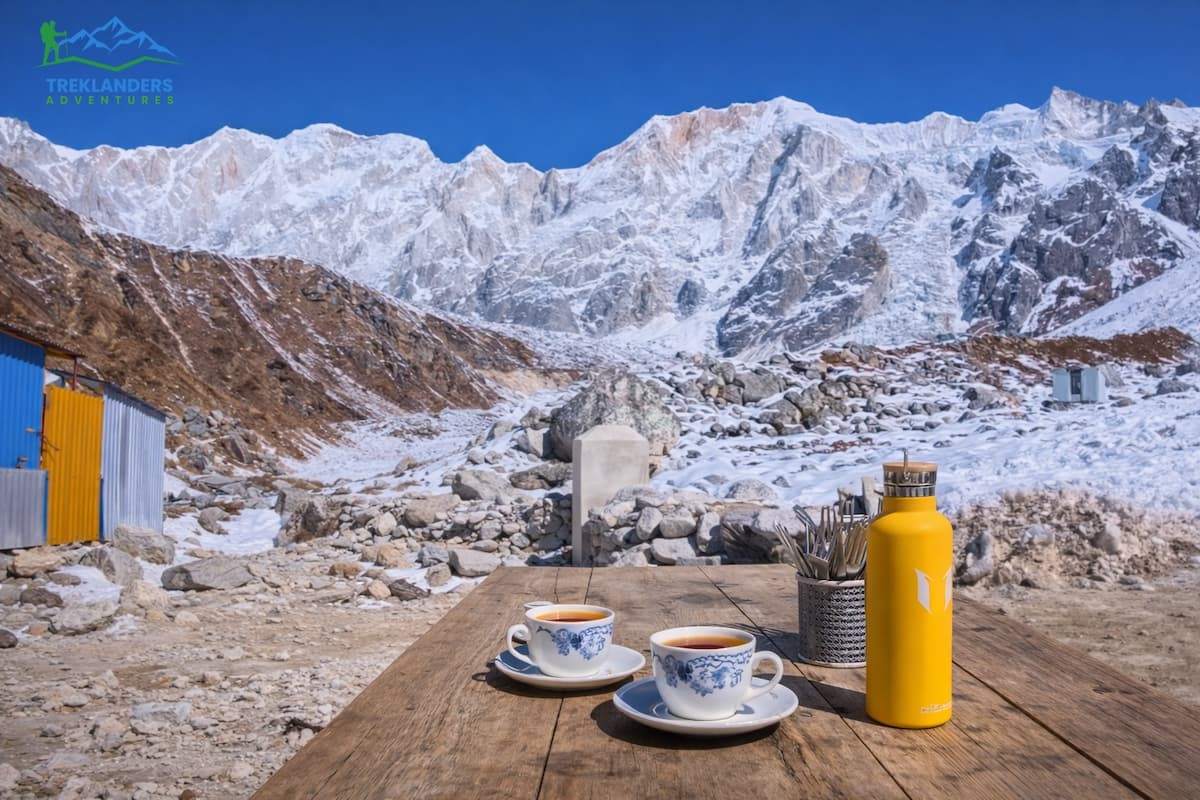
Weather conditions on the Manaslu Circuit Trek can vary greatly depending on the altitude and season. You will come across such a varied climate that in the low subtropical valleys, you'd probably find it warm and humid, whereas on the high passes like Larkya La, conditions would be freezing, cold, and exposed. Autumn (post-monsoon) and spring (pre-monsoon) seasons are when the most stable and predictable weather happens.
The trek goes through five very different climate zones. At the bottom, less than 2,000 meters, you can expect warm and often humid days with a lot of vegetation. During the day, the temperatures can get quite high, so you will only need light clothes. When you get to the mid-elevations, which are between 2,000 m. and 3,500 m., the climate cools down quite noticeably. Here, you can expect great walking days and cold nights. Occasionally, the pattern of weather is clear in the morning, and in the afternoon, cloud formation prevails.
Above 3,500 meters, the surroundings are severe and alpine. The oxygen content of the air is low, and the landscape is open to the elements. Frozen nights, fierce winds, and quick shifts in weather are standard, especially when you are nearing the high passes.
On a seasonal basis, the period from September to November (autumn) is almost unanimously regarded as the most ideal time to go. After the monsoon showers, the air is clear, thus the visibility is great, and the weather is stable. Geologically, in autumn at low altitudes, daytime temperatures may vary between 10 °C and 20 °C, whereas at high altitudes, they may fall to between -10 °C and 5 °C. Spring (March to May) also has a great season to offer, with almost as much stability but warmer days and rhododendron flowers blooming in the mid-hills. Haze can occasionally develop in the afternoons during the spring season.
Winter (December to February) brings the clearest skies but also the coldest weather with heavy snowfall, resulting in the high passes often being impassable. Monsoon season (June to August) is not a good time to visit, as there is the risk of heavy rain, high humidity, leeches, landslides, and the persistent clouds that cover all views.
The weather in the Himalayas is highly unpredictable and can change within minutes. A clear dawn is usually a sign of a stable day, so early morning starts are very important for safe pass crossings. No matter what the forecast says, you must always be ready with waterproof and windproof layers.
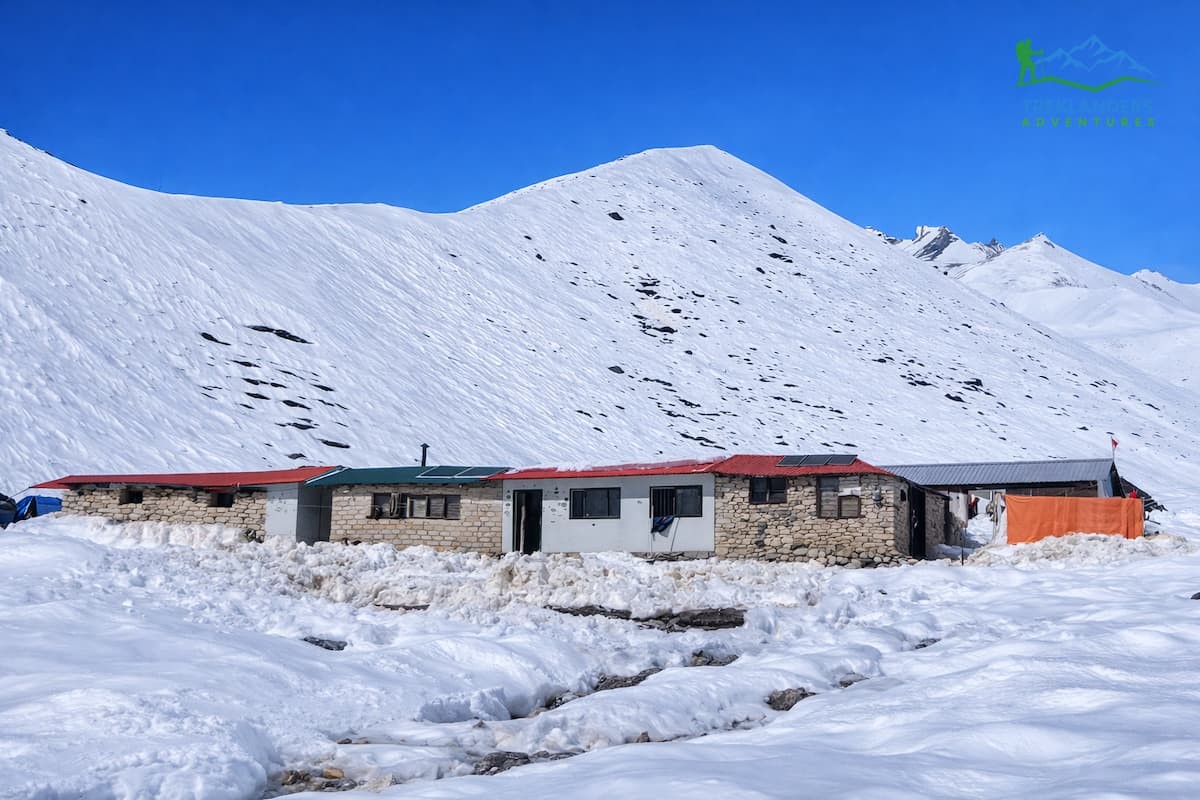
The Manaslu Circuit Trek in 2026 will be one of the most incredible wilderness adventures in the Himalayas, providing a perfect mix of untouched nature and local culture. If you follow this trekking guide to the top 10 viewpoints, starting from the reflection in the Birendra Tal Lake and finishing with the high-altitude success at Larkya La Pass, your walk will not be defined only by the footsteps you leave behind but also by the stunning views in your memory. These viewpoints are not only rest places along the trail; they are the windows to the soul of the "Spirit Mountain, showing us how enormous the world's eighth-highest peak is.
Success on the Manaslu Circuit Trek depends on three factors: when you go, how you prepare, and your attitude towards the environment. Visiting the area during the peak autumn season of October and November, when the weather is most stable, and the air is clearest, you will be able to see the famous double-peaked sunrise from Lho as well as the vast Tibetan landscape from Samdo RI. At the same time, carefully following an acclimatization plan at villages such as Samagaun will make sure that your body stays healthy and strong to take your breath away at the altitude of 5,000 meters. As the great outdoors world continuously looks for real, less-crowded options to the more commercialized trails, Manaslu manifests the everlasting grandeur of the high Himalayas.
Last but not least, the Manaslu Circuit is basically passing from one state to another. It changes from the warm and wet, green river gorges of the lower Budhi Gandaki to the cold, bare, glacier-scattered high alpine zone.
For instance, if you are a professional photographer and you take pictures of the golden hour at Pungyen Gompa, or if you are an adventurer standing on the Larkya La covered with prayer flags, the top viewpoints in this guide will mark your trekking career's highlights.
Have a good attitude towards the mountains, follow your body, and get ready for an extraordinary experience in one of Nepal's most sacred and spectacular restricted regions.
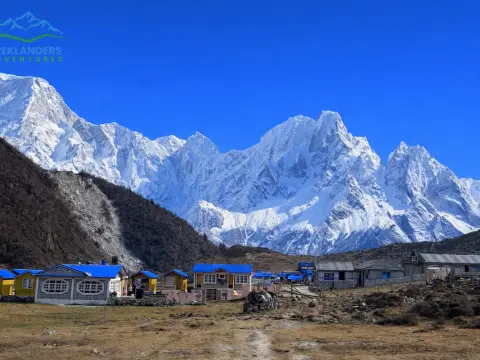
Compare the Langtang Valley Trek and Manaslu Circuit Trek to find which Nepal trek is best for your time, fitness level, and trekking experience.
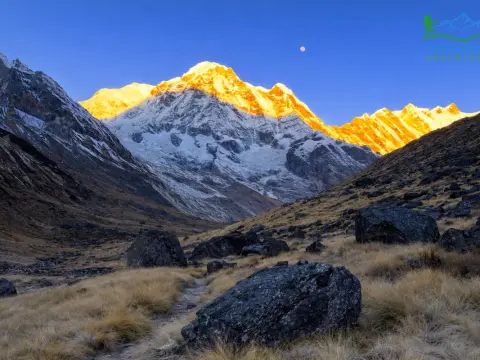
Essential facts about the Annapurna Base Camp Trek, covering altitude, difficulty, best time, and key tips to plan a safe & rewarding journey in Nepal
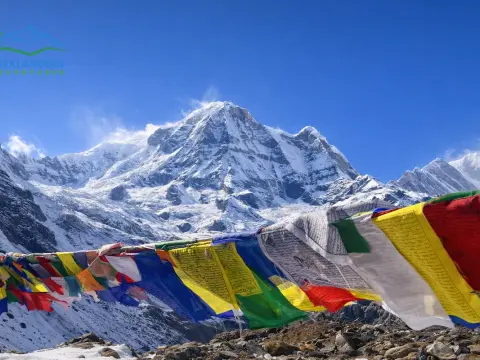
A complete guide to the Annapurna Base Camp Trek covering geography, itinerary, landscapes, villages, and culture inside the Annapurna Sanctuary.



